1.What exactly is knoephla, anyway?
▾
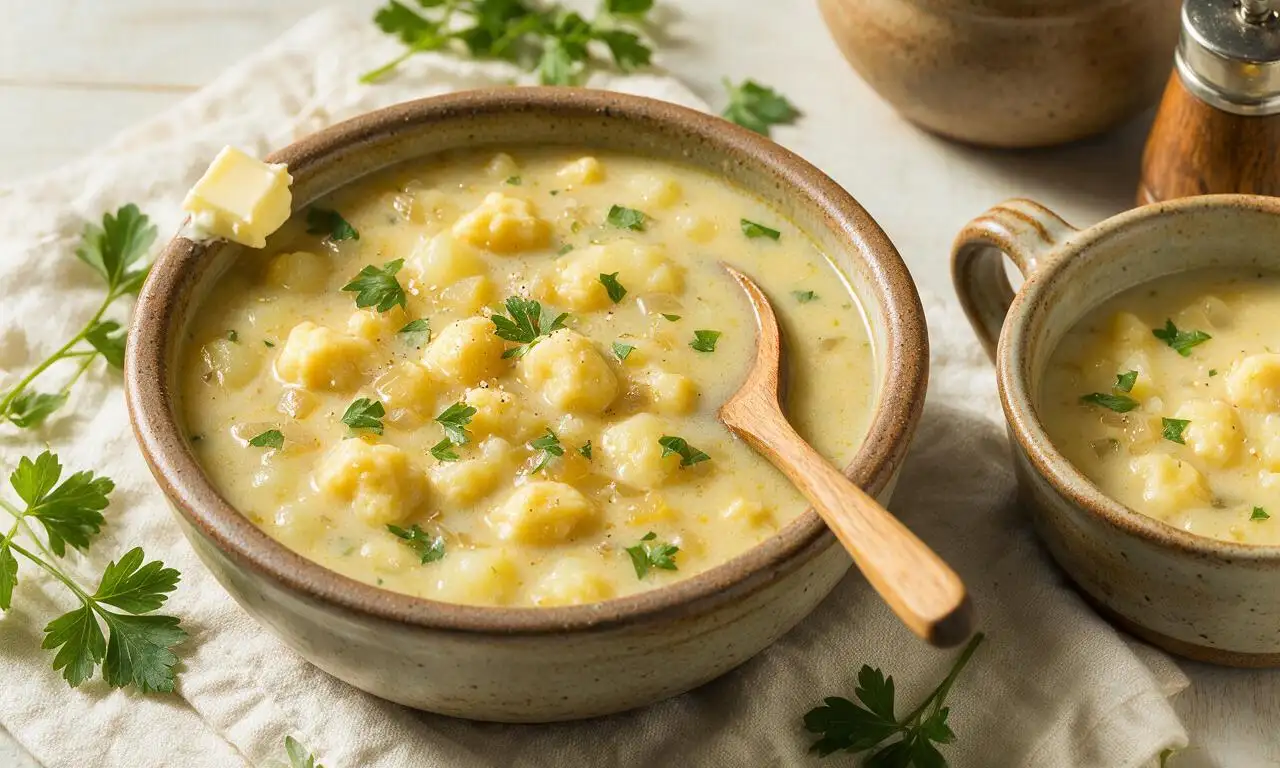
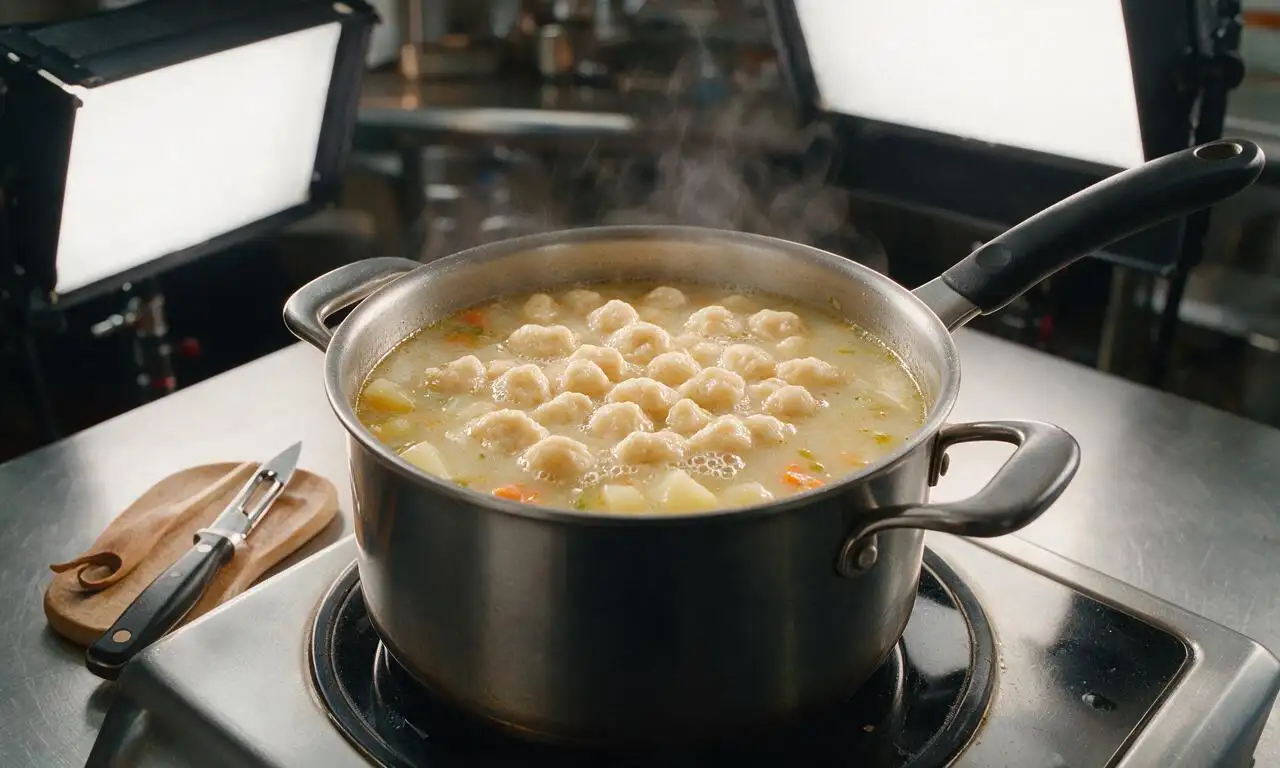
Knoephla (pronounced “nef-lah”) are small, chewy, pillowy egg dumplings core to the German-Russian immigrant food tradition that defines this iconic North Dakota soup. Unlike fluffier Southern drop dumplings, they have a dense, satisfying bite from a simple flour, egg, baking powder, and kosher salt dough, cut into tiny, bite-sized pieces to cook right in the soup base.
2.Can I make the knoephla dough ahead of time?
▾
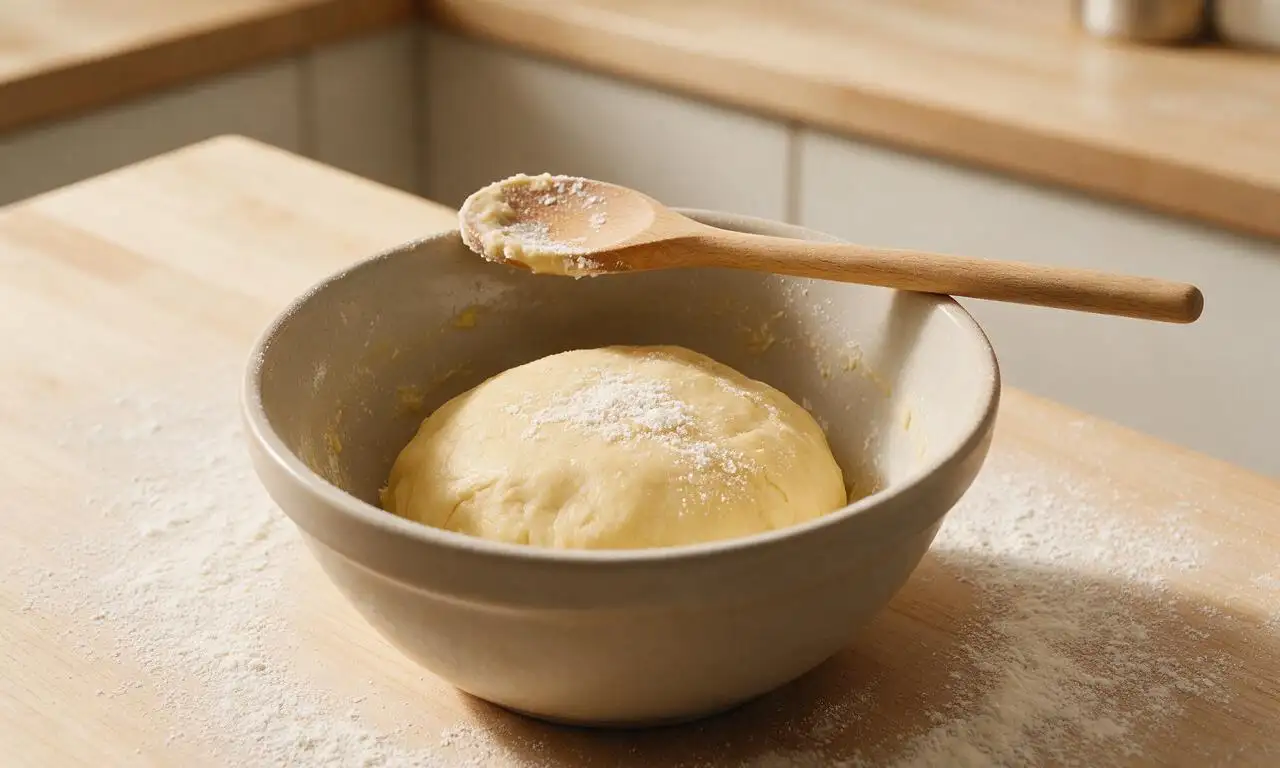
Absolutely! You can mix the knoephla dough up to 24 hours in advance, wrap it tightly in plastic wrap, and store it in the fridge until you’re ready to cut and cook the dumplings. Don’t freeze the raw dough, though—the egg and leavening will break down, leading to tough, dense dumplings that won’t hold their texture in hot soup.
3.Why is my knoephla coming out tough instead of tender?
▾
Tough knoephla almost always comes from overworking the dough, which develops too much gluten in the all-purpose flour. Mix the dough just until the flour is fully incorporated, don’t knead it more than 30 seconds total, and don’t boil the dumplings too aggressively—a gentle simmer keeps them tender instead of rubbery.
4.Do I really need whole milk for this recipe, or can I use a lower-fat option?
▾
Whole milk gives this soup its signature rich, creamy, velvety base without feeling heavy, so it’s the best pick for authentic flavor and texture. If you only have 2% on hand, stir in 2 tablespoons of melted unsalted butter per cup of 2% milk to mimic the fat content; skim milk will make the soup thin and watery, so skip it.
5.What kind of potatoes work best for North Dakota knoephla soup?
▾
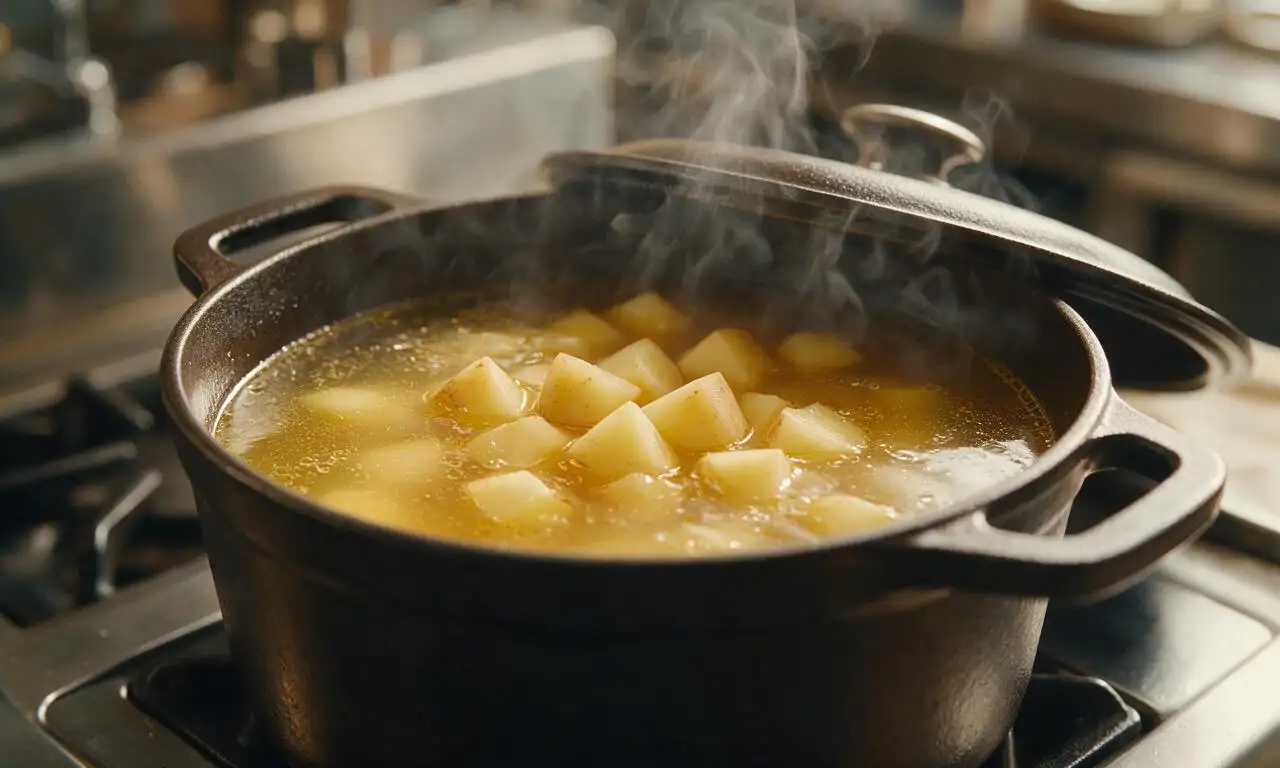
Starchy russet potatoes are the classic pick for this soup, as they break down slightly as they simmer to add subtle thickness to the creamy base while staying fluffy inside. If you prefer firmer, more distinct potato chunks, you can use Yukon Golds instead, but avoid waxy red potatoes—they hold their shape too well for the cozy, blended texture.
6.My soup turned out too thin—how do I thicken it properly without ruining the flavor?
▾
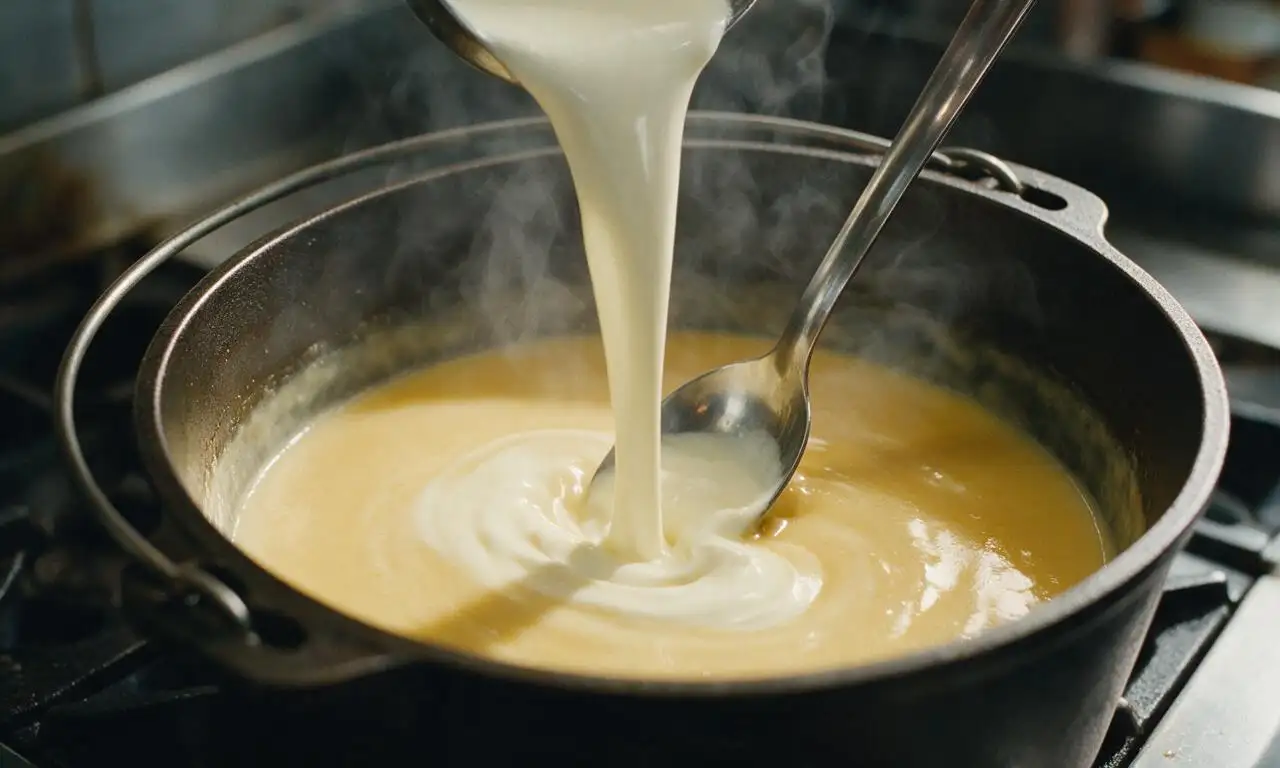
If your soup is thinner than you’d like, make a quick slurry by whisking 2 tablespoons of all-purpose flour with ¼ cup of cold whole milk until smooth, then stir it into the gently simmering soup. Let it cook 3-4 minutes to cook out the raw flour taste, and repeat if needed; never dump dry flour straight in, as that will create lumps.
7.Can I add meat or vegetables to this soup, or is that not traditional?
▾
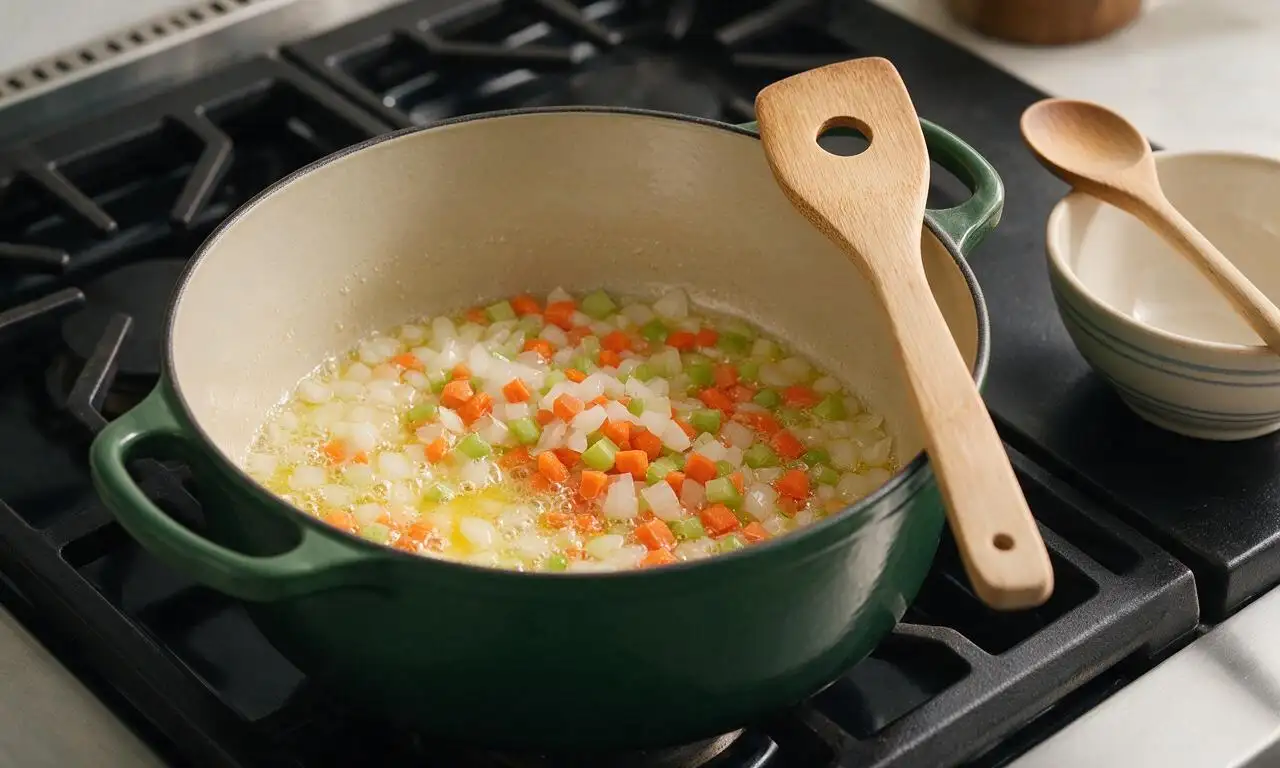
Traditional North Dakota knoephla is fairly simple, focused on dumplings, potatoes, and the creamy base, but it’s totally flexible for family preferences. Diced cooked ham, crumbled bacon, sautéed onion, celery, or a handful of frozen sweet corn are all common, beloved regional additions that fit right in the cozy, hearty bowl.
8.How do I keep the dumplings from sticking together when I add them to the soup?
▾
To prevent knoephla from clumping, cut your dough into tiny, ½-inch pieces, and drop them one at a time into the gently simmering (not rolling boil) soup, stirring the soup in a slow circle as you add them. Don’t dump a whole batch of cut dumplings in at once, and give the soup a gentle stir every 30 seconds for the first 2 minutes of cooking.
9.How long does leftover knoephla soup last in the fridge?
▾
Properly stored in an airtight container, leftover knoephla soup will keep for 3 to 4 days in the refrigerator. The dumplings and potatoes will absorb some of the creamy base as it sits, so stir in a splash of whole milk when you reheat it on the stovetop over low heat to bring it back to its original silky consistency.
10.Can I freeze knoephla soup for later make-ahead meals?
▾
You can freeze knoephla soup for up to 3 months, but note that the dairy base can separate slightly and the dumplings may get a touch softer when thawed. For best results, thaw it overnight in the fridge, reheat gently over low heat, and whisk vigorously to bring the creamy base back together before serving.
11.What’s the difference between North Dakota knoephla soup and classic chicken and dumplings?
▾
The biggest differences are the dumpling texture and flavor base: knoephla dumplings are smaller, chewier, and made with a simple egg dough without added shortening, and the soup base is a simple milk-and-potato cream base, rather than a chicken stock-thickened gravy. Most traditional recipes don’t include chicken at all.
12.Do I have to cook the dumplings directly in the soup, or can I boil them separately?
▾
Cooking the knoephla directly in the simmering soup is the traditional method, as the starch from the dumplings helps thicken the base and adds extra depth. If you’re worried about over-thickening the soup, you can boil the dumplings in separate kosher-salted water for 8-10 minutes, drain them, and stir them into the finished soup right before serving.
13.Why is there baking powder in the knoephla dough? I thought these were dense dumplings.
▾
The small amount of baking powder in the dough gives the knoephla just enough lift to keep them from being rock-hard and dense, while still retaining that signature chewy, substantial bite that sets them apart from light, fluffy biscuit-style dumplings. Don’t skip it—without it, your dumplings will turn into tough, heavy dough pellets.
14.What’s the best way to serve knoephla soup for an authentic North Dakota meal?
▾
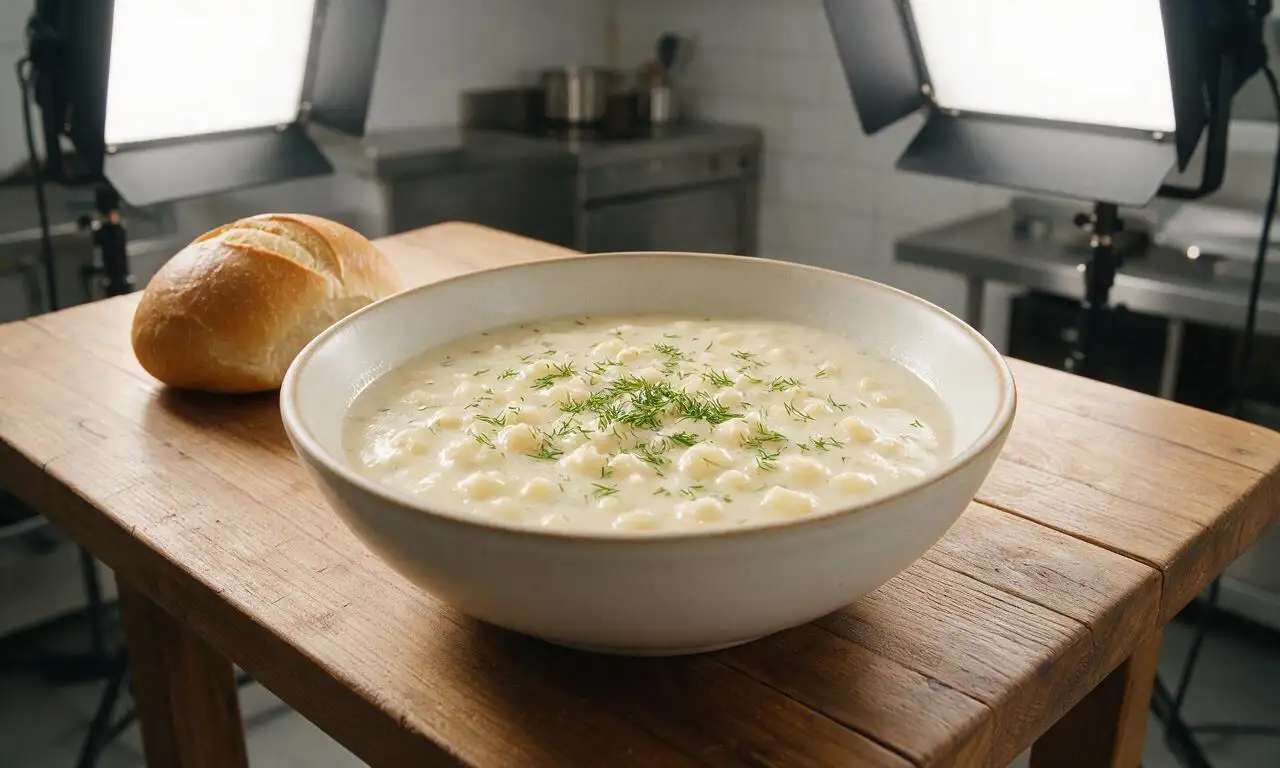
For a classic cold-weather North Dakota family meal, serve knoephla soup piping hot in deep bowls, paired with buttered crusty rye bread or soft dinner rolls, and a simple side of dill pickles to cut through the richness. It’s traditionally served as a filling main dish, not a starter, so don’t skimp on portion sizes on chilly days.
15.My dumplings are falling apart while cooking—what am I doing wrong?
▾
Falling-apart dumplings usually come down to two issues: either your soup is at a too-violent rolling boil that breaks the tender dough apart, or you didn’t mix the dough enough to let the flour proteins set. Make sure the soup is at a gentle, steady simmer, and mix the dough just until it holds in a firm, not crumbly, ball before cutting.

OMG this knoephla soup is exactly what my grandma used to make when we’d visit family in Fargo! I was so worried I’d never get the dumplings right but the recipe was so easy to follow, even for a terrible baker like me. My kids devoured two bowls each at dinner last night, and my husband asked if we can add it to our weekly meal prep rotation. SO cozy for these cold Colorado evenings!
Brought this to our office potluck yesterday and people were lining up for seconds! I was a little nervous making a regional dish I’d never tried before, but it came together in right around an hour like the recipe said, no fancy ingredients needed. Only note is I added an extra pinch of nutmeg because my mom always did that with creamy soups, and it slapped. 10/10 will make again.
Game changer for busy weeknights! I prepped all the veggies and mixed up the dumpling dough on Sunday, then threw everything together after work on Tuesday and it was done in 20 minutes flat. Super filling, not too heavy, and even my picky teen who hates all soups asked for a thermos full for school lunch the next day. Already sent the recipe to my sister in Arizona!
Wait, is this the version that’s a little thicker, almost like a chowder? I had knoephla soup for the first time at a rodeo event up in Minot a few years back and have been chasing that flavor ever since. I’ve tried three other recipes that turned out way too thin and watery, so fingers crossed this one is the real deal!
Made this in my dorm slow cooker yesterday (don’t tell the RA lmao) and it was so cheap to make and fed me and my three roommates for two days straight. The dumplings were way easier than I thought they’d be — no fancy equipment needed, just a bowl and a spoon. Only thing I was missing was a little black pepper on top, but that was my bad for forgetting to buy it. SO good, 10/10 dorm meal.
Grew up outside Bismarck and have been making my mom’s knoephla recipe for 40+ years, so I was skeptical a random online recipe could measure up. Tried this last Sunday for our family dinner and I’ll be darned, it’s spot on. The dumpling texture is exactly right — not too dense, not too chewy — and the ratio of potato to cream to dumpling is perfect, no weird extra add-ins that don’t belong. Great job on this one, folks.