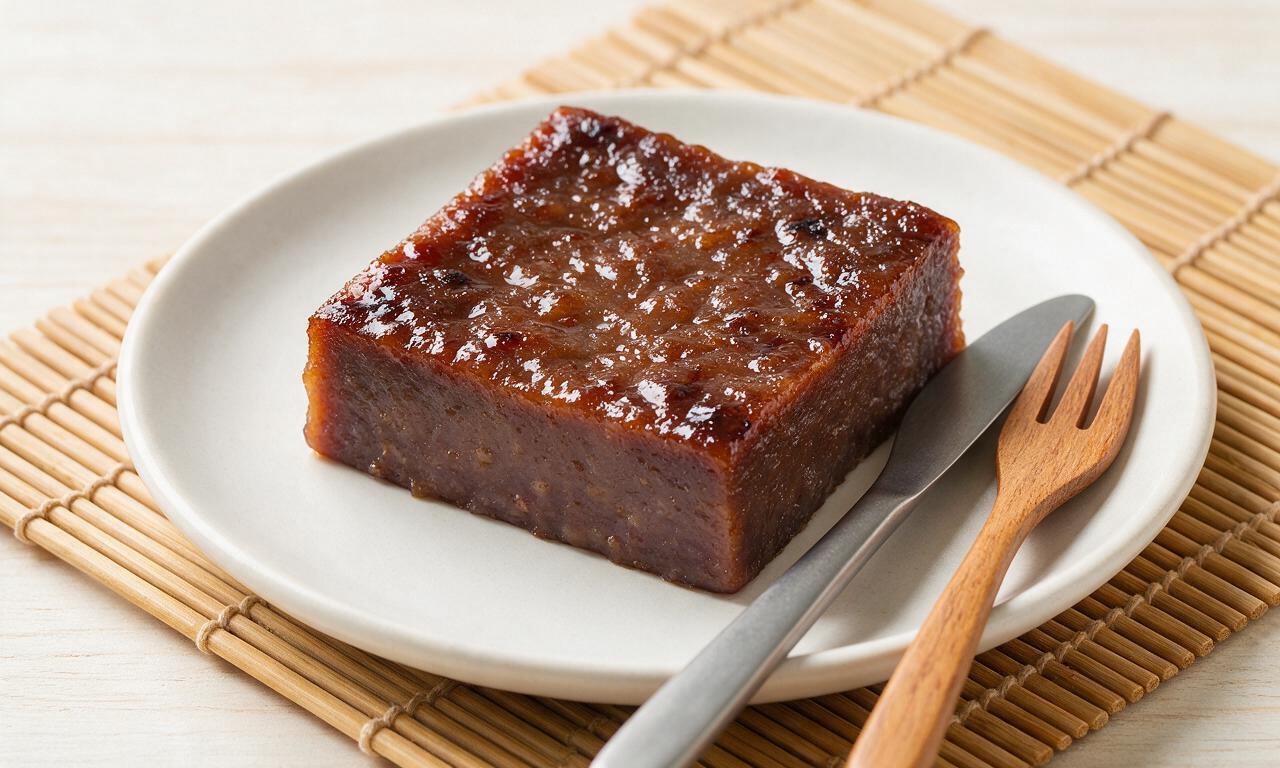
Kulolo

Kulolo
⏱️ cook time 3 hours 20 minutes
🍽️ servings 8
⚡ Difficulty medium

intro

Dense, chewy, caramelized traditional Native Hawaiian dessert made with grated taro and coconut milk, slow-baked for a rich, earthy, tropical sweet treat.

Ingredients

Fresh taro root (peeled) 900 grams (approx 4 cups grated)
Full-fat canned coconut milk 400 ml (1 2/3 cups)
Packed light brown sugar 150 grams (3/4 cup)
Fine sea salt 3 grams (1/2 teaspoon)
Fresh ti leaves 6 large leaves

Steps

1

Prep pan and oven

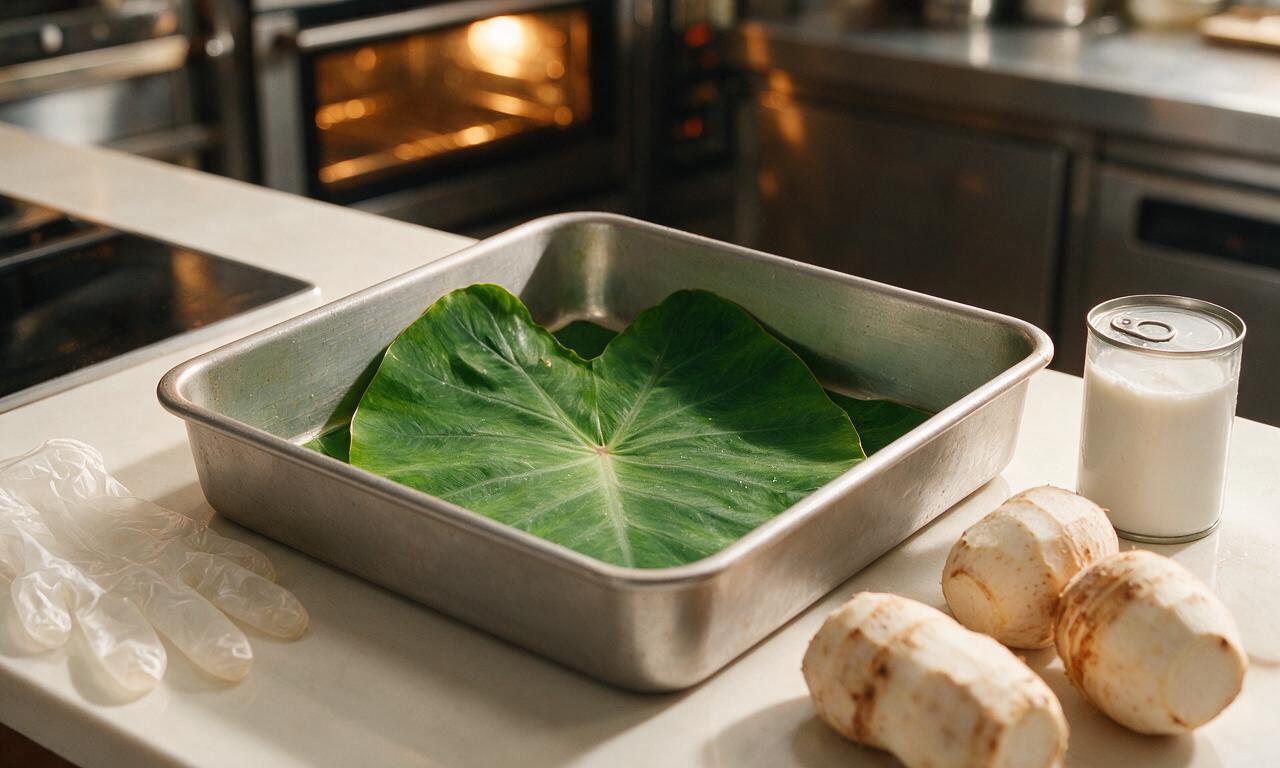
Preheat your oven to 175°C (350°F). Line a 20cm (8-inch) square baking pan with fresh ti leaves, overlapping leaves to eliminate gaps, and leave a 5cm (2-inch) overhang on all sides to cover the batter later. Wear disposable gloves when handling raw taro to avoid skin irritation from its starchy sap.
Step 1
step1:Prep pan and oven
2

Grate fresh taro

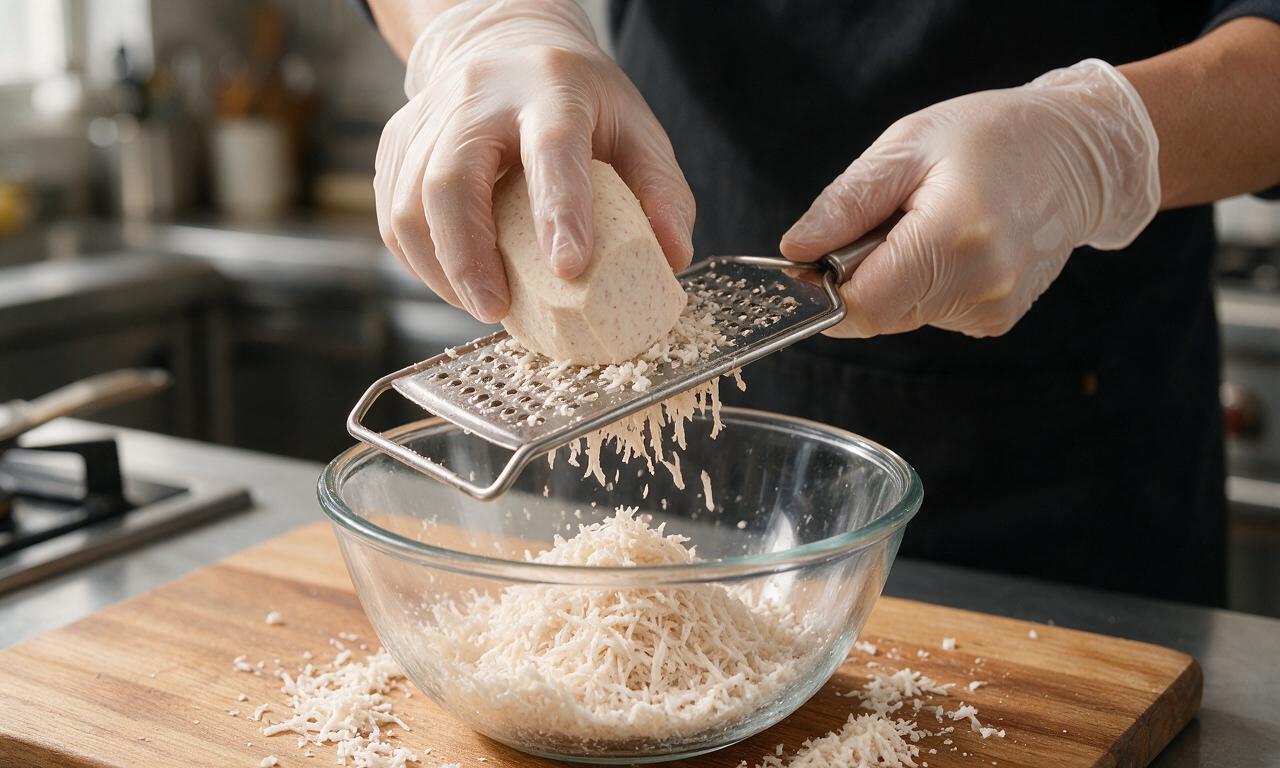
Use the smallest holes on a box grater, or a food processor with a fine grating attachment, to grate all 900 grams of peeled taro into a large mixing bowl. Discard any hard, fibrous taro cores as you work; you should end up with roughly 4 cups of finely shredded, moist taro.
Step 2
step2:Grate fresh taro
3

Mix kulolo batter

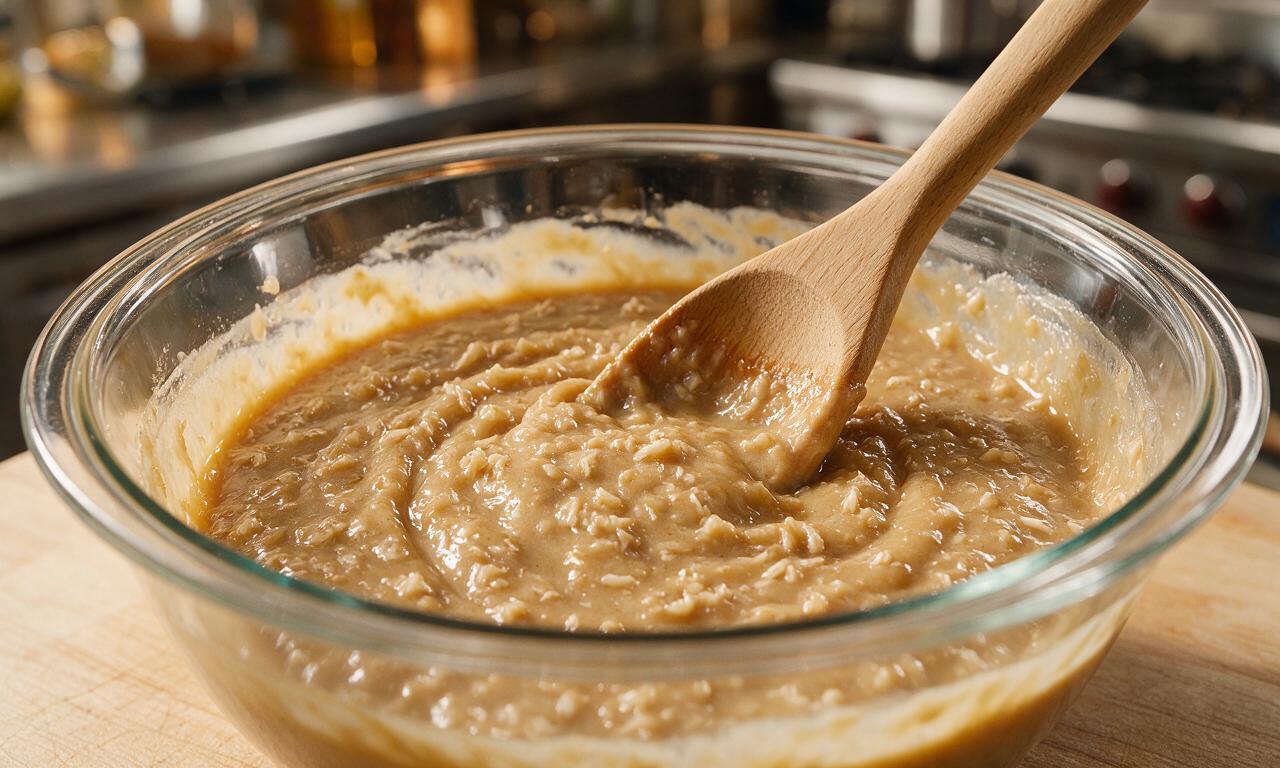
Add 400 ml full-fat coconut milk, 150 grams packed light brown sugar, and 3 grams (1/2 teaspoon) fine sea salt to the bowl of grated taro. Stir continuously with a wooden spoon for 2 full minutes until the sugar dissolves completely, forming a thick, uniform pale tan-purple batter with no dry taro clumps.
Step 3
step3:Mix kulolo batter
4

Fill and seal pan

Pour the batter into the ti-leaf-lined pan, spreading it evenly with a silicone spatula to form a smooth, level 4cm (1.5-inch) thick layer. Fold the overhanging ti leaves over the batter to cover it fully, then wrap the entire pan tightly with 2 layers of aluminum foil to trap steam during baking.
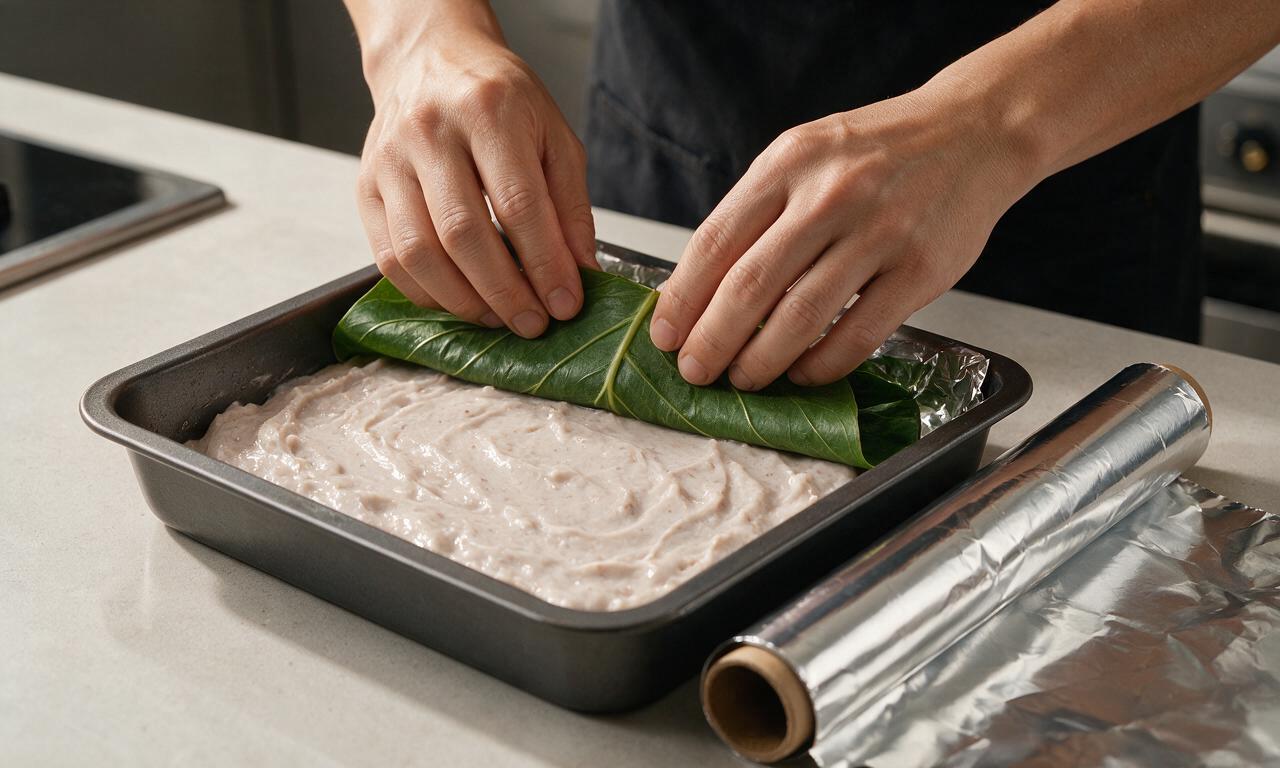
Step 4
step4:Fill and seal pan
5

Slow bake kulolo

Set the covered pan on the middle rack of the preheated 175°C (350°F) oven. Bake for 3 full hours; do not open the oven door for the first 2.5 hours to prevent the kulolo from sinking or drying out. The finished kulolo will be firm to the touch, deep golden-brown at the edges, and release a rich caramel-coconut aroma.
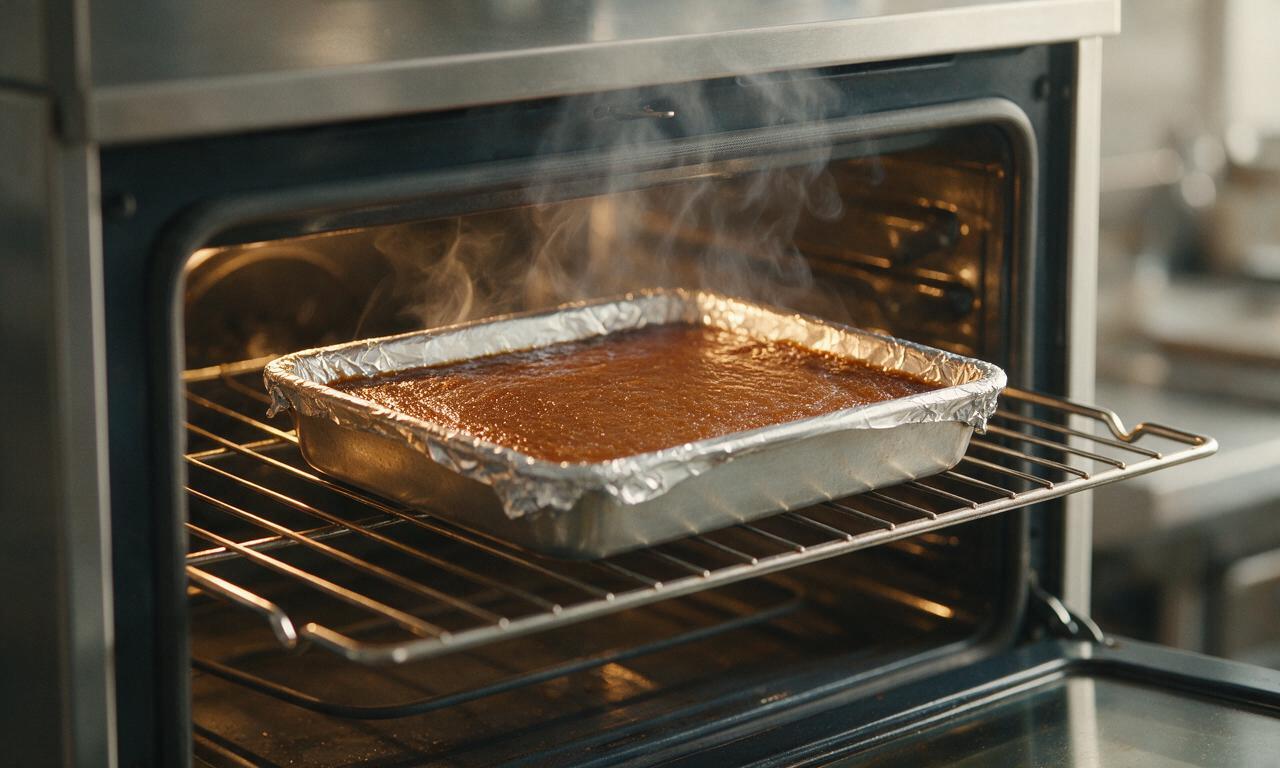
Step 5
step5:Slow bake kulolo
6

Cool and set

Remove the pan from the oven, carefully unwrap the foil, and fold back the top ti leaves. Let the kulolo cool at room temperature for 1 hour, then transfer it to the refrigerator to chill for 2 additional hours to set completely. Slice into 5cm (2-inch) squares to serve.
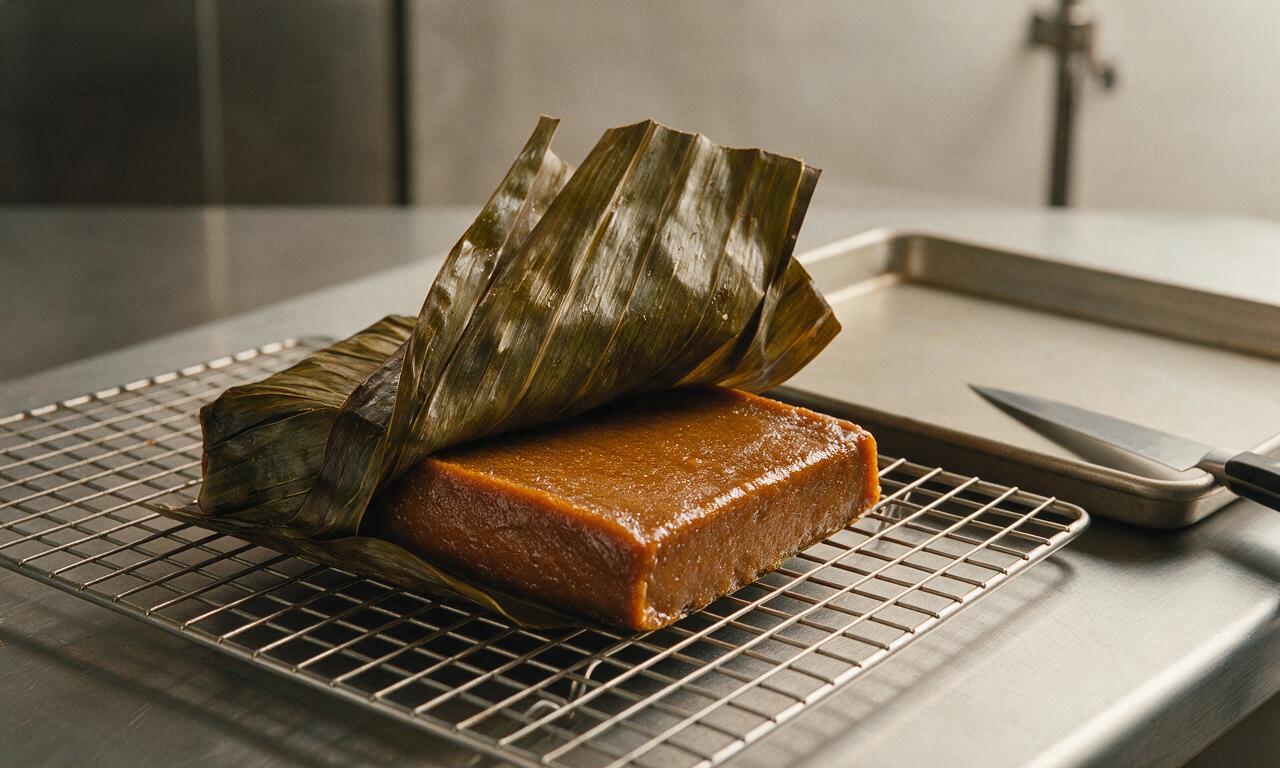
Step 6
step6:Cool and set

Tips

1.Always wear disposable gloves when peeling and grating raw taro, as its calcium oxalate sap can cause itchy, irritated skin.
2.Use only full-fat coconut milk for authentic texture; low-fat coconut milk will result in a dry, crumbly final dish.
3.If fresh ti leaves are unavailable, line the pan with banana leaves or parchment paper. Kulolo keeps for up to 5 days refrigerated, and tastes even better the day after baking.

✨ You May Also Like

Desserts & Baking
🍜 Italy

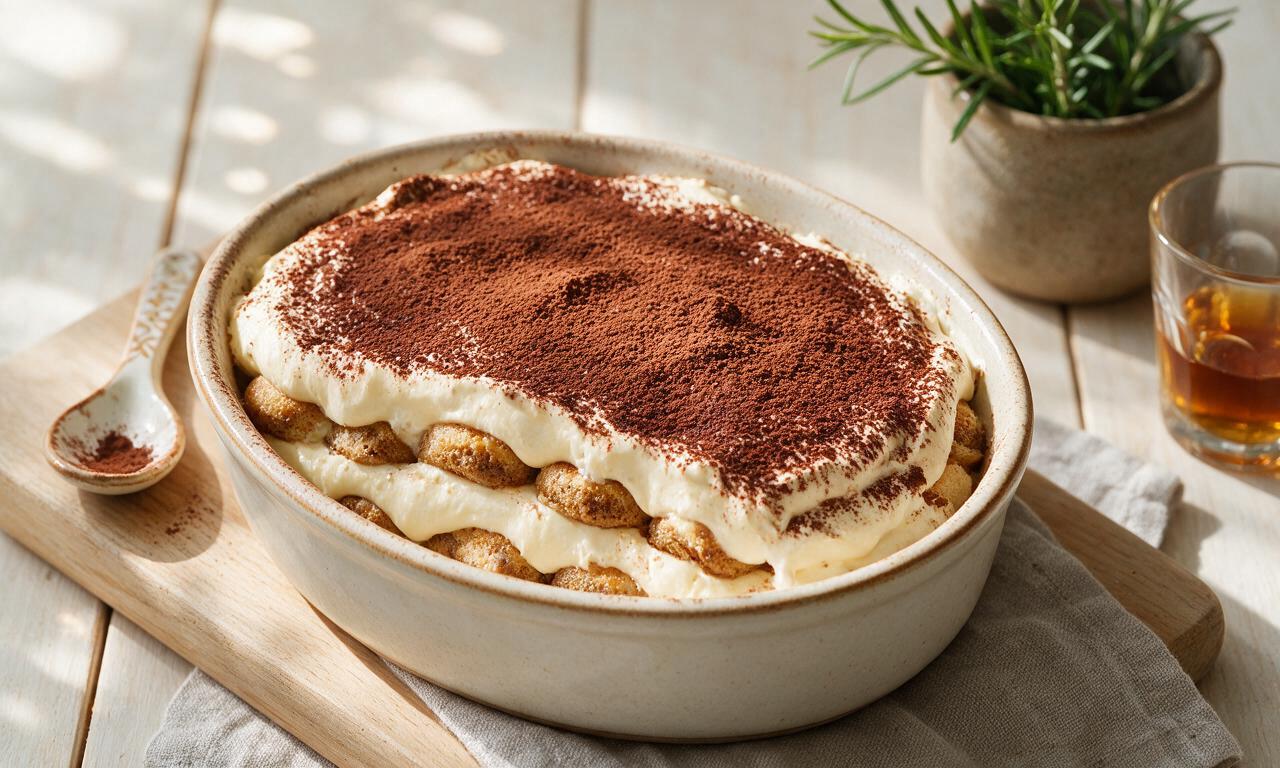
Creamy, coffee-kissed classic Northern Italian no-bake dessert, with layers of rum-spiked mascarpone cream, soft ladyfingers, and a rich cocoa dusting.

⏱️ 4 hours 3Desserts & Baking ★ 4.8
Desserts & Baking
🍜 France

Flaky, shatteringly crisp, buttery French croissants with golden exteriors and soft, airy layered interiors, perfect for pairing with coffee for a special morning treat.

⏱️ 12 hours Desserts & Baking ★ 4.7
Desserts & Baking
🍜 United States

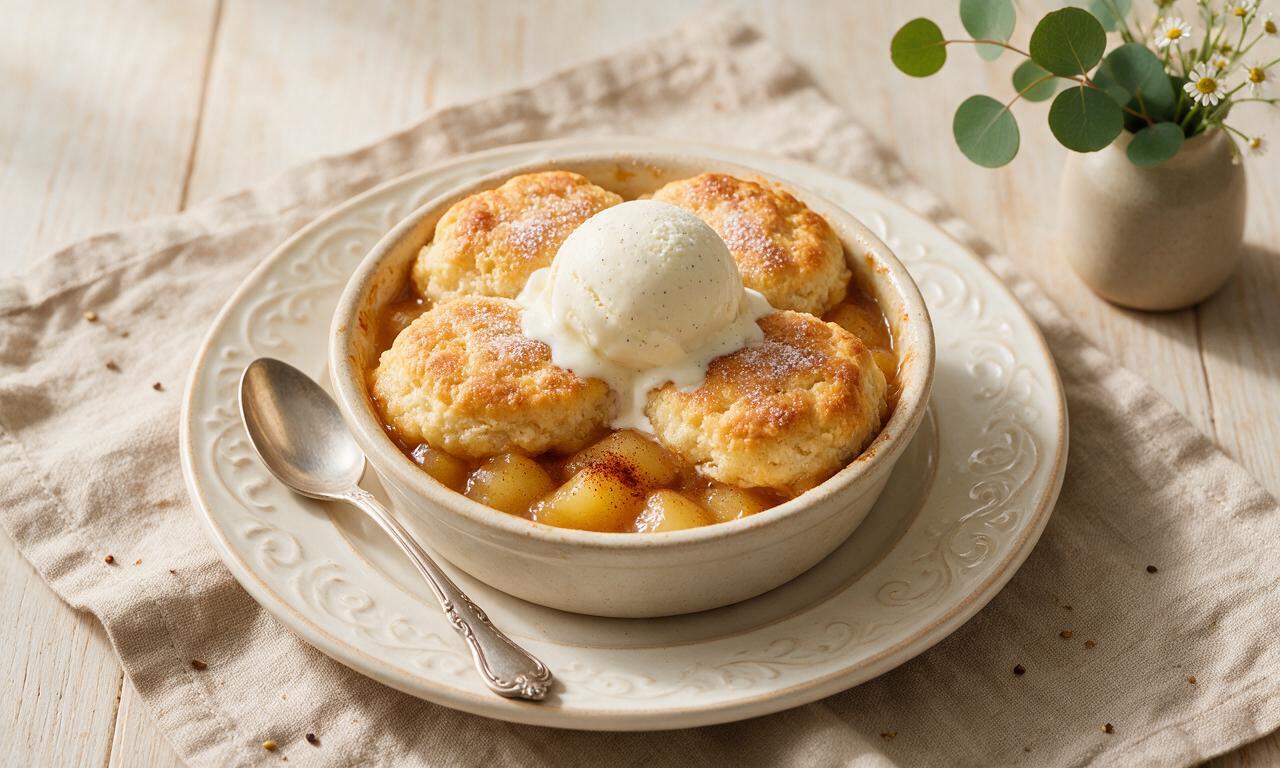
Warm, spiced baked apples topped with a fluffy golden biscuit crust, this cozy dessert pairs perfectly with vanilla ice cream for cool-weather comfort.

⏱️ 55 minuteDesserts & Baking ★ 4.7
Desserts & Baking
🍜 United States

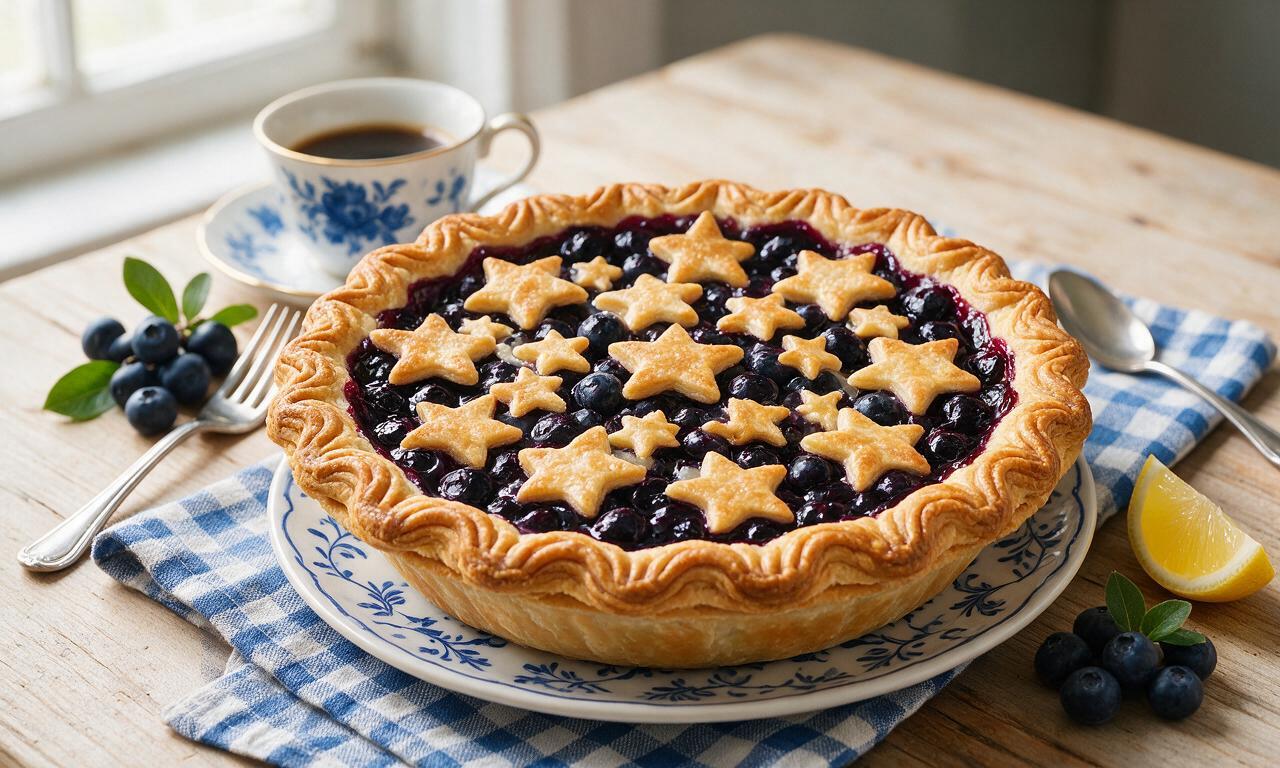
A star-spangled classic American blueberry pie with buttery flaky crust and bright sweet-tart filling, perfect for summer patriotic gatherings.

⏱️ 1 hour 25Desserts & Baking ★ 4.8
Desserts & Baking
🍜 United States

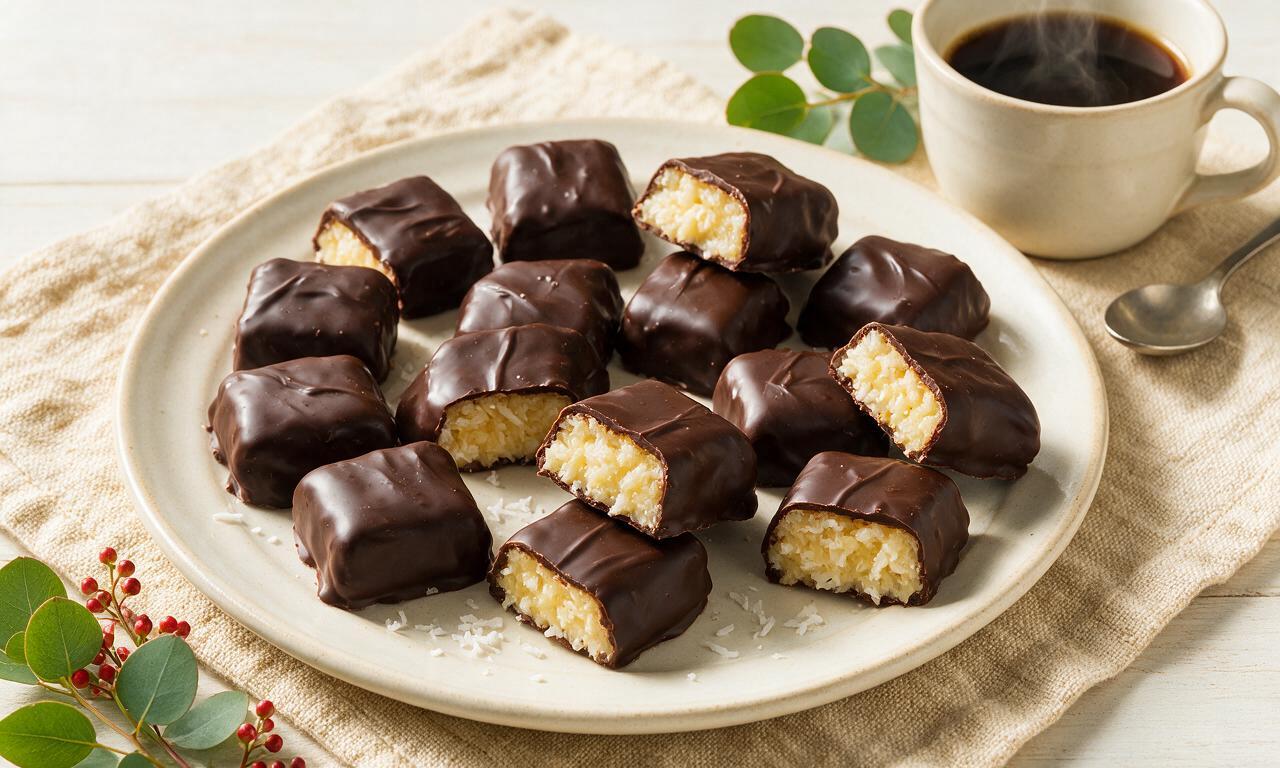
A beloved no-bake regional Maine candy with a chewy coconut-potato center coated in rich dark chocolate, a New England holiday staple since the 1870s.

⏱️ 2 hours 3Desserts & Baking ★ 4.9
Desserts & Baking
🍜 France

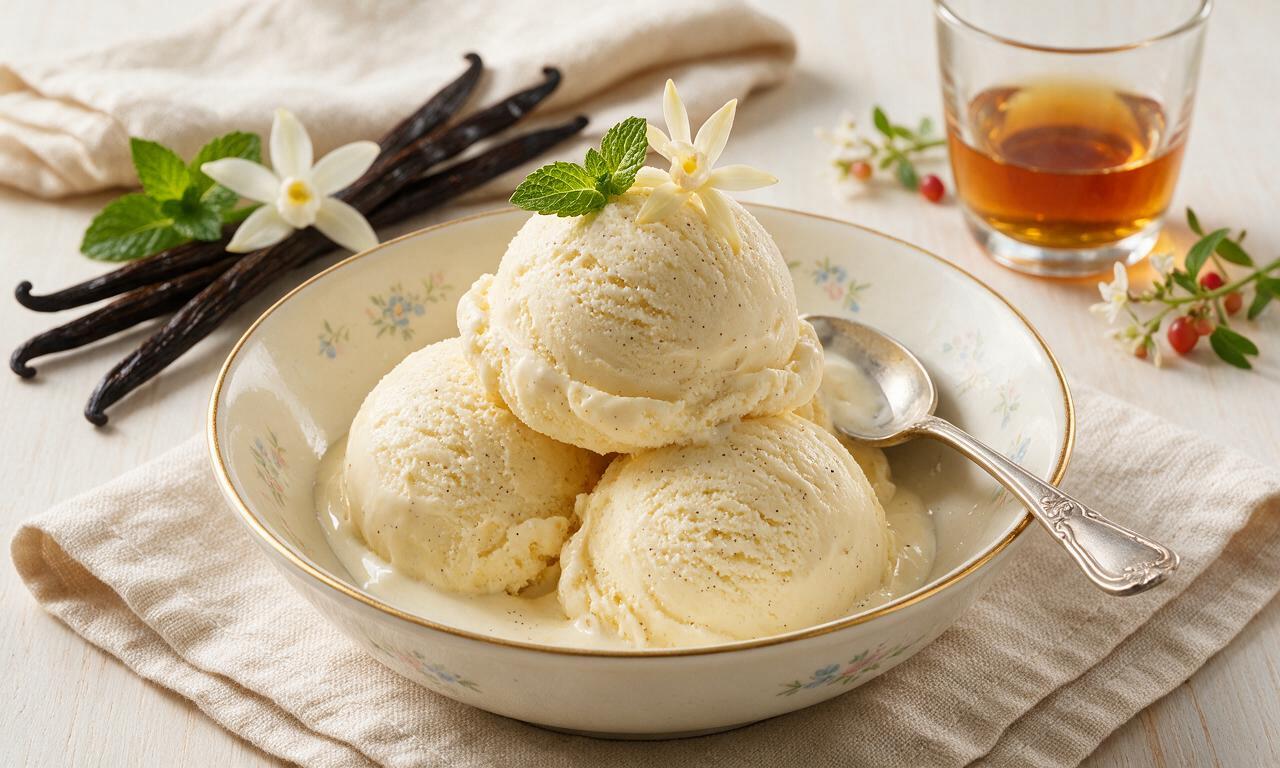
Luxuriously creamy, floral frozen custard made with aromatic Tahitian vanilla beans, boasting a smooth, rich texture that melts slowly on the tongue.

⏱️ 3 hours 3Desserts & Baking ★ 4.6

Kulolo:Frequently Asked Questions

1.Can I use frozen or pre-grated taro instead of fresh grated taro for kulolo?
Freshly grated taro will always give you the best, signature chewy, dense texture, but high-quality frozen grated taro (thawed completely and squeezed firmly to remove excess starchy moisture) works as a convenient swap. Skip pre-grated taro sold in refrigerated produce sections, as it often has added preservatives that create an odd, mushy texture.
2.What purpose do ti leaves serve, and can I substitute them if I can’t find fresh ones?
Ti leaves line the baking pan to prevent sticking, allow gentle steam circulation as the kulolo bakes, and infuse the dessert with a subtle, earthy, grassy flavor that’s core to traditional kulolo. If you can’t source them, use unsprayed cut banana leaves as a close swap; parchment paper works in a pinch but won’t add that signature herbal note.
3.Why did my kulolo turn out soft and gooey instead of dense and chewy?
This issue almost always traces back to excess moisture: you may have skipped squeezing liquid out of your grated taro, used too much coconut milk, or underbaked the dessert. Next time, press grated taro in cheesecloth to remove extra starchy liquid, measure ingredients precisely, and bake until the top is deep caramel brown with no jiggly center.
4.Do I really need to wear gloves when peeling and grating raw taro?
I highly recommend wearing disposable food-safe gloves for this step. Raw taro contains tiny, sharp calcium oxalate crystals that cause itchy, irritated skin on contact, and can get trapped under your nails to cause irritation long after you’re done prepping. If you don’t have gloves, rub a thin layer of cooking oil on your hands to create a protective barrier.
5.How should I store leftover kulolo, and how long does it stay fresh?
Let your baked kulolo cool completely first, then wrap cut pieces tightly in plastic wrap or tuck them into an airtight container. It will keep well in the refrigerator for up to 1 week, or in the freezer for up to 3 months. Thaw frozen slices in the fridge overnight, or warm them for 10 seconds in the microwave to bring back that ideal chewy texture.
6.Can I make kulolo without an oven, to mimic traditional imu cooking at home?
Absolutely! Traditional kulolo was slow-cooked in underground imu ovens, but you can replicate that low-and-slow effect at home with a slow cooker. Line the slow cooker insert with ti leaves, pour in the taro mixture, cover, and cook on low for 6 to 8 hours until set and caramelized around the edges for a very close flavor match.
7.Can I substitute dark brown or granulated sugar for the required light brown sugar?
Light brown sugar delivers a mild, balanced caramel sweetness that pairs perfectly with taro’s earthy flavor, but you can swap it 1:1 for dark brown sugar for a deeper, molasses-forward profile if that’s what you have. If you only have granulated sugar, mix 1 cup granulated sugar with 1 tablespoon light molasses to replicate light brown sugar first.
8.Why does my kulolo leave a scratchy, tingly feeling in my throat when I eat it?
That unpleasant tingle means your taro was undercooked. Raw and undercooked taro contains the same irritating calcium oxalate crystals that cause skin itchiness, and these only break down fully with thorough cooking. Always bake kulolo until it is uniformly firm and deep brown all the way through, with no soft, pale raw spots in the center.
9.Can I use light coconut milk instead of full-fat to cut down on calories?
I strongly recommend sticking with full-fat canned coconut milk for authentic, properly textured kulolo. The high, rich fat content balances the starchy taro and sweet sugar to create that signature chewy, creamy bite. Light coconut milk is cut with added water, which will leave your kulolo watery, bland, and unpleasantly rubbery even with longer baking time.
10.How do I tell when kulolo is done baking, since it stays dense when cooked?
Skip the standard cake toothpick test—properly cooked kulolo will leave a thick, sticky residue on an inserted toothpick, not come out clean. Instead, look for a deep, dark caramel brown top that’s firm to the touch, no jiggly liquid center when you nudge the pan, and edges that pull slightly away from the ti leaf lining.

Comments (20)

2 days ago

OMG I’ve been craving kulolo ever since my trip to Maui last summer and this recipe hit EVERY note! Chewy, perfectly sweet with that deep taro and coconut flavor, exactly like what I got from the local farmers market there. Brought it to my neighborhood potluck last weekend and people were begging for the recipe before I even left. SO worth the long cook time, don’t rush it!

30 minutes ago

Wait, I’ve never worked with fresh taro before – is there a way to substitute frozen taro if I can’t find fresh at my local grocery store? I really want to make this for our family luau night next week!

5 minutes ago

Great question! Frozen grated taro works perfectly as a substitute – just make sure to thaw it completely and squeeze out any excess moisture before mixing it in, so your kulolo has that signature dense, chewy texture. Hope your luau night is a hit!

1 week ago

3+ hours cook time sounded intimidating at first but the steps are actually super straightforward! I stirred it every 30 minutes like the recipe said and it came out perfectly fudgy. My kids loved it, even my super picky 7 year old who usually turns up his nose at anything new.

5 days ago

Same! I was worried I’d mess it up since I’m a total beginner, but the low and slow method is totally foolproof if you just set a timer. My niece ate three pieces in one sitting lmao

2 weeks ago

Game changer! I cut the sugar a tiny bit because I prefer less sweet desserts and it was still absolute perfection. Packed a few slices for our day hike up Pikes Peak last weekend and it held up so well in the cooler, no messy melting like the cookies I almost brought. Will absolutely be making this again soon.

yesterday

Grew up eating kulolo at every family gathering on Oahu and I was so skeptical a mainland recipe would get it right, but y’all nailed it! The only thing I did differently was wrap the pan in ti leaves before pouring the mixture in, just like my tutu used to do, and it added that perfect earthy aroma I was missing. 10/10

2 hours ago

That ti leaf trick is such a wonderful traditional touch! We love that tip – it adds such an authentic layer of flavor that’s hard to beat. Mahalo for sharing that hack with other readers!

30 minutes ago

Oh my gosh I forgot about the ti leaves! My grandma used to do that too, I need to pick some up from the Asian market near my house next time I make this. What a great reminder!

5 days ago

I messed up the first batch because I turned the oven up too high trying to cut down on cook time – the edges burned and the middle was totally raw. Don’t be like me! Follow the temp directions, it’s worth the wait. Second batch came out perfect once I stopped being impatient.

3 days ago

Oh no, sorry the first batch didn’t work out! We’re so glad you gave it a second go – low and slow really is key for getting that even, chewy texture all the way through without burning the edges. Great tip for other readers too!

3 days ago

Made this for our office potluck this week and it was the first dish completely gone! People kept guessing what it was, no one had tried kulolo before, and half the office sent me messages asking for the link to the recipe by the end of the work day. Even my boss who never eats sweets had two pieces.

2 hours ago

Has anyone tried making this with vegan substitutes? I want to make it for my sister who’s vegan, but I don’t want to mess up the texture. Usually coconut cream works for dairy swaps but I don’t know if I need to adjust anything else!

30 minutes ago

I made it last month with full fat canned coconut cream (no dairy) and it worked perfectly! I didn’t change a single other measurement, texture was exactly the same as the non-vegan version I made first to test. My vegan sister loved it!

5 minutes ago

That swap works perfectly! Traditional kulolo is actually naturally dairy-free as long as you use pure coconut cream with no added dairy fillers, so you won’t need to adjust any other measurements. Just make sure your coconut cream is full fat for that rich, dense texture.

1 week ago

I live in a tiny studio apartment with a super tiny oven and I was worried this wouldn’t fit, but the 9x13 pan worked perfectly! My whole apartment smelled like coconut and taro for literally two days after making it, it was heavenly. Pro tip: let it cool completely before slicing, I tried cutting it warm and it fell apart.

5 days ago

Oh that pro tip is so important! I made that same mistake on my first try, warm kulolo is so gooey it just smushes when you cut it. Wait until it’s fridge cold, slices come out clean every time.

3 days ago

How far in advance can I make this? I’m hosting a big Hawaiian-themed birthday party for my husband next Saturday and I’m trying to get as much prep done ahead of time as possible so I’m not stressed the day of.

2 days ago

I made mine 4 days ahead for a party last month! I wrapped it tight in plastic wrap and kept it in the fridge, and it actually got even chewier and better the longer it sat. No weird texture changes at all, it’s perfect for making ahead.

yesterday

Great question! Kulolo actually tastes best after it’s had time to set, so making it 2-3 days ahead is ideal. Keep it tightly wrapped in the fridge for up to a week, and you can even freeze slices for up to 3 months if you want to prep even earlier.

2 weeks ago

I added a tiny pinch of sea salt to the top right when it came out of the oven and wow, that made the coconut and taro flavors pop so much more! Don’t skip that if you love that sweet-salty combo like I do. It’s chef’s kiss.

1 week ago

That flaky sea salt trick is genius! It balances out the sweetness so well, we’re definitely going to test that for our next batch. Mahalo for the great tip!

just now

Made this with my roommates last weekend for our movie night and it was such a fun activity! The long cook time meant we got to hang out and watch three whole movies while we waited for it to bake, and the payoff was so good. We ate half the pan straight out of the pan while it was still slightly warm, no regrets.

1 week ago

Wait is this recipe naturally gluten free? I have celiac so I have to be super careful about cross contamination, but I’ve been dying to try kulolo ever since I saw it on a travel show!

5 days ago

It is! All the ingredients are just taro, coconut milk, and sugar with no wheat at all. I have celiac too and I made this last week with no issues, just make sure your coconut milk doesn’t have any hidden gluten additives if you’re super sensitive.

3 days ago

Yes, this recipe is 100% naturally gluten free! As long as you use gluten-free sourced ingredients (no cross-contaminated coconut milk or taro), it’s totally safe for folks with celiac or gluten sensitivities. Enjoy!

yesterday

I thought this was going to be too sweet based on how much sugar the recipe calls for, but it’s actually perfectly balanced! The earthy taro cuts the sweetness so much, it’s not cloying at all like some other tropical desserts I’ve tried. Will be adding this to my regular dessert rotation.

2 hours ago

I felt the same way! I almost cut the sugar by a third out of habit, but I followed the recipe exactly and it was just right. The nutty taro flavor really balances everything out, it’s so good.

30 minutes ago

I’ve never even tasted taro before, let alone cooked with it! Would this be a good first recipe to try if I’m totally new to taro? I don’t want to waste money on ingredients if it’s too tricky for a total newbie.

5 minutes ago

This is such a great first taro recipe! The steps are really straightforward, and you don’t need any fancy equipment to make it – just a box grater or food processor for the taro, a mixing bowl, and a baking pan. The hardest part is waiting for it to finish baking!

just now

I was in the exact same boat last month! I’d only ever had taro boba before, never cooked with fresh taro, and this came out perfect on my first try. You’ve got this!

2 days ago

Sliced this up into individual portions and kept them in the fridge for quick snacks all week! They’re so filling and way more satisfying than the granola bars I usually grab for my mid-afternoon slump. The chewy texture holds up perfectly all week, no sogginess at all.

5 days ago

Made this for our weekly family dinner and my teen son who’s obsessed with all things Hawaiian (he’s been teaching himself to surf on lake trips) said it tasted like what he had when we went to the Big Island a couple years ago. Total win in my book, even if I did get taro pulp all over my kitchen counter while grating it.

3 days ago

We love to hear that! Grating taro can definitely be a messy job, but the end result is so worth it. Tell your son we said stoked he approved of the recipe!

1 week ago

Full transparency: I hate coconut. Like, I pick it off of cakes, I skip piña coladas, I think it tastes like sunscreen. But my partner begged me to make this for their birthday so I caved, and… I actually loved it? The coconut flavor is so mellow and mixes with the taro so well, it doesn’t taste like straight coconut at all. Shocked.

5 days ago

Oh my gosh same! I hate shredded coconut texture too, but since this uses smooth coconut milk baked in, there’s no weird chewy coconut bits, just that warm, nutty flavor. I was so surprised how much I liked it too.

3 days ago

That makes us so happy to hear! The long bake time really mellows out the coconut flavor so it blends perfectly with the nutty taro, no overpowering sunscreen coconut taste here. So glad you gave it a chance!

2 weeks ago

I’ve been baking for 40+ years and I’d never even heard of kulolo until my granddaughter sent me this recipe. It was so fun trying something new! The texture is unlike anything I’ve ever made – dense, chewy, almost like a cross between fudge and mochi? It was a huge hit at our church bake sale, we sold every slice in 20 minutes.

2 hours ago

Wait, has anyone tried smoking this instead of baking it? I have a small backyard smoker and I feel like that little smoky flavor would be insane with the coconut and taro, like the traditional imu preparation I’ve read about.

30 minutes ago

I did that last month! I smoked it at 225 degrees for the full 3 hours over kiawe wood, and it was unreal. Tasted exactly like the kulolo I had at a lūʻau when I visited Kauai. Highly recommend trying it if you’ve got a smoker!