
Lefse

Lefse
⏱️ cook time 1 hour 30 minutes
🍽️ servings 8
⚡ Difficulty medium

intro

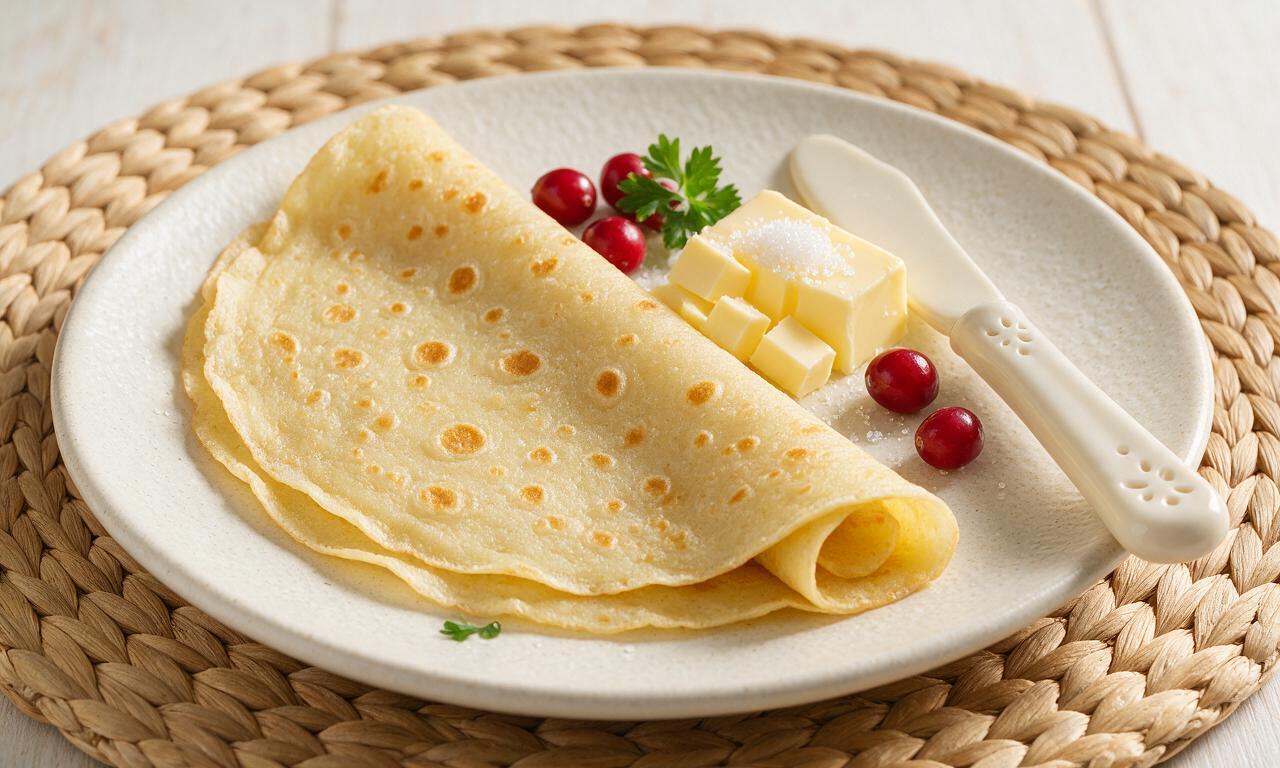
Tender, paper-thin potato flatbread, a beloved Norwegian-American holiday staple perfect rolled with butter and sugar or served alongside savory Christmas mains.

Ingredients

Russet potatoes (peeled, cut into 1-inch cubes) 900 grams
All-purpose flour (spooned and leveled) 180 grams (1.5 cups)
Unsalted butter (melted) 57 grams (4 tablespoons)
Heavy cream (warmed) 60 ml (1/4 cup)
Granulated sugar 12 grams (1 tablespoon)
Fine sea salt 5 grams (1 teaspoon)

Steps

1

Cook and rice potatoes

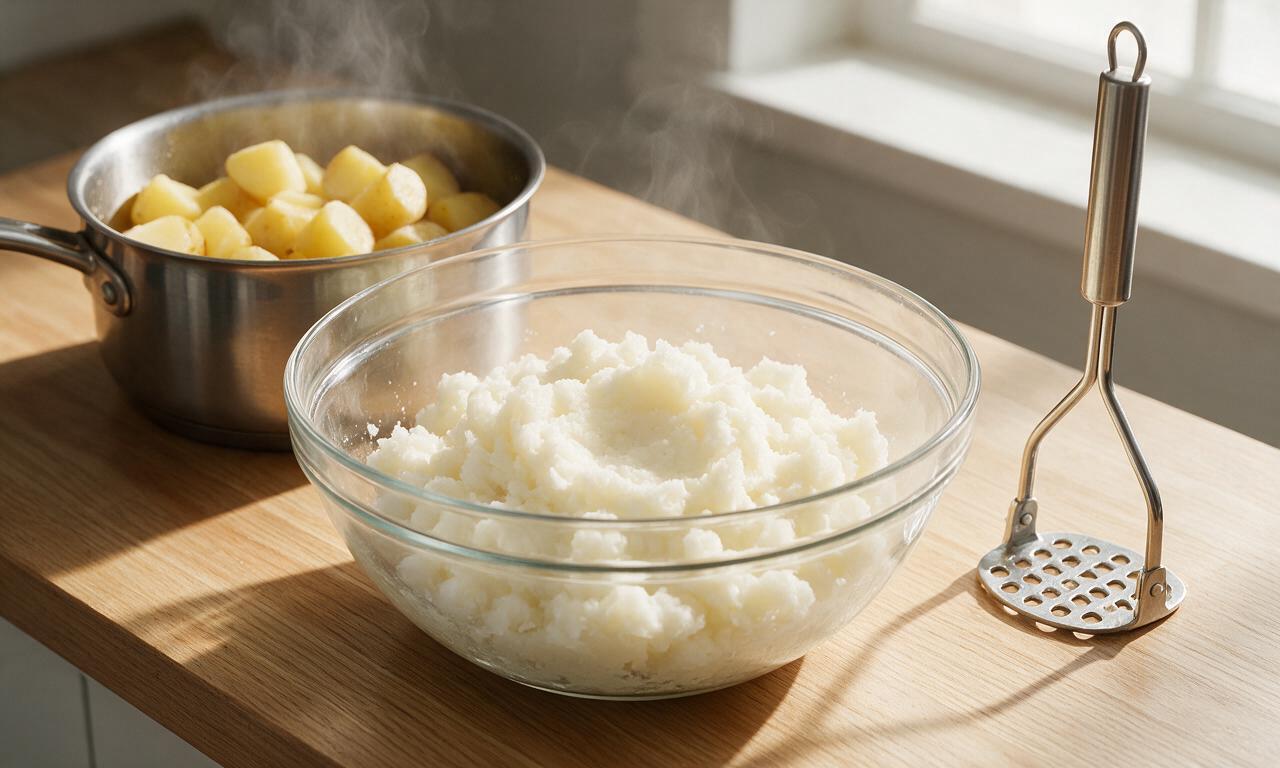
Place peeled, 1-inch cubed russet potatoes in a large pot of heavily salted cold water, bring to a rolling boil over medium-high heat, then reduce heat to medium-low and simmer for 18-20 minutes until fork-tender (a fork slides through with no resistance). Drain potatoes completely to remove excess moisture, then press through a potato ricer into a large glass bowl while still hot; measure out 720 grams (3 firmly packed cups) of riced potato for the recipe, discarding any excess.
Step 1
step1:Cook and rice potatoes
2

Mix and chill potato base

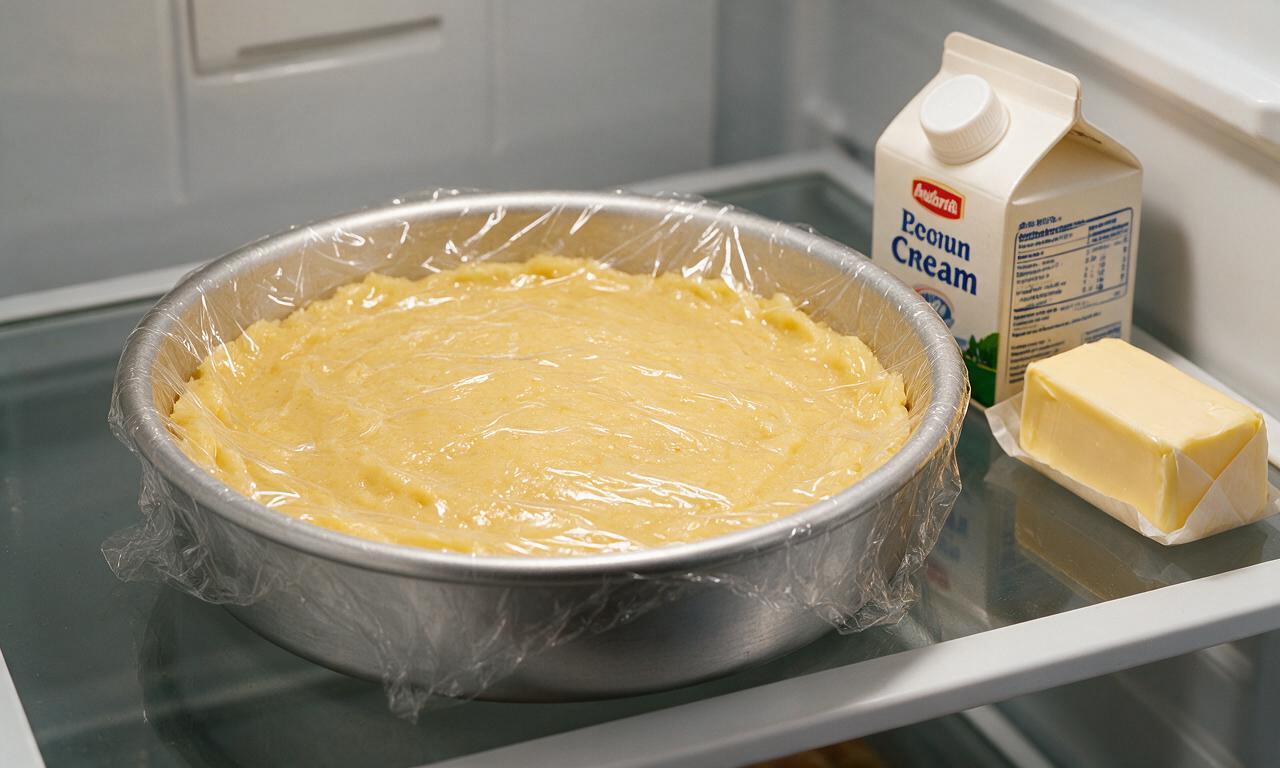
Add melted unsalted butter, warmed heavy cream, granulated sugar, and fine sea salt to the hot riced potatoes, stirring thoroughly with a wooden spoon until fully combined and completely smooth. Spread the mixture in a 1/2-inch thin layer on a rimmed baking sheet, cover tightly with plastic wrap, and chill in the refrigerator for 30 minutes until completely cold to the touch, which prevents the dough from becoming sticky during rolling.
Step 2
step2:Mix and chill potato base
3

Form smooth dough balls

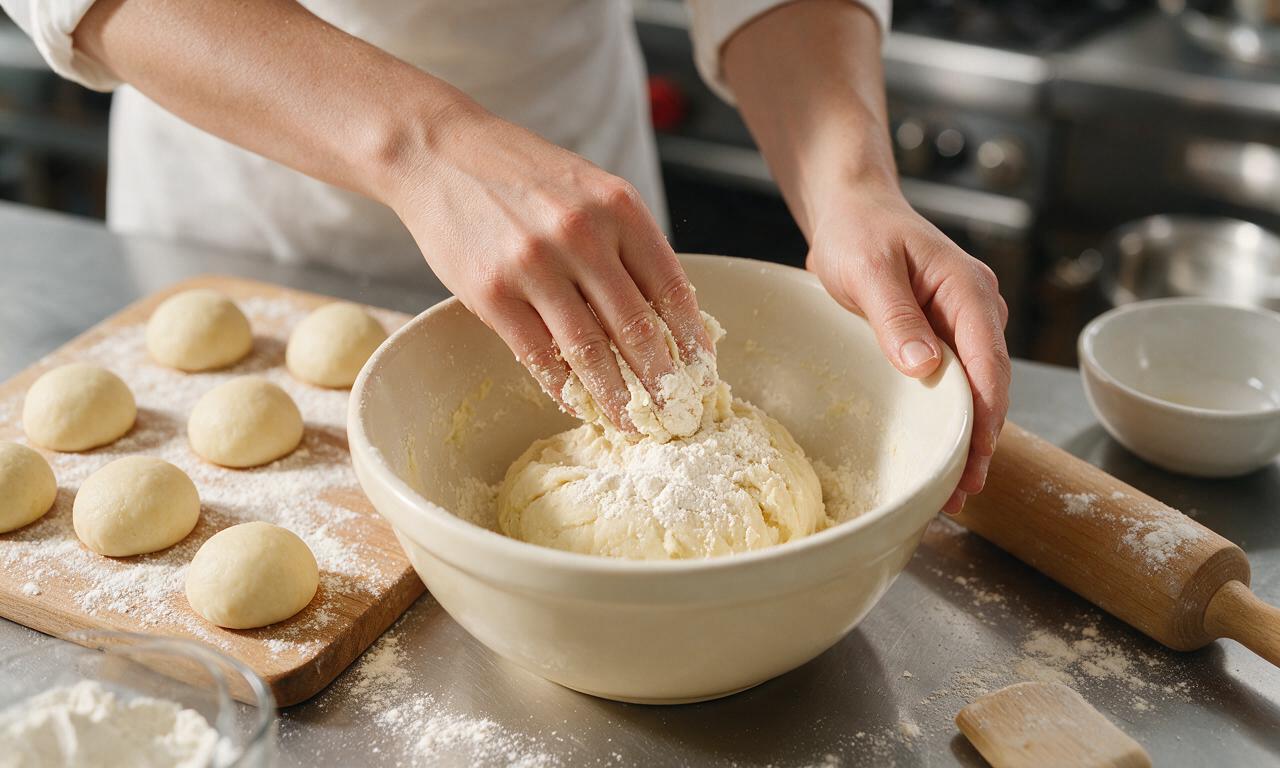
Remove the chilled potato mixture from the refrigerator and transfer back to a large mixing bowl. Add the measured all-purpose flour 60 grams (1/2 cup) at a time, mixing gently with your hands after each addition until a soft, pliable, non-sticky dough forms; do not overmix, as this will develop gluten and make tough lefse. Divide the dough into 8 equal 85-gram portions, rolling each between your palms into a tight, smooth ball.
Step 3
step3:Form smooth dough balls
4

Roll dough into thin rounds

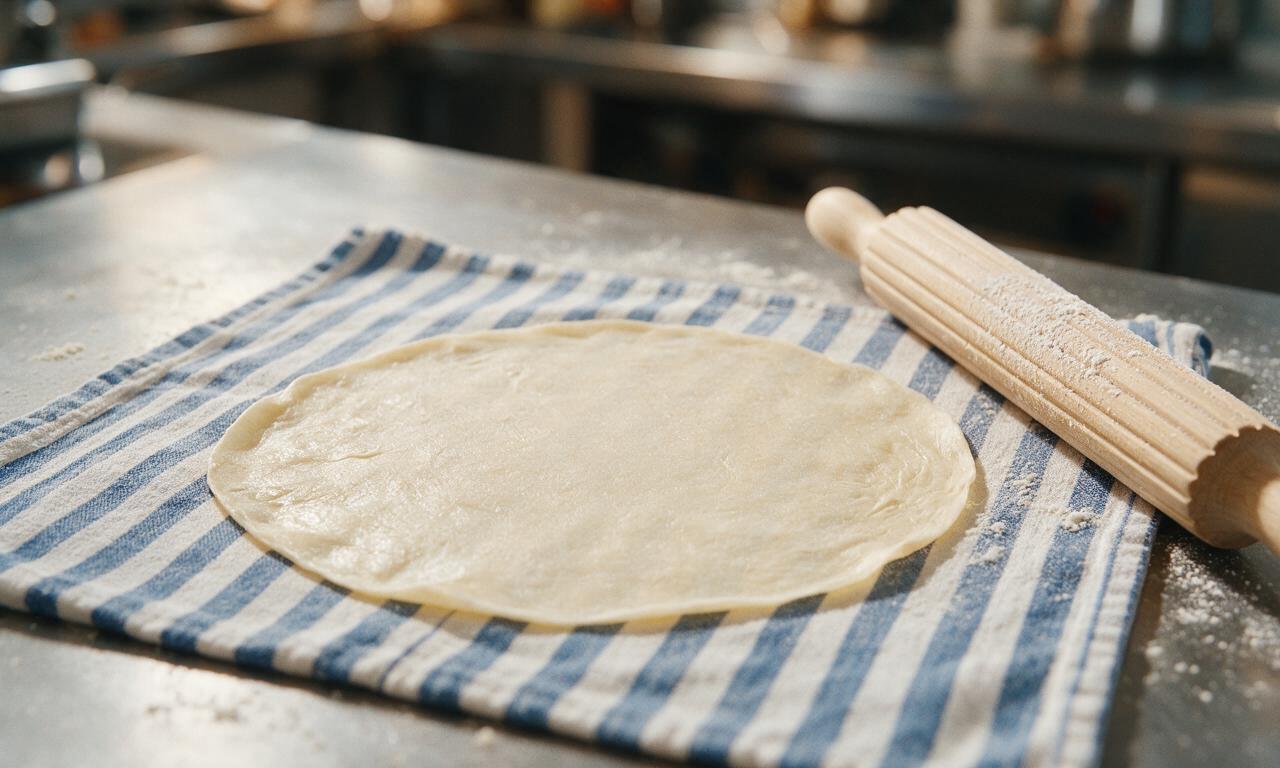
Lightly flour a cotton pastry cloth (or cloth-covered board) and a grooved wooden lefse rolling pin to prevent sticking. Take one dough ball, press it into a 3-inch disc with your palm, then roll it out evenly, rotating the dough a quarter turn every few rolls, into a 10-inch round that is nearly paper-thin (about 1.5mm thick). Keep remaining dough balls covered with a damp paper towel while you work to prevent them from drying out.
Step 4
step4:Roll dough into thin rounds
5

Cook on hot griddle

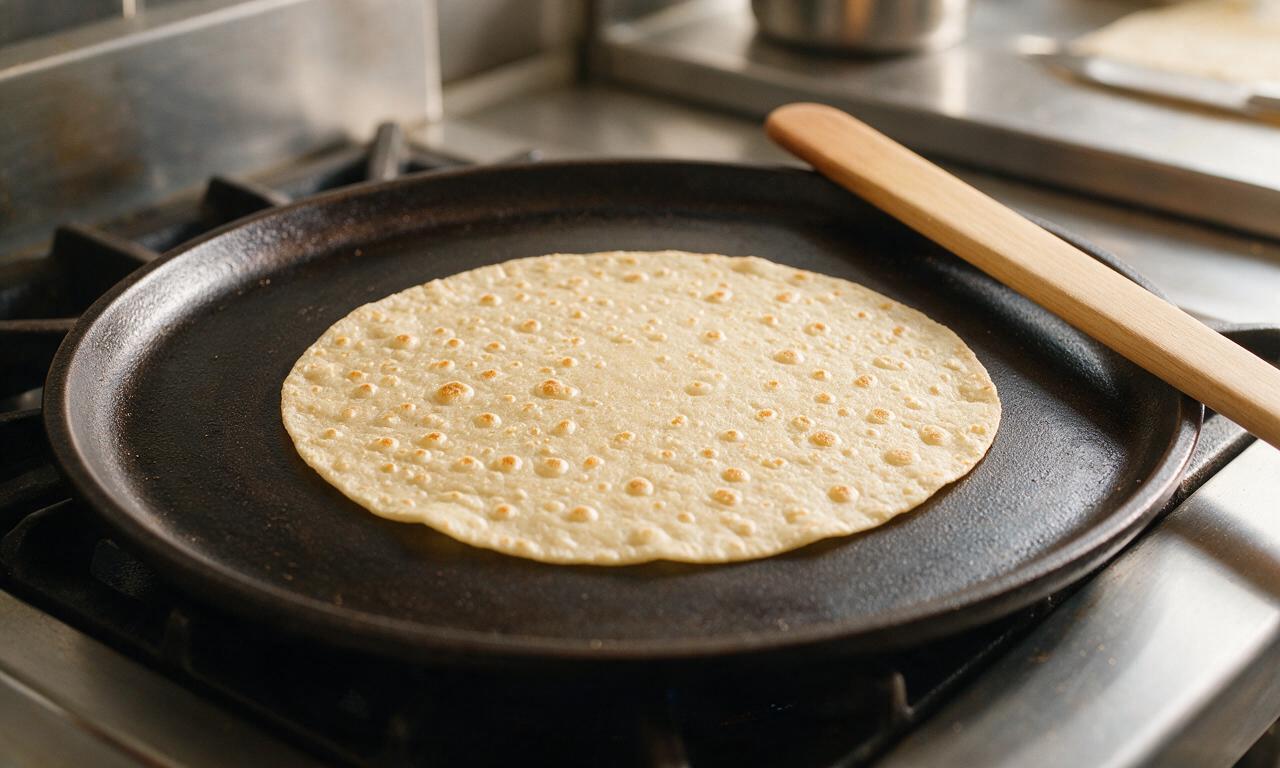
Preheat an electric griddle or cast iron griddle to 400°F (200°C) — do not grease the surface. Carefully lift the rolled dough round using a long wooden lefse stick (or thin, flexible metal spatula) and lay it flat on the hot griddle, smoothing out any wrinkles quickly. Cook for 45-60 seconds on the first side, until small golden brown bubbles form across the surface, then flip and cook for 30-45 seconds on the second side until light golden spots appear.
Step 5
step5:Cook on hot griddle
6

Cool and store lefse

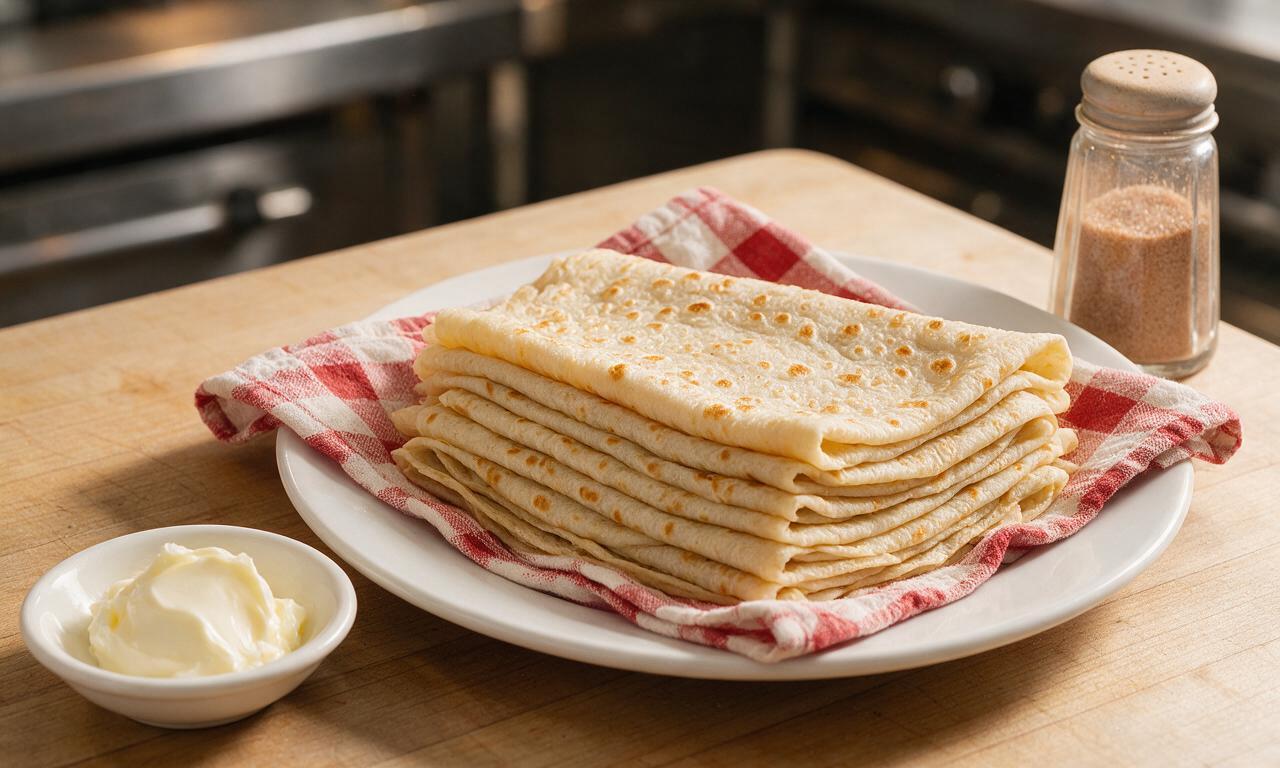
Transfer cooked lefse immediately to a plate lined with a clean cotton kitchen towel, stacking the rounds between layers of slightly damp paper towel to trap steam and keep them soft. Let the lefse cool completely for 10 minutes before serving, either as a side to savory holiday dishes or rolled with softened butter, cinnamon, and sugar as a sweet treat.
Step 6
step6:Cool and store lefse

Tips

1.Always use starchy russet potatoes for lefse; waxy potato varieties (like red or Yukon gold) have higher moisture content that will make your dough sticky and impossible to roll thin without tearing.
2.Never use a blender or food processor to process cooked potatoes, as this overworks potato starch and creates a gummy, gluey texture; a potato ricer produces the lightest, fluffiest potato base for tender lefse.
3.Do not skip the step of chilling the potato mixture before adding flour; warm potatoes absorb excess flour, leading to dense, bread-like lefse instead of the delicate, melt-in-your-mouth texture that is traditional.

✨ You May Also Like

Desserts & Baking
🍜 Italy

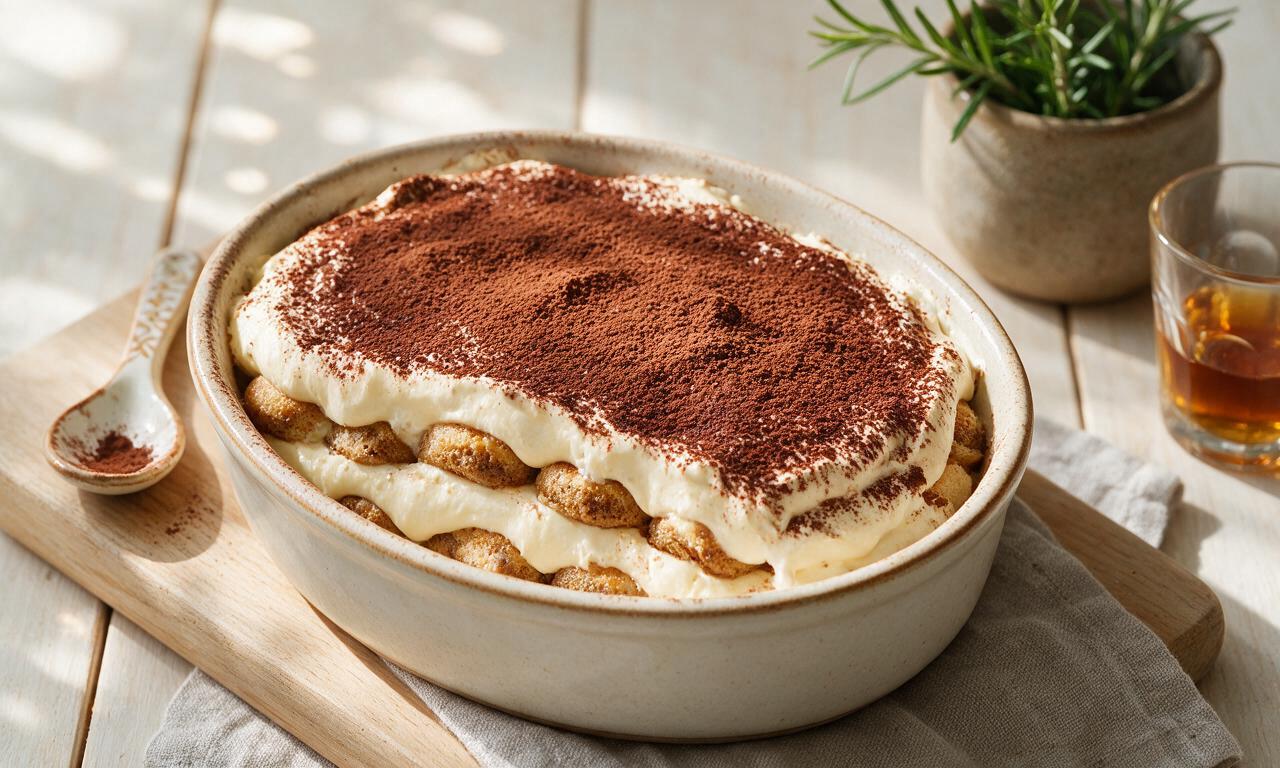
Creamy, coffee-kissed classic Northern Italian no-bake dessert, with layers of rum-spiked mascarpone cream, soft ladyfingers, and a rich cocoa dusting.

⏱️ 4 hours 3Desserts & Baking ★ 4.8
Desserts & Baking
🍜 France

Flaky, shatteringly crisp, buttery French croissants with golden exteriors and soft, airy layered interiors, perfect for pairing with coffee for a special morning treat.

⏱️ 12 hours Desserts & Baking ★ 4.7
Desserts & Baking
🍜 United States

Warm, spiced baked apples topped with a fluffy golden biscuit crust, this cozy dessert pairs perfectly with vanilla ice cream for cool-weather comfort.

⏱️ 55 minuteDesserts & Baking ★ 4.7
Desserts & Baking
🍜 United States

A star-spangled classic American blueberry pie with buttery flaky crust and bright sweet-tart filling, perfect for summer patriotic gatherings.

⏱️ 1 hour 25Desserts & Baking ★ 4.8
Desserts & Baking
🍜 United States

A beloved no-bake regional Maine candy with a chewy coconut-potato center coated in rich dark chocolate, a New England holiday staple since the 1870s.

⏱️ 2 hours 3Desserts & Baking ★ 4.9
Desserts & Baking
🍜 France

Luxuriously creamy, floral frozen custard made with aromatic Tahitian vanilla beans, boasting a smooth, rich texture that melts slowly on the tongue.

⏱️ 3 hours 3Desserts & Baking ★ 4.6

Lefse:Frequently Asked Questions

1.Why do I need to use russet potatoes for lefse instead of waxy potato varieties?
Russets are the gold standard here because their high starch, low moisture content creates that signature tender, paper-thin texture without gumminess. Waxy potatoes like red or Yukon Gold hold too much excess moisture, which makes lefse tough, sticky, and prone to tearing when you roll it out. If you must substitute, use another starchy baking potato and press out extra cooked moisture before mashing.
2.How thin do I actually need to roll lefse to get the traditional texture?
Aim for roughly 1/16 of an inch thick—thin enough that you can faintly see the pattern of your rolling board or lefse pin through the dough. If it’s too thick, it will turn dense and bready instead of soft and pliable; if it’s fully translucent all over, it will crack easily when you roll it up with fillings.
3.Can I make the potato dough for lefse a day ahead of rolling and cooking?
Yes, prepping the dough ahead actually makes it easier to work with! After mixing your mashed potato base with flour, butter, cream, and sugar, wrap it tightly in plastic wrap and store it in the fridge for up to 24 hours. Just let it sit at room temperature for 15 minutes before rolling to prevent cracking as you work.
4.Why does my lefse tear when I try to transfer it from the board to the griddle?
Tearing almost always comes down to three common issues: too much moisture in the dough, not flouring your rolling pin and board lightly but evenly, or rolling the dough straight from the fridge. Use a thin, long lefse stick to slide under the full dough round to lift it cleanly, instead of using your hands, to cut down on tears too.
5.What temperature should my griddle be to cook lefse properly?
Set your griddle (or large, flat cast-iron skillet) to 400°F for the best results. You want it hot enough to create soft, light golden-brown spots in 45 to 60 seconds per side, but not so hot that the surface burns before the center cooks through. Wipe excess flour off the griddle between batches to avoid burnt, bitter flecks.
6.Do I need special lefse tools like a grooved rolling pin or dedicated griddle to make this recipe?
You don’t need specialty gear to make great lefse, though these tools do make the process smoother. A grooved lefse pin helps roll evenly without sticking, but a smooth wooden rolling pin works fine if floured well. A flat cast-iron griddle is ideal, but a large non-stick skillet works as long as it holds consistent, even heat.
7.How do I store leftover cooked lefse so it stays soft instead of drying out?
Stack cooked lefse rounds between sheets of parchment paper as soon as they come off the griddle, then tuck the whole stack into a sealed plastic bag or airtight container once cool. Store it in the fridge for up to a week, or freeze it for up to 3 months. Refresh individual rounds for 10 seconds in the microwave before serving.
8.Is it normal for small brown bubbles to form on the lefse as it cooks?
Those light golden-brown bubbled spots are totally normal, and actually a sign you’re cooking your lefse correctly! They form when steam releases from the potato dough as it hits the hot griddle, and they add that classic, slightly toasty flavor. If spots turn dark brown or black, turn your griddle heat down slightly for the next batch.
9.Can I reduce or leave out the sugar in this recipe to make savory lefse?
Absolutely! The small amount of sugar in the traditional recipe adds subtle warmth that pairs beautifully with butter and sugar fillings, but you can cut it in half or omit it entirely if serving lefse exclusively with savory mains like lutefisk, meatballs, or cured meats. Don’t add extra salt to compensate, as the russet base is already well-balanced.
10.Why is my finished lefse tough and chewy instead of tender?
Tough lefse almost always comes from overworking the dough or adding too much flour when rolling. Mix the dough just until the flour is incorporated into the mashed potatoes—over-kneading develops gluten that makes the final product chewy. When rolling, use only a light dusting of flour, as extra flour creates a dense, bready texture.
11.What are the most traditional ways to serve this Norwegian-American lefse?
The most classic sweet serving is to spread a warm round with soft salted butter, sprinkle it with granulated sugar (or a cinnamon-sugar mix), roll it tight, and eat it out of hand. For savory holiday meals, serve plain warm rounds alongside lutefisk, Swedish meatballs, pickled herring, or roasted ham to use as a soft wrap.
12.Can I use instant mashed potatoes instead of fresh russets to save time?
I don’t recommend instant mashed potatoes for traditional lefse, as they have a gummy, processed texture and inconsistent moisture content that makes rolling very difficult. If you’re extremely short on time, use high-quality, unseasoned refrigerated russet mashed potatoes, adding extra flour 1 tablespoon at a time until the dough is firm enough to roll.
13.How do I prevent my cooked lefse from getting crispy and cracker-like after it cools?
Crispy lefse happens when rounds cool too quickly out in open air, or when they’re cooked too long at too low a temperature, which dries them out. As soon as each round comes off the griddle, stack it between layers of clean cotton tea towels or parchment paper to trap steam, which keeps lefse soft and pliable as it cools.

Comments (9)

2 days ago

OMG, I’ve been trying to nail my grandma’s lefse recipe for YEARS and this is the closest I’ve ever gotten! The ratio of potatoes to flour is perfect—no weird gummy texture like my last 3 failed attempts. Brought a batch to our church lutefisk dinner last night and everyone was asking for the recipe. SO good slathered with butter and a sprinkle of cinnamon sugar!

yesterday

Wait did you use russet potatoes like the recipe says? I tried it with Yukon golds once and it got so sticky I almost threw the whole batch out lmao

2 hours ago

So glad it was a hit at your dinner! Pro tip: make sure your potatoes are completely drained and dried before ricing them—any extra moisture is usually the culprit for gummy lefse!

3 days ago

Really solid recipe! My only note is that I had to add almost an extra 1/4 cup flour to get the dough to roll out without sticking to my lefse board, even after chilling it for the full time. Flavor was spot on though, and it held up great when I froze half for our family Christmas gathering next week.

2 days ago

Thanks for the feedback! Flour amounts can vary a little based on how moist your potatoes are and the humidity in your kitchen—adding a little extra as needed is always the right call! So glad the flavor worked for you.

1 week ago

Game changer for our annual neighborhood potluck! I was nervous to make lefse for the first time since I’d always heard it was super fussy, but the step-by-step instructions made it so doable. My kids devoured 3 pieces each before we even left the house, and multiple neighbors asked if I’d be bringing it again next year. 10/10!

5 days ago

This is pretty close to the lefse I grew up eating in Seattle, but I missed the hint of nutmeg my best friend’s mom always added to her dough. Cook time was right on for me though, and the rolling tips saved me from tearing half the batch like I usually do.

3 days ago

Oh I add a tiny pinch of nutmeg too! It doesn’t make it taste spiced, it just makes the potato flavor pop more, so good. Glad I’m not the only one who does that!

1 week ago

Okay I’m a total novice in the kitchen and I was convinced I’d mess this up, but it turned out AMAZING? I don’t have a fancy lefse griddle so I just used my cast iron skillet on medium low, and it worked perfectly. Rolled the dough between two sheets of parchment paper so I didn’t even need a special rolling pin. Had it with butter and brown sugar for dessert last night, chef’s kiss.

5 days ago

Wait using cast iron is genius! I’ve been putting off buying a griddle for months, I’m gonna try that this weekend. Did you have to adjust the cook time per piece at all?

3 days ago

Love the parchment paper hack! For anyone without a lefse griddle, a heavy cast iron skillet or nonstick pan works perfectly—just keep a close eye on the heat so you don’t burn those delicate edges!

yesterday

Made this for my husband’s birthday since he grew up eating lefse at his grandma’s house in Minnesota, and he teared up a little when he took the first bite! Said it tasted exactly like he remembered. We rolled ours up with lingonberry jam like his family does, and it was chef’s kiss. Already saved this recipe to make every holiday from now on.

30 minutes ago

Great recipe! I made a double batch on Sunday to have for quick breakfasts all week, and they reheat really well in the microwave for 10 seconds. Only reason I’m not giving 5 stars is that it took me closer to 2 hours total instead of the 1.5 listed, but I think that’s just because I’m slow at rolling the dough out thin enough.

just now

So glad the recipe works for meal prep! The total time can definitely run a little long when you’re first getting the hang of rolling out the thin rounds—most people get much faster after a batch or two!

2 weeks ago

I’ve been making lefse for our family’s Christmas Eve smorgasbord for 40+ years, and I tried this recipe on a whim when my old handwritten one got stained beyond repair. It’s absolutely wonderful! The texture is perfect, not too heavy, and even my teen grandkid who’s a super picky eater ate two rolls with butter and sugar. Will be using this from now on.

5 minutes ago

Hmm, I followed the recipe exactly but my lefse turned out really tough and chewy. I’m not sure what I did wrong? I used the right potato type, chilled the dough, cooked it on my griddle at the recommended temp, but it just wasn’t soft and foldable like lefse is supposed to be. Disappointed because I was really looking forward to this.

just now

Oh no! Did you overwork the dough when you were mixing in the flour? I made that mistake my first time—if you knead it too much it gets tough just like bread dough! I mix just until the flour comes together now and it’s perfect every time.

just now

So sorry your first batch turned out tough! Overworking the dough is a super common culprit, as is rolling the dough too thick. Next time, try handling the dough as gently as possible and roll it paper thin, and I bet you’ll get that soft, foldable texture you’re looking for!