lemon cream cheese pound cake

title 1
lemon cream cheese pound cake
⏱️ cook time 1 hour 15 minutes
🍽️ servings 10
⚡ Difficulty medium

intro

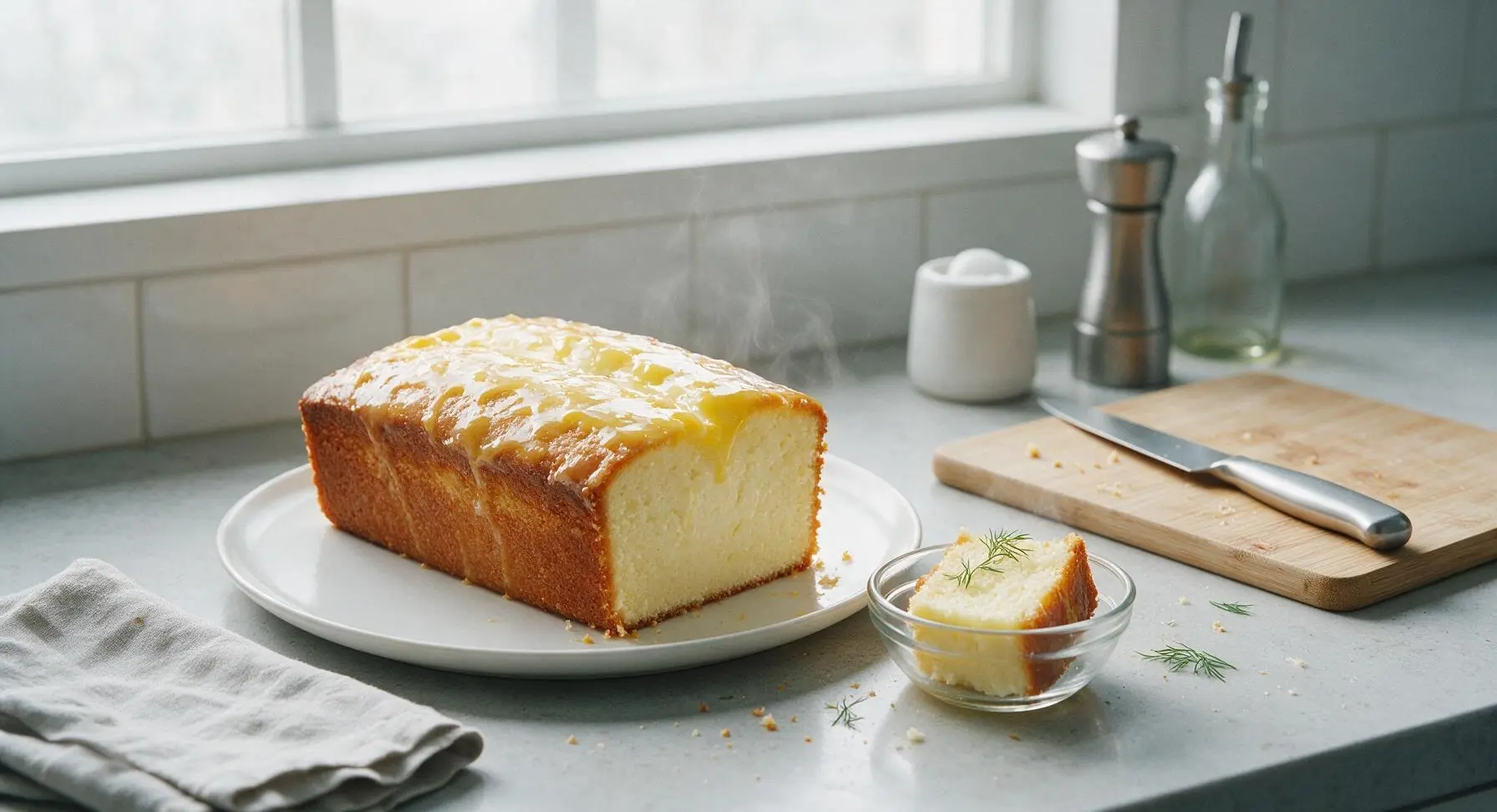
Buttery, tender, and bursting with bright zesty lemon flavor, this cream cheese pound cake has a crisp golden crust, velvety moist crumb, and a bright crackly lemon glaze.

Ingredients
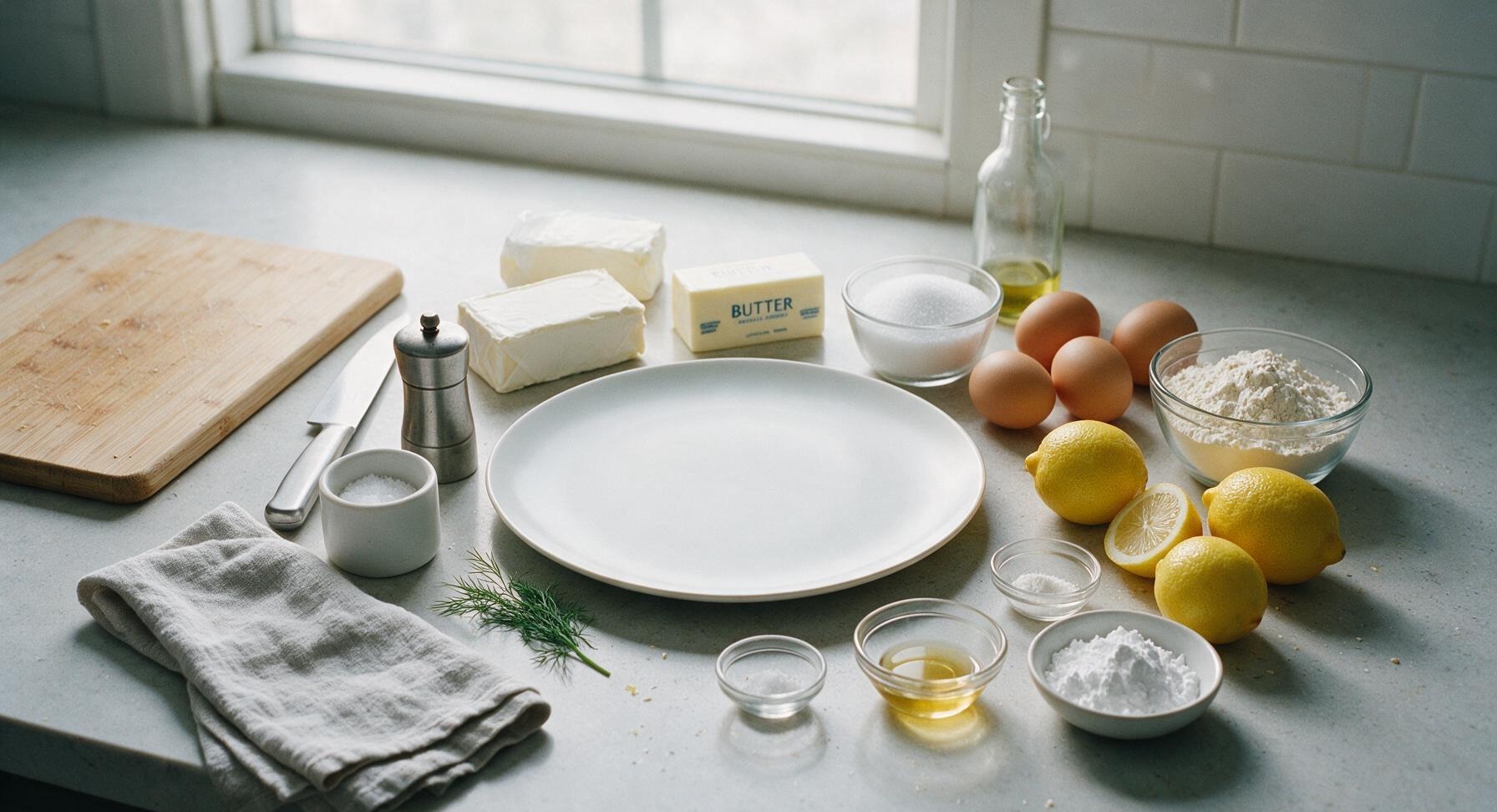
Full-fat block cream cheese 8 oz (226g), room temperature
Unsalted butter 1 cup (2 sticks / 226g), room temperature
Granulated white sugar 2 cups (400g)
Large eggs 4, room temperature
All-purpose flour 2 1/4 cups (270g)
Fresh lemons 3 medium (for zest and juice)
Baking powder 1/2 teaspoon
Fine sea salt 1/2 teaspoon
Pure vanilla extract 1 teaspoon
Powdered sugar 1 cup (120g, for glaze)

Steps

1

Prep Oven and Pan

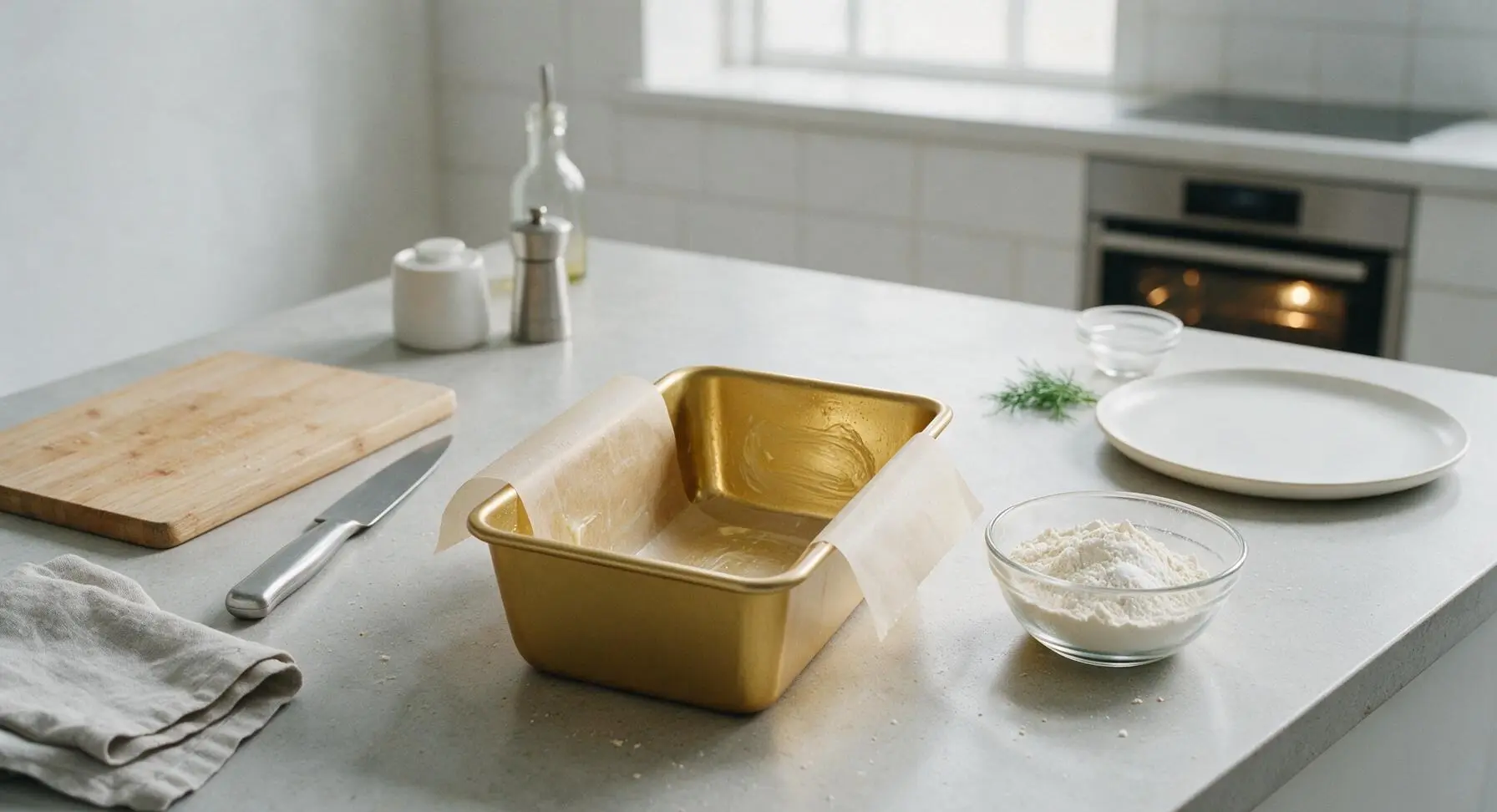
Adjust oven rack to the middle position, preheat oven to 325°F (160°C). Use a small pat of butter to lightly grease the interior of the 9x5 inch gold anodized loaf pan, then line the bottom and long sides with a strip of parchment paper that overhangs the edges by 2 inches to act as a sling for easy cake removal after baking. In a small bowl, whisk together the all-purpose flour, baking powder, and salt to fully combine, then set aside.
Step 1
step1:Prep Oven and Pan
2

Zest Fresh Lemons

Use the rasp-style zester to remove only the bright yellow outer zest from all three lemons, taking care not to scrape the bitter white pith underneath, until you have 2 tablespoons of fine, fragrant zest. Juice the zested lemons to yield 3 tablespoons of fresh juice, divided: 1 tablespoon for the cake batter, 2 tablespoons for the lemon glaze.

Step 2
step2:Zest Fresh Lemons
3

Cream Butter and Cheese

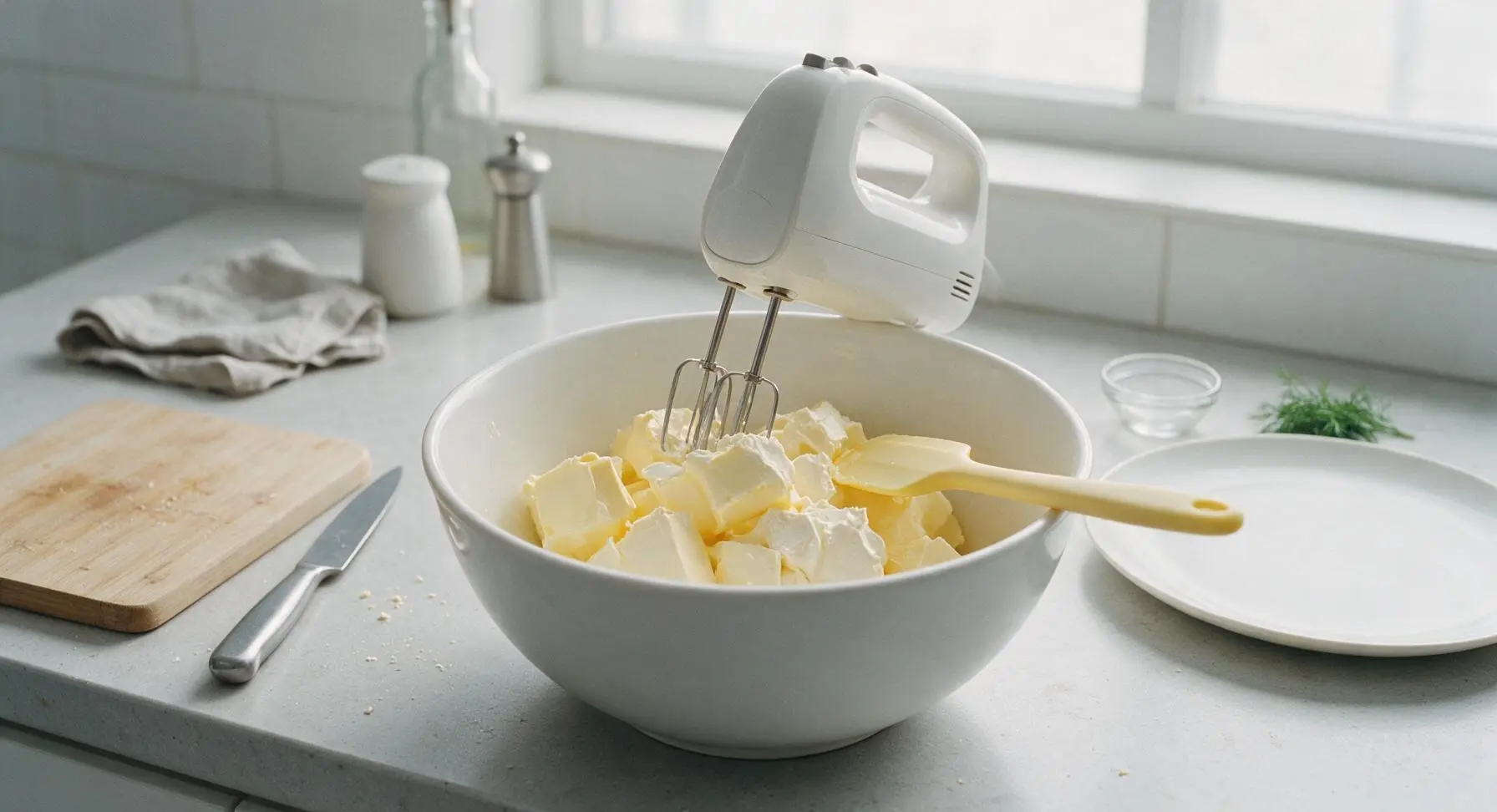
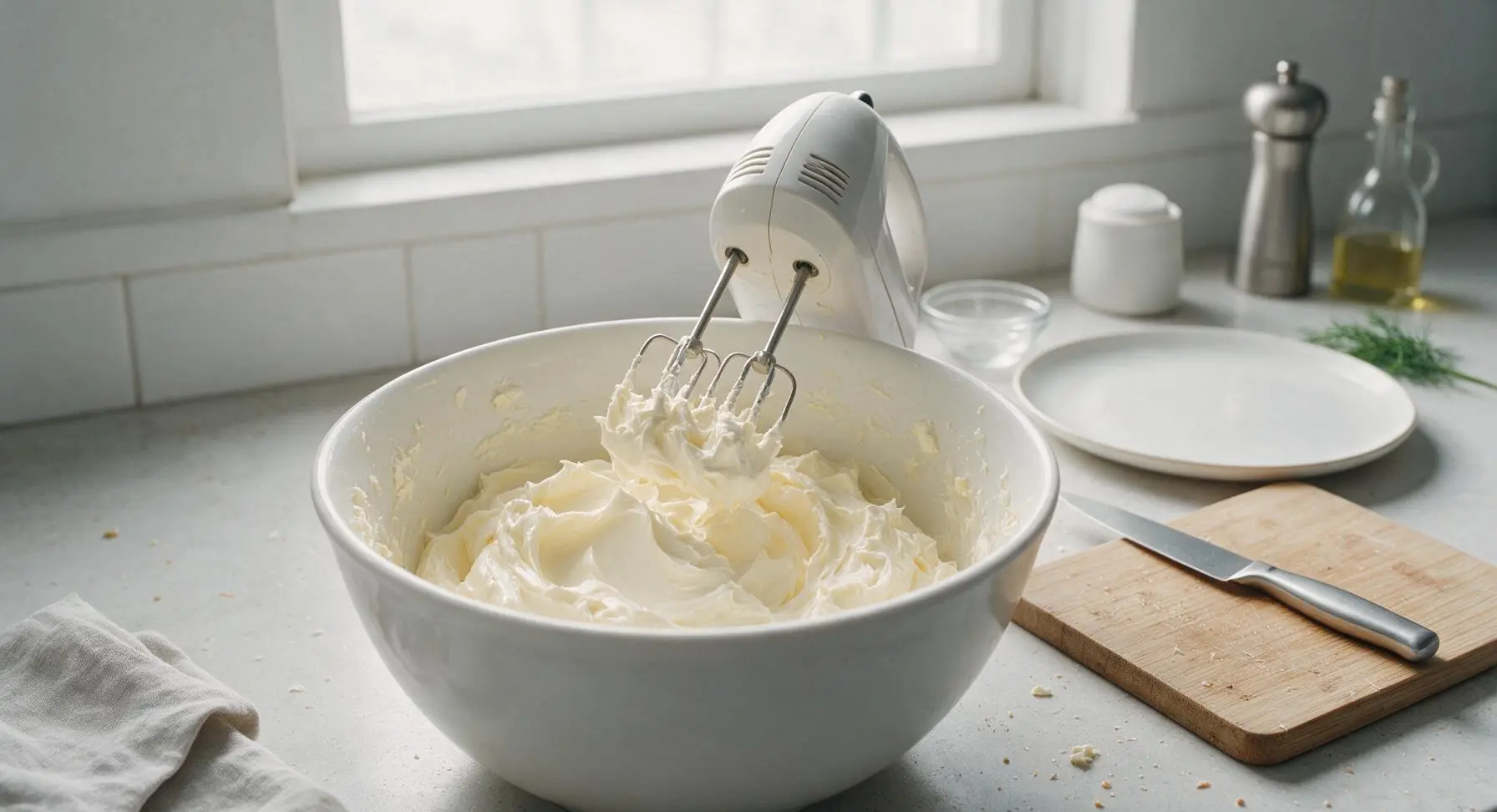
Place the room-temperature cream cheese and remaining unsalted butter in the large white ceramic mixing bowl. Beat with the handheld electric mixer on medium speed for 2 full minutes, stopping halfway to scrape down the sides and bottom of the bowl with the pale yellow silicone spatula, until the mixture is completely smooth, pale, and fluffy with no visible lumps of cream cheese.
Step 3
step3:Cream Butter and Cheese
Step 3
step3:Cream Butter and Cheese
4

Add Sugar and Zest

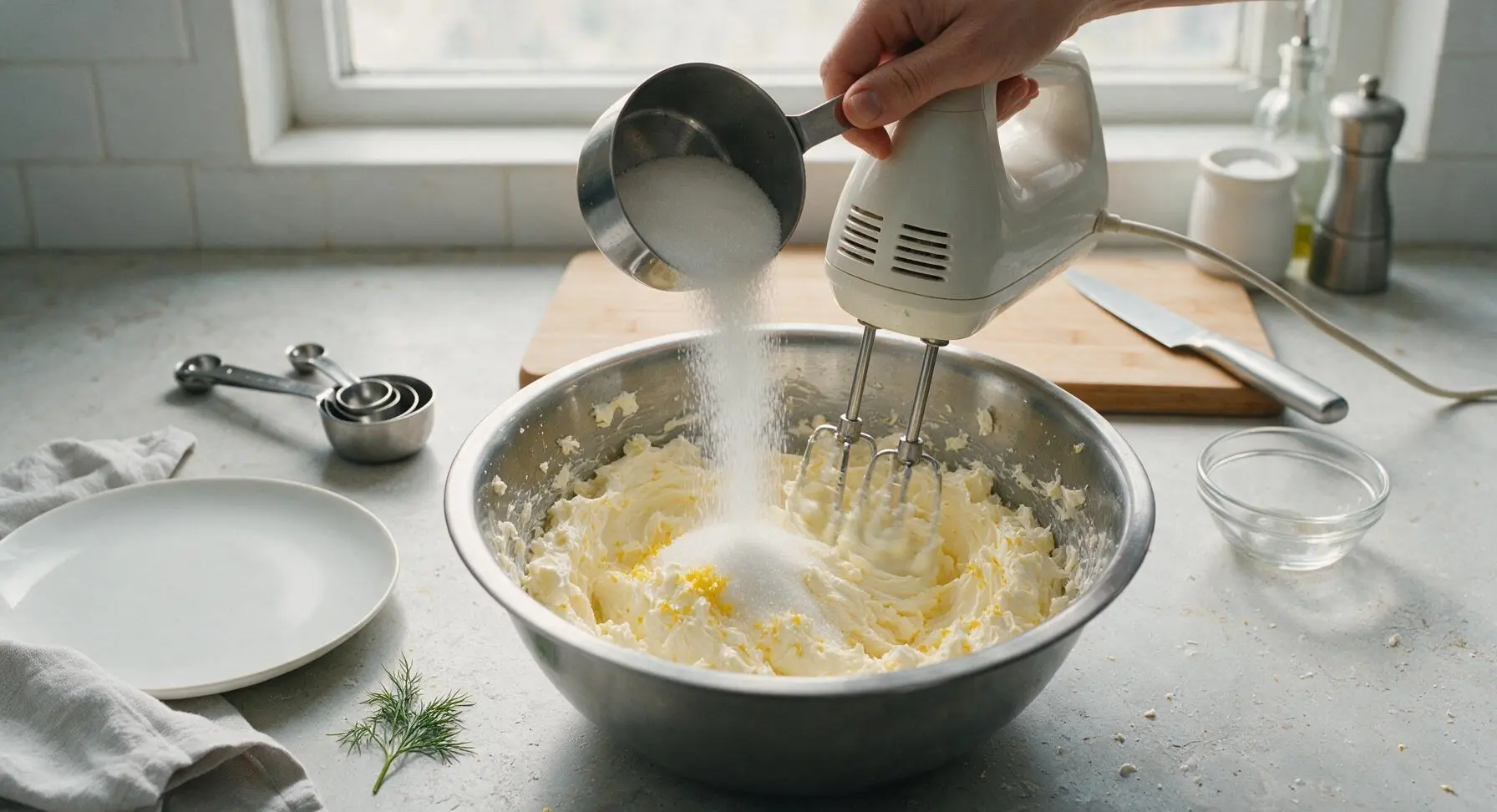
With the mixer running on medium speed, gradually add the granulated sugar 1/4 cup at a time, beating for 3 full minutes after all sugar is added. The mixture will lighten to an ivory color and increase slightly in volume. Add the reserved lemon zest and vanilla extract, then beat for 30 seconds to evenly distribute.
Step 4
step4:Add Sugar and Zest
5

Incorporate Eggs Gradually

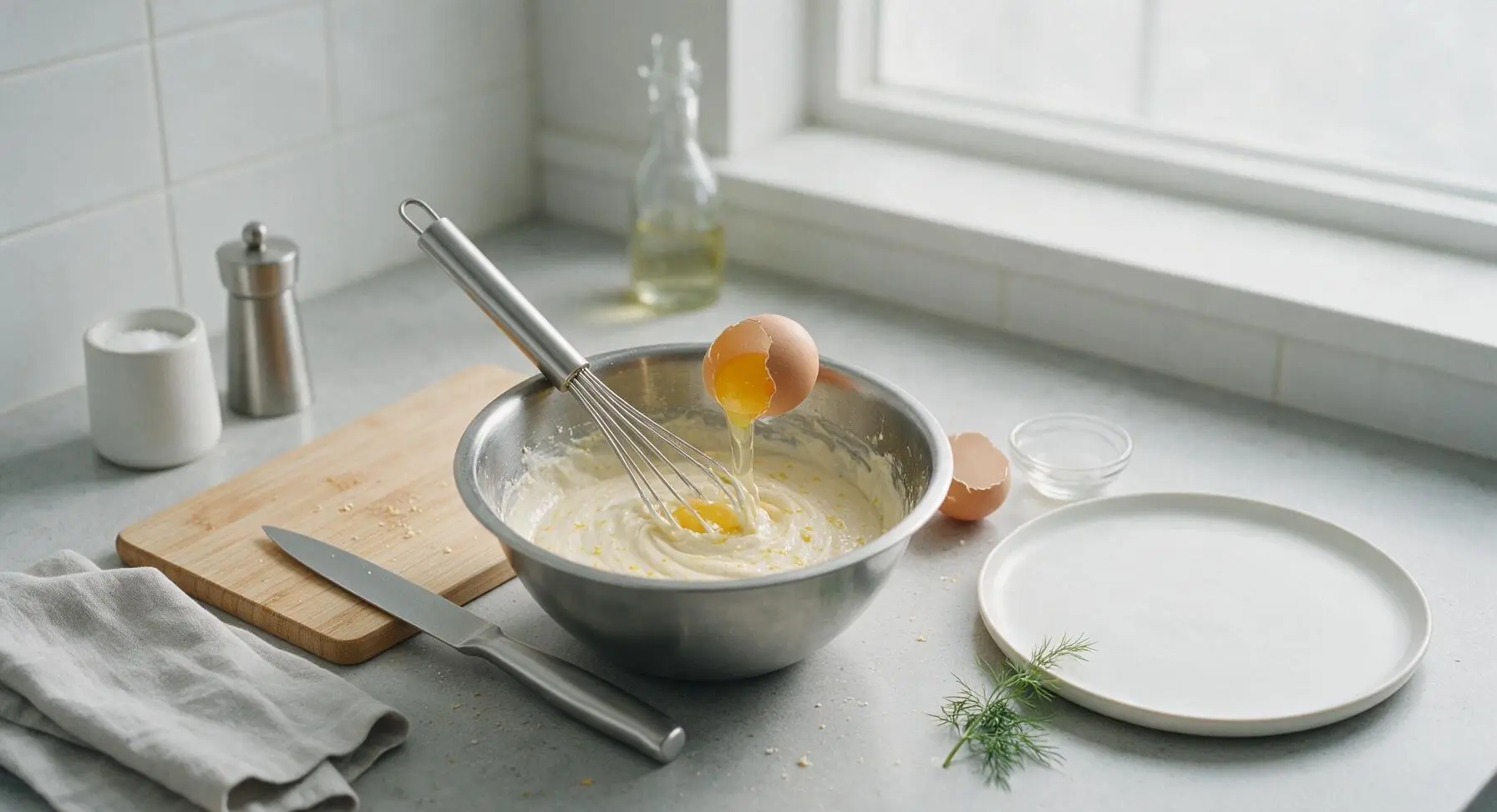
Add eggs one at a time, beating on medium-low speed for 30 seconds after each addition, stopping to scrape down the bowl sides after every two eggs. Do not overbeat after adding eggs, as this can cause excessive cracking or sinking while baking. The batter will look smooth and silky once all eggs are fully incorporated.
Step 5
step5:Incorporate Eggs Gradually
6

Fold in Dry Ingredients

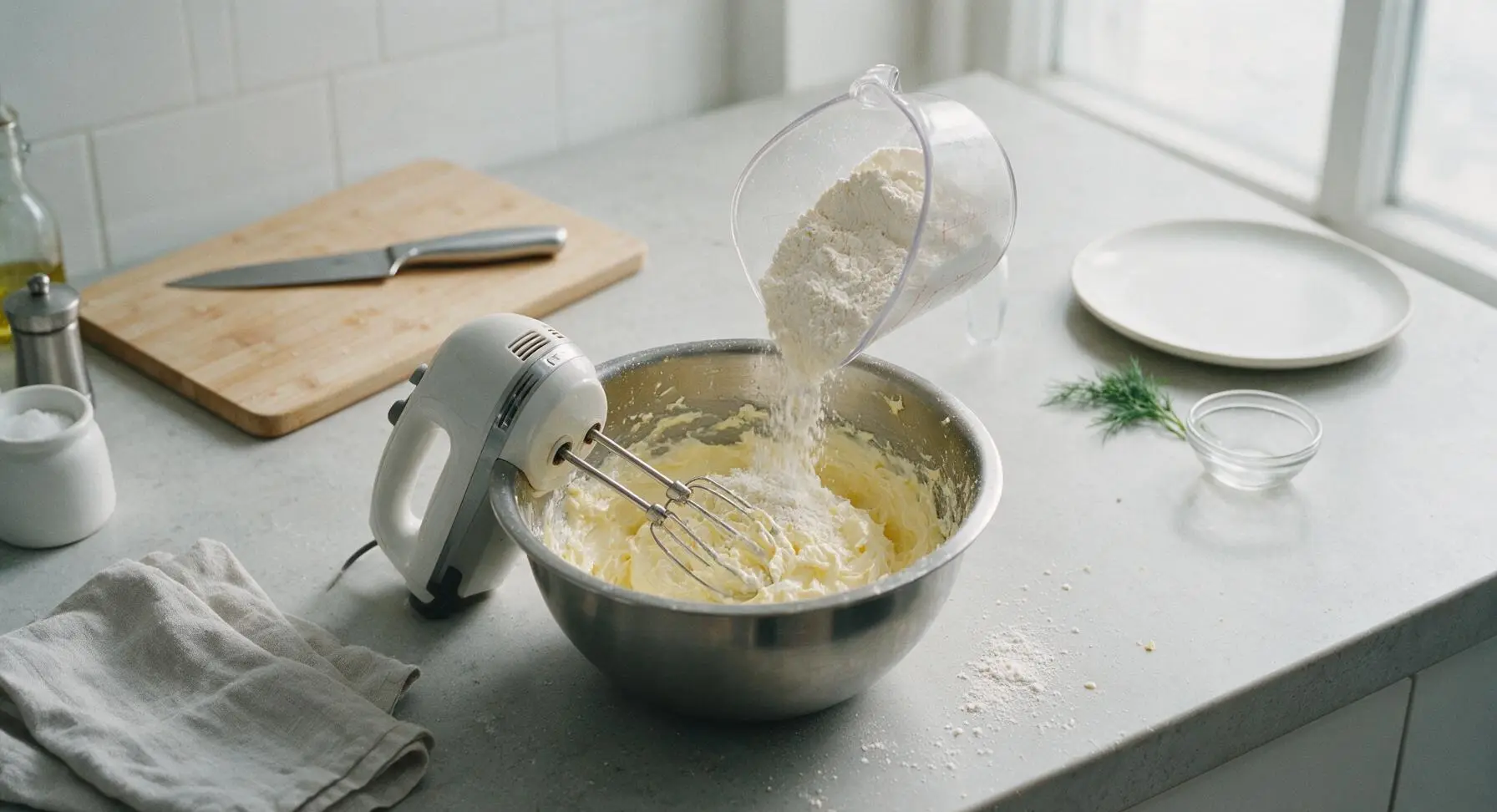
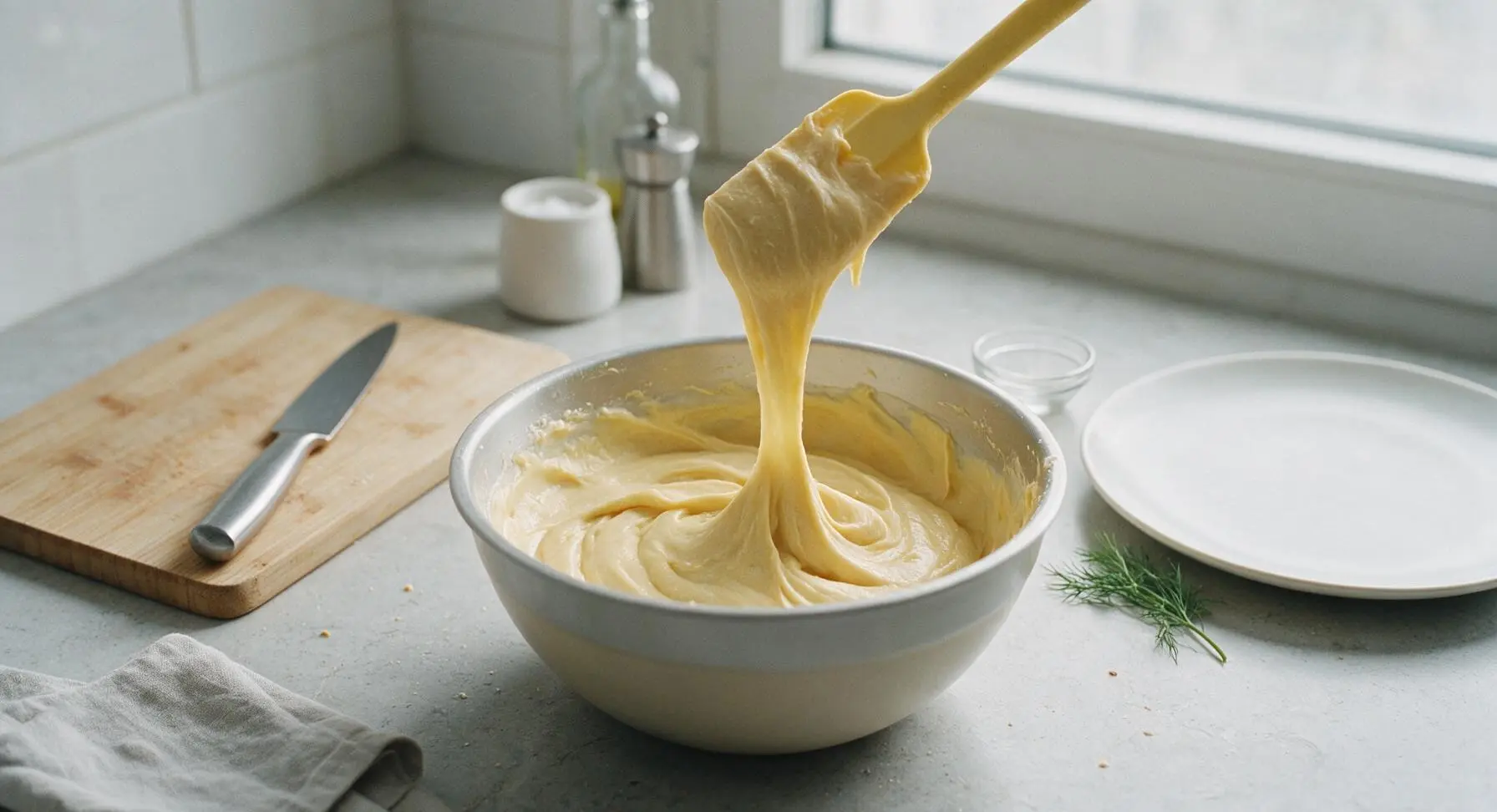
Turn the mixer to the lowest speed, add the flour mixture in three separate equal additions, mixing only until the last traces of flour disappear. Use the silicone spatula to fold the batter from the bottom of the bowl 2-3 times to ensure no hidden pockets of dry flour remain. Stir in 1 tablespoon of the reserved lemon juice. Do not overmix, as this will develop gluten and create a tough crumb.
Step 6
step6:Fold in Dry Ingredients
Step 6
step6:Fold in Dry Ingredients
7

Bake Until Golden

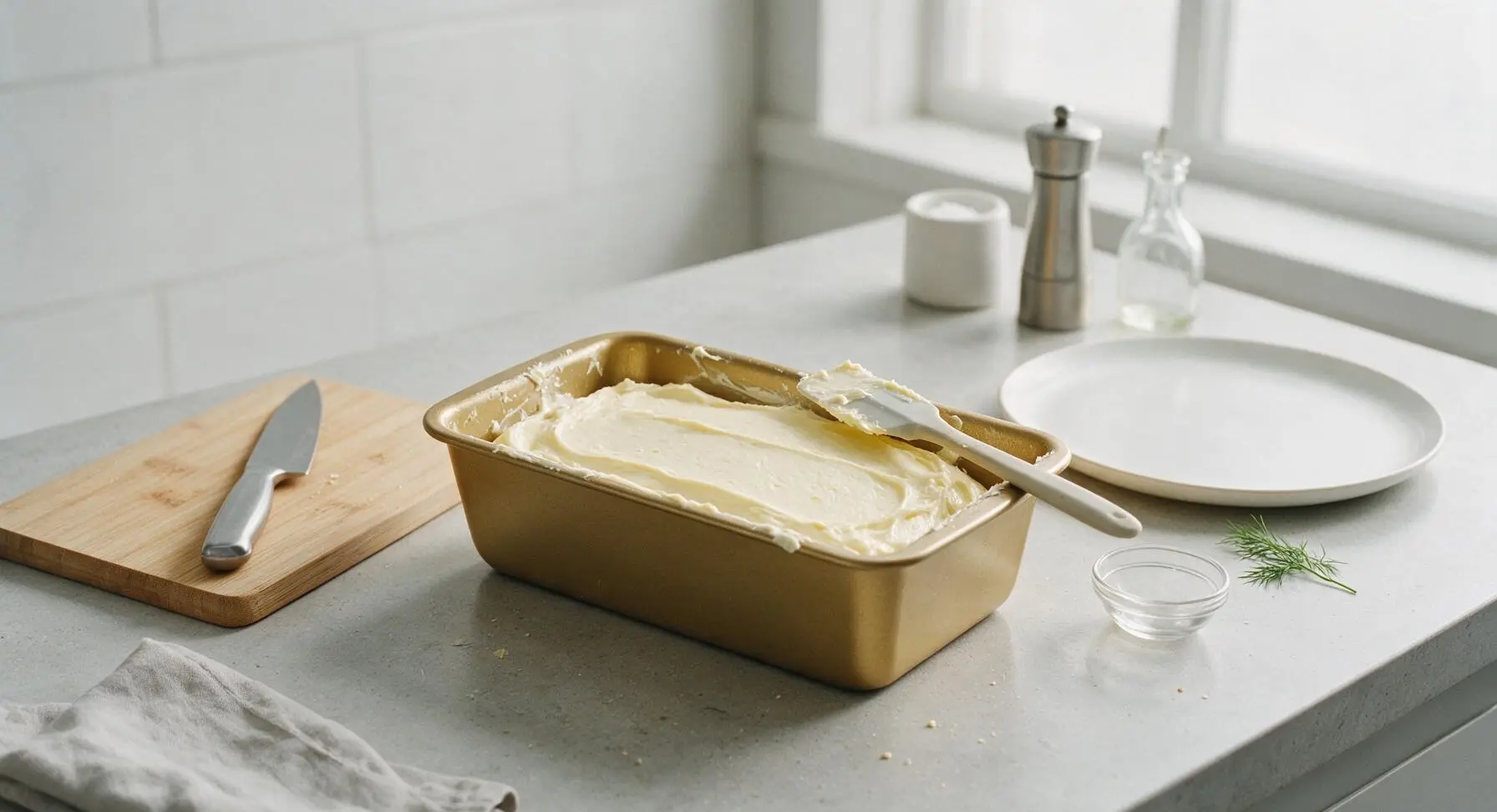
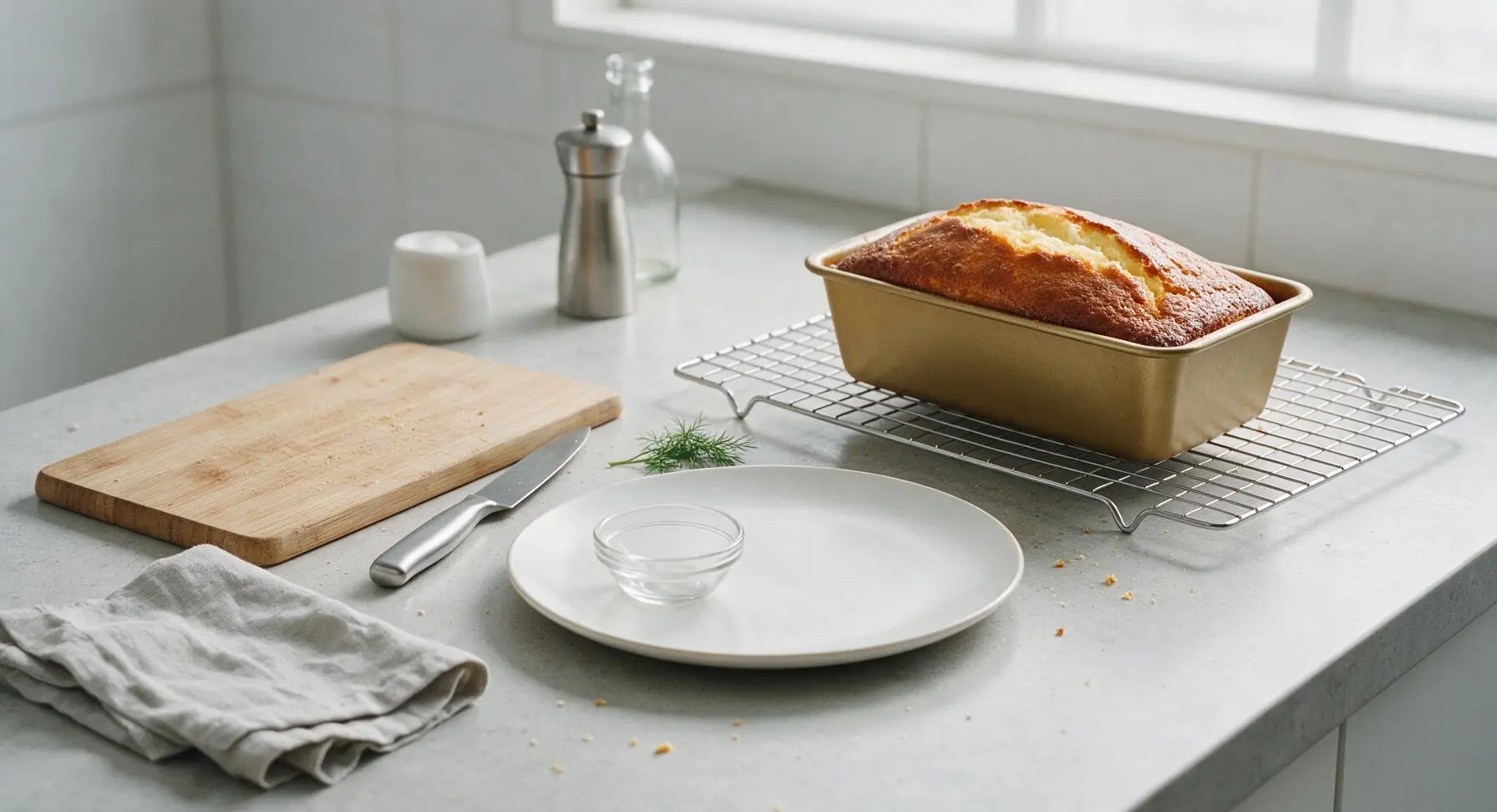
Scrape the batter evenly into the prepared gold loaf pan, smoothing the top with the spatula. Bake for 1 hour 10 minutes to 1 hour 20 minutes, until the top is deep golden brown, and a wooden toothpick inserted into the center comes out with 2-3 moist crumbs attached (not wet batter, not completely clean). If the top browns too quickly after 45 minutes, tent loosely with a sheet of aluminum foil to prevent burning.
Step 7
step7:Bake Until Golden
Step 7
step7:Bake Until Golden
8

Cool and Glaze Cake

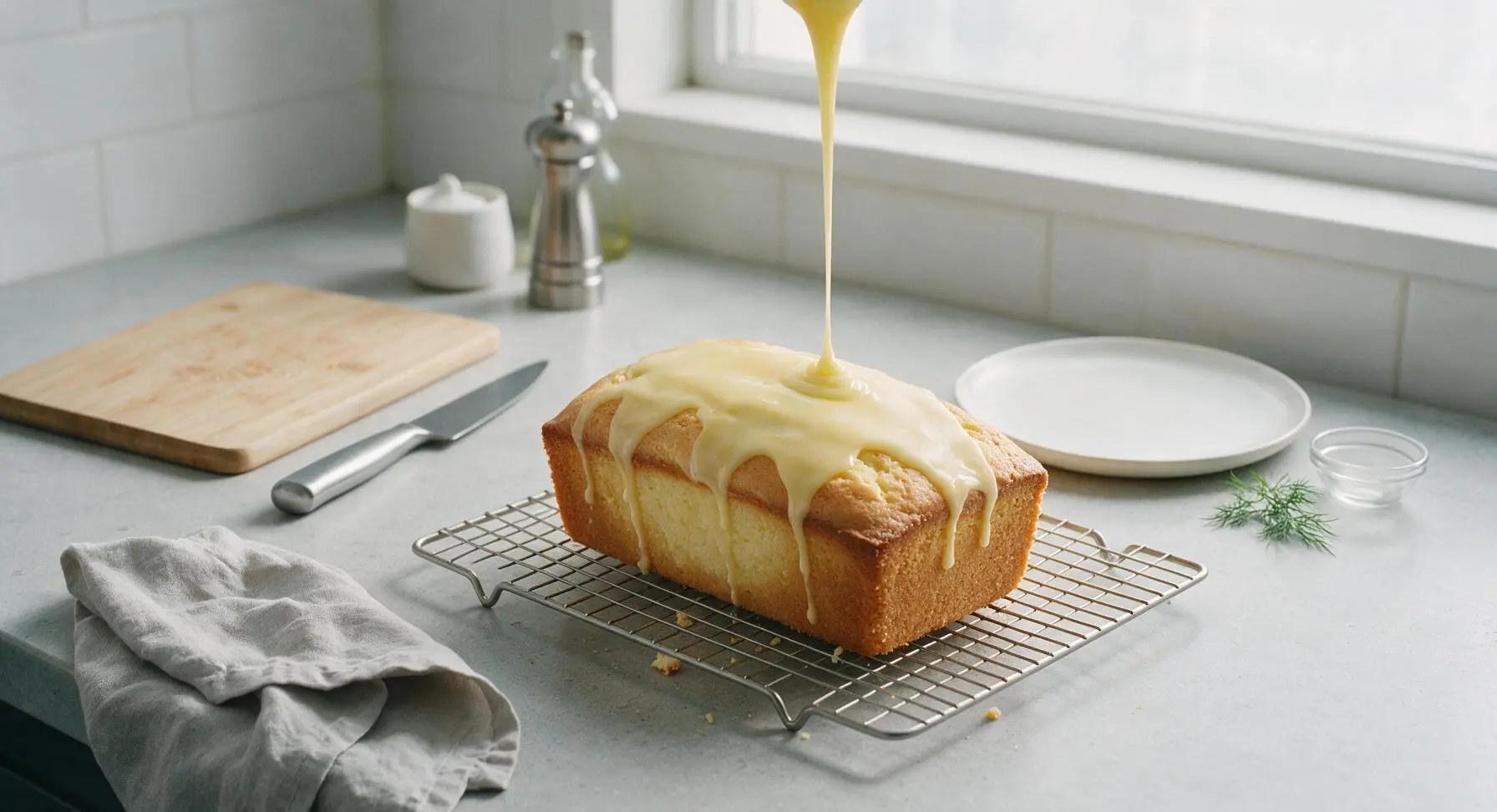
Let the cake cool in the pan on the wire cooling rack for 15 minutes, then use the parchment sling to lift it out of the pan to cool completely to room temperature (about 1 hour) before glazing. Whisk the powdered sugar and remaining 2 tablespoons lemon juice together until completely smooth, then pour evenly over the top of the cooled cake, letting the glaze drip slightly down the sides. Let the glaze set for 10 minutes before slicing with the serrated bread knife.
Step 8
step8:Cool and Glaze Cake

Tips

1.Bring all cold ingredients (cream cheese, butter, eggs) to 65–70°F (18–21°C) room temperature before mixing. Cold ingredients will not emulsify smoothly into the batter, leading to a lumpy texture, dense crumb, or a cake that sinks in the center while baking.
2.Avoid overmixing the batter once the flour is added. Overmixing develops gluten in the all-purpose flour, which will turn the traditionally tender, velvety crumb tough and dense; stop mixing as soon as the last traces of dry flour disappear.
3.Wait until the cake is fully cooled to room temperature (about 1 hour after removing from the pan) before applying the glaze. Warm cake will melt the powdered sugar glaze, causing it to slide off instead of setting into a crisp, bright, crackly top layer.

✨ You May Also Like

Desserts & Baking
🍜 Italy

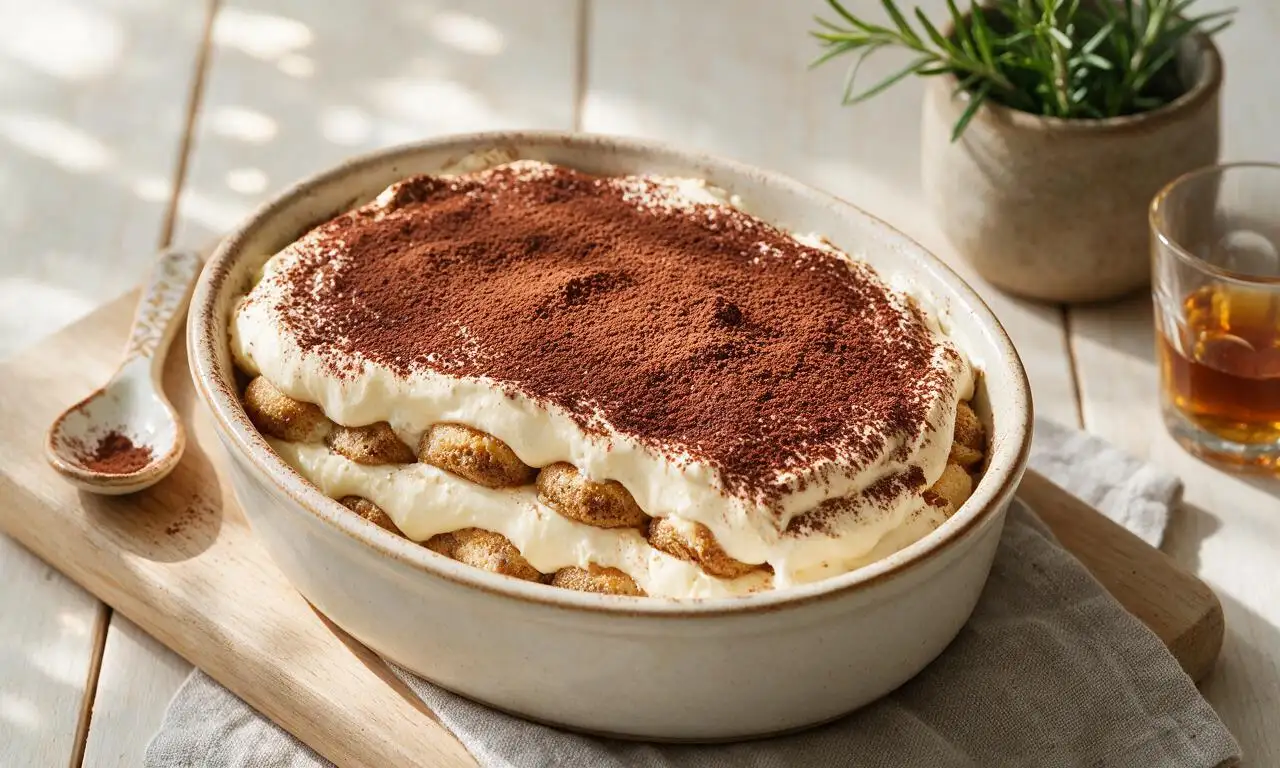
Creamy, coffee-kissed classic Northern Italian no-bake dessert, with layers of rum-spiked mascarpone cream, soft ladyfingers, and a rich cocoa dusting.

⏱️ 4 hours 3Desserts & Baking ★ 4.7
Desserts & Baking
🍜 France

Flaky, shatteringly crisp, buttery French croissants with golden exteriors and soft, airy layered interiors, perfect for pairing with coffee for a special morning treat.

⏱️ 12 hours Desserts & Baking ★ 4.5
Desserts & Baking
🍜 United States

Warm, spiced baked apples topped with a fluffy golden biscuit crust, this cozy dessert pairs perfectly with vanilla ice cream for cool-weather comfort.

⏱️ 55 minuteDesserts & Baking ★ 4.6
Desserts & Baking
🍜 United States

A star-spangled classic American blueberry pie with buttery flaky crust and bright sweet-tart filling, perfect for summer patriotic gatherings.

⏱️ 1 hour 25Desserts & Baking ★ 4.7
Desserts & Baking
🍜 United States

A beloved no-bake regional Maine candy with a chewy coconut-potato center coated in rich dark chocolate, a New England holiday staple since the 1870s.

⏱️ 2 hours 3Desserts & Baking ★ 4.8
Desserts & Baking
🍜 France

Luxuriously creamy, floral frozen custard made with aromatic Tahitian vanilla beans, boasting a smooth, rich texture that melts slowly on the tongue.

⏱️ 3 hours 3Desserts & Baking ★ 4.5

lemon cream cheese pound cake:Frequently Asked Questions

1.Can I use low-fat or whipped cream cheese instead of full-fat block cream cheese? ▾
I don’t recommend it. Whipped spreadable cream cheese has added air and stabilizers, and low-fat versions have extra moisture that throws off the dense, velvety crumb. Stick to full-fat block cream cheese, softened to room temperature, to get that signature rich tang and tight, even texture without soggy, sunken spots in your finished cake.
2.Why did my pound cake sink in the middle while baking? ▾
This almost always traces back to three common issues: overmixing the batter once you add flour (which develops too much gluten and weakens structure), underbaking so the center isn’t fully set, or opening the oven door before the 60-minute mark when the structure is still fragile. Test doneness with a toothpick—look for a few moist crumbs, not wet batter.
3.Do I have to bring all cold ingredients to room temperature before mixing? ▾
Yes, this step is non-negotiable for a smooth, evenly risen crumb. Cold cream cheese, butter, and eggs won’t emulsify properly when creamed, leading to lumpy batter, dense spots, or a cake that rises unevenly. Let them sit on the counter for 1 to 2 hours before you start, depending on how warm your kitchen is.
4.Can I add extra lemon for a stronger citrus flavor? ▾
Absolutely! For extra zing, you can add up to 1 extra tablespoon of finely grated fresh lemon zest (just avoid scraping the bitter white pith under the yellow peel) to the batter. Skip adding extra lemon juice to the batter, though—that extra liquid will make the crumb soggy and throw off the recipe’s careful moisture balance.
5.What kind of pan works best for this pound cake? ▾
A standard 9x5 inch metal loaf pan is ideal for even, consistent baking that gives you that crisp golden crust and moist center. Avoid glass pans if you can—they conduct heat slower, often leading to over-browned edges and an underbaked middle. If you only have glass, lower your oven temp by 25°F and add 5 to 10 minutes to bake time.
6.How do I keep the cake from sticking to the pan? ▾
Don’t just rely on a quick grease! Coat the pan thoroughly with softened butter, then dust it with a light layer of all-purpose flour, tapping out any excess. For extra insurance, line the long sides of the pan with a parchment paper sling that hangs 2 inches over the edges, so you can lift the cooled cake straight out without tearing the crust.
7.Why is my cake crust tough instead of crisp and golden? ▾
A tough crust usually comes from two common missteps: overmixing the flour into the batter, which develops excess gluten, or baking at too low of an oven temperature. Always mix flour in on low speed just until no dry streaks remain, and calibrate your oven to make sure it holds a steady 325°F for this recipe.
8.Can I make this cake without the lemon glaze? ▾
Of course! The crackly lemon glaze adds a bright, sweet-tart top note, but the cake itself is moist and flavorful enough to stand on its own. If you skip the glaze, you can serve it plain, dust it with a little powdered sugar, or top slices with fresh berries and a dollop of whipped cream for a lighter finish.
9.How long will this pound cake stay fresh after baking? ▾
Stored properly, it will stay moist and delicious for 4 to 5 days at room temperature. Wrap the fully cooled cake tightly in plastic wrap or keep it in an airtight container stored in a cool, dark spot away from direct sunlight. Skip refrigerating it—cold temperatures dry out pound cake quickly and dull that bright lemon flavor.
10.Can I freeze this lemon cream cheese pound cake? ▾
Yes, it freezes beautifully! Let the cake cool completely (hold off on adding the glaze if you plan to freeze it, since glaze gets sticky when thawed), wrap it tightly in two layers of plastic wrap and a layer of aluminum foil, and freeze for up to 3 months. Thaw overnight in the fridge, bring to room temp, then add glaze before serving.
11.Why is my cake crumb dry instead of velvety and moist? ▾
Dry crumb almost always comes from overmeasuring your flour or overbaking. Always spoon flour into your measuring cups and level it off with a knife—don’t scoop straight from the flour bag, which packs in too much. Start checking for doneness 5 minutes before the suggested bake time, since every oven runs a little differently.
12.Can I use lemon extract instead of fresh lemon zest? ▾
You can in a pinch, but fresh zest gives a much brighter, more complex citrus flavor that extract can’t match. If you do use extract, stick to 1 teaspoon of pure lemon extract (skip artificial lemon flavor, which tastes soapy) and add it when you mix in the eggs. It won’t have the same fresh zing, but it will still taste great.
13.Why does my batter look curdled when I add the eggs? ▾
That curdled look happens if you add cold eggs too quickly, so the fat in the butter and cream cheese can’t emulsify with the egg liquid. Fix it by adding eggs one at a time, beating well after each addition, and making sure eggs are room temperature. If it still curdles, stir in 1 tablespoon of measured flour to bring it back together.
14.Can I add mix-ins like blueberries or white chocolate chips? ▾
Absolutely! Toss 1 cup of fresh blueberries, raspberries, or white chocolate chips in a light dusting of flour first—this keeps them from sinking straight to the bottom of the pan—then fold them into the batter right at the end, after you’ve mixed in the flour. Don’t add more than 1 cup, or extra weight will make the cake sink.
15.Do I need a stand mixer to make this cake? ▾
No, you don’t need any fancy equipment! A standard hand mixer works perfectly for creaming the butter, cream cheese, and sugar to the light, fluffy texture you need. You can even mix it by hand with a sturdy wooden spoon if you don’t have an electric mixer—just be prepared to put in a little extra arm muscle for the creaming step.
16.Why is my lemon glaze runny instead of crackly when it sets? ▾
A runny glaze means you added too much lemon juice to your powdered sugar. Start with 2 tablespoons of fresh lemon juice for 1 cup of powdered sugar, and add extra juice 1/4 teaspoon at a time until you get a thick, spreadable consistency that drips slowly off your spoon. Let the glazed cake sit 20 minutes to set fully.
17.Can I make this recipe into cupcakes instead of a loaf cake? ▾
Definitely! Line a standard muffin tin with paper liners, fill each well 2/3 full of batter, and bake at 325°F for 18 to 22 minutes, until a toothpick comes out with a few moist crumbs. Let them cool completely, then dip the tops in the lemon glaze for bite-sized, portable treats that are perfect for potlucks and parties.
18.Should I use salted or unsalted butter for this recipe? ▾
I always recommend unsalted butter for baking, so you can control exactly how much salt goes into the recipe to amp up the lemon and cream cheese flavors. If you only have salted butter on hand, cut any added salt in the recipe by 1/2 teaspoon to keep the flavor balanced, so your cake doesn’t end up overly salty.
19.Why didn’t my cake get that classic cracked pound cake top? ▾
Don’t worry—a cracked top isn’t a required sign of success! That signature split forms when the outer crust sets early in baking, and the still-rising center pushes through. If yours doesn’t crack, it usually means your oven ran a touch low, or you creamed the butter and sugar for slightly less time than needed. It will still taste perfect.
20.Can I substitute gluten-free all-purpose flour for regular wheat flour? ▾
Yes, as long as you use a 1:1 gluten-free all-purpose baking blend that contains xanthan gum. Skip single gluten-free flours like almond or coconut flour, which have totally different moisture levels that will ruin the crumb. Swap it measure for measure, and add 2 to 3 minutes of bake time to make sure the center sets fully.

Comments (5)

2 days ago

OMG this lemon cream cheese pound cake was the star of our church potluck last Sunday! I added a tiny extra drizzle of lemon glaze on top and every single person asked for the recipe. It’s so moist, not too tart, and the cream cheese adds that perfect rich tang that regular pound cake is missing. SO good, even my super picky 7 year old asked for a second slice! 10/10 will be making this for our family Easter dinner too.

1 day ago

Wait did you use regular block cream cheese or the whipped kind? I’m making this for my work potluck next week and don’t want to mess it up!

1 day ago

So glad it was a hit at the potluck! We recommend using full-fat block-style cream cheese (not whipped) for the densest, creamiest texture — it makes all the difference! Hope your work potluck goes great 😊

3 days ago

Took me a little longer to get the batter smooth than I expected (that medium difficulty rating is no joke, y’all) but the end result was totally worth it. The lemon flavor is bright but not overpowering, and the crumb is perfectly tender. I only had salted butter on hand so I cut the added salt by half and it turned out great. Pro tip: make sure your cream cheese is fully room temp before mixing, otherwise you’ll get lumps all through your batter!

2 days ago

Thanks for that awesome pro tip about room temperature cream cheese, Dan! That’s one of the most common missteps with this recipe — cold cream cheese is almost impossible to mix smoothly without overworking the batter, which can make the cake tough. So glad you loved the final result!

yesterday

Made this yesterday for my weekly meal prep to have as a little treat with my morning coffee and wow, total game changer. I’ve tried so many lemon pound cake recipes that come out dry or taste like artificial lemon extract, but this one uses fresh zest and juice so the flavor is so bright and fresh. My kids loved it so much they kept sneaking slices from the fridge after school! It held up perfectly in an airtight container in the fridge all week too. Already sent the recipe link to my mom and sister, they’re both huge lemon dessert fans.

2 hours ago

Quick question! I followed the recipe exactly but my cake sank a little in the middle while it was cooling? It still tastes absolutely amazing (I snuck a bite from the edge) but it looks a little wonky for my friend’s birthday dinner I’m bringing it to tonight 😅 Any idea what I did wrong?

30 minutes ago

Don’t stress, Mia! A slightly sunken middle is usually from opening the oven door too early before the cake is fully set, or under-measuring the flour by a tiny bit. It’ll still taste delicious, and if you dust a little powdered sugar or add extra glaze over the top no one will even notice! Hope your friend’s birthday dinner is fun.

1 week ago

Has anyone tried making this with gluten free all purpose flour? My partner has celiac and I’ve been hunting for a good lemon pound cake recipe that doesn’t come out grainy or dense. This looks so perfect I want to make it for our anniversary date night this weekend!

5 days ago

I made this last month with Cup4Cup gluten free flour and it came out almost identical to the regular version! Just make sure you let it cool completely before slicing — GF flour can make it a little crumbly if you cut it while it’s still warm.

4 days ago

Great question! We’ve tested this recipe with several 1:1 gluten free baking flour blends (including Cup4Cup and Bob’s Red Mill 1:1) and it works beautifully! No extra adjustments needed, just double check that your flour blend has xanthan gum in it to help the cake hold its structure. Happy anniversary!