Long John / Cream Stick

title 1
Long John / Cream Stick
⏱️ cook time 2 hours 30 minutes
🍽️ servings 8
⚡ Difficulty medium

intro

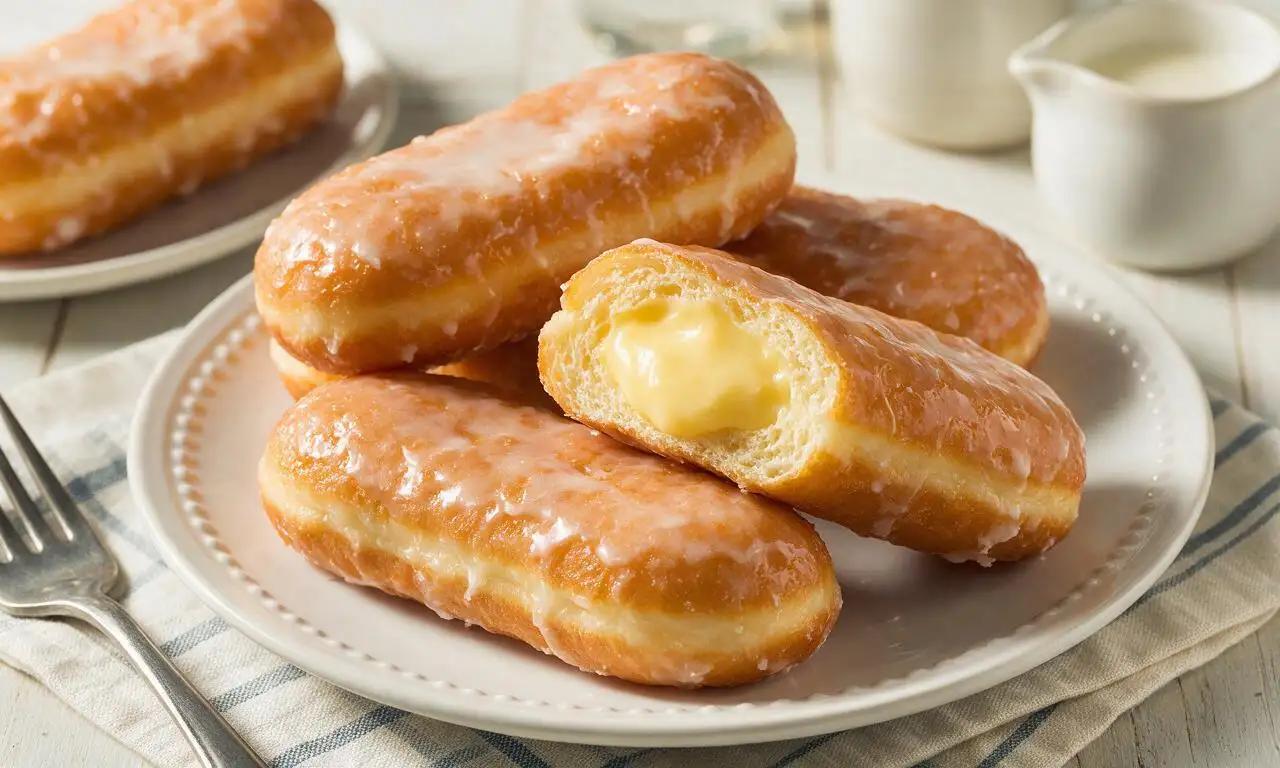
Soft, pillowy fried yeast donut sticks filled with smooth vanilla pastry cream and coated in sweet sugar glaze, a nostalgic American bakery favorite.

Ingredients

All-purpose flour 3 ½ cups (420g)
Instant dry yeast 2 ¼ tsp (7g)
Granulated sugar 7 tbsp (87g, divided for dough and pastry cream)
Whole milk 2 ¼ cups (530ml, divided for dough, pastry cream, and glaze)
Unsalted butter 6 tbsp (85g, divided for dough and pastry cream)
Large whole eggs 2 (100g, room temperature, for dough)
Fine sea salt 1 tsp (5g)
Vegetable oil (for frying) 6 cups (1.4L)
Large egg yolks 2 (36g, for pastry cream)
Cornstarch 2 ½ tbsp (20g, for pastry cream)
Vanilla extract 2 tsp (10ml, divided for pastry cream and glaze)
Powdered sugar 2 cups (240g, for glaze)

Steps

1

Mix and knead dough

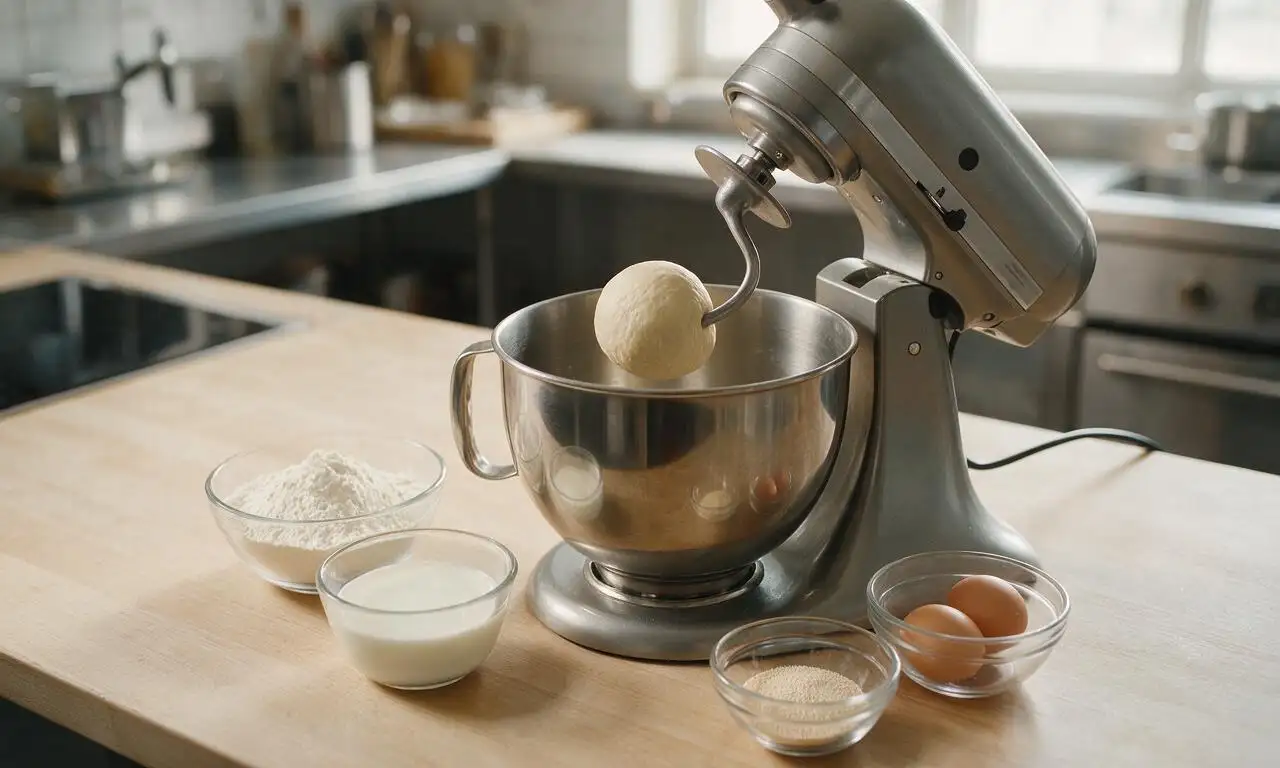
In the bowl of a stand mixer fitted with a dough hook, combine 1 cup of whole milk warmed to 110°F (43°C), 1 tbsp granulated sugar, and instant yeast. Let rest 5 minutes until foamy to confirm yeast activity. Add remaining 2 tbsp granulated sugar, 4 tbsp melted cooled unsalted butter, 2 room-temperature whole eggs, fine sea salt, and all-purpose flour. Knead on medium-low speed (speed 2 on most stand mixers) for 7 minutes until a smooth, soft, slightly tacky dough ball forms that pulls cleanly from the bowl sides.
Step 1
step1:Mix and knead dough
2

First dough rise

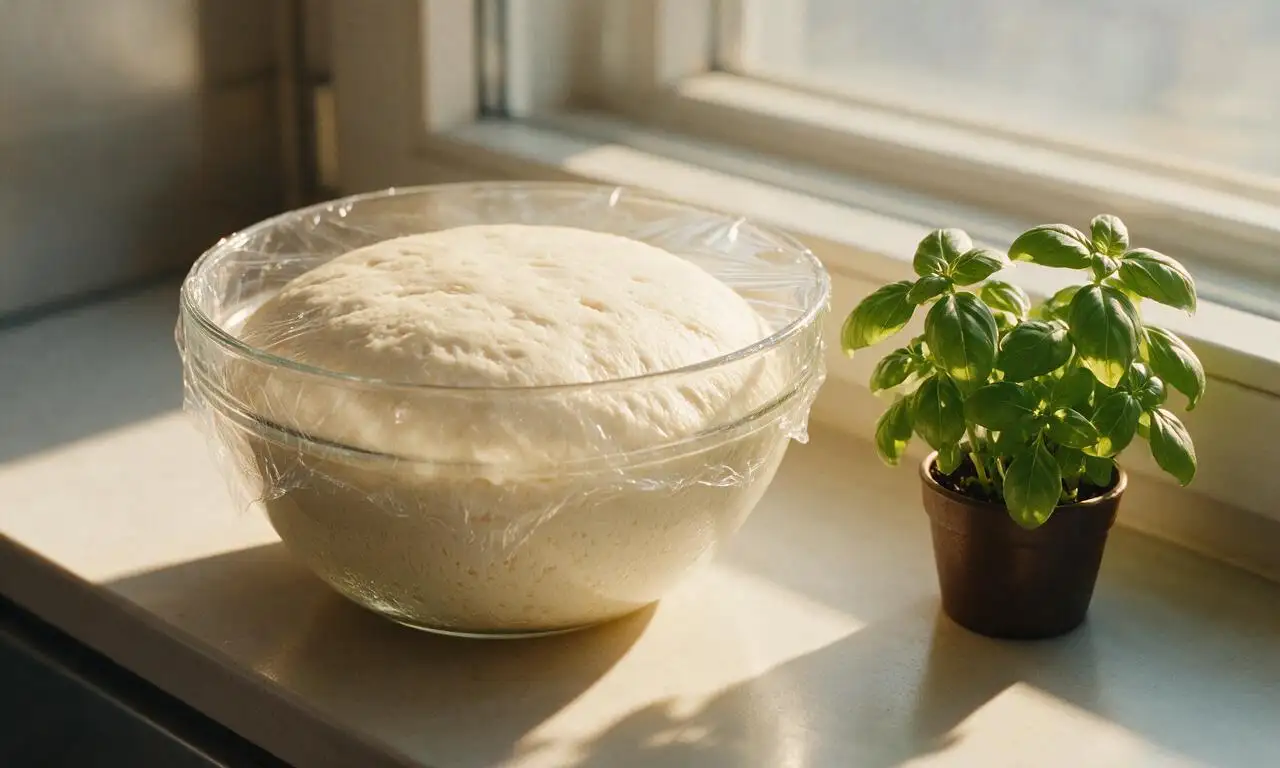
Lightly grease a large glass mixing bowl with 1 tsp vegetable oil, place the kneaded dough inside, and turn to coat its surface in oil. Cover tightly with plastic wrap, then set in a warm, draft-free 75°F (24°C) spot to rise for 60 minutes, until the dough doubles in volume and leaves a slow-rebounding indent when poked with a floured finger.
Step 2
step2:First dough rise
3

Shape donut sticks

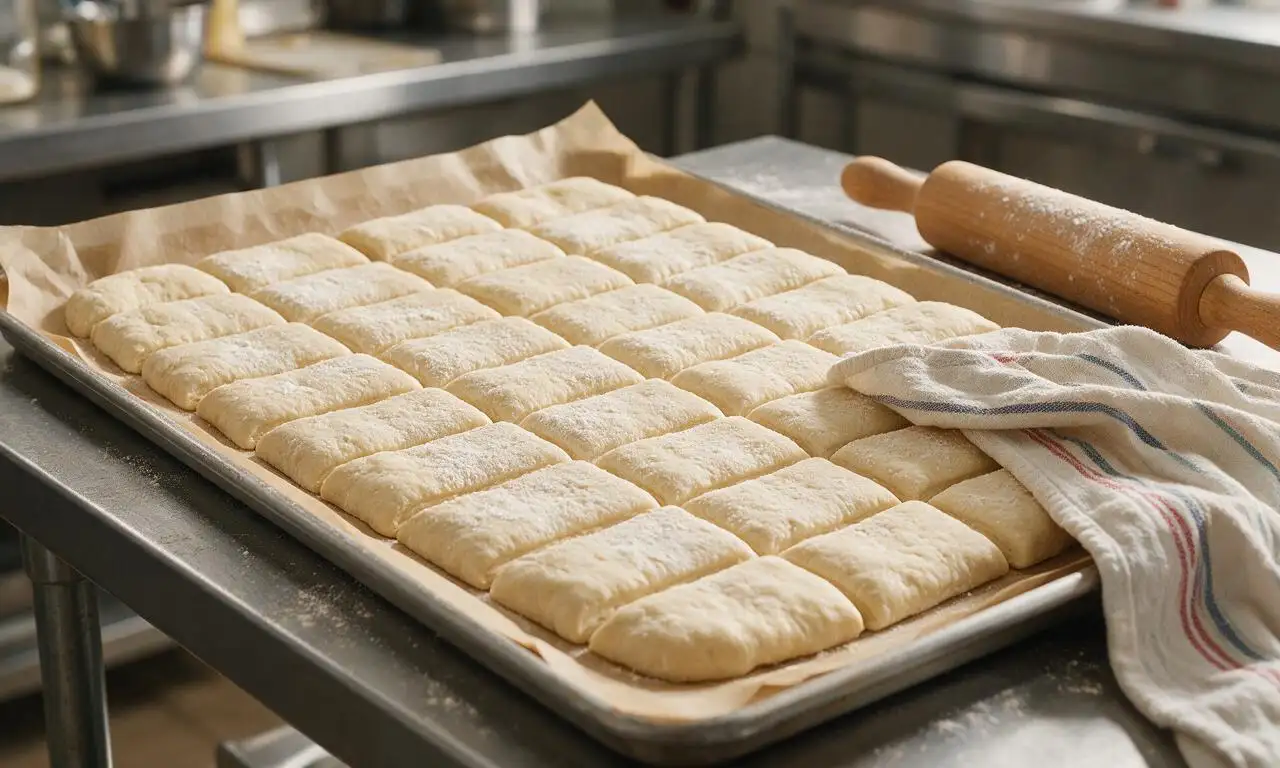
Punch down risen dough to release trapped air, then roll on a lightly floured surface to a uniform ½-inch thick rectangle. Cut into 8 equal sticks, each 1.5 inches wide and 5 inches long. Arrange sticks 2 inches apart on a parchment-lined baking sheet, cover loosely with a clean kitchen towel, and let rise a second time for 30 minutes at room temperature until puffy and 1.5 times their original size.
Step 3
step3:Shape donut sticks
4

Make pastry cream filling

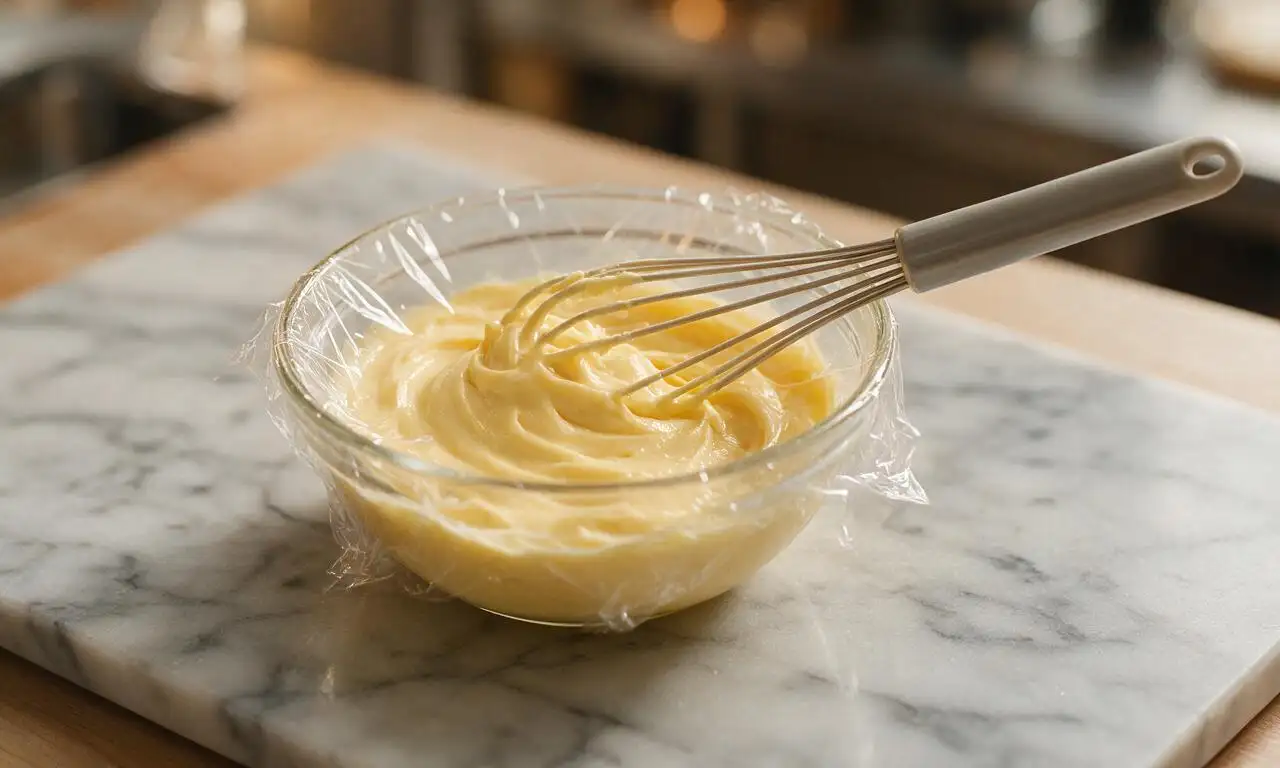
While dough completes its second rise, cook the filling: Whisk 1 cup cold whole milk, ¼ cup (4 tbsp) granulated sugar, cornstarch, and 2 egg yolks in a small saucepan over medium-low heat. Cook, whisking constantly, for 4-5 minutes until thickened to a pudding consistency that coats the back of a spoon. Remove from heat, stir in 2 tbsp unsalted butter and 1 ½ tsp vanilla, transfer to a bowl, press plastic wrap directly on the cream surface, and chill 20 minutes until firm enough to pipe.
Step 4
step4:Make pastry cream filling
5

Fry donuts to golden

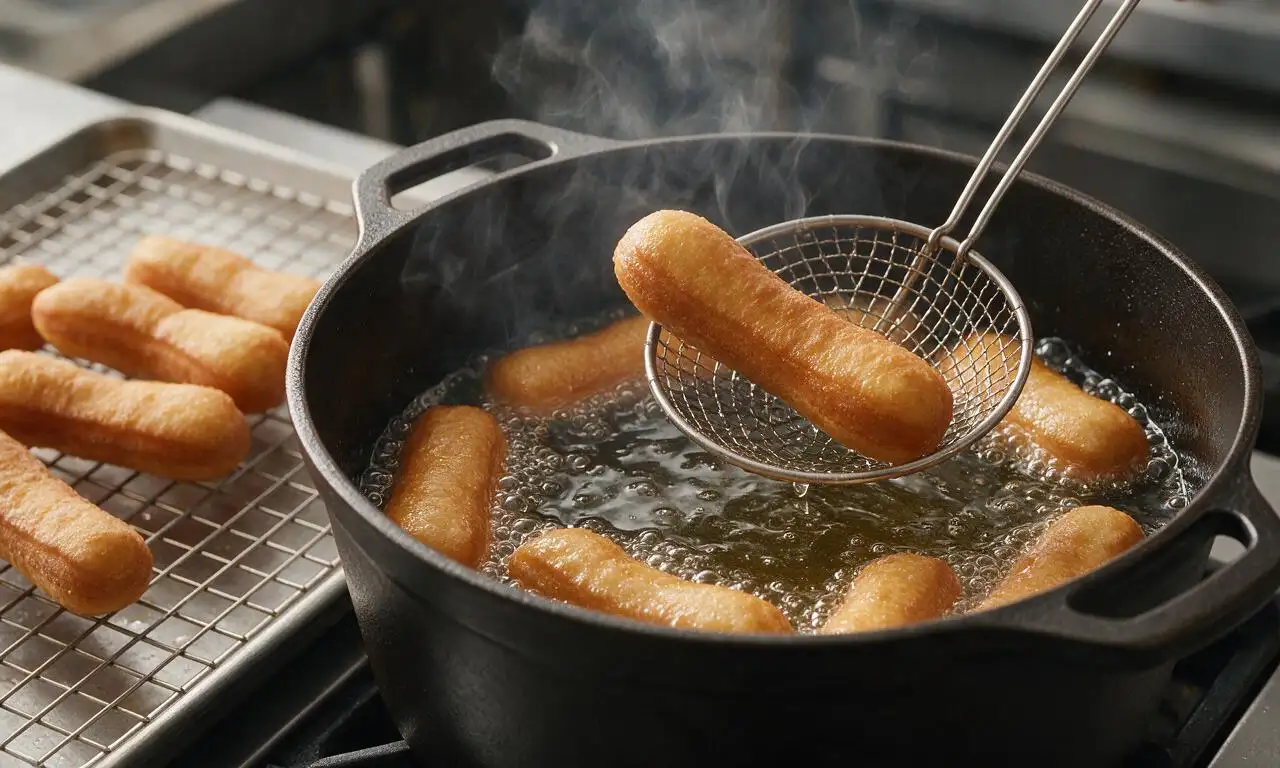
Heat 6 cups vegetable oil in a deep heavy-bottomed pot to 350°F (175°C) over medium heat, monitored with a candy thermometer. Carefully lower 2-3 dough sticks at a time into the oil, avoiding overcrowding the pot which drops oil temperature. Fry 90 seconds per side until deep even golden brown, then use a slotted spoon to transfer donuts to a wire rack over paper towels to drain for 5 minutes, adjusting heat as needed to keep oil steady at 350°F between batches.
Step 5
step5:Fry donuts to golden
6

Glaze and fill donuts

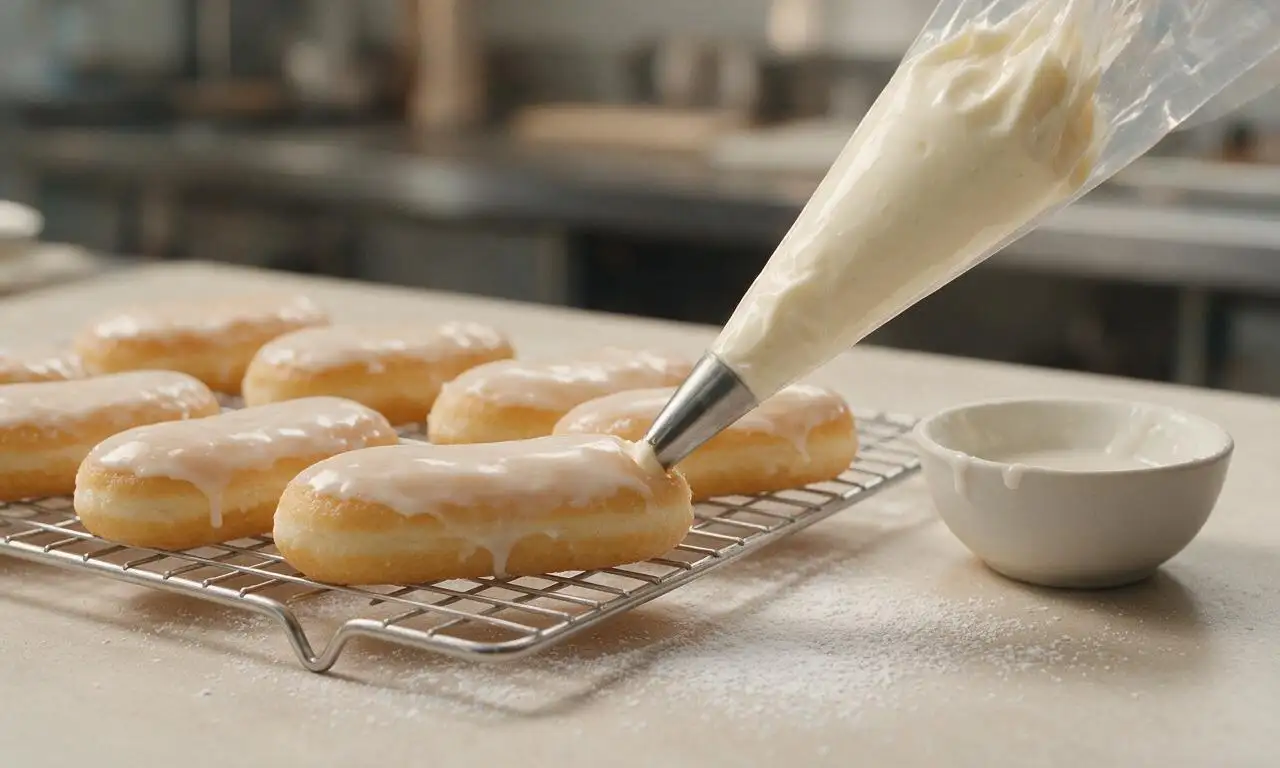
Make glaze by whisking 2 cups powdered sugar, 3 tbsp whole milk, and ½ tsp vanilla until completely smooth with no lumps. Dip the top half of each slightly cooled donut (10 minutes out of the fryer) in glaze, let excess drip off, then return to the rack for 10 minutes to set. Once glaze is firm, poke a 2-inch deep hole in one end of each donut with a wooden chopstick, wiggling slightly to make space for filling, then pipe 2 tbsp of chilled pastry cream into each donut until it feels slightly heavy and full.
Step 6
step6:Glaze and fill donuts

Tips

1.Keep frying oil between 340–360°F (170–182°C) at all times: oil that is too hot will burn the donut exterior before the interior cooks, while oil that is too cool will produce greasy, heavy donuts.
2.Always press plastic wrap directly onto the surface of warm pastry cream as it chills; this prevents a tough, rubbery skin from forming that would create lumps in your filling.
3.Wait until donuts are warm (not piping hot, about 10 minutes out of the fryer) to glaze and fill them; hot donuts will melt the glaze and cause the pastry cream to thin and run out.

✨ You May Also Like

Desserts & Baking
🍜 Italy

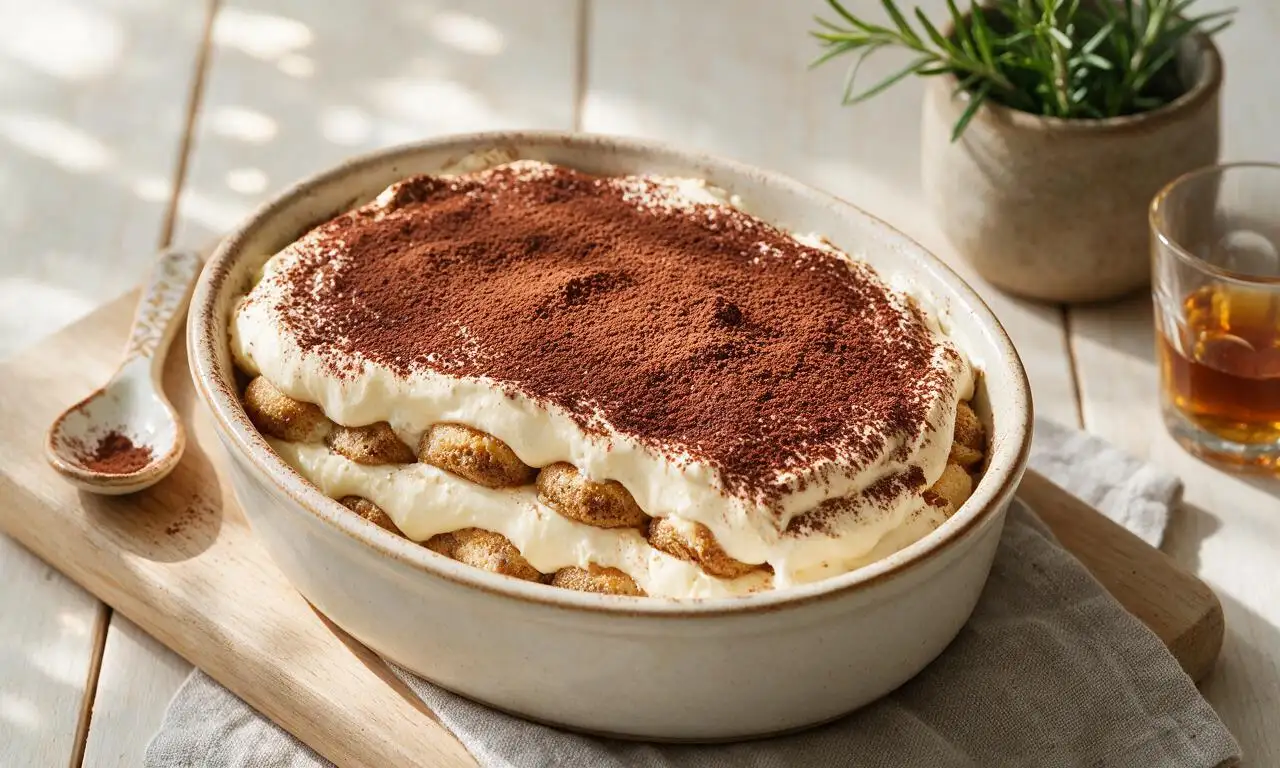
Creamy, coffee-kissed classic Northern Italian no-bake dessert, with layers of rum-spiked mascarpone cream, soft ladyfingers, and a rich cocoa dusting.

⏱️ 4 hours 3Desserts & Baking ★ 4.7
Desserts & Baking
🍜 France

Flaky, shatteringly crisp, buttery French croissants with golden exteriors and soft, airy layered interiors, perfect for pairing with coffee for a special morning treat.

⏱️ 12 hours Desserts & Baking ★ 4.5
Desserts & Baking
🍜 United States

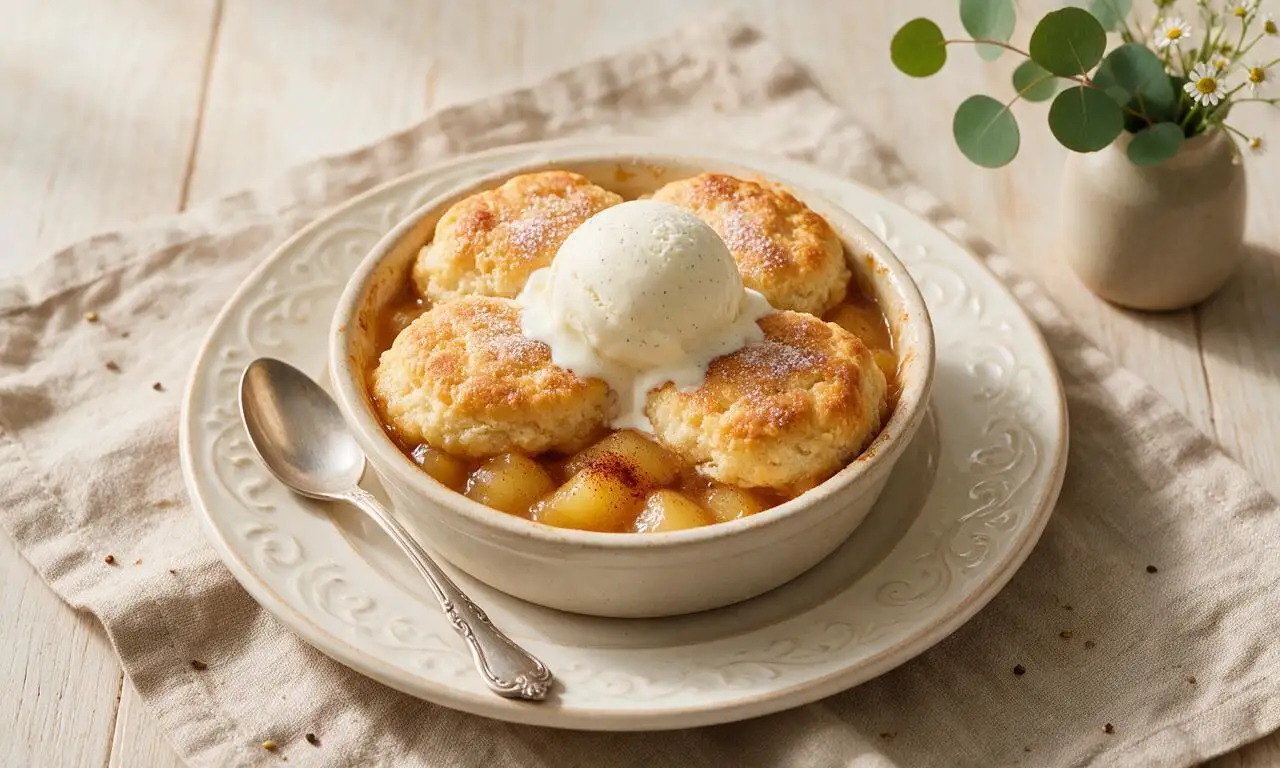
Warm, spiced baked apples topped with a fluffy golden biscuit crust, this cozy dessert pairs perfectly with vanilla ice cream for cool-weather comfort.

⏱️ 55 minuteDesserts & Baking ★ 4.6
Desserts & Baking
🍜 United States

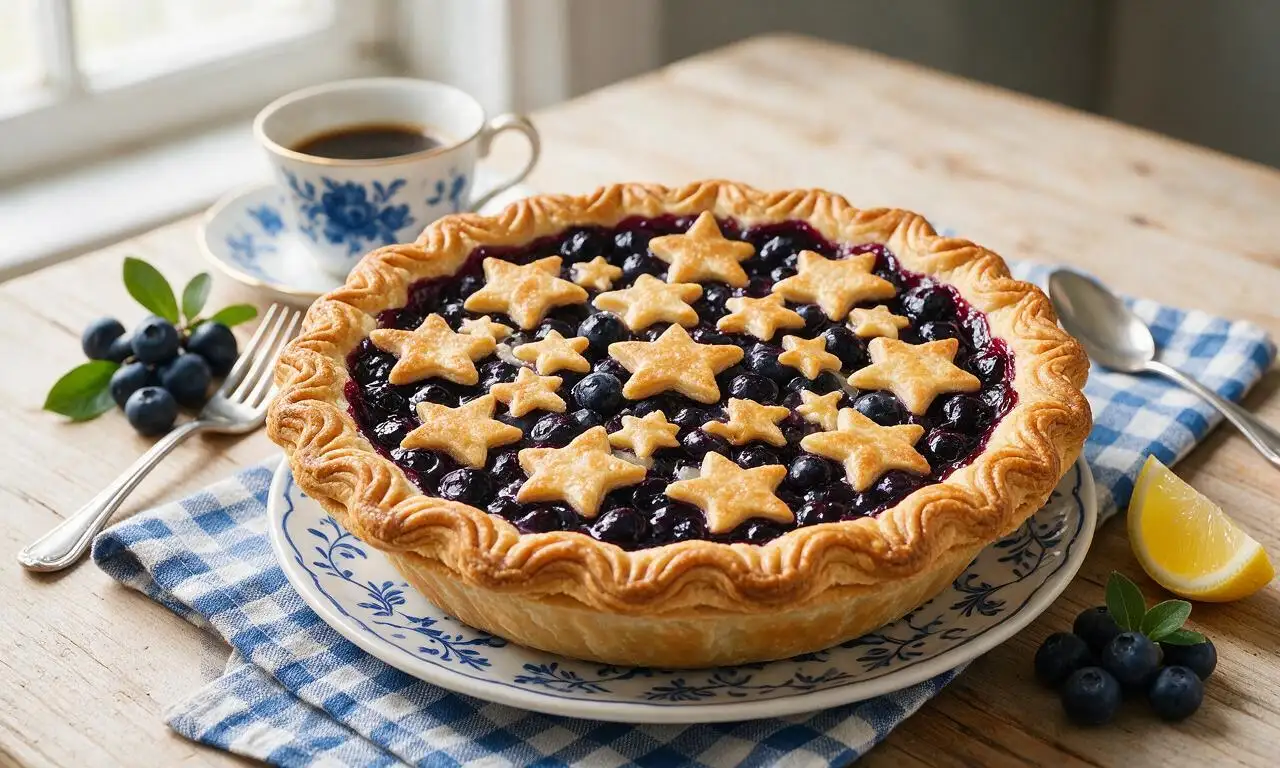
A star-spangled classic American blueberry pie with buttery flaky crust and bright sweet-tart filling, perfect for summer patriotic gatherings.

⏱️ 1 hour 25Desserts & Baking ★ 4.7
Desserts & Baking
🍜 United States

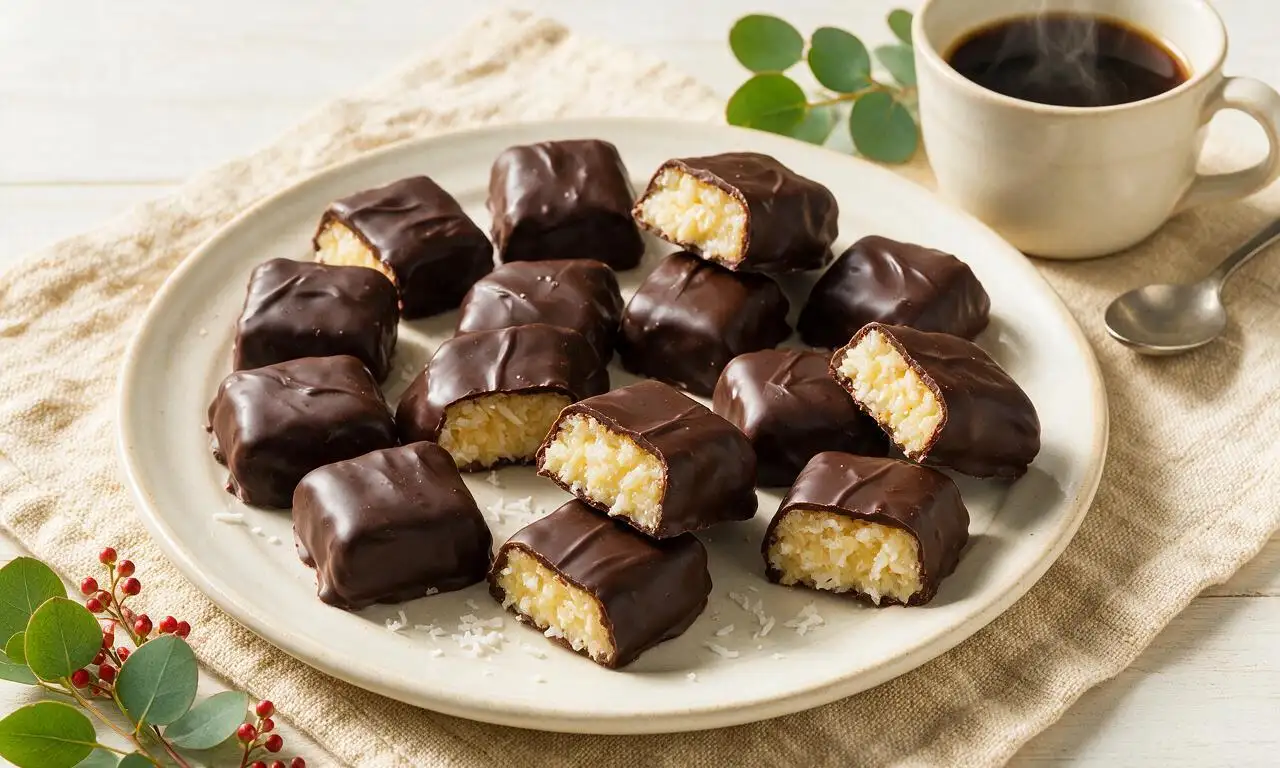
A beloved no-bake regional Maine candy with a chewy coconut-potato center coated in rich dark chocolate, a New England holiday staple since the 1870s.

⏱️ 2 hours 3Desserts & Baking ★ 4.8
Desserts & Baking
🍜 France

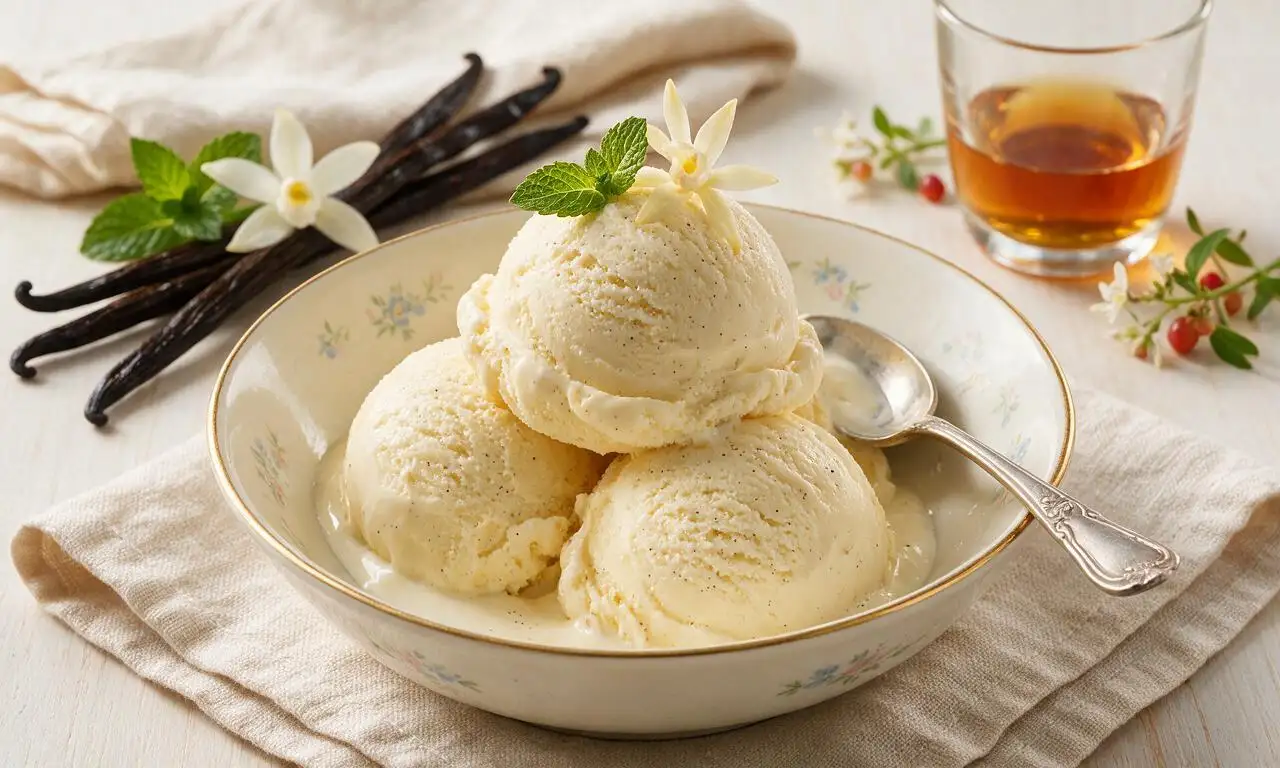
Luxuriously creamy, floral frozen custard made with aromatic Tahitian vanilla beans, boasting a smooth, rich texture that melts slowly on the tongue.

⏱️ 3 hours 3Desserts & Baking ★ 4.5

Long John / Cream Stick:Frequently Asked Questions

1.Can I use active dry yeast instead of instant dry yeast for this Long John donut recipe? ▾
Absolutely—swap it 1:1 by weight, but first activate it in 105–110°F warm whole milk with a pinch of granulated sugar for 5–7 minutes until foamy before mixing into the dough. Skip that pre-activation step if you stick with instant yeast to cut down on total prep time for light, fluffy donuts.
2.Why did my Long John donuts turn out dense instead of soft and pillowy? ▾
Dense donuts usually stem from under-kneading the all-purpose flour dough (you should hit a smooth, elastic windowpane test pass), cutting rise times too short in a warm, draft-free spot, or frying at too low a temperature, which makes dough absorb excess oil and turn heavy instead of puffing light.
3.What temperature should I fry Long John donuts at for the best texture? ▾
Keep your frying oil held steady at 365–375°F, using a clip-on candy thermometer to monitor it closely. If oil is too hot, the outside burns before the inside cooks; too low, donuts soak up excess grease and turn soggy. Fry 1–1.5 minutes per side until evenly golden brown.
4.Can I make the vanilla pastry cream filling ahead of time? ▾
Definitely! Make pastry cream up to 3 days in advance, stored in an airtight container in the fridge with a piece of plastic wrap pressed directly to the surface to prevent a tough skin from forming. Give it a quick whisk right before filling to restore its smooth, pipeable consistency.
5.How do I keep the sugar glaze from cracking or sliding off my finished donuts? ▾
First, make sure donuts are fully cooled to room temperature before glazing—warm donuts melt glaze and make it run off. Let mixed glaze sit 2–3 minutes after stirring to thicken slightly, dip donut tops, let excess drip off, and set on a wire rack 15–20 minutes to set fully.
6.Do I have to use whole milk for the dough, or can I substitute lower-fat milk? ▾
Whole milk gives these donuts their signature rich, tender crumb, but you can swap in 2% milk in a pinch—just note the crumb will be slightly less soft. Avoid skim milk entirely, as it lacks enough fat to keep dough tender, leading to a drier, blander finished donut.
7.How do I fill Long John donuts without making a mess or splitting the donut open? ▾
Once donuts are fully cooled, poke a hole in each end with a paring knife tip, wiggling it slightly to make space for filling. Fit a piping bag with a long, narrow Bismarck tip, insert it 1–2 inches into each end, and squeeze gently as you pull the tip out, stopping when the donut feels slightly heavy.
8.Can I bake these Long John donuts instead of frying them for a lower-fat version? ▾
You can, but know the texture will be closer to a soft sweet roll than a classic bakery Long John. If baking, brush shaped donut sticks with melted unsalted butter, bake at 375°F for 12–14 minutes until golden, then brush with extra butter before glazing and filling to mimic that rich fried mouthfeel.
9.How long should I let the donut dough rise for the best results? ▾
Let the first bulk rise go for 1–1.5 hours in a warm, 75–80°F draft-free spot until the dough doubles in size and holds an indent when poked with a floured finger. After cutting Long John shapes, let them rise a second time for 30–45 minutes until puffy and jiggly when you nudge the tray.
10.What kind of oil is best for frying these donuts? ▾
Reach for a neutral, high-smoke-point oil to avoid off-flavors in your finished donuts: canola, vegetable, peanut, or refined coconut oil all work perfectly. Avoid olive oil, butter, or unrefined oils, which have low smoke points and burn at frying temps, leaving a bitter, unpleasant taste.
11.My donuts had a raw, doughy center even when the outside was golden—what went wrong? ▾
This almost always traces back to oil that was too hot, which browns the exterior fast before the interior can cook through, or rolling dough too thick when cutting Long John shapes. Stick to ½-inch thickness, hold oil at a steady 365°F, and test one donut first to confirm it hits 190°F in the center.
12.Can I freeze homemade Long John donuts to enjoy later? ▾
Yes! Freeze unglazed, unfilled donuts in an airtight, freezer-safe bag for up to 3 months. Thaw at room temperature for 1–2 hours, then refresh for 10 seconds in the microwave before filling, glazing, and serving. Don’t freeze filled, glazed donuts, as the filling and glaze will turn soggy when thawed.
13.Do I need a special donut cutter to make the classic Long John shape? ▾
No fancy equipment required! A sharp chef’s knife or pizza cutter works perfectly to cut rolled dough into 1-inch wide, 4-inch long rectangles for classic Long John shapes. Unlike round ring donuts, Long Johns don’t need a center hole, so no specialty cutter is necessary to nail the iconic stick shape.
14.Can I swap the vanilla pastry cream for a different filling? ▾
Absolutely—once you master the tender base donut, you can swap in any smooth, pipeable filling you love. Chocolate pastry cream, salted caramel, whipped peanut butter cream, lemon curd, or even marshmallow fluff all make delicious, nostalgic twists on the classic cream stick Long John.
15.Why did my donuts absorb so much oil while frying that they turned out greasy? ▾
Greasy donuts happen when your frying oil is under 350°F, or you fry donut shapes before they finish their second rise. Under-proofed dough is dense and soaks up oil instead of puffing instantly on contact with hot oil, so make sure cut donuts are properly puffy before lowering them into the fryer.
16.What consistency should the classic sugar glaze be, and how do I adjust it? ▾
For a smooth, settable glaze that doesn’t drip everywhere, mix 2 cups sifted powdered sugar with 3–4 tablespoons whole milk and ½ teaspoon vanilla extract. It should be thick enough to coat the back of a spoon, running off slowly in a thick ribbon—add a touch more milk or sugar to adjust as needed.
17.Can I use salted butter instead of unsalted butter in the dough and pastry cream? ▾
You can, just cut any added salt in the recipe by ¼ teaspoon per stick of salted butter you use to avoid making donuts overly salty. Unsalted butter lets you control exact salt levels for that perfect balanced sweet-savory note, but salted butter works as a quick swap if that’s what you have on hand.
18.How long will filled, glazed Long John donuts stay fresh after I make them? ▾
Filled, glazed Long Johns are best eaten within 24 hours of making, stored loosely covered at room temperature—don’t seal them in an airtight container, or the glaze will get sticky and donuts will turn soggy. After 24 hours, the pastry cream will start to soften the donut crumb, so enjoy them fresh for best texture.
19.My pastry cream turned out lumpy—how do I fix that so it’s smooth enough for filling? ▾
Lumpy pastry cream usually comes from adding hot milk too fast to the egg mixture, or not stirring constantly while it cooks. If you end up with lumps, pour the warm cream through a fine-mesh sieve into a bowl, pressing with a spatula to push smooth cream through and leave lumps behind, then chill as directed for silky results.

Comments (7)

2 days ago

OMG these taste exactly like the long johns I used to grab from the corner bakery on my way to high school! I was so nervous the dough would be too finicky since I’m pretty new to yeast donuts, but the instructions were super clear. My kids devoured half the batch before I even finished filling the last ones with vanilla cream, they kept saying they’re better than the donut shop ones we get on weekends. 10/10 will be making these for our neighborhood potluck next weekend!

2 days ago

That makes my day to hear! Nothing beats that old-school corner bakery long john flavor, right? Your neighborhood potluck is gonna be a total hit with these, I just know it.

yesterday

Ugh same, I’ve been chasing that perfect corner bakery long john taste for YEARS. Did you find the dough rose okay in a colder kitchen? My house hovers around 65 degrees in the winter so I’m worried I’ll mess up the proofing time if I make these this week.

3 days ago

Game changer alert! I’ve tried three other long john recipes off this site and they all came out too dense or too cakey, but these had that perfect light, fluffy yeast donut texture. I topped half with chocolate glaze and half with maple, both slapped. Only quick note: make sure you don’t roll the dough too thin or they’ll puff up lopsided when you fry them.

yesterday

Is there any way to adapt this recipe for gluten free flour? My youngest has celiac and she’s been begging for cream stick donuts ever since her class had a donut party last week. I tried a random gluten free donut recipe last month and it turned out like sweet cardboard, so I’m really hoping this one works with simple swaps!

2 hours ago

Hi Gigi! I’ve tested this recipe with a 1:1 gluten free baking flour (the kind with xanthan gum already included) and it works really well! Just tack on an extra 10 minutes to the first proof time to make sure the dough gets nice and puffy, and you’ll be good to go. Hope your daughter loves them!

1 week ago

Made these for my Sunday meal prep to have as quick breakfast treats for the work week, and WOW. I was worried they’d get soggy in the fridge, but I stored the unfilled donuts in an airtight container and piped in the cream right before eating each morning and they tasted fresh as ever. Only thing I messed up was the first batch of glaze — I added too much milk too fast and it ran right off, so start super small with the liquid! My coworkers all begged for the recipe when I brought a couple in to share on Monday.

5 days ago

Oh that’s such a smart meal prep hack! I’ve been avoiding homemade donuts because I thought you had to eat the entire batch the same day, I’m definitely stealing that storage trick when I make these next week.

3 days ago

Love that meal prep strategy! That’s exactly how I store these too — filling them too early makes the donut go soggy fast, so waiting to pipe the cream until you’re ready to eat is 100% the move. Also great call on the glaze tip, I’ll add a note to the recipe about adding milk gradually so no one else makes that same mistake!

2 weeks ago

Took me the full 2 and a half hours start to finish like the recipe says, and it was 100% worth every minute. I filled mine with peanut butter cream instead of regular vanilla because I’m a total peanut butter fiend, and it was insane. Don’t skip the step of letting the donuts drain on a wire rack after frying — I put a couple straight on paper towels for the first batch and the bottoms got all greasy.

1 week ago

PEANUT BUTTER CREAM FILLING??? That is genius, I would’ve never thought to swap that in. Do you just mix peanut butter into the included pastry cream recipe, or make a totally separate filling from scratch?

30 minutes ago

Full transparency, I’ve never made any kind of fried donut before and I was convinced I’d totally mess this up, but it was way more straightforward than I thought! The hardest part was waiting for the dough to rise because the whole house smelled like warm donuts and I was so impatient. Mine weren’t as pretty as the recipe photos, but they tasted SO good — my roommate said they’re better than the ones we get at the fancy donut shop downtown.

yesterday

Made these for our family dinner last night and they were a total hit! My dad is super picky about donuts (he swears nothing was as good as the cream sticks his grandma made back in the 70s) and he went back for a second one, which is basically a Michelin star rating from him. I do wish the recipe had a clearer note about what oil temp to keep the fryer at, I had to guess a little and my first couple donuts got a little darker than I wanted.

2 hours ago

Hi Mia! That means the world that your dad loved these — a second helping from a donut purist like that is the highest compliment possible! Great call on the oil temp: you want to keep it steady at 375°F the whole time you’re frying, I’ll make sure to add that note prominently to the recipe card so no one else has to guess! So glad the batch turned out tasty despite the darker first couple donuts.