Malasadas (Mardi Gras)

Malasadas (Mardi Gras)
⏱️ cook time 2 hours 45 minutes
🍽️ servings 6
⚡ Difficulty medium

intro

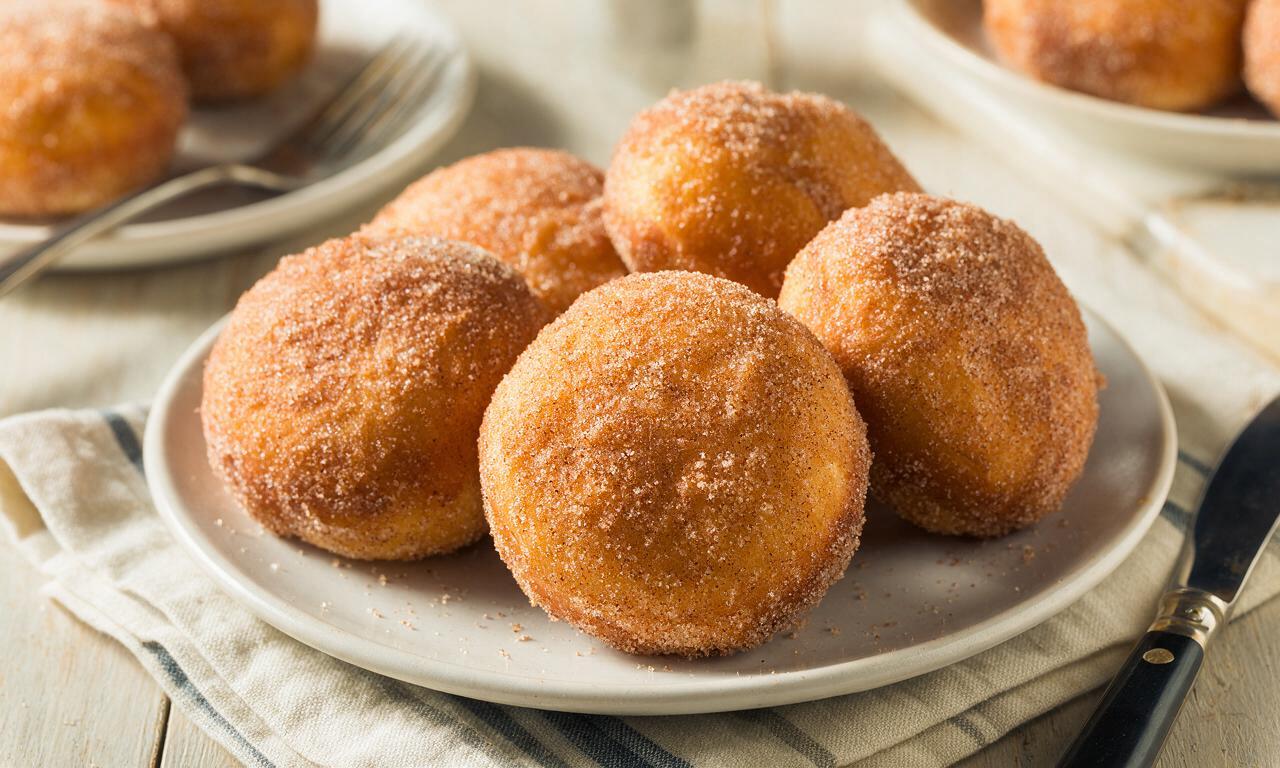
Pillowy, hole-free fried dough rolled in spiced cinnamon sugar: a soft, rich Mardi Gras treat adapted from Portuguese confections, beloved at US Carnival celebrations.

Ingredients

All-purpose flour 480 grams (4 cups)
Whole milk, warmed to 38°C (100°F) 240 ml (1 cup)
Active dry yeast 7 grams (1 standard packet / 2 ¼ teaspoons)
Granulated sugar (for dough) 50 grams (¼ cup)
Large eggs, room temperature (shelled) 3 units (approx 150 grams total)
Unsalted butter, melted and slightly cooled 57 grams (4 tablespoons / ¼ cup)
Fine sea salt 3 grams (½ teaspoon)
Pure vanilla extract 5 ml (1 teaspoon)
Neutral vegetable oil (canola or peanut, for frying) 1.9 liters (2 quarts)
Granulated sugar (for spiced coating) 200 grams (1 cup)
Ground cinnamon 2 grams (1 teaspoon)
Ground nutmeg 1 gram (¼ teaspoon)

Steps

1

Activate the Yeast

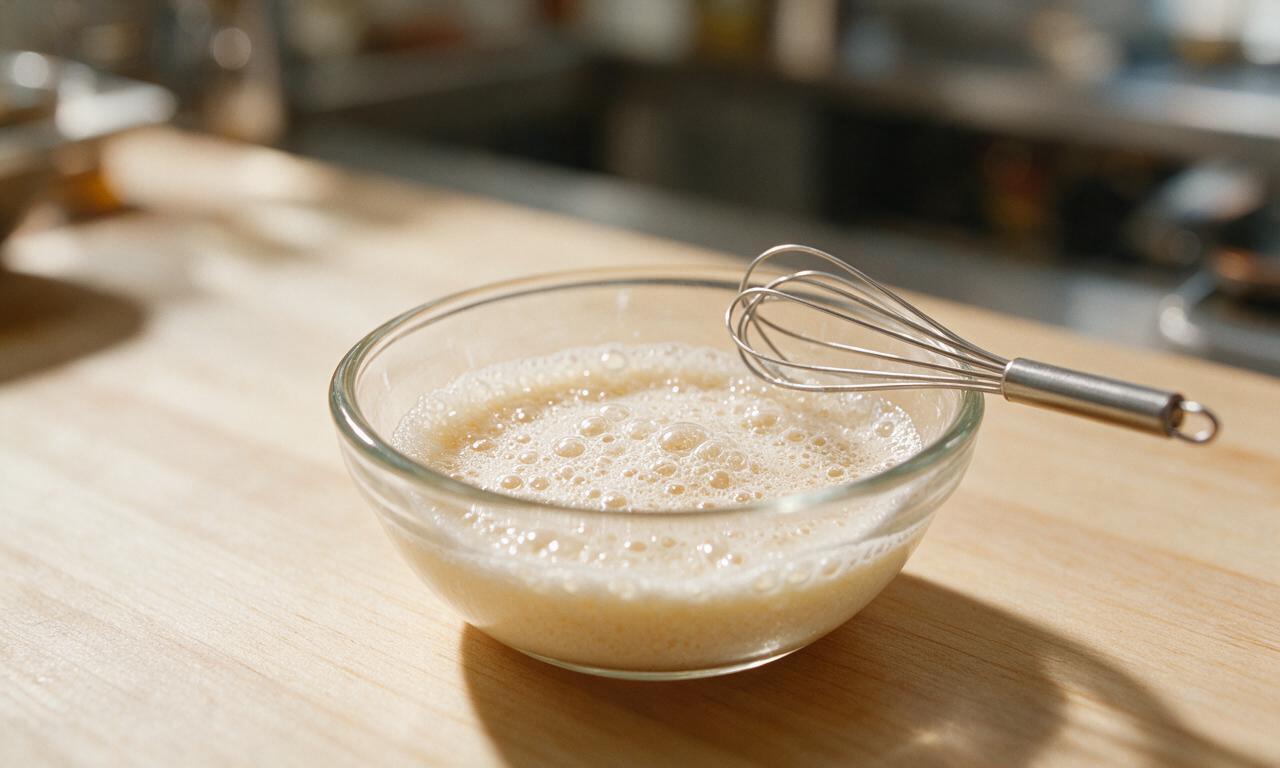
In a small bowl, combine warmed 38°C (100°F) whole milk, 1 teaspoon (approx 4g) of the dough sugar, and active dry yeast. Stir gently to combine, then let rest for 5-7 minutes in a warm, draft-free spot until the mixture forms a ½-inch thick frothy, foamy layer to confirm yeast is active. If no foam forms, replace the yeast before proceeding.
Step 1
step1:Activate the Yeast
2

Mix and Knead Dough

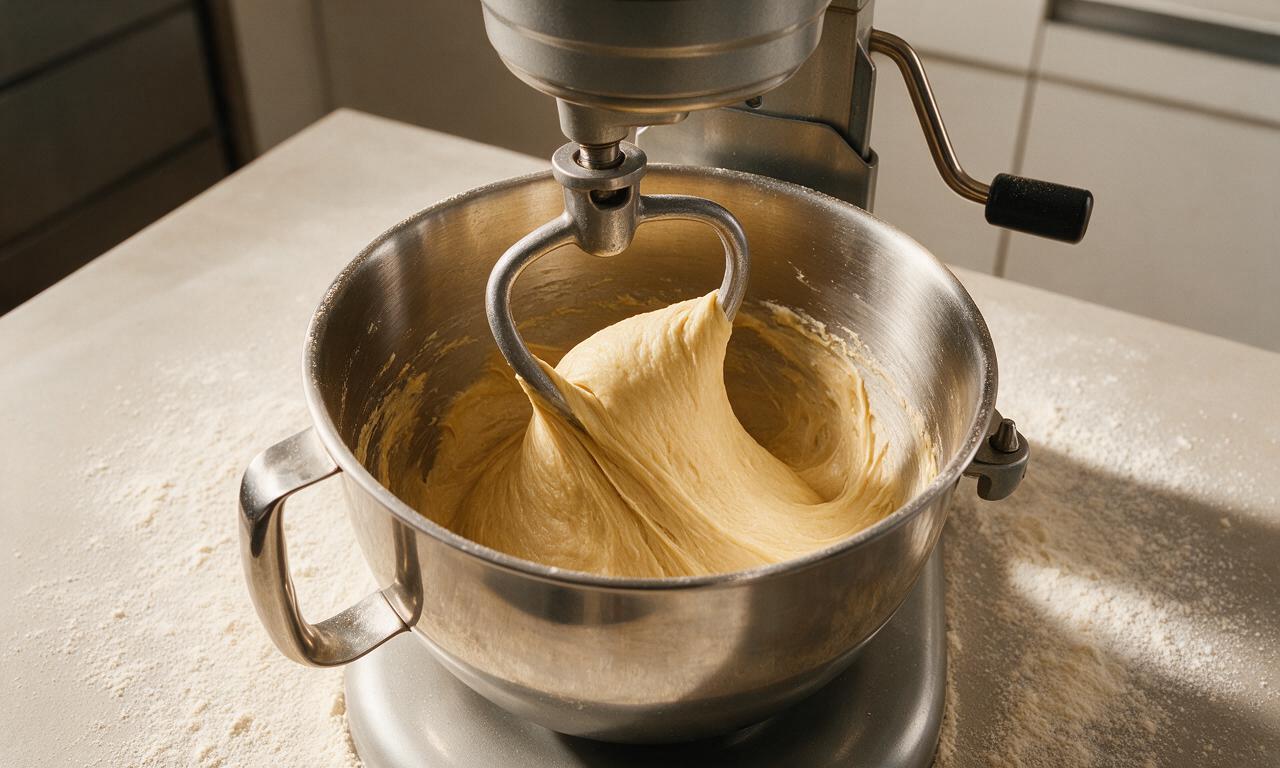
In the bowl of a stand mixer fitted with a dough hook, combine the remaining dough sugar, all-purpose flour, and fine sea salt. Add the foamy yeast mixture, room-temperature shelled eggs, melted cooled butter, and vanilla extract. Mix on low speed (speed 2 on most household stand mixers) for 8 minutes, until the dough pulls cleanly away from the bowl sides and forms a smooth, soft, slightly tacky ball that does not stick to lightly floured fingers.
Step 2
step2:Mix and Knead Dough
3

Set Dough to Rise

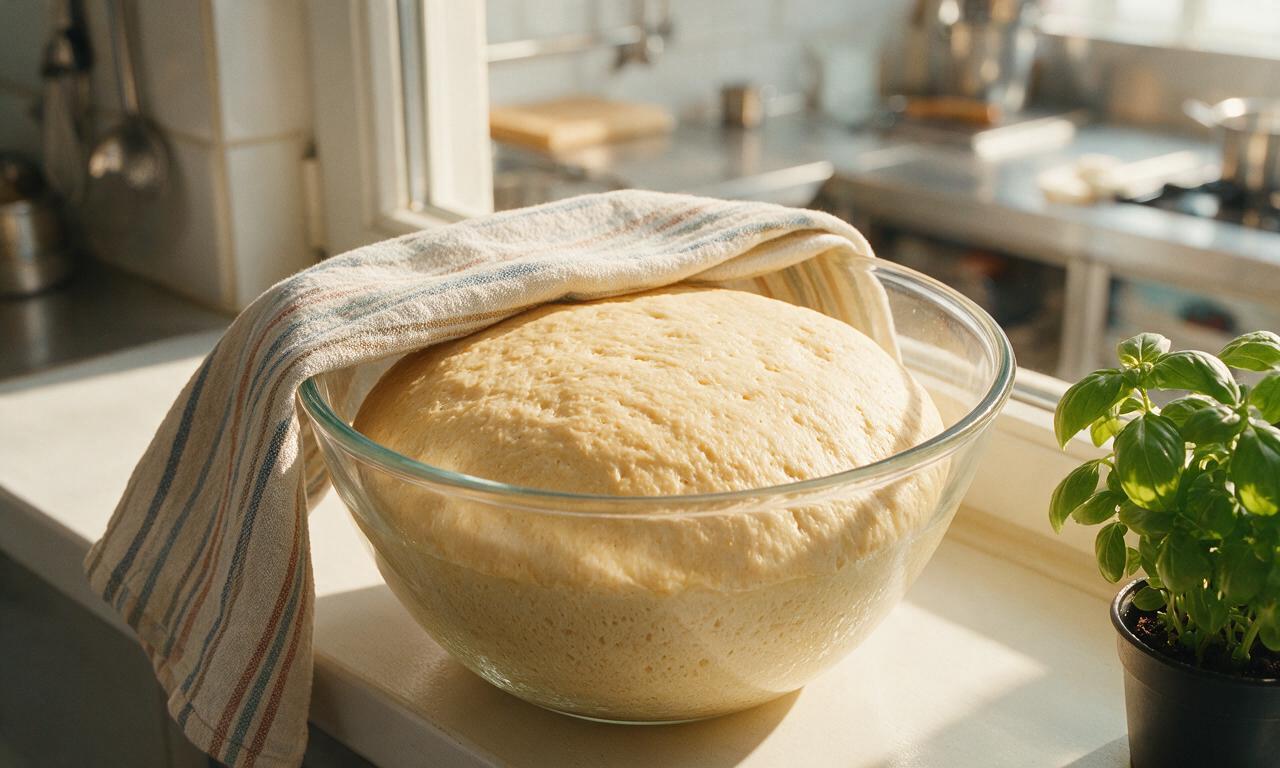
Coat the inside of a large clean glass bowl with 1 teaspoon of vegetable oil, place the kneaded dough ball into the bowl, and turn once to coat the entire dough surface in oil to prevent skin formation. Cover the bowl tightly with plastic wrap and a clean cotton kitchen towel, then set in a 24°C (75°F) draft-free spot for 1 hour 30 minutes, until the dough doubles in volume and leaves a slow-rebounding indent when pressed with a floured finger.
Step 3
step3:Set Dough to Rise
4

Roll and Cut Dough Rounds

Punch the risen dough firmly to release all trapped air, then turn it out onto a lightly floured work surface. Roll the dough to a uniform ½-inch thickness, then use a 3-inch round cookie cutter to cut 12 even circles, re-rolling dough scraps only once to avoid tough pastry. Place the cut dough rounds 2 inches apart on a parchment-lined baking sheet, cover loosely with a clean towel, and let rise for 30 minutes until puffy and ¾-inch thick.
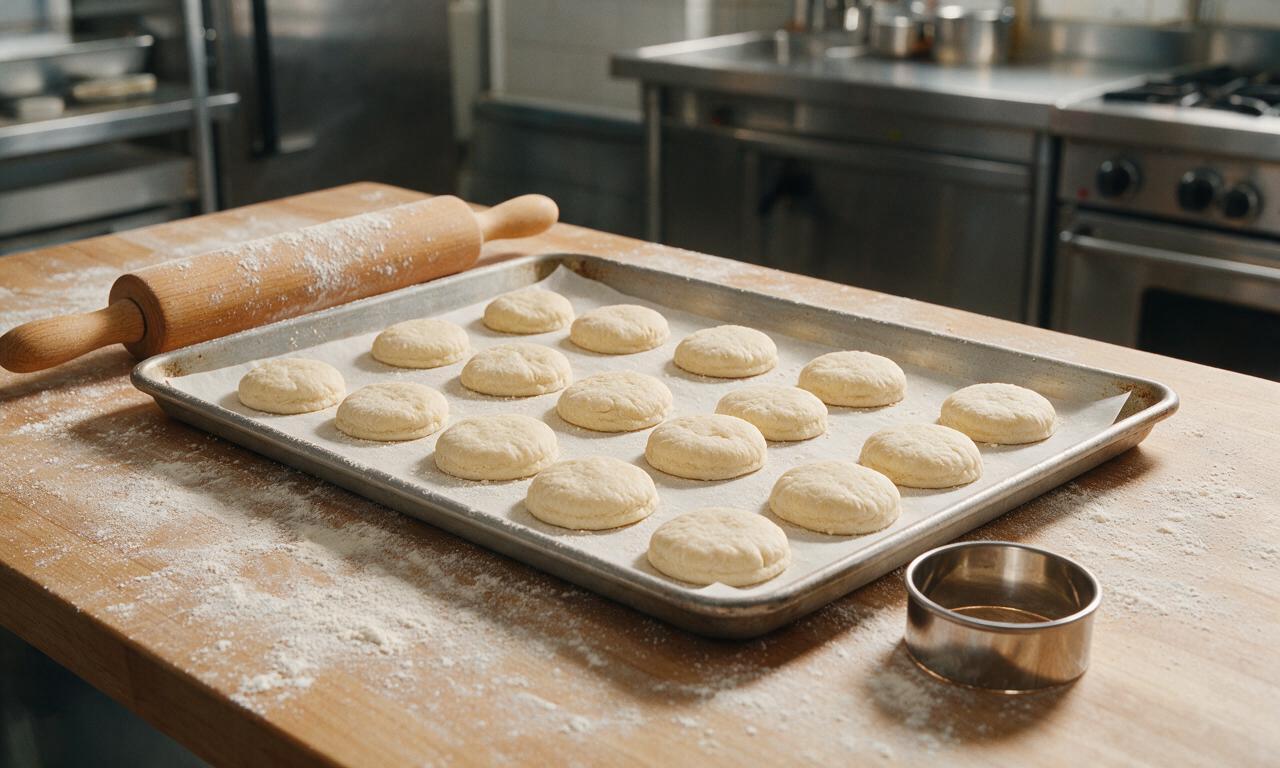
Step 4
step4:Roll and Cut Dough Rounds
5

Heat Oil and Fry Malasadas

Heat 1.9 liters of neutral vegetable oil in a heavy-bottomed Dutch oven to 175°C (350°F), clipping a candy thermometer to the pot edge to monitor and maintain consistent heat. Working in batches of 3 malasadas at a time to avoid dropping oil temperature, fry for 1.5 minutes per side until deep golden brown on both sides, with an internal temperature of 93°C (200°F). Use a slotted metal spoon to transfer cooked malasadas to a wire rack set over a baking sheet to drain for 1 minute.
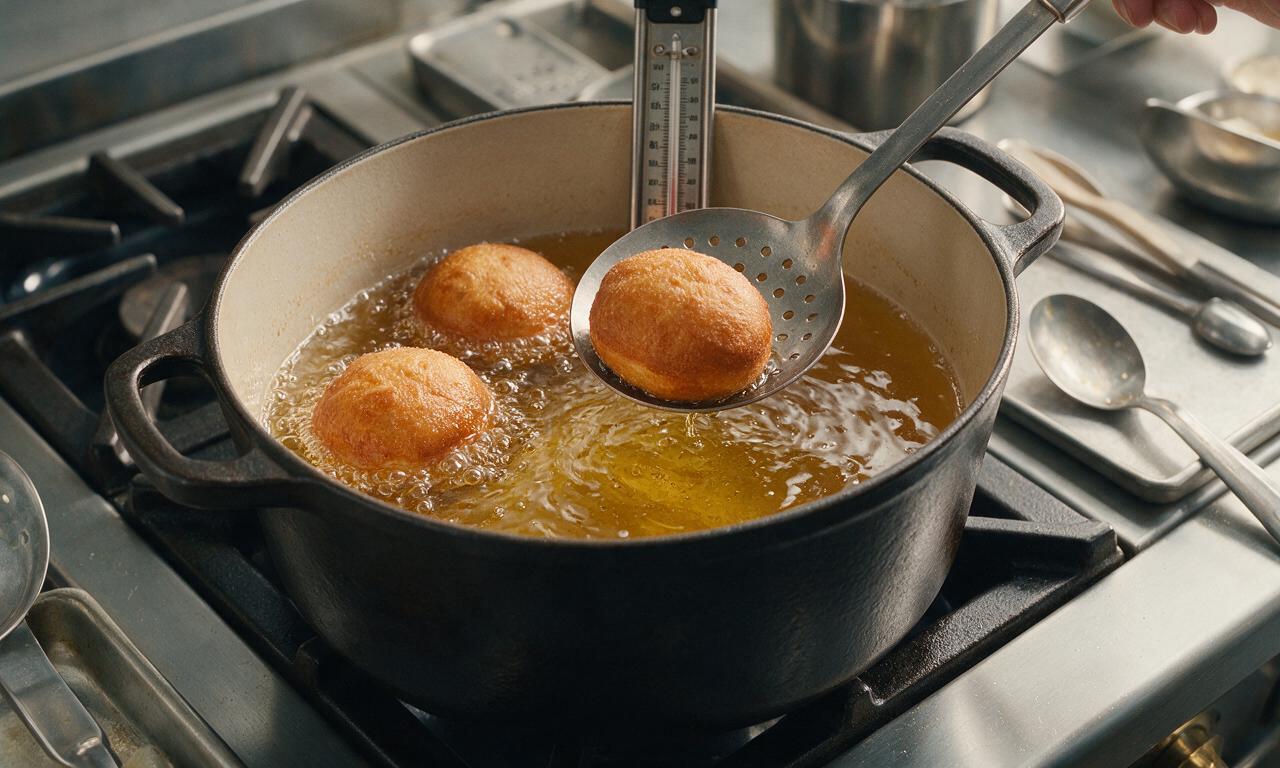
Step 5
step5:Heat Oil and Fry Malasadas
6

Coat Malasadas in Spiced Sugar

While the malasadas are still warm, combine the 200 grams of coating sugar, ground cinnamon, and ground nutmeg in a shallow wide bowl. Toss each warm malasada in the spiced sugar mixture until fully coated on all sides, then return to the wire rack for 2 minutes to let the sugar set. Serve immediately for the softest, fluffiest texture.
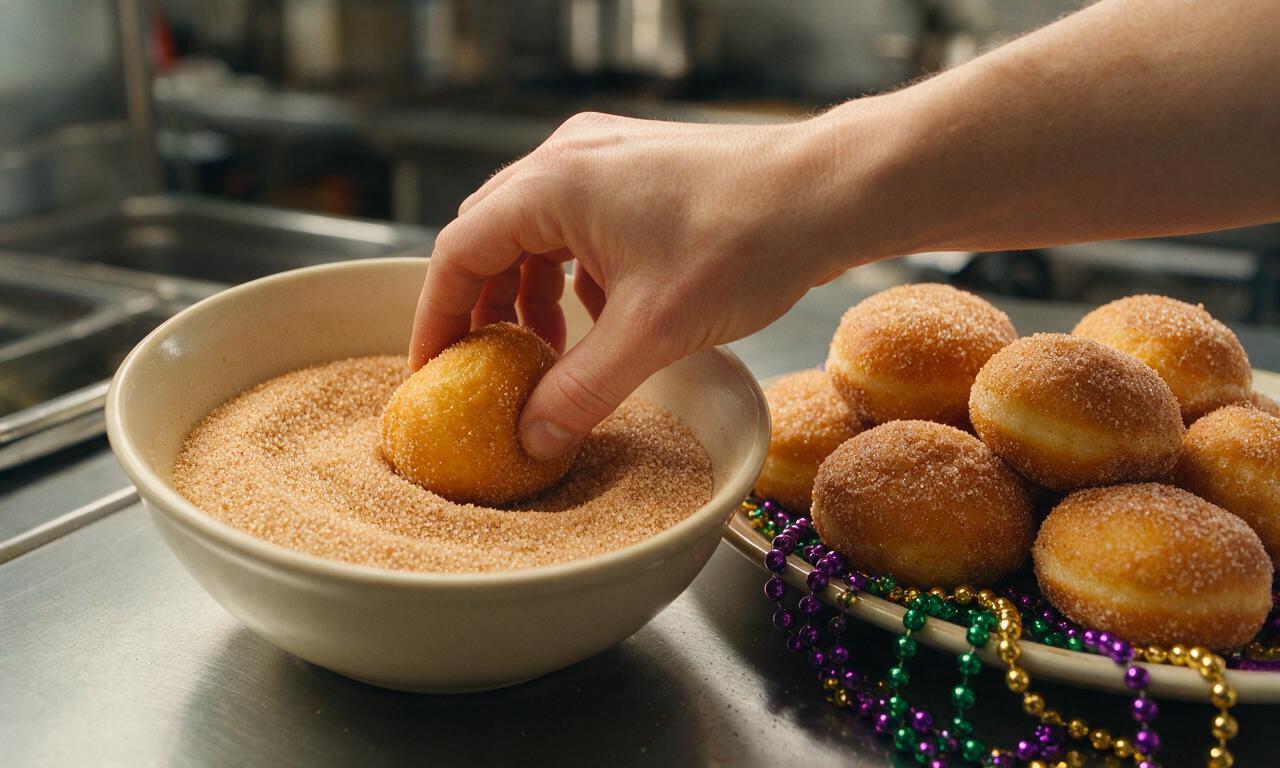
Step 6
step6:Coat Malasadas in Spiced Sugar

Tips

1.Avoid overcrowding the frying pot: adding more than 3 malasadas at a time drops oil temperature sharply, leading to greasy, oil-soaked, undercooked dough instead of light, fluffy pastries.
2.For consistent proofing in cold Winter kitchens (below 24°C/75°F), place covered dough in a turned-off oven with the interior light on; this creates a draft-free, 24–27°C (75–80°F) environment perfect for even rising.
3.Always coat malasadas in spiced sugar while they are still hot and steamy straight from the fryer; cooled dough will not hold the sugar coating, leading to bare patches and loose, falling sugar.

✨ You May Also Like

Desserts & Baking
🍜 Italy

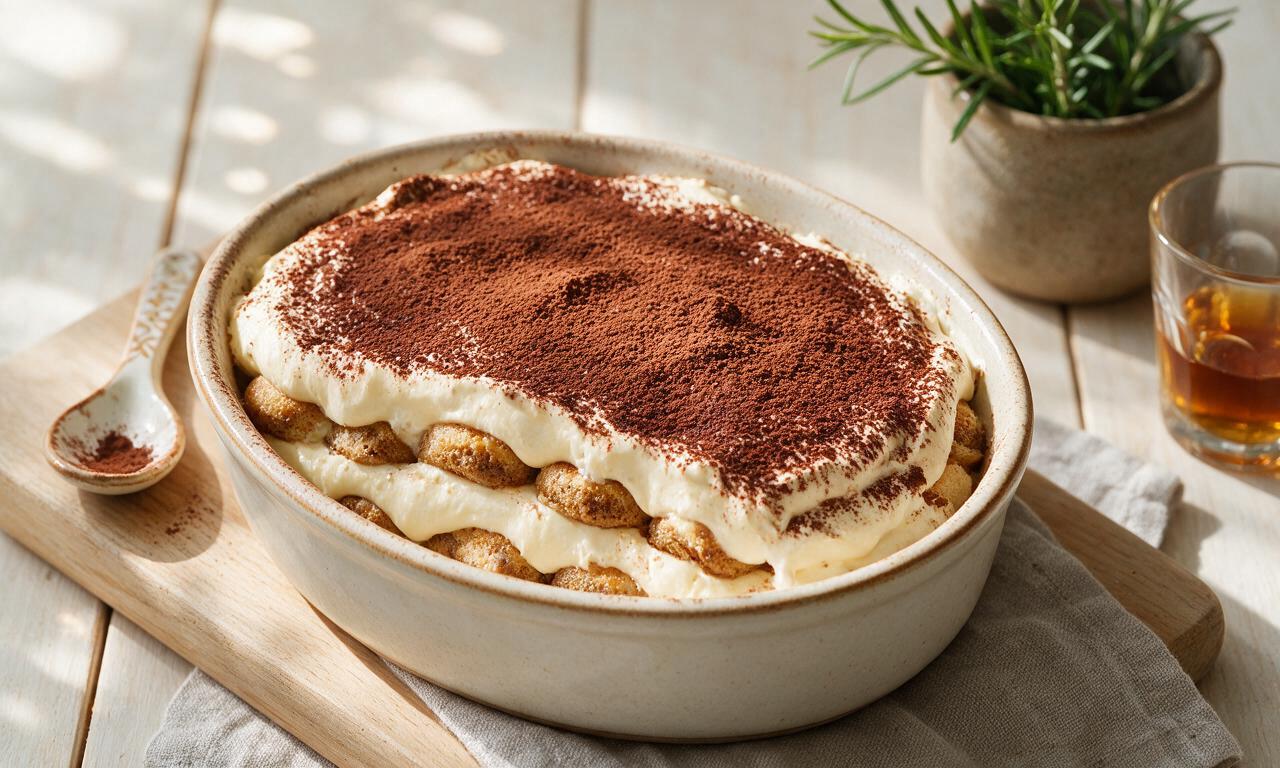
Creamy, coffee-kissed classic Northern Italian no-bake dessert, with layers of rum-spiked mascarpone cream, soft ladyfingers, and a rich cocoa dusting.

⏱️ 4 hours 3Desserts & Baking ★ 4.8
Desserts & Baking
🍜 France

Flaky, shatteringly crisp, buttery French croissants with golden exteriors and soft, airy layered interiors, perfect for pairing with coffee for a special morning treat.

⏱️ 12 hours Desserts & Baking ★ 4.7
Desserts & Baking
🍜 United States

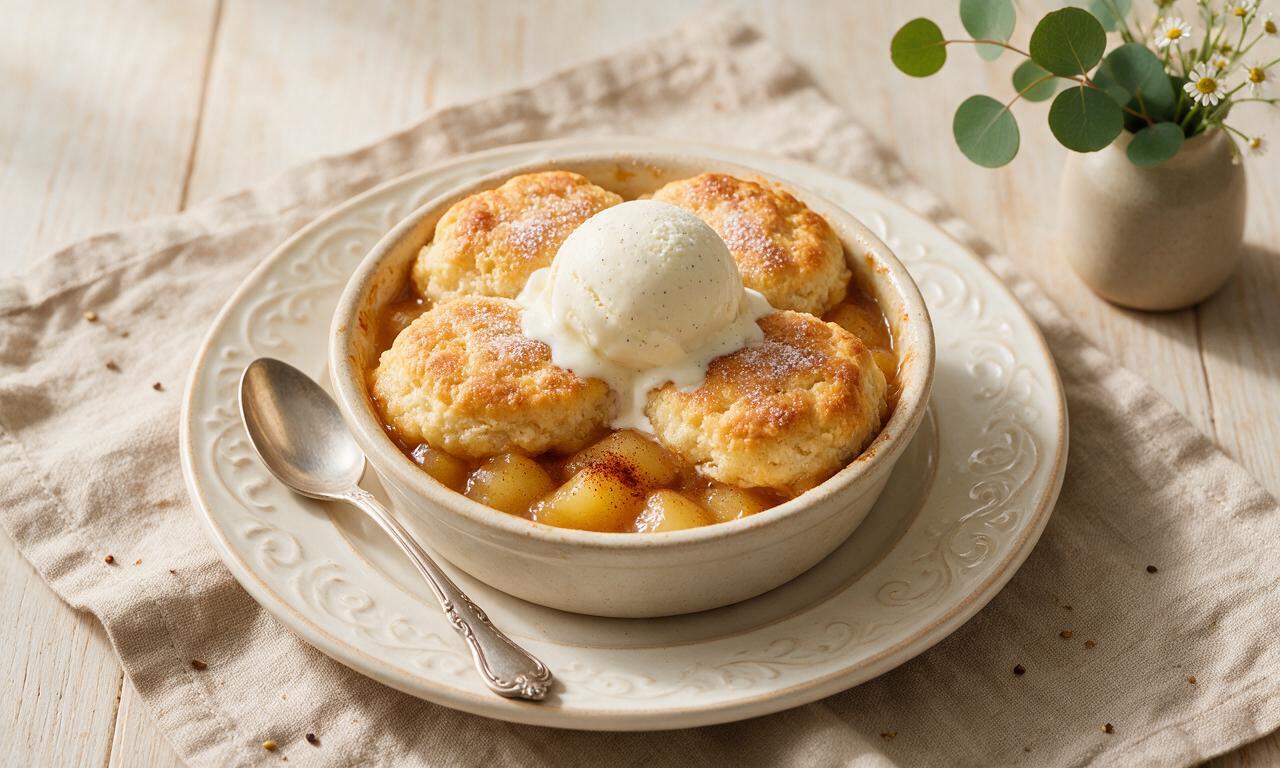
Warm, spiced baked apples topped with a fluffy golden biscuit crust, this cozy dessert pairs perfectly with vanilla ice cream for cool-weather comfort.

⏱️ 55 minuteDesserts & Baking ★ 4.7
Desserts & Baking
🍜 United States

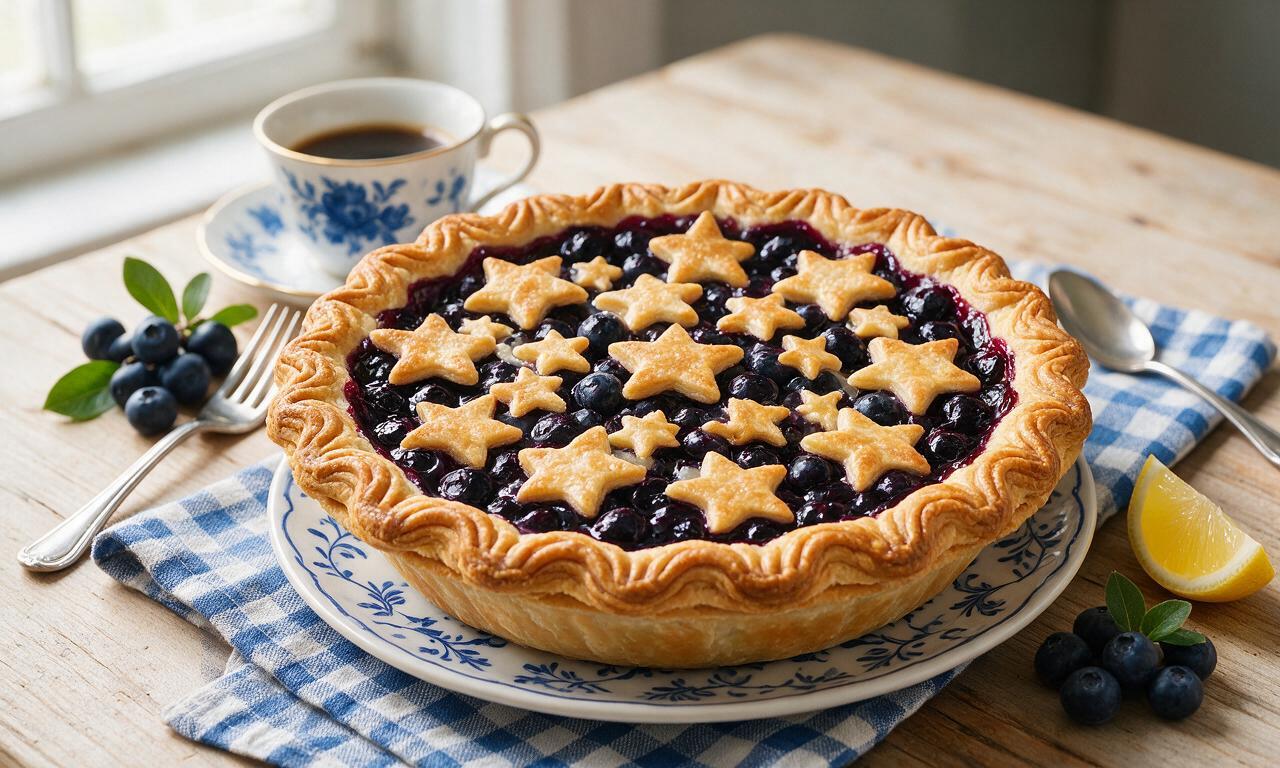
A star-spangled classic American blueberry pie with buttery flaky crust and bright sweet-tart filling, perfect for summer patriotic gatherings.

⏱️ 1 hour 25Desserts & Baking ★ 4.8
Desserts & Baking
🍜 United States

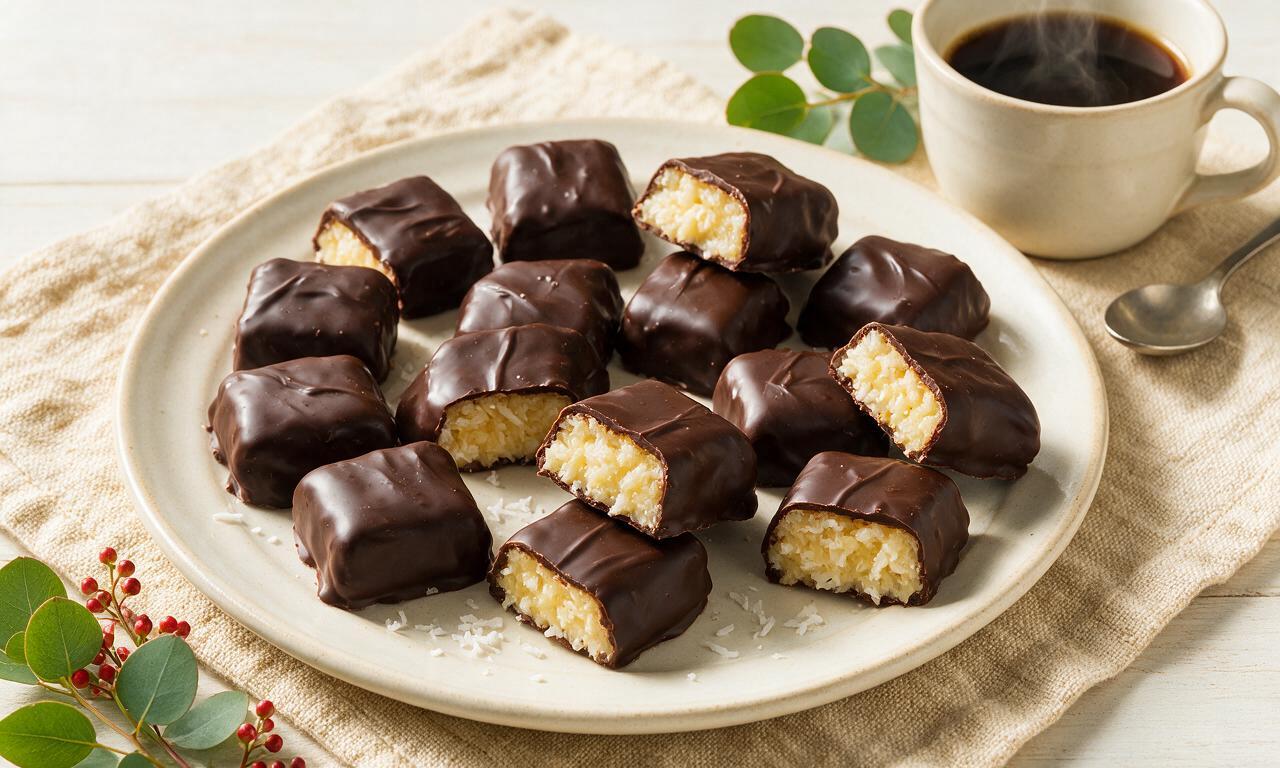
A beloved no-bake regional Maine candy with a chewy coconut-potato center coated in rich dark chocolate, a New England holiday staple since the 1870s.

⏱️ 2 hours 3Desserts & Baking ★ 4.9
Desserts & Baking
🍜 France

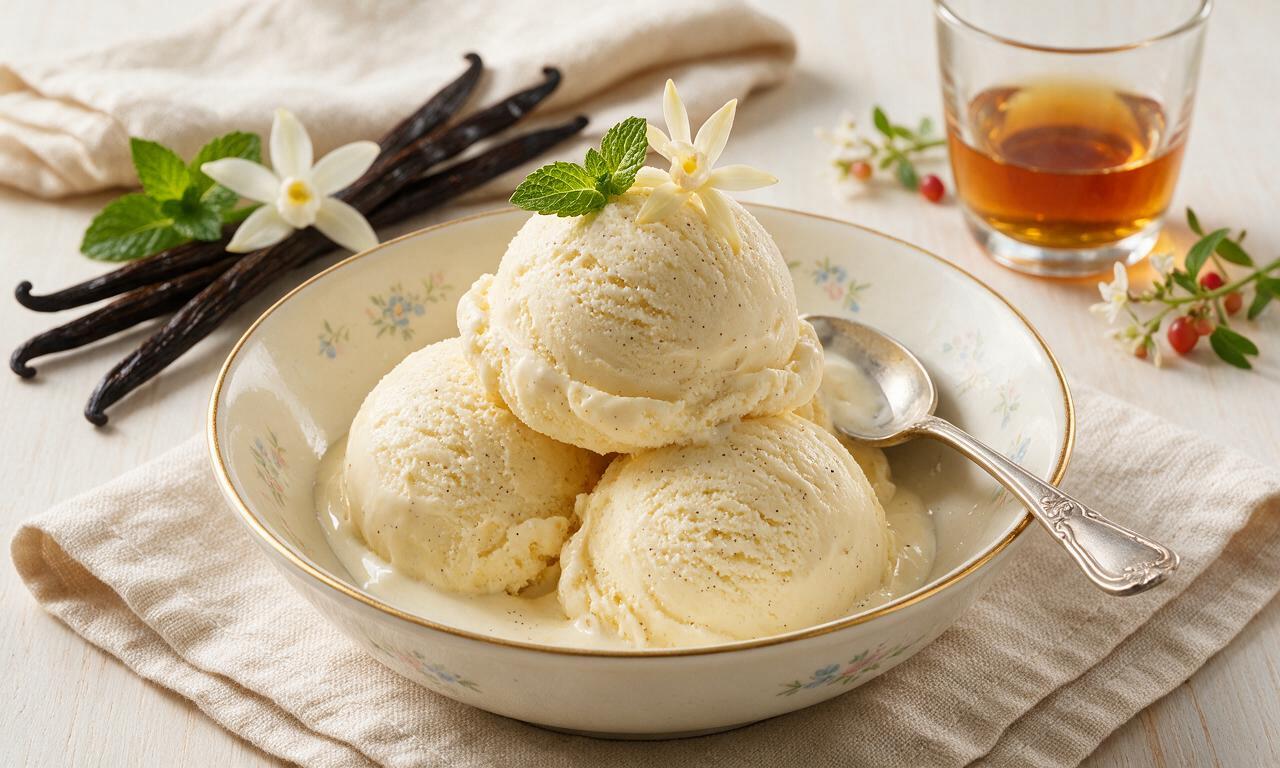
Luxuriously creamy, floral frozen custard made with aromatic Tahitian vanilla beans, boasting a smooth, rich texture that melts slowly on the tongue.

⏱️ 3 hours 3Desserts & Baking ★ 4.6

Malasadas (Mardi Gras):Frequently Asked Questions

1.Why don’t these Mardi Gras malasadas have holes like standard glazed donuts?
Traditional malasadas are intentionally hole-free, adapted from Portuguese confections to have a uniform, pillowy soft center across every bite. Unlike ring donuts cut from rolled dough, these are portioned as whole rounded dough balls that proof and fry into light, airy treats perfect for holding an even coating of spiced sugar.
2.What happens if my warmed milk is the wrong temperature when mixing in the yeast?
Milk that’s hotter than 110°F will kill the active dry yeast, leading to flat, dense malasadas that never puff properly during proofing or frying. Milk cooler than 95°F won’t activate yeast fully, leading to slow, uneven rise. Stick to the recommended 100°F — roughly warm bath temperature — for the most reliable, fluffy results.
3.Is it really necessary to use room temperature eggs for the dough?
Yes, room temperature eggs mix far more evenly into the dough than cold eggs straight from the fridge, helping build a smooth, elastic gluten network that traps yeast gasses for that signature light, fluffy crumb. Cold eggs can shock activated yeast, create lumpy dough, and add extra proofing time, so let them sit on the counter 30 minutes before use.
4.How do I tell when my malasadas are fully done frying?
Keep your frying oil held steady at 350°F, and cook malasadas for 2 to 3 minutes total, flipping once halfway through cooking. They’re done when they’re a deep, even golden brown on all sides, and an instant-read thermometer inserted into the center reads 190°F. Don’t overcrowd the pot, as dropping oil temperature leads to greasy, soggy dough.
5.What goes into the spiced sugar coating for these malasadas?
The classic Mardi Gras spiced sugar starts with 1 cup of granulated sugar mixed with 2 tablespoons of ground cinnamon, plus 1/4 teaspoon of freshly grated nutmeg, 1/4 teaspoon of ground cardamom, and a tiny pinch of cayenne for a subtle warm kick. Roll malasadas in the mix when warm (not piping hot) right after frying so the sugar sticks evenly.
6.Can I prep the malasada dough ahead of time for a Mardi Gras party?
Absolutely! After mixing the dough, cover it tightly and let it do its first slow rise in the fridge for 8 to 12 hours instead of rising on the counter. This cold rise develops a richer, deeper flavor, and you can portion, do the final short proof, and fry fresh right before guests arrive to cut down on last-minute kitchen work.
7.Why did my malasadas turn out dense instead of light and pillowy?
Dense malasadas almost always trace back to one of three common missteps: not letting the dough fully double in size during both proofing stages, frying in oil that’s too hot (which burns the outside before the interior cooks, collapsing the airy crumb), or under-kneading the dough so it can’t trap the yeast’s air bubbles.
8.Are traditional Mardi Gras malasadas filled, or served plain with sugar?
The U.S. Carnival adaptation of these Portuguese treats is most commonly served un-filled, rolled in spiced sugar to let the rich, soft dough take center stage. If you want a fun party twist, you can pipe in vanilla pastry cream, praline spread, or chicory coffee cream after frying, but the no-fill spiced sugar version is the classic.
9.How should I store leftover malasadas, and how long do they stay fresh?
Malasadas taste best eaten within 2 to 3 hours of frying, when they’re soft and the spiced sugar coating is crisp. Store any leftovers in an airtight container at room temperature for up to 1 day, and reheat for 10 seconds in the microwave before eating to bring back that pillowy texture. Skip the fridge, as it makes the dough go stale quickly.

Comments (11)

3 days ago

OMG these were the star of our neighborhood Mardi Gras potluck this past weekend! The spiced sugar coating with that hint of nutmeg and cinnamon is chef’s kiss, I didn’t come home with a single leftover. My kids kept sneaking them off the platter before we even left the house, total game changer. Only note is I let my dough rise a little longer than directed because my kitchen was chilly, and they came out perfectly fluffy!

2 days ago

Did you fill yours at all? I was thinking of adding a little vanilla pastry cream to half the batch for my party next week!

2 days ago

So happy these were a hit at your potluck! Great call adjusting the rise time for a colder kitchen—dough is always finicky with temperature! A vanilla pastry cream filling sounds absolutely divine, feel free to report back how it turns out if you try it!

1 week ago

SO good. I’ve made regular malasadas before for Fat Tuesday but the spiced sugar mix here takes them to a whole new level. Crispy on the outside, light and airy inside, not too greasy at all if you keep your oil temp steady at 350F like the recipe says. Will be making these every Mardi Gras from now on, no question.

5 days ago

I was super nervous to make fried dough for the first time ever because I thought it’d be way too hard for a medium difficulty recipe, but the step by step instructions were so clear! Mine came out a little lumpy looking but they tasted amazing, my roommates devoured half the batch in 10 minutes flat. Definitely less intimidating than I thought it would be!

3 days ago

So proud of you for giving fried dough a go! Lumpy or perfect-looking, they always taste incredible—we promise. Next time you make them, try portioning the dough with a small cookie scoop for more uniform shapes if that’s something you care about, but lumpy malasadas just have more character 😊

2 weeks ago

Made these for our office Mardi Gras lunch and people were asking me for the recipe before I even set the plate down! The only swap I made was using a little cardamom in the spiced sugar because I didn’t have allspice, and it worked beautifully. 10/10, would recommend to anyone who needs a showstopper for a holiday get together.

1 week ago

Wait cardamom sounds so good here! I’m not a big allspice fan either, so I might steal that swap when I make these this weekend. Did you do equal parts cardamom for the allspice you replaced?

1 week ago

Yep! Equal parts swap, worked perfectly. I also added a tiny pinch of orange zest to the sugar too, can’t recommend that little hack enough!

2 days ago

My teen daughter is obsessed with all things Mardi Gras after her trip to New Orleans last year, so I made these for her Fat Tuesday celebration with her friends. She said they tasted exactly like the ones she got at a bakery down in the French Quarter! Total win for dad points, even if I did get sugar all over my kitchen counter in the process. Worth every minute of cleanup.

2 hours ago

Wait a second, has anyone tried making the dough ahead of time and refrigerating it overnight? I want to make these for a brunch but don’t want to wake up at 5am to wait for the dough to rise. Would that mess up the texture at all?

30 minutes ago

I did this last year! Made the dough the night before, let it do the first rise in the fridge overnight, then took it out an hour before I wanted to fry them to come up to temp and do the second rise. Worked like a charm, texture was exactly the same!

1 week ago

I’ve been making malasadas for Fat Tuesday for 20+ years and I have to say, this spiced sugar blend is a total game changer. I always used plain cinnamon sugar before, but the mix of cinnamon, nutmeg, allspice, and a tiny pinch of clove? *Chef’s kiss*. My husband said these are the best batch I’ve ever made, so I owe you one!

5 days ago

Wow, high praise from a malasada-making veteran! We’re so thrilled the spiced sugar blend was a hit with you and your husband. That little pinch of clove is our secret weapon, so glad it came through!

5 days ago

Agreed! I was skeptical of spiced sugar at first because I’m a traditionalist, but it doesn’t overpower the dough at all, just adds that perfect warm kick. Made these for my krewe’s parade pre-party and everyone raved.

yesterday

These are dangerously good. I had to send the rest of the batch to work with my partner because I would’ve eaten every single one myself if they stayed in my house. The crisp exterior, the fluffy inside, that warm spiced sugar? I’m already dreaming about making them again next year. Pro tip: don’t skip the pinch of salt in the sugar, it makes all the flavors pop so much more!

30 minutes ago

Has anyone tested this with a 1:1 gluten free flour blend? I have celiac and have been craving malasadas something fierce since Mardi Gras season started, but I don’t want to waste ingredients if the texture is going to be off.

5 minutes ago

Great question! We’ve tested this recipe with a couple different 1:1 gluten free all purpose flour blends (we recommend the one with xanthan gum already added) and it works beautifully! You might need to add an extra 1-2 tablespoons of milk if the dough feels a little stiff, but otherwise the process is exactly the same. Let us know how it turns out if you give it a go!

yesterday

Made these in my tiny dorm kitchen with a cheap deep fryer I got off Amazon and they still slapped! Didn’t have a stand mixer so I kneaded the dough by hand for like 10 minutes, and it still got that perfect fluffy texture. Way easier than I thought it would be for a 2+ hour recipe, most of that is just waiting for dough to rise anyway.

2 hours ago

Same! I did mine in a heavy bottomed pot on my stovetop cause I don’t have a deep fryer, just used a candy thermometer to track the oil temp and they turned out perfect. No fancy equipment needed for these!

just now

Just pulled my first batch out of the fryer and OMG. The whole house smells like warm spice and fried dough, it’s heavenly. I rolled half in the spiced sugar and half in a plain cinnamon sugar for my picky eaters, and even the plain ones are next level. So excited to bring these to my Mardi Gras parade watch party tomorrow!

just now

How far in advance do you think these stay good? I’m trying to time my batch right for my party on Saturday so they’re fresh when guests arrive!

just now

Yay, so glad your first batch turned out amazing! Quick tip for serving at a party: these are best fresh within 2-3 hours of frying, but if you need to make them ahead, you can store them in an airtight container at room temp and re-crisp them in a 350F oven for 3-4 minutes before rolling in sugar and serving. They’ll taste just as good as fresh!