mango sago pudding

title 1
mango sago pudding
⏱️ cook time 20 minutes
🍽️ servings 4
⚡ Difficulty easy

intro

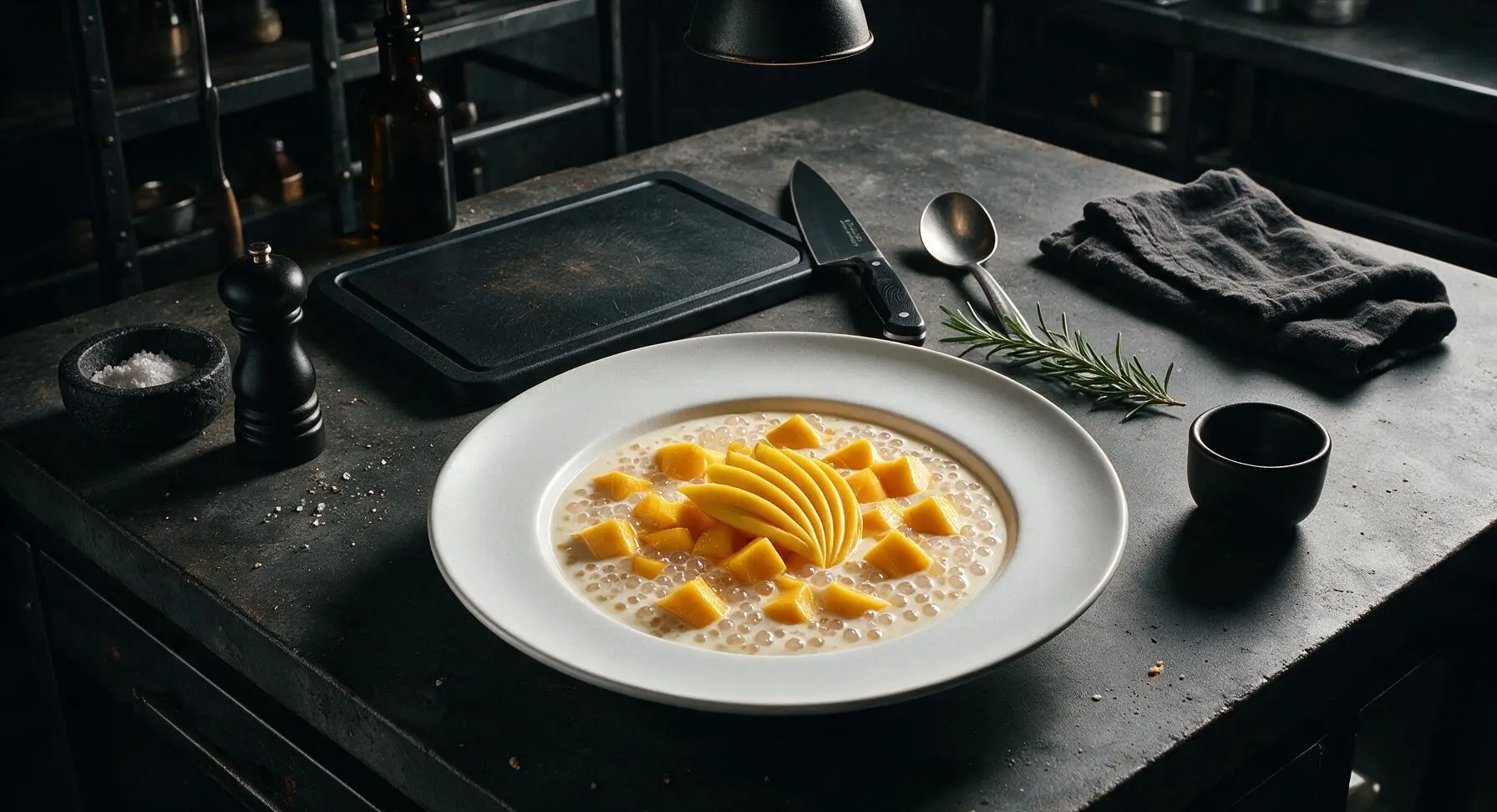
Silky, chilled, and bursting with sun-ripened mango flavor, this classic Cantonese dessert pairs chewy sago pearls with creamy coconut for a light, refreshing summer treat.

Ingredients
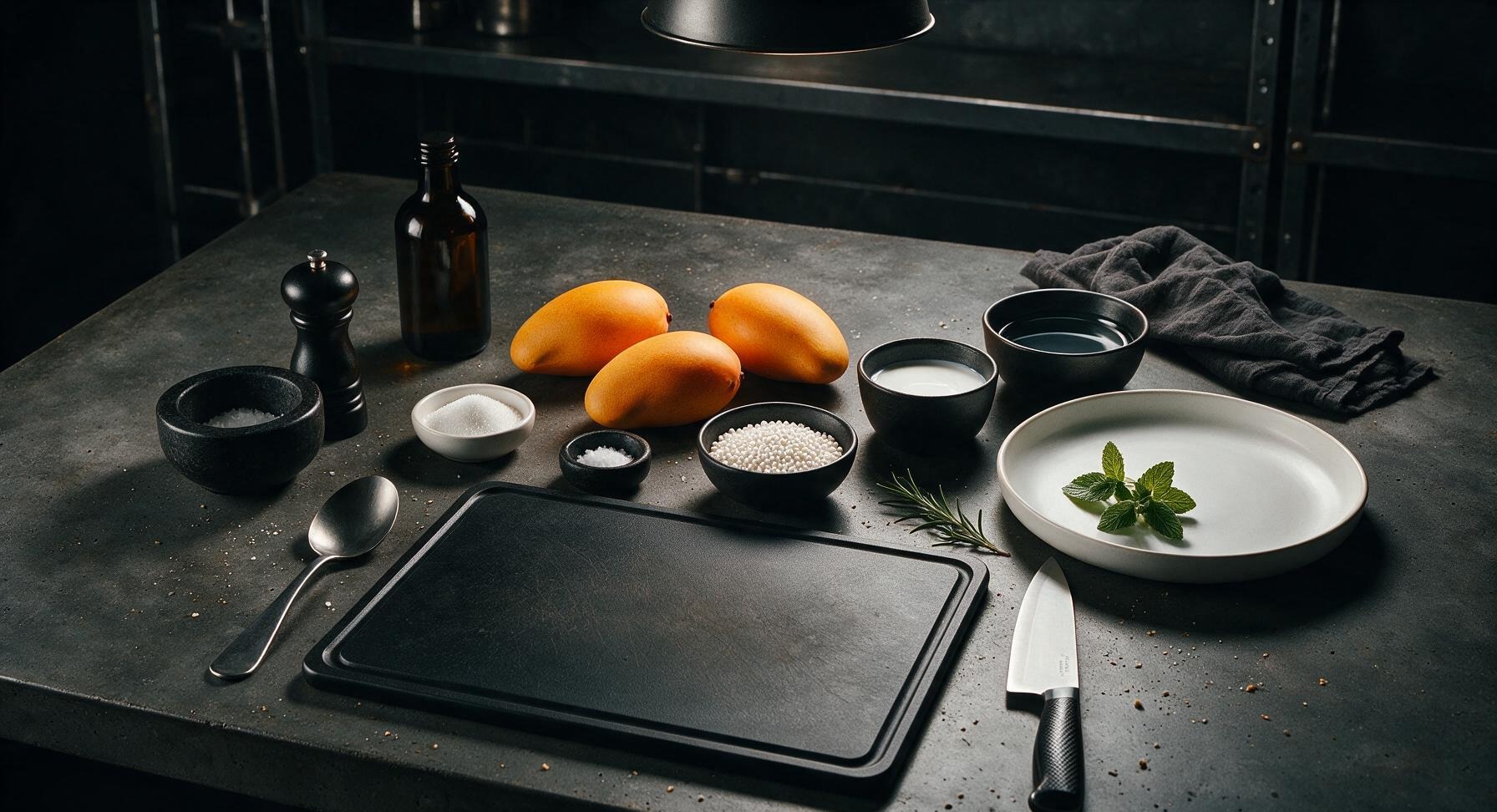
Ripe Ataulfo mangoes 600g (about 3 large)
Small white sago (tapioca) pearls 100g
Full-fat canned coconut milk 200ml
Granulated white sugar 30g (2 tbsp)
Fine sea salt 1/8 tsp (pinch)
Fresh mint sprigs 1 small bunch (for garnish)
Water 800ml

Steps

1

Boil water for sago

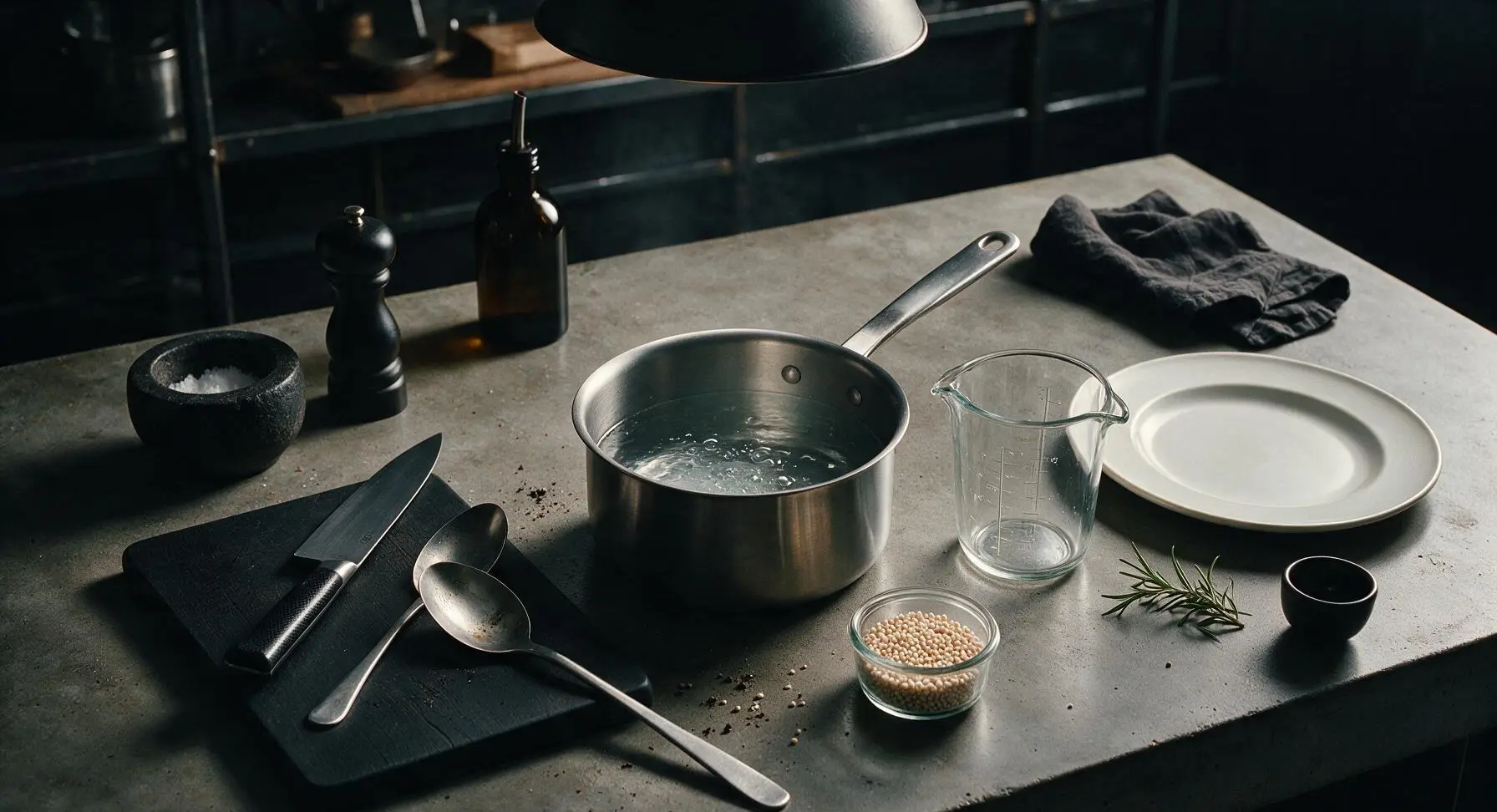
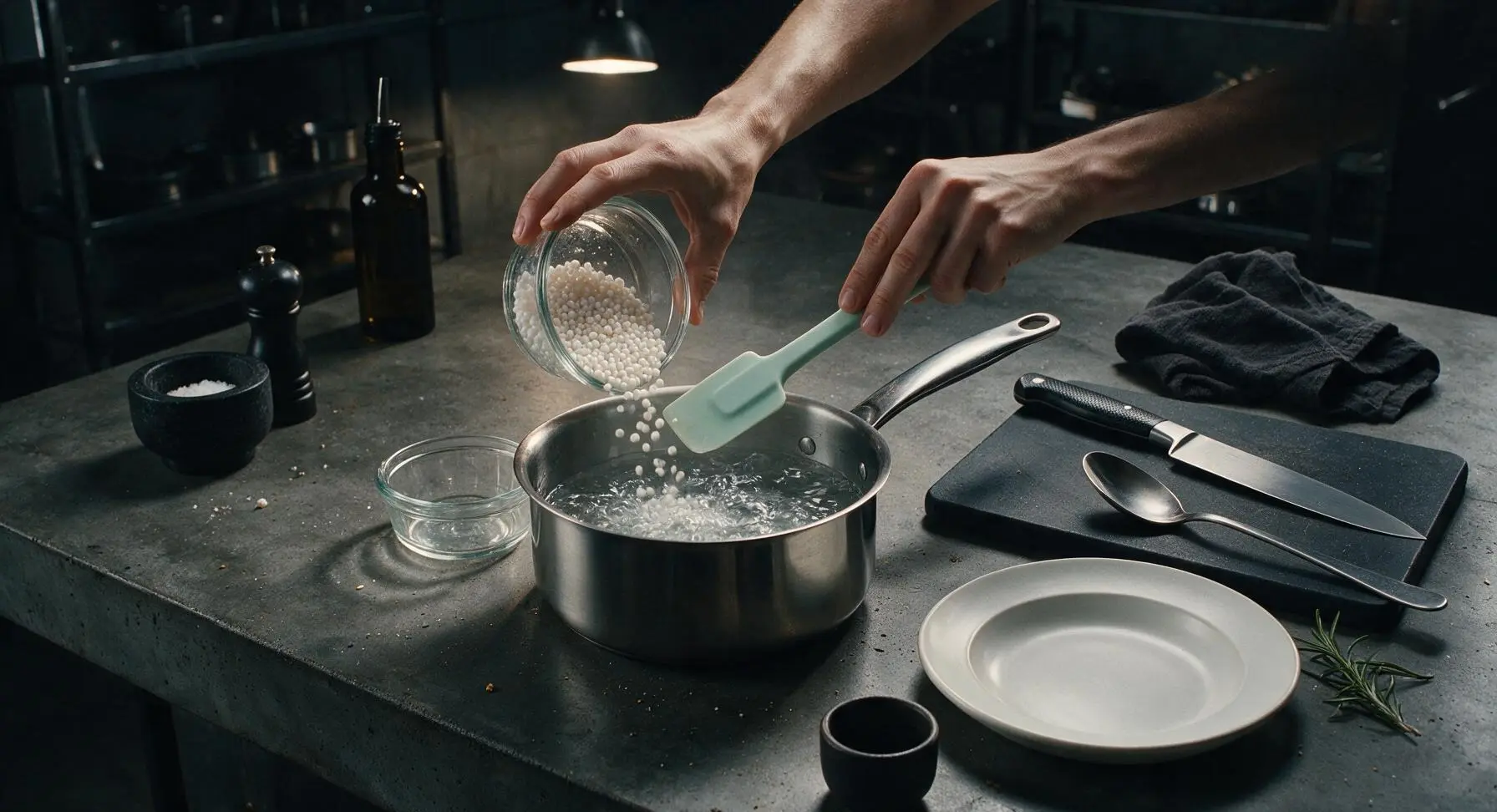
Pour 800ml of water from the glass carafe into the 2L matte stainless steel saucepan, place over medium-high heat, and bring to a full rolling, bubbling boil (approximately 5 minutes). Do not add sago before the water reaches a hard boil, as cold or gently simmering water will cause starchy sago pearls to stick together in clumps.
Step 1
step1:Boil water for sago
2

Cook sago pearls

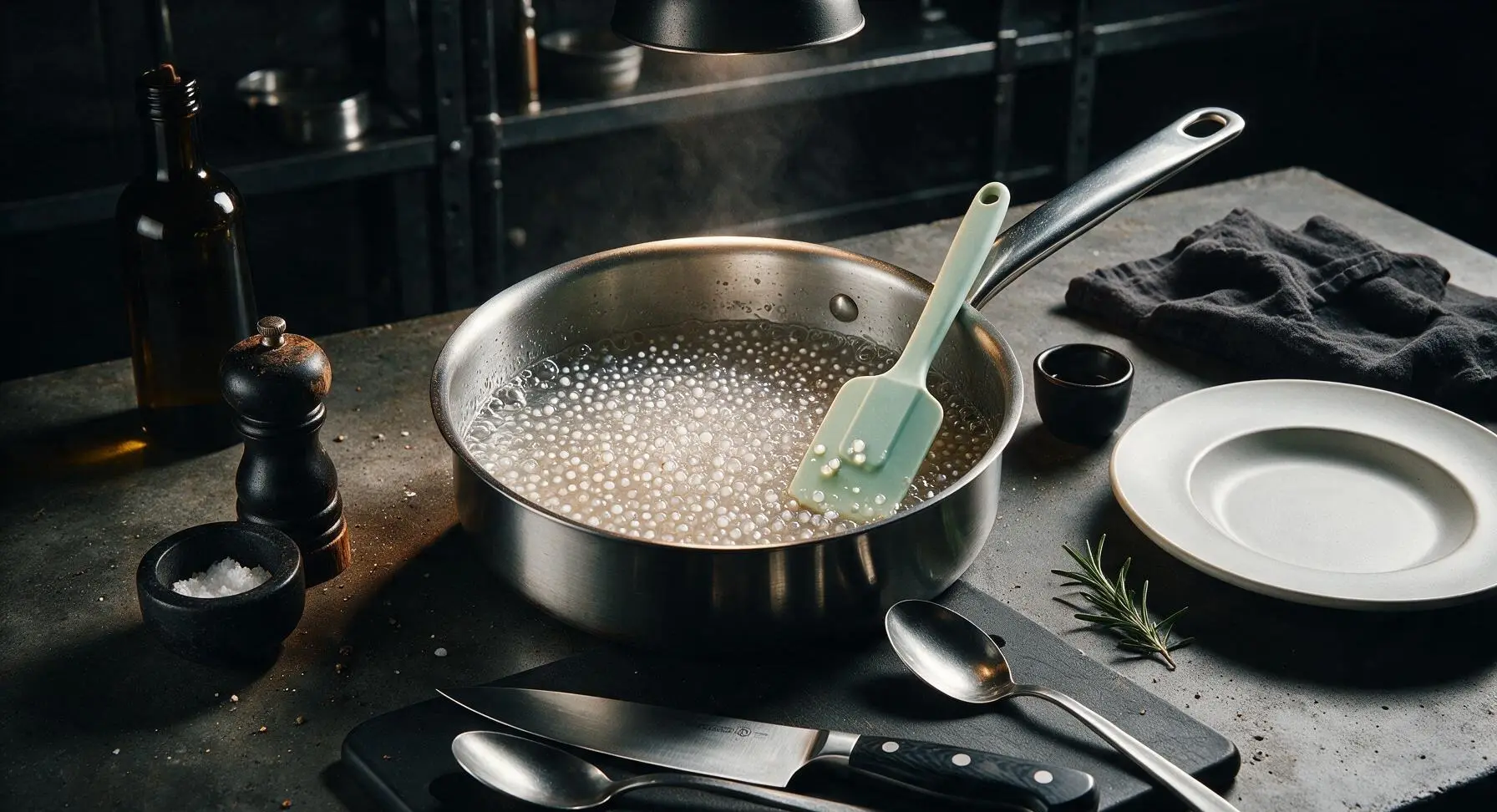
Once the water reaches a full rolling boil, pour the 100g dry sago pearls from the glass ramekin into the water while stirring continuously with the pale mint green silicone spatula to prevent pearls from sticking to the pan bottom. Reduce heat to medium-low to maintain a gentle simmer, and cook for 10-12 minutes, stirring every 2 minutes. The sago is ready to remove from heat when the pearls are 90% translucent, with only a tiny pinprick-sized white dot remaining in the center of each pearl.
Step 2
step2:Cook sago pearls
Step 2
step2:Cook sago pearls
3

Drain and rinse sago

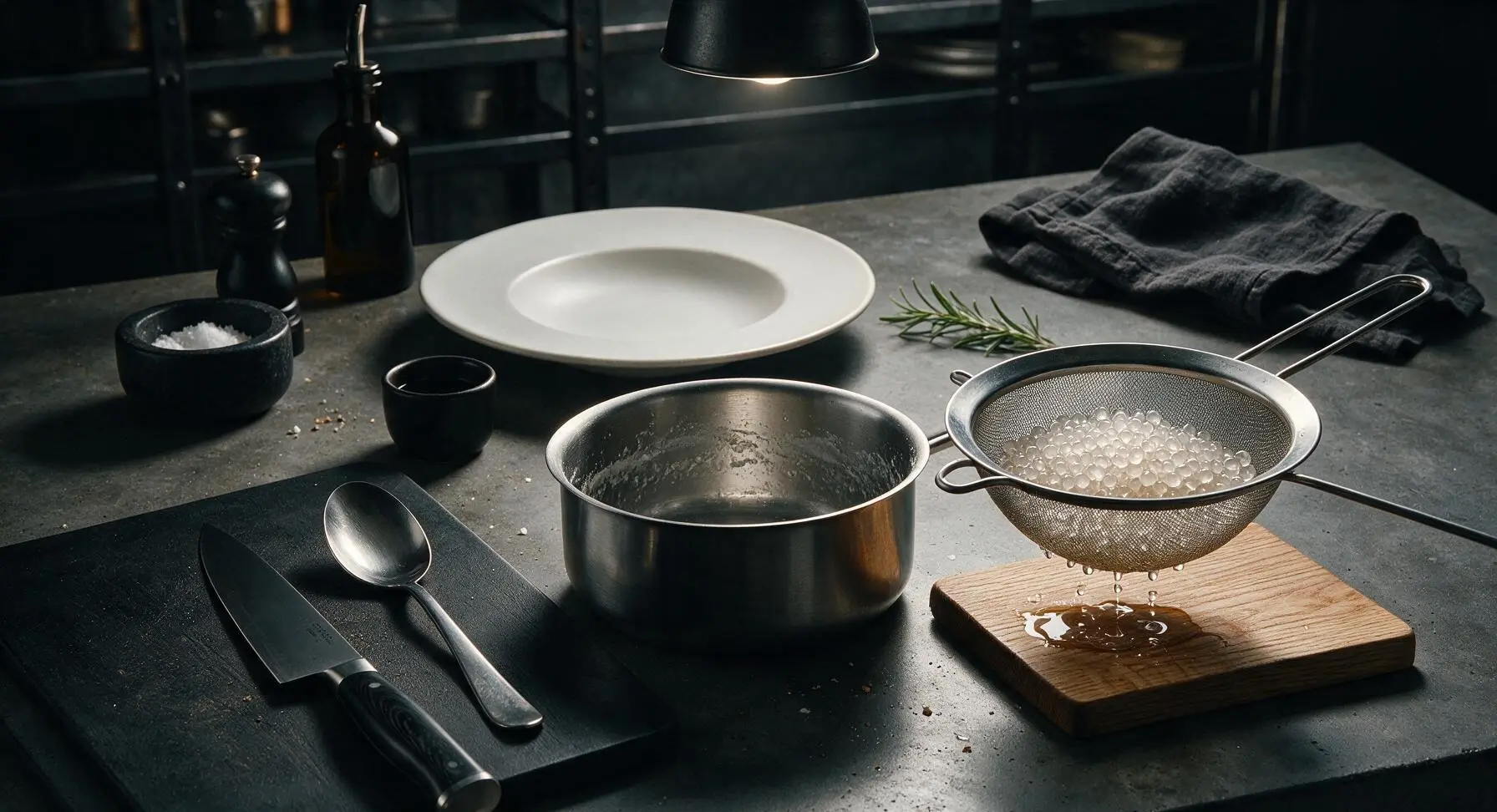
As soon as the sago reaches the 90% translucent stage, immediately pour the entire contents of the saucepan through the fine-mesh stainless steel sieve to drain. Rinse the cooked sago under cold running tap water for 1 full minute to wash away excess surface starch and stop the cooking process, which keeps pearls chewy and separate rather than mushy or gummy. Set the sieve with drained sago on the oak trivet to drip dry.
Step 3
step3:Drain and rinse sago
4

Prep fresh mangoes

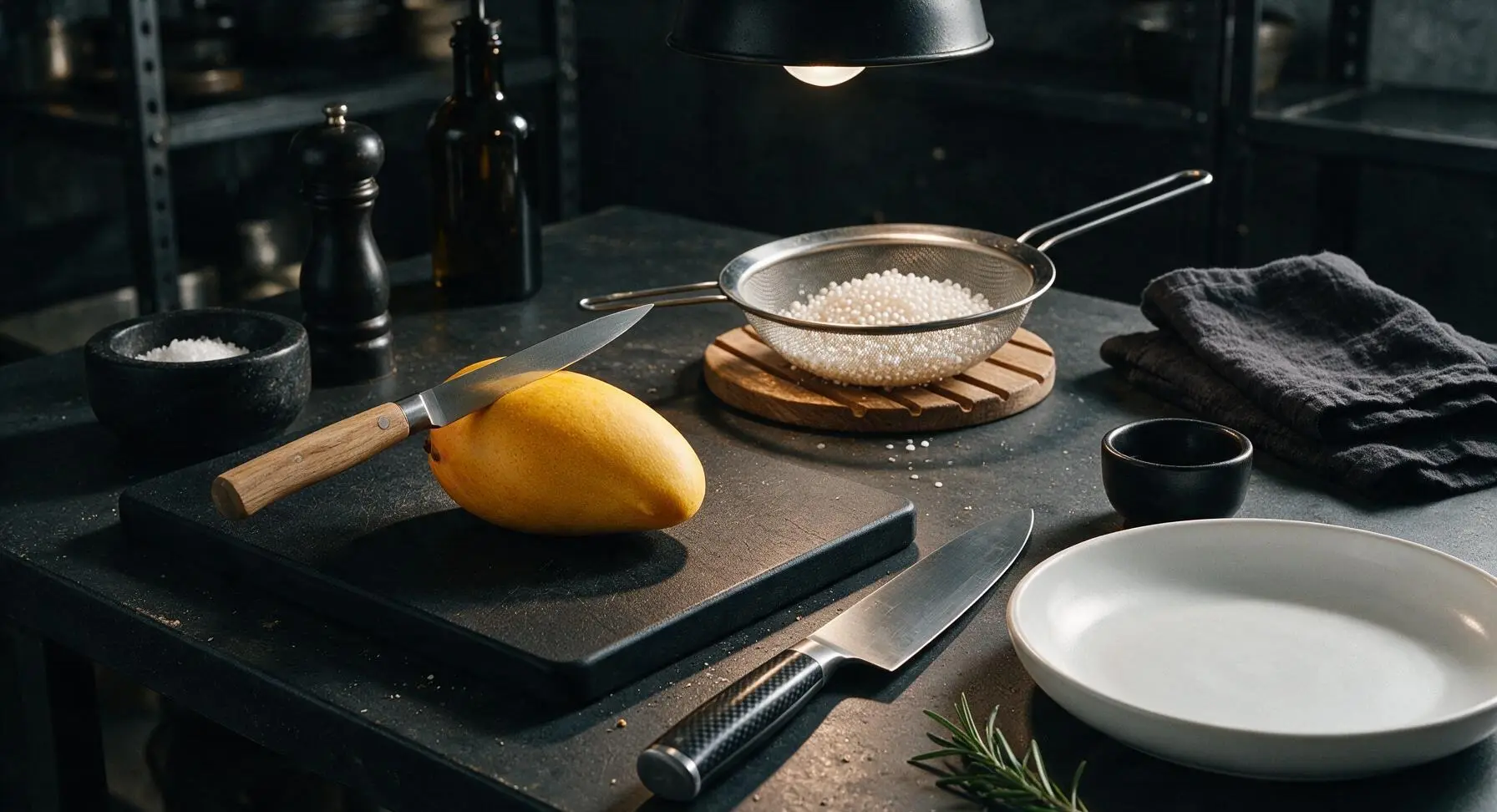
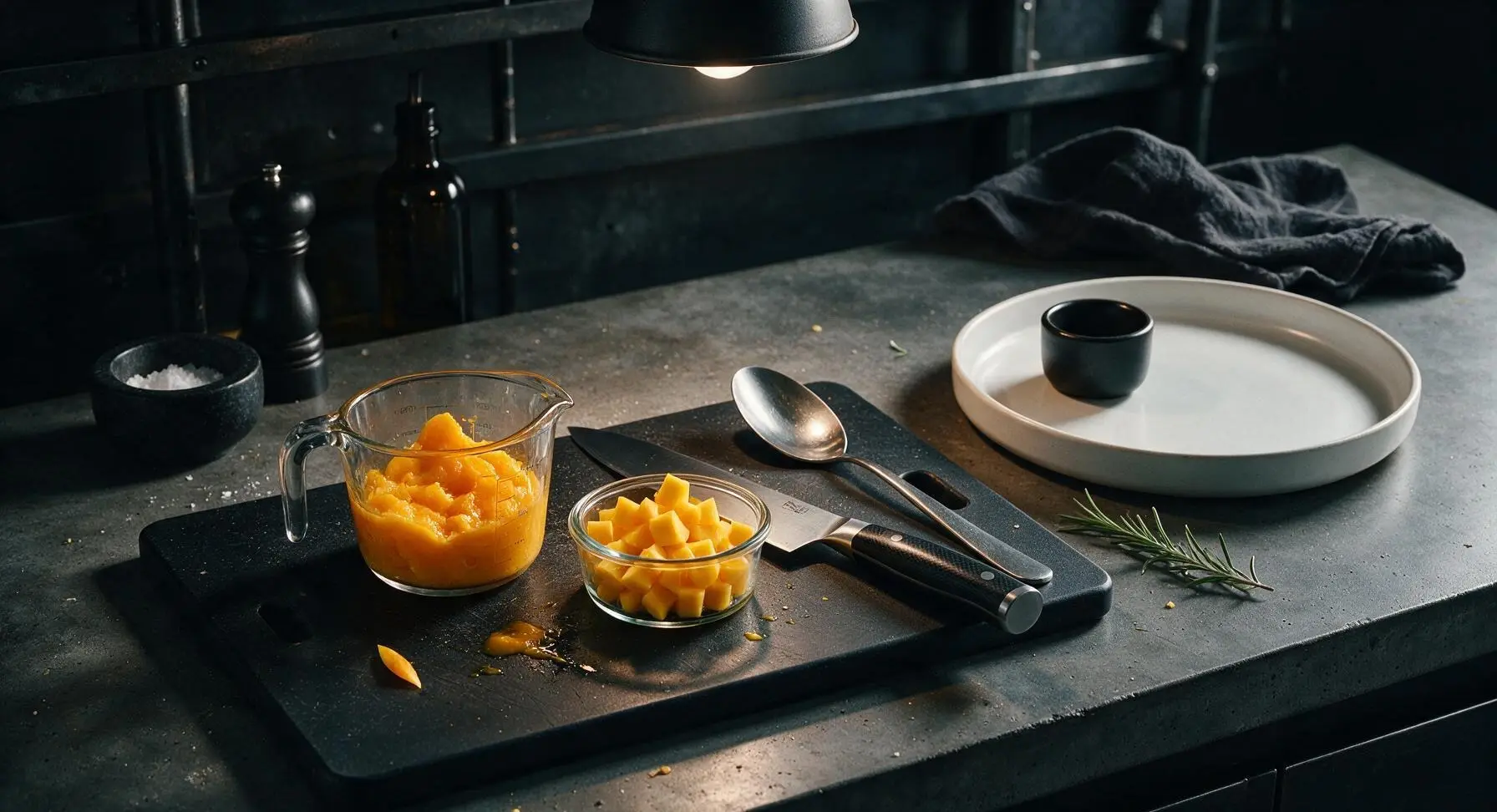
Place the matte light grey cutting board center-left on the counter. Hold each ripe mango steady on the board, and use the 7-inch stainless steel paring knife to slice the two fleshy cheeks away from the flat, fibrous central pit. Scoop 2/3 of the mango flesh (about 400g) into the 1L glass measuring cup to use for the creamy base, and dice the remaining 1/3 (about 200g) into uniform 1cm chunks, placing them in a clean glass ramekin to reserve for garnish. Wipe any smudges of mango juice from the board as you work.
Step 4
step4:Prep fresh mangoes
Step 4
step4:Prep fresh mangoes
5

Mix coconut mango base

Retrieve the beechwood muddler from the ceramic utensil crock, and use it to mash the mango flesh in the measuring cup until it forms a smooth, slightly chunky puree with no large lumps. Pour in the 200ml full-fat coconut milk, 30g granulated sugar, and 1/8 tsp fine sea salt, then switch to the small stainless steel whisk to stir the mixture until the sugar fully dissolves and the base is a uniform pale golden creamy color, with no separated clumps of thick coconut cream.

Step 5
step5:Mix coconut mango base
6

Fold sago into base

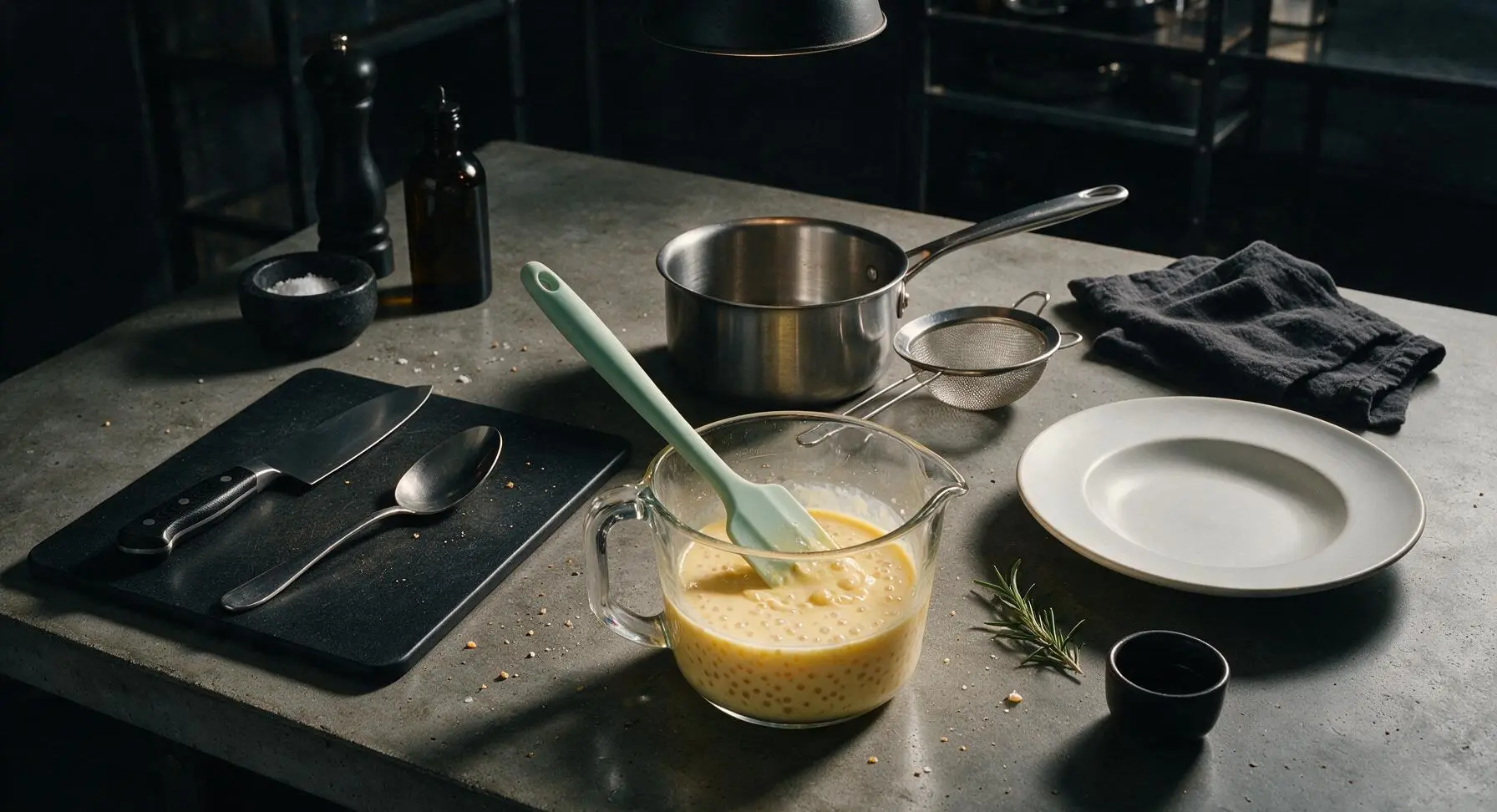
Tip the fully drained, cooled sago pearls from the fine-mesh sieve into the mango-coconut base in the measuring cup. Use the pale mint green silicone spatula to gently fold the sago through the creamy base, taking care not to mash the pearls, until every pearl is evenly coated and separated with no sticky clumps.
Step 6
step6:Fold sago into base
7

Chill pudding thoroughly

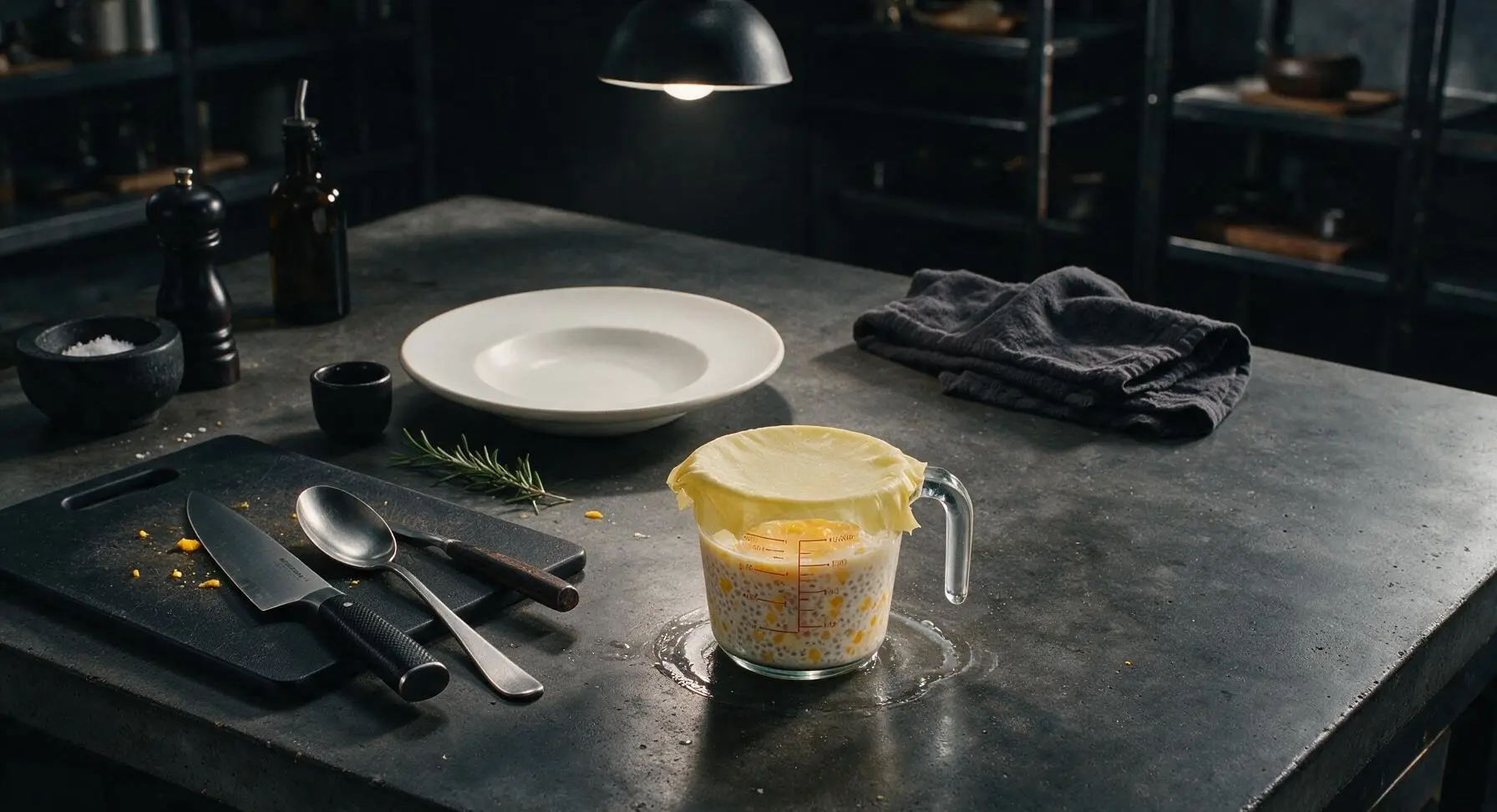
Cover the top of the glass measuring cup with a pale yellow beeswax wrap, pressing firmly to seal the edges. Transfer the covered measuring cup to the refrigerator to chill for a minimum of 2 hours, until the mixture reaches 4°C / 39°F and is completely cold. Do not freeze the pudding, as freezing will cause coconut milk to separate and sago pearls to turn hard and grainy.
Step 7
step7:Chill pudding thoroughly
8

Portion and garnish

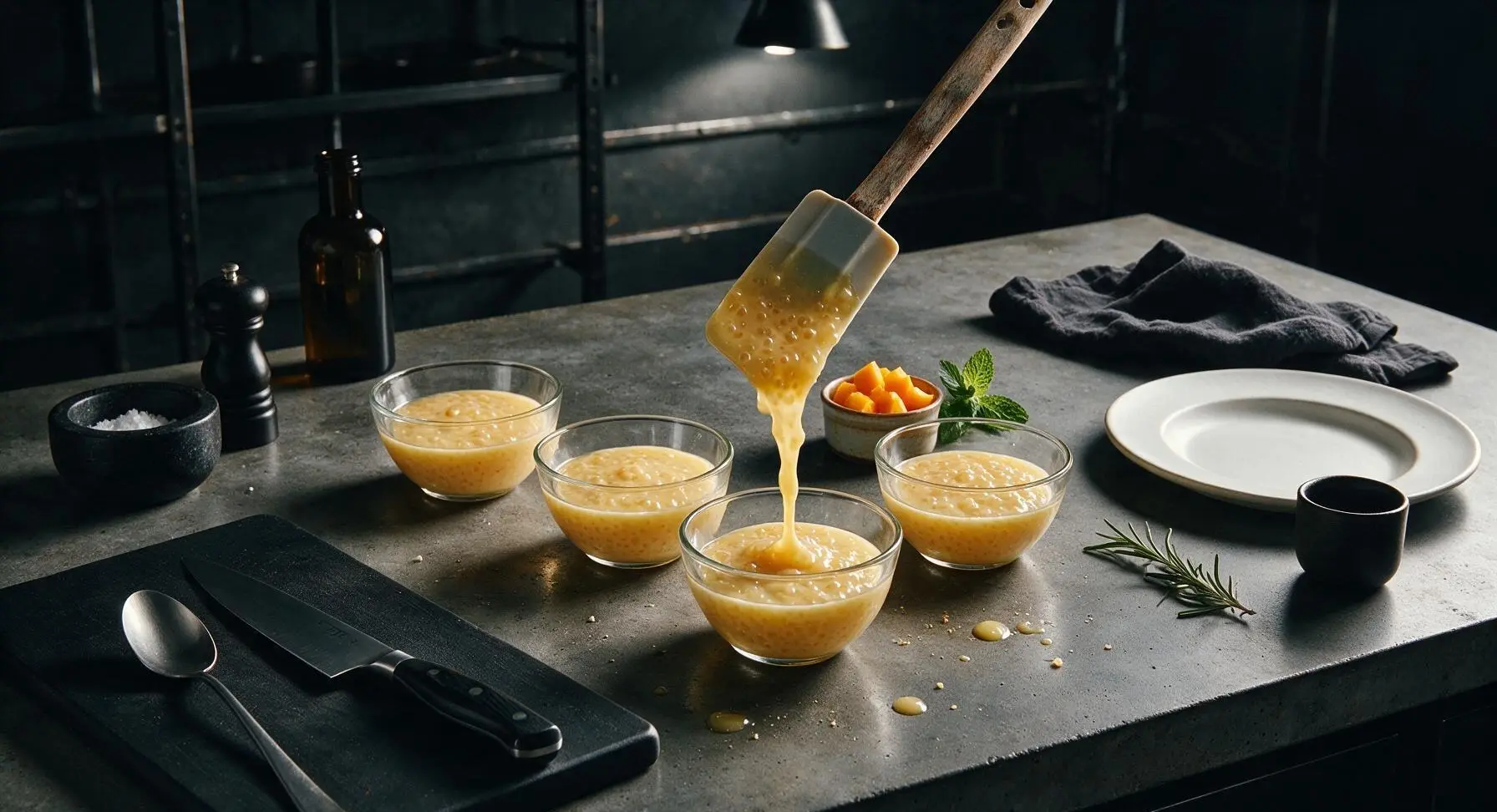
Remove the chilled pudding from the refrigerator, peel off the beeswax wrap, and give the mixture a gentle stir with the silicone spatula to re-incorporate any coconut cream that may have separated during chilling. Divide the pudding evenly between the four clear glass dessert bowls, top each portion with a spoonful of the reserved diced mango chunks, and place one small fresh mint leaf from the sprig on top of each serving. Serve immediately while cold.
Step 8
step8:Portion and garnish

Tips

1.Always add sago to fully boiling water and stir for the first 2 minutes of cooking: this prevents the starchy outer layer of the pearls from fusing into large, gluey clumps that will never cook through to a chewy, even texture.
2.Choose fully ripe, fragrant Ataulfo (honey) mangoes for the smoothest result: their fiber-free, ultra-sweet flesh creates a silky puree, unlike larger Tommy Atkins mangoes which have tough fibers that can leave stringy bits in the finished pudding.
3.Do not skip the cold water rinse for cooked sago: this washes away excess surface starch that would otherwise turn the creamy pudding gummy and thick, and stops residual heat from overcooking the pearls into a mushy texture.

✨ You May Also Like

Desserts & Baking
🍜 Italy

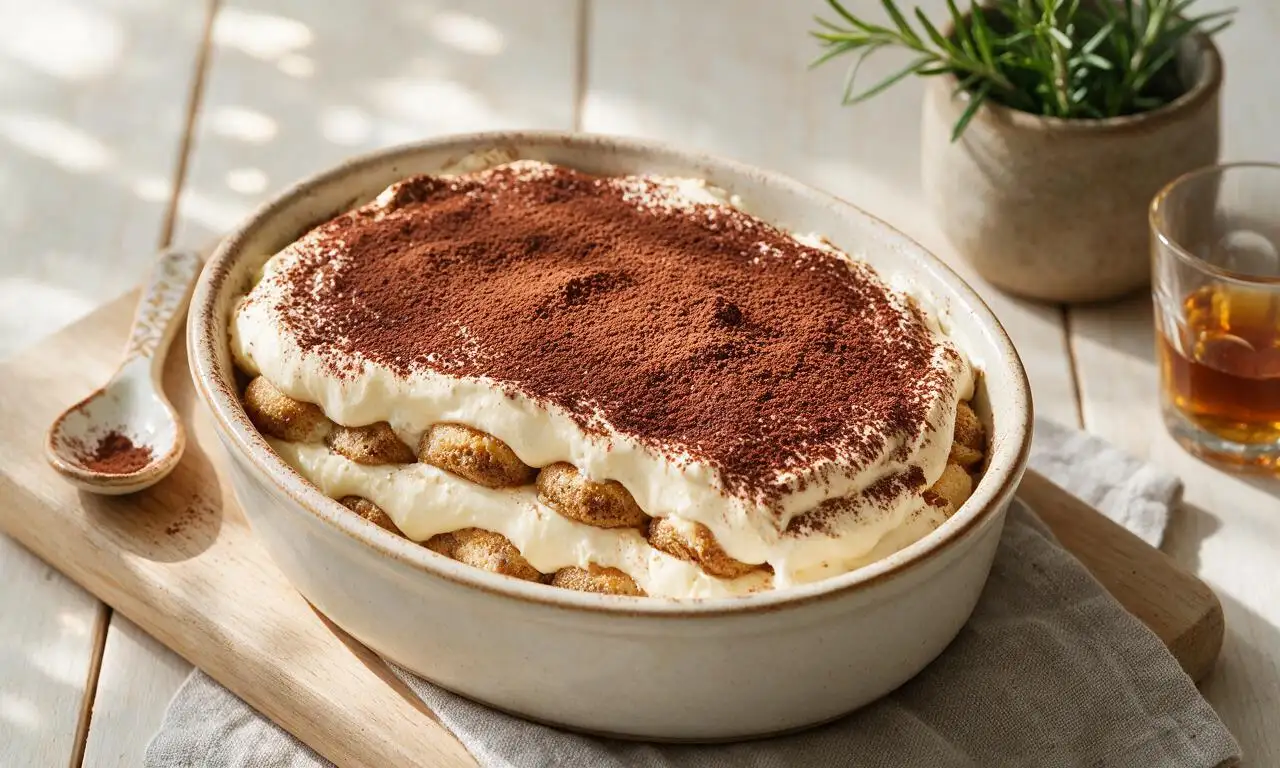
Creamy, coffee-kissed classic Northern Italian no-bake dessert, with layers of rum-spiked mascarpone cream, soft ladyfingers, and a rich cocoa dusting.

⏱️ 4 hours 3Desserts & Baking ★ 4.7
Desserts & Baking
🍜 France

Flaky, shatteringly crisp, buttery French croissants with golden exteriors and soft, airy layered interiors, perfect for pairing with coffee for a special morning treat.

⏱️ 12 hours Desserts & Baking ★ 4.5
Desserts & Baking
🍜 United States

Warm, spiced baked apples topped with a fluffy golden biscuit crust, this cozy dessert pairs perfectly with vanilla ice cream for cool-weather comfort.

⏱️ 55 minuteDesserts & Baking ★ 4.6
Desserts & Baking
🍜 United States

A star-spangled classic American blueberry pie with buttery flaky crust and bright sweet-tart filling, perfect for summer patriotic gatherings.

⏱️ 1 hour 25Desserts & Baking ★ 4.7
Desserts & Baking
🍜 United States

A beloved no-bake regional Maine candy with a chewy coconut-potato center coated in rich dark chocolate, a New England holiday staple since the 1870s.

⏱️ 2 hours 3Desserts & Baking ★ 4.8
Desserts & Baking
🍜 France

Luxuriously creamy, floral frozen custard made with aromatic Tahitian vanilla beans, boasting a smooth, rich texture that melts slowly on the tongue.

⏱️ 3 hours 3Desserts & Baking ★ 4.5

mango sago pudding:Frequently Asked Questions

1.Why do you recommend Ataulfo mangoes specifically for mango sago pudding? ▾
Ataulfo (or honey) mangoes have ultra-creamy, fiber-free flesh and a bright, intensely sweet, floral mango flavor that blends perfectly into the silky pudding base with zero stringy bits. If you can’t source them, use fully ripe, low-fiber Kent or Champagne mangoes as a close, equally delicious substitute.
2.How do I keep sago pearls from turning into a gluey, clumpy mess when cooking? ▾
The key is to add sago only to rapidly boiling water, never cold or lukewarm water, and stir frequently for the first 3 minutes to prevent sticking. Don’t overcook them—once they have a tiny white dot in the center, turn off heat, cover to rest 10 minutes, then rinse well with cold water to wash off excess starch.
3.Can I use low-fat or light coconut milk instead of full-fat for this recipe? ▾
I don’t recommend it, honestly. Full-fat canned coconut milk gives the pudding that luxuriously rich, creamy mouthfeel that balances bright mango and chewy sago. Light coconut milk is thinned with extra water, leading to a watery, diluted pudding that lacks the signature smooth, velvety finish of the classic version.
4.How far in advance can I make mango sago pudding before serving? ▾
You can prep the fully assembled, ungarnished pudding up to 2 days in advance, stored in a tightly sealed container in the fridge. Hold off on adding fresh mango garnish until right before serving, though—cut fresh mango will start to break down and get mushy if it sits in the creamy base for more than a few hours.
5.My sago pearls turned hard in the fridge after storing—what did I do wrong? ▾
That usually happens when sago is undercooked, or stored in very cold conditions without enough surrounding liquid. To fix it next time, make sure sago is fully translucent with no hard white centers before mixing it in, and stir a tiny splash of extra coconut milk into stored portions to rehydrate pearls before serving.
6.Can I use large tapioca pearls instead of small white sago for this recipe? ▾
You can, but you’ll need to adjust cooking time significantly: large pearls can take 25–30 minutes of simmering plus resting time to cook through, compared to 10–12 minutes for small sago. The final texture will be chewier and more boba-like, which is tasty, just not the traditional delicate mouthfeel of classic mango sago.
7.Why is there a pinch of fine sea salt in a sweet dessert recipe? ▾
That tiny pinch of salt is a classic pro trick to make all the other flavors pop! It cuts through the richness of coconut milk, amplifies the bright, sunny sweetness of ripe mango, and keeps the pudding from tasting cloyingly flat or one-note. You won’t taste the salt itself, just a brighter, more balanced dessert.
8.Can I make this pudding vegan or dairy-free? ▾
Great news—this classic mango sago pudding is already naturally vegan and dairy-free as written! All core ingredients (mango, sago, coconut milk, sugar, salt) are plant-based, so no special swaps are needed. Just double-check that your canned coconut milk has no hidden dairy additives, which is rare but worth a quick label scan.
9.My mangoes are a little underripe—can I still use them for this pudding? ▾
Underripe mangoes taste tart, starchy, and less aromatic, which throws off the dessert’s balance. If your mangoes are only slightly underripe, let them sit on the counter 1–2 days to soften and sweeten. If you’re in a pinch, add 1–2 extra teaspoons of sugar to the blended base to compensate for tartness.
10.Do I need gelatin or agar agar to get that firm, set pudding texture? ▾
No, traditional Cantonese mango sago pudding has a soft, spoonable, slightly loose creamy texture rather than a firm, jellied, sliceable set, so no thickeners are required. If you prefer a firmer, moldable texture, stir in 1 teaspoon of dissolved agar agar (for vegan) or softened gelatin when heating the coconut milk base.
11.How do I prevent a thick coconut cream skin from forming on top of the chilled pudding? ▾
Coconut milk naturally separates and forms a firm skin when chilled, which is harmless but can be texturally off-putting. To prevent it, press a piece of plastic wrap directly onto the pudding’s surface before refrigerating, so no air touches the top. Give it a quick gentle stir before serving if a small skin does form.
12.Can I use frozen mango instead of fresh for this recipe? ▾
Absolutely! Frozen ripe mango works beautifully for the blended portion of the pudding—just thaw it completely first and drain off any excess melted ice water before blending, so your pudding doesn’t turn watery. I do recommend fresh mango chunks for garnish, though, since thawed frozen mango has a softer, less snappy texture.
13.How much sugar should I add if my mangoes are extra sweet? ▾
Always taste your mangoes first before adding the full measured amount of sugar! Super ripe, in-season Ataulfo mangoes are often sweet enough that you can cut the sugar by 1/3 to 1/2, adding just a tablespoon at a time to the warm coconut milk until it reaches your preferred level of sweetness.
14.Why do I need to rinse cooked sago with cold water after draining? ▾
Cooking sago leaches a ton of starchy residue into the boiling water, and if you don’t rinse that off, the excess starch will make your entire pudding thick, gluey, and cloudy instead of light and silky. Rinsing under cold water also stops the cooking process immediately, so sago stays perfectly chewy, not mushy and oversoft.
15.Can I add other mix-ins to this mango sago pudding? ▾
Definitely! Popular, delicious add-ins include small chunks of fresh pomelo for a bright, juicy pop (that’s the classic mango pomelo sago variation), diced strawberries, cooked boba, toasted coconut flakes, or a light drizzle of condensed milk on top for extra richness. Keep mix-ins small so they don’t overpower the delicate base.
16.How long will leftover mango sago pudding stay good in the fridge? ▾
Properly stored in an airtight container, leftover pudding will stay fresh for 2–3 days in the refrigerator. Keep in mind that sago pearls will continue to absorb liquid as they sit, so you may need to stir in a splash of cold coconut milk or mango puree to loosen the texture before eating leftover portions.
17.Is there a way to make this recipe lower in sugar without losing flavor? ▾
Yes! The biggest source of added sugar is the granulated sugar, so you can cut it by up to half if you use extra-ripe, sweet Ataulfo mangoes, which pack tons of natural sweetness. Skip sugary garnishes like condensed milk or sweetened coconut flakes, and opt for fresh fruit toppings to keep flavor bright without extra sugar.
18.What’s the best way to serve mango sago pudding for a summer party? ▾
Serve it well-chilled in small individual clear cups or glass bowls, so guests can see the bright mango color and suspended sago pearls. Top each portion with a small spoonful of fresh mango chunks and a tiny mint sprig for color right before serving, and nestle cups in an ice tray if serving outdoors to keep them cold.

Comments (4)

2 days ago

OMG this mango sago pudding was such a hit at our neighborhood potluck last weekend! I doubled the recipe because I knew everyone would go crazy for it, and we still barely had leftovers. The texture is perfectly creamy, not too sweet, and the fresh mango chunks make it taste like summer in a bowl. Quick question though – has anyone tried making this with frozen mango when fresh ones aren’t in season? Would that work okay?

1 day ago

I did that last month when my grocery store had sad, unripe mangos! Thaw the frozen chunks first and drain off a little of the excess liquid before blending, it turns out almost exactly the same! No one at my book club could tell the difference.

18 hours ago

Great question! Frozen mango works beautifully here – just make sure to pick unsweetened frozen mango to keep the sweetness level balanced, and follow Tim’s tip about draining excess thaw liquid so your pudding doesn’t get runny. So glad it was a potluck hit!

30 minutes ago

Game changer! I’ve been intimidated to make Asian dessert recipes at home because I always thought they’d be super fussy, but this took literally 20 minutes total like the recipe said. My 7 and 9 year old devoured two bowls each after dinner and asked if we can add boba next time. 10/10, will be making this every week all mango season long.

10 minutes ago

Love hearing that! Adding boba is such a fun twist – cooked small tapioca pearls or chewy boba would pair perfectly with the creamy mango base. So happy your kids enjoyed it!

1 week ago

SO good! I swapped the regular condensed milk for coconut condensed milk to make this dairy free for my sister who’s vegan, and it turned out amazing. I only knocked off a star because I cooked the sago a minute too long and it got a little mushy, totally my bad though. Will set a timer next time, this is definitely going into my regular meal prep rotation for sweet treats during the week.

yesterday

Made this for our family dinner last night to go with our takeout Thai food, and my husband said it’s better than the mango sticky rice we get at our favorite local restaurant! I added a little extra coconut milk because I love that flavor, and topped each bowl with a sprinkle of toasted coconut flakes. Chef’s kiss!

3 hours ago

The toasted coconut flake idea is genius! I’m making this for my book club next week and I’m definitely stealing that topping hack, thanks for sharing!