milk to curd process

title 1
milk to curd process
⏱️ cook time 8 hours 15 minutes
🍽️ servings 4
⚡ Difficulty easy

intro

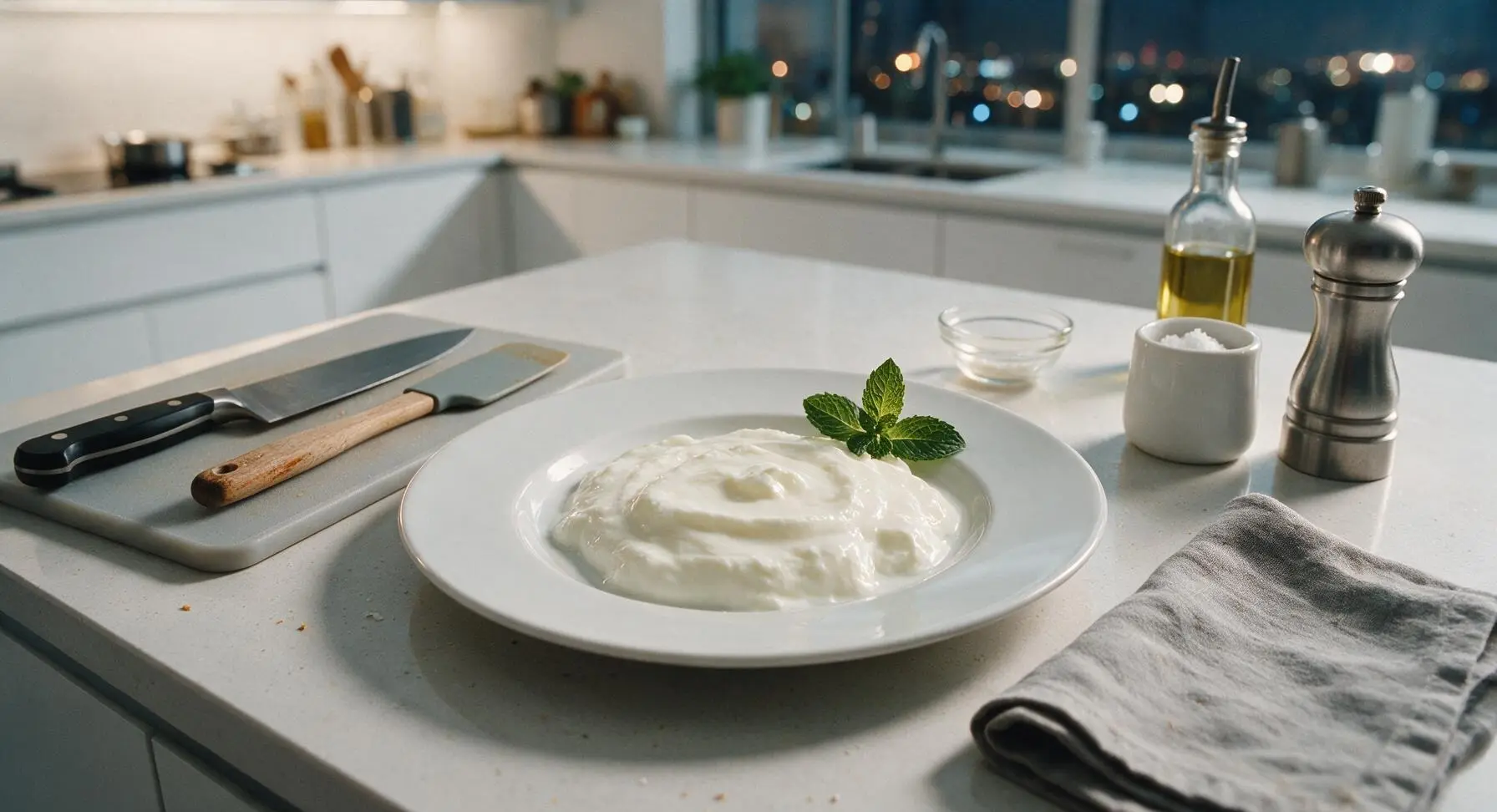
Creamy, mild-tangy set milk curd made with just two simple ingredients, with a soft wobbly texture perfect for pairing with meals, blending into lassis, or enjoying plain.

Ingredients
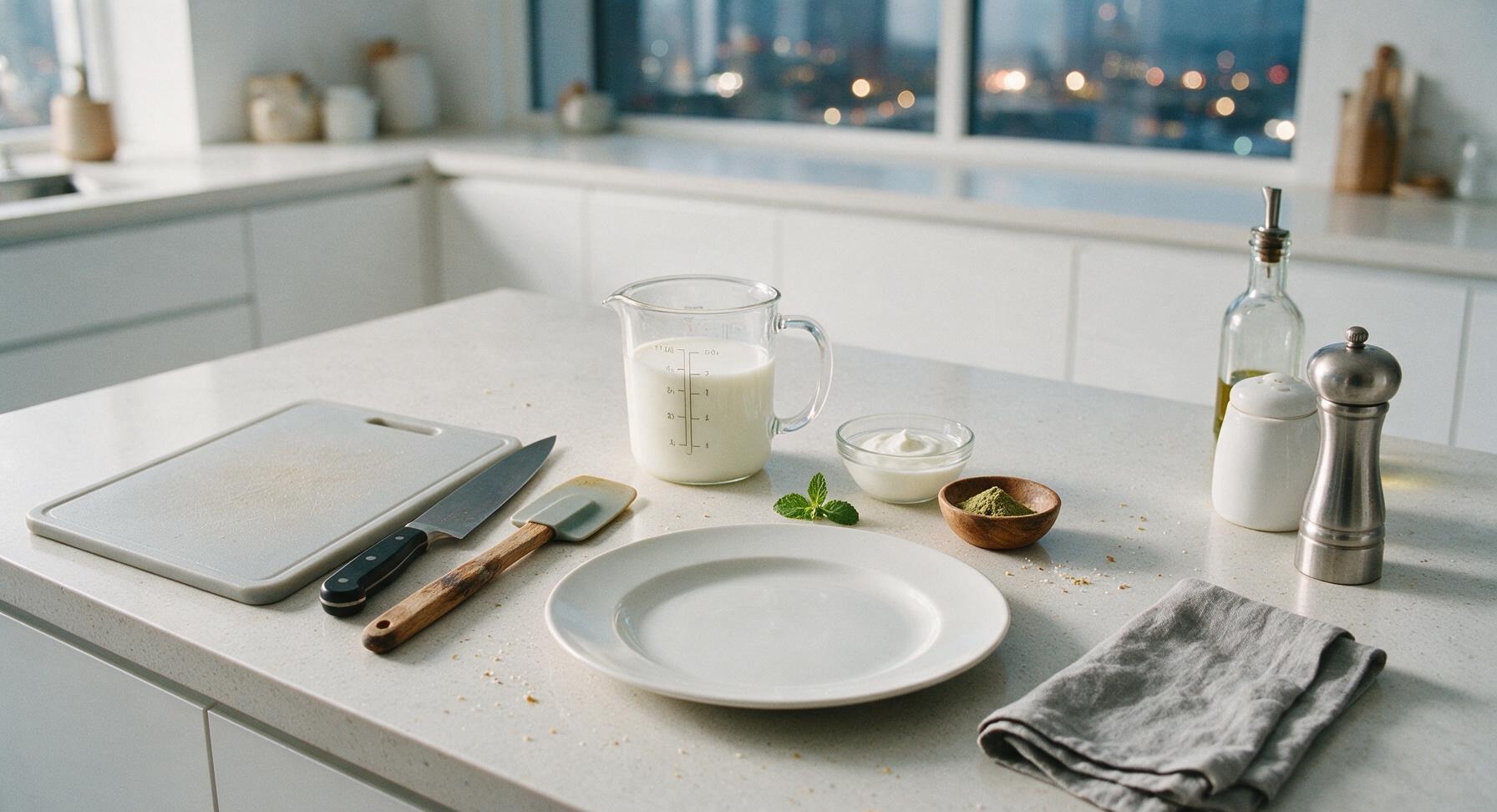
Whole cow's milk 1L (4 cups)
Unsweetened active curd starter (live-culture plain yogurt) 2 tbsp
Green cardamom powder (optional garnish) 1/8 tsp
Fresh mint sprigs (optional garnish) 2 small sprigs

Steps

1

Warm Milk Gently

Pour the full 1L of whole milk into the 2L stainless steel saucepan. Place over medium-low heat, stirring occasionally with the slotted spoon to prevent scorching on the pan bottom and stop a thick cream skin from forming prematurely. Heat the milk until it reaches a gentle rolling boil at 95°C (203°F), marked by small steady bubbles rising around the pan edges and light, wispy steam lifting from the surface. Do not let the milk boil over or burn on the pan base.
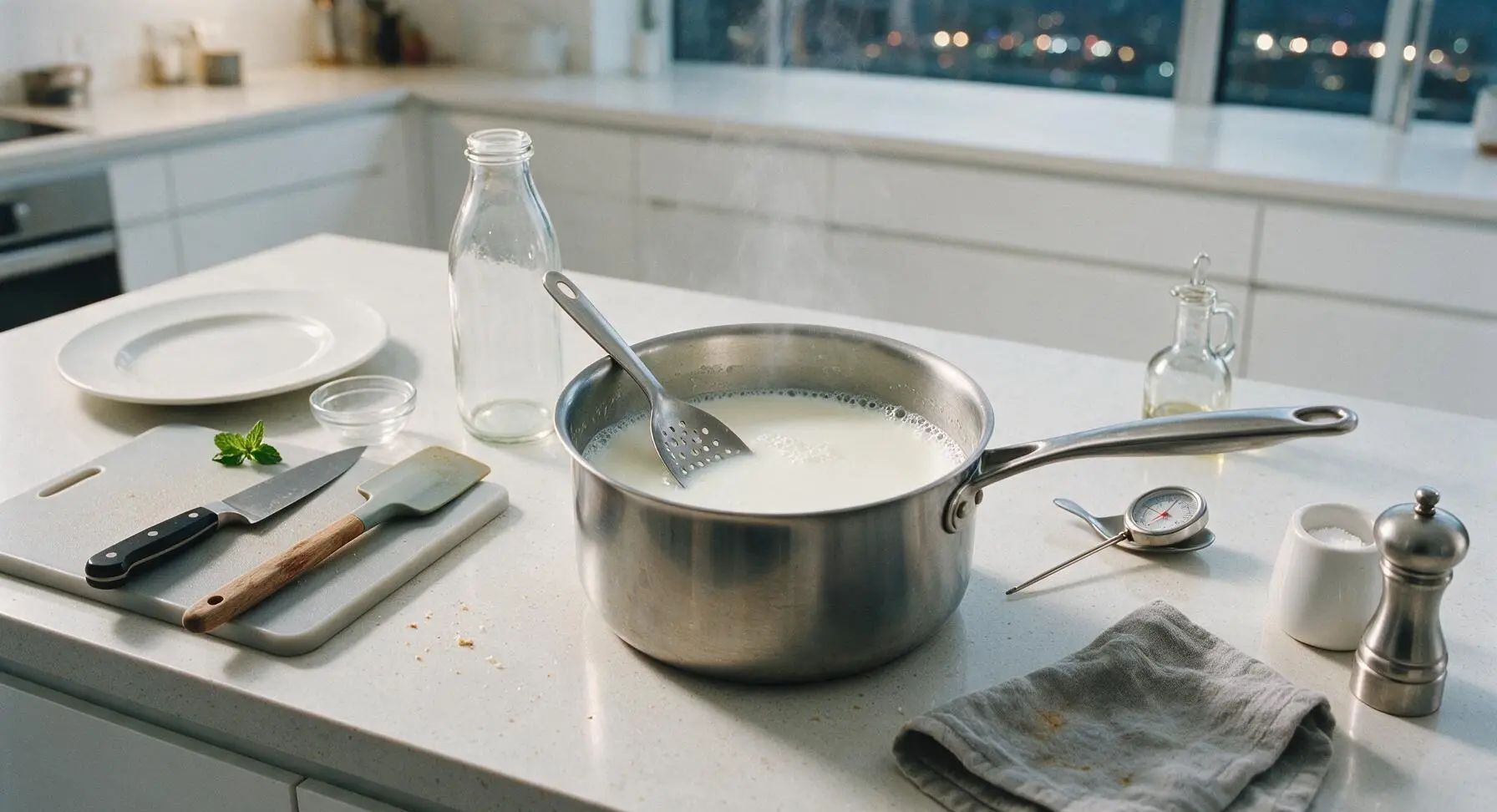
Step 1
step1:Warm Milk Gently
2

Cool Heated Milk

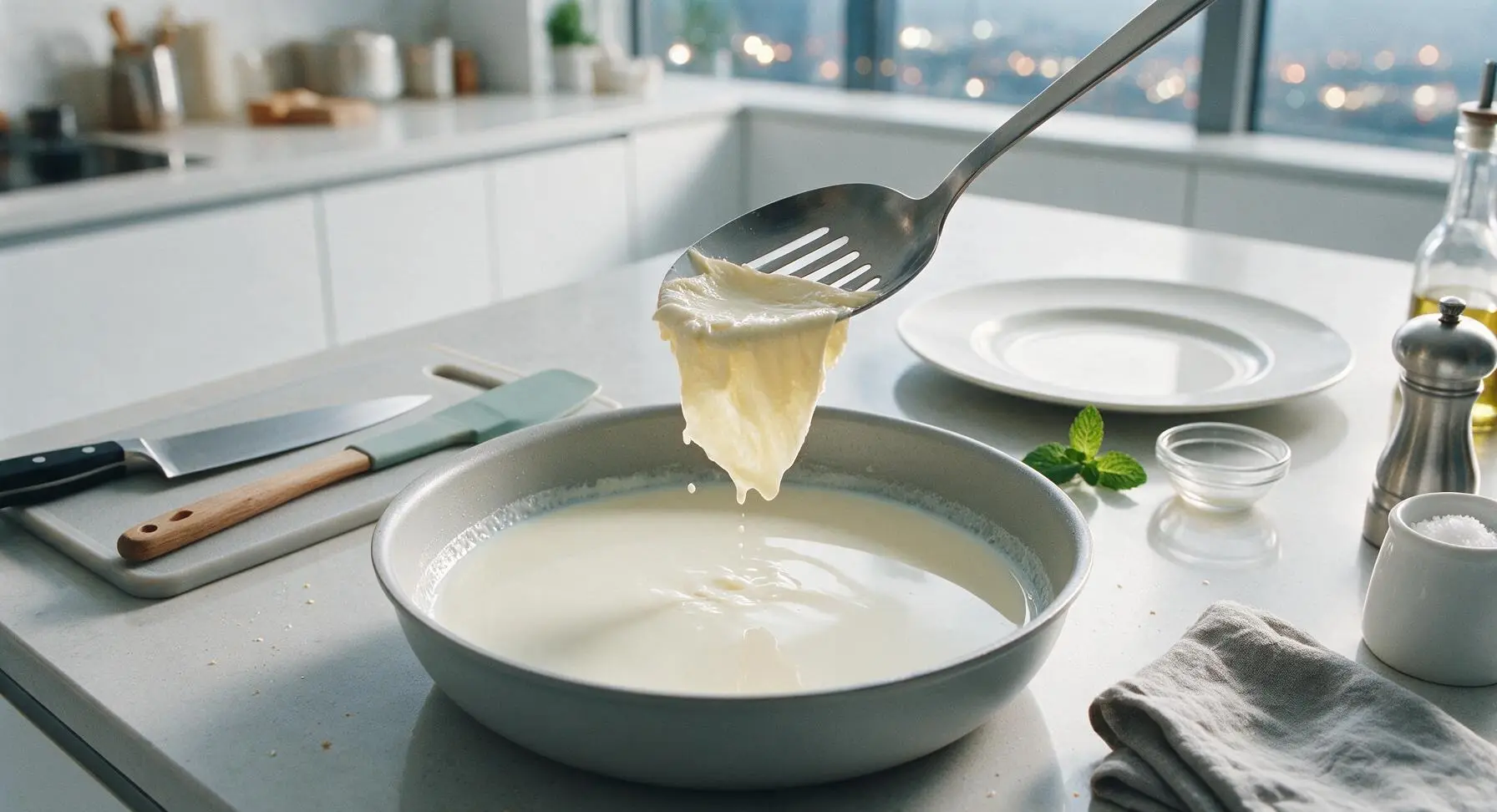
Once the milk reaches a boil, turn off the heat. Use the striped cotton pot holder to handle the hot pan as needed, and let the milk cool, checking temperature periodically with the instant-read thermometer until it reaches exactly 43-46°C (110-115°F)—lukewarm, slightly warmer than body temperature. A thin, pale cream skin will form on the surface as it cools; skim this off with the slotted spoon for a smoother curd, or stir it back in for a richer, denser final texture.
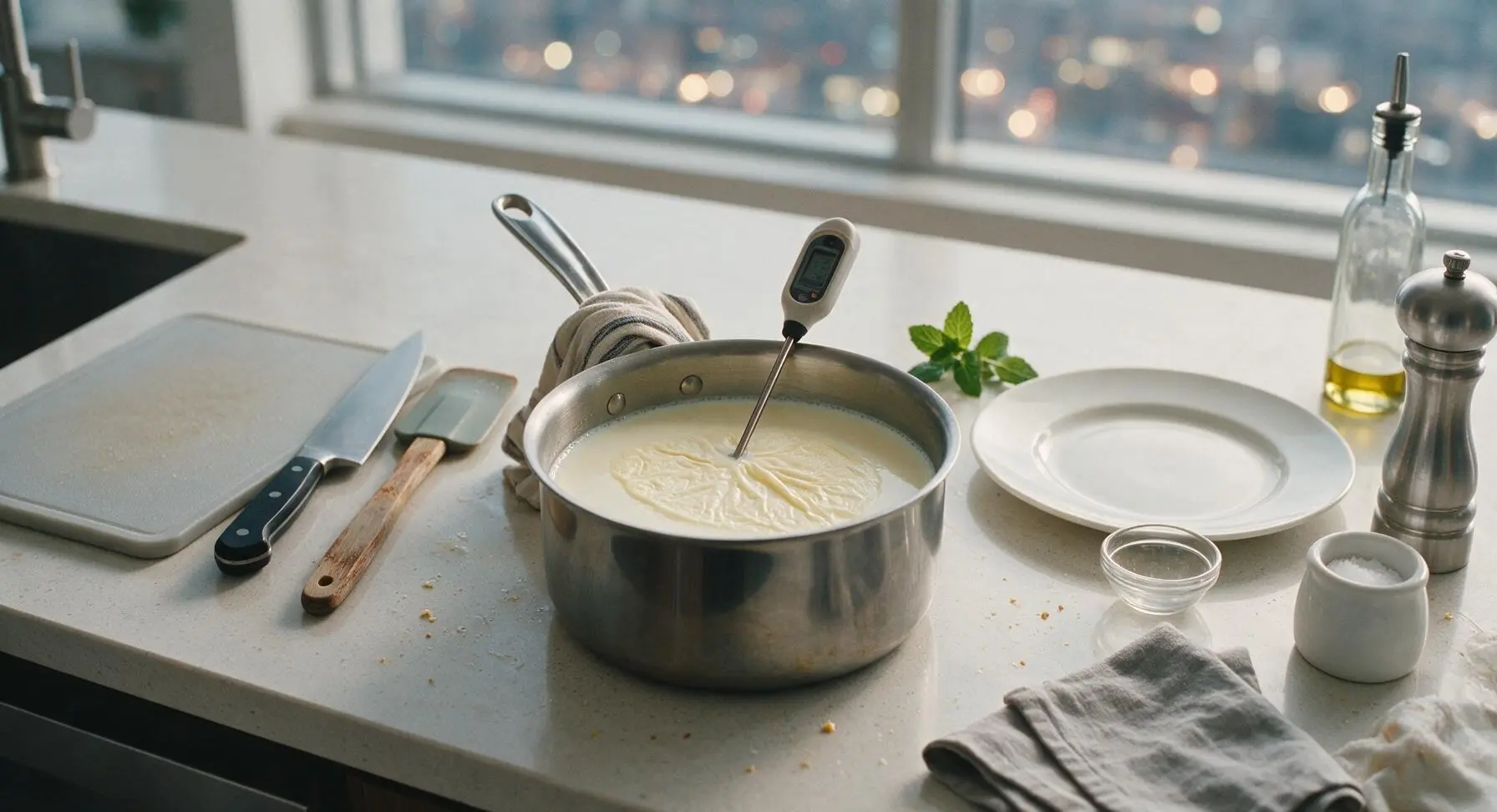
Step 2
step2:Cool Heated Milk
Step 2
step2:Cool Heated Milk
3

Mix In Starter

Scoop the 2 tablespoons of active live-culture curd starter from the cream ramekin into the lukewarm milk. Stir gently but thoroughly with the slotted spoon to distribute the starter evenly through the milk—avoid aggressive whisking, as this creates bubbles that lead to an uneven, pitted curd surface. Ensure no lumps of undissolved starter remain floating on the milk surface.
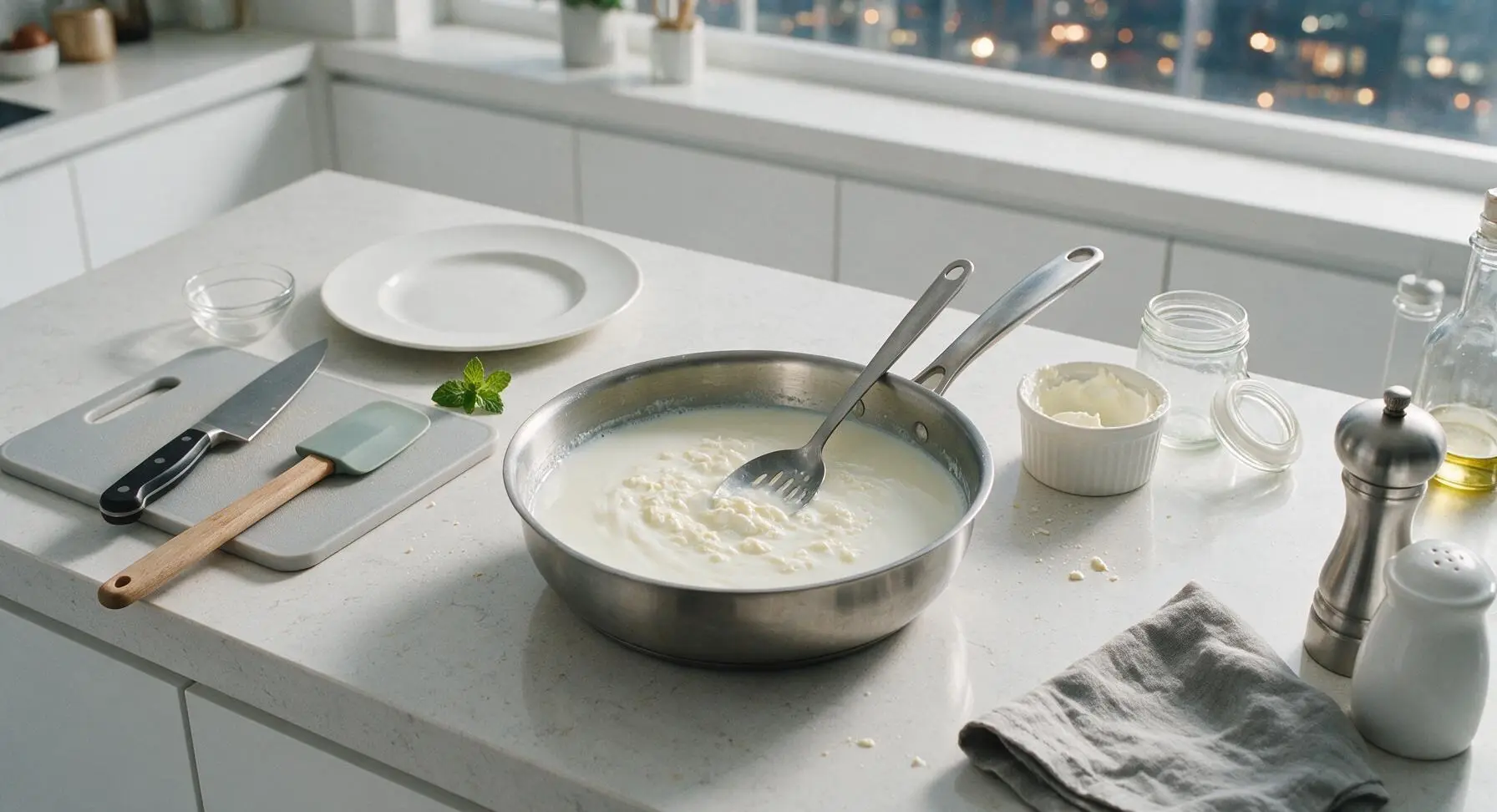
Step 3
step3:Mix In Starter
4

Pour Into Setting Jar

Carefully pour the inoculated milk mixture from the saucepan into the clean, dry wide-mouth glass jar, pouring slowly to avoid creating excess bubbles on the surface. Wipe any milk drips from the outside of the jar with the corner of the linen towel, then seal the jar loosely with its glass lid (do not tighten fully, as slight gas exchange helps the cultures activate properly).
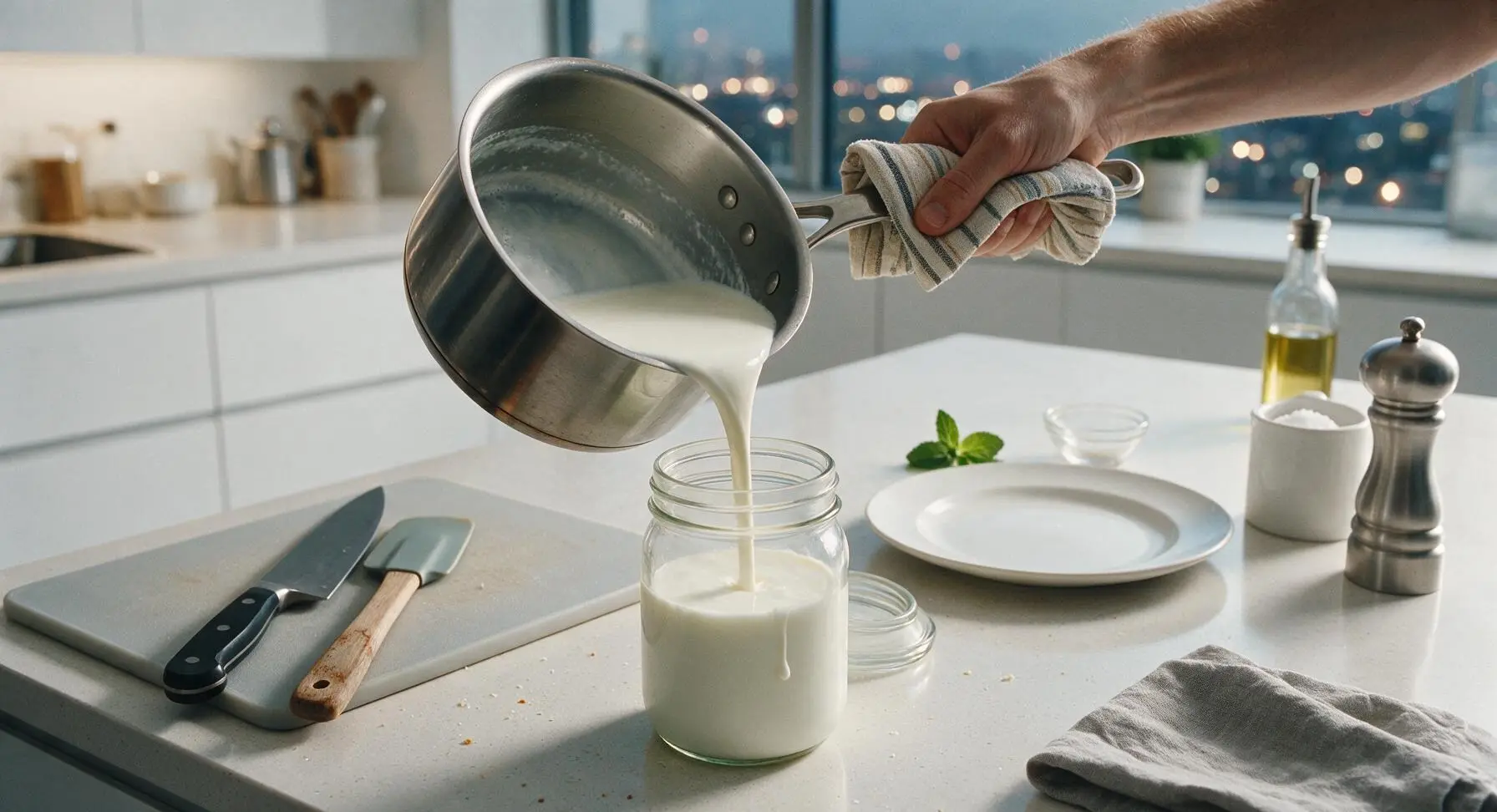
Step 4
step4:Pour Into Setting Jar
5

Incubate to Set

Wrap the sealed jar loosely in the linen towel to retain heat, then move it to a warm, draft-free spot (such as a turned-off oven with the interior light on, or a closed kitchen cabinet) to incubate for 5-6 hours at a consistent 40-43°C (104-110°F). Do not move, jostle, or open the jar during incubation, as disturbance will break the forming curd structure and prevent a firm, even set. The curd is ready when it pulls away slightly from the jar sides, jiggles as a single solid mass when tapped, and a thin layer of pale whey pools on the surface.
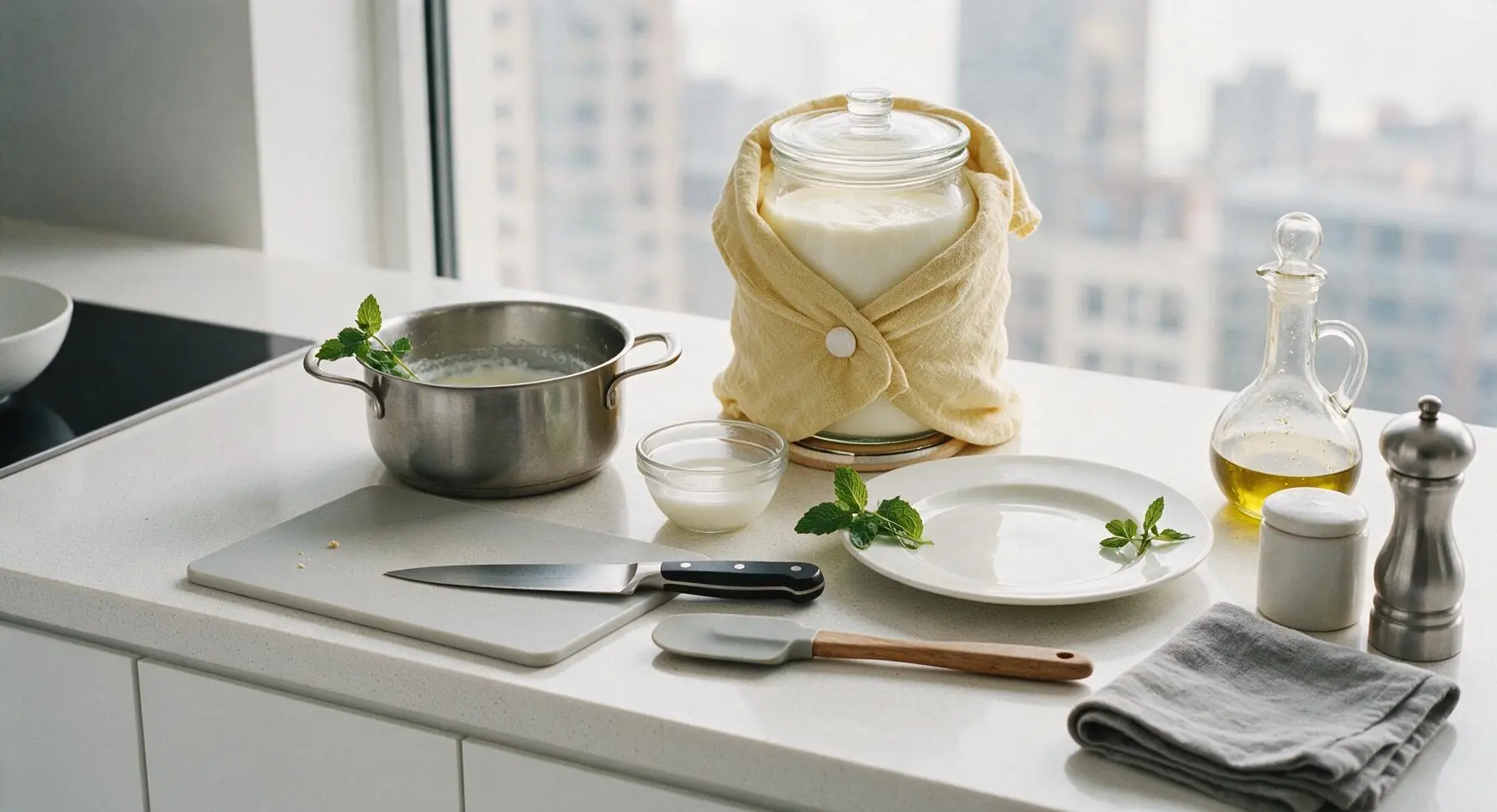
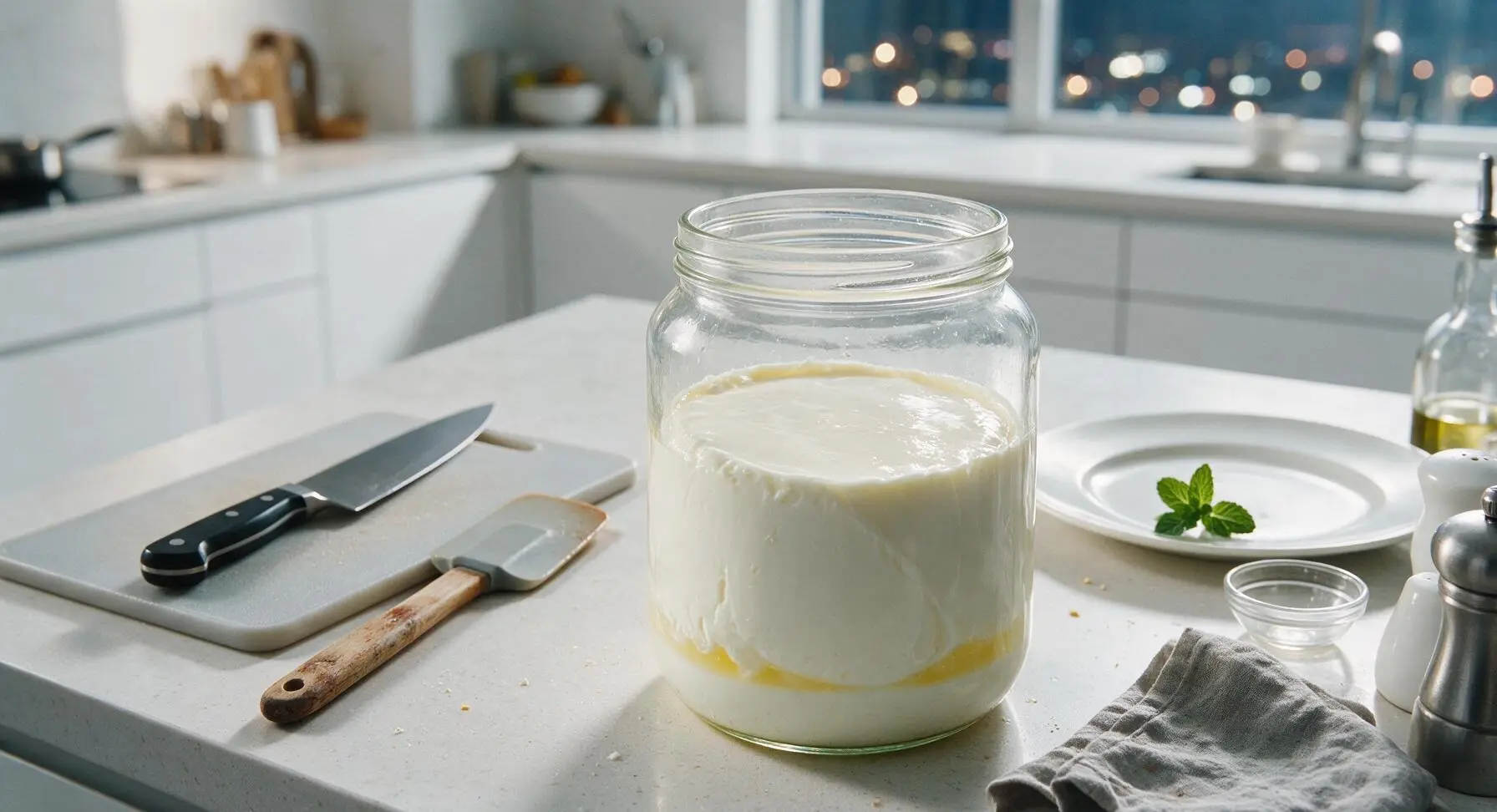
Step 5
step5:Incubate to Set
Step 5
step5:Incubate to Set
6

Chill for Best Texture

Once the curd is fully set, tighten the jar lid and transfer it to the refrigerator to chill for at least 2 hours before serving. Chilling halts active culture growth, firms the curd slightly, and develops the balanced, mild tangy flavor. Do not stir the curd before chilling, as this will break the set structure and release excess whey.
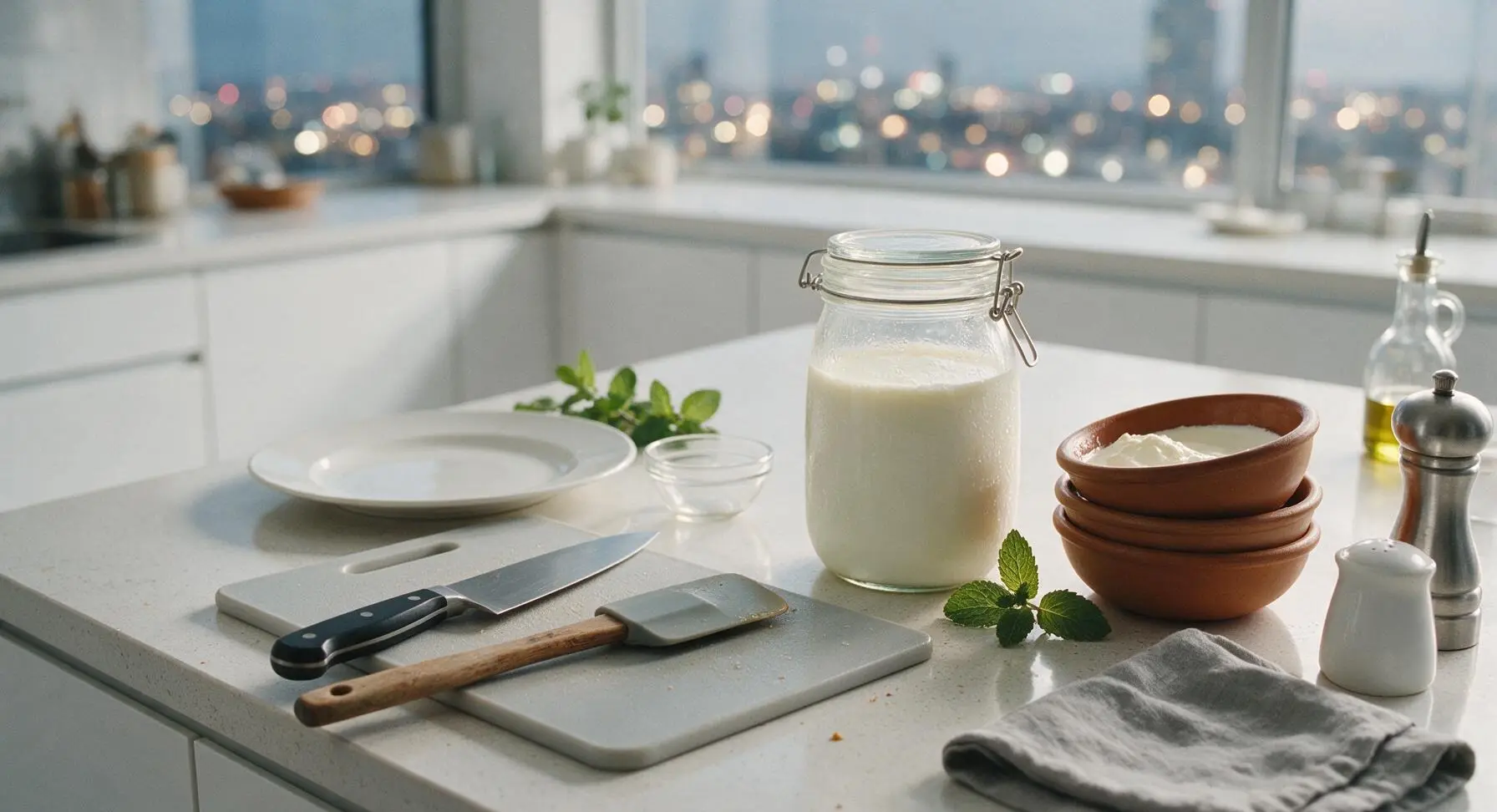
Step 6
step6:Chill for Best Texture
7

Plate Fresh Curd

When ready to serve, scoop 1 cup of chilled set curd into the prepared terracotta serving bowl. Garnish with a fresh mint sprig and a light pinch of ground cardamom if desired, for a subtle warm aromatic note. Serve plain, or use as a base for raita, lassi, or sweet curd desserts. Reserve 2 tablespoons of curd from the batch to use as starter for your next homemade batch, and store remaining curd sealed in the glass jar in the refrigerator for up to 7 days.
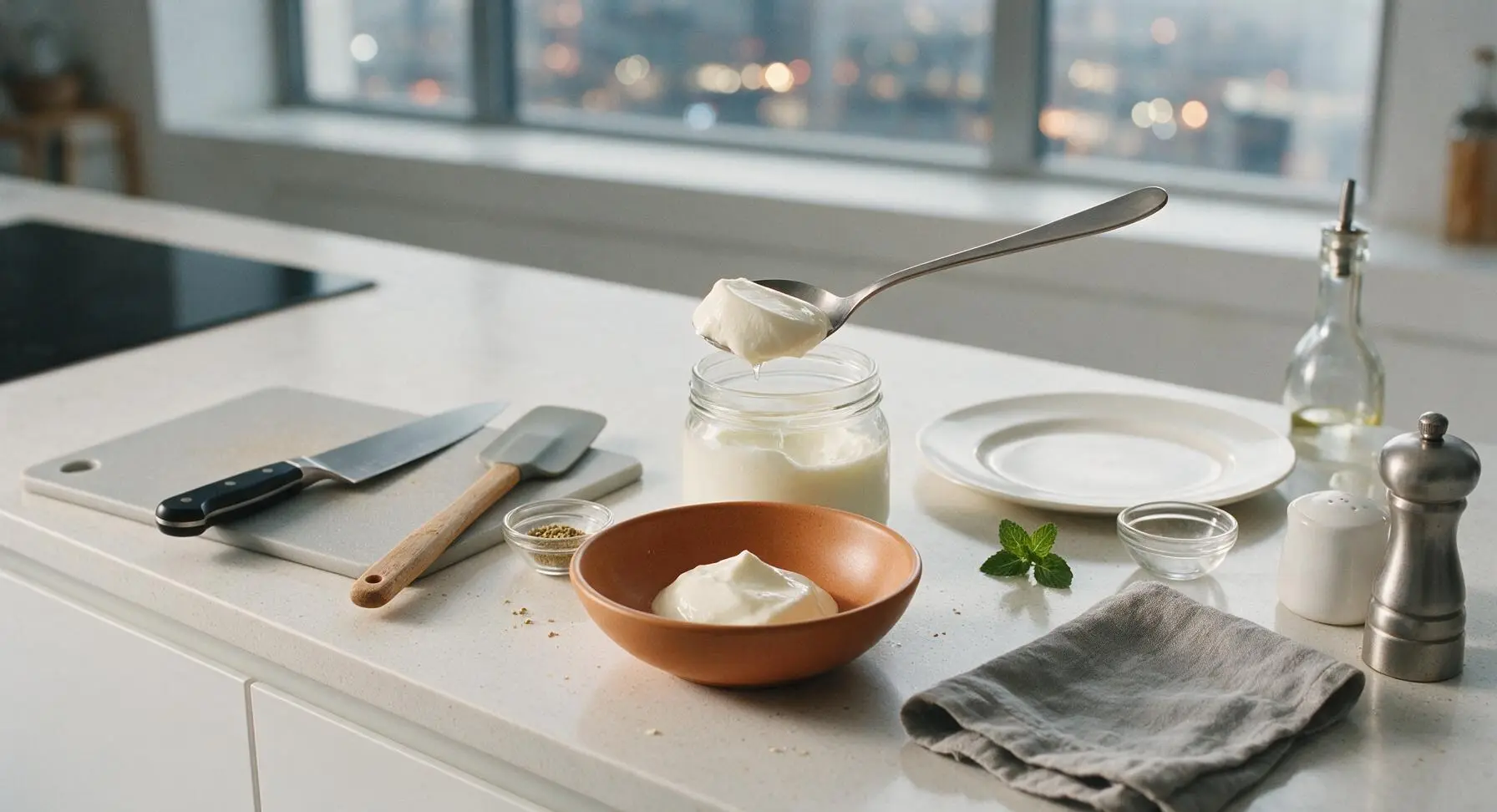
Step 7
step7:Plate Fresh Curd

Tips

1.Use full-fat whole milk for the creamiest, firmest curd: skim or low-fat milk produces a thin, watery, grainy curd, as there is insufficient milk fat to support a smooth, stable set.
2.Ensure your curd starter is fresh and contains active live cultures: expired, heat-treated, or preservative-laden starter will fail to inoculate the milk, leaving un-set liquid instead of curd. For best results, use starter from a recent homemade batch or unsweetened plain probiotic yogurt.
3.Never add starter to milk hotter than 46°C (115°F): high temperatures kill the beneficial live cultures and prevent setting, while milk cooler than 40°C (104°F) causes slow, uneven fermentation and a slimy, off-textured curd.
✨ You May Also Like

Side Dishes
🍜 India

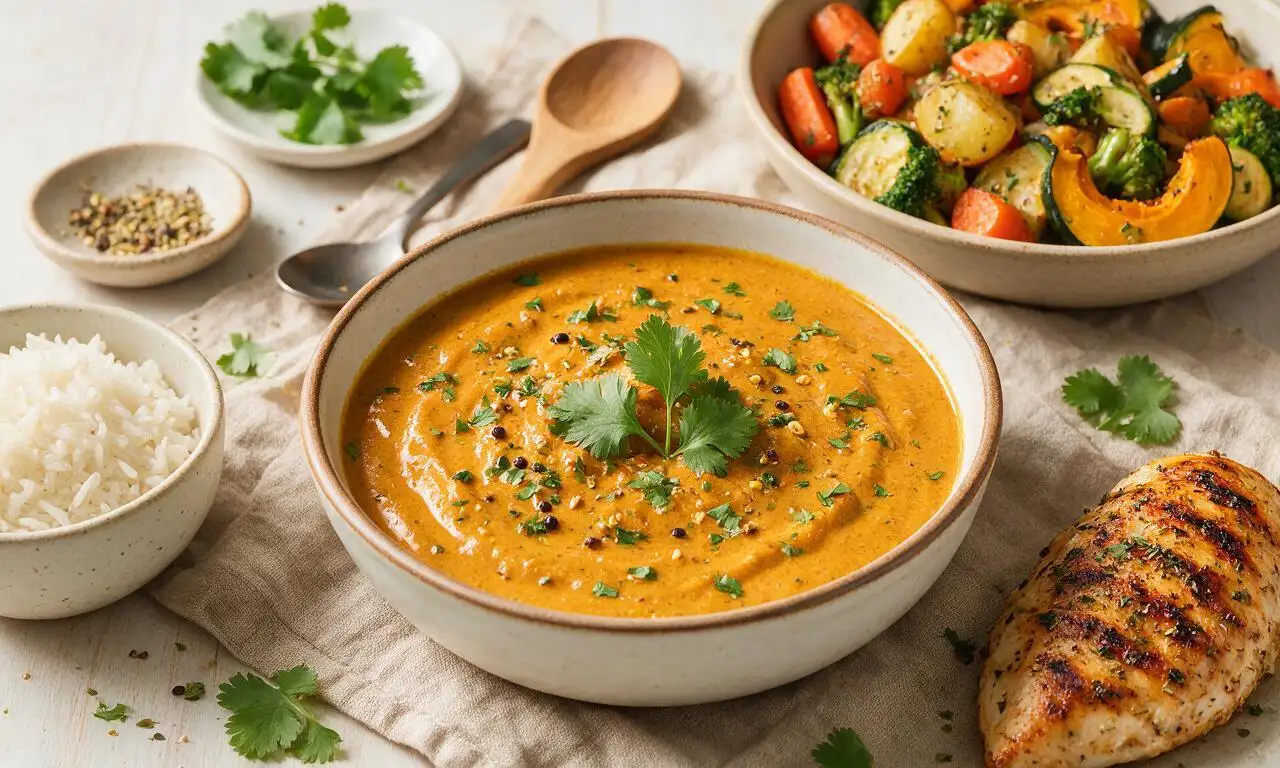
Velvety, aromatic all-purpose curry sauce perfect for tossing with roasted veggies, grilled protein, or rice for fast, cozy, flavorful meals.

⏱️ 25 minuteSide Dishes ★ 4.8
Side Dishes
🍜 Spain

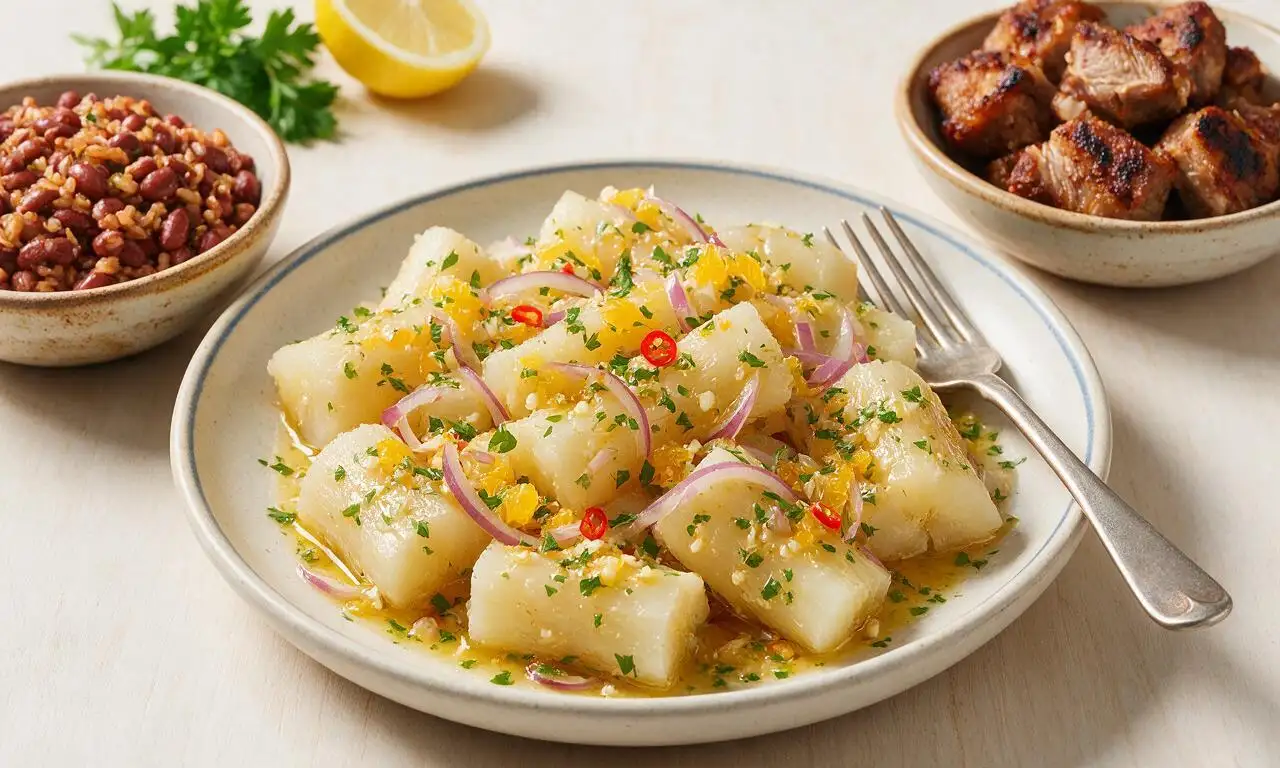
Tender, starchy boiled yuca tossed in bright, garlicky citrus mojo sauce—an iconic, zesty side that pairs beautifully with roasted pork, grilled meats, and rice and beans.

⏱️ 40 minuteSide Dishes ★ 5
Side Dishes
🍜 United States

Tender, paper-thin potato flatbread, a beloved Norwegian-American Minnesota Christmas staple, griddled until softly spotted and served warm with butter.

⏱️ 1 hour 30Side Dishes ★ 4.6
Side Dishes
🍜 United States

Rich, deeply savory cured salt pork, a long-lasting kitchen staple perfect for frying crispy as a side or adding umami to stews, beans, and chowders.

⏱️ 7 days (2Side Dishes ★ 4.9
Side Dishes
🍜 United States

Crispy, tangy classic Southern fried green tomatoes with a crunchy cornmeal crust, served hot for a nostalgic, comforting summery bite.

⏱️ 25 minuteSide Dishes ★ 4.9
Side Dishes
🍜 United States

Moist, golden-crusted savory muffins with sweet corn, zesty jalapeño, and melted cheddar, perfect for pairing with smoky summer grilled fare.

⏱️ 30 minuteSide Dishes ★ 4.9

milk to curd process:Frequently Asked Questions

1.What type of milk works best for making creamy, firm set dahi? ▾
Whole cow’s milk is the gold standard for rich, wobbly set dahi, as its 3.25%+ fat content creates that signature creamy, non-grainy texture. Avoid skim or low-fat milk, which produces thin, watery curd, and skip ultra-high temperature (UHT) shelf-stable milk if possible, as its altered proteins often fail to set firmly.
2.Can I use regular store-bought yogurt as a starter if I don’t have leftover homemade dahi? ▾
Absolutely, as long as you pick unsweetened, plain live-culture yogurt with no added flavors, thickeners, or preservatives. Check the label for active live cultures like L. bulgaricus and S. thermophilus—you only need 1 to 2 teaspoons per cup of milk to kickstart fermentation, so don’t overdo it.
3.Why didn’t my curd set properly after the recommended 8 hours of resting? ▾
The most common culprits are inactive starter culture, milk that was too hot or too cold when you added the starter, or a too-cold resting spot. If your curd is still runny after 8 hours, move it to a slightly warmer spot (like a turned-off oven with the light on) for 2 to 3 more hours before chilling.
4.What temperature should the milk be when I add the curd starter? ▾
Aim for milk that feels warm to the touch, around 105 to 110°F—roughly the temperature of a nice warm bath. If it’s hotter than 115°F, it will kill the live cultures in your starter, and if it’s below 100°F, the cultures will stay dormant and fail to set the curd firmly.
5.Do I really need to boil the milk first before making dahi? ▾
Yes, a quick gentle boil (heating until small bubbles form around the pan edges and a thin skin forms on top) is key. Boiling denatures the milk proteins to help create a smooth, firm set instead of a watery, separated curd, and it kills any stray bacteria that could make your curd taste off.
6.How long will homemade set dahi stay fresh in the refrigerator? ▾
Properly stored in an airtight glass or food-safe plastic container, homemade dahi will stay fresh for 3 to 4 days in a fridge set to 40°F or below. It will get slightly tangier the longer it sits, so for the mildest, creamiest flavor, eat it within the first 2 days of chilling.
7.Can I make this dahi with non-dairy milks like oat or almond milk? ▾
You can, but the texture will be much thinner and less wobbly than traditional cow’s milk dahi, and you’ll need to add a thickener like 1 teaspoon of agar agar per cup of non-dairy milk during the boiling step. Be sure to use a dairy-free live-culture yogurt starter designed for plant-based milks for the best set.
8.Why is my homemade dahi sometimes stringy or slimy in texture? ▾
Stringy, slimy curd usually happens when fermentation happens at too high a temperature, or when your starter has imbalanced live cultures. To fix this next time, keep your resting spot between 100 to 110°F, use a fresh, high-quality plain yogurt starter, and avoid jostling the curd while it sets.
9.What’s the best spot to let dahi set if my kitchen is really cold? ▾
My go-to trick for cold kitchens is to place the covered pot of inoculated milk inside a turned-off oven with the interior oven light on—this creates a steady 105 to 110°F environment perfect for setting. You can also wrap the pot in a thick kitchen towel and set it inside a closed cooler for 6 to 8 hours.
10.How much curd starter do I actually need per batch of dahi? ▾
You only need 1 teaspoon of active live-culture curd starter per 1 cup of whole milk for a perfect set. Using too much starter will make your curd overly tangy, grainy, and prone to separating as it sets, while using too little will lead to runny, under-fermented curd that never firms up.
11.Can I freeze leftover homemade dahi to use later? ▾
Freezing dahi will cause it to separate and become grainy once thawed, so I don’t recommend freezing it for eating plain or using in creamy dishes. You can, however, freeze leftover dahi in ice cube trays to blend straight into smoothies or lassis, where the slightly grainy texture won’t be noticeable.
12.Why is there a thin layer of watery liquid on top of my set dahi? ▾
That pale, watery liquid is whey, and a thin layer of it on top of set dahi is totally normal and a sign of good fermentation! You can either stir it back into the curd for extra protein and a thinner consistency, or pour it off gently if you prefer an extra-thick, firm set.
13.Can I add powdered milk to make extra-thick set dahi? ▾
Yes! Stirring 2 tablespoons of full-fat powdered milk into your whole milk right before you bring it to a boil will boost the milk solid content, creating an extra-thick, restaurant-style set dahi that holds its shape perfectly without any grainy texture or off flavors. This is a great trick for extra creamy lassis too.
14.Do I need to stir the starter into the milk really vigorously? ▾
You should whisk the starter into the warm milk gently until it’s fully evenly distributed, but don’t whip it vigorously to create bubbles. Over-whisking can introduce extra air that leads to a pockmarked, uneven set, while unevenly mixed starter will create lumpy curd with pockets of unfermented milk.
15.Can I add sugar or fruit to the milk before the curd sets? ▾
I don’t recommend adding sugar, fruit, or flavorings before fermentation is complete, as these can disrupt the live culture activity and prevent the curd from setting properly, or lead to off, bitter flavors. Add sweeteners, fruit, or cardamom garnish right before you serve the chilled curd for the best results.
16.How do I save starter from my homemade dahi for future batches? ▾
Once your dahi is fully set and chilled, scoop out 1 to 2 teaspoons of smooth, whey-free curd from the center of the batch, store it in a small airtight container in the fridge, and use it within 3 days for your next batch. After 4 to 5 consecutive batches, swap in fresh store-bought starter to keep cultures active.
17.Is it normal for homemade dahi to taste tangier than store-bought plain yogurt? ▾
A mild tang is totally normal, but if your dahi is sharply sour, it likely fermented for too long or at too high a temperature. For that signature mild, creamy dahi flavor, stick to 6 to 8 hours of fermentation at 105 to 110°F, then move it straight to the fridge to stop the culture activity.
18.Can I make set dahi in an Instant Pot or electric yogurt maker? ▾
Absolutely! These tools are perfect for consistent set dahi, because they hold a steady, even temperature the whole fermentation time. For the Instant Pot, use the yogurt setting set to 110°F, and let it incubate for 6 to 7 hours for a mild, firm set before chilling for at least 2 hours before serving.
19.Why does a thin skin form on top of my milk when I heat it for dahi? ▾
That thin, creamy skin is totally normal—it forms as milk fat rises to the surface and coagulates during heating. You can either stir it back into the warm milk before adding your starter for extra creaminess, or skim it off gently with a spoon if you prefer a perfectly smooth, skin-free top on your set curd.
20.What are the best ways to serve finished homemade set dahi? ▾
This versatile, wobbly curd works for so many uses! Serve it chilled with a light dusting of cardamom and fresh mint for a simple snack, stir it into raita to pair with spicy curries, blend it with mango and ice for creamy lassis, or use it as a substitute for sour cream on tacos, baked potatoes, or breakfast bowls.

Comments (17)

2 days ago

OMG this dahi recipe is a total game changer! I’ve been buying store bought curd for years because I thought homemade was too fussy, but this was SO easy. My kids ate it with mango for breakfast this morning and asked for seconds! Set perfectly in 8 hours, no weird grainy texture at all. 10/10

yesterday

Same! I used to waste so much milk trying to get it to set right, this method worked first try! I added a tiny pinch of cardamom to mine and it was chef’s kiss

yesterday

So glad your family loved it! The cardamom addition sounds amazing, I’ll have to try that next time I make a batch for meal prep

1 week ago

Brought this to our neighborhood potluck last weekend and everyone was asking for the recipe! Super creamy, not tangy like the store brand stuff. I served it with a little honey and toasted granola on the side for people who wanted a sweet option, and it was gone in 20 minutes. Will absolutely be making this again

3 days ago

Perfect for weekly meal prep! I make a big batch every Sunday now and portion it out for parfaits all week. Only question — can I use oat milk for this, or does it have to be dairy? My partner is lactose intolerant so I’m always looking for swaps

2 days ago

Great question! This specific set recipe works best with full fat dairy milk to get that firm set, but you can adapt it for oat milk by adding a teaspoon of cornstarch when heating the milk to help it firm up. Let me know how it goes if you try it!

5 days ago

As someone who grew up eating my nani’s dahi, I was skeptical a random online recipe would live up to the hype. Y’all… this is exactly how she used to make it. The set is perfect, the tang level is just right, no weird watery whey separating after a day in the fridge. I’m never buying store curd again

3 days ago

Wait did you use whole milk or 2%? I tried it with 2% last time and it was a little runnier than I wanted

3 days ago

I used full fat whole milk! My nani always said the higher fat content makes for a creamier set, I think that’s the trick

yesterday

Okay I’ve never made anything fermented before and I was so sure I’d mess this up, but it turned out perfect! I followed the directions exactly, left it in the oven with the light on for 8 hours, and when I checked it was perfectly set. Tastes way better than I thought it would

2 hours ago

The oven light trick is genius right? I used to leave mine on the counter and it would take forever to set in the winter, the gentle heat from the light works every single time

30 minutes ago

Used this dahi as the base for my raita last night for taco Tuesday (don’t judge, fusion works) and it was chef’s kiss. Thick, creamy, didn’t get runny when I mixed in the cucumber and mint. Way better than using plain Greek yogurt as a substitute

2 weeks ago

Quick question — I have a kid with a severe dairy allergy, has anyone tried making this with coconut milk? I want to make sure it sets properly before I waste a can of good coconut milk

1 week ago

Coconut milk works great! Just make sure you use full fat canned coconut milk (not the carton drinking kind) and add 1/4 tsp of agar agar to help it get that firm set texture. It’ll have a subtle coconut flavor that pairs really well with tropical fruit!

1 week ago

This is so much cheaper than buying individual yogurt cups for the week! I worked out the cost and it’s like 1/4 the price for way better quality. I stirred in some strawberry jam at the bottom of the jars before pouring the milk in for little fruit-on-the-bottom style cups, and my husband is obsessed

5 days ago

Wait that strawberry jam idea is brilliant! Do you add it before it sets, or after? I don’t want to mess up the fermentation

3 days ago

If you want the jam to stay at the bottom, add it to the jar first before pouring in the warm milk and starter, and it won’t disrupt the set process! Just give it a little stir when you’re ready to eat and it’s perfect

2 days ago

Wait why did I think making curd was super hard? I’m in a tiny dorm with just a mini fridge and a microwave, and I still pulled this off! Heated the milk in the microwave, added a spoonful of store bought curd as starter, wrapped the jar in a hoodie to keep it warm overnight, and it set perfectly. Saved so much money on grocery runs this week

yesterday

The hoodie trick is such a college move, I love it! I did the same thing with a fuzzy sock last semester when my apartment was freezing in the winter, worked like a charm

5 days ago

I’ve been using this recipe for a month straight now, and I even made a sweet version for my book club last week with rose water and pistachios sprinkled on top. Everyone thought I bought it from the fancy Indian restaurant downtown! So versatile, easy to tweak to whatever flavor you’re craving

3 days ago

Tried this last night and it didn’t set at all, was just runny milky slop. Followed the directions exactly, used whole milk, left it for 8 hours, nothing. Wasted half a gallon of milk, pretty frustrated

2 days ago

Oh no! Did you make sure your starter was fresh? Old curd starter that’s been open in the fridge for more than a week usually doesn’t have enough active cultures to set new curd. I had that happen once and that was the issue!

2 days ago

I’m so sorry this happened for you! The most common culprit is inactive starter, or the milk being too hot when you added the starter (it should be around 110°F, just warm to the touch, not hot, or it kills the good bacteria). Give it another try with a fresh spoonful of plain active yogurt as starter and I bet it works!

5 minutes ago

Love how high protein this is without all the added sugars in regular store bought yogurt! I eat a bowl of this every morning with chia seeds and berries after my workout, and it keeps me full all the way until lunch. Quick question — how long does this stay good in the fridge for?

just now

So happy it’s fitting into your routine! Stored in an airtight container in the fridge, this dahi will stay good for up to 1 week. Just give it a gentle stir if you notice a little whey separating on top, no need to pour it out!

2 weeks ago

Made this for brunch last Sunday and served it with warm jalebis on the side, and my guests lost their minds. The cool, creamy curd paired so perfectly with the sweet, crispy jalebis. It felt like such a fancy spread but barely took any active work to put together. 10/10 will be a regular on my brunch menu from now on

2 hours ago

Wait a second, the starter is just a spoonful of existing curd? That’s so wild to me, I thought you needed some fancy probiotic packet or something. I used the last spoonful of plain Greek yogurt I had in the fridge as starter and it worked perfectly! Who knew fermenting was this easy

30 minutes ago

Right? It’s the same process as making sourdough, you just keep a little bit of your last batch to start the next one! I haven’t bought starter in 6 months now, I just save a tbsp from every batch of dahi I make

1 week ago

I grew up eating homemade curd when my grandma would visit from India, and this tastes exactly like hers. I made the mistake of using low fat milk the first time and it was a little watery, but switched to whole milk the second time and it was perfect. So glad I found this recipe, it makes me feel like she’s right here in the kitchen with me

5 days ago

Aw this makes me so emotional! I’ve been looking for a recipe that tastes like my grandma’s dahi too, I can’t wait to try this this weekend. Did you use a glass jar or plastic to set it?

3 days ago

I used a glass mason jar! I feel like it holds the temperature more evenly than plastic does, I’ve never had an issue with it setting when I use glass

yesterday

Throw a scoop of this dahi in my morning smoothies now instead of Greek yogurt and it’s so much creamier! I don’t know why I never thought to use curd in smoothies before, it adds the perfect tang without that weird bitter aftertaste some protein powders give. Game changer for my morning routine

2 hours ago

That’s such a smart hack! I love adding a handful of frozen mango and a pinch of turmeric to mine with the dahi for a quick, creamy lassi-style smoothie, so good

1 week ago

Made this to go with my butter chicken dinner last night and it was the perfect pairing. Cool, creamy, cut the spice of the curry perfectly. My roommate walked in while it was setting and thought I bought a fancy gourmet yogurt from the grocery store, he had no idea it was homemade with just two ingredients. Will be making this every time I make Indian food from now on