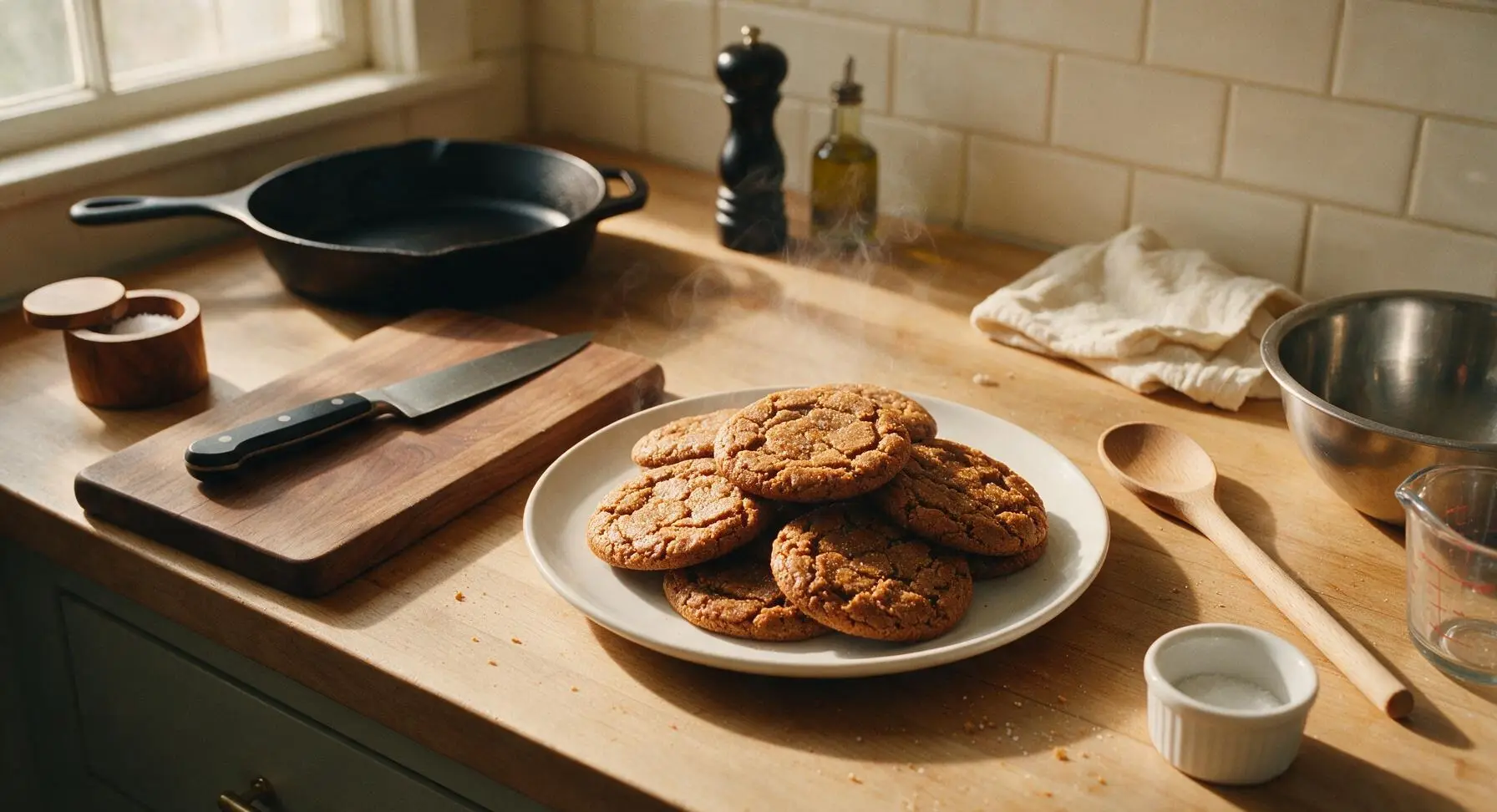
Molasses Cookies

title 1
Molasses Cookies
⏱️ cook time 20 minutes
🍽️ servings 18
⚡ Difficulty easy

intro

Soft, chewy, warmly spiced molasses cookies with crackled sugar tops, boasting deep caramel notes and a hint of ginger. A nostalgic winter holiday staple perfect for sharing.

Ingredients
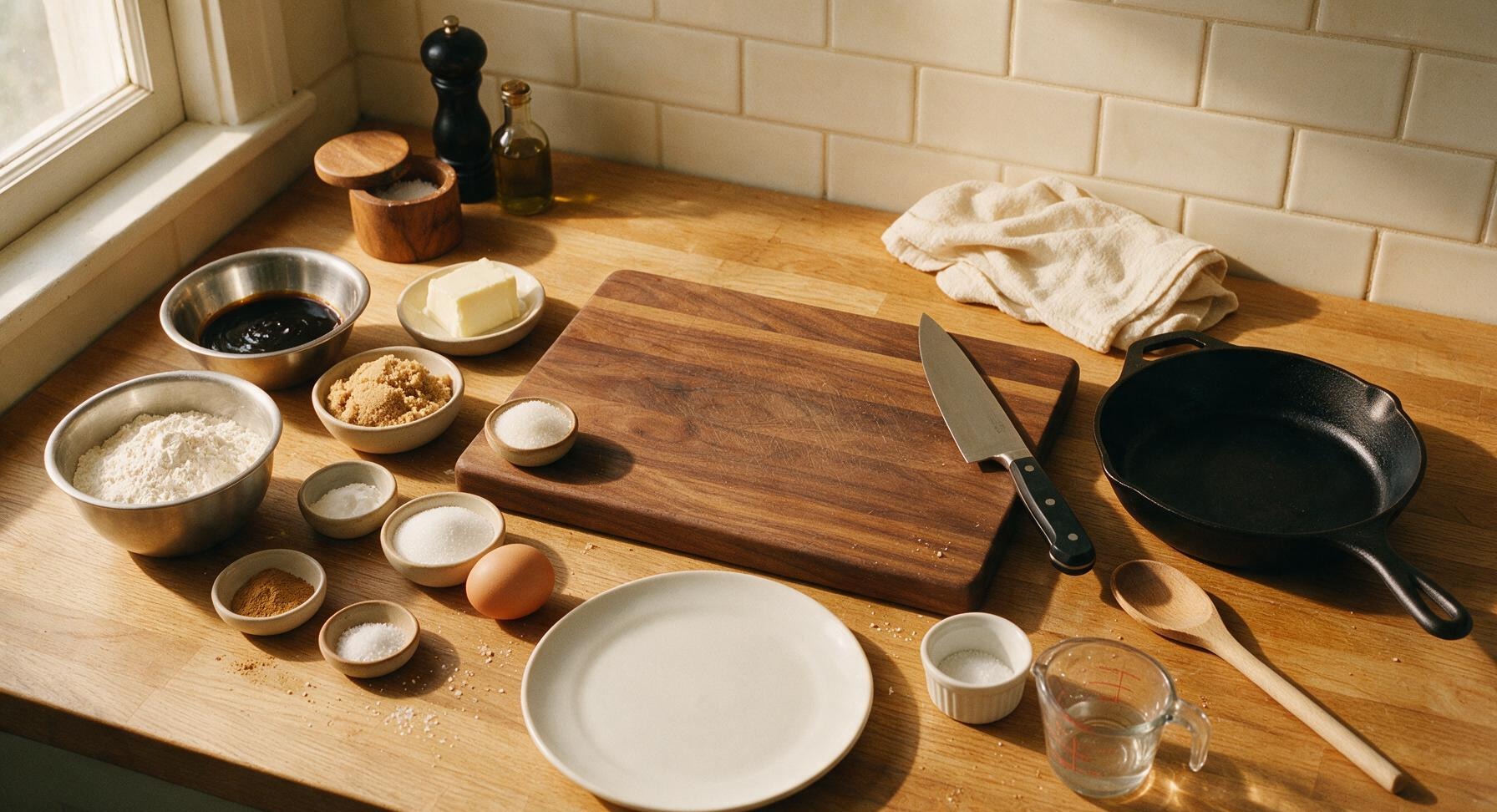
Unsalted butter, softened to room temperature 113g (1 stick)
Unsulphured dark molasses 120ml (1/2 cup)
Packed light brown sugar 100g (1/2 cup)
Granulated sugar 50g (1/4 cup)
Large egg, room temperature 1 (50g)
All-purpose flour 210g (1 3/4 cups)
Baking soda 1 tsp
Ground ginger 2 tsp
Ground cinnamon 1 tsp
Ground cloves 1/4 tsp
Fine sea salt 1/2 tsp
Coarse white sanding sugar 60g (1/3 cup)

Steps

1

Mix Dry Ingredients

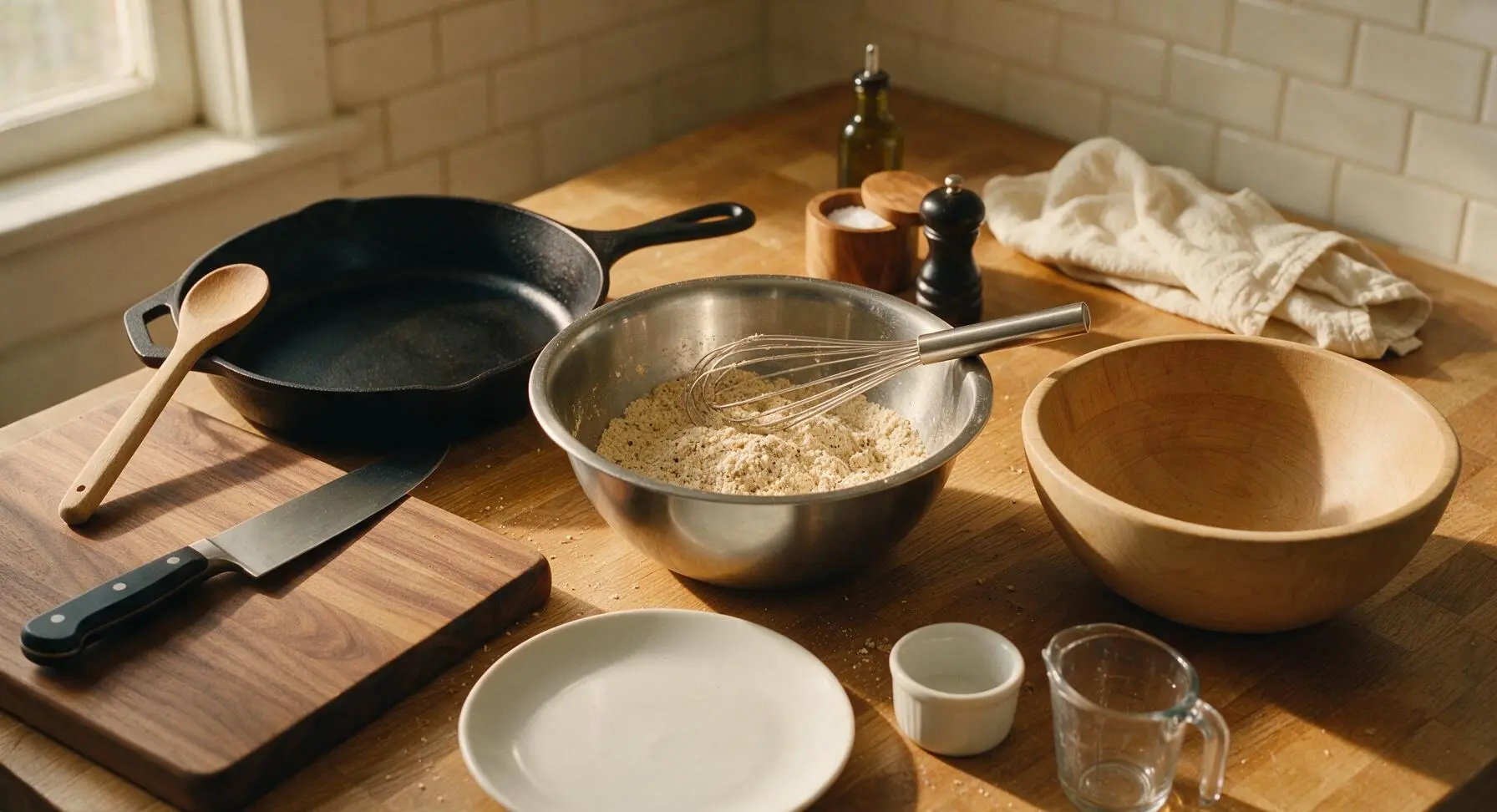
In the medium stainless steel mixing bowl, combine 210g all-purpose flour, 1 tsp baking soda, 2 tsp ground ginger, 1 tsp ground cinnamon, 1/4 tsp ground cloves, and 1/2 tsp fine sea salt. Whisk vigorously for 30 seconds until all spices are evenly distributed, with no visible clumps of baking soda or spice. Set the bowl aside.
Step 1
step1:Mix Dry Ingredients
2

Cream Butter and Sugar

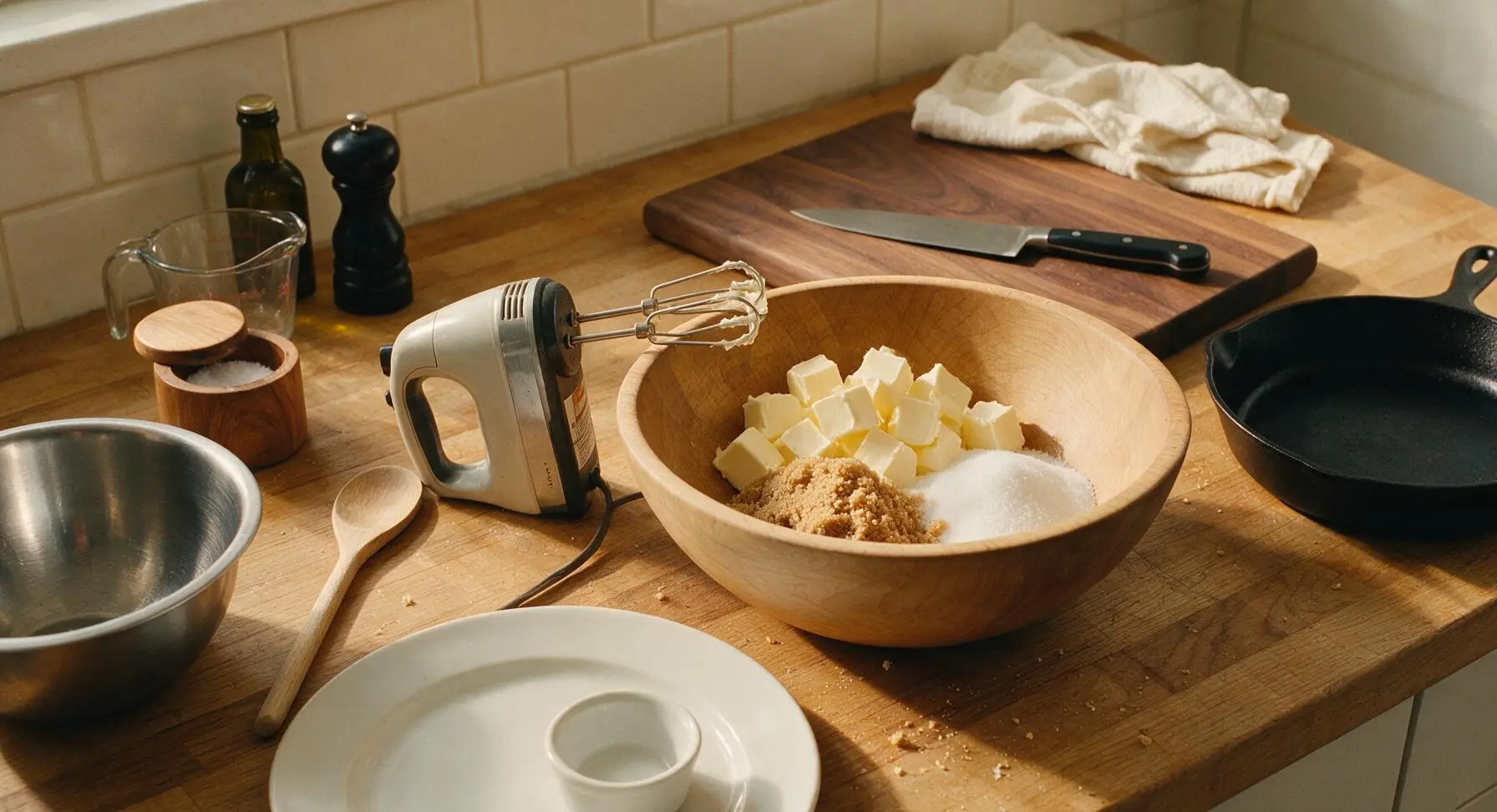
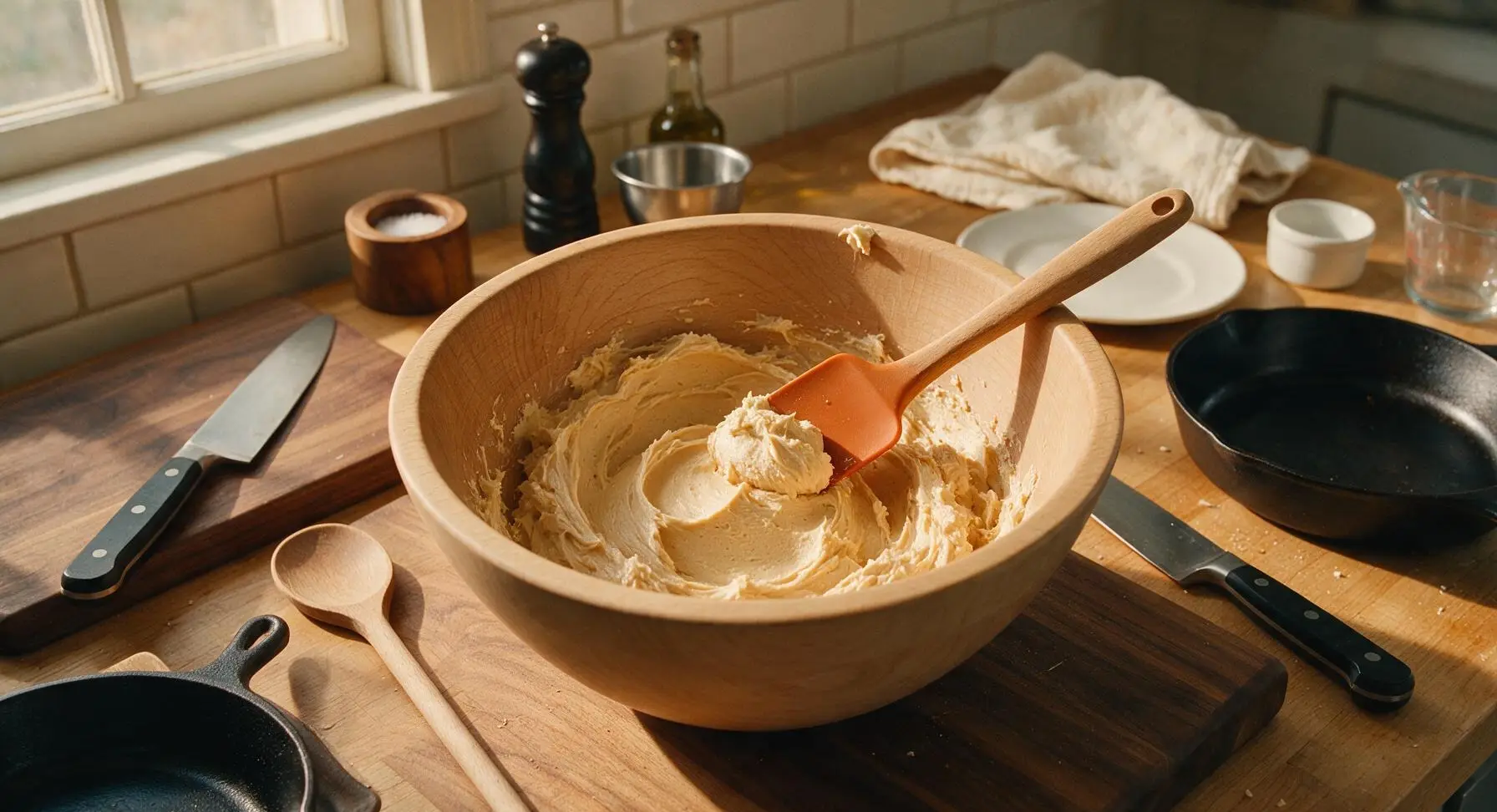
In the large beech wood mixing bowl, add 113g softened unsalted butter (room temperature, 18°C/65°F, soft enough to indent when pressed with a finger), 100g packed light brown sugar, and 50g granulated sugar. Using the handheld electric mixer on medium speed, beat for 2-3 minutes until the mixture is light, fluffy, and pale caramel in color, scraping down the bowl sides halfway with the burnt orange silicone spatula.
Step 2
step2:Cream Butter and Sugar
Step 2
step2:Cream Butter and Sugar
3

Add Wet Ingredients

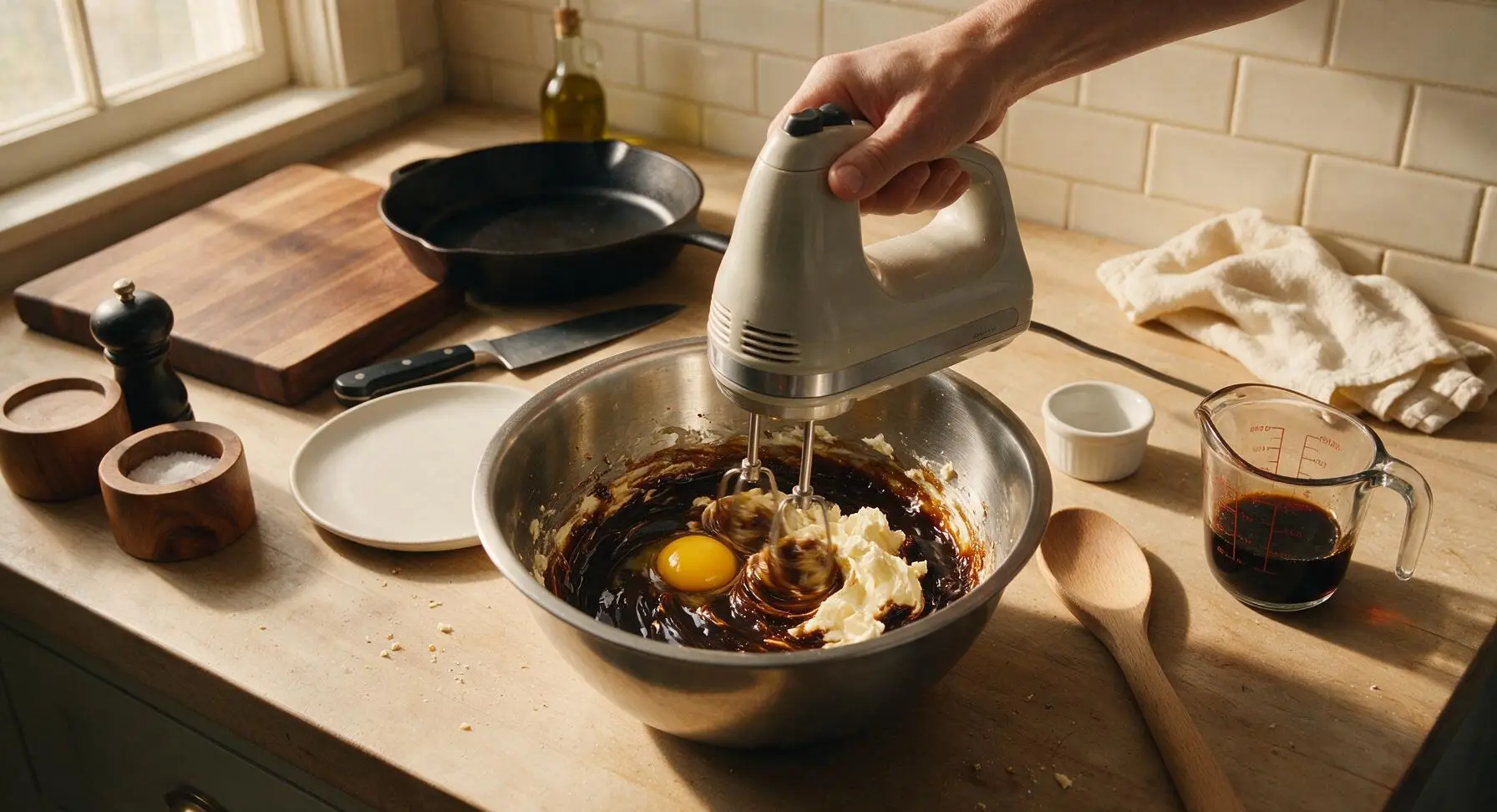
Reduce mixer speed to low. Pour 120ml unsulphured dark molasses (measured in the clear glass measuring cup) into the creamed butter mixture, then add 1 large room-temperature egg. Beat on low for 1 minute until fully combined, scraping down the bowl sides once more. The finished mixture will be a deep, glossy dark brown, with no streaks of unincorporated egg or butter.
Step 3
step3:Add Wet Ingredients
4

Combine Cookie Dough

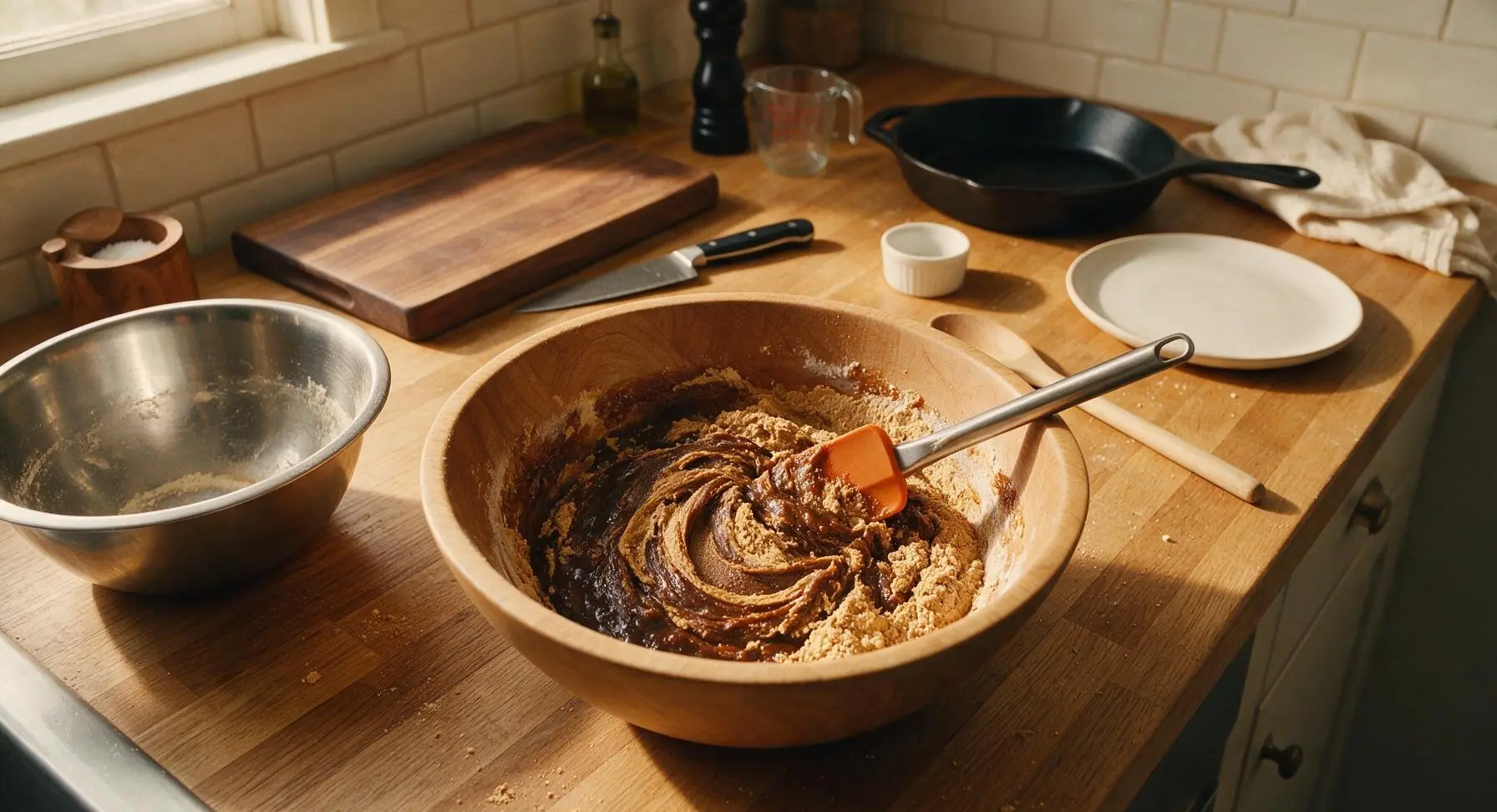
Gradually add the dry flour mixture from the stainless steel bowl to the wet molasses mixture, stirring with the silicone spatula just until no dry flour streaks remain. Do not overmix — overworking the dough will develop gluten and lead to tough, dense cookies. The finished dough will be thick, soft, and a deep rich brown.
Step 4
step4:Combine Cookie Dough
5

Chill Cookie Dough

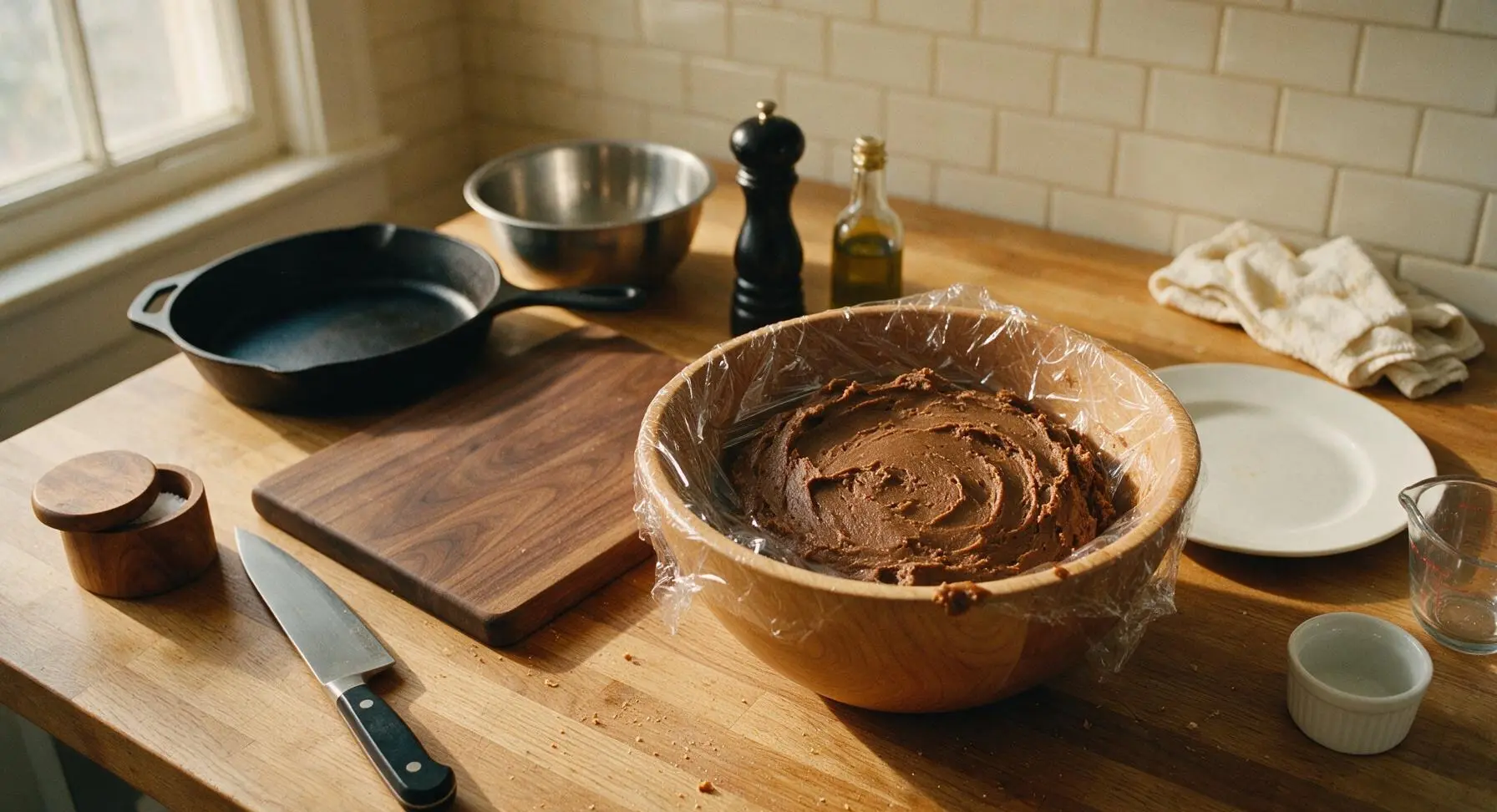
Cover the large beech wood bowl tightly with plastic wrap, and refrigerate for a minimum of 1 hour (up to 3 days) until the dough is firm to the touch. Chilling solidifies the butter in the dough to prevent excessive spreading during baking, and allows the warm spices to meld for deeper, more rounded flavor.
Step 5
step5:Chill Cookie Dough
6

Scoop and Sugar Dough

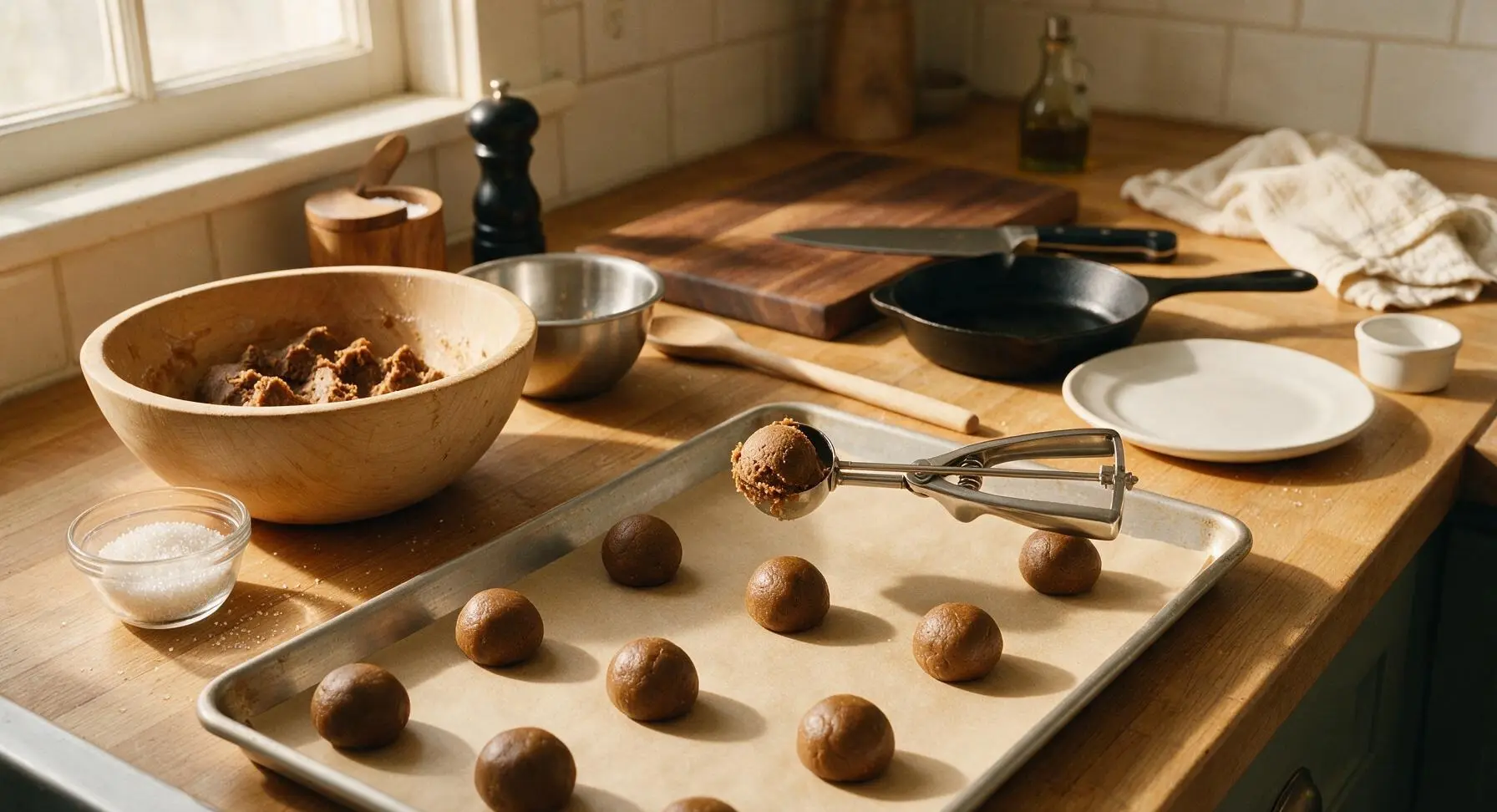
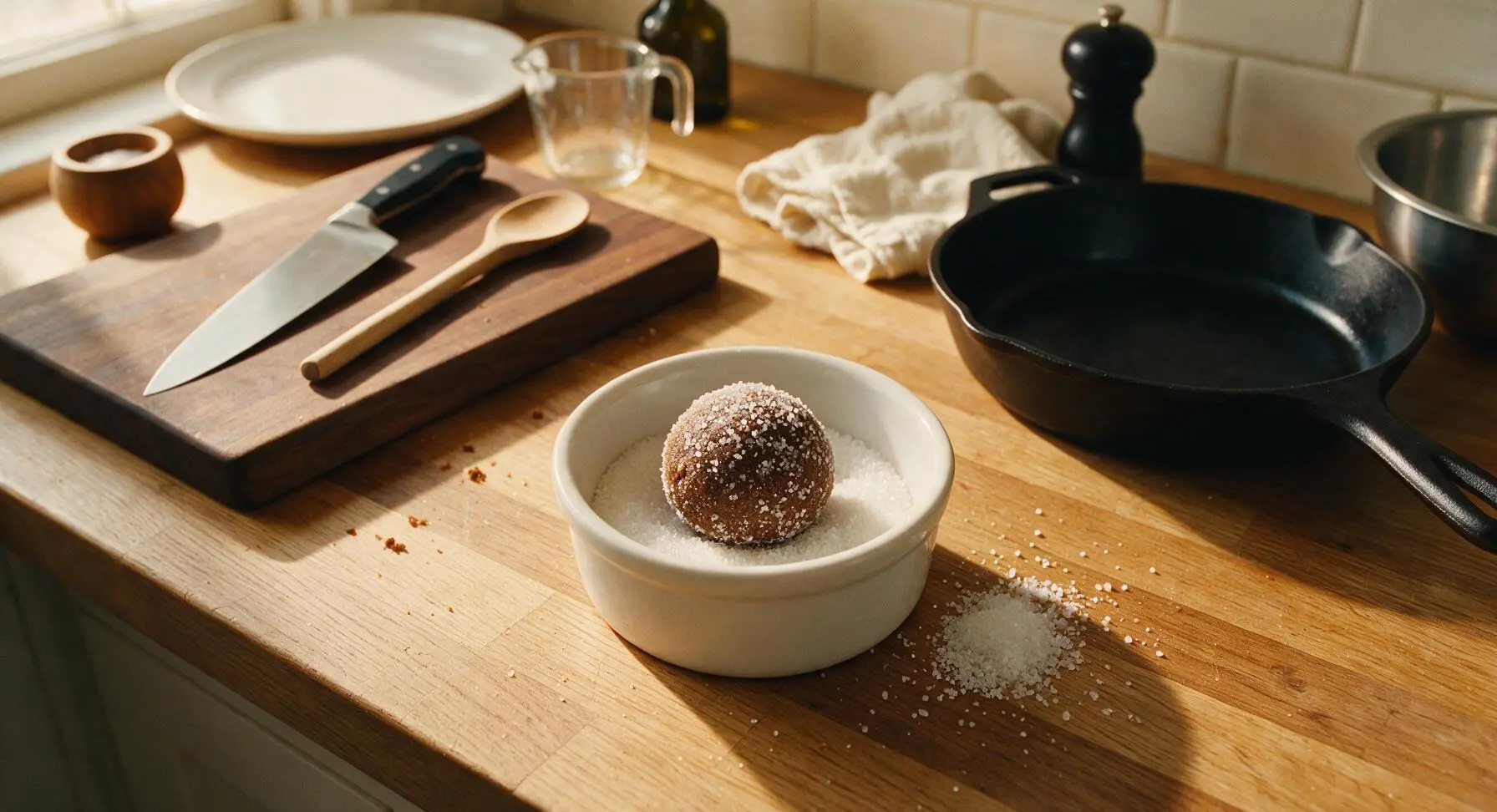
Preheat oven to 190°C/375°F, and line the light aluminum baking sheet with unbleached parchment paper. Remove chilled dough from the refrigerator. Using the 1.5 tablespoon spring-loaded cookie scoop, portion dough into uniform balls. Roll each ball between clean palms to make a smooth round, then roll fully in the 60g coarse white sanding sugar (poured into the clear glass ramekin) until coated on all sides. Place dough balls 7.5cm/3 inches apart on the prepared baking sheet, 12 per batch.
Step 6
step6:Scoop and Sugar Dough
Step 6
step6:Scoop and Sugar Dough
7

Bake to Perfection

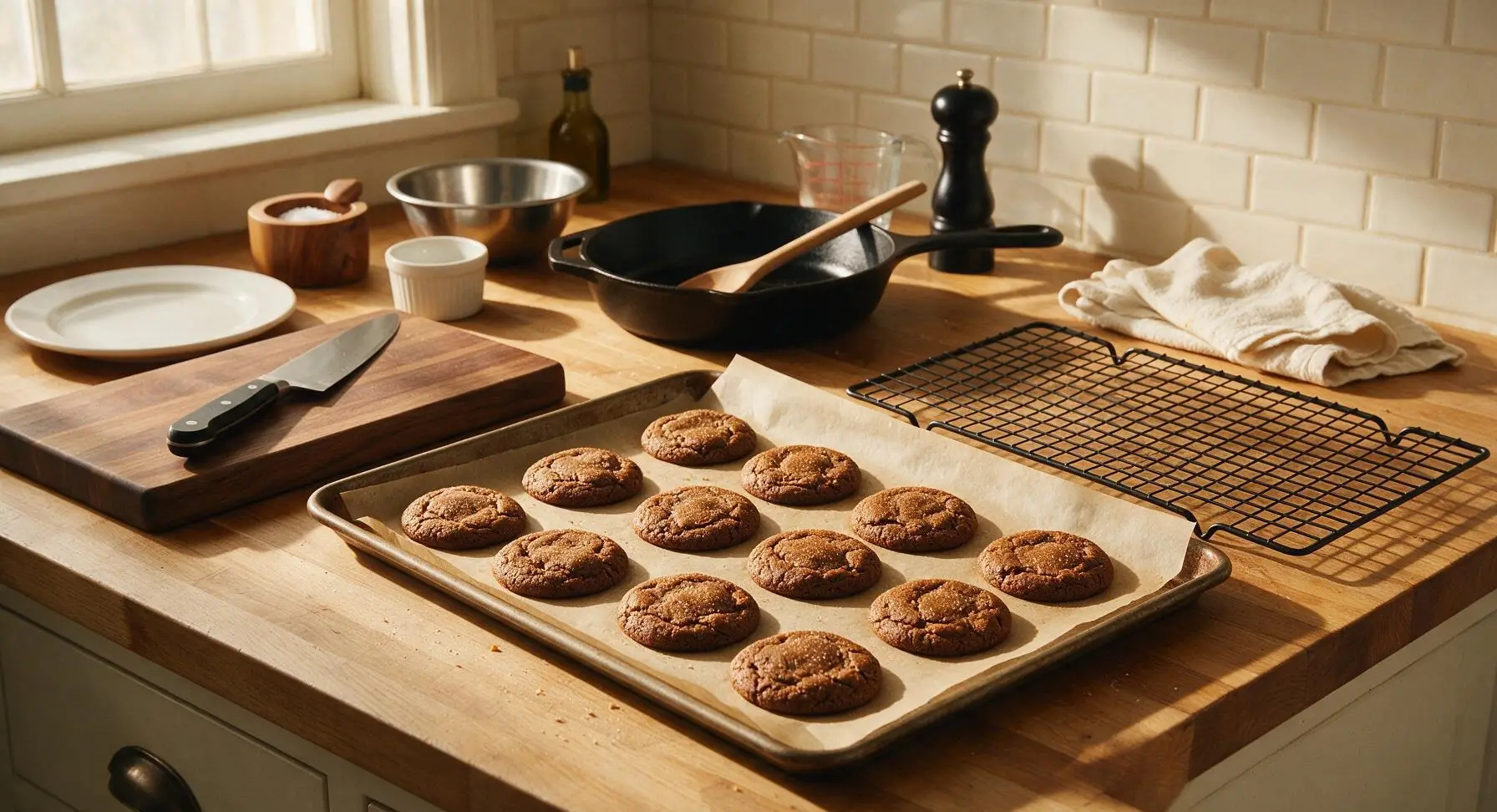
Place the baking sheet on the middle rack of the preheated oven. Bake for 9-11 minutes, until cookie edges are set and the tops are cracked, but the centers still look slightly underbaked and soft. Do not overbake — cookies will continue to set on the hot baking sheet for 5 minutes after removal from the oven, which creates the signature chewy center.
Step 7
step7:Bake to Perfection
8

Cool and Plate

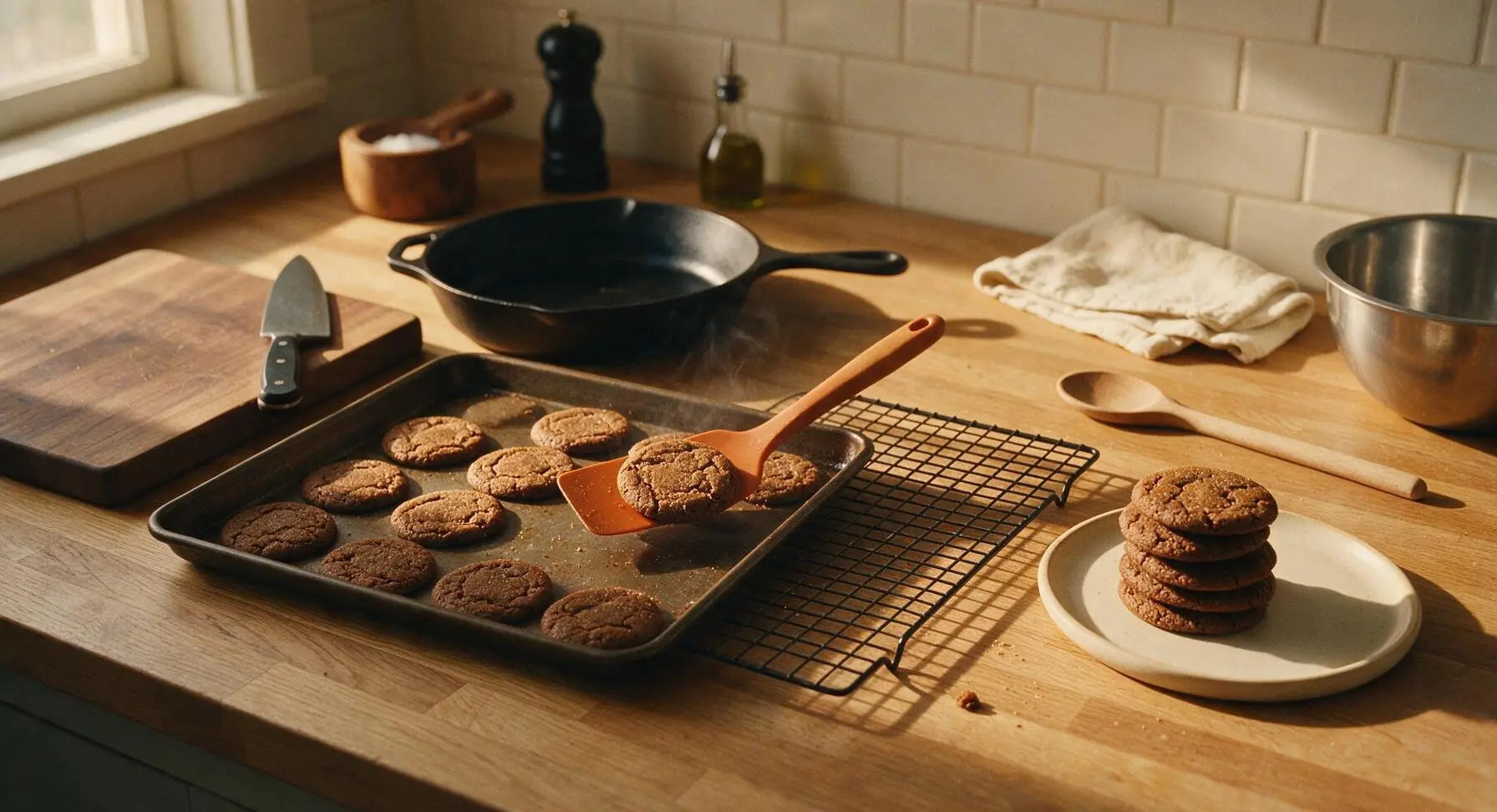
Let cookies rest on the hot baking sheet for 5 minutes, then use the silicone spatula to transfer them to the matte black wire cooling rack to cool completely (10-15 minutes). Once cooled, arrange cookies in a loose pile on the matte cream ceramic serving platter to serve.
Step 8
step8:Cool and Plate

Tips

1.Use unsulphured dark molasses for the best flavor: sulphured molasses is treated with sulfur dioxide during processing, which creates a harsh, metallic aftertaste that overpowers the warm ginger and cinnamon notes.
2.Do not skip the 1-hour dough chill: warm, soft dough spreads rapidly in the hot oven, resulting in thin, flat, crispy cookies instead of the signature thick, chewy texture with crackled sugar tops.
3.Resist the urge to overbake: pull cookies when edges are set but centers look slightly soft and underdone; residual heat from the hot baking sheet will finish setting the centers as they cool, and overbaking leads to hard, crunchy cookies instead of soft, chewy ones.

✨ You May Also Like

Desserts & Baking
🍜 Italy

Creamy, coffee-kissed classic Northern Italian no-bake dessert, with layers of rum-spiked mascarpone cream, soft ladyfingers, and a rich cocoa dusting.

⏱️ 4 hours 3Desserts & Baking ★ 4.7
Desserts & Baking
🍜 France

Flaky, shatteringly crisp, buttery French croissants with golden exteriors and soft, airy layered interiors, perfect for pairing with coffee for a special morning treat.

⏱️ 12 hours Desserts & Baking ★ 4.5
Desserts & Baking
🍜 United States

Warm, spiced baked apples topped with a fluffy golden biscuit crust, this cozy dessert pairs perfectly with vanilla ice cream for cool-weather comfort.

⏱️ 55 minuteDesserts & Baking ★ 4.6
Desserts & Baking
🍜 United States

A star-spangled classic American blueberry pie with buttery flaky crust and bright sweet-tart filling, perfect for summer patriotic gatherings.

⏱️ 1 hour 25Desserts & Baking ★ 4.7
Desserts & Baking
🍜 United States

A beloved no-bake regional Maine candy with a chewy coconut-potato center coated in rich dark chocolate, a New England holiday staple since the 1870s.

⏱️ 2 hours 3Desserts & Baking ★ 4.8
Desserts & Baking
🍜 France

Luxuriously creamy, floral frozen custard made with aromatic Tahitian vanilla beans, boasting a smooth, rich texture that melts slowly on the tongue.

⏱️ 3 hours 3Desserts & Baking ★ 4.5

Molasses Cookies:Frequently Asked Questions

1.Why do my molasses cookies turn out hard instead of soft and chewy? ▾
Overbaking is the number one culprit for hard molasses cookies! Pull them from the oven when edges are just set and centers look slightly soft and underbaked—they’ll continue to set on the hot baking sheet as they cool. Overmixing dough once you add dry ingredients can also build tough gluten, so stir just until no flour streaks remain, and don’t skip the dough chill step to prevent excess spreading.
2.Do I really need to chill the cookie dough before baking? ▾
Yes, this step is non-negotiable for that perfect soft, chewy texture and crackled sugar top! Chilling for at least 2 hours (and up to 3 days in the fridge) solidifies the butter in the dough, so cookies don’t spread too thin in the oven, and it lets the warm spices and deep molasses flavor meld for a richer, more balanced taste. If you’re short on time, a 45-minute chill in the freezer works too.
3.What’s the difference between unsulphured dark molasses and other varieties, and can I use a substitute? ▾
Unsulphured dark molasses is made from mature sugarcane, processed without chemical preservatives, for a smooth, deep caramel flavor that isn’t harshly bitter. Avoid blackstrap molasses here—it’s overly concentrated, bitter, and will make cookies dense and mineral-heavy. Light molasses works as a swap, but it will produce a milder, paler cookie with less of that signature molasses warmth.
4.Why do the butter and egg need to be at room temperature for this recipe? ▾
Room temperature ingredients emulsify far more smoothly into dough, creating a uniform, tender crumb instead of a lumpy, dense texture. Properly softened butter (65°F, so it gives slightly when pressed) creams perfectly with sugar to trap tiny air pockets that give cookies a soft lift. Cold eggs can cause creamed butter to seize up, leading to unevenly textured, inconsistently baked dough.
5.How do I get that signature crackled sugar top on the cookies? ▾
That perfect crackled top comes from two key steps! First, roll each dough ball generously in coarse granulated sugar right before baking, and don’t skimp on the coating. Second, make sure your dough is properly chilled, and your oven is fully preheated to 350°F. The fast initial heat sets the outer sugar crust quickly, while the rising cookie center cracks the surface as it bakes.
6.Can I freeze this cookie dough to bake fresh cookies later? ▾
Absolutely—this dough freezes beautifully for up to 3 months! After chilling the dough, portion it into 1.5-tablespoon balls, roll them in sugar if baking straight from frozen, then freeze solid on a baking sheet before transferring to a labeled freezer bag. When you’re ready to bake, add 2-3 minutes to the regular bake time, no thawing needed, for warm, fresh cookies on demand.
7.My cookies spread way too much and turned flat while baking—what went wrong? ▾
Excess spreading usually traces back to three common missteps: using butter that was too warm or melted instead of properly softened room-temperature butter, skipping the dough chill step, or placing dough balls on a hot baking sheet straight from the oven. Double check you didn’t overmeasure butter or molasses, too—too much wet ingredient will cause thin, flat cookies.
8.How long will these cookies stay soft and chewy after baking? ▾
Stored properly in an airtight container at room temperature, these cookies will stay soft and chewy for up to 5 days. For extra long-lasting chew, tuck a single slice of plain white sandwich bread into the container with the cookies—the bread releases just enough moisture to keep cookies tender without making them soggy. Avoid storing them in the fridge, as that will dry them out quickly.
9.Can I add extra spices or mix-ins to these cookies? ▾
Of course! The base recipe has a warm, balanced ginger and molasses flavor that pairs beautifully with extra add-ins. Try stirring in ½ teaspoon of ground cinnamon, a pinch of ground cloves or black pepper for extra warm spice depth, or add ½ cup of chopped crystallized ginger, white chocolate chips, or coarse chopped pecans. Just keep total mix-ins under 1 cup so you don’t weigh down the soft dough.
10.What’s the easiest way to measure molasses so it doesn’t stick to my measuring cup? ▾
To get sticky molasses out of your measuring cup easily, first lightly coat the inside of the cup with a thin spray of neutral cooking oil or a quick wipe of butter before pouring in the molasses. It will slide right out without leaving sticky residue, so you get an accurate measurement every time. Pack it gently just like brown sugar to avoid adding too much extra air to your measurement.
11.Can I adapt this recipe to make gluten-free molasses cookies? ▾
Yes, you can easily adapt this recipe for gluten-free bakers! Swap the all-purpose flour in the base recipe for a 1:1 gluten-free all-purpose baking blend that contains xanthan gum, which mimics gluten’s structure to keep cookies soft and chewy. Avoid using single gluten-free flours like almond or coconut flour alone, as they will produce a crumbly, dense cookie that doesn’t hold its shape well.
12.Why does this recipe call for light brown sugar instead of dark brown sugar? ▾
Light brown sugar has a mild caramel flavor and slightly lower molasses content than dark brown sugar, which lets the deep, rich flavor of the unsulphured dark molasses take center stage without making cookies taste overly heavy or bitter. If you only have dark brown sugar on hand, it works as a 1:1 swap, just expect a slightly deeper, more robust flavor and darker cookie color.
13.Should I use parchment paper or a silicone baking mat for these cookies? ▾
Both work wonderfully for these cookies, but they produce slightly different results! Parchment paper encourages a slightly crisper edge and more pronounced crackled top, while a silicone baking mat yields an even softer, more evenly baked cookie with slightly less spread. Whichever you use, don’t grease your baking sheet directly—excess grease can cause cookies to spread too much.
14.My cookies baked with uneven browning—how do I fix that for my next batch? ▾
Uneven browning almost always comes from uneven oven temperature or overcrowded baking sheets. First, use an oven thermometer to confirm your oven runs true to temperature, as many home ovens are off by 25°F or more. Bake one sheet of cookies at a time on the middle oven rack, and leave 2 inches of space between dough balls so heat circulates evenly for consistent results.

Comments (7)

2 days ago

OMG these are SO good! I baked them for my kid’s after-school snack yesterday and they devoured half the batch before dinner even started. The chew is perfect, not too crunchy, not too cakey — total game changer for our fall cookie rotation. I rolled them in a little extra turbinado sugar on top and *chef’s kiss*.

yesterday

Wait the turbinado sugar tip is genius! I’ve been using regular granulated sugar to roll and it always melts too fast, can’t wait to try that next batch!

2 hours ago

So glad your family loved them! The turbinado sugar roll is such a fun upgrade — adds the perfect little crunch on the outside to balance that soft chewy center. Thanks for baking!

3 days ago

Brought these to our Sunday football potluck and people were asking for the recipe before halftime. Super easy to throw together even when I was running late, 20 minute cook time is no joke. Only note is I added a tiny extra pinch of ginger because I love that zing, would 10/10 make again.

2 hours ago

Okay I’m literally the worst at baking cookies — they always come out either burnt or rock hard — but these turned out perfect first try?? I was so nervous about overmixing the molasses but the easy difficulty rating did not lie. My roommate said they taste like the ones her grandma used to make, I’m screaming.

30 minutes ago

That makes us so happy to hear, Mia! This recipe is totally forgiving for new bakers, which is why we love it so much. Pro tip for next time: let the dough chill 10 minutes if your kitchen is extra warm, it makes them even chewier!

1 week ago

I made a double batch on Sunday for meal prep snacks for the work week and they held up perfectly in an airtight container! Chewy even on day 4, no sogginess, no weird hard edges. Way better than the store-bought molasses cookies I used to grab from the grocery store bakery. Knocked one star off only because I wish the spice level was a little higher, but that’s just personal preference — super easy to tweak!

5 days ago

I’ve been making my mom’s molasses cookie recipe for 40 years and decided to give this one a shot when my grandkids asked for ‘extra chewy’ cookies last weekend. I have to say, this recipe gives my old family one a run for its money! The dark molasses really makes the flavor pop.

3 days ago

Did you use full dark molasses or the mild kind? I only have mild in my pantry right now and wondering if it’s worth running to the store!

2 days ago

What a compliment — we take that very seriously coming from someone with a go-to family recipe! To answer Sara too: dark molasses gives that deep, rich classic flavor, but mild works totally fine if that’s what you have, just add a tiny extra pinch of cinnamon and cloves to amp up the warm notes!

2 weeks ago

Made these for our neighborhood Halloween block party and they were such a hit! I pressed a little candy corn in the center right when they came out of the oven for a festive twist and the kids went crazy for them. So easy, zero mess, will be making these every October from now on.

1 week ago

The candy corn addition is so cute! I’m making these for my office Halloween party next week and I’m totally stealing that idea, thanks for the inspo!

30 minutes ago

As someone who’s dairy free, I was so nervous to try these because molasses cookies usually turn into crumbly rocks when I swap butter for vegan butter. I took a chance and made them last night, added just an extra tablespoon of molasses to account for the higher moisture in vegan butter, and they came out perfectly chewy?! My whole family (who eats regular dairy) didn’t even notice the butter swap. 10/10.

5 minutes ago

That’s such a great swap tip, Dani! We’re so glad they turned out for you — we’ve had a few people test the vegan butter version successfully, and that extra splash of molasses is such a smart move to keep that perfect chewy texture. Thanks for sharing your hack!