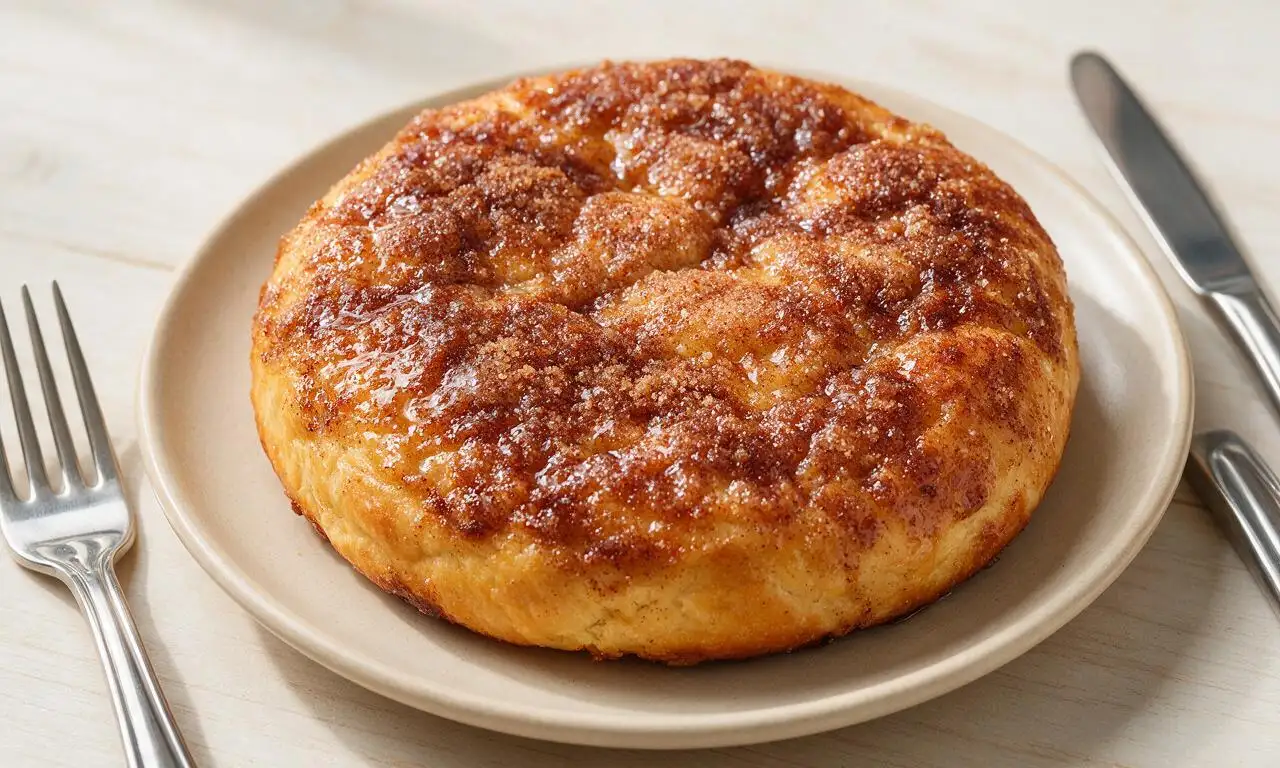
Moravian Sugar Cake

title 1
Moravian Sugar Cake
⏱️ cook time 2 hours 15 minutes (includes dough rise time)
🍽️ servings 12
⚡ Difficulty medium

intro

A soft, pillowy yeast cake topped with gooey melted butter, brown sugar, and cinnamon, a beloved heritage bake from historic Moravian communities in the U.S.

Ingredients

All-purpose flour (spooned and leveled) 480 grams (4 cups)
Whole milk 240 ml (1 cup), warmed to 110°F (43°C)
Active dry yeast 7 grams (1 standard packet / 2 1/4 teaspoons)
Granulated sugar 50 grams (1/4 cup)
Unsalted butter, divided 184 grams (13 tablespoons / 1 5/8 sticks; 57g melted for dough, 14g softened for pan greasing, 113g melted for topping)
Large egg, room temperature 1 unit (50 grams)
Fine sea salt 3 grams (1/2 teaspoon)
Light brown sugar, packed 200 grams (1 cup)
Ground cinnamon 6 grams (2 teaspoons)

Steps

1

Activate the yeast

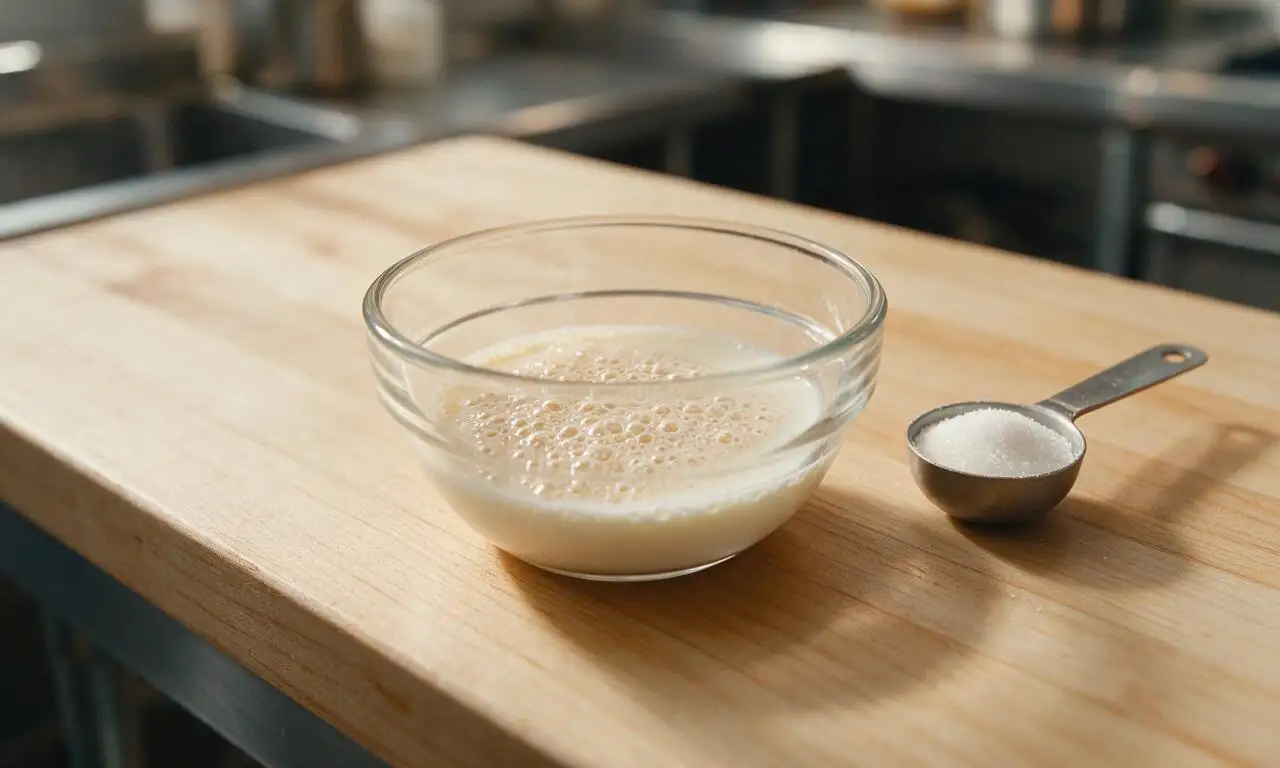
In a small mixing bowl, combine warmed 240ml (1 cup) whole milk (held at 110°F/43°C, do not overheat), 7g active dry yeast, and 1 teaspoon of the measured granulated sugar. Stir gently to dissolve, then let rest for 5-7 minutes until the mixture forms a foamy, frothy layer on top, confirming the yeast is active.
Step 1
step1:Activate the yeast
2

Mix the soft dough

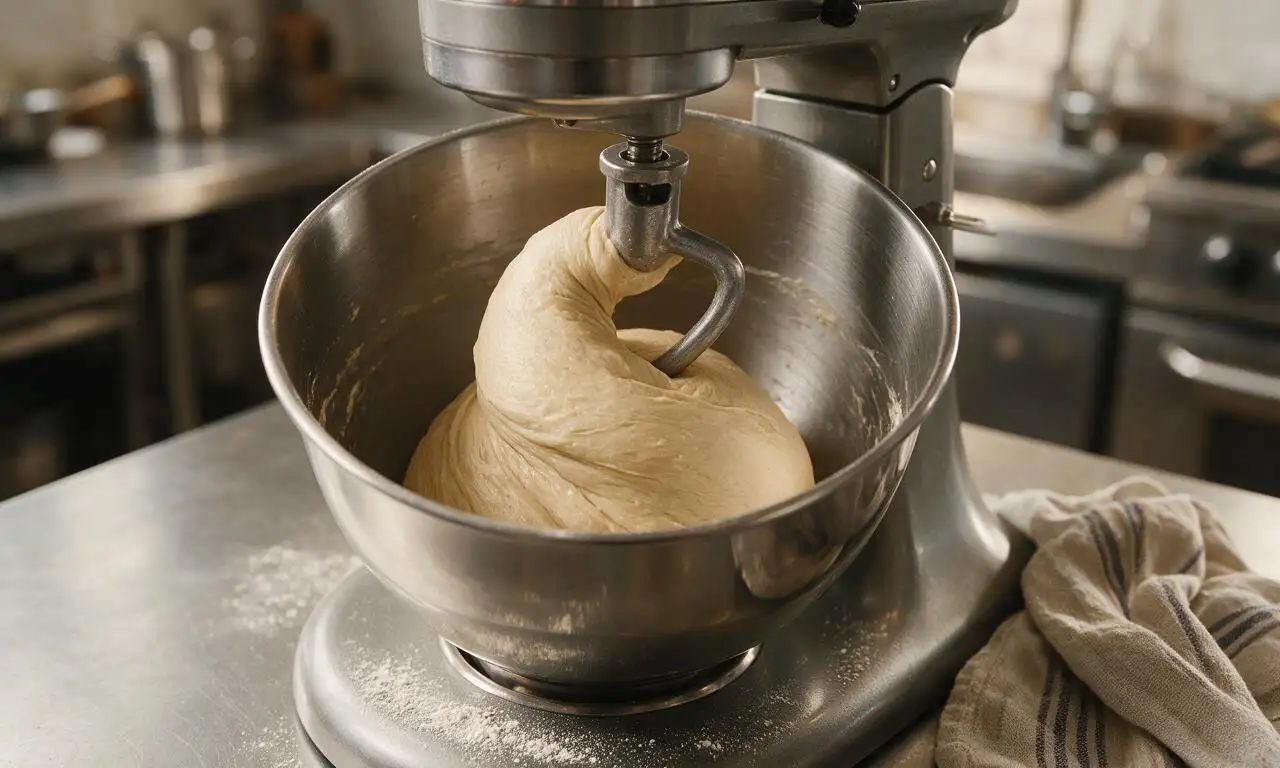
In the bowl of a stand mixer fitted with a dough hook, combine the foamy yeast mixture, remaining granulated sugar, cooled 57g (4 tablespoons) melted unsalted butter, room-temperature egg, 3g fine sea salt, and 480g spooned-and-leveled all-purpose flour. Mix on low speed (speed 2 on most stand mixers) for 3 minutes to combine, then increase to medium-low speed (speed 4) and knead for 5 minutes until a soft, smooth, slightly tacky dough forms that pulls cleanly away from the bowl sides.
Step 2
step2:Mix the soft dough
3

First dough rise

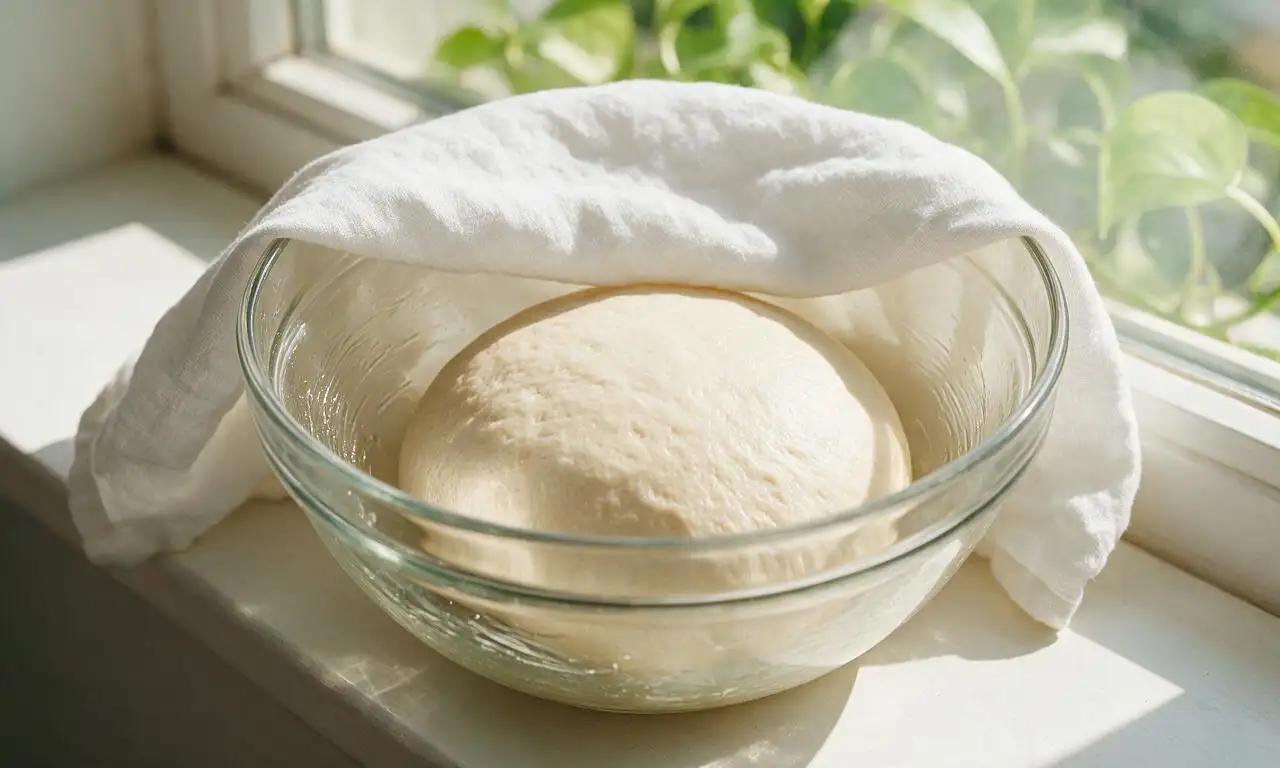
Grease a large 3-quart glass bowl with nonstick cooking spray, form the kneaded dough into a tight smooth ball, and place it in the bowl, turning once to coat the dough surface lightly with oil. Cover the bowl tightly with a damp kitchen towel or plastic wrap, and let it rise in a warm, draft-free spot (75°F/24°C is ideal) for 60 minutes until the dough doubles in volume when pressed with a fingertip.
Step 3
step3:First dough rise
4

Pan and proof dough

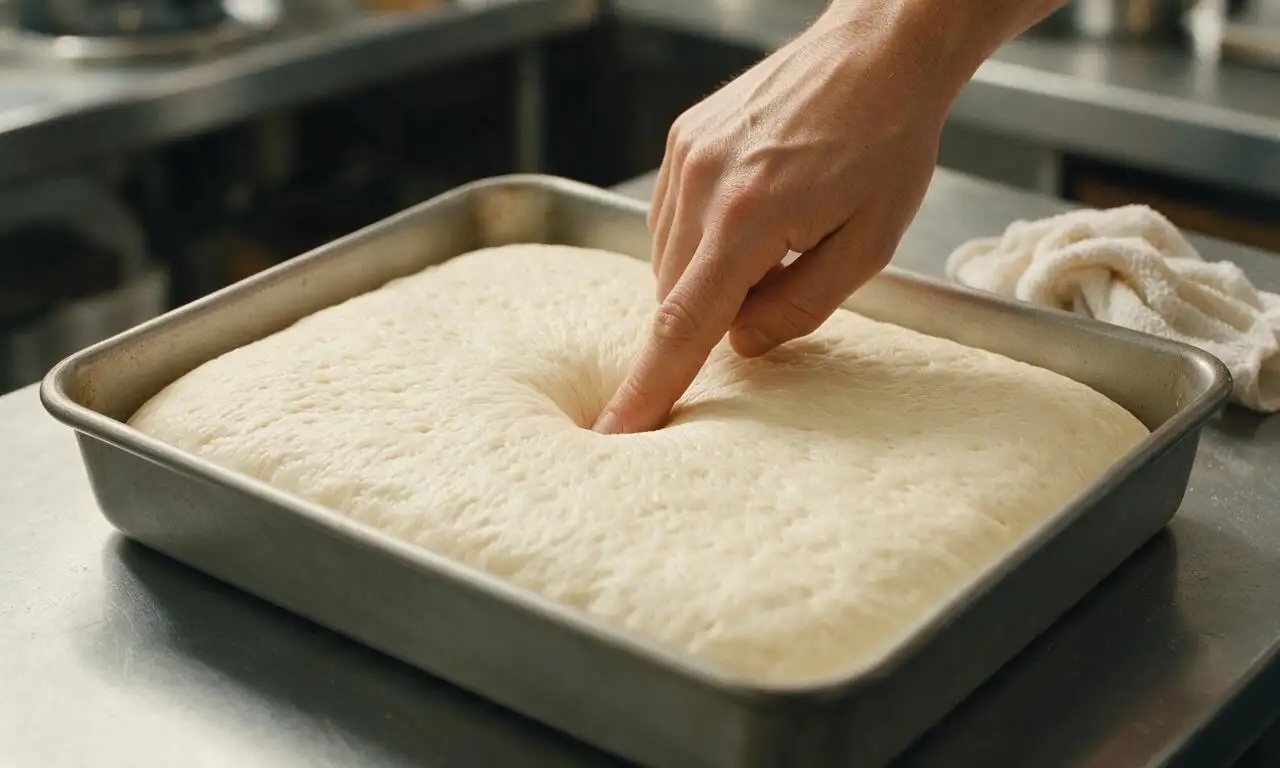
Grease a 9x13 inch (23x33cm) metal baking pan generously with 1 tablespoon (14g) softened butter. Punch the fully risen dough down firmly with your knuckles to release all trapped air bubbles, then press it evenly across the bottom of the prepared pan, stretching gently to reach all corners and edges. Cover the pan again with a damp towel, and let the dough rise a second time for 30 minutes until it is puffy and roughly 1/2 inch thick across the pan.
Step 4
step4:Pan and proof dough
5

Add signature topping

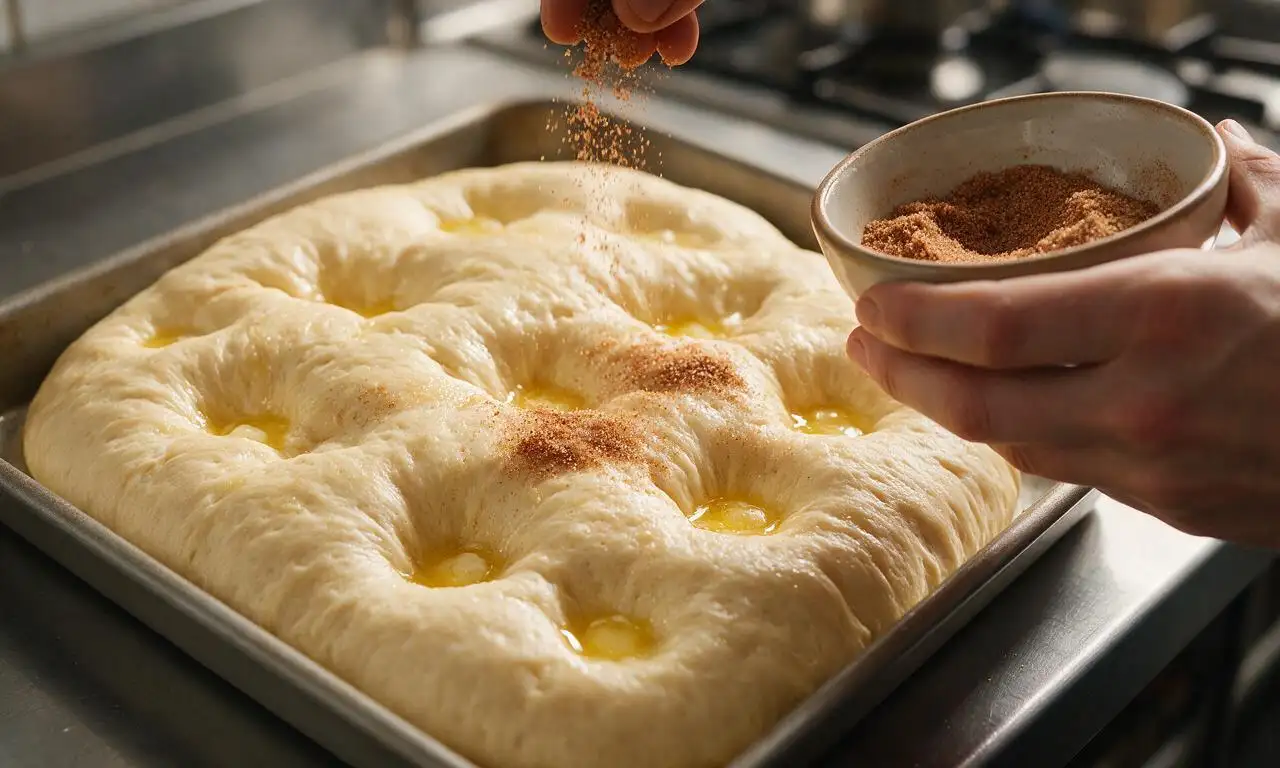
Once the dough is fully proofed, use your clean fingertips to press deep dimples all across the dough surface, spaced 1 inch apart, reaching almost to the pan bottom. Evenly pour the remaining 113g (8 tablespoons) melted unsalted butter over the entire dough surface, letting it pool in the dimples. Mix the 200g packed light brown sugar and 6g ground cinnamon in a small bowl, then sprinkle the mixture evenly over the buttered dough to cover every spot.
Step 5
step5:Add signature topping
6

Bake the sugar cake

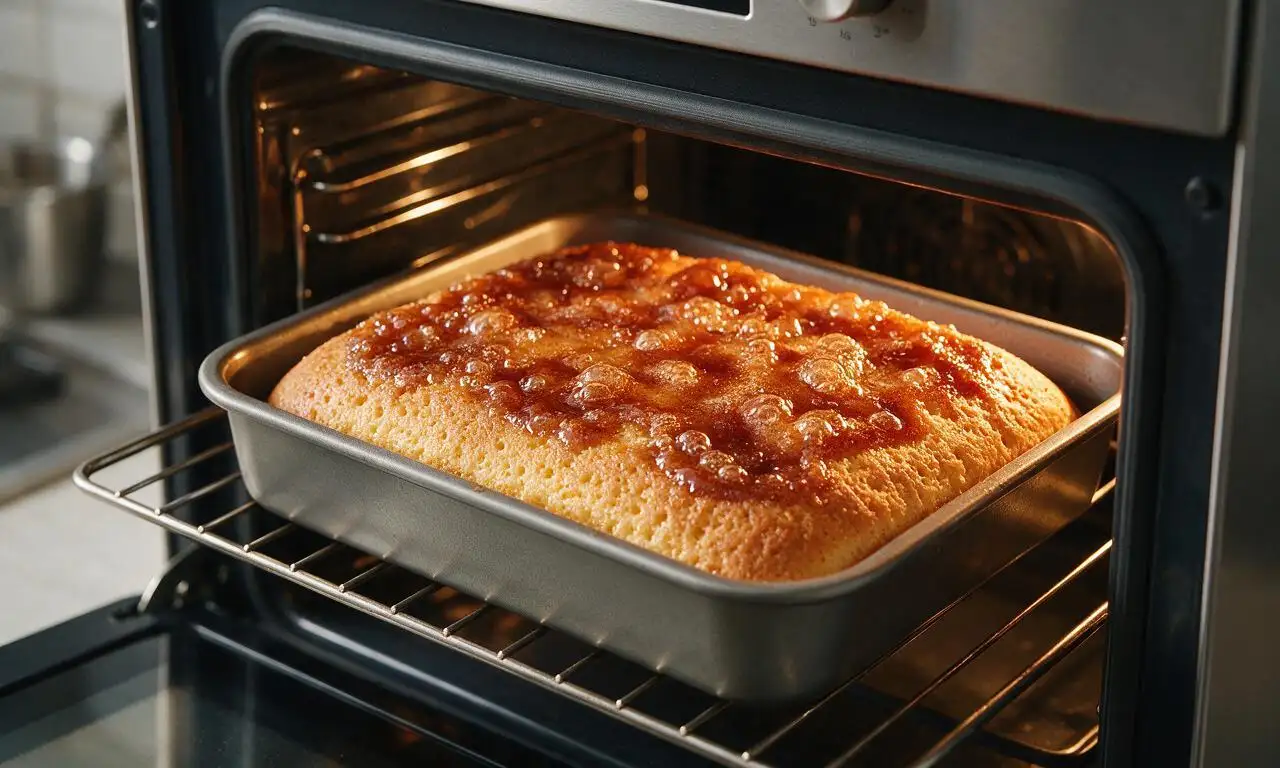
Preheat your oven to 375°F (190°C) while the topped dough rests for 5 minutes. Place the pan on the middle oven rack, and bake for 22-25 minutes until the cake edges are deep golden brown and the sugar-butter topping is bubbling across the entire surface. Test for doneness by inserting a toothpick into the center: it should come out with soft, moist crumbs attached, no wet raw dough.
Step 6
step6:Bake the sugar cake
7

Cool and serve

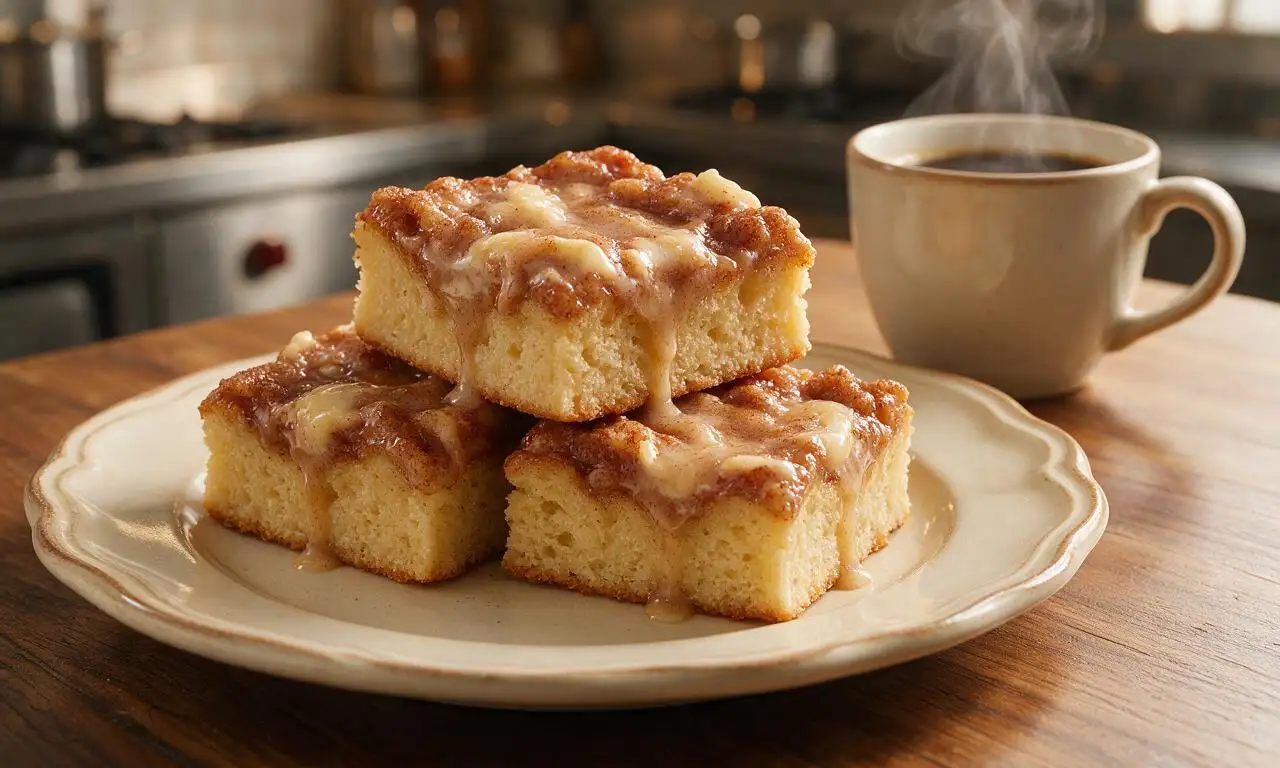
Remove the baked cake from the oven, and set the pan on a wire cooling rack for 15 minutes to let the topping set slightly. Slice the cake into 12 equal squares, and serve warm while the butter-sugar topping is still soft and gooey for the best texture and flavor.
Step 7
step7:Cool and serve

Tips

1.Never warm the milk for yeast above 115°F (46°C), as excessive heat will kill the active yeast and prevent the dough from rising to its signature soft, fluffy texture.
2.Do not skip pressing deep dimples into the proofed dough: these indentations catch the melted butter and brown sugar, creating the iconic pockets of gooey, caramelized flavor that define Moravian sugar cake.
3.This cake is best enjoyed the day it is baked, but leftover slices can be stored in an airtight container at room temperature for up to 3 days; reheat individual slices for 10 seconds in the microwave to restore the soft, gooey topping texture.

✨ You May Also Like

Desserts & Baking
🍜 Italy

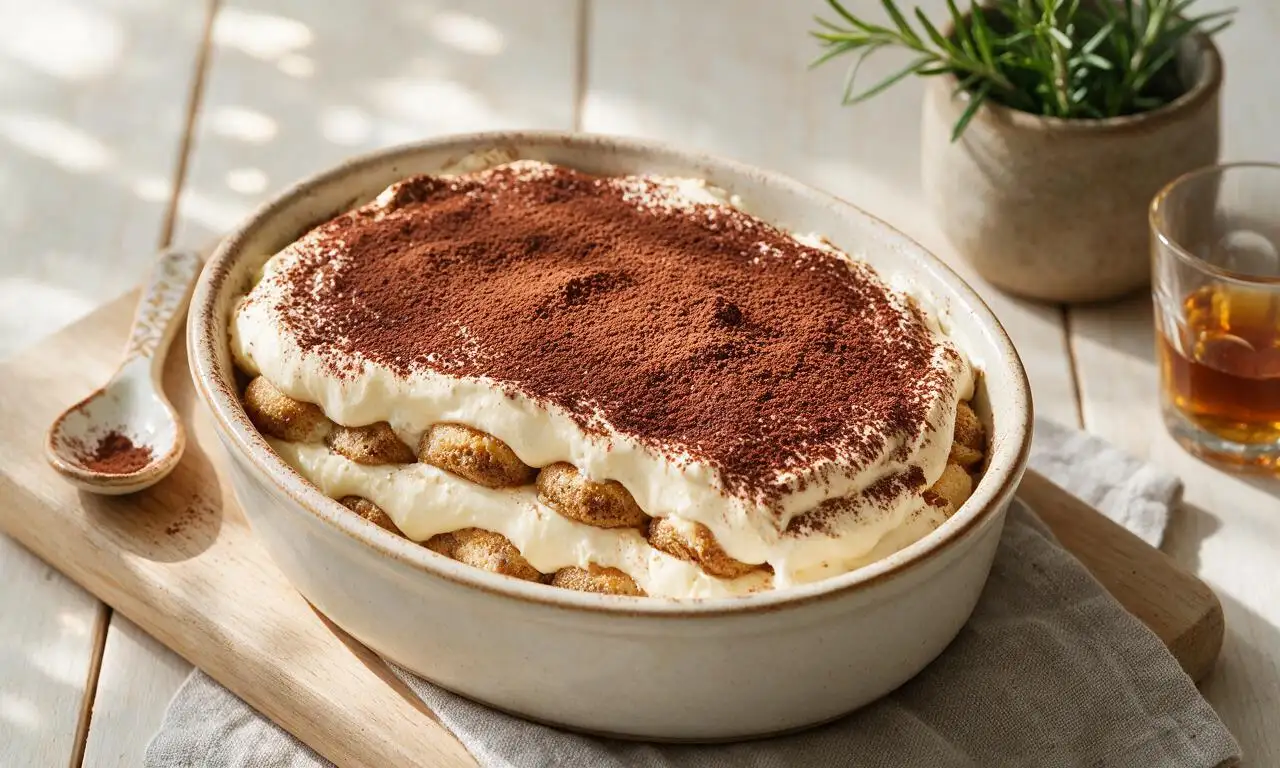
Creamy, coffee-kissed classic Northern Italian no-bake dessert, with layers of rum-spiked mascarpone cream, soft ladyfingers, and a rich cocoa dusting.

⏱️ 4 hours 3Desserts & Baking ★ 4.7
Desserts & Baking
🍜 France

Flaky, shatteringly crisp, buttery French croissants with golden exteriors and soft, airy layered interiors, perfect for pairing with coffee for a special morning treat.

⏱️ 12 hours Desserts & Baking ★ 4.5
Desserts & Baking
🍜 United States

Warm, spiced baked apples topped with a fluffy golden biscuit crust, this cozy dessert pairs perfectly with vanilla ice cream for cool-weather comfort.

⏱️ 55 minuteDesserts & Baking ★ 4.6
Desserts & Baking
🍜 United States

A star-spangled classic American blueberry pie with buttery flaky crust and bright sweet-tart filling, perfect for summer patriotic gatherings.

⏱️ 1 hour 25Desserts & Baking ★ 4.7
Desserts & Baking
🍜 United States

A beloved no-bake regional Maine candy with a chewy coconut-potato center coated in rich dark chocolate, a New England holiday staple since the 1870s.

⏱️ 2 hours 3Desserts & Baking ★ 4.8
Desserts & Baking
🍜 France

Luxuriously creamy, floral frozen custard made with aromatic Tahitian vanilla beans, boasting a smooth, rich texture that melts slowly on the tongue.

⏱️ 3 hours 3Desserts & Baking ★ 4.5

Moravian Sugar Cake:Frequently Asked Questions

1.What exactly is Traditional Moravian Sugar Cake, anyway? ▾
It’s a soft, ultra-pillowy heritage yeast cake rooted in historic Moravian communities across the U.S., particularly in North Carolina and Pennsylvania. Instead of a crumb streusel, it’s topped with a rich mix of melted unsalted butter, brown sugar, and cinnamon that bakes into a gooey, slightly caramelized layer over the light, fluffy base.
2.Why does the recipe specify spooning and leveling all-purpose flour instead of scooping it? ▾
Scooping flour directly from the bag packs it tight, which can add up to 3 extra ounces per cup and leave your cake dense and heavy instead of soft and pillowy. Spoon flour loosely into your measuring cup, then sweep the top flat with a knife to get the consistent, light texture this traditional yeast cake is known for.
3.Can I use low-fat or skim milk instead of whole milk for this recipe? ▾
I don’t recommend it for the most authentic, tender result. Whole milk’s higher fat content feeds active dry yeast properly for a better, more even rise, and adds a rich, soft crumb that stays moist longer. Skim or low-fat milk will produce a slightly drier, less pillowy cake that doesn’t hold up as well to the gooey butter-sugar topping.
4.How do I know my active dry yeast is fresh enough to make this cake rise properly? ▾
Test it first by stirring a pinch of granulated sugar into ¼ cup of warm (105–110°F) whole milk, then sprinkle the yeast over top. Wait 5–10 minutes: if it foams up into a frothy, bubbly layer, it’s active and good to use. If it doesn’t foam at all, the yeast is dead and won’t leaven your cake, so grab a fresh packet.
5.The recipe says unsalted butter is divided—how do I split it between the dough and topping? ▾
Typically, you’ll use roughly one third of the butter, softened, mixed into the sweet yeast dough to build that tender, rich crumb. The remaining two thirds is melted and combined with brown sugar and cinnamon for the signature gooey topping, and you can reserve 1 tablespoon to grease your baking pan for easy, no-stick release.
6.How long does the dough need to rise for this cake? ▾
For the traditional light, pillowy texture, plan for two rises: first, let the mixed dough rise in a greased, covered bowl for 1 to 1.5 hours, until it doubles in size in a warm, draft-free spot. After pressing it into your baking pan, let it rise a second time for 30 to 45 minutes, until puffed evenly before adding topping and baking.
7.What kind of pan is best for baking traditional Moravian sugar cake? ▾
A 9x13-inch light metal baking pan is ideal for even, gentle baking that gives you a soft, evenly risen crumb without burnt edges. If you only have a glass pan, lower your oven temperature by 25°F to account for glass’s slower, more intense heat retention, and check it closely during the last 10 minutes of baking.
8.Can I add nuts or raisins to the topping without ruining the traditional recipe? ▾
Absolutely! Many modern Moravian community bakers add chopped pecans or walnuts, or even a handful of golden raisins, to the brown sugar-cinnamon topping for extra texture. Just keep the base ratio of melted butter, brown sugar, and cinnamon the same, and sprinkle add-ins evenly right before baking so they stick to the gooey layer.
9.Why is my cake turning out dense instead of soft and pillowy? ▾
The most common culprits are packed flour (remember to spoon and level!), inactive yeast that didn’t properly leaven the dough, or rising the dough in a spot that’s too cold, which slows yeast activity. Over-kneading the dough can also build up too much tough gluten, so knead just until smooth and elastic, not stiff.
10.Do I need to mix the cinnamon and brown sugar into the melted butter for the topping? ▾
You don’t have to fully combine them for an authentic result! Many traditional bakers poke shallow indentations across the top of the risen dough, drizzle melted butter all over, then sprinkle brown sugar and cinnamon evenly over top. This creates little pools of gooey, caramelized butter-sugar as it bakes, instead of a uniform smooth layer.
11.How should I store leftover Moravian sugar cake to keep it soft? ▾
Let the cake cool completely first, then cover the pan tightly with plastic wrap or aluminum foil, or transfer slices to an airtight container. It will stay soft and moist at room temperature for up to 3 days—skip refrigerating it, since cold temps will make the crumb firm up and dry out faster than counter storage.
12.Can I make this cake ahead of time for a holiday brunch or gathering? ▾
Definitely! You can prep the dough the night before, let it do its first slow rise in the refrigerator overnight, then press it into the pan the next morning, let it do its second rise, add the topping, and bake. This actually deepens the sweet, yeasty flavor, and saves you time on busy event days without sacrificing that classic soft texture.
13.What temperature should my milk be to activate the yeast without killing it? ▾
Aim for 105–110°F, which feels like warm bath water to the touch—if it’s too hot to hold your finger in for a few seconds, it’s over 120°F and will kill the active dry yeast, leading to no rise. If it’s under 100°F, the yeast won’t activate quickly, and your dough will take much longer to double.
14.Is Moravian sugar cake supposed to have a crisp topping, or is it supposed to be gooey? ▾
The traditional version has a soft, gooey, almost caramel-like butter-brown sugar topping, not a crisp, crunchy streusel. As it bakes, the butter and sugar melt into the top of the puffy dough, creating sweet, sticky pockets with warm cinnamon. The edges may have a slight gentle crispness, but the center topping should be rich and melty.
15.Can I use instant yeast instead of active dry yeast for this recipe? ▾
Yes, you can make that swap with a small adjustment! Use 25% less instant yeast than the recipe calls for active dry, and you don’t need to proof it in warm milk first—mix it directly in with the dry ingredients. Rise times will be slightly shorter, so watch for properly doubled dough instead of sticking strictly to the recipe clock.
16.How do I know when the cake is done baking so I don’t under or over-bake it? ▾
The edges should be light golden brown, and the center of the cake should be set, not jiggly, when you gently nudge the pan. A toothpick inserted into the cake crumb (not the gooey topping) should come out with a few soft crumbs attached, not wet batter. If the topping browns too fast, tent the pan loosely with foil for the last few minutes of baking.
17.Is this cake the same as Moravian sugar cookies? ▾
No, they’re both beloved Moravian heritage bakes, but they’re totally different treats! Moravian sugar cookies are thin, crisp, spiced rolled cookies, while this sugar cake is a thick, soft, pillowy yeast cake with a gooey butter-brown sugar-cinnamon topping, traditionally served as a coffee cake for breakfast, brunch, or community gatherings.

Comments (11)

2 days ago

OMG this Moravian sugar cake was the star of our Sunday family dinner! I brought it out after our pot roast and everyone went back for seconds, even my super picky 7 year old. The buttery cinnamon sugar top is SO good, I may have snuck a piece for breakfast the next day too. 10/10 will be making this for every church potluck from now on!

1 week ago

Took this to our neighborhood block party last weekend and people were asking me for the recipe before I even set the platter down! Game changer for potluck desserts, way more interesting than the usual brownies or chocolate chip cookies. The soft, fluffy dough with that crispy sugar crust? Chef’s kiss. Only note is I added a tiny extra dash of nutmeg because I love that warm spice, didn’t throw it off at all.

3 days ago

I was nervous to try a yeasted dough for the first time since I mostly make microwave meals in my dorm, but this turned out way better than I expected! My roommates devoured half the pan in 10 minutes flat. Next time I’ll probably set an extra timer for the rise because I got distracted studying and let it go a little too long, but it still tasted amazing.

30 minutes ago

Help! I got to the dough rise step and my dough didn’t puff up at all after the first hour. Did I kill my yeast? I used water that was a little hotter than lukewarm because I was impatient, oops. The parts I managed to bake still tasted good but it was super dense, not fluffy like the photos.

5 minutes ago

Oh no, that sounds like the yeast was indeed killed by too-hot water! For best results, use water that’s around 105-110°F — it should feel warm, not hot, to the touch, like bath water. Next time you can test a tiny pinch of yeast in the water with a pinch of sugar first to make sure it bubbles before mixing it in, that saves a lot of frustration! It’ll be fluffy and perfect next round.

2 weeks ago

I’ve been making Moravian sugar cake for 60 years since my mom taught me the recipe from our family’s North Carolina Moravian church, and this version is spot on! The texture is exactly how I remember it, not too sweet, perfect with a cup of black coffee in the morning. My grandkids beg me to make this every time they come to visit.

1 week ago

Oh that’s such a sweet legacy! I’ve been looking for a recipe that tastes like the sugar cake my Czech grandma used to make, I’m so glad to hear this one is authentic enough for someone who’s been making it for decades. Can’t wait to try it this weekend!

yesterday

Made this for my kids’ after school snack and they loved it, went absolutely nuts for it! I did cut the sugar a tiny bit because we don’t love super sweet desserts, and it was still perfect. How long does this stay fresh for? I want to make a batch on Sunday for the week but don’t want it to go stale.

2 hours ago

So glad your kids loved it! Stored in an airtight container at room temperature, this cake stays fresh for 3-4 days. You can also freeze individual slices wrapped in plastic for up to 3 months if you want to prep ahead for quick snacks!

5 days ago

Made this for our beach trip picnic last weekend and it held up so much better than I thought it would! No melting, no getting soggy even in the Florida humidity, which is basically a miracle for baked goods. We ate slices between dips in the ocean and it was the perfect sweet pick-me-up.

3 days ago

Oh that’s such a good call! I’ve been looking for a picnic-friendly dessert that doesn’t require a cooler for our next day trip, I’m definitely adding this to the list. Did you dust any extra powdered sugar on top or just stick to the recipe’s topping?

2 days ago

Game changer alert! I brought this to my office potluck earlier this week and I’m pretty sure I got 12 text messages that night asking for the recipe. The brown butter in the topping? *Chef’s kiss* I never thought to do that, it adds such a deep, nutty flavor that takes this from regular coffee cake to next level. 10/10, no notes.

yesterday

Wait you added brown butter to the topping?! That sounds insane, I need to try that hack next time I make this. I did the regular melted butter last time and it was great but brown butter would make it taste so much richer, thanks for the tip!

2 hours ago

We love that brown butter swap! It’s such an easy tweak that adds so much warmth, we’re so glad it was a hit at your potluck. Thanks for sharing that great modification with other bakers!

1 week ago

Has anyone tried making this gluten free? I have a friend with celiac coming to our mountain cabin next weekend and I want to make a dessert everyone can eat, this is my go-to usually but I’ve never swapped the flour. Would a 1:1 gluten free baking flour work here?

5 days ago

I made this last month with Cup4Cup gluten free flour and it turned out exactly the same as the regular version! No weird texture, no grit, everyone at my book club ate it and didn’t even realize it was gluten free. Just make sure you give it a couple extra minutes of rise time, GF dough takes a little longer to puff up.

3 days ago

Great question! We’ve tested this with a 1:1 gluten free all purpose flour blend (the kind with xanthan gum added) and it works beautifully, just like the user above said. You may need 10-15 extra minutes of rise time, but the final texture is soft and delicious just like the traditional version. Hope your friend loves it!

3 days ago

OMG I made this for my grandma’s 82nd birthday and she said it tasted exactly like the sugar cake she grew up eating in Pennsylvania Moravian country! I may have cried a little when she said that, I’ve been trying to nail this recipe for years. The crumb is so soft, the sugar top has that perfect crackle, it’s perfect. My whole family was raving.

2 days ago

This makes my heart so happy! I grew up eating Moravian sugar cake at every church bake sale in Bethlehem PA and I haven’t had a good version since I moved out west. I’m making this this weekend for my dad’s birthday now, he’s been craving it for years.

yesterday

Wait if this passes the grandma test I know it’s good! I’m signing up to bring dessert to my kid’s fall festival bake sale next month and this is going straight to the top of my list. Nothing beats a recipe that has that nostalgic, old-fashioned flavor.

2 hours ago

This is such a meal prep win! I made a double batch on Sunday, sliced it up, and stashed it in the fridge for quick breakfasts all week. It’s so good warmed up for 10 seconds in the microwave with a little pat of butter on top. My only tiny complaint is that the cook time felt a little longer than I expected because I forgot to factor in the rise time, so I was up way later than I planned baking on Sunday. Worth it though!

30 minutes ago

Pro tip! I make the dough the night before and let it do the first rise in the fridge overnight, then take it out in the morning to come to temp and do the second rise before baking. Cuts down on the active wait time so much, I never have to stay up late waiting for dough to rise anymore!

5 minutes ago

That overnight rise trick is such a great one, we do that all the time too! It actually develops a deeper, more complex yeast flavor when you do a slow cold rise in the fridge. And you’re so right, this cake is perfect for meal prep — it holds up so well all week for quick breakfasts or snacks. So glad you loved it!