Paczki

title 1
Paczki
⏱️ cook time 2 hours 30 minutes
🍽️ servings 12
⚡ Difficulty medium

intro

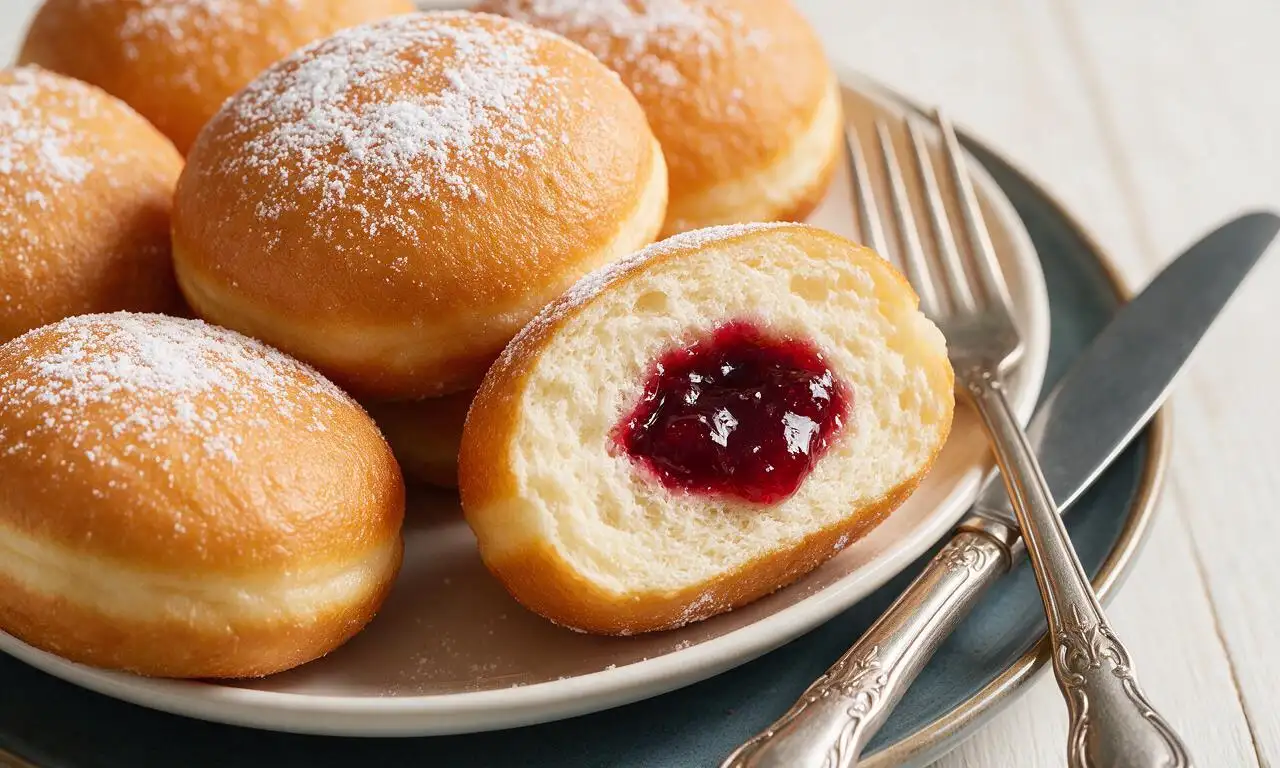
Fluffy, jam-filled fried doughnuts dusted with sugar, a beloved Polish-American pre-Lenten treat with a rich, tender crumb and sweet fruity center.

Ingredients

All-purpose flour 480g (4 cups, spooned and leveled)
Whole milk 240ml (1 cup), warmed to 43°C/110°F
Active dry yeast 7g (2 1/4 tsp, 1 standard packet)
Granulated sugar 100g (1/2 cup), divided
Unsalted butter 57g (4 tbsp, 1/2 stick), melted and cooled
Large egg yolks 3 pieces (60g total)
Fine table salt 1 tsp (5g)
Vanilla extract 1 tsp (5ml)
Neutral vegetable oil (canola or sunflower) 1.9L (8 cups), for frying
Seedless raspberry or prune jam 240g (1 cup)
Powdered sugar (optional) 60g (1/2 cup), for dusting

Steps

1

Activate the yeast

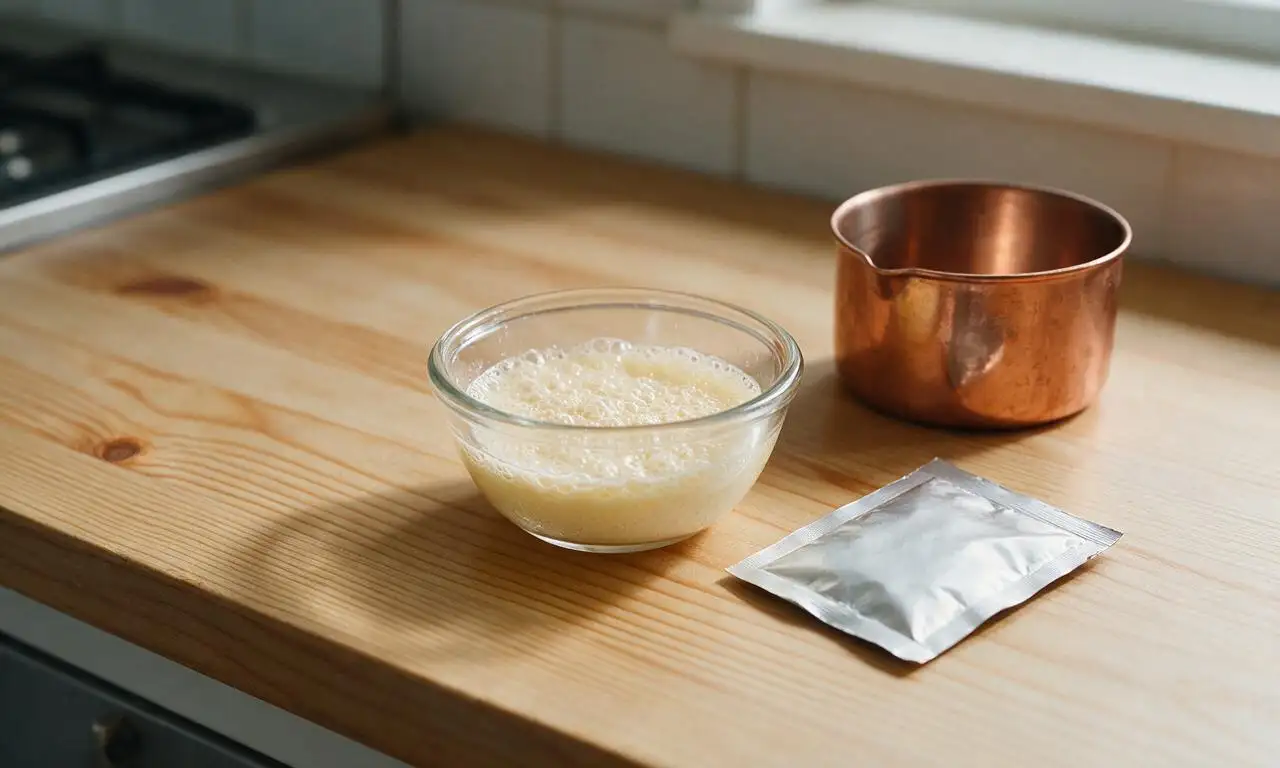
In a small bowl, combine warmed 240ml whole milk (heated to exactly 110°F/43°C to avoid killing yeast), 1 tbsp (12.5g) of the granulated sugar, and 7g active dry yeast. Stir gently to dissolve, then let rest for 5-7 minutes at room temperature until the mixture forms a foamy, frothy layer on top, confirming the yeast is active.
Step 1
step1:Activate the yeast
2

Mix enriched dough

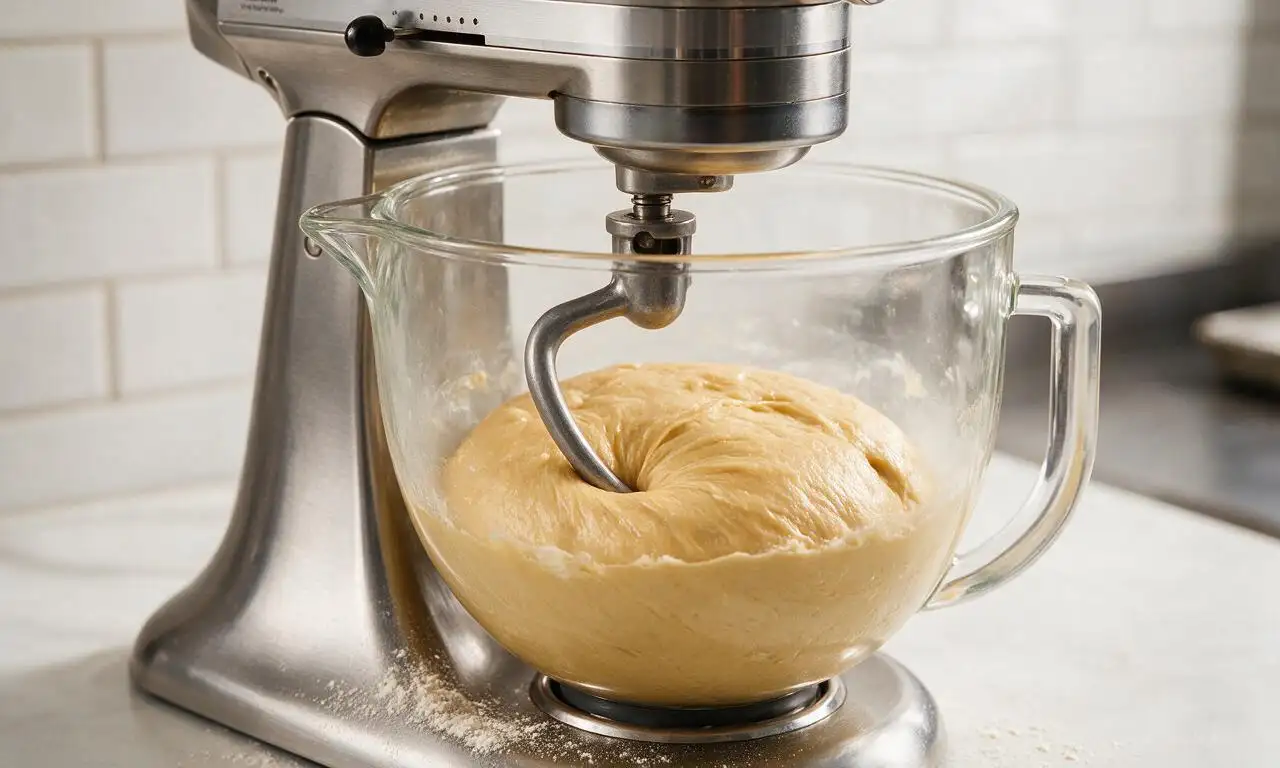
In a large stand mixer fitted with a dough hook attachment, combine the activated yeast mixture, remaining 3 tbsp (37.5g) granulated sugar, cooled melted 57g unsalted butter, 3 large egg yolks, 5ml vanilla extract, and 5g fine salt. Mix on low speed (speed 2 on most stand mixers), gradually adding 480g spooned-and-leveled all-purpose flour, until a shaggy dough forms. Increase speed to medium-low (speed 3) and knead for 6-8 minutes, until the dough is smooth, soft, and pulls cleanly away from the sides of the mixer bowl.
Step 2
step2:Mix enriched dough
3

First dough proof

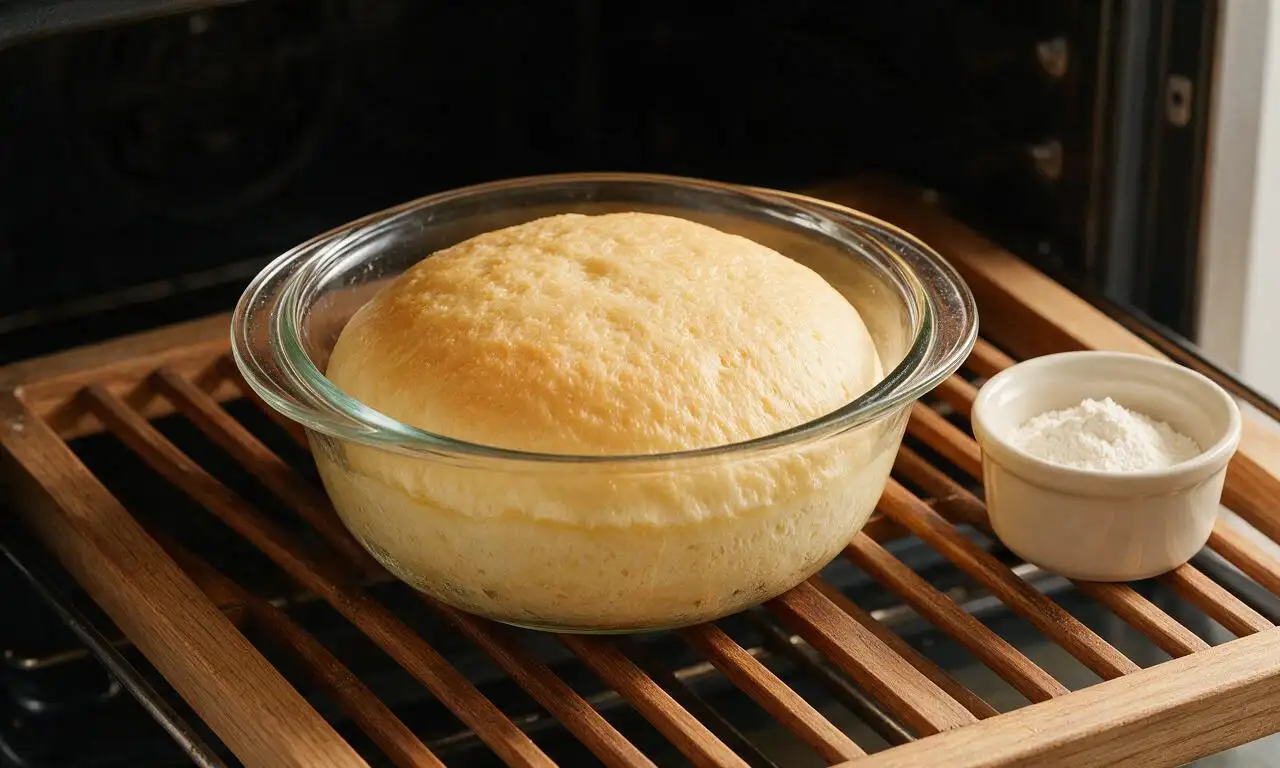
Lightly grease a large 3L glass bowl with 1 tsp neutral vegetable oil, form the kneaded dough into a tight, smooth ball, and place it in the bowl, turning once to coat the entire dough surface in oil. Cover the bowl tightly with plastic wrap and a thick cotton kitchen towel, then set it in a warm, draft-free spot (75°F/24°C, such as inside a turned-off oven) for 60 minutes, until the dough has doubled in volume and holds a 1-inch indent when poked with a floured finger.
Step 3
step3:First dough proof
4

Shape paczki rounds

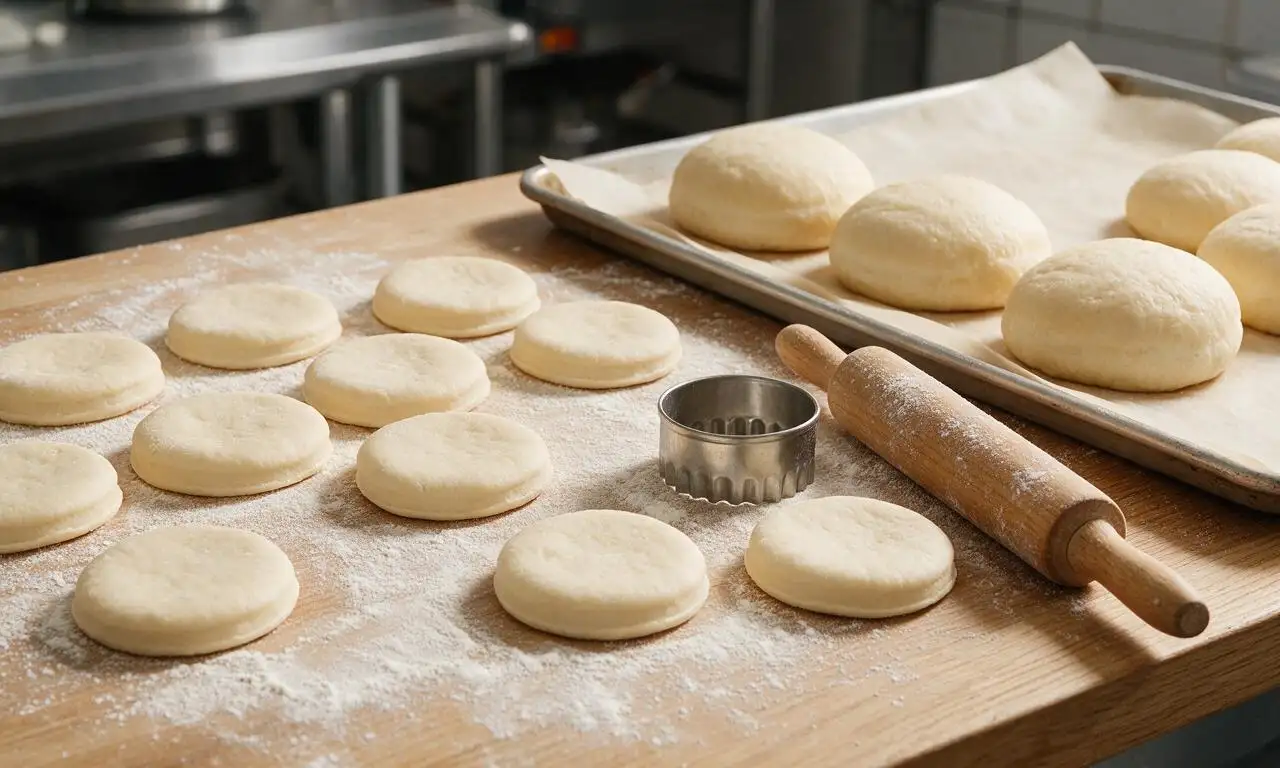
Punch the risen dough firmly in the center to release all trapped air, then transfer it to a lightly floured work surface and roll it to an even 1/2-inch (1.25cm) thickness with a wooden rolling pin. Use a 3-inch (7.5cm) fluted round cookie cutter to cut 12 even dough circles, re-rolling dough scraps only once to avoid tough dough. Place the cut rounds 2 inches apart on a parchment-lined baking sheet, cover loosely with a towel, and let rise for 30 minutes at room temperature until puffy and 50% larger than their original size.
Step 4
step4:Shape paczki rounds
5

Fry paczki evenly

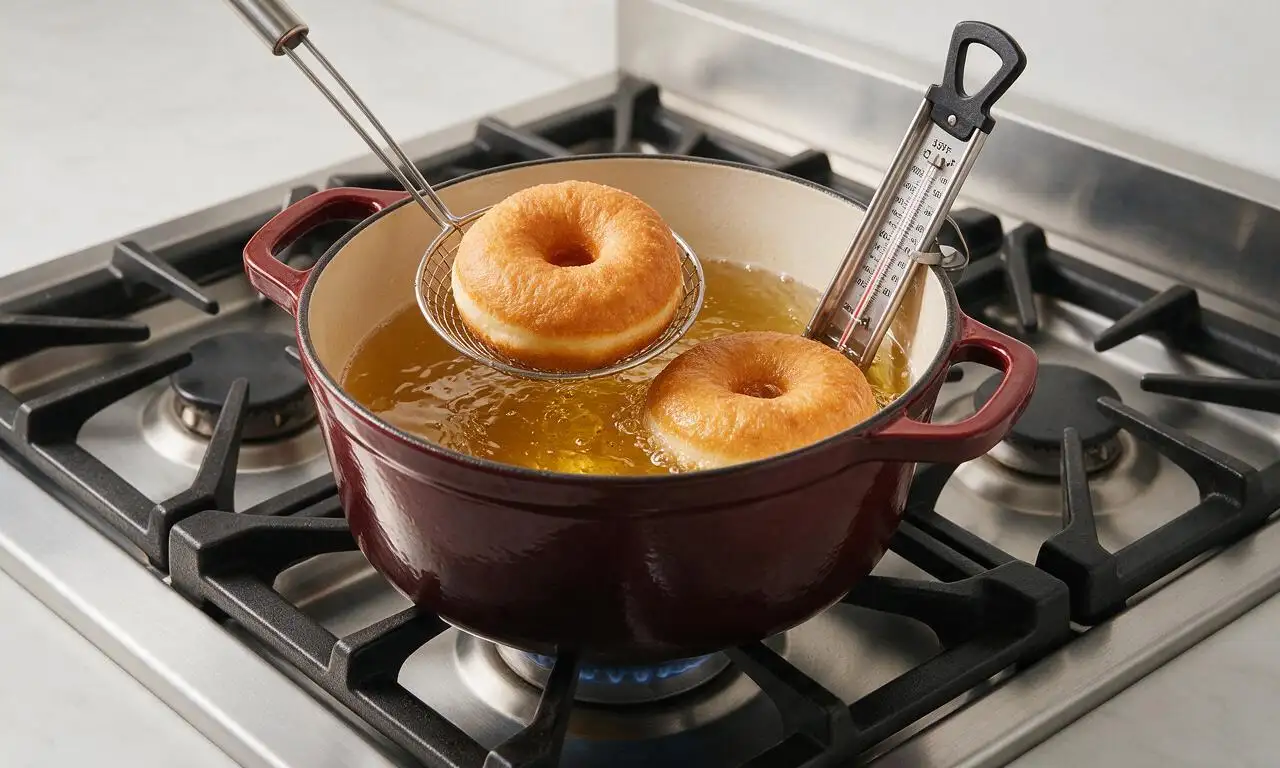
Pour 1.9L (8 cups) of neutral vegetable oil into a large heavy-bottomed Dutch oven, clip a candy thermometer to the pot edge, and heat the oil to a steady 350°F (175°C) over medium heat. Carefully lower 2-3 dough rounds into the oil at a time; do not overcrowd the pot as this drops oil temperature. Fry for exactly 2 minutes per side, until deep golden brown on both surfaces, then use a slotted metal spoon to transfer fried paczki to a wire rack set over paper towels to drain for 2 minutes.
Step 5
step5:Fry paczki evenly
6

Fill and coat paczki

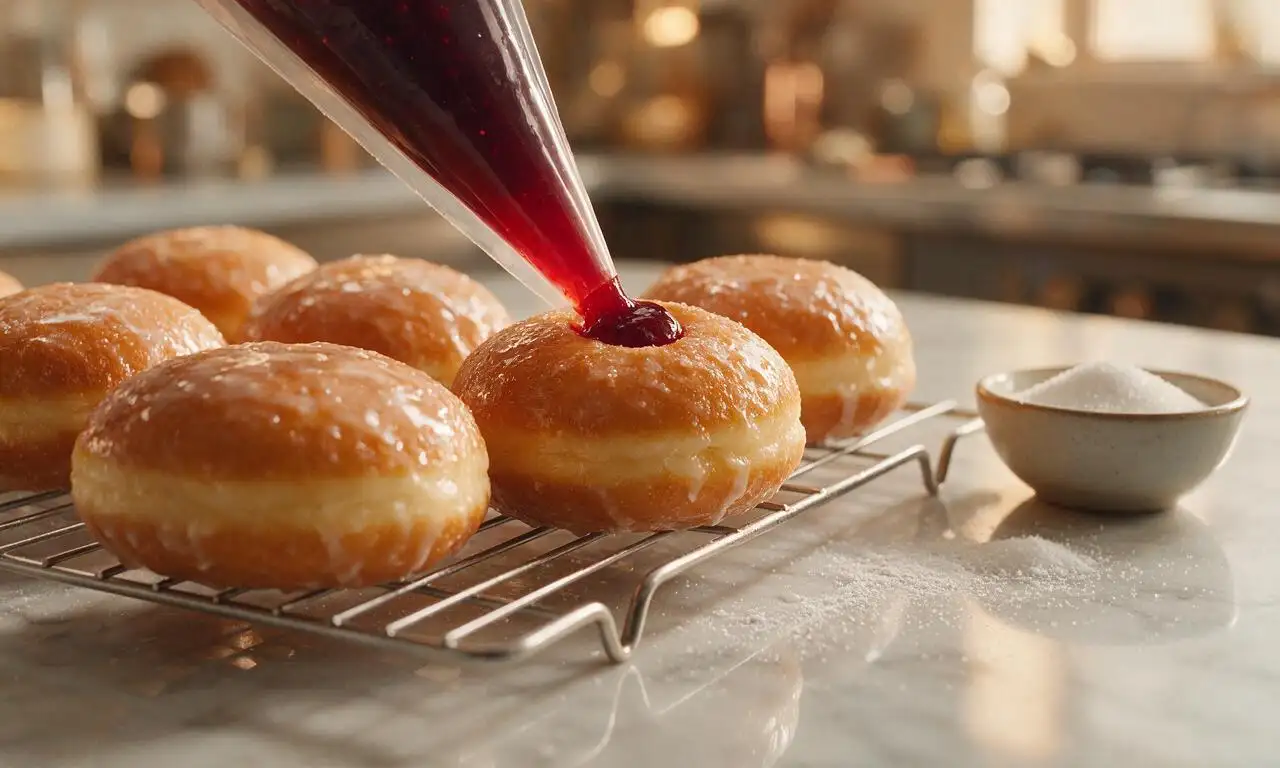
While paczki are still slightly warm (about 110°F/43°C), roll the outer edges in the remaining 50g granulated sugar (or dust with 60g powdered sugar for a milder coating) to cover evenly. Fit a piping bag with a long 1/4-inch wide bismarck filling tip, fill the bag with 240g seedless raspberry or prune jam, and insert the tip 1/2 inch into the side seam of each paczki. Squeeze 1.5 tbsp (20g) of jam into the center of each paczki until the dough feels slightly heavy and a tiny bit of jam peeks out of the insertion point.
Step 6
step6:Fill and coat paczki

Tips

1.Always verify oil temperature with a candy thermometer before frying: oil hotter than 360°F (182°C) burns paczki exteriors before interiors cook, while oil below 340°F (170°C) makes paczki greasy and dense.
2.Test your yeast before mixing the full dough: if the yeast-milk-sugar mixture does not form a foamy top after 7 minutes, your yeast is inactive and will not produce fluffy, risen paczki, so replace it before proceeding.
3.Do not re-roll dough scraps more than once when cutting paczki rounds, as overworking the dough develops excess gluten and results in tough, chewy paczki instead of tender, light pastries.
✨ You May Also Like

Desserts & Baking
🍜 Italy

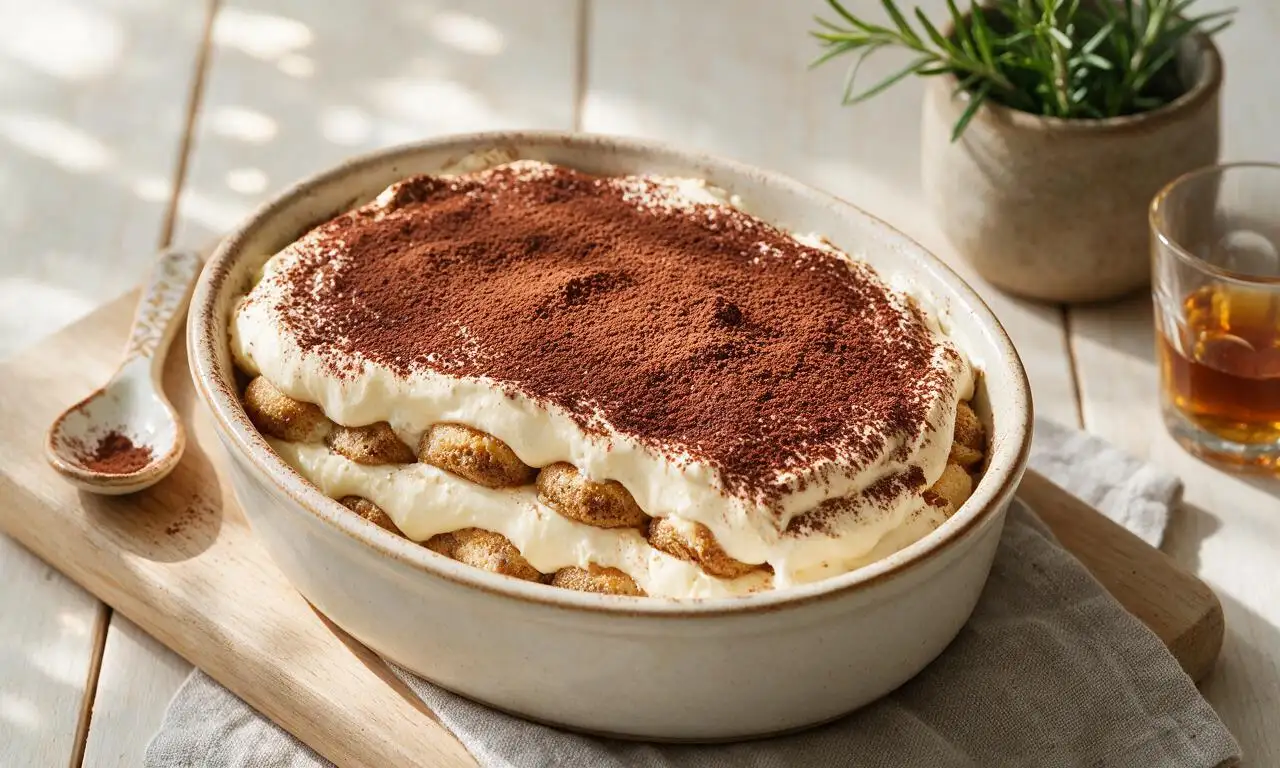
Creamy, coffee-kissed classic Northern Italian no-bake dessert, with layers of rum-spiked mascarpone cream, soft ladyfingers, and a rich cocoa dusting.

⏱️ 4 hours 3Desserts & Baking ★ 4.7
Desserts & Baking
🍜 France

Flaky, shatteringly crisp, buttery French croissants with golden exteriors and soft, airy layered interiors, perfect for pairing with coffee for a special morning treat.

⏱️ 12 hours Desserts & Baking ★ 4.5
Desserts & Baking
🍜 United States

Warm, spiced baked apples topped with a fluffy golden biscuit crust, this cozy dessert pairs perfectly with vanilla ice cream for cool-weather comfort.

⏱️ 55 minuteDesserts & Baking ★ 4.6
Desserts & Baking
🍜 United States

A star-spangled classic American blueberry pie with buttery flaky crust and bright sweet-tart filling, perfect for summer patriotic gatherings.

⏱️ 1 hour 25Desserts & Baking ★ 4.7
Desserts & Baking
🍜 United States

A beloved no-bake regional Maine candy with a chewy coconut-potato center coated in rich dark chocolate, a New England holiday staple since the 1870s.

⏱️ 2 hours 3Desserts & Baking ★ 4.8
Desserts & Baking
🍜 France

Luxuriously creamy, floral frozen custard made with aromatic Tahitian vanilla beans, boasting a smooth, rich texture that melts slowly on the tongue.

⏱️ 3 hours 3Desserts & Baking ★ 4.5

Paczki:Frequently Asked Questions

1.What makes Polish-American paczki different from regular jelly doughnuts? ▾
Great question! Unlike standard jelly doughnuts, paczki use a richer, egg-enriched yeast dough with extra butter, often with a splash of grain alcohol to cut oil absorption during frying, for a denser, ultra-tender, less greasy crumb. They’re filled with thick, fruit-forward prune, rose hip, or raspberry jam, not the runny fillings common in mass-produced doughnuts.
2.Why are paczki traditionally eaten right before Lent? ▾
This custom dates back centuries to Polish Catholic households, who needed to use up stores of lard, sugar, eggs, and butter before the 40-day Lenten fast, when those rich ingredients were forbidden. Polish-American communities kept the tradition alive, turning Fat Thursday (and in many U.S. regions, Fat Tuesday) into a beloved annual paczki celebration for all neighbors.
3.Can I make the paczki dough ahead of time? ▾
Absolutely! For best make-ahead results, after the first rise, punch the dough down, cover it tightly, and refrigerate it for up to 24 hours. The cold slow rise actually develops a deeper, richer flavor and makes the dough easier to roll and cut without sticking. Just let cut paczki puff for 30-45 minutes at room temp before frying for light results.
4.What oil is best for frying paczki to avoid a greasy texture? ▾
Reach for a neutral, high-smoke-point oil like canola, vegetable, or refined peanut oil, held at a steady 350°F. If oil is too cool, paczki soak up excess oil and feel heavy; if too hot, the outside burns before the center cooks through. Adding a tablespoon of vodka to the dough further reduces oil absorption for that perfect non-greasy crumb.
5.My paczki came out dense instead of fluffy—what did I do wrong? ▾
Dense paczki almost always trace back to one of three common missteps: your yeast was expired or failed to activate properly in warm milk, you didn’t let the dough rise long enough in a warm, draft-free spot until it doubled in size, or you overworked the dough when rolling, which developed tough gluten that prevented light puffing.
6.What kind of filling is traditional for Polish-American paczki? ▾
The most classic Polish-American fillings are thick, slow-cooked prune lekvar (prune jam), rose hip jam, and seedless raspberry jam, though modern bakeries often offer custard, lemon curd, or sweet cheese options too. Skip runny grocery-store jelly—it will leak and make the inside soggy. Use extra-thick bakery-style filling for best results.
7.How do I fill paczki without making a huge mess? ▾
The easiest home cook method is to wait until fried paczki are cool enough to handle (about 10 minutes out of the fryer), then poke a 1-inch deep hole in the side with a wooden spoon handle, wiggling it to make a small inner pocket. Use a piping bag fitted with a long bismarck tip to squeeze in filling until the paczek feels slightly heavy, stopping before it oozes out.
8.Do I have to dust paczki with granulated sugar, or can I use powdered sugar? ▾
Traditional Polish-American paczki are most often tossed in plain granulated sugar while still slightly warm, so the sugar sticks evenly to the exterior for that signature crisp-sweet coating. Powdered sugar is a totally popular variation, though—just wait until paczki are almost fully cool before dusting, or the sugar will melt and turn gummy.
9.Can I bake these paczki instead of frying them for a lighter version? ▾
You can bake them, but fair warning they won’t have the exact rich, authentic texture of fried paczki. If you want to try, arrange cut dough pieces on a parchment-lined sheet, let them puff until doubled, brush with melted butter, and bake at 375°F for 12-15 minutes until golden. They’ll taste like a soft baked doughnut, not a classic paczek, but they’ll still be tasty.
10.How long do homemade paczki stay fresh? ▾
Homemade paczki are best eaten the same day they’re made, when the exterior is slightly crisp and the crumb is soft and fluffy. If you have leftovers, store them in an airtight container at room temperature for up to 2 days—just know the sugar coating will soften over time. Refresh day-old paczki for 10 seconds in the microwave to bring back that tender texture.
11.What temperature should my milk be to properly activate the yeast? ▾
Aim for milk between 105°F and 110°F, which feels like warm bath water to the touch. If it’s over 120°F, it will kill the active dry yeast and your dough won’t rise; if it’s too cold, the yeast will activate too slowly for a strong, even rise. Wait 5-10 minutes after mixing yeast and milk for it to foam to confirm it’s active.
12.Why do some paczki recipes call for adding alcohol to the dough? ▾
That’s a clever old traditional trick! Adding 1 to 2 tablespoons of vodka, rum, or neutral grain spirit to the dough raises the temperature at which flour gluten sets, and slows down oil absorption during frying. The result is a lighter, less greasy paczek with a softer crumb that doesn’t get soggy fast. The alcohol cooks off completely, so it’s safe for kids.
13.Can I freeze homemade paczki for later? ▾
Absolutely! Freeze unfilled, fully cooled paczki in an airtight, freezer-safe bag for up to 3 months. When you’re ready to eat them, let them thaw completely at room temperature, then fill with your favorite jam and toss in sugar right before serving. Don’t freeze filled, sugar-coated paczki—the filling will make the dough soggy, and the sugar will dissolve as they thaw.

Comments (12)

2 days ago

OMG, these taste exactly like the paczki my babcia used to bring home from the Polish bakery in Chicago every Fat Tuesday! I was so nervous to try making them from scratch since I thought they’d be too fussy, but the step-by-step instructions were so clear. The prune filling was chef’s kiss, SO good. My whole family devoured a dozen in 10 minutes flat. 10/10 will be making these every year from now on!

1 week ago

Made these for my kid’s school potluck last week and they were the first thing gone! I did half with raspberry jam and half with custard since my kids are picky about fillings, and both versions were a hit. A little time consuming for a weeknight, but totally worth the effort for a special treat. Already got three parents asking me for the recipe link!

2 hours ago

Okay, full transparency: I burned the first batch because I let the oil get too hot, oops. But the second batch came out light, fluffy, and perfectly sweet! Definitely don’t skip the rise time — I tried to rush it on the first go and the dough was dense, so patience pays off here. Game changer for weekend brunch, honestly.

2 weeks ago

My grandma was Polish-American and I’ve been chasing her paczki recipe for 20 years since she passed. This one is so close I almost cried when I took the first bite! I added a little extra orange zest to the glaze like she used to, and it took it right over the top. Perfect for our Sunday family dinner dessert this week.

3 days ago

Quick question — can I make the dough the night before and let it rise in the fridge? I want to have these fresh for Fat Tuesday breakfast but don’t want to wake up at 4am to wait for dough to rise, lol. I’ve loved every other recipe I’ve tried from this site so I know these will slap!

2 days ago

Great question! Yes, you absolutely can prep the dough the night before — after the first knead, pop it in a tightly covered bowl in the fridge, and it will slow-rise perfectly overnight. Just take it out 30 minutes before you plan to roll and cut it the next day to take the chill off. Enjoy your Fat Tuesday treats!

30 minutes ago

Wait, these are way better than any store-bought paczki I’ve ever had! I used the rose petal jam my cousin brought me back from Poland as a filling and it was *chef’s kiss*. Only note: make sure you seal the edges really well when you fill them, otherwise all the jam oozes out into the oil when you fry. Learned that the hard way on my third donut, ha.

5 minutes ago

Oh thanks for the tip about sealing the edges! I’m making these this weekend and was worried about filling leakage, I’ll make sure to crimp them extra tight now. Rose petal jam sounds incredible, I might have to pick some up to try too!

1 week ago

I tried making these with a sugar substitute for my diabetic husband, and while the texture was great, the glaze didn’t set quite right. Any tips for adjusting the recipe for lower sugar without messing up the dough rise?

5 days ago

So glad the texture turned out well! For the glaze, sugar substitutes that measure 1:1 like sugar tend to work best — avoid the concentrated powdered sweeteners, as they can make the glaze runny. For the dough, as long as you’re using a sweetener that can feed the yeast (most granulated sugar substitutes work for this!), you shouldn’t have any rise issues. Hope that helps!

5 days ago

Brought these to our neighborhood block party last weekend and people were literally coming back for thirds! I rolled mine in a mix of cinnamon sugar instead of the powdered sugar glaze, and it was such a cozy, delicious twist. Will 100% be adding these to my regular potluck rotation.

3 days ago

The cinnamon sugar swap is genius! I always find the glaze gets a little sticky when it’s hot out at outdoor parties, so cinnamon sugar would hold up way better. Definitely stealing that idea for our next block party in July!

yesterday

Help! My dough came out super sticky even after I added the full amount of flour called for. I ended up adding almost an extra half cup before I could roll it out, and the finished paczki were a little denser than I wanted. What did I do wrong?

2 hours ago

Sorry to hear the dough gave you trouble! Flour absorbency can vary a lot depending on the brand and even the humidity in your kitchen, so it’s totally normal to need a little extra — the key is to add it 1 tablespoon at a time until the dough pulls away from the bowl, instead of dumping it all in at once. Overadding flour too quickly is what leads to that dense texture, so next time go slow and you’ll get that light, fluffy crumb!

2 weeks ago

OMG, the vanilla custard filling option in this recipe is a total game changer! I thought I was a traditional prune filling paczki purist my whole life, but this custard is so creamy and not too sweet, I’m converted. My kids loved it so much they asked to have these for their birthday treats instead of cake this year.

1 week ago

Wait, I skipped the custard option because I’m also a prune filling ride-or-die! Now I’m regretting it — I’m making another batch this weekend so I’ll have to do half prune half custard to test. Your kids having these instead of birthday cake is the highest possible praise, tbh.

5 days ago

We love a good custard filling! Pro tip for your birthday batch: you can add a tablespoon of cocoa powder to half the custard for a chocolate version that kids go absolutely crazy for. Happy early birthday to your little ones!

5 days ago

I’ve never deep fried anything in my life, so I was terrified to try this recipe, but it was so much easier than I expected! The tip about using a candy thermometer to keep the oil at 350 degrees saved me from a total disaster. My paczki came out golden, crispy on the outside, fluffy on the inside — my roommate said they taste like they came from a fancy bakery.

3 days ago

This makes me feel so much better! I’ve also never deep fried anything and have been putting off making these because I’m scared I’ll start a grease fire or something. Did you do this on your stovetop or in a countertop fryer?

2 days ago

I did it on my stovetop in a heavy Dutch oven! As long as you don’t fill the pot more than a third full of oil and keep an eye on the temp with the thermometer, it’s totally safe. You’ve got this!

3 days ago

These came out so tasty when I made them last weekend! Rating a 4 only because I haven’t figured out the best long-term storage hack yet. Has anyone tried freezing these after making them? I do big Sunday meal prep sessions and would love to stash a few in the freezer for quick breakfast treats during the week, but I don’t want them to get soggy when I thaw them.

2 days ago

I froze half my batch last month! I let them cool completely, didn’t glaze them, and wrapped them individually in plastic wrap before putting them in a freezer bag. When I wanted one, I thawed it on the counter for an hour and glazed it right before eating — it tasted just as fresh as the day I made them!

just now

Great tip from FreezerFoodFan! We also recommend waiting to fill them until after they thaw if you’re freezing them, as jam and custard fillings can make the dough a little soggy if they’re frozen inside the paczki. They’ll keep in the freezer for up to 3 months for easy treats!