1.What kind of persimmons do I need for authentic Indiana persimmon pudding?
▾
For that classic heirloom flavor, use ripe native American persimmons (Diospyros virginiana), the small, wild variety that grows across Indiana, not the larger, firmer Asian persimmons sold in most mainstream grocery stores. Native persimmons have a deep, molasses-like sweet flavor when fully soft, while Asian persimmons produce a watery, bland pudding that misses the traditional mark.
2.Can I use store-bought persimmon pulp instead of processing fresh persimmons myself?
▾
Absolutely! Look for frozen, strained Indiana-grown native persimmon pulp from local farm stands or regional online retailers for the most authentic result. Avoid canned persimmon pulp with added syrups or preservatives, as those will throw off the pudding’s balanced spiced sweetness and signature dense, custardy texture.
3.Why is it necessary to strain persimmon pulp for this recipe?
▾
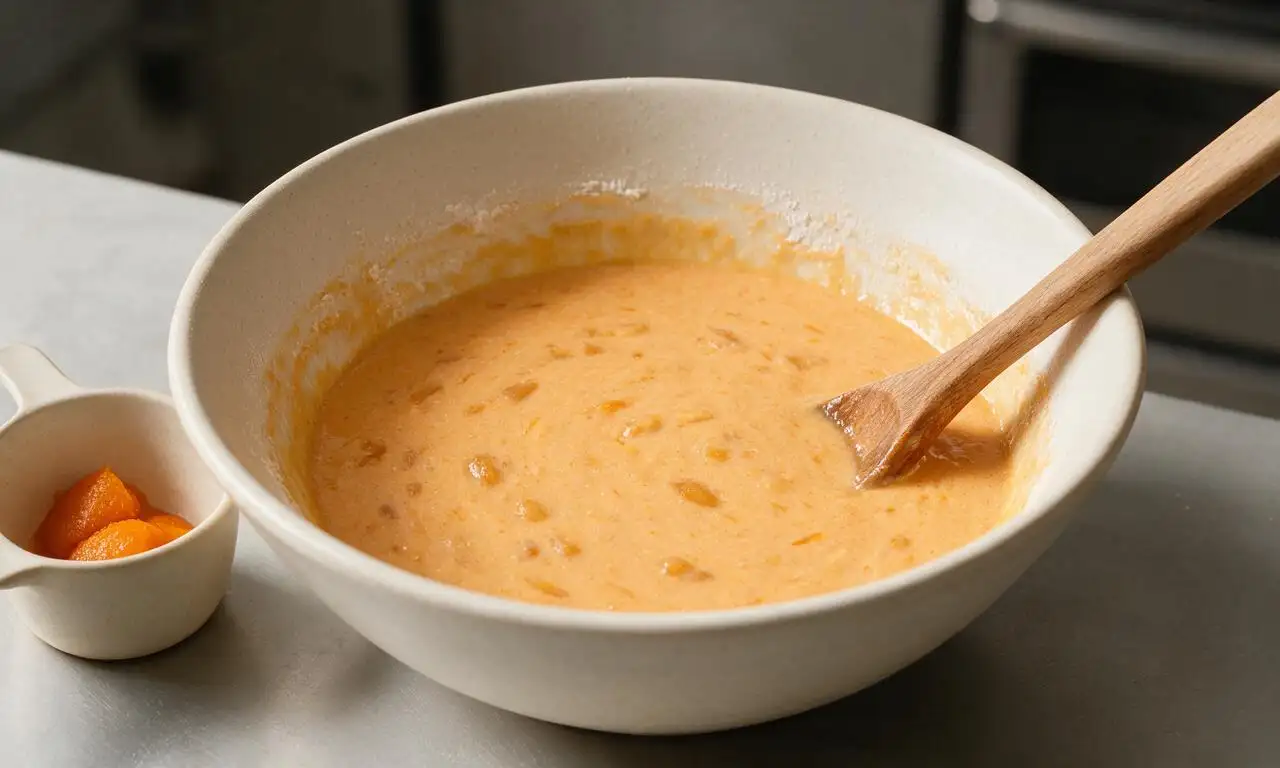
Straining removes the tiny, tough dark seeds and fibrous skin bits naturally found in wild native persimmons, which would leave your pudding with a gritty, unpleasant texture. Press soft ripe pulp through a fine-mesh sieve with a rubber spatula, discarding seeds and tough solids, to get the smooth, velvety base this traditional recipe requires.
4.My persimmon pulp tastes puckery and astringent—what went wrong?
▾
That sharp, mouth-drying taste means your persimmons were not fully ripe when harvested or processed. Native persimmons need to be almost mushy soft, usually after the first light fall frost, to lose their bitter tannins. If your pulp is astringent, discard it; no amount of sugar or baking will fix that unpleasant, sharp flavor.
5.Do I really need to use room temperature eggs for this pudding?
▾
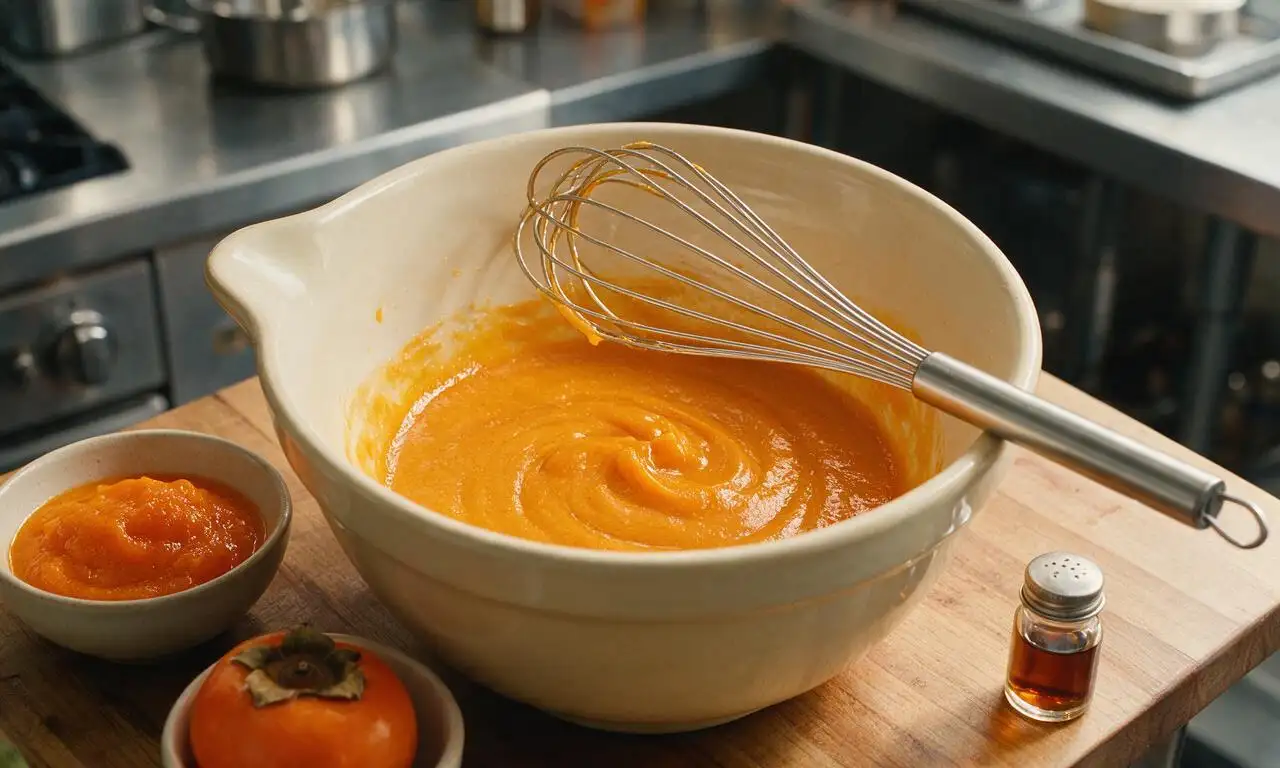
Yes, room temperature eggs mix more smoothly into the batter, creating a uniform, custardy texture instead of lumpy, unevenly set pudding. If you forget to pull eggs out ahead of time, submerge them in a bowl of warm (not hot) tap water for 5 minutes to bring them up to temperature quickly before cracking and whisking.
6.What texture should traditional Indiana persimmon pudding have when it’s done?
▾
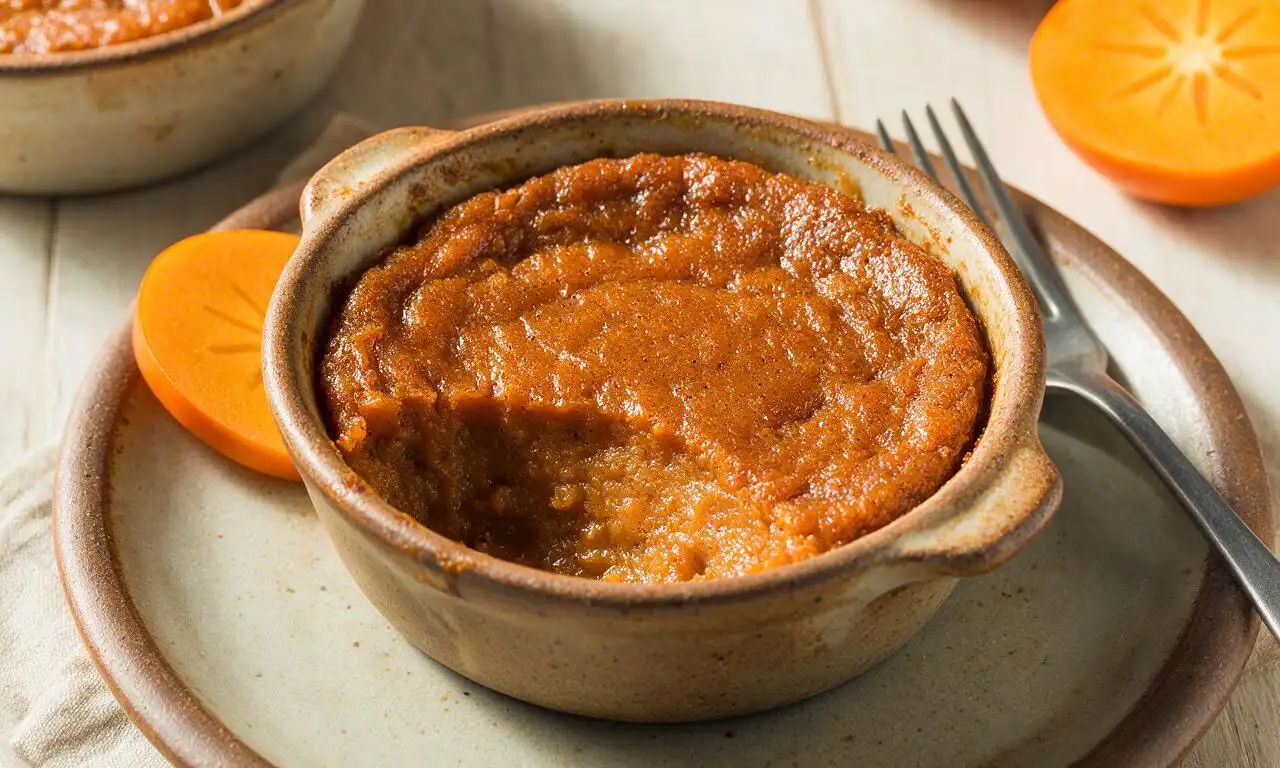
Authentic Indiana persimmon pudding is dense, moist, and softly custardy, not light, fluffy, or cake-like like many other baked desserts. It holds its shape when sliced but has a tender, almost melt-in-your-mouth consistency, especially when served warm, with deep spiced sweetness that doesn’t taste overly eggy.
7.Can I substitute low-fat milk for the whole milk in this recipe?
▾
For the richest, creamiest traditional result, stick with whole milk—its higher fat content creates that signature smooth, custardy mouthfeel. If you only have low-fat milk on hand, mix it with 2 tablespoons of melted, cooled unsalted butter per cup of milk to replace missing fat; skim milk will produce a thin, watery pudding that lacks depth.
8.What type of pan is best for baking this persimmon pudding?
▾
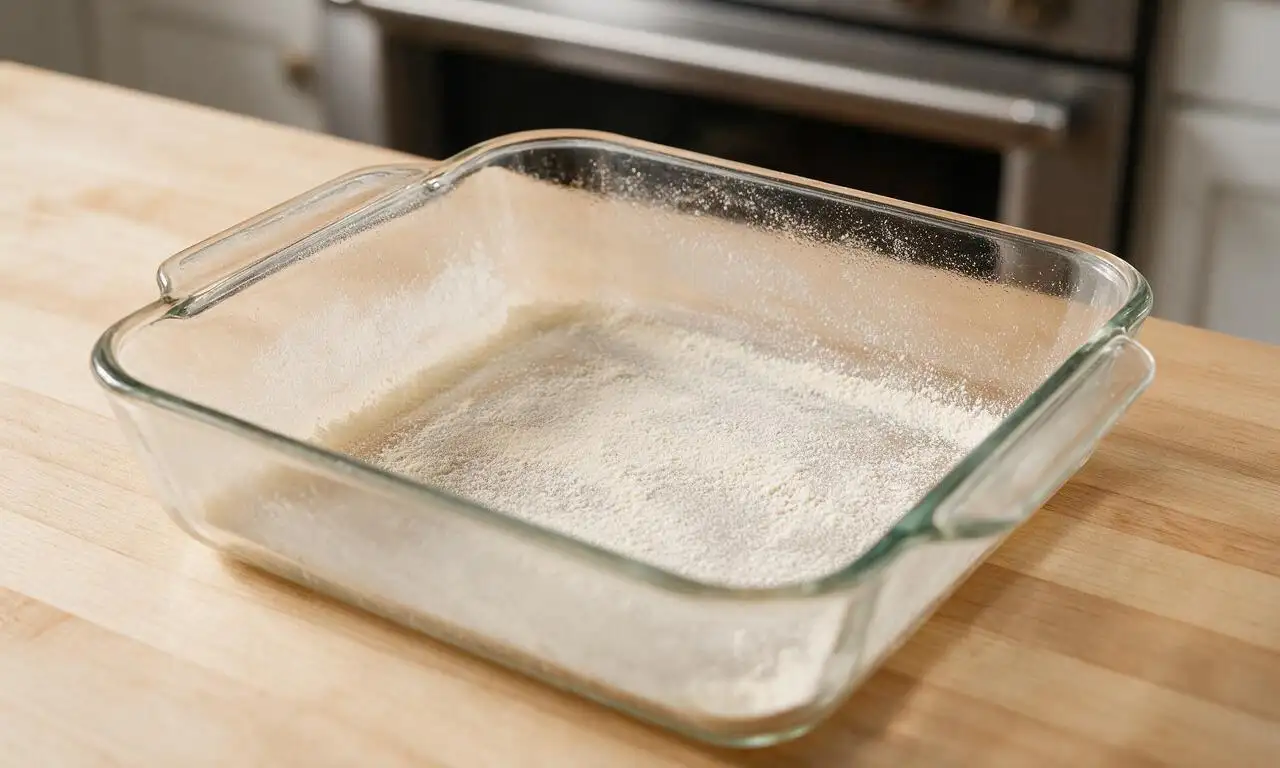
Most traditional Indiana home bakers use a 9x13 inch glass or ceramic baking dish for this recipe, as it distributes heat gently to prevent edges from burning before the center sets. You can also use a cast iron skillet for a slightly crisp, caramelized edge, a beloved rural Indiana variation on the classic.
9.How do I tell when the persimmon pudding is fully baked?
▾
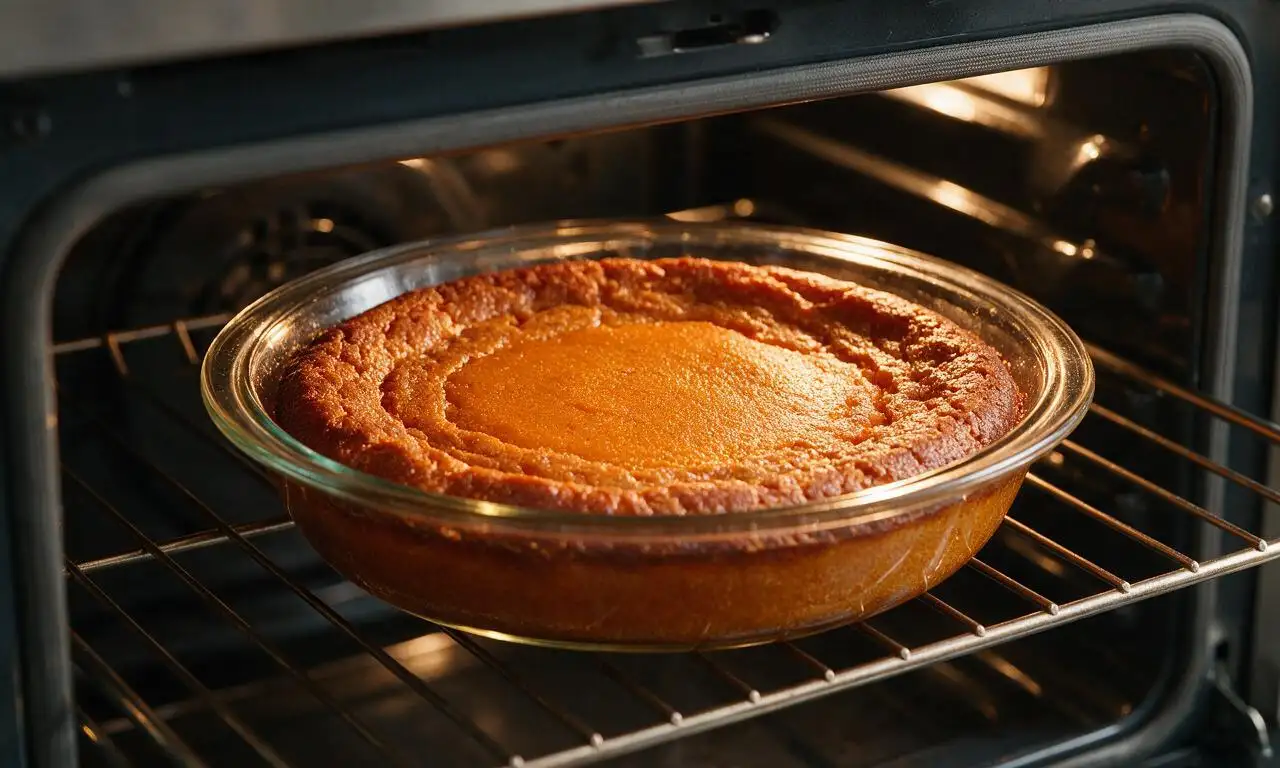
The pudding is done when edges are set and slightly pulled away from the pan sides, and a toothpick inserted into the center comes out with a few moist, soft crumbs attached, not wet batter. Don’t wait for the toothpick to come out completely clean—overbaking will turn the custardy pudding dry and tough instead of tender.
10.Do I need to bake this persimmon pudding in a water bath like other custards?
▾
Unlike many delicate egg custards, traditional Indiana persimmon pudding does not require a water bath. It is baked directly in a 350°F oven for 45 to 55 minutes, which creates its signature dense, evenly set texture without the risk of curdling that can come with higher-heat custard baking.
11.What spices are used in traditional Indiana persimmon pudding?
▾
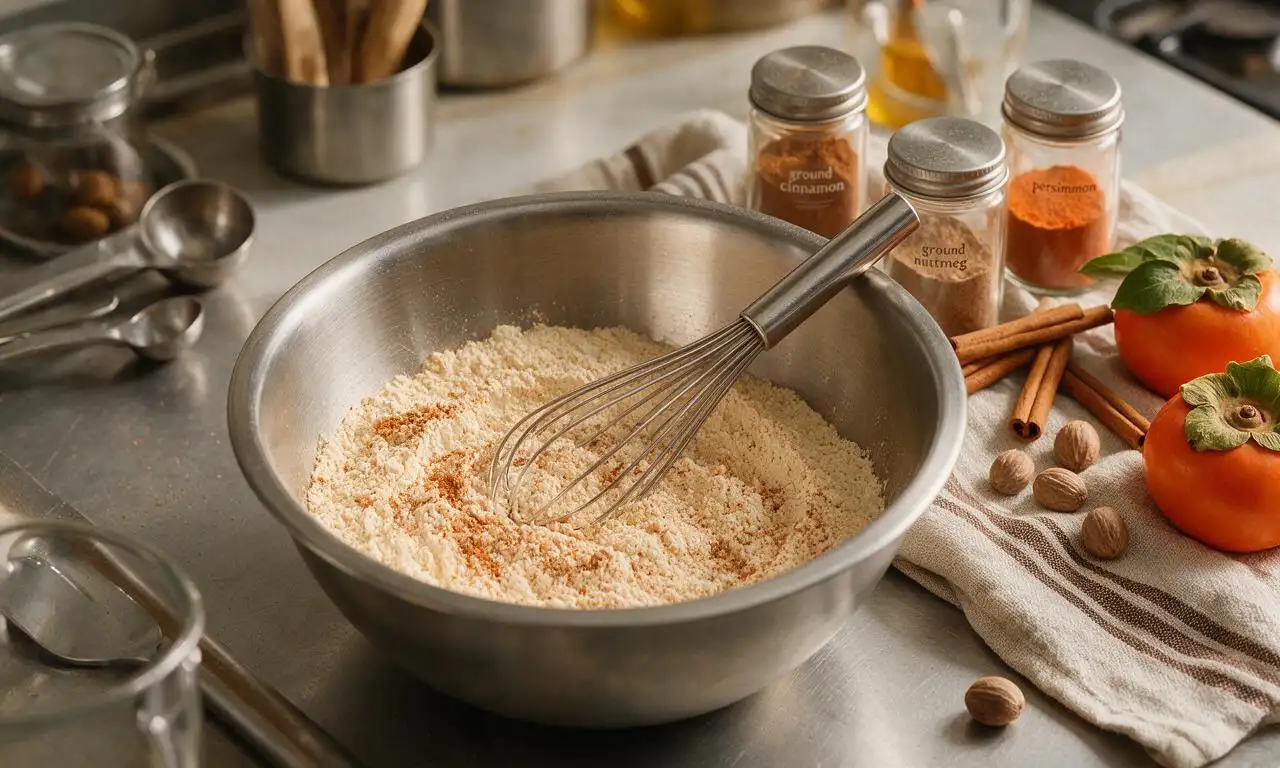
Most heirloom Indiana recipes use warm, complementary spices: ground cinnamon, a pinch of freshly grated nutmeg, a tiny amount of ground cloves, and sometimes a dash of allspice. Go light on cloves and allspice—they should enhance the persimmon flavor, not overpower it, so the sweet, fruity pulp stays the star.
12.Can I add mix-ins like nuts or raisins to the pudding?
▾
While the classic heirloom recipe has no mix-ins, many Indiana families add a half cup of chopped native black walnuts or a half cup of golden raisins tossed in a pinch of flour to prevent sinking for extra texture. Just don’t overdo add-ins, or you’ll lose that signature smooth, dense custard texture.
13.What is the traditional way to serve this persimmon pudding?
▾
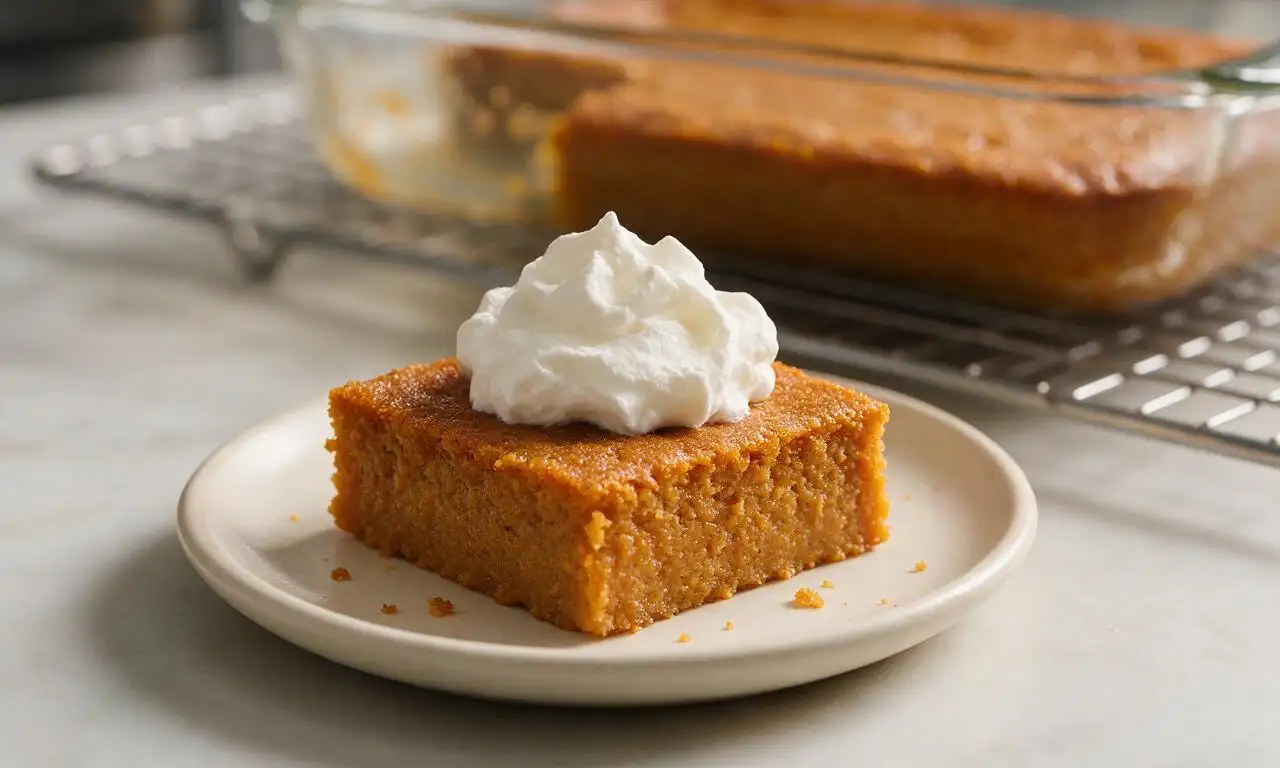
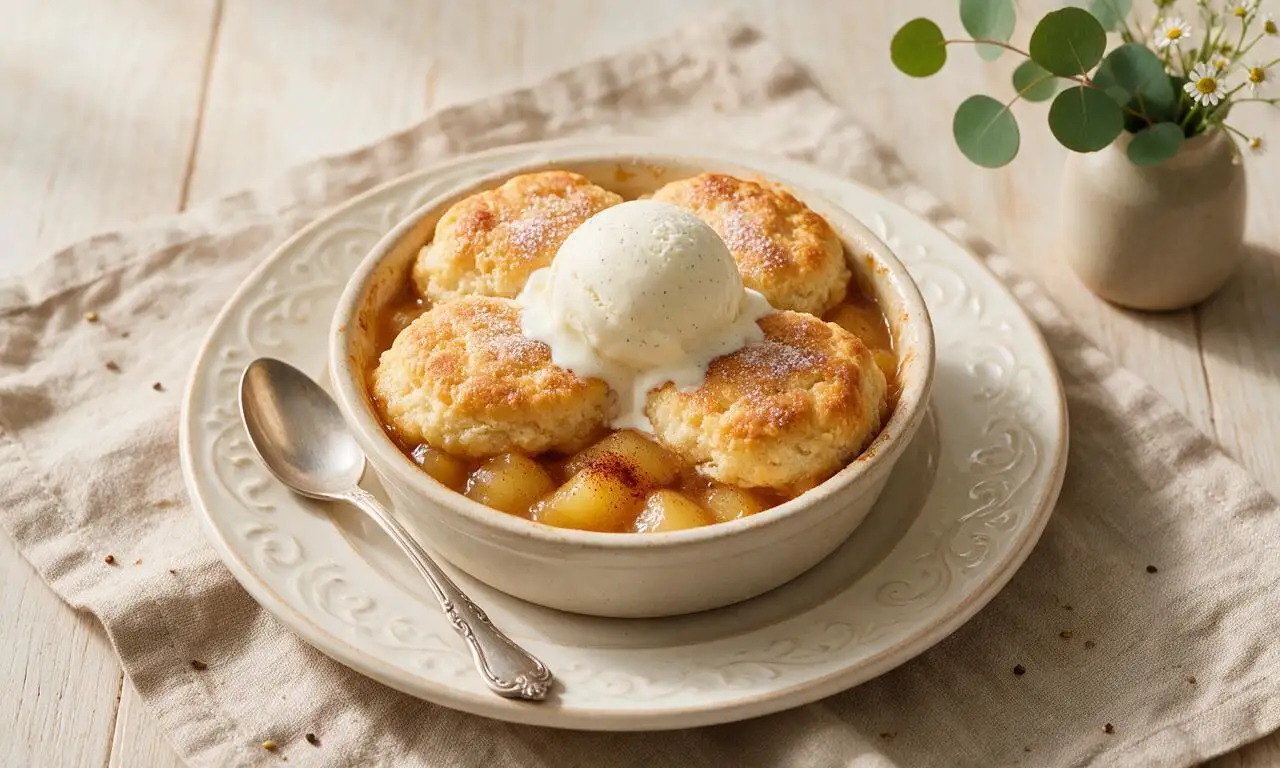
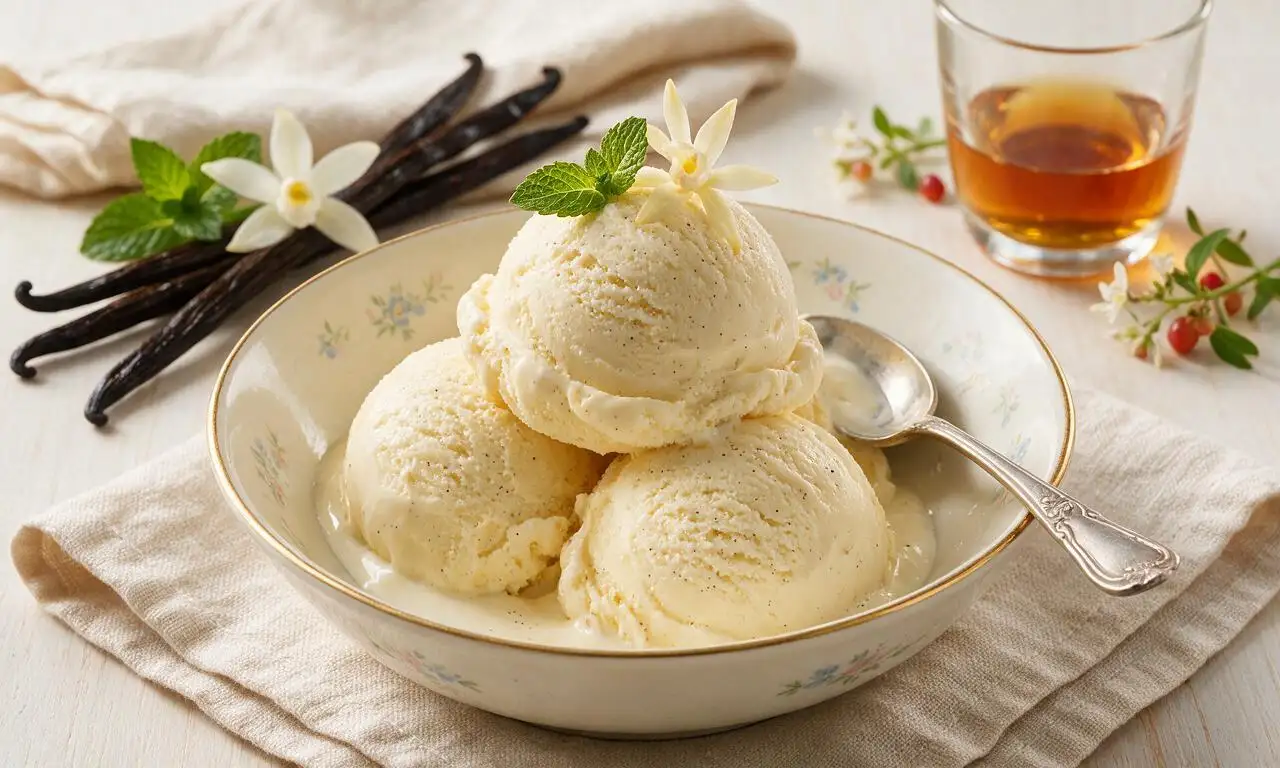
This pudding is best served warm, straight from the pan or gently reheated, usually topped with a dollop of freshly whipped unsweetened cream, a scoop of vanilla bean ice cream, or a drizzle of warm caramel sauce. Some old-fashioned rural recipes serve it with a pour of cold heavy cream right over the top, no whipping required.
14.How should I store leftover persimmon pudding?
▾
Let the baked pudding cool completely to room temperature, then cover the baking dish tightly with plastic wrap or an airtight lid, and store it in the refrigerator for up to 5 days. The flavor actually deepens and improves after 1 to 2 days in the fridge, as the warm spices meld with the sweet persimmon pulp.
15.Can I freeze baked persimmon pudding to enjoy later?
▾
Yes! Cut the fully cooled pudding into individual slices, wrap each tightly in two layers of plastic wrap, then place in a labeled freezer bag for up to 3 months. Thaw slices in the fridge overnight, then reheat gently in the microwave for 20 to 30 seconds or a low oven until warm before serving.
16.Why did my finished pudding turn out rubbery instead of custardy?
▾
A rubbery texture almost always comes from overbaking the pudding, or using too many eggs relative to the amount of persimmon pulp and milk. Stick to the recipe ratios, start checking for doneness at the 45-minute mark, and pull the pudding out as soon as the center is just set to keep that tender bite.
17.Can I adapt this recipe to be gluten-free?
▾
Absolutely. Swap the all-purpose flour for a 1:1 gluten-free all-purpose baking blend that contains xanthan gum to replicate the structure regular flour provides. Make sure all other ingredients, including any store-bought persimmon pulp, are certified gluten-free to avoid cross-contamination for anyone with a gluten sensitivity.
18.Can I reduce the amount of sugar in this recipe to make it less sweet?
▾
You can reduce the granulated sugar by up to ¼ cup without ruining the pudding’s texture, but keep in mind that ripe native persimmon pulp has a mild, earthy sweetness that benefits from a little added sugar to balance the warm spices. Avoid cutting sugar by more than that, or the pudding may not set properly and will taste flat.
19.Can I use wild persimmons I foraged myself for this pudding?
▾
Absolutely! Foraged wild native persimmons from Indiana woodlands are the gold standard for this recipe. Just make sure you harvest them only after they are fully soft (they often fall right off the tree when ripe), avoid fruit from pesticide-treated areas, and strain the pulp thoroughly to remove all large, smooth seeds.
20.What’s the difference between persimmon pudding and persimmon bread?
▾
Persimmon bread is a light, leavened quick bread similar to banana bread, made with baking soda or powder for a fluffy, cake-like crumb. Traditional Indiana persimmon pudding is a dense, custardy baked dessert with no added leavening, set with eggs and a small amount of flour for a richer, softer texture best served warm.


OMG, this tastes exactly like the persimmon pudding my grandma used to make every Thanksgiving! I was so worried I’d never get the texture right after she passed, but this recipe is so easy even I didn’t mess it up. Brought it to our church potluck last Sunday and people were going back for seconds, thirds even! SO good with a dollop of whipped cream on top. My kids loved it too, even the picky one who turns his nose up at anything with fruit in it. Total game changer for our fall dessert rotation.
This was my first time ever making persimmon anything, and I was shocked how simple the whole process was! The 90 minute cook time felt a little long waiting for it to set, but the house smelled like cinnamon and fall the whole time it was in the oven so I can’t even complain. I did add a tiny extra dash of nutmeg because I’m obsessed with it, and it turned out chef’s kiss. Brought it to my neighbor’s dinner party and everyone asked for the recipe!
Added this to my weekly meal prep for fall snacks and it’s perfect! It holds up really well in the fridge for almost a week, and I just warm up a slice each evening with a little vanilla ice cream. Way easier than I thought it would be, especially since I don’t love super fussy baking projects. Will definitely be making this on repeat all persimmon season!
Made this for our college football tailgate last weekend and it was a huge hit! Only reason I’m not giving 5 stars is I think my oven runs hot, so the edges got a little crispier than I wanted. Next time I’ll turn the temp down 25 degrees and keep a closer eye on it the last 15 minutes. The flavor was spot on though, everyone thought I bought it from a fancy bakery!
Wait a second, I grew up in southern Indiana and I swear this is the exact recipe they serve at the annual persimmon festival! I moved to Ohio 10 years ago and haven’t been able to find a version that tastes right until now. The texture isn’t too cakey, isn’t too mushy, it’s perfect. My husband who’d never even heard of persimmon pudding before went back for two slices after dinner. Can’t wait to make this for my parents when they visit next month!
Foraged a bunch of wild persimmons on a hike last month and froze the pulp, had no clue what to do with it until I found this recipe. It’s so straightforward, I didn’t even need to run to the store for any extra ingredients — I had all the spices and baking stuff already in my pantry. Turned out rich, spiced, and perfectly sweet, not cloying like a lot of baked fruit desserts. 10/10, will be foraging extra persimmons next year just to make this again!