1.What type of persimmons work best for homemade persimmon pulp?
▾
The best persimmons for this silky pulp are fully ripe Hachiya persimmons, the acorn-shaped astringent variety. Fuyu persimmons (the squat, crisp type) are great for fresh eating but don’t break down into that signature smooth, ultra-sweet, velvety texture that makes this pulp perfect for baked goods. Skip underripe Hachiyas, as they have harsh, mouth-drying astringency that ruins pulp flavor.
2.How do I know when Hachiya persimmons are ripe enough to make pulp?
▾
Ripe Hachiyas feel almost like a full water balloon—super soft, with slightly translucent, wrinkled skin near the stem, and they give completely when you press gently with a finger. If they feel firm at all, leave them on the counter for 2 to 4 days to ripen; you can speed this up by tucking them in a paper bag with a banana or apple. Unripe Hachiyas have an unpleasantly puckering taste.
3.Can I use unripe persimmons if I cook them longer to make pulp?
▾
Unfortunately, no—cooking won’t eliminate the harsh, mouth-drying tannins that make underripe Hachiyas so unpleasant. Even long cooking leaves a bitter, astringent aftertaste that will throw off any pie, bread, or pudding you make with the pulp. It’s always worth waiting the extra 2 to 3 days for persimmons to fully soften before processing, for the best sweet, smooth flavor.
4.Why do you add fresh lemon juice to persimmon pulp?
▾
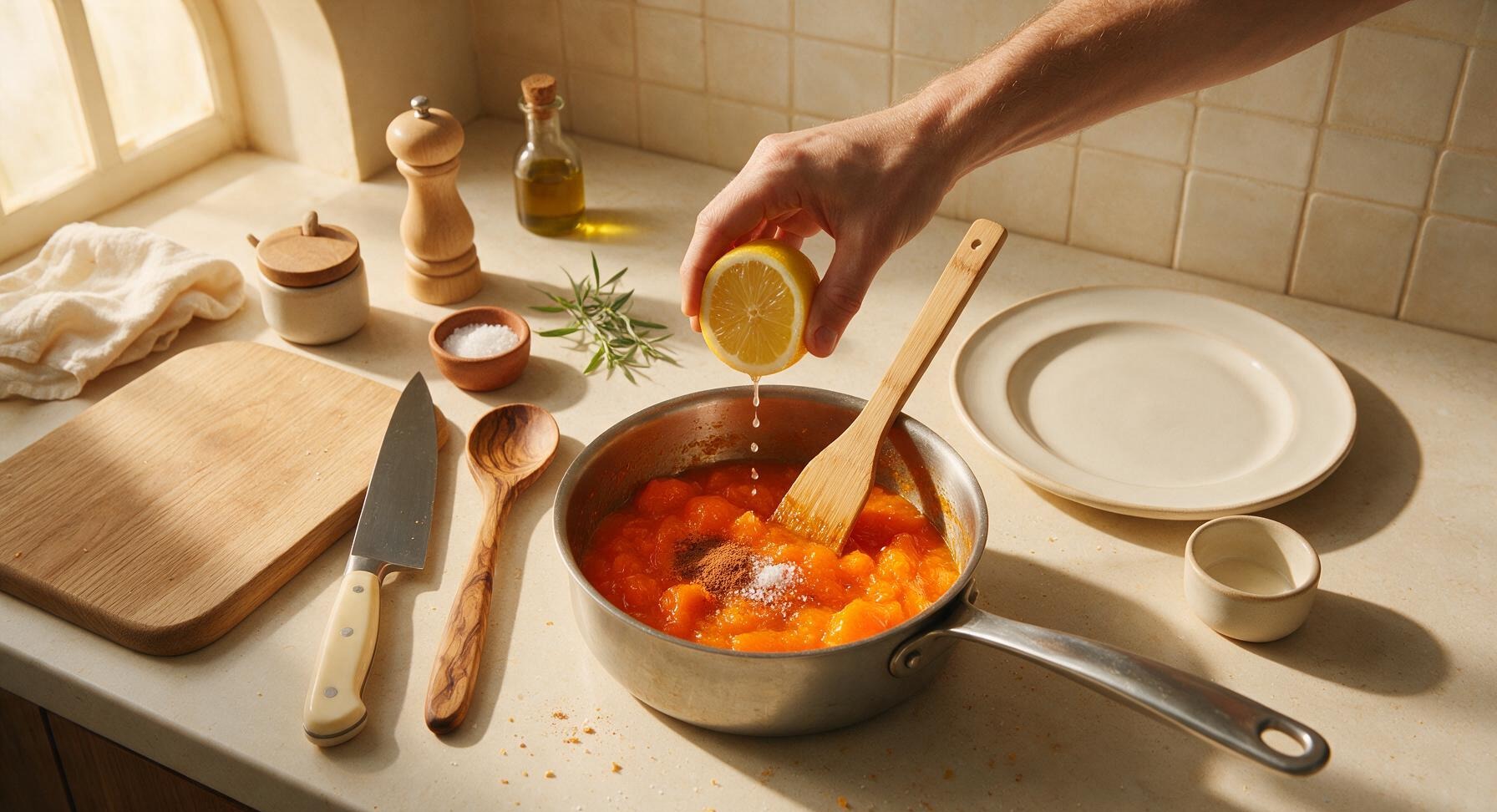
A small splash of fresh lemon juice does two key jobs for this pulp. First, it brightens the rich, honeyed persimmon flavor, cutting through the cloying sweetness that can make plain persimmon taste flat in baked goods. Second, the mild acid slows browning, so your pulp stays a warm, bright orange instead of turning dull grayish-brown during storage. You only need a tablespoon per 4 cups of pulp.
5.Do I have to peel the persimmons before making pulp?
▾
You don’t have to fully peel persimmons if you’re going to strain the pulp later, but I recommend scooping the soft inner flesh out of the skin with a spoon for the silkiest result. Persimmon skin is thin and edible, but it can leave tiny, slightly tough flecks in your final pulp that create a less smooth texture in delicate pies and puddings. Discard any tough, woody bits near the stem as you scoop.
6.What does the pinch of fine sea salt do in sweet persimmon pulp?
▾
That small pinch of fine sea salt isn’t there to make the pulp taste salty—it works to amp up the natural honey-sweet flavor of the persimmons, balance the warm cinnamon note, and make the bright fruit taste more vibrant overall. Skip coarse kosher or flaky sea salt here, as those won’t dissolve fully and can leave unexpected salty granules in your smooth pulp. You only need about 1/8 teaspoon per 2 cups of pulp.
7.How much cinnamon should I add, and can I skip it entirely?
▾
I recommend 1/4 teaspoon of ground cinnamon per 2 cups of finished pulp, just enough to add warm, cozy autumn depth without overpowering the bright, fresh persimmon flavor that makes homemade pulp better than canned. You can absolutely skip it if you want pure, unadulterated persimmon flavor, or swap it for a pinch of nutmeg or cardamom if you prefer those warm baking spices. Just go light so you don’t mask the fruit.
8.Why do you add filtered water to persimmon pulp?
▾
The small amount of filtered water in this recipe is just to help the persimmon flesh blend into a perfectly silky, pourable consistency, especially if your persimmons are extra dense and not quite oozing with juice when you scoop them. Start with 1 tablespoon per 2 cups of pulp, adding more 1 teaspoon at a time if needed—you don’t want to thin it so much it becomes watery, just loose enough to blend smoothly without lumps.
9.Do I need a high-speed blender to make smooth persimmon pulp?
▾
You don’t need a fancy high-speed blender to get great persimmon pulp. A regular countertop blender, immersion blender, or even a food processor will work perfectly to break down the soft ripe persimmon flesh. If you don’t have any electric appliances, you can even mash the persimmons through a fine-mesh sieve with a rubber spatula by hand, though it will take a few extra minutes of elbow grease for a lump-free texture.
10.Should I strain the pulp after blending it?
▾
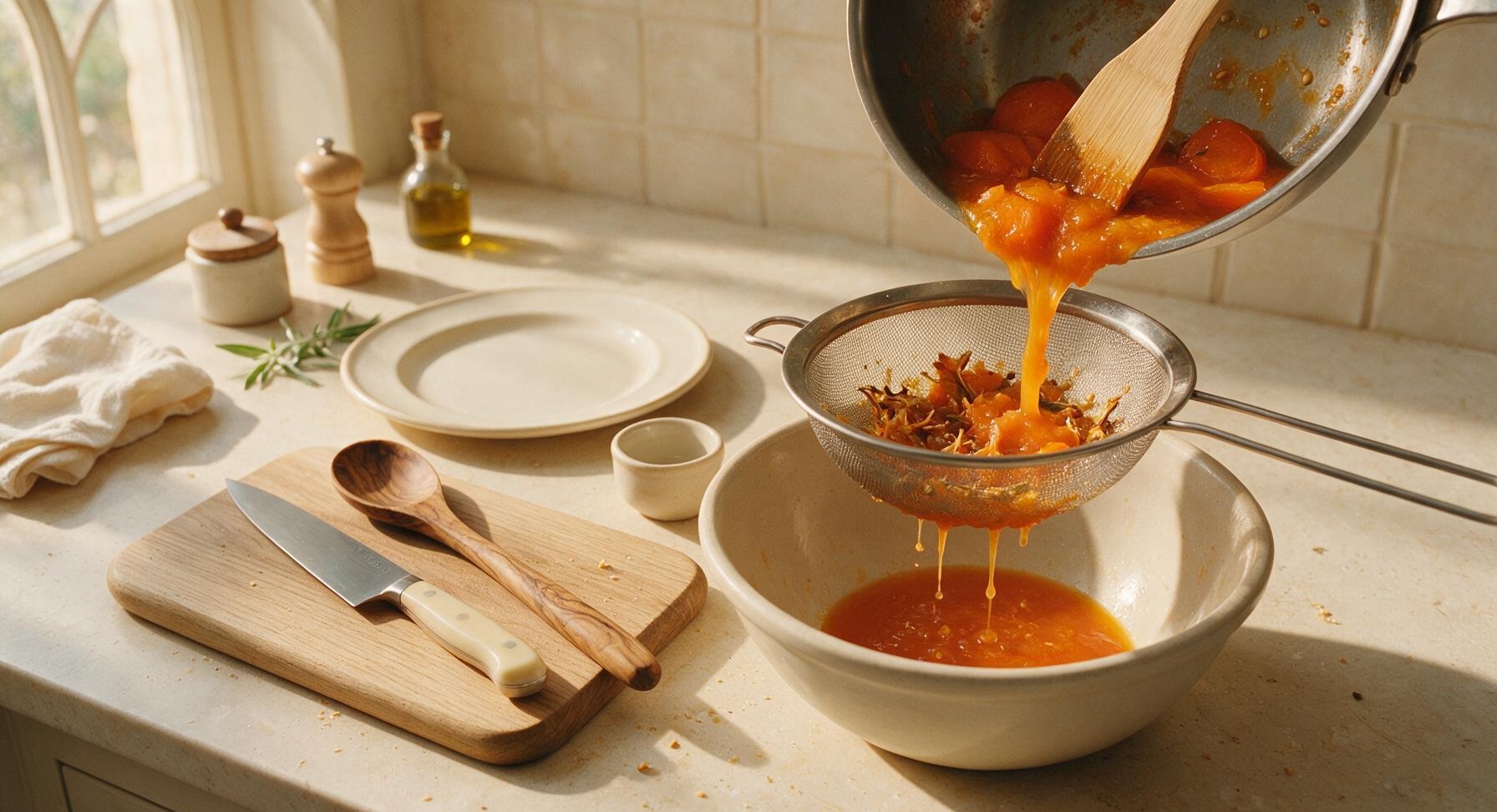
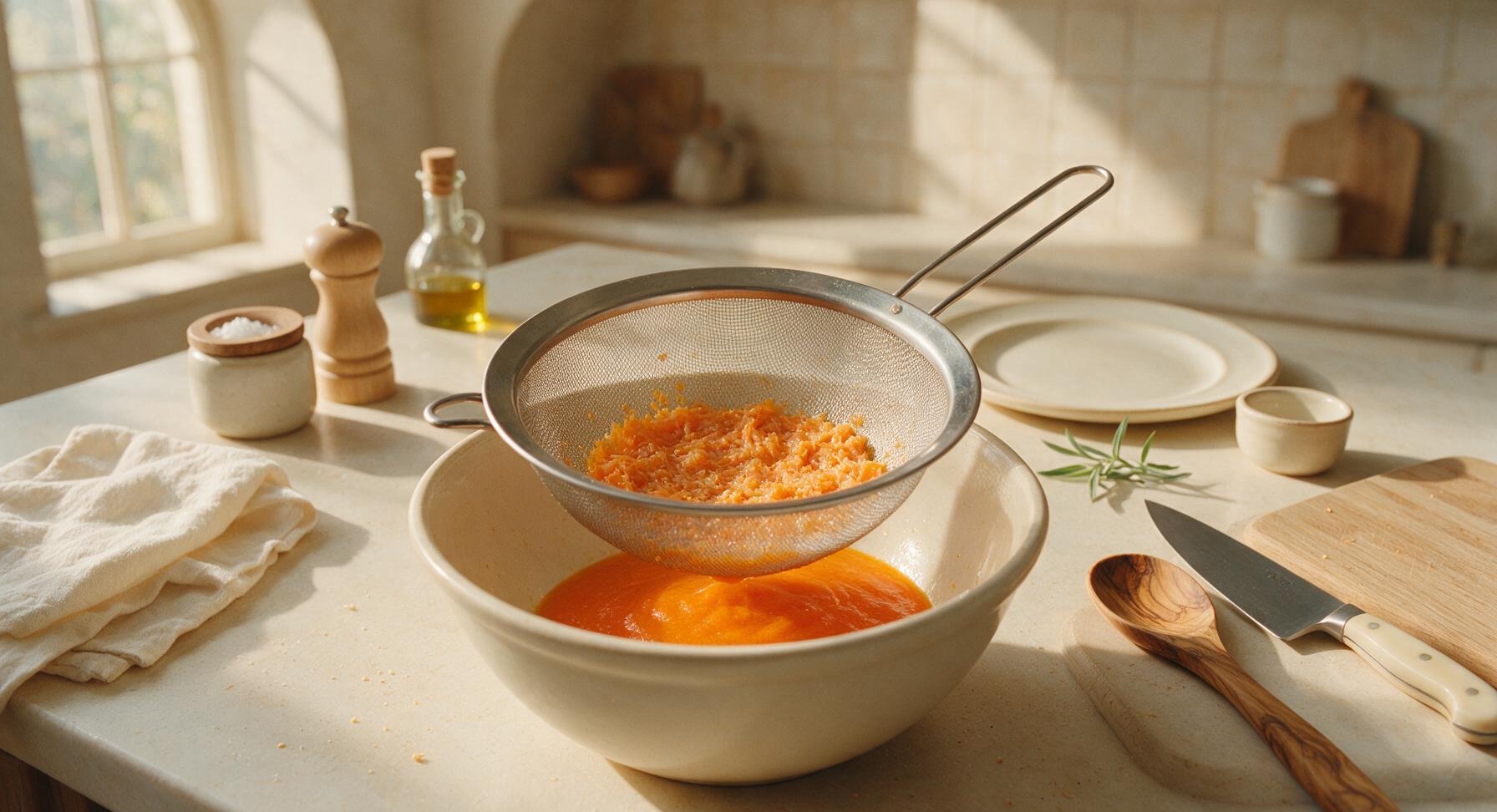
For the absolute silkiest pulp perfect for delicate pies and smooth puddings, I recommend pressing the blended pulp through a fine-mesh sieve with a rubber spatula to catch any tiny seed fragments, tough skin bits, or stringy flesh strands. If you’re making heartier persimmon bread where a little extra texture is welcome, you can skip the straining step entirely to save time, just pick out any visible large seeds as you scoop.
11.Do Hachiya persimmons have seeds I need to remove before making pulp?
▾
Most ripe Hachiya persimmons have a few small, dark, oval seeds clustered in the center of the fruit, though some seedless varieties exist. It’s easiest to pick these out with the tip of your spoon as you scoop the soft flesh out of the skin, but any small seeds you miss will get caught in your fine-mesh sieve if you strain the pulp after blending, so they won’t ruin your final baked goods.
12.How long does homemade persimmon pulp last in the refrigerator?
▾
Stored in an airtight, sealed glass jar or container, fresh homemade persimmon pulp will stay good in the refrigerator for 5 to 7 days. Give it a quick stir before using, as a tiny bit of natural separation is normal as it sits. If you notice any off, sour smells, fuzzy mold, or slimy texture, toss it immediately, as the high sugar content can make it spoil faster than you might expect.
13.Can I freeze persimmon pulp to use later in the year?
▾
Absolutely—persimmon pulp freezes beautifully, which is perfect for preserving that sweet autumn flavor to use all winter long. Portion the pulp into 1-cup or 2-cup freezer-safe containers or heavy-duty zip-top bags, leaving 1/2 inch of headspace for expansion, and it will stay high-quality for up to 12 months in the freezer. Thaw it overnight in the fridge before using in your favorite baking recipes.
14.How is homemade persimmon pulp different from canned store-bought pulp?
▾
Homemade persimmon pulp has a brighter, fresher, more complex honeyed fruit flavor, with a silkier texture than most canned versions, which often have added preservatives, extra sugar, or a slightly flat, cooked, metallic aftertaste from the canning process. Canned pulp is also often thinner, so you may need to adjust baking recipe liquid levels if you swap it for the thicker, fresher homemade version.
15.Is this pulp only for baking, or can I eat it on its own?
▾
While this pulp is formulated to be the perfect base for persimmon pies, quick breads, and steamed puddings, it’s absolutely delicious enjoyed on its own too! Swirl it into oatmeal, spread it on toast with a little nut butter, stir it into yogurt, or even drizzle it over vanilla ice cream. It’s naturally sweet, so you won’t need to add extra sugar to enjoy it as a simple fall treat.
16.Why did my persimmon pulp turn a dull brown color after a day in the fridge?
▾
That dull brown discoloration is just natural enzymatic browning, which happens when the persimmon flesh is exposed to air, and it’s totally safe to eat. You can prevent this by stirring in the recommended amount of fresh lemon juice right after blending, and pressing a piece of plastic wrap directly onto the surface of the pulp before sealing the storage container to cut off air exposure. The flavor won’t be affected even if slight browning occurs.
17.My finished pulp tastes bitter and mouth-drying—what went wrong?
▾
Bitter or mouth-drying pulp almost always means you used persimmons that weren’t fully ripe, with leftover harsh tannins in the flesh. There’s no perfect fix for this once the pulp is made, though you can stir in a little extra honey and cinnamon to mellow mild astringency. Next time, wait until persimmons are so soft they almost feel like they’re about to burst before scooping the flesh, for perfectly sweet, non-bitter pulp.
18.Can I add extra sugar to the pulp when I make it?
▾
I recommend leaving the pulp unsweetened when you make it, so you can adjust the sugar level to match whatever recipe you’re using it in later. Hachiya persimmons are naturally very honey-sweet, so many recipes only need a small amount of added sugar. If you know you prefer extra-sweet pulp for specific uses, you can stir in 1 to 2 tablespoons of maple syrup per cup of pulp, adding gradually to avoid over-sweetening.
19.How much pulp does one average Hachiya persimmon yield?
▾
One average, fully ripe Hachiya persimmon (about 6 ounces in weight) yields roughly 1/2 cup of smooth, strained pulp. If you’re making a standard persimmon pie that calls for 2 cups of pulp, plan to pick up about 4 large or 6 medium ripe Hachiyas to have enough, accounting for a little waste from skins, seeds, and tough bits discarded during prep. It’s always smart to grab one extra to be safe!



OMG this homemade persimmon pulp is SO good! I used the wild persimmons from my backyard tree and it turned out perfectly sweet, no extra sugar needed at all. Total game changer for my fall persimmon bread recipe this year.
My kids loved it! I stirred a spoonful of this pulp into their oatmeal this morning and they asked for seconds before I even got my own bowl made. So quick to whip up too, perfect for busy school mornings.
I was so intimidated to make persimmon pulp for the first time but this recipe was so easy! 10 minutes start to finish, no fancy equipment required. My persimmon cookies came out amazing because of this, thank you!
Made a big batch of this pulp last weekend to take to my neighborhood potluck, I served it alongside spiced whipped cream and gingersnap dippers and people went crazy for it! Only thing I’ll do different next time is add a tiny pinch of cinnamon to the pulp itself.
Finally! A persimmon pulp recipe that doesn’t call for adding a ton of unnecessary honey or dairy. This is perfect for my vegan persimmon pudding recipe for Thanksgiving this year, can’t wait to serve it to my whole family.
Game changer for meal prep! I froze half the batch in ice cube trays so I can pop a cube out whenever I want to add persimmon flavor to smoothies or overnight oats. Way cheaper than buying pre-made pulp from the grocery store too.
I’ve been making persimmon pulp for over 40 years and this method is by far the fastest and most consistent I’ve ever tried. No more spending 20 minutes mashing and picking out seeds by hand, the quick blanch then food mill trick cuts the work in half.
Tasted great, but I used hachiya persimmons that weren’t quite fully ripe and it left that weird chalky aftertaste. Don’t be like me, wait until your persimmons are basically mushy before you make this!
SO good! I used this pulp to make gluten-free persimmon muffins this afternoon and my whole apartment smells like fall. The texture of the pulp was perfectly smooth, no stringy bits at all like the canned stuff I’ve bought before.
Made this for our family dinner last night to go with our pork roast, it was the perfect sweet side! Everyone at the table asked for the recipe, even my picky brother-in-law who swears he hates all fruit with savory meals.
This tastes exactly like the persimmon pulp my mom used to make when I was a kid growing up in Indiana. No frills, no extra added stuff, just pure persimmon flavor. I froze three jars to use for holiday baking all season long.
Super easy to make, only note is that I had to cook mine a couple minutes longer than the recipe said to get it to the thickness I like for making persimmon jam. Turned out great otherwise, will definitely make again.
I brought a jar of this pulp to my book club meeting last night and everyone was raving about it! We mixed a little bit into our prosecco for a fun fall cocktail and it was chef’s kiss.
Harvested 10 pounds of fuyu persimmons from my tree last weekend and turned all of it into pulp using this recipe. Gave half away to neighbors, everyone said it was the best persimmon anything they’d ever tasted. So easy even a gardener with zero cooking skills can pull it off!
Added this to my weekly meal prep rotation! I stir a couple tablespoons into my chia pudding for breakfast all week and it makes the whole fridge smell like cozy fall. No added sugar, no weird preservatives, way better than store-bought fruit spreads.
I was worried this would be a huge mess to make but cleanup was so easy! Only one pot and a food mill to wash, which is a huge win for someone who hates doing dishes after cooking. Used the pulp to make persimmon bread that my roommate devoured in 2 days.
Wow, I had no idea homemade persimmon pulp was this simple! I’ve been paying $8 a jar for canned pulp at the specialty grocery store for years, and this costs pennies to make with persimmons from the farmers market. Total money saver.
Super easy to make in my tiny dorm kitchen, no fancy gadgets needed! I used a blender and then strained it through a sieve because I don’t have a food mill, and it turned out totally smooth. Only reason I’m not giving 5 stars is I wish the recipe had a note about how long it stays good in the fridge!