1.Why does my homemade pho broth taste bland instead of rich and aromatic like restaurant versions?
▾
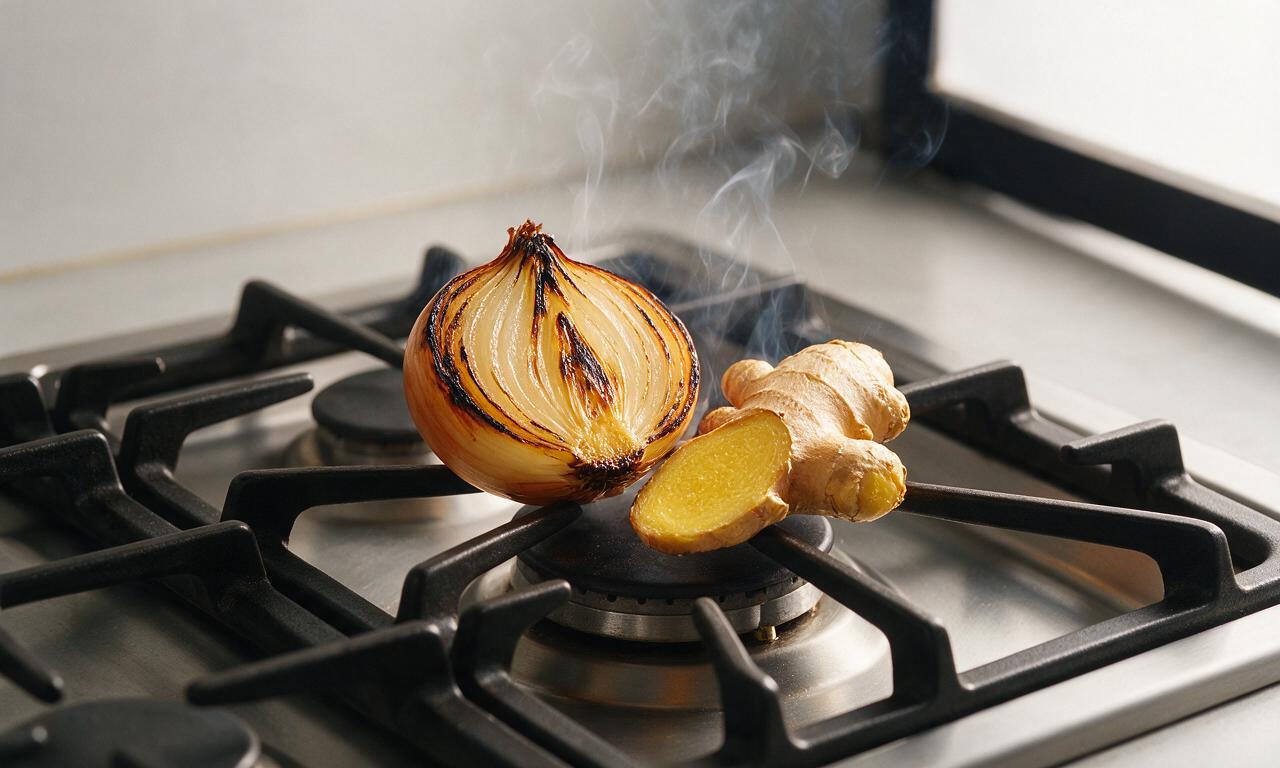
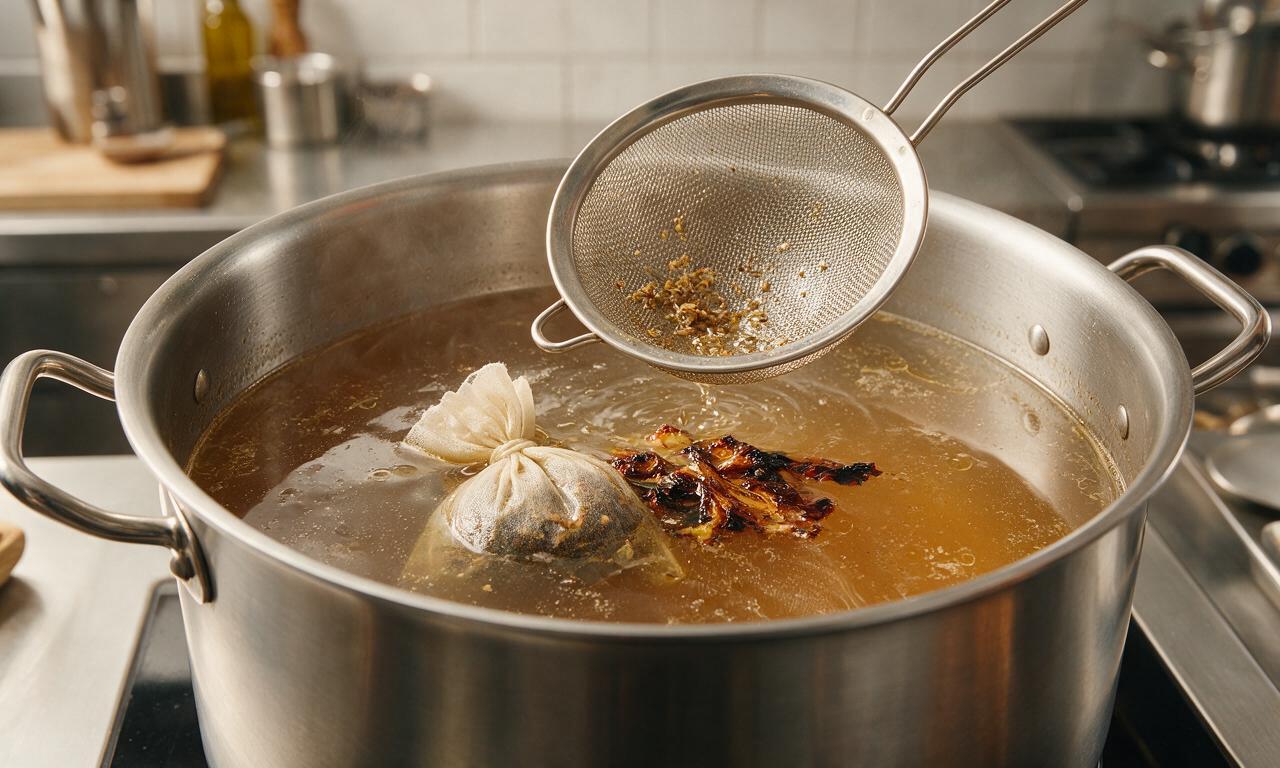
That almost always traces back to skipping two core prep steps: charring your halved onion and ginger under a broiler or over an open flame until blackened in spots, and toasting whole spices in a dry pan for 1-2 minutes before simmering. Also, keep the pot at a bare, gentle simmer for 6-10 hours instead of a rolling boil to draw out silky marrow flavor without making the broth thin or cloudy.
2.Can I make pho broth ahead of time, and how should I store it for best results?
▾
Absolutely—pho broth actually tastes better the next day, as the spice and beef flavors meld more deeply. Let it cool completely within 2 hours of cooking, strain out all bones and solids, then store in airtight containers in the fridge for up to 4 days, or freeze for up to 3 months. Skim any solidified fat off the top right before reheating to a rolling boil for serving.
3.Why is my pho broth cloudy instead of clear like what I get at Vietnamese restaurants?
▾
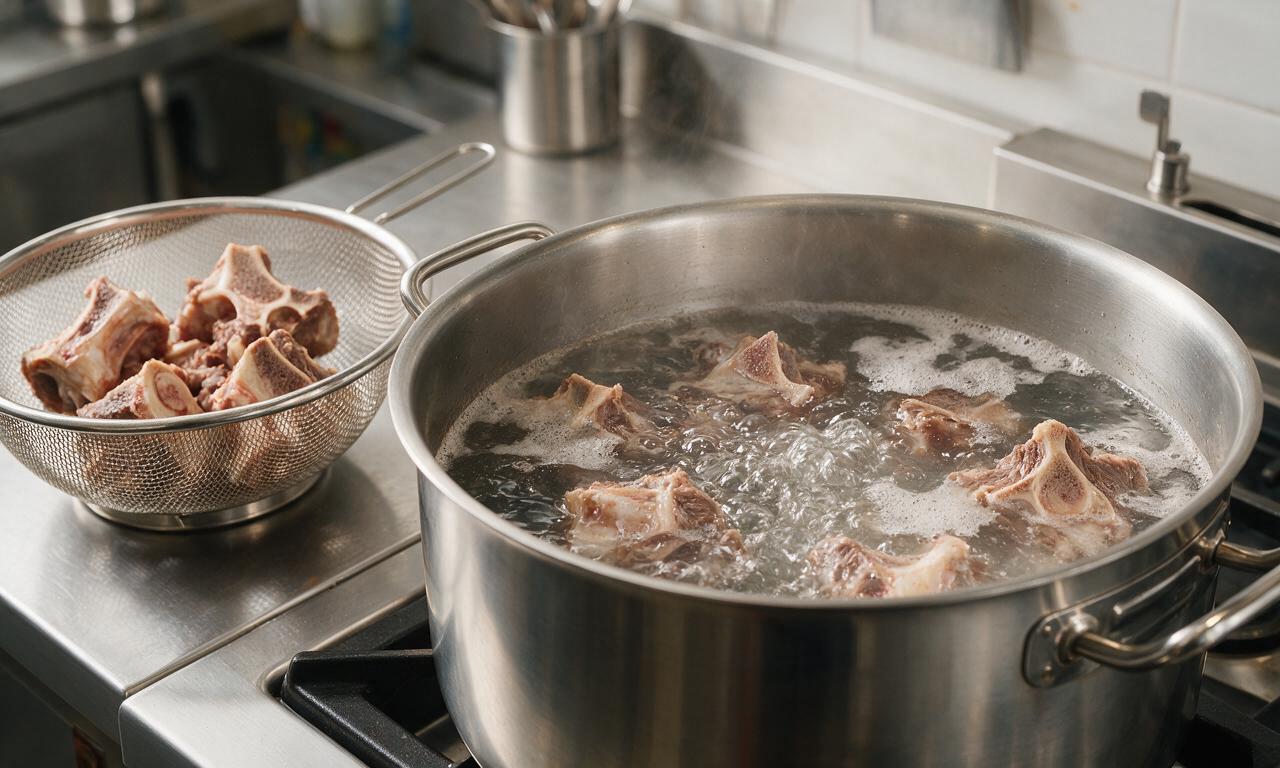
Cloudy broth almost always comes from two common missteps: boiling the pot too vigorously instead of holding a low, steady simmer, and skipping the initial parboil step for the bones. For crystal-clear broth, parboil bones for 10 minutes, scrub them and the pot clean, then start the slow simmer with fresh cold water, skimming foam off the top every 30 minutes for the first 2 hours.
4.What can I use if I can’t find beef marrow and knuckle bones for the broth?
▾
You can swap in a mix of beef oxtail, short rib bones, or meaty beef shanks if knuckle and marrow bones are out of stock at your regular grocery store. Ask your local butcher for soup bones specifically—most keep them in stock even if they aren’t on display, and they’re usually very affordable. Avoid using only lean, boneless beef, as it won’t give pho its signature silky mouthfeel.
5.How thin do I need to slice the eye of round, and what’s the easiest way to get that cut at home?
▾
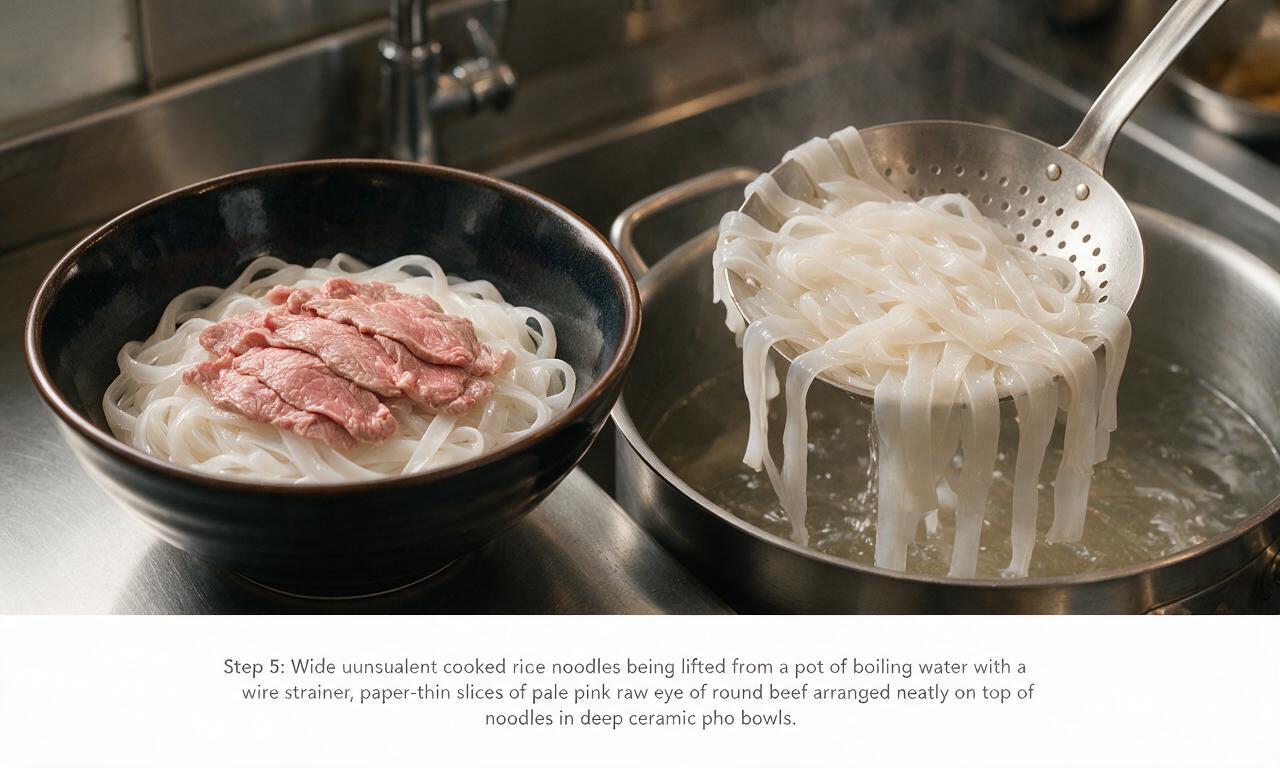
The eye of round needs to be paper-thin, roughly 1/8 inch thick, so it cooks instantly when hot broth is poured over it. The easiest home cook trick is to pop the beef in the freezer for 45-60 minutes until firm but not fully frozen, then slice against the grain with a very sharp knife. You can also ask your butcher to shave it thin for pho at the time of purchase.
6.Why do my rice noodles turn mushy every time I make pho at home?
▾
Mushy noodles happen when you oversoak, overcook them, or let them sit in hot broth too long before serving. For dried wide bánh phở, soak them only in cold or lukewarm water for 1-2 hours until pliable, then blanch in boiling water for 10-20 seconds right before assembling each bowl. Don’t cook noodles ahead of time, as they’ll clump and soften as they sit.
7.Do I really have to simmer the broth for 10 hours, or is there a shorter shortcut that still tastes good?
▾
The long, slow simmer builds that signature layered, deep flavor, but if you’re short on time, you can cut it to 3 hours if you use pre-roasted bones and a small amount of high-quality, low-sodium beef base to amp up savoriness. Just note that shortcut broth won’t have the same silky marrow texture or rounded spice balance as the traditional slow-simmered version.
8.What are the must-have garnishes for a traditional pho bo serving spread?
▾
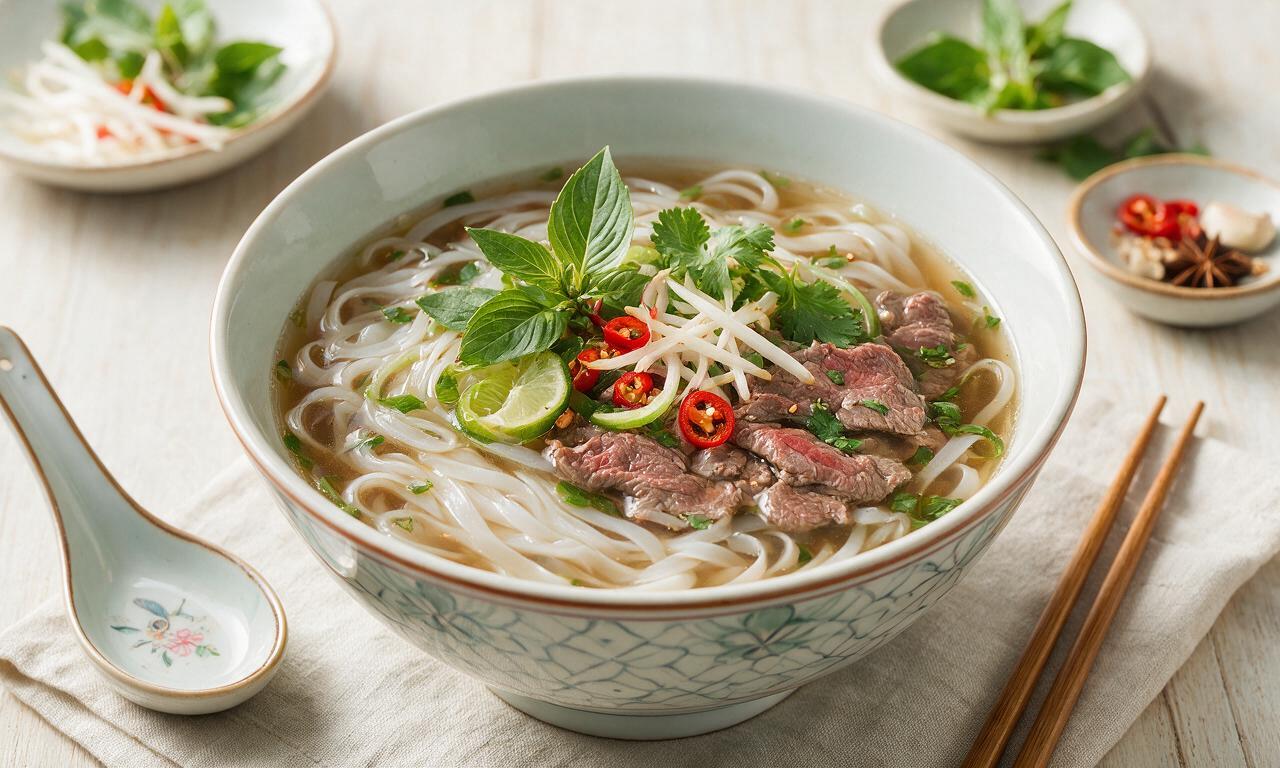
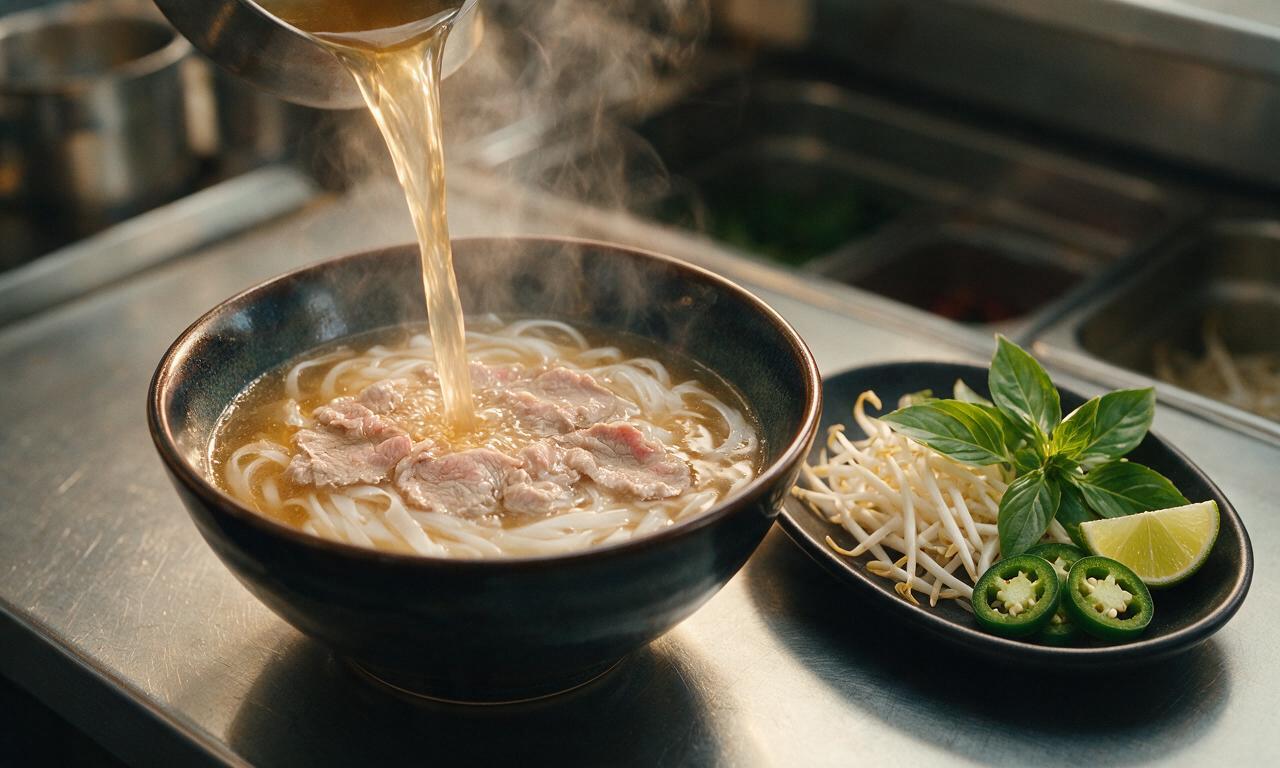
The classic build-your-own garnish platter lets diners customize their bowls, and the non-negotiables are fresh bean sprouts, Thai basil leaves, cilantro sprigs, thin jalapeño slices, lime wedges, and hoisin and sriracha for mixing in. You can add sawtooth herb or fresh mint if you find them at an Asian grocery store, but you don’t need fancy extras for an authentic experience.
9.Is it safe to eat the thin, rare beef in pho, since it’s not cooked on the stove?
▾
It’s completely safe as long as you follow basic temperature rules: keep the sliced eye of round refrigerated right up until you assemble bowls, and make sure your broth is at a full, rolling boil when you pour it over the top. The 200°F+ broth will instantly cook the thin beef slices to a safe medium-rare, killing any surface bacteria just like searing a thin cut on a hot pan.
10.What spices are in traditional pho bo broth, so I avoid pre-mixed blends that taste off?
▾
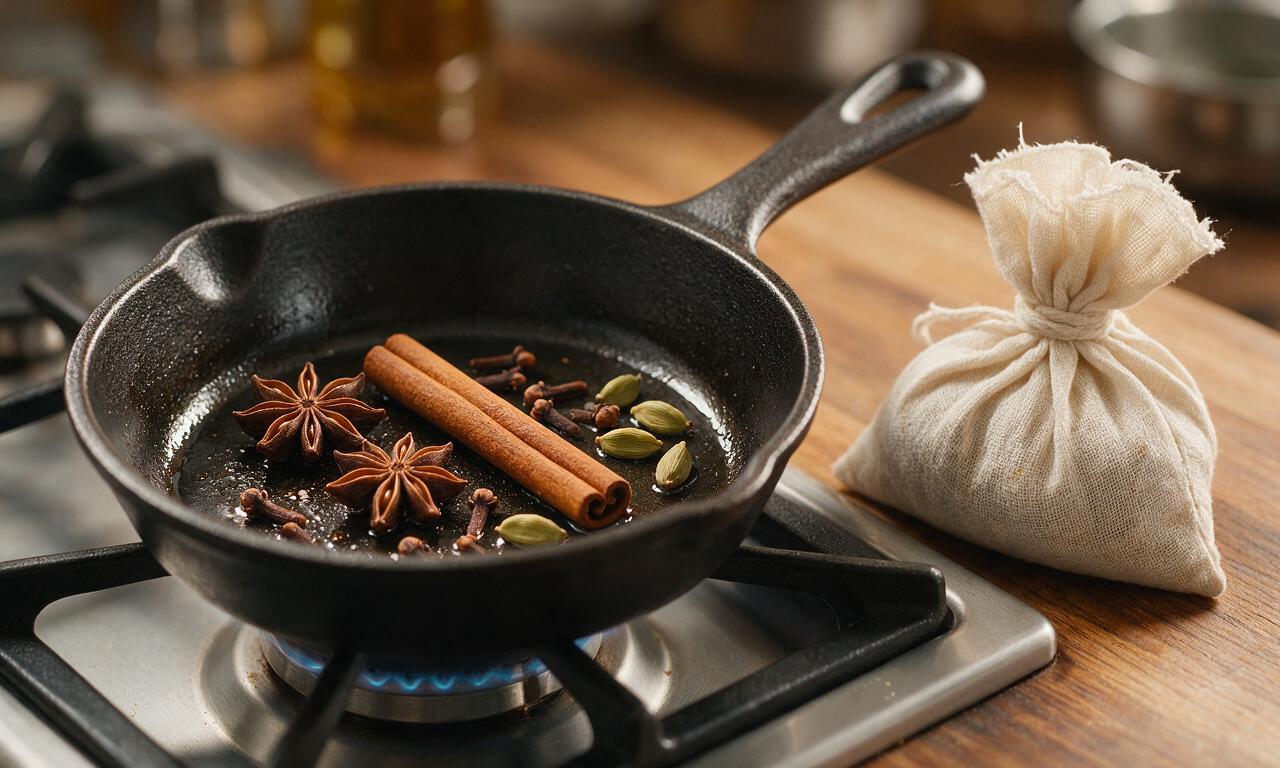
The classic pho spice blend is warm and balanced, not overpowering: 5-6 whole star anise pods, one 3-inch cinnamon stick, 4 whole cloves, 2 crushed green cardamom pods, 1 tablespoon whole coriander seeds, and 1 teaspoon whole fennel seeds. Avoid pre-blends with added garlic powder, onion powder, or chili, as those aren’t traditional and throw off the broth’s delicate aroma.
11.Can I make this pho recipe gluten-free for guests with dietary restrictions?
▾
Traditional pho bo is almost entirely gluten-free as written, as long as you double-check two key ingredients: first, confirm your dried rice noodles don’t have added wheat (most don’t, but it’s worth scanning the label), and use gluten-free hoisin sauce for garnish, since standard hoisin often contains wheat. The broth, beef, and fresh garnishes are naturally gluten-free otherwise.
12.Why do recipes call for rock sugar in pho? Can I use regular white sugar instead?
▾
Rock sugar adds a subtle, rounded mild sweetness that balances savory bone flavor and warm spices, instead of the sharp, quick sweetness of granulated white sugar. If you don’t have rock sugar, you can use light brown sugar or granulated sugar, but cut the amount by 25% and add it a little at a time, tasting as you go, so you don’t make the broth overly sweet.
13.Why does my homemade pho taste overly heavy or greasy?
▾
Greasy pho comes from leaving too much rendered beef fat in the finished broth, often from boiling fat into the liquid instead of skimming as you go. As the broth simmers, skim foamy scum and excess fat that rises to the top every 30 minutes. After chilling the broth, scrape off most of the solidified fat on top, leaving just 1-2 tablespoons for rich, balanced flavor.
14.Can I adapt this recipe to make vegetarian pho that still has that classic flavor?
▾
For a delicious vegetarian pho (pho chay) swap, replace beef bones with a mix of roasted daikon, carrot, charred onion, charred ginger, and dried shiitake mushrooms, simmered for 2 hours with the same toasted spice blend. Add soy sauce or mushroom sauce to build umami depth, swap raw beef for thinly sliced tofu or seared king oyster mushrooms, and keep all the classic fresh garnishes.
15.How much pho should I portion per person when serving this for a crowd?
▾
Plan for about 1.5 to 2 cups of strained broth, 4 ounces (dry weight) of wide rice noodles, and 2-3 ounces of thinly sliced eye of round per adult serving. Set out the garnish platter with extra herbs, lime, and sauces, and keep extra broth hot on the stove so guests can top up their bowls as needed—most people go back for a small second helping of this cozy soup.
16.What’s the difference between northern and southern Vietnamese pho, and which style is this recipe?
▾
This recipe leans into classic northern-style pho, with a cleaner, more savory, less sweet broth and wider rice noodles. Southern-style pho typically has a touch more rock sugar for sweetness, a broader range of garnishes, and an extra splash of fish sauce for brininess. Feel free to adjust sugar or fish sauce levels at the end to match your personal taste preference.

OMG this pho is SO good!!! I’ve been scared to make pho at home because I thought the broth would be super complicated, but this recipe broke every step down so clearly. Made it for my family dinner last Sunday and even my super picky teen asked for seconds. 10/10 will be adding this to my regular meal prep rotation!
Game changer recipe, y’all. I used to drop $15 a bowl at my local pho spot every weekend, now I can make a whole pot for less than that! The charred onion and ginger step is non-negotiable — I almost skipped it because I was in a rush and I’m so glad I didn’t, that deep smoky flavor is exactly what makes the broth taste authentic. Only note: I added a little extra star anise because I love that licorice kick.
Made this for a potluck with my coworkers last week and people were begging me for the recipe before they even finished their bowls! Topped it with Thai basil, bean sprouts, lime, sriracha, and hoisin like the recipe said, and it tasted just like the pho I had when I visited Ho Chi Minh City a few years back. Cook time is long but 100% worth every minute.
Really solid pho recipe! The only reason I’m not giving 5 stars is that 3.5 hours felt a little long for a weeknight, but I prepped all the ingredients on Sunday and it came together easy on Monday night. My kids loved piling on their own toppings at the table — it made dinner feel so interactive and fun.
I’ve tried three different pho recipes online before this one and none of them hit right — this is the real deal! The spice blend is perfectly balanced, not too heavy on the cardamom or cinnamon like the others I tried. Did a mix of eye of round and brisket like the recipe suggested and the meat came out so tender.
SO good! I made this on a rainy Saturday and it made the whole house smell incredible for hours. My partner said it’s better than the pho we get at our favorite spot in Brooklyn — high praise coming from him, because he’s super picky about his Vietnamese food. Will definitely be making this all fall and winter long.
Decent recipe, but I wish it had more notes on how to slice the raw beef super thin for the top. I ended up with pretty thick slices that didn’t cook all the way through when I poured the hot broth over them, which was kind of a bummer. Flavor of the broth was on point though!
Obsessed!!! I’ve been meal prepping this broth every other Sunday for the past month and it’s saved me so much money on takeout. I add a handful of rice noodles, some bok choy, the thin beef, and all the toppings, and it’s the perfect cozy lunch to bring to work. Even my coworker who hates soup asked for a bite and ended up taking a whole jar of broth home with her!
Made this for my girlfriend’s birthday since pho is her favorite food, and she cried happy tears! I was so nervous I’d mess up the broth, but the step-by-step instructions were impossible to mess up. We had leftovers for 3 days and it tasted even better the second day, once the flavors had more time to meld. 10/10, will make again for special occasions and random Tuesdays.
This recipe is a total game changer for pho nights at our house! My kids loved picking out their own toppings, and my husband who’s usually a “meat and potatoes” guy went back for thirds. I added a little extra fish sauce because I love that umami kick, and it was perfect. Don’t skip the side of cilantro and Thai basil, it makes all the difference!