1.How long do I need to let the eggs cure before they’re ready to eat?
▾
For a light, mild pickle flavor, you can enjoy them after 2–3 days in the brine, but that signature tangy pub-style bite fully develops after 7–10 days of curing in the fridge. The flavor will keep deepening the longer they sit, as brine penetrates through the egg white and into the yolk over time.
2.Do I have to peel the eggs completely before adding them to the brine?
▾
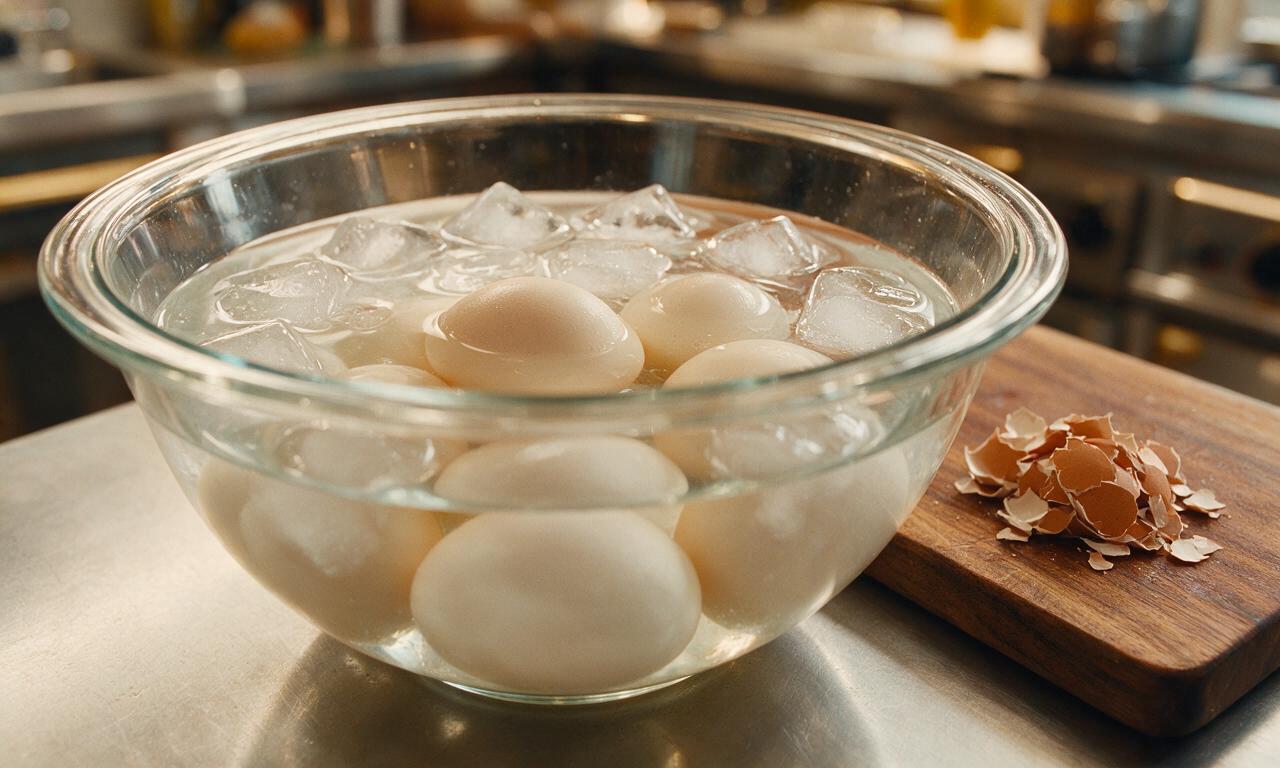
Absolutely—any leftover shell bits stuck to eggs will create gritty, unpleasant spots, throw off brine flavor, and even pose a small choking hazard. For easiest peeling, use eggs that are 1–2 weeks old, shock them in ice water right after boiling, and peel under cool running water to slip shells off cleanly.
3.Can I reuse the pickling brine for a second batch of eggs?
▾
You can reuse brine once for a follow-up batch, but only if it hasn’t turned cloudy, slimy, or developed off odors, and you bring it to a full rolling boil first to kill any potential bacteria. Note the second batch will taste milder, since the brine will be diluted from the first set of eggs.
4.Why do my pickled eggs end up with a rubbery texture?
▾
Rubbery pickled eggs almost always stem from one of two common missteps: overcooking the eggs initially, or letting them cure at too warm a temperature. Stick to a 9–10 minute hard boil for large eggs, shock them fully in ice water, and keep them consistently refrigerated during curing to avoid that tough, rubbery bite.
5.Can I add extra seasonings like garlic, dill, or hot peppers to the basic brine?
▾
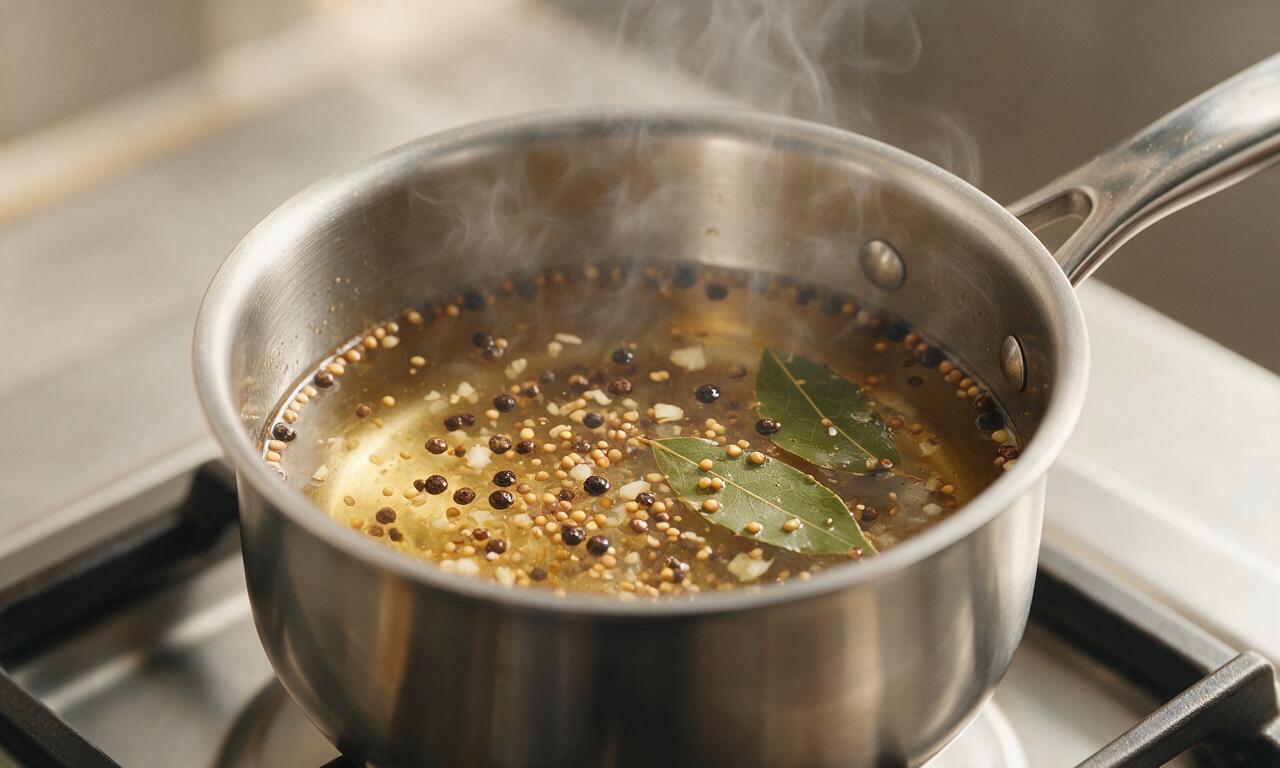
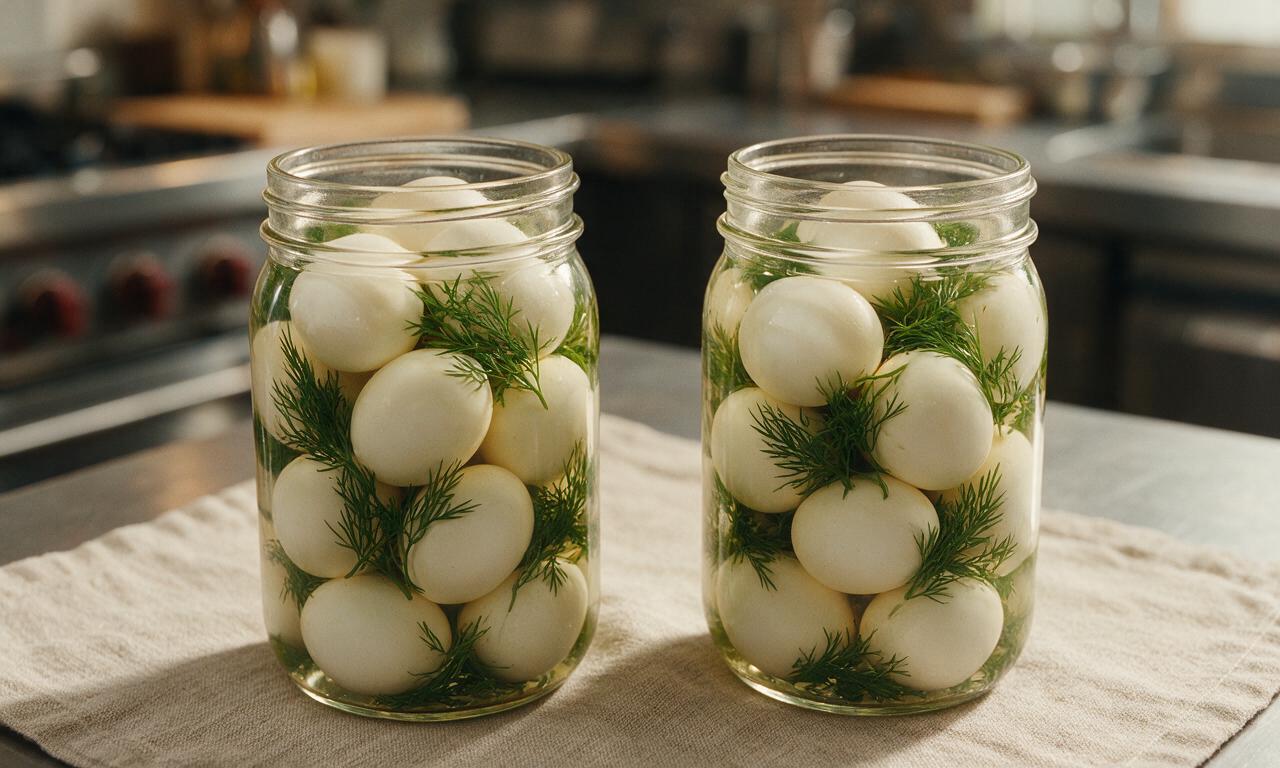
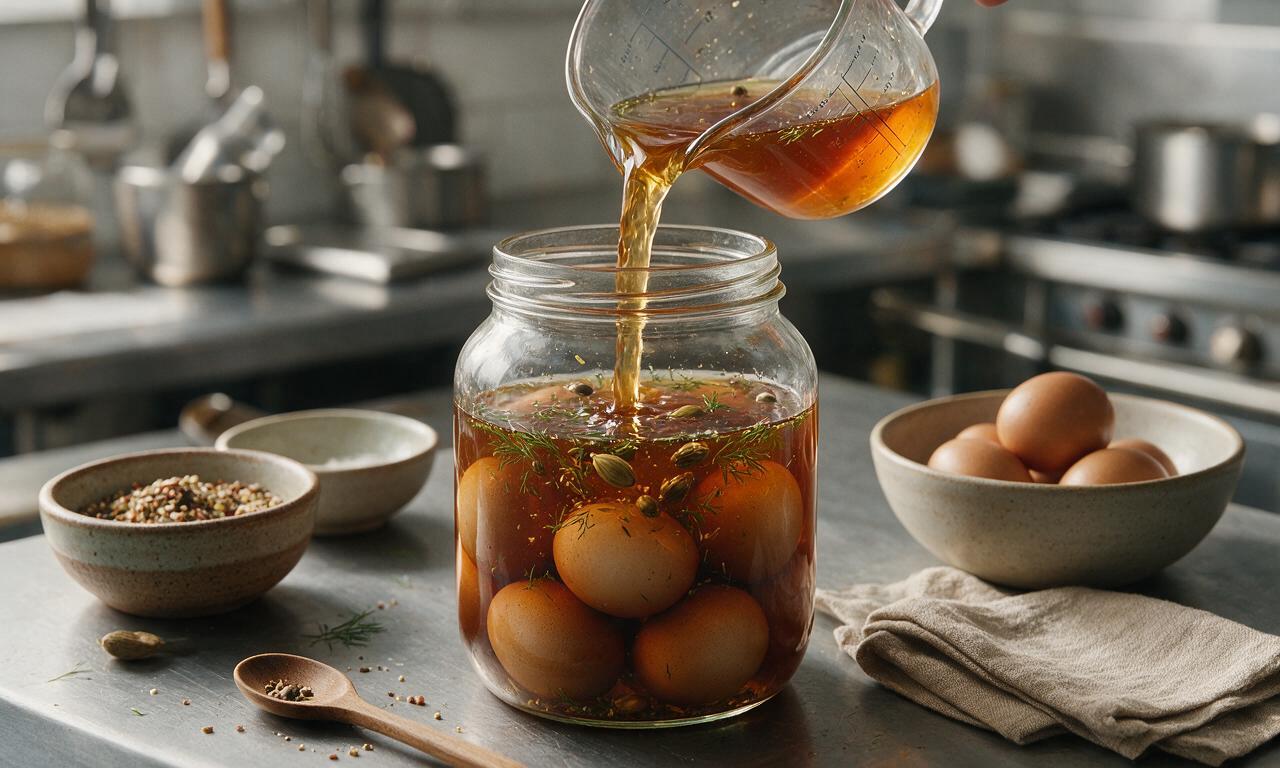
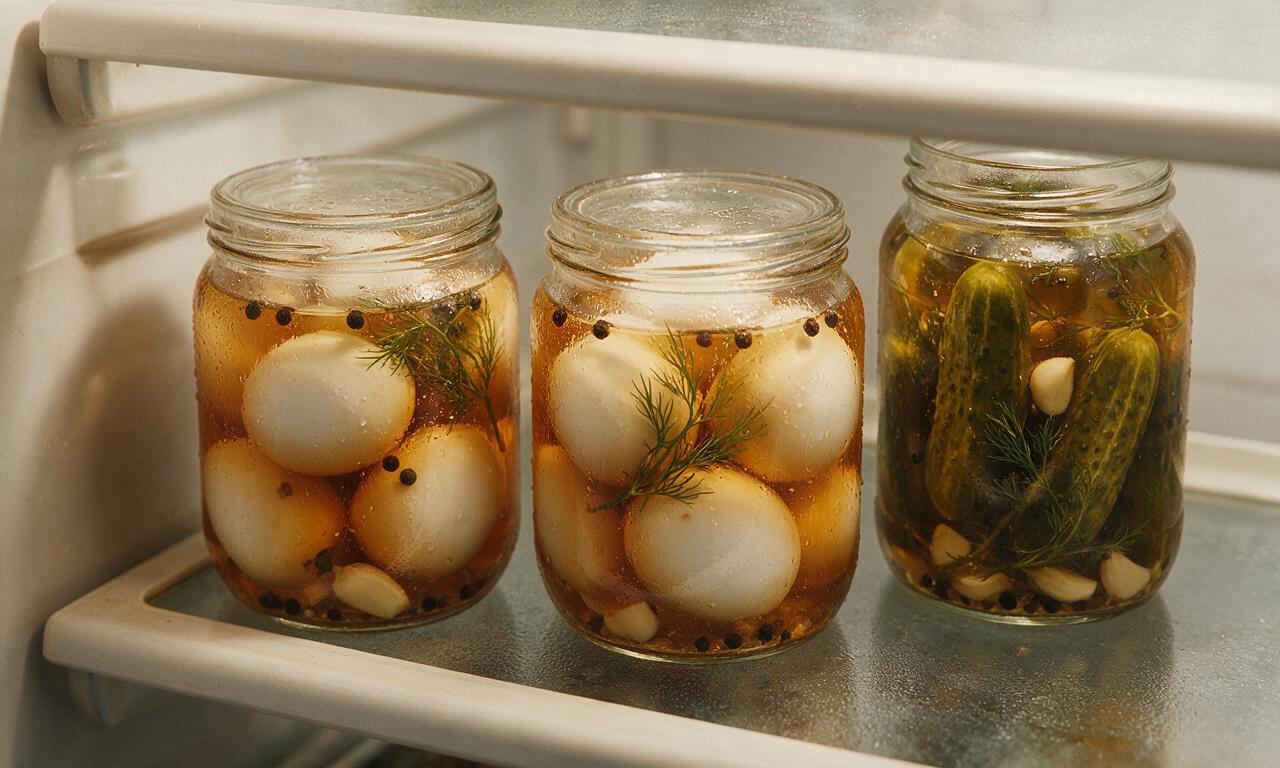
Of course! The base recipe is a classic, versatile blank canvas—feel free to toss in peeled garlic cloves, fresh dill sprigs, whole black peppercorns, sliced jalapeños, bay leaves, or a splash of hot sauce to customize flavor. Just make sure any fresh add-ins are fully submerged under brine to prevent spoilage.
6.Do I need to water-bath can these eggs to make them shelf-stable?
▾
No, and I strongly advise against trying it! Home-canned pickled eggs carry a high risk of dangerous botulism growth if not stored correctly, even when processed. These are refrigerator pickles only—keep them sealed in glass jars in the fridge at all times, and never store them on a room-temperature pantry shelf.
7.How do I avoid that unappetizing green ring around the hard-boiled egg yolks?
▾
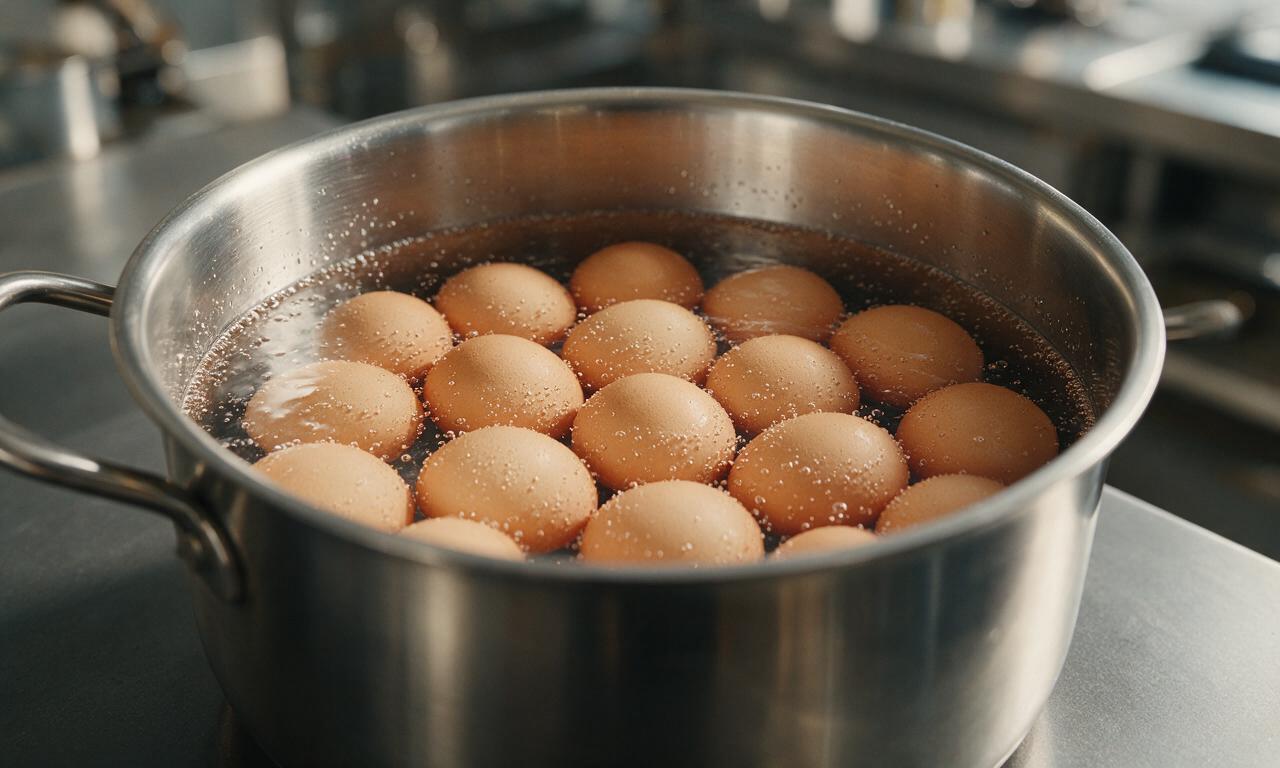
That gray-green ring forms when eggs are overcooked, or not shocked quickly enough after boiling to stop the cooking process. Place eggs in cold water, bring to a rolling boil, cover, remove from heat, let sit 9 minutes for large eggs, then plunge immediately into ice water for 10 minutes to lock in bright, creamy yolks.
8.Can I use apple cider vinegar instead of white distilled vinegar for this recipe?
▾
You can swap up to half the white distilled vinegar for raw apple cider vinegar if you prefer a softer, fruitier tang, but I don’t recommend replacing all of it. Full-strength white vinegar delivers that sharp, classic pub brine flavor, and its consistent 5% acidity level is key for safe, reliable pickling.
9.Why is there sugar in the brine? I thought pickled eggs were savory!
▾
The small amount of granulated sugar in the classic brine doesn’t make the eggs sweet—it balances out the sharp bite of vinegar and salt to round out the overall flavor, so the brine doesn’t taste harsh or overly sour. If you avoid added sugar, you can cut it by half, but don’t omit it entirely for the best balance.
10.How do I keep my eggs fully submerged in the brine while they cure?
▾
Floating eggs cure unevenly and can develop mold spots where they’re exposed to air above the brine line. After packing eggs and brine into your glass jar, place a small clean glass weight, folded food-grade parchment square, or thoroughly washed boiled egg shell on top to hold eggs under the surface for the full cure.
11.Are these classic pub-style pickled eggs gluten-free?
▾
As long as you stick to the base recipe and use standard white distilled vinegar, kosher salt, and granulated sugar—all of which are naturally gluten-free in their unadulterated forms—these pickled eggs are 100% gluten-free. Double-check labels on any extra seasonings or add-ins to make sure they don’t contain hidden gluten additives.
12.What’s the traditional way to serve these pickled eggs?
▾
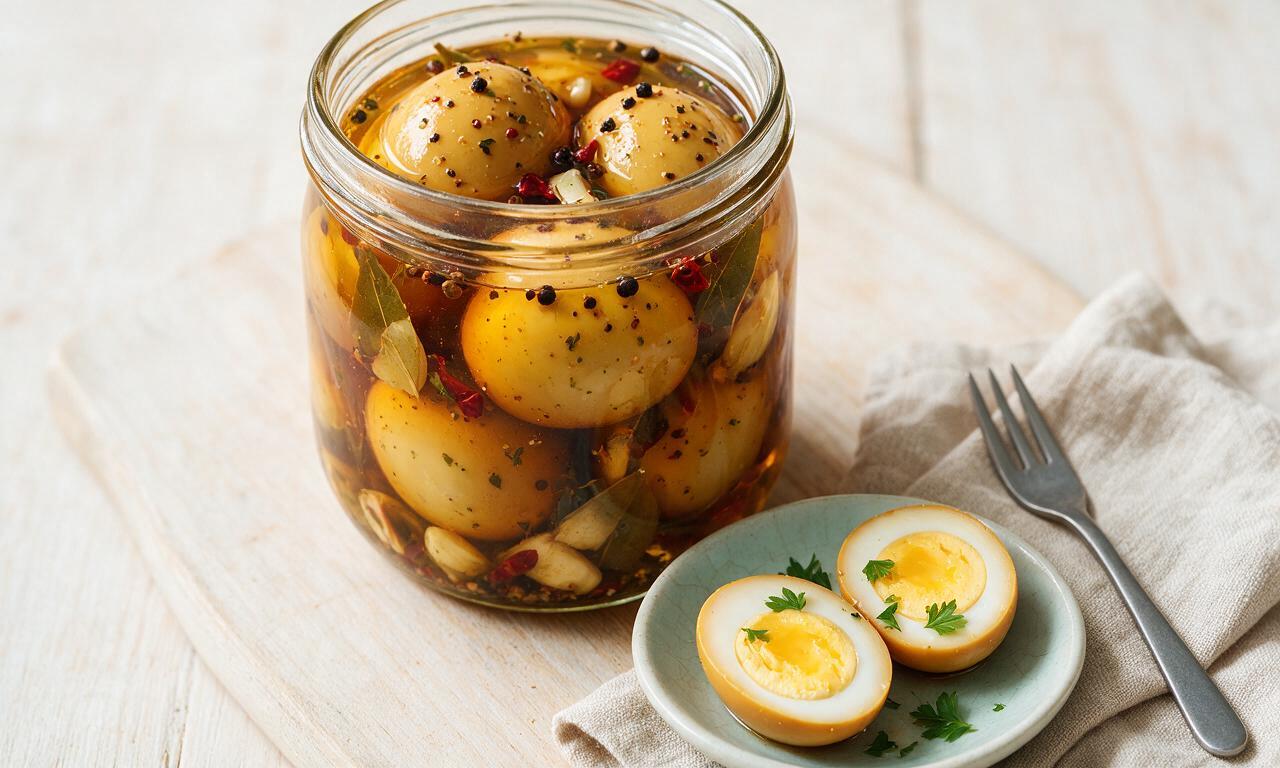
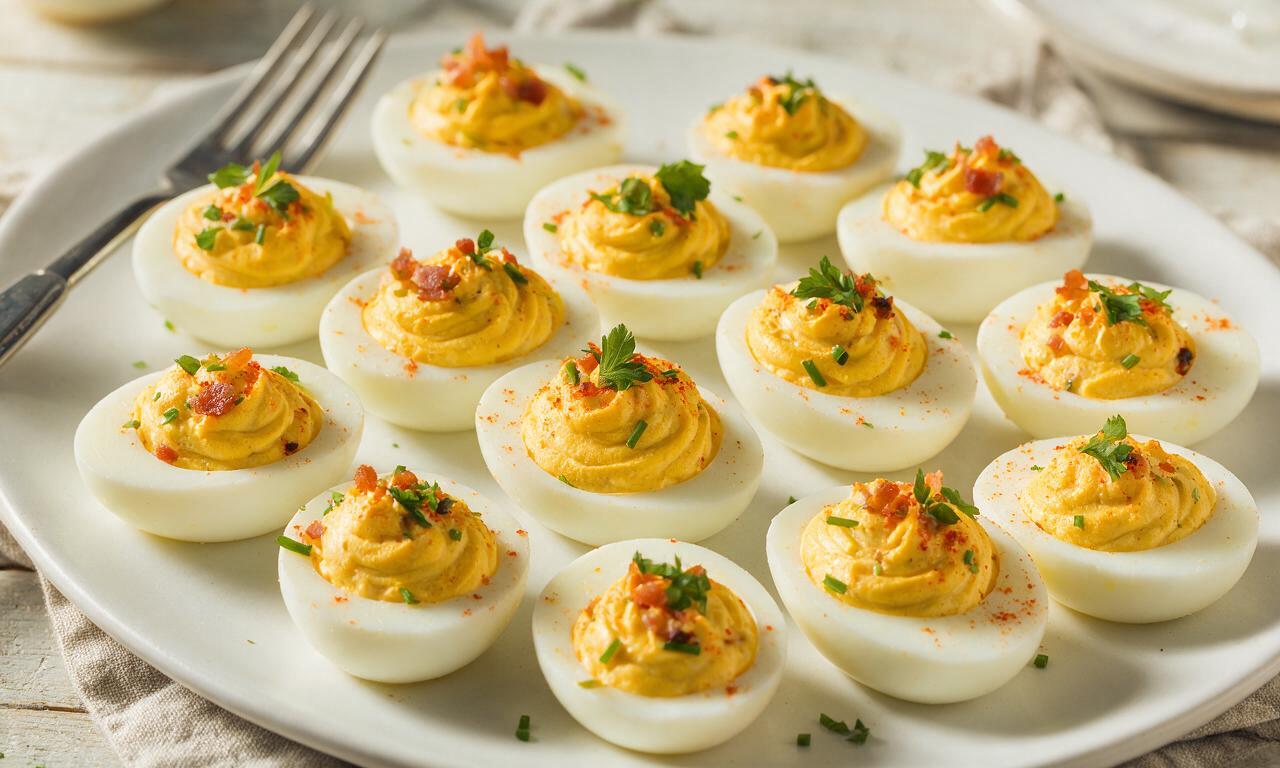
The classic pub serving is delightfully simple: pat an egg dry, slice it in half, sprinkle with a little extra kosher salt and cracked black pepper, and serve it alongside a cold pint of beer. You can also chop them for tangy egg salad, slice them onto charcuterie boards, or dust them with paprika for a retro bar snack vibe.
13.Can I make this recipe with non-chicken eggs, like duck eggs or quail eggs?
▾
Absolutely! Just adjust your curing and boiling times to match the egg size: small quail eggs will be fully cured in 2–3 days, while larger duck eggs need 10–14 days to develop full flavor. Add 2–3 minutes to your initial boil time for duck eggs, and subtract 3 minutes for tiny quail eggs to get the perfect texture.
14.My brine turned cloudy a few days after adding eggs—does that mean they’re spoiled?
▾
Slight cloudiness in the first 1–2 weeks of curing is totally normal, especially if you added extra seasonings like garlic or peppercorns that leach natural compounds into the brine. Only discard the eggs if cloudiness comes with a foul, sour odor, slimy egg texture, or visible fuzzy mold growing on the brine surface.
15.Can I cut back the salt in the brine to make lower-sodium pickled eggs?
▾
I don’t recommend cutting the salt by more than 25%, because salt does more than add flavor—it helps inhibit harmful bacteria growth and keeps egg whites firm during curing. If you cut too much salt, you’ll end up with mushy, bland eggs and a higher risk of spoilage, even when you store the jars consistently in the fridge.


OMG these are EXACTLY the pickled eggs I used to get at my college dive bar back in Ohio! I made a batch for our neighborhood potluck last weekend and they were gone in 20 minutes flat. Total game changer for quick snacks too, I’ve been grabbing one between work meetings all week. Wait—has anyone tried adding a little jalapeño for heat? Curious if that messes up the classic vibe.
Super easy recipe, even for a guy who usually burns boiled eggs half the time! Cook time was exactly as advertised, 20 minutes active was no sweat. I set a reminder so I don’t crack into them before the 3 day cure is up, already planning to bring these to my fantasy football draft this fall. SO good just thinking about them.
Great base recipe! I used apple cider vinegar instead of white for a little fruitier tang, and added a couple extra bay leaves because I love that earthy note. These hold up so well in the fridge for meal prep, I pair one with a side of veggies and some cheese for my work lunch and it keeps me full for hours. My 10 year old even asked for a second one yesterday, which is a massive win for a kid who turns his nose up at most ‘weird’ pickled stuff.
I run a small pub outside of Rochester and I tested this recipe last week to see if it could replace our house pickled eggs we’ve been buying pre-made for years. Y’all. My regulars lost their minds. Multiple people asked if I changed suppliers because the flavor was so much better. 10/10, will be making these in bulk from now on.
These were good, but I think I messed up the salt ratio? Mine came out way saltier than I remember pub pickled eggs being. I followed the measurements exactly, so I’m wondering if I used the wrong kind of salt? I grabbed table salt instead of pickling salt, oops. Anyone else run into that issue?
I’ve been making pickled eggs for fishing trips for 30 years, and this recipe is hands down the closest I’ve found to the ones we used to get at the tavern after a long day on the lake. No weird fancy add-ins, just that perfect tangy, salty, garlicky bite. I keep a jar in the cooler every time I head out now, the guys on the boat all beg for the recipe. Easy to whip up, no fancy equipment needed, can’t beat it.
I brought these to our 4th of July cookout and people were literally hovering over the platter. I served them with a little side of spicy mustard for dipping and it was chef’s kiss. The only thing I will say is I wish I made a double batch! I thought a dozen eggs would be enough for 20 people, but nope, they were gone before the burgers even came off the grill. 10/10, will double (maybe triple) next time.
First time ever making pickled anything, this was so easy even in my tiny dorm kitchen! I didn’t have any whole peppercorns so I used a little cracked black pepper instead, and it still turned out great. My roommates keep sneaking eggs out of the jar when I’m not looking, I’m gonna have to hide the next batch.
Absolute staple for my low carb/keto meal rotation! Zero added sugar, tons of flavor, perfect quick protein hit when I’m running out the door to the gym. I was worried they’d be too vinegary, but the balance of garlic, peppercorns, and a little onion is perfect. My gym buddy tried one after our workout last week and texted me three times asking for the recipe.
My husband has been asking for pub style pickled eggs ever since we went to Ireland for our anniversary 12 years ago and found them in every little pub we stopped in. I tried three other recipes before this one, and this is the first one he took one bite of and said ‘that’s the one!’ Super straightforward, no fussy ingredients, tastes just like the ones we had on our trip. I’m making two jars this weekend so we don’t run out.
Made these for our weekly board game night and they were a huge hit! Only note is that 3 days of cure time felt like a long time to wait, but it was 100% worth it. The flavor was so much deeper after waiting the full time than when I snuck a tiny bite at day 1 (don’t judge, I was impatient). Next time I’ll make a batch a full week ahead so I don’t have to fight the urge to crack into them early.
Total canning newbie here, quick question—how long do these actually last in the fridge once they’re done curing? I don’t want to make a big batch and have them go bad before I can eat them all, but I also don’t want to make too small a batch because they look so good. Also, do I need to do a water bath can for them, or can I just stick the sealed jar in the fridge?
Tested these out for our first tailgate of the college football season, and they were an absolute smash. I put them out on a tray with some pickled sausages, pretzels, and cheese, and people kept coming back for more. Way cheaper than buying pre-made pickled eggs from the grocery store, and the flavor is 10x better. I’m already the designated pickled snack guy for the rest of the season now.
I was a little skeptical about pickled eggs at first because I’d only ever had the weird gas station ones as a kid, but these are NEXT LEVEL. The brine is so well balanced, not just straight vinegar like the ones I remembered. I added a couple dill sprigs from my garden to the jar and it added such a nice fresh note. Even my partner, who swears he hates pickled eggs, ate three in one sitting. SO good, will be making these on repeat.