Polish Babka

title 1
Polish Babka
⏱️ cook time 3 hours (includes proofing and baking, excludes cooling time)
🍽️ servings 8
⚡ Difficulty medium

intro

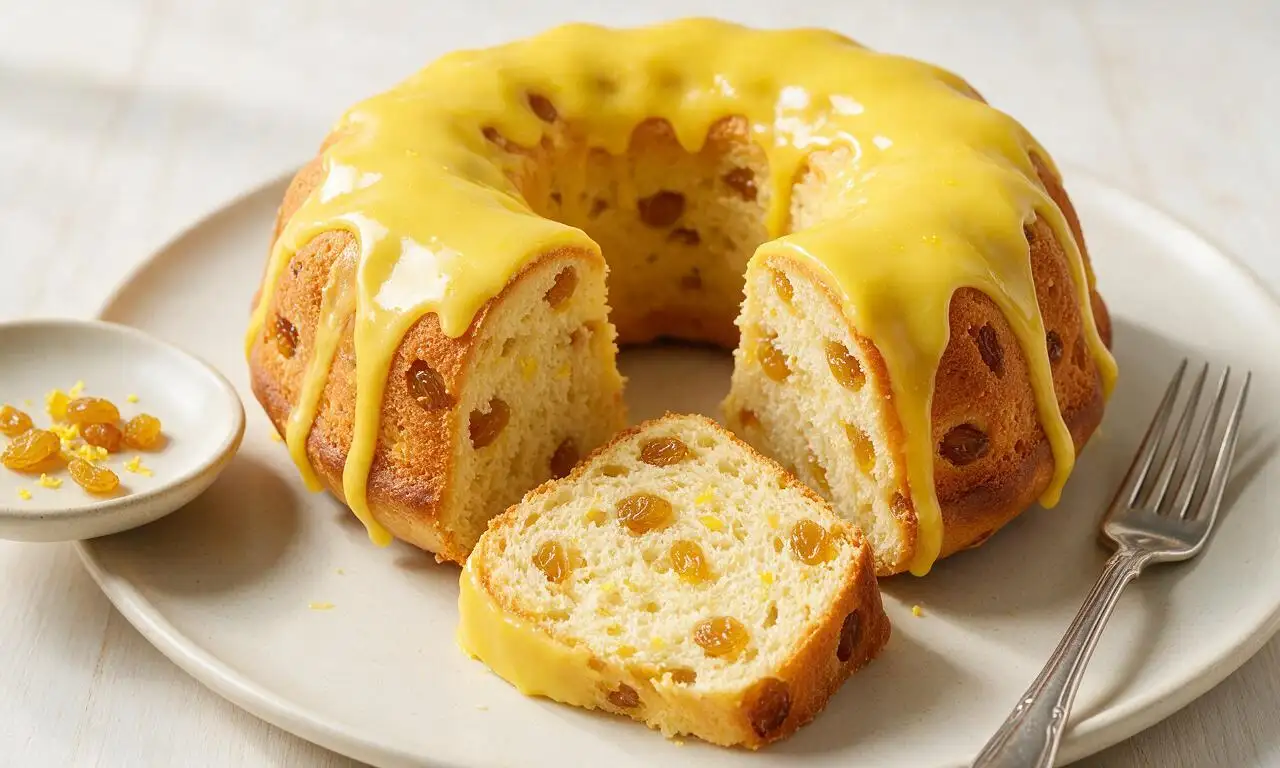
Buttery, fluffy Polish sweet yeast bread studded with golden raisins, finished with bright lemon glaze. A showstopping classic Easter centerpiece with a tender, citrus-kissed crumb.

Ingredients

All-purpose flour 500 g (4 cups, spooned and leveled)
Active dry yeast 7 g (2 1/4 tsp, 1 standard packet)
Whole milk 180 ml (3/4 cup, warmed to 37-38C/100F)
Granulated sugar 100 g (1/2 cup)
Unsalted butter 113 g (1 stick / 8 tbsp, melted and cooled to lukewarm)
Large eggs 3 units, room temperature, lightly beaten
Golden raisins 100 g (2/3 cup)
Fresh lemon zest 1 tbsp (from 2 medium lemons)
Pure vanilla extract 1 tsp
Fine table salt 1/2 tsp
Powdered sugar 120 g (1 cup, sifted)
Fresh lemon juice 30 ml (2 tbsp, freshly squeezed)

Steps

1

Activate the yeast

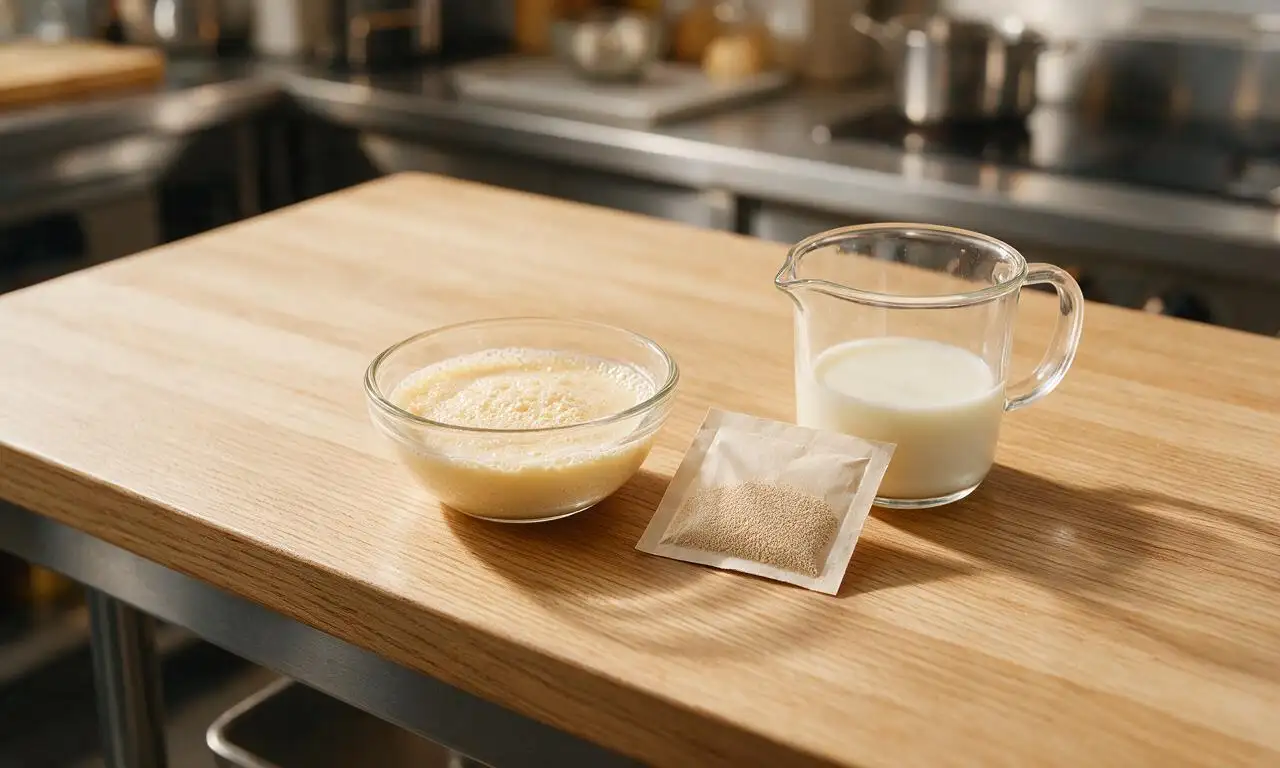
In a small bowl, combine warmed whole milk (37-38C/100F), 1 teaspoon of the measured granulated sugar, and the active dry yeast. Stir gently once to combine, then let rest for 5-7 minutes at room temperature until the mixture forms a foamy, frothy layer and smells distinctly yeasty, confirming the yeast is active. If no foam forms after 7 minutes, discard the mixture, replace the yeast, and restart this step.
Step 1
step1:Activate the yeast
2

Mix the dough base

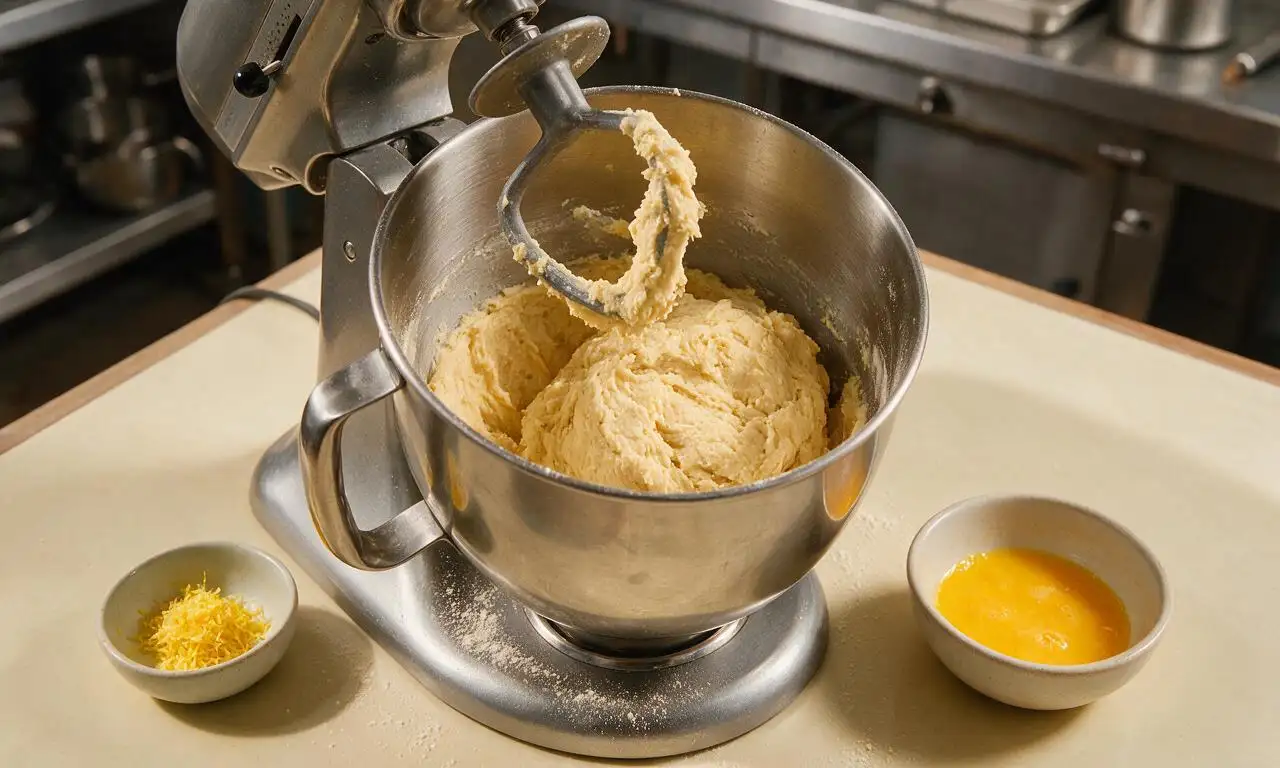
In the bowl of a stand mixer fitted with a dough hook attachment, combine the remaining granulated sugar, lightly beaten room-temperature eggs, melted cooled butter, lemon zest, vanilla extract, and fine table salt. Pour in the activated yeast mixture, then add the all-purpose flour 1 cup at a time, mixing on low speed (speed 2 on most household stand mixers) for 3-4 minutes until a shaggy, soft, pale yellow dough forms.
Step 2
step2:Mix the dough base
3

Knead and first rise

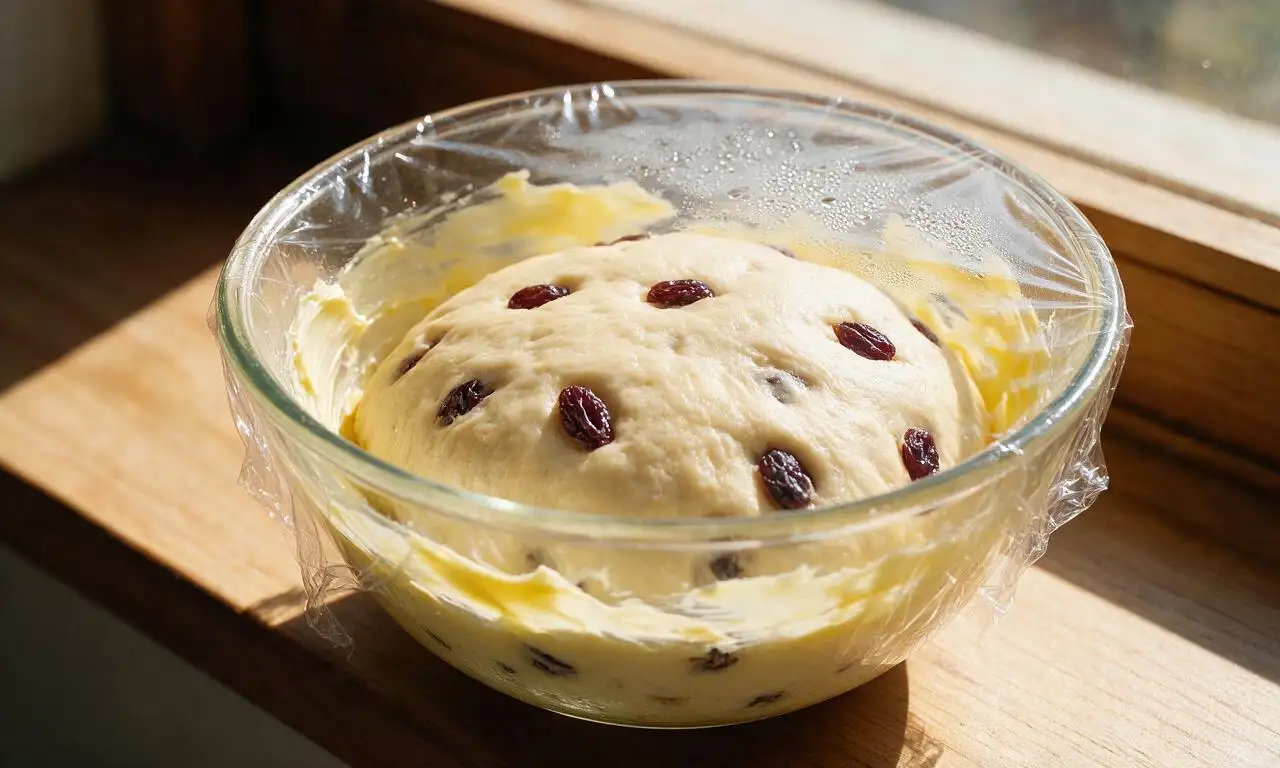
Increase the mixer speed to medium-low (speed 3) and knead the dough for 8 full minutes, adding the golden raisins in the last 2 minutes of kneading to distribute them evenly throughout the dough. When ready, the dough will pull cleanly away from the bowl sides and feel smooth, soft, and slightly tacky to the touch. Grease a large clean glass bowl with a thin layer of butter, place the kneaded dough inside, cover tightly with plastic wrap, and let rise in a warm, draft-free spot (24-27C/75-80F) for 1 to 1.5 hours until the dough doubles in volume.
Step 3
step3:Knead and first rise
4

Shape and second rise

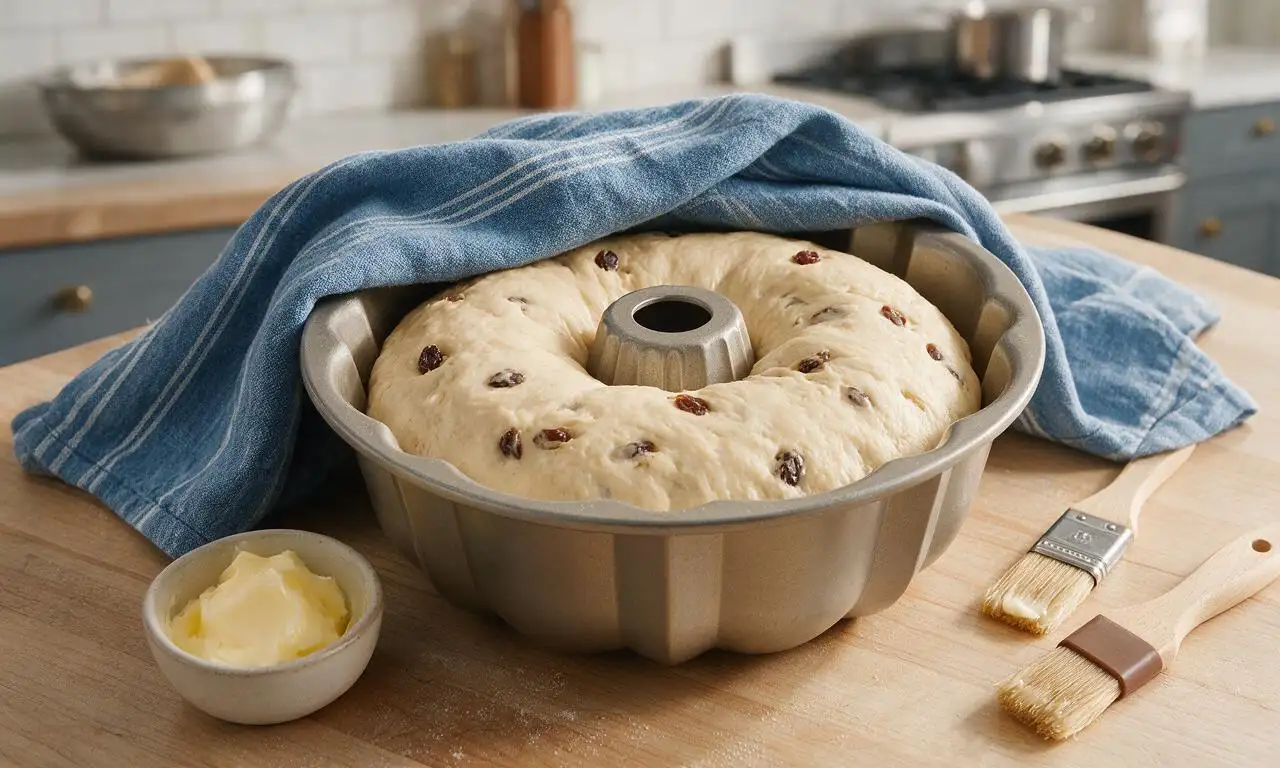
Punch the risen dough down firmly with your fist to release all trapped air bubbles, then shape it into a smooth, tight round ball. Generously grease a 23cm (9-inch) fluted babka or bundt pan with softened butter, then place the shaped dough seam-side down into the pan. Cover loosely with a clean linen kitchen towel, and let rise a second time in the same warm, draft-free spot for 40-45 minutes, until the dough puffs up to 1cm (1/2 inch) above the rim of the pan.
Step 4
step4:Shape and second rise
5

Bake the babka

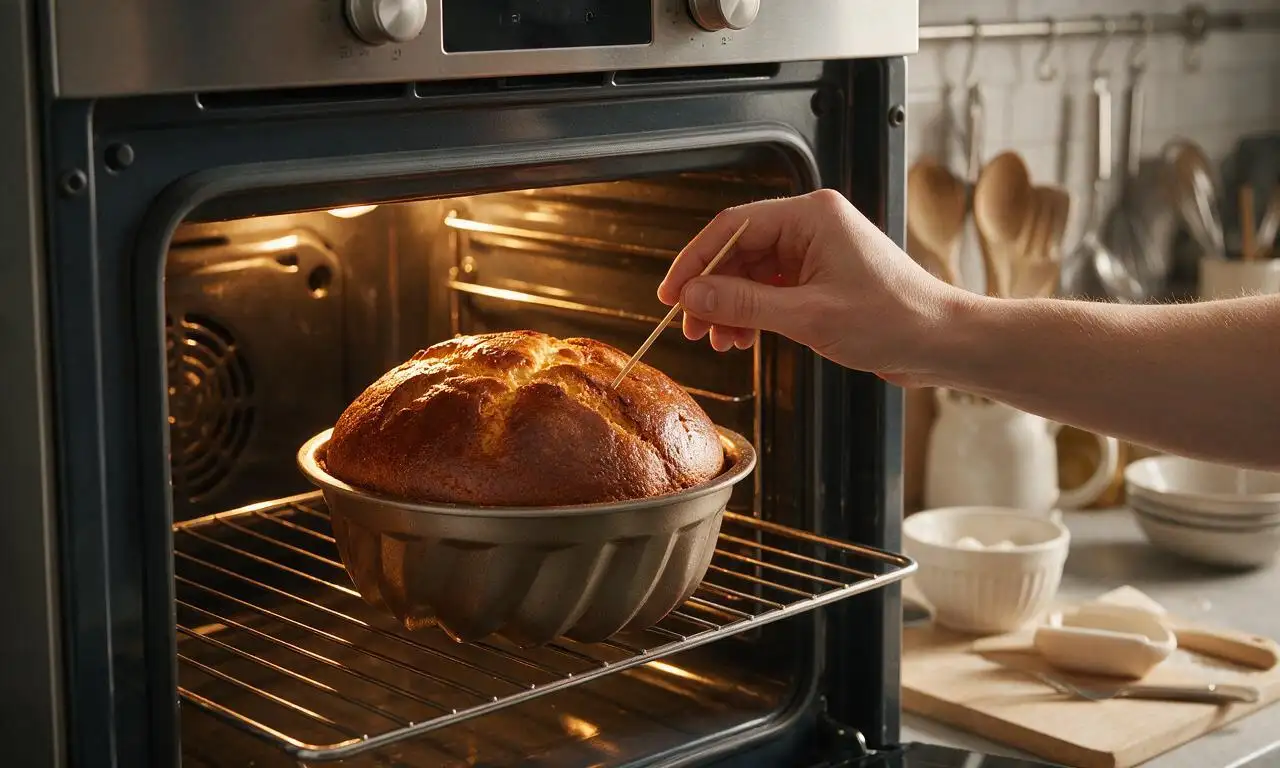
Preheat your oven to 175C (350F) while the dough finishes its second rise. Once the dough is fully puffed, remove the kitchen towel, place the pan on the middle oven rack, and bake for 35-40 minutes. The babka is done when the top is a deep, even golden brown, and a wooden skewer inserted into the thickest part of the bread comes out clean with no wet dough attached (a few moist crumbs are acceptable). If the top browns too quickly after 25 minutes of baking, tent the pan loosely with a sheet of aluminum foil to prevent burning.
Step 5
step5:Bake the babka
6

Cool and glaze babka

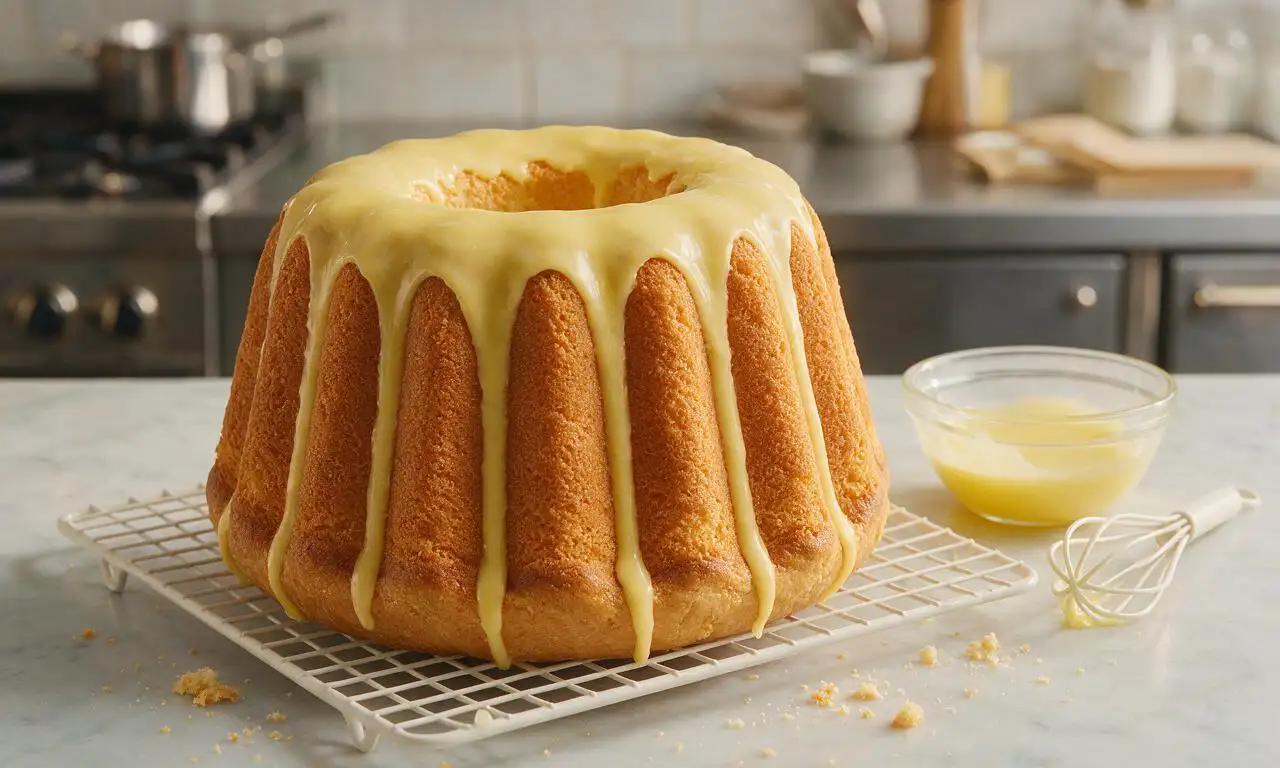
Remove the baked babka from the oven, and let it cool in the pan for 15 minutes at room temperature before turning it out onto a wire cooling rack to cool completely (about 1 hour). While the babka cools, whisk the sifted powdered sugar and fresh lemon juice together in a small bowl until completely smooth, with a thick, pourable consistency. Drizzle the glaze evenly over the top of the fully cooled babka, letting it run naturally down the fluted sides, and let the glaze set for 10 minutes before slicing and serving.
Step 6
step6:Cool and glaze babka

Tips

1.Never use milk warmer than 40C (105F) to activate yeast, as high heat will kill the live yeast cultures and prevent your babka from rising to its full, fluffy volume.
2.Toss golden raisins in 1 teaspoon of all-purpose flour before adding them to the kneading dough; this light coating prevents raisins from sinking to the bottom of the pan during baking.
3.Wait until the babka is fully cooled to room temperature (about 1 hour after removing from the pan) before adding the lemon glaze, as warm bread will cause the glaze to melt, slide off, and fail to set into a crisp, sweet coating.
✨ You May Also Like

Desserts & Baking
🍜 Italy

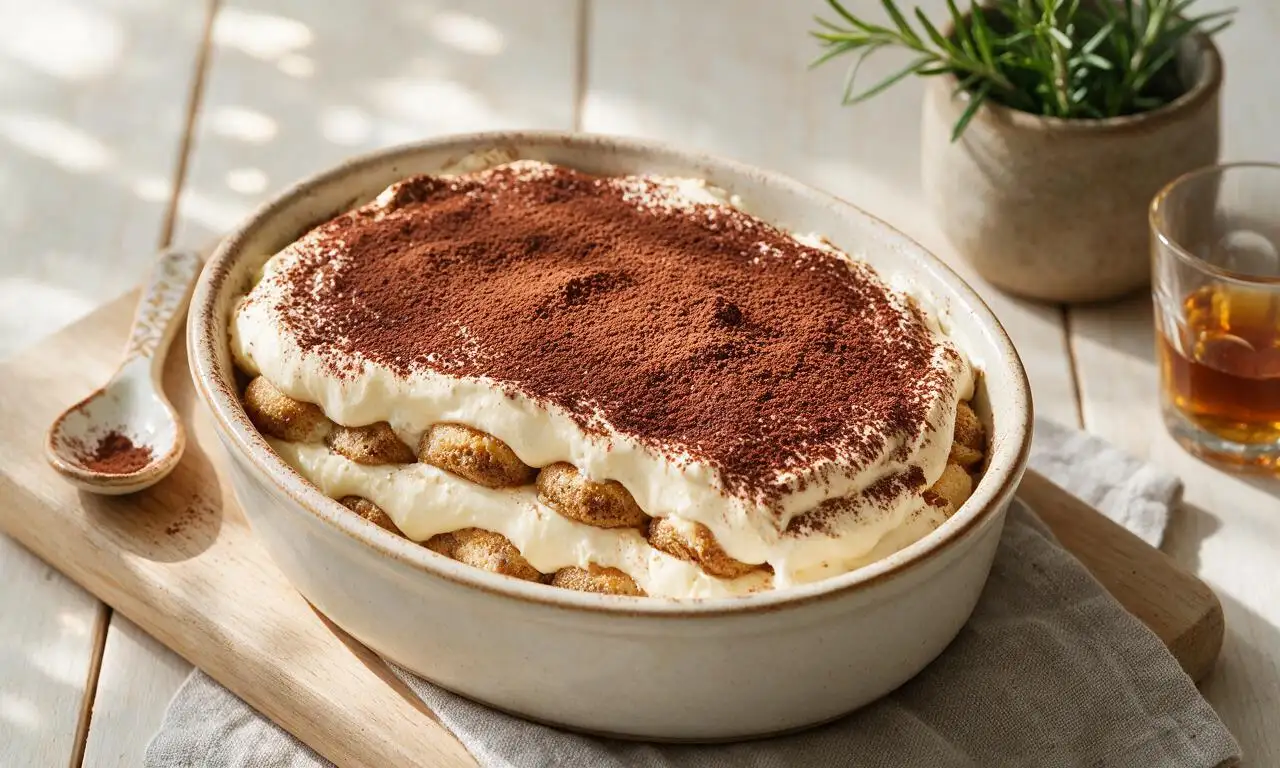
Creamy, coffee-kissed classic Northern Italian no-bake dessert, with layers of rum-spiked mascarpone cream, soft ladyfingers, and a rich cocoa dusting.

⏱️ 4 hours 3Desserts & Baking ★ 4.7
Desserts & Baking
🍜 France

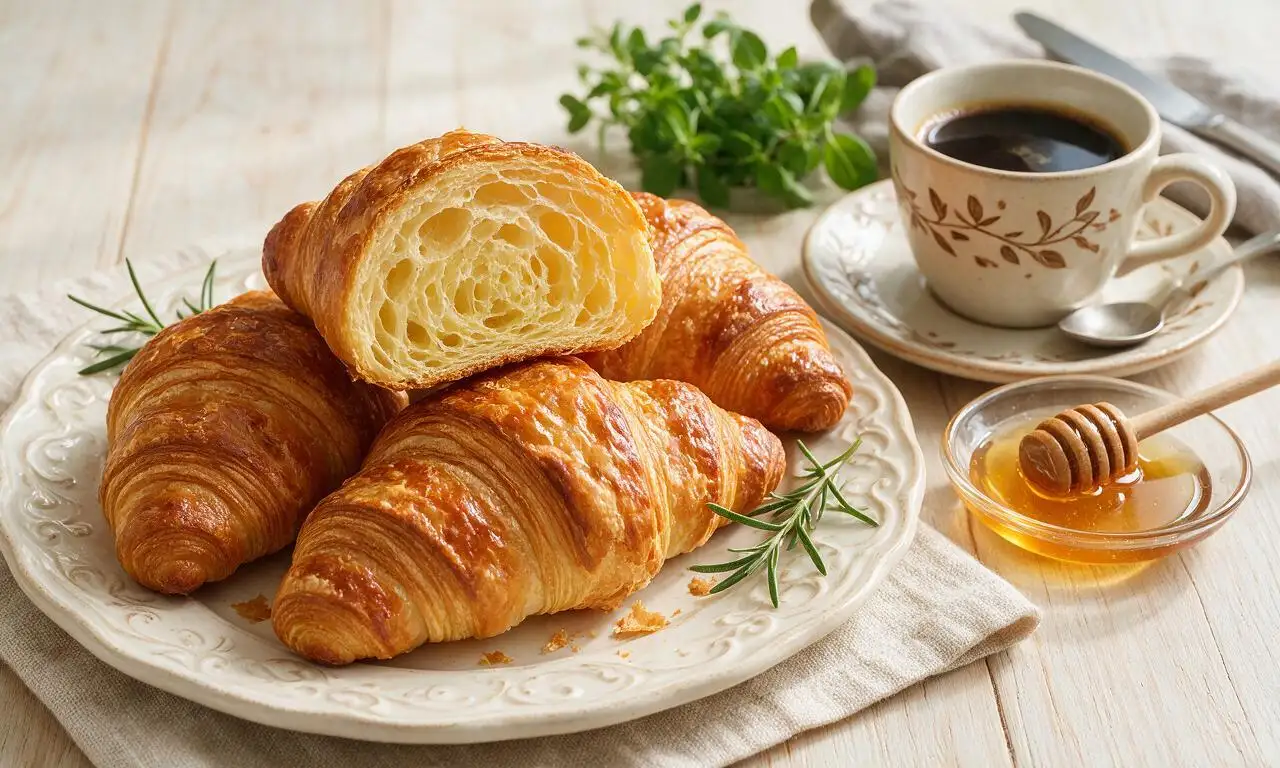
Flaky, shatteringly crisp, buttery French croissants with golden exteriors and soft, airy layered interiors, perfect for pairing with coffee for a special morning treat.

⏱️ 12 hours Desserts & Baking ★ 4.5
Desserts & Baking
🍜 United States

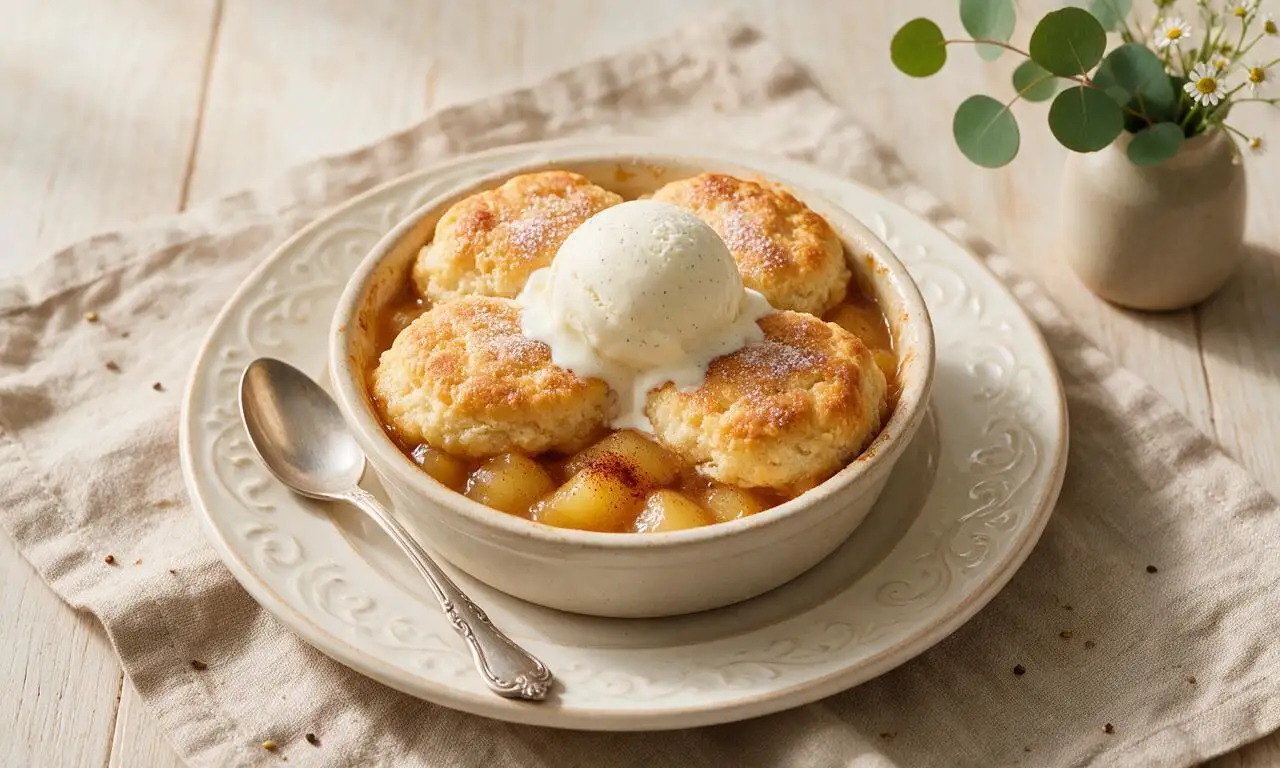
Warm, spiced baked apples topped with a fluffy golden biscuit crust, this cozy dessert pairs perfectly with vanilla ice cream for cool-weather comfort.

⏱️ 55 minuteDesserts & Baking ★ 4.6
Desserts & Baking
🍜 United States

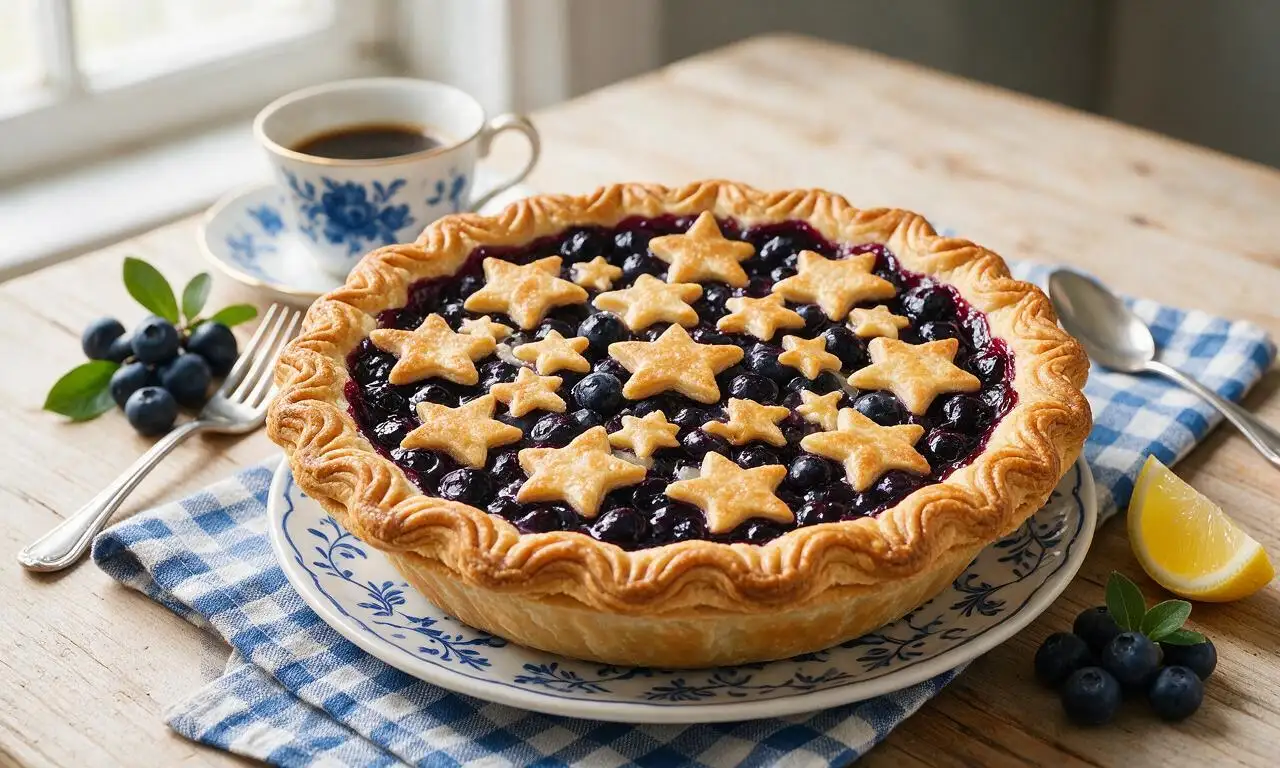
A star-spangled classic American blueberry pie with buttery flaky crust and bright sweet-tart filling, perfect for summer patriotic gatherings.

⏱️ 1 hour 25Desserts & Baking ★ 4.7
Desserts & Baking
🍜 United States

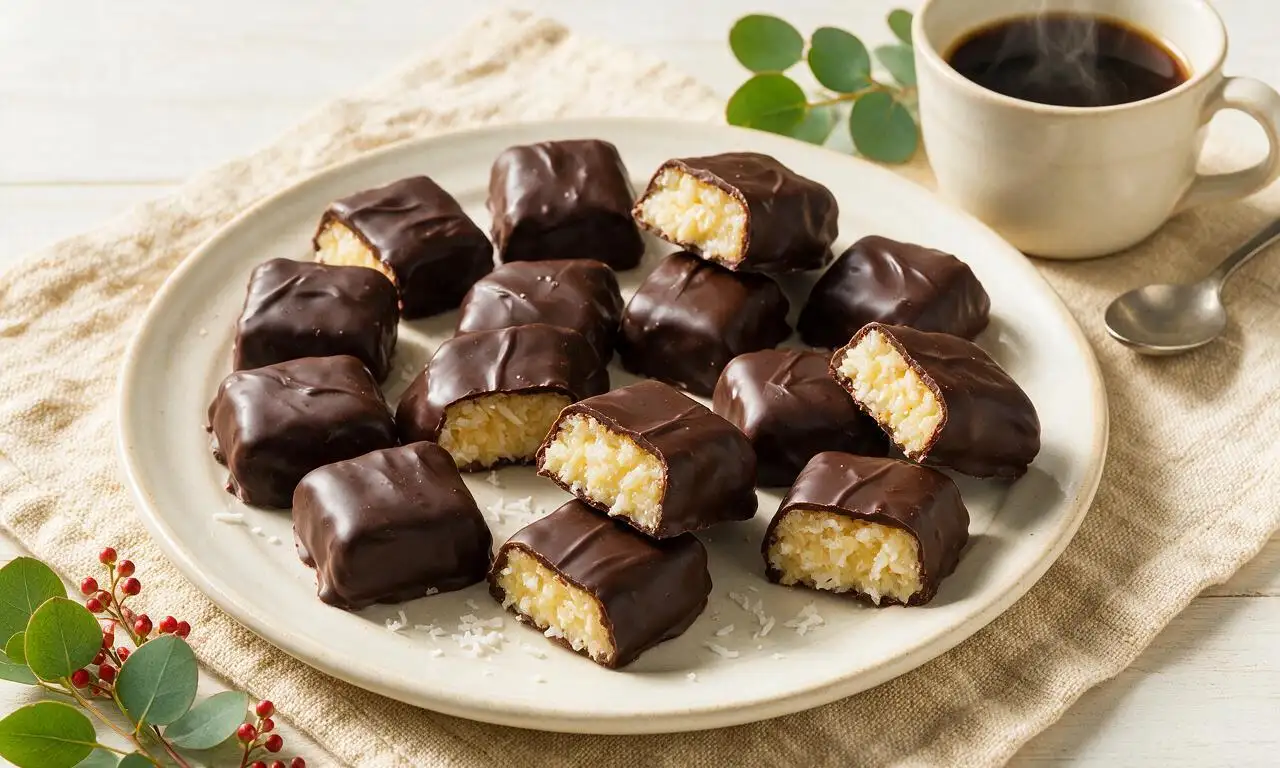
A beloved no-bake regional Maine candy with a chewy coconut-potato center coated in rich dark chocolate, a New England holiday staple since the 1870s.

⏱️ 2 hours 3Desserts & Baking ★ 4.8
Desserts & Baking
🍜 France

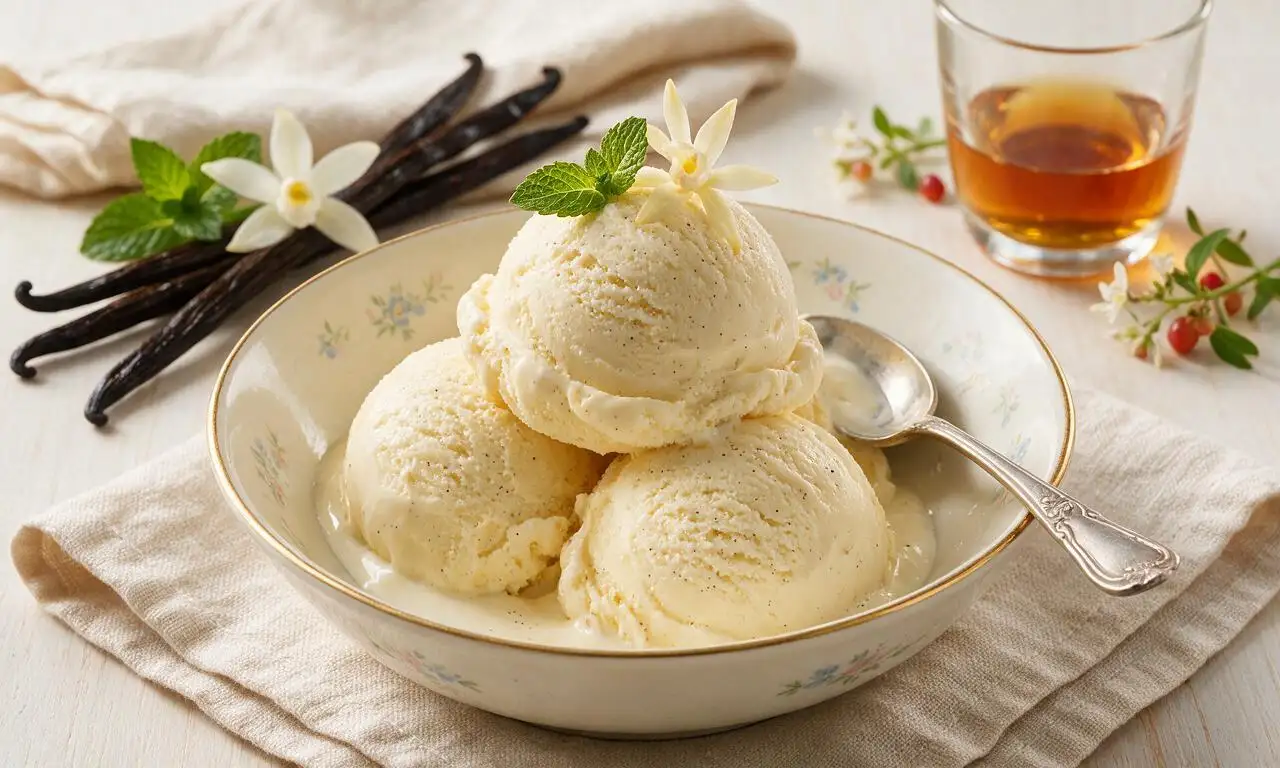
Luxuriously creamy, floral frozen custard made with aromatic Tahitian vanilla beans, boasting a smooth, rich texture that melts slowly on the tongue.

⏱️ 3 hours 3Desserts & Baking ★ 4.5

Polish Babka:Frequently Asked Questions

1.Why didn’t my babka rise properly, and how can I avoid that next time? ▾
Most flat, dense babka comes from inactive yeast or poor rising conditions. First, always test your yeast by mixing it with warm (105–110°F) milk and a pinch of sugar—if it doesn’t foam after 5 minutes, it’s dead. Let the dough rise in a draft-free, 75–80°F spot (a turned-off oven with the light on works perfectly), and don’t add extra flour that makes the dough too stiff to rise.
2.Can I swap the golden raisins for other mix-ins if I don’t care for them? ▾
Absolutely! Traditional babka uses golden raisins, but you can swap them for an equal weight of dark raisins, dried cranberries, chopped candied orange peel, or finely chopped toasted walnuts or almonds. If you use extra-dry dried fruit, soak it in warm rum or orange juice for 10 minutes and pat it dry first so it doesn’t leach moisture into the tender crumb.
3.What type of pan do I need to bake a tall, authentic-looking babka? ▾
The classic tall, fluted babka is traditionally baked in a 9–10 inch straight-sided fluted babka pan, but a standard 10-cup bundt pan works perfectly as a substitute. No matter which pan you use, grease every nook and cranny very well with softened butter and dust with flour to prevent sticking when you turn the finished bread out.
4.How do I keep my babka from turning out dry after baking? ▾
Dry babka usually stems from overbaking or improper storage. First, pull it from the oven when a skewer inserted in the center comes out with 1–2 moist (not wet) crumbs attached, around the 35–40 minute mark. Once fully cooled, wrap it tightly in two layers of plastic wrap and store at room temperature for up to 4 days—skip the fridge, which speeds up staling.
5.Can I make this babka ahead of time for my Easter celebration? ▾
You absolutely can, which makes it perfect for busy holiday prep. Bake the unglazed babka up to 2 days ahead, wrap it tightly, and store it at cool room temperature. Wait to drizzle on the bright lemon glaze until the day you plan to serve it, so the glaze stays crisp and bright instead of getting sticky or absorbed into the crust.
6.Do I have to knead the babka dough by hand, or can I use a stand mixer? ▾
You don’t have to knead by hand at all—a stand mixer cuts down on labor significantly. Use the dough hook attachment, and knead on medium-low speed for 6–8 minutes, until the dough is smooth, pulls away from the bowl sides, and springs back slightly when poked. Avoid kneading on high speed, which can overheat the butter and make the dough greasy.
7.Why did my babka stick to the pan when I tried to turn it out? ▾
Sticking almost always comes from insufficient greasing or inverting the bread too early. Grease every crevice of your fluted or bundt pan with softened (not melted) butter, then dust evenly with flour, tapping out any excess. Let the baked babka rest in the pan for 10–15 minutes after coming out of the oven—turning it out while hot will tear the soft crumb.
8.Can I make this babka dairy-free for guests with dietary restrictions? ▾
Yes, you can easily make a dairy-free version that still has that signature rich, tender crumb. Swap the whole milk for an equal amount of unsweetened oat milk, which has the closest creaminess to dairy for yeast breads, and use stick-style unsalted vegan baking butter (not tub spread, which has too much added water) in equal measure to dairy butter.
9.What’s the right consistency for the lemon glaze, and how do I fix it if it’s off? ▾
The ideal glaze is thick enough to slowly drizzle off the end of a spoon and set into a thin, crackly coating on the cooled babka, without running all the way down the sides. If it’s too runny, add 1 tablespoon of sifted powdered sugar at a time to thicken; if it’s too thick, stir in ¼ teaspoon of lemon juice or milk at a time to thin it.
10.Can I freeze leftover babka to enjoy after Easter weekend? ▾
Absolutely, this babka freezes beautifully for up to 3 months. Let it cool completely (hold off on adding the glaze if you plan to freeze it), wrap it tightly in two layers of plastic wrap, then a layer of aluminum foil to prevent freezer burn. Thaw it overnight in the fridge, bring to room temperature, then add the glaze right before serving for the best fresh flavor.
11.My mixed dough feels soft and slightly sticky—did I add too little flour? ▾
Don’t panic! This babka is supposed to have a softer, slightly tacky dough, not a stiff, firm sandwich bread dough, because its high butter and milk content is what creates that light, melt-in-your-mouth crumb. Resist the urge to add extra flour beyond the recipe measurement, as too much flour will make your finished babka dense and heavy instead of fluffy and tender.

Comments (9)

1 week ago

OMG, I’ve been trying to nail my grandma’s babka recipe for YEARS and this is the closest I’ve ever gotten! The crumb is so soft, not too sweet, and that hint of lemon zest? *Chef’s kiss* I brought it to our church potluck last Sunday and three people asked for the recipe before we even finished the first slice. Only tweak I made: I added a handful of golden raisins soaked in spiced rum because that’s how my Busia always made it, and it worked perfectly.

5 days ago

Wait the rum-soaked raisins sound insane! How long did you soak them for? I’m making this for our Easter dinner next weekend and want to copy that exact hack!

3 days ago

We’re so happy this recipe brought back sweet family memories for you! That rum-soaked raisin addition is such a lovely traditional twist — we love when folks put their own personal spin on family recipes. Quick pro tip for anyone adding mix-ins like raisins: toss them in a little flour before folding them into the dough so they don’t all sink to the bottom of the pan while baking!

2 days ago

Okay I was low-key intimidated by the medium difficulty rating because I’m pretty new to baking with yeast, but the step-by-step instructions were so clear and easy to follow! My babka came out golden and fluffy on the first try, my husband ate two slices warm before it even finished cooling. Only tiny mishap: my vanilla glaze was a little runny at first, so I added an extra ¼ cup of powdered sugar and it set up perfectly.

yesterday

We’re so proud of you for tackling a yeast bread as a newer baker — that’s such a win! That runny glaze fix is exactly what we recommend, since powdered sugar amounts can vary a lot based on kitchen humidity. Adding it gradually until you get the right drizzle consistency is always the way to go. So glad you and your husband loved the recipe!

3 days ago

Made this for my book club potluck and it was a total game changer! Everyone thought I bought it from a fancy Polish bakery in Greenpoint, no joke. I topped it with the classic vanilla icing and sprinkled candied orange peel over top, which gave it such a bright, festive kick. 10/10, I’ll be making this every Easter from now on, no question.

2 days ago

The candied orange peel addition sounds chef’s kiss! Did you make your own candied peel or buy it from the store? I don’t think I have time to make it from scratch before our big family Easter gathering.

yesterday

I totally cheated and bought it from the Polish deli near my apartment, no shame! Homemade is great if you have the time, but store-bought tastes just as good and saves so much time when you’re prepping a million holiday dishes at once.

30 minutes ago

Wait, has anyone tried making this with a 1:1 gluten free flour blend? My youngest has celiac and I’d love to make a version she can enjoy for Easter this year, but I’m nervous the texture will be dense or gummy without regular bread flour. The photos look SO good, I’m almost tempted to make two batches — one regular, one GF!

5 minutes ago

Great question! We’ve tested this recipe with a high-quality 1:1 gluten free bread flour blend (the kind with xanthan gum already added) and had really fantastic results! You may need to add 5-10 minutes to the first proofing time to get the same lofty rise, but the crumb comes out nice and soft, not gummy at all. Let us know how it turns out if you give it a try!

yesterday

Total game changer! I’ve made babka from a different random online recipe the last three Easters and it always turned out dry and crumbly by day two, but this one was perfectly moist even three days after baking (we stored it in an airtight container on the counter). My kids loved picking at the crumb top every time they walked through the kitchen, I had to hide half of it to make sure we had enough for our family dinner guests.

5 days ago

I made this fully vegan by swapping the dairy butter for vegan stick butter, using oat milk instead of whole milk, and replacing the eggs with 3 flax eggs. I was shocked at how well it turned out! It was light, fluffy, had that same rich buttery flavor, and none of my non-vegan family members could tell the difference. Will absolutely be using these swaps again next year.

3 days ago

Thank you so much for sharing these swaps! I’ve been looking for a solid vegan babka recipe forever and was worried I’d have to do a ton of trial and error to get it right. Can I ask what brand of vegan butter you used? Some of them have way too high water content and totally mess up baked goods.

2 weeks ago

Okay full transparency, I messed up the first proof because my kitchen was freezing cold (thanks Ohio spring weather, 40 degrees in April?!) so the dough barely rose after a full hour. I almost threw the whole thing out, but I moved the bowl to the warm spot above my fridge and let it go for another 45 minutes and it bounced back perfectly! The final babka was so good, my Polish mother-in-law said it tasted just like the one her mom used to make for Easter when she was a kid. Total win!

1 week ago

We’ve all been there with cold kitchen proofing struggles, especially during weird spring weather! The spot above the fridge is such a classic pro tip for consistent, gentle warmth that helps yeast dough rise perfectly. That mother-in-law approval is the highest possible praise you could get — huge congrats on nailing the recipe!

2 hours ago

SO good! I made this over the weekend to test it out for our Easter brunch and it was a total hit with my roommates. I love that it holds up so well in the fridge too — I’ve been slicing it and toasting it for breakfast all week with a little salted butter and raspberry jam, and it tastes just as good as it did the day I baked it. 10/10, no notes, will be doubling the recipe for the actual holiday to feed the whole crew.

just now

Just pulled my first babka out of the oven and OMG it looks and smells incredible! I added a tiny splash of almond extract to the dough because almond and lemon are my all-time favorite flavor combo, and the vanilla glaze is drizzling perfectly over that crumb top. Can’t wait to serve this at our family’s Easter dinner after church tomorrow, I know everyone is gonna go crazy for it. Already know I’ll be fighting my brother for the crispy end slice!