
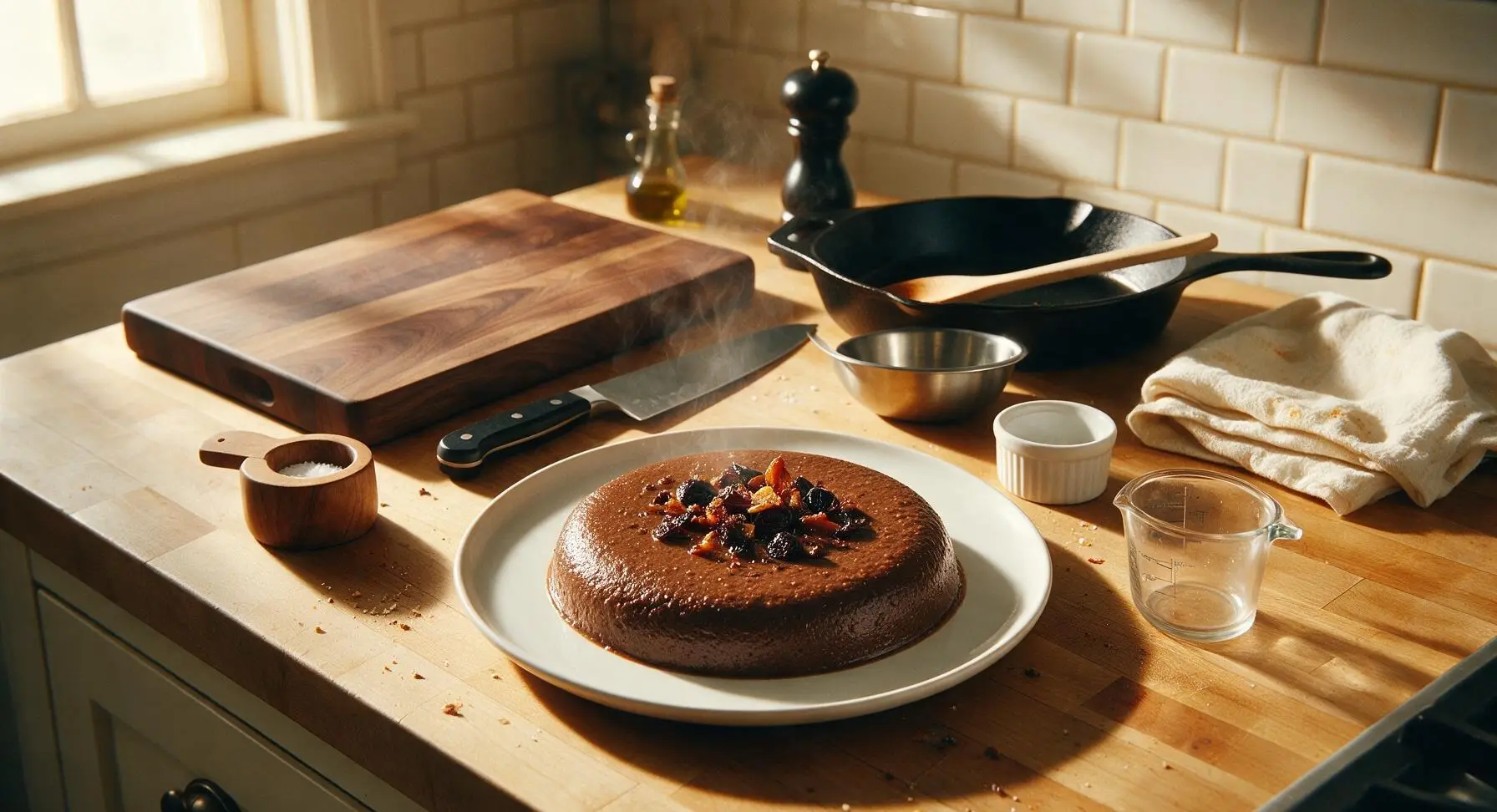
Rochefort 10 Clone

title 1
Rochefort 10 Clone
⏱️ cook time 1 hour 30 minutes (plus 4 weeks passive fermentation and conditioning)
🍽️ servings 48
⚡ Difficulty medium

intro

A rich, velvety clone of the iconic Trappist dark strong ale, with notes of dark fruit, toasted malt, caramel, and subtle spice, finishing dry with soft boozy warmth for slow sipping.

Ingredients
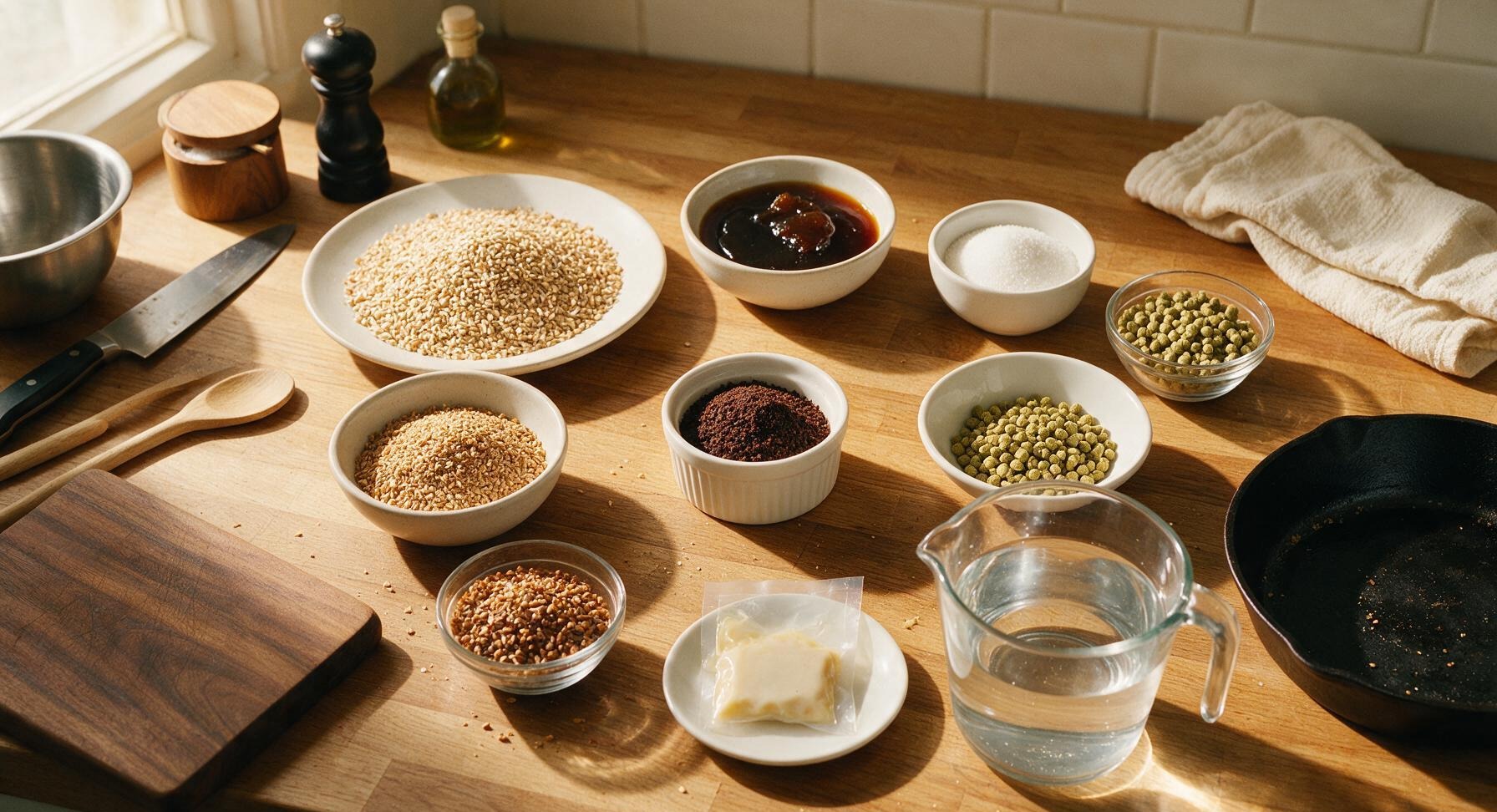
Crushed 2-row Pilsner malt 8 lbs (3.6kg)
Crushed Munich malt (10L) 2 lbs (900g)
Crushed Special B malt 8 oz (225g)
Crushed Caramunich malt (60L) 4 oz (113g)
Dark Belgian candi syrup (D-180) 1 lb (450g)
Hallertau Mittelfruh hops (4.5% AA) 1.5 oz (42g)
Saaz hops (3.5% AA) 0.5 oz (14g)
Belgian Trappist high-gravity yeast (Wyeast 3787 or equivalent) 1 packet (11g)
Corn sugar (dextrose, for priming) 5 oz (140g)
Filtered chlorine-free water 6 gallons (22.7L)

Steps

1

Sanitize Brewing Gear

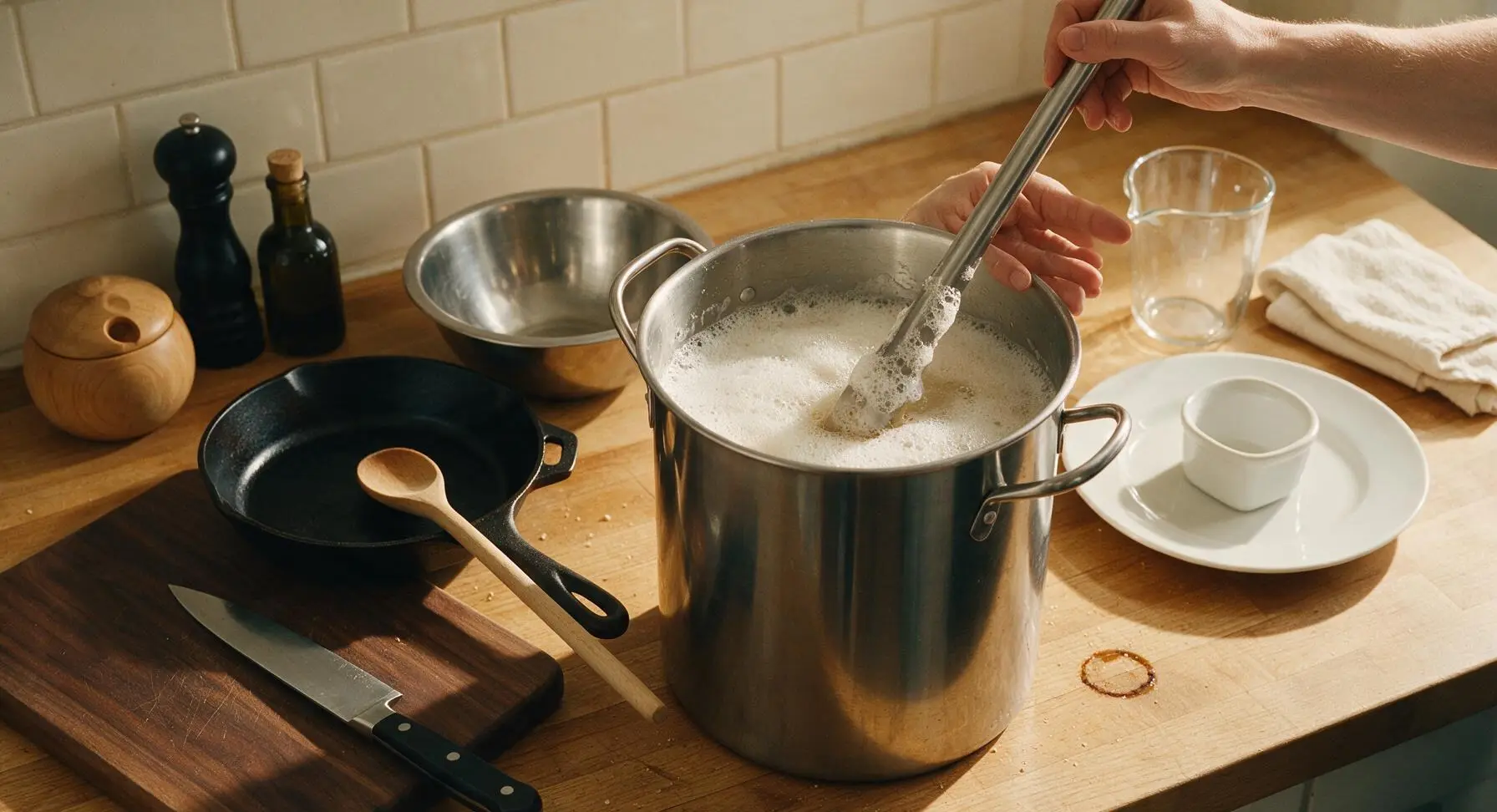
Mix no-rinse food-grade brewing sanitizer according to package directions in the 5-gallon stainless steel brew kettle. Submerge the mash paddle, slotted stirring spoon, thermometer probe, auto-siphon, strainer, and carboy neck for 2 full minutes, then set pieces on the clean counter to air dry. Every surface that will touch cooled wort must be fully sanitized to prevent bacterial infection and off-flavors in the finished beer.
Step 1
step1:Sanitize Brewing Gear
2

Mash the Grain Bill

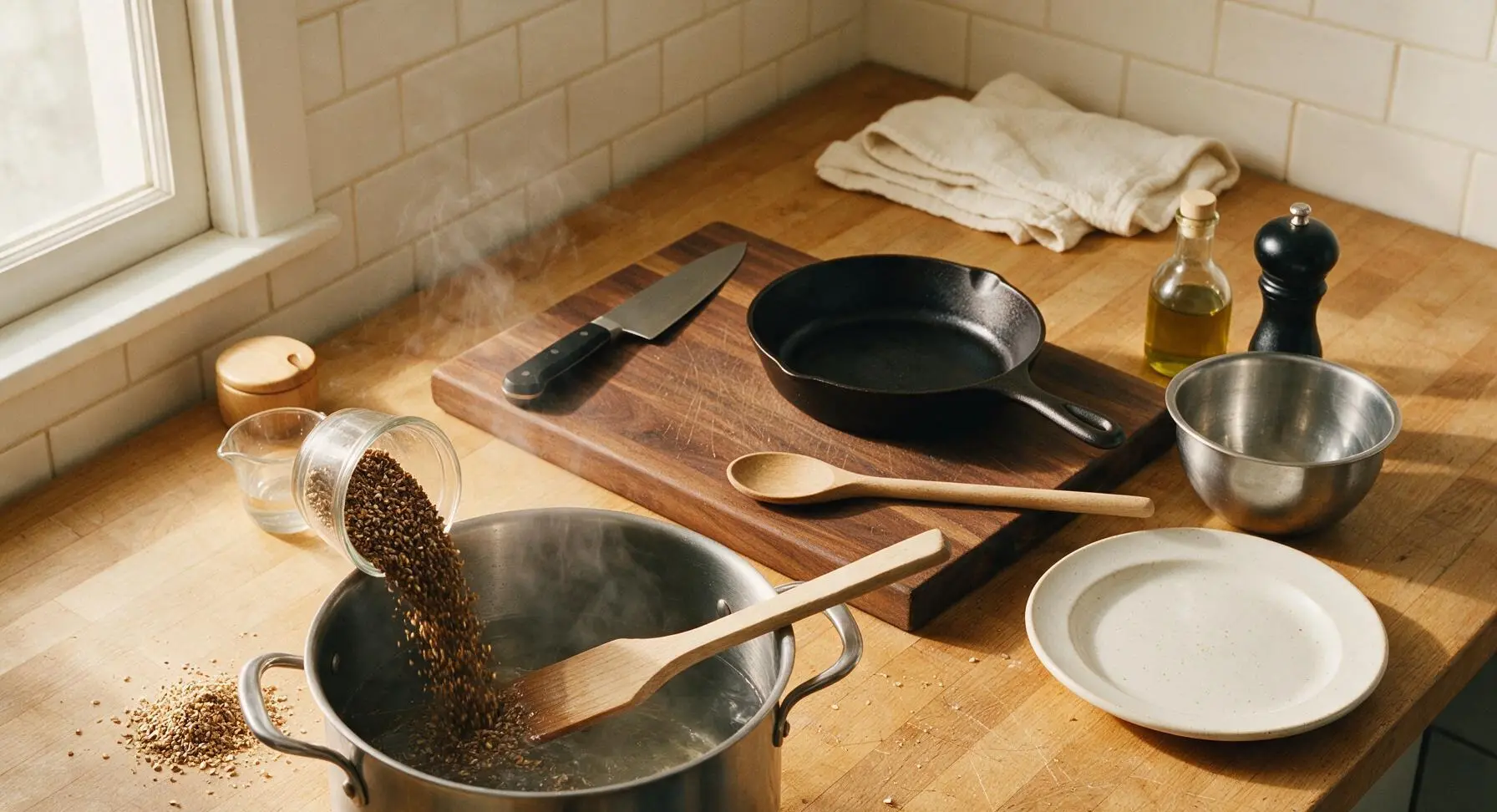
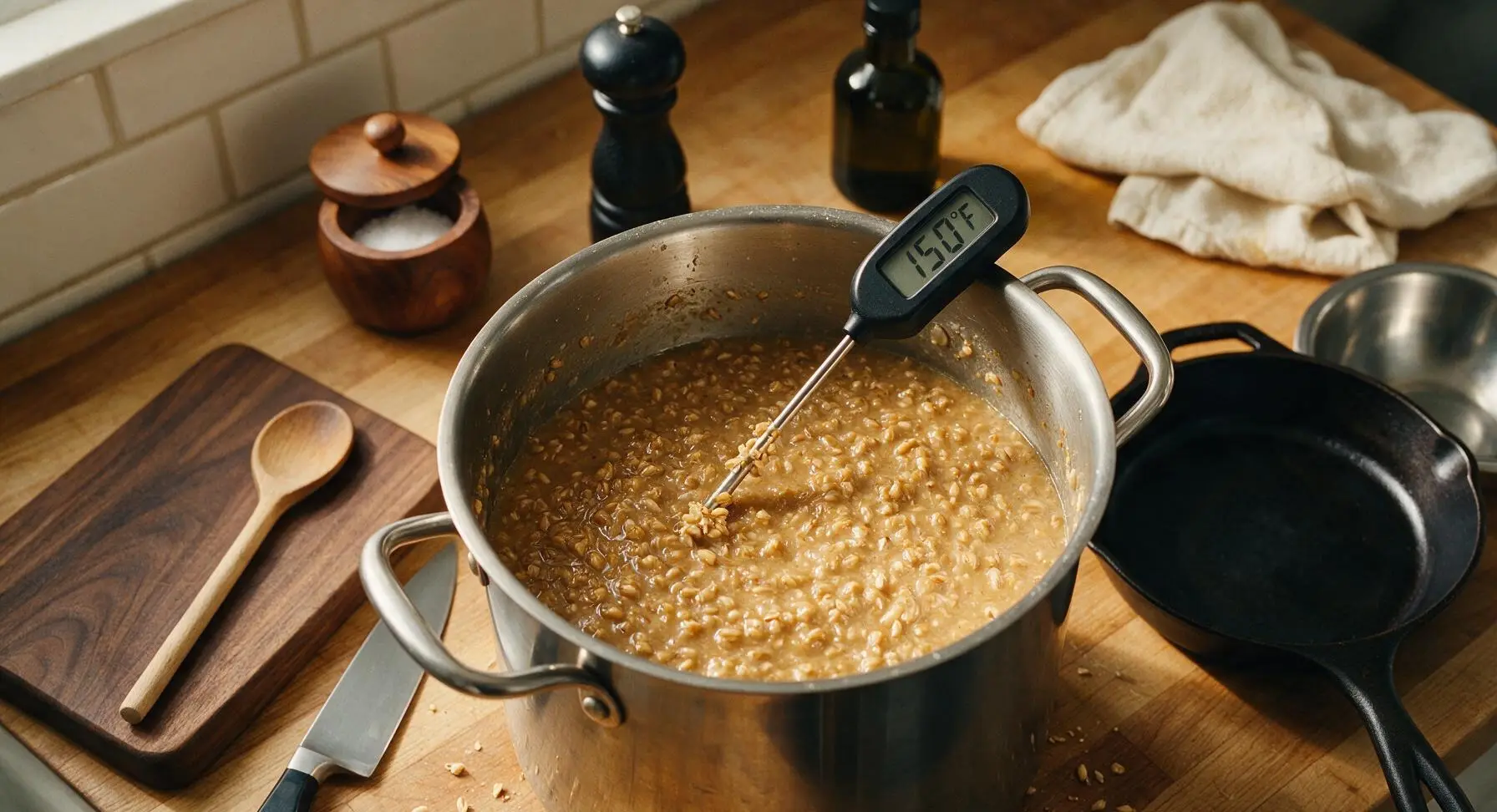
Heat 3.5 gallons of filtered water in the brew kettle to 152°F (67°C). Slowly stir in all crushed malts (Pilsner, Munich, Special B, Caramunich) with the mash paddle, mixing until no dry grain clumps remain. Hold the mash temperature steady at 148–152°F (64–67°C) for 60 minutes, covering the kettle and checking temperature every 10 minutes with the instant-read thermometer. The mash will release a sweet, toasted bread aroma when sugar conversion is complete.
Step 2
step2:Mash the Grain Bill
Step 2
step2:Mash the Grain Bill
3

Sparge to Collect Wort

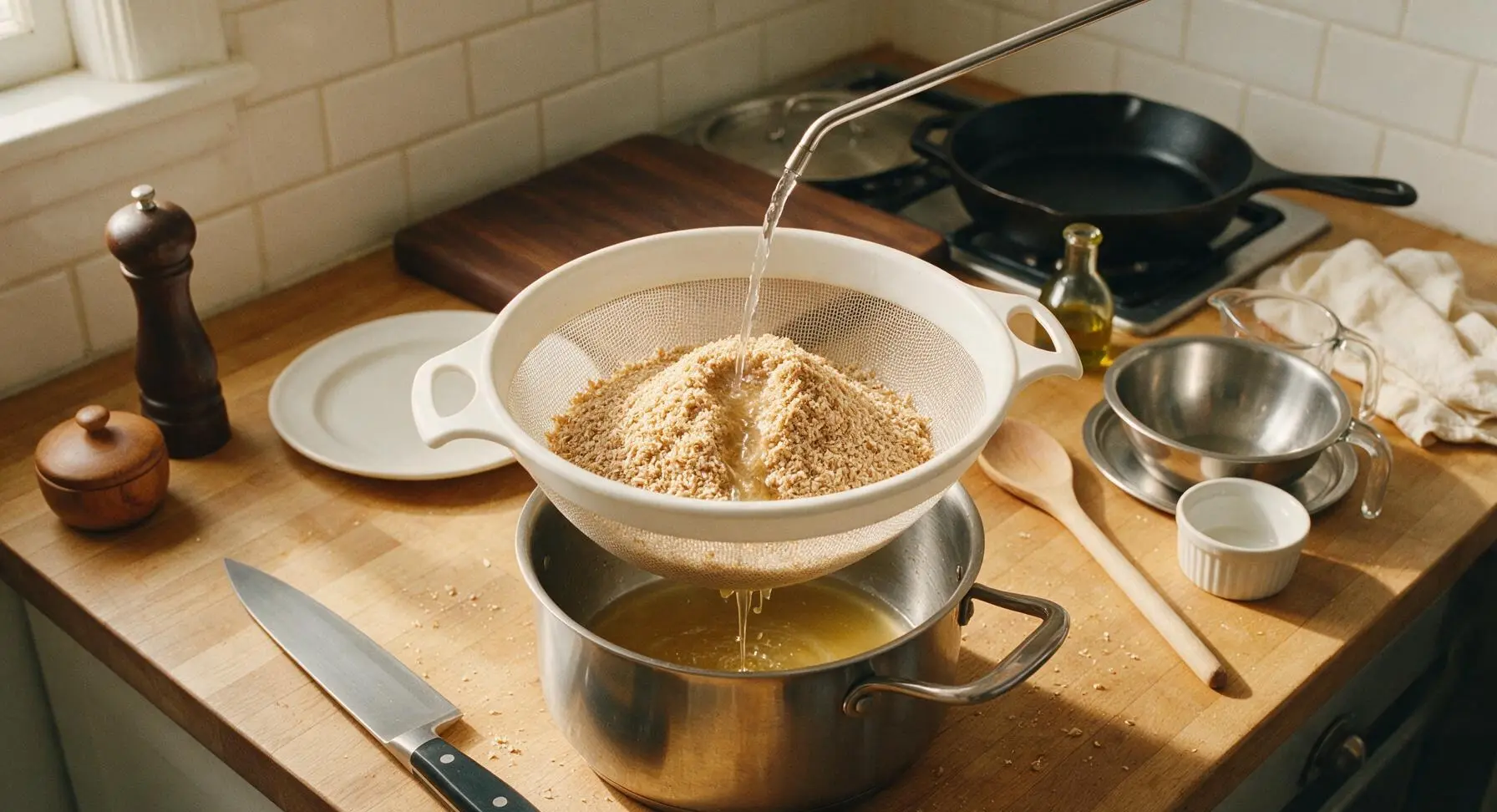
After the 60-minute mash rest, slowly pour 170°F (77°C) filtered water over the grain bed held in the fine-mesh strainer over the kettle to rinse residual sugars, collecting the sweet amber wort in the base of the brew kettle until you have 5.5 gallons of liquid. Discard the light brown, sugar-depleted spent grains. Bring the collected wort up to a gentle, rolling boil, taking care to avoid boilovers as foam rises.
Step 3
step3:Sparge to Collect Wort
4

Add Hops and Candi Syrup

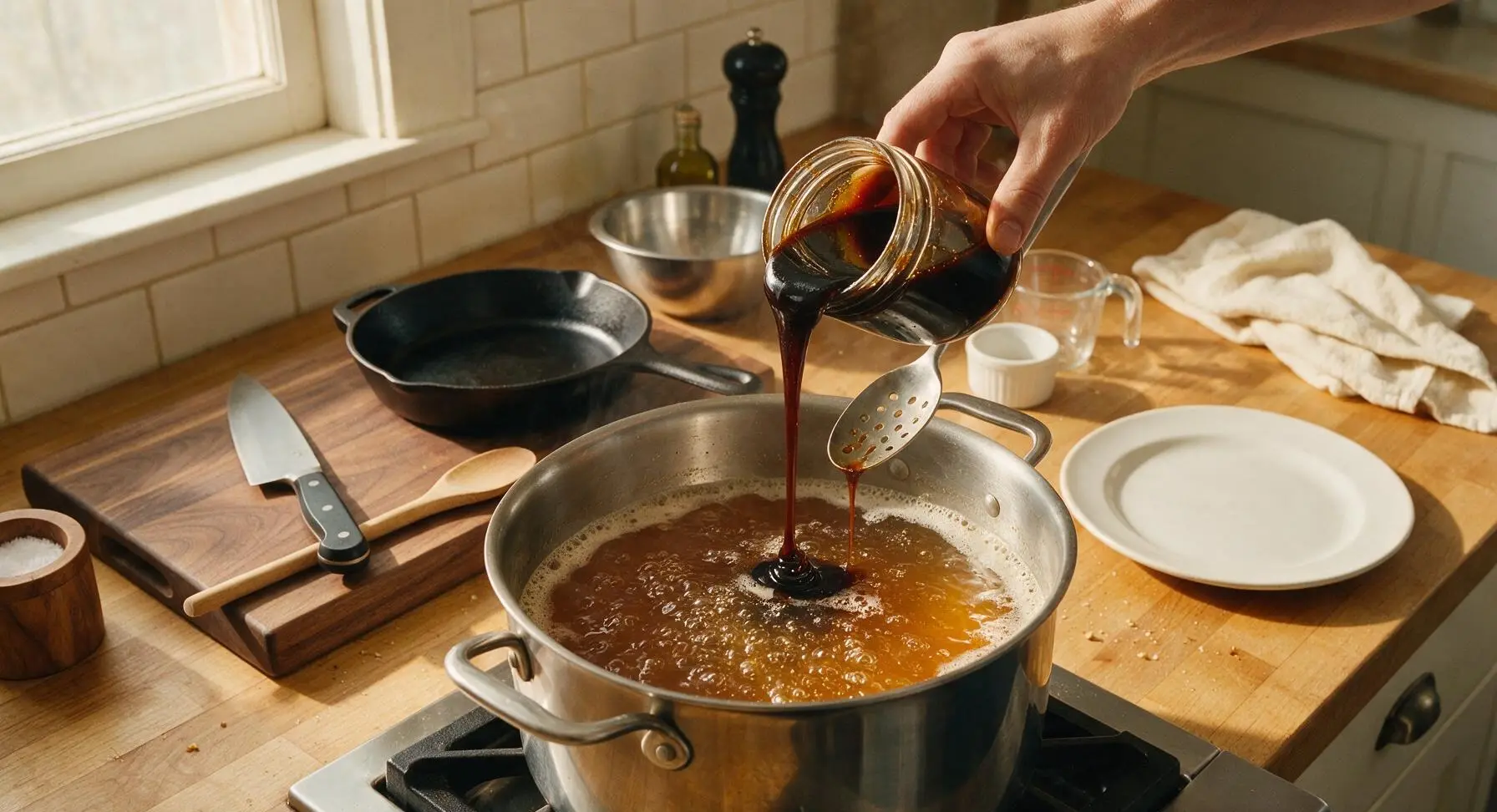
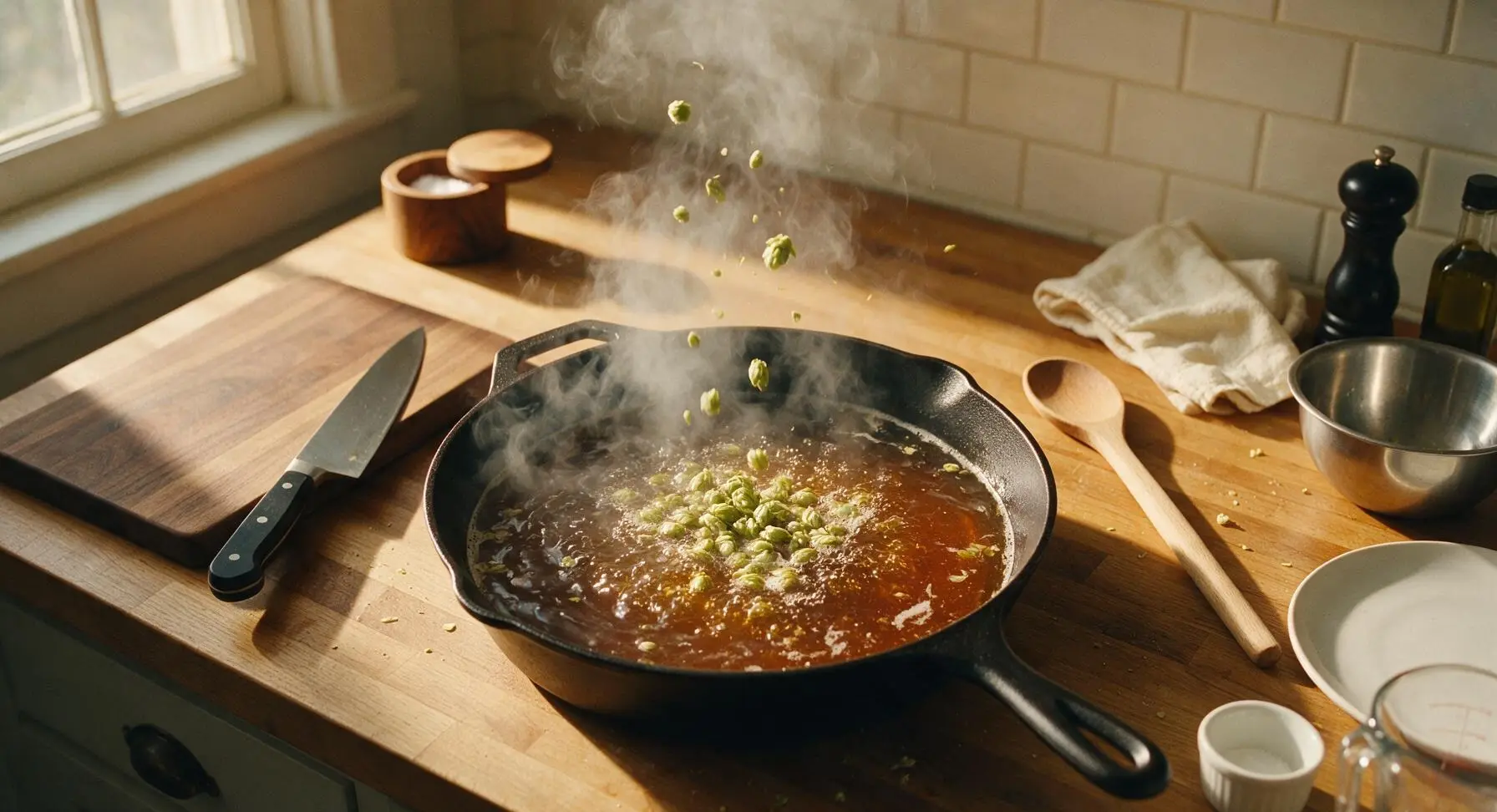
Once the wort reaches a rolling boil, set a timer for 90 minutes. Add 1.5 oz of Hallertau Mittelfruh hops at the start of the boil for clean, noble bitterness. With 15 minutes remaining in the boil, stir in the full 1 lb of dark D-180 Belgian candi syrup until fully dissolved. At the very end of the boil (0 minutes remaining), add 0.5 oz of Saaz hops for bright, spicy, floral aroma. Stir gently after each addition to fully incorporate.
Step 4
step4:Add Hops and Candi Syrup
Step 4
step4:Add Hops and Candi Syrup
5

Cool Wort, Pitch Yeast

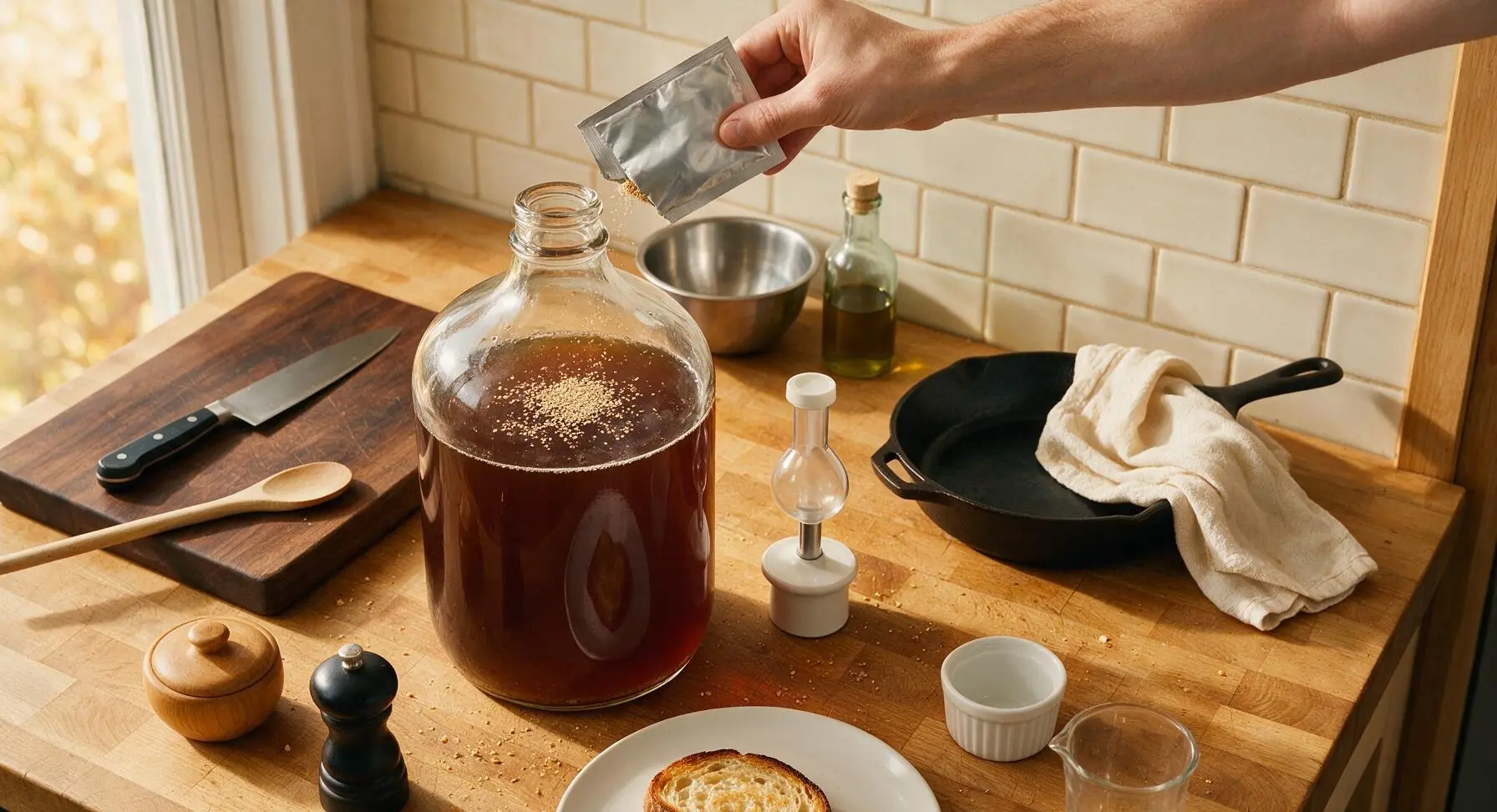
When the 90-minute boil ends, immediately cool the wort to 68°F (20°C) as quickly as possible using an ice bath under the kettle or a stainless steel wort chiller. Once cooled, transfer the wort to the sanitized 5-gallon glass carboy using the auto-siphon, leaving thick, trub sediment behind in the kettle. Sprinkle the full packet of Trappist high-gravity yeast over the wort surface, then seal the carboy with the airlock filled halfway with sanitizer solution.
Step 5
step5:Cool Wort, Pitch Yeast
6

Ferment at Controlled Temp

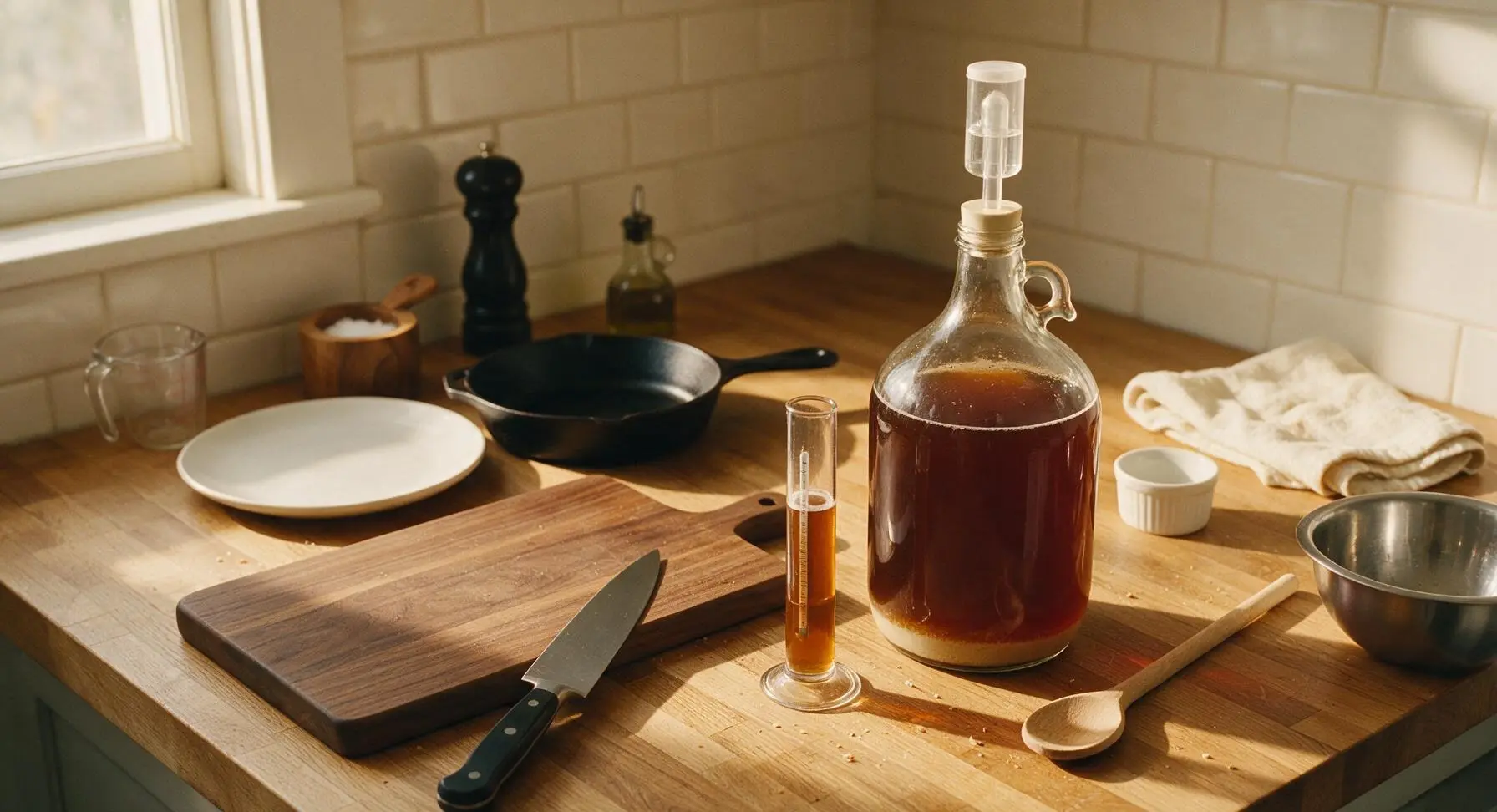
Move the sealed carboy to a dark, temperature-stable space held at 68–72°F (20–22°C) for 2 weeks. Bubbles will rise through the airlock within 24–48 hours, signaling active fermentation. When bubbling stops completely and the beer clears to a transparent deep brown, take a sample with the auto-siphon to fill the hydrometer jar. Confirm fermentation is complete when the final gravity reads 1.012–1.016 across two consecutive days.
Step 6
step6:Ferment at Controlled Temp
7

Bottle for Carbonation

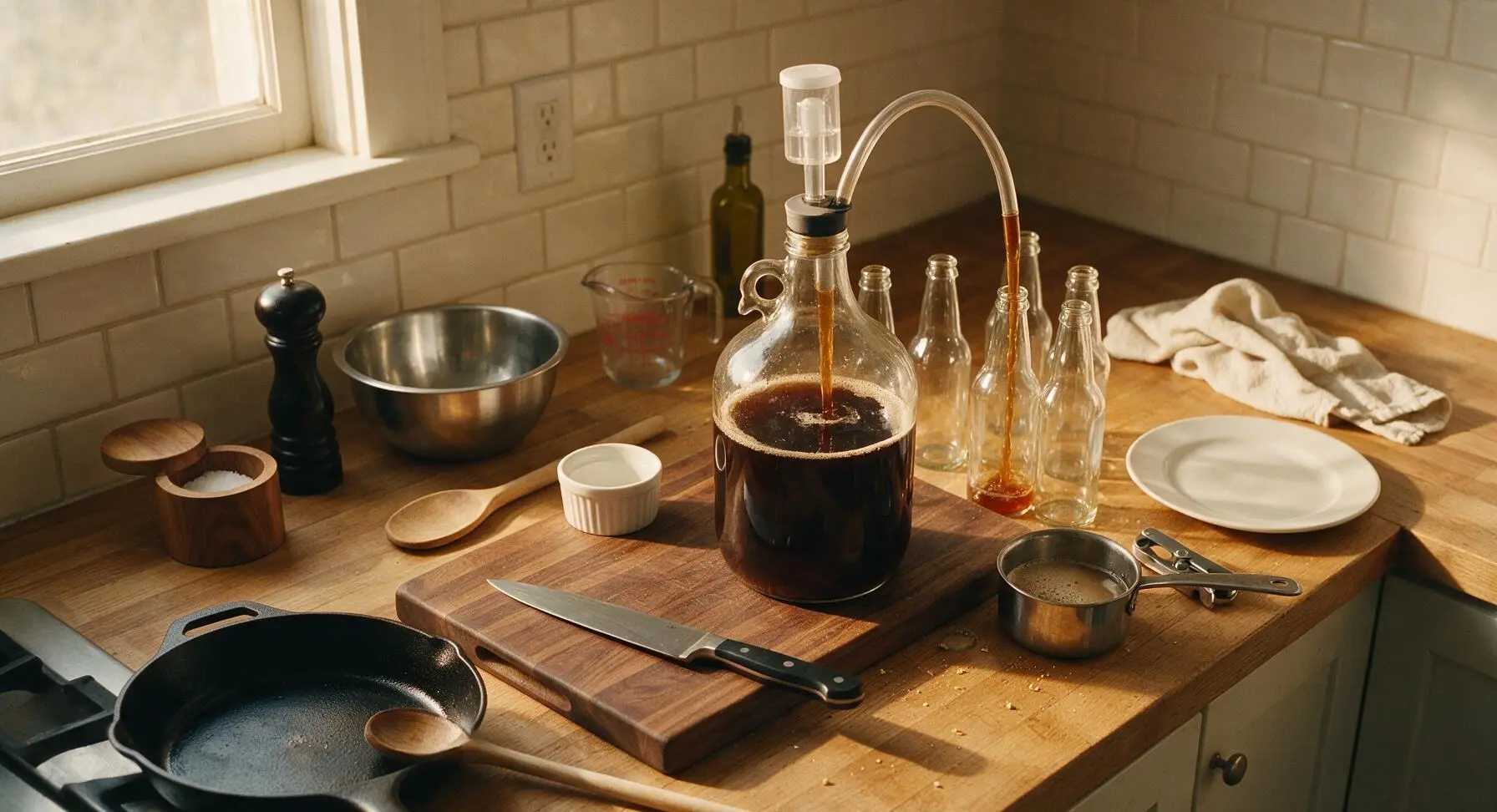
Boil 5 oz of corn sugar in 1 cup of filtered water to make a priming solution, then stir gently into the flat fermented beer to evenly distribute fermentable sugar for carbonation. Use the auto-siphon to fill sanitized 12oz glass beer bottles, leaving 1 inch of headspace below the rim, and cap tightly with sanitized metal bottle caps using the handheld bottle capper. Store bottles upright at 70°F (21°C) for 2 weeks to allow natural carbonation to develop, then chill for 48 hours before serving.
Step 7
step7:Bottle for Carbonation

Tips

1.Use only chlorine-free filtered or spring water for brewing; chlorine reacts with malt compounds to create harsh, medicinal off-flavors that overpower the soft dark fruit and caramel notes of this clone.
2.Maintain a steady 68–72°F fermentation temperature for the full two weeks; temperatures above 75°F cause yeast to produce harsh, solvent-like fusel alcohols, while temperatures too low lead to stuck fermentation and thin, underdeveloped flavor.
3.Resist opening bottles before the full 2-week conditioning period ends; this time not only builds natural, soft carbonation, it also lets harsh young flavors mellow into the smooth, velvety profile that matches the original Rochefort 10.


✨ You May Also Like

Drinks & Beverages
🍜 Mexico

A bright, balanced tequila-based cocktail with zesty fresh lime, smooth orange liqueur, and a signature salt rim, perfect for warm summer sipping.

⏱️ 5 minutesDrinks & Beverages ★ 4.9
Drinks & Beverages
🍜 United States

Thick, creamy, nostalgic classic vanilla milkshake with a rich, smooth texture, topped with whipped cream and a cherry for cool, sweet refreshment.

⏱️ 5 minutesDrinks & Beverages ★ 4.7
Drinks & Beverages
🍜 United States

A bright, golden strong ale with fruity banana-clove notes, subtle hop spice, and soft carbonation, brewed in classic Trappist Tripel tradition.

⏱️ 2 hours aDrinks & Beverages ★ 4.5
Drinks & Beverages
🍜 United States

A frothy, nostalgic American soda fountain treat pairing bubbly cold root beer with creamy vanilla ice cream, perfect for cooling down at warm weather gatherings.

⏱️ 20 minuteDrinks & Beverages ★ 4.8
Drinks & Beverages
🍜 United States

Tart, funky, effervescent American Wild Ale is a complex fruity craft beer brewed with wild yeast, delivering bright, zesty notes perfect for warm-weather sipping.

⏱️ 2 hours aDrinks & Beverages ★ 4.4
Drinks & Beverages
🍜 United States

Bright, bubbly copycat of the iconic American caramel cola, balanced with citrus and warm spice, perfect for sipping ice-cold on hot days.

⏱️ 15 minuteDrinks & Beverages ★ 4.8

Rochefort 10 Clone:Frequently Asked Questions

1.Why is D-180 dark Belgian candi syrup so important for this clone, and is there an acceptable substitute if I can’t find it? ▾
D-180 delivers that signature deep, jammy raisin and soft burnt caramel note without the harsh astringency you get from piling on extra roasted malts. If you absolutely need a swap, use ¾ dark brown sugar mixed with ¼ blackstrap molasses, but springing for authentic D-180 will get you far closer to Rochefort’s smooth, rich profile.
2.What mash temperature will give me that perfect balance of velvety mouthfeel and dry, non-cloying finish? ▾
Hold your mash steady at 152°F (67°C) for 60 minutes. This temperature balances amylase enzyme activity to create plenty of highly fermentable sugars for that classic dry finish, while leaving just enough medium dextrins to build that lush, velvety mouthfeel. Avoid mashing above 155°F, which will leave you with heavy, overly sweet beer.
3.I don’t have Special B malt on hand—what’s a reliable swap that won’t ruin the clone’s flavor profile? ▾
Special B brings that iconic deep dark stone fruit, raisin, and toasty caramel core to the beer, so your best swap is an equal measure of 120L crystal malt plus 1 ounce of aromatic roasted barley per 5-gallon batch. Skip swapping in lighter crystal malts alone; they lack the jammy, concentrated dark fruit note that makes this clone recognizable.
4.What yeast and fermentation schedule will get me that subtle Trappist spice without over-the-top banana or clove notes? ▾
Use a dedicated Belgian Abbey Ale strain, like Wyeast 3787 or White Labs WLP530, both sourced from Trappist brewery cultures. Ferment on the cool end of the strain’s range, starting at 66°F and slowly ramping to 72°F over 7 days, to get soft, understated spice instead of loud, fruity esters that overpower the malt.
5.How long do I need to condition this clone for it to taste close to authentic Rochefort 10? ▾
Don’t rush this step! After primary fermentation and bottling to hit 2.8–3 volumes of CO2, let bottles condition in a cool, 55–60°F dark space for a minimum of 6 weeks, ideally 3 months. This rest softens sharp boozy heat, lets malt and dark fruit notes meld, and mutes harsh young ester flavors for that smooth, slow-sipping character.
6.How do I avoid extracting harsh, astringent bitter notes from the darker specialty malts? ▾
Great question! None of the malts here are heavily roasted, but you can avoid astringency by not crushing your Caramunich or Special B malts too finely, and holding mash pH steady between 5.2 and 5.4. Never sparge with water over 170°F, as that pulls harsh tannins from malt husks that will ruin the beer’s soft, smooth profile.
7.What ABV should I target for an accurate clone, and how do I keep the high alcohol from tasting harsh or solvent-like? ▾
Aim for 11.2–11.5% ABV, the standard for authentic Rochefort 10. Add your D-180 candi syrup during the last 15 minutes of the boil instead of at the start to keep it highly fermentable, so it doesn’t leave cloying sweetness. Pair that with slow, steady fermentation and long conditioning to get that soft, warm boozy glow instead of harsh burn.

Comments (10)

2 days ago

Just bottled my first batch of this last weekend! The dark fruit and chocolate notes are already coming through even before full conditioning, I’m so stoked to crack one open in a few weeks. Brought a sample to my neighborhood potluck last night and all the beer snob friends were begging for the recipe. 10/10 already.

3 days ago

Wait, quick question— I don’t have a temperature-controlled fermentation chamber right now, will this still turn out okay if my basement hovers between 68-72F most days? I’m dying to make this but don’t want to drop $200 on gear before I test it out.

2 days ago

Great question! That temp range will work, just try to keep it as close to 68F as possible for the first 7 days of primary fermentation to avoid off-flavors. You can get great results without a fancy chamber if you monitor closely, just wrap the carboy in a damp t-shirt and point a small fan at it if temps creep too high!

1 week ago

OMG this is a total game changer. I’ve tried 3 other Rochefort 10 clones over the last 2 years and none of them come even close to that rich, raisin, bready, boozy depth of the real thing. My wife even said it’s better than the $18 bottle we picked up at the specialty beer shop last month for our anniversary dinner.

5 days ago

No way, that’s such a glowing review! Did you use the exact yeast strain listed, or did you swap it for something easier to find locally? I’ve had bad luck with yeast stress on high gravity brews before.

4 days ago

So stoked you loved it! For anyone curious, the recommended Abbey Ale yeast strain is key here for that authentic Trappist profile, but if you can’t find it, a Belgian Strong Ale strain works as a solid backup—just make sure to pitch enough yeast for the high gravity to avoid stress!

2 weeks ago

Made this for my brother’s bachelor party weekend and it was such a hit. Everyone kept asking if I’d smuggled actual Rochefort back from Belgium! The 1.5 hour boil time was totally manageable even for a medium skill brew day, no crazy steps or hard-to-find ingredients if you have a solid local homebrew shop. SO good.

5 days ago

Uh oh, I think I messed up my mash temp on this one—hit 158F instead of the recommended 152F, am I gonna end up with super sweet, cloying beer? I’m 2 weeks into fermentation and it tastes a little thick right now, panicking a little.

3 days ago

Don’t panic! I did the exact same thing on my first batch, it ended up with a little extra mouthfeel but the residual sweetness balanced out perfectly with the dark fruit notes from the yeast once it conditioned for the full 4 weeks. Give it time!

yesterday

Wait, y’all— I’m used to making sours and light IPAs, this is my first strong dark ale and I cannot believe how good it smells while fermenting. It’s giving spiced plum, dark chocolate, fresh baked bread, I’m obsessed. Already planning to bring a growler to our next family dinner once it’s ready.

20 hours ago

Wait you’re in IL too? What local shop did you grab the grain from? I’ve been hunting for a good source of dark Belgian candi syrup and none of the shops by me carry it right now.

18 hours ago

That aroma is the best part of brew day! If you can’t find Belgian candi syrup locally, you can make a quick homemade version with equal parts dark brown sugar and water simmered for 10 minutes with a pinch of molasses, it works almost identically for this recipe.

just now

Solid clone recipe, nailed that signature Rochefort dry finish that I feel like most copycats miss. Only note is I’d add a tiny bit more coriander next time for my personal taste, but that’s just a preference thing, not a flaw in the base recipe. Will definitely brew this again once the weather cools off in a few months.

30 minutes ago

Anyone else try conditioning this for an extra 2 weeks past the recommended 4? I did that with my last strong ale and it made a world of difference, wondering if that would mellow out the boozy bite too much for this specific clone.

20 minutes ago

Great question! Extra conditioning time won’t hurt this one at all—if anything, it’ll help those dark fruit and malt flavors meld even better. Many Trappist ales age beautifully for months, so feel free to let it sit longer if you have the patience!

2 hours ago

Game changer alert! I brought a 6-pack of my first batch to my local homebrew club meetup last night and won first place in the strong ale category. Even the guy who’s been brewing for 25 years said it was a dead ringer for the real Rochefort 10. My kids loved how the whole house smelled like fresh raisin bread while I was brewing, which was such a cute bonus.

1 hour ago

No way, that’s awesome! Did you do a secondary fermentation, or just leave it in primary the whole time before bottling? I’ve been going back and forth on whether secondary is worth it for high gravity brews.

45 minutes ago

Huge congrats on the win! Secondary fermentation isn’t required for this recipe, but if you want extra clarity and a little extra flavor melding, you can transfer to secondary after 2 weeks in primary. It’s totally up to your preference, you’ll get great results either way!

5 minutes ago

Wait, quick sanity check—this clocks in at around 11% ABV right? I’m trying to plan a camping trip next month and want to make sure I bring enough so no one overdoes it, these go down way too smooth for how strong they are!

1 minute ago

Yep, it’s right around 11.3% if you hit the target gravity! Learned that the hard way when I had two pints at my last backyard cookout and was way more tipsy than I expected. They are dangerously smooth, fair warning.



