
Rose Rye Barrel Aged IPL
intro
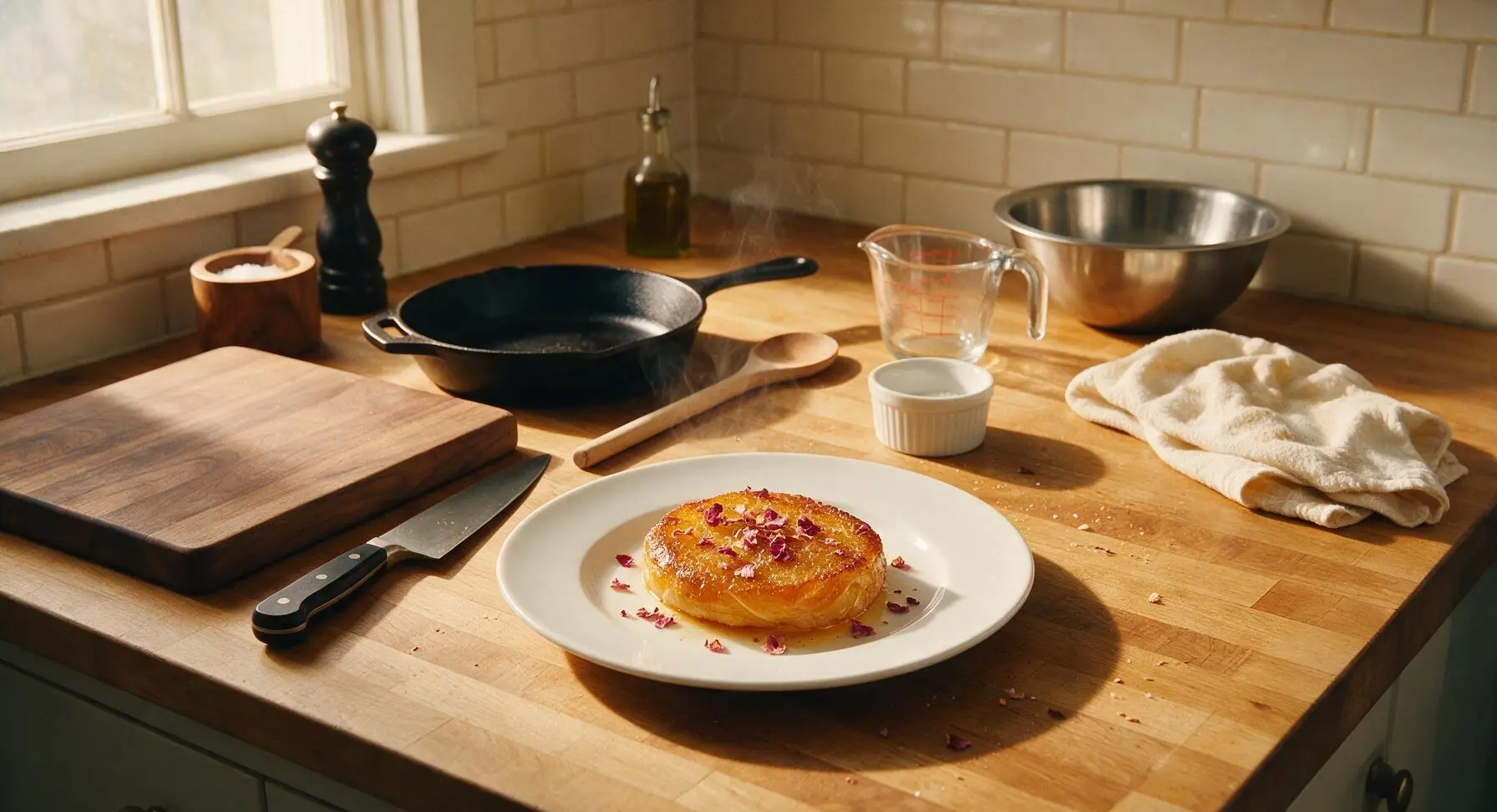
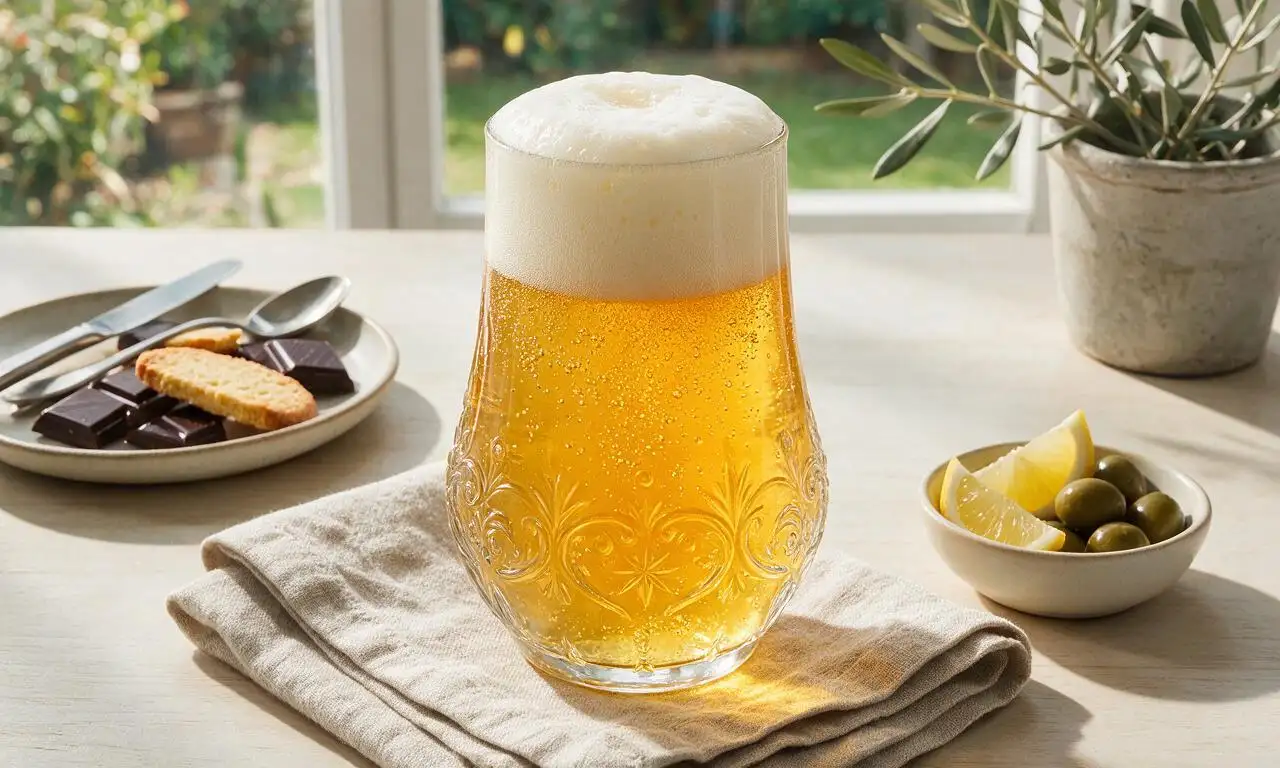
A crisp, floral-spicy India Pale Lager aged on rye whiskey oak and dried rose petals, balancing bright hop bite, warm barrel depth, and delicate rose aroma for a smooth, complex sip.
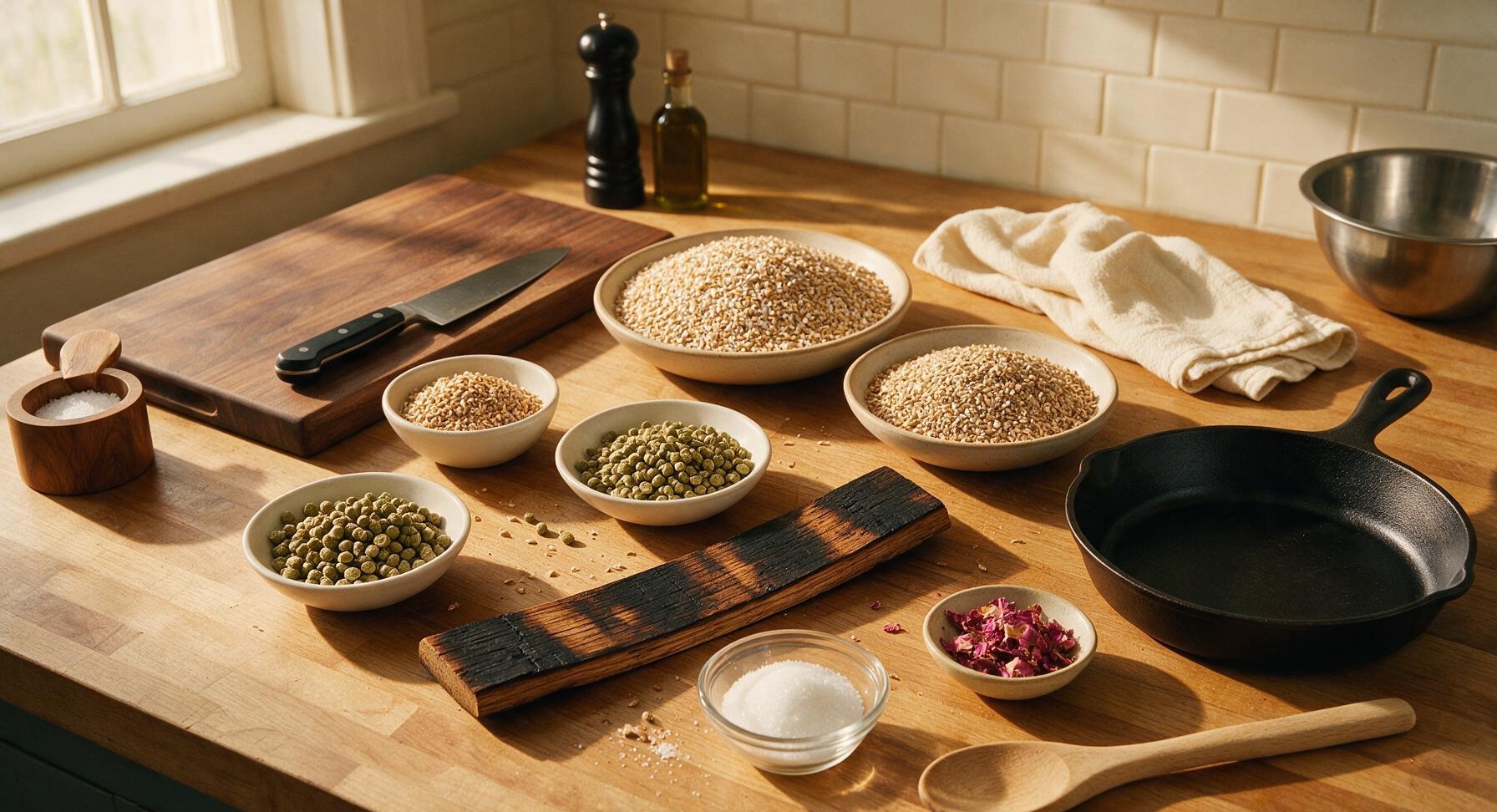
Ingredients
Steps
Sanitize Brewing Equipment
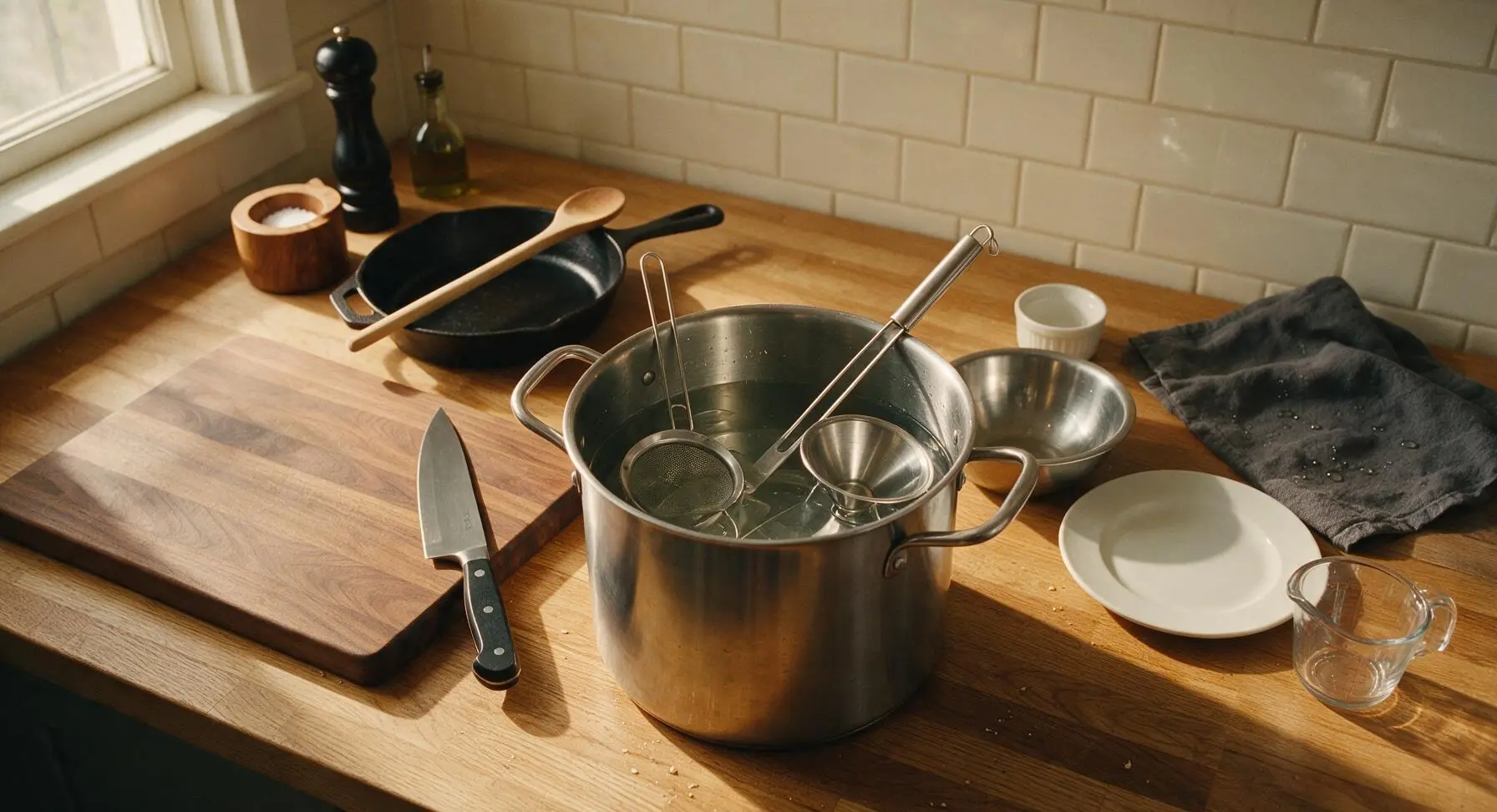
First, mix 15ml no-rinse sanitizer with 4L cool water in the 2-gallon brew pot. Submerge the mash paddle, strainer, funnel, fermenter, stirring spoon, auto-siphon, and hydrometer for 2 minutes. Remove and air-dry on the clean dark grey linen towel. All surfaces that touch cooled wort must be fully sanitized to prevent off-flavors or contamination.
Mash the Grain Bill
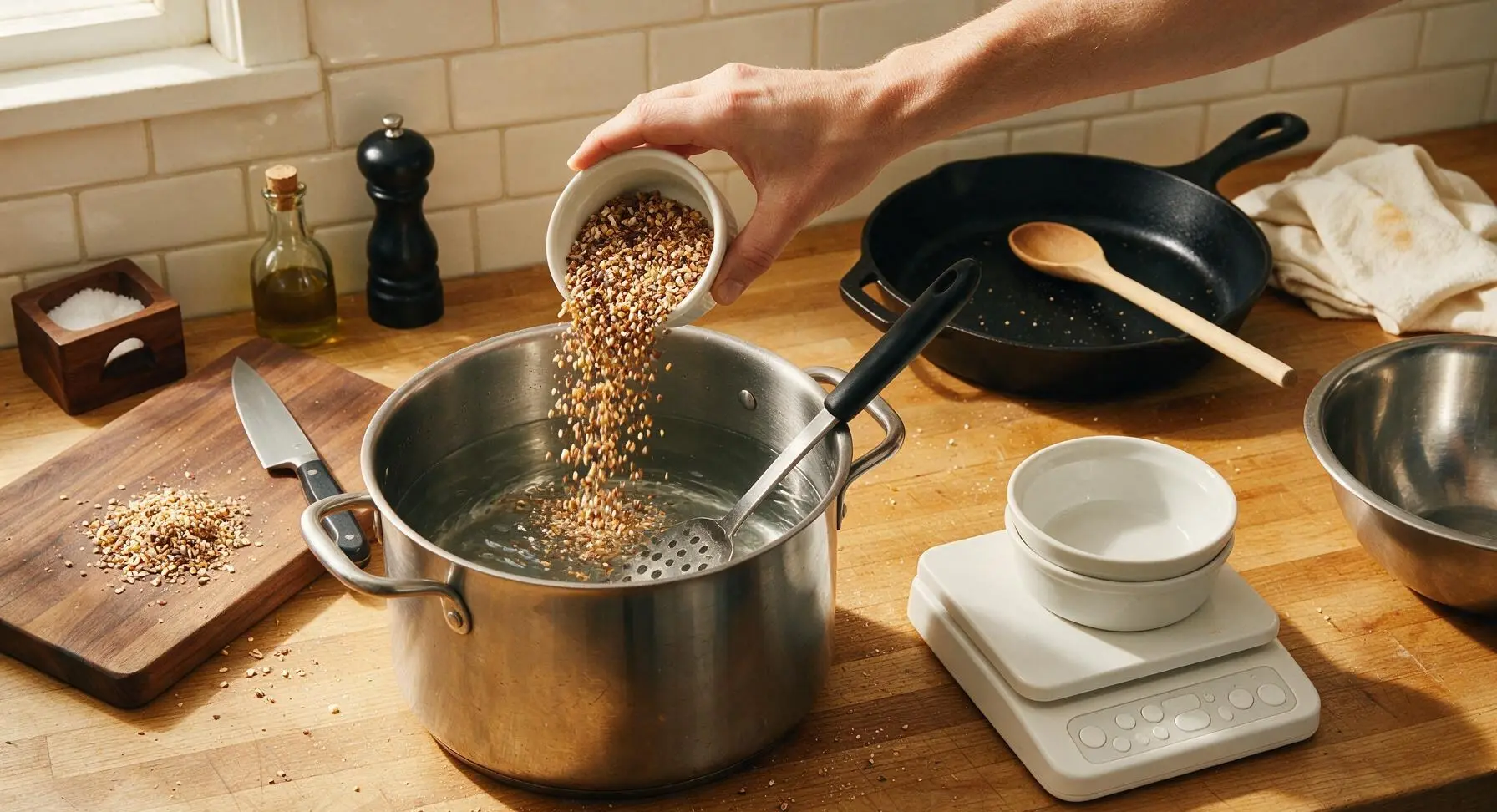
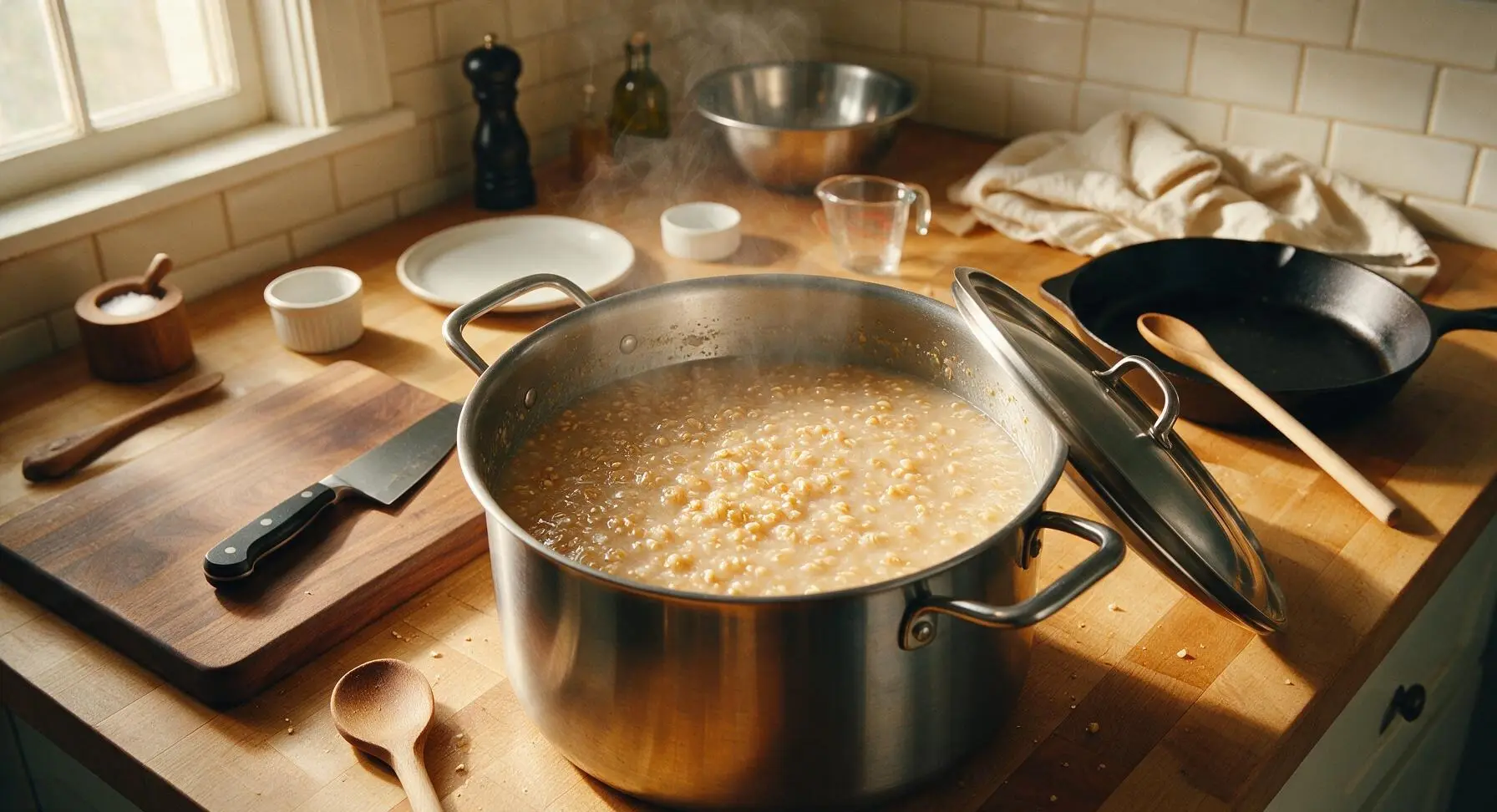
Heat 3.8L of filtered water in the brew pot to 67C (153F). Slowly stir in all crushed malts (pilsner, rye, crystal rye) using the mash paddle, stirring thoroughly to eliminate dry clumps. Hold the temperature steady at 65-68C (149-154F) for 60 minutes, covering the pot with a lid. The mash will smell sweet and bready, with a faint spicy note from the rye.
Sparge to Collect Wort
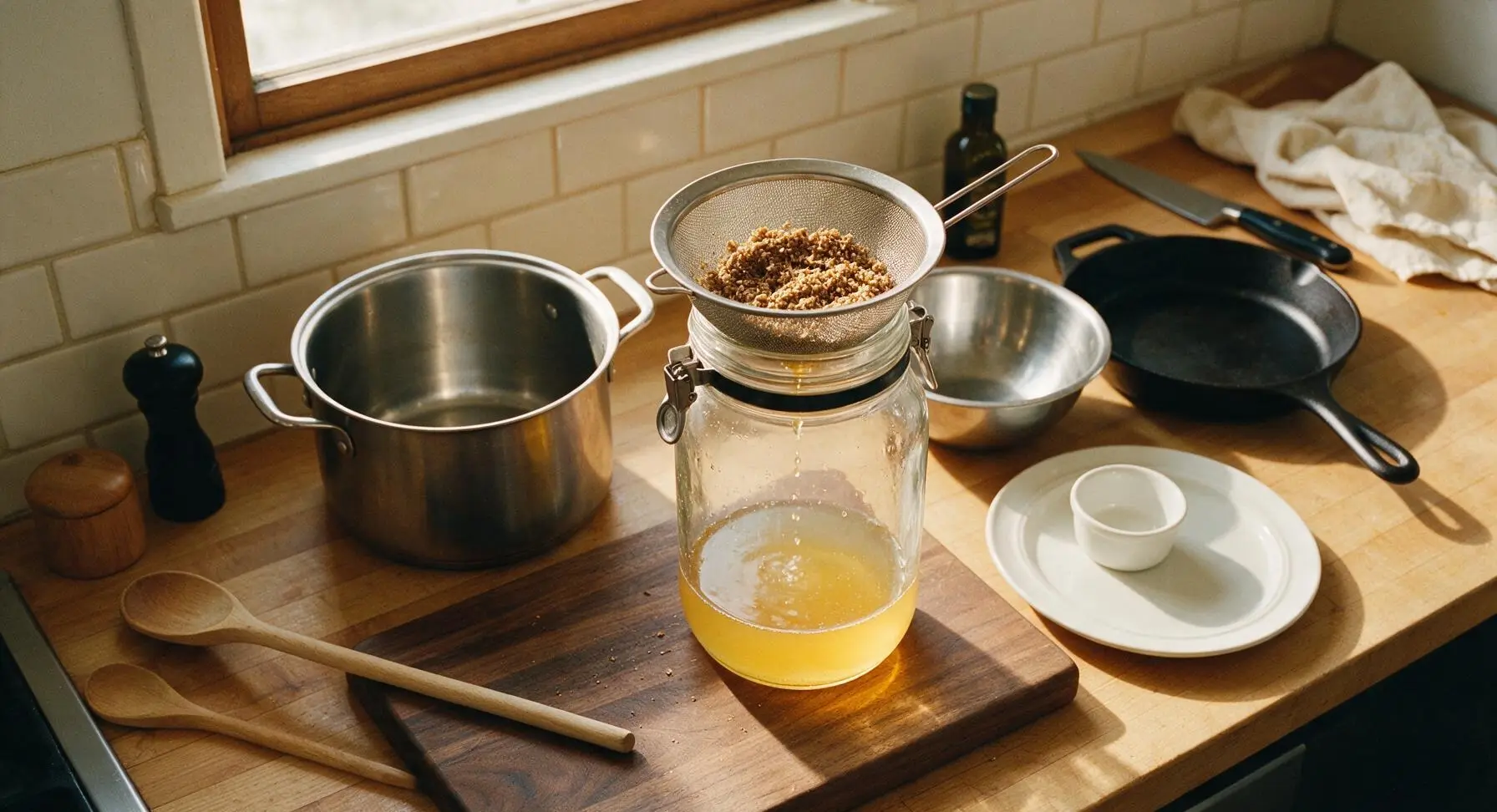
After the 60-minute mash, place the fine-mesh strainer over the sanitized fermenter. Slowly pour the mash through the strainer, then gently pour 2L of 77C (170F) hot water over the spent grains in the strainer to rinse out remaining sugars. Collect 3.8L (1 gallon) of sweet, pale golden wort in the fermenter, then pour the collected wort back into the clean brew pot.
Boil Wort and Add Hops
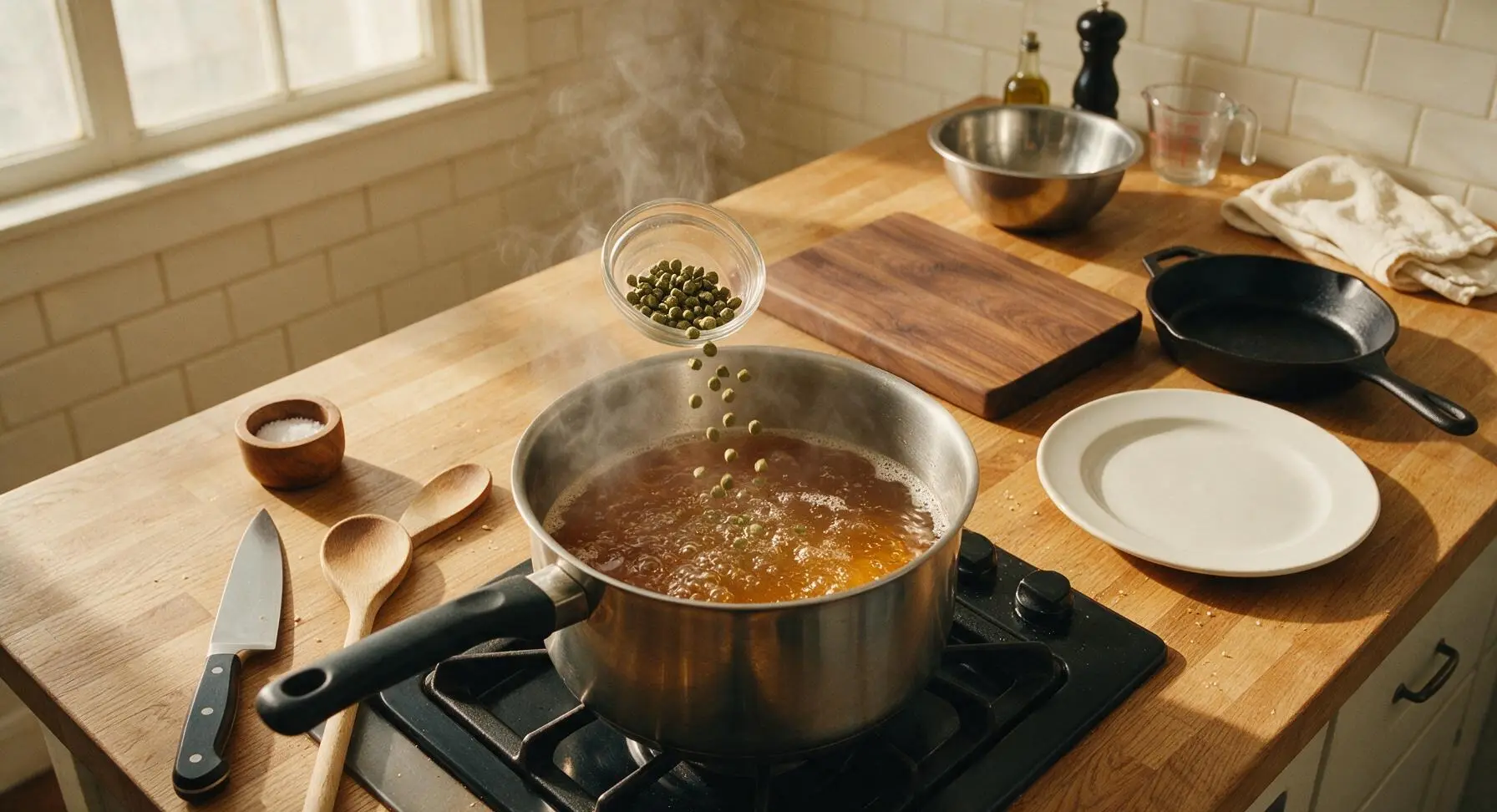
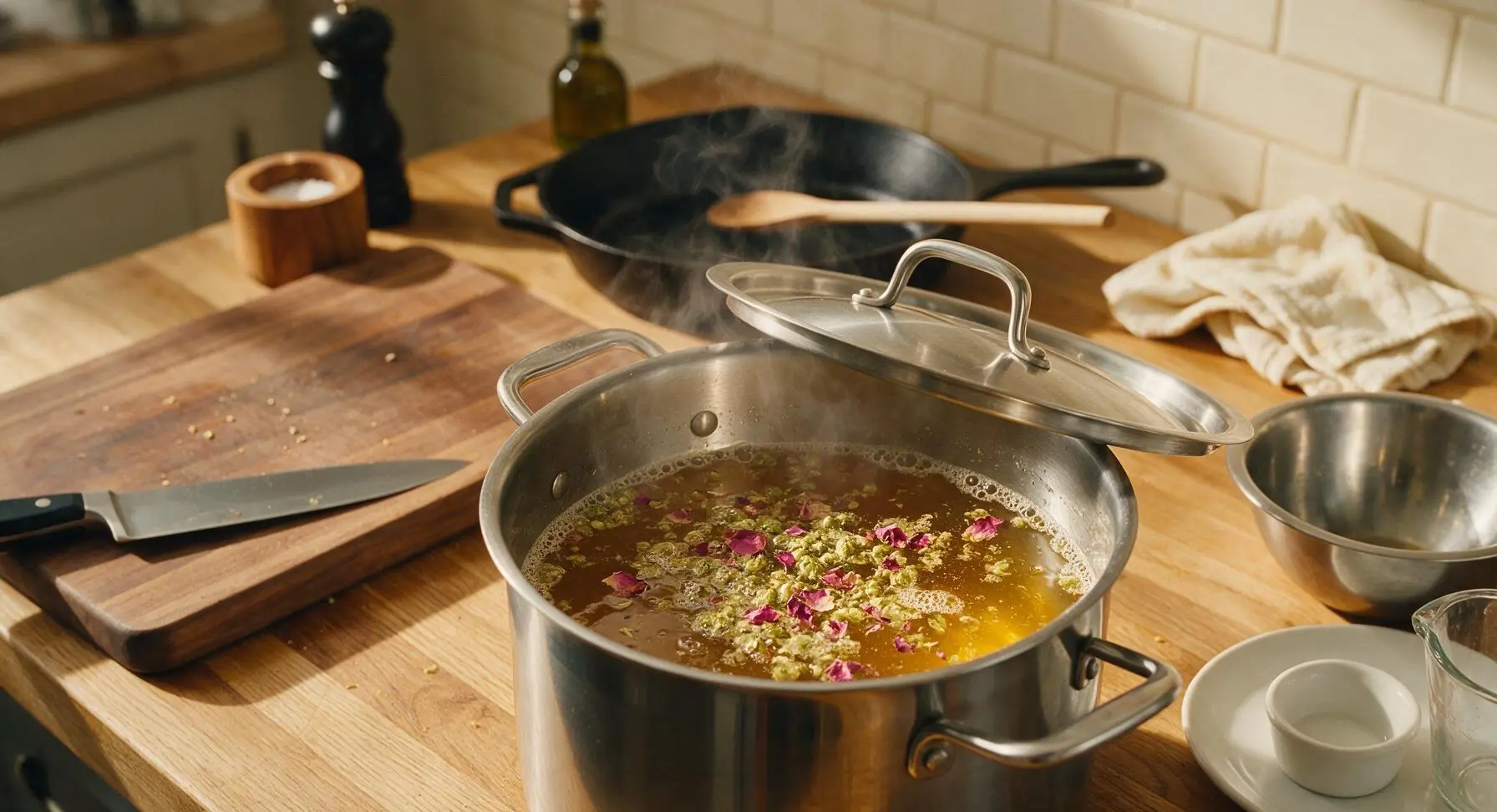
Bring the collected wort in the brew pot to a rolling, gentle boil (avoid boil-overs by adjusting heat as needed). Once boiling starts, add the 7g Magnum hop pellets for bittering, and set a timer for 55 minutes. When 5 minutes remain on the timer, add 7g of the Saaz hops for flavor. When the timer goes off (total 60 minute boil), turn off the heat, add the remaining 7g Saaz hops and 2g dried rose petals for aroma, and cover the pot.
Cool Wort and Pitch Yeast
Place the covered brew pot in an ice bath until the wort cools to 18C (65F), approximately 20 minutes. Once cool, pour the wort through the strainer and funnel into the sanitized fermenter, leaving hop and rose sediment behind. Sprinkle the entire packet of lager yeast over the wort surface, seal the fermenter lid, and attach the airlock filled with sanitizer. Ferment at a steady 13-16C (55-61F) for 2 weeks, until bubbling in the airlock stops completely and gravity reads a stable 1.010 for 3 consecutive days.
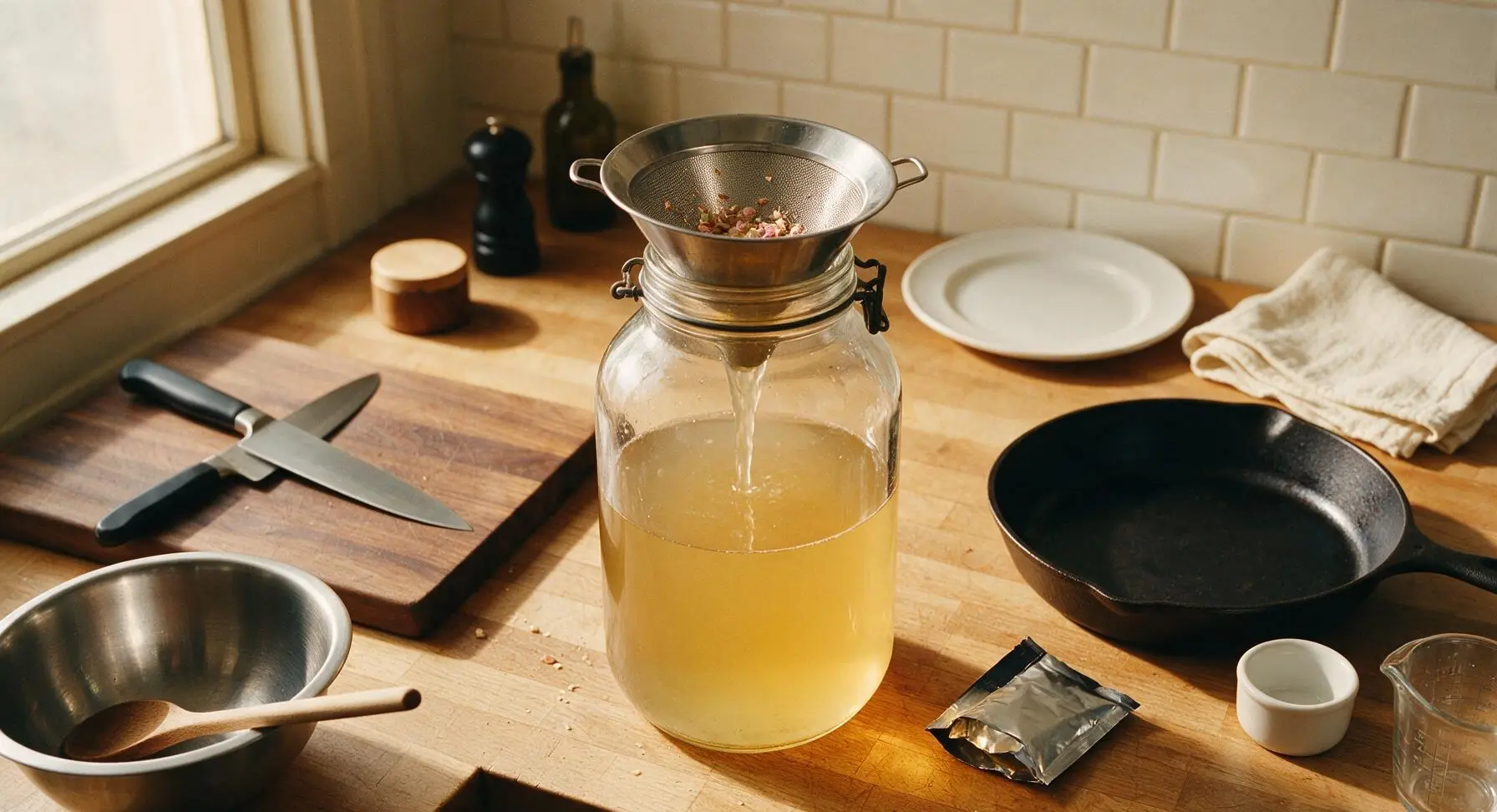
Add Barrel Stave for Aging
After primary fermentation finishes, sanitize the charred rye whiskey barrel stave and remaining 1g dried rose petals. Carefully remove the fermenter lid, lower the stave and rose petals into the finished beer, and re-seal the airlock. Age for an additional 2 weeks at 13C (55F) to extract oak, rye whiskey, and soft rose notes, tasting every 3 days to avoid over-extracting harsh oak tannins.
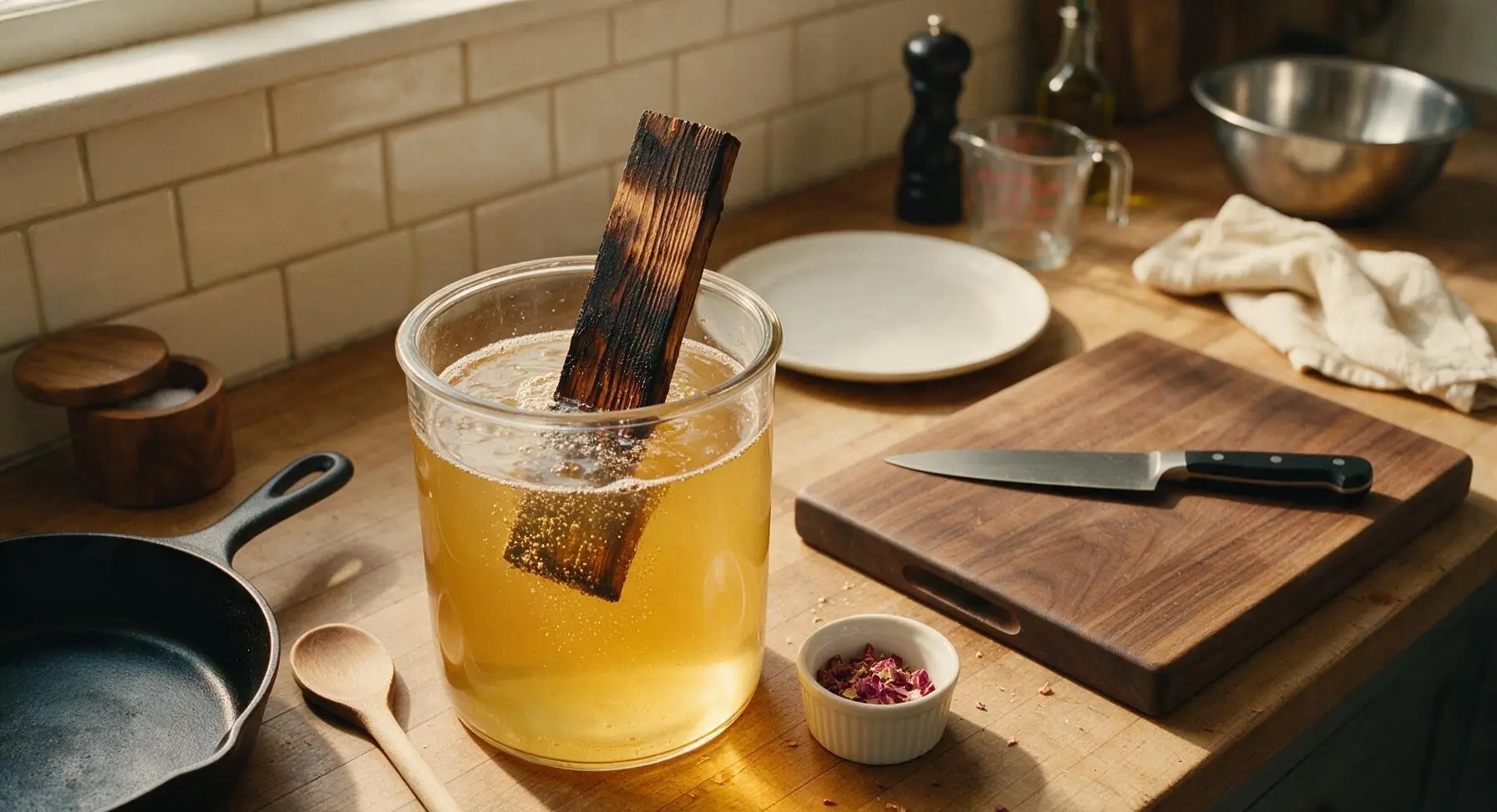
Bottle to Carbonate
After 2 weeks of barrel aging, sanitize 10 12oz glass beer bottles and caps. Boil the 28g corn sugar in 1/2 cup water for 5 minutes, then divide the sugar syrup evenly between the sanitized bottles. Use the auto-siphon to gently transfer the beer from the fermenter directly into each bottle, filling to 1 inch below the rim to mix evenly with the sugar for consistent carbonation. Cap tightly, and store at 18C (65F) for 2 weeks to carbonate.
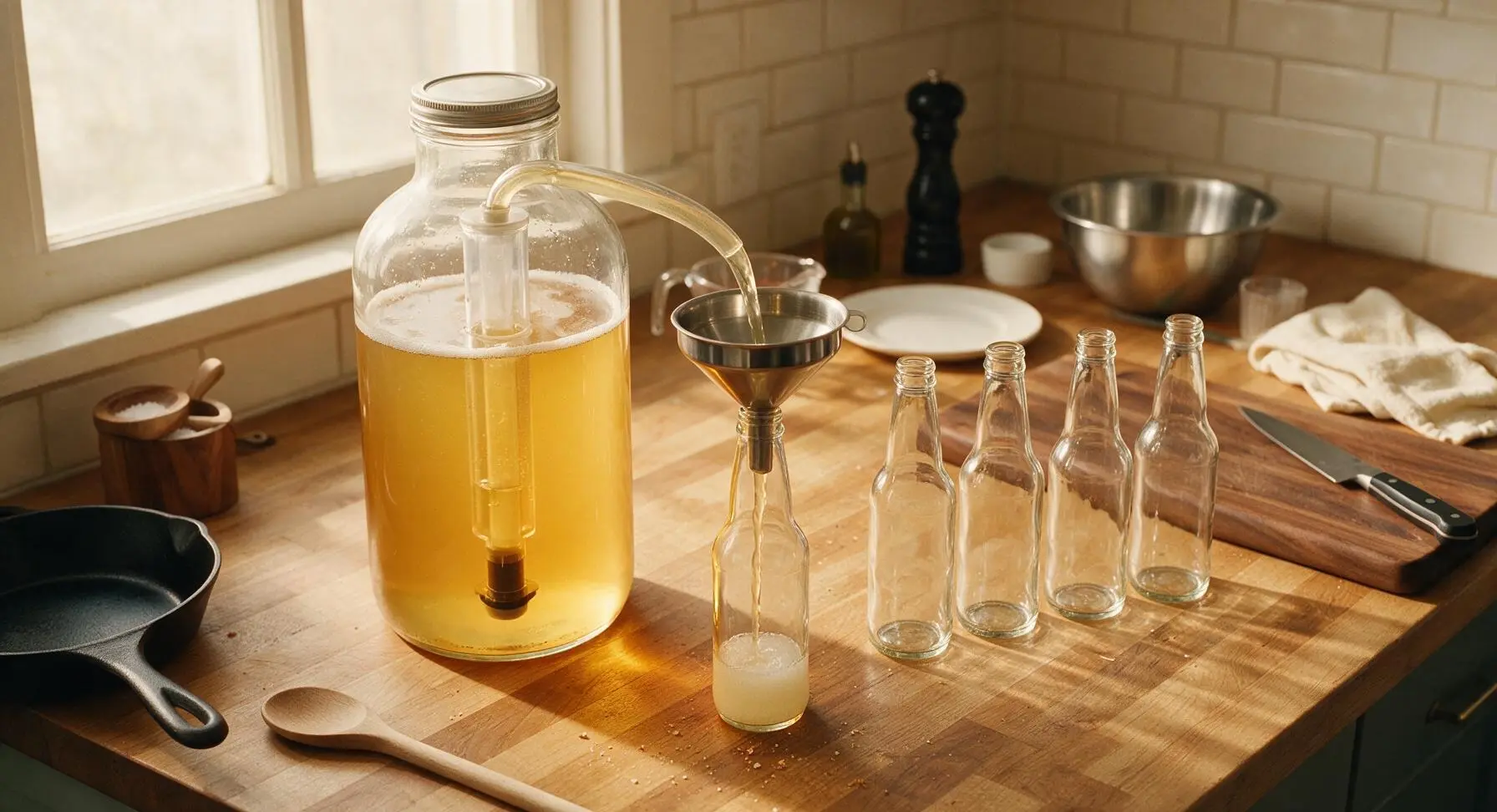
Chill and Pour to Serve
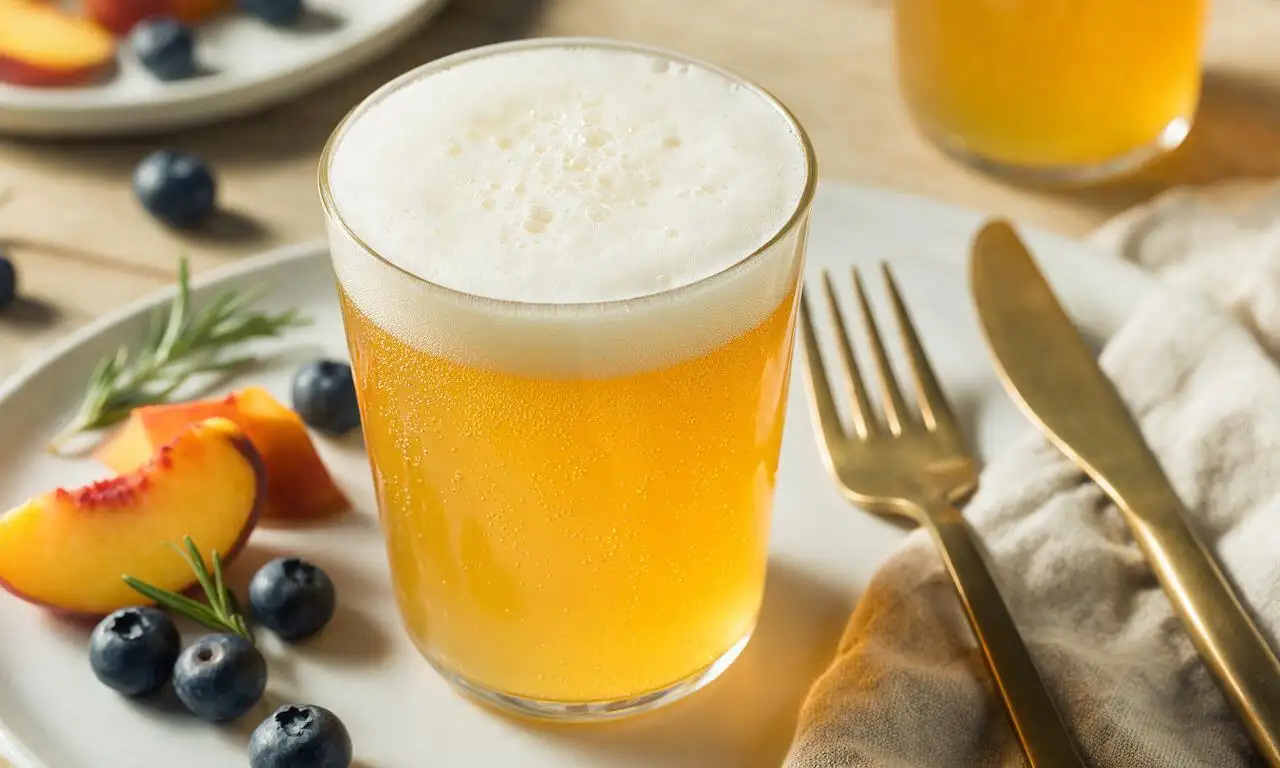
After 2 weeks of bottle conditioning, chill the beer for 48 hours at 4C (39F). Pour slowly into a chilled pilsner glass, tilting the glass at 45 degrees to create a 1-inch foam head, leaving the last 1/4 inch of yeast sediment in the bottle. Garnish with a single dried rose petal on the foam and serve immediately.
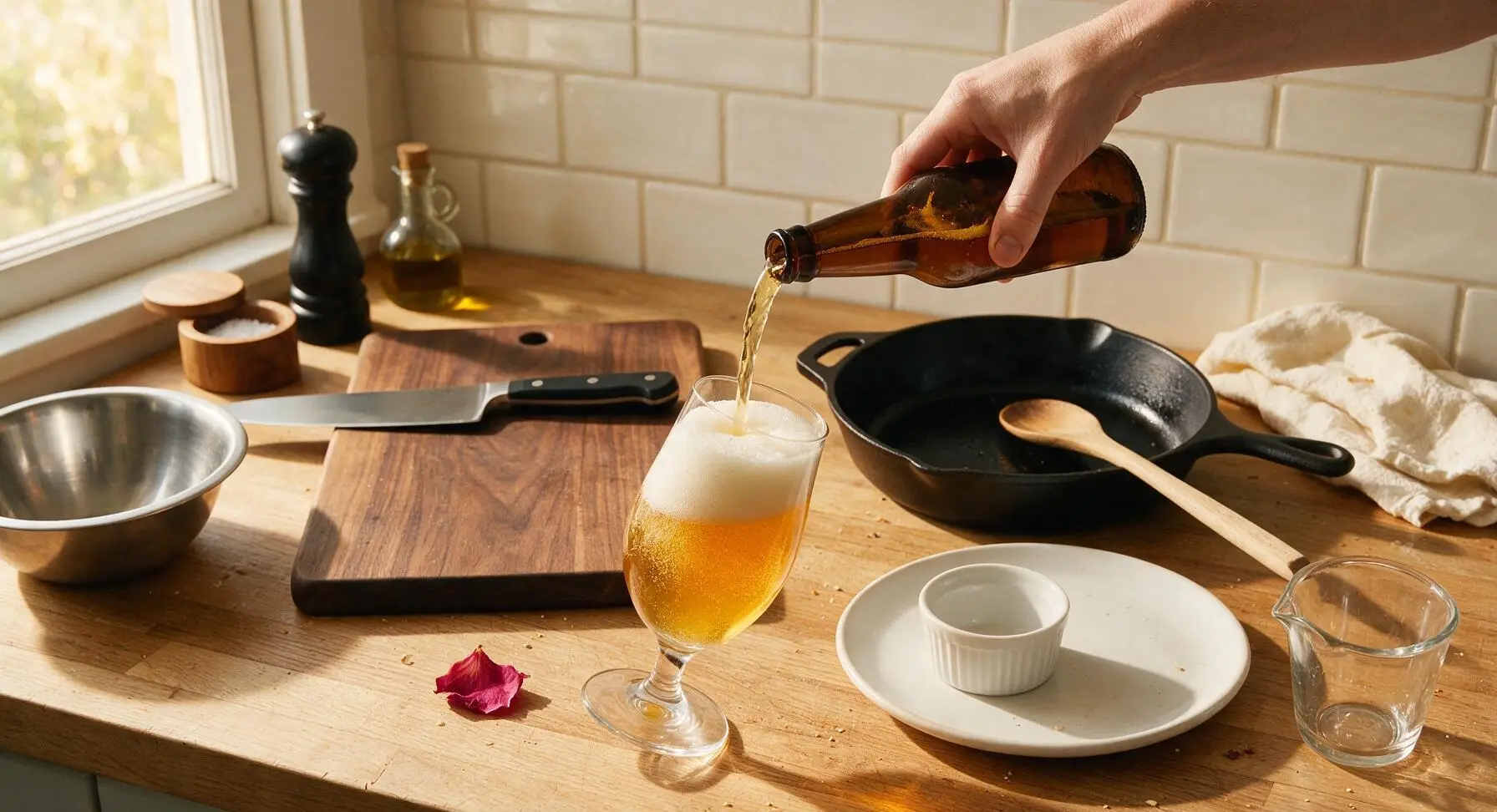
Tips
2.Taste the beer every 3 days during barrel stave aging. Oak tannins and rye whiskey flavor extract quickly; leaving the stave in longer than 2 weeks can lead to overpowering bitter, woody notes that mask the bright hop and soft rose character.
3.Keep lager fermentation temperatures steady between 13-16C (55-61F) during primary fermentation. Temperature swings above 18C (65F) cause lager yeast to produce harsh solvent-like or overly fruity off-flavors that clash with the IPL’s crisp, clean profile.
Really solid recipe! The only reason I’m knocking off a star is I wish there was a little more guidance on the barrel aging duration— I ended up leaving mine in a week too long and it picked up a bit too much oak for my taste. That’s on me though, the base flavor of the rye and rose is absolutely gorgeous. Will definitely make again, just set a timer next time!
Game changer! Served this at my annual Labor Day BBQ and it was a hit with everyone, even my cousin who only drinks light lagers. The rose note is super subtle, not perfumey at all like I worried it might be. 2 hours 45 minutes of active time was totally manageable for a weekend brew day, even with me stopping to flip burgers halfway through.
I’ve made a lot of IPLs over the years and this is easily top 3. The rye gives it that perfect earthy spice that balances the bright hops, and the barrel aging adds just enough vanilla to make it feel fancy without being over the top. Brought a 6 pack to my friend’s potluck and people were trading sides for a bottle lmao.
Taste is great once it’s done, but man, I found this a little trickier than medium difficulty? I messed up the temperature mash on my first try and had to redo the grain bill, which added a ton of extra time. Maybe I just need more practice, though.
SO good! I made a non-alcoholic version using NA malt extract for my sister’s baby shower and it was such a fun, fancy option for the people not drinking. Everyone kept asking where I bought it, they couldn’t believe I brewed it at home! The rose and rye combo feels so elegant but not fussy at all.
Just tapped my first batch of this tonight and OMG, it’s even better than I thought it would be! The carbonation is perfect, the floral notes hit right at the end, and the rye gives it that little bite I love. My partner said it’s the best beer I’ve ever made, which is high praise because he’s usually my harshest critic.
First time doing any kind of barrel aged brew, so I was super intimidated, but the steps were really easy to follow! I used dried rose petals instead of rose hips because that’s what I had on hand, and it turned out really nice. Only thing is I wish it was a little hoppier—next time I’ll add an extra half ounce of late addition hops.
Just got done bottling my second batch of this and I’m already obsessed. The first batch I aged for 3 weeks in the barrel, this one I’m doing 4 to see how the oak develops. I brought a few bottles to my family dinner last Sunday and my dad, who’s been brewing for 30 years, asked me for the recipe. Total win!
This recipe is super solid, but heads up for new brewers: make sure you give your rose hips enough time to steep, I rushed that step on my first batch and the floral note was almost nonexistent. Second time around I let them steep an extra 10 minutes and it was perfect. Also, if you don’t have a full barrel, you can use oak cubes soaked in rye whiskey for a similar effect, that’s what I did since I don’t have space for a full barrel in my apartment.