1.What makes Hawaiian saimin different from ramen or udon?
▾
Great question! Unlike dense, chewy udon or curly, alkaline ramen noodles, saimin uses thin, springy fresh wheat noodles developed during Hawaii’s plantation era. Its broth is lighter, balanced between dried seafood umami and savory chicken, rather than the rich pork or shoyu bases common in ramen, with uniquely local mixed toppings.
2.Can I use dried noodles if I can’t find fresh saimin noodles?
▾
Absolutely! If fresh saimin noodles aren’t stocked at your local Asian market, look for dried Hong Kong-style thin wheat noodles (the kind labeled “wonton noodles” work great) as a stand-in. Cook them 30 seconds less than the package directs to keep that signature chewy, springy bite saimin is known for, and avoid overcooking them to a mushy texture.
3.Why does this recipe call for low-sodium chicken broth instead of regular?
▾
We use low-sodium chicken broth here because the other core broth ingredients—dried shrimp, kombu, and light soy sauce—all carry natural, briny sodium. Using regular broth would lead to an overly salty final soup that masks the delicate, layered umami from the dried seafood and kelp, rather than letting those balanced flavors shine through.
4.Do I need to soak dried kombu before adding it to the broth?
▾
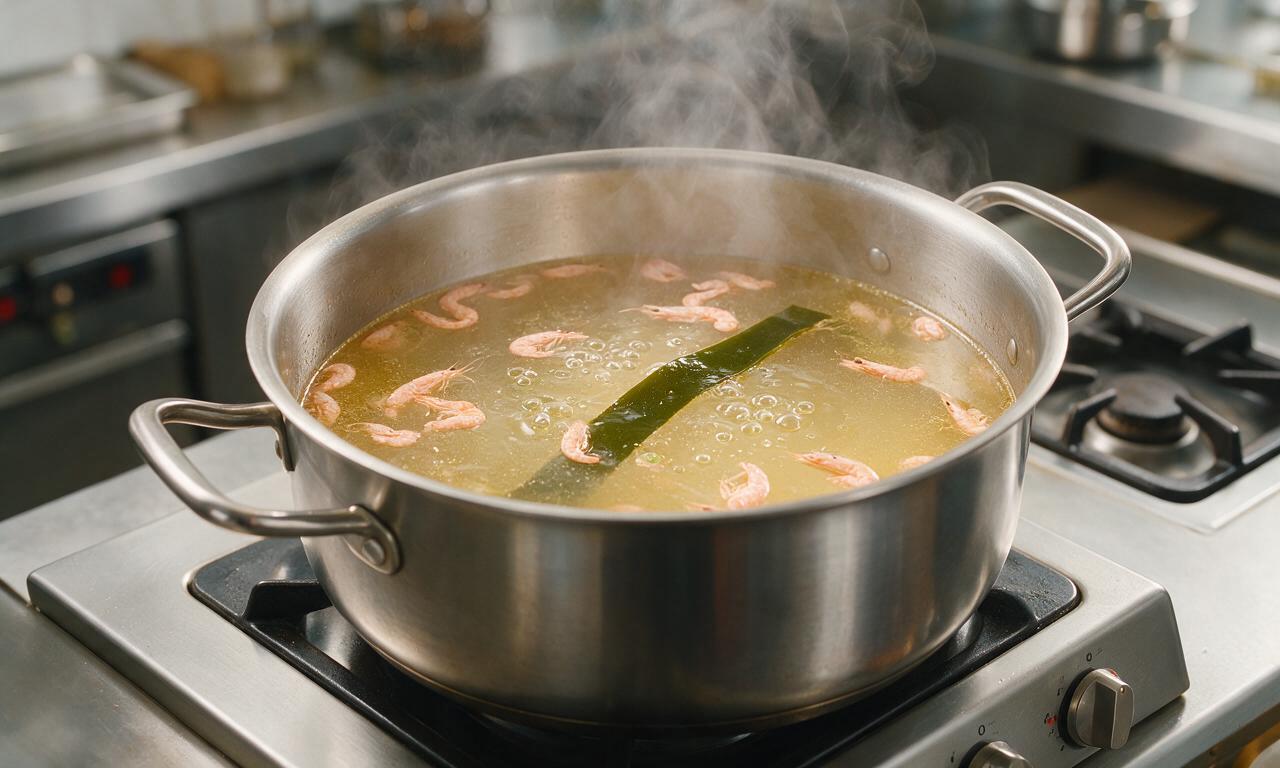
You don’t need a long soak, but do wipe the kombu gently with a damp paper towel to brush off any surface salt residue before adding it to cold broth as it heats. Never boil kombu for long periods, as that releases bitter, slimy compounds; pull it out right as the broth comes to a gentle simmer for clean umami.
5.What do dried shrimp add to the saimin broth?
▾
Dried shrimp bring that signature deep, briny, slightly sweet seafood umami that defines classic plantation-era saimin, no fancy seafood stock required. They add a subtle, rounded ocean note that doesn’t taste fishy—just savory—when simmered slowly, and you can strain them out or leave a few in for extra texture if you prefer.
6.Can I make the saimin broth ahead of time for meal prep?
▾
Definitely! The broth actually tastes better when made 1 to 2 days ahead, because the umami from the kombu and dried shrimp melds more fully as it chills. Let it cool completely, store it in a sealed airtight container in the fridge, and skim off any solidified fat from the top before reheating gently to serve.
7.What are the most classic toppings to serve with this saimin?
▾
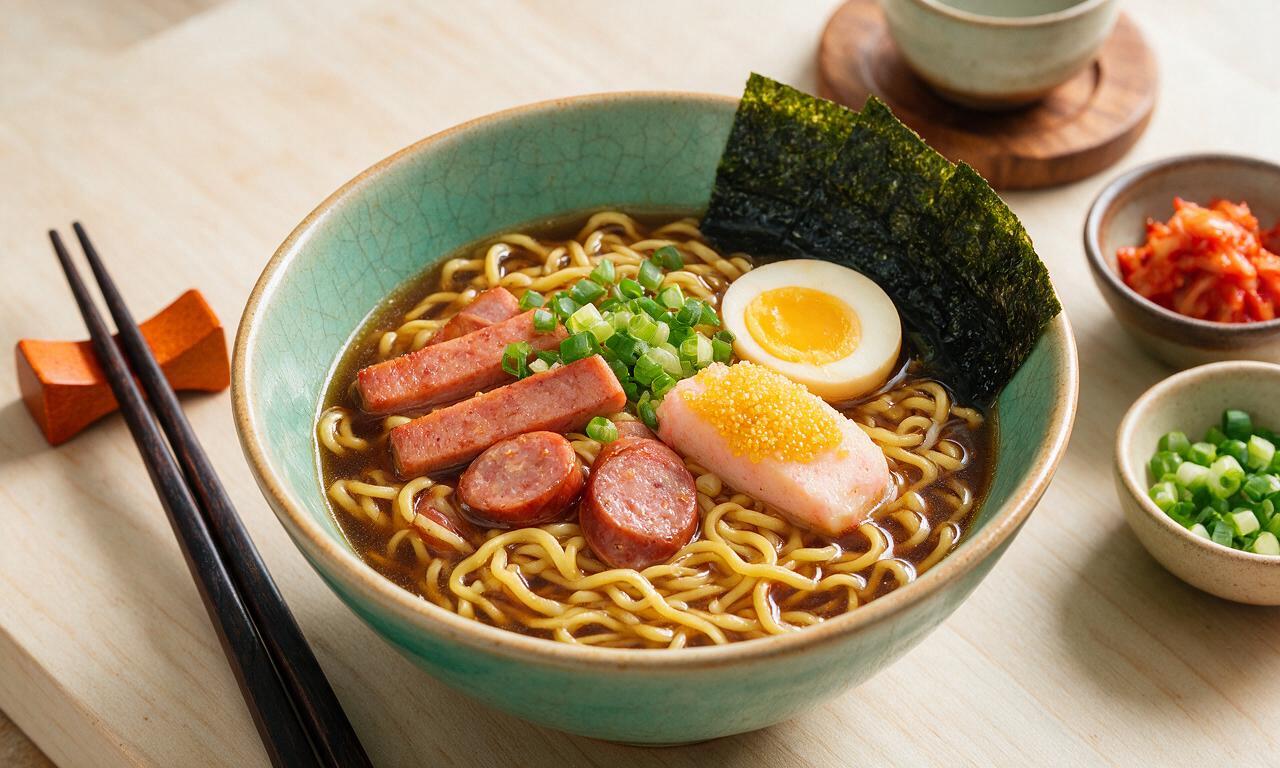
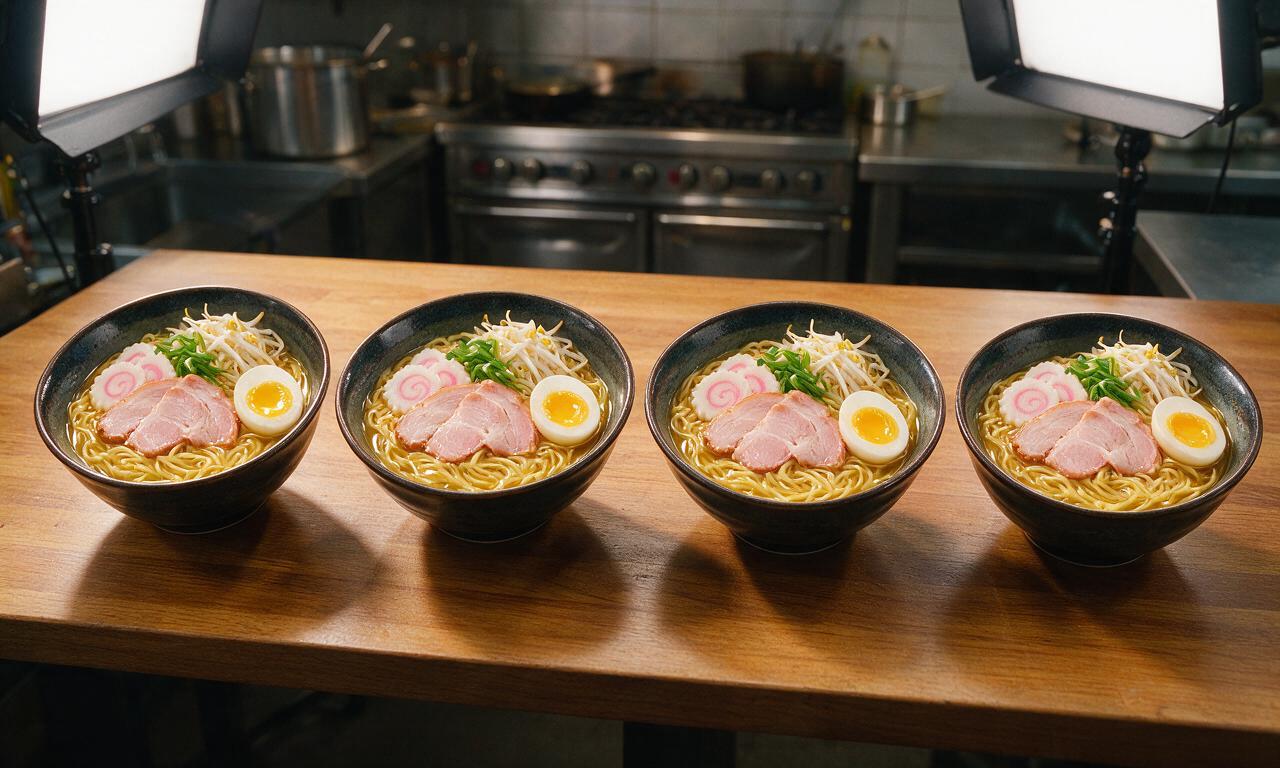
Traditional, beloved local toppings include thin-sliced char siu (Chinese barbecued pork), sliced green onion, thin strips of tamagoyaki (sweet rolled egg), pink-and-white kamaboko fish cake, a sprinkle of chopped cilantro, and a dash of white pepper. Many locals also add a spoonful of chili oil or squeeze of lime for extra zing.
8.Can I use dark soy sauce instead of light soy sauce for this recipe?
▾
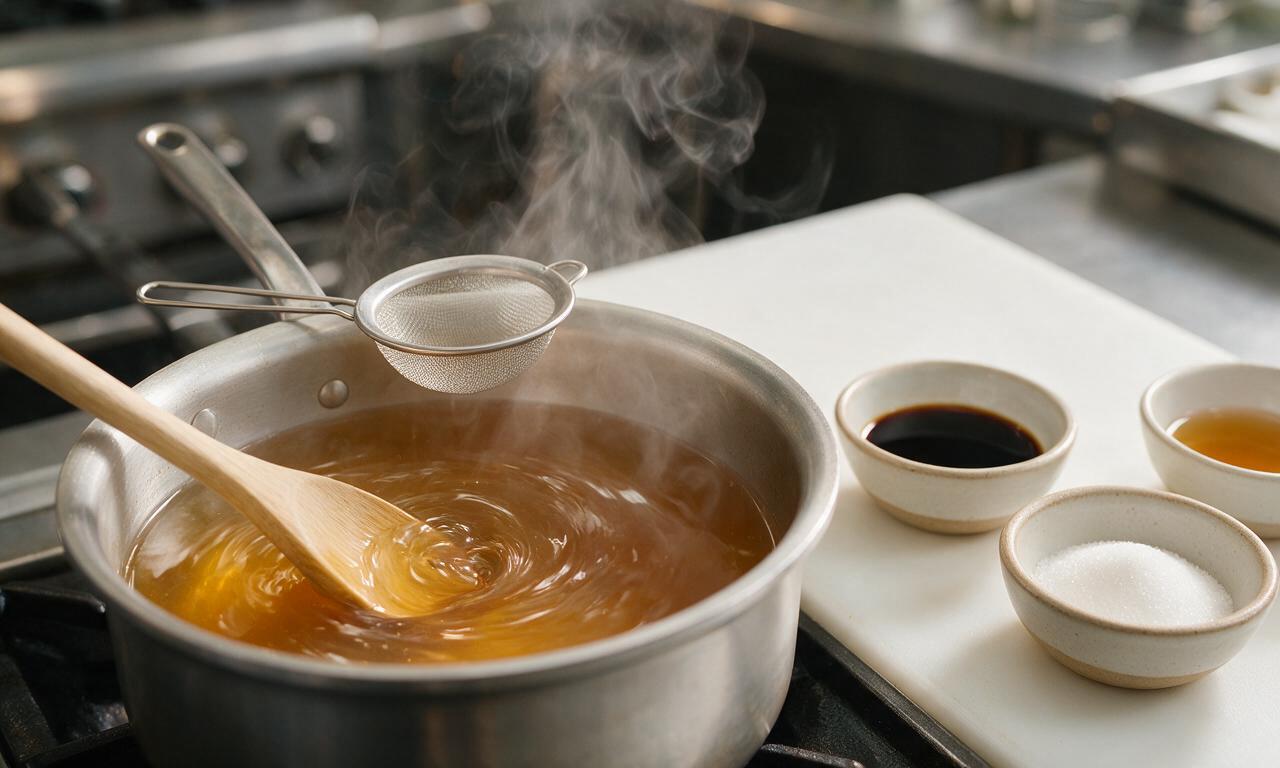
Stick to light soy sauce for the best results. Dark soy sauce is aged longer, has a much deeper, slightly bitter flavor, and will turn the broth a dark, murky brown while adding too heavy a salty-savory note. If you only have regular all-purpose soy sauce, cut the amount by 1 teaspoon to keep the broth balanced.
9.Why did my saimin broth turn out slightly bitter after simmering?
▾
That bitter flavor almost always comes from either boiling kombu too long (remember to pull it out right as the broth hits a simmer!) or using old, rancid dried shrimp that’s been stored in your pantry for over a year. To fix a slightly bitter broth, stir in a tiny pinch of sugar and a splash more chicken broth to mellow the note.
10.Can I adapt this authentic saimin recipe to be vegetarian or vegan?
▾
You can easily adapt this for vegan or vegetarian diets! Swap the low-sodium chicken broth for low-sodium vegetable broth, replace the dried shrimp with 2 tablespoons of dried shiitake mushrooms for that deep umami kick, and use low-sodium tamari instead of light soy sauce. Keep the kombu in, and load up on veggie toppings like bok choy.
11.How long should I simmer the broth to get the best saimin flavor?
▾
Aim for a gentle, low simmer of 20 to 25 minutes total after adding the kombu and dried shrimp to the cold broth. Don’t crank the heat to a rolling boil, as that makes the broth cloudy and can pull bitter notes from ingredients. After simmering, stir in the light soy sauce off heat so you don’t cook off its bright, savory flavor.
12.Do I need to rinse the saimin noodles after cooking them?
▾
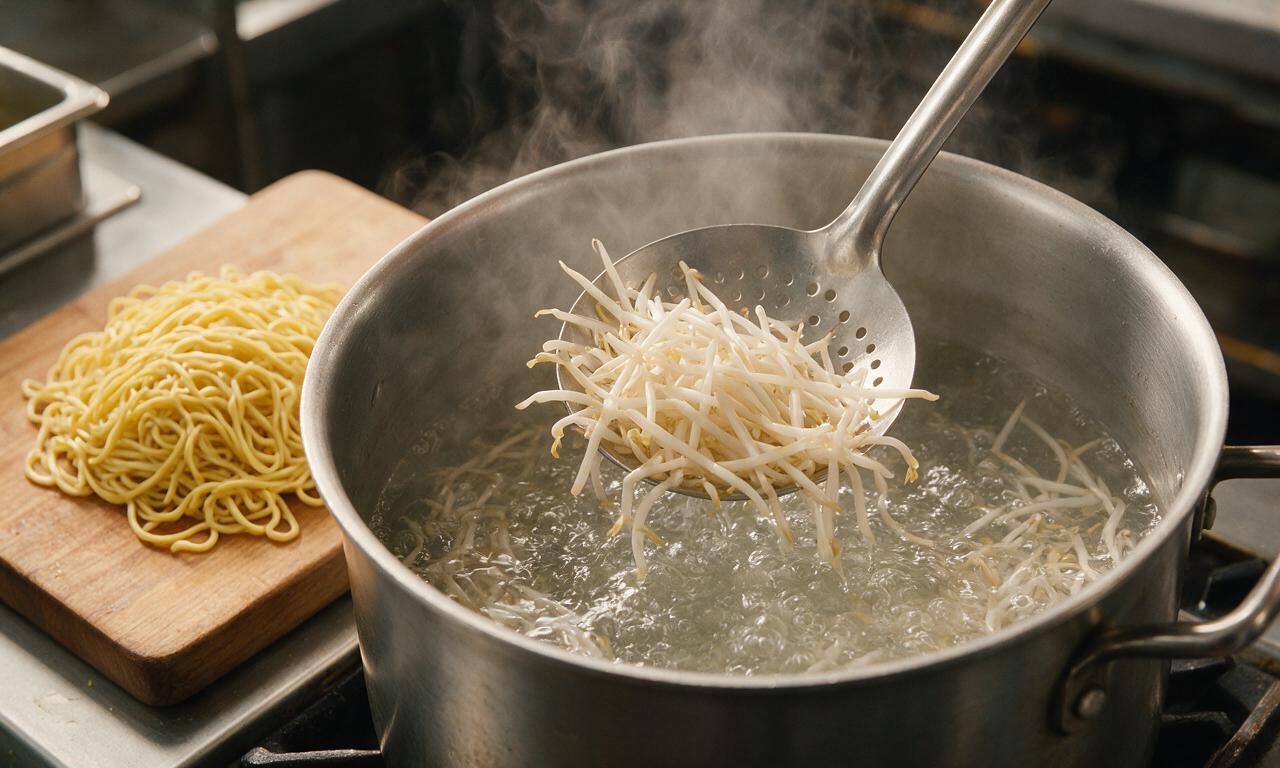
For fresh saimin noodles, give them a quick 10-second rinse in warm (not ice cold) water after boiling to wash off excess surface starch that would make the broth gummy. Don’t rinse them for too long, or you’ll cool the noodles down too much—they should stay warm so they don’t drop the temperature of your hot broth.
13.Can I add extra protein to make this saimin a heartier meal?
▾
Absolutely! While classic saimin is fairly light, it’s totally customizable for heartier appetites. Add thin slices of poached chicken, peeled boiled shrimp, or even crispy fried Spam (a beloved local Hawaiian add-in) right on top of the noodles before pouring over hot broth. Just skip heavy, breaded proteins that will make the broth murky.
14.What’s the best way to store leftover saimin?
▾
Store leftover broth and cooked noodles separately to keep the best texture, if possible. Noodles will turn mushy if left sitting in hot broth for more than a couple hours, so keep drained, cooled noodles in one sealed container and broth in another in the fridge for up to 3 days. Reheat broth until piping hot, then pour over warmed noodles to serve.
15.What traditional condiments are served alongside Hawaiian saimin?
▾
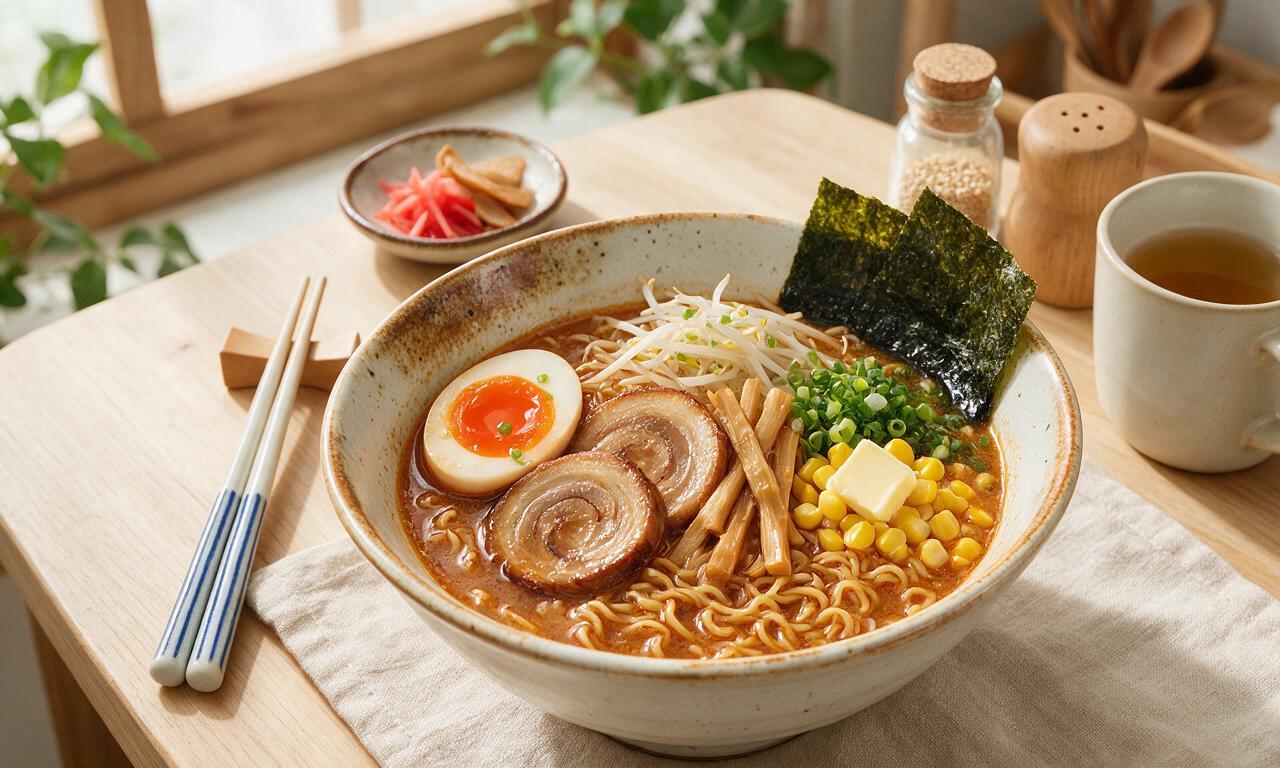
Most local saimin shops set out small bottles of light soy sauce, Chinese hot mustard, chili oil, and shichimi togarashi for diners to adjust flavor to taste. You’ll also often see sliced pickled ginger on the side, which cuts through the broth’s savoriness for a bright, palate-cleansing bite between slurps.
16.Why is saimin considered such an iconic Hawaiian comfort food?
▾
Saimin grew out of Hawaii’s 19th and early 20th century plantation era, when immigrant workers from Japan, China, the Philippines, and Portugal shared pantry staples to make a warm, filling, affordable meal after long work days. It’s beloved across the islands because it reflects Hawaii’s unique, blended multicultural food history in every cozy bite.

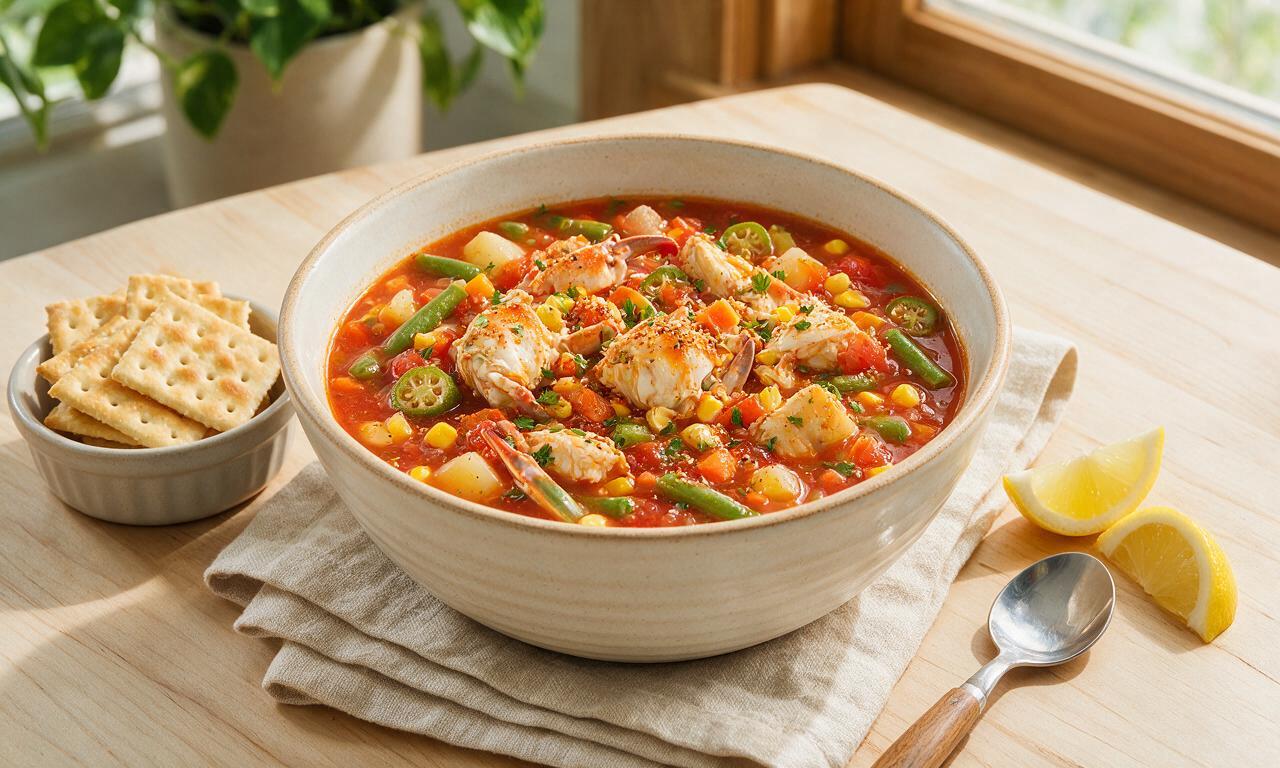
OMG this tastes exactly like the saimin I used to get at the little roadside stand on Oahu when I visited my grandma as a kid! I was so worried I’d never get that exact dashi and umami kick without booking a flight, but this recipe nailed it. Super easy too, I threw it together on a weeknight after work and my whole family devoured it. Even my picky 7 year old asked for seconds! 10/10, will be making this for our next potluck for sure.
Total game changer for my weekly meal prep! I made a big batch on Sunday, portioned it out, and it held up perfectly all week for lunches. The broth is so flavorful but not heavy, and the cook time was way shorter than I expected for something that tastes this authentic. I swapped the regular noodles for whole wheat ones to bump up the fiber and it still worked great. SO good.
Tried this last night for family dinner and wow, it was a hit! I was a little intimidated at first because I thought authentic saimin would be super complicated, but the easy difficulty rating was no lie. The only thing I messed up was overcooking the noodles a tiny bit, so next time I’ll pull them 30 seconds earlier like the tip says. My husband already asked me to add it to our regular dinner rotation.
Wait, is this really the authentic version? I had saimin in Maui last year and I remember it having a little more shrimp flavor? I followed the recipe exactly but mine felt like it was missing something. Did I skimp on the dashi maybe?
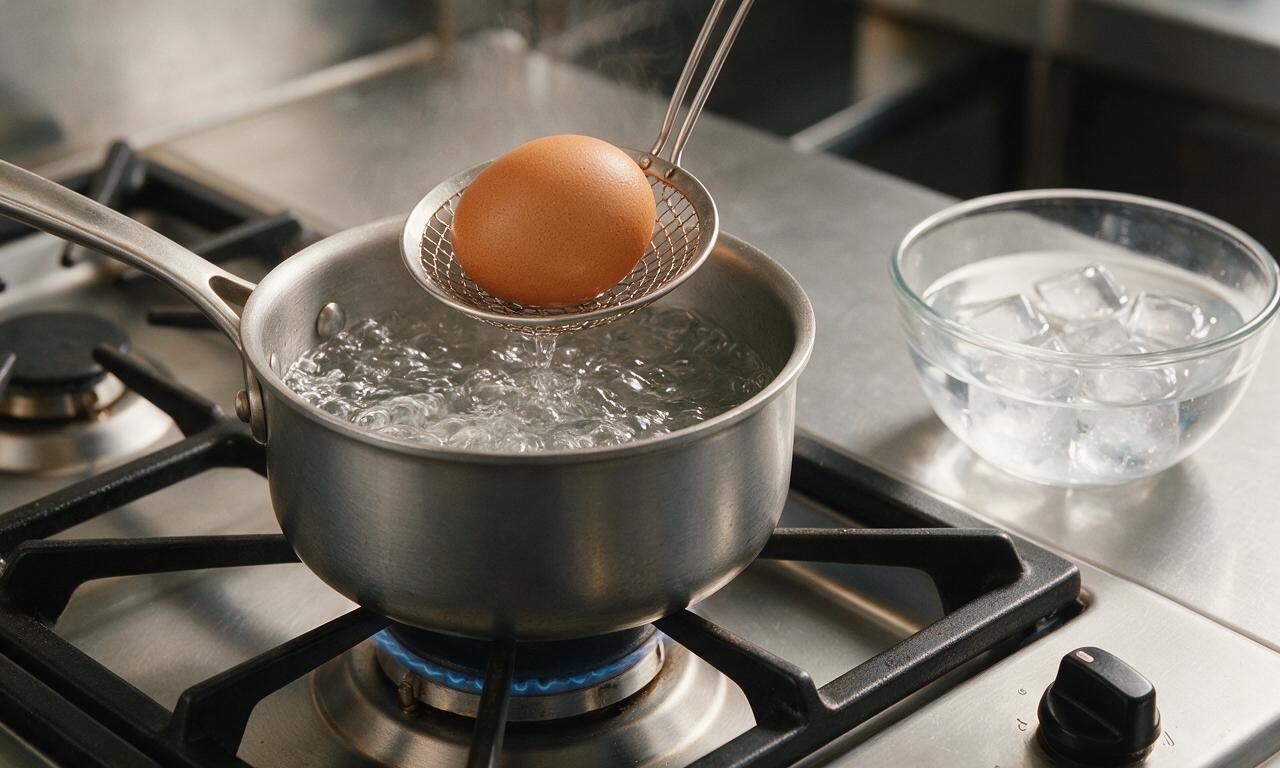
Y’all, I brought this to my neighborhood block party last weekend and people were begging me for the recipe! I topped each bowl with a little kamaboko, spam, and a soft boiled egg like the recipe suggested and it looked so fancy, no one believed it only took 35 minutes to make. Absolute crowd pleaser, will be making this again and again.