
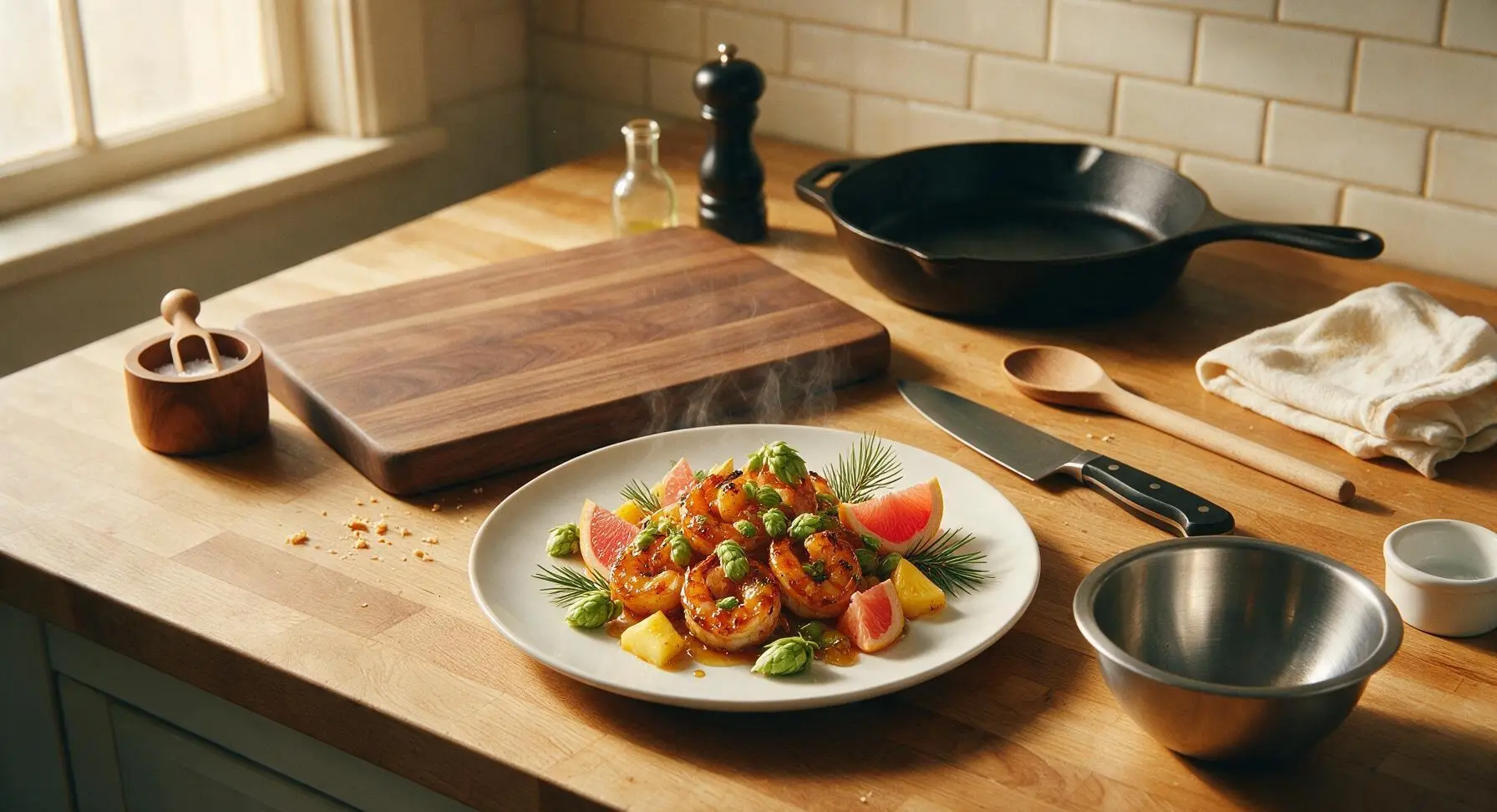
San Diego IPA

title 1
San Diego IPA
⏱️ cook time 1 hour 15 minutes
🍽️ servings 48
⚡ Difficulty medium

intro

Iconic bright, pine-citrus West Coast IPA born in San Diego, with a crisp dry finish, bold hop bitterness, and notes of grapefruit, pine, and tropical fruit, perfect for warm weather sipping.

Ingredients
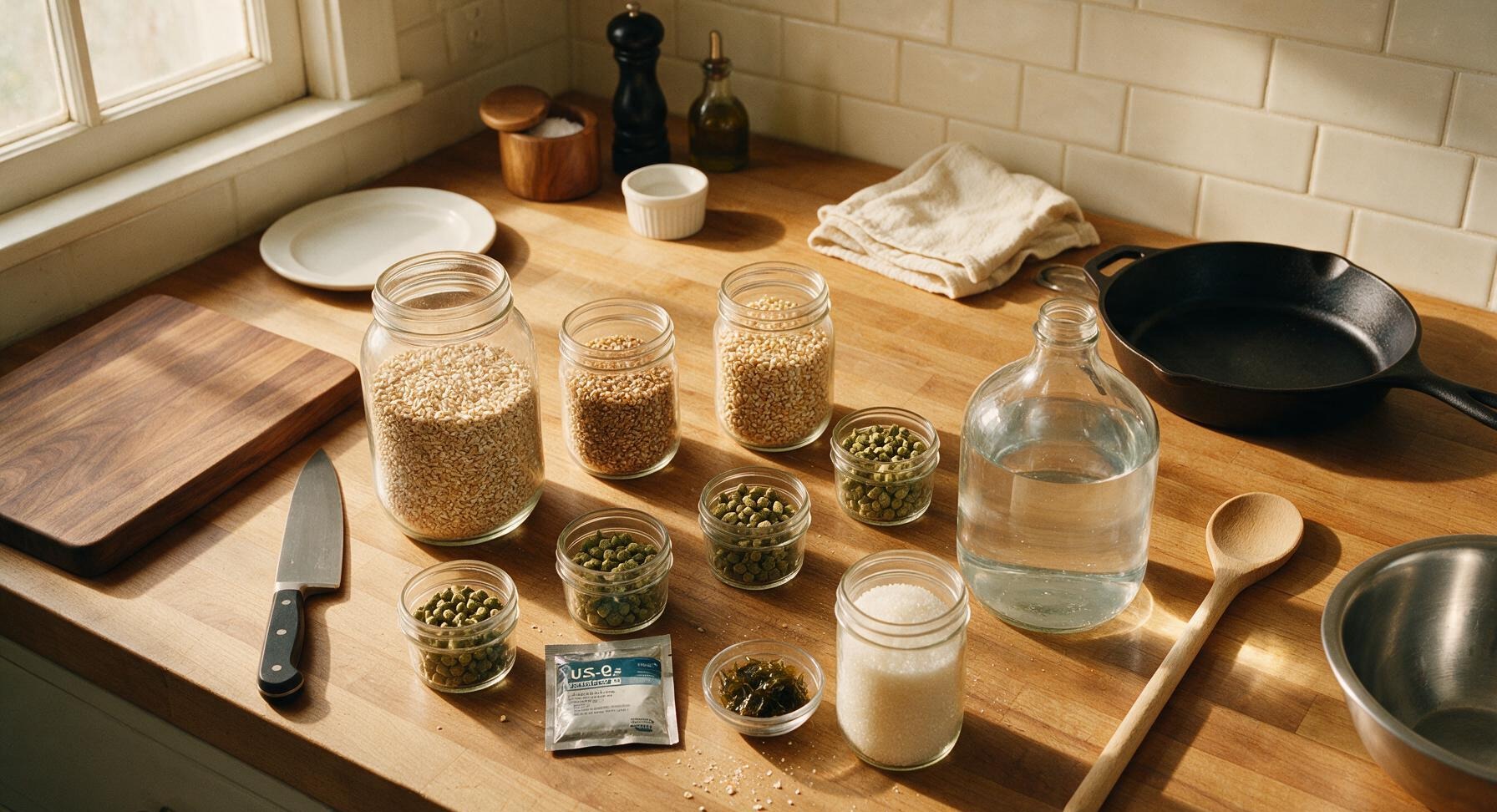
Filtered water 5 gallons
Crushed 2-row pale malt 9 lbs
Crushed crystal 20L malt 1 lb
Crushed carapils malt 8 oz
Chinook pellet hops 1 oz
Centennial pellet hops 1 oz
Cascade pellet hops 1 oz
Simcoe pellet hops 1 oz
US-05 American ale yeast 1 packet (11.5g)
Irish moss 1 tsp
Corn sugar (for priming) 5 oz

Steps

1

Sanitize Brewing Gear

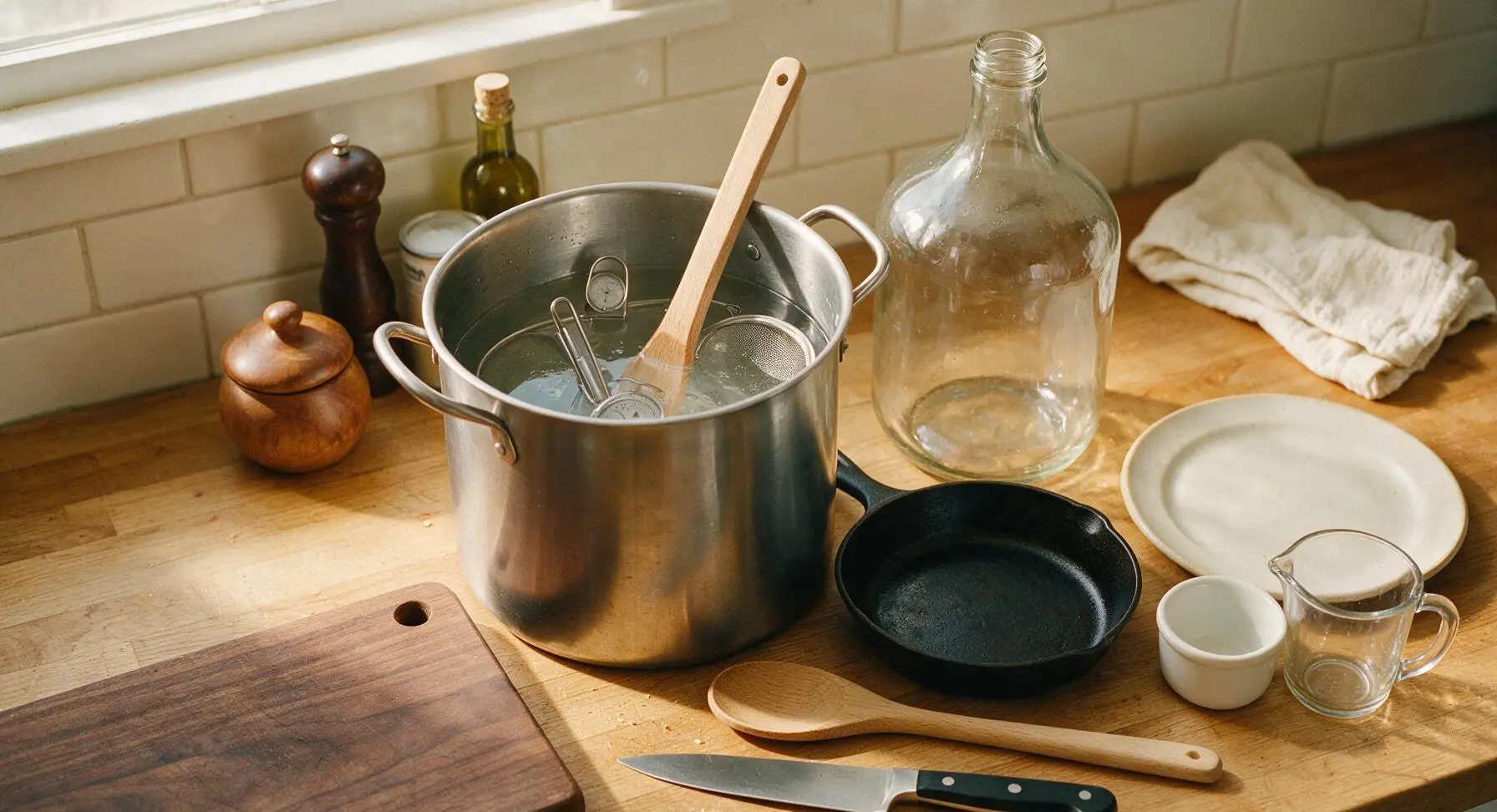
Mix no-rinse brewing sanitizer per package directions in the brew kettle before handling any ingredients. Submerge the mash paddle, thermometer, strainer, auto-siphon, and measuring cups for 2 full minutes, then wipe the carboy neck, airlock, and bottle surfaces with sanitizer. Set all items on a clean section of counter to air dry; every surface that touches cooled wort must be fully sanitized to prevent off-flavors or bacterial contamination.
Step 1
step1:Sanitize Brewing Gear
2

Heat Mash Water

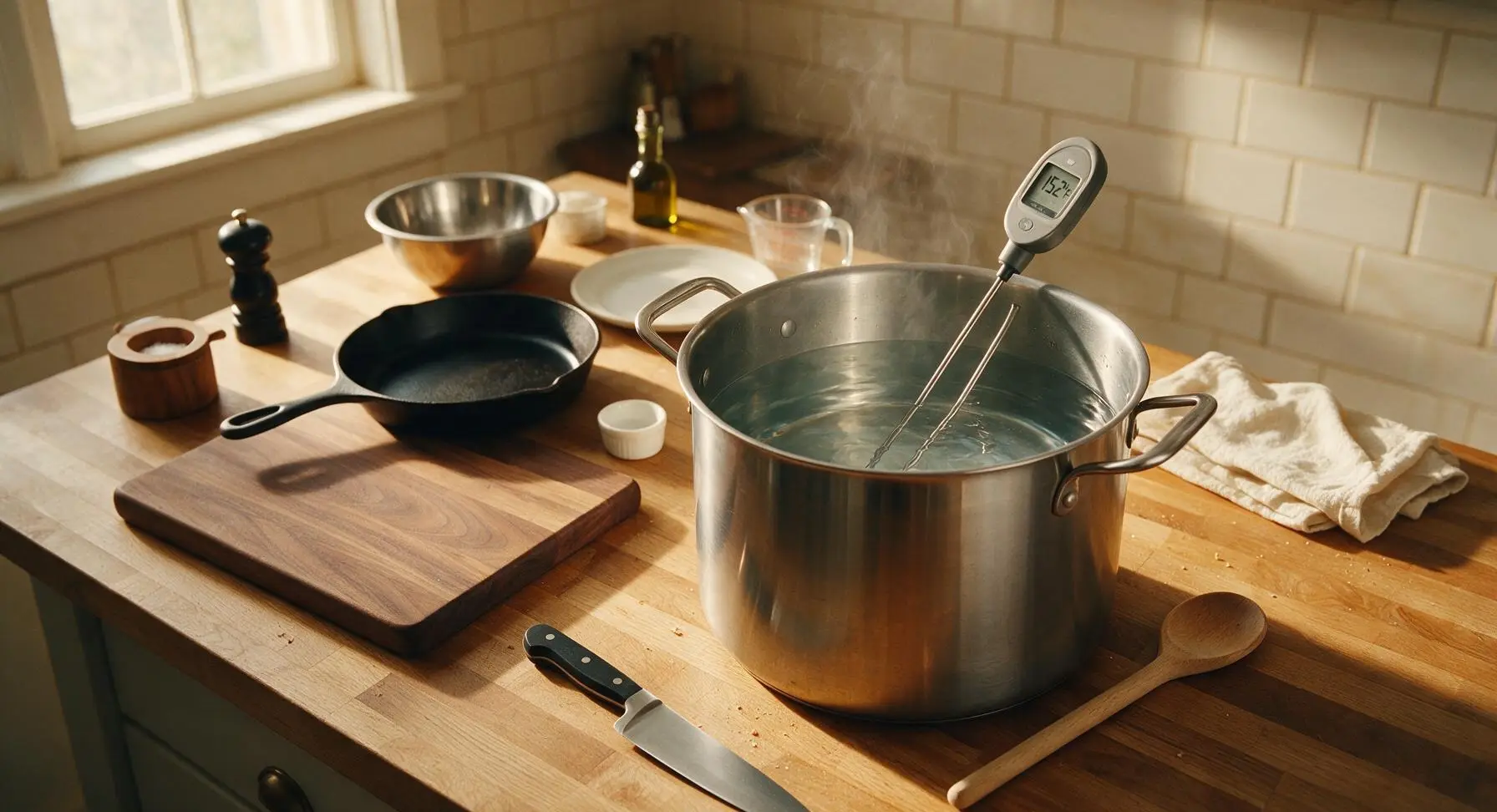
Pour 3.5 gallons of filtered water into the sanitized brew kettle, place over medium heat, and warm to exactly 152°F, checking temperature regularly with the digital thermometer. Do not let water exceed 155°F, as higher temperatures will produce overly sweet, heavy wort that mutes bright hop flavor.
Step 2
step2:Heat Mash Water
3

Mash the Grain Bill

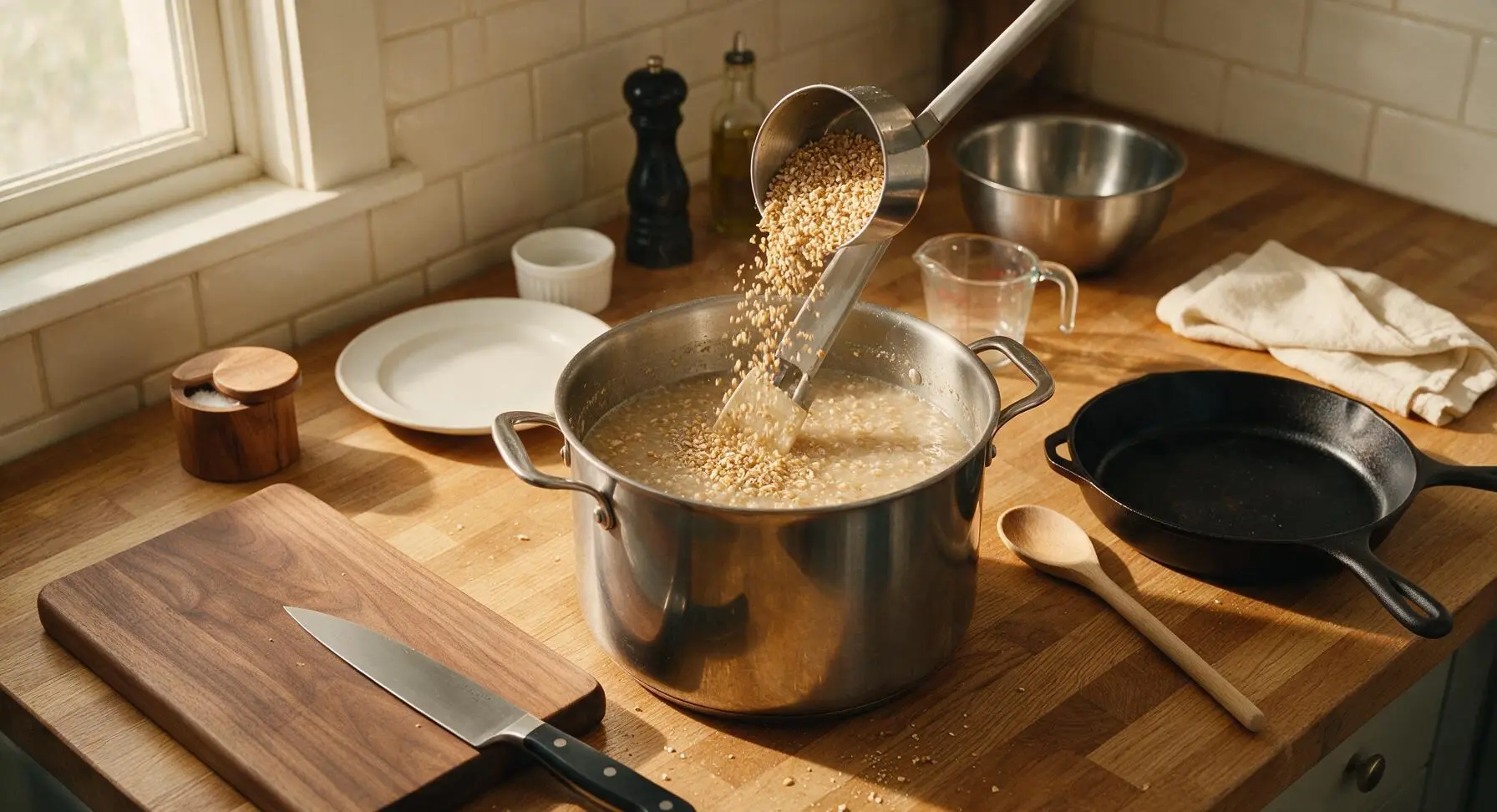
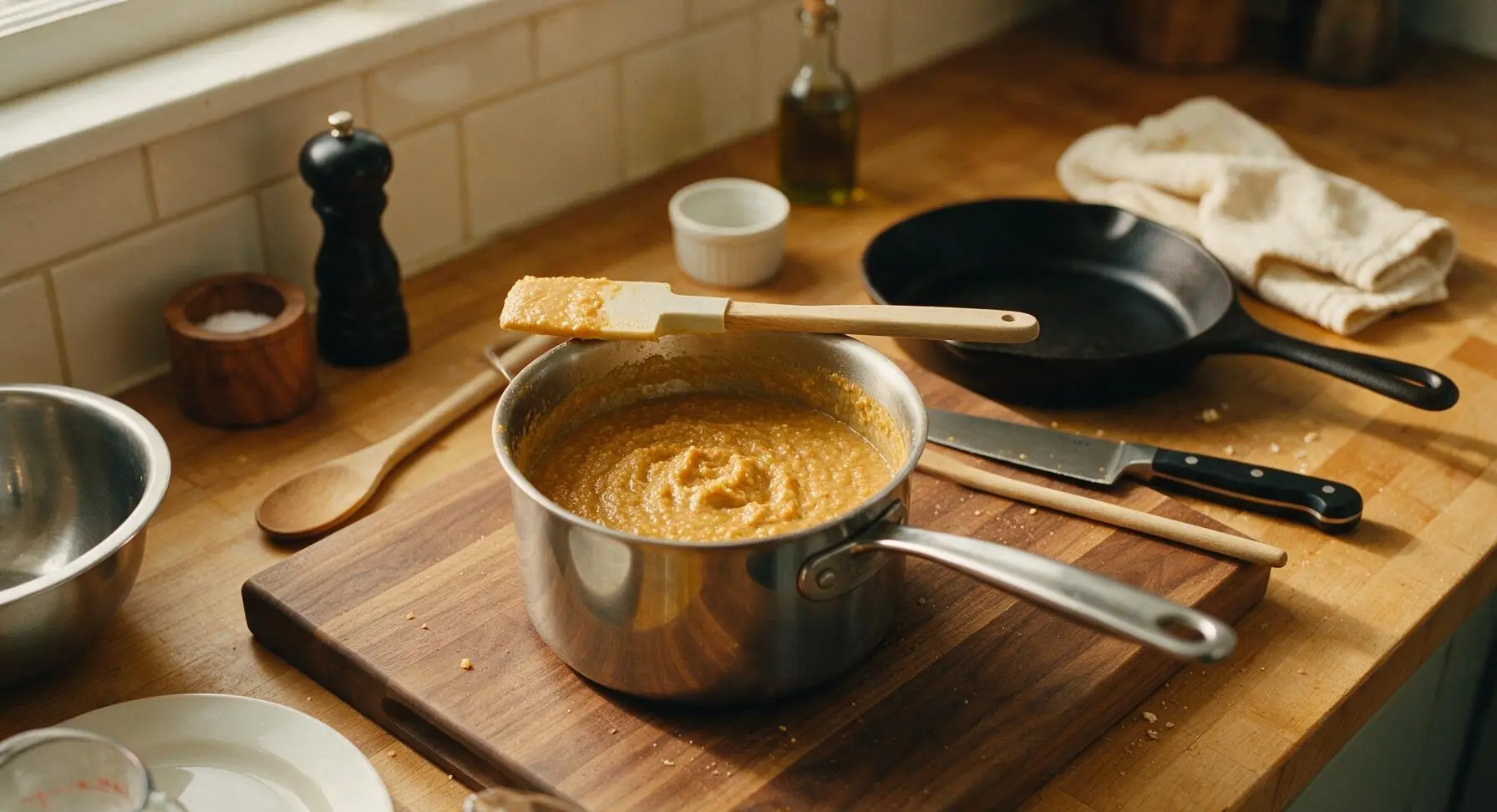
Slowly stir all crushed malts (2-row pale, crystal 20L, carapils) into the 152°F water using the mash paddle, stirring thoroughly to break up any dry clumps. Hold the temperature steady at 150-152°F for 60 minutes, covering the kettle with the lid. The mixture will have a thick, porridge-like consistency, and will smell sweet and bready as grain starches convert to fermentable sugar.
Step 3
step3:Mash the Grain Bill
Step 3
step3:Mash the Grain Bill
4

Sparge and Heat Wort

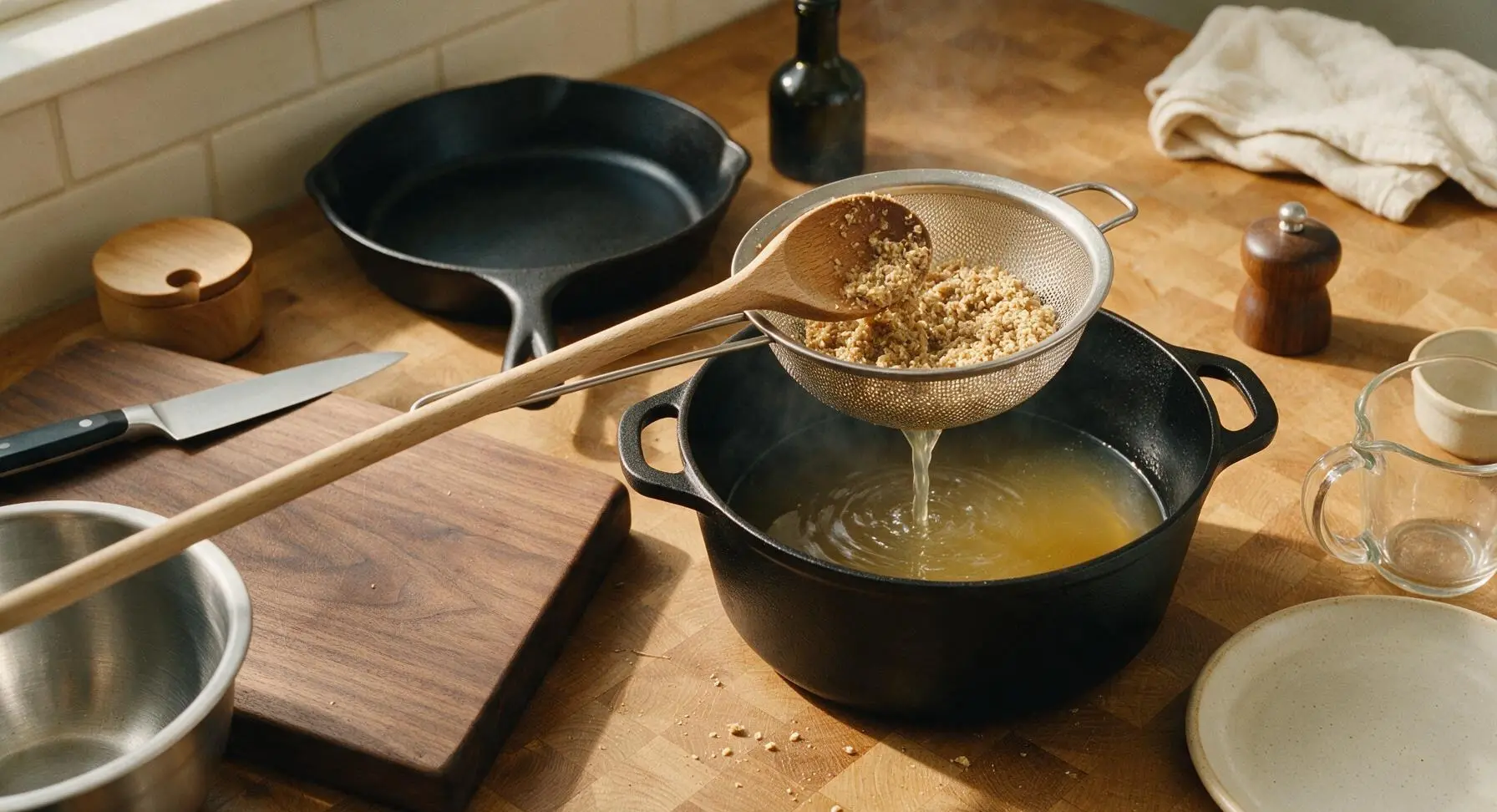
After the 60 minute mash, slowly pour 1.5 gallons of 170°F filtered water over the grain bed to rinse residual sugars, then strain out all grain solids using the fine mesh strainer, leaving sweet, clear golden wort in the kettle. Bring the wort to a rolling, gentle boil over medium-high heat, adjusting heat as needed to prevent messy boilovers.
Step 4
step4:Sparge and Heat Wort
5

Add Bittering Hops

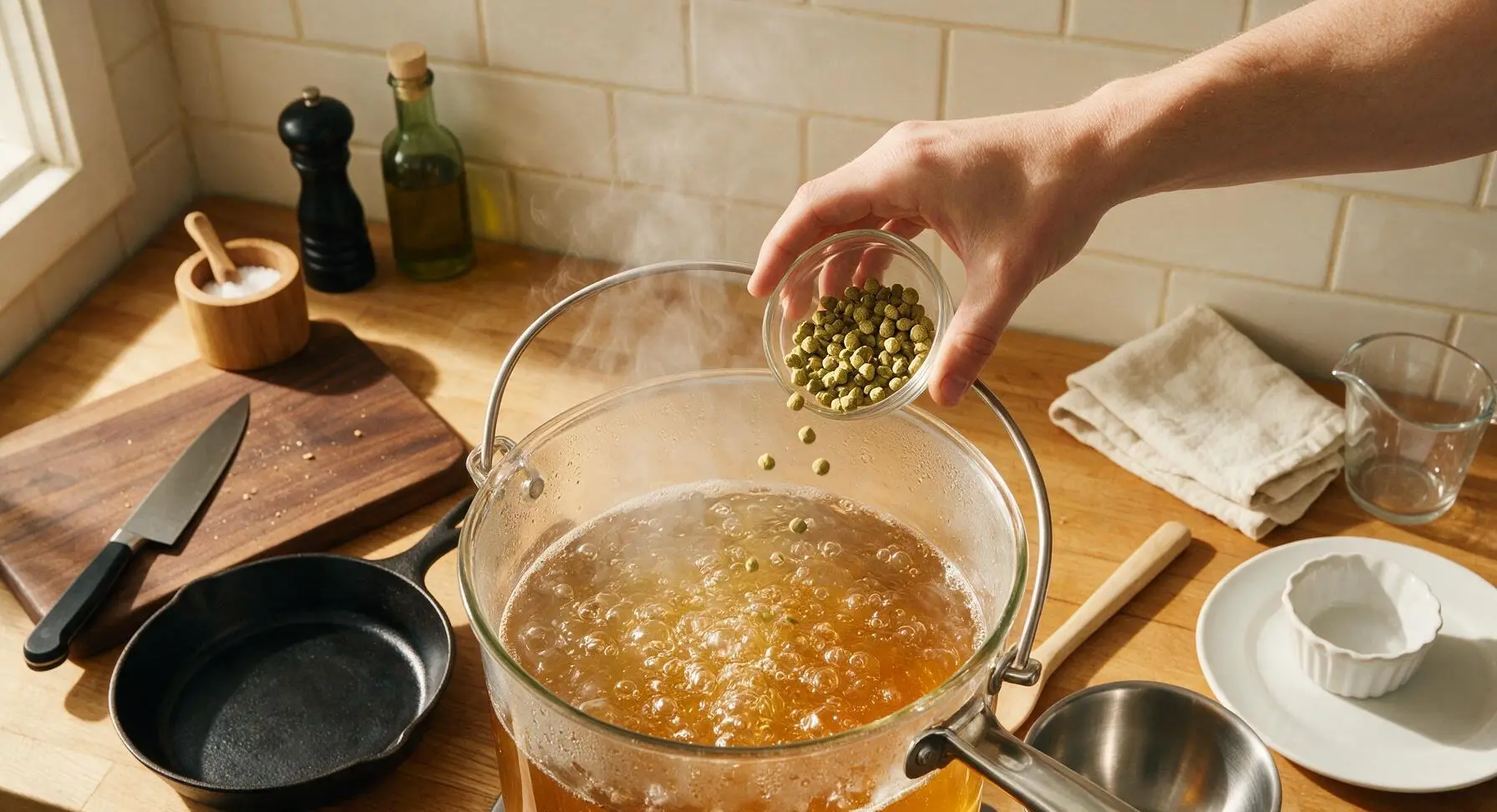
Once the wort reaches a steady rolling boil, set a timer for 60 minutes. Add the full 1 oz of Chinook hops immediately (this is the 60-minute bittering addition), stirring gently with the mash paddle to distribute hops evenly. Maintain a steady rolling boil for the full 60 minutes, adjusting heat as needed to prevent boilovers.
Step 5
step5:Add Bittering Hops
6

Add Flavor Aroma Hops

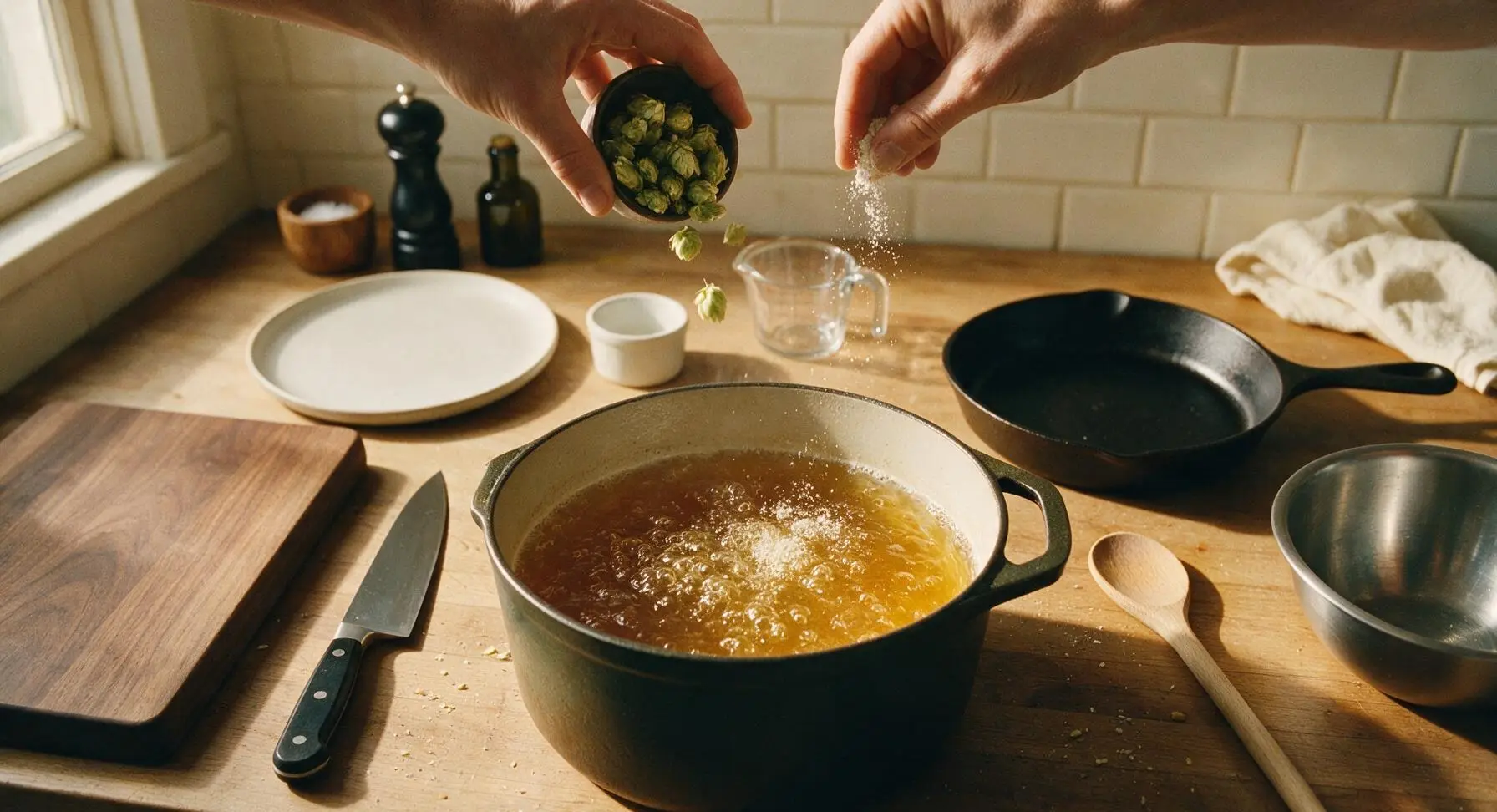
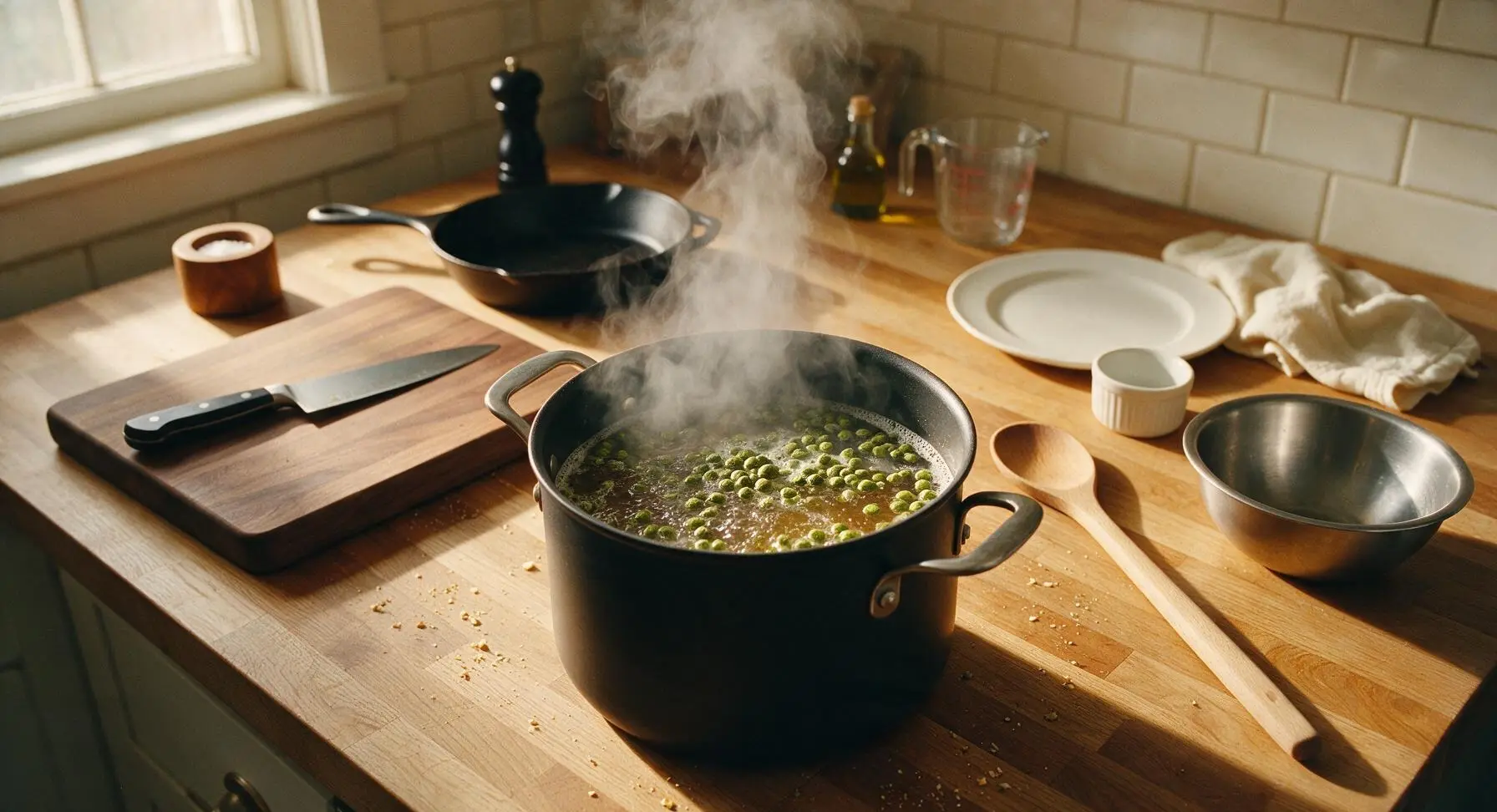
When the 60-minute boil timer shows 15 minutes remaining, add 1 oz of Centennial hops and 1 tsp of Irish moss to the boil, stirring gently to incorporate. When the timer shows 5 minutes remaining, add 1 oz of Cascade hops for bright citrus aroma. Do not add these hops earlier, as extended boiling will destroy their delicate aromatic oils and reduce the signature bright hop character of the style.
Step 6
step6:Add Flavor Aroma Hops
Step 6
step6:Add Flavor Aroma Hops
7

Cool and Transfer Wort

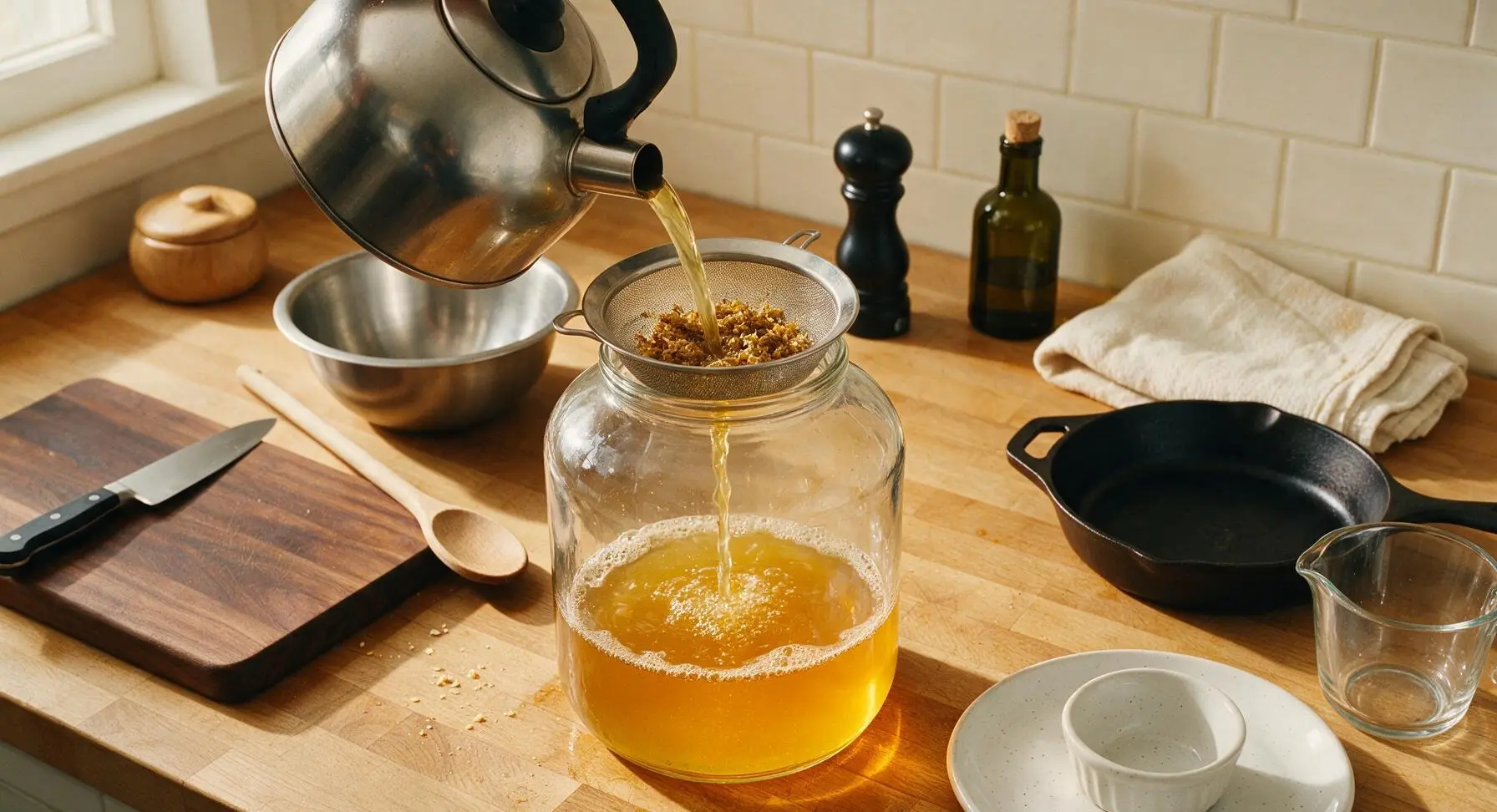
When the 60-minute boil is complete, turn off the heat, and place the covered kettle in an ice bath to rapidly cool the wort to 70°F within 30 minutes (rapid cooling prevents off-flavors and contamination). Once cooled, pour the wort through the sanitized fine mesh strainer into the sanitized 5-gallon glass carboy, leaving all hop sediment and trub behind in the kettle.
Step 7
step7:Cool and Transfer Wort
8

Pitch Yeast and Ferment

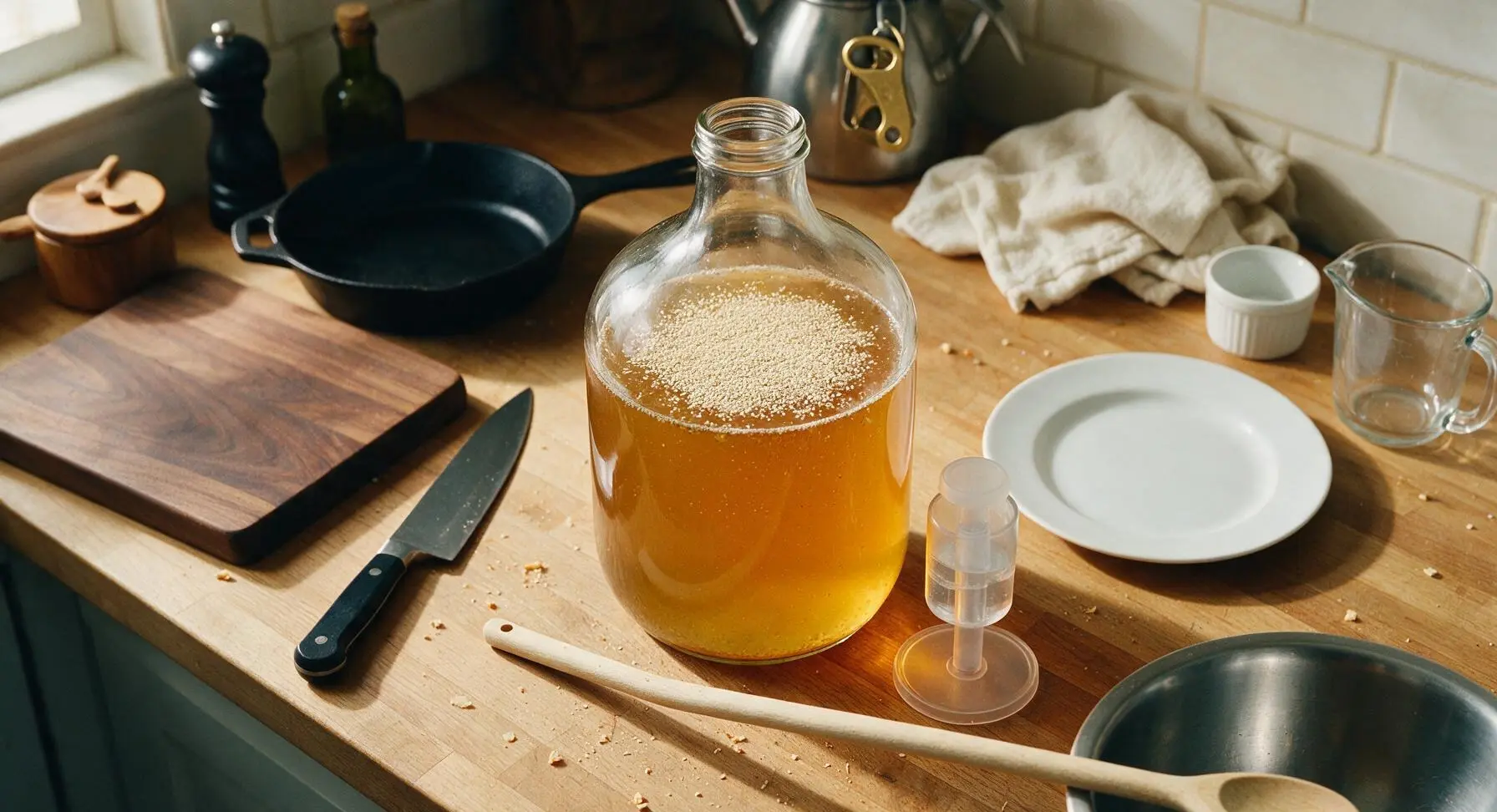
Sprinkle the full 11.5g packet of US-05 ale yeast evenly over the surface of the cooled 70°F wort in the carboy. Seal the carboy neck with the sanitized rubber stopper, insert the 3-piece airlock filled halfway with no-rinse sanitizer, and store the carboy in a dark, temperature-stable 68°F space for 2 weeks, until bubbling in the airlock stops completely for 48 consecutive hours. After 1 week of active fermentation, add the full 1 oz of Simcoe hops directly to the carboy for dry hopping, to add bright pine and tropical fruit aroma without adding extra bitterness.
Step 8
step8:Pitch Yeast and Ferment
9

Bottle and Carbonate

Once fermentation is complete (confirmed by no airlock bubbles for 48 hours, and clear, non-hazy beer with a thin layer of pale yeast sediment at the carboy bottom), use the sanitized auto-siphon to transfer beer off the yeast sediment into sanitized 12oz amber glass bottles, adding 1 tsp of corn sugar per bottle to create natural carbonation. Cap bottles tightly with sanitized bottle caps, and store at room temperature (65-70°F) for 2 weeks to allow carbonation to fully develop before chilling to 40°F for serving.
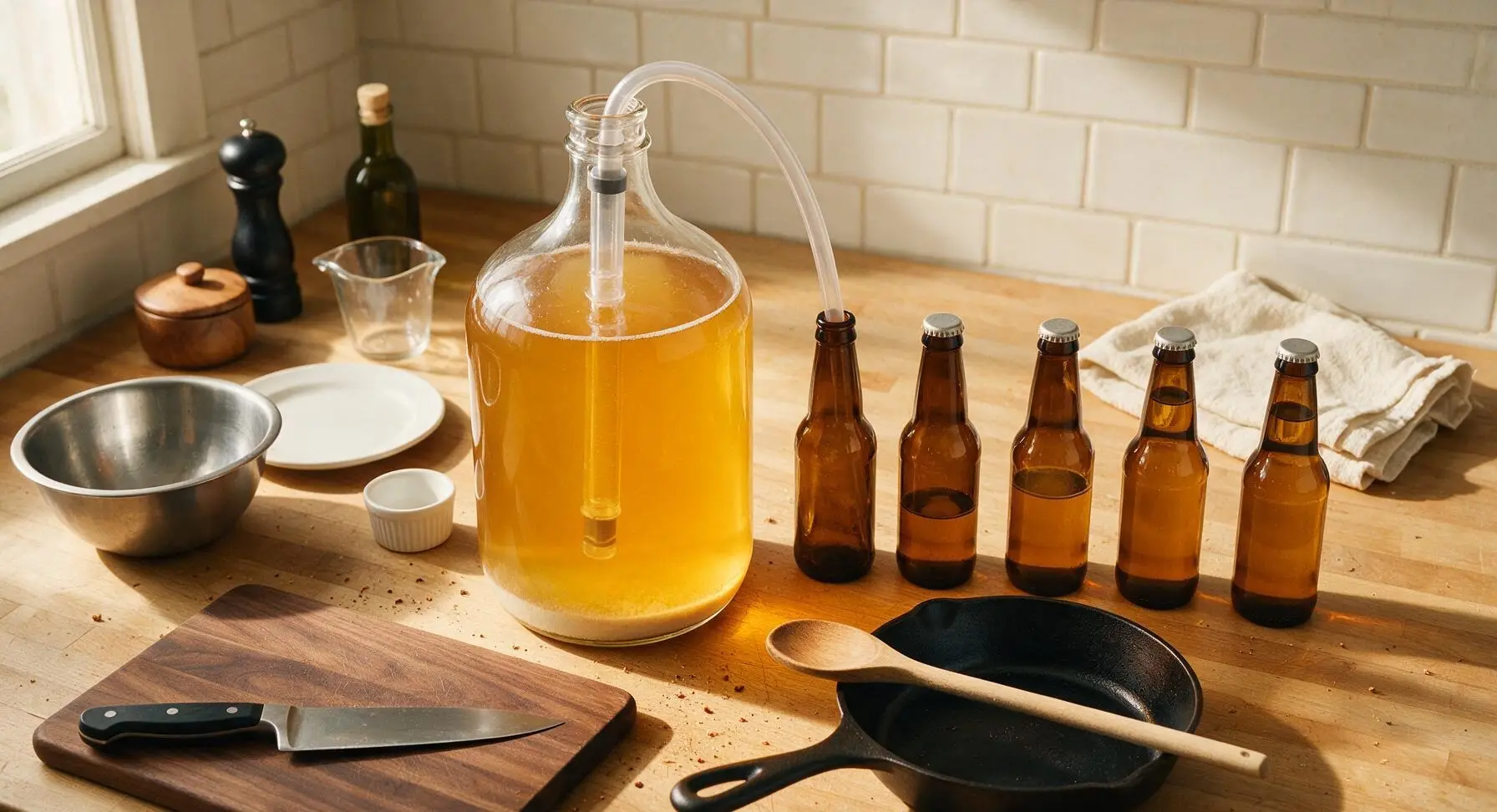
Step 9
step9:Bottle and Carbonate

Tips

1.Always use filtered, chlorine-free water for brewing, as chlorine in tap water reacts with hop compounds to create harsh, medicinal off-flavors that mask the bright citrus and pine notes classic to San Diego IPA.
2.Reserve delicate aroma hops (Cascade, Simcoe) for late boil and dry hop additions, as boiling hops for longer than 15 minutes cooks off their volatile aromatic oils, leaving only flat bitterness without the signature bright tropical and citrus aroma.
3.Cool boiled wort to 70°F as quickly as possible (within 30 minutes) using an ice bath, as slow cooling increases risk of bacterial contamination and produces dimethyl sulfide, a compound that creates unpleasant canned-corn off-flavors that ruin the beer’s crisp, clean finish.


✨ You May Also Like

Drinks & Beverages
🍜 Mexico

A bright, balanced tequila-based cocktail with zesty fresh lime, smooth orange liqueur, and a signature salt rim, perfect for warm summer sipping.

⏱️ 5 minutesDrinks & Beverages ★ 4.9
Drinks & Beverages
🍜 United States

Thick, creamy, nostalgic classic vanilla milkshake with a rich, smooth texture, topped with whipped cream and a cherry for cool, sweet refreshment.

⏱️ 5 minutesDrinks & Beverages ★ 4.7
Drinks & Beverages
🍜 United States

A bright, golden strong ale with fruity banana-clove notes, subtle hop spice, and soft carbonation, brewed in classic Trappist Tripel tradition.

⏱️ 2 hours aDrinks & Beverages ★ 4.5
Drinks & Beverages
🍜 United States

A frothy, nostalgic American soda fountain treat pairing bubbly cold root beer with creamy vanilla ice cream, perfect for cooling down at warm weather gatherings.

⏱️ 20 minuteDrinks & Beverages ★ 4.8
Drinks & Beverages
🍜 United States

Tart, funky, effervescent American Wild Ale is a complex fruity craft beer brewed with wild yeast, delivering bright, zesty notes perfect for warm-weather sipping.

⏱️ 2 hours aDrinks & Beverages ★ 4.4
Drinks & Beverages
🍜 United States

Bright, bubbly copycat of the iconic American caramel cola, balanced with citrus and warm spice, perfect for sipping ice-cold on hot days.

⏱️ 15 minuteDrinks & Beverages ★ 4.8

San Diego IPA:Frequently Asked Questions

1.What sets this San Diego IPA apart from other popular IPA styles? ▾
This recipe sticks to the iconic 1990s San Diego West Coast IPA blueprint, unlike hazy, juice-heavy New England IPAs or maltier Pacific Northwest IPAs. It prioritizes bold, clean Chinook hop bitterness, bright pine-grapefruit notes, and a crisp, fully dry finish, with just enough specialty malt for balanced body without muting hop brightness, perfect for sunny warm-weather sipping.
2.Can I use regular tap water instead of filtered water for this brew? ▾
I strongly recommend sticking to filtered water for the cleanest, most authentic flavor. San Diego IPAs rely on bright, unmasked hop character, and chlorinated or overly mineral-heavy tap water can add off-notes like plastic or metallic tints, or mute bright citrus and pine hop flavors. If tap is your only option, leave it uncovered for 24 hours first to let free chlorine dissipate.
3.What role does carapils malt play, and can I skip it if I don’t have any? ▾
Carapils adds a subtle, smooth mouthfeel and helps build a stable, lacy white head without adding extra sweetness or dark color that would throw off the IPA’s crisp profile. If you don’t have it on hand, you can swap it for an equal amount of extra 2-row pale malt, just note your beer will have a slightly thinner mouthfeel and less persistent foam.
4.Why do you recommend Chinook pellet hops instead of whole cone Chinook for this recipe? ▾
Chinook pellet hops deliver more consistent, concentrated pine and grapefruit punch per ounce than whole cone hops, with less risk of introducing grassy off-flavors from excess plant material. You can use whole cone Chinook if that’s all you have, just increase the amount by 10-15% to match the target bitterness and aroma, and account for extra trub in your fermenter.
5.How bitter is this San Diego IPA supposed to taste when brewed correctly? ▾
A classic batch made with this recipe lands at roughly 60-70 IBUs, with a clean, sharp bitterness that hits the front of your tongue rather than lingering as a harsh, astringent aftertaste. That bitterness is balanced by the light malt backbone so it never tastes harsh, and fades fast to let bright pine and grapefruit notes shine on the finish.
6.What does crystal 20L malt add, and can I swap it for a darker crystal malt? ▾
The small addition of crystal 20L malt adds a faint, honey-like subtle sweetness and light golden color that balances bold Chinook hop bitterness, without the heavy caramel or toffee notes you get from darker crystal malts. Skip crystal malts 40L and higher here—they’ll add too much rich sweetness that mutes the signature bright, dry finish of the style.
7.How do I nail that signature crisp, dry finish this San Diego IPA is known for? ▾
To lock in that classic dry finish, aim for full, steady fermentation at 65-68°F with a clean, highly attenuative American ale yeast (a standard homebrewing staple), and avoid adding extra specialty malts that add unfermentable sugars. Carbonate to 2.5-2.7 volumes of CO2 for that snappy, crisp carbonation bite on the first sip.
8.I bought whole uncrushed malt by mistake—can I crush it at home, and how fine should the crush be? ▾
You can absolutely crush your own malt at home with a basic affordable grain mill, which is actually ideal because crushing right before brewing preserves more fresh malt flavor. Aim for a crush that cracks grain kernels open to expose the starchy interior, but doesn’t turn husks into fine powder—over-crushing causes harsh astringent off-flavors that ruin bright hop character.
9.The recipe mentions tropical fruit notes, but only uses Chinook hops—how do I bring those out? ▾
Chinook naturally carries subtle tropical notes of ripe pineapple and passionfruit alongside its signature pine and grapefruit, and you can highlight those by saving 30-40% of your Chinook allotment for the last 10 minutes of the boil, plus a small Chinook dry hop addition 3 days before bottling. Boiling all hops for a full 60 minutes will mute those soft tropical notes and only emphasize bitterness.
10.How long should I condition this IPA after bottling before it’s ready to drink? ▾
Unlike hazy IPAs that are best drunk extremely fresh, this San Diego IPA hits its flavor sweet spot after 2-3 weeks of bottle conditioning at 60-65°F cellar temperature. That gives carbonation time to fully set, lets harsh young hop bitterness mellow slightly, and lets pine, grapefruit, and subtle tropical notes integrate smoothly. It stays fresh for up to 3 months stored cold, away from direct light.
11.What are the best warm-weather food pairings for this finished San Diego IPA? ▾
This bright, bitter, crisp IPA pairs perfectly with classic Southern California warm-weather fare: think grilled citrus-marinated chicken tacos, spicy fish ceviche, charred street corn, or a juicy smash burger with dill pickles. The sharp hop bitterness cuts through rich, fatty, or spicy food, while bright citrus and pine notes complement zesty, fresh flavors without overpowering them.

Comments (7)

2 days ago

OMG, this San Diego IPA is an absolute game changer! I brewed a batch for my annual backyard potluck last weekend and every single person was asking for the recipe. That classic west coast piney/citrus bite is exactly what I’ve been chasing with my homebrew set up for months. Cook time was totally manageable even with my beginner-adjacent skill level, 10/10 will be making this on repeat.

yesterday

Wait how long did you let it ferment before serving? I’m planning to make a batch for my husband’s birthday next month and want to time it right!

2 hours ago

Great question! For that classic crisp San Diego IPA profile, we recommend a 7 day primary fermentation at 68°F, followed by 3 days of cold crashing before bottling/carbonating. If you start 2 weeks out from the party you’ll be in perfect shape!

3 days ago

Really solid IPA recipe! I messed up the hop addition timing the first go around (got distracted grilling brats for dinner, oops) so it was a little less bitter than I expected, but it still tasted SO good. Next time I’m setting three separate timers so I don’t space on the late addition hops.

2 days ago

So glad you still enjoyed the batch even with the little timing mishap! Those late hop additions are key for that bright citrus aroma, so those timers will make your next batch absolutely next level. Cheers!

1 week ago

My partner is a total IPA snob and I was nervous to try making this for our date night in, but he was blown away! We paired it with our usual fish taco Friday spread and it tasted exactly like the brews we used to get on our trips to Pacific Beach. Medium difficulty was totally accurate, not too fussy even for someone who mostly bakes cookies and makes casseroles.

5 days ago

Decent recipe, but I found the cook time listed was a little off for me. It took me closer to an hour and 45 minutes from start to finish to get everything set up on my brew system, and I wish there was a note about adjusting for higher altitude! The end product was tasty, just a little more hassle than I was expecting for a 1 hour 15 minute listed time.

3 days ago

Oh totally feel you on the altitude thing! I’m at 6000ft outside Denver and I always add 10-15 minutes to the boil time to get the right gravity reading, that might’ve been what threw you off!

2 days ago

Thanks so much for the honest feedback! We’re adding a note to the recipe card this week about altitude adjustments and extra time needed for larger homebrew systems, that’s super helpful to know for other folks brewing at elevation. Appreciate you giving the recipe a shot!

yesterday

Game. Changer. I brought a growler of this to my friend’s fall potluck last night and everyone thought I picked it up from a fancy Brooklyn brewery! The citrus hop punch is so bright, it went perfectly with the chili and charcuterie boards everyone brought. Already have ingredients for a second batch sitting on my counter.

30 minutes ago

Wait did you use pellet hops or whole cone for this? I’ve got both in my fridge and can’t decide which would give that brighter citrus flavor you mentioned!

2 weeks ago

Really tasty west coast IPA! I swapped out a small portion of the Cascade hops for some fresh Mosaic I had leftover from a previous batch and it added such a nice tropical note that paired amazingly with the piney base. My teenagers and their friends went crazy for it when we hosted our neighborhood cookout last weekend, even the kids who usually only drink seltzer asked for a sip (don’t worry, I gave them sparkling water instead, ha!). My roommates also demolished half the batch while we watched the Sunday football game, so that’s a win in my book.

30 minutes ago

Just finished boiling the wort for my first ever batch of homebrew using this recipe and my kitchen smells INCREDIBLE. I was so intimidated by medium difficulty recipes at first but the step by step instructions are so clear, I didn’t feel lost at all. Can’t wait to taste the finished product in a couple weeks!

just now

Yay, so excited for you to try the finished batch! That hoppy kitchen smell is one of our favorite parts of brew day. If you have any questions as you go through fermentation, don’t hesitate to reach out — we’re here to help!



