Shoyu Ramen

title 1
Shoyu Ramen
⏱️ cook time 90 minutes
🍽️ servings 4
⚡ Difficulty medium

intro

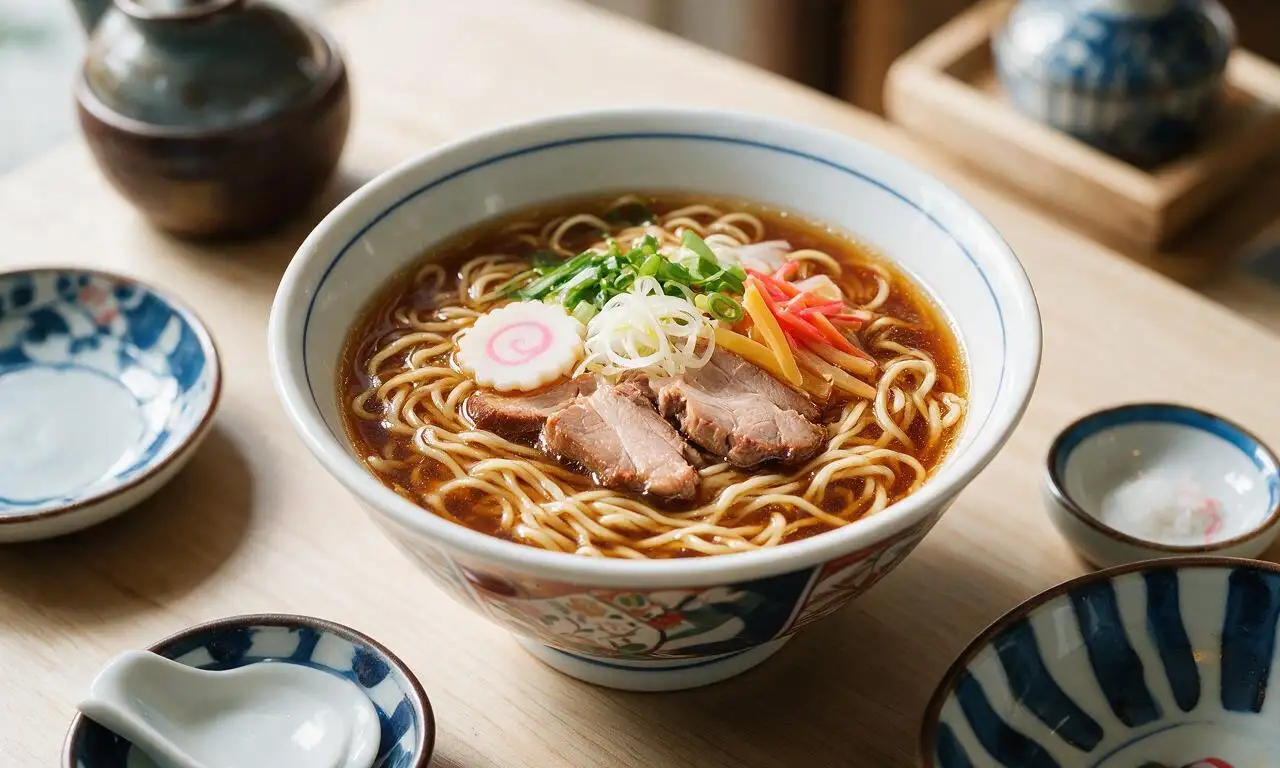
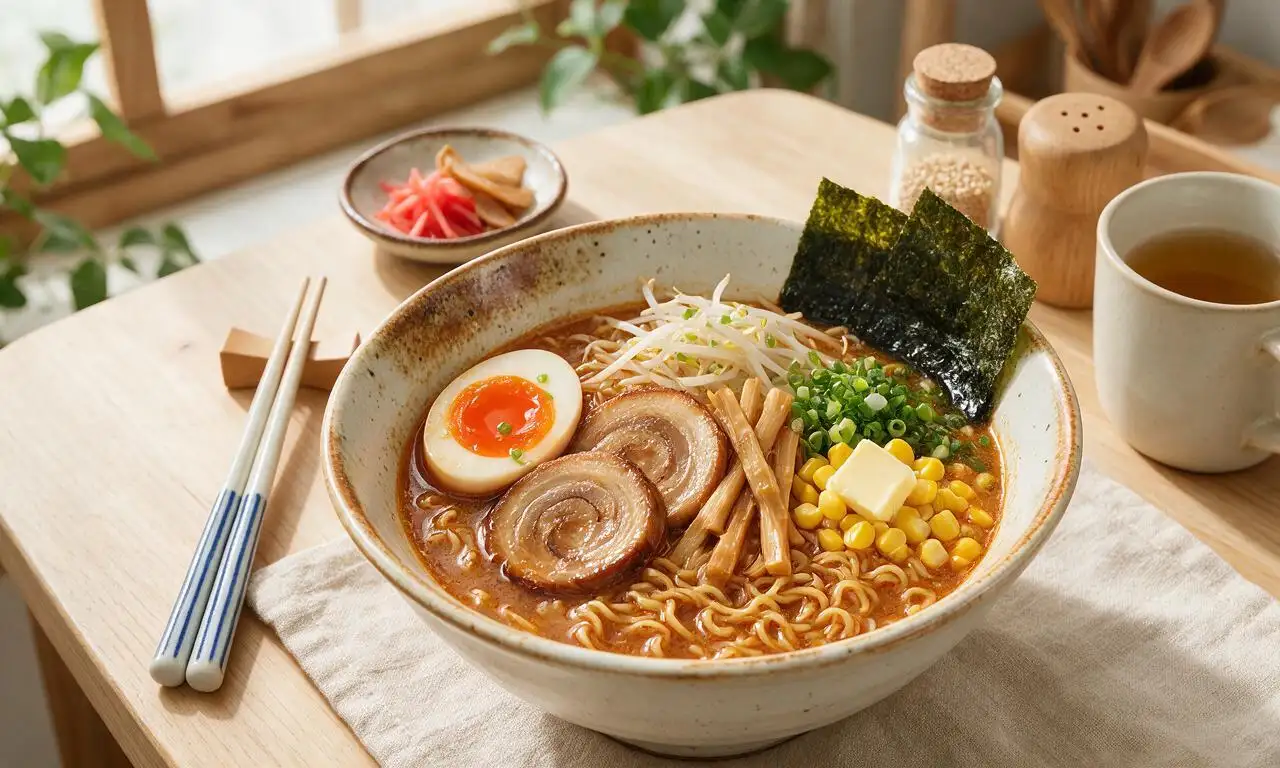
Rich umami soy sauce broth, springy fresh noodles, and tender braised pork come together in this comforting, classic shoyu ramen perfect for cold winter days.

Ingredients

Fresh ramen noodles 800 grams
Boneless pork belly (for chashu) 300 grams
Japanese soy sauce (shoyu) 150 ml
Low-sodium chicken stock 2000 ml
Dried kombu 10 grams
Dried bonito flakes (katsuobushi) 20 grams
Garlic cloves 20 grams (4 cloves)
Fresh ginger 30 grams, thinly sliced
Mirin 60 ml
Cooking sake 60 ml
Toasted sesame oil 1 tablespoon (15 ml)
Soft-boiled eggs (peeled, halved) 4 units
Scallions 60 grams (4 stalks, thinly sliced)
Menma (fermented bamboo shoots) 120 grams
Dried nori sheets 4 sheets (10 grams total)

Steps

1

Make the shoyu tare

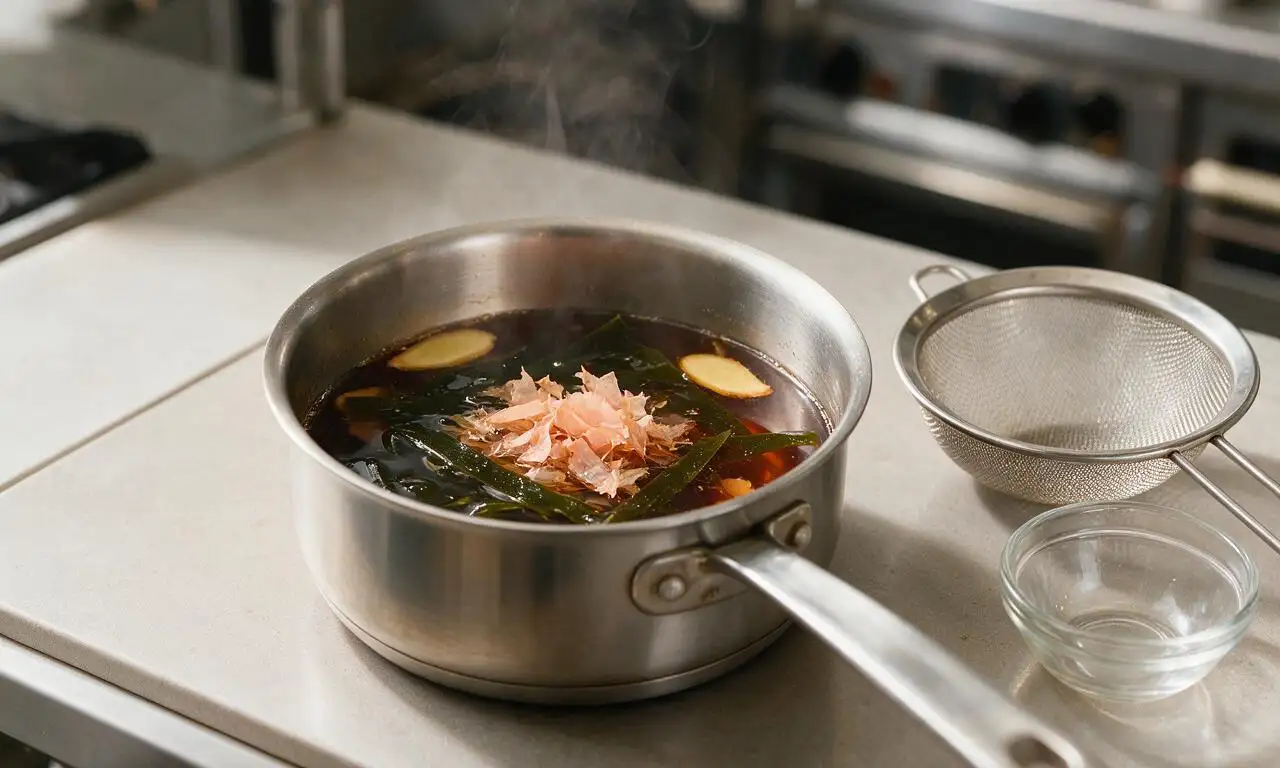
Combine 120ml shoyu, 60ml mirin, 60ml sake, 2 sliced garlic cloves (10g), 15g sliced ginger, and 10g dried kombu in a small saucepan over medium-low heat. Bring to a gentle simmer (do not boil, as high heat makes kombu bitter), hold at that temperature for 10 minutes, then turn off the heat, add 20g bonito flakes, and let steep for 5 minutes off heat. Strain the mixture through a fine-mesh sieve to remove solids, and set the finished shoyu tare aside.
Step 1
step1:Make the shoyu tare
2

Braise the chashu pork

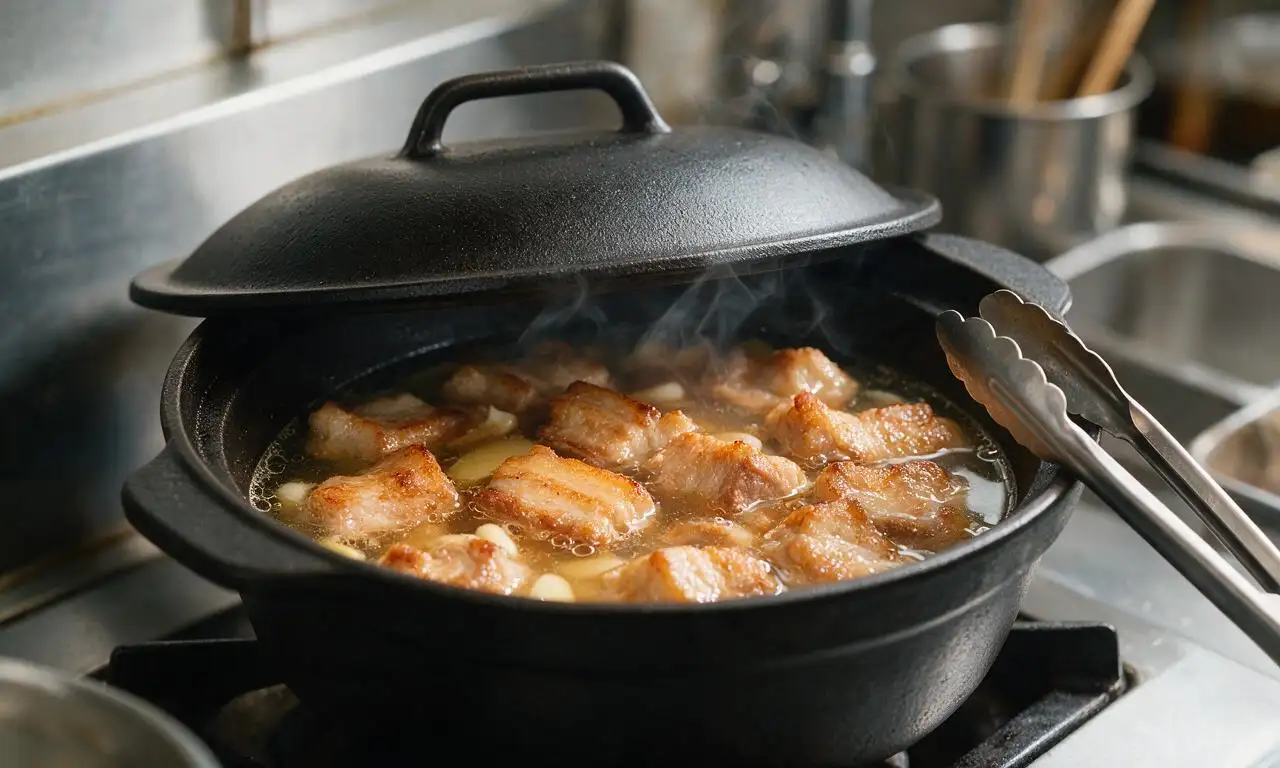
Heat 1 tablespoon (15ml) toasted sesame oil in a heavy-bottomed pot over medium-high heat. Sear the 300g pork belly on all 4 sides until deep golden brown, about 2 minutes per side. Pour in 400ml of the chicken stock, remaining 2 garlic cloves (10g), remaining 15g sliced ginger, and 30ml shoyu. Reduce heat to low, cover, and simmer for 45 minutes until pork is tender enough to pierce easily with a fork. Remove pork from the pot, let rest 10 minutes, then slice into 5mm thick pieces. Strain the remaining braising liquid through a fine sieve to remove ginger and garlic solids, and set aside.
Step 2
step2:Braise the chashu pork
3

Prepare the hot broth

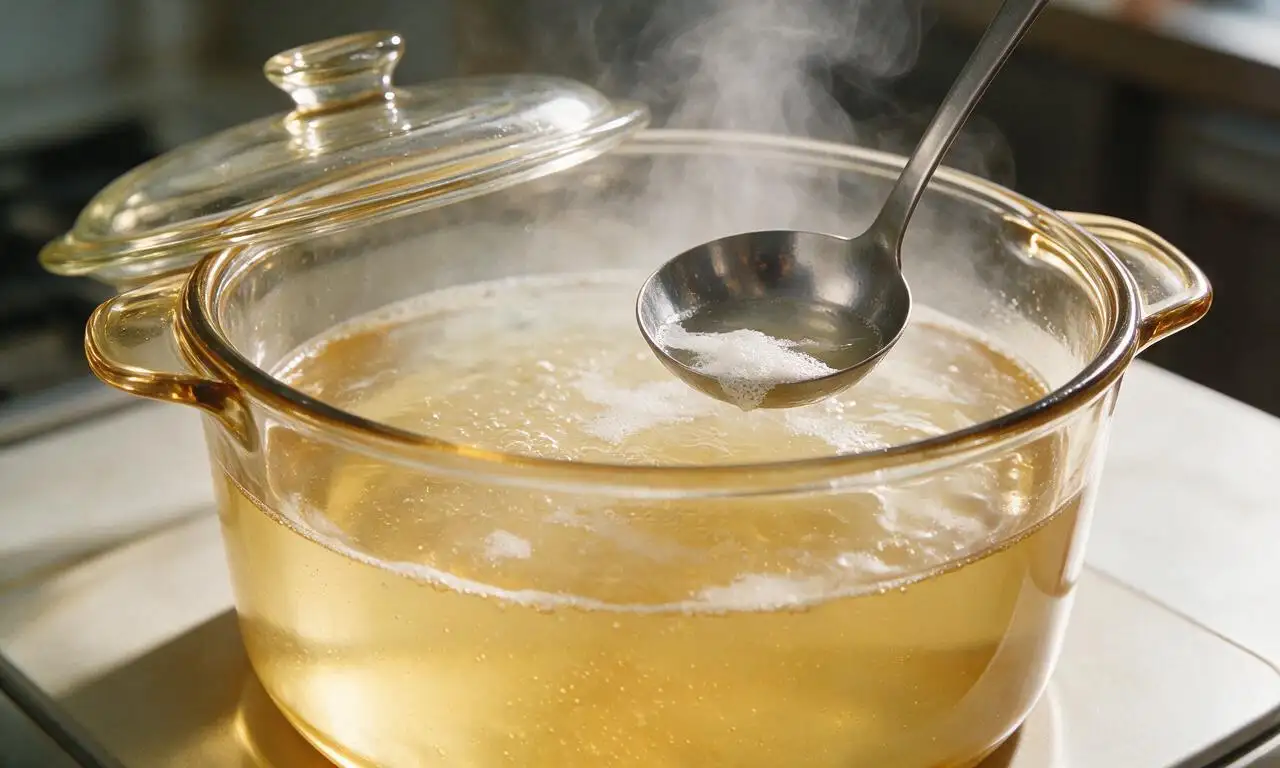
Pour the reserved strained chashu braising liquid and remaining 1600ml chicken stock into a large stockpot over medium heat. Bring to a gentle rolling simmer, then reduce heat to low to hold the broth at a steady 95°C/203°F (avoid a hard rolling boil, which makes broth cloudy) while you prep remaining components. Skim any small bits of foam or impurity from the surface with a ladle for a clean, clear broth; total finished broth will be ~1800ml, perfect for 4 servings.
Step 3
step3:Prepare the hot broth
4

Cook the ramen noodles

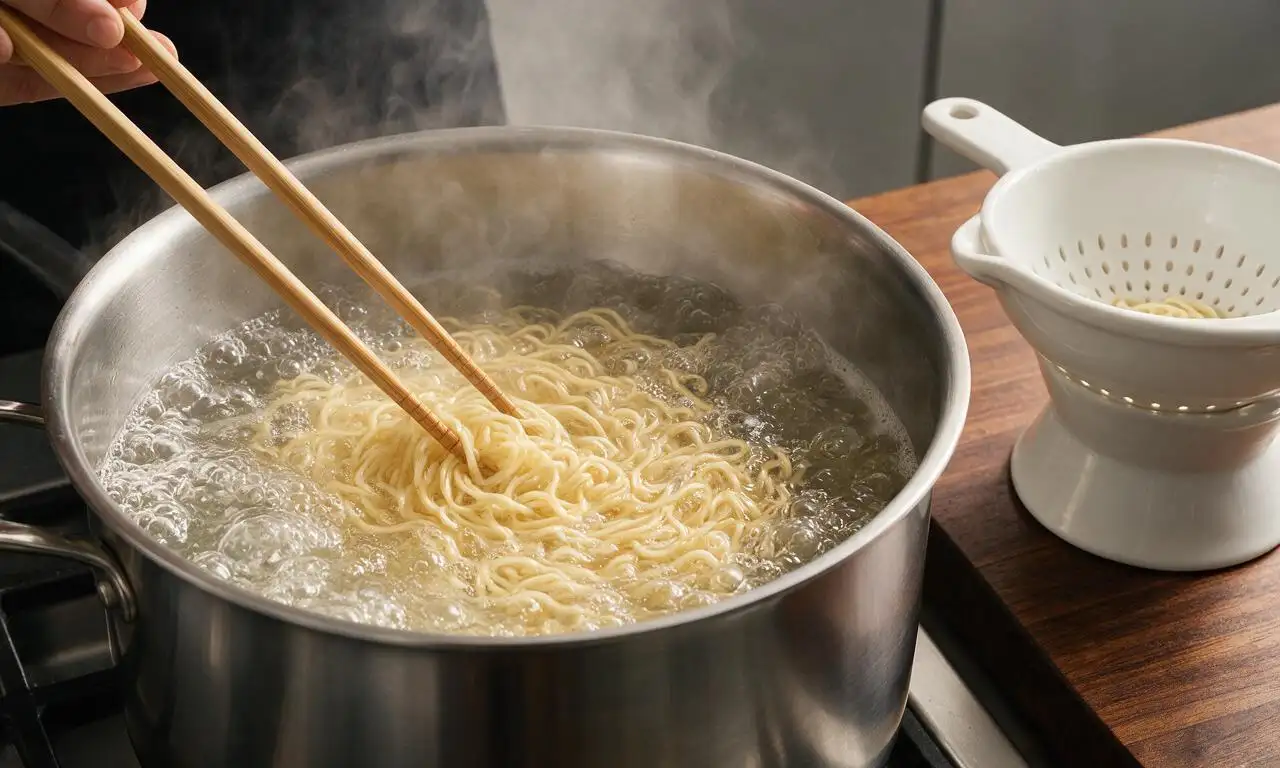
Bring a separate large pot of 4 liters of unsalted water to a rolling boil over high heat. Add 800g fresh ramen noodles, stir immediately with long chopsticks to prevent sticking, and cook for 2.5 minutes (1 minute less than package directions for a firm, springy al dente texture). Drain noodles thoroughly, do not rinse (rinsing removes surface starch that helps broth cling to noodles), and divide evenly between 4 deep 1L-capacity ramen bowls.
Step 4
step4:Cook the ramen noodles
5

Combine tare and broth

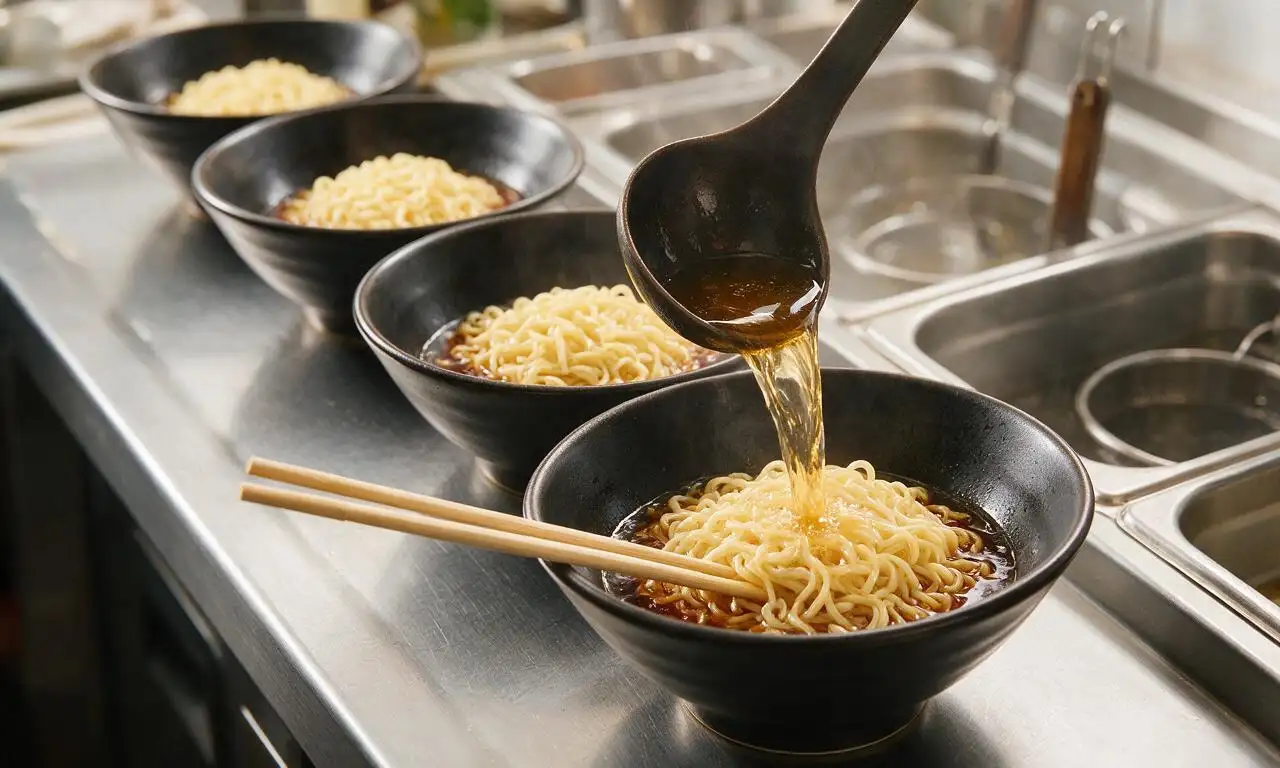
Ladle 60ml (1/4 cup) of the reserved shoyu tare into the bottom of each noodle bowl, then pour 450ml of the hot simmering broth over the tare in each bowl. Stir gently with chopsticks to fully combine the tare and broth, ensuring the dark soy base dissolves completely into the golden stock before adding toppings.
Step 5
step5:Combine tare and broth
6

Add toppings and serve

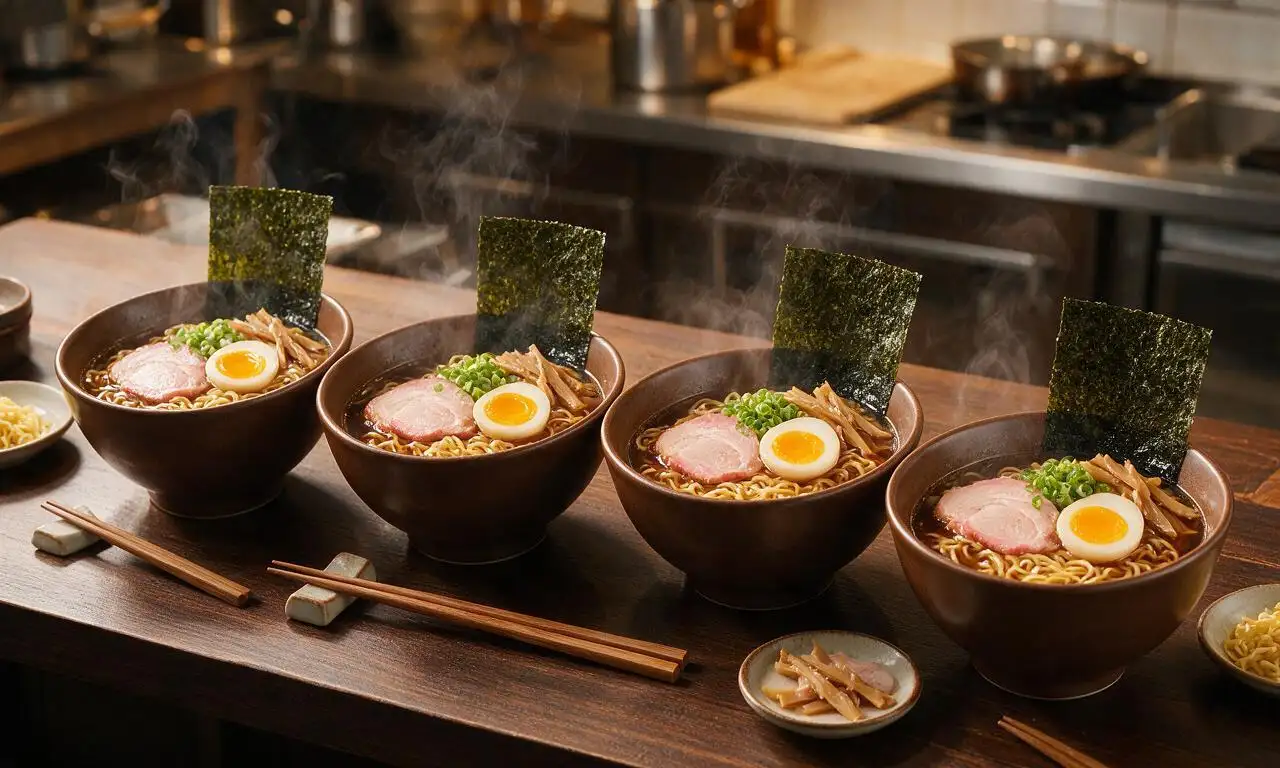
Arrange 3-4 slices of the braised chashu pork, 1 halved soft-boiled egg, 30g menma, a 15g pinch of thinly sliced scallions, and 1 nori sheet (tucked upright against the bowl edge) on top of each bowl of noodles and broth. Serve immediately while piping hot, with extra shoyu on the side for guests to adjust seasoning to their preference.
Step 6
step6:Add toppings and serve

Tips

1.Never boil kombu when making shoyu tare, as high heat releases bitter compounds that will make your broth taste harsh; keep the liquid at a gentle, low simmer while kombu is steeping for the cleanest umami flavor.
2.Do not rinse fresh ramen noodles after draining, as the thin starchy coating on the noodle surface helps the savory broth cling evenly to every strand for more flavorful bites.
3.For perfect soft-boiled eggs with runny golden yolks, cook room-temperature large eggs in boiling water for exactly 6.5 minutes, then transfer immediately to an ice bath for 5 minutes to stop cooking and ease peeling.

✨ You May Also Like

Soups & Stews
🍜 Japan

Rich, umami-dense Hokkaido-style miso ramen with chewy noodles, savory fermented broth, and classic toppings, a cozy, deeply satisfying warm meal.

⏱️ 45 minuteSoups & Stews ★ 4.5
Soups & Stews
🍜 United States

A hearty, peppery tripe and root vegetable stew with colonial Philadelphia roots, thick, warming, and packed with bold savory flavor for cold winter days.

⏱️ 2 hours 3Soups & Stews ★ 4.6
Soups & Stews
🍜 Mexico

Hearty, warming red pork posole loaded with tender hominy, slow-simmered in a rich smoky chile broth, served with zesty fresh garnishes for a deeply comforting, satisfying meal.

⏱️ 2 hours 3Soups & Stews ★ 4.7
Soups & Stews
🍜 United States

Warm, soothing classic chicken noodle soup loaded with tender chicken, soft egg noodles, and savory veggies, perfect for chasing chills and feeding the whole family.

⏱️ 40 minuteSoups & Stews ★ 4.9
Soups & Stews
🍜 France

Deeply savory caramelized onion broth topped with crusty bread and bubbly melted Gruyère, a timeless French bistro comfort food ideal for cold days.

⏱️ 1 hour 25Soups & Stews ★ 4.8
Soups & Stews
🍜 United States

Hearty, briny Maryland crab soup loaded with sweet blue crab, tender summer vegetables, and zesty Old Bay, a beloved Chesapeake Bay coastal comfort staple.

⏱️ 55 minuteSoups & Stews ★ 4.9

Shoyu Ramen:Frequently Asked Questions

1.What can I use if I can’t find fresh ramen noodles for this recipe? ▾
If fresh ramen is hard to track down, reach for refrigerated chuka soba noodles first—they have the same springy, chewy bite that pairs perfectly with shoyu broth. Skip dried instant ramen bricks, as their soft, pre-cooked texture and included seasoning packets will throw off the bowl’s balance. As a last resort, use dried alkaline Chinese noodles, cooking them 1 minute less than package directions for ideal firmness.
2.How do I make sure my pork belly chashu comes out tender instead of tough and dry? ▾
The secret to melt-in-your-mouth chashu is low, slow braising with no rapid boiling. Sear the pork belly first to build deep, savory flavor, then simmer it at a bare bubble (roughly 190°F) in a mix of shoyu, a splash of mirin, and water for 2.5 to 3 hours. Let it cool fully in the braising liquid before slicing, so the meat reabsorbs juices instead of drying out when reheated in broth.
3.Do I really need to include dried kombu, or can I leave it out? ▾
Don’t skip the kombu—it adds that subtle, deep marine umami that defines classic Tokyo shoyu broth, without making it taste fishy at all. Add a 4x4 inch piece to cold low-sodium chicken stock as you heat it, and pull it out right before the stock hits a boil; boiling kombu causes unpleasant sliminess and bitter off-flavors. If you can’t find it, a tiny pinch of MSG will bump up umami, though the flavor won’t be identical.
4.Why does my shoyu broth end up too salty or one-note instead of balanced? ▾
This almost always comes from adding too much shoyu directly to the stock, or skipping the umami base from kombu. Start with 2 tablespoons of Japanese soy sauce per 4 cups of low-sodium chicken stock, then taste and adjust slowly. Remember, toppings like chashu and soft-boiled eggs add extra salt, so the broth should taste slightly mild on its own. A tiny splash of mirin rounds out sharp salty notes beautifully.
5.Can I prep components ahead to make this faster for weeknight meals? ▾
Absolutely—both the broth and chashu actually taste better when made ahead! Braised chashu keeps for up to 5 days in the fridge stored in its braising liquid, and the finished shoyu-kombu broth stays good for 4 days refrigerated, or 3 months frozen. Just cook fresh noodles right before serving, assemble bowls quickly, and add toppings for a restaurant-quality meal in 10 minutes flat.
6.How do I get that signature springy noodle texture that doesn’t turn mushy in broth? ▾
Cook noodles in a large pot of heavily salted, rapidly boiling water—don’t add oil, and don’t overcrowd the pot. Fresh ramen only takes 2 to 3 minutes to cook; test a strand 30 seconds early for a firm, chewy al dente bite with a tiny white core. Drain noodles really well before adding to broth, because starchy, waterlogged noodles will dilute your carefully balanced shoyu fast.
7.Can I use regular grocery store soy sauce instead of Japanese shoyu? ▾
Regular grocery store soy sauce works in a pinch, but it’s usually saltier, darker, and less subtly sweet than authentic Japanese koikuchi shoyu, the gold standard for Tokyo-style ramen. If you use it, cut the measured amount by 1 teaspoon per serving, add a tiny pinch of sugar to mimic shoyu’s mellow sweetness, and taste as you adjust. Skip low-sodium grocery store soy sauce, as it lacks deep fermented umami.

Comments (6)

1 week ago

OMG this shoyu ramen is a total game changer! I’ve been trying to nail Tokyo-style ramen at home for months and this recipe finally got it right. The broth is so deep and savory, not too salty which I was worried about with shoyu. My kids devoured two bowls each at our family dinner last night, even my super picky 8 year old asked for seconds! 10/10 will be adding this to my weekly meal prep rotation.

5 days ago

Wait did you make the chashu from the linked recipe too? I’m debating if I should make it ahead or grab store bought for my first go!

3 days ago

So glad your family loved it, Sarah! Making the chashu ahead is totally worth it if you have the time, but store-bought works great for a faster weeknight version too – just toss it in the broth for a minute to warm up before assembling your bowls.

2 weeks ago

SO good! I made this for a potluck with my roommates this weekend and everyone was raving. The 90 minute cook time felt a little long at first but most of that is just the broth simmering so I was able to prep toppings while it cooked. Only change I made was adding a little extra garlic because I’m a garlic fiend, will absolutely make again.

3 days ago

Really solid recipe, but I messed up the tare ratio my first try and it came out way saltier than I expected. Probably my bad for rushing the measurements, but does anyone have tips for dialing it back if that happens? Also the soft boiled egg instructions were perfect, those came out exactly right even for a total egg boiling newbie like me.

2 days ago

Sorry to hear the tare came out too salty on your first try, Lizbeth! If it’s over-salted, you can dilute it with a little extra unsalted chicken or pork stock 1/4 cup at a time until it hits the flavor you like. Next time, try adding the tare to the broth in small increments and tasting as you go to avoid overdoing it!

yesterday

Game. Changer. I’ve been dropping $18 a bowl at my local ramen shop for years and this tastes almost identical for a fraction of the cost. Cooked it for date night last night and my partner said it’s better than the spot we usually go to! The menma adds that perfect little crunch, don’t skip it like I almost did.

30 minutes ago

Made this last night and wow, the flavor is spot on! I did have to substitute kombu with dried seaweed snacks because my grocery store was out, and it still turned out great. My only note is that the medium difficulty rating is totally fair – there are a lot of moving parts, so don’t try to rush this on a super busy weeknight if you’re a beginner.

just now

Oh good to know about the seaweed substitute! I was stressing because I can never find kombu at my regular store either, can’t wait to try this this weekend.

2 hours ago

Wait is there a way to make this vegetarian? My sister is coming to visit next week and she doesn’t eat meat, I’d love to serve this for our family dinner if I can swap out the pork/chicken stock for something plant based!

30 minutes ago

I made this veg last month! Swapped the pork stock for mushroom stock and added a little extra soy and mirin to the tare to bump up the umami, it came out amazing. I used fried tofu instead of chashu too!

5 minutes ago

Great question, Devon! @VegCook4Life’s mushroom stock swap is perfect – you can also add a strip of dried shiitake to the simmering stock for extra depth. We’re actually testing a full vegetarian version of this recipe to post next month, so stay tuned!