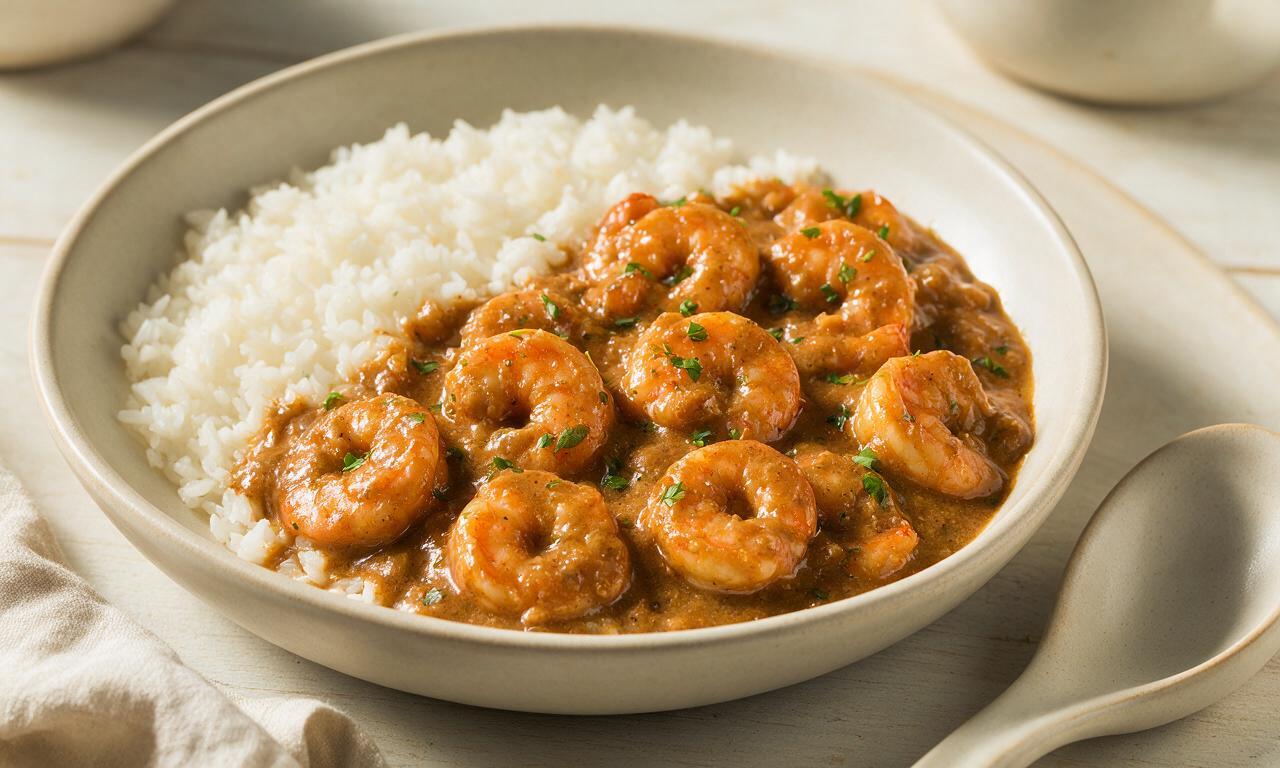
Shrimp Étouffée

Shrimp Étouffée
⏱️ cook time 45 minutes
🍽️ servings 4
⚡ Difficulty medium

intro

Rich, smothered Louisiana classic with tender shrimp in a spiced, roux-thickened sauce served over fluffy rice, brimming with warm, savory comfort.

Ingredients

Large raw shrimp (peeled, deveined, tails optional) 680 grams (1.5 lbs)
Unsalted butter 56 grams (4 tablespoons / ¼ cup)
All-purpose flour 36 grams (4 tablespoons / ¼ cup)
Yellow onion (finely diced) 150 grams (1 cup)
Celery (finely diced) 100 grams (1 cup)
Green bell pepper (finely diced) 120 grams (1 cup)
Garlic (minced) 12 grams (4 cloves)
No-salt Cajun seasoning 18 grams (2 tablespoons)
Tomato paste 32 grams (2 tablespoons)
Dried bay leaf 1 leaf
Low-sodium seafood stock 720 ml (3 cups)
Worcestershire sauce 15 ml (1 tablespoon)
Hot pepper sauce (e.g., Tabasco) 5 ml (1 teaspoon)
Kosher salt 5 grams (1 teaspoon)
Ground black pepper 2 grams (½ teaspoon)
Cooked long-grain white rice (for serving) 720 grams (4 cups, cooked)
Sliced scallions (green parts, for garnish) 30 grams (½ cup)

Steps

1

Prep recipe components

Pat 680g peeled, deveined raw shrimp dry with paper towels and set aside in the refrigerator. Finely dice 150g yellow onion, 100g celery, and 120g green bell pepper into uniform ¼-inch pieces; mince 12g garlic, and portion all spices, stock, and sauces into separate small bowls to keep within arm’s reach, as the roux cooking step requires constant, uninterrupted attention.
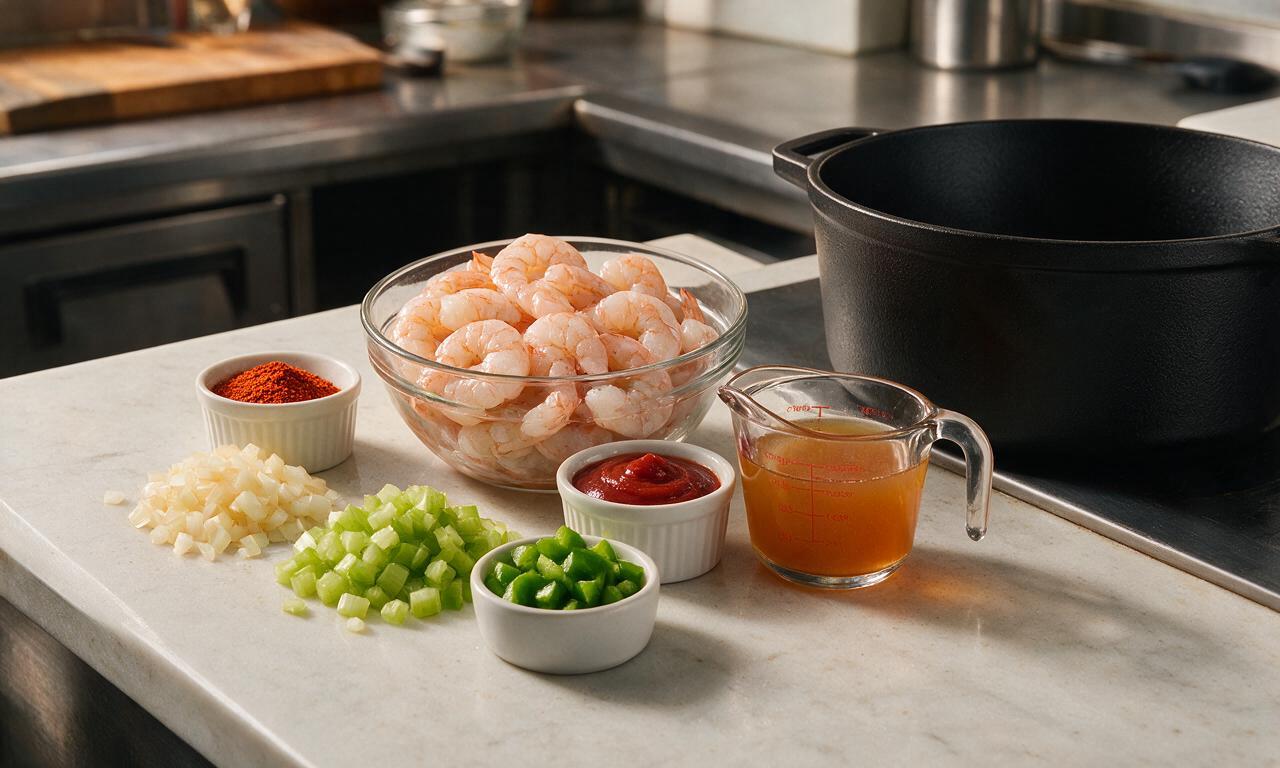
Step 1
step1:Prep recipe components
2

Cook the dark roux

Melt 56g unsalted butter in the Dutch oven over medium-low heat (300°F / 150°C stovetop setting). Once butter is fully melted and foamy, whisk in 36g all-purpose flour to form a completely smooth, lump-free paste. Cook, whisking constantly in slow, steady circular motions, for 10–12 minutes, until the roux deepens to a rich dark peanut butter brown color and releases a nutty, toasted aroma; do not leave the roux unattended, as it can burn in seconds.
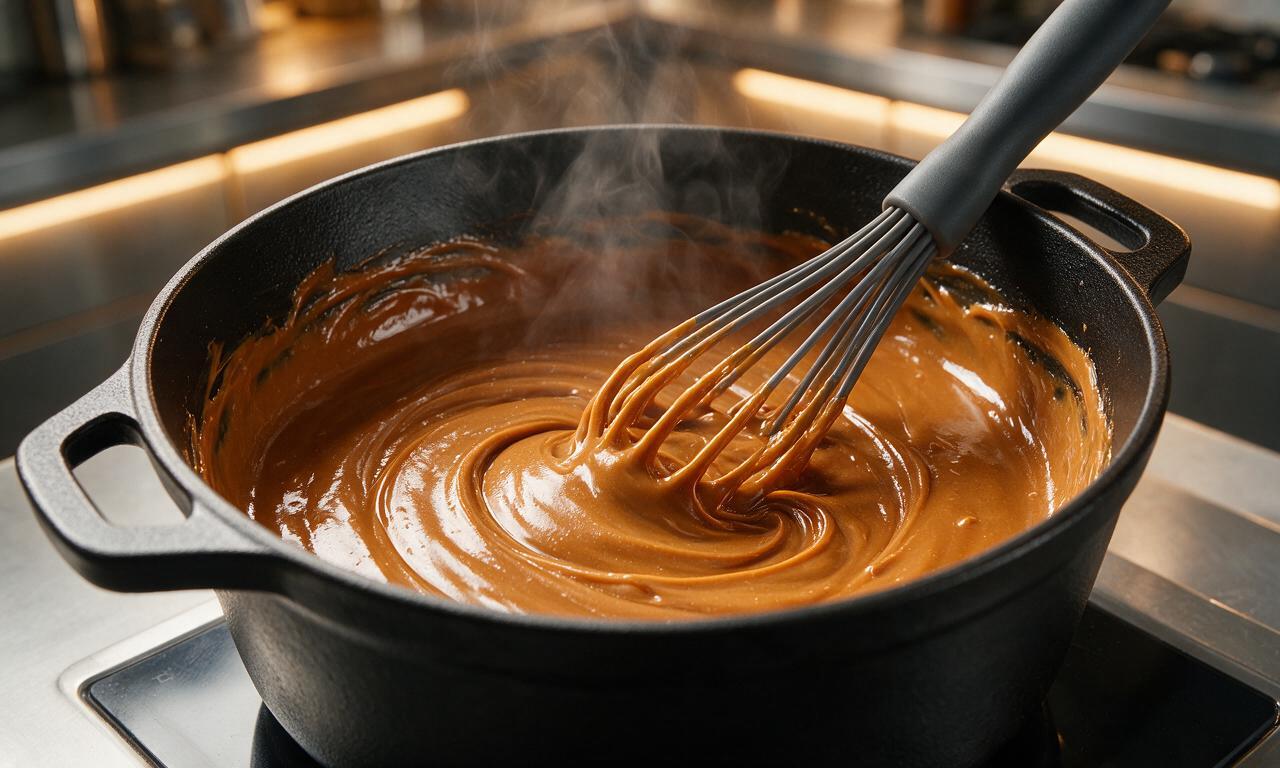
Step 2
step2:Cook the dark roux
3

Sauté Cajun trinity

Add the diced onion, celery, and green bell pepper to the finished roux, stirring to fully coat every vegetable piece in the roux. Increase stovetop heat to medium (350°F / 175°C), and cook the vegetables for 6 minutes, stirring occasionally, until they soften and turn slightly translucent. Stir in 32g tomato paste, 12g minced garlic, 18g Cajun seasoning, and 1 dried bay leaf, then cook for 1 additional minute, stirring constantly, until the mixture smells intensely fragrant.
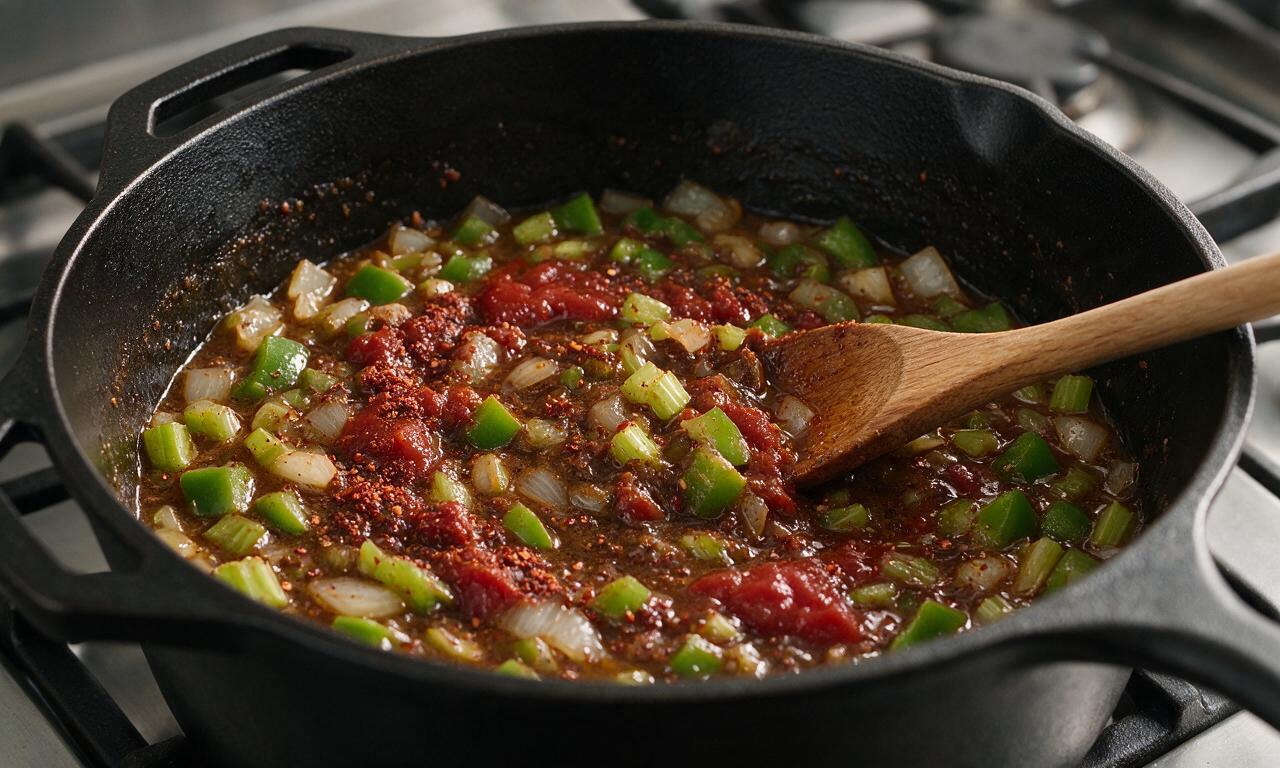
Step 3
step3:Sauté Cajun trinity
4

Simmer sauce base

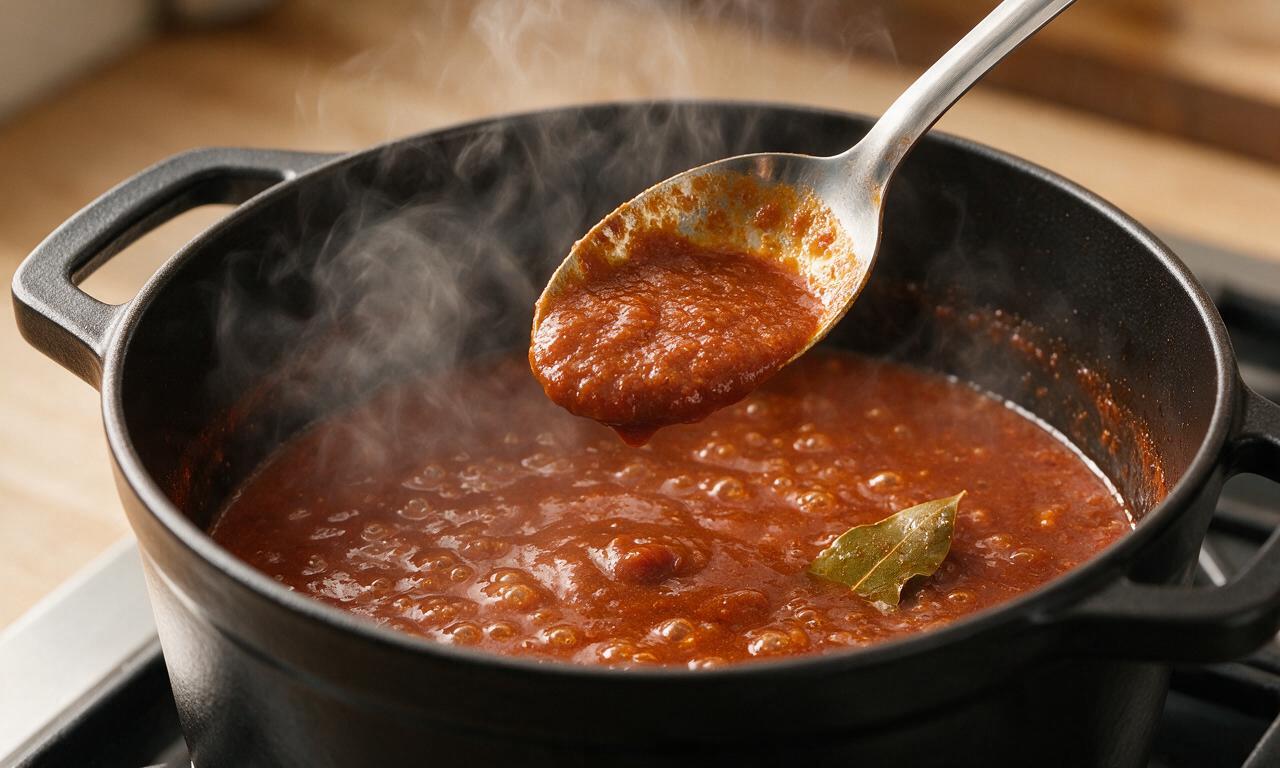
Slowly stream in 720ml low-sodium seafood stock, whisking constantly as you pour to prevent lumps from forming in the sauce. Stir in 15ml Worcestershire sauce and 5ml hot pepper sauce. Bring the mixture to a gentle simmer (small, slow bubbles breaking at the surface, not a violent rolling boil), then reduce heat to low (225°F / 105°C), partially cover the pot, and cook for 12 minutes, stirring every 3 minutes to prevent sticking to the pot bottom, until the sauce thickens enough to evenly coat the back of a metal spoon.
Step 4
step4:Simmer sauce base
5

Cook shrimp through

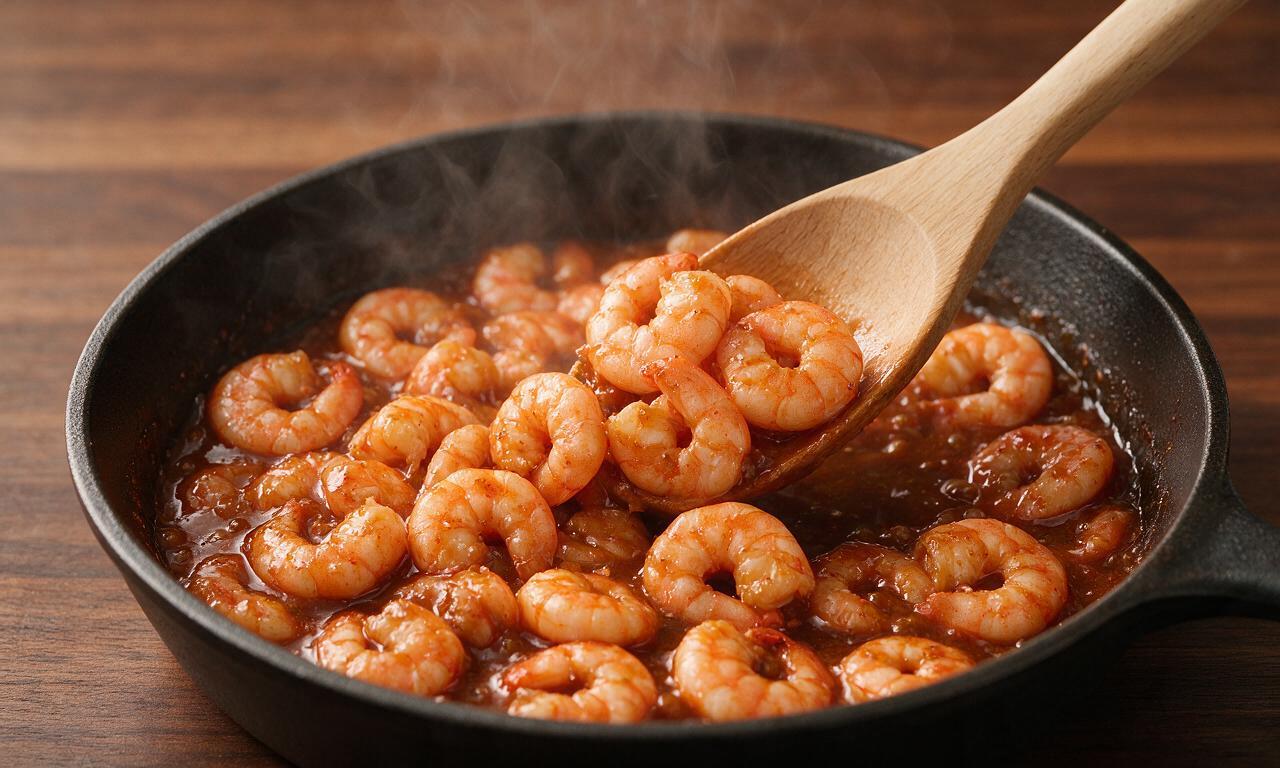
Fish out and discard the dried bay leaf from the sauce, then add the patted-dry shrimp to the simmering sauce, stirring gently to fully submerge every shrimp piece. Maintain low heat, and cook the shrimp for 4–5 minutes, stirring once halfway through cooking, until shrimp turn opaque bright pink, curl into tight C-shapes, and are just firm to the touch; avoid overcooking, as shrimp will turn tough and rubbery if left on heat too long. Taste the sauce and adjust seasoning with 5g kosher salt and 2g ground black pepper as needed.
Step 5
step5:Cook shrimp through
6

Plate and serve

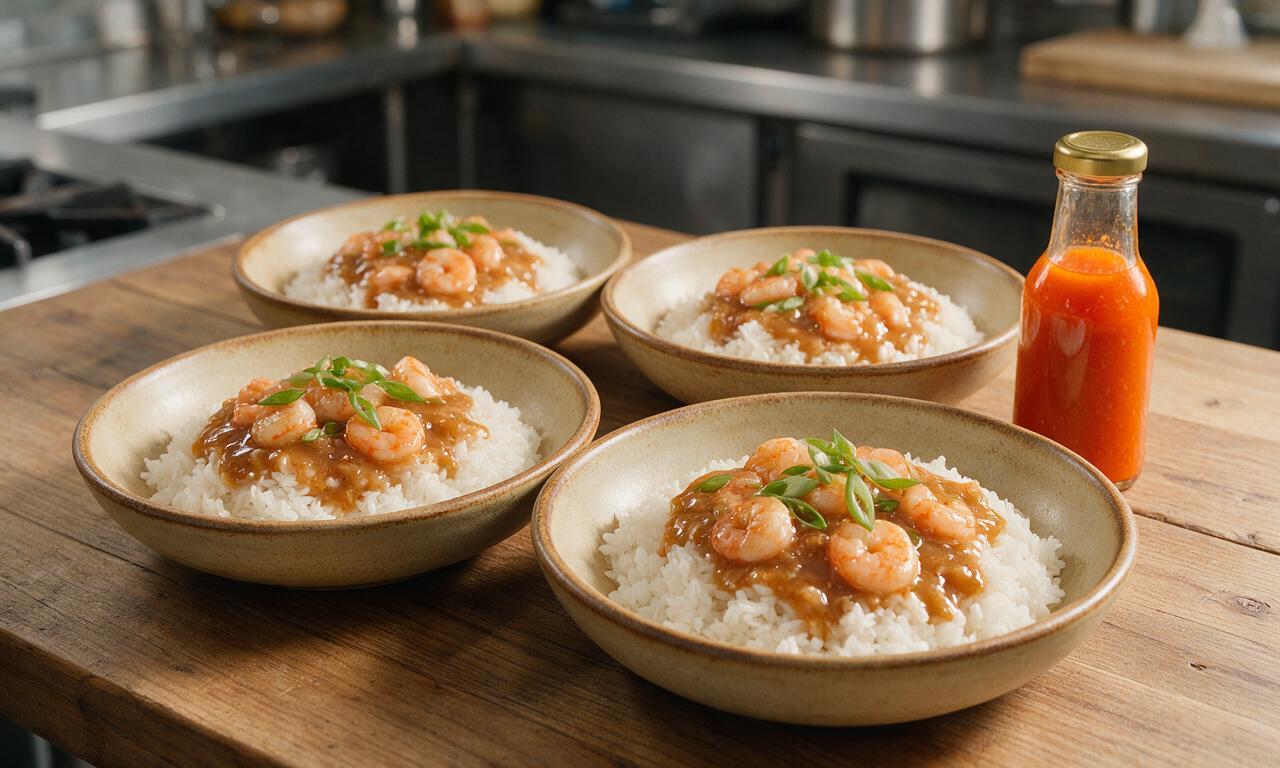
Scoop 180g (1 heaping cup) of hot cooked long-grain white rice into each of 4 wide, shallow serving bowls. Ladle one quarter of the shrimp and sauce mixture over each rice portion, then garnish each bowl with 7.5g (2 tablespoons) of sliced green scallions, plus an extra dash of hot sauce for guests who prefer more heat. Serve immediately while the dish is piping hot.
Step 6
step6:Plate and serve

Tips

1.Never rush the roux: cooking it over high heat or skipping constant stirring will burn the flour, creating a bitter, acrid flavor that cannot be fixed. If you spot black specks in the roux, discard it and start the roux over with fresh butter and flour.
2.Pat shrimp completely dry with paper towels before adding them to the sauce; excess surface moisture will dilute the rich, concentrated sauce flavor and prevent the shrimp from absorbing the warm Cajun spice notes.
3.For the most authentic flavor and texture, stick to the equal 1-cup ratio of diced onion, celery, and green bell pepper (the classic Cajun trinity) — this aromatic base is the foundational flavor of all traditional Louisiana stews, and substitutions will change the dish’s character.
✨ You May Also Like

Soups & Stews
🍜 Japan

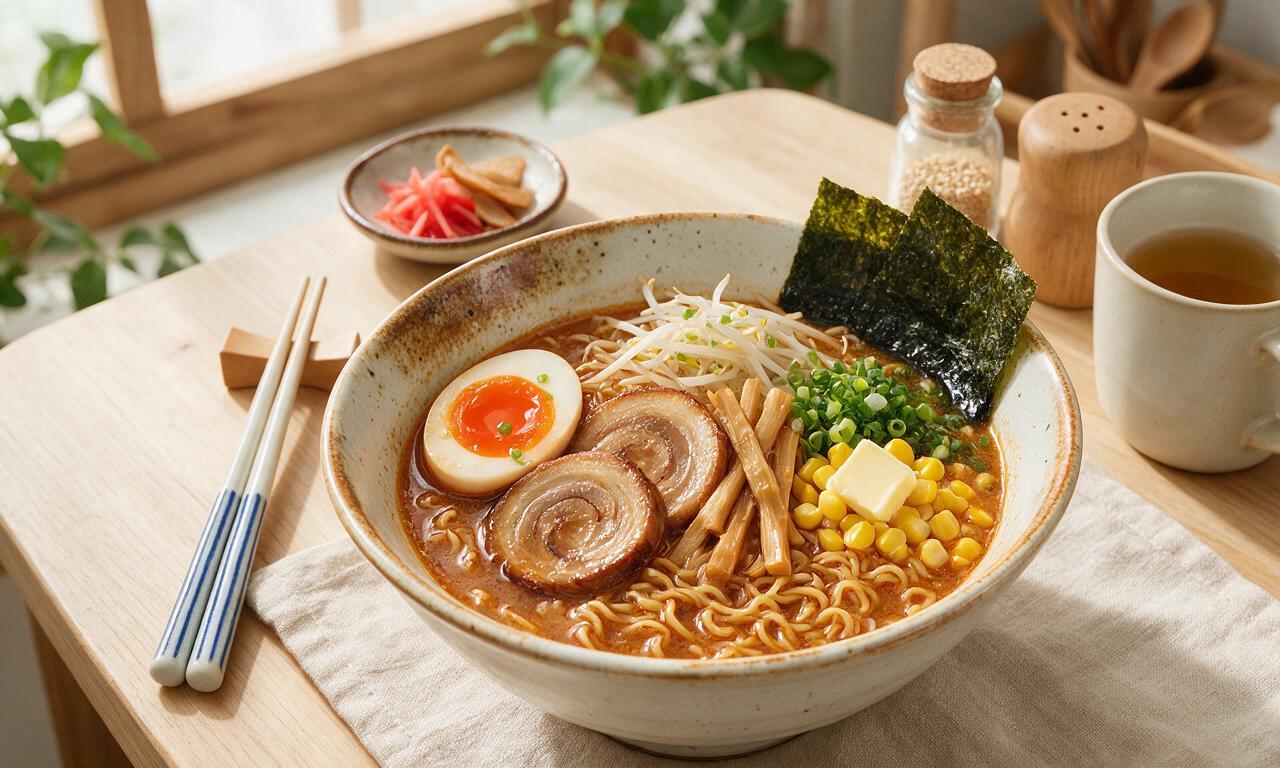
Rich, umami-dense Hokkaido-style miso ramen with chewy noodles, savory fermented broth, and classic toppings, a cozy, deeply satisfying warm meal.

⏱️ 45 minuteSoups & Stews ★ 4.8
Soups & Stews
🍜 United States

A hearty, peppery tripe and root vegetable stew with colonial Philadelphia roots, thick, warming, and packed with bold savory flavor for cold winter days.

⏱️ 2 hours 3Soups & Stews ★ 4.6
Soups & Stews
🍜 Mexico

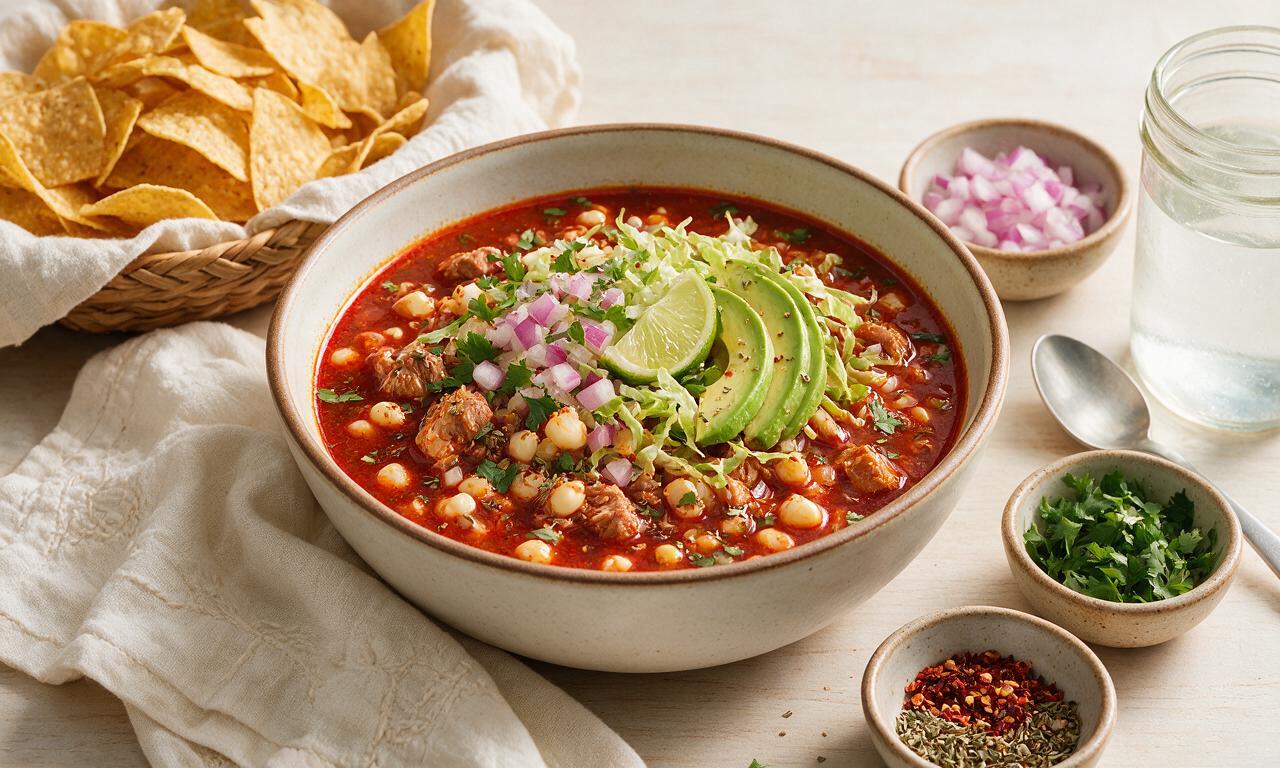
Hearty, warming red pork posole loaded with tender hominy, slow-simmered in a rich smoky chile broth, served with zesty fresh garnishes for a deeply comforting, satisfying meal.

⏱️ 2 hours 3Soups & Stews ★ 4.8
Soups & Stews
🍜 United States

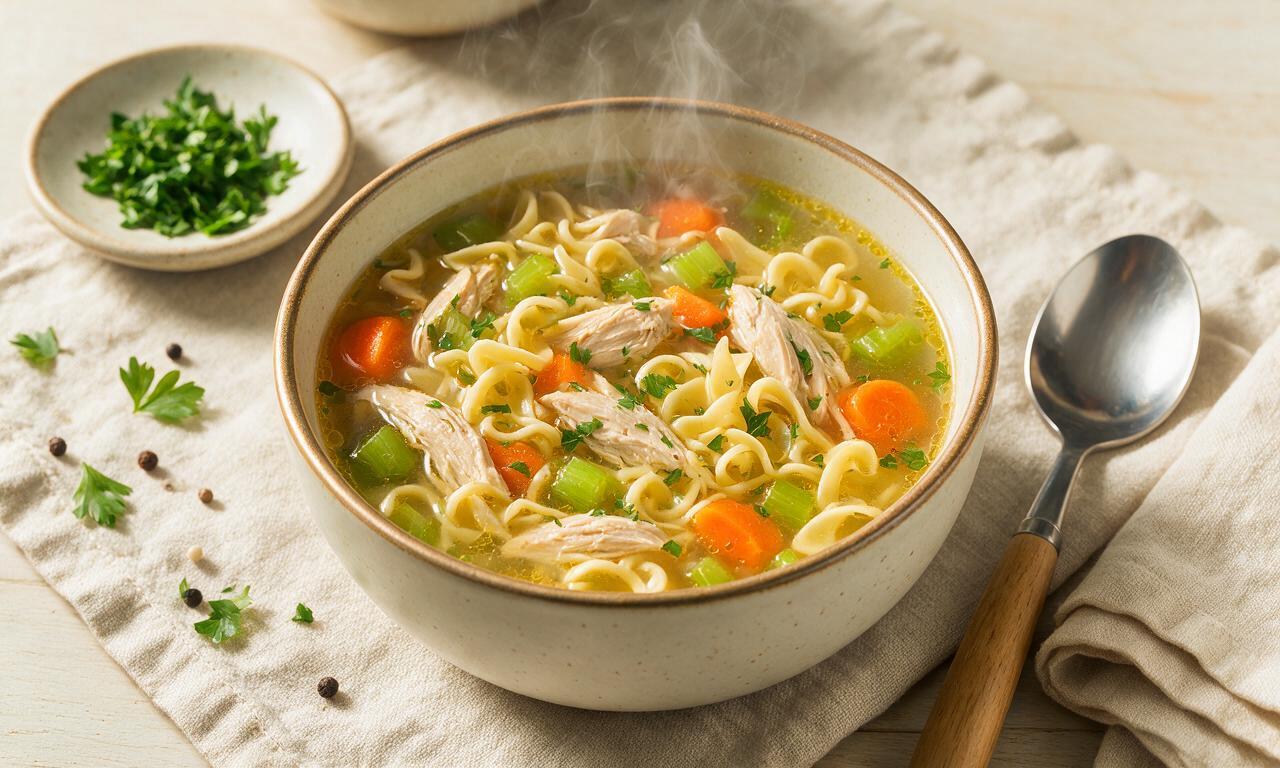
Warm, soothing classic chicken noodle soup loaded with tender chicken, soft egg noodles, and savory veggies, perfect for chasing chills and feeding the whole family.

⏱️ 40 minuteSoups & Stews ★ 4.7
Soups & Stews
🍜 France

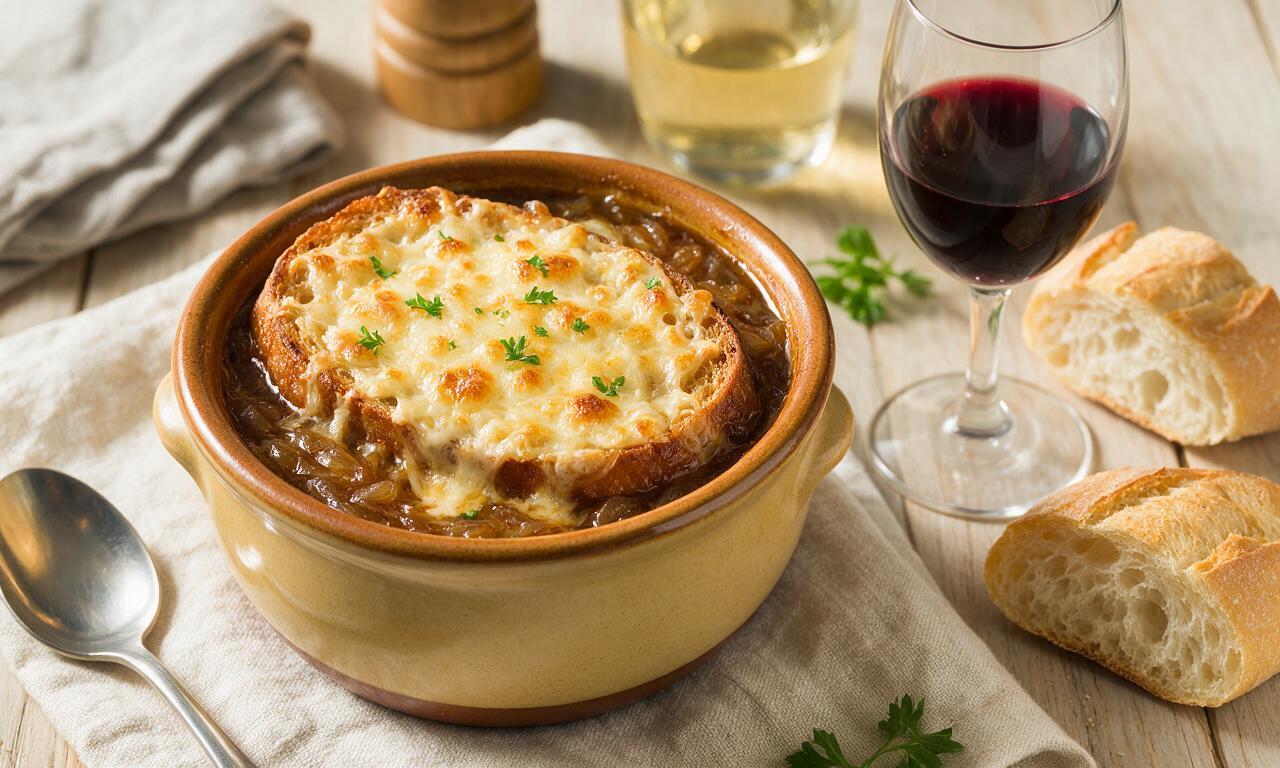
Deeply savory caramelized onion broth topped with crusty bread and bubbly melted Gruyère, a timeless French bistro comfort food ideal for cold days.

⏱️ 1 hour 25Soups & Stews ★ 4.6
Soups & Stews
🍜 United States

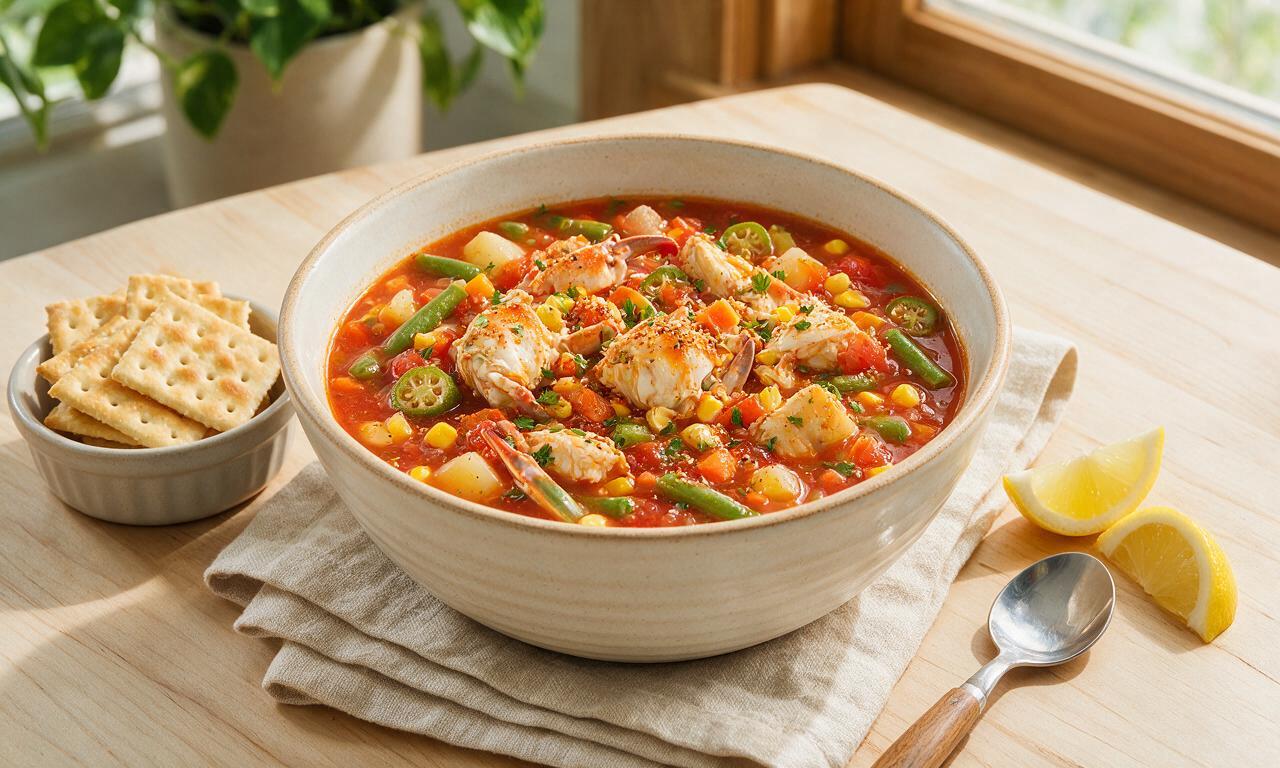
Hearty, briny Maryland crab soup loaded with sweet blue crab, tender summer vegetables, and zesty Old Bay, a beloved Chesapeake Bay coastal comfort staple.

⏱️ 55 minuteSoups & Stews ★ 4.8

Shrimp Étouffée:Frequently Asked Questions

1.What does “étouffée” mean, and how is it different from gumbo?
Étouffée translates to “smothered” in French, which perfectly describes this dish’s signature style: tender protein cooked low and slow in a thick, spiced roux-based sauce. Unlike thinner gumbo, which often uses multiple proteins and okra or filé for thickening, classic shrimp étouffée centers solely on shrimp, uses a lighter peanut-butter colored roux, and is served ladled over fluffy white rice.
2.Is it better to leave the tails on shrimp for étouffée, or remove them?
This is totally a personal preference! Leaving tails on adds subtle briny seafood depth to the sauce as it simmers, and creates a nice restaurant-worthy presentation. If you want no-fuss, bite-ready shrimp with no extra peeling at the dinner table, feel free to remove all tails before cooking—you won’t need to adjust any other part of the recipe to do so.
3.What color roux should I make for classic shrimp étouffée?
Aim for a light peanut butter-colored roux, cooked 8 to 10 minutes over medium-low heat after combining melted unsalted butter and all-purpose flour. This is lighter than the dark, chocolate-colored roux used for gumbo: it has a warm, nutty flavor without the bitter notes of overcooked roux, and creates the perfect velvety, thick texture for the smothered sauce.
4.I’m out of celery—can I skip it or use a substitute?
Celery is a core component of Louisiana’s signature aromatic vegetable base alongside finely diced yellow onion, so skipping it will mute the classic savoriness, but you can swap in an equal amount of finely diced green bell pepper in a pinch. If you skip it entirely, add a small pinch of celery salt to the sauce to make up for its bright, earthy flavor.
5.How do I keep the shrimp from turning tough and rubbery?
Rubbery shrimp is always caused by overcooking, so the fix is straightforward: don’t add your peeled, deveined shrimp to the simmering sauce until the final 5 to 7 minutes of cooking. Keep the heat at a gentle simmer (not a rolling boil), and pull the pan off heat as soon as the shrimp turn opaque pink and have a firm, springy bounce.
6.What type of rice is best to serve with shrimp étouffée?
Long-grain white rice is the traditional, ideal pairing for this dish. It cooks up light, fluffy, and separate, so it soaks up the rich, spiced sauce without turning mushy. Rinse the rice before cooking to wash off excess starch for the fluffiest texture, and skip sticky short-grain rice or heavily seasoned rice mixes that will compete with the étouffée’s bold, savory flavor.
7.Can I make shrimp étouffée ahead of time for a dinner party?
You can absolutely prep ahead to cut down on day-of work! Make the roux, diced vegetable, and spiced sauce base up to 3 days in advance, and store it in an airtight container in the fridge. Wait to add your raw shrimp until you’re gently reheating the sauce to serve, though—cooking shrimp early and reheating will lead to tough, overcooked texture.
8.What’s a good gluten-free swap for the all-purpose flour in the roux?
For a seamless gluten-free version, swap the all-purpose flour for an equal measure of a 1:1 gluten-free all-purpose baking blend that includes xanthan gum. Skip single-ingredient flours like almond or coconut flour, as these create a grainy roux that won’t thicken the sauce properly. Cook the gluten-free roux the same 8 to 10 minutes to that same light peanut butter color.
9.My étouffée sauce turned out too thin—how do I fix it?
Thin sauce usually happens if the roux was undercooked, or if you added too much stock to the base. To fix it, make a quick slurry of 1 tablespoon all-purpose flour mixed with 2 tablespoons cold water, stir it into the gently simmering sauce, and cook 3 to 4 minutes until it thickens. Never add dry flour straight to hot sauce, as this will create unappetizing lumps.
10.What traditional seasonings go into classic shrimp étouffée?
Classic étouffée uses warm, balanced Cajun seasonings that let the sweet shrimp shine: sweet paprika, garlic powder, a pinch of cayenne for gentle heat, dried thyme, black pepper, and kosher salt. Many Louisiana home cooks also stir in a small splash of hot sauce and a squeeze of fresh lemon juice right at the end to brighten the rich, heavy sauce.
11.Can I use frozen shrimp instead of fresh for this recipe?
Frozen shrimp works perfectly for this dish as long as you thaw it correctly! Thaw shrimp overnight in the fridge, then pat it completely dry with paper towels before adding it to the sauce—excess water from poorly thawed shrimp will thin the roux-thickened sauce and dilute flavor. Properly thawed frozen shrimp tastes nearly identical to fresh in this sauced, slow-simmered dish.

Comments (3)

3 days ago

OMG this étouffée was a total game changer for our Sunday family dinner! I was so nervous to make it ‘cause I’ve only ever had it at New Orleans restaurants and figured it’d be way too fussy for a weekend cook, but the 45 minute cook time was totally doable even with my toddler hanging off my leg the whole time. My kids loved it – they ate TWO helpings each, even my super picky 7 year old who normally turns up his nose at any seafood that isn’t fish sticks. The roux came out perfectly nutty, the spice level was just right for the whole crew, and it was SO good. I’m absolutely making a big batch for our next neighborhood potluck!

2 days ago

Wait, did you adjust the spice at all for your kids? I’ve got super sensitive taste buds in my house (my husband complains if even a black pepper flake is too bold) and I’m worried the cayenne in the recipe might be too much for them!

yesterday

So thrilled your whole family enjoyed the recipe, Mia! If you’re cooking for folks sensitive to spice, you can cut the cayenne measurement in half and leave a bottle of hot sauce on the table for people who want to kick the heat up – that trick works perfectly for groups with mixed spice preferences!

5 days ago

Really solid recipe! Total cook time was pretty spot on for me, though I will say I messed up my first roux attempt ‘cause I got distracted answering a work text and it burned a little. Second try came out chef’s kiss though! I tossed in extra bell pepper since I had some leftover from my weekly meal prep, and it was SO good. Served it over fluffy white rice just like the recipe said, and my roommate swore it’s better than the étouffée we split on our Bourbon Street trip last year. Only reason it’s not 5 stars is I wish there was a quick heads up about how closely you have to watch the roux once it starts to darken, oops!

3 days ago

Thanks so much for the honest feedback, Lindsey! You’re 100% right that the roux needs constant stirring and attention once it hits that golden brown stage – I’m adding a bolded tip about that to the recipe instructions this week. Also, extra bell pepper is such a tasty call, I do that sometimes too when I have extra veggies in the fridge!

5 minutes ago

Made this last night for my wife’s birthday dinner and she said it’s hands down the best thing I’ve ever cooked for her. I grabbed fresh gulf shrimp from the local fish market on my way home, and let the sauce simmer a couple extra minutes to really let the flavors meld. Didn’t tweak a single other thing from the recipe, and it came out straight up restaurant quality. Already sent the link to my whole fishing group chat, can’t wait to whip up a giant batch for our next weekend cookout.