sinigang na baboy recipe tagalog

title 1
sinigang na baboy recipe tagalog
⏱️ cook time 1 hour 10 minutes
🍽️ servings 4
⚡ Difficulty easy

intro

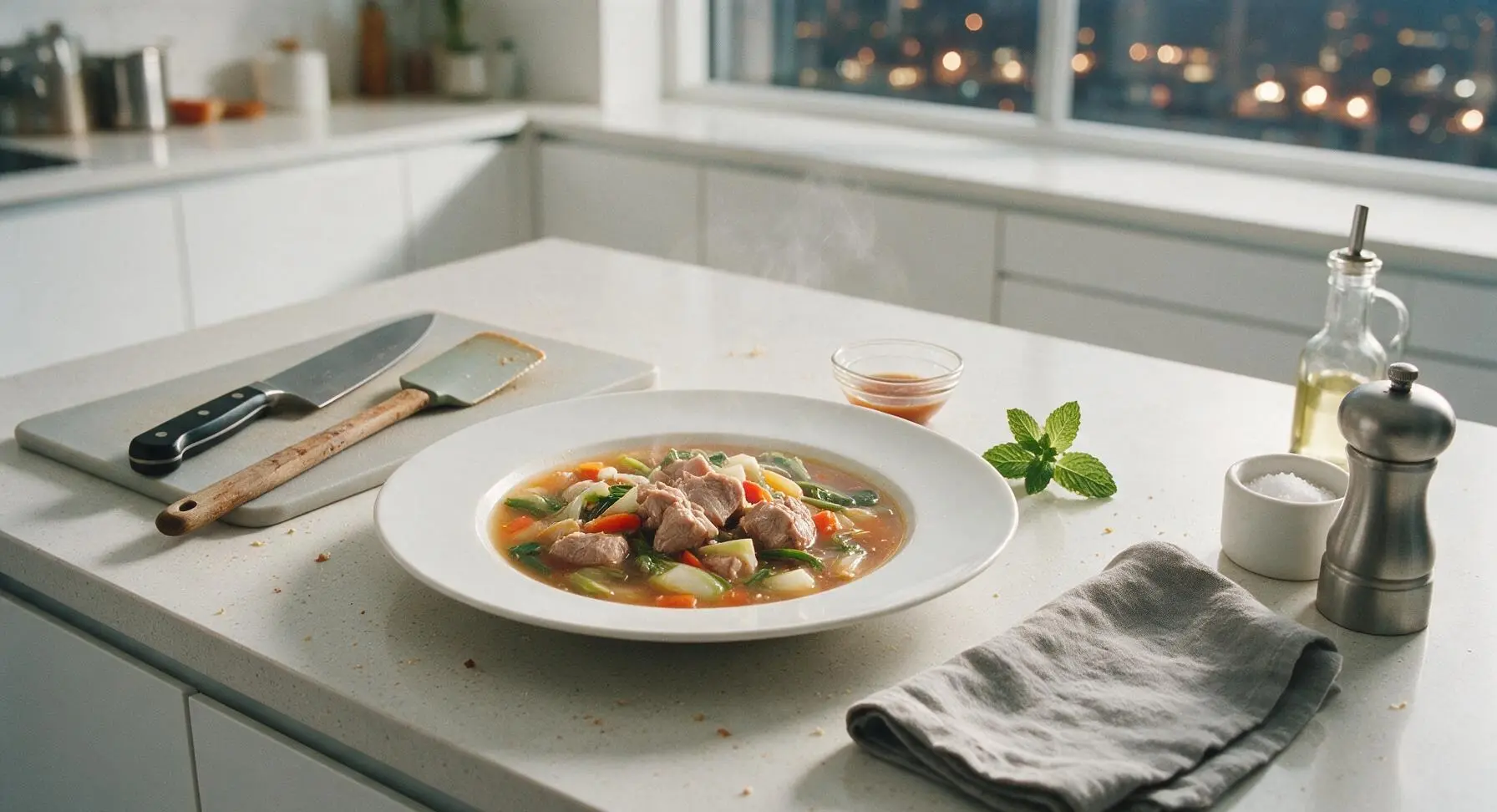
Tart, savory, and deeply comforting, Tagalog-style pork sinigang is a classic Filipino sour soup brimming with tender pork and fresh vegetables in a bright tamarind broth.

Ingredients
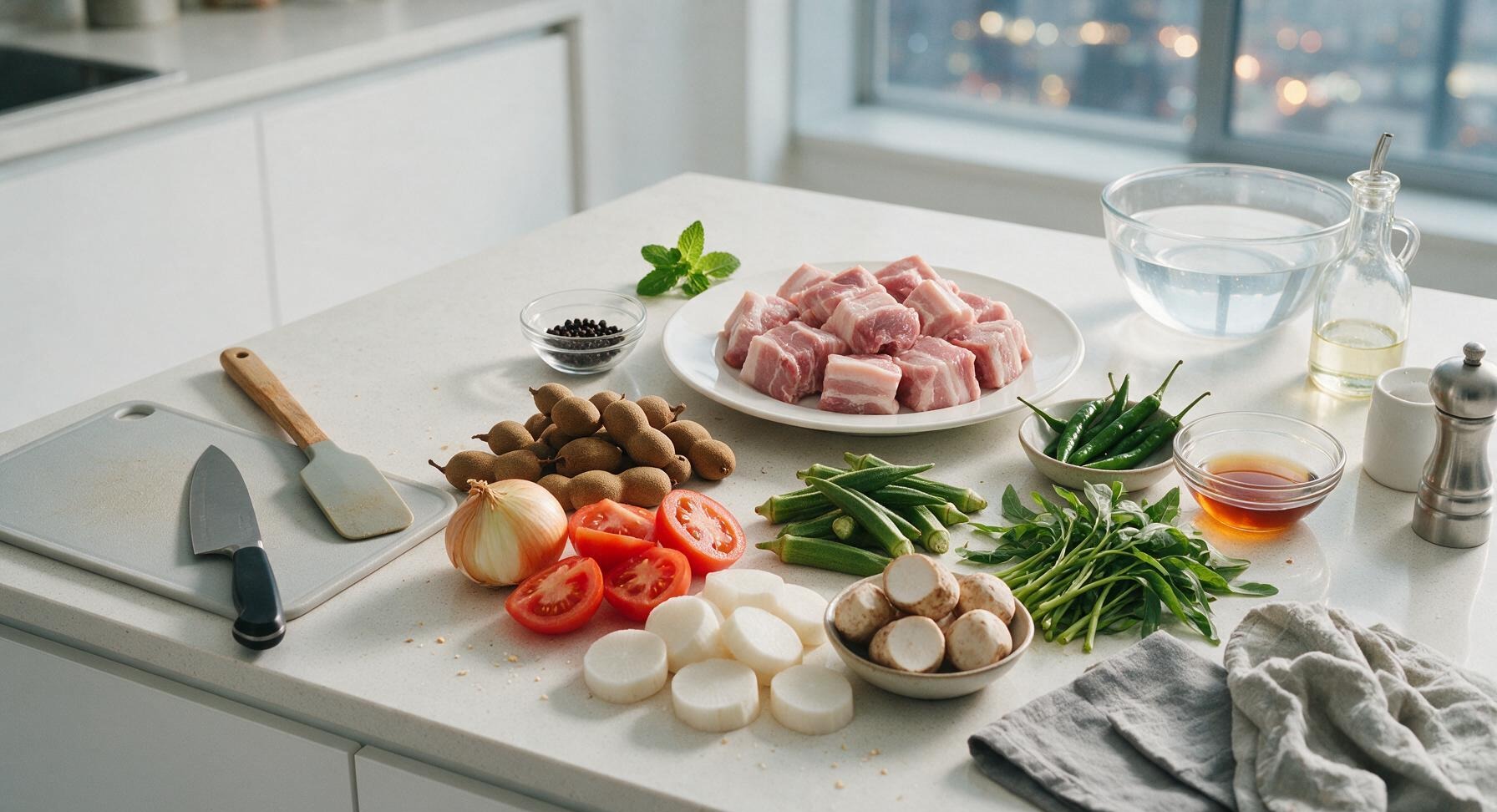
Bone-in pork belly, cut into 5cm cubes 700g
Fresh ripe tamarind pods 150g
Yellow onion, quartered 1 medium (150g)
Roma tomatoes, quartered 4 (200g)
Whole black peppercorns 1 tsp (3g)
Fish sauce (patis) 2 tbsp (30ml)
Daikon radish (labanos), peeled, sliced 1cm thick 1 medium (200g)
Taro corms (gabi), peeled, halved 3 small (180g)
Okra, ends trimmed 6 pieces (100g)
Long green chili (siling pansigang) 2 pieces (20g)
Water spinach (kangkong), tough stems removed 1 bunch (200g)
Water 6 cups (1.5L)

Steps

1

Prep all ingredients

Pat the pork belly cubes dry with the corner of the indigo linen towel. Set the acacia cutting board center-left, and use the kamagong-handled chef knife to prep all vegetables: quarter the onion and tomatoes, slice daikon into 1cm thick rounds, halve peeled taro corms, trim okra ends, separate water spinach leaves and tender stems from tough lower stalks, and leave green chilies whole. Collect all vegetable trimmings in the small cream ceramic trinket saucer as you work, and arrange prepped ingredients in neat piles on the edge of the cutting board.
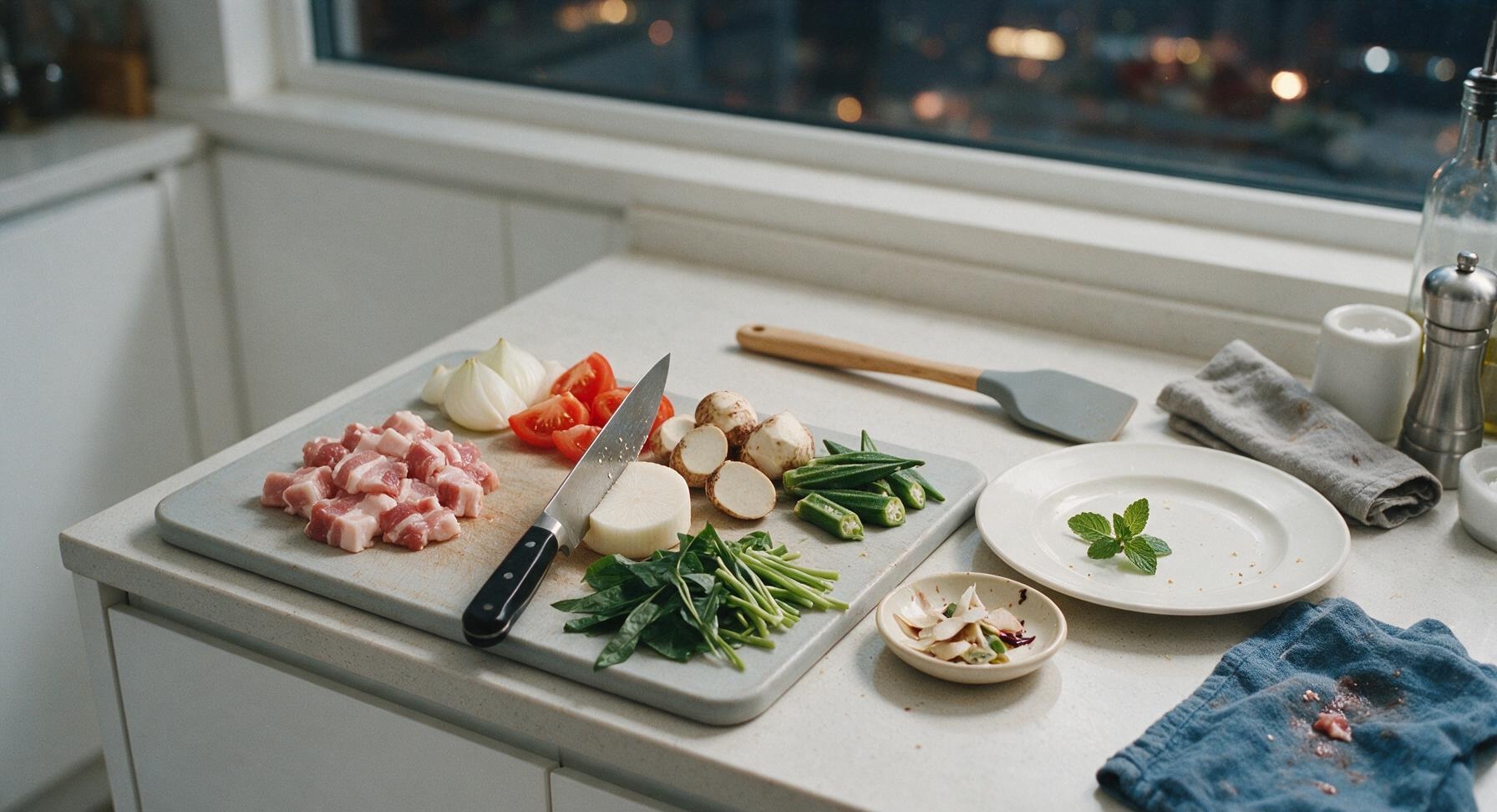
Step 1
step1:Prep all ingredients
2

Cook and strain tamarind

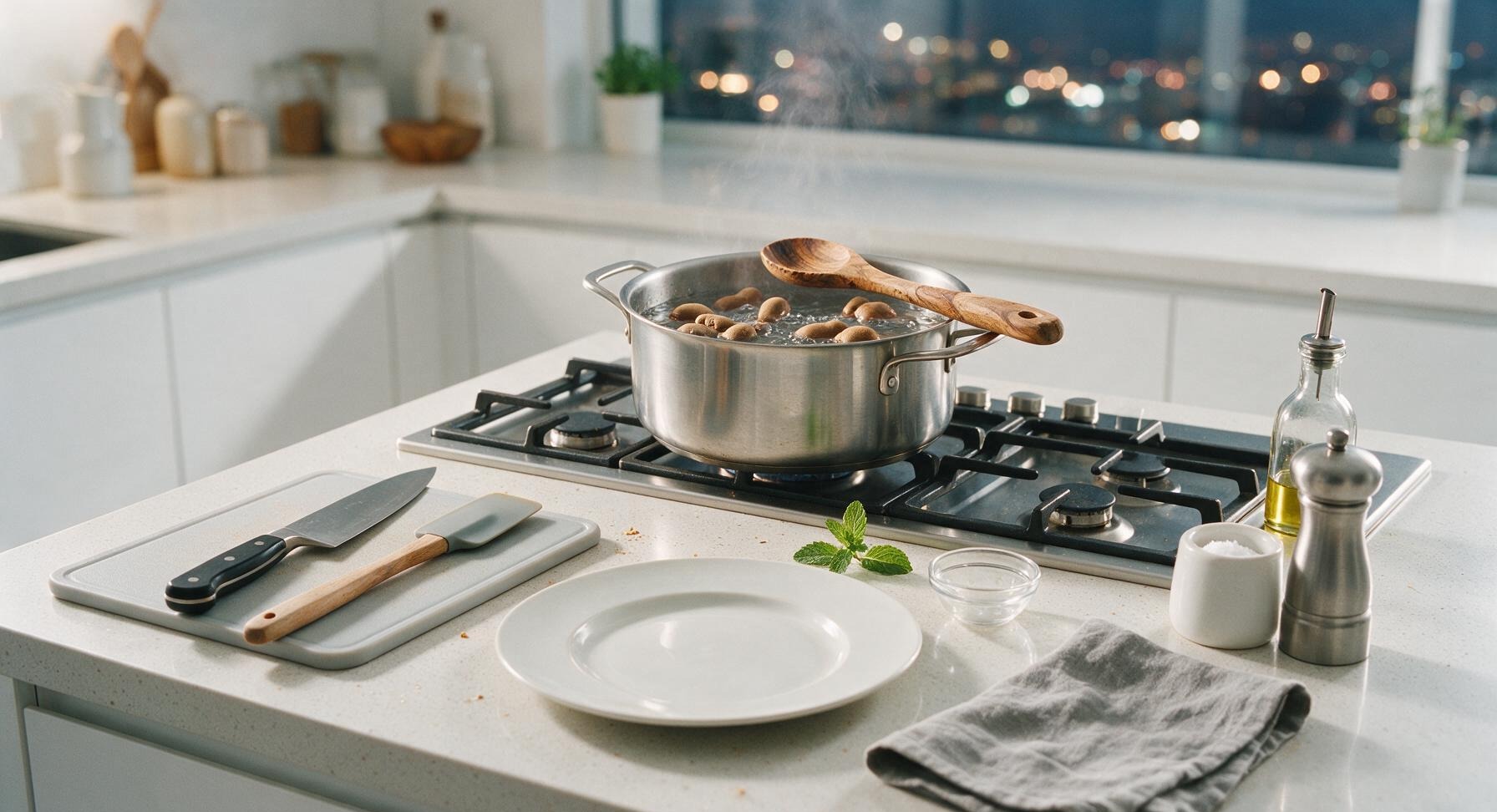
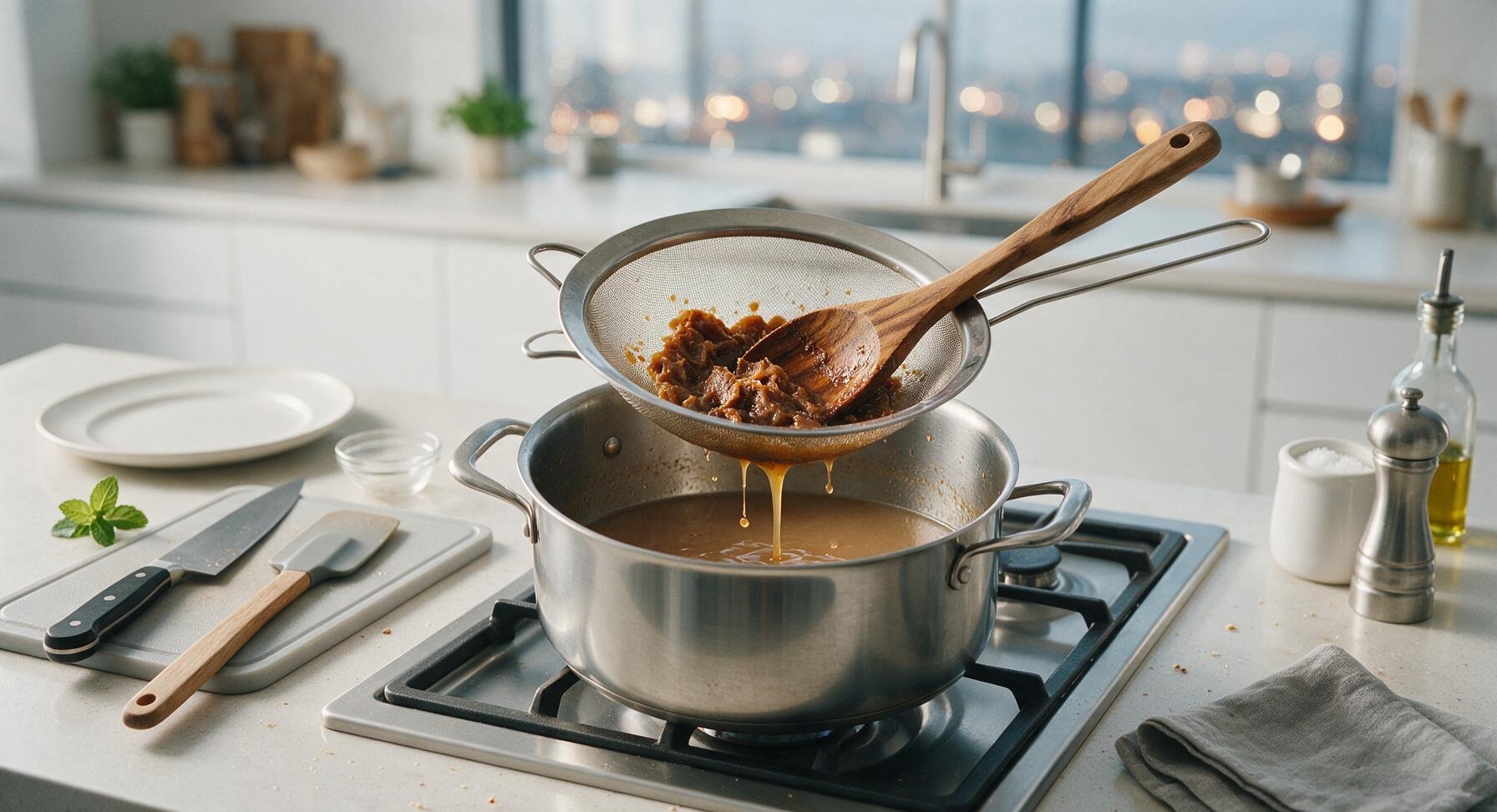
Place the 6L stainless steel stock pot on the center-back burner, add tamarind pods and 2 cups of water, and bring to a rolling boil over medium heat (180C). Simmer for 10 minutes until tamarind skins split and flesh softens. Use the carved acacia wooden spoon to mash pods against the pot wall to release all pulp, then set the fine-mesh sieve over the pot and strain the tamarind liquid, pressing solids with the spoon to extract all flavor; discard seeds and fibrous skin left in the sieve.
Step 2
step2:Cook and strain tamarind
Step 2
step2:Cook and strain tamarind
3

Simmer pork until tender

Add the remaining 4 cups of water to the tamarind broth in the stock pot, then add quartered onion, quartered tomatoes, whole black peppercorns, and dried pork cubes. Bring back to a rolling boil, then reduce heat to low (90C, gentle simmer), set the pot lid slightly ajar to let steam escape, and cook for 45 minutes. Every 10 minutes, use the wooden spoon to skim any gray foamy scum that rises to the surface to keep the broth clear. The pork is done when a fork pierces it easily with no resistance, but it does not fall off the bone.
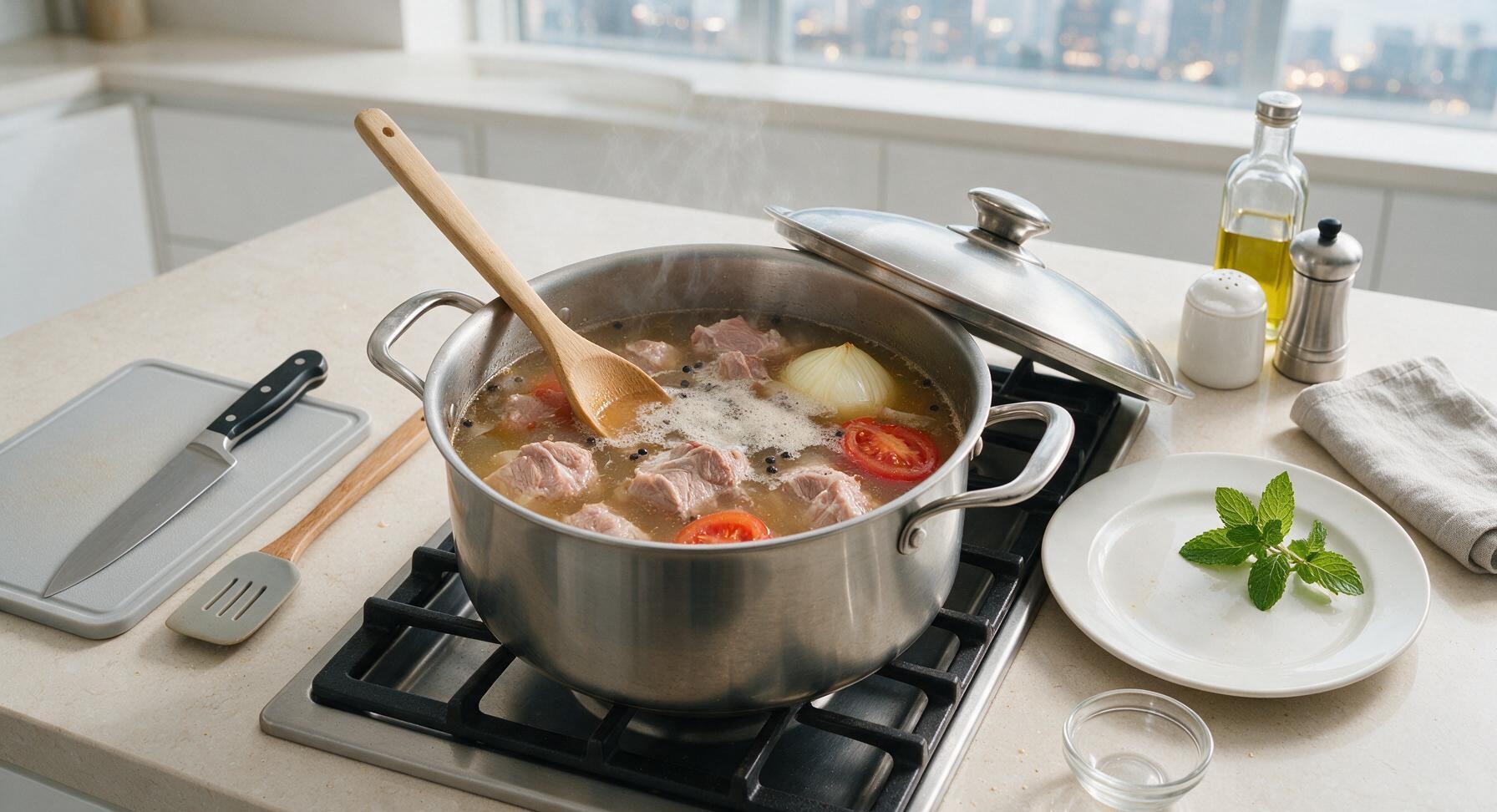
Step 3
step3:Simmer pork until tender
4

Add root vegetables

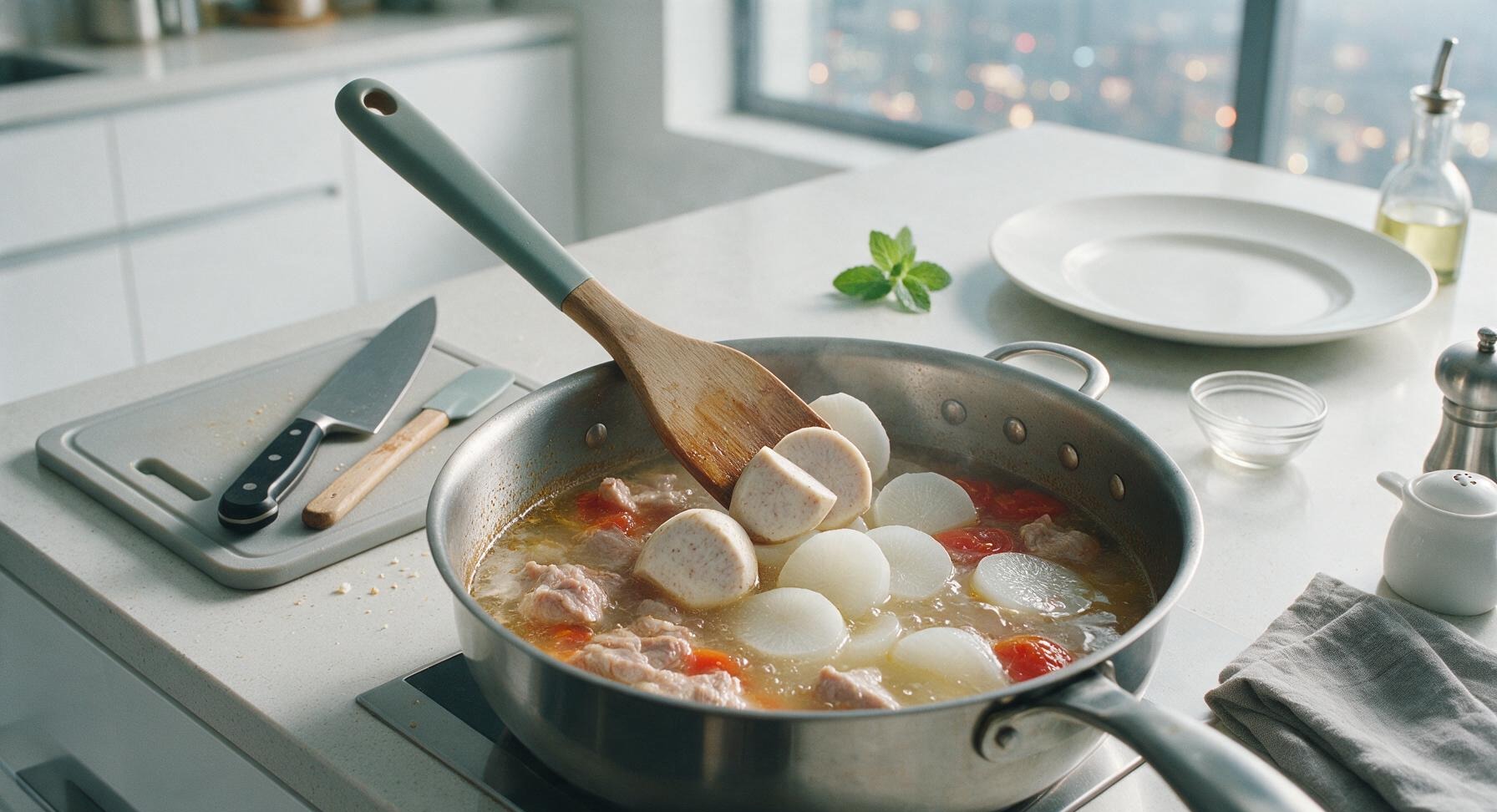
Once the pork is tender, add the halved taro corms and sliced daikon rounds to the pot, stirring gently with the wooden spoon to fully submerge all pieces. Cover with the lid slightly ajar again and simmer for 10 minutes over low heat. Test doneness by piercing a taro piece with a fork: it should slide in easily, but the taro should hold its shape and not turn mushy, which would cloud the broth.
Step 4
step4:Add root vegetables
5

Season and add okra

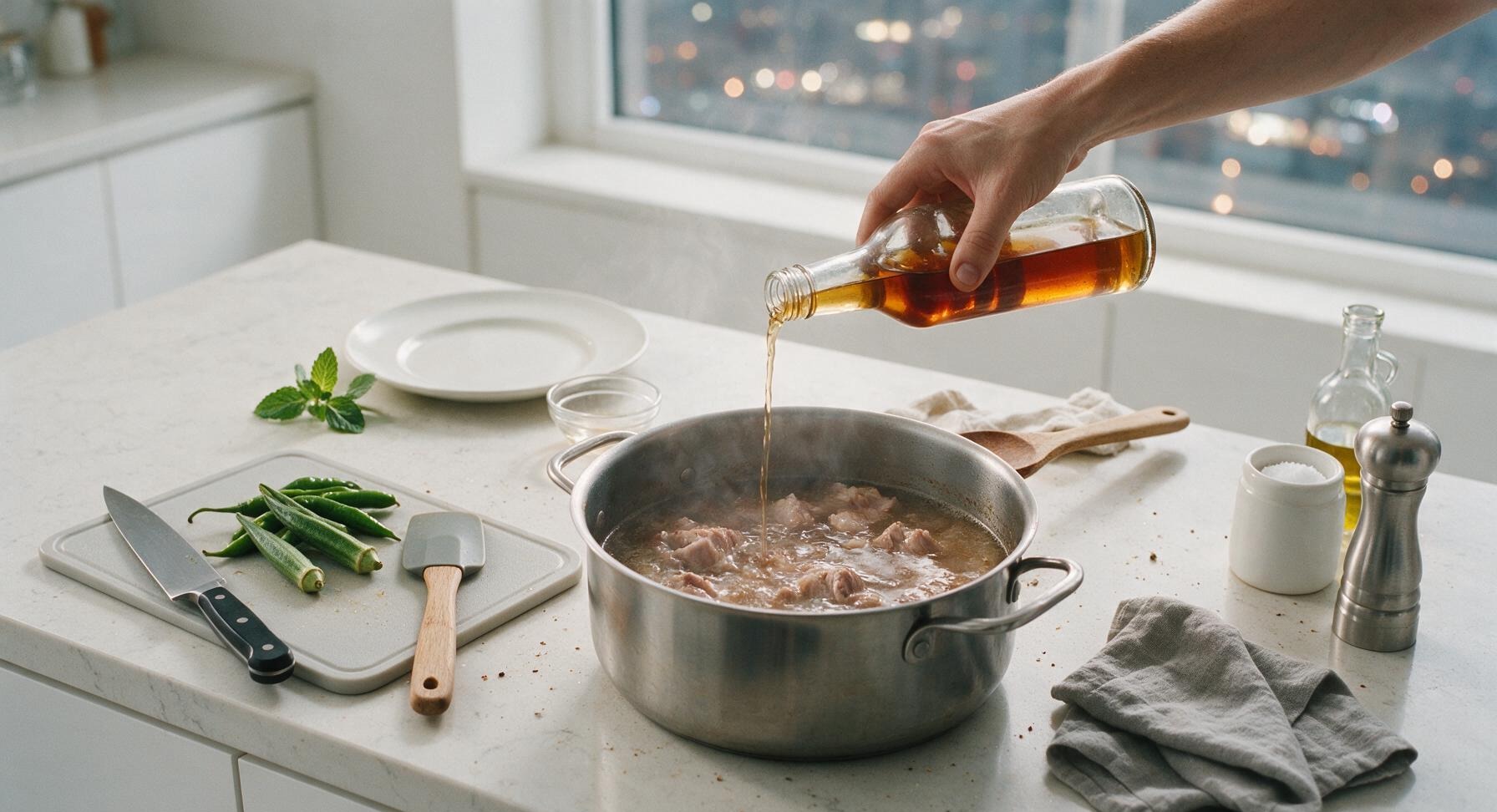
Pour 2 tablespoons of fish sauce from the clear glass bottle into the pot, stirring to combine. Add the trimmed okra and whole green chilies, then taste the broth: adjust with up to 1 extra teaspoon of fish sauce if needed to balance the tart tamarind flavor with salty savoriness. Simmer uncovered for 3 minutes, until okra is bright green and crisp-tender, with no slimy mushy texture.
Step 5
step5:Season and add okra
6

Wilt water spinach

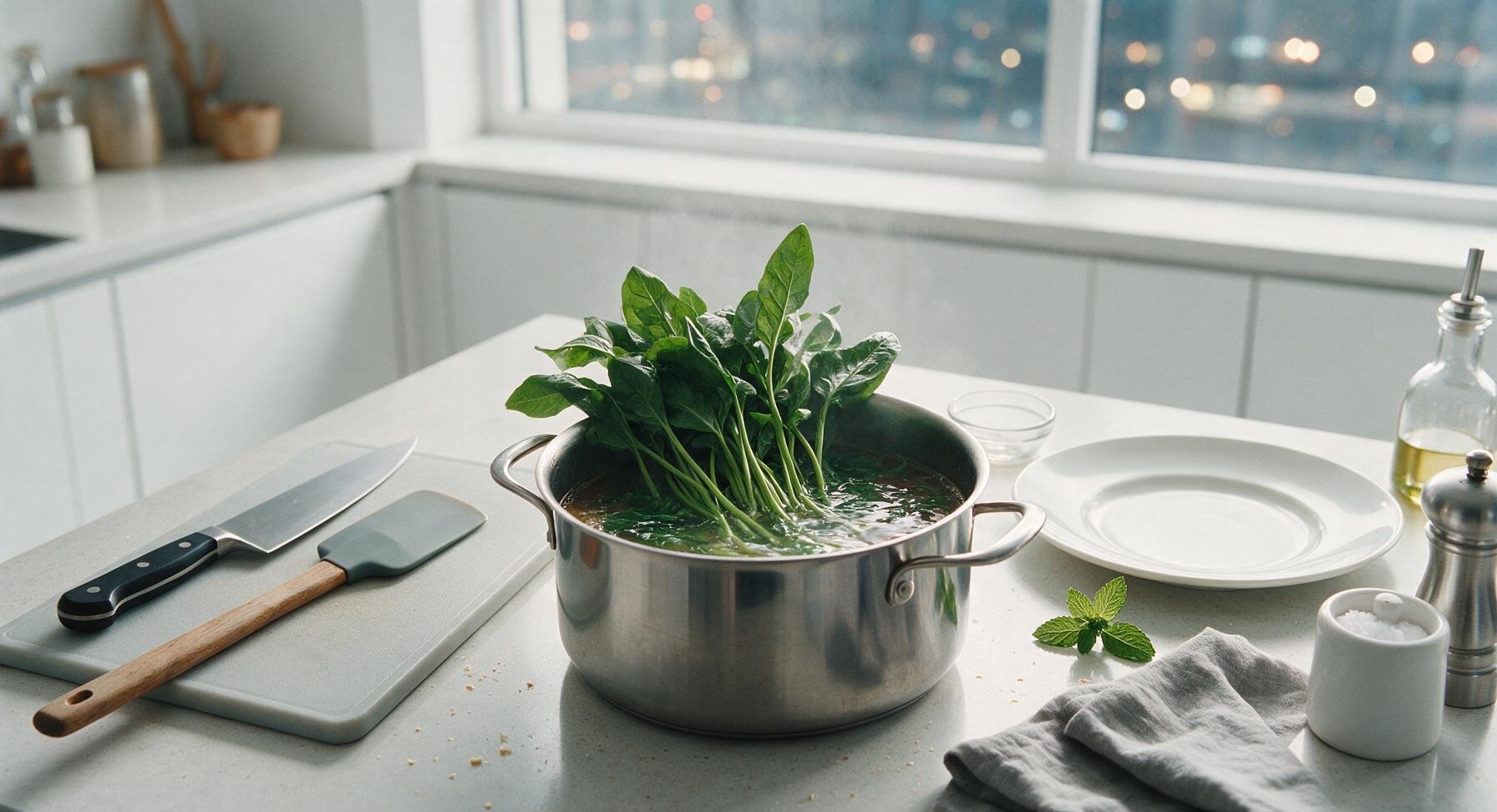
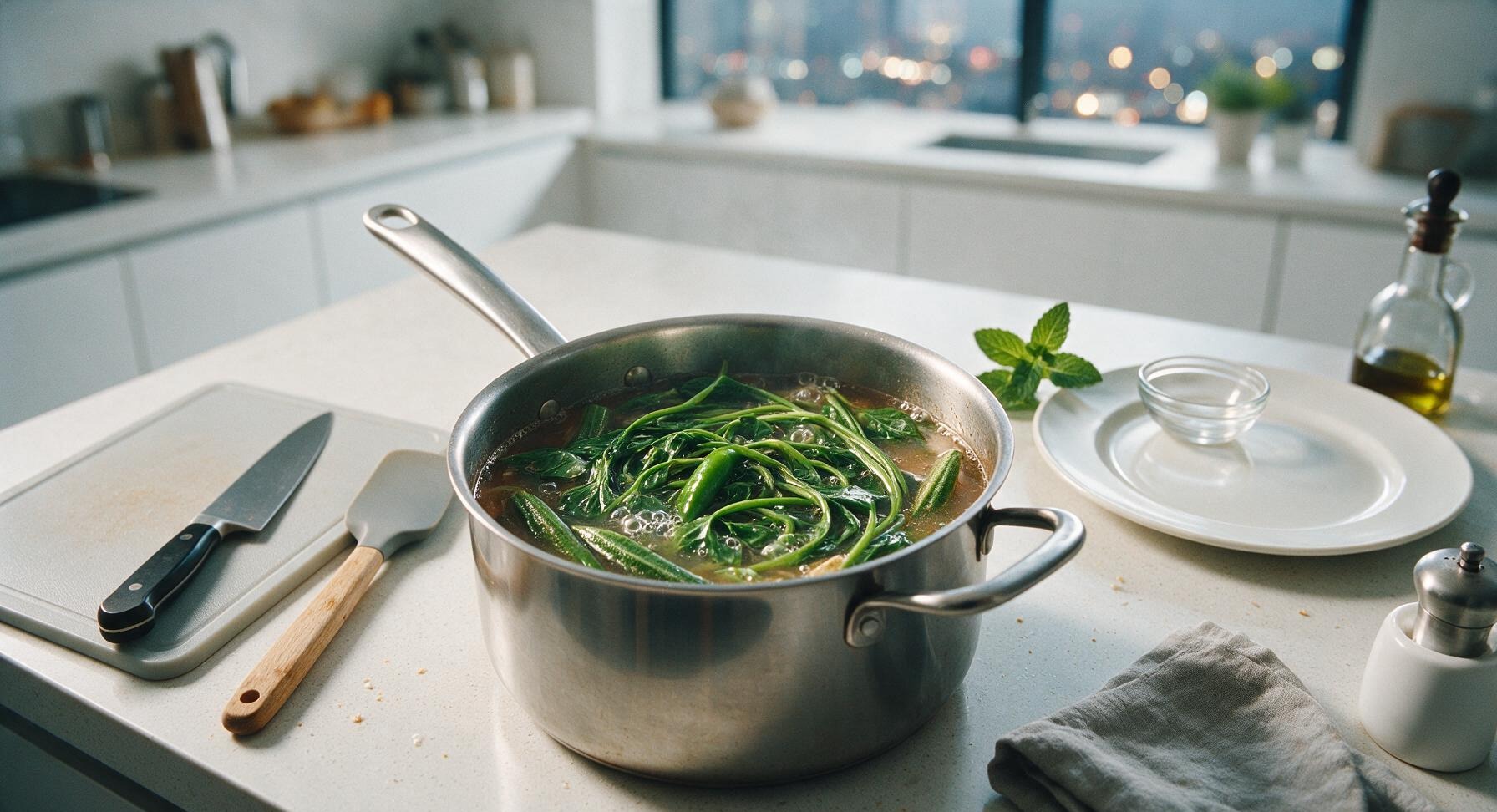
Turn off the burner completely. Add the water spinach leaves and tender stems to the pot, pressing them down gently with the wooden spoon to submerge them in the hot broth. Let the residual heat of the broth cook the greens for exactly 2 minutes, until they turn a bright, vivid green and are just wilted. Do not boil the greens, as this will make them bitter and turn them a dull olive color.
Step 6
step6:Wilt water spinach
Step 6
step6:Wilt water spinach
7

Rest to meld flavors

Place the stock pot lid fully on the pot to trap heat, and let the sinigang rest for 5 minutes off the heat. This resting time lets the sour, salty, and savory flavors blend evenly, and lets the pork absorb some of the broth flavor without overcooking the vegetables.
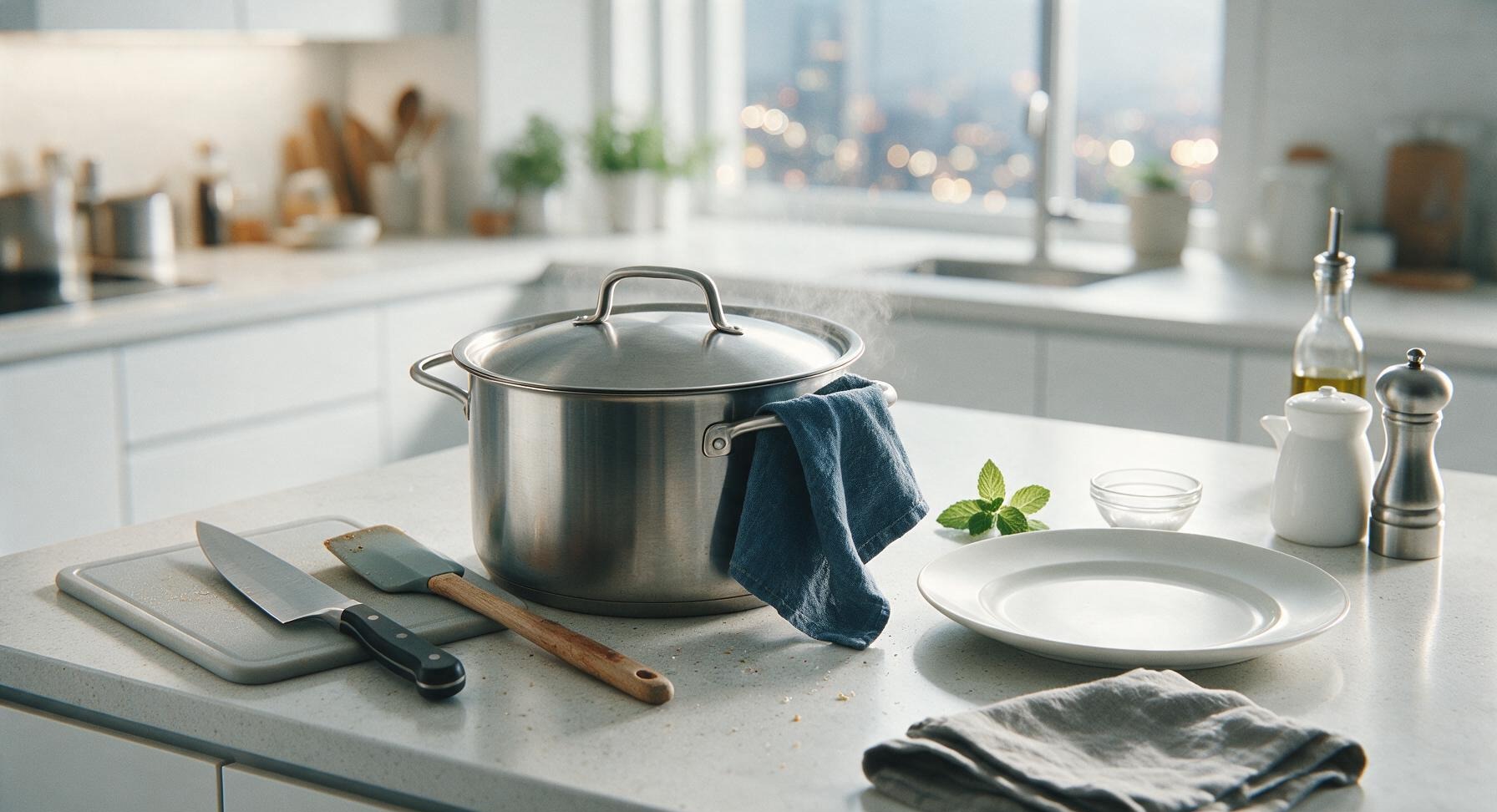
Step 7
step7:Rest to meld flavors
8

Ladle and serve hot

Remove the lid, give the sinigang one slow, gentle stir with the wooden spoon to evenly distribute pork and vegetables. Ladle heaping portions of broth, pork, and vegetables into the wide, deep cream ceramic soup bowl. Serve immediately, with the small cream sauce bowl of extra fish sauce and sliced chili on the side for dipping, paired with steamed white rice if desired.
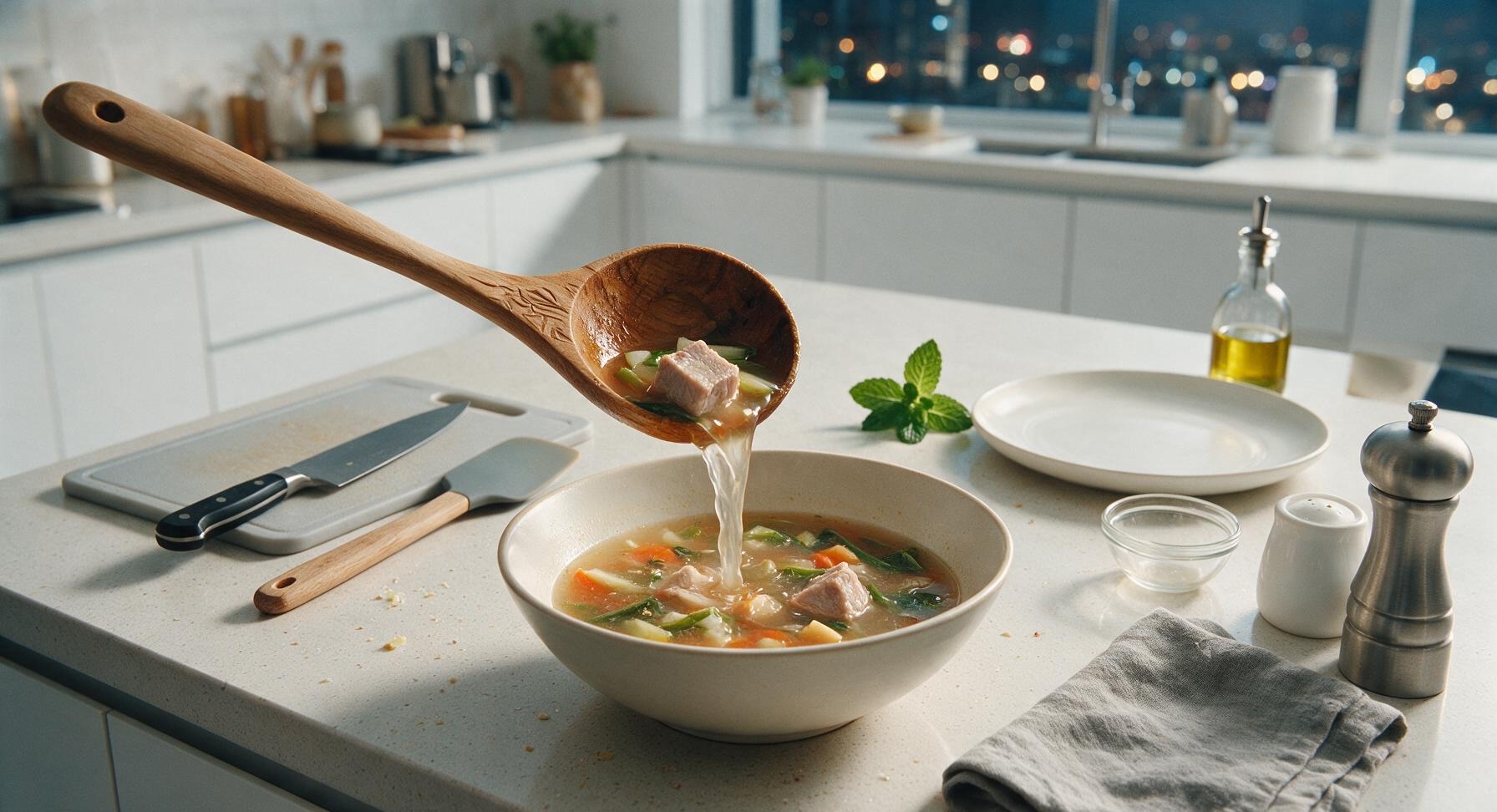
Step 8
step8:Ladle and serve hot

Tips

1.Do not overcook the taro: if taro boils too long it breaks down into a starchy paste that makes the broth cloudy and thick, rather than the light, clear broth classic to Tagalog sinigang. Test taro doneness early to keep it tender but intact.
2.If fresh tamarind is unavailable, substitute with 40g of unsweetened tamarind soup base mix, adding it at the same time as the fish sauce instead of boiling it first to avoid overly tart broth. Skip sweetened tamarind mixes, as they will disrupt the classic sour-savory flavor balance.
3.Skim scum regularly while simmering the pork: the gray foamy residue that rises to the surface is coagulated protein from the meat, and leaving it in will give the broth a murky, bitter off-flavor instead of the clean, bright tart taste sinigang is known for.

✨ You May Also Like

Soups & Stews
🍜 Japan

Rich, umami-dense Hokkaido-style miso ramen with chewy noodles, savory fermented broth, and classic toppings, a cozy, deeply satisfying warm meal.

⏱️ 45 minuteSoups & Stews ★ 4.5
Soups & Stews
🍜 United States

A hearty, peppery tripe and root vegetable stew with colonial Philadelphia roots, thick, warming, and packed with bold savory flavor for cold winter days.

⏱️ 2 hours 3Soups & Stews ★ 4.6
Soups & Stews
🍜 Mexico

Hearty, warming red pork posole loaded with tender hominy, slow-simmered in a rich smoky chile broth, served with zesty fresh garnishes for a deeply comforting, satisfying meal.

⏱️ 2 hours 3Soups & Stews ★ 4.7
Soups & Stews
🍜 United States

Warm, soothing classic chicken noodle soup loaded with tender chicken, soft egg noodles, and savory veggies, perfect for chasing chills and feeding the whole family.

⏱️ 40 minuteSoups & Stews ★ 4.9
Soups & Stews
🍜 France

Deeply savory caramelized onion broth topped with crusty bread and bubbly melted Gruyère, a timeless French bistro comfort food ideal for cold days.

⏱️ 1 hour 25Soups & Stews ★ 4.8
Soups & Stews
🍜 United States

Hearty, briny Maryland crab soup loaded with sweet blue crab, tender summer vegetables, and zesty Old Bay, a beloved Chesapeake Bay coastal comfort staple.

⏱️ 55 minuteSoups & Stews ★ 4.9

sinigang na baboy recipe tagalog:Frequently Asked Questions

1.What pork cut works best if I don’t have bone-in pork belly for this recipe? ▾
Bone-in pork spare ribs, pork shoulder, or pork hocks are excellent swaps, as their marbling and connective tissue break down into tender, flavorful bites during slow simmering. Skip ultra-lean cuts like pork loin, as they will turn dry and tough without enough fat to hold up to the long cook time needed for a rich, rounded broth.
2.How do I prep fresh ripe tamarind pods to get the smoothest possible broth? ▾
Boil the pods for 10 to 15 minutes until soft enough to mash, then press the pulp through a fine-mesh sieve to remove tough seeds and stringy fibers. Discard the solids, then stir the smooth, tangy tamarind puree into your broth a little at a time to hit your ideal sourness level instead of adding it all at once.
3.Why do you add quartered onions and tomatoes at the start of the simmer instead of later? ▾
Adding these aromatic vegetables at the start of cooking gives them time to break down completely, mellowing their sharp raw bite and infusing the broth with sweet, savory depth before you add more delicate ingredients. You can fish out any leftover tomato skins or onion bits later if you prefer a perfectly clear broth.
4.How long do I need to simmer the pork to get it perfectly tender? ▾
Once your broth reaches a rolling boil, reduce it to a gentle simmer and cook the 5cm pork belly cubes for 45 to 60 minutes, until a fork slides easily into the meat without resistance. Don’t boil the pork rapidly, as this will make the meat tough and turn the broth cloudy with excess rendered fat and scum.
5.What can I use as a substitute if I can’t find fresh tamarind pods? ▾
Unsweetened block-form tamarind paste (not the concentrated syrup used for drinks) is the closest swap, using about ¼ cup of reconstituted paste for every 1 cup of fresh pods. You can use store-bought sinigang mix in a pinch, but adjust the salt level carefully, as most pre-made mixes have high added sodium content.
6.Do I need to skim the broth while the pork simmers? ▾
Yes, take a minute every 10 minutes or so to skim off the gray foamy scum that rises to the top of the pot as the pork cooks. This simple step keeps your finished broth bright, clear, and free of the off, metallic flavors that can leach out from bone and meat impurities during the long simmer.
7.How sour should the finished sinigang broth taste? ▾
Traditional Tagalog sinigang has a bright, lip-puckering sourness balanced by savoriness and subtle sweetness from slow-simmered onions and tomatoes. Taste as you add tamarind puree, starting small and building up—you want the sourness noticeable, but not so strong that it overpowers the pork and vegetable flavors.
8.Can I make this soup ahead of time for weekly meal prep? ▾
Absolutely! Sinigang actually tastes even better the next day, as the flavors meld together as it chills. Store cooled soup in an airtight container in the fridge for up to 3 days, and wait to add any delicate leafy vegetables until right before reheating to keep them from turning mushy and overcooked.
9.Why does the recipe call for whole black peppercorns instead of ground pepper? ▾
Whole peppercorns release a slow, warm, rounded peppery flavor as they simmer, instead of the sharp, gritty bite you get from ground pepper cooked for a long time. If you don’t have whole peppercorns, add a pinch of freshly cracked black pepper during the last 5 minutes of cooking to avoid a bitter, harsh flavor.
10.What common vegetables are usually added to this base Tagalog sinigang recipe? ▾
Traditional add-ins include cubed taro (gabi), yard-long beans, sliced eggplant, bok choy, and sliced white radish (labanos). Add sturdier veggies like taro and radish during the last 20 minutes of simmering, and tender leafy greens in the final 2 to 3 minutes so they stay crisp-tender instead of slimy.
11.Should I add fish sauce to my sinigang, and when is the best time to add it? ▾
Fish sauce (patis) is the traditional seasoning for adding salty, umami depth to sinigang, and it works best when added a tablespoon at a time right after you finish skimming the broth, before stirring in tamarind puree. If you don’t eat fish, swap it for kosher salt or low-sodium soy sauce to season to taste.
12.How do I keep the pork from turning out tough and rubbery? ▾
First, don’t cut your pork cubes smaller than 5cm, as smaller pieces will overcook and seize up quickly. Keep your simmer low and gentle instead of at a rolling boil, and resist stirring the pork too often as it cooks. If the meat is tough after an hour, simmer 10 to 15 minutes longer to break down connective tissue.
13.Can I freeze leftover sinigang to enjoy later? ▾
Yes, let the soup cool completely first, then transfer it to freezer-safe, airtight containers, leaving ½ inch of headspace to allow for expansion as it freezes. It will keep well for up to 3 months. Thaw in the fridge overnight before reheating on the stovetop, and add fresh greens when reheating for best texture.
14.What is sinigang na baboy typically served with? ▾
Sinigang is almost always served family-style alongside heaping bowls of steamed white rice, which cuts through the broth’s bright sourness and soaks up all the flavorful liquid. Many people also serve a small side dip of fish sauce mixed with sliced Thai chili and calamansi for anyone wanting an extra salty, spicy kick.
15.Why is my sinigang broth bland even after I add the recommended amount of tamarind? ▾
Bland sinigang almost always comes from under-seasoning before adding the sour element. Taste your broth after the pork is tender, adjust the salt and umami level with fish sauce first, then tweak sourness with more tamarind, and add a tiny pinch of sugar if the flavor feels flat. Balancing salty, sour, and sweet makes the soup sing.

Comments (5)

1 week ago

Made this for my work potluck last week and people were practically chasing me down for the recipe! The sourness is perfectly balanced, not too sharp or overpowering, and the pork got so melt-in-your-mouth tender after simmering for that hour. Only tweak I made was tossing in an extra handful of baby bok choy because I’m a veggie fiend. SO good, way better than the sinigang I order from the Filipino takeout spot 10 minutes from my apartment.

3 days ago

Game changer! I’ve been trying to recreate my lola’s sinigang for literal years and this is the closest I’ve ever gotten without her standing over my shoulder nitpicking every ingredient. The 70 minute cook time is totally doable even on chaotic weeknights when I’m shuttling kids between soccer practice and helping with homework. My kids loved it — they were dipping extra rice in the broth like little soup gremlins. Quick question though: can I use pork ribs instead of pork belly for this?

2 days ago

So glad you and your kids are enjoying the recipe! Pork ribs work absolutely beautifully here — just tack on 10 extra minutes of simmer time to make sure they get fall-off-the-bone tender, and you’re all set.

5 days ago

Super easy recipe, even for someone who doesn’t make a ton of Filipino food! I messed up initially and dumped too much tamarind in at first so it was mouth-puckeringly sour, but a tiny pinch of sugar and a splash extra fish sauce fixed it right up. I threw in daikon, long beans, and some okra like my old college roommate’s Filipino mom taught me. Perfect cozy soup for that random cold snap we had in Florida last week, hit so different. Only knocking off one star because I wish it had a little note about how easy it is to overpour the tamarind, but otherwise it’s perfect.

3 days ago

Oh that okra add is genius! I never think to throw okra in my sinigang, I’ll have to toss some in when I make a batch this weekend. That sugar trick for too much tamarind saved me last time I made it too — no shame in adjusting to your own taste!

2 days ago

This is going straight into my regular Sunday meal prep rotation! It reheats like a dream in the microwave for work lunches, and the broth gets even deeper and more flavorful after sitting in the fridge for a day. I used pork shoulder because it was on sale at my local grocery store, and it came out so juicy and tender I couldn’t believe it. 10/10, easy enough for a total beginner cook like me who burns toast half the time.

yesterday

Wait quick question — how long does this keep in the fridge? I’ve been rotating chili and tomato soup for work lunches for months and I’m so bored, I need new options!

2 hours ago

Great question! Stored in an airtight container, this will keep for up to 4 days in the fridge, and it freezes beautifully for up to 3 months if you want to stash pre-portioned batches for extra busy weeks. So happy you loved the recipe!

30 minutes ago

OMG I was so nervous to make this for my Filipino boyfriend for our 3 year anniversary dinner because he is so picky about his sinigang — but y’all, he asked if I flew his grandma in from Manila to cook it for me! I followed the recipe exactly, splurged on fresh tamarind instead of the packet because the farmers market had it, and it was perfectly tangy. The only swap I made was using a little extra soy sauce because I forgot to pick up fish sauce on my grocery run, and it still turned out incredible.

5 minutes ago

That is the sweetest anniversary idea ever! Fresh tamarind hits so much better than the packet, I’m not surprised he was obsessed. You scored major partner points with this one!

just now

What a special anniversary meal! The soy sauce swap works perfectly in a pinch, so I’m thrilled the recipe turned out so well for you two. Cheers to many more cozy sinigang nights together!