1.What exactly is a brisket smoke ring, and is it safe to eat?
▾
That vivid 1/8 to 1/4 inch bright pink layer just under the brisket’s dark bark forms when nitric oxide from burning wood reacts with myoglobin in the beef, and it is 100% safe to eat. It is not a sign of undercooked meat—it’s the iconic, sought-after mark of properly executed low-and-slow Texas-style smoked brisket.
2.Why do you specify point end brisket instead of flat end for this recipe?
▾
The point end of the brisket has far more intramuscular marbling and a thicker, evenly distributed fat cap than the leaner flat end. That extra fat renders slowly during the long smoke, keeping the meat juicy, developing a richer bark, and creating consistent conditions for that perfect deep pink smoke ring to form across the whole cut.
3.What type of wood works best to get a good smoke ring without overpowering the brisket?
▾
Stick to mild, dense Texas-style hardwoods like post oak, hickory, or a small blend of oak with a touch of pecan for best results. Avoid resinous soft woods like pine or fir, which leave bitter off-flavors. Consistent, thin blue smoke from these hardwoods delivers the nitric oxide needed for a strong smoke ring without masking the beef’s natural flavor.
4.Do I need to use special pink curing salt to get a vivid smoke ring?
▾
No, you do not need pink curing salt (Prague Powder) to get a great natural smoke ring on this brisket. Curing salts can create an artificial, unnaturally thick pink layer, but this classic Texas method relies purely on clean, thin wood smoke in the first few hours of cooking to form that coveted ring, no additives required.
5.How far in advance should I apply the dry rub to the brisket?
▾
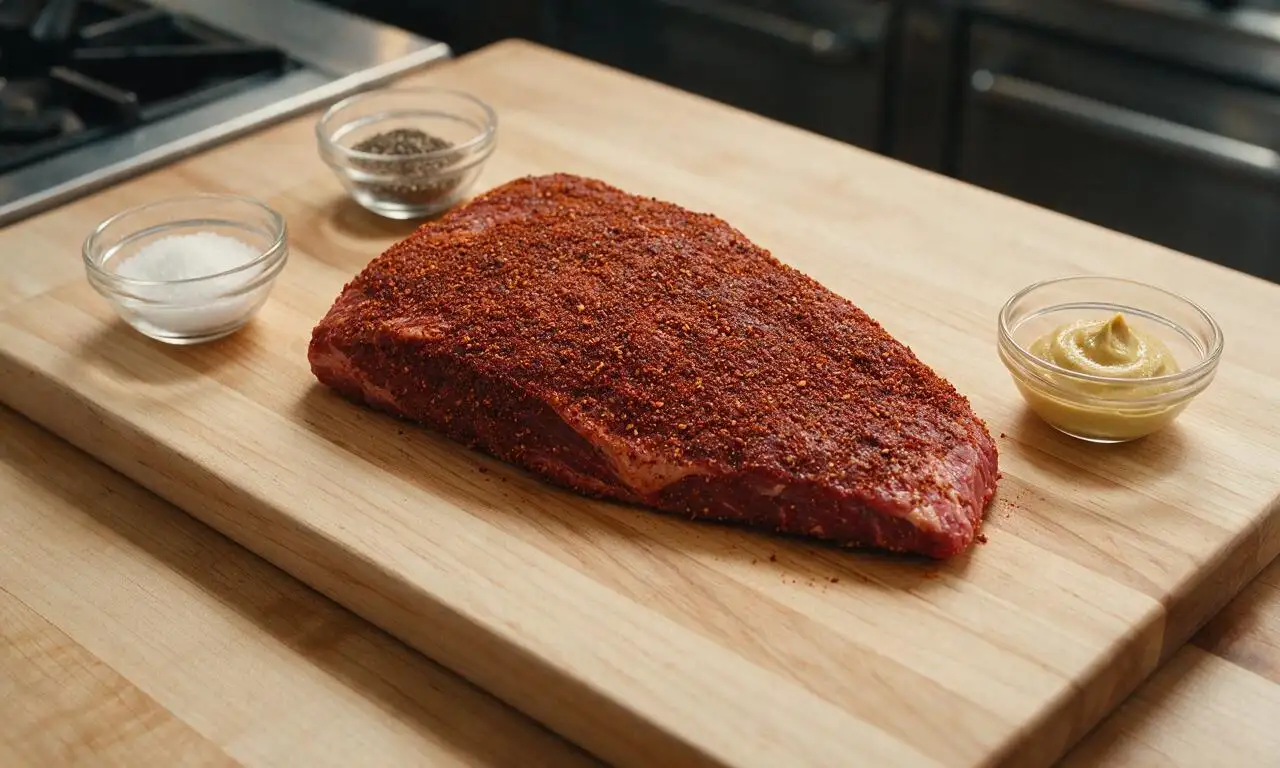
For the best bark and seasoning penetration, apply your kosher salt, coarse pepper, garlic powder, and paprika rub to the brisket 12 to 24 hours before smoking, letting it rest uncovered on a wire rack in the fridge. This dry brine draws out moisture that dissolves seasoning, then reabsorbs to tenderize meat and prep the surface for great smoke adhesion.
6.What smoker temperature do I need to maintain to get a consistent smoke ring?
▾
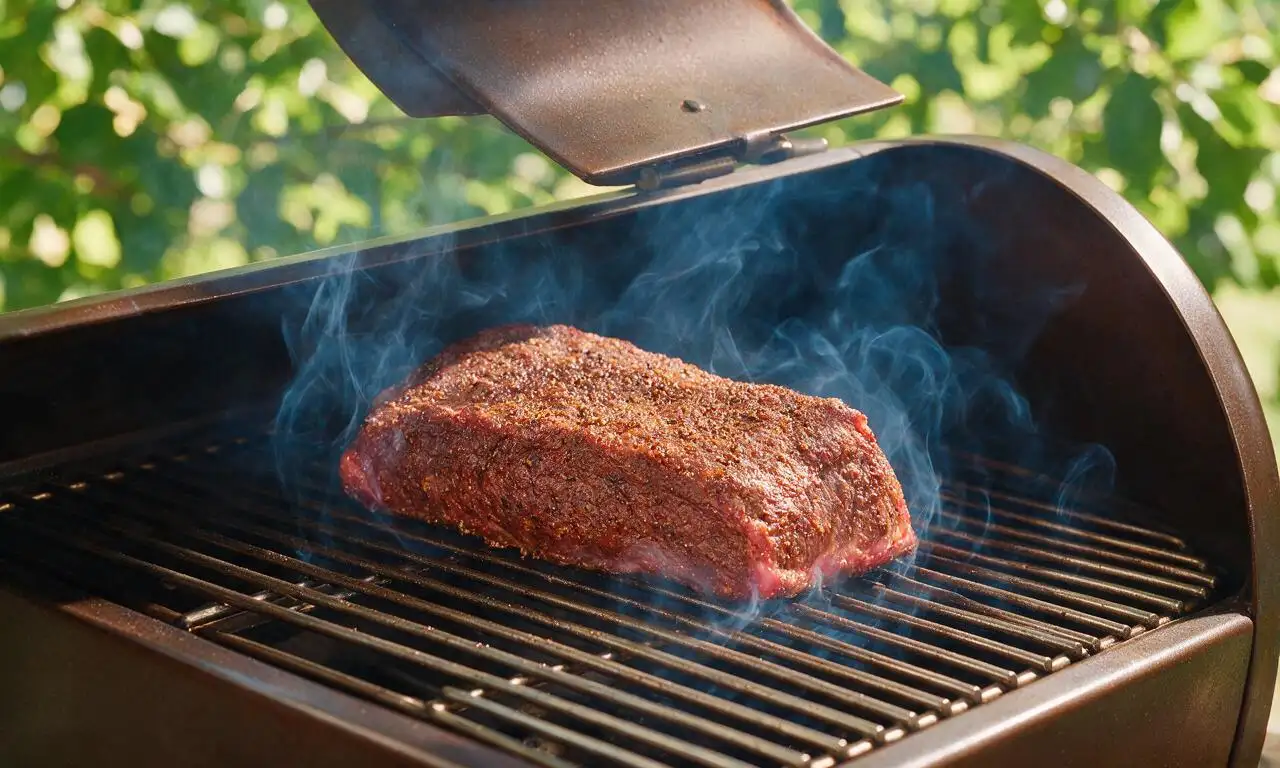
Hold your smoker steady at 225°F to 250°F for the full cook, especially in the first 3 to 4 hours when the smoke ring forms. If your smoker runs hotter than 275°F early on, the meat’s surface proteins will set too quickly, preventing smoke gases from penetrating to form that distinct pink layer, leaving you with a faint, patchy ring at best.
7.Why is thin blue smoke important for a good smoke ring, instead of thick white smoke?
▾
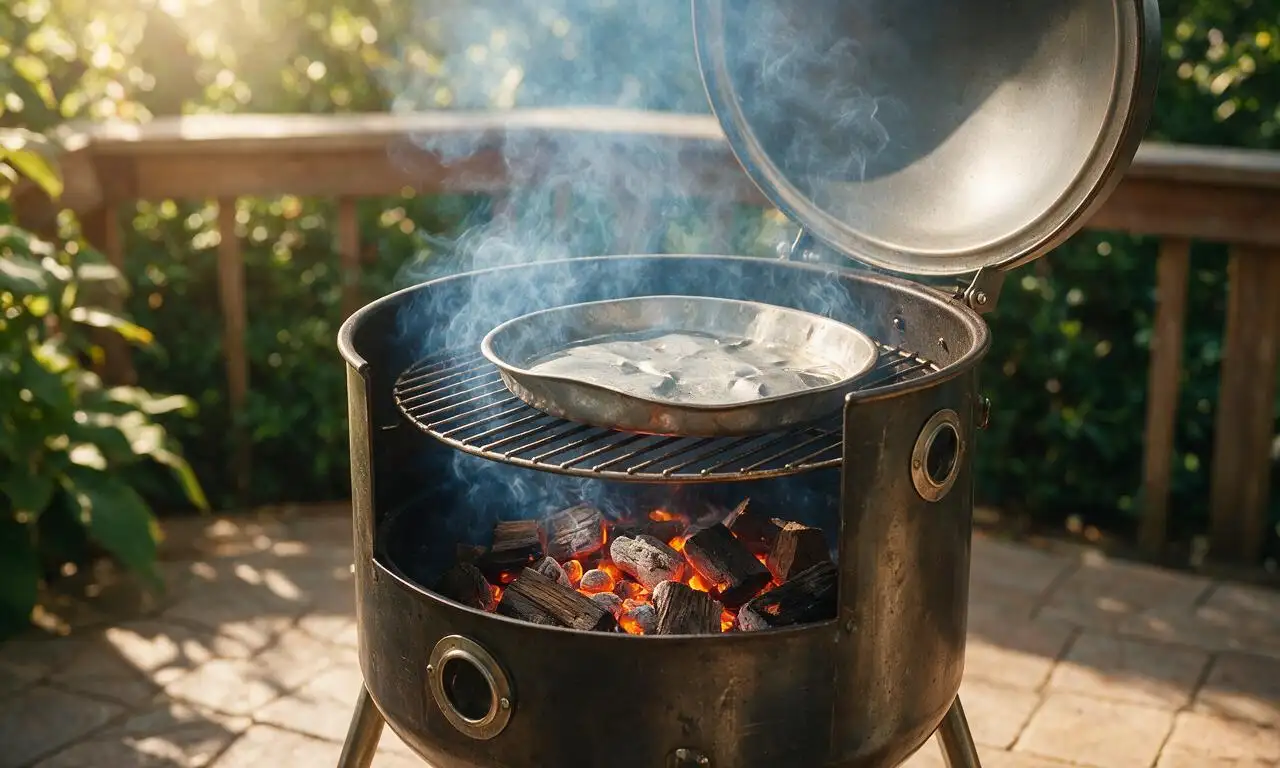
Thick, billowy white smoke is full of unburned creosote and bitter compounds that leave a nasty, ashy taste on your brisket, and it doesn’t deliver the concentrated nitric oxide needed for a strong smoke ring. Thin, almost invisible wispy blue smoke is clean-burning, penetrates the meat surface evenly, and builds that vivid pink ring without off-flavors.
8.Should I wrap my brisket during the cook, and will wrapping ruin the smoke ring?
▾
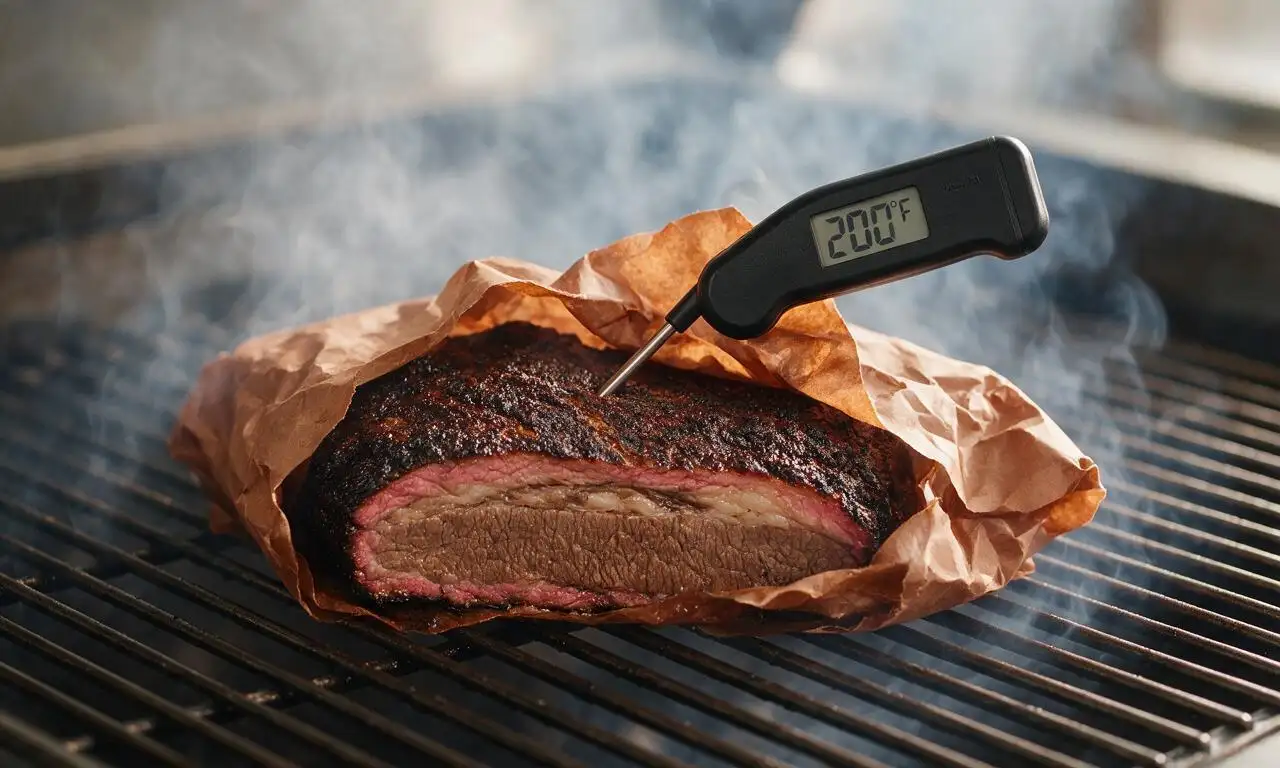
Wrapping is totally fine once you hit 160°F to 170°F internal temp, when the smoke ring is already fully formed—usually 3 to 4 hours into the cook. Use uncoated pink butcher paper for the best bark, rather than tight foil which can steam bark soft. Wrapping after that early smoke window will not damage or fade your existing smoke ring at all.
9.How thick should I expect a properly formed natural smoke ring to be?
▾
A perfect, natural smoke ring on a classic Texas brisket will measure 1/8 to 1/4 inch deep, evenly distributed across every slice, just under the dark, peppery bark. Don’t chase a super thick 1/2 inch ring—those are almost always created with added curing salts, not natural smoke, and don’t deliver any better flavor than a properly formed natural ring.
10.Why didn’t I get a smoke ring on my last brisket attempt?
▾
The most common culprits for a missing or faint smoke ring are running your smoker too hot (over 275°F) in the first few hours, using thick, dirty white smoke instead of thin blue smoke, wrapping the brisket too early before smoke can penetrate, or putting ice-cold brisket straight on the smoker without letting it warm slightly first.
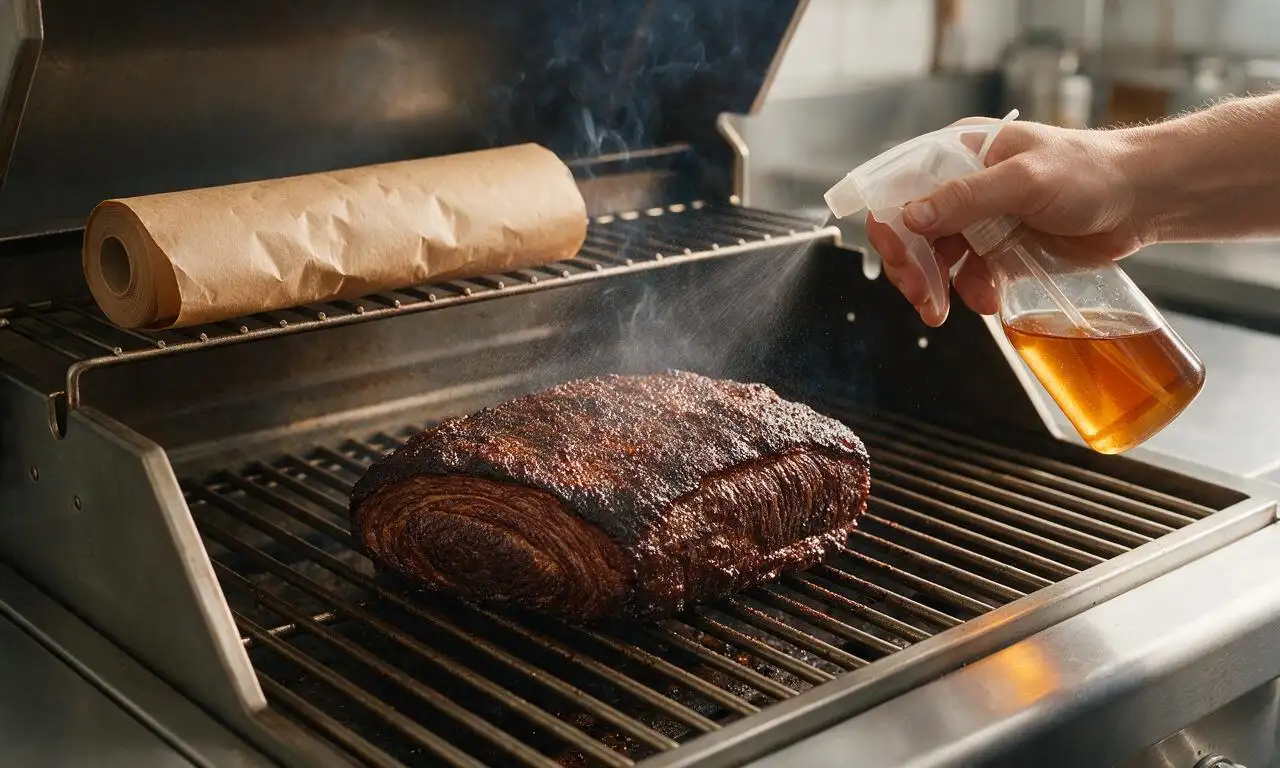
11.Do I need to spritz or mop my brisket during the smoke to help the smoke ring form?
▾
Spritzing is optional, but it can help extend the window where the meat surface stays cool and permeable to smoke, which supports a stronger smoke ring. If you spritz, use a simple mix of equal parts apple cider vinegar and water every 45 minutes for the first 3 hours, then stop once you’re ready to wrap to avoid softening the developing bark.
12.What internal temperature means the brisket is done, even with the pink smoke ring?
▾
Ignore the pink smoke ring when checking for doneness—you’re looking for an internal temp of 200°F to 205°F in the thickest part of the point, with a probe that slides in like soft butter with no resistance. The pink ring is a fixed color reaction, not a sign of rawness, so always rely on temp and texture for doneness.
13.Can I get a good smoke ring using an electric smoker, or do I need an offset stick burner?
▾
You absolutely can get a fantastic natural smoke ring on an electric smoker, as long as you use a good quality hardwood chip or pellet tray to produce consistent thin blue smoke, hold a steady 225°F to 250°F temp, and avoid opening the lid too often in the first 3 hours. You don’t need a fancy offset stick burner to nail this recipe.
14.How long should I let the brisket rest after smoking, and will resting make the smoke ring fade?
▾
Let your wrapped brisket rest in a dry, insulated cooler (no ice) for a minimum of 1 hour, and up to 4 hours, to let juices redistribute evenly through the meat for juicy, tender slices. Resting will not make your smoke ring fade at all—that color reaction is permanent once it sets in the first few hours of cooking, so don’t skip this step.
15.Why does the recipe use a simple salt and pepper base rub instead of a heavy, sugary rub?
▾
Classic Texas brisket relies on a simple kosher salt and coarse black pepper base to let the beef and smoke flavor shine, and heavy sugary rubs can burn quickly at smoking temps, creating a bitter bark that blocks smoke penetration. The small amount of garlic powder and sweet paprika adds depth without burning, so smoke can reach the meat surface to form a strong ring.
16.Should I trim the fat cap all the way off before smoking to get a better smoke ring?
▾
Don’t trim the fat cap all the way off—leave a 1/4 inch thick, even layer across the top of the brisket. Trimming too close removes the protective fat layer that keeps meat juicy through the long cook, but a thick 1/2 inch+ fat cap will block smoke from reaching the meat itself, leading to patchy, faint smoke ring sections under the thickest fat patches.
17.Does the brisket’s starting temperature affect how well the smoke ring forms?
▾
Yes, starting meat temperature absolutely impacts smoke ring formation! Pull your brisket out of the fridge 45 to 60 minutes before putting it on the smoker to take the sharp chill off, so the surface comes up to temp slowly. Putting ice-cold brisket on a hot smoker can cause surface proteins to set too quickly, blocking smoke absorption and leading to a weaker, uneven ring.
18.Can I make this smoked brisket on a gas grill if I don’t have a dedicated smoker?
▾
You can absolutely make this on a standard gas grill with a few tweaks: set it up for indirect heat, place a metal smoker box full of hardwood chips directly on the hot burner, and hold a steady 225°F to 250°F temp. As long as you’re producing consistent thin blue smoke and keeping heat low for the first 3 hours, you’ll still get a solid, natural smoke ring.
19.How should I slice and serve the brisket to best show off the smoke ring?
▾
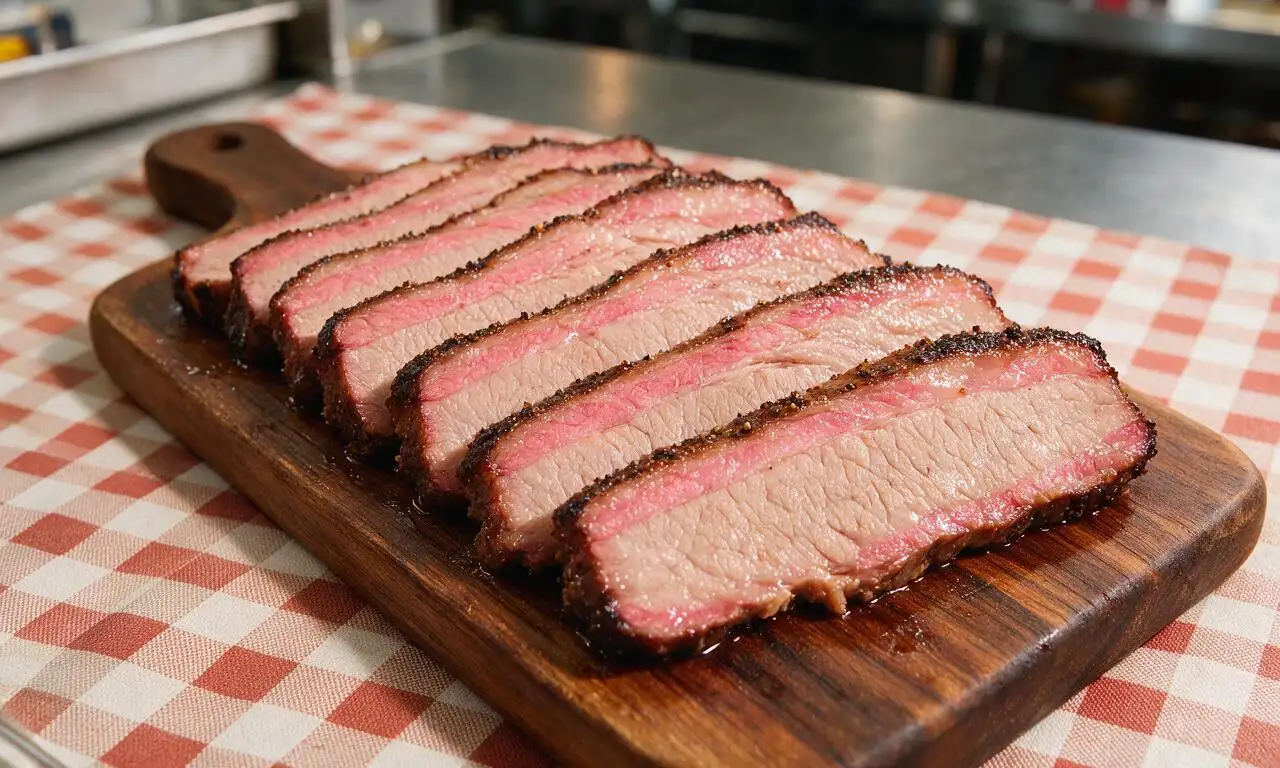
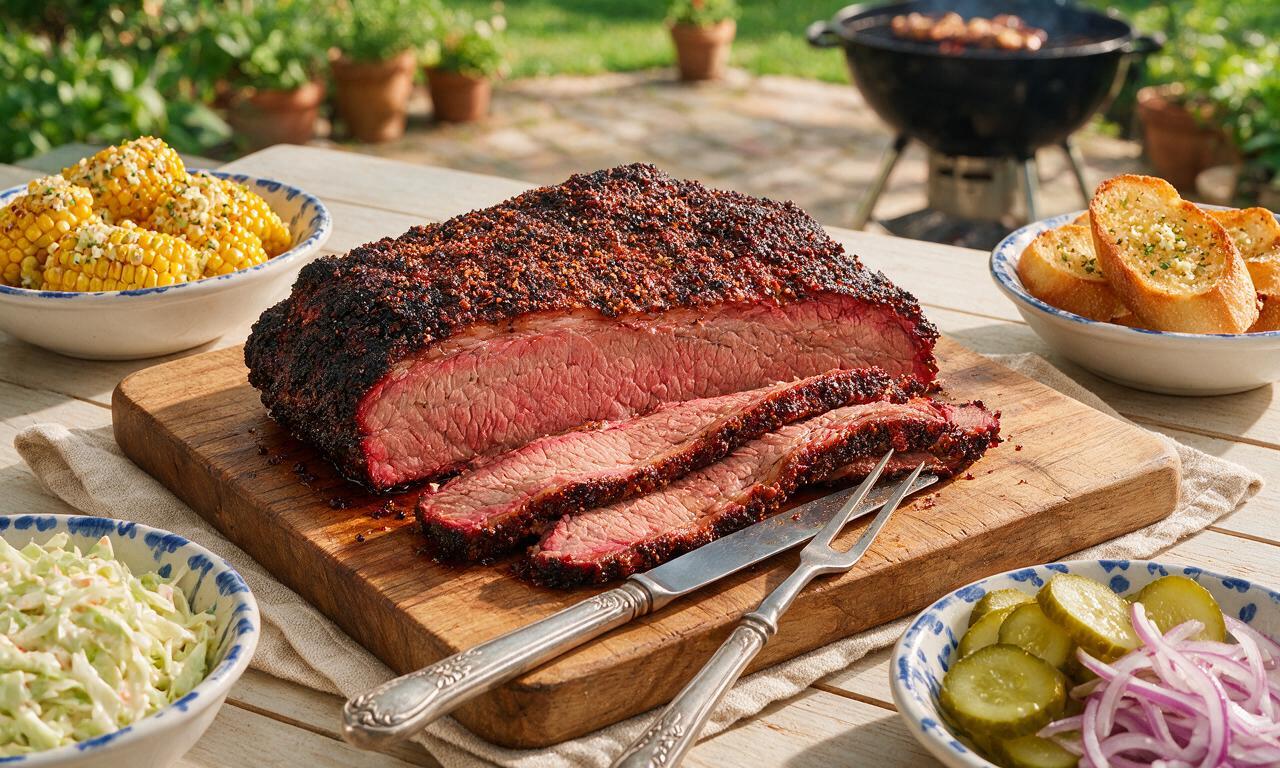
Slice the brisket against the grain into 1/4 inch thick slices, and arrange them on a platter with the cut side facing up so guests can clearly see that distinct, even pink ring just under the dark, peppery bark. Serve slices with a light drizzle of reserved brisket au jus, and avoid saucing slices heavily ahead of time, which will cover up that hard-earned smoke ring.

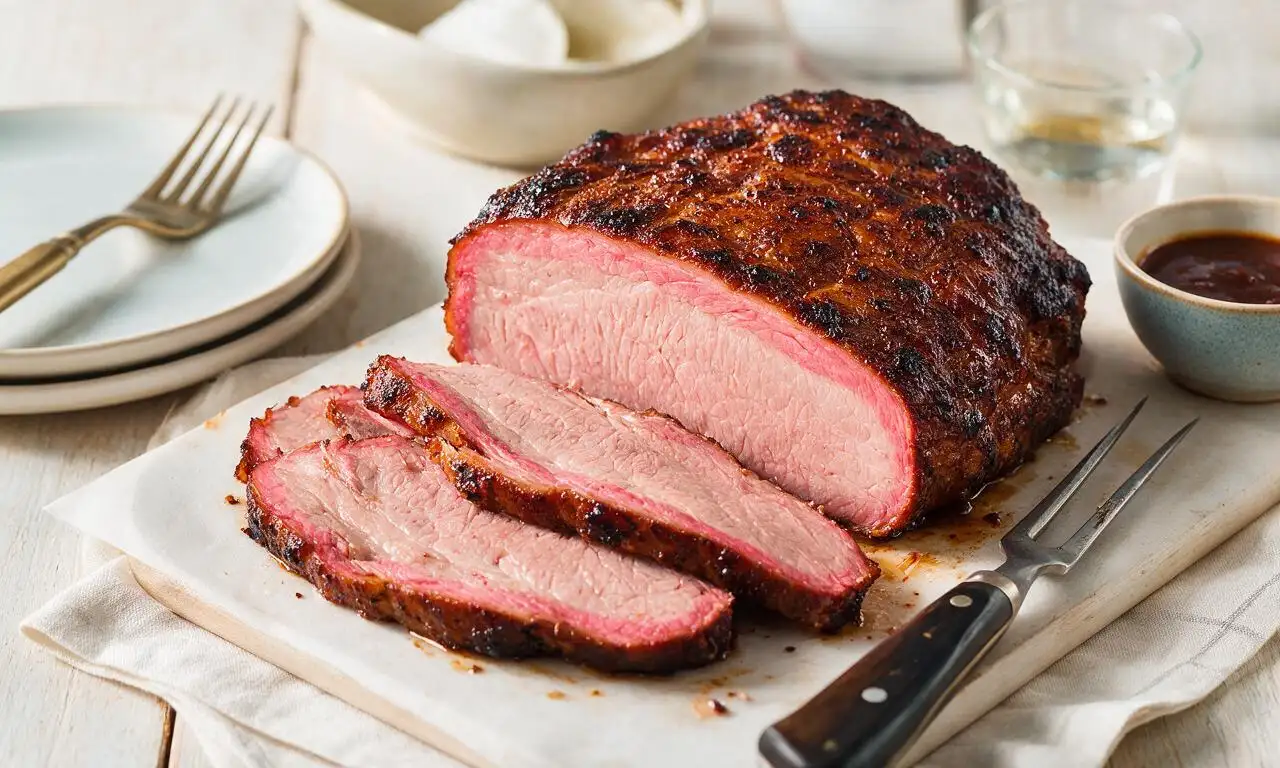
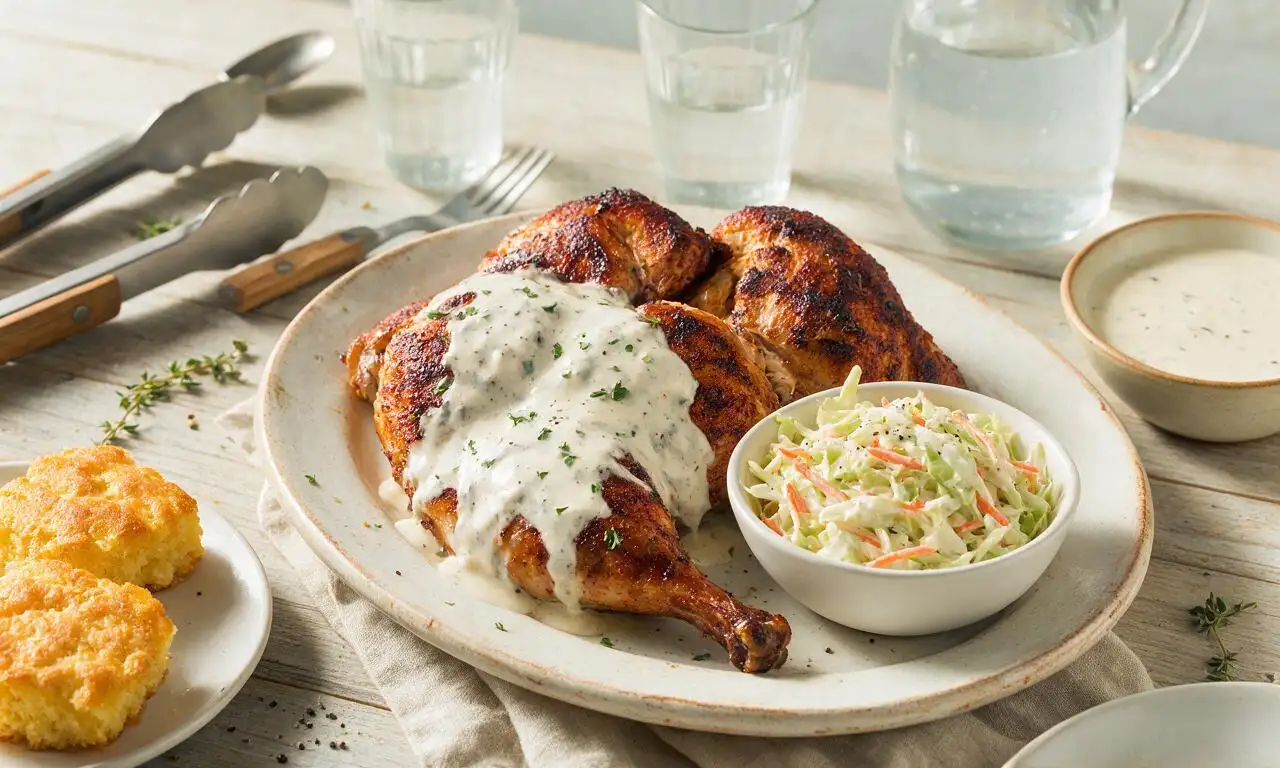
OMG, I made this for my Sunday family dinner last weekend and everyone went back for seconds! That smoke ring was perfect, just like the recipe photos, and the simple salt-pepper-garlic rub ratio was spot on. Only misstep I made was wrapping the brisket a little too early, so the bark was a touch softer than I wanted, but it was still SO good. Even my picky brother-in-law asked for a second slice!
Total game changer for my weekly meal prep! I was so intimidated to try brisket because a 12 hour cook time sounds totally insane for a week of lunches, but the step-by-step instructions were so easy to follow even for a medium-difficulty recipe. My kids loved the little burnt end bits I saved for them, and I’ve already had three coworkers ask for the recipe link after I brought leftovers in for lunch.
Solid recipe, but I had to bump my pit temp up 25 degrees because it was unseasonably cold in my Arizona backyard last week, so it ended up taking 13 hours total instead of the listed 12. The smoke ring was a solid 1/4 inch thick though, which is better than any brisket I’ve cranked out all year. Will definitely be making this again for my next college football tailgate.
Quick question before I dive in—has anyone tried this recipe on a pellet smoker instead of a traditional offset? I only have a Traeger at my apartment in Brooklyn and I’m nervous I won’t be able to get a good, deep smoke ring. Any tips would be so appreciated!
Made this for my boyfriend’s birthday cookout and he said it was better than the brisket at his favorite BBQ spot in town! I was sweating the whole time because I’ve only ever smoked ribs before, but the built-in timing guide was so helpful to make sure it was done resting right when guests arrived. No dry spots, perfect smoke ring, bark for days—10/10, no notes.