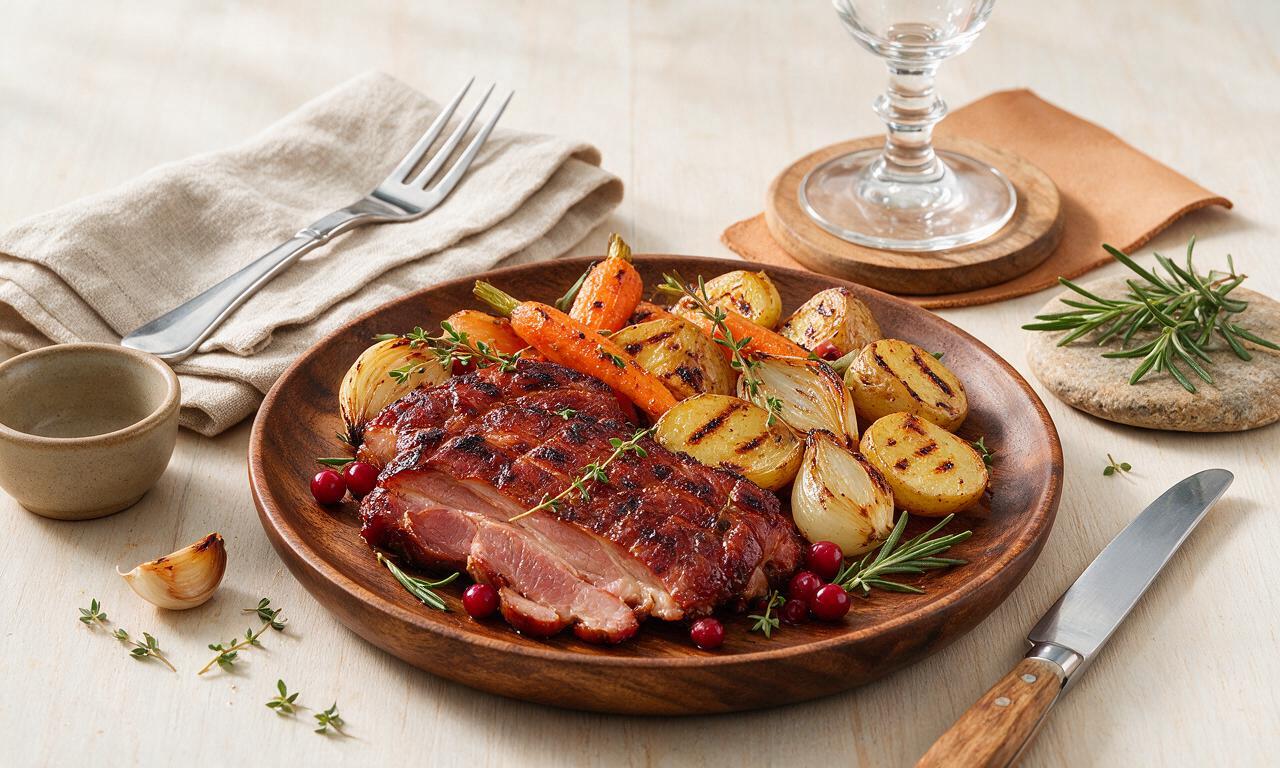
Smoked Skunk

Smoked Skunk
⏱️ cook time 4 hours 30 minutes
🍽️ servings 4
⚡ Difficulty medium

intro

A rustic, deeply flavored North American wild game dish, slow-smoked over hickory for tender, earthy meat balanced by simple savory seasonings.

Ingredients

Dressed, skinned skunk (scent glands fully removed) 1.8 kg (4 lb) whole
Kosher salt 120 g (1/2 cup)
Packed light brown sugar 80 g (1/3 cup)
Apple cider vinegar 60 ml (1/4 cup)
Cold water (for brine) 4 L (1 gallon)
Smoked paprika 2 tbsp
Garlic powder 1 tbsp
Onion powder 1 tbsp
Whole black peppercorns (crushed) 2 tbsp
Hickory wood chips 900 g (2 lbs)
Yellow onion 2 large, quartered
Garlic cloves 8 whole, crushed

Steps

1

Brine the prepared skunk

First confirm all yellow, musky scent glands (located at the tail base, under front legs, and along the spine) are fully removed from the skinned, dressed skunk. In a large food-safe bucket, stir 4L cold water, 120g kosher salt, 80g packed brown sugar, and 60ml apple cider vinegar until fully dissolved. Submerge the skunk completely in the brine, cover, and refrigerate for 12 hours at 4°C (39°F) to draw out residual gamey flavor and tenderize the meat.
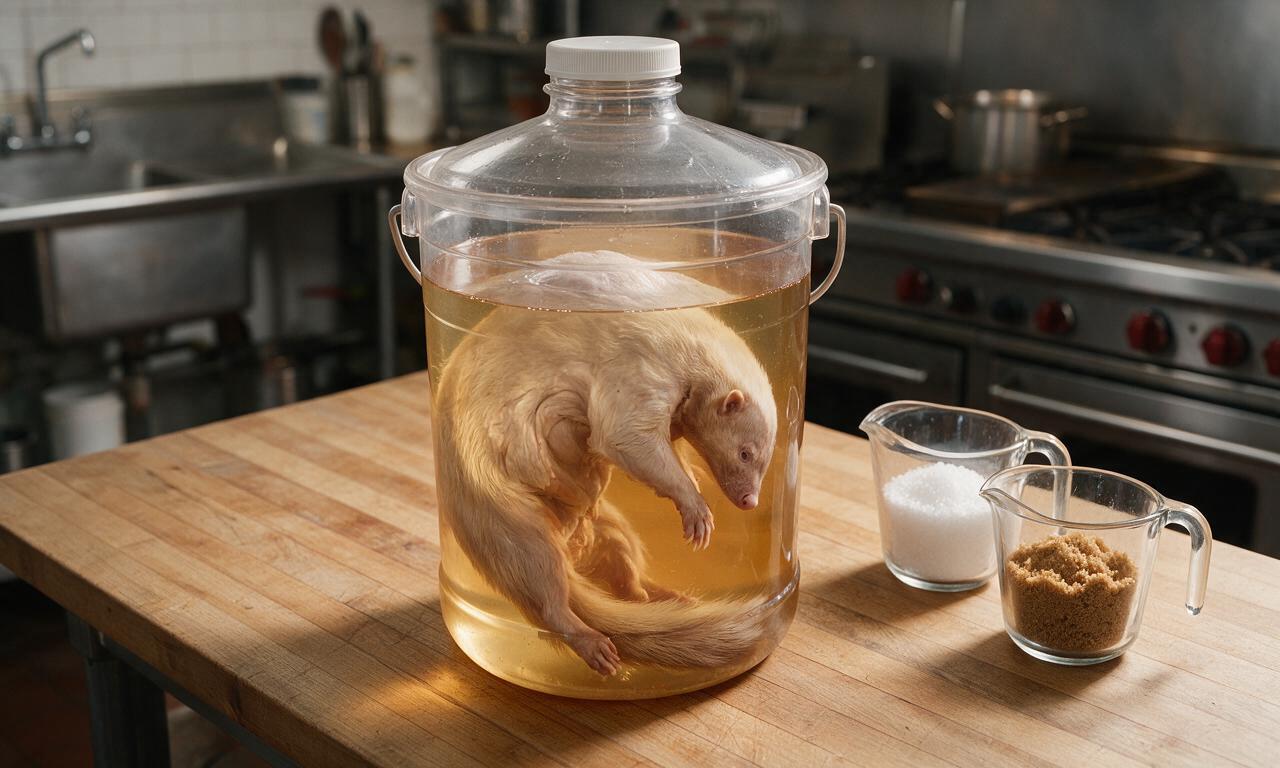
Step 1
step1:Brine the prepared skunk
2

Rinse and apply dry rub

After brining, remove the skunk from the brine, discard all used brine, and rinse the meat thoroughly under cold running tap water. Pat every surface completely dry with paper towels. Mix 2 tbsp smoked paprika, 1 tbsp garlic powder, 1 tbsp onion powder, and 2 tbsp crushed black peppercorns in a small bowl, then rub the spice blend evenly over all exterior surfaces and the inner cavity of the skunk, pressing gently to help seasoning adhere. Let seasoned meat rest at room temperature (21°C/70°F) for 30 minutes to take the chill off before smoking.
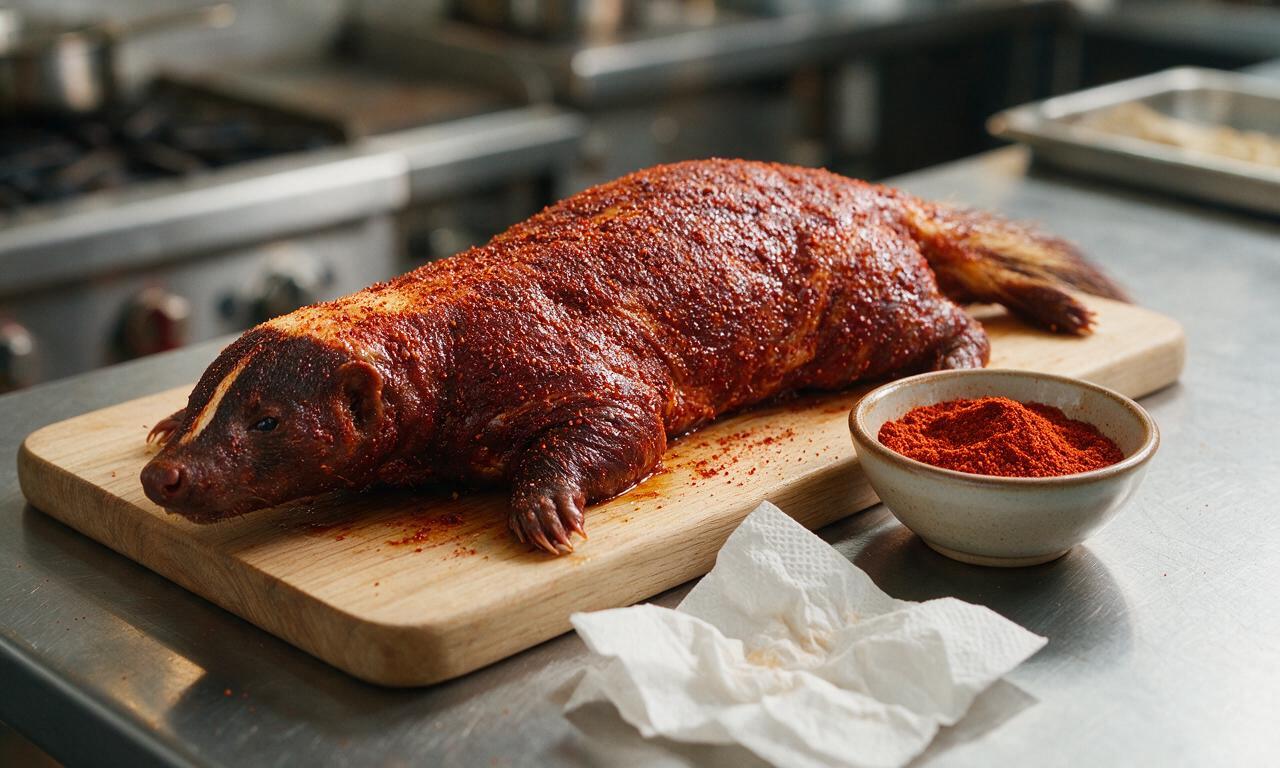
Step 2
step2:Rinse and apply dry rub
3

Preheat the smoker

Preheat your offset or electric backyard smoker to 107°C (225°F) using only indirect heat. Once the smoker reaches target temperature, add 300g (1/3 of total) hickory wood chips to the smoker’s wood tray, waiting until thin, wispy pale blue smoke flows from the top vent before loading meat. Fill the smoker’s built-in water pan halfway with cold water to maintain a moist, even cooking environment.
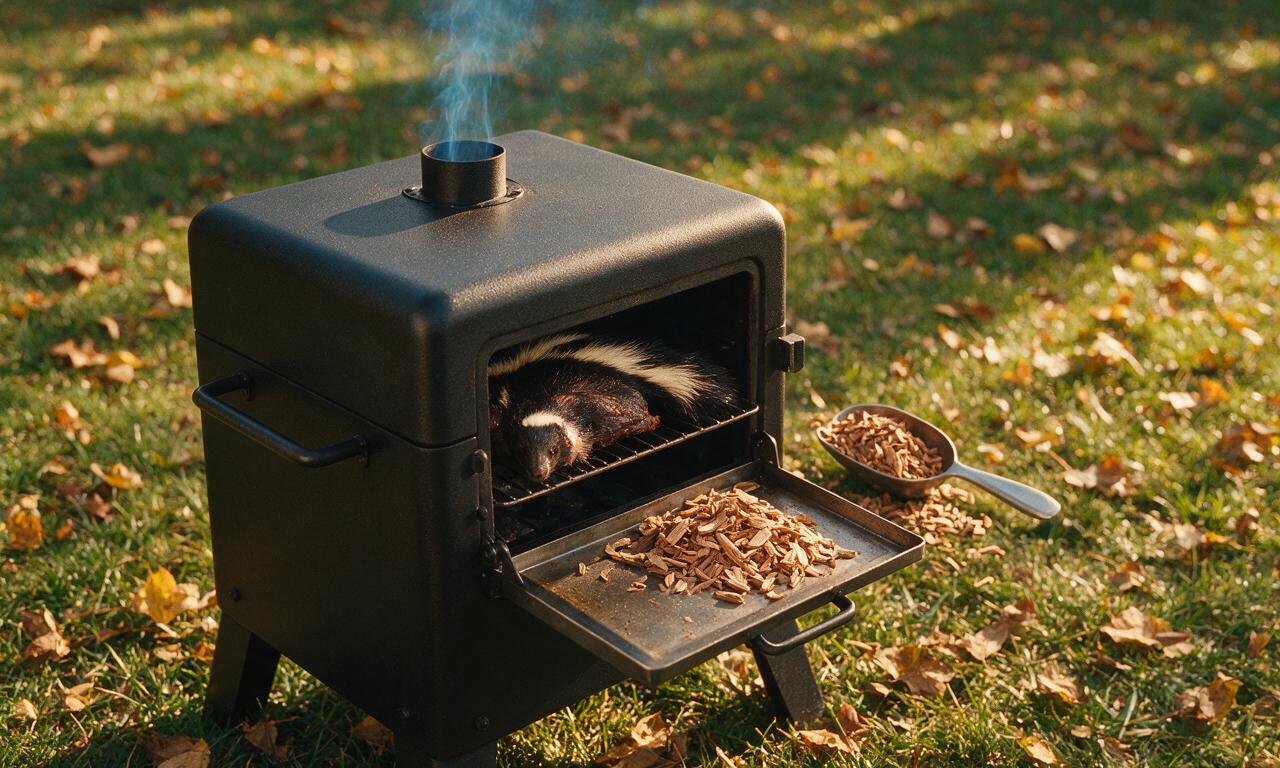
Step 3
step3:Preheat the smoker
4

Smoke skunk low and slow

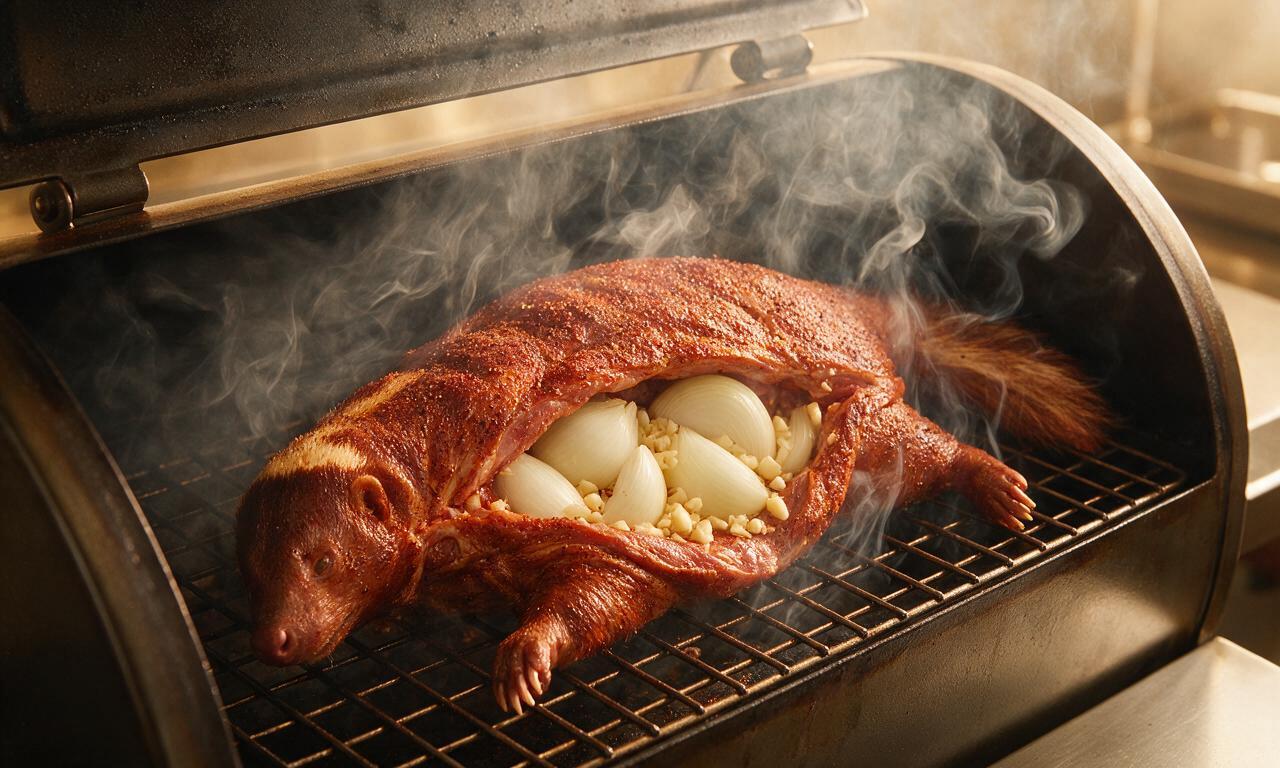
Stuff the skunk’s inner cavity with the 2 quartered yellow onions and 8 crushed garlic cloves, then place the whole skunk breast-side up on the smoker’s middle cooking rack, positioned away from any direct heat source. Close the smoker lid, and maintain a consistent internal temperature of 107-115°C (225-240°F) for 4 hours, adding 200g of fresh hickory wood chips every 60 minutes to maintain steady smoke, and refilling the water pan as needed to prevent the cooking environment from drying out.
Step 4
step4:Smoke skunk low and slow
5

Check for doneness

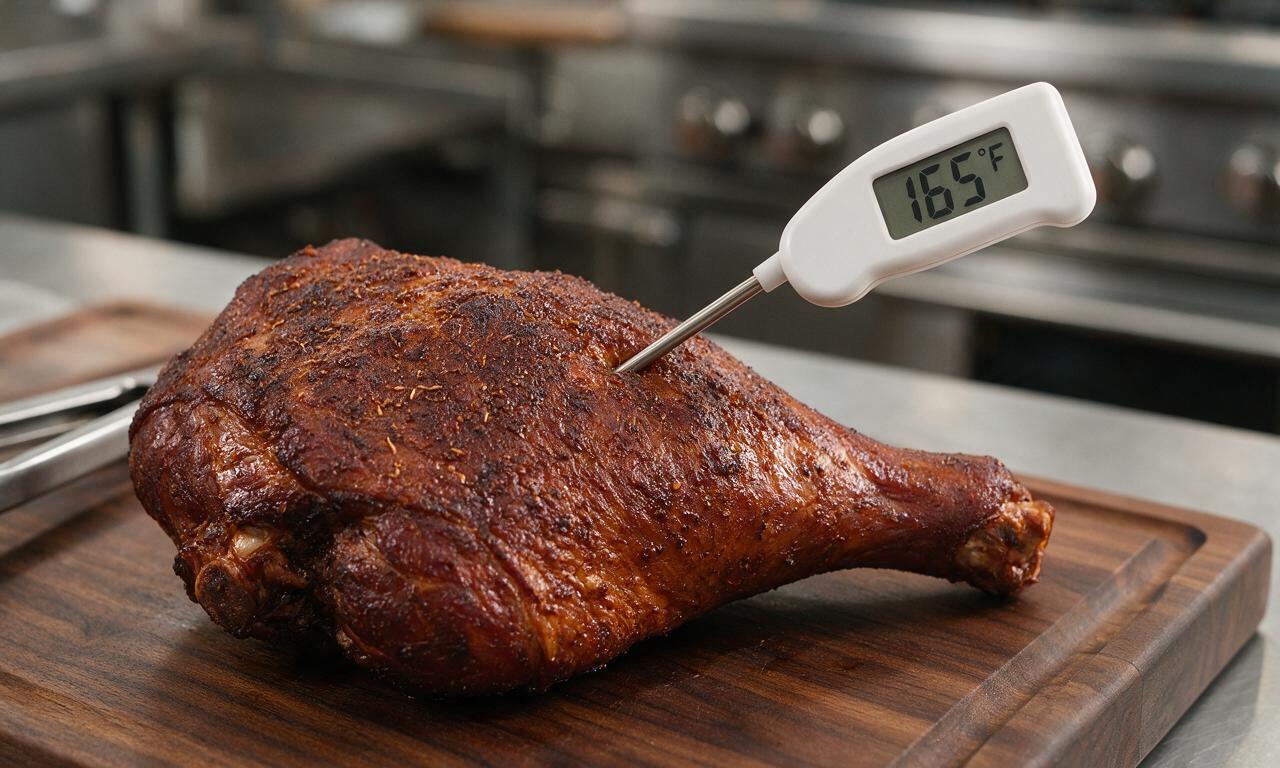
After 4 hours of continuous smoking, insert a calibrated digital meat thermometer into the thickest part of the skunk’s hind thigh, taking care to avoid touching bone which will give a false temperature reading. The skunk is fully cooked and food-safe when the internal temperature holds steady at 74°C (165°F), and the meat pulls easily away from the bone when prodded with a fork. If below target temperature, continue smoking in 30-minute increments, checking temperature each time, until the threshold is met.
Step 5
step5:Check for doneness
6

Rest and carve to serve

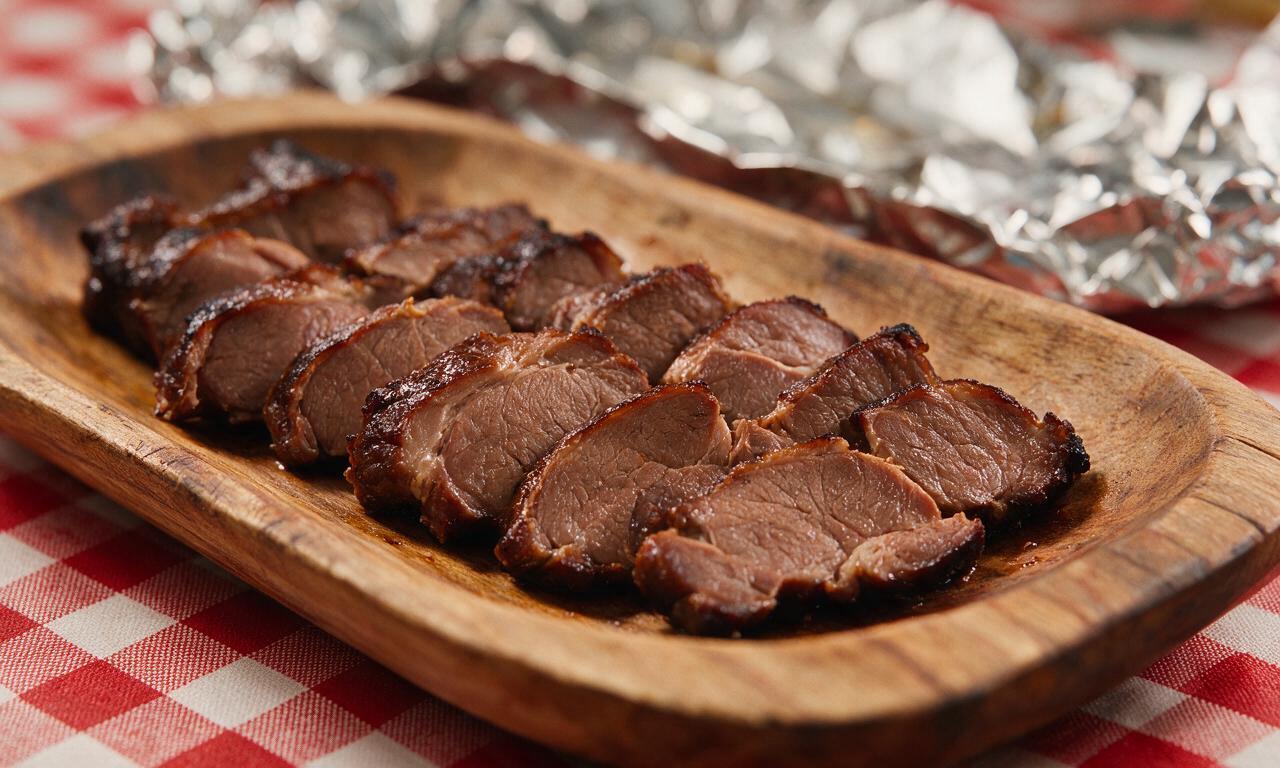
Once fully cooked, use long heat-resistant tongs to carefully transfer the smoked skunk to a clean wooden cutting board, and tent loosely with a sheet of aluminum foil. Let the meat rest for 20 minutes at room temperature to allow internal juices to redistribute, which prevents dry meat when carving. Discard the cooked onion and garlic stuffing from the cavity, then carve the skunk into leg, loin, and shoulder portions to serve.
Step 6
step6:Rest and carve to serve

Tips

1.Always source pre-dressed, skinned skunk from a licensed wild game processor if you are unfamiliar with field dressing—improper removal of the small, yellow scent glands will leave the entire dish with an unpleasant, permanent musky flavor.
2.Avoid thick, billowing white smoke while smoking, as this deposits bitter, ashy residue on the meat; thin, pale blue smoke indicates clean, well-combusted wood that imparts smooth, rich hickory flavor.
3.For extra flavor depth, add 1 tbsp of crushed juniper berries and 2 dried bay leaves to the brine to cut through subtle gamey notes and add bright, woody undertones to the finished meat.
✨ You May Also Like

BBQ & Grilling
🍜 United States

Tender, melt-in-your-mouth beef brisket with a crisp, spiced bark, slow-smoked to deep smoky perfection, the iconic centerpiece of Texas backyard barbecue.

⏱️ 12 hours BBQ & Grilling ★ 4.7
BBQ & Grilling
🍜 Korea

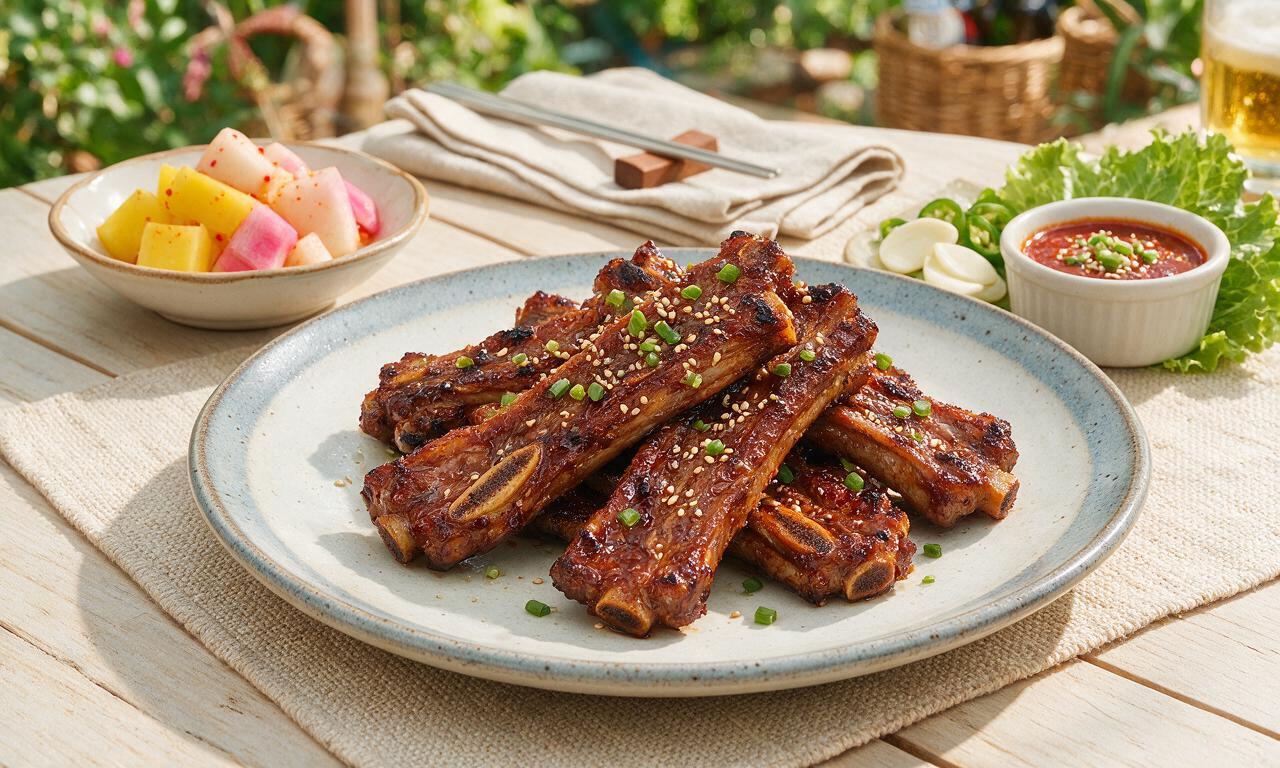
Tender, sweet-savory marinated beef short ribs, a beloved Korean BBQ staple with caramelized, slightly charred edges and deep umami flavor, perfect for outdoor summer gatherings.

⏱️ 4 hours 2BBQ & Grilling ★ 4.7
BBQ & Grilling
🍜 United States

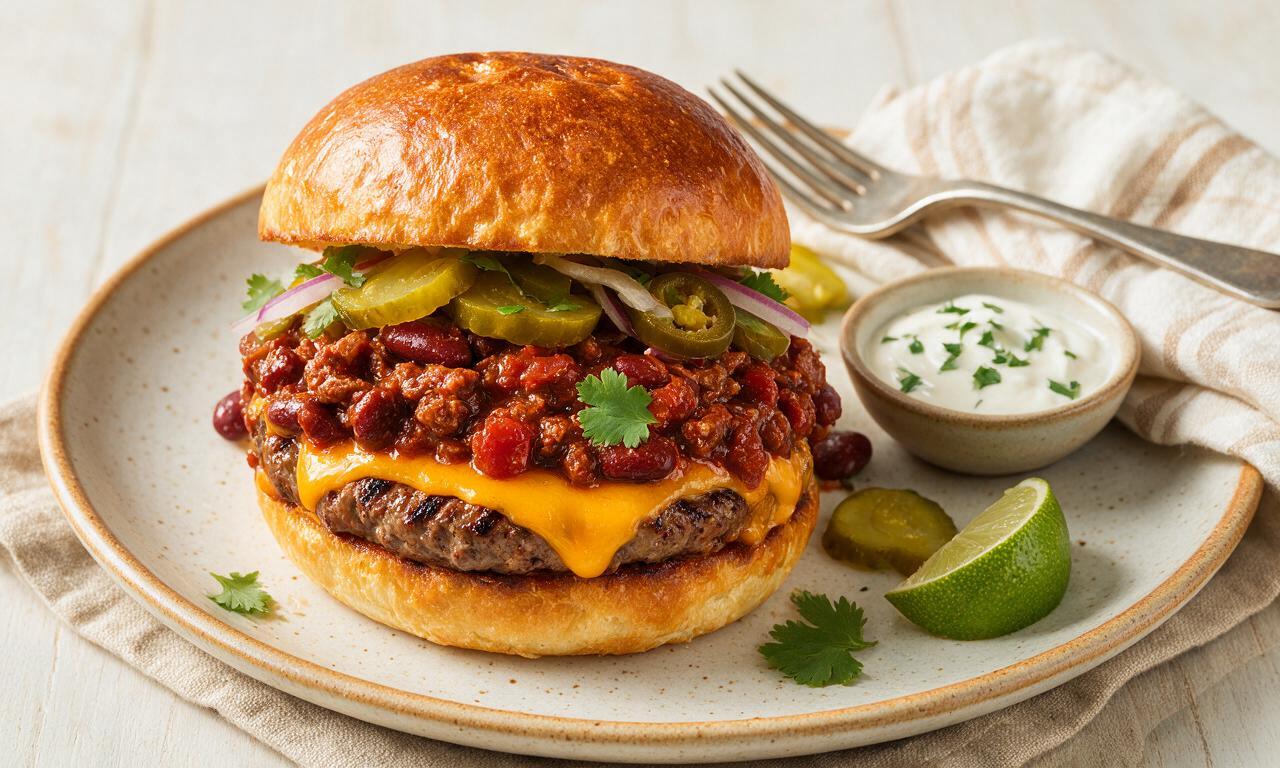
Juicy grilled beef patties topped with smoky homemade chili, melted cheddar, and tangy pickles on toasted brioche buns for a hearty, flavor-packed handheld meal.

⏱️ 40 minuteBBQ & Grilling ★ 4.9
BBQ & Grilling
🍜 United States

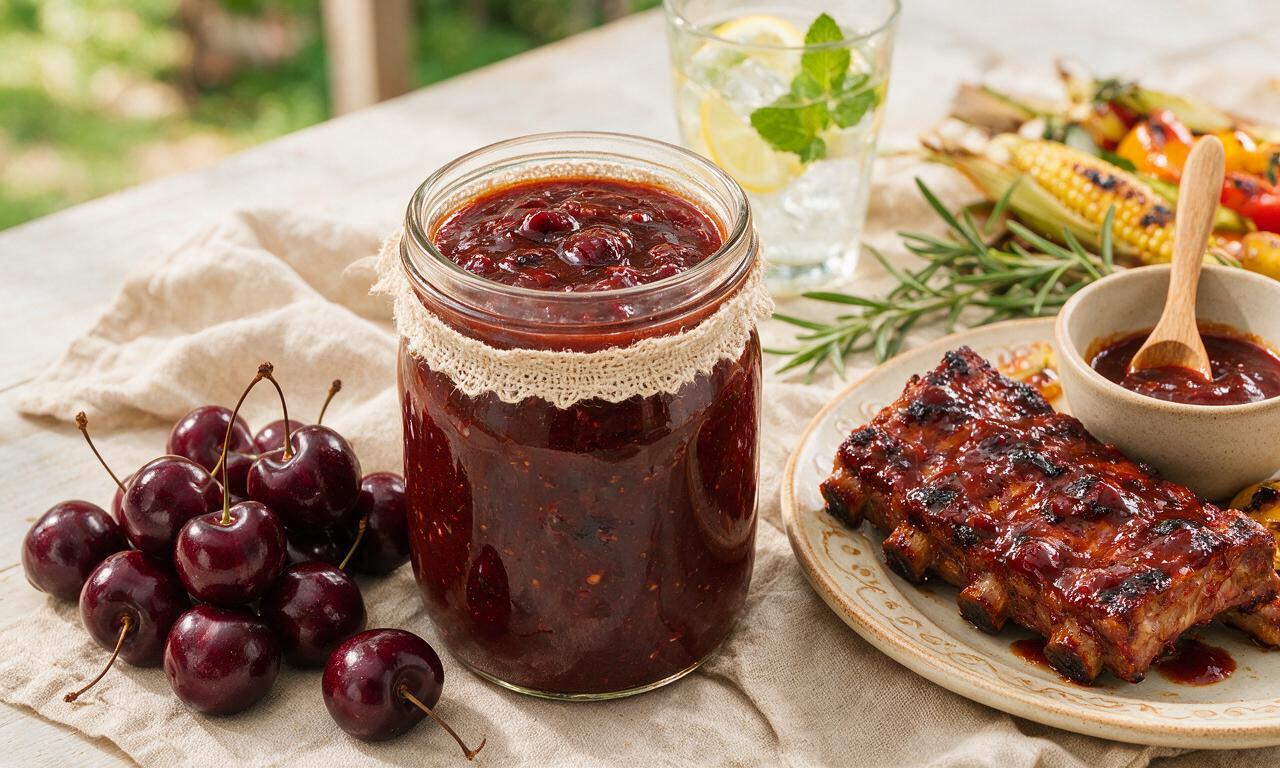
A sweet, smoky, tangy BBQ sauce brightened with peak-season dark cherries, ideal for glazing grilled ribs, chicken, pork, or summer roasted veggies.

⏱️ 35 minuteBBQ & Grilling ★ 5
BBQ & Grilling
🍜 United States

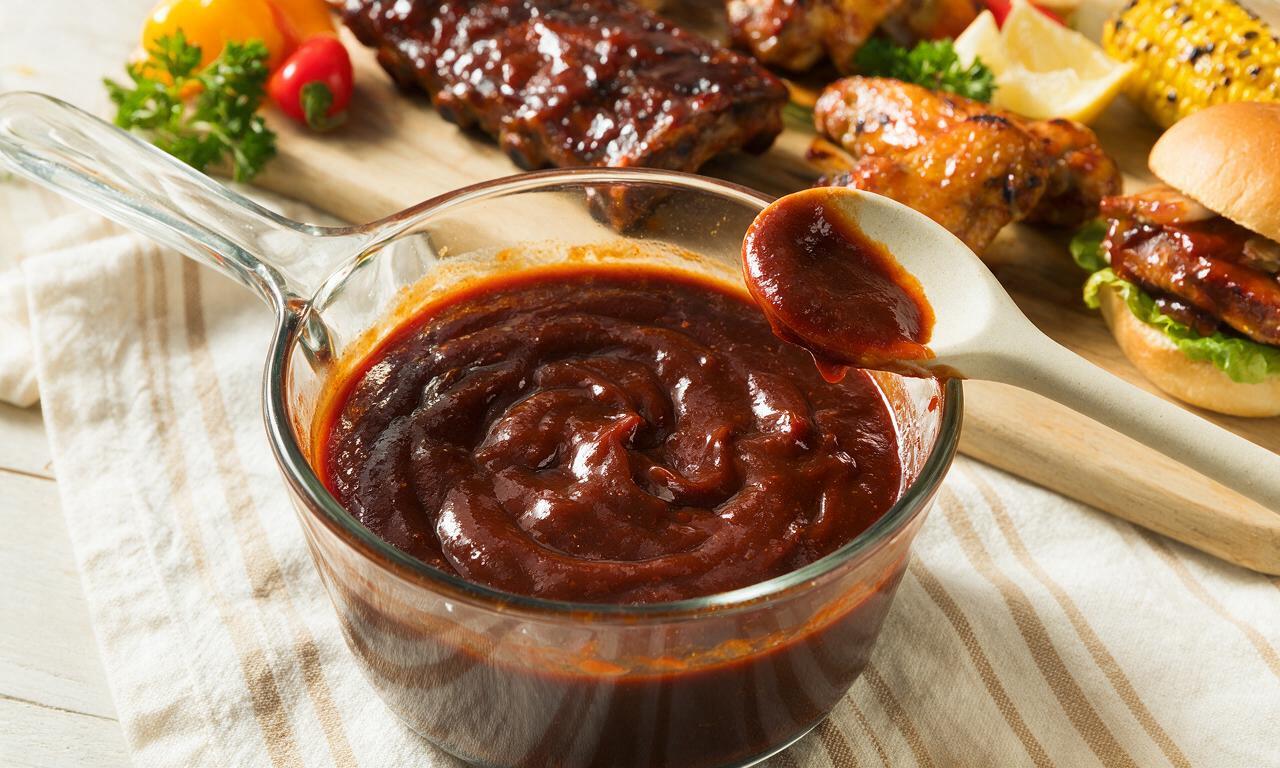
Rich, smoky, slightly sweet homemade bourbon BBQ sauce with deep caramel notes, ideal for glazing grilled ribs, chicken, and burgers at cookouts.

⏱️ 25 minuteBBQ & Grilling ★ 4.8
BBQ & Grilling
🍜 United States

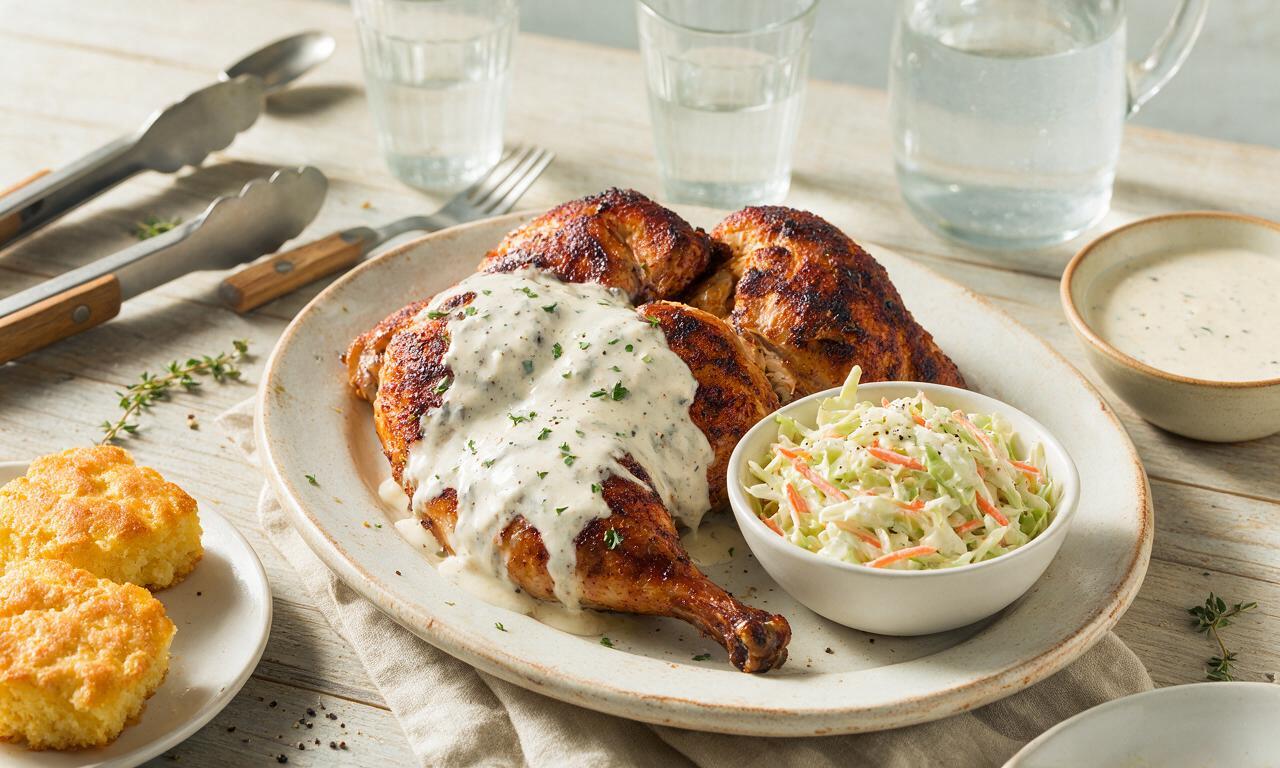
Iconic Alabama-style BBQ featuring tender hickory-smoked chicken slathered in tangy creamy white sauce, a beloved regional Southern cookout staple.

⏱️ 3 hoursBBQ & Grilling ★ 4.6

Smoked Skunk:Frequently Asked Questions

1.How do I make sure my smoked skunk doesn’t have that harsh, musky flavor people associate with skunks?
The number one priority is starting with a properly dressed, fully skinned carcass where all scent glands (located near the anus, under the front legs, and along the spine) are completely removed without puncturing. The apple cider vinegar and salt in the brine will also neutralize faint residual gamey notes, so you won’t get that unpleasant musky taste.
2.Can I use a skunk I trapped myself for this recipe, or should I source it from a game purveyor?
You can absolutely use a humanely trapped wild skunk as long as you hold a valid small game trapping/hunting license for your state and take extreme care during dressing to avoid nicking scent glands. If you’re new to processing wild game, start with a pre-dressed, gland-free skunk from a reputable wild game seller to avoid mishaps.
3.How long should I brine the skunk before smoking it?
For a whole, average 3–4 pound dressed skunk, plan to brine it for 12 to 18 hours, fully submerged in the cold water brine mixed with kosher salt, packed light brown sugar, and apple cider vinegar, held at 40°F or colder in your fridge. Brining too long makes meat overly salty, while too short a brine won’t properly tenderize or mellow the earthy game flavor.
4.What’s the ideal smoker temperature and cook time for tender hickory-smoked skunk?
Hold your smoker at a steady 225°F, using well-cured hickory wood for that classic bold, nutty smoke that pairs perfectly with skunk’s earthy flavor. A whole dressed skunk will take roughly 4 to 5 hours to reach a food-safe internal temp of 165°F in the thickest part of the thigh, when meat pulls easily from the bone without drying out.
5.Do I need a complex spice rub for this traditional smoked skunk recipe?
This rustic, traditional preparation leans into simple, balanced flavors, so you don’t need heavy rubs or fancy seasonings. After pulling the skunk from the brine, pat it completely dry and add a light extra sprinkle of kosher salt right before smoking to help form a nice, subtle pellicle for smoke to cling to.
6.Is hickory the only type of wood I can use to smoke skunk?
Hickory is traditional for this dish because its strong, nutty, bold smoke stands up beautifully to skunk’s rich, earthy game flavor without overpowering it. If you don’t have hickory, swap in 2 parts oak to 1 part apple wood for a milder, fruitier profile, but skip resinous soft woods like pine that make meat bitter.
7.What does properly prepared hickory-smoked skunk taste like?
When processed and smoked correctly, skunk is tender, rich, and deeply earthy, with a flavor most people compare to extra-savory dark turkey meat or mild young raccoon, with a subtle nutty note from hickory smoke. It has no musky aftertaste when glands are fully removed and meat is properly brined, so most first-timers are pleasantly surprised.
8.How can I tell if a pre-dressed skunk has had all its scent glands removed?
First, check that the two small, yellowish, walnut-sized gland sacs near the anus are gone, plus smaller bean-shaped glands from under each front leg and along the upper spine. If you spot remaining thick, yellowish tissue with a sharp, acrid musky smell, trim it fully away before brining to avoid ruining the finished dish.
9.Can I cut the skunk into pieces instead of smoking it whole?
Absolutely! Cutting the dressed skunk into quarters (two legs, two saddle sections) will cut brine time down to 8 to 12 hours and reduce smoking time to 2.5 to 3 hours, which is great if you’re short on time. Just make sure all pieces are fully submerged in brine, and spaced out on smoker racks for even smoke flow.
10.Do I need to baste the skunk while it smokes to keep it from drying out?
The brine does most of the work to keep meat moist, so you don’t need frequent basting. If you notice the exterior getting darker than you’d like after the first 2 hours of smoking, give it a light spritz with a 50/50 mix of apple cider vinegar and cold water every 45 minutes, but avoid opening the smoker too often to hold a steady temp.
11.What are the best traditional sides to serve with hickory-smoked skunk?
Stick to the rustic North American camp-style roots of the dish for the best pairings. Serve it alongside creamy skillet cornbread, braised collard greens, roasted root vegetables, or tangy pickled wild ramps, with a light drizzle of cider vinegar sauce if you want a bright kick to cut through the rich meat.
12.How should I store leftover smoked skunk, and what’s the best way to reheat it?
Let leftover smoked skunk cool completely, then wrap it tightly or store it in an airtight container in the fridge for up to 4 days, or freeze for up to 3 months. To reheat, wrap portions in foil with a tiny splash of apple cider vinegar and warm in a 275°F oven to 145°F internal to keep meat from drying out.
13.Are there any food safety risks I should know about when cooking and eating skunk?
As with all wild game, wear disposable gloves when handling raw skunk, and cook it to a minimum 165°F internal temperature to kill any potential pathogens. Always source skunk from areas with no known rabies outbreaks, and never harvest or eat an animal that appears lethargic, disoriented, or visibly sick.
14.Why does the brine use light brown sugar instead of white sugar or other sweeteners?
Packed light brown sugar adds a subtle, molasses-kissed sweetness that balances the salty brine, tangy apple cider vinegar, and bold hickory smoke perfectly, without adding a heavy, cloying sweet flavor. It also helps the meat develop that gorgeous, deep golden-brown smoked exterior as it cooks low and slow.
15.I nicked a scent gland while processing my skunk—can I still save the meat?
If you nick a gland, immediately trim away ½ inch of surrounding meat that came into contact with the musky fluid, then wipe the area thoroughly with full-strength apple cider vinegar before rinsing with cold water. After a full 18-hour brine, you’ll still end up with great-tasting smoked skunk with no residual musky flavor.

Comments (3)

3 days ago

OMG y’all, I was so skeptical about making this for our annual fall campout potluck but it was a total game changer! Followed the brine step exactly, kept the smoke low and slow over hickory for the full 4.5 hours, and even my picky teen who turns his nose up at literally everything went back for seconds. SO good, it tasted like super tender, slightly nutty, lightly gamey pulled pork almost? 10/10 will be making this every campout from now on.

2 days ago

Wait did you have to do any extra prep to get rid of that super strong musky scent everyone warns about? I’ve got a couple skunks I trapped out by the chicken coop last month that I’ve been too nervous to process!

1 day ago

Great question! The key to cutting that harsh musky flavor is to carefully remove the scent glands completely during butchering, then let the meat soak in the apple cider vinegar brine for the full 12 hours before smoking—don’t skip that brine soak! So glad it was such a hit at your potluck.

1 week ago

This recipe took me right back to my grandpa’s cooking when we’d visit his mountain cabin as a kid! The medium difficulty rating was totally spot on—took a little extra focus to keep the smoke temp consistent the whole cook time, but the end result was so worth the effort. Served it up with collard greens and skillet cornbread for Sunday family dinner, and the whole table was raving before we even finished the first plate.

5 days ago

Love that this recipe brought back such sweet family memories for you! Collards and skillet cornbread are the absolute perfect sides for this, such a classic, cozy spread.

2 hours ago

I was scrolling for weird, fun wild game recipes to test out for my weekly meal prep rotation and this did NOT disappoint! I portioned it out with roasted sweet potatoes and tangy coleslaw for lunches all week, and my coworkers kept stopping by my desk asking what smelled so amazing. Quick heads up though, make sure you’ve got a good quality smoker thermometer—my temp spiked a little in the last hour and the edges got a touch crispier than I wanted, but it was still totally delicious!