1.What cut of pork is best for making authentic smoked Cajun tasso?
▾
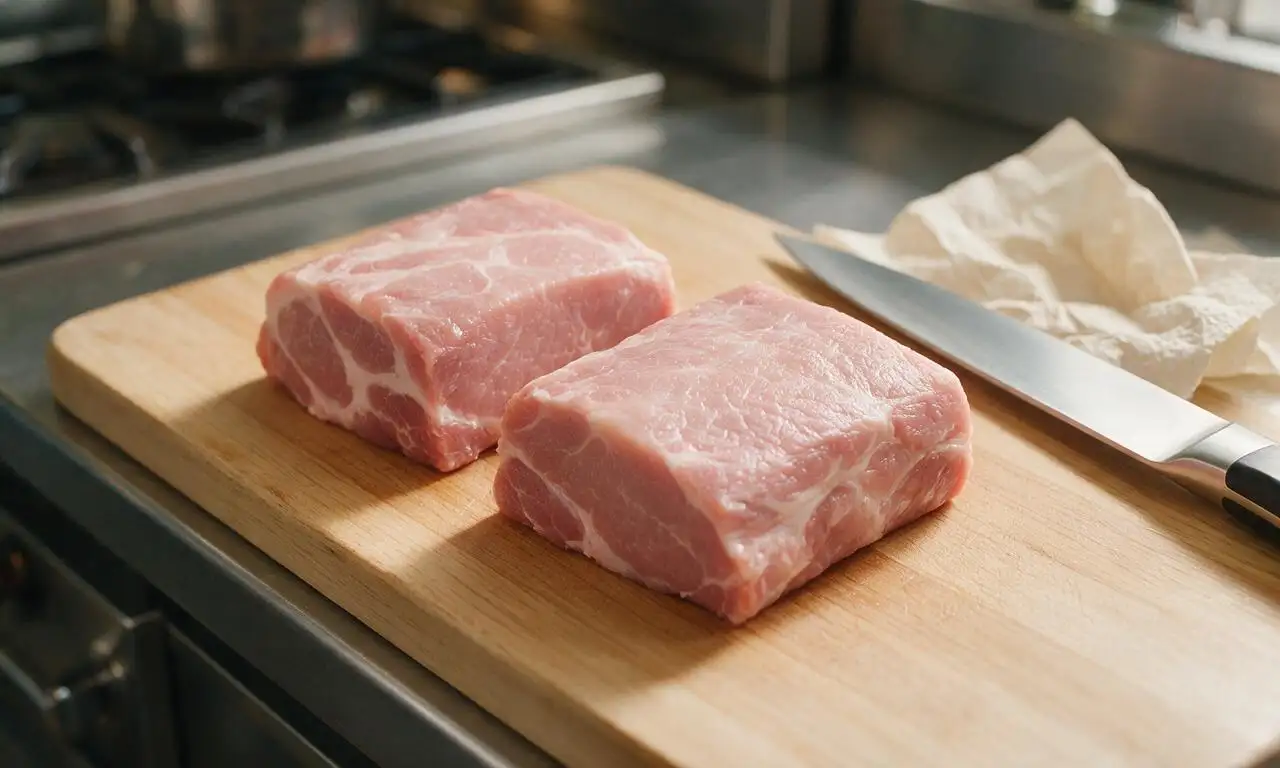
Stick with boneless pork shoulder (also called Boston butt) for the best results. Its generous, evenly distributed fat marbling keeps tasso moist through curing and smoking, instead of turning dry and tough like lean cuts such as pork loin. Trim off thick, tough silverskin before starting, but leave a 1/4-inch fat cap for extra richness.
2.Why is pink curing salt #1 required for this recipe, and can I skip it?
▾
Pink curing salt #1 prevents dangerous botulism growth during the long, low-temperature curing and smoking process, and it gives tasso its signature rosy cured color and distinct savory depth. Don’t skip it—regular kosher salt alone can’t provide the same food safety protection for this cured, smoked product.
3.Can I use regular table salt instead of kosher salt for the cure?
▾
I don’t recommend it. Kosher salt has a larger, coarser grain that distributes evenly across the pork surface and draws out moisture at a steady rate for a consistent cure. If you only have table salt, cut the total salt amount by half, as table salt is much denser and will make tasso overly salty if used measure for measure.
4.Why does the recipe call for packed dark brown sugar instead of light brown?
▾
Packed dark brown sugar has a higher molasses content than light brown, which adds a deep, caramelized, slightly earthy sweetness that balances the spicy, smoky, salty profile of traditional tasso. It also helps form a subtle, sticky exterior crust during smoking that locks in flavor and keeps the pork interior juicy.
5.Is sweet paprika necessary, or can I swap it for smoked paprika?
▾
Sweet paprika adds a bright, mild, fruity pepper base without adding extra smoke that can overpower the delicate, real wood smoke flavor from the smoking step. If you only have smoked paprika, cut the amount by 25% to avoid making the final tasso taste overly bitter or acrid from double the smoke.
6.How long do I need to cure the pork shoulder before smoking it?
▾
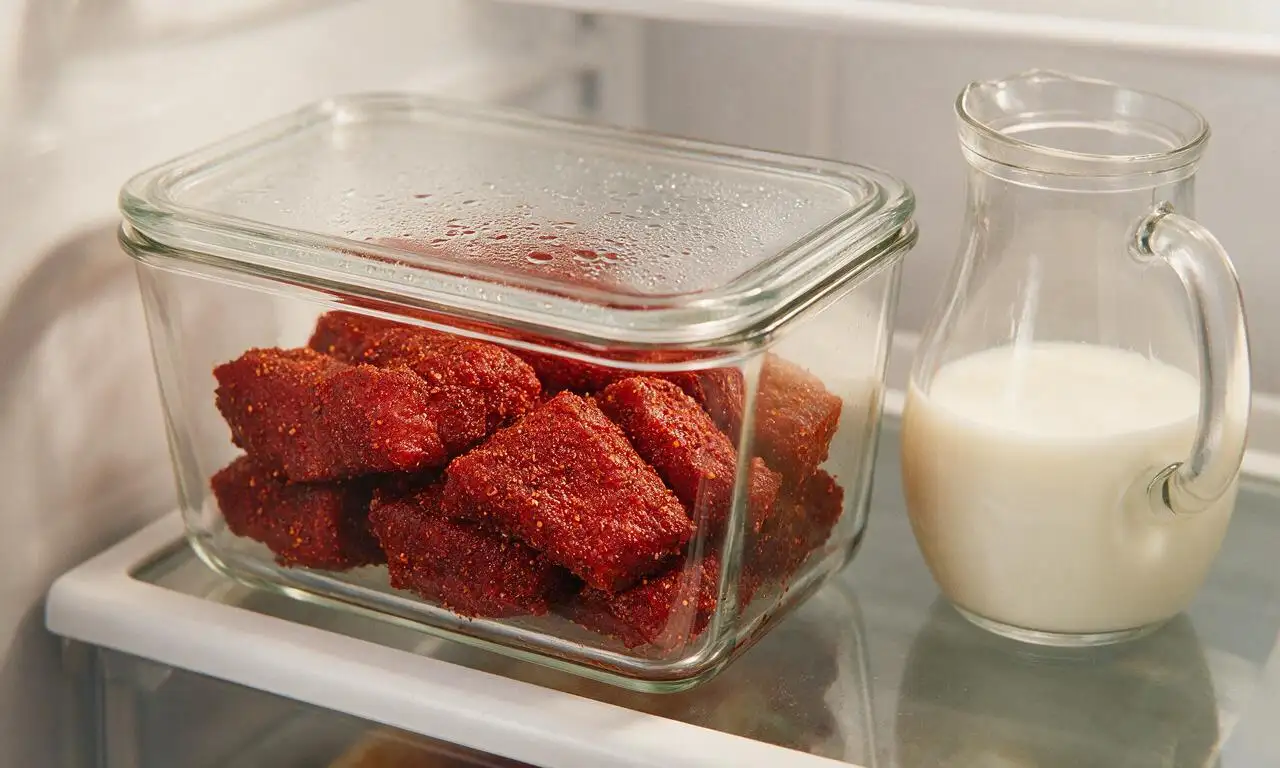
For 3 to 4 pound boneless pork shoulder pieces, plan for a 5 to 7 day cure in the refrigerator, turning the pork once every 24 hours to ensure the cure distributes evenly. You’ll know it’s ready when the entire pork surface feels firm to the touch, with no soft, squishy raw spots left.
7.What wood is best for smoking tasso to get that classic Cajun flavor?
▾
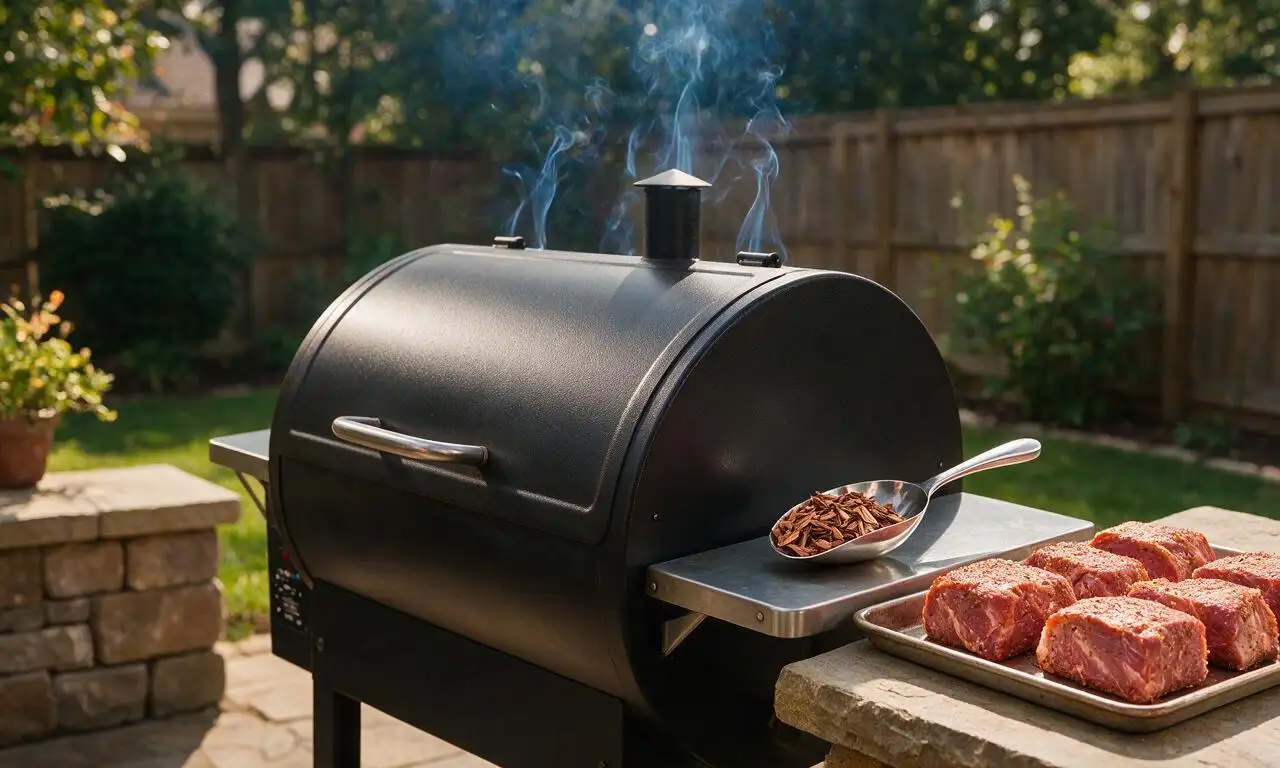
Stick with mild, sweet hardwoods for traditional tasso—hickory is the most authentic Southern Louisiana choice, but pecan, oak, or a small amount of apple wood work beautifully too. Avoid heavy, resinous woods like pine or mesquite, as those will make tasso taste bitter and overpower the warm spice and cured pork notes.
8.What internal temperature should I smoke tasso to for proper food safety?
▾
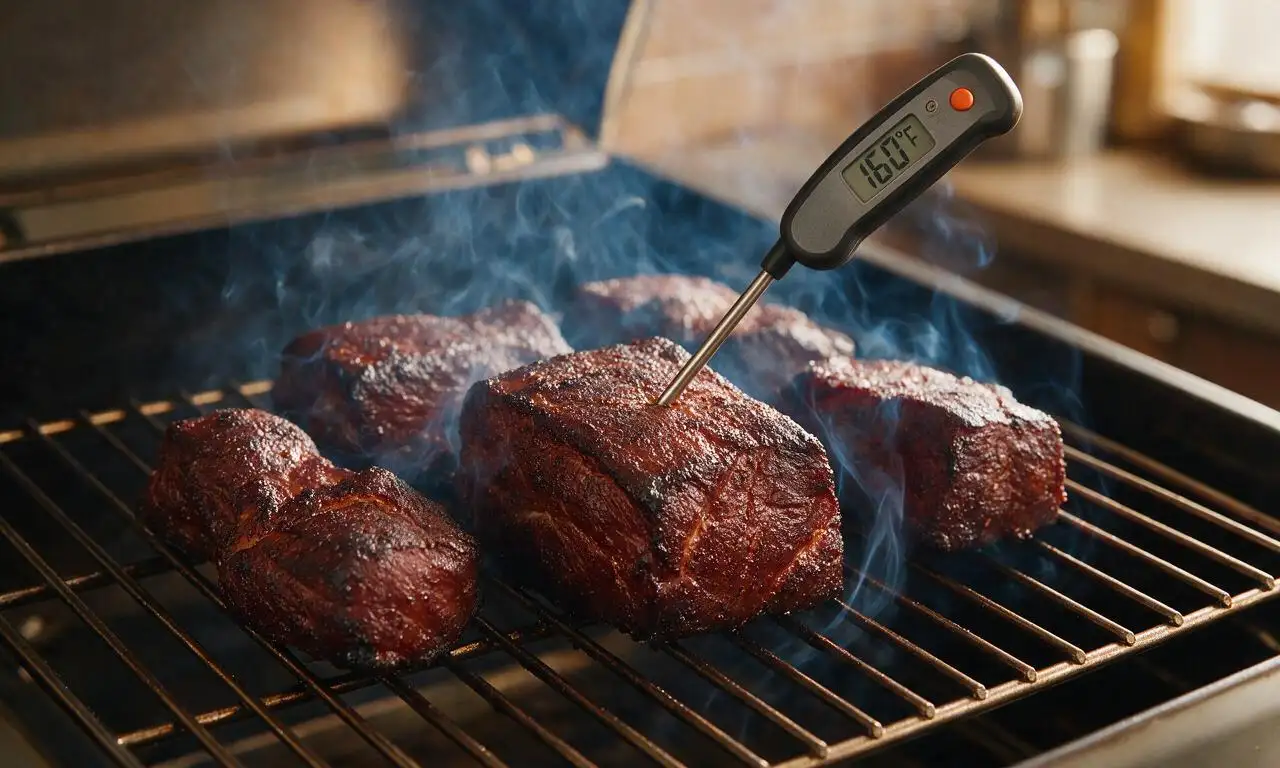
Smoke your tasso at a steady 225°F until it reaches an internal temperature of 165°F, measured with an instant-read thermometer in the thickest part of the meat, away from any fat. This usually takes 3 to 4 hours for standard 3 to 4 pound cured pieces, depending on your smoker’s consistent temperature.
9.Do I need to rinse the cure off the pork before putting it in the smoker?
▾
Yes, absolutely! After the curing period ends, rinse all excess cure mixture off the pork surface under cold running water, then pat it completely dry with paper towels. Let it rest on a wire rack in the fridge for 1 to 2 hours to form a tacky pellicle that helps smoke stick evenly for deeper, consistent flavor.
10.How long will homemade smoked tasso stay fresh in the refrigerator?
▾
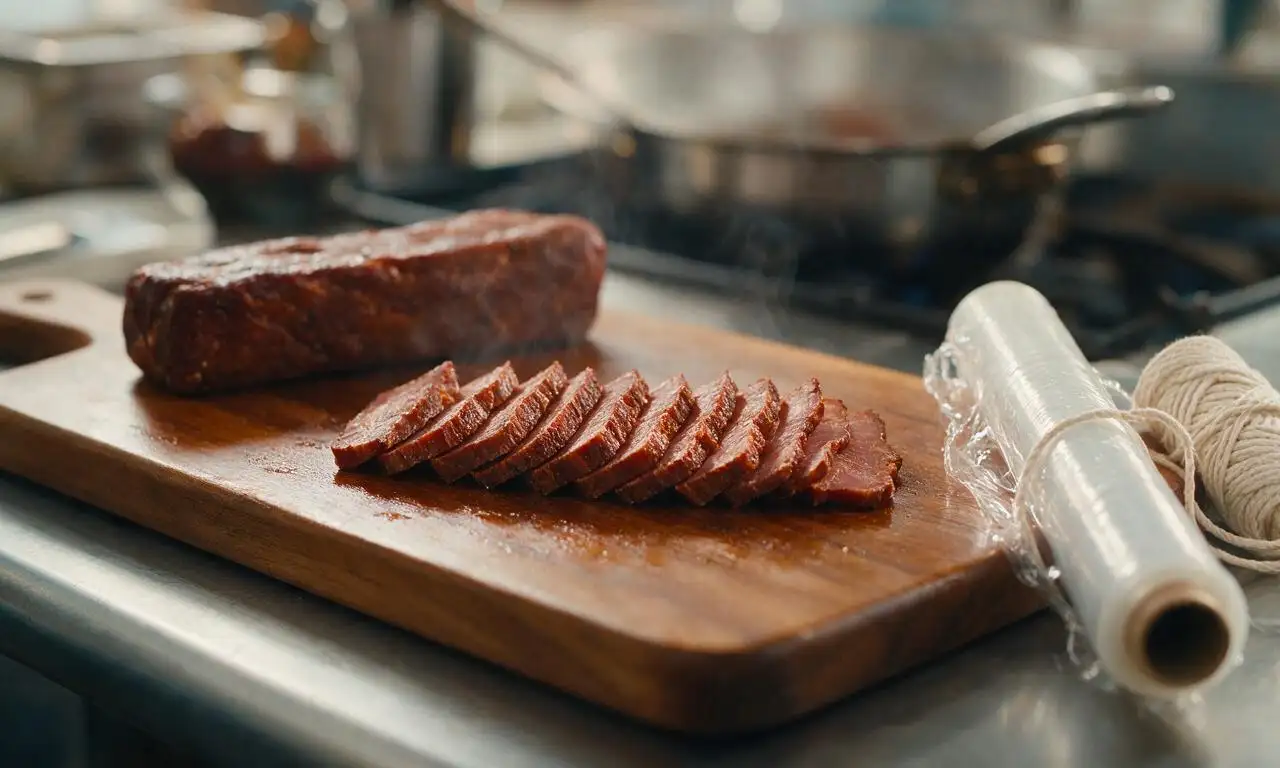
Once your tasso is fully smoked and cooled to room temperature, wrap it tightly in plastic wrap or vacuum seal it, and it will stay fresh in the refrigerator for up to 3 weeks. For longer storage, you can freeze it for up to 6 months without losing that signature smoky, spicy Cajun flavor.
11.Is tasso the same thing as andouille sausage?
▾
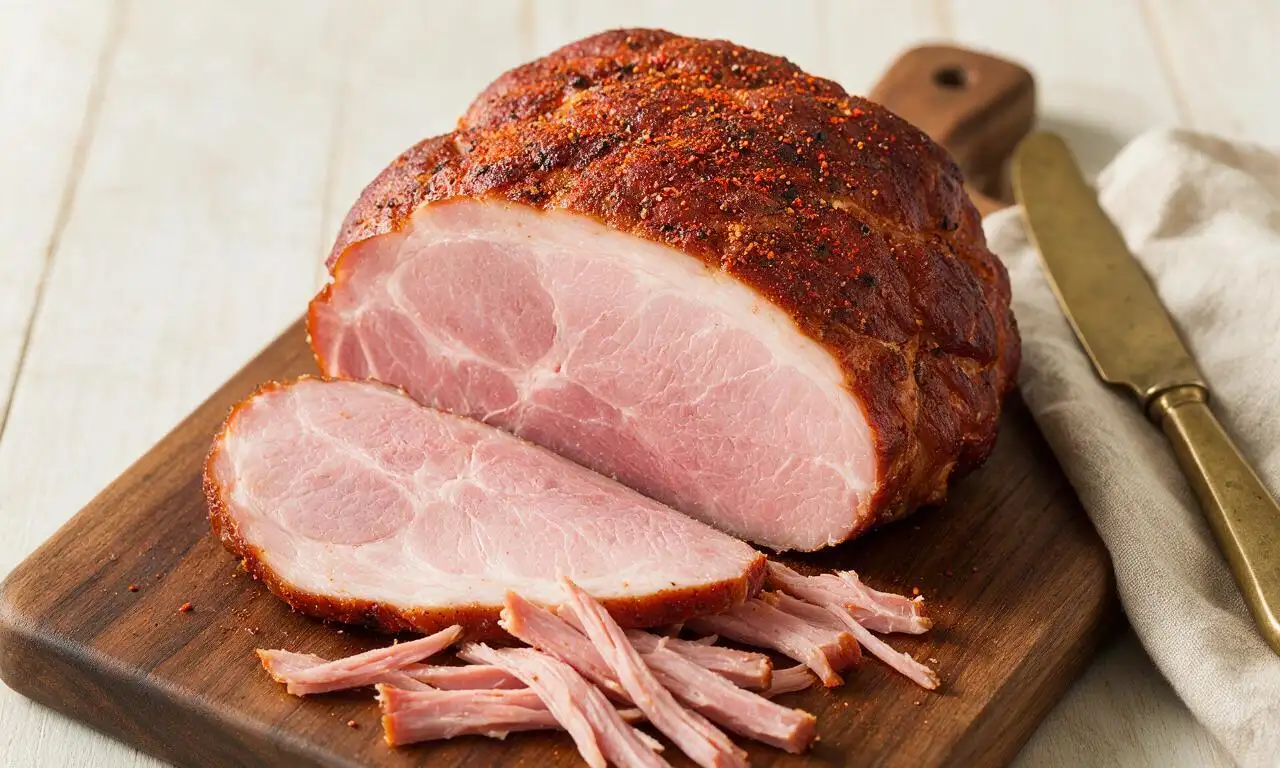
No, they’re both iconic Cajun cured pork staples, but they’re very different products. Tasso is made from cured, smoked solid pork shoulder coated in a spicy dry rub, while andouille is a ground, stuffed sausage with a coarser texture. Tasso has a denser, firmer slice that holds up beautifully in long-simmered dishes.
12.Can I make this tasso if I don’t own a dedicated smoker?
▾
You absolutely can! Use a charcoal or gas grill set up for indirect heat, placing a small foil packet of soaked wood chips directly on the heat source to generate smoke. Keep the grill temperature steady at 225°F, and follow the same internal temperature guideline—you’ll get nearly identical results to a dedicated smoker.
13.How spicy is traditional Cajun tasso, and can I adjust the heat level?
▾
Classic tasso has a warm, noticeable but not searing heat level, balanced by brown sugar sweetness and smoke. If you prefer milder tasso, cut back on added cayenne or black pepper in your rub; if you love extra heat, add a pinch of cayenne, crushed red pepper, or hot sauce to the cure to match your taste.
14.Do I have to slice tasso thin, or can I cut it into chunks for cooking?
▾
That depends entirely on how you plan to use it! For snacking or serving on a charcuterie board, slice it thin against the grain after it’s fully chilled. For adding to gumbos, jambalaya, or red beans, cut it into 1/2-inch chunks or dice it to render a little fat first and build a deep flavor base for your dish.
15.Why did my finished tasso turn out overly salty, and can I fix it?
▾
Overly salty tasso almost always comes from one of two mistakes: either you used denser table salt instead of kosher salt without adjusting measurements, or you left the pork in the cure for too long. If it’s slightly too salty, soak it in cold water for 2 hours in the fridge before using, and cut back on added salt in dishes you cook with it.
16.Can I add extra Cajun seasonings to the cure, like garlic or onion powder?
▾
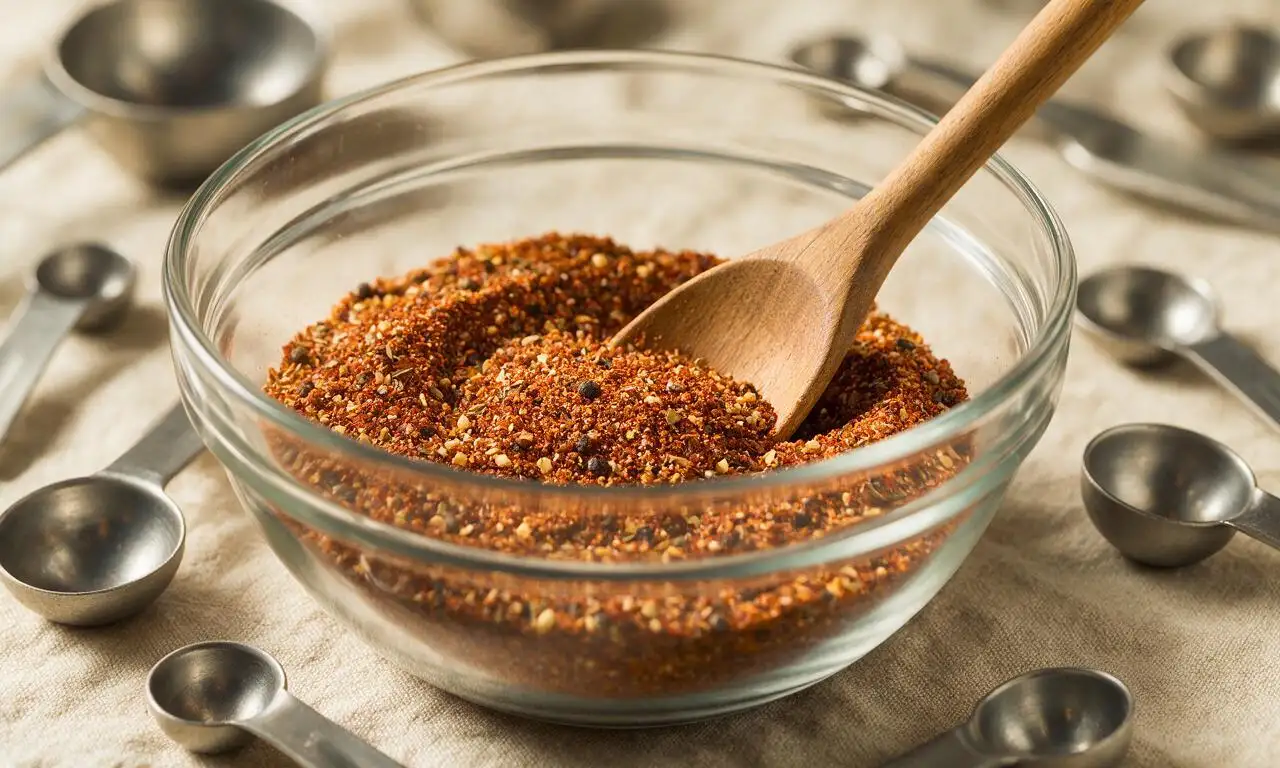
Absolutely! While the base cure uses salt, curing salt, brown sugar, and sweet paprika, you can add dried garlic powder, onion powder, dried thyme, cayenne, or black pepper to match classic Cajun flavor profiles. Just keep the ratio of curing salt to pork the same to maintain food safety, and don’t overdo strong spices that overpower the smoke.
17.Do I need to cook tasso further before eating it, or is it ready right after smoking?
▾
Since tasso is smoked to a full 165°F internal temperature during the process, it is fully safe to eat sliced thin right after it cools, just like smoked ham. That said, most traditional Cajun recipes use it as a flavor base for cooked dishes, where its rendered fat and smoky spice seeps into gumbos, beans, or jambalaya.
18.What size should I cut my pork shoulder into for the most even cure and smoke?
▾
Cut your boneless pork shoulder into 2 to 3 pound, roughly 4-inch thick chunks instead of curing one whole large roast. Smaller, evenly sized pieces let the cure penetrate all the way to the center consistently, and they smoke more evenly too, so you won’t end up with overcooked edges and under-cured, raw-tasting centers.

OMG this tasso is a total game changer! I’ve been buying pre-made tasso from the butcher for years for my gumbo and jambalaya, and this homemade version blows it out of the water. The cure was so easy to mix up, and the smoke level came out perfect on my offset smoker. Brought a batch to my neighborhood potluck last weekend and people were begging for the recipe! 10/10 will be making this monthly for meal prep.
Okay so I almost messed this up because I didn’t read the full cook time first—whoops! I thought it was a 4 hour smoke, totally missed the 12 hour curing step. Ended up pushing my dinner plans back a day, but it was SO worth it. My kids went back for thirds when I tossed cubed tasso into our red beans and rice. Will definitely plan ahead next time!
Made this on my new pellet smoker last weekend and it turned out incredible. I was a little intimidated by curing meat for the first time, but the instructions were super straightforward even for a medium-difficulty recipe. Sliced some thin for po’ boys this week and it’s been chef’s kiss for work lunches. 10/10 no notes.
Born and raised in Louisiana, moved up to NY 5 years ago and have been chasing good tasso ever since. This recipe is spot on—tastes exactly like the stuff my grandpa used to make in his backyard smokehouse. I added a little extra cayenne for more heat, per our family preference, and it was perfect. Made a big batch and froze half for later, it reheats like a dream!
Brought this tasso to my office potluck yesterday and it was the first dish gone! People were putting it on crackers, adding it to mac and cheese, you name it. I was worried the smoke flavor would be too strong for folks who don’t eat a lot of BBQ, but the Cajun spice balance was perfect. Only bummer is I didn’t save enough for myself at home!
I will say this is definitely medium difficulty, don’t go into it thinking it’s a quick weeknight meal! But if you’ve got the time, it’s so worth the effort. I cut the salt a tiny bit because I’m on a lower sodium diet, and it still had tons of flavor from the paprika, garlic, and cayenne. Used it in a breakfast hash this morning and wow, that’s my new favorite weekend breakfast.
Tried this recipe last week and I have one tiny note: I wish I’d trimmed the fat cap a little more before curing! Mine had a little too much chewy fat on the edges for my taste, but the actual meat was so flavorful I’m not even mad. Already bought another pork shoulder to make another batch this weekend.
As a college kid with a tiny electric smoker on my apartment balcony, I was shocked this turned out as good as it did! I split the recipe with my roommate because I was nervous to waste a big pork butt, and we’ve been putting tasso in everything—ramen, scrambled eggs, even loaded nachos for our game night watch party. My roommates are already begging me to make another batch before the next football game.