1.What cut of pork do I need to make authentic Cajun-style smoked tasso ham?
▾
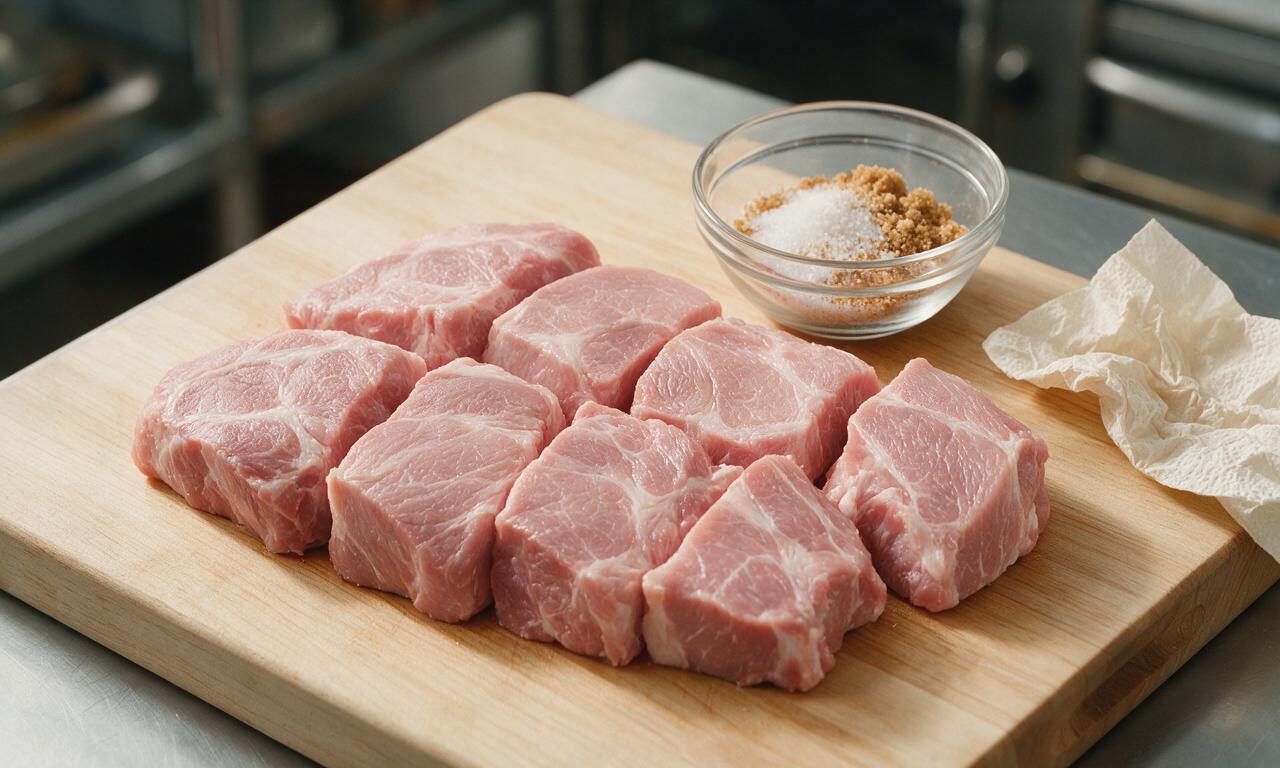
Stick with boneless pork shoulder (also called pork butt) for the most authentic, juicy result. Its generous, even marbling melts during curing and low-and-slow smoking to keep tasso tender, rather than turning tough and dry like lean cuts such as pork loin will. Trim any extra-thick hard fat caps down to ¼ inch before starting for the best texture.
2.Why is Prague Powder #1 required for this recipe, and can I skip it?
▾
Prague Powder #1 (pink curing salt) is non-negotiable for safe, shelf-stable cured tasso—it prevents dangerous botulism growth during the long curing and smoke hold, and gives tasso its signature rosy cured color and subtle tangy cured flavor. Never skip it, and never swap it for regular table salt, as it is formulated specifically for cured meats.
3.Can I use regular table salt instead of kosher salt for the cure?
▾
Skip regular table salt here—its fine grain and added anti-caking agents will make the cure overly salty and leave a faint off-flavor in your finished tasso. Kosher salt has a larger, even grain that distributes more consistently across the pork surface for a uniform cure, with no additives that muddle that classic bold Cajun flavor.
4.How long do I need to cure the pork before smoking it for tasso?
▾
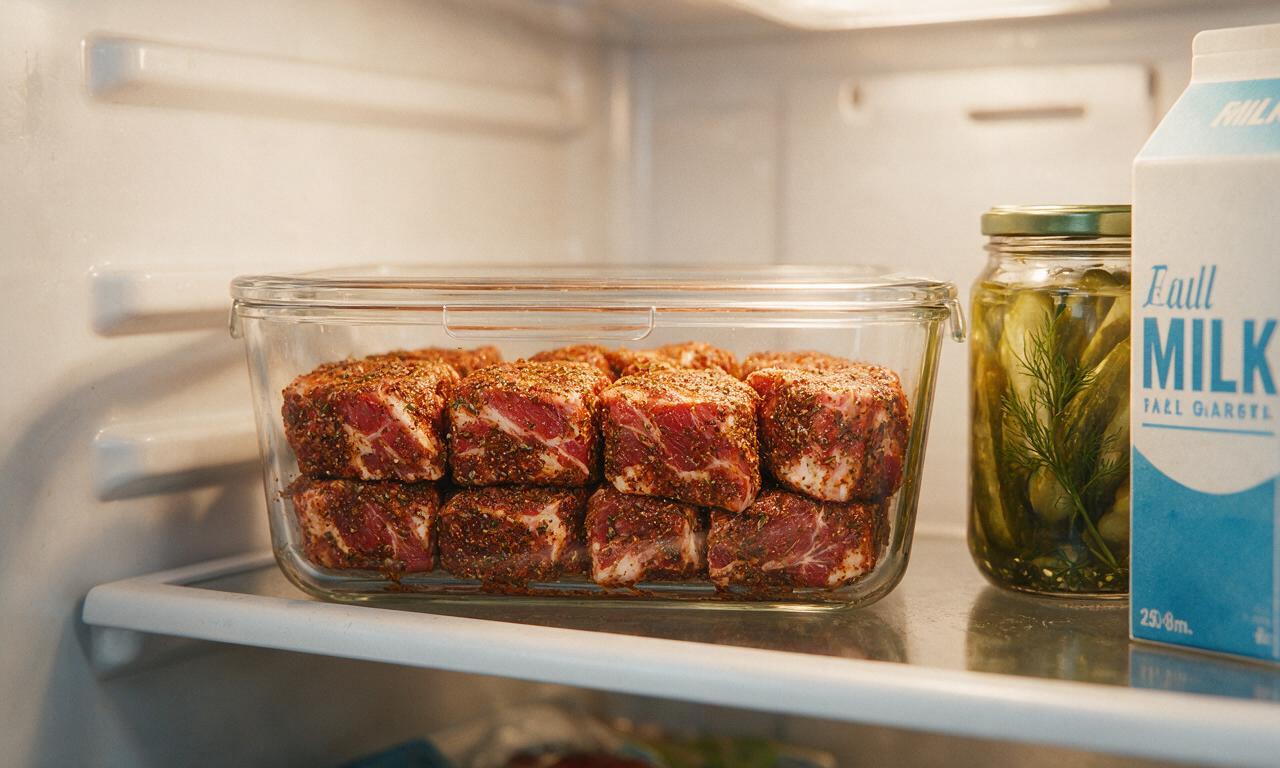
For 2 to 3 inch thick pork shoulder chunks, plan for a 7 to 10 day cure in the refrigerator, held at a steady 36°F to 40°F. Flip the pork every other day to make sure the salt, sugar, and spice cure distributes evenly. You’ll know it’s ready when the pork feels firm all over, with no squishy raw spots in the thickest sections.
5.Do I have to rinse the cure off the pork before smoking?
▾
Yes, always rinse all excess cure off the surface of the pork under cold running water after the curing period ends, then pat it completely dry with paper towels. Let it rest on a wire rack in the fridge for 2 to 4 hours after rinsing to form a dry, tacky pellicle that lets smoke adhere evenly for deep, consistent flavor.
6.What type of wood is best for smoking authentic Cajun tasso ham?
▾
Traditional Cajun tasso uses mild, sweet hardwoods that don’t overpower the spicy cure. Stick with hickory for that classic Southern smoky backbone, or mix in a little pecan or oak for a softer, nuttier smoke note. Avoid heavy, resinous woods like pine or large amounts of mesquite, as they’ll make tasso taste bitter and acrid instead of balanced.
7.What internal temperature do I need to smoke tasso to for food safety?
▾
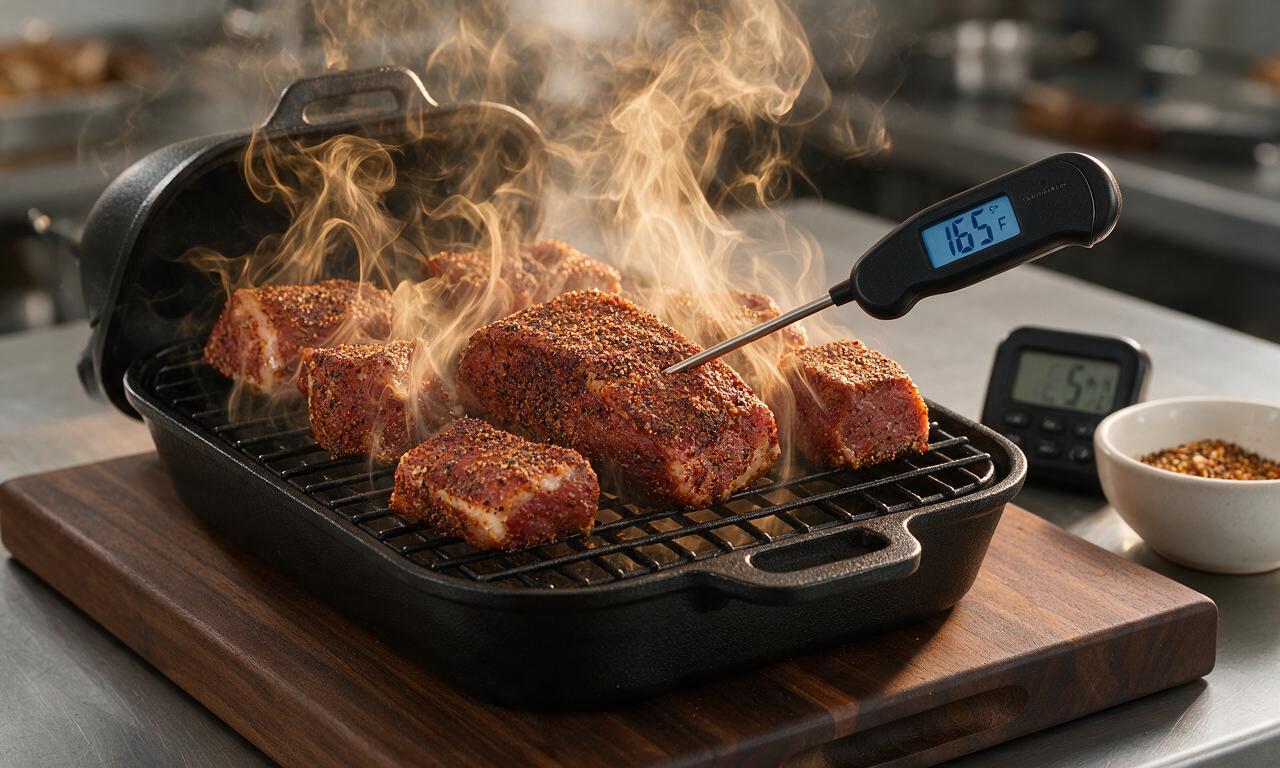
Smoke your tasso low and slow at 225°F to 250°F until it reaches a steady internal temperature of 155°F in the thickest part, measured with an instant-read thermometer. This usually takes 3 to 4 hours, depending on your pork chunk size. Don’t overcook it past 160°F, or it will turn dry and chewy even when added to slow-simmered dishes.
8.Can I make this tasso if I don’t have a dedicated smoker?
▾
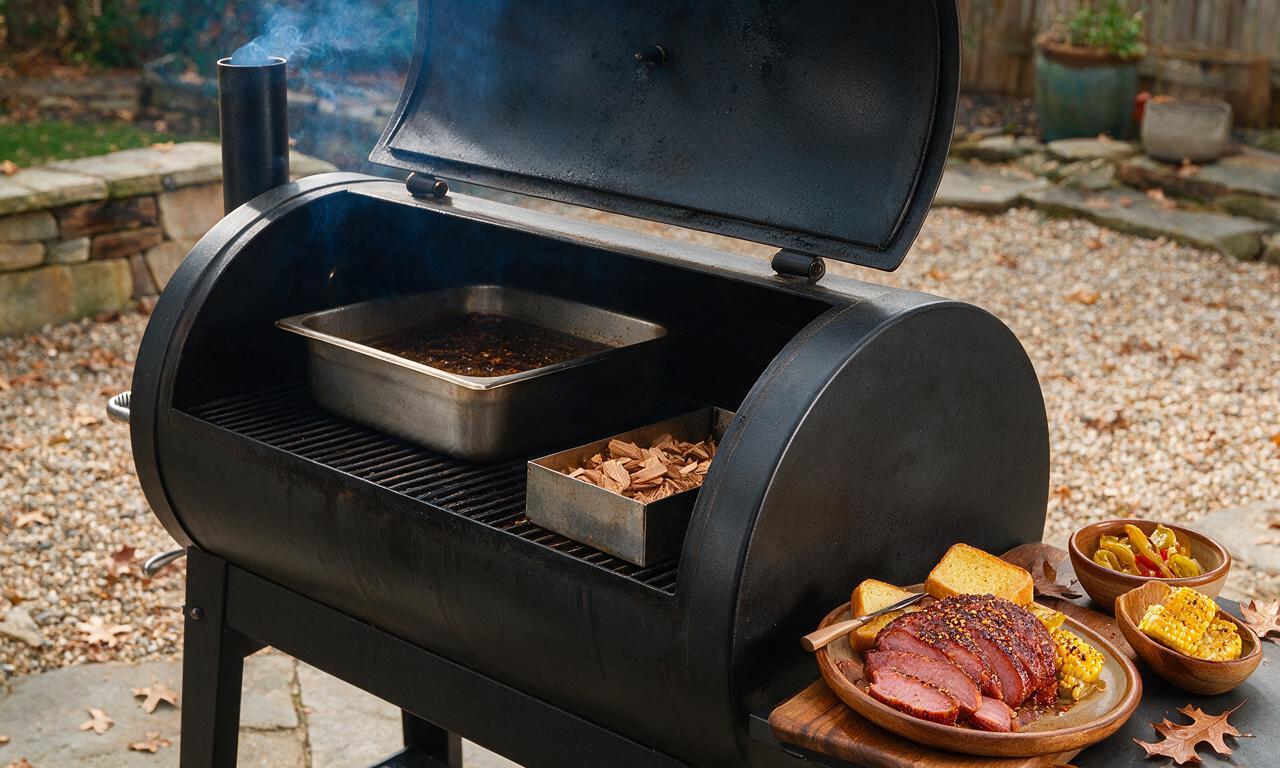
You absolutely can! Use a charcoal or gas grill set up for indirect heat, placing a small foil pan of soaked wood chips directly on the heat source to generate smoke. Hold the grill temperature steady at 225°F to 250°F, keep the vent partially open to circulate smoke, and cook to the same 155°F internal temp for great results.
9.What role does light brown sugar play in the tasso cure?
▾
Packed light brown sugar does two key jobs in this recipe: it balances out the sharp saltiness of the cure to keep flavor rounded rather than overly briny, and it helps form that gorgeous, slightly caramelized dark outer crust on the tasso as it smokes. You can swap in dark brown sugar for deeper molasses notes, but skip flat-tasting white granulated sugar.
10.Why is smoked sweet paprika used instead of regular paprika for this recipe?
▾
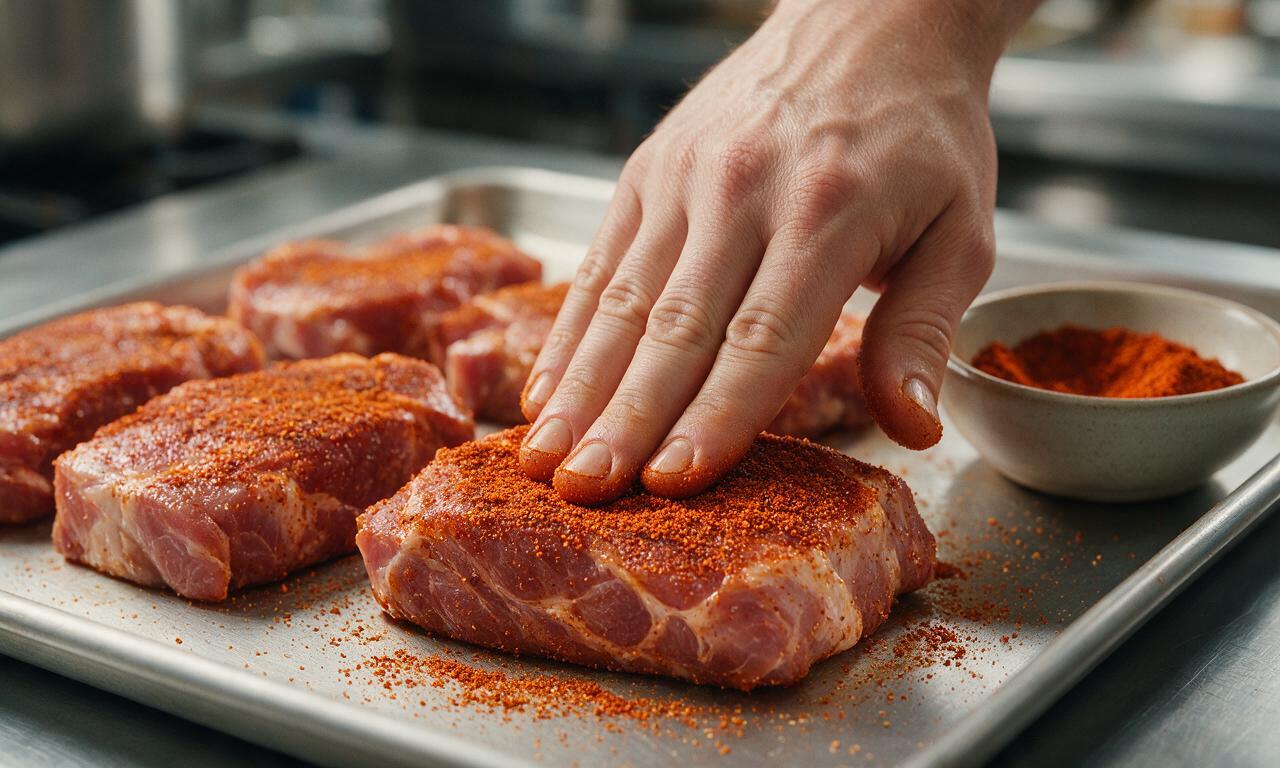
Smoked sweet paprika layers in an extra dimension of warm, sweet smoky flavor that matches tasso’s profile perfectly, and it gives the cured pork that signature deep rusty red outer color classic for Cajun tasso. If you only have regular sweet paprika, use it, but add ¼ teaspoon hickory smoke powder per tablespoon to mimic that smoked note.
11.How spicy is traditional Cajun tasso ham made with this base recipe?
▾
This base recipe is moderately warm and deeply flavored, not aggressively spicy—most of that classic Cajun kick comes from smoked paprika, with no added cayenne or hot pepper in the core cure. If you prefer extra heat, stir 1 to 2 teaspoons of cayenne or crushed red pepper into the cure to match your personal taste preference.
12.How should I store finished smoked tasso ham?
▾
Once your tasso is fully cooled to room temperature after smoking, wrap it tightly in plastic wrap or vacuum seal it, and store it in the refrigerator for up to 3 weeks. For longer storage, freeze it for up to 6 months, portioned into 4 to 6 ounce chunks so you can thaw exactly what you need for recipes without waste.
13.Can I eat tasso ham like regular deli ham, straight out of the smoker?
▾
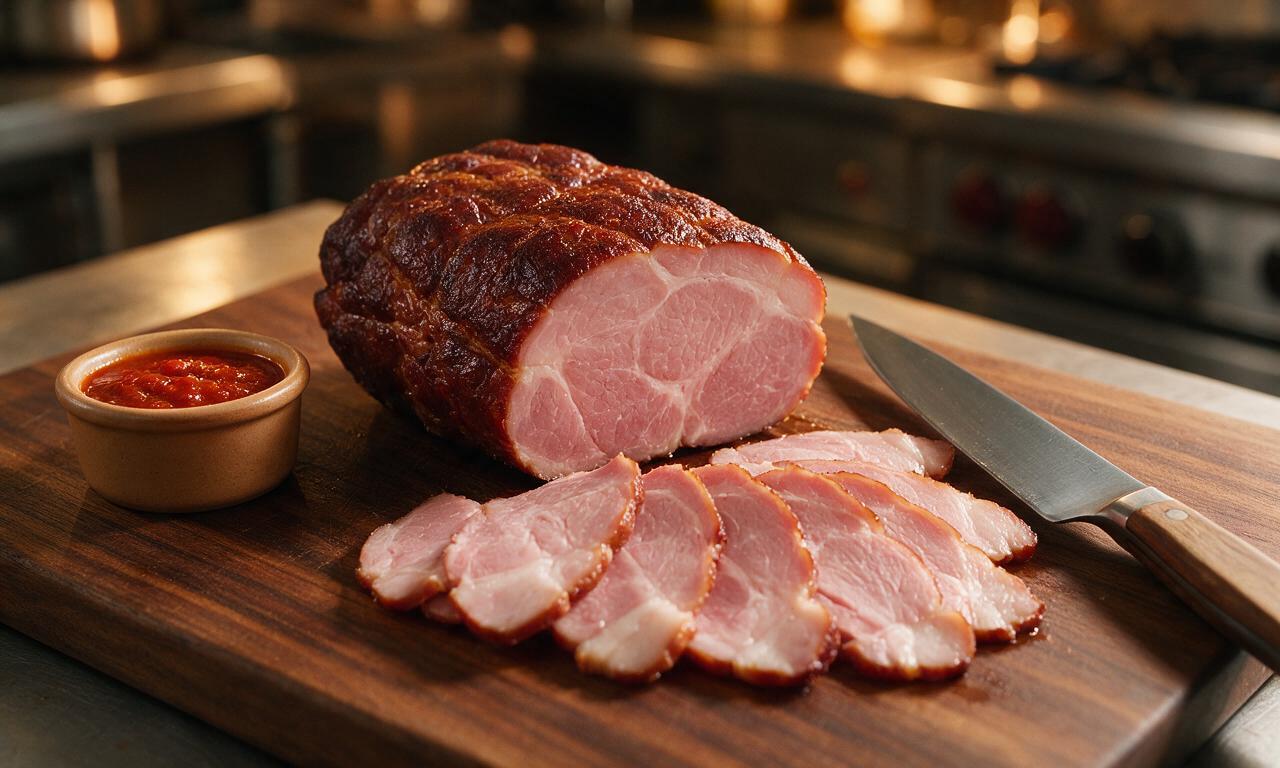
Unlike fresh deli ham, tasso is a highly cured, intensely flavored, fairly salty cut designed to be used as a flavoring ingredient rather than eaten in thick sandwich slices. You can serve thin slices on a BBQ plate, but it shines best when diced and rendered to add rich, smoky depth to gumbos, jambalaya, red beans, or collards.
14.How thick should I cut the pork shoulder before curing for tasso?
▾
Cut your boneless pork shoulder into 2 to 3 inch thick, roughly 1 pound rectangular chunks before applying the cure. This size is thick enough to stay juicy through the long cure and smoke, but thin enough that the cure penetrates all the way to the center evenly without extra-long curing time that can make outer layers overly salty.
15.Why did my finished tasso turn out too salty?
▾
Overly salty tasso almost always comes from one of two mistakes: either you used fine-grain table salt instead of kosher salt, which measures much saltier per volume, or you left pork in the cure too long without checking firmness. If your tasso is too salty, soak it in cold fridge water for 2 to 4 hours before use to draw out excess salt, then pat dry.
16.Do I need to add extra Cajun seasonings like garlic or cayenne to the cure?
▾
The core recipe gives you a classic, balanced tasso base, but you can absolutely add extra seasonings to match your taste! Popular add-ins include granulated garlic, onion powder, cayenne, black pepper, dried thyme, or crushed red pepper. Keep total added dry seasonings under 2 tablespoons per 5 pounds of pork so you don’t throw off the cure’s salt-sugar balance.
17.What is that tacky film I’m supposed to form on the pork before smoking?
▾
That tacky, slightly sticky surface you form during the pre-smoke rest is called a pellicle, made of dissolved proteins on the meat’s surface. It binds tightly to smoke particles as the tasso cooks, creating rich, evenly distributed smoky flavor and a nice firm outer crust instead of splotchy, uneven smoke that only sits on the meat’s very top.
18.Can I use this tasso as a substitute for other smoked pork in recipes?
▾
Absolutely! Diced tasso makes a fantastic swap for smoked sausage, bacon, or ham hock in almost any Southern or Cajun recipe. It adds a bolder, spicier, more concentrated smoky flavor than those cuts, so start with about 25% less than the recipe calls for, then adjust to taste to avoid overpowering other dish components.

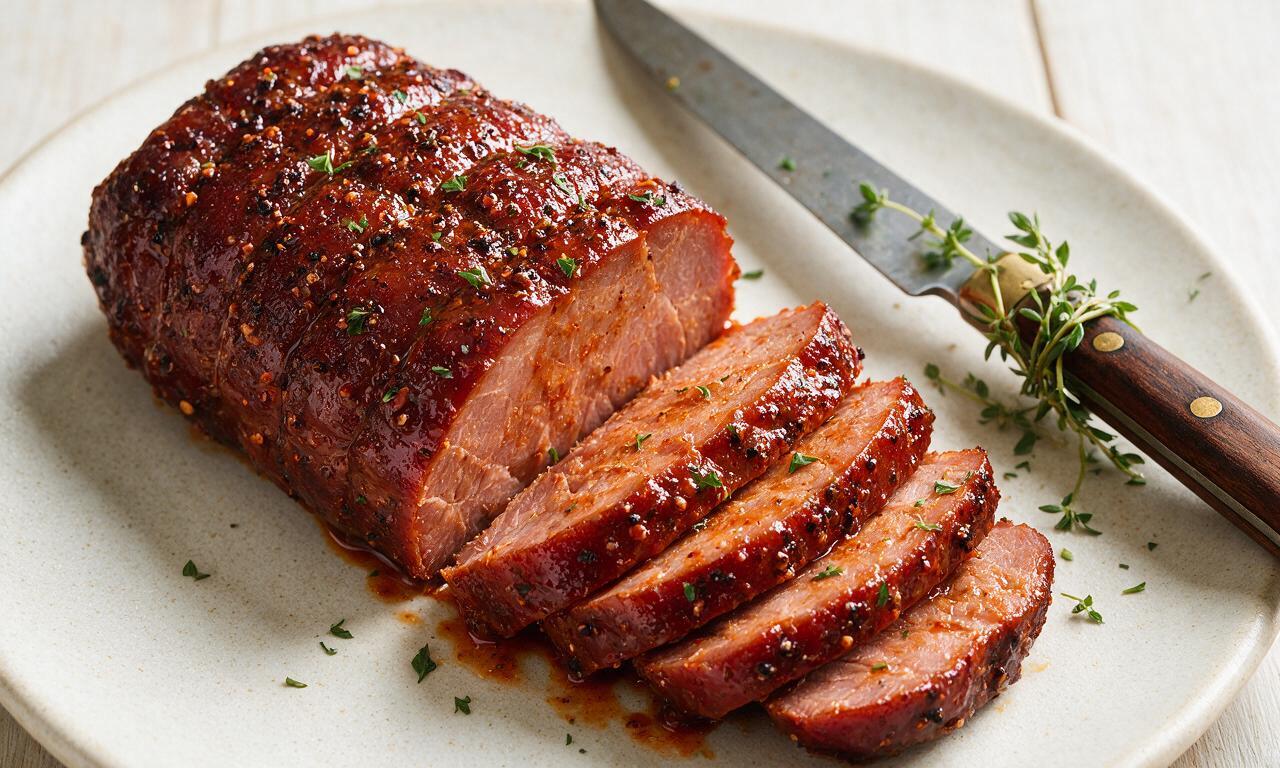
OMG, this tasso tastes exactly like the stuff my grand-mére used to make back when we visited family in Lafayette! I was so worried I’d never get that deep smoky, spicy kick right without her old smokehouse setup, but this recipe nailed it. Sliced it thin for red beans and rice last night and my whole family went back for seconds. SO good.
Game changer alert! I’ve been smoking meats for 10+ years and never tried making my own tasso until this recipe. The cure ratio is spot on — not too salty, just the right amount of cayenne and paprika. I used hickory wood per the recipe tip and it came out incredible. Already planning to chop a batch up for jambalaya this weekend for our neighborhood block party.
Made this last Sunday for our family dinner and my kids loved it! I was a little intimidated by the 12 hour cure time but it was totally hands off, so I prepped the cure before bed and popped it in the fridge overnight, then smoked it while we watched football the next day. Used it in baked mac and cheese for the kids and they begged for seconds. Will absolutely be making this again!
Solid recipe, though I wish it had a note on what to do if you don’t have a dedicated smoker? I used my charcoal grill with a smoke box and it turned out okay, but I think I missed a little bit of that deep smoke flavor. Still tasty enough that my roommates devoured half of it before I even got to store the rest.
Brought this sliced up with crackers and a spicy dip to my work potluck last week and people were hovering over the platter the whole time! Multiple coworkers asked for the recipe before I even left. The only tweak I made was adding a little extra garlic powder to the cure because we are garlic obsessed in my house. 10/10, will be making this for every gathering from now on.
As someone who grew up eating tasso at every family holiday, I’m super picky about store bought versions — they’re always too salty or missing that signature Cajun spice. This recipe? Absolute perfection. I used a mix of pecan and hickory wood like my uncle taught me, and the flavor was dead on. Already have a second cure sitting in the fridge for next week.
Perfect for meal prep! I sliced the whole ham thin after smoking, portioned it into freezer bags, and have been adding it to omelets, soups, and breakfast hash all week. It freezes so well and adds such a huge flavor punch to even super quick weeknight meals. Worth every minute of prep time.
Tried this for the first time last weekend and ran into a little trouble with the cure — I think I left it in the fridge a little too long (closer to 16 hours instead of 12) and it came out saltier than I wanted. The smoke flavor was amazing though, so I’m definitely going to give it another shot next weekend and stick strictly to the 12 hour cure time. Any tips for cutting the salt if I accidentally overcure next time?
Made this for my high school culinary club demo last week and the kids went wild for it! It was such a great way to teach them about curing and low-and-slow smoking, and the recipe instructions were clear enough that even the kids who had never cooked before could follow along. We used the finished tasso to make gumbo for the whole class and it was a huge hit.
Y’all, I just got my first smoker for my birthday last month and this was the third thing I’ve ever made on it. I was NERVOUS, especially with the long cure and 4+ hour smoke time, but the step-by-step instructions made it so easy. It came out looking and tasting like something I’d buy at a fancy BBQ joint! My wife was so impressed she already told me I have to make it for her parents when they visit next month.
This recipe is so close to authentic, I almost cried when I took my first bite. I did add a pinch of file powder to the rub for a little extra earthy depth, and it worked beautifully. My only note is that the cook time was a little longer for me — mine took closer to 4.5 hours to hit the right internal temp, but that’s probably just my smoker running cool. Don’t skip the overnight cure, it makes all the difference.
Tossed cubed tasso from this recipe into my breakfast hash this morning and it was chef’s kiss. The spice level is perfect — not too hot that it overwhelms other flavors, but just enough kick to keep things interesting. I’ve been looking for a good homemade tasso recipe for years and this one is officially my go-to.
Cooked for a fire station crew for 30 years, so I know a thing or two about making big batches of food that feed a crowd. I doubled this recipe for my grandson’s graduation party and it was gone in 20 minutes flat. The flavor is bold but approachable, even for folks who don’t eat a lot of Cajun food. Great recipe, well written, no weird hard to find ingredients.
Tried this in my dorm’s shared outdoor kitchen with a cheap little electric smoker I found on Facebook Marketplace. It took me two trips to the grocery store to find all the spices, but it was so worth it. My floor mates kept knocking on my door asking what smelled so good while it was smoking. Ended up sharing most of it, but saved a little to put in ramen for a late night study snack. 10/10, would make again even if I had to fight three other guys for smoker space.
I’ve been making tasso for Sunday gumbo for years, but I always used a pre-made cure packet from the grocery store. Decided to try making my own cure with this recipe and wow — what a difference! No weird preservatives, the flavor is so much fresher, and I got to adjust the spice level exactly how my family likes it. My husband said it’s the best gumbo I’ve ever made, and that’s saying something because I’ve been making it for 40 years!