1.How is homemade sorghum molasses different from store-bought versions?
▾
Most mass-produced store-bought sorghum molasses cuts pure syrup with cheap corn syrup, added sulfur, or artificial preservatives to cut costs and extend shelf life. Your homemade version will have a brighter, grassier, more complex earthy sweetness with no fillers, capturing that classic old-Southern depth you can’t get from grocery store bottles.
2.Where can I source fresh sweet sorghum cane stalks if I don’t grow my own?
▾
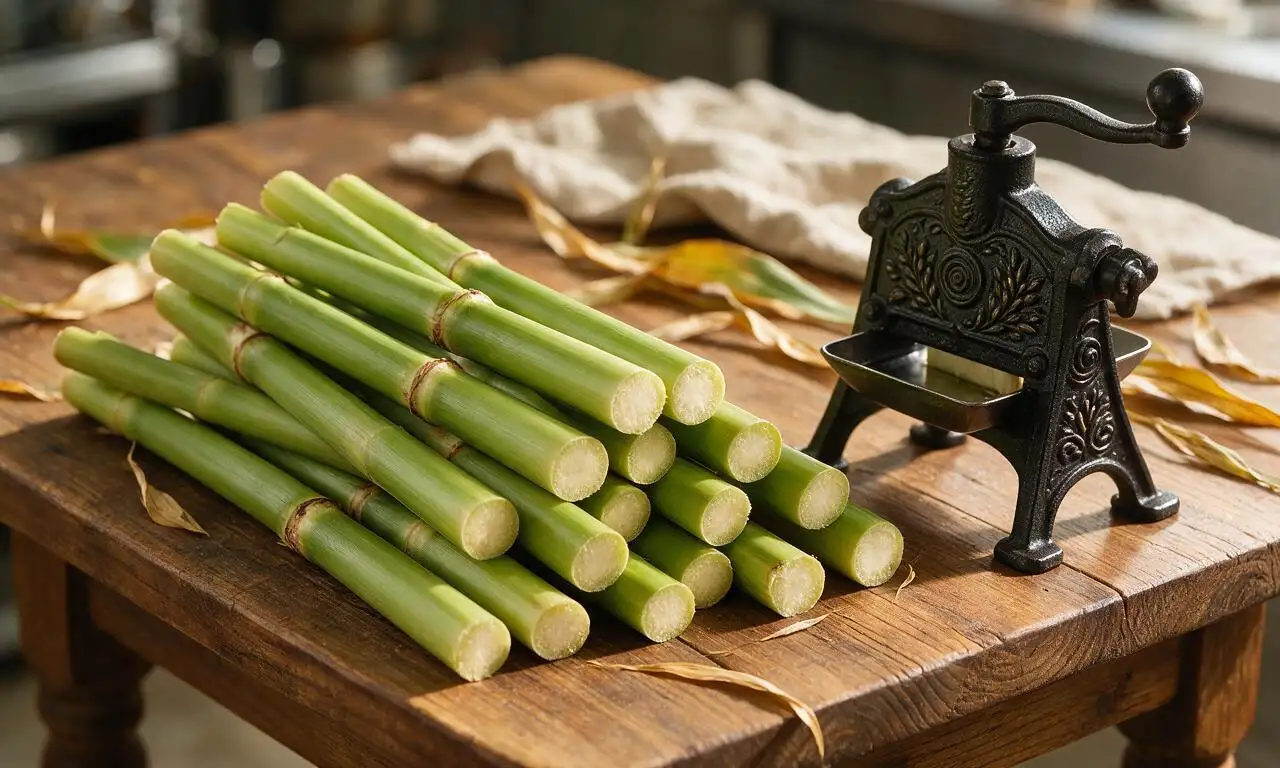
Look for fresh sweet sorghum stalks at late-summer and early-fall farmers’ markets across the American South, or order directly from small family sorghum farms online. Skip dried, woody stalks—pick firm, heavy stalks with bright green leaves and plump, juicy nodes for the highest syrup yield.
3.Do I need special, old-fashioned equipment to make sorghum molasses at home?
▾
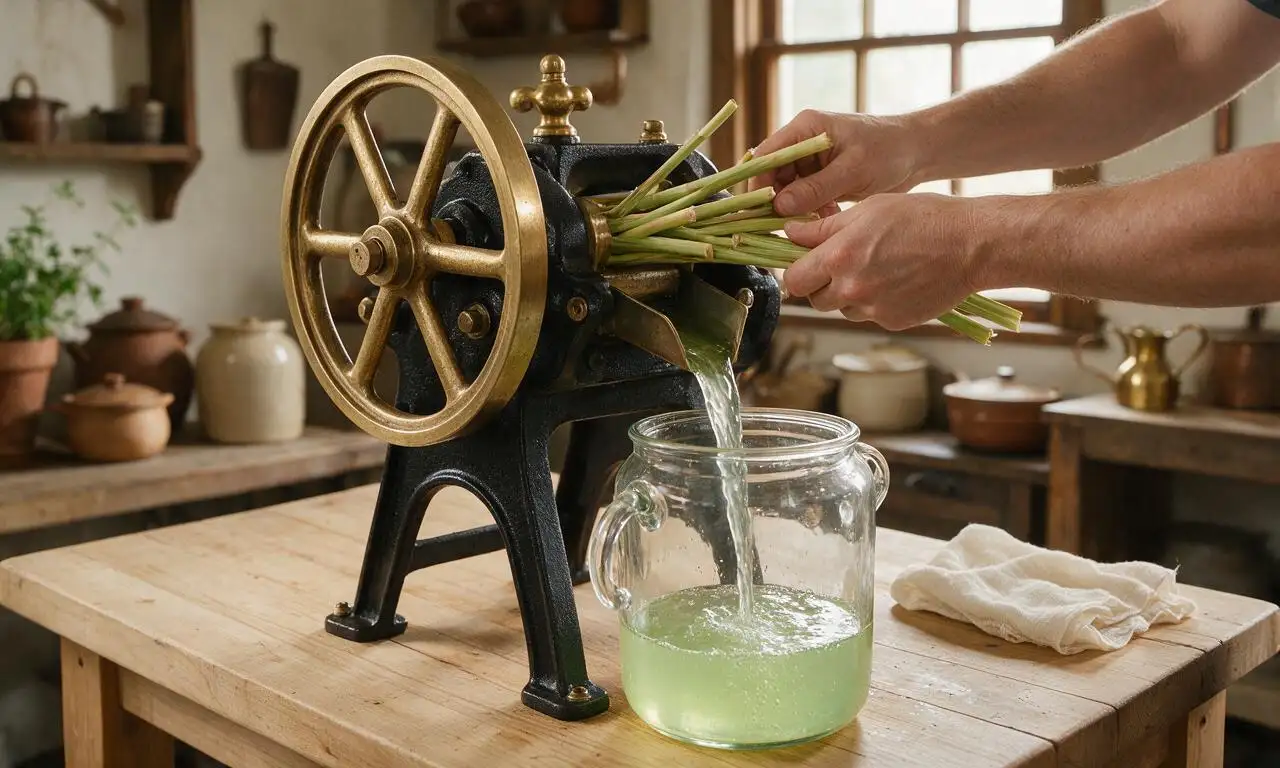
You don’t need a vintage horse-drawn cane mill for small home batches! A heavy-duty juicer or clean modified wine press works to extract juice, plus a wide stainless steel stockpot, candy thermometer, fine-mesh strainer, and cheesecloth to filter out sediment as you cook.
4.Why is unsalted butter included in this traditional recipe?
▾
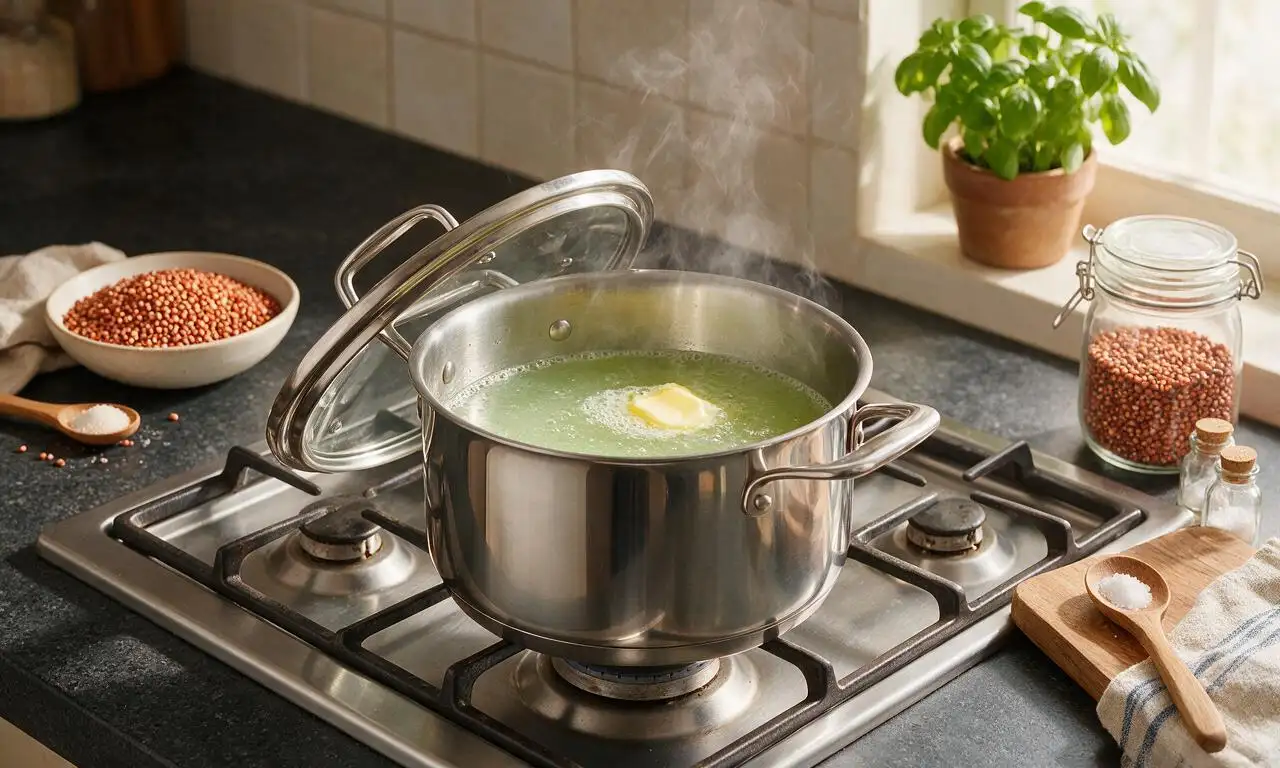
The small amount of unsalted butter serves two key purposes: it cuts down on the messy, foamy boil-over that’s extremely common when simmering high-sugar sorghum juice, and it adds a subtle, rich roundness that balances the syrup’s bright earthy edge without making it taste greasy.
5.How long does it take to cook sorghum juice down into finished molasses?
▾
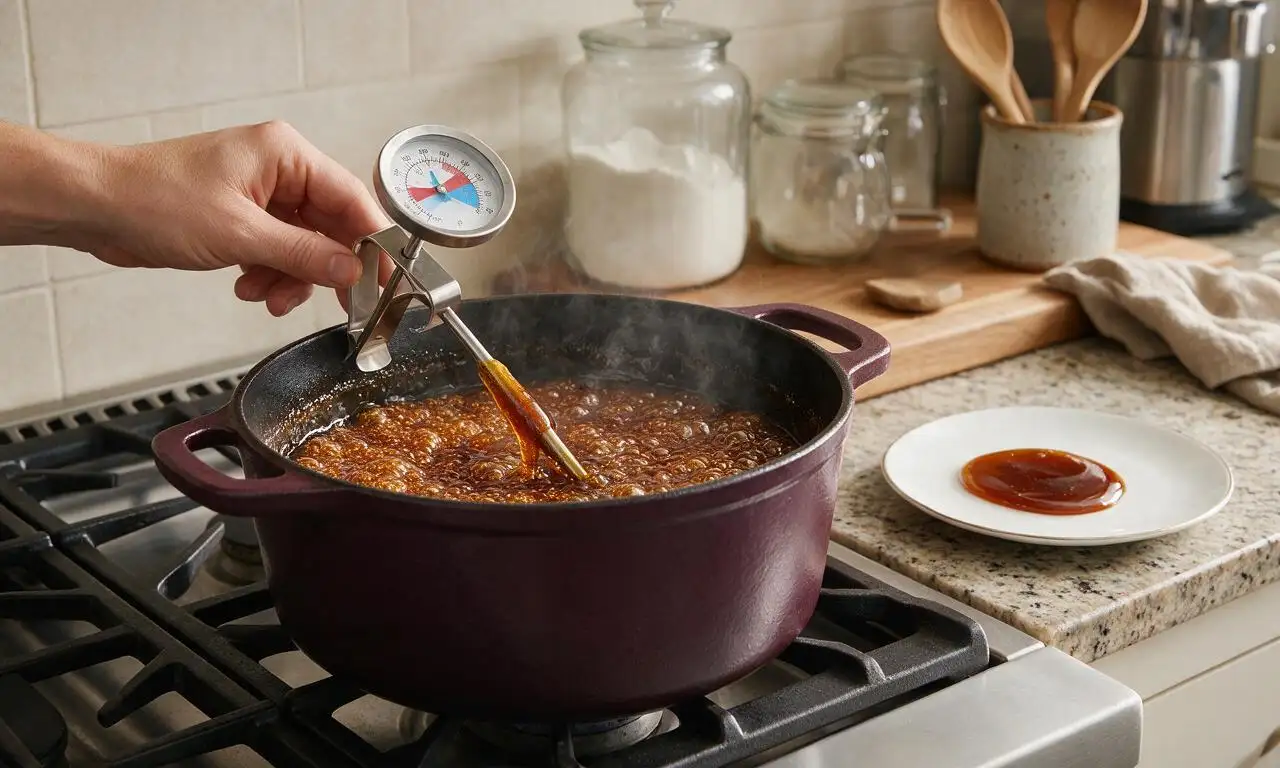
For a standard 5-gallon batch of fresh pressed juice, expect 2 to 3 hours of steady, gentle simmering over medium-low heat. You’ll know it’s done when it reaches 220°F to 225°F on a candy thermometer, and coats the back of a cold metal spoon in a thick, slow-dripping sheet.
6.Can I add extra sugar or sugar substitutes to make the molasses sweeter?
▾
Traditional sorghum molasses gets all its signature sweetness from the cane itself, so skip added sugar—it will throw off the classic earthy flavor profile and make the syrup overly cloying. Sugar substitutes won’t work here either, since the long simmer relies on natural cane sugars to caramelize properly.
7.What’s the average yield for a batch of homemade sorghum molasses?
▾
Fresh sweet sorghum is roughly 90% water, so expect about 1 gallon of finished molasses for every 10 gallons of raw pressed juice you start with. For small home batches, that works out to roughly 1 cup of finished syrup for every 10 cups of strained, fresh sorghum juice.
8.How do I prevent my molasses from burning while it cooks?
▾
Stir the simmering juice every 10 to 15 minutes, making sure to scrape the full bottom of the pot to catch settled sediment that can scorch. Keep heat at medium-low rather than a rolling boil, and pull the pot off heat immediately once it hits target temperature to avoid bitter, burnt aftertaste.
9.Do I have to process sorghum cane stalks right after harvesting them?
▾
For the sweetest, highest-yield molasses, press and cook your sorghum stalks within 24 hours of harvesting. The natural sugars in cut stalks start to break down and ferment quickly, leading to sour, off-flavored syrup and a much lower final yield if you wait longer than a day.
10.How should I store finished homemade sorghum molasses?
▾
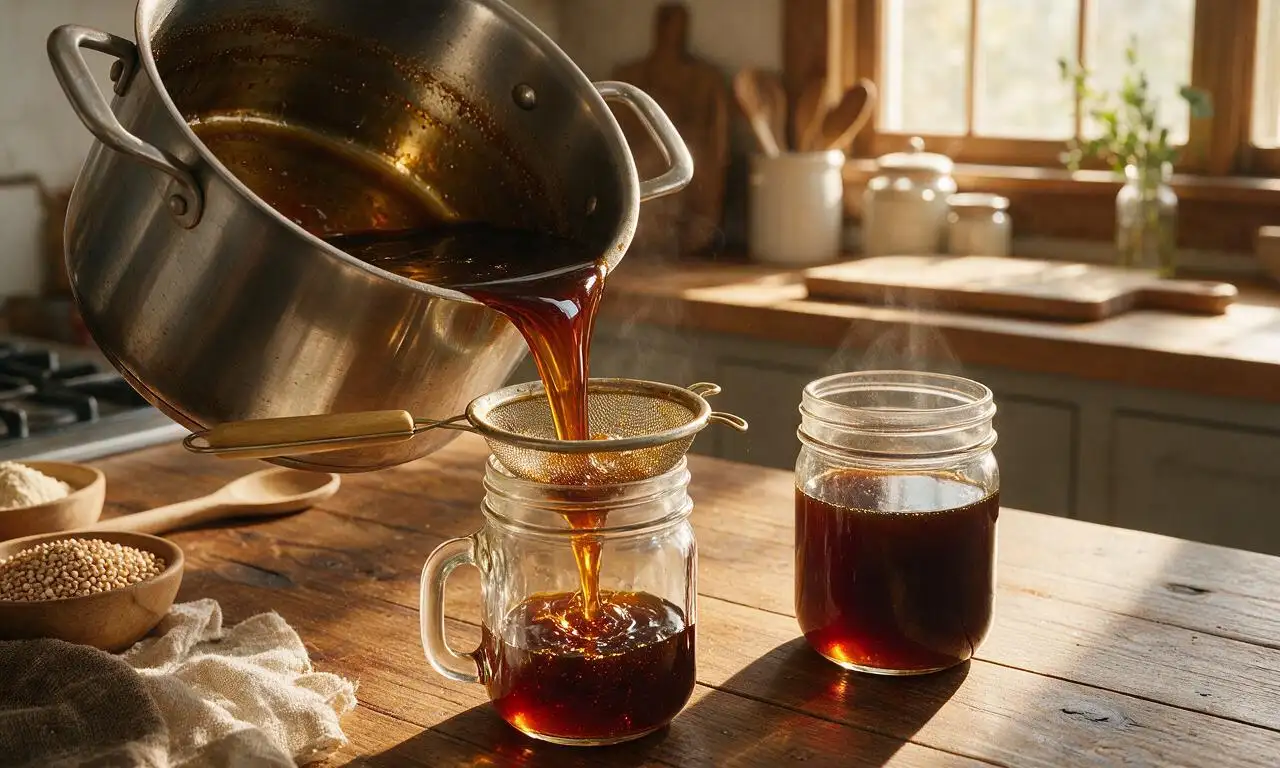
Let the cooked molasses cool fully, then pour it into sterilized, airtight glass canning jars. It will keep for up to 1 year in a cool, dark pantry, and up to 2 years in the refrigerator. You don’t need to pressure can it, since its high sugar content acts as a natural preservative.
11.My molasses turned out thinner than expected—can I fix it?
▾
Absolutely! Thin molasses simply means it didn’t cook long enough to evaporate excess water. Pour it back into a wide pot, bring it to a gentle simmer, and cook it 5 to 10 more minutes, checking temperature regularly until it hits 225°F, then re-jar it once it cools.
12.Can I use homemade sorghum molasses as a 1:1 substitute for other molasses in recipes?
▾
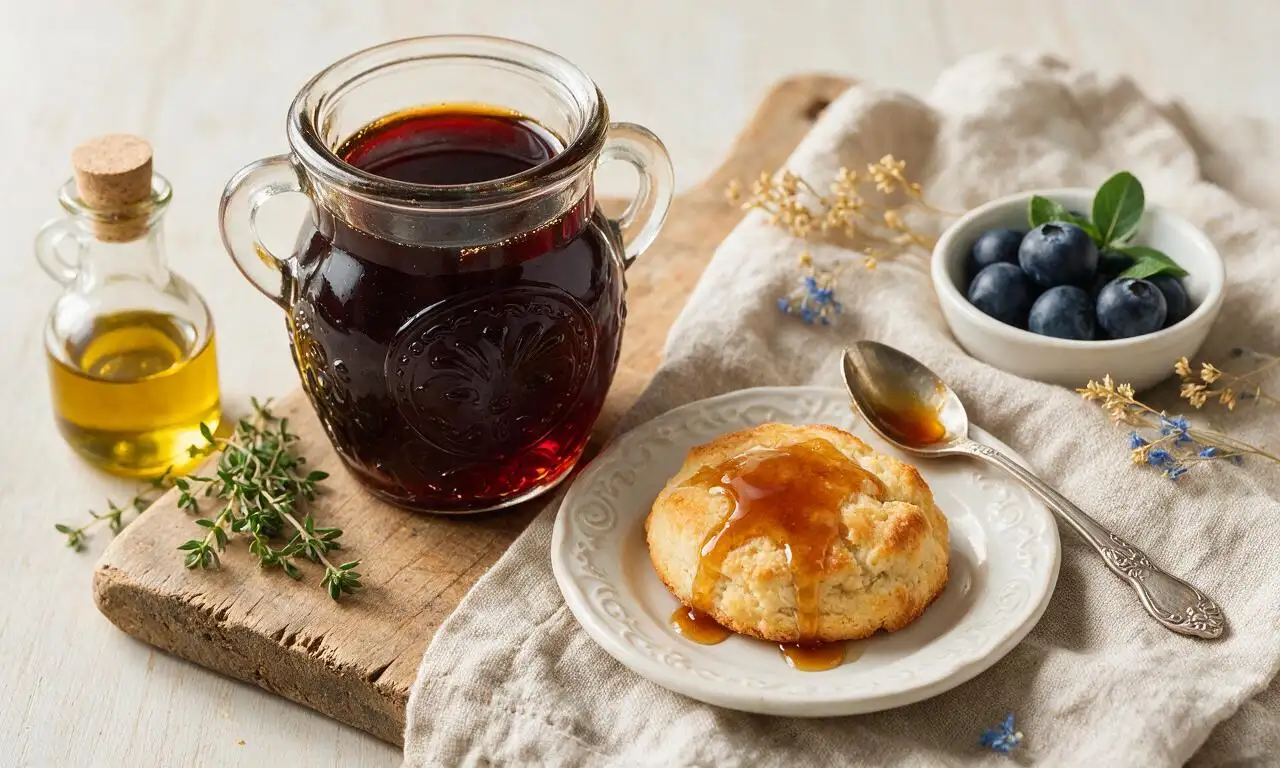
It works as a 1:1 swap in most baking recipes, glazes, and marinades, but note it has a brighter, less bitter flavor than blackstrap molasses. It’s especially delicious swapped in for maple syrup to drizzle over warm biscuits, pancakes, or cornbread for a classic Southern twist.
13.Why did my finished molasses have a bitter, off flavor?
▾
Bitter molasses almost always stems from one of two common mistakes: either you cooked the syrup too long at too high a heat, burning the natural sugars, or you didn’t strain out enough fine green pulp and leaf debris from the raw juice before cooking, which leaches bitter compounds as it simmers.
14.Can I make a small batch of sorghum molasses if I only have a few stalks?
▾
Definitely! Even 4 to 5 large stalks will yield enough juice for a half-pint jar of molasses, perfect for testing the recipe without a huge time investment. Just use a small stockpot, keep a close eye on temperature, and follow the same straining and simmering steps as you would for a large batch.
15.Do I need to add sulfur or other preservatives to make molasses shelf-stable?
▾
No, traditional homemade sorghum molasses needs no added preservatives at all. The high natural sugar concentration creates an environment where bacteria and mold can’t grow, as long as you pour finished syrup into sterilized jars and seal them tightly while they’re still slightly warm.
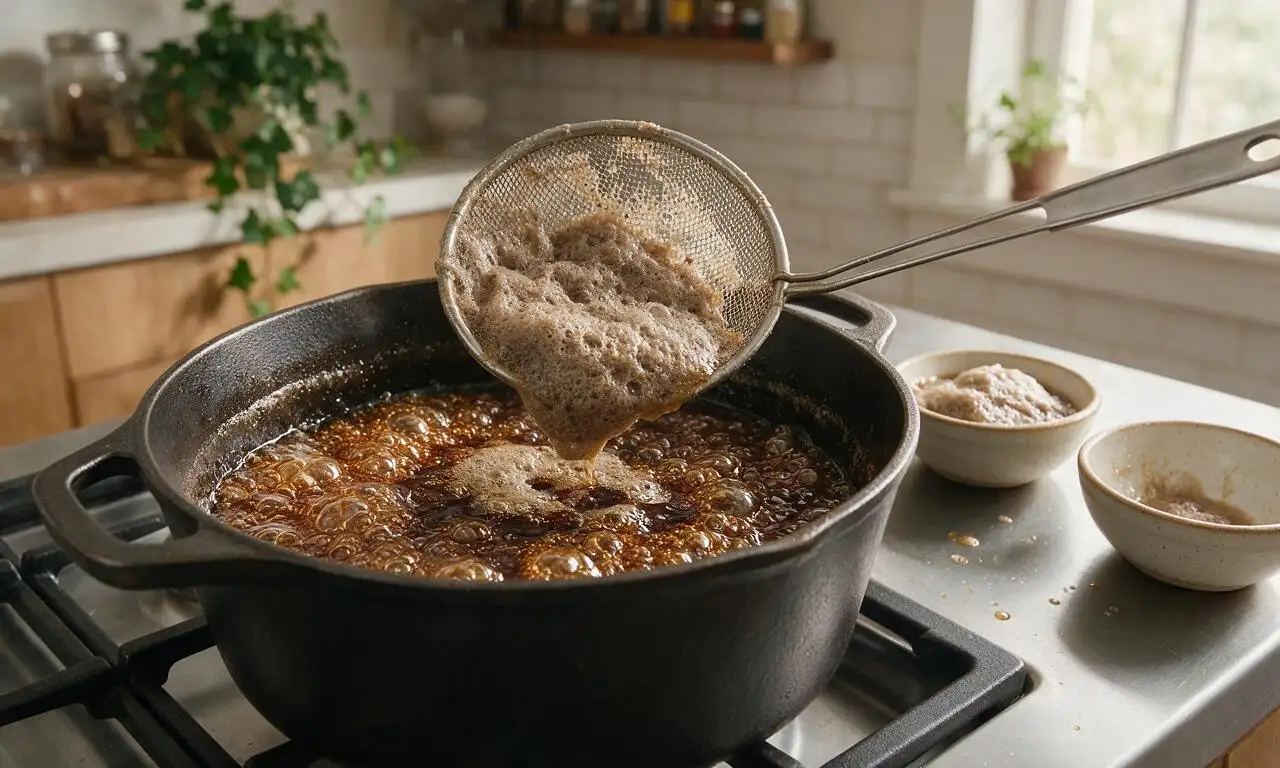
16.What’s the thick foam that forms on top of the juice as it simmers?
▾
That foamy layer is made of coagulated plant proteins, fine sediment, and impurities rising to the surface as the juice heats. Skim it off regularly with a fine-mesh spoon as you simmer—leaving it in will make your final molasses cloudy, gritty, and slightly bitter instead of smooth and rich.
17.Can I freeze sorghum molasses to extend its shelf life?
▾
You can, but it’s rarely necessary given its long pantry and fridge life. If you do freeze it, leave 1 inch of headspace in freezer-safe glass jars to allow for expansion, and thaw it in the fridge overnight before using. It won’t separate or lose flavor when frozen for up to 3 years.
18.Why do some old sorghum recipes call for baking soda, and is it necessary?
▾
A tiny pinch of baking soda is sometimes added to cut the slight natural tartness of fresh sorghum juice, but I skip it for home batches—it can make the final syrup taste slightly soapy if you add even a pinch too much. The small pat of butter in this recipe creates a smoother, more balanced flavor without that risk.
19.What can I do with the leftover fibrous pulp after pressing the sorghum stalks?
▾
The pressed leftover pulp (called bagasse) makes excellent, nutrient-dense feed for chickens, goats, or cattle if you raise small farm animals. It also breaks down quickly in a compost pile, adding valuable organic matter to feed your garden soil for the next growing season.
20.Is homemade sorghum molasses naturally gluten-free?
▾
Yes! Pure sorghum molasses made with just fresh sorghum cane and a small amount of unsalted butter is 100% gluten-free, as long as you use clean equipment that hasn’t touched wheat or other gluten-containing ingredients during pressing and cooking. It’s a great sweetener for folks with celiac disease or gluten sensitivities.

OMG this sorghum molasses is a total game changer! I grew up eating my grandma’s version in West Virginia but haven’t been able to get the flavor right for years. Followed the recipe exactly, cooked it the full 2 hours 20 minutes, and it tastes exactly like I remember. Drizzled it over fresh biscuits last night for our family dinner and my kids went back for seconds, then thirds. Already planning to make a double batch for our neighborhood potluck next weekend!
Took a stab at this last weekend, overall really solid but I messed up the temperature at the end and let it get a little too thick—ended up more like taffy than pourable molasses lol. Flavor was still insane though, SO good on pancakes and even stirred into my morning coffee. Definitely going to give it another go this week and keep a closer eye on the candy thermometer this time.
I help my grandpa press sorghum every fall down in southern Illinois, so I was skeptical a homemade recipe online would get the process right, but wow—this is spot on! The tip to skim the impurities off the top as it simmers is exactly what we do, and it makes such a difference in the final smooth, rich flavor. Ended up jarring 6 pints to give out to family for Christmas gifts, everyone who’s tried it so far says it’s the best they’ve ever had.
Wait, is this the same kind of molasses you use to make baked beans? I’ve been looking for a good traditional molasses to use for my famous baked bean recipe at our annual cookout, and the store-bought stuff always tastes too bitter to me. If this is sweeter and smoother I’m definitely making a batch this weekend.
Made this yesterday for meal prep to use in oatmeal, smoothie bowls, and homemade granola bars all month, and I’m obsessed! It was a little more work than I expected (medium difficulty is no joke, y’all—don’t walk away from that pot!) but the payoff is so worth it. Way cheaper than buying the fancy artisanal sorghum molasses at the farmers market, too.