1.What does full-fat sour cream add to this pound cake that regular milk or buttermilk doesn’t?
▾
Full-fat sour cream delivers that signature subtle tang, locks in velvety, long-lasting moisture without making the crumb soggy, and its mild acidity tenderizes gluten in the all-purpose flour for a softer, less dense bite than thinner milk or buttermilk can produce for this iconic bake.
2.Do I really need to use unsalted butter for this recipe, or can I use salted butter instead?
▾
I strongly recommend unsalted butter so you have full control over the final salt level of the cake, since salted butter has wildly varying salt content across brands. If you only have salted butter, cut any added salt by 1/4 teaspoon per stick of butter used to avoid an overly salty crust or crumb.
3.Can I substitute brown sugar for the granulated white sugar in this recipe?
▾
You can swap up to 1/2 of the granulated white sugar for light brown sugar for a subtle caramel note, but I don’t recommend replacing all of it. Using 100% brown sugar will add too much molasses flavor, weigh down the crumb, and soften that signature crisp golden crust the classic recipe is known for.
4.Do I need to sift the all-purpose flour for this recipe to get a smooth crumb?
▾
You don’t have to sift, but I do recommend whisking your measured flour vigorously for 30 seconds before adding it to the batter to break up lumps and lighten it. Over-measuring flour is a far more common cause of dense, dry cake than skipping sifting, so always spoon flour into your measuring cup and level it off.
5.What size eggs should I use for this pound cake, and does their temperature matter?
▾
Use large Grade A eggs, as called for in the recipe—smaller or extra-large eggs will throw off the wet-to-dry ratio, leading to soggy or dry cake. Always bring eggs to room temperature before mixing; cold eggs won’t emulsify smoothly into the butter and sugar, leading to lumpy batter and a dense final crumb.
6.Can I use low-fat or non-fat sour cream to cut calories in this recipe?
▾
I don’t recommend it. Low-fat and non-fat sour cream have added stabilizers and higher water content that will make your cake drier, give it a rubbery, uneven crumb, and mute that signature rich, tangy flavor. Stick to full-fat sour cream for the moist, velvety texture this classic is known for.
7.What kind of pan works best for this recipe, and how do I keep the crust from getting too dark before the center bakes?
▾
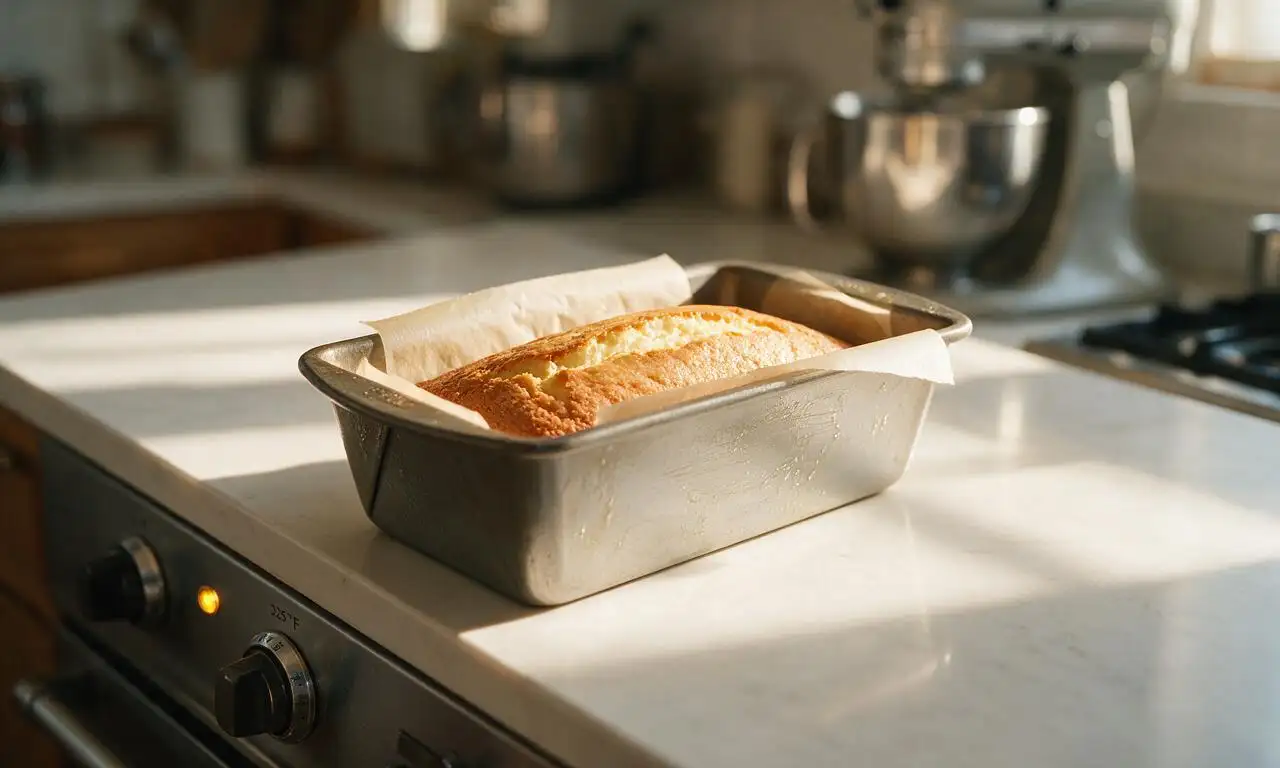
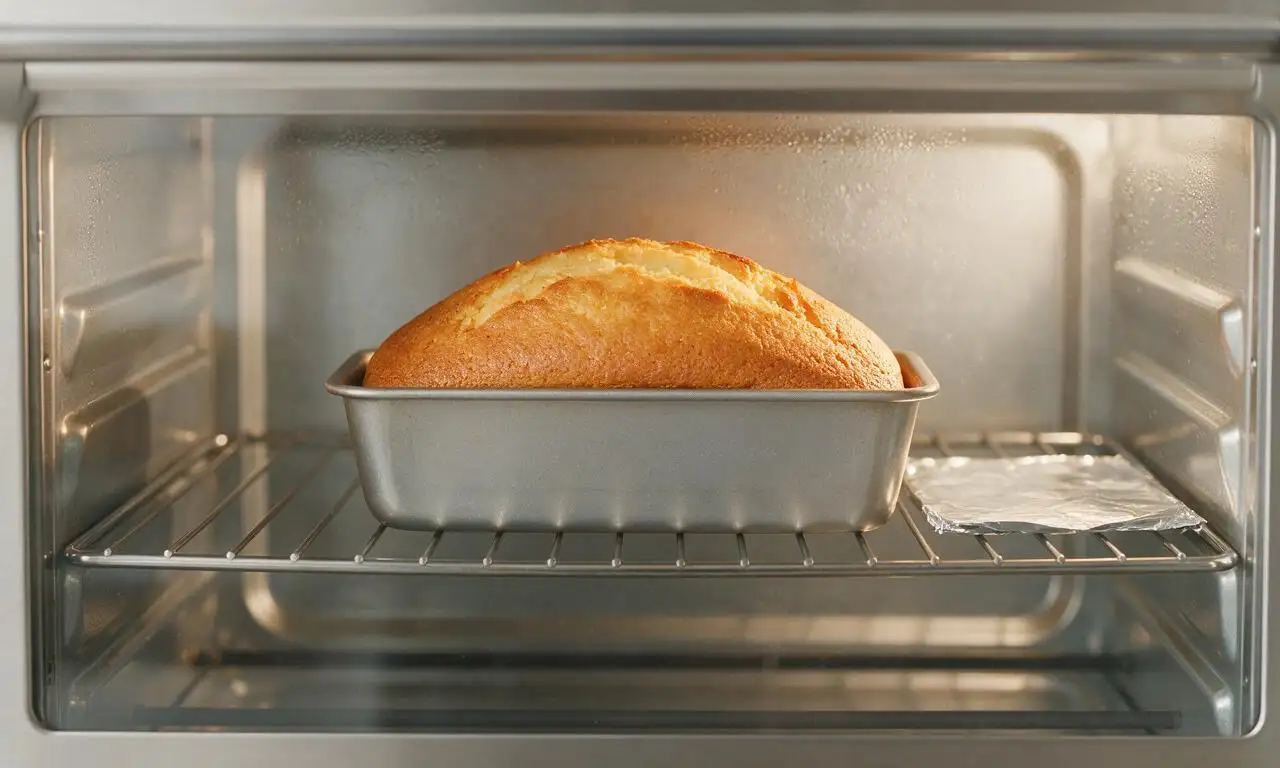
A light-colored metal 9x5 inch loaf pan or 10-cup bundt pan works best for even, consistent baking. Avoid thin glass pans that heat unevenly, and if you only have a dark non-stick pan, drop your oven temp by 25°F. Use an oven thermometer to confirm your actual oven temperature, so the crisp golden crust forms without burning before the interior sets.
8.How do I prevent my pound cake from sticking to the loaf pan or bundt pan?
▾
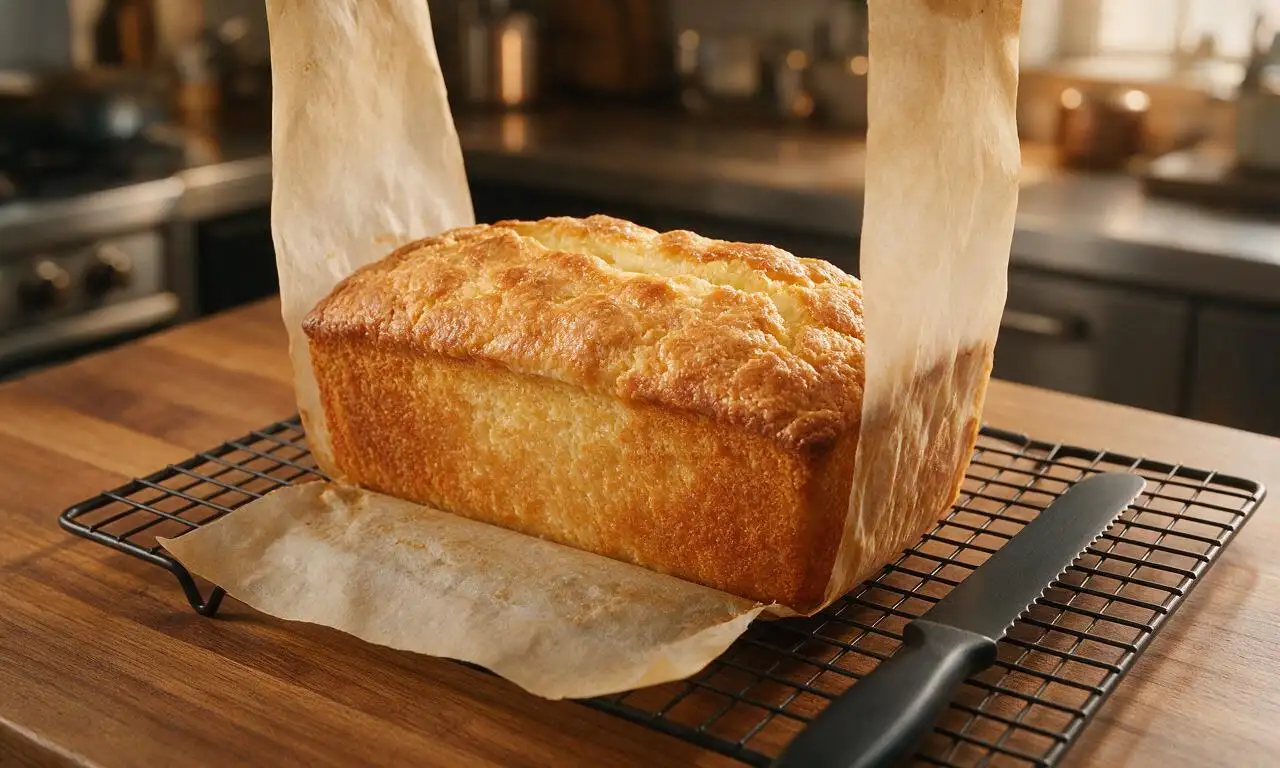
Start by thoroughly greasing every nook and cranny of your pan with softened unsalted butter, then dust it with a light coating of all-purpose flour, tapping out any excess. For extra security, line the bottom of a loaf pan with a cut-to-fit piece of parchment paper to make lifting cooled cake out totally foolproof.
9.Can I make this recipe without an electric stand mixer?
▾
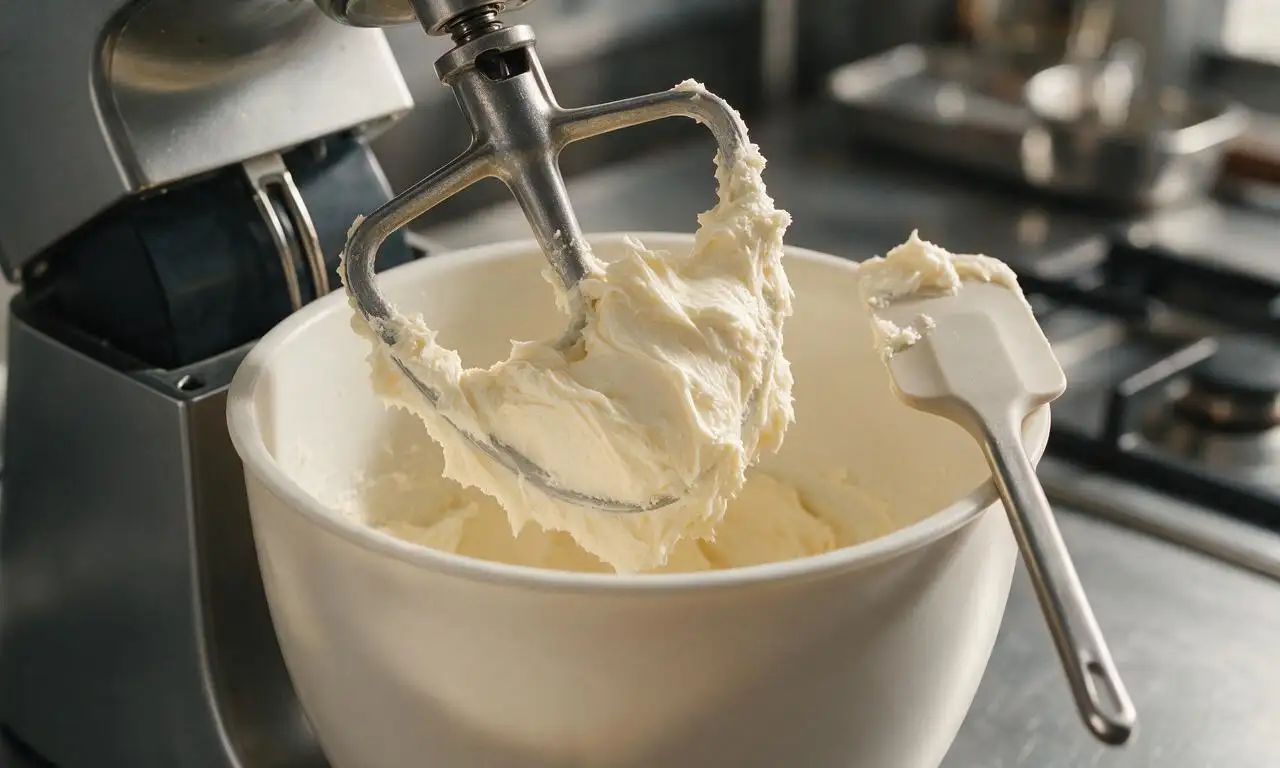
Absolutely! You can make this perfectly with a hand-held electric mixer, or even a sturdy wooden spoon and a little extra elbow grease. Just make sure you spend the full 3 to 4 minutes creaming the butter and sugar until it’s pale, light, and fluffy to build the air structure needed for a tender crumb.
10.Why did my pound cake turn out dense and heavy instead of light and velvety?
▾
The most common culprit is under-creaming the unsalted butter and granulated white sugar—you need to beat them on medium speed for 3 to 4 full minutes until pale and fluffy to trap air that leavens the cake. Over-mixing flour once added, or using cold eggs/sour cream straight from the fridge, will also create a tight, dense crumb.
11.Why does my pound cake always have a cracked, domed top, and is that normal?
▾
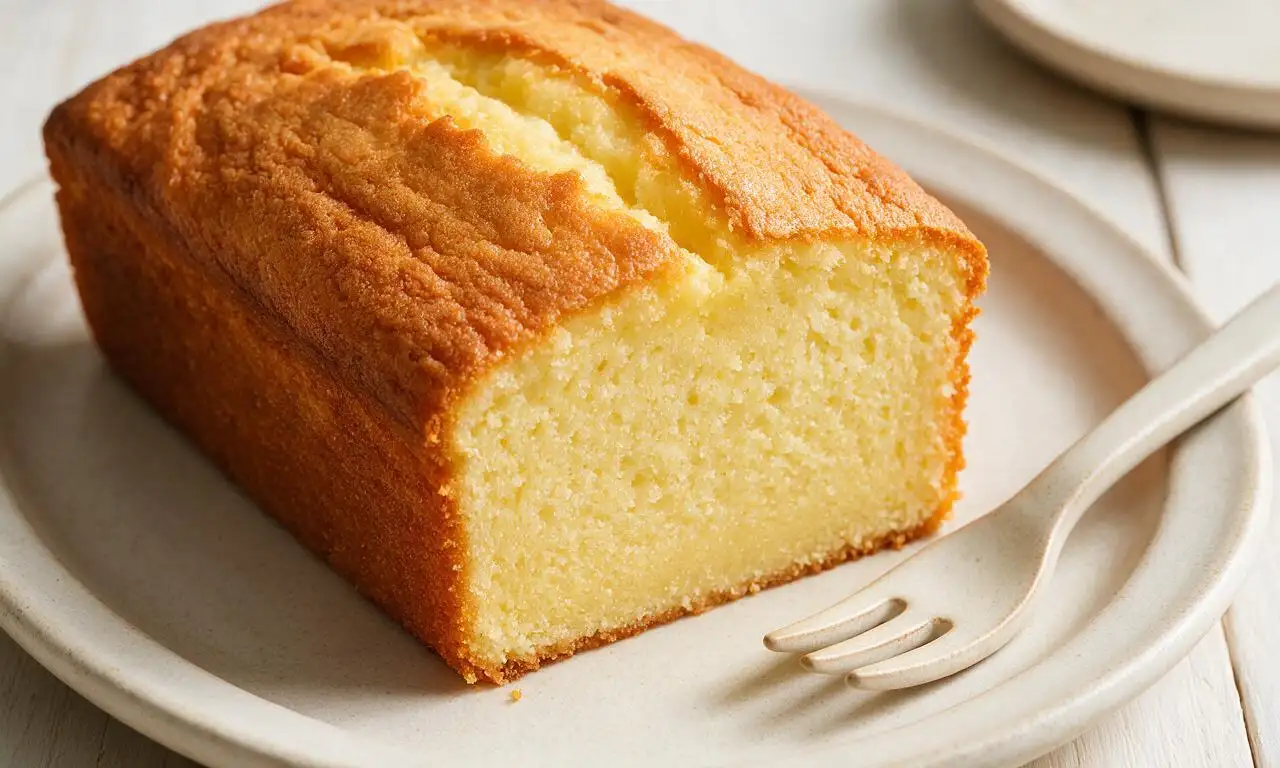
A slightly cracked, golden domed top is totally classic for a traditional sour cream pound cake! It happens when the outer crust sets fast in the hot oven while the interior continues to rise and push through. You don’t need to fix it—that crisp, cracked crust is one of the most beloved textural parts of the bake.
12.Why does my pound cake have a gummy, dense layer at the bottom?
▾
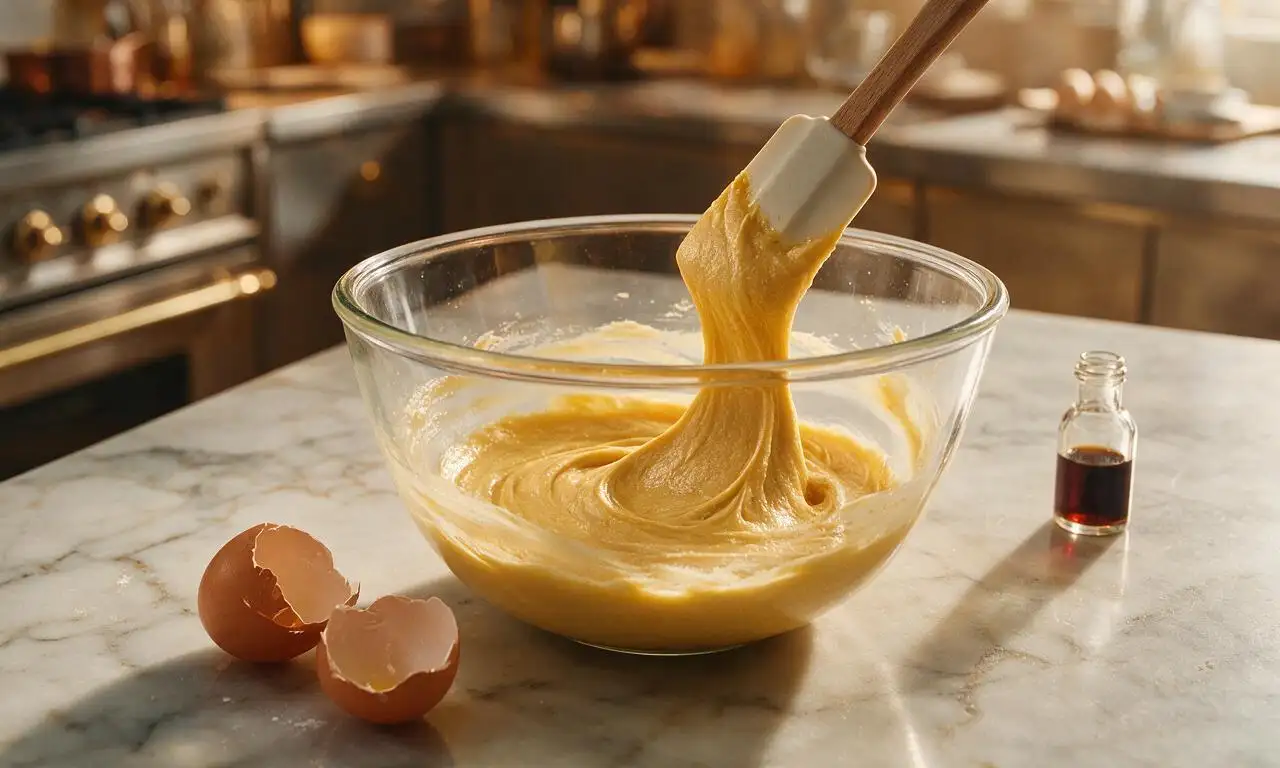
That gummy layer almost always comes from over-mixing the batter once you add the flour, which develops too much gluten, or from adding cold eggs that didn’t emulsify properly into the butter and sugar base. Make sure all dairy and eggs are room temperature, and mix flour in on low speed just until no dry streaks remain.
13.How do I know when my sour cream pound cake is fully done baking?
▾
Test doneness by inserting a long wooden toothpick or cake tester into the thickest center part of the cake. It should come out with just 2 to 3 tiny, moist crumbs attached, not streaky wet batter, and the top should spring back gently when pressed lightly with a fingertip.
14.How long should I let the pound cake cool before removing it from the pan?
▾
Let the cake rest in the pan on a wire rack for 15 to 20 minutes right after it comes out of the oven. If you try to remove it too early, the warm, tender crumb will break apart; if you leave it in the pan too long, trapped steam will make the crisp crust turn soggy as it cools.
15.Can I add mix-ins like chocolate chips, berries, or nuts to this classic recipe?
▾
Absolutely! Fold in up to 1 cup of add-ins after you finish mixing the final batter. Toss berries, chocolate chips, or chopped nuts in a light dusting of all-purpose flour first to keep them from sinking to the pan bottom as the cake bakes, so they stay evenly distributed through every slice.
16.Can I bake this recipe as cupcakes instead of a full loaf or bundt cake?
▾
You sure can! Line a standard cupcake tin with paper liners, fill each well 2/3 full of batter, and bake at 350°F for 18 to 22 minutes, testing for doneness the same way you would a full cake. This yields about 18 to 20 tender, tangy cupcakes perfect for individual servings.
17.What’s the best way to store leftover sour cream pound cake to keep it moist?
▾
Wrap cooled leftover cake tightly in plastic wrap or store it in an airtight container at room temperature for up to 4 days. You don’t need to refrigerate it—cold temperatures will dry out the crumb faster and mute that rich, buttery, tangy flavor that makes this classic so special.
18.Can I freeze this pound cake for later use?
▾
Definitely! Let the cake cool completely, then wrap it tightly in two layers of plastic wrap followed by a layer of aluminum foil to prevent freezer burn. It will keep well in the freezer for up to 3 months; thaw it overnight in the fridge, then bring it to room temperature before serving.
19.What are easy, complementary toppings to serve with this pound cake?
▾
This rich, tangy cake pairs beautifully with simple toppings that don’t overpower its buttery flavor. Try a dollop of freshly whipped cream, a spoonful of sweet macerated berries, a light drizzle of vanilla glaze, or a thin slice toasted and spread with a little salted butter for a cozy, timeless treat.



OMG this sour cream pound cake is SO good! I brought it to my church potluck last Sunday and people were hounding me for the recipe before I even set the plate down on the dessert table. It’s so moist, not cloyingly sweet, perfect with a little dollop of fresh whipped cream and sliced strawberries. My kids loved it — my 8 year old asked for seconds before he even finished his first slice! One tiny swap I made: I used vanilla bean paste instead of regular extract and it was chef’s kiss. 10/10 will make again for our next Sunday family dinner.
I was always intimidated to make pound cake because I thought they were super fussy and easy to mess up, but this recipe is genuinely easy! Total game changer for weekly meal prep — I sliced the whole loaf up after it cooled, stashed it in an airtight container, and it stayed perfectly moist all week for quick breakfasts alongside my morning coffee. My bake time ran about 10 minutes longer than the recipe stated, but my oven runs notoriously cool so that’s 100% on me, not the recipe. Will definitely be adding this to my regular baking rotation.
Made this last night for my roommate’s birthday and she said it’s better than the pound cake her grandma used to make — that is HIGH praise, let me tell you. The crumb is so tender, the sour cream keeps it from getting dry at all, and those crispy buttery edge bits? *Chef’s kiss* I didn’t even have to make a special run to the grocery store, I already had all the ingredients in my pantry and fridge. Zero stress, super straightforward, perfect for beginner bakers like me who usually mess up baked goods.
Quick question before I bake this this weekend — has anyone tried making it in a bundt pan instead of a standard loaf pan? I don’t have a 9-inch loaf pan big enough right now and I really don’t want to run out to buy a new pan if I don’t have to. Also, does that nice buttery crispy crust still turn out no matter what pan you use?
I’ve tested three different sour cream pound cake recipes in the last month and this one is hands down the undisputed winner. It’s not dense like a brick the way some of the other ones turned out, it has that perfect light but rich texture, and the little tang from the sour cream cuts the sweetness so nicely. I whipped up a quick lemon glaze to drizzle over the top for my book club meeting and everyone went back for seconds. My only mistake was not making two loaves! Next time I’m definitely doubling the batch for our neighborhood block party next month.