
Sparkling wine
intro
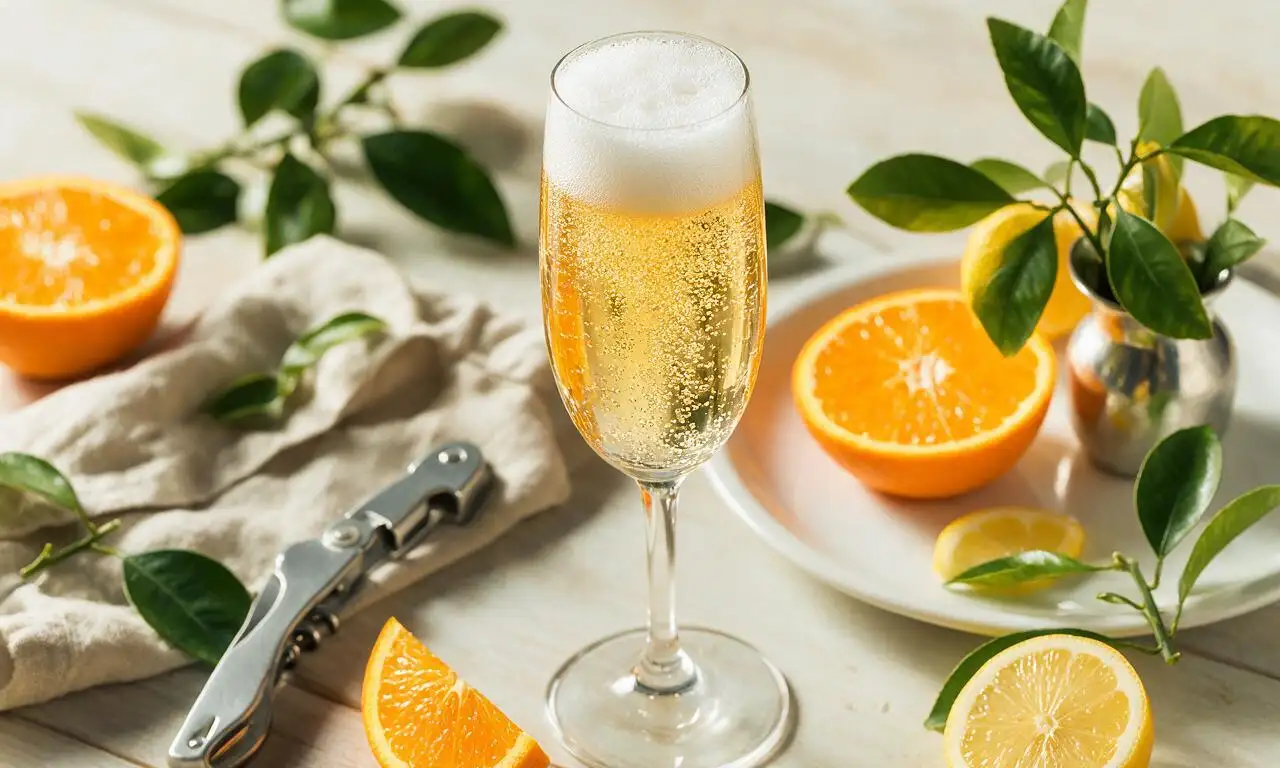
Crisp, effervescent traditional-method sparkling wine with fine, long-lasting bubbles and bright citrus notes, made for celebratory toasts.
Ingredients
Steps
Sanitize all equipment
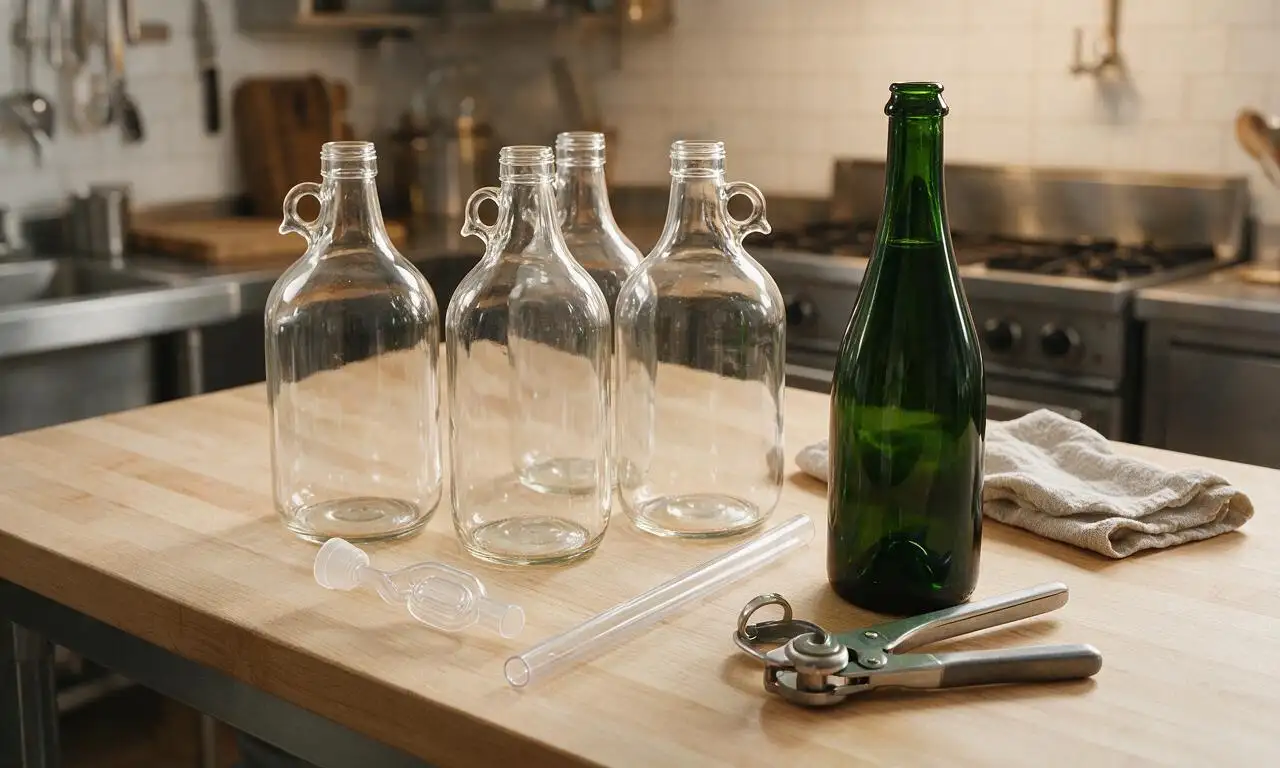
Wash all 4L glass fermentation carboys, rubber airlocks, siphon tubing, thick-walled sparkling wine bottles, and capping tools with no-rinse food-grade sanitizer, ensuring every surface that touches the wine is fully coated. Air dry completely for 10 minutes at room temperature (20°C/68°F) to prevent off-flavors or bacterial contamination.
Start primary fermentation
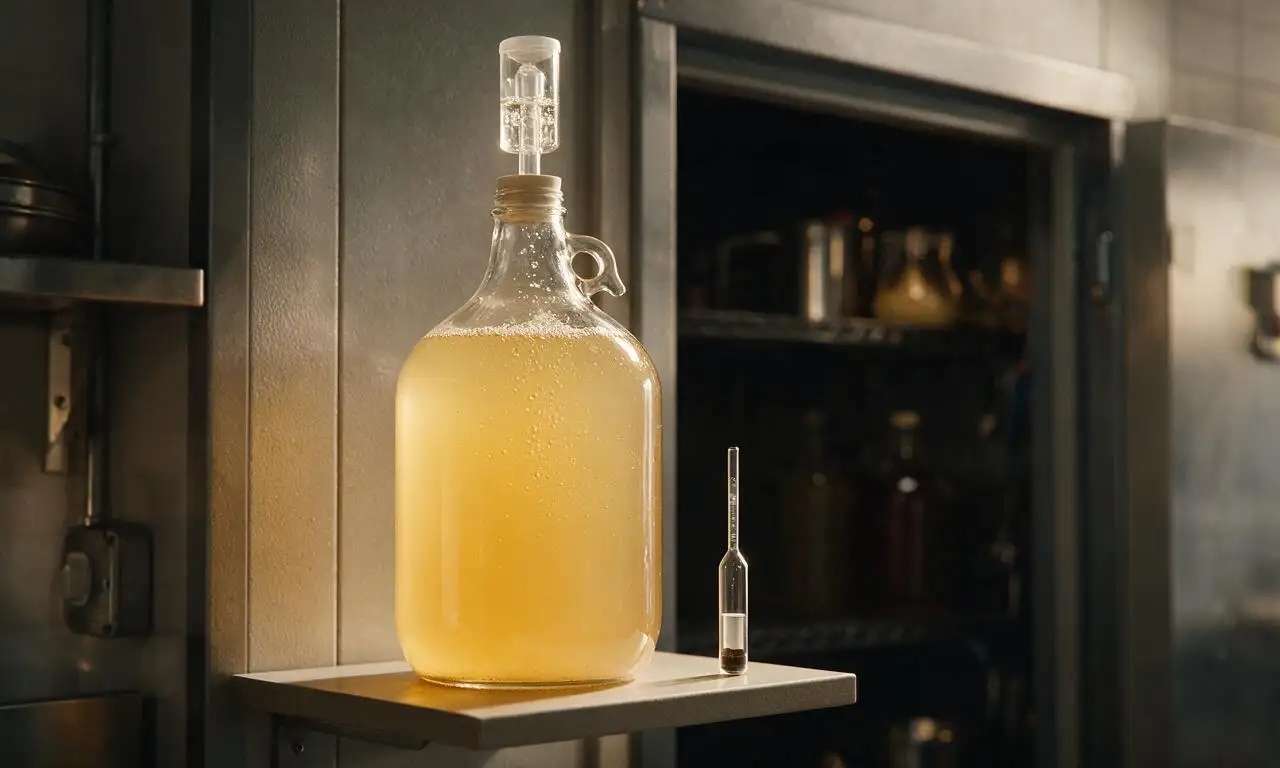
Pour 3.8 L (1 US gallon) of preservative-free cold-pressed Chardonnay juice into a sanitized 4L glass carboy, add 5 g (1 tsp) of yeast nutrient and 5 g (1 standard packet) of EC-1118 champagne yeast. Seal the carboy with a rubber stopper and airlock filled halfway with sanitizer, then store in a dark, consistently 18°C (65°F) space for 14 days, until a hydrometer reads 0.990 specific gravity to confirm fermentation is complete.
Clarify the young wine
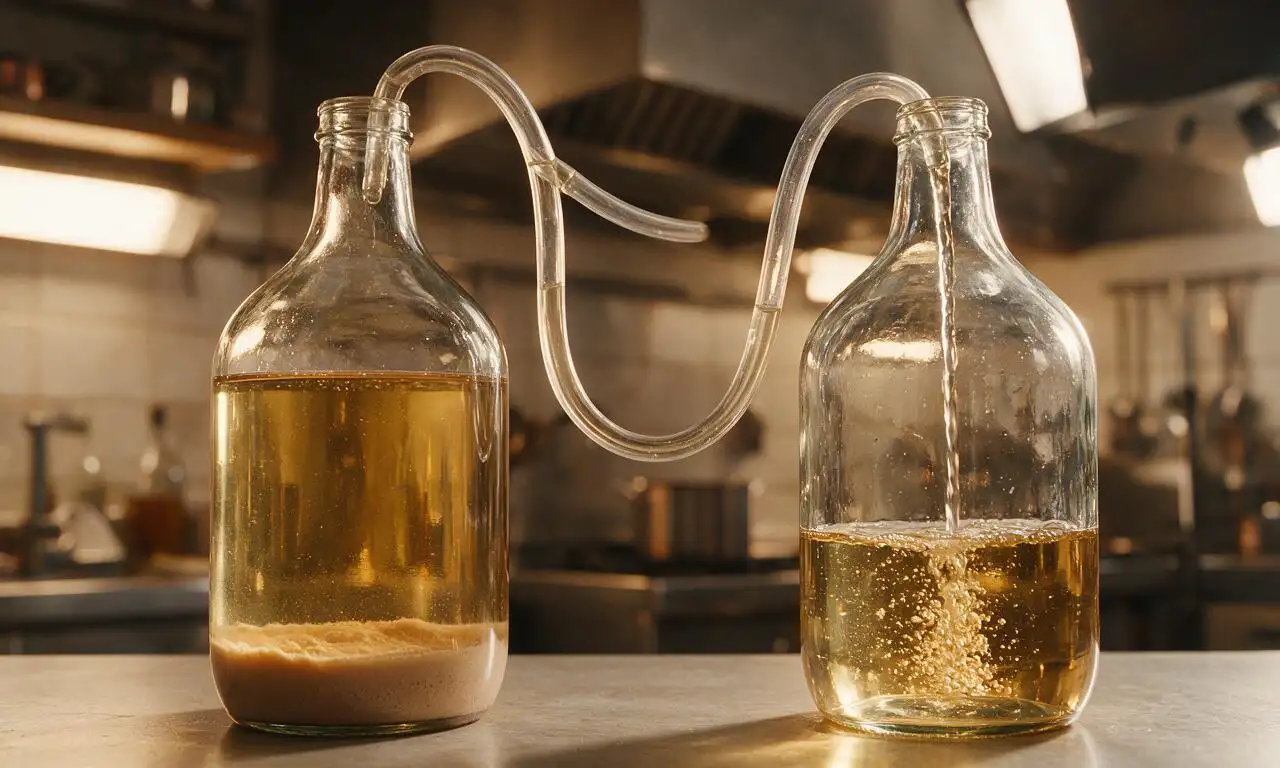
Once primary fermentation finishes, siphon the clear young wine off the thick layer of beige dead yeast sediment at the bottom of the carboy into a second sanitized carboy. Add 3 g (1/2 tsp) of rehydrated bentonite fining agent, re-seal with the airlock, and let rest for 7 days at a steady 16°C (61°F) until the wine is completely crystal clear with no visible haze.
Bottle for carbonation
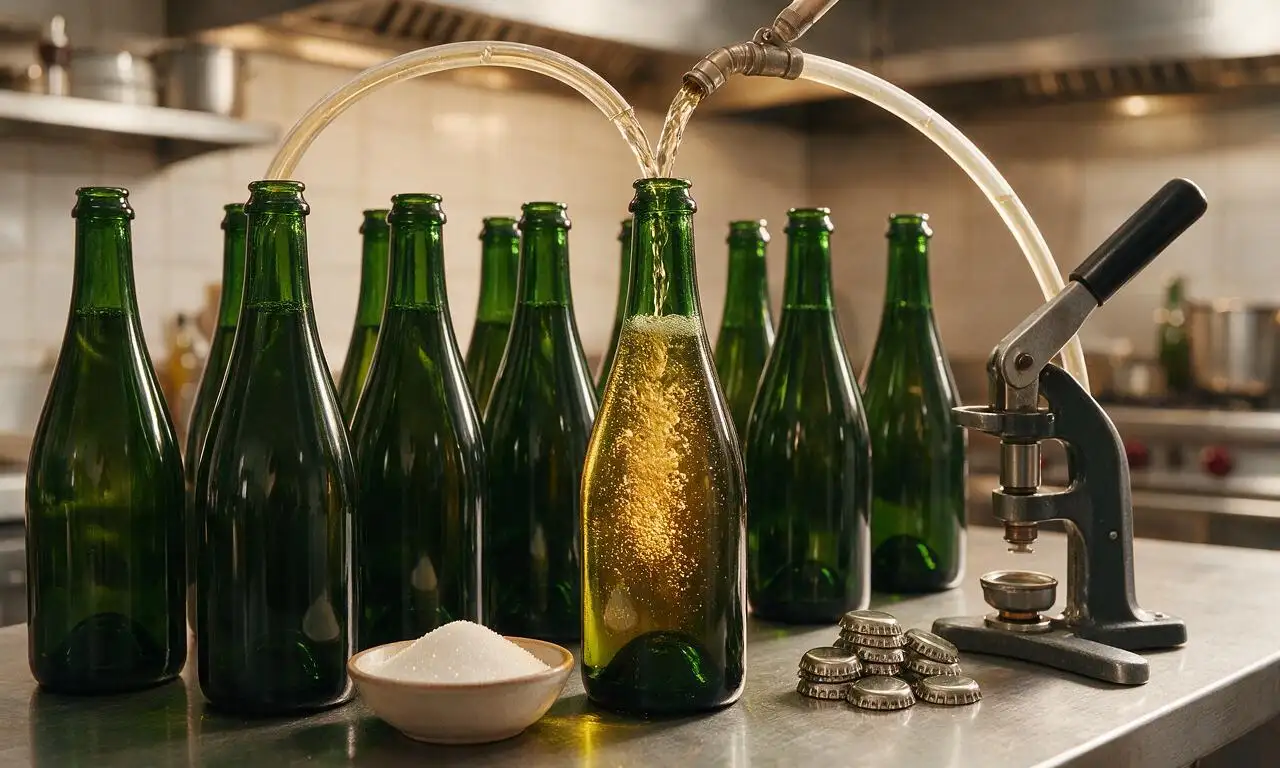
Mix 24 g (2 tbsp) of granulated white sugar evenly into the clarified wine to trigger secondary fermentation, which creates the wine’s signature bubbles. Siphon the wine into sanitized thick-walled sparkling wine bottles, leaving 2 cm (3/4 inch) of headspace at the top of each bottle, then seal tightly with metal crown caps. Store bottles horizontally in a dark, 13°C (55°F) space for 6 months to build carbonation and develop soft, complex flavor.
Riddle to collect sediment
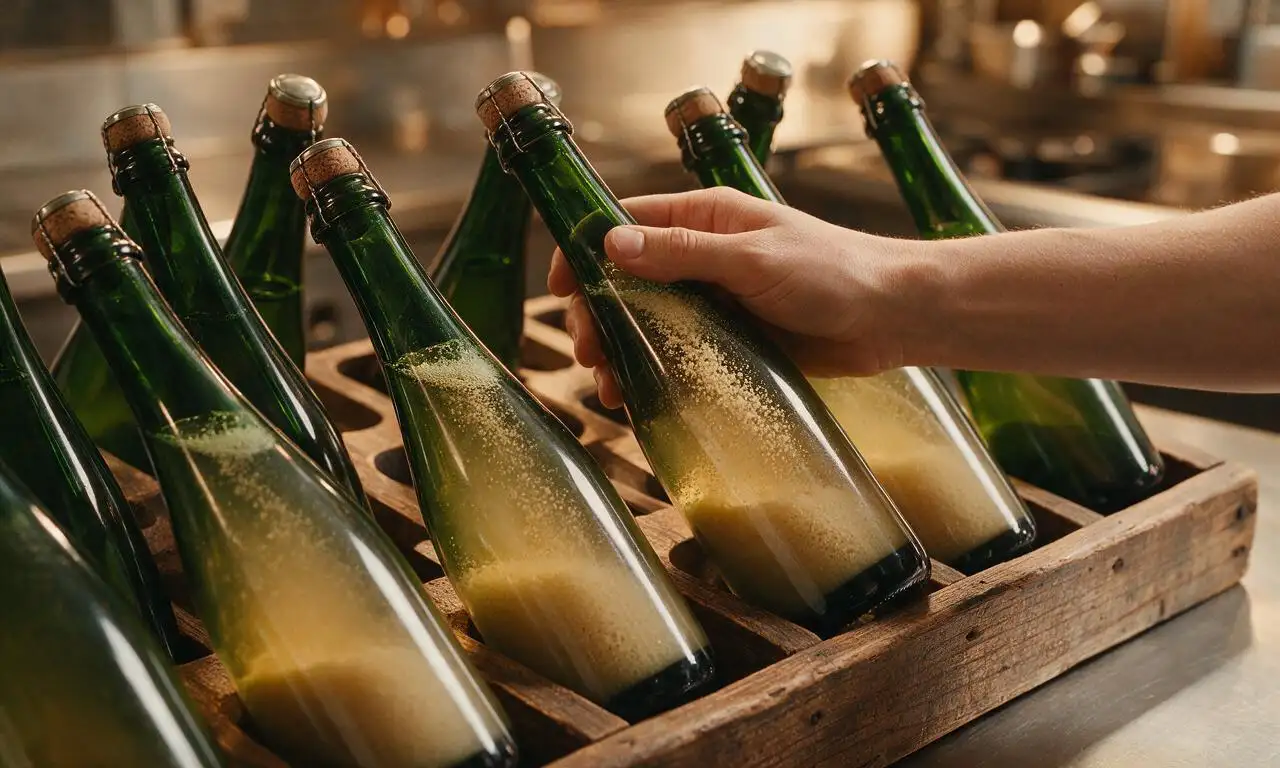
After 6 months of secondary fermentation, place bottles upside down at a 45-degree angle in a wooden riddling rack. Twist each bottle 1/4 turn and slightly increase the tilt angle every 24 hours for 21 days, until all dead yeast sediment collects in a tight plug in the bottle neck directly against the crown cap.
Disgorge and finish bottles
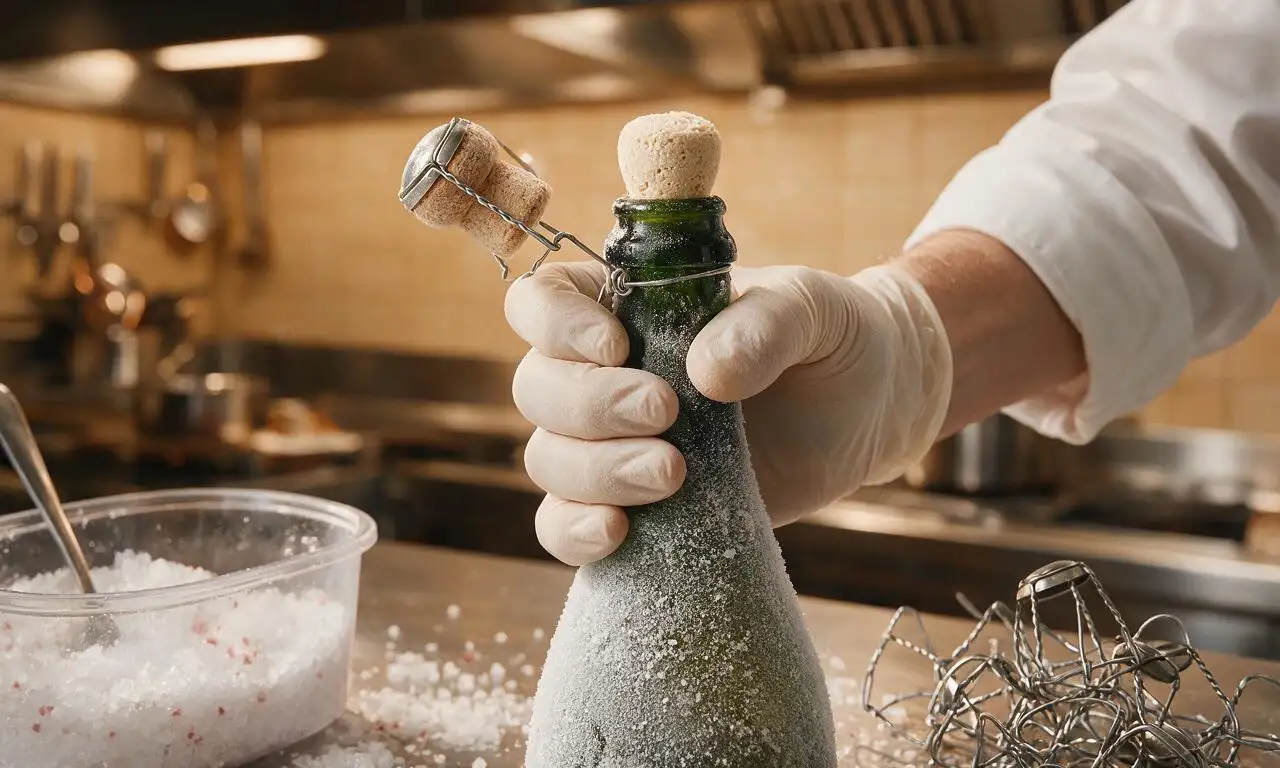
Chill bottle necks in a bath of 2 kg (4.4 lbs) ice and 200 g (1 cup) kosher salt held at -10°C (14°F) for 20 minutes to freeze the sediment plug solid. Carefully pop the crown cap to eject the frozen sediment plug, top each bottle with 15 ml (1 tbsp) of reserve clarified wine if needed to maintain proper fill level, then immediately seal with a sparkling wine cork and tight wire cage. Chill finished bottles to 6°C (43°F) before serving.
Tips
2.Do not add more than 24g of sugar for secondary fermentation; excess sugar creates over-pressurization that can cause sealed bottles to explode.
3.If you do not have a specialized riddling rack, use a cardboard box with angled cutouts to hold bottles at the required tilt during the sediment collection stage.






OMG I cannot believe I pulled this off! I was so intimidated by the hard difficulty rating and 7 month timeline, but the active prep really was only about an hour like the recipe said? I brought a bottle to my family’s Thanksgiving potluck last weekend and everyone was hounding me for the recipe. Tastes just as good as the $40 bottle of traditional method bubbly I usually splurge on for special occasions, SO good. Total game changer for holiday hosting!
Giving this 4 stars preemptively because the step-by-step instructions are so clear and easy to follow even for a total winemaking newbie like me! I’m planning to start a batch this weekend to serve at our wedding toast next summer, which feels so much more personal than buying bulk bubbly. Quick question though—will this turn out okay if I don’t have a dedicated wine fridge for the aging step? My basement stays a pretty consistent 55 degrees year round, would that work as a substitute?
I started a batch of this last year for our New Year’s Eve party and just cracked my final bottle last weekend, and can confirm it ages so beautifully! I added a tiny splash of elderflower liqueur at disgorging for a subtle floral note and it was chef’s kiss. My friends kept saying it was better than the fancy prosecco we had at my cousin’s bridal shower a few months back. Pro tip: set recurring calendar reminders for all the fermentation and riddling steps so you don’t miss a timeline marker—that’s the only way I stayed on track over the full 7 months, since it’s so easy to forget about the bottles sitting in storage!