1.Where can I source properly dressed bone-in squirrel for this stew?
▾
Your best bet is a licensed local wild game processor if you don’t hunt yourself—always confirm the squirrel was legally harvested, properly field dressed immediately, and sourced from an area with no known environmental contamination. Younger, 1–2 year old squirrels (under 2 pounds each) have the mild, tender meat ideal for slow simmering.
2.Do I have to use bone-in squirrel, or can I substitute boneless squirrel?
▾
Bone-in squirrel is non-negotiable for that deep, rich, traditional Appalachian stew flavor. The bones and connective tissue break down during slow simmering to add silky body and savoriness boneless meat can’t match. If you only have boneless, add a small beef or game bone to the pot while simmering to mimic that depth, then remove it before serving.
3.Why do you coat the squirrel in seasoned flour before browning it?
▾
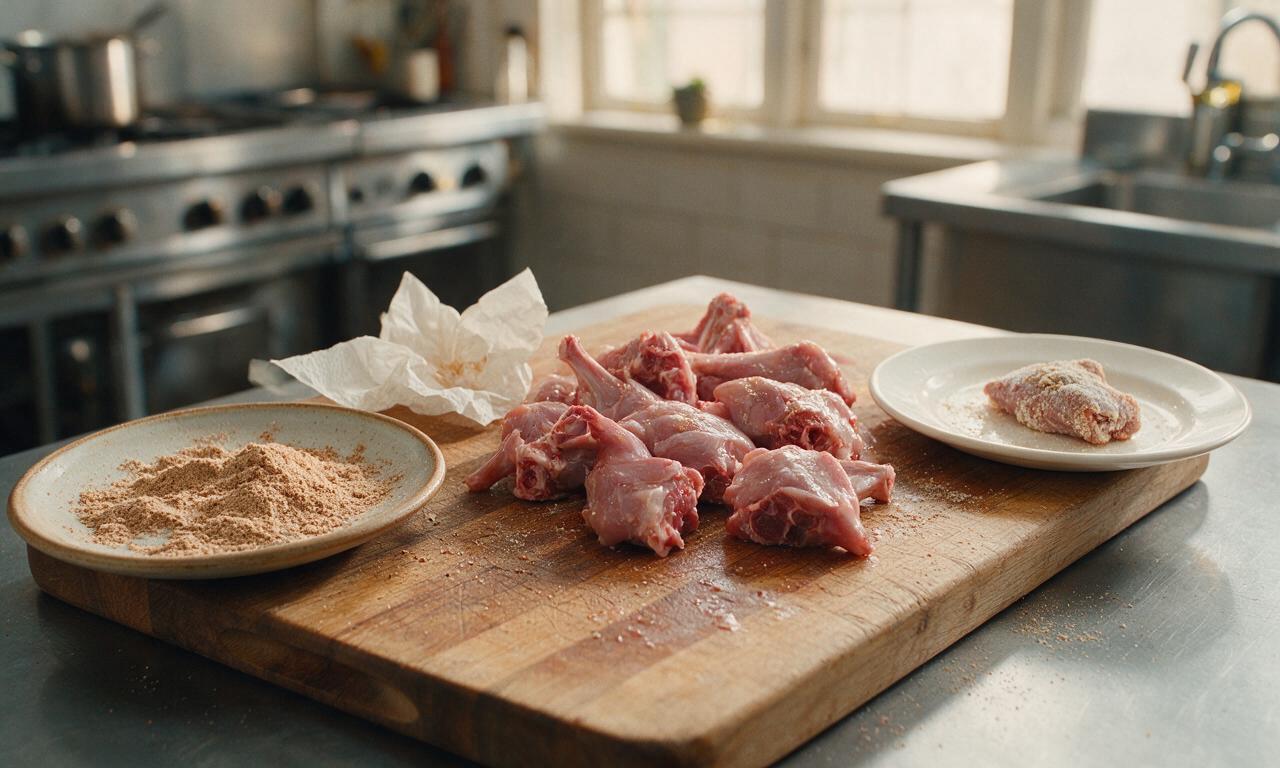
Coating the seasoned squirrel pieces in all-purpose flour serves two key purposes: it creates a crisp, golden, flavorful crust on the meat when seared, and the excess flour that sloughs off during browning thickens the stew naturally as it simmers. This means you won’t need a separate roux or slurry later for that perfect hearty, not-gloppy texture.
4.What’s the right ratio of salt, pepper, and smoked paprika for the seasoning mix?
▾
For 2–3 dressed squirrels (roughly 2.5 pounds of meat), mix 2 teaspoons of kosher salt, 1 teaspoon of freshly ground black pepper, and 1.5 teaspoons of smoked paprika to toss with the flour before coating the meat. Taste the stew halfway through simmering and add a pinch more salt if needed, since wild game flavor can vary slightly between animals.
5.Can I swap the all-purpose flour for a gluten-free alternative?
▾
Absolutely! Swap the all-purpose flour 1:1 for a fine, all-purpose gluten-free flour blend that contains xanthan gum for coating the squirrel, and you’ll get nearly identical browning and thickening results. Avoid coarse grain flours like cornmeal here, as they’ll create a gritty texture rather than a smooth, velvety stew base.
6.How long do I need to simmer the stew to get perfectly tender squirrel meat?
▾
Plan for a low, slow simmer of 1.5 to 2 hours on the stovetop (or 4 hours on low in a slow cooker) to get fall-off-the-bone tender squirrel. Wild game is far leaner than farmed meat, so high, fast boiling will make it tough and stringy—keep heat low enough that only small, gentle bubbles break the stew surface.
7.What root vegetables are traditional to use in this Appalachian stew?
▾
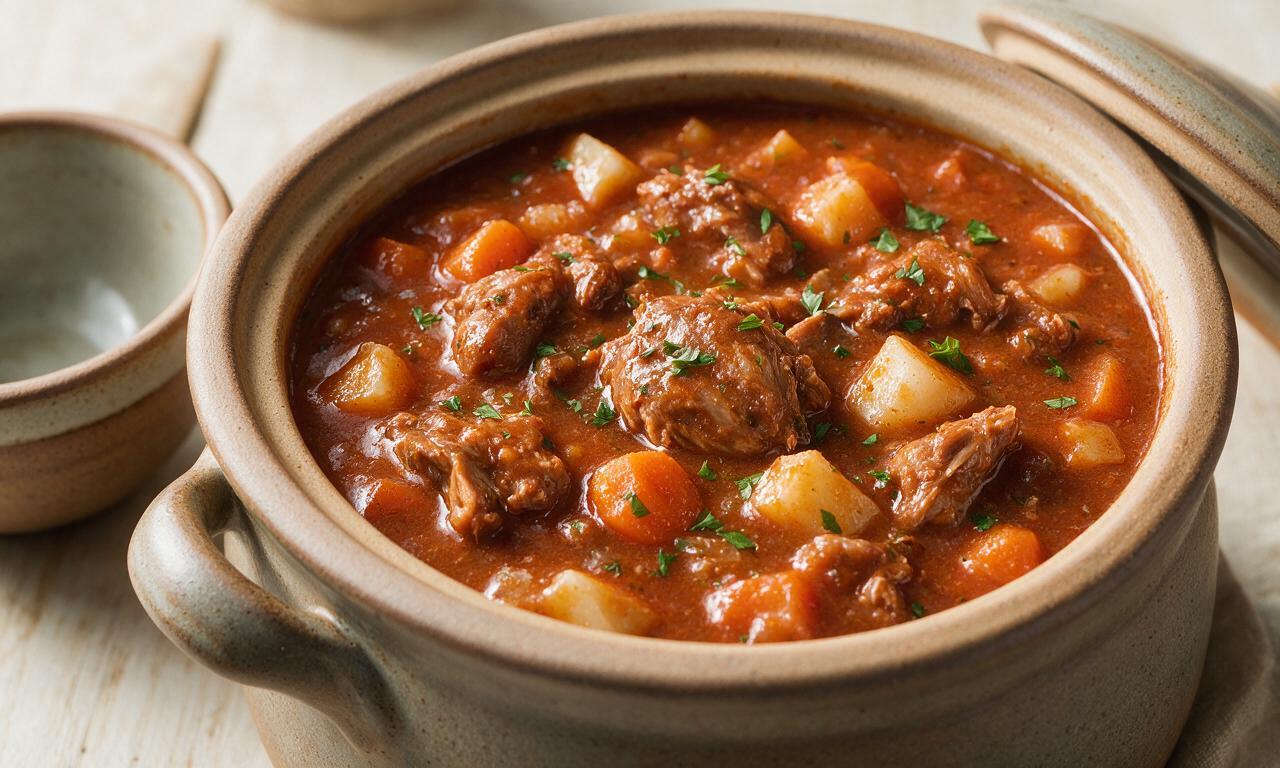
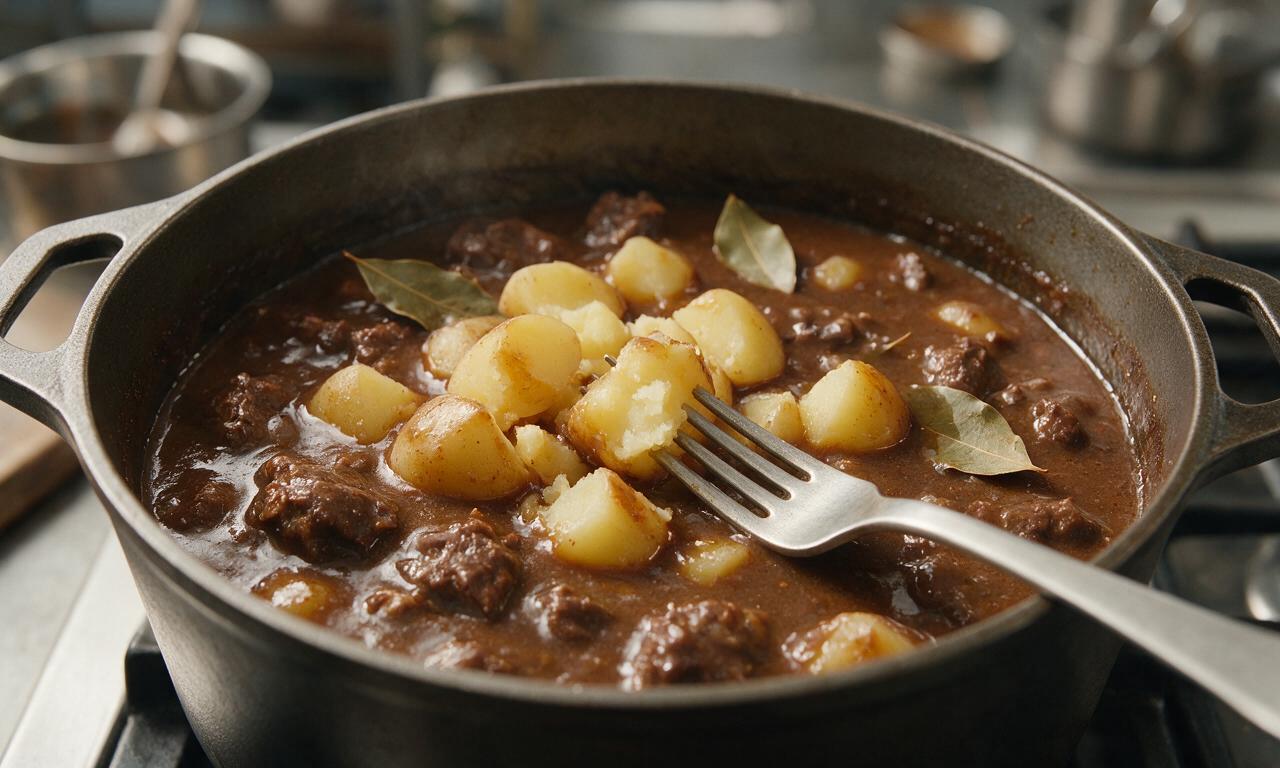
Classic Appalachian versions stick to hardy, storage-friendly root veggies that hold up to long simmering: cubed russet potatoes, diced carrots, parsnips, turnips, and small whole pearl onions. Skip soft veggies like zucchini or fresh tomatoes early on—they’ll turn mushy and dilute the deep, savory game flavor if added too soon.
8.Does squirrel meat taste gamey, and how can I mellow that flavor if it does?
▾
Young, properly handled squirrel has a mild, nutty, slightly sweet flavor similar to dark chicken or rabbit, not overly gamey. If you’re working with older squirrel or prefer a milder taste, soak the dressed pieces in cold salted water in the fridge for 2–4 hours before cooking, then pat completely dry to cut any strong, wild notes.
9.Is it really necessary to sear the squirrel before adding the stew liquid?
▾
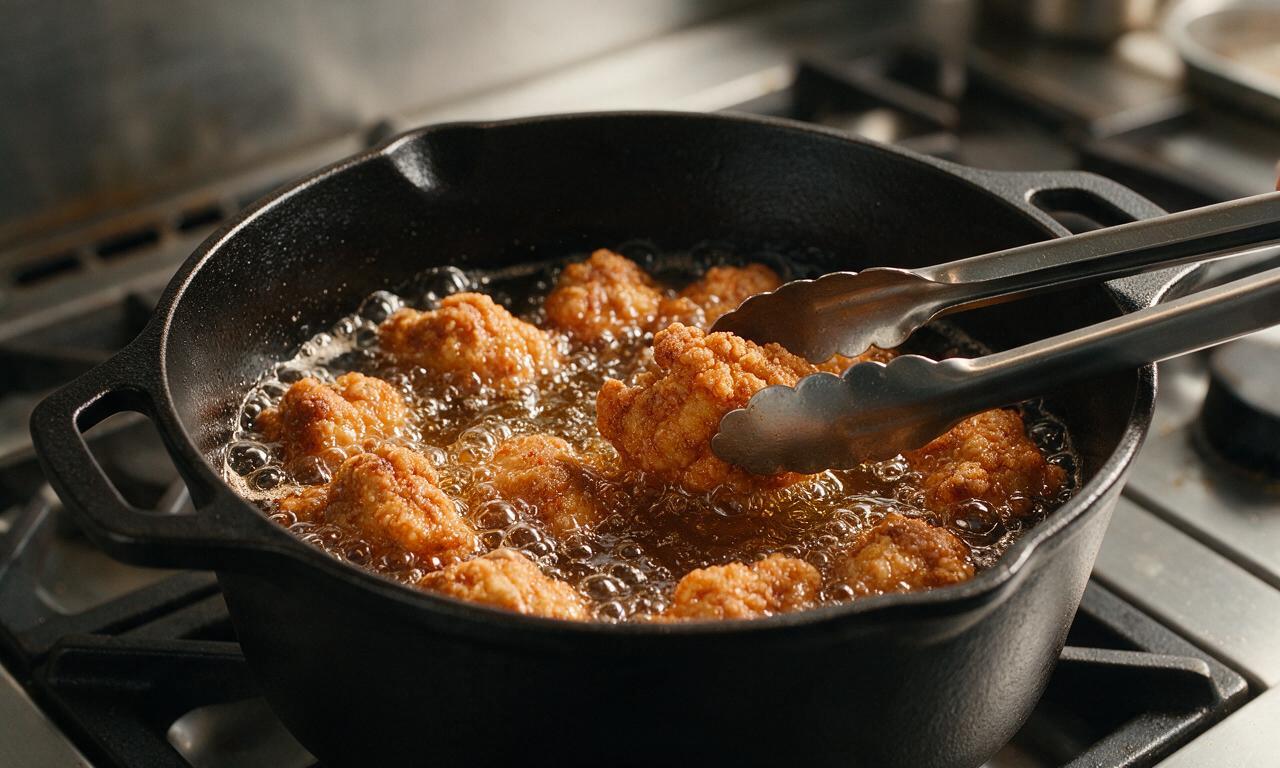
Searing is a non-skippable step for deep, complex flavor. After coating in the seasoned flour, sear the squirrel pieces in hot lard or bacon grease (traditional for this recipe) over medium-high heat for 2–3 minutes per side until deep golden brown. This builds the flavorful browned bits (called fond) at the pot bottom that define the stew’s rich taste.
10.What type of pot works best for making this stew at home?
▾
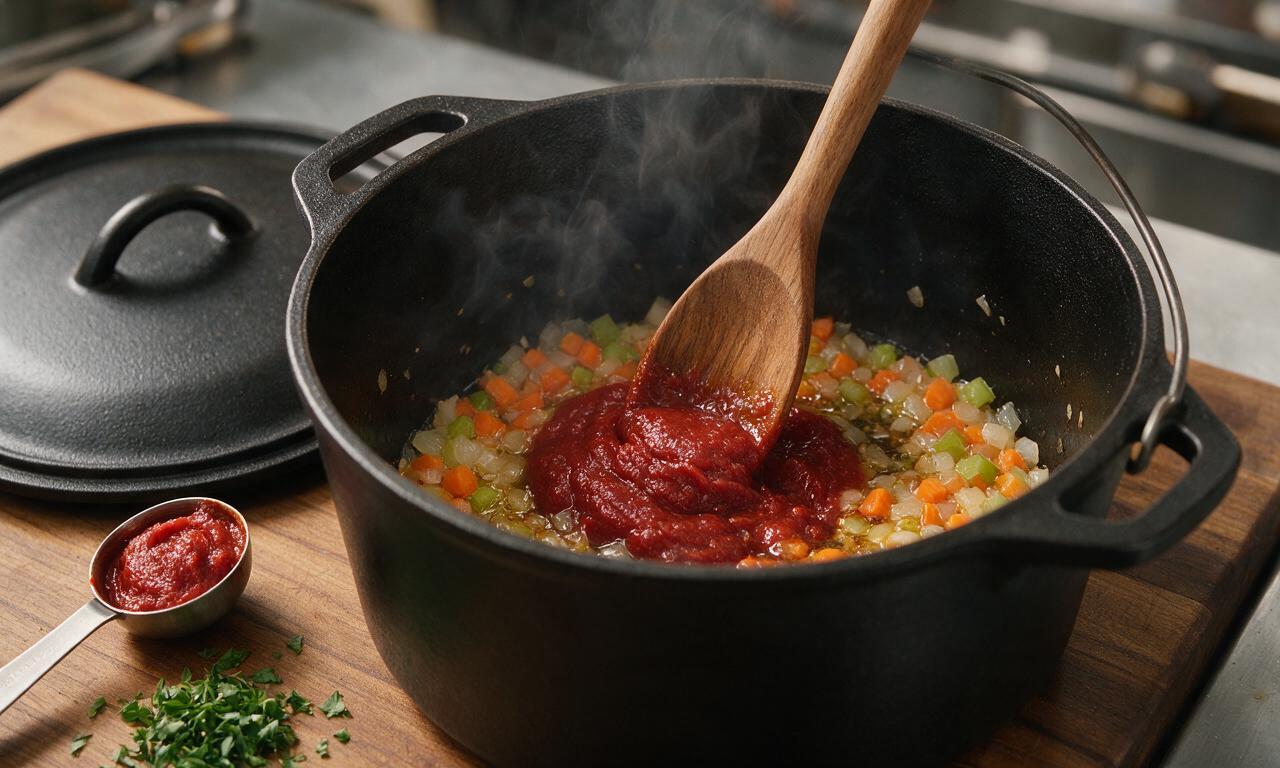
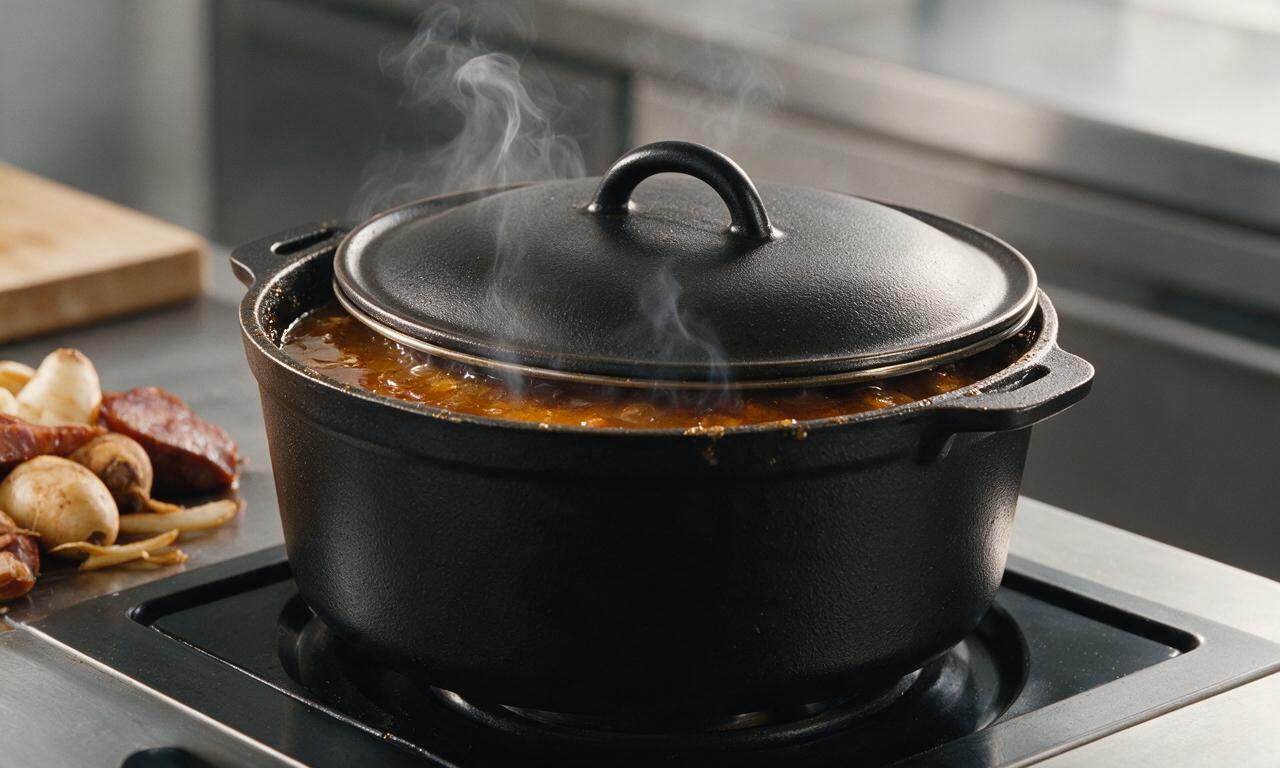
A heavy-bottomed enameled cast iron Dutch oven is actually the ideal vessel for this stew—it retains even, consistent low heat for slow simmering, moves seamlessly from stovetop searing to oven braising if you prefer, and prevents the stew bottom from scorching during the long cook time. No special backcountry camp pot is required for great home results.
11.What herbs are traditionally used to flavor Appalachian squirrel stew?
▾
Stick to simple, hardy, pantry-staple herbs true to Appalachian tradition: a couple sprigs of fresh thyme, one bay leaf, and a pinch of dried sage. Avoid strong, overpowering herbs like rosemary or heavy spice blends—they’ll cover up the delicate, nutty flavor of the squirrel instead of complementing it. Remove the bay leaf and woody thyme stems before serving.
12.Is squirrel meat safe to eat, and what temperature should it be cooked to?
▾
Squirrel is perfectly safe to eat when properly harvested, handled, and cooked to a safe internal temperature of 165°F, measured with a meat thermometer at the thickest part of the meat away from bone. As with all wild game, avoid meat from animals that appear sick, and follow local game consumption advisories for your area.
13.Can I freeze leftover squirrel stew for later meals?
▾
Absolutely! This stew freezes beautifully for up to 3 months in airtight, freezer-safe containers. Let the stew cool completely in the fridge first before portioning, and leave ½ inch of headspace in each container to allow for expansion as it freezes. Thaw overnight in the fridge and reheat gently on the stovetop until piping hot.
14.Why did my squirrel meat turn out tough and chewy, and can I fix it?
▾
Tough, chewy squirrel almost always comes from two common mistakes: cooking the stew at too high a boil instead of a low slow simmer, or using older, mature squirrel that needs longer cook time. If your meat is chewy, keep simmering on low for another 30–45 minutes, adding a splash more broth if needed, until it pulls easily from the bone.
15.What kind of liquid should I use as the base for the stew?
▾
Traditional recipes use low-sodium chicken or vegetable broth, or homemade game stock if you have it, for the simmering liquid. Avoid heavy, salty beef broth—it will overpower the mild squirrel flavor. You only need enough liquid to cover the meat and veggies by about 1 inch; too much will make the stew thin and watery instead of rich and hearty.
16.Do I need to pick all the bones out of the stew before serving?
▾
You can serve the stew bone-in for a rustic, traditional presentation, just warn guests to watch for small rib and leg bones as they eat. If you prefer boneless stew, pull the seared squirrel pieces out after 1 hour of simmering, pick all the tender meat off the bones, discard the bones, and return meat to the pot to finish cooking with veggies.
17.Can I add bacon or other smoked pork to this stew for extra flavor?
▾
Absolutely—many Appalachian home cooks render a few slices of thick-cut smoked bacon in the pot before searing the squirrel, using the rendered bacon fat instead of oil for browning, and toss crumbled cooked bacon back into the stew right before serving. It adds an extra layer of smokiness that pairs perfectly with the paprika and wild game flavor.
18.My stew turned out too thin after simmering—how do I thicken it properly?
▾
If your stew is too thin after simmering, mix 1 tablespoon of all-purpose flour with 2 tablespoons of cold water to make a smooth slurry, then stir it into the gently bubbling stew and cook for 5–7 minutes until it thickens to your preferred consistency. Don’t dump dry flour straight into hot stew, as that will create hard-to-stir-out lumps.
19.What side dishes pair best with this hearty squirrel stew?
▾
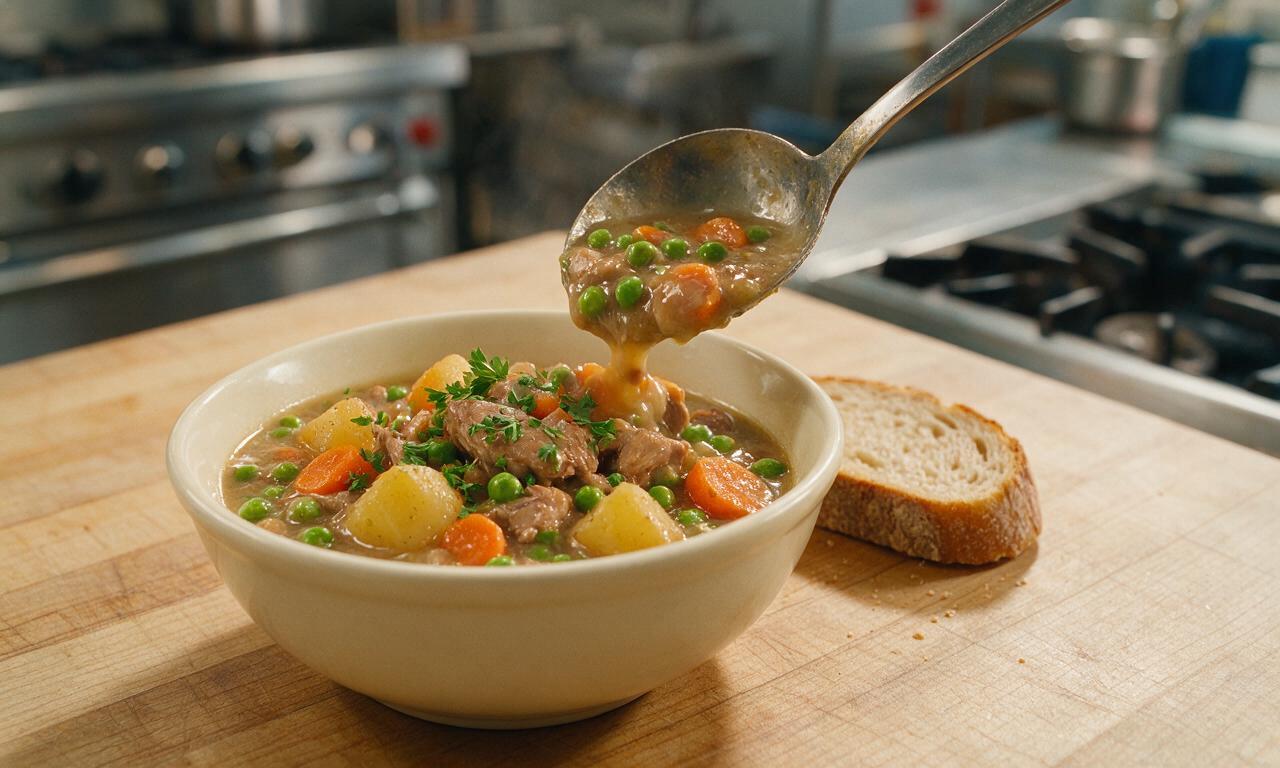
Keep it simple and true to the Appalachian comfort food vibe: serve the stew alongside warm skillet cornbread, flaky buttermilk biscuits, or a side of braised collard greens. The bread is perfect for sopping up the rich, savory broth, and the bright, slightly bitter greens cut through the richness of the slow-simmered meat and root veggies.
20.Can I make this stew over a campfire like traditional backcountry cooks do?
▾
Of course! For an authentic camp version, set your Dutch oven on a grill grate over low, glowing campfire coals (not open roaring flame) and follow the exact same steps: sear the squirrel, add veggies and broth, cover, and simmer for 2 hours, checking occasionally to make sure heat stays low and the stew doesn’t scorch on the bottom. It’ll taste even better with a hint of campfire smoke.

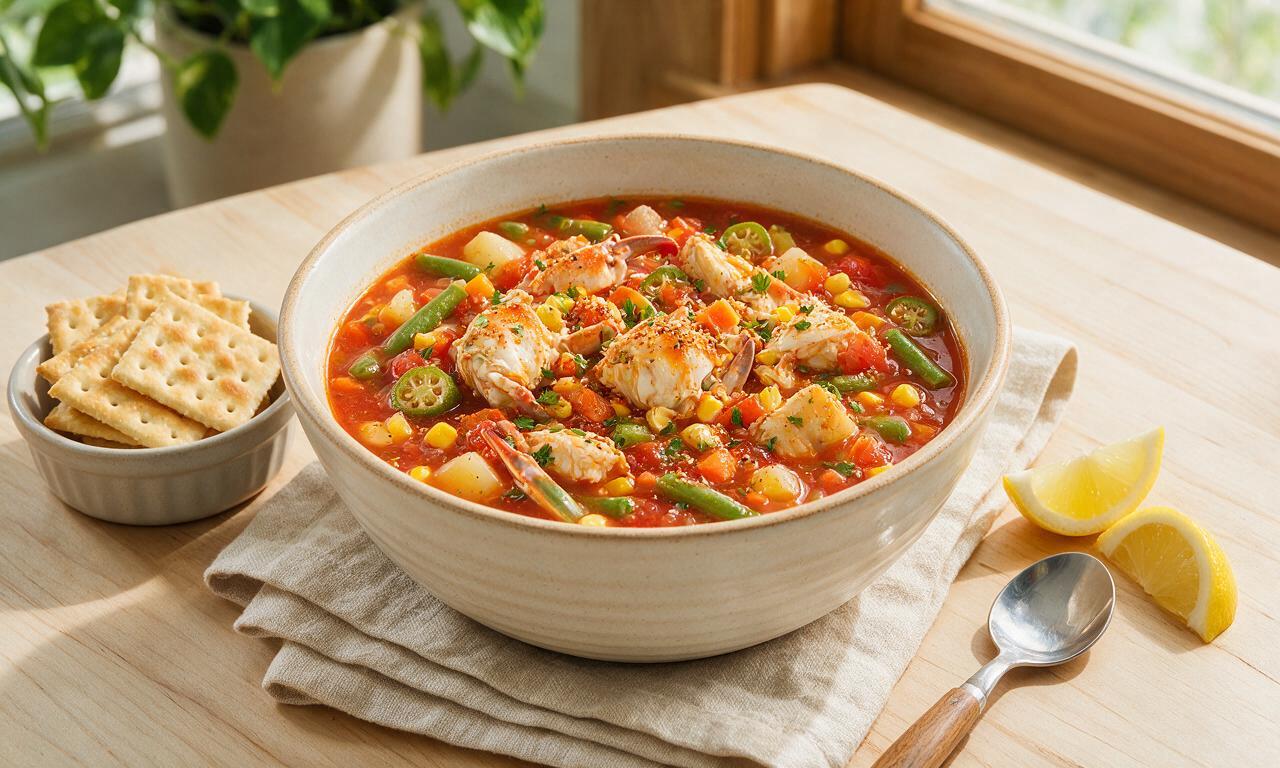
OMG I grew up eating squirrel stew with my papaw in eastern KY but never nailed the recipe till now! This tastes exactly like I remember, so rich and hearty. Served it with cast iron cornbread for our Sunday family dinner and even my picky teen went back for seconds. SO good!
Full transparency, I was super nervous to cook squirrel for the first time! The instructions were so clear though, even for medium difficulty. The meat came out tender, the root veggies soaked up all that savory broth, my whole crew was impressed. Will 100% make this again during hunting season.
Made a big batch of this on Sunday for meal prep this week and it held up so much better than I expected! The flavors actually got better each day it sat in the fridge. I added a little extra cayenne for a kick and it was chef’s kiss. Perfect cold weather food.
Y’all I swore I hated squirrel after my uncle made a super gamey, tough version when I was a kid. My partner talked me into trying this recipe with the squirrels he got last hunt and wow, I ate my words. The vinegar soak tip you included made all the difference in cutting that gamey taste!
Brought this to our neighborhood fall potluck last week and people were hounding me for the recipe before I even set the crock down! I used a mix of sweet potato and regular potato like my grandma used to, and it paired so well with the savory broth. Total hit.
Super budget friendly if you hunt your own squirrel! Me and my roommates made this after a weekend camping/hunting trip and it cost us basically nothing besides the veggies. Tasted way fancier than it had any right to, 10/10
Really solid recipe, but I found 2 hours 15 minutes wasn’t quite enough cook time for the older, larger squirrels I used. Ended up simmering for an extra 45 minutes to get the meat fall-off-the-bone tender. Still tasted amazing though, just a heads up for folks with bigger game!
I’m notoriously bad at cooking game meat, I always overcook it or under season it. Followed this recipe step by step for my kid’s birthday dinner (he’s obsessed with all things hunting/wild game) and he said it was the best meal I’ve ever made. Cried a little, not gonna lie.
Tweaked this a little to add a can of rotel and a diced jalapeno for some heat, and oh my gosh it was perfect. The base recipe is so solid you can really customize it to your taste without messing it up. My kids loved it too, they just picked around the jalapenos lmao
So happy this is naturally gluten free! I didn’t have to swap a single thing to make it work for my celiac diet. It’s so hard to find hearty, comforting cold weather recipes that don’t require a million weird flour substitutes, this is a new staple.
I’ve been making squirrel stew for 40+ years and I have to say, your ratio of veggies to broth to seasoning is spot on. I usually add a bay leaf which I didn’t see in the recipe, but otherwise this is exactly how my mom taught me to make it back in the mountains. Well done.
Great macro breakdown for anyone tracking! High protein from the squirrel, tons of nutrient dense veggies, not heavy on empty calories. I skipped the potatoes and added extra celery and carrots to cut a few carbs and it was still super filling. Great post-hike meal.
Served this at our annual hunting season kickoff party alongside buttermilk biscuits, fried green tomatoes, and apple butter. People went back for thirds! The broth is so deeply flavored, you can tell it’s made with care instead of just throwing random ingredients in a pot.
Full city girl over here, I bought pre-cleaned squirrel from a local wild game butcher because I had zero interest in cleaning them myself lmao. This stew was so cozy and delicious, I felt like I was at a cabin in the mountains even though I’m in a downtown apartment. 10/10 would make again.
Made this on my wood stove while we were without power during that last cold snap, and it was the best warm up meal imaginable. Didn’t even measure the seasonings, just eyeballed it like the recipe said you could, and it turned out perfect. Hearty, filling, sticks to your ribs just like good stew should.
I’m the pickiest eater on the planet and I was convinced I’d hate squirrel, but my cousin made this when I visited last weekend and I had two bowls. It just tastes like really rich, dark meat chicken? No weird flavor at all. I’m shocked how much I liked it.
Wanted to love this, but my squirrel meat came out really tough and a little gamey even after following the directions. I think I used really fresh young squirrels too, so I’m not sure what went wrong. Flavor of the broth was great, just the meat was off.
Moved out west for work 10 years ago and I’ve been craving a proper Appalachian squirrel stew this whole time. This recipe transported me right back to my grandma’s porch in West Virginia. Made it for my roommates who’d never had squirrel before and they were blown away. Absolute game changer.