Squirrel Stew (Appalachian)

title 1
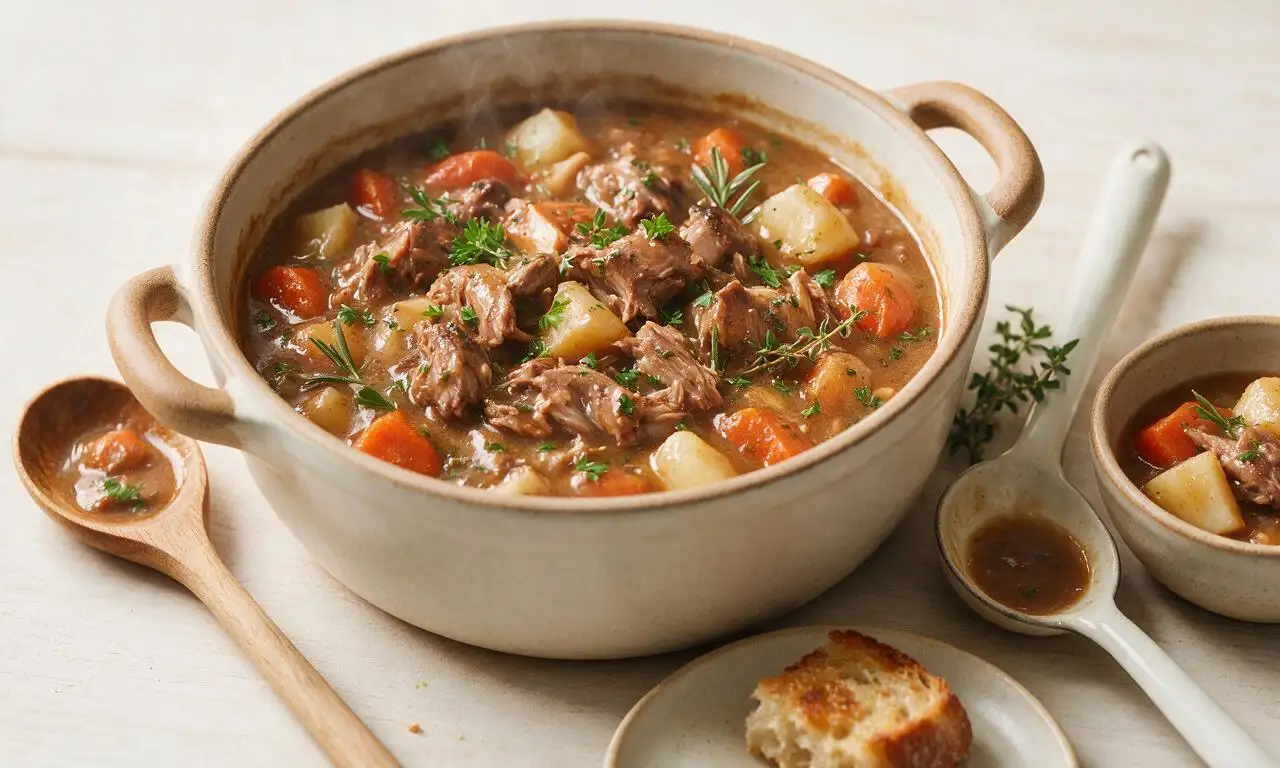
Squirrel Stew (Appalachian)
⏱️ cook time 2 hours 15 minutes
🍽️ servings 4
⚡ Difficulty medium

intro

A rustic, hearty mountain staple from the Appalachian region, slow-simmered with tender wild squirrel, root vegetables, and herbs for deep, old-fashioned comfort.

Ingredients

Dressed, cut-up wild squirrel (rinsed, patted dry) 2 whole, ~900g total
All-purpose flour 60g (1/2 cup)
Kosher salt 1 tablespoon
Freshly ground black pepper 1 teaspoon
Smoked paprika 1 teaspoon
Garlic powder 1/2 teaspoon
Neutral vegetable oil 45ml (3 tablespoons)
Yellow onion (diced) 200g (1 large)
Garlic cloves (minced) 10g (~3 cloves)
Celery stalks (chopped into 1cm pieces) 120g (2 stalks)
Carrots (peeled, cut into 2.5cm chunks) 180g (3 medium)
Russet potatoes (peeled, cut into 3cm chunks) 450g (2 large)
Low-sodium chicken broth 1L (4 cups)
Dried thyme 1 teaspoon
Whole bay leaf 1 leaf
Frozen sweet corn kernels 150g (1 cup)
Frozen lima beans 150g (1 cup)
Raw apple cider vinegar 15ml (1 tablespoon)

Steps

1

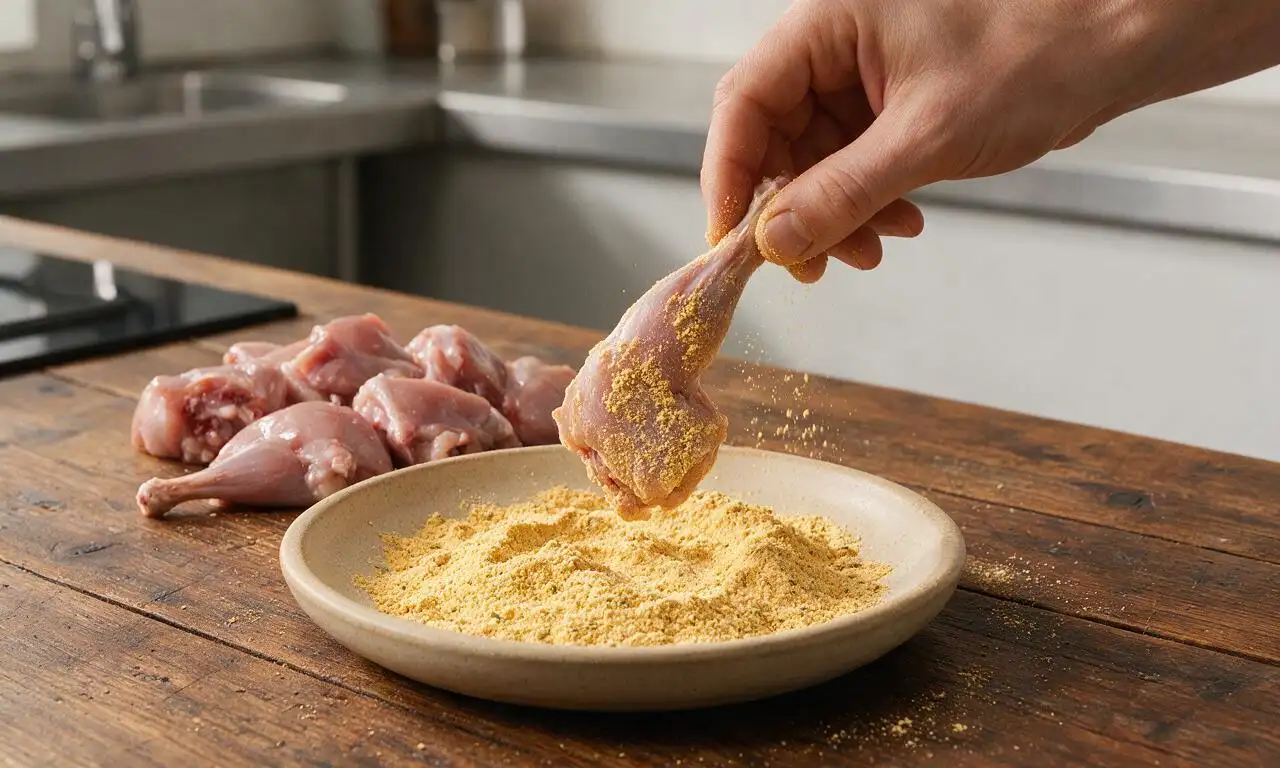
Coat the squirrel pieces

In a shallow dish, mix 60g all-purpose flour, 1 teaspoon of the kosher salt, all the black pepper, smoked paprika, and garlic powder until evenly combined. Dredge each patted-dry squirrel piece in the seasoned flour, shaking off excess coating so only a thin, even layer remains on all surfaces.
Step 1
step1:Coat the squirrel pieces
2

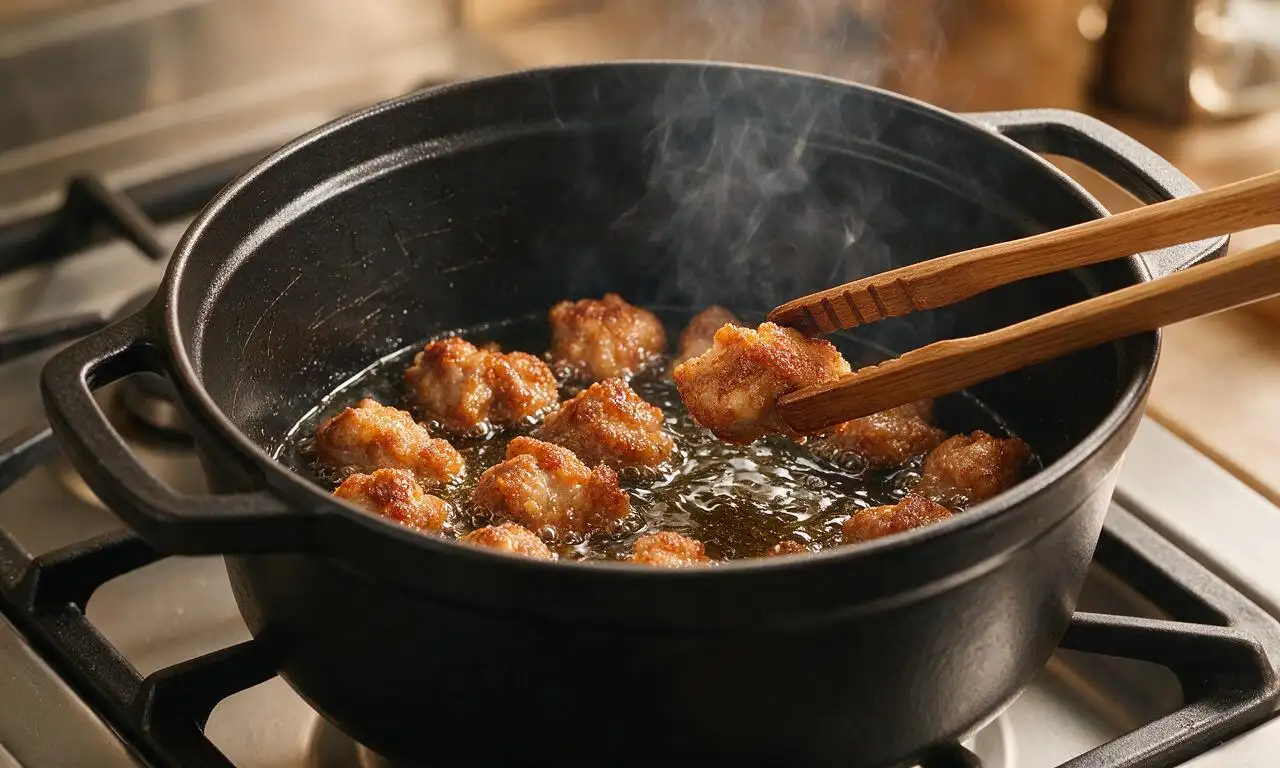
Sear the squirrel pieces

Heat 45ml vegetable oil in a heavy-bottomed 5L Dutch oven over medium-high heat until the oil shimmers (approximately 175°C). Working in 2 batches to avoid crowding the pot, sear squirrel pieces for 3-4 minutes per side until deep golden brown on all surfaces. Transfer seared pieces to a clean plate and set aside.
Step 2
step2:Sear the squirrel pieces
3

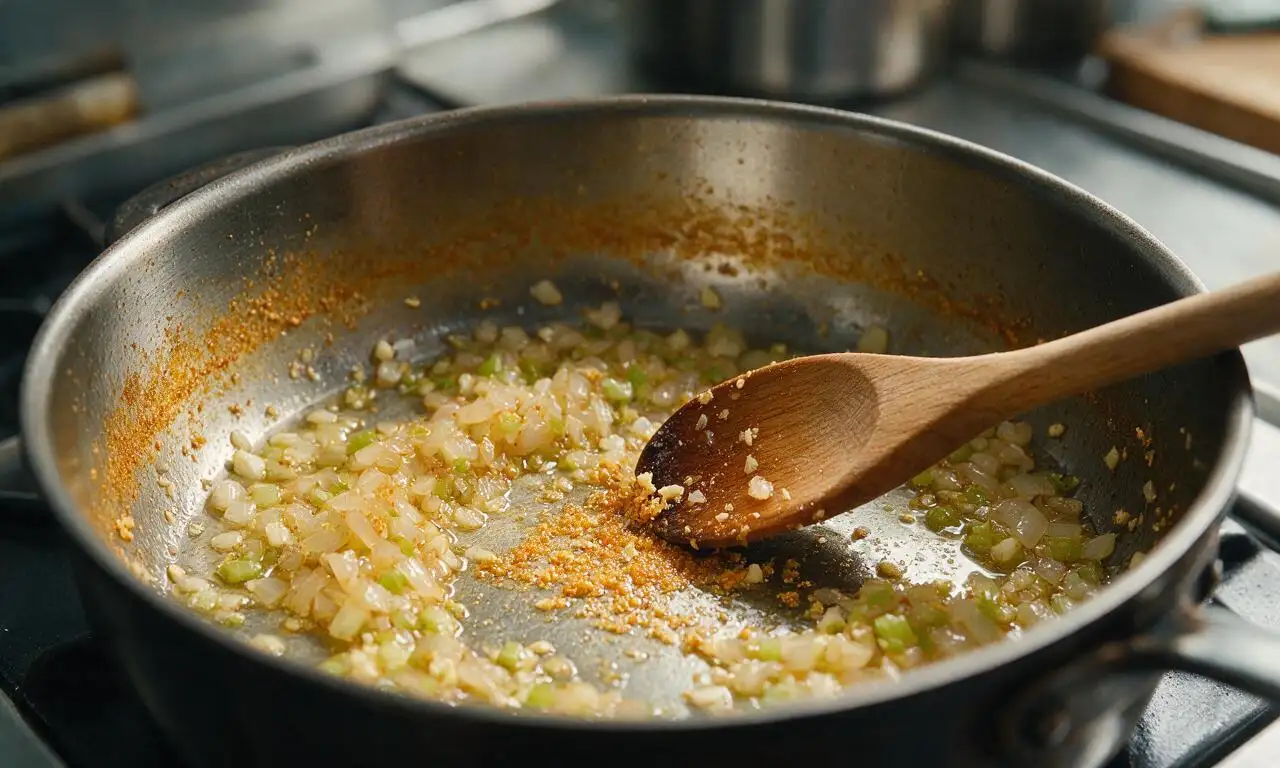
Saute the aromatic base

Reduce stovetop heat to medium, leaving 1 tablespoon of rendered oil in the Dutch oven. Add diced onion, chopped celery, and minced garlic, cooking for 5 minutes and stirring occasionally, until vegetables soften and turn translucent, scraping up any browned fond bits from the pot bottom as you stir.
Step 3
step3:Saute the aromatic base
4

Slow simmer the squirrel

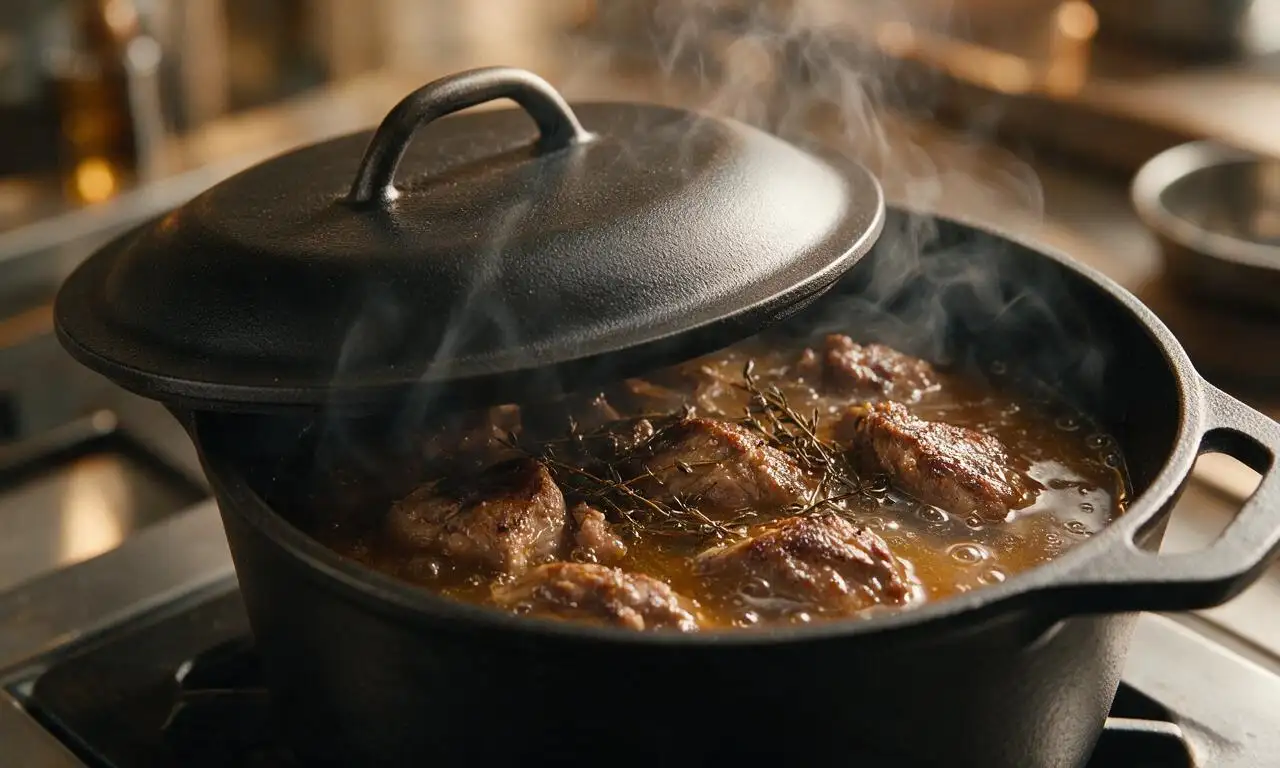
Return seared squirrel pieces to the Dutch oven, pour in 1L chicken broth, add dried thyme and the whole bay leaf, and stir to combine. Bring the liquid to a gentle rolling boil, then reduce heat to low, cover the pot, and simmer for 1 hour 15 minutes, until squirrel meat is nearly tender and pulls easily from the bone but does not fall off completely.
Step 4
step4:Slow simmer the squirrel
5

Add root vegetables

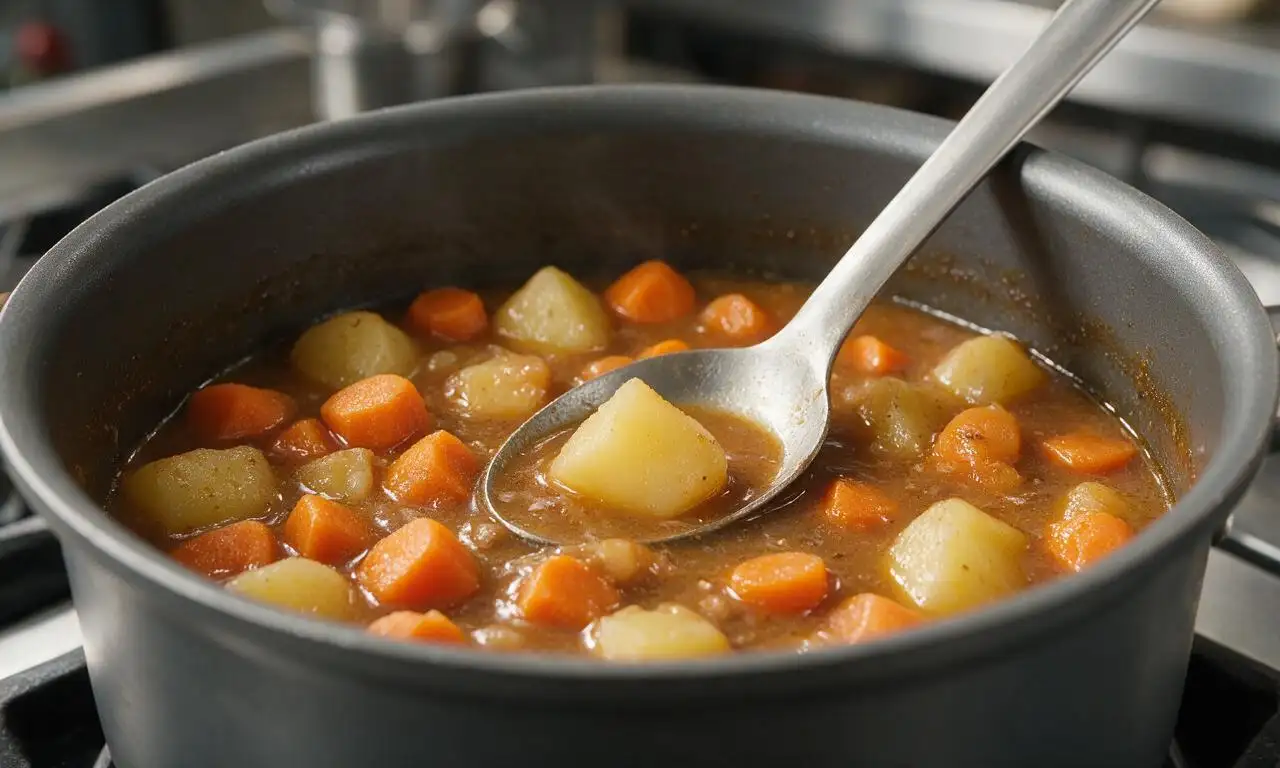
Uncover the pot, stir in the cut carrot and potato chunks, pushing them down to submerge fully in the broth. Return the lid to the pot, continue simmering on low heat for 25 minutes, until potatoes and carrots are fork-tender but not mushy.
Step 5
step5:Add root vegetables
6

Finish and season the stew

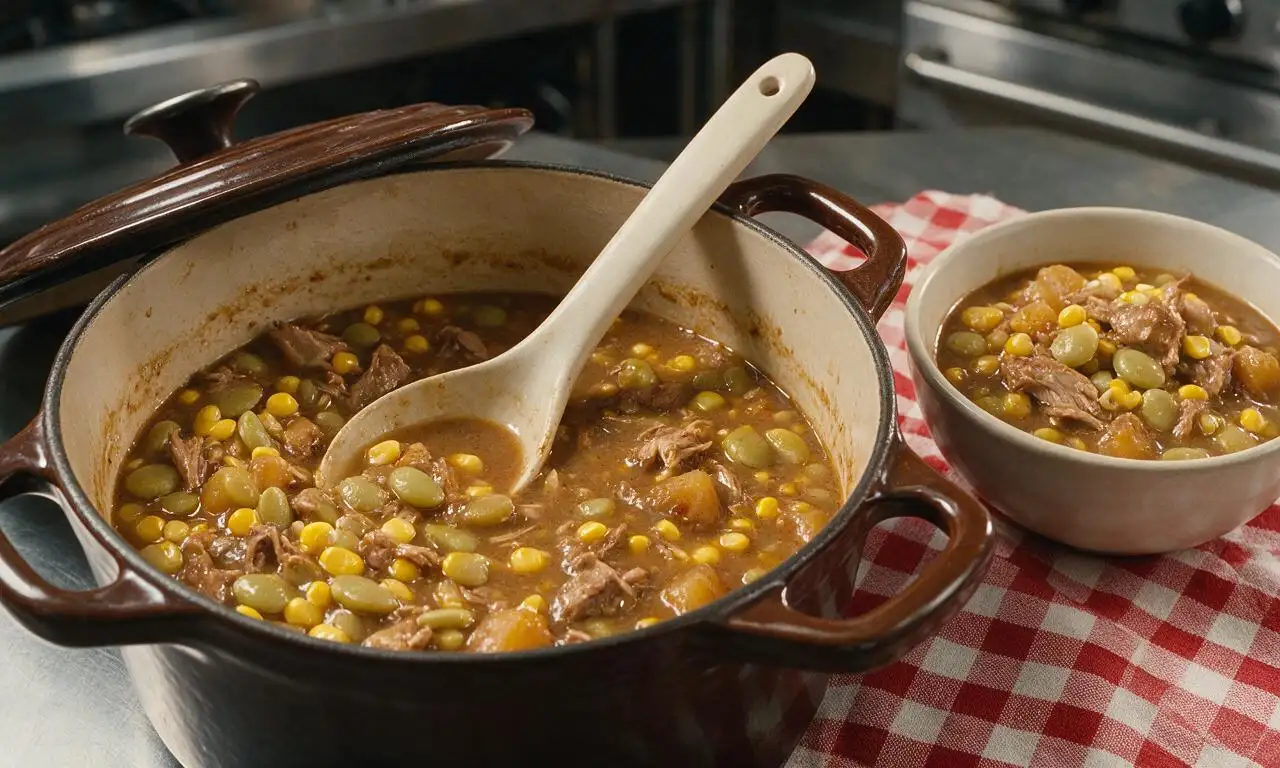
Stir in frozen corn, frozen lima beans, and the remaining 2 teaspoons of kosher salt, simmering uncovered for 10 minutes until beans and corn are heated through. Turn off the heat, remove and discard the bay leaf, stir in 15ml apple cider vinegar, and taste to adjust salt and pepper if needed before serving.
Step 6
step6:Finish and season the stew

Tips

1.If dressed wild squirrel is unavailable, substitute 900g of bone-in, skin-on rabbit pieces for a nearly identical texture and mild, gamey flavor profile.
2.Avoid simmering the stew at a high, rolling boil for extended periods, as this will make squirrel meat tough and stringy rather than fall-off-the-bone tender.
3.The tablespoon of apple cider vinegar added at the end cuts through the richness of the meat and starchy root vegetables, brightening the stew’s deep, savory flavor—do not skip this step.

✨ You May Also Like

Soups & Stews
🍜 Japan

Rich, umami-dense Hokkaido-style miso ramen with chewy noodles, savory fermented broth, and classic toppings, a cozy, deeply satisfying warm meal.

⏱️ 45 minuteSoups & Stews ★ 4.5
Soups & Stews
🍜 United States

A hearty, peppery tripe and root vegetable stew with colonial Philadelphia roots, thick, warming, and packed with bold savory flavor for cold winter days.

⏱️ 2 hours 3Soups & Stews ★ 4.6
Soups & Stews
🍜 Mexico

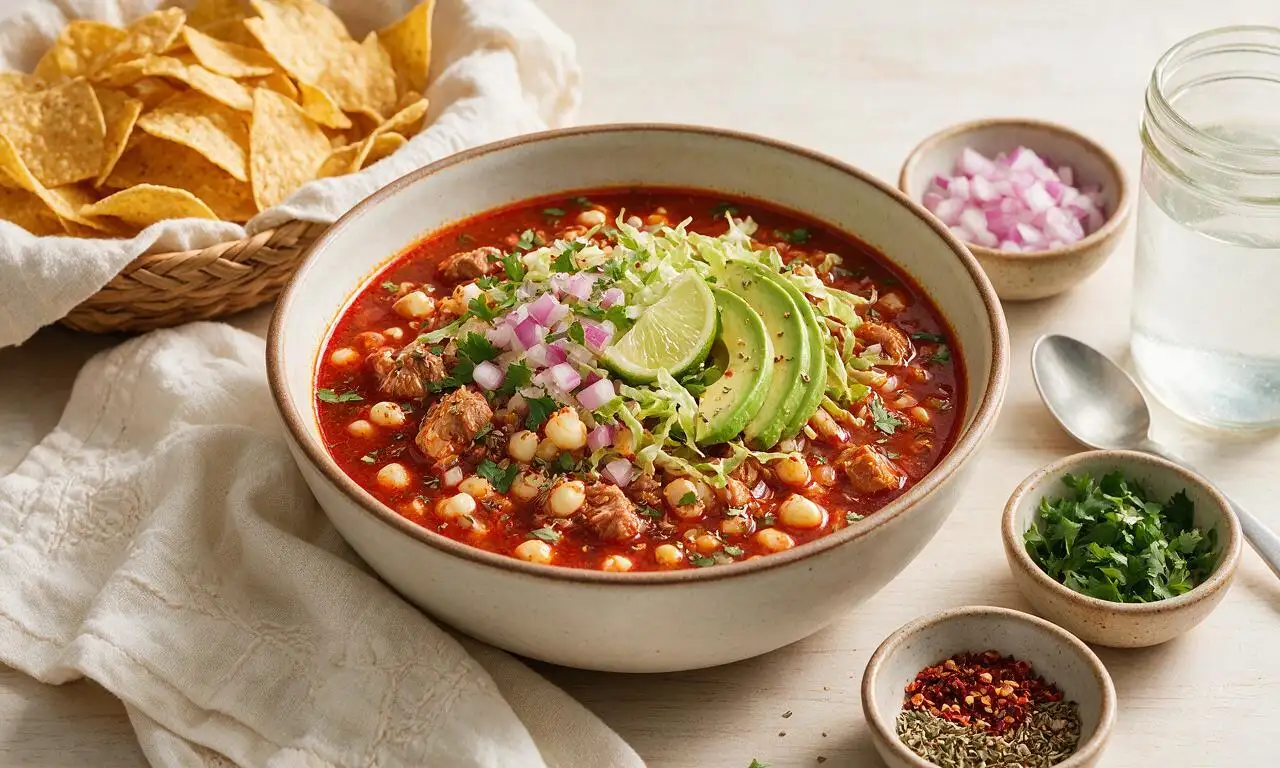
Hearty, warming red pork posole loaded with tender hominy, slow-simmered in a rich smoky chile broth, served with zesty fresh garnishes for a deeply comforting, satisfying meal.

⏱️ 2 hours 3Soups & Stews ★ 4.7
Soups & Stews
🍜 United States

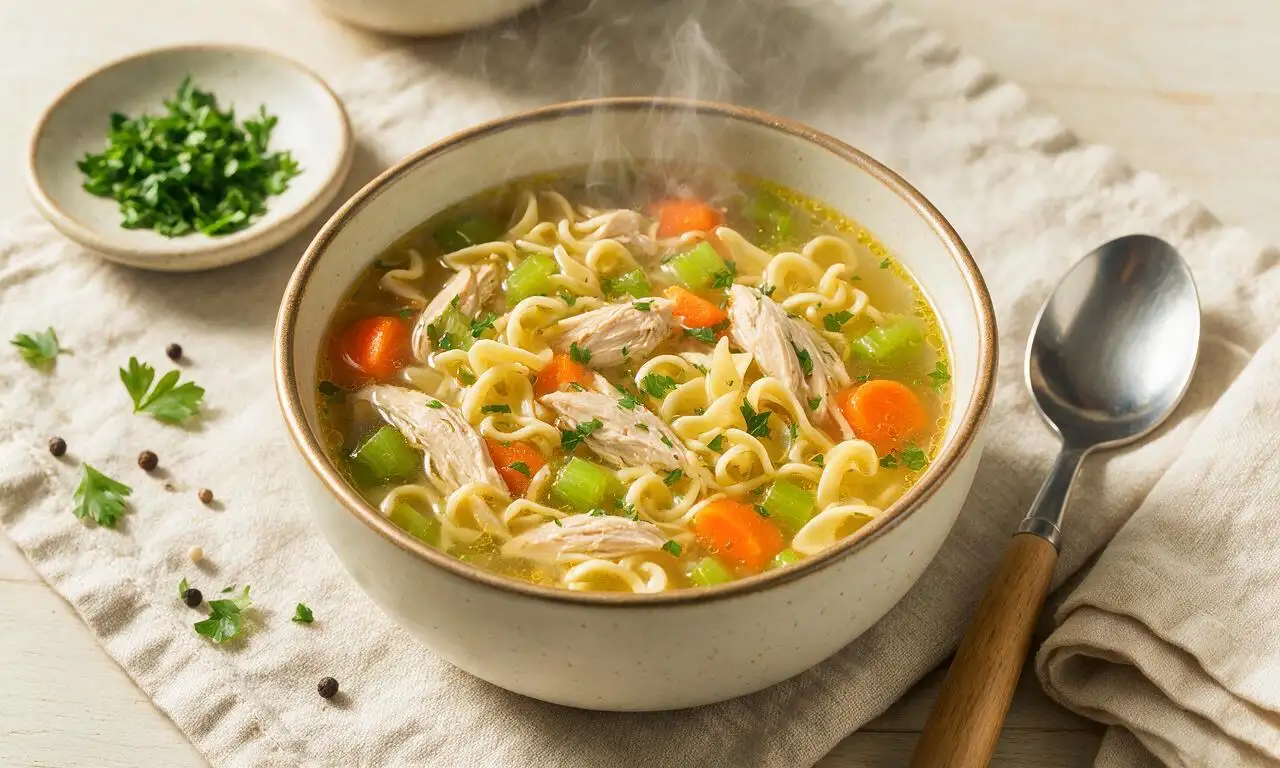
Warm, soothing classic chicken noodle soup loaded with tender chicken, soft egg noodles, and savory veggies, perfect for chasing chills and feeding the whole family.

⏱️ 40 minuteSoups & Stews ★ 4.9
Soups & Stews
🍜 France

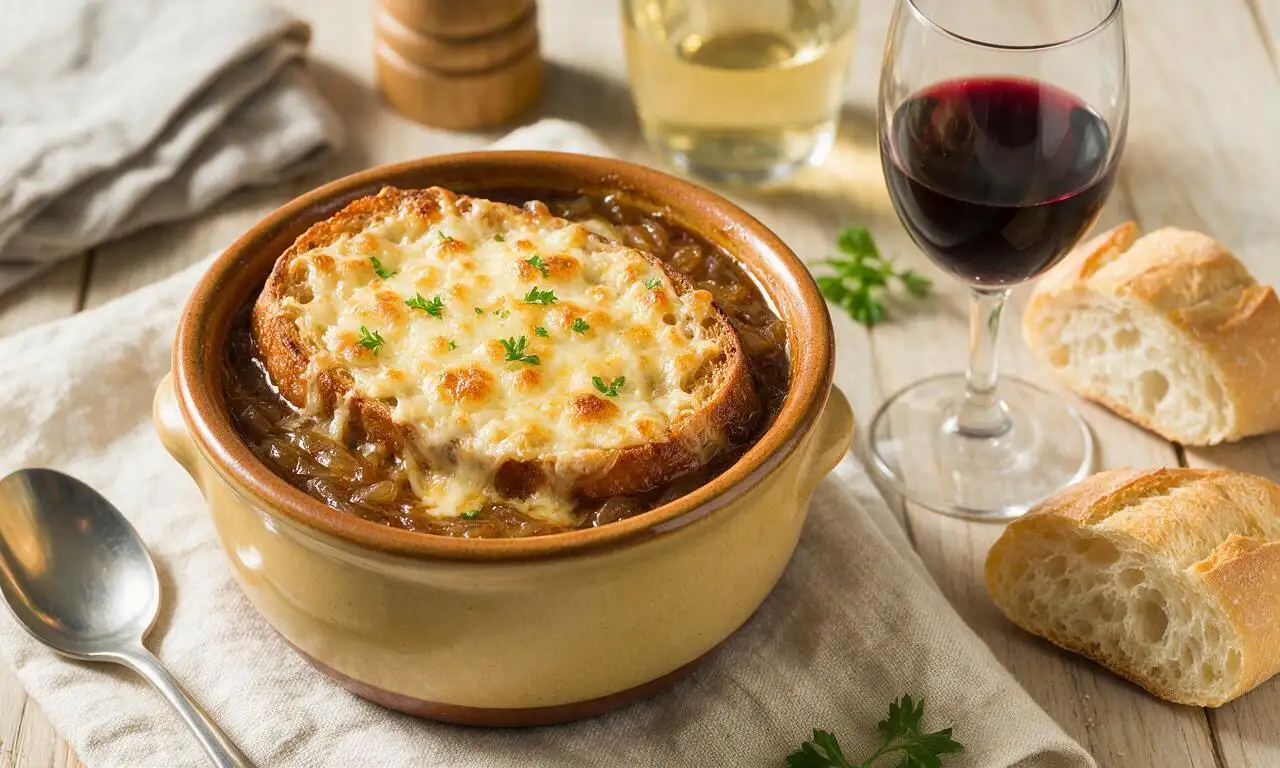
Deeply savory caramelized onion broth topped with crusty bread and bubbly melted Gruyère, a timeless French bistro comfort food ideal for cold days.

⏱️ 1 hour 25Soups & Stews ★ 4.8
Soups & Stews
🍜 United States

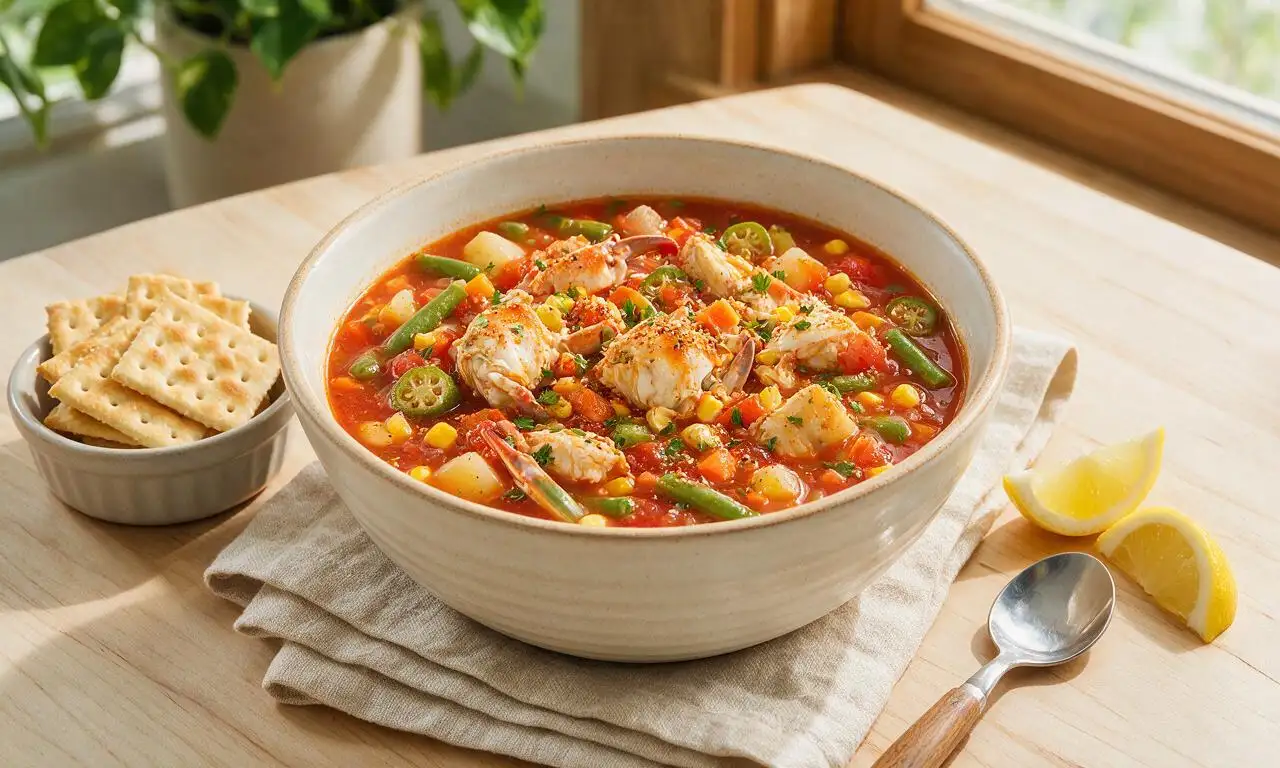
Hearty, briny Maryland crab soup loaded with sweet blue crab, tender summer vegetables, and zesty Old Bay, a beloved Chesapeake Bay coastal comfort staple.

⏱️ 55 minuteSoups & Stews ★ 4.9

Squirrel Stew (Appalachian):Frequently Asked Questions

1.Is wild squirrel safe to eat, and are there any special prep steps I need to take before cooking it? ▾
Absolutely, as long as you source properly dressed, healthy squirrel from a trusted, licensed hunter or reputable wild game purveyor. Before cooking, carefully pick over cut pieces to remove any stray lead shot fragments, rinse thoroughly under cool water, and pat completely dry to help seasoning stick. Discard any meat with odd discoloration or off odors, just as you would with any other protein.
2.What can I substitute for squirrel if I can’t source wild game where I live? ▾
The closest texture and flavor match is young, bone-in rabbit, which has the same mild, lean, slightly sweet profile that shines in this slow-simmered stew. In a pinch, bone-in, skinless chicken thighs (dark meat is non-negotiable!) work well, though you’ll cut simmer time by 20 minutes since chicken is more tender. Always use bone-in cuts to build that rich, deep broth base the stew is known for.
3.Why do you coat the squirrel in seasoned flour before browning it? ▾
That seasoned flour coating does three key jobs for this stew: First, it creates a thin, crispy crust on seared squirrel pieces, locking in subtle savor and adding deep flavor. Second, it thickens the broth slowly as it simmers, so you don’t need a separate roux or slurry later. Third, it helps salt, pepper, and smoked paprika stick evenly for consistent flavor in every bite.
4.How long do I need to simmer the stew to get perfectly tender squirrel meat? ▾
Squirrel is a lean, highly active wild animal, so low, slow simmering is non-negotiable for pull-from-the-bone tender meat. Plan for a gentle 1.5 to 2 hour simmer on low heat after adding liquid and root veggies—don’t boil it hard, as that will make meat stringy and tough. It’s done when meat pulls easily from the bone with a fork and veggies are soft but not mushy.
5.What root vegetables are traditional in this Appalachian stew, and can I swap in others? ▾
Classic Appalachian squirrel stew uses hardy, shelf-stable mountain staples: diced russet potatoes, turnips, carrots, yellow onions, and sometimes wild ramps when in season. You can swap in other sturdy roots like rutabaga or sweet potato, but skip delicate veggies like zucchini or fresh tomatoes—they break down too fast during the long simmer and muddle the stew’s earthy, traditional flavor.
6.Why does the recipe use smoked paprika instead of regular sweet paprika? ▾
Smoked paprika is a quiet nod to the wood-fired, open-hearth cooking of old Appalachian mountain kitchens, adding subtle campfire-like smokiness without overpowering squirrel’s mild, sweet flavor. If you don’t have it, swap in a tiny pinch of hickory smoke powder mixed with sweet paprika, or add a 1-inch piece of smoked bacon while searing meat to get that same warm, smoky depth.
7.Do I need to brine squirrel first to cut down on strong gamey flavor? ▾
Young, fresh, properly dressed squirrel doesn’t have an overpowering gamey taste, so a long brine isn’t required for this recipe. If you’re working with larger, older squirrel pieces, soak them for 1 to 2 hours in cold salt water (1 tablespoon kosher salt per quart of water) in the fridge to mellow strong wild notes, then pat completely dry before dredging in seasoned flour.
8.Can I make this stew in a slow cooker or Instant Pot instead of on the stovetop? ▾
Absolutely! For a slow cooker, brown the flour-dusted squirrel first (don’t skip this step for depth!), add all ingredients, and cook on LOW for 6 to 7 hours until meat is tender. For an Instant Pot, brown meat on saute mode, pressure cook on HIGH for 25 minutes with a 10-minute natural release, then add quicker-cooking veggies for a final 5 minutes of cook time.
9.How should I store leftover squirrel stew, and how long will it stay good? ▾
Let leftover stew cool completely to room temperature within 2 hours of cooking (per standard food safety rules), then transfer to an airtight container and refrigerate for up to 4 days. The flavors actually meld and improve on the second day, making it ideal for meal prep! You can also freeze it for up to 3 months; thaw overnight in the fridge and reheat gently on the stovetop before serving.

Comments (8)

2 days ago

OMG this stew is exactly what my papaw used to make growing up in eastern Kentucky! I was so nervous I’d mess up the seasoning ratio since I never wrote his recipe down, but this came out perfect. My kids turned their noses up at ‘squirrel’ at first but they went back for SECONDS. Served it with cast iron cornbread for our Sunday family dinner, 10/10.

yesterday

The cornbread pairing is non-negotiable! I made this last weekend for our hunting camp potluck and folks were scraping the pot clean. So glad someone’s posting actual authentic Appalachian recipes instead of the fancy ‘elevated’ wild game stuff online.

yesterday

So glad this brought back fond family memories for you! We intentionally kept the recipe true to traditional mountain preparations without any fancy frills. Pro tip: a splash of apple cider vinegar right before serving really brightens up the earthy flavors if you want to try that next time!

3 days ago

I’ve been trying to get more comfortable cooking wild game after my partner brought home a couple squirrels from his hunting trip, and this was the perfect intro recipe! I was worried the meat would be tough or gamey but the low slow cook made it fall right off the bone, SO good. Will absolutely be making this all fall and winter.

2 days ago

Thrilled to hear this worked as a great intro to wild game for you! Squirrel can absolutely get tough if cooked too fast, so that 2 hour low simmer is key to getting that tender, pull-apart texture we all love.

1 week ago

Total game changer for my weekly meal prep! I portioned this out into containers with a side of mashed potatoes and it kept me full all week after classes and work. Wasn’t sure how squirrel would hold up to reheating but it tasted just as good on day 5 as it did fresh. Saved me so much money on takeout!

5 days ago

Been making squirrel stew for over 50 years and I’ve gotta say, this recipe is spot on. A lot of new recipes skip the potatoes and onions for weird trendy add-ins, but you stuck to the classic combo that actually works. The only thing I do different is throw in a handful of foraged ramps when they’re in season, but that’s just my personal touch.

3 days ago

Couldn’t agree more about the trendy add-ins! I tried a viral squirrel stew recipe last year that had coconut milk in it and it was absolutely terrible. This is the real deal.

2 days ago

Love the ramp addition idea! Wild foraged ingredients are such a core part of traditional Appalachian cooking, that’s the kind of personal touch that makes these old recipes feel special. Thanks for the kind words!

1 week ago

Brought this to our neighborhood fall potluck last weekend and people were begging for the recipe! I was a little worried some folks would be weirded out by squirrel, but I told them it was just ‘mountain stew’ at first and everyone was raving before I told them the main protein. 10/10, will be making this for every potluck from now on.

5 days ago

That’s such a smart move telling people it’s mountain stew first! My extended family is super picky about wild game and I swear they’d love it if I didn’t tell them what was in it until after they ate a bowl. Stealing that hack for our Thanksgiving dinner next month.

2 weeks ago

Made this on a camp stove last weekend while we were camping in the mountains and it hit different after a long day of hiking. It was hearty, filling, and warmed us right up when the temperature dropped after sunset. I pre-chopped all the veggies at home so it was super easy to throw together at the campsite. Only note is I added a little extra black pepper because I like things spicy.

yesterday

So happy this recipe is naturally gluten free! I have celiac so I always have to adjust stew recipes to skip the roux or use GF flour, but this one doesn’t use any thickener with wheat so I could make it exactly as written. The flavor is so rich and deep, I didn’t even miss the thick gravy texture I usually add to stews. My husband who hates ‘healthy food’ even loved it!

2 hours ago

That’s such a great point! A lot of folks don’t realize traditional Appalachian stews like this don’t rely on a wheat roux for thickness— the slow simmered potatoes break down just enough to give the broth that perfect hearty texture without any extra ingredients. So glad it worked for your GF diet!

5 minutes ago

This was the first thing I ever cooked with game I harvested myself! I got my first two squirrels last weekend on my first ever hunting trip with my uncle, and I was so nervous I’d ruin the meat. Followed the recipe step by step and it turned out amazing. My uncle said it tasted just like the stew his grandma used to make, which is the highest compliment I could’ve gotten. Can’t wait to make more as the season goes on!

just now

Huge congrats on your first harvest, kid! There’s nothing better than eating something you sourced yourself, and it sounds like you knocked it out of the park. Welcome to the club, can’t wait to hear what other wild game recipes you try down the line.

just now

Congratulations on your first successful hunt! There’s truly no better feeling than turning your own harvest into a meal that connects you to generations of mountain cooking tradition. That compliment from your uncle is better than any 5 star review we could get—so happy for you!