1.Can I use unripe green tabasco peppers instead of fully ripe red ones for this recipe?
▾
You can, but you won’t get the signature balanced, bright sweet-tangy heat of classic Tabasco. Unripe green tabascos have a grassier, sharper, slightly bitter heat with none of the subtle fruity notes of fully red ripe peppers. If you do use them, trim 1-2 days off your initial fermentation time to avoid overly harsh, vegetal off-flavors.
2.Why do I need non-iodized canning salt instead of regular table salt for fermentation?
▾
Iodized table salt contains iodine and anti-caking agents that can kill the beneficial lactic acid bacteria needed for safe, successful fermentation, and can leave a faint metallic, bitter aftertaste in your finished sauce. Non-iodized canning salt dissolves cleanly, supports healthy ferment activity, and delivers the pure, sharp salty flavor classic Tabasco is known for, no off-notes.
3.What happens if I use chlorinated tap water to mix my fermentation brine?
▾
Chlorinated tap water will suppress or kill the beneficial lactic acid bacteria that drive safe, flavorful fermentation, leading to failed ferments, mold growth, or flat, dull-tasting sauce. Always use chlorine-free filtered water; if you only have tap water, leave it out on the counter uncovered for 24 hours first to let chlorine fully dissipate before mixing your brine.
4.How long do I need to ferment the peppers to get that classic Tabasco flavor?
▾
For that iconic tangy, mellowed heat, ferment mashed peppers in an airlocked brine for a minimum of 2 weeks, though commercial Tabasco is fermented for up to 3 years in oak barrels. For home cooks, a 4-6 week ferment at 65-75°F strikes the perfect balance of bright pepper flavor, zingy tang, and rounded, non-sharp heat.
5.How can I tell if my fermenting peppers have gone bad and are unsafe to eat?
▾
Safe ferments smell pleasantly tangy, slightly sour, and peppery, with cloudy brine and no fuzzy growth. Toss your batch immediately if you see fuzzy black, green, or pink mold on the surface, smell a rotten, putrid, or rancid odor, or notice bulging lids that spray brine forcefully when opened, as these signal harmful pathogen growth.
6.Can I swap distilled white vinegar for apple cider vinegar in this recipe?
▾
Distilled white vinegar with 5% acidity is required to match the sharp, clean, bright tang of classic Tabasco, and it delivers the consistent acid level needed for safe long-term shelf storage. Apple cider vinegar adds a fruity, mellow, earthy note that strays from the original profile, but it works if you prefer that flavor—just confirm it is also 5% acidity for food safety.
7.Why is it so important to keep peppers fully submerged under brine during fermentation?
▾
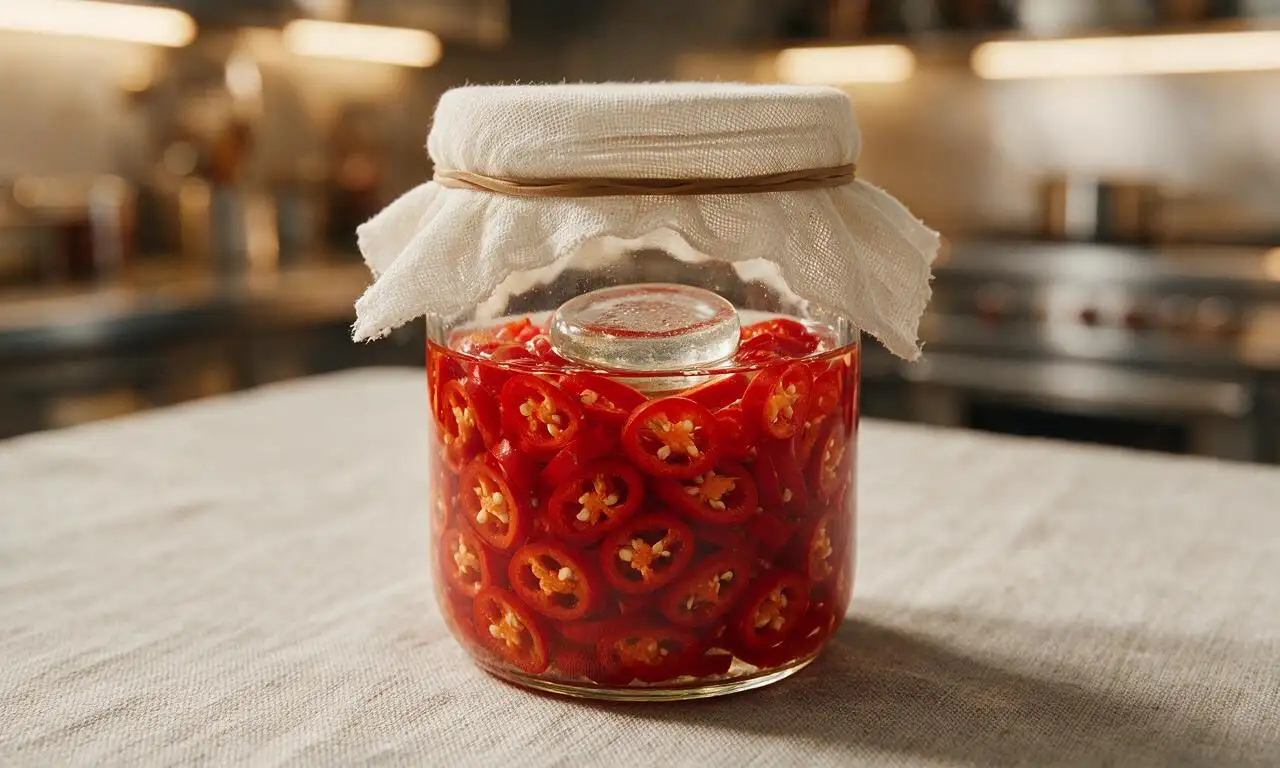
Peppers exposed to air above the brine line are at high risk for mold growth and unwanted spoilage bacteria, since the beneficial lactic acid bacteria that protect your ferment thrive in oxygen-free environments. Use a glass fermentation weight, clean food-grade glass marble, or small sealed water-filled jar to hold all pepper pieces fully under brine for the entire ferment.
8.How do I get that perfectly smooth, thin consistency of store-bought Tabasco?
▾
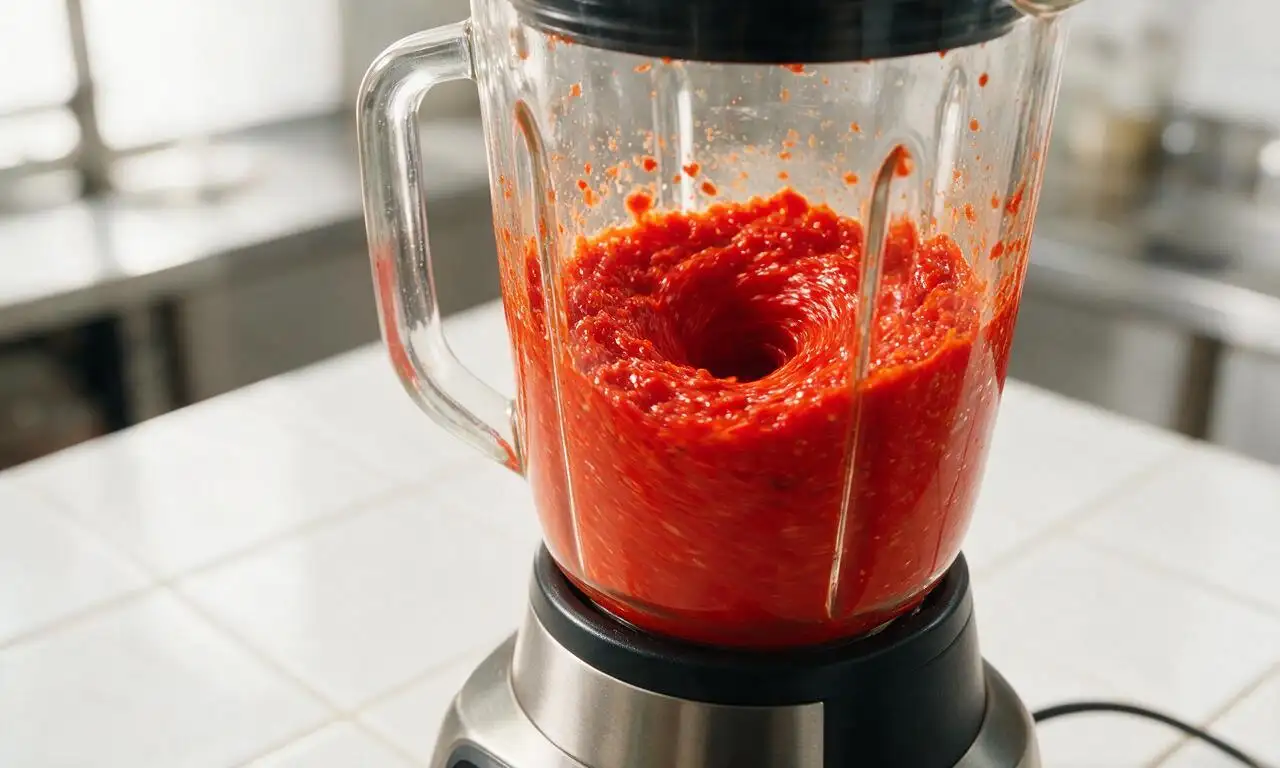
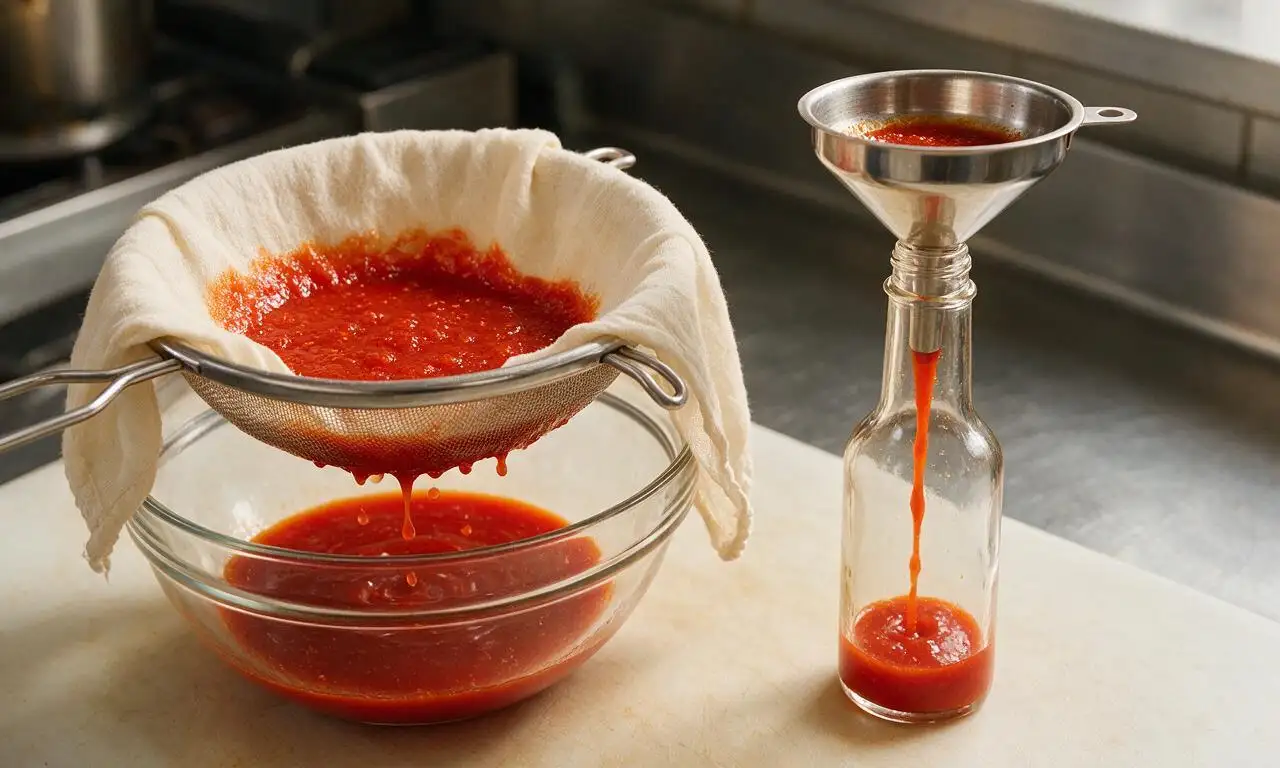
After blending your fermented peppers with vinegar, strain the mixture through a fine-mesh sieve lined with two layers of cheesecloth, pressing firmly to extract all flavorful liquid while leaving behind tough skins, seeds, and coarse pulp. For extra silkiness, let the strained sauce settle 24 hours in the fridge, then pour the clear thin liquid off any settled sediment if preferred.
9.How long will finished homemade Tabasco stay fresh in the fridge?
▾
When stored in a clean, sealed glass bottle or jar, properly fermented and acidified homemade Tabasco will stay fresh and flavorful for up to 1 year in the refrigerator. The high vinegar content and lactic acid from fermentation act as natural preservatives, though you may notice slight mellowing of heat and bright tang after the first 6 months of storage.
10.Can I skip the fermentation step if I’m short on time?
▾
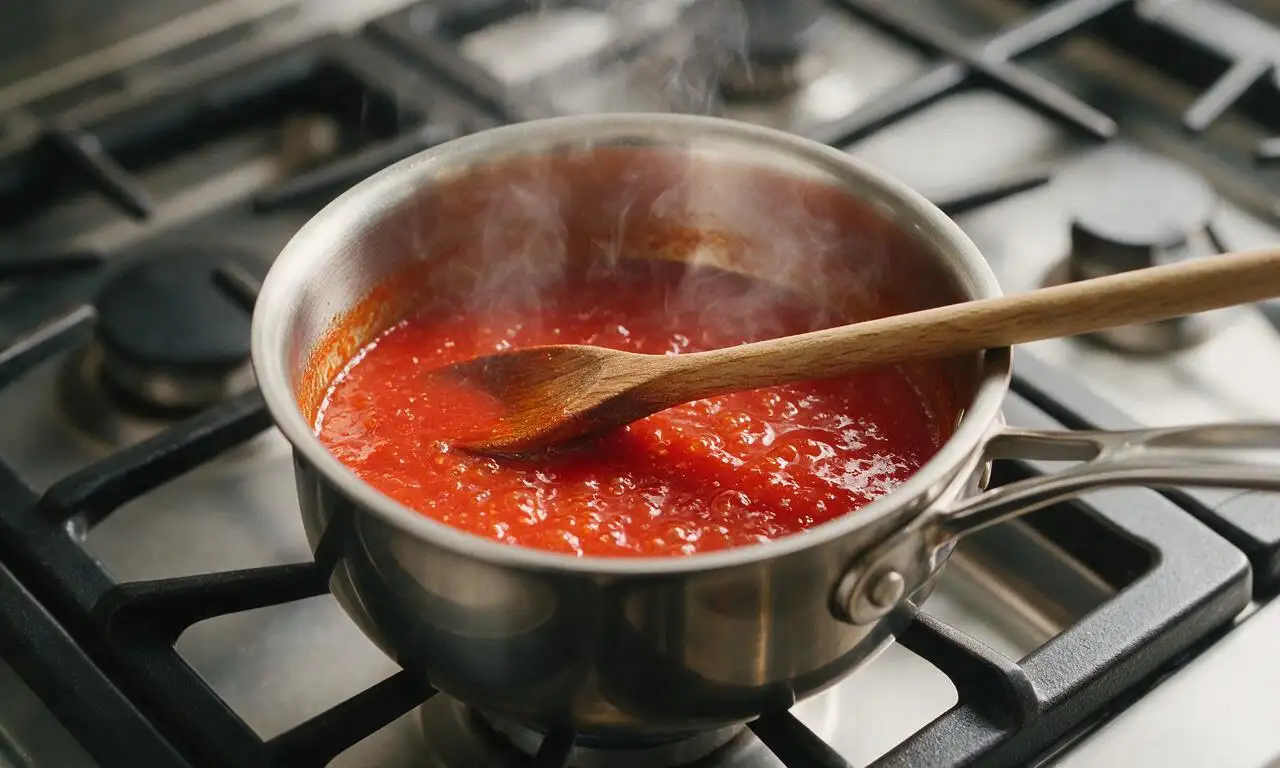
You can make a quick non-fermented version by simmering fresh tabasco peppers, salt, water, and vinegar for 15 minutes, then blending and straining, but it won’t have the deep, complex tang and mellowed heat of classic fermented Tabasco. The quick version tastes sharper and more brightly peppery, and it will still last 6 months in the fridge thanks to its high vinegar content.
11.Do I need to wear gloves when handling fresh tabasco peppers?
▾
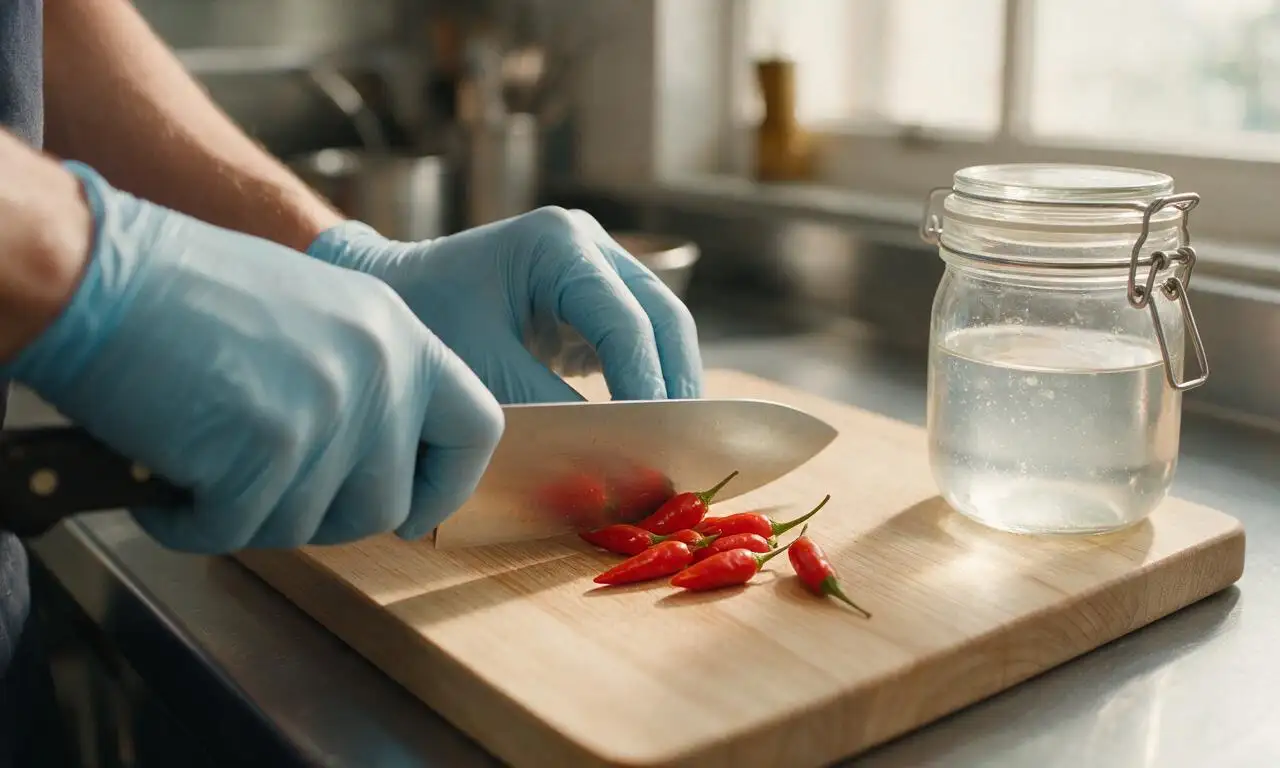
Absolutely—tabasco peppers rank 30,000-50,000 on the Scoville scale, so their capsaicin can cause painful skin irritation, and accidental transfer to your eyes, nose, or mouth can lead to significant burning. Wear disposable nitrile gloves when chopping or handling raw peppers, and wash all tools, cutting boards, and countertops thoroughly with hot soapy water after prep.
12.What salt ratio should I use for the fermentation brine to keep it safe?
▾
Use a 3.5% brine ratio for safe, consistent fermentation, which works out to roughly 1.2 tablespoons of non-iodized canning salt per 4 cups of chlorine-free water. This salt concentration is high enough to inhibit harmful pathogen growth while still allowing beneficial lactic acid bacteria to thrive, creating a safe, tangy ferment without making the finished sauce overly salty.
13.Can I add garlic or other spices and still get that classic Tabasco flavor?
▾
Traditional Tabasco only uses four core ingredients, so adding garlic, onion, cumin, or other spices will shift the flavor away from the iconic original. If you want to experiment, add no more than 1-2 lightly crushed garlic cloves per pound of peppers to the ferment, as strong spices can easily overpower the delicate, bright fruity heat of tabasco peppers during long fermentation.
14.Why is my finished sauce cloudier than the store-bought Tabasco I’m used to?
▾
Mild cloudiness is totally normal for small-batch homemade Tabasco, and it usually comes from tiny suspended pepper particles that make it through even fine straining, or residual beneficial lactic acid bacteria from fermentation. If you prefer a crystal-clear sauce, let the strained sauce rest in the fridge for 2-3 days, then carefully pour the clear top layer off the fine sediment that settles at the bottom.
15.Do I need to water bath can my bottled sauce to make it shelf-stable?
▾
Because this sauce has a consistent 5% acidity level from distilled vinegar and lactic acid from fermentation, it is naturally shelf-stable when bottled in sterilized glass containers, as long as you fill bottles while the sauce is 190°F and seal with new, sterilized lids. A 10-minute water bath process adds an extra safety layer if you plan to store unopened bottles in a cool pantry for more than 3 months.
16.My ferment is bubbling a lot the first few days—does that mean something is wrong?
▾
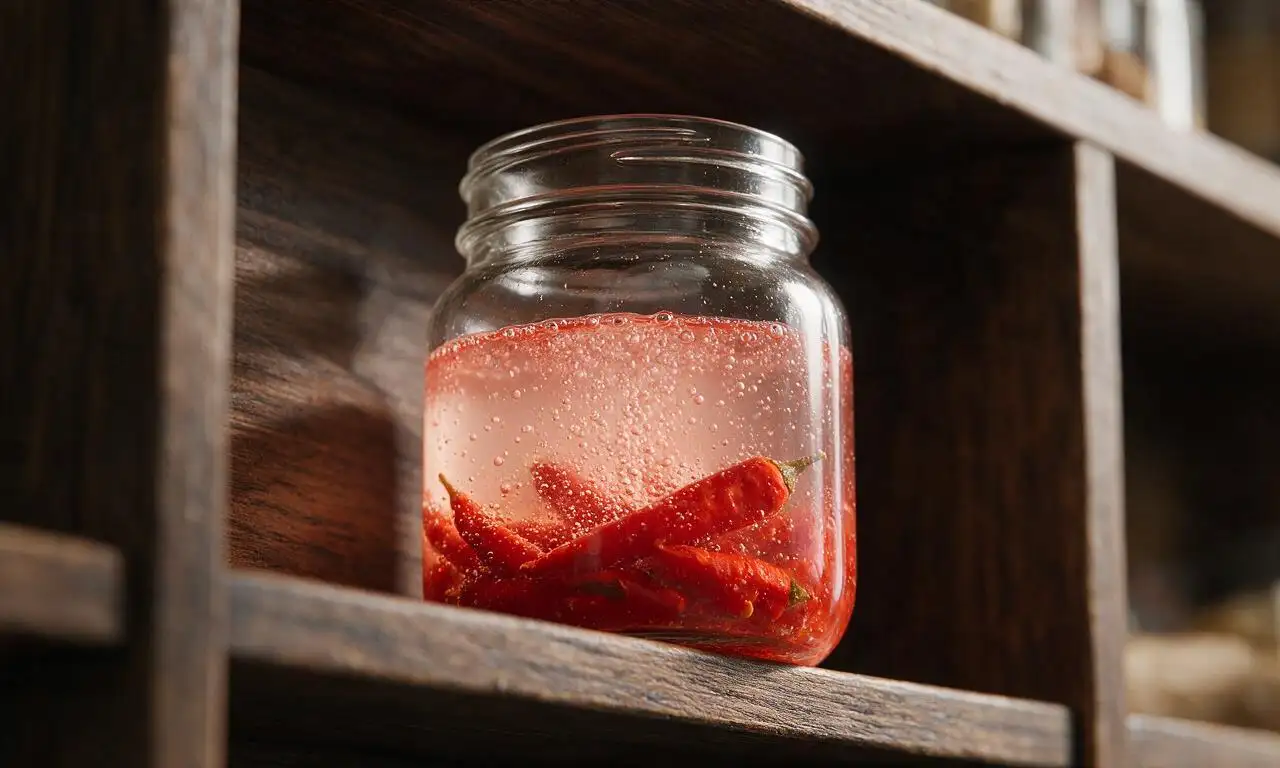
Active bubbling in the first 3-7 days of fermentation is totally normal and a sign your ferment is working perfectly! Those bubbles are carbon dioxide released by hardworking lactic acid bacteria as they break down pepper sugars. Just burp your jar briefly once a day if you aren’t using an airlock to release built-up pressure, and keep the ferment in a stable 65-75°F spot out of direct sunlight.

OMG I’ve been wanting to make my own Tabasco for ages and this recipe did NOT disappoint! Took the full 14 days to ferment and that tang is exactly what I remember from store bought but so much fresher. Put it on my breakfast tacos this morning and my roommate begged for the recipe. Game changer for real.
Meal prepped a batch of this last week after it finished fermenting and I’ve been putting it on literally everything – eggs, roasted veggies, even my popcorn! The 14 day wait felt so long but it was 100% worth it. Only note is I wish I’d worn gloves when chopping the peppers, my fingers burned for hours lmao
I’ve made a dozen different fermented hot sauces over the years and this is hands down the closest to classic Tabasco I’ve ever pulled off. The ratio of pepper to salt to vinegar is perfect, no tweaks needed. Brought a bottle to our neighborhood potluck last weekend and people were offering to buy bottles from me.
I’m a total beginner to fermenting so I was pretty intimidated by the 2 week wait and the equipment needed. Is the fermentation step mandatory? I don’t have a glass fermentation weight and I’m really impatient, can I skip it and just cook the peppers with vinegar right away?
Made this for our family cookout last weekend to put on brats and burgers and it was a massive hit. My 16 year old who douses everything in store bought Tabasco said this is way better. 10/10 will be making a double batch next time.
SO good! I grew my own tabasco peppers in my backyard garden this summer and was looking for a way to use them up, this recipe was perfect. It’s bright, tangy, has just the right kick, and feels so cool to say I made my own hot sauce from peppers I grew. Already gave 3 bottles away to friends.
I was worried this would be too complicated for a weeknight project but the active time is actually super manageable! I split the prep over two nights – chopped the peppers and started the ferment one night after the kids went to bed, then cooked and blended it two weeks later. My kids loved drizzling it on their chicken nuggets, who knew?!
Took a star off because I messed up the salt ratio on my first try and the ferment got a little moldy, oops. But my second batch came out perfect! Pro tip for other newbies: measure the salt by weight, not volume, it’s way more accurate. Will absolutely be making this on repeat.
Wait, will my whole apartment smell like vinegar and hot peppers when I cook this? I live in a tiny studio and my neighbors already complained when I made kimchi last month lmao
Bottled this up in tiny hot sauce bottles with custom labels for my tailgate crew this football season and everyone went crazy for it. Way better than bringing chips and dip, everyone kept asking where I bought it. 10/10 gift idea too.
I love that this uses simple, whole ingredients with no weird preservatives or additives. I’ve been trying to cut down on processed grocery store items and this is such an easy swap. It keeps in the fridge forever too, so no food waste. Already working on my second ferment.
Wait a second, can I add other peppers to this to mix up the heat? I have a bunch of habaneros from my CSA box I need to use up, would tossing a couple in ruin the classic Tabasco vibe?
Made this for my brunch potluck last weekend to go with huevos rancheros and bloody marys, and people were literally pouring it into their drinks it was so good. Who needs store bought when you can make this at home for a fraction of the price?!
My abuela used to make homemade hot sauce when I was a kid and this tastes exactly like the stuff she used to jar up every summer. The fermentation smell took me right back to her kitchen, I almost cried. 10/10, perfect recipe.
SO much cheaper than buying the fancy small batch hot sauce at the grocery store! A whole jar of tabasco peppers was like $2 at the farmers market and I got 3 full bottles of sauce out of this recipe. Tastes better than the $8 a bottle stuff too, no contest.