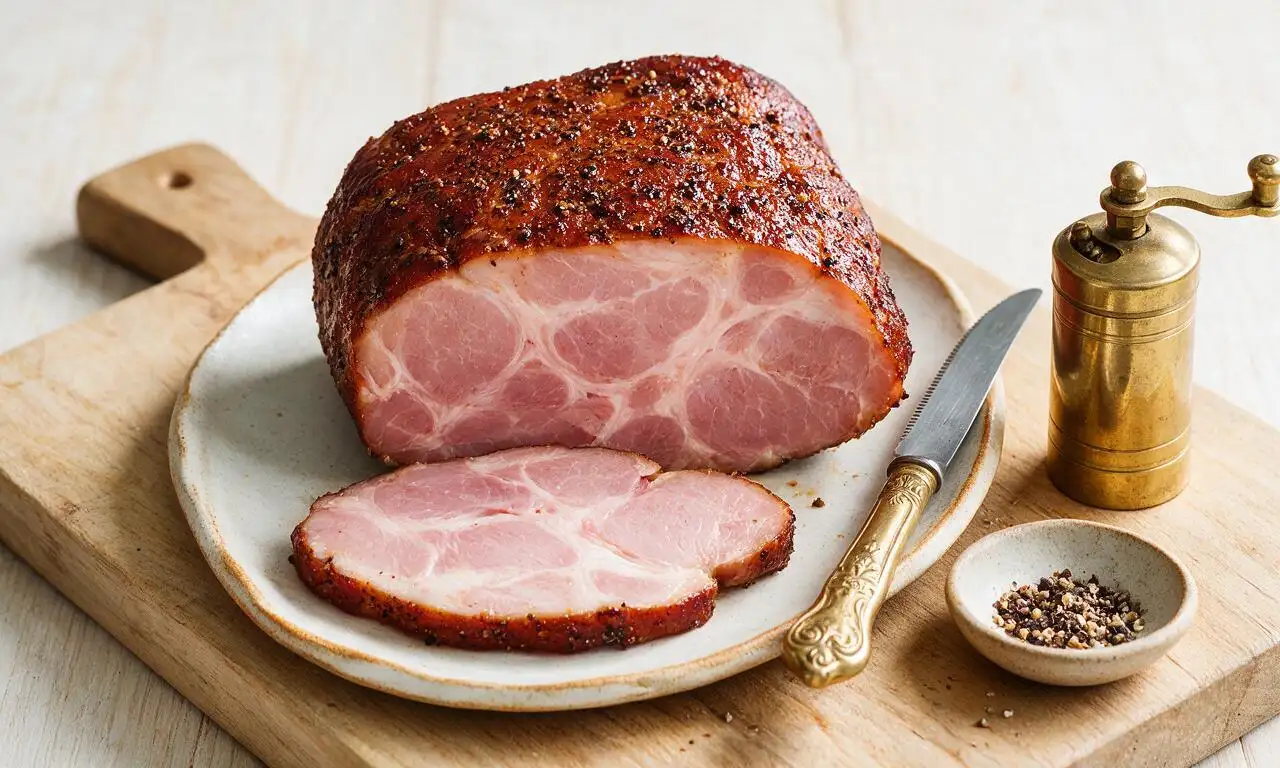
Tasso Ham

title 1
Tasso Ham
⏱️ cook time 3 hours (plus 48 hours inactive curing time)
🍽️ servings 8
⚡ Difficulty medium

intro

Spicy, smoky cured and smoked pork shoulder, a core Cajun staple that adds rich depth to gumbos, jambalaya, or stands alone as a savory bite.

Ingredients

Boneless pork shoulder (Boston butt) 1.8 kg (4 lbs)
Kosher salt 45 g (3 tbsp)
Curing salt #1 (pink salt) 5 g (1 tsp)
Packed light brown sugar 30 g (2 tbsp)
Smoked paprika 20 g (2 tbsp)
Cayenne pepper 10 g (2 tsp)
Garlic powder 10 g (2 tsp)
Onion powder 8 g (1.5 tsp)
Coarsely ground black pepper 6 g (1 tsp)
Dried crumbled thyme 3 g (1 tsp)
Hickory wood chips 3 cups (720 ml)

Steps

1

Trim pork shoulder

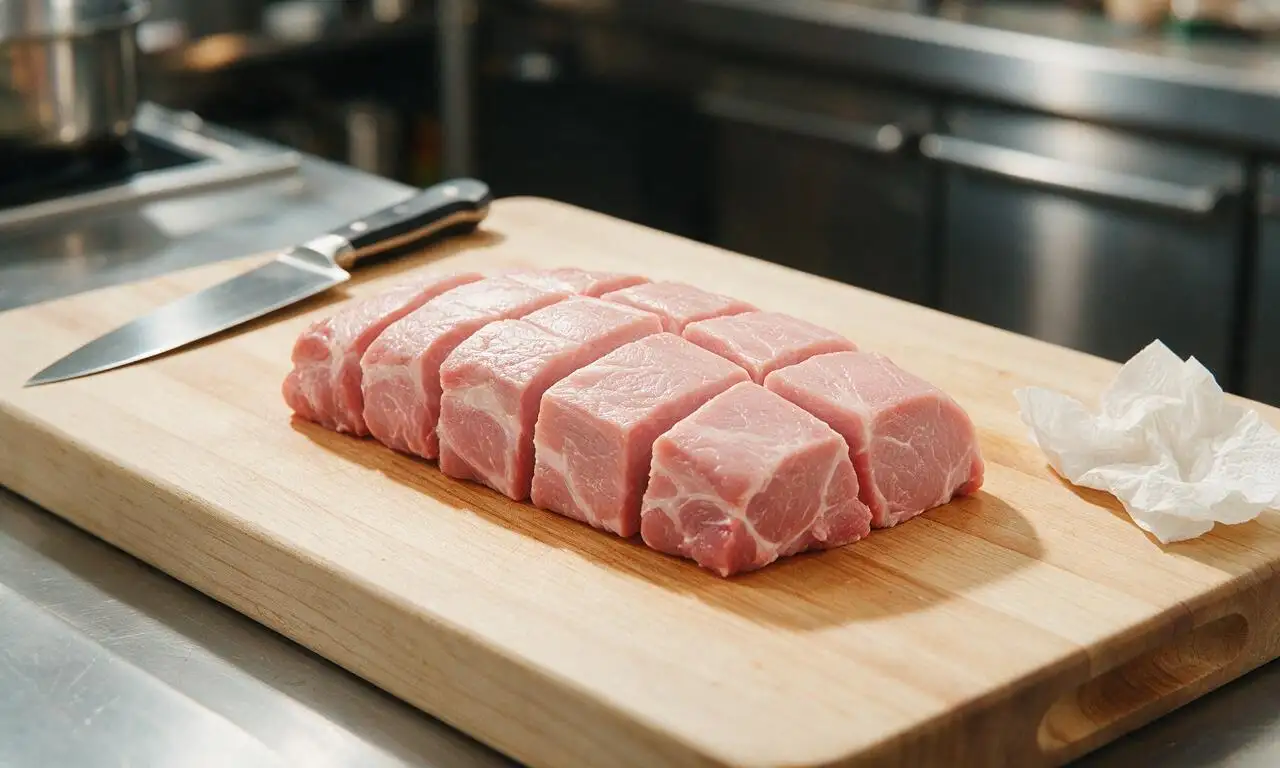
Pat 1.8kg (4lb) boneless pork shoulder dry with paper towels, trim off excess thick hard fat cap to leave a 3mm (1/8 inch) thin fat layer for moisture, cut into 4 equal rectangular slabs roughly 15cm (6 inches) long and 5cm (2 inches) thick. Trim away any loose silver skin that will prevent seasoning from adhering to the meat.
Step 1
step1:Trim pork shoulder
2

Blend curing spice rub

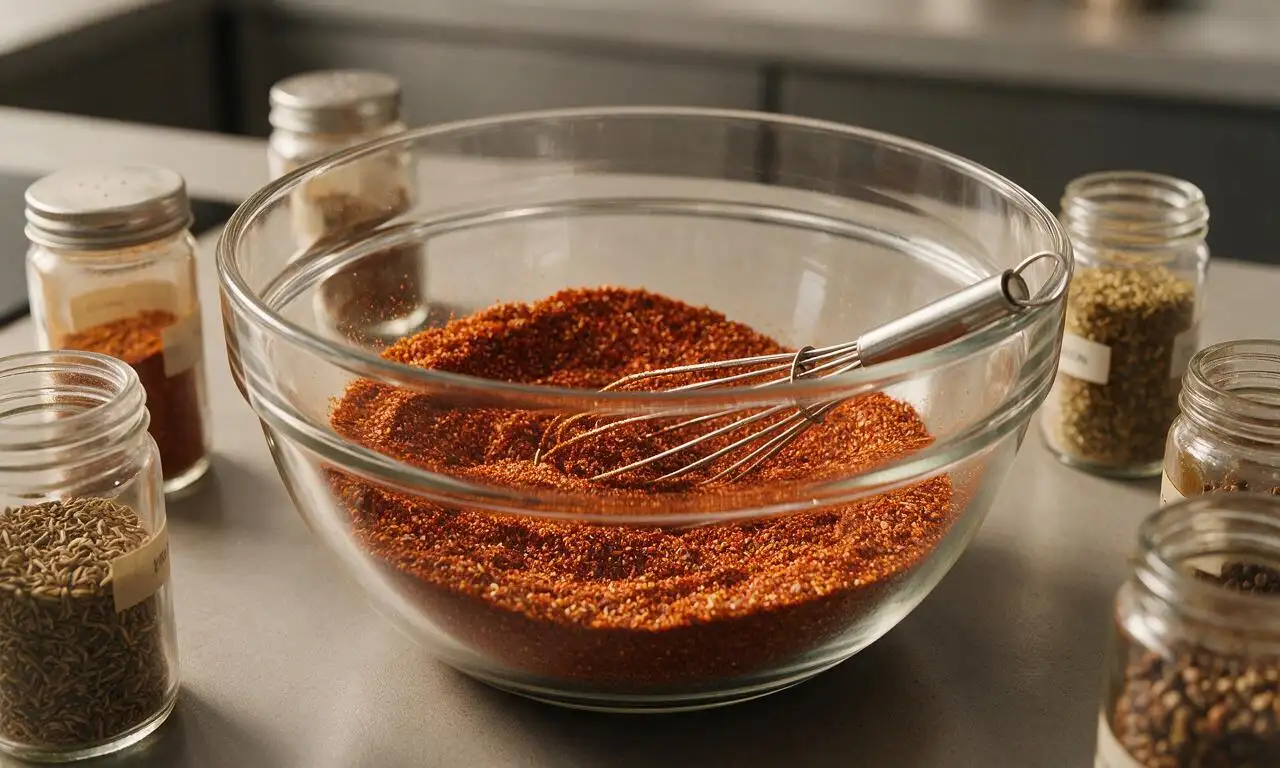
In a small 1-liter glass mixing bowl, combine 45g (3 tbsp) kosher salt, 5g (1 tsp) curing salt #1, 30g (2 tbsp) packed light brown sugar, 20g (2 tbsp) smoked paprika, 10g (2 tsp) cayenne pepper, 10g (2 tsp) garlic powder, 8g (1.5 tsp) onion powder, 6g (1 tsp) coarsely ground black pepper, and 3g (1 tsp) dried crumbled thyme. Stir with a small whisk for 1 minute until fully evenly mixed, breaking up any brown sugar clumps to create a uniform reddish-brown rub.
Step 2
step2:Blend curing spice rub
3

Cure the pork slabs

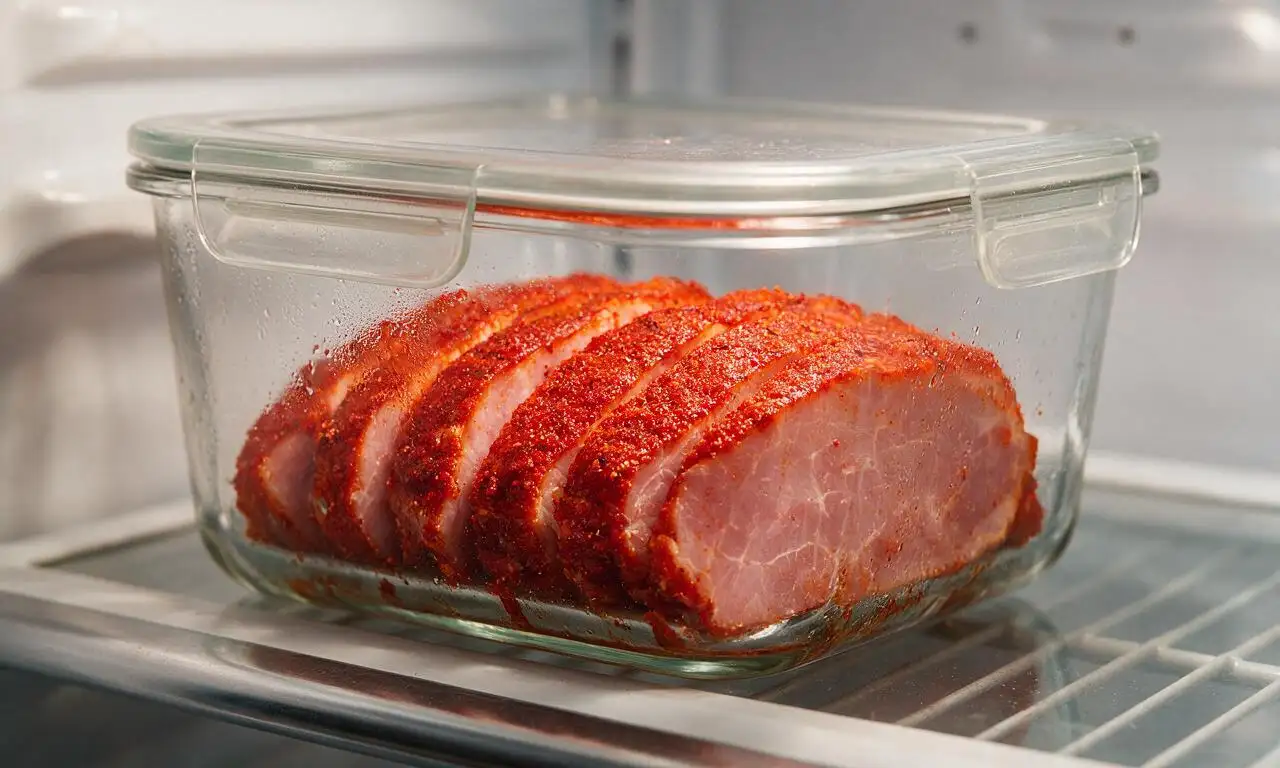
Rub every surface (top, bottom, sides, ends) of the pork slabs evenly with the entire batch of spice mix, pressing firmly with clean hands so the seasoning adheres tightly to the meat. Place the seasoned pork in a sealed 2-liter glass food storage container, refrigerate at a consistent 4°C (40°F) for 48 hours, flipping the slabs once every 12 hours to ensure even brine distribution. The pork will feel firm to the touch and release small amounts of deep red briny liquid when fully cured.
Step 3
step3:Cure the pork slabs
4

Preheat the smoker

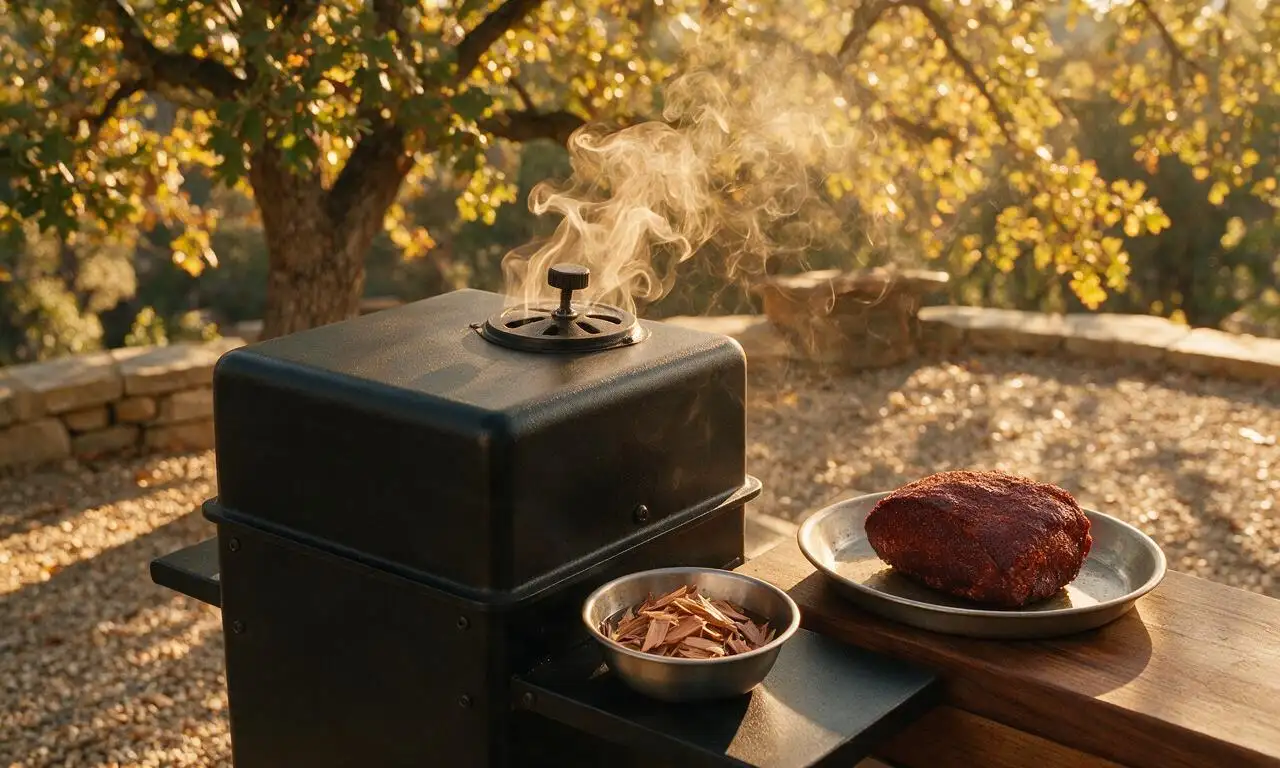
Remove the cured pork from the refrigerator and let it rest uncovered on a wire rack at room temperature for 30 minutes to take off the chill. Preheat your outdoor offset or electric smoker to 107°C (225°F), add 3 cups of pre-soaked (30 minutes in cold water, drained) hickory wood chips to the smoker's wood chip box once the unit reaches target temperature.
Step 4
step4:Preheat the smoker
5

Smoke tasso low and slow

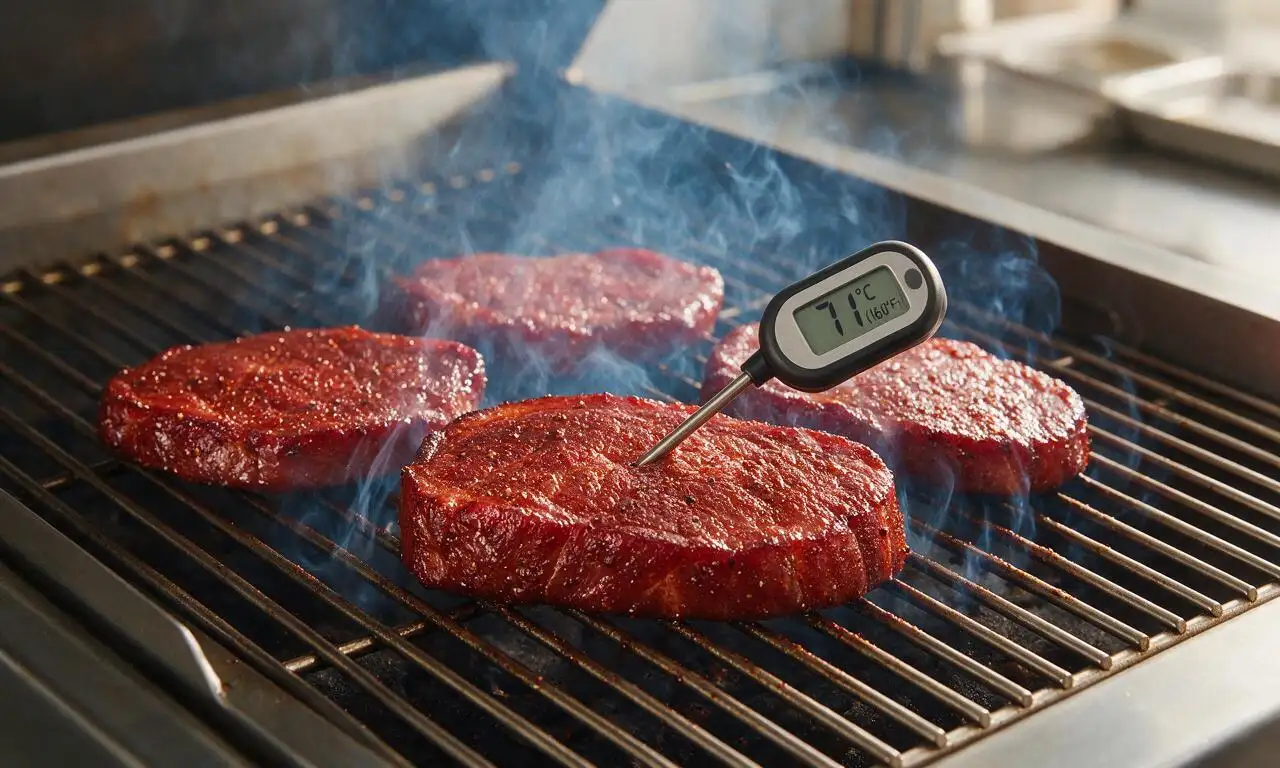
Place the cured pork slabs directly on the middle smoker rack, leaving 2.5cm (1 inch) of open space between each slab to allow consistent air and smoke flow. Smoke for 2.5 to 3 hours, maintaining a steady internal smoker temperature between 107-121°C (225-250°F), adding small handfuls of extra soaked wood chips as needed to maintain thin blue smoke. Cook until the thickest part of each slab reaches an internal temperature of 71°C (160°F), measured with a calibrated instant-read thermometer.
Step 5
step5:Smoke tasso low and slow
6

Rest and store tasso

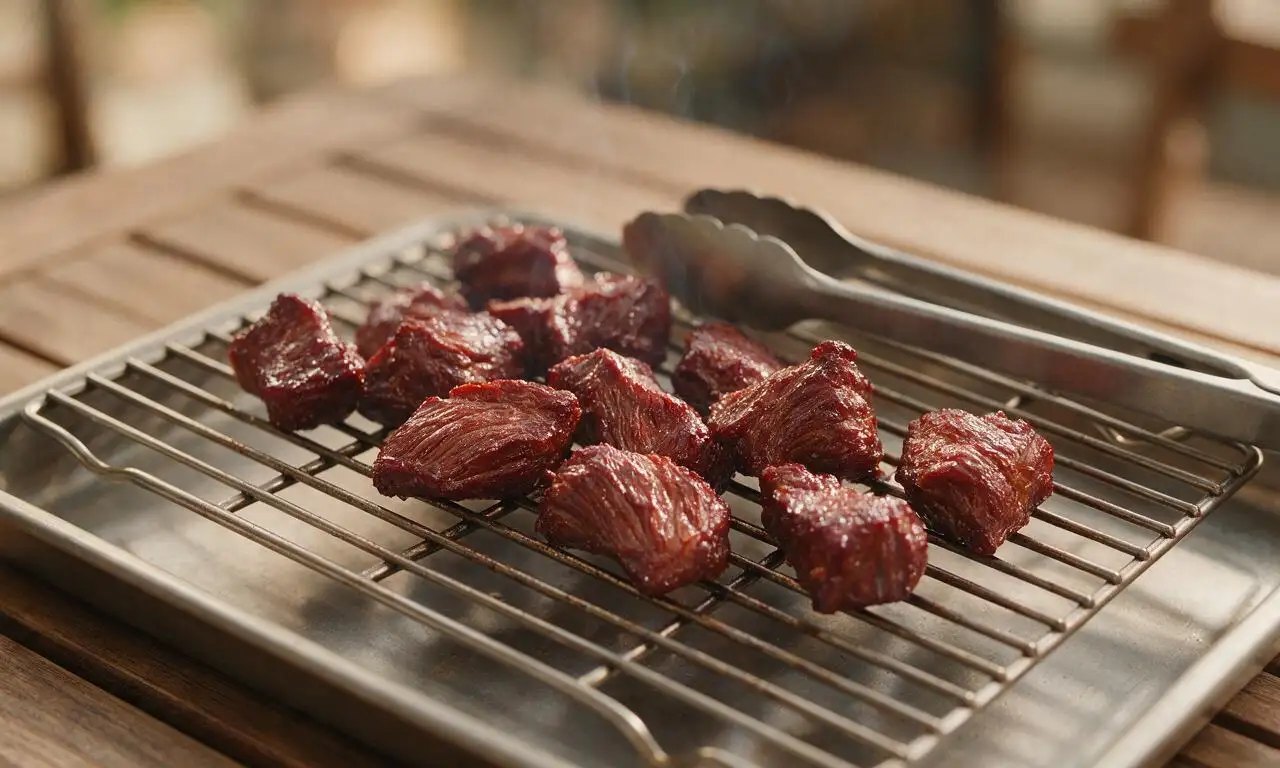
Carefully remove the hot smoked tasso from the smoker using long heat-resistant tongs, transfer to a wire rack set over a rimmed baking sheet, and let it rest uncovered at room temperature for 45 minutes to allow juices to redistribute and sharp smoke notes to mellow. Slice thin against the grain to serve immediately, or wrap tightly in two layers of plastic wrap and refrigerate for up to 2 weeks, or freeze for up to 3 months for later use in recipes.
Step 6
step6:Rest and store tasso

Tips

1.Never skip curing salt #1 (pink salt) for this recipe: it prevents dangerous bacteria growth during the long cold cure and low-temperature smoke, and creates tasso's signature bright pink cured meat interior.
2.Avoid thick, billowy white smoke while smoking: this leaves bitter, sooty off-flavors on the tasso. Aim for thin, wispy, almost invisible blue smoke for the smoothest hickory flavor.
3.When adding tasso to gumbos, jambalaya, or red beans and rice, slice or dice it against the grain to keep bites tender, rather than cutting thick chunks that can turn chewy.
✨ You May Also Like

BBQ & Grilling
🍜 United States

Tender, melt-in-your-mouth beef brisket with a crisp, spiced bark, slow-smoked to deep smoky perfection, the iconic centerpiece of Texas backyard barbecue.

⏱️ 12 hours BBQ & Grilling ★ 4.4
BBQ & Grilling
🍜 Korea

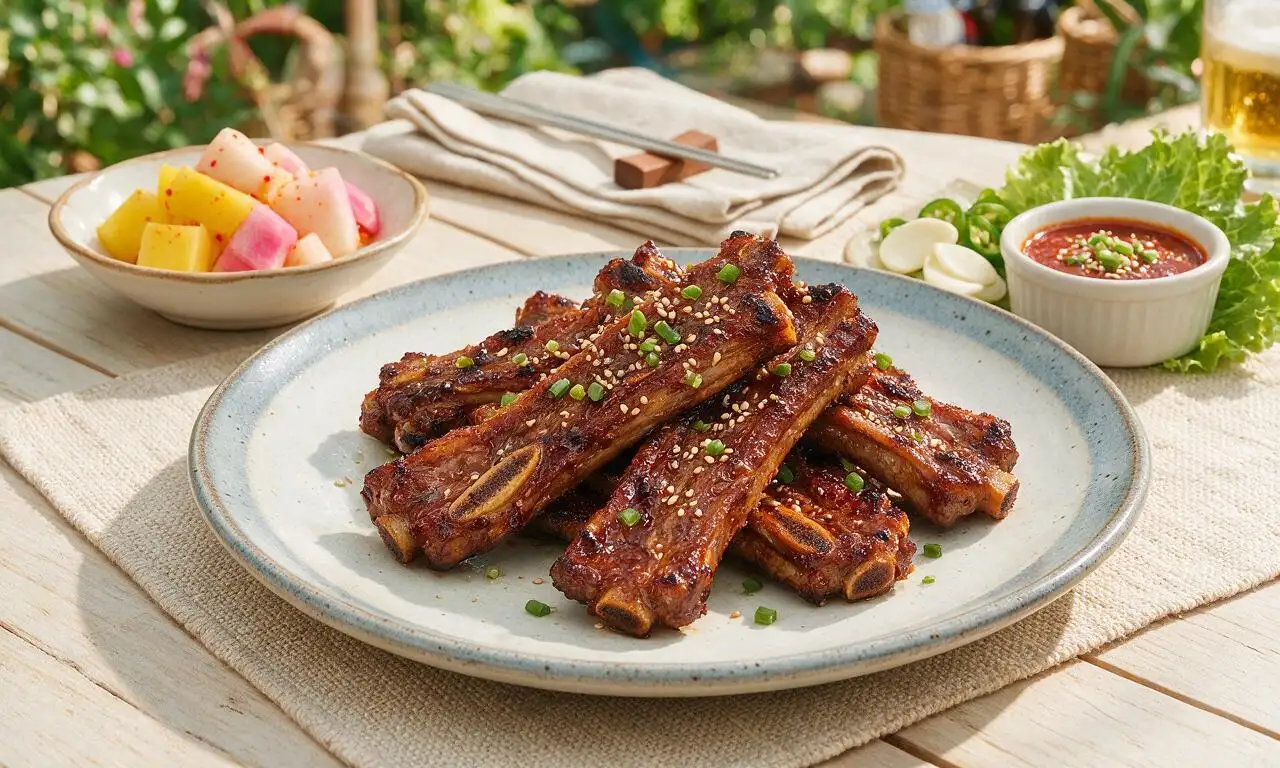
Tender, sweet-savory marinated beef short ribs, a beloved Korean BBQ staple with caramelized, slightly charred edges and deep umami flavor, perfect for outdoor summer gatherings.

⏱️ 4 hours 2BBQ & Grilling ★ 4.8
BBQ & Grilling
🍜 United States

Juicy grilled beef patties topped with smoky homemade chili, melted cheddar, and tangy pickles on toasted brioche buns for a hearty, flavor-packed handheld meal.

⏱️ 40 minuteBBQ & Grilling ★ 4.7
BBQ & Grilling
🍜 United States

A sweet, smoky, tangy BBQ sauce brightened with peak-season dark cherries, ideal for glazing grilled ribs, chicken, pork, or summer roasted veggies.

⏱️ 35 minuteBBQ & Grilling ★ 4.7
BBQ & Grilling
🍜 United States

Rich, smoky, slightly sweet homemade bourbon BBQ sauce with deep caramel notes, ideal for glazing grilled ribs, chicken, and burgers at cookouts.

⏱️ 25 minuteBBQ & Grilling ★ 4.7
BBQ & Grilling
🍜 United States

Iconic Alabama-style BBQ featuring tender hickory-smoked chicken slathered in tangy creamy white sauce, a beloved regional Southern cookout staple.

⏱️ 3 hoursBBQ & Grilling ★ 5

Tasso Ham:Frequently Asked Questions

1.What cut of pork is best for homemade tasso, and can I use a leaner cut instead? ▾
Boneless pork shoulder, also called Boston butt, is the ideal pick here—its generous, even fat marbling stays juicy through curing and smoking for that signature rich tasso texture. Skip ultra-lean cuts like pork loin; they’ll turn dry and tough after processing, and won’t hold that bold Cajun seasoning nearly as well.
2.Do I really need curing salt #1 (pink salt) for this recipe, or can I skip it? ▾
Don’t skip curing salt #1 for tasso—it’s non-negotiable for food safety when smoking at low temperatures, as it prevents dangerous botulism growth. It also creates tasso’s characteristic cured pink interior and subtle, classic cured ham flavor that plain kosher or table salt can’t replicate on its own.
3.How spicy is traditional Cajun tasso, and can I adjust the heat to my taste? ▾
Classic Cajun tasso has a warm, noticeable smoky heat that doesn’t overpower the dishes it’s added to, but it’s totally adjustable. The base smoked paprika delivers deep smoke flavor; add extra cayenne for more kick, or cut spicy add-ins by half for milder tasso that still adds rich savoriness to gumbos and jambalaya.
4.How long do I need to cure the pork before smoking it for tasso? ▾
For a standard 3 to 5 pound boneless pork shoulder cut into 2–3 inch chunks, plan for a 7 to 10 day dry cure in the refrigerator. Turn the pork every other day to make sure salt, sugar, and seasonings distribute evenly. It’s ready when the entire cut feels firm, with no soft, squishy uncured spots in the thickest sections.
5.Can I make great homemade tasso if I don’t own a dedicated smoker? ▾
You absolutely don’t need a fancy commercial smoker to make delicious tasso at home. Use a charcoal grill set up for indirect low heat with soaked hickory or oak chips for smoke, or a stovetop smoking box for small batches. Just maintain a steady 225°F temperature the same way you would with a standard standalone smoker.
6.What internal temperature should I smoke tasso to for safe, perfect results? ▾
Smoke your cured tasso at a steady 225°F until it hits an internal temperature of 165°F in the thickest part, measured with a reliable instant-read meat thermometer. This usually takes 4 to 6 hours depending on roast size, and ensures the pork is fully safe, tender, and packed with smoky flavor without being overcooked.
7.How is Cajun tasso different from regular smoked ham or andouille sausage? ▾
Unlike sweet, brined deli smoked ham, tasso is a spicy, heavily seasoned dry-cured pork shoulder made to build bold flavor in cooked dishes, not just eat as thin cold slices. It also differs from andouille, which is a ground pork smoked sausage, while tasso is made from solid, marbled whole-muscle pork shoulder.
8.What’s the best way to store finished homemade tasso? ▾
Once your smoked tasso is fully cooled to room temperature, wrap it tightly in plastic wrap or vacuum seal it, and store it in the refrigerator for up to 2 weeks. For longer storage, cut it into 1-cup recipe-ready portions, seal in airtight freezer bags, and it will keep its best flavor for up to 6 months.
9.The recipe uses packed light brown sugar—can I swap in dark brown sugar instead? ▾
The packed light brown sugar balances the salt and heat in the cure, adds subtle molasses sweetness, and helps form that slightly tacky, perfect exterior on smoked tasso. You can absolutely swap in dark brown sugar; it will just add a slightly deeper, more robust molasses note that pairs beautifully with the smoky Cajun seasonings.
10.Do I need to rinse the dry cure off the pork before I smoke it? ▾
Yes, always rinse every bit of dry cure mixture off the pork surface under cold running water after curing, then pat it completely dry with paper towels before smoking. If you leave cure residue on, your tasso will be overly salty, and the surface won’t form the matte, smoke-absorbent pellicle needed for great smoky flavor.
11.What type of wood gives the most authentic Cajun flavor for smoking tasso? ▾
Stick to mild, bold hardwoods for authentic tasso: hickory is the classic Louisiana pick, with a savory, robust smoke that pairs perfectly with the spicy cure. Oak works beautifully too, and you can add a small amount of pecan wood for a subtle nutty note. Skip resinous soft woods like pine, which leave bitter, sooty off-flavors.
12.Can I eat homemade tasso cold straight from the fridge like deli ham? ▾
While tasso is fully cooked after smoking, it’s traditionally not eaten thin-sliced cold like deli ham—it’s denser, saltier, and more heavily seasoned than standard ham. It shines when diced and sautéed as a flavor base for gumbos, jambalaya, red beans, or collards, though thick pan-seared slices make a great standalone bite.
13.What size should I cut my pork shoulder to before applying the cure? ▾
For even curing and consistent smoke penetration, trim your boneless pork shoulder into 2 to 3 inch thick, roughly rectangular chunks before applying the cure, instead of leaving it as one whole large roast. This size cuts down cure time, ensures even seasoning, and makes it easier to portion finished tasso for recipes later.
14.Can I use regular table salt instead of kosher salt for the tasso cure? ▾
If you don’t have kosher salt, you can use table salt, but you must adjust the amount to avoid over-salting: use half the volume of table salt compared to kosher salt, since table salt has smaller, denser grains that pack much tighter. For the most even, consistent seasoning, though, coarse kosher salt is always the best pick for dry cures.
15.My tasso came out saltier than I expected—what went wrong, and can I fix it? ▾
Overly salty tasso usually comes from curing it too long, not rinsing cure residue off fully before smoking, or mis-measuring salt in the cure mix. To fix it, soak sliced or diced tasso in cold water in the fridge for 2 to 4 hours, changing the water once, to draw out excess salt before adding it to your recipes.

Comments (10)

yesterday

OMG, this homemade tasso is a total game changer! I used it in my red beans and rice last night for our family dinner and everyone went back for seconds. I was nervous about the curing step since I’ve never cured meat before, but the instructions were so clear. SO good, I’ll never buy store-bought tasso again!

12 hours ago

So glad this worked out for your family dinner! Homemade tasso really does elevate red beans and rice to a whole new level. Great job nailing the curing step on your first try!

1 week ago

Really solid tasso recipe! The spice blend was spot on, though I found I had to add an extra 30 minutes of cook time because my roast was a little thicker than the size recommended. Used it for gumbo at our neighborhood potluck last weekend and got so many compliments. Only knock is I wish there was a note about adjusting cook time for different roast sizes!

5 days ago

Oh thanks for the heads up about the thicker roast! I picked up a 4lb shoulder yesterday instead of the 3lb the recipe calls for, I would’ve totally undercooked it if I hadn’t seen your comment.

4 days ago

Great call out! I’ll add a note to the recipe about adjusting cook time based on roast thickness — a good rule of thumb is to pull it when the internal temp hits 155°F regardless of size, that way you never over or under cook it. So glad it was a hit at your potluck!

3 days ago

I made this for my kids’ weekly meal prep for school lunches — I diced it up and added it to scrambled eggs, mac and cheese, and even potato hash. They kept asking what the “delicious spicy ham” was and begged me to make another batch next weekend. Super easy to follow, even with the 48 hour cure, it was totally worth planning ahead!

5 days ago

Game changer for my weekly meal prep! I portioned out slices of this tasso to add to salads, pasta, and breakfast bowls all week. The cayenne and paprika ratio is perfect — not too spicy, just enough of that classic Cajun kick. I was worried the 3 hour cook time would be a hassle but it was totally hands off once it was in the smoker.

4 days ago

So happy this fits into your meal prep routine! I love hearing that the low and slow cook time felt manageable — it really is mostly hands off once you get your smoker temp holding steady at 225°F. That paprika and cayenne balance is my favorite part too, glad it hit the spot for you!

2 weeks ago

Taste was great, but I messed up the curing salt ratio on my first try and it came out way too salty. I had to soak it for a few hours before cooking to cut the salt, which dulled some of the spice. I’m going to give it another go next month though because the flavor that did come through was incredible!

1 week ago

Oh no, I had the exact same issue my first batch! I measured the curing salt by volume instead of weight and way overdid it. Weighing the salt made the second batch turn out perfect, 10/10 recommend getting a small kitchen scale for this.

1 week ago

So sorry the first batch was too salty! Measuring curing ingredients by weight is definitely the most reliable method, I’ll add a big note to the recipe emphasizing that to help folks avoid that mistake. So glad you’re giving it another try — I know your next batch will be amazing!

2 hours ago

I’ve never cured any kind of meat before so I was super intimidated by the 48 hour cure time, but this recipe broke every step down so simply! I served sliced tasso as an appetizer at my game night last weekend with some pickles and crackers and it was gone in 15 minutes. My friends thought I bought it from a fancy Cajun deli!

45 minutes ago

That’s such a good idea to serve it as an appetizer! I’ve only ever thought to use it in dishes like jambalaya, I’m definitely slicing some thin for charcuterie boards this holiday season.

5 minutes ago

SO good! I don’t have a smoker so I used the stovetop smoke box method with hickory chips and it still came out tasting authentic. Added it to my jambalaya last night and my partner said it was the best version I’ve ever made. Already planning to make a double batch next time!

30 minutes ago

Just pulled my first batch out of the smoker and snuck a thin slice — OMG, it tastes exactly like the tasso my grandma used to make when I was growing up in Louisiana. The spice rub has the perfect amount of garlic and cayenne, and the smoke level is just right. I could cry, this is so nostalgic!

5 minutes ago

That means the world to hear! There’s nothing better than nailing a recipe that brings back childhood family memories. Enjoy every bite of that batch — sounds like you knocked it out of the park!

2 days ago

Made this for our Sunday family dinner and it was a huge hit! My only note is that if you don’t like super spicy food, cut the cayenne in half — I used the full amount and my youngest thought it was a little too zesty, though my teenager loved the heat. Will absolutely be making this again, just with a tiny cayenne adjustment for the kids!

1 day ago

Thanks for the tip about the cayenne! My kids are super sensitive to spice so I would’ve used the full amount and regretted it, I’ll cut it in half when I make this next week.

20 hours ago

So glad it was a hit with the family! The cayenne is totally adjustable to your heat preference — I actually keep a little extra on the side for folks who like to kick it up a notch too. Great tip for other families with young kids!

just now

Absolute home run! I brought sliced tasso sliders made with this recipe to my office potluck today and half the team tracked me down to ask for the recipe. The crust from the spice rub is so packed with flavor, and the meat stayed tender and juicy even after I sliced it thin for the sliders. I’ve already sent the recipe link to three of my coworkers who are already planning to make their own batches next weekend.