1.Why do you specify point-end brisket for this platter instead of the flat end?
▾
Point-end brisket has rich, even marbling that renders down during slow smoking to deliver that melt-in-your-mouth bite central Texas BBQ is famous for, whereas the leaner flat can easily dry out. The attached fat cap bastes the meat as it cooks, so you get juicy, flavorful slices even if your smoker temperature drifts slightly mid-cook.
2.How do I get that classic Texas brisket bark without fancy, complicated rubs?
▾
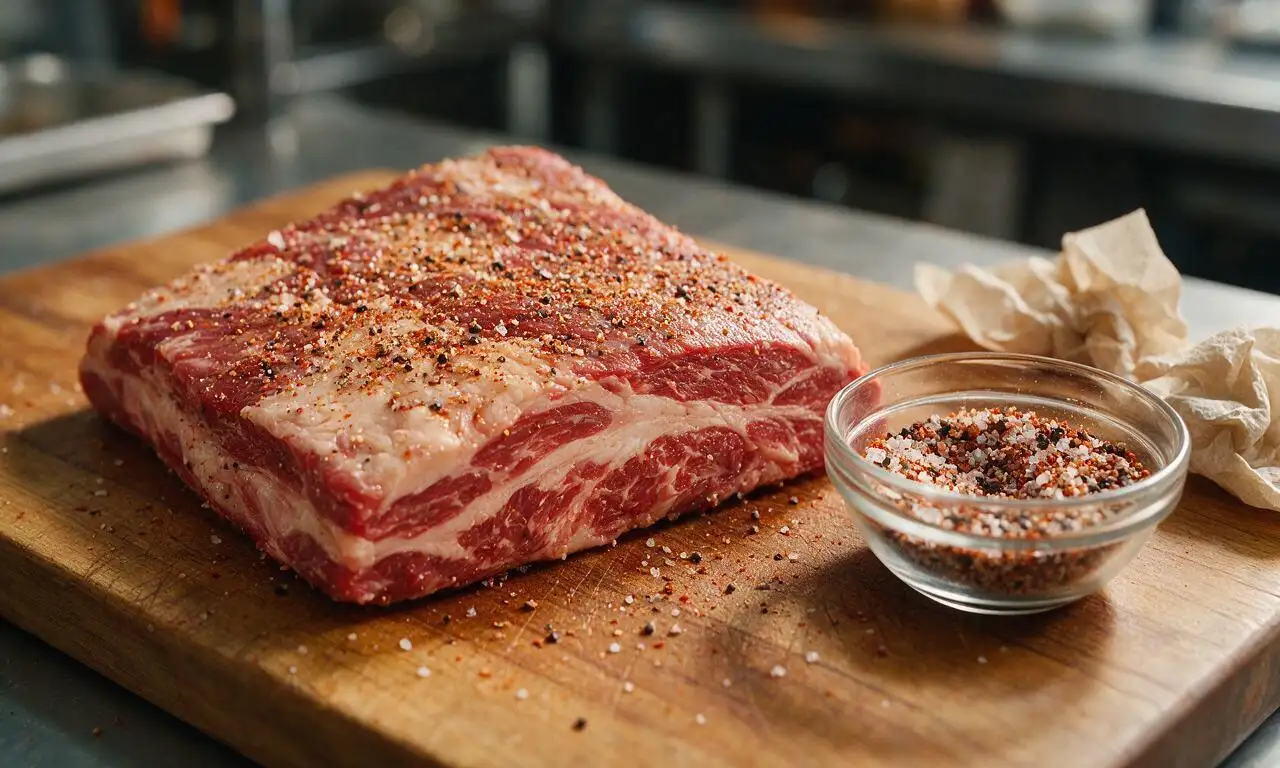
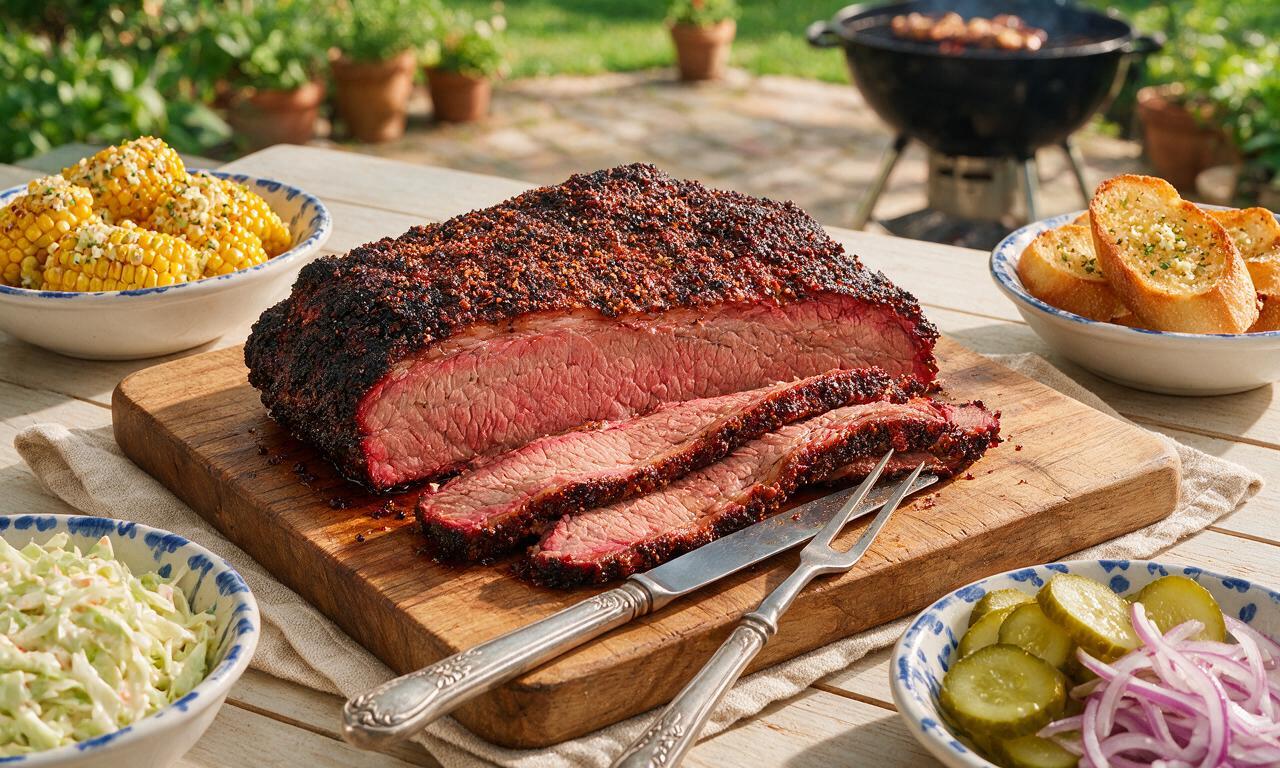
Central Texas BBQ prioritizes simple, bold seasoning so smoky beef is the star. Use a 1:1:½ ratio of coarse ground black pepper, kosher salt, and smoked paprika, applied generously to every brisket surface right before smoking. Skip sugary rubs—they burn quickly during long low-temp smokes and leave a bitter, ashy taste on your crisp bark.
3.Why do you recommend trimming the brisket fat cap to exactly 6mm?
▾
That 6mm fat cap is the ideal sweet spot for Texas-style brisket. Any thicker, and you’ll be left with chewy, unrendered fat most guests will peel off slices; any thinner, and you won’t have enough melting fat to baste the meat as it smokes, leading to dry, bland brisket that misses that classic rich, beefy mouthfeel.
4.What’s the ideal smoker temperature for cooking the brisket on this platter?
▾
Stick to a consistent 225°F to 250°F, using post oak or hickory wood for that authentic central Texas smoke profile. At that temperature, your point-end brisket will cook low and slow in roughly 1 to 1.5 hours per pound, breaking down tough connective tissue without drying out the outer layers before the center turns tender.
5.Can I use regular grocery store beef sausage instead of Texas-style hot links?
▾
You can, but you’ll miss that signature spicy, snappy bite that defines Texas BBQ trail platters. Texas beef hot links are coarsely ground, seasoned with red pepper and garlic, and stuffed into natural casings for that crisp bite. If substituting, pick a spicy, all-beef coarse-ground sausage with no added sweeteners to stay true to the flavor profile.
6.What goes in the tangy mop sauce, and how often should I apply it?
▾
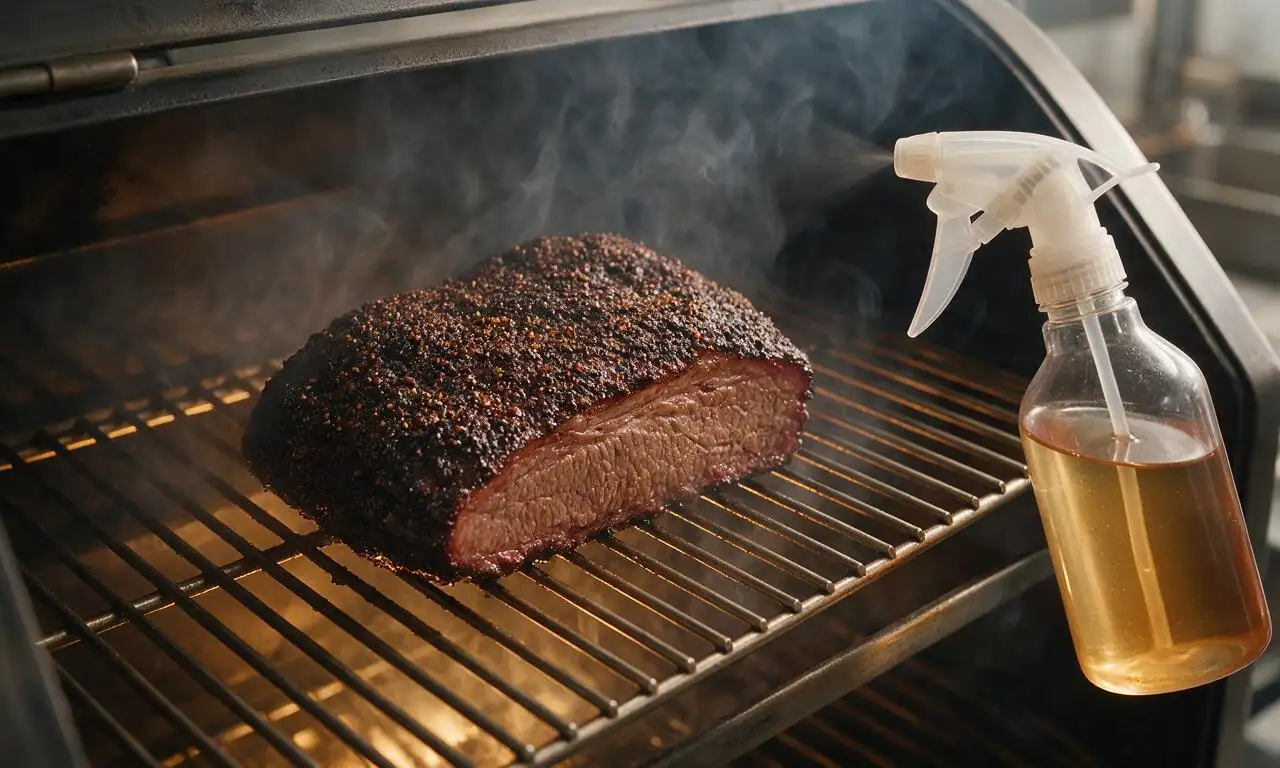
Traditional Texas mop sauce is thin, vinegar-forward, and unsweetened, usually made with equal parts apple cider vinegar and beef broth, a dash of your same salt-pepper-paprika brisket rub, and a splash of Worcestershire. Mop it onto the brisket every hour after the first 3 hours of smoking to keep the surface moist without softening the bark.
7.Do I need to wrap my brisket in foil or butcher paper while it smokes?
▾
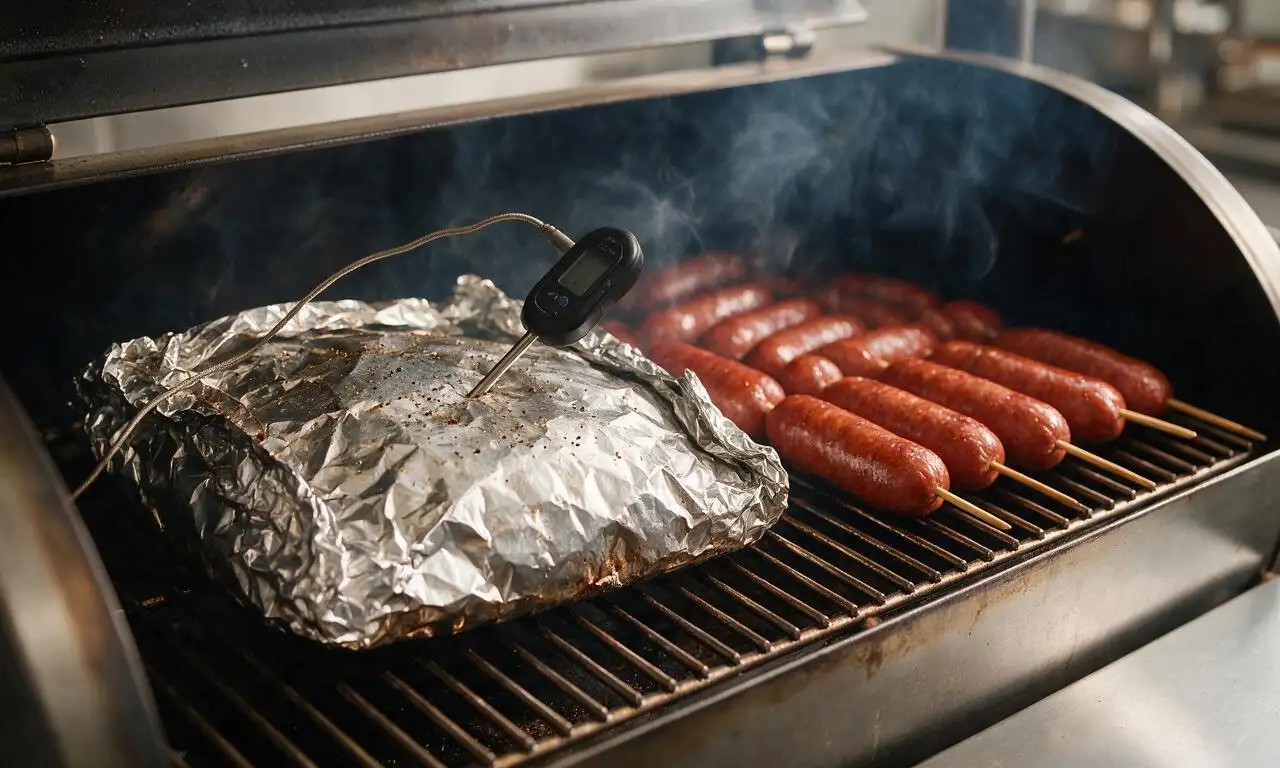
For this platter, wrap brisket in uncoated pink butcher paper once it hits an internal temperature of 165°F. This helps you push through the annoying temperature “stall” caused by evaporative cooling without steaming the bark soft the way tight foil wraps can. Keep it wrapped until it hits 203°F internal, when a probe slides in like soft butter.
8.How long should I let the brisket rest before slicing it for the platter?
▾
Resting is non-negotiable for juicy brisket, so don’t skip this step. Once it hits that 203°F target temp, pull it off the smoker, keep it wrapped in paper and a thick towel, and let it rest in a dry cooler for a minimum of 1 hour, up to 4 hours. This lets rendered juices redistribute instead of running all over your platter when you slice.
9.What’s the right way to slice brisket for a Texas trail platter?
▾
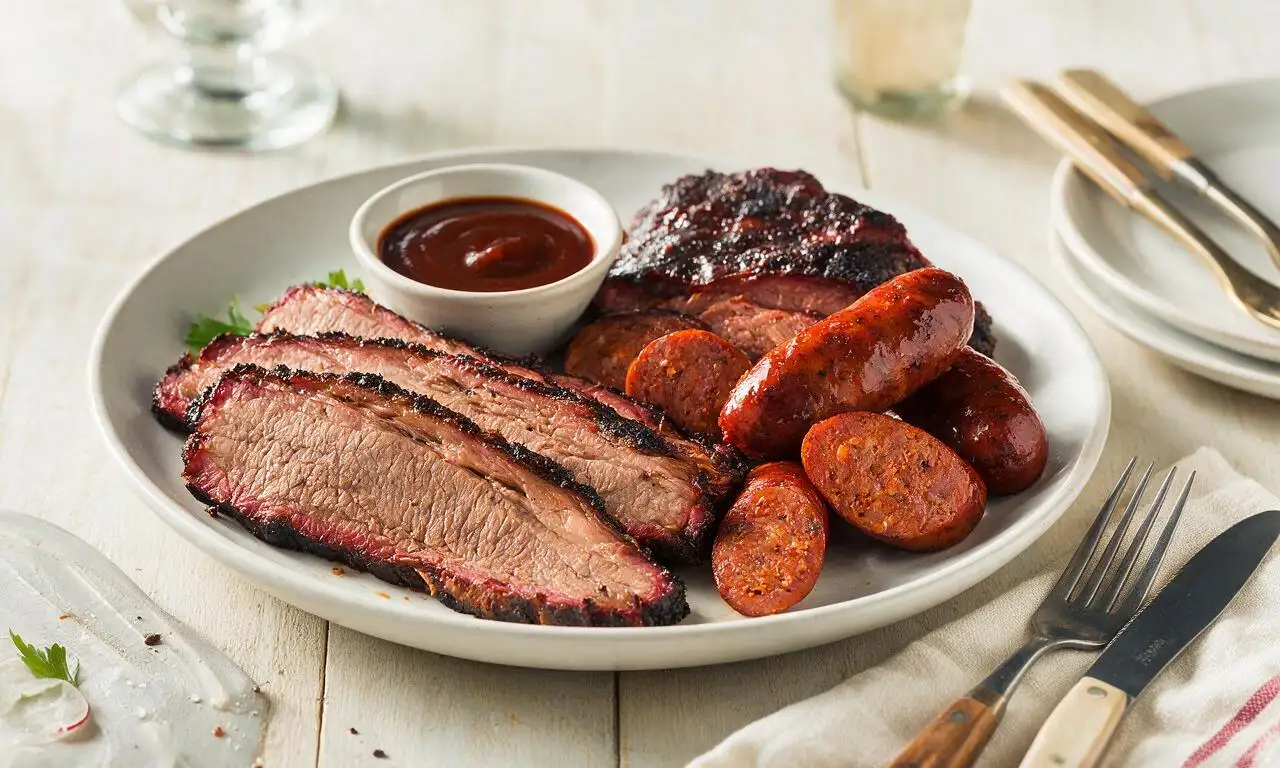
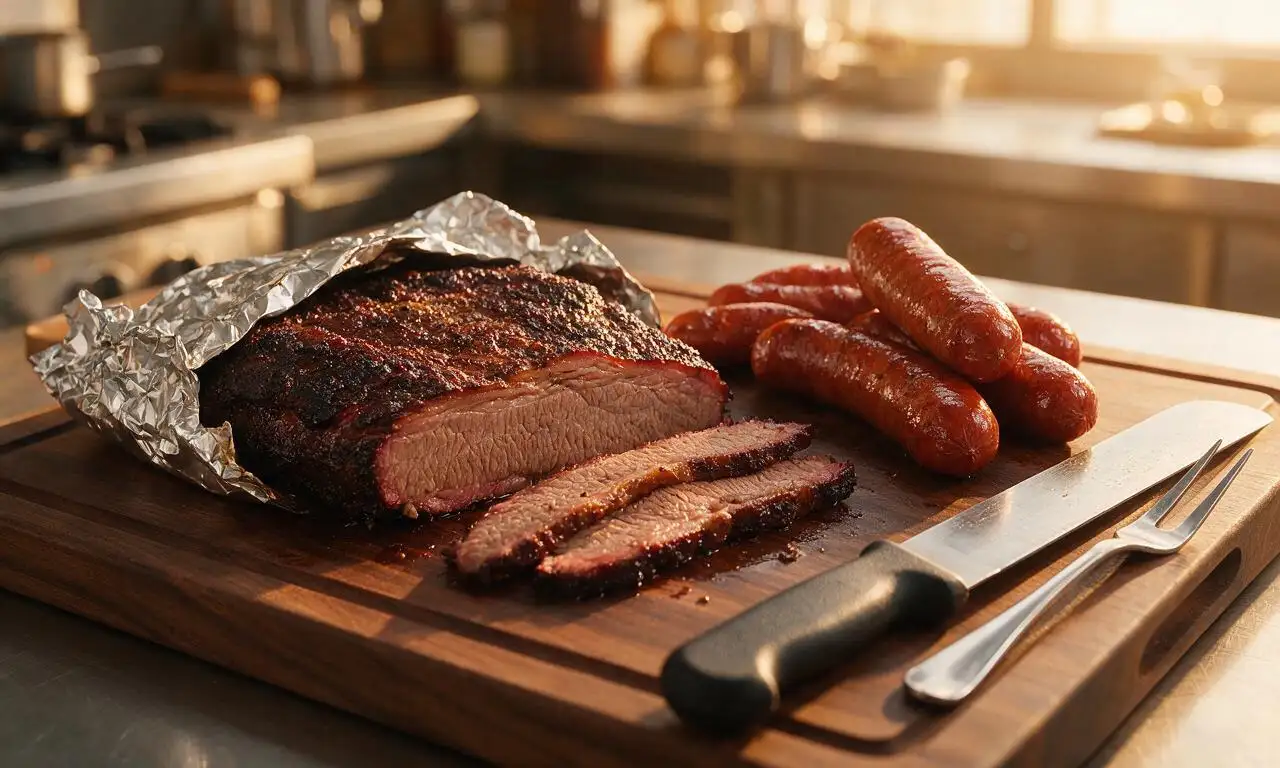
First, separate the point from the flat once the brisket is fully rested, slicing the lean flat against the grain into 6mm thick slices. For the ultra-rich point, you can cut it into thicker, 25mm burnt end-style cubes, or slice it against the grain the same as the flat. Fan slices out on the platter next to sausage so guests can pick their preferred cut.
10.How do I cook the Texas hot links so they don’t burst while cooking?
▾
Skip boiling or blasting them at high heat! Toss links on the cooler side of the smoker during the last 45 minutes of the brisket’s rest period, rolling them every 15 minutes until they hit 160°F internal. The gentle smoke heats them through, keeps natural casings snappy, and picks up light smoke flavor that matches the brisket without splitting casings.
11.Do I need a fancy offset smoker to make this platter taste authentic?
▾
Not at all! You can get fantastic results on a kettle grill, pellet smoker, or even an electric smoker as long as you maintain consistent temperature and use the right wood. The core priorities are the simple salt-pepper-paprika rub, low-and-slow cook, oak or hickory smoke, and properly rested brisket—fancy gear is nice, but not required.
12.What classic sides pair best with a Texas BBQ Trail Platter?
▾
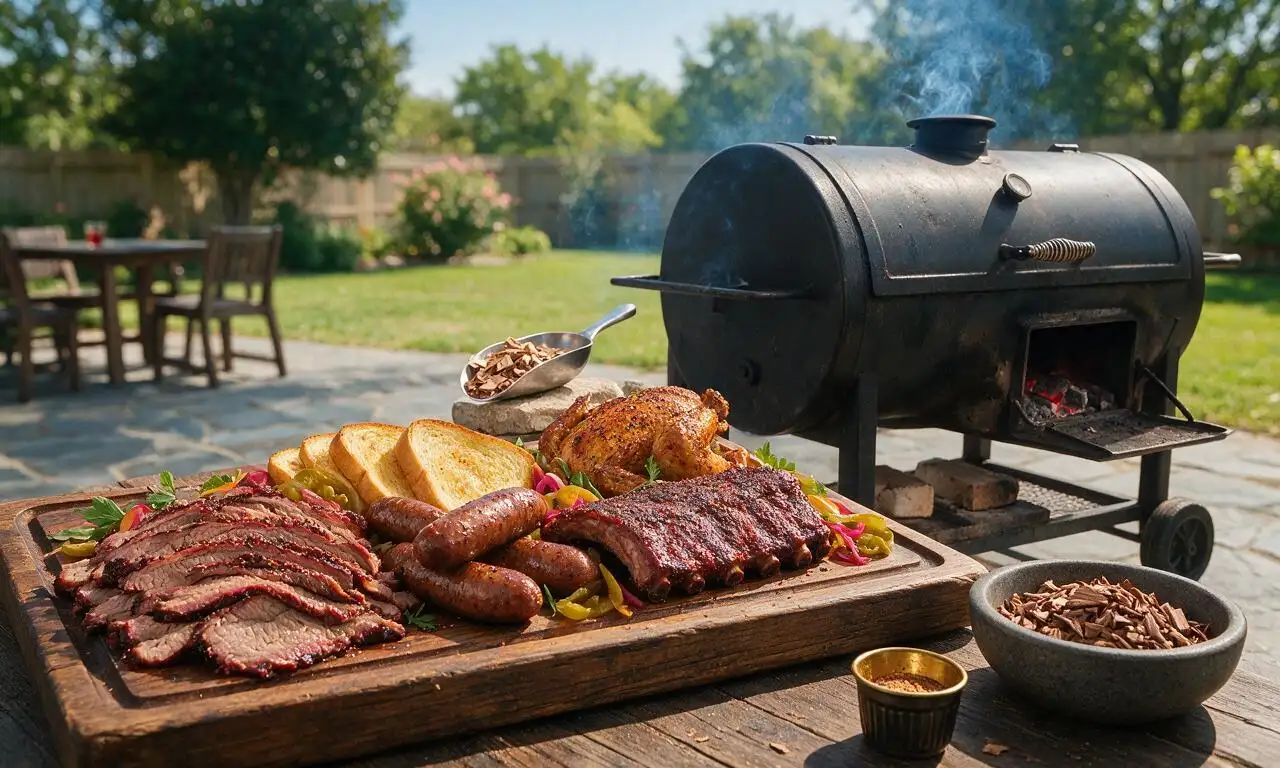
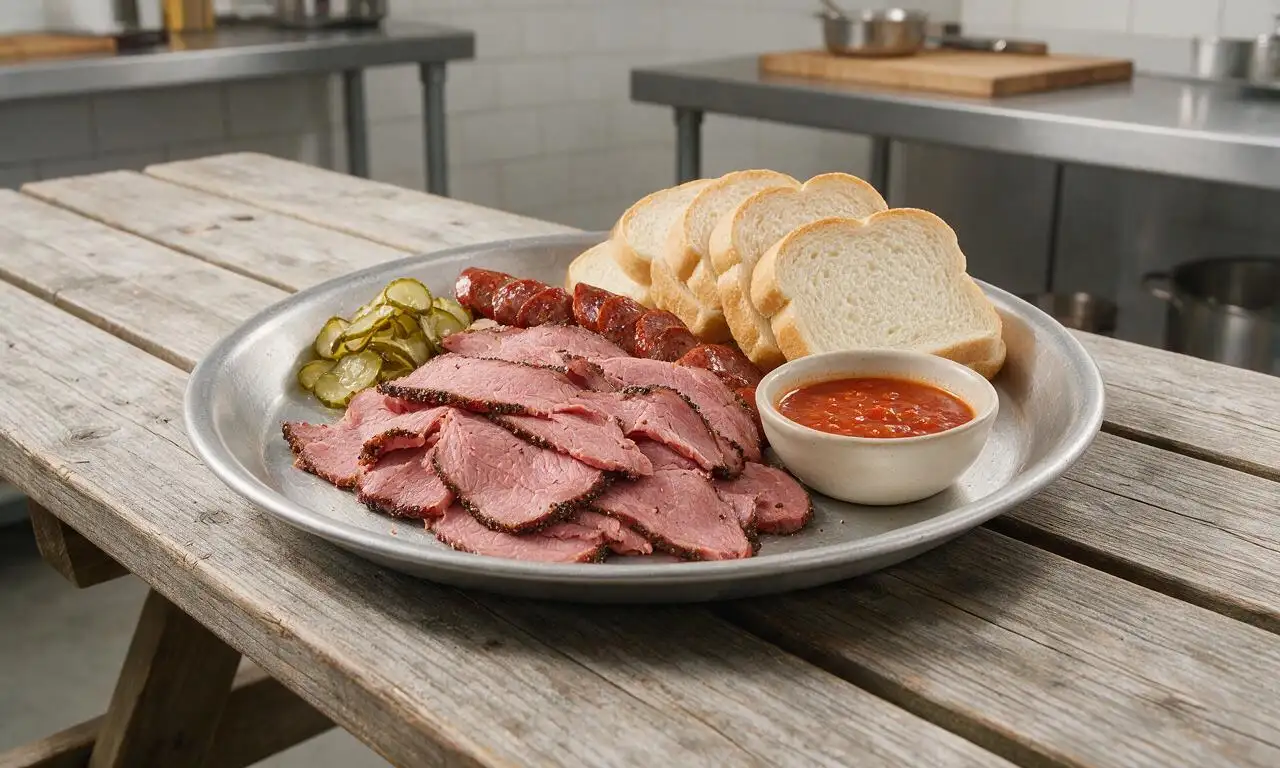
Stick to simple central Texas sides that don’t compete with the smoky beef: tangy dill pickle slices, thin-sliced white onion, plain white sandwich bread, vinegar-based coleslaw, and simple pinto beans seasoned with a little jalapeño and bacon. Skip heavy, sugary sides like molasses baked beans, as they overpower the clean, smoky beef flavor.
13.Why isn’t there any sugar in the brisket rub for this recipe?
▾
Central Texas BBQ is all about letting high-quality beef and wood smoke take center stage, and sugar burns at the low temperatures used for long smokes, leaving a bitter, ashy taste on your bark. The simple mix of kosher salt, coarse pepper, and smoked paprika builds a crisp, peppery bark and complements smoke without adding cloying, out-of-place sweetness.
14.What type of wood works best for smoking the meats on this platter?
▾
Post oak is the gold standard for central Texas BBQ, with a mild, earthy smoke that never overpowers beef. If you can’t find post oak, hickory is a reliable backup—just use a little less, since it has a stronger, nuttier smoke profile. Avoid heavy mesquite for full-length cooks, as it can make brisket taste harsh and bitter over long smoke times.
15.Can I make the brisket ahead of time if I’m hosting a party?
▾
Absolutely! Brisket holds incredibly well when stored properly. Once it’s finished resting, wrap it tightly in double layers of butcher paper and foil, and hold it in a 140°F cooler or low oven for up to 6 hours before serving. You can also refrigerate sliced brisket for up to 3 days, reheating gently with a splash of beef broth to keep it moist.
16.How do I avoid ending up with tough, chewy brisket on my platter?
▾
Tough brisket almost always traces back to one of three mistakes: cooking too fast at high heat, pulling it before it hits 203°F internal (the temp where tough connective tissue breaks down), or skipping the long rest. Don’t rush the cook—hold consistent low temp, cook until a probe slides in like butter, and rest for at least an hour for tender slices every time.
17.Should I season the brisket the night before smoking, or right before it goes on?
▾
Both methods work, but I recommend seasoning 1 to 2 hours before smoking if you’re short on time. If you season the night before, salt will draw out surface moisture that dissolves seasoning, then reabsorb for deeper, more even flavor. Just be sure to keep the brisket tightly wrapped in the fridge if you pre-season to avoid unwanted surface drying.
18.How is this Texas mop sauce different from thick, sweet Kansas City BBQ sauce?
▾
Texas mop sauce is thin, tangy, and unsweetened, designed to baste meat as it cooks rather than act as a heavy serving sauce. Kansas City sauce is thick, tomato-based, and loaded with sugar and molasses, meant to be slathered on at the end of cooking. For this trail platter, serve mop sauce on the side for dipping, but skip the thick sweet sauce for authenticity.
19.How much meat per person should I plan for when serving this platter?
▾
Plan for roughly ½ pound of total cooked meat per guest, since brisket loses about 40% of its raw weight during the long smoke. That breaks down to about ⅓ pound brisket and ⅙ pound sausage per person for standard servings. Bump that up to ¾ pound total per person if you’re serving big eaters or hosting a long, graze-friendly watch party.
20.My brisket hit 165°F and stopped rising in temperature—what do I do?
▾
That’s the infamous BBQ “stall,” and it’s totally normal when smoking large cuts of meat! It happens when evaporating moisture from the meat surface cools it down, just like sweat cooling your skin. Don’t panic—wrap it in pink butcher paper to speed through the stall, or hold your smoker temp steady and wait; the temp will start climbing again in 1 to 3 hours.

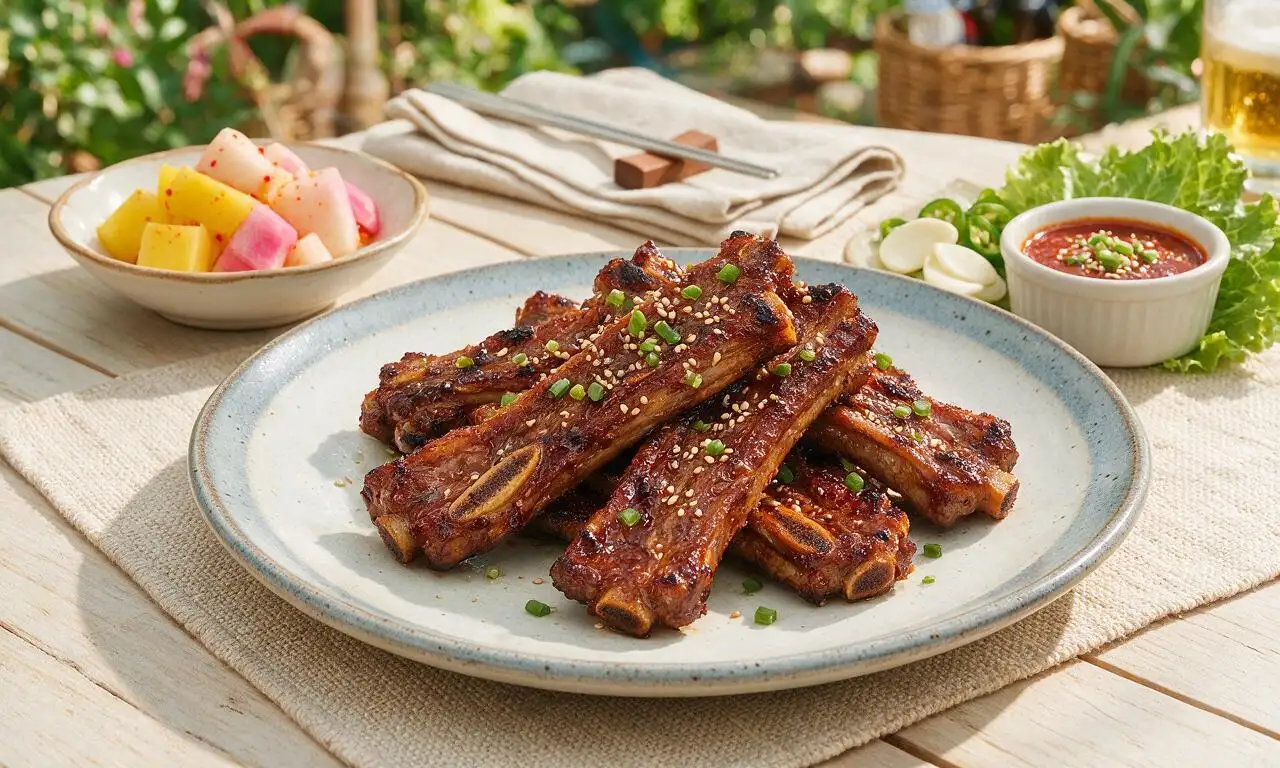
OMG y’all, this Texas BBQ Trail Platter was an absolute hit at our family cookout last weekend! I was nervous about the 6+ hour cook time but broke it up with prep the night before (rubbed the brisket and let it sit in the fridge overnight, game changer!) and it was so worth it. My kids went back for seconds, even my picky 8 year old who swears he ‘hates smoked meat’ ate a whole helping of ribs and sausage. 10/10 will be making this for our neighborhood potluck next month!
As someone who’s relatively new to smoking meats, I was worried this would be too hard since it’s marked medium difficulty, but the instructions were super clear! I made a half portion for meal prep this week and the leftovers hold up so well—tossed some of the leftover brisket on a salad for lunch today and it was SO good. Only note: my sausage cooked a little faster than the timeline said, so I’d recommend checking temp 20 mins earlier than noted next time.
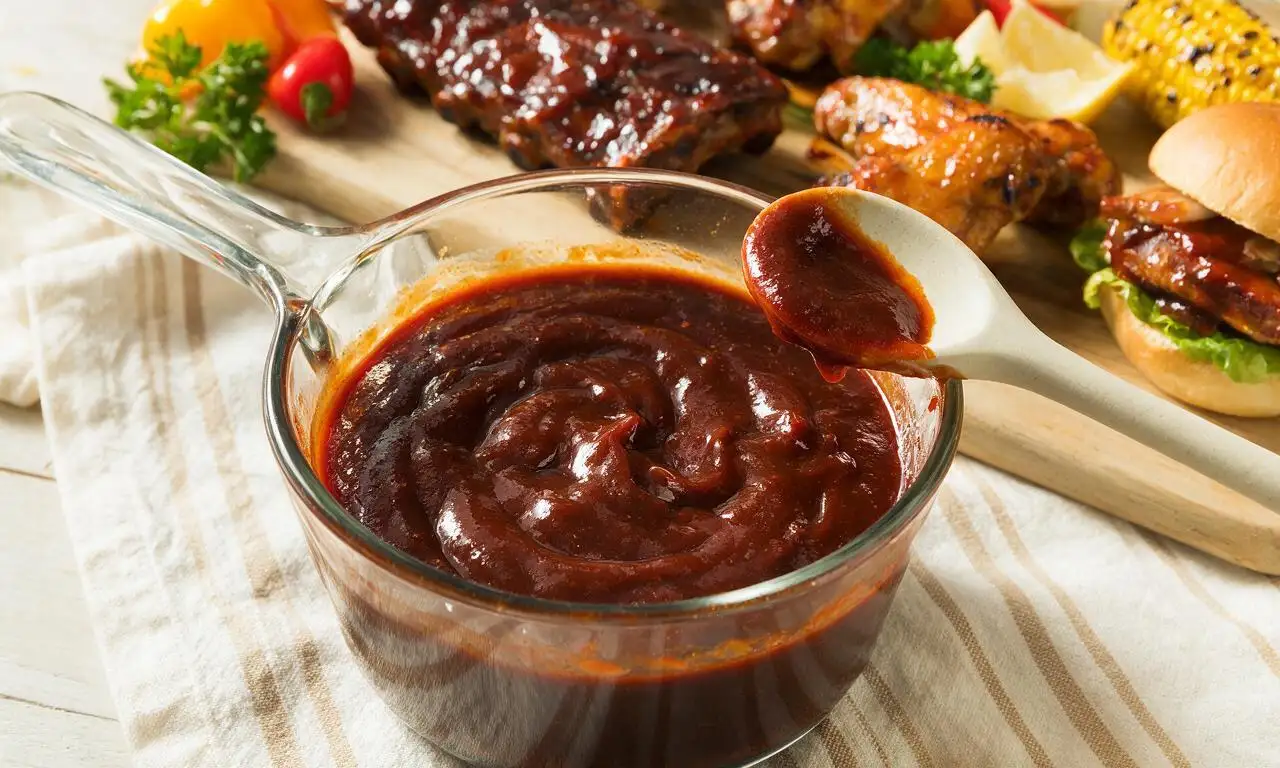
This platter looks insane! I’ve been scrolling for a showstopper BBQ recipe for my partner’s birthday cookout and this looks perfect. Quick question for folks who’ve made it: does the homemade BBQ sauce have gluten? I have celiac so I have to swap out any wheat-based ingredients like regular Worcestershire. Would love any tips if you’ve modified it for GF diets!
Y’all I brought this to my office potluck yesterday and people were literally coming up to me for the recipe before they even finished their plates! The combination of brisket, ribs, sausage, and those tangy pickled onions? *Chef’s kiss* I did add a little extra cayenne to the rub because my crew likes extra heat, and it was perfect. Zero leftovers, that’s how you know it’s good!
Okay full transparency, this was my first time ever smoking any kind of meat and I was panicking the whole 6 hours that I was gonna mess it up for my in-laws visiting from Houston (talk about pressure!!). But y’all, they said it tasted just like the BBQ they get at their favorite spot back home! My father-in-law even asked for the recipe to take back with him, I felt like I won the lottery. Only bummer is my cook time ran about 40 mins longer than the recipe said, so I’d recommend blocking a little extra time just in case.