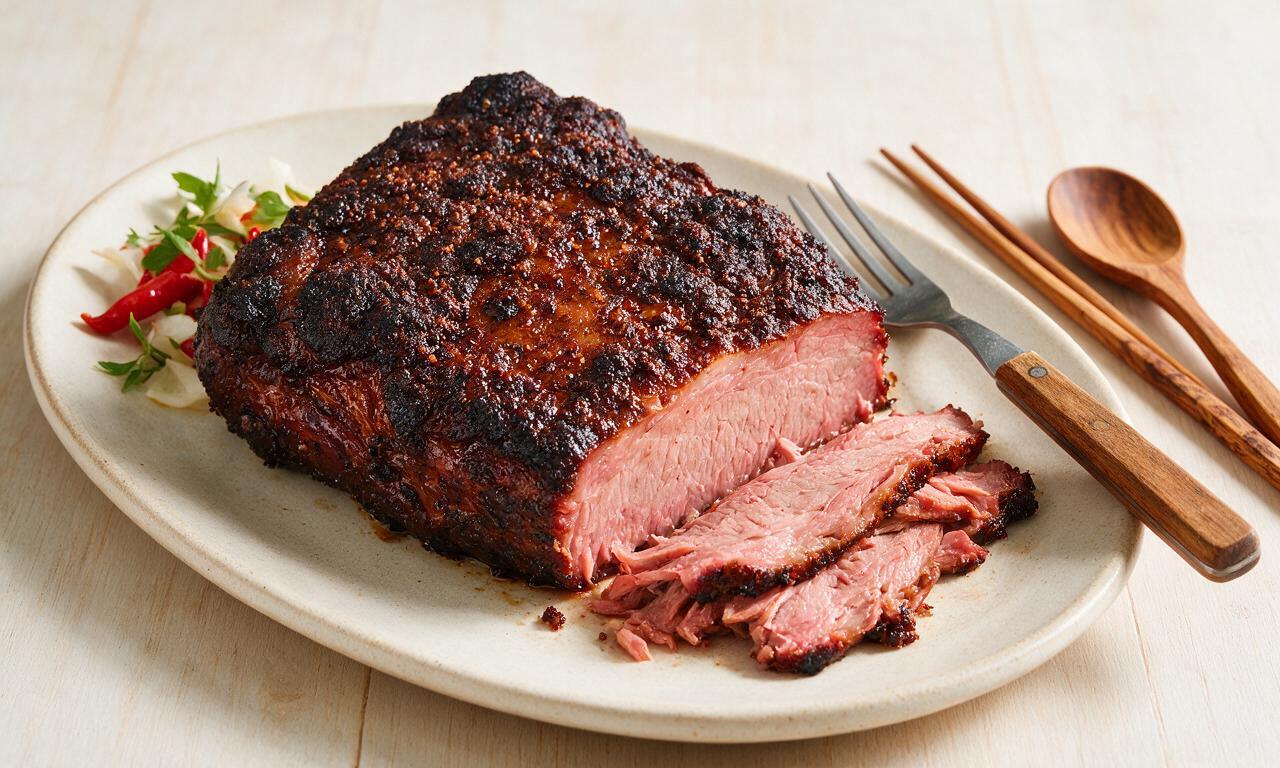
Texas Brisket

Texas Brisket
⏱️ cook time 12 hours
🍽️ servings 8
⚡ Difficulty hard

intro

Slow-smoked to tender, bark-crusted perfection, classic Texas brisket uses simple seasoning to highlight rich, smoky beef flavor as the star of any backyard cookout.

Ingredients

Beef packer brisket (with 1/4 inch fat cap) 3.6 kg (8 lbs)
Kosher salt 3 tbsp (45 g)
Coarsely ground black pepper 3 tbsp (24 g)
Garlic powder 1 tbsp (9 g)
Onion powder 1 tbsp (7 g)
Smoked paprika 1 tsp (2 g)
Post oak wood chunks 1.8 kg (4 lbs)
Uncoated pink butcher paper 1 large 90 cm (3 ft) sheet

Steps

1

Prep and season brisket

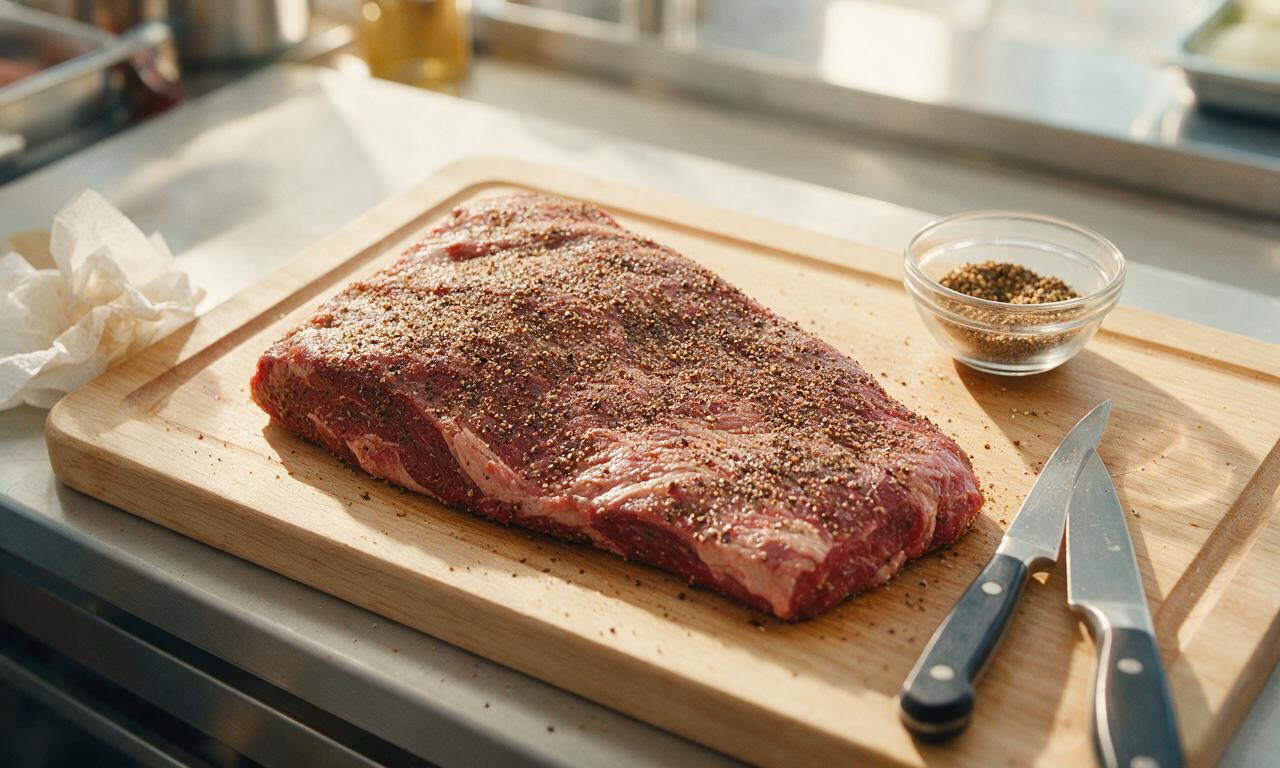
Pat the 3.6kg (8lb) packer brisket completely dry with paper towels. Trim hard, knobby fat from the meat side, leaving a uniform 6mm (1/4 inch) thick fat cap on the top surface. Mix 3 tbsp kosher salt, 3 tbsp coarse black pepper, 1 tbsp garlic powder, 1 tbsp onion powder, and 1 tsp smoked paprika in a small bowl, then apply the rub evenly across every surface of the brisket, pressing gently to help the spices adhere. Let the seasoned brisket rest at room temperature for 45 minutes while you preheat your smoker.
Step 1
step1:Prep and season brisket
2

Preheat the smoker

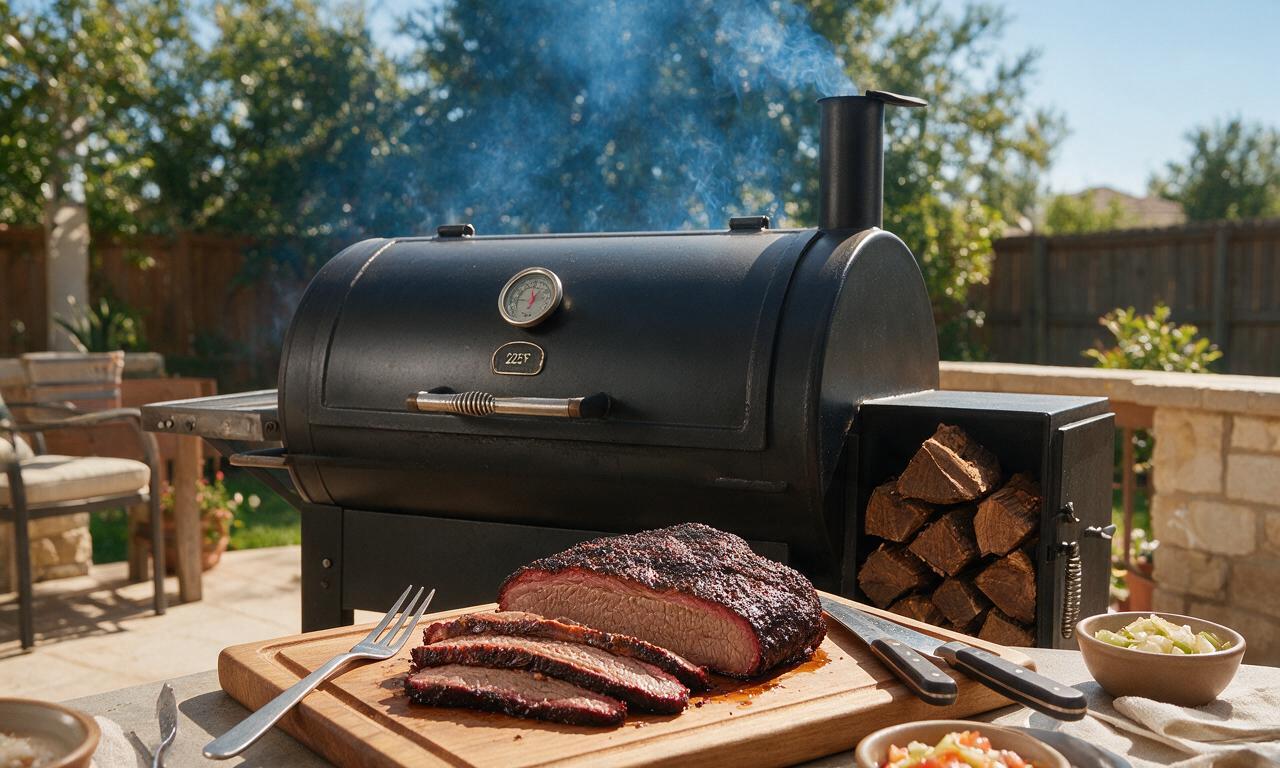
Preheat your offset or pellet smoker to 107°C (225°F) set for indirect heat. Add 900g (2 lbs) of post oak wood chunks to the firebox once the smoker reaches target temperature, and wait until the wood produces thin, wispy blue smoke (thick white smoke creates bitter, off-flavors) before adding the meat.
Step 2
step2:Preheat the smoker
3

Smoke brisket unwrapped

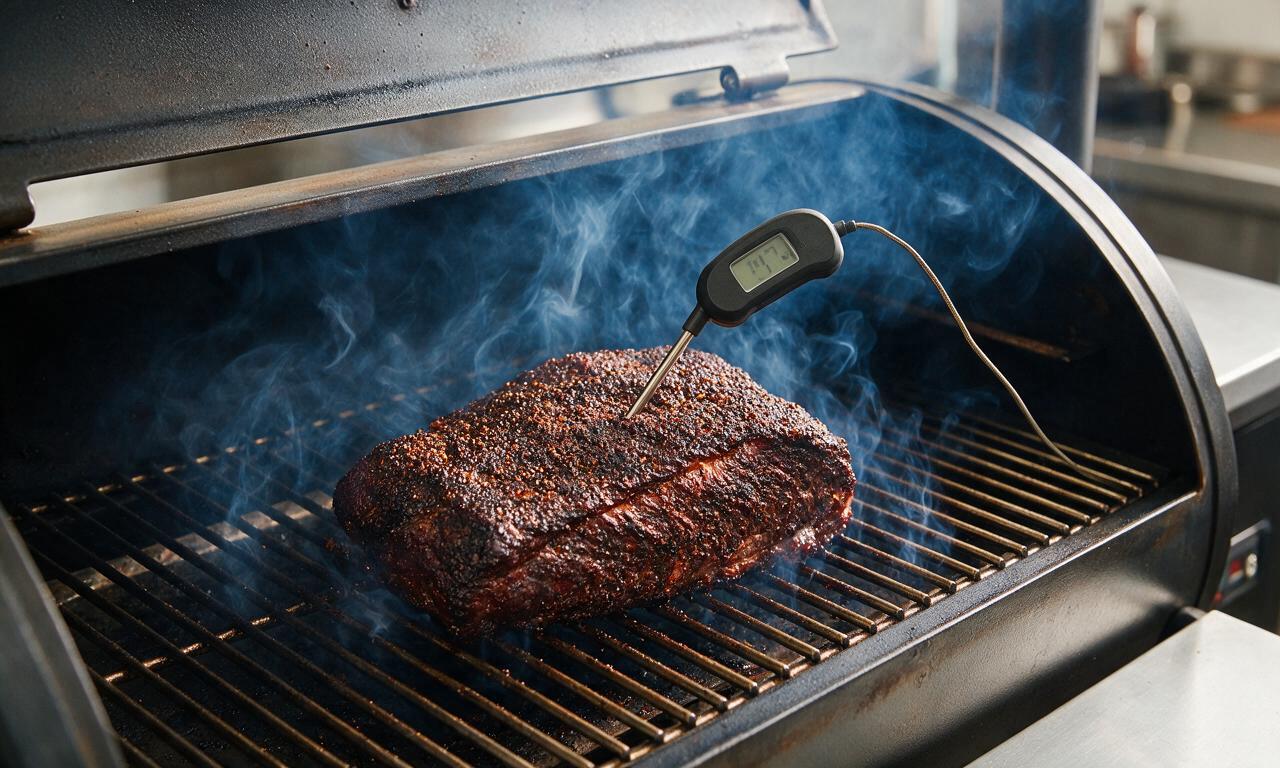
Place the seasoned brisket on the smoker grate fat-side up, positioned well away from direct flame. Close the smoker lid and maintain a consistent internal cooking temperature of 107–121°C (225–250°F) for 6 hours, adding 225g (8oz) of extra oak wood chunks every 2 hours to maintain steady, light smoke. Avoid opening the smoker lid unnecessarily; no spritzing is needed for traditional Texas brisket. Cook until the brisket reaches an internal temperature of 79°C (175°F), measured with an instant-read thermometer inserted into the thickest part of the flat cut.
Step 3
step3:Smoke brisket unwrapped
4

Wrap in butcher paper

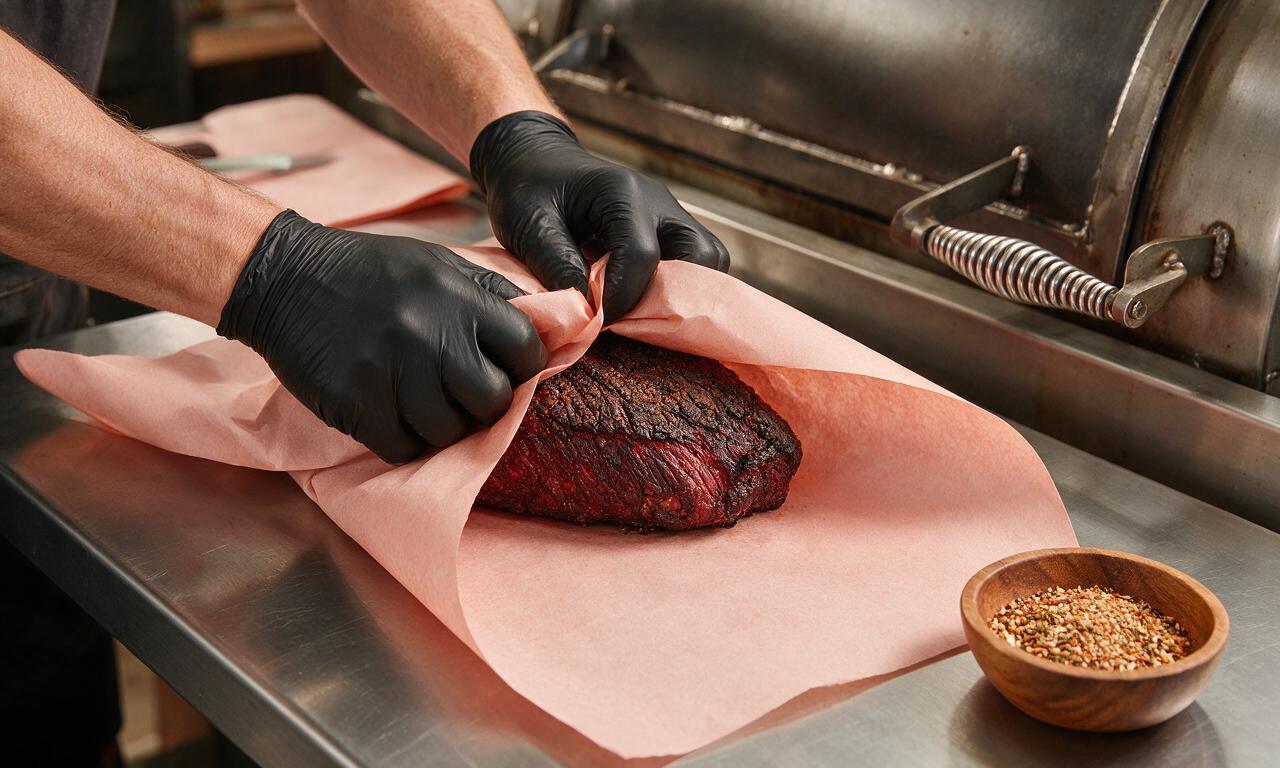
Carefully remove the brisket from the smoker once it hits 79°C (175°F), and wrap it tightly in the 90cm (3ft) sheet of uncoated pink butcher paper, folding edges snugly to eliminate open gaps that let steam escape. Return the wrapped brisket to the smoker, maintaining the same 107–121°C (225–250°F) cooking temperature.
Step 4
step4:Wrap in butcher paper
5

Cook to probe tender

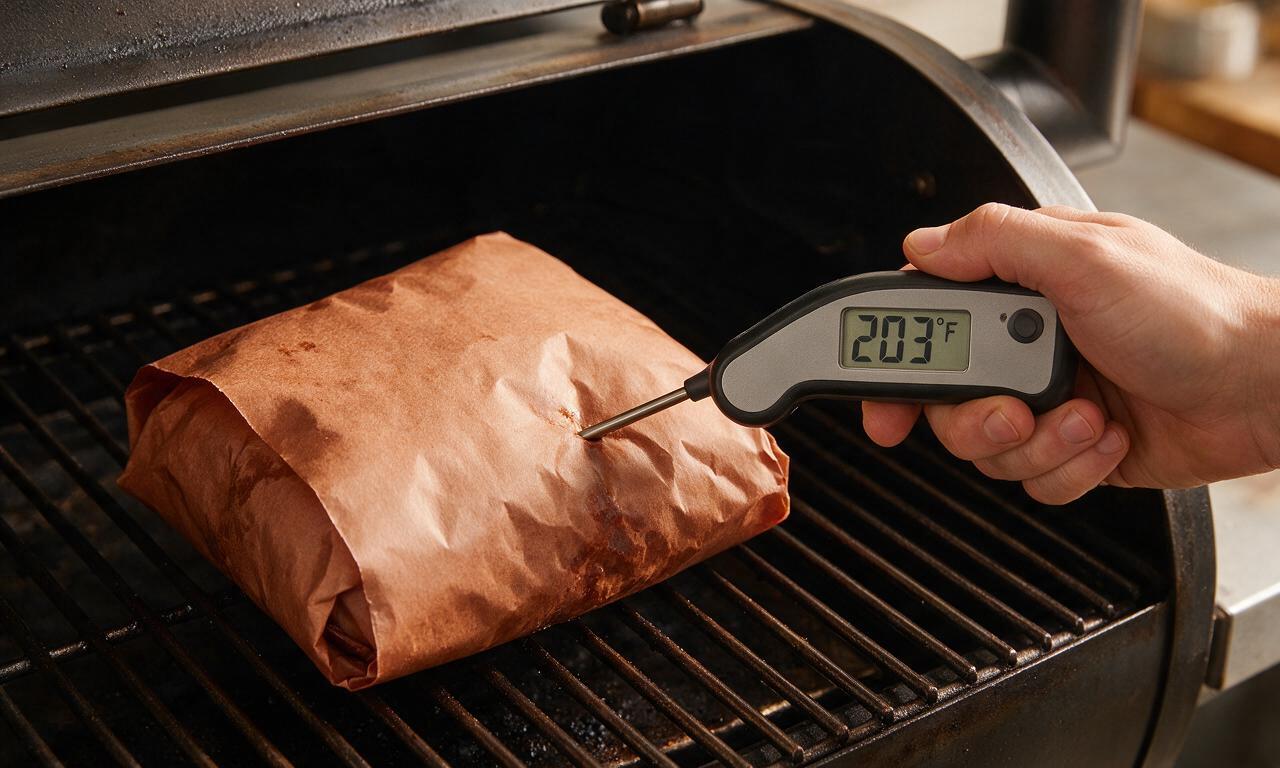
Continue cooking the wrapped brisket for 3–4 additional hours, checking internal temperature periodically. The brisket is fully done when an instant-read thermometer slides into the thickest parts of both the point and flat cuts with zero resistance, like pushing a knife into soft room-temperature butter; this typically occurs at an internal temperature of 93–96°C (200–205°F). Stop adding new wood chunks once the brisket hits 91°C (195°F) to avoid over-smoking the meat.
Step 5
step5:Cook to probe tender
6

Rest cooked brisket

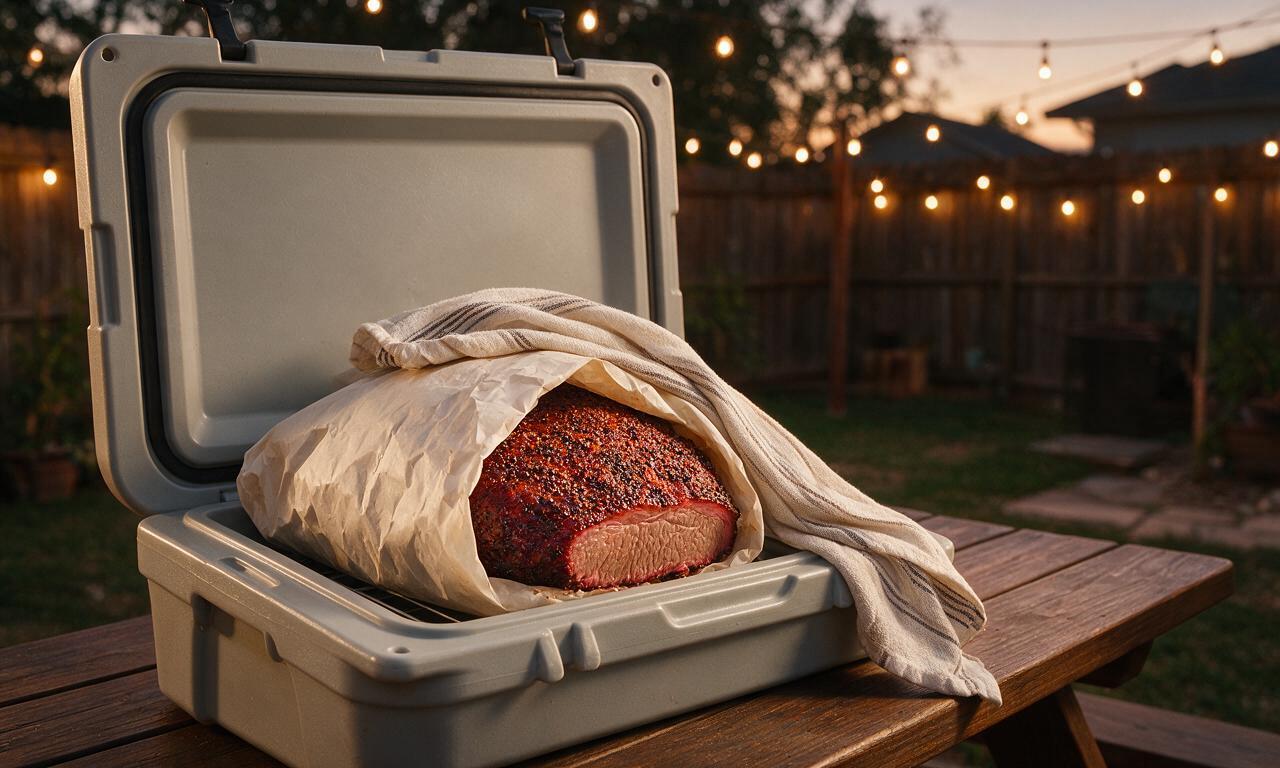
Remove the fully cooked brisket from the smoker, leaving it tightly wrapped in butcher paper. Place the wrapped brisket in an un-iced insulated cooler, and drape a clean kitchen towel over the top to hold in heat. Let it rest for a full 90 minutes to allow muscle fibers to relax and redistribute juices, which prevents dry, tough slices.
Step 6
step6:Rest cooked brisket
7

Slice against the grain

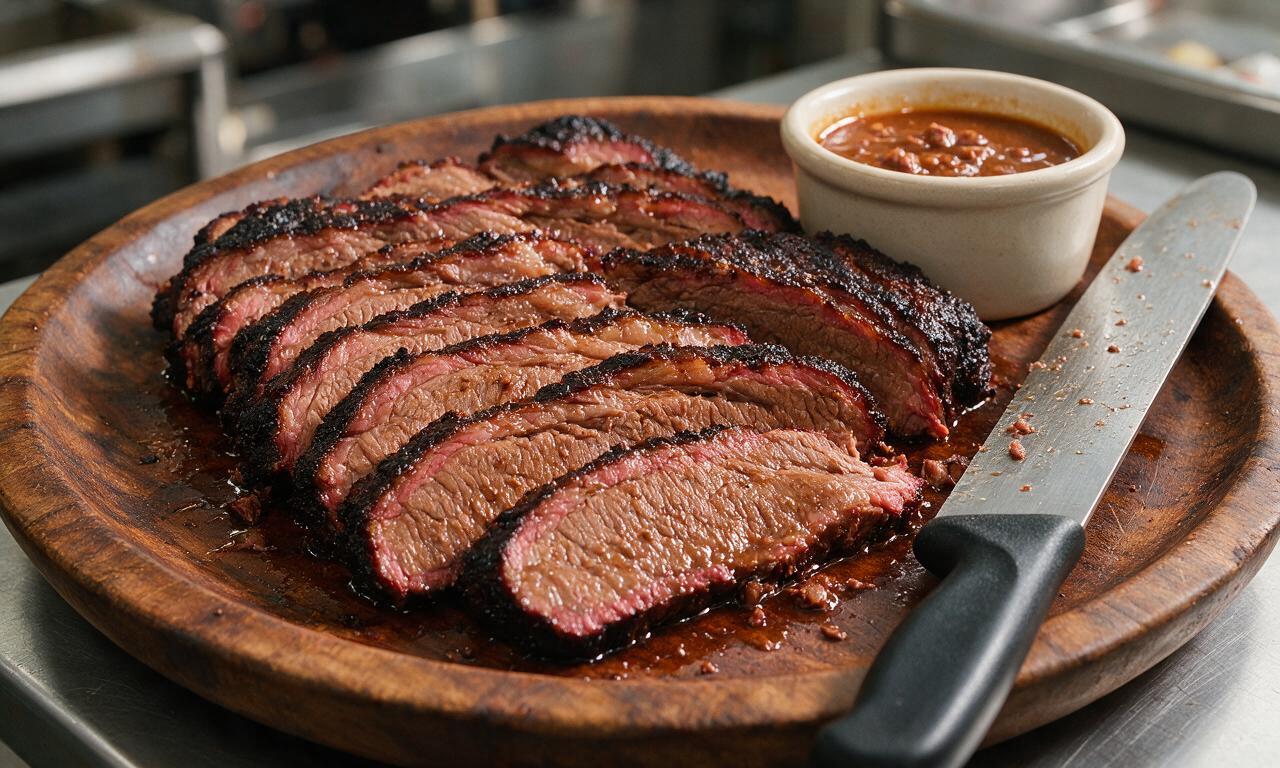
Unwrap the rested brisket, pouring any collected juices from the paper into a small ramekin. Separate the fatty point cut from the leaner flat cut along the natural fat seam between the two muscles. Slice the flat section against the grain into uniform 6mm (1/4 inch) thick slices, and cut the point section into thicker 12mm (1/2 inch) slices. Arrange on a serving platter, drizzling the reserved juices over the top before serving.
Step 7
step7:Slice against the grain

Tips

1.Skip sugary rubs for authentic Texas brisket: sugar burns at low smoking temperatures and creates a bitter, caramelized off-flavor that masks the natural beef and post oak smoke taste.
2.Prioritize the probe-tender test over strict timelines or temperature targets: every brisket has a different fat and muscle composition, so the 93–96°C (200–205°F) range is only a guide, not a hard rule for doneness.
3.Never skip the long rest period: slicing brisket immediately after removing it from the smoker will cause all the flavorful, juicy renderings to run out onto the cutting board, leaving you with dry, bland meat.
✨ You May Also Like

BBQ & Grilling
🍜 United States

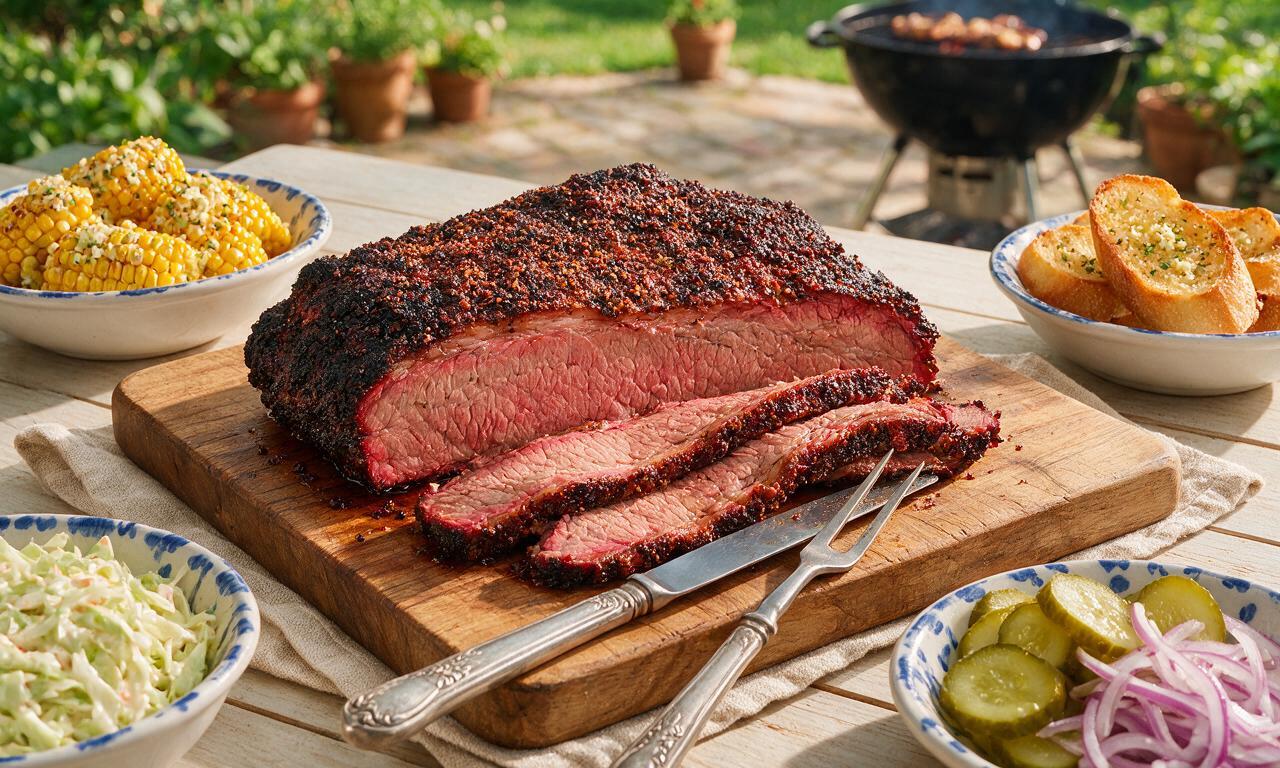
Tender, melt-in-your-mouth beef brisket with a crisp, spiced bark, slow-smoked to deep smoky perfection, the iconic centerpiece of Texas backyard barbecue.

⏱️ 12 hours BBQ & Grilling ★ 4.7
BBQ & Grilling
🍜 Korea

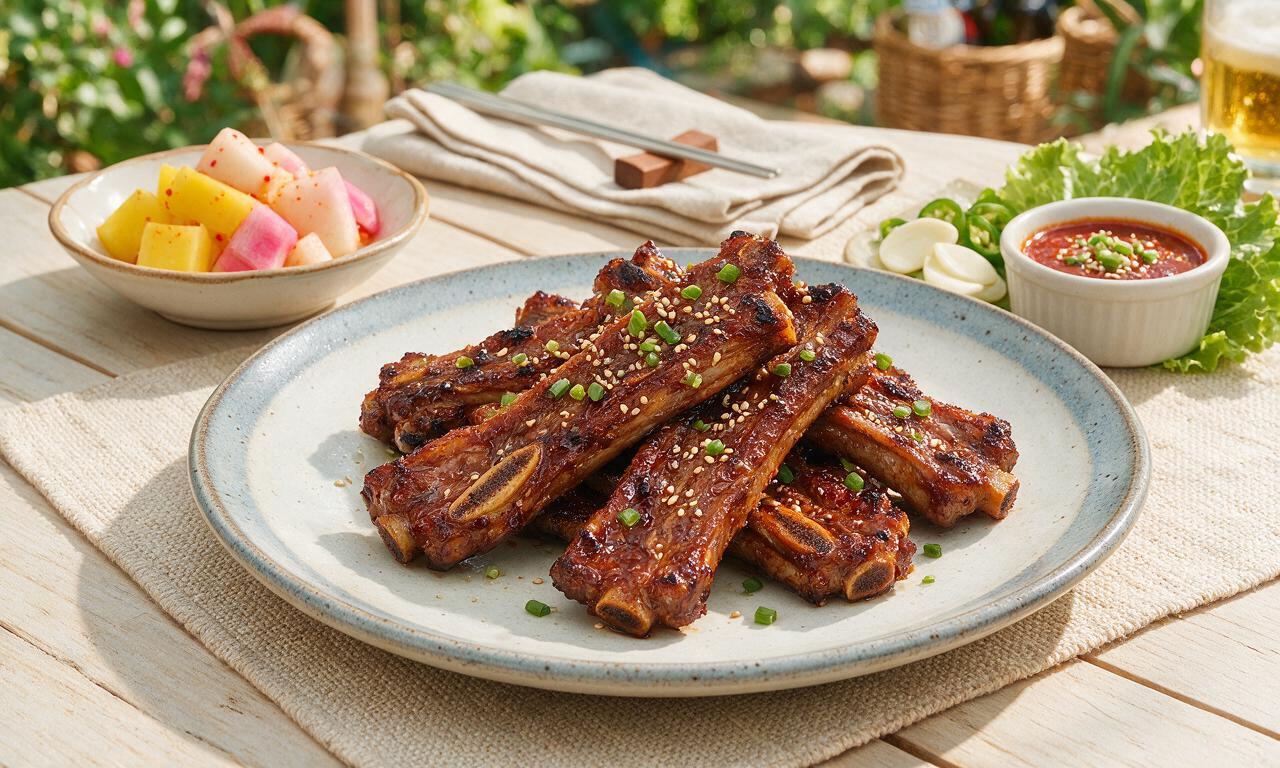
Tender, sweet-savory marinated beef short ribs, a beloved Korean BBQ staple with caramelized, slightly charred edges and deep umami flavor, perfect for outdoor summer gatherings.

⏱️ 4 hours 2BBQ & Grilling ★ 4.7
BBQ & Grilling
🍜 United States

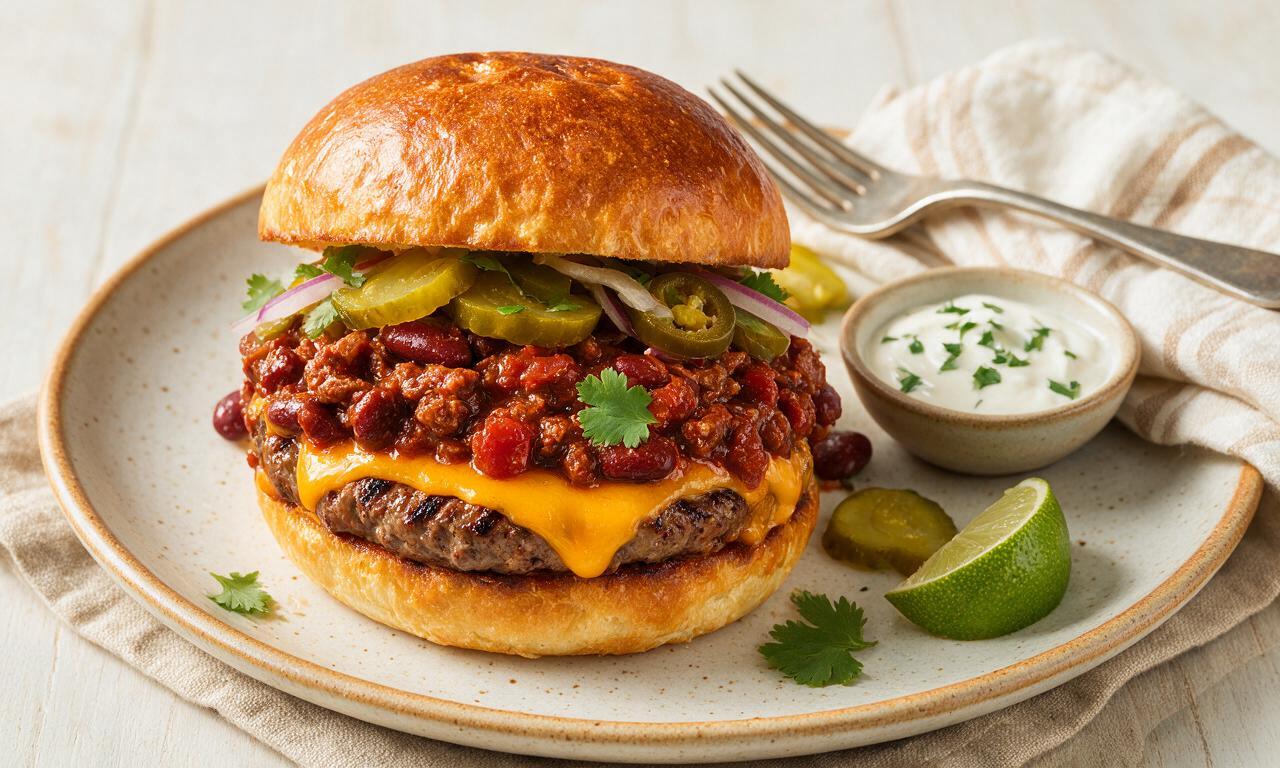
Juicy grilled beef patties topped with smoky homemade chili, melted cheddar, and tangy pickles on toasted brioche buns for a hearty, flavor-packed handheld meal.

⏱️ 40 minuteBBQ & Grilling ★ 4.9
BBQ & Grilling
🍜 United States

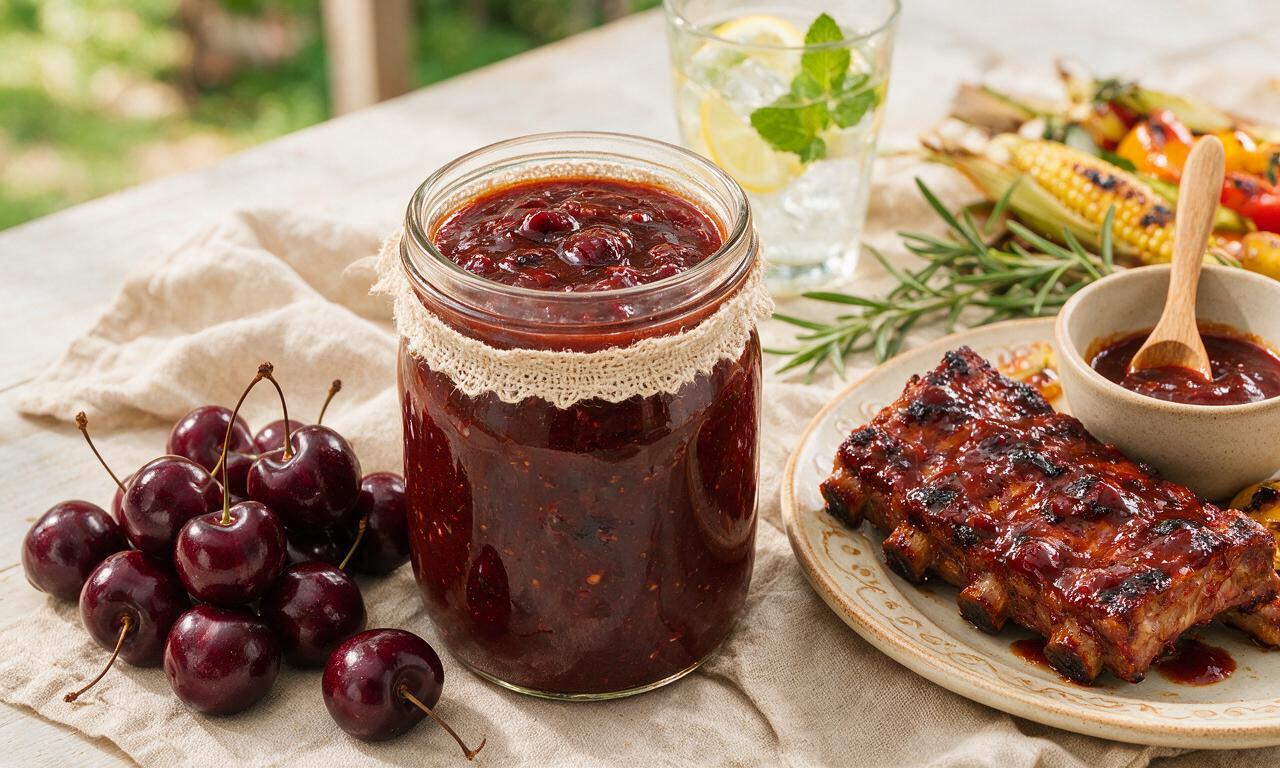
A sweet, smoky, tangy BBQ sauce brightened with peak-season dark cherries, ideal for glazing grilled ribs, chicken, pork, or summer roasted veggies.

⏱️ 35 minuteBBQ & Grilling ★ 5
BBQ & Grilling
🍜 United States

Rich, smoky, slightly sweet homemade bourbon BBQ sauce with deep caramel notes, ideal for glazing grilled ribs, chicken, and burgers at cookouts.

⏱️ 25 minuteBBQ & Grilling ★ 4.8
BBQ & Grilling
🍜 United States

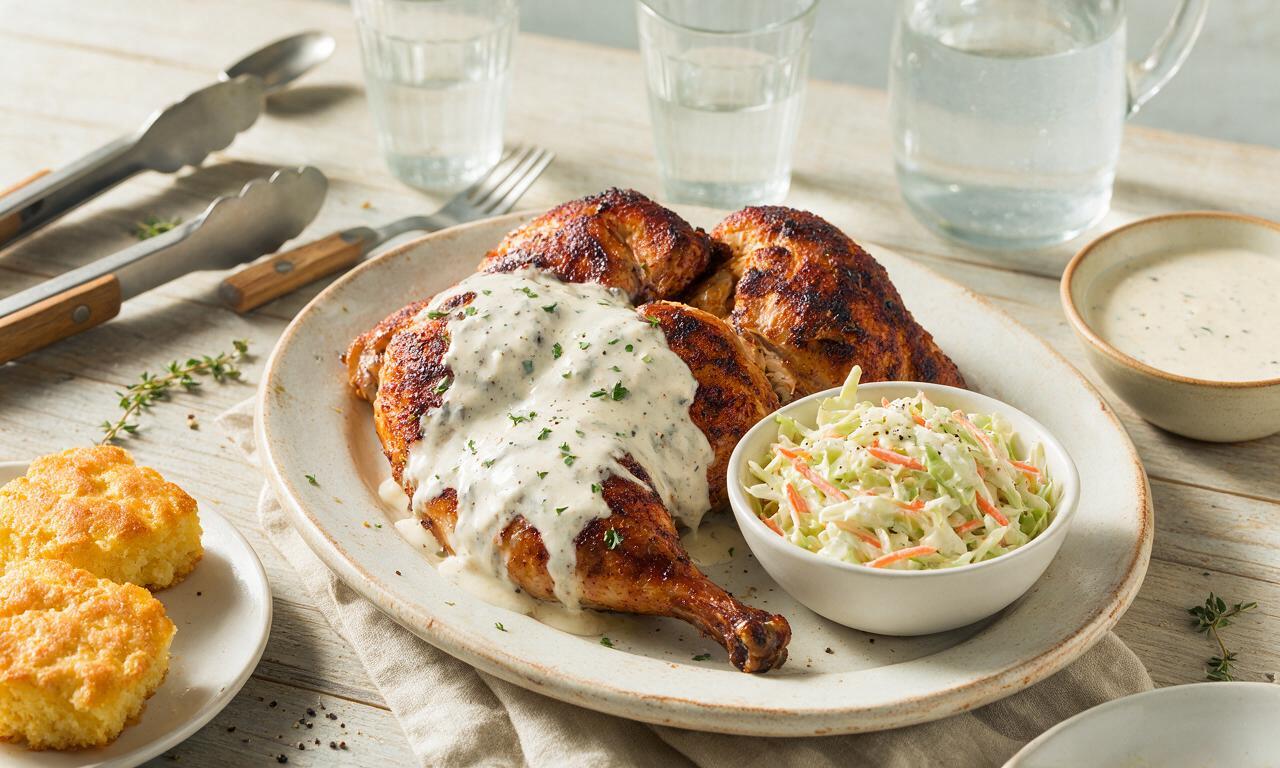
Iconic Alabama-style BBQ featuring tender hickory-smoked chicken slathered in tangy creamy white sauce, a beloved regional Southern cookout staple.

⏱️ 3 hoursBBQ & Grilling ★ 4.6

Texas Brisket:Frequently Asked Questions

1.What cut of brisket should I buy for authentic Texas smoked brisket?
Grab a whole beef packer brisket, which includes both the leaner flat and richer, marbled point, with a 1/4-inch thick fat cap intact. Skip pre-trimmed flat-only cuts—they dry out easily during the long smoke and lack the classic juicy bark and deep beefy flavor a full packer delivers.
2.Why is traditional Texas brisket rub so simple, with no fancy sugars or spices?
Classic Texas brisket lets rich, smoky beef take center stage, so the rub is intentionally minimal. The mix of kosher salt, coarse black pepper, garlic powder, and onion powder builds a crispy, savory bark without overpowering natural beef flavor or burning during the long, low cook.
3.How thick should I leave the fat cap on my brisket before smoking?
Trim the fat cap to a uniform 1/4 inch thickness across the entire surface. Any thicker and the fat won’t fully render, leaving chewy, unappetizing patches on the bark; any thinner and you’ll lose the protective, moisture-retaining layer that keeps brisket juicy through hours of smoking.
4.What ratio of seasonings works best for the classic Texas brisket rub?
Stick to a 3:2:1:1 ratio for the most balanced flavor: 3 parts coarsely ground black pepper, 2 parts kosher salt, 1 part garlic powder, and 1 part onion powder. Mix evenly, and apply generously to every surface of the brisket right before you put it on the smoker for ideal bark formation.
5.What smoker temperature is ideal for cooking authentic Texas brisket?
Hold your smoker at a steady 225°F to 250°F for the entire cook for the most tender results. This low, consistent temperature lets fat and connective tissue break down slowly, builds a deep, even smoke ring, and prevents the exterior from burning before the interior reaches perfect tenderness.
6.What type of wood is traditionally used for Texas smoked brisket?
Post oak is the classic, traditional Texas wood for brisket, with a mild, earthy, not-overpowering smoky flavor that pairs perfectly with beef. If you can’t find post oak, use hickory as a close second, but avoid strong woods like mesquite for long cooks, as they can make brisket taste bitter.
7.When should I wrap my brisket during the smoke, and what should I wrap it in?
Wrap your brisket when it hits an internal temp of 165°F to 170°F, once the exterior has a dark, set, crispy bark. Use uncoated butcher paper for the most authentic result—it lets a little smoke escape while trapping moisture, avoiding the soft, steamed bark you get with tight aluminum foil.
8.What internal temperature means my brisket is done cooking?
Your brisket is ready to come off the smoker when it hits 203°F in the thickest part of the flat, and a temperature probe slides in with no resistance, like sticking a knife into soft butter. Don’t rely solely on temperature—that smooth probe feel is the most reliable sign of tenderness.
9.Why do I have to rest brisket after smoking, and how long should I rest it?
Resting lets muscle fibers relax and reabsorb all the juicy, rendered moisture pushed to the surface during cooking, so you don’t lose all that juice when you slice. Hold the wrapped brisket in a dry, ice-free cooler for a minimum of 1 hour, and up to 4 hours, before serving.
10.What’s the “stall” I keep hearing about when smoking brisket?
The stall is the totally normal phase when your brisket hits 150°F to 170°F and its internal temp stops rising, sometimes for hours, as moisture evaporates from the meat surface and cools it down. Don’t crank the heat—either power through, or wrap the brisket at this point to push through faster.
11.Can I use table salt instead of kosher salt for the brisket rub?
Skip table salt for this recipe if you can—its fine, dense grains measure much saltier than kosher salt, so you’ll end up with an over-seasoned brisket if you swap it 1:1. If you have to use table salt, cut the salt amount in half to match the salinity of the recommended kosher salt.
12.How coarse should the black pepper be for the rub?
Use restaurant-style coarsely ground black pepper, about the texture of coarse sand or tiny gravel, for the best bark. Fine pre-ground pepper will burn easily during the long smoke and won’t give the signature textured, peppery crunch that defines classic Texas brisket bark.
13.Do I need to apply the rub the night before smoking, or right before cooking?
For authentic Texas brisket, apply the rub immediately before putting the meat on the smoker. The high salt content will draw out surface moisture if left on overnight, which prevents a crispy, dry bark from forming and leaves you with a soggy exterior instead of that signature crunchy crust.
14.How much brisket should I plan per person for a cookout?
Plan for 1/2 pound of raw packer brisket per guest, which works out to roughly 1/3 pound of cooked, sliced meat per person once you account for fat trim, moisture loss during the long smoke, and the tasty bits of bark and end pieces people will sneak off the cutting board before serving.
15.What’s the difference between the brisket flat and the point, and which is better?
The flat is the leaner, more uniform cut that makes neat, easy slices for serving, while the point is the fattier, more marbled end that’s extra juicy and often used for burnt ends. Both are delicious—a full packer gives you both, so you get the best of both tender, beefy textures.
16.How do I avoid ending up with a dry brisket?
Start with a full packer brisket with an intact 1/4-inch fat cap, keep your smoker temperature steady between 225°F and 250°F, wrap once the bark sets to lock in moisture, don’t pull it before the probe slides in like butter, and rest it for at least an hour before slicing. Those steps fix 99% of dry brisket issues.
17.Can I make this brisket on a regular charcoal grill if I don’t have a dedicated smoker?
Absolutely! Set up your charcoal grill for indirect heat, place a water pan under the grates on the cool side, hold the temp at 225°F to 250°F, and add wood chunks to the coals for smoke. It works just as well as a dedicated smoker as long as you keep temperatures consistent through the whole cook.
18.How thick should I slice the finished brisket?
Slice the flat against the grain into 1/4-inch thick slices for the perfect balance of tender, juicy bite and sturdy texture that holds together when you pick it up. The point can be cut into thicker, 1-inch chunks for serving, or cubed up to make classic Texas burnt ends if you’d like.
19.Why isn’t my brisket getting that dark, crispy bark everyone talks about?
Bark forms when dry rub mixes with rendered fat and smoke over low, steady heat. Pale, soggy bark usually comes from too much surface moisture when you put the brisket on, wrapping too early before the bark sets, running a smoker that’s too humid, or cranking the heat too high.
20.Do I need to spritz or mop my brisket while it smokes?
Traditional Texas brisket doesn’t use regular spritzes or mops, since adding liquid to the surface during the cook softens the forming bark and extends the stall. If you notice dry, unseasoned patches early in the cook, you can give one light spritz of plain water, but skip sugary mops or frequent sprays for authentic results.

Comments (6)

3 days ago

OMG y’all, I was SO nervous to tackle brisket for my husband’s birthday cookout because I’ve always heard it’s so easy to mess up, but this recipe was an absolute game changer! 12 hours on the offset smoker just like the directions said, used the simple salt/pepper/garlic rub, and it came out so juicy with that perfect dark bark. My father-in-law (who swears his brisket is the best in the county) went back for thirds! Even my picky 7 year old ate two slices. 10/10 will be making this for every summer potluck from now on.

2 days ago

Wait did you wrap it in butcher paper at the 165°F mark like the recipe says? I’m making mine this weekend for a college tailgate and I’m so paranoid I’ll mess up the wrap step and kill the bark!

yesterday

Great question! Wrapping tight in uncoated butcher paper once the brisket hits 165°F is key to locking in moisture without making your bark soggy—just make sure you don’t wrap it too early before that dark bark fully sets, and you’ll be golden! Good luck with the tailgate brisket, I bet it’s a hit.

1 week ago

Took the long weekend to give this a shot, and wow—worth every single hour of waiting. I usually meal prep brisket for the week to put in tacos, sandwiches, and hash, and this is by far the best batch I’ve ever made. Only heads up for newbies: make sure you budget extra time for your smoker to come up to temp, I almost cut my cook time short because my pit ran 25 degrees low for the first hour! Don’t rush it, low and slow is non-negotiable here.

5 days ago

So glad it worked out for your meal prep! That’s such a smart note about accounting for smoker temp fluctuations—every pit runs a little different, so having a reliable leave-in thermometer takes so much of the guesswork out of the long cook. Enjoy those brisket tacos, sandwiches, and hash all week!

2 days ago

I know smoking a Texas brisket on a tiny apartment balcony smoker sounds insane, but I pulled this off for my friend’s game night and everyone lost their minds. I was worried the 12 hour cook time would be a total hassle, but I set an alarm to check the temp every couple hours and it was totally manageable. The bark had that perfect deep smoky flavor, no weird bitter aftertaste like the last brisket I tried to make. Knocked a star off only because I ran out of post oak halfway through and had to mix in a little hickory, next time I’ll stock up ahead of time. Even my neighbors kept popping over to ask what smelled so good lmao.

2 weeks ago

Y’all, I’ve been smoking brisket for 10+ years and I can honestly say this is the most authentic no-fuss Texas brisket recipe I’ve found online. No weird sugary rubs, no fancy gimmicks, just the good old salt and pepper base, post oak smoke, and patience. Made this for our neighborhood block party last weekend and people were lining up to get seconds before I even finished slicing. 10/10, no notes.

1 week ago

Quick question—do you trim the fat cap down to 1/4 inch exactly like the recipe recommends? I always leave mine closer to a half inch and I’m wondering if that’s why my last couple briskets came out a little greasy on top.

5 days ago

I did trim it to 1/4 inch! I used to leave it thicker too, but it makes such a big difference when you trim it down—all the fat renders out instead of sitting on top as that chewy, greasy layer. Give it a shot next time, you won’t go back!

5 days ago

Full transparency: I was convinced I was gonna ruin this. I’ve never used a smoker before, I borrowed my cousin’s beat up old offset pit, and I almost panicked when the temp spiked to 300 for 20 minutes halfway through. But I followed the directions to the letter, let it rest for a full hour after pulling it off, and OH MY GOD it was SO good. My roommate said it tasted better than the brisket we got at that fancy BBQ joint in Austin last year. Who knew I had it in me?!

2 days ago

That temp spike panic is so real! I had the exact same thing happen my first brisket cook— as long as you don’t let it stay that hot for hours on end it’s totally fine. The rest step is so underrated too; my cousin skips it every single time and his brisket is always dry, I keep telling him he’s wasting all that hard work!

yesterday

Made this for our church potluck last Sunday and I swear the pan was empty in 10 minutes flat. I got so many people asking for the recipe I just sent the link straight to the whole group chat. The only tiny tweak I made was adding a pinch of cayenne to the rub for a little subtle kick, and it was chef’s kiss. My 3 teenage nephews ate half the brisket between them, which is really saying something because those boys eat enough for a small army. This is gonna be a staple at every family dinner and potluck from now on.