1.What cuts of meat work best with this authentic Texas dry rub?
▾
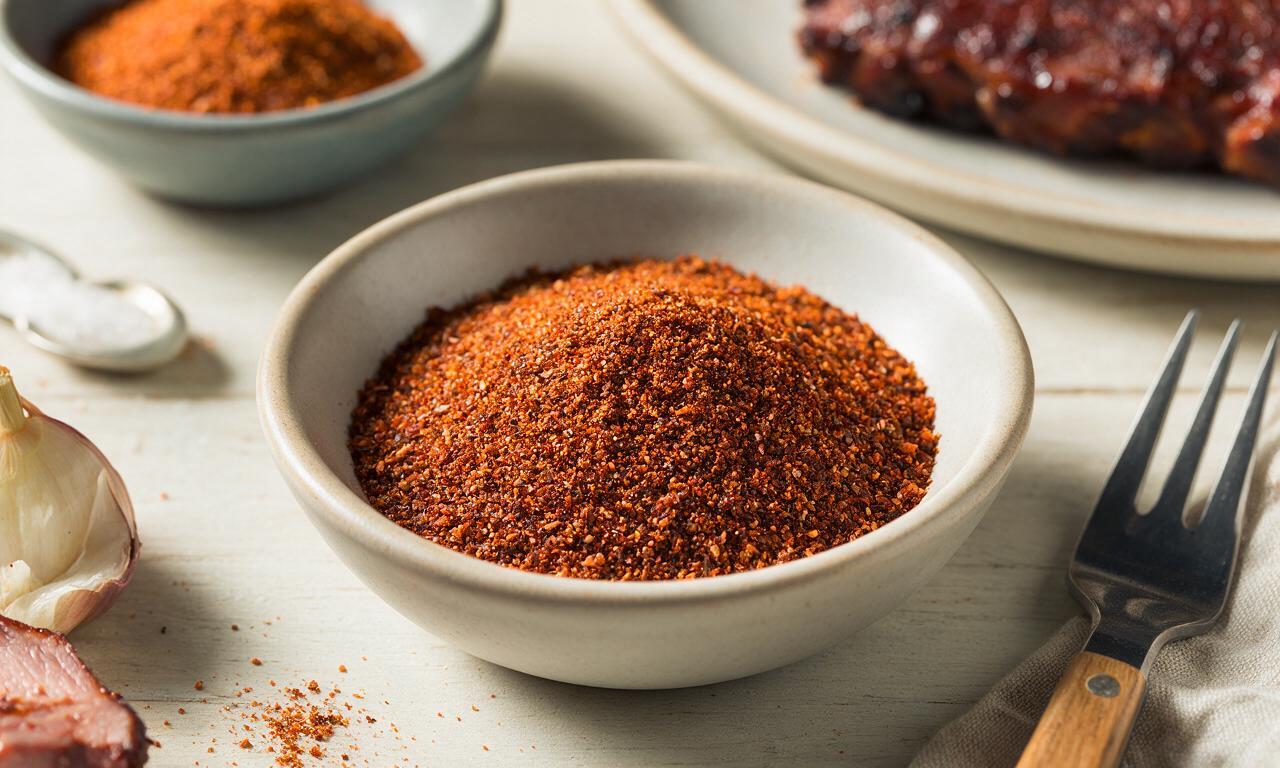
This rub is formulated for classic Texas BBQ cuts: packer brisket, pork spare ribs, baby back ribs, bone-in chicken, and tri-tip all shine with it. The coarse grind creates a nice, textured bark during low-and-slow cooks, and its balanced savoriness doesn’t overpower the natural, rich flavor of smoked meats, even after 12+ hour smoke sessions.
2.Why is this rub less sweet than other regional BBQ dry rubs?
▾
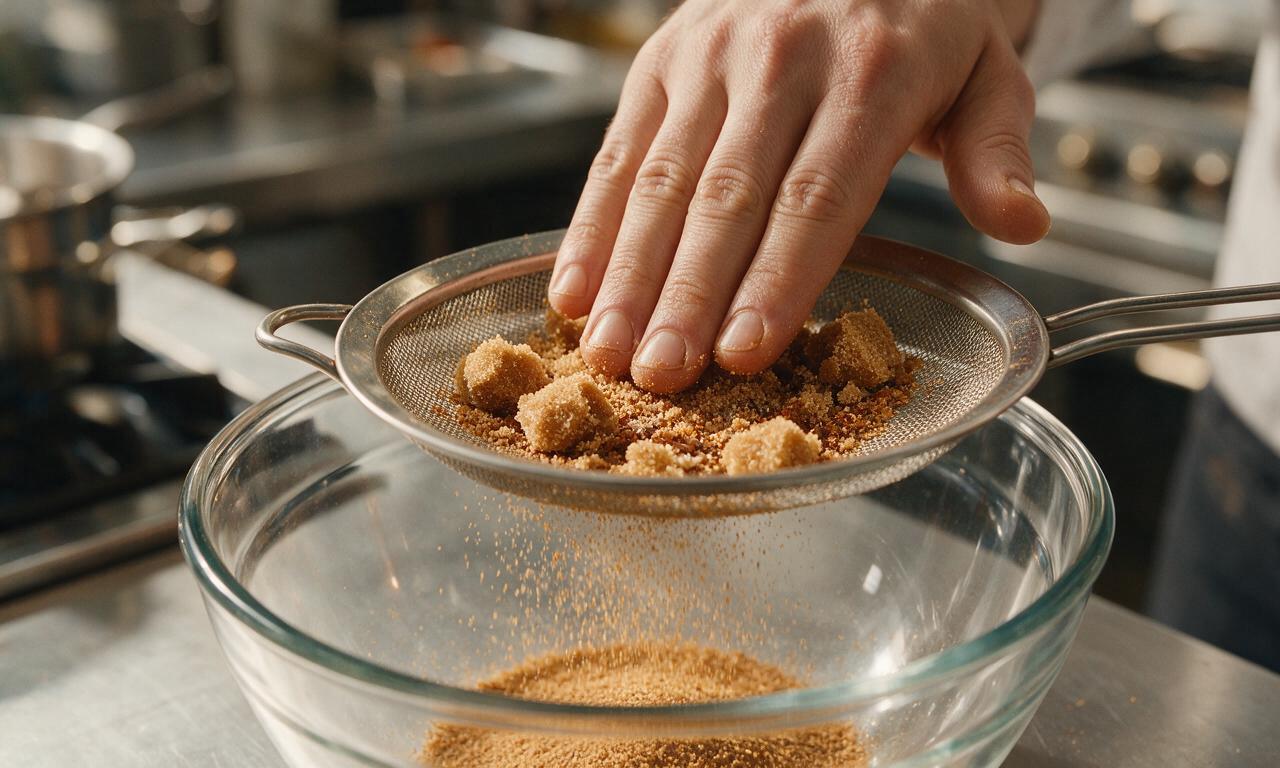
Traditional Texas BBQ prioritizes the natural flavor of beef and smoke over heavy sweetness, so this rub uses just a small amount of packed light brown sugar to round out savoriness, not dominate the profile. Unlike Memphis or Kansas City-style rubs that lean heavily on sugar or molasses, it delivers that classic bold, smoky, savory bite Texas ‘cue is famous for, without a sticky, candy-like coating.
3.Can I substitute table salt for the kosher salt in this recipe?
▾
I don’t recommend it straight across, because table salt has much finer grains and a sharper, saltier taste per volume. If you only have table salt, use half the measured amount of kosher salt called for to avoid over-salting your meat. Kosher salt’s larger, flaky grains distribute more evenly across meat surfaces and help build that signature crisp, savory bark without uneven salty spots.
4.Why does the recipe call for coarsely ground black pepper instead of fine ground?
▾
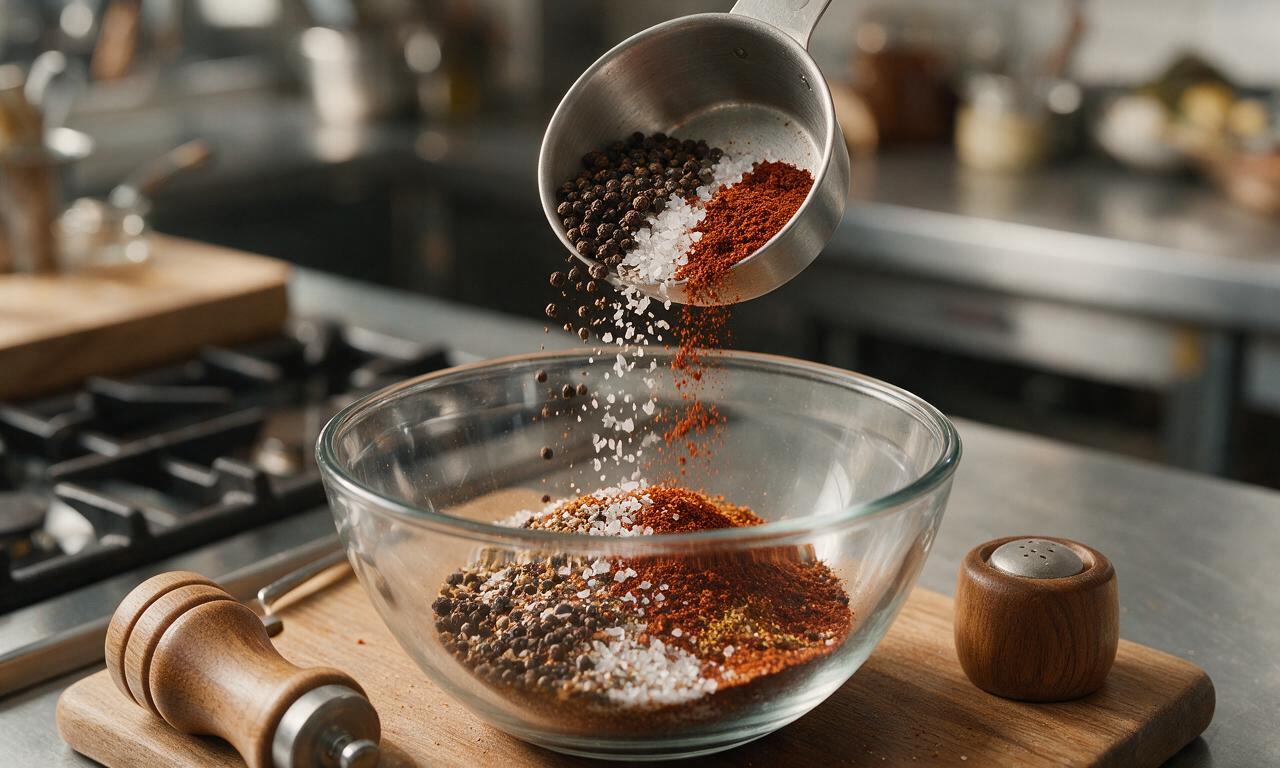
Coarsely ground black pepper is a core staple of real Texas BBQ rub, because its larger granules hold up to hours of low-and-slow heat without turning bitter, and add a pleasant, subtle warm bite to every slice. Fine ground pepper can burn quickly and create an acrid, dusty flavor on long smokes, plus it doesn’t contribute to the textured, craggy bark pitmasters aim for on brisket and ribs.
5.How far in advance should I apply this rub to my meat before smoking?
▾
For thick, dense cuts like brisket or pork shoulder, apply the rub 1 to 2 hours before cooking, or even the night before if you wrap and refrigerate the meat, to let the salt penetrate deep into the muscle. For thinner cuts like ribs or chicken, apply the rub 30 to 45 minutes before cooking—just long enough for the surface to get tacky so the rub adheres and forms a solid bark.
6.Is the smoked paprika in this rub spicy? I don’t care for hot BBQ.
▾
Standard smoked paprika used in this recipe is mild, sweet, and deeply smoky, not spicy—it gets its flavor from pimenton peppers dried over oak fires, not capsaicin heat. If you want to add a gentle kick, you can stir in ½ to 1 teaspoon of cayenne pepper or chipotle powder to the rub batch, but the base recipe is totally mild and family-friendly, with zero harsh heat.
7.How should I store leftover dry rub, and how long will it stay fresh?
▾
Store any leftover rub in an airtight glass jar or sealed plastic container, kept in a cool, dark pantry away from direct heat or sunlight. It will stay fresh and flavorful for up to 6 months, as long as you don’t get moisture in the container (never scoop rub with a wet spoon, as that can cause clumping or mold growth). Give the jar a good shake before each use to re-mix settled ingredients.
8.Can I use this dry rub for high-heat grilling instead of low-and-slow smoking?
▾
Absolutely! It works great for high-heat grilling on chicken thighs, burgers, pork chops, or even grilled vegetables, just keep a close eye on the small amount of brown sugar in the mix, which can burn if exposed to direct heat over 450°F for too long. For high-heat cooks, apply a thinner, even coat of rub right before putting food on the grates to avoid charring the sugar.
9.Do I need to add mustard or oil as a binder before applying this rub?
▾
A binder is totally optional with this rub! Many Texas pitmasters apply rub directly to the damp surface of trimmed meat with no binder at all, and the natural moisture from the meat is enough to help the rub stick and form bark. If you prefer to use a binder, a thin layer of yellow mustard, hot sauce, or even plain water works great—you won’t taste the binder once the meat is done smoking.
10.Will the small amount of brown sugar in this rub cause my bark to burn during long brisket smokes?
▾
The small quantity of packed light brown sugar in this recipe is measured carefully to avoid burning during 12+ hour low-and-slow cooks held between 225°F and 275°F, the standard temp range for Texas brisket. Unlike rubs loaded with cups of sugar, this low sugar content caramelizes gently to add depth to the bark without turning black, bitter, or sticky as it cooks over indirect smoke.
11.Can I make a big batch of this rub to use for weekend cookouts all summer?
▾
Definitely! This recipe scales up perfectly for bulk batches—just multiply the ingredient measurements evenly, mix thoroughly, and store as you would a small batch. It’s a fantastic all-purpose rub to keep on hand for impromptu cookouts, and it makes a great, low-cost homemade gift for fellow BBQ fans when packaged in a labeled mason jar with a note for recommended cuts.
12.What’s the difference between this dry rub and a traditional Texas mop sauce?
▾
This dry rub is the seasoning blend applied directly to the meat surface before cooking to build flavor and bark, while a Texas mop sauce is a thin, tangy, vinegar-based liquid brushed onto meat periodically during long smokes to keep it moist. You can absolutely use this rub alongside a traditional mop sauce; just apply the mop lightly so you don’t wash off the pre-applied rub coating.
13.Is garlic powder the same as garlic salt, and can I swap them in this recipe?
▾
Garlic powder is pure, dried, ground garlic, while garlic salt is a mix of garlic powder and a large amount of table salt, so you can’t swap them evenly here. If you only have garlic salt, cut the total kosher salt in the recipe by ¾ teaspoon per teaspoon of garlic salt you use, to avoid over-salting. For the truest, most balanced flavor, stick to plain, unsalted garlic powder.
14.Should I pat my meat dry before applying this rub?
▾
Yes, always pat the surface of your trimmed meat dry with paper towels before applying the rub, regardless of cut. Excess surface moisture from packaging or washing will make the rub clump up, slide off during cooking, and prevent that crisp, textured bark from forming. You want a slightly tacky (not sopping wet) meat surface to help the coarse rub granules adhere evenly across every inch.
15.Can I adjust the salt level if I’m watching my sodium intake?
▾
Absolutely! You can reduce the kosher salt by up to 1/3 of the called-for amount to cut sodium without losing the core smoky, peppery, savory flavor of the rub. Just avoid cutting the salt entirely, as salt is critical for helping carry the other spice flavors, penetrating the meat during cooking, and building that classic, well-seasoned bark that makes Texas BBQ so satisfying.
16.Why doesn’t this recipe include extra spices like cumin or chili powder that I see in other Texas rubs?
▾
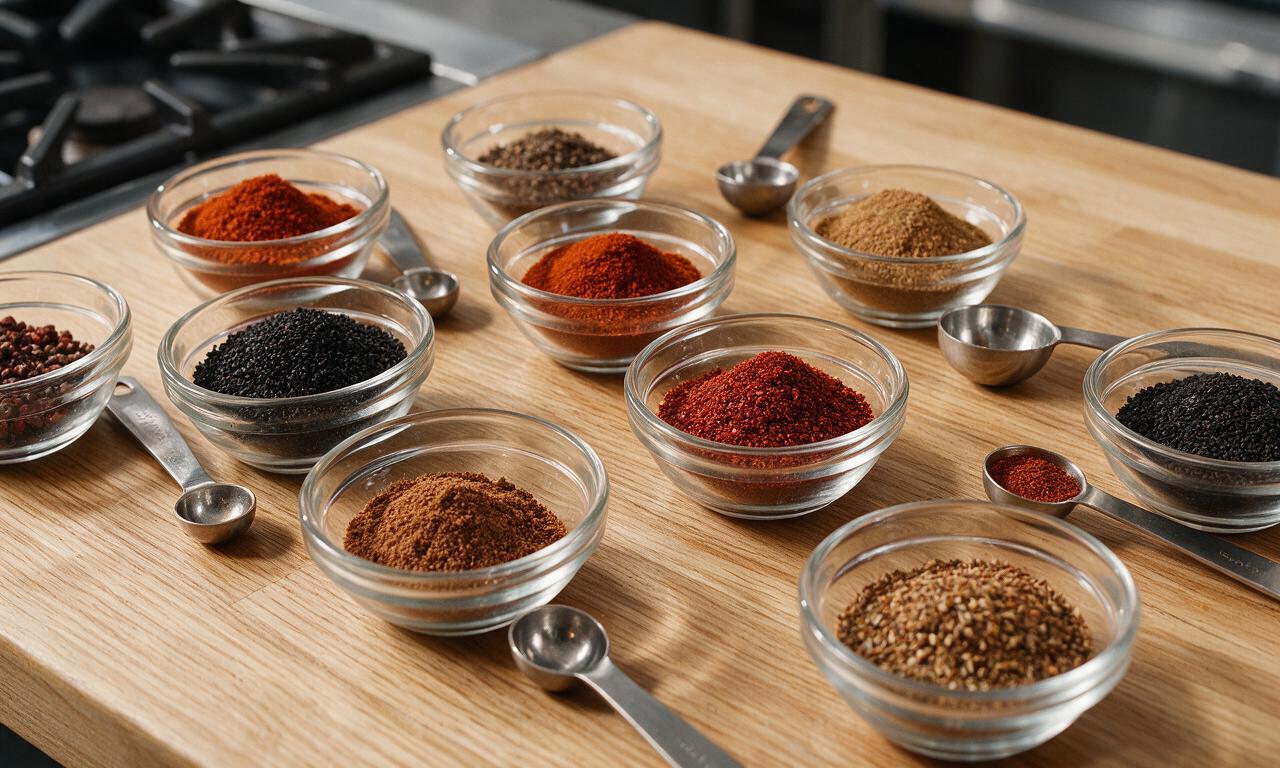
This recipe sticks to the classic, minimalist Central Texas rub profile that lets high-quality meat and hardwood smoke take center stage, with no extra competing spices. Many modern Texas rubs add cumin, chili powder, onion powder, or cayenne for extra depth, but this core 5-ingredient base is the historic, no-fuss blend used by legendary small-town Texas pitmasters for generations, focused on simple, bold, balanced flavor.

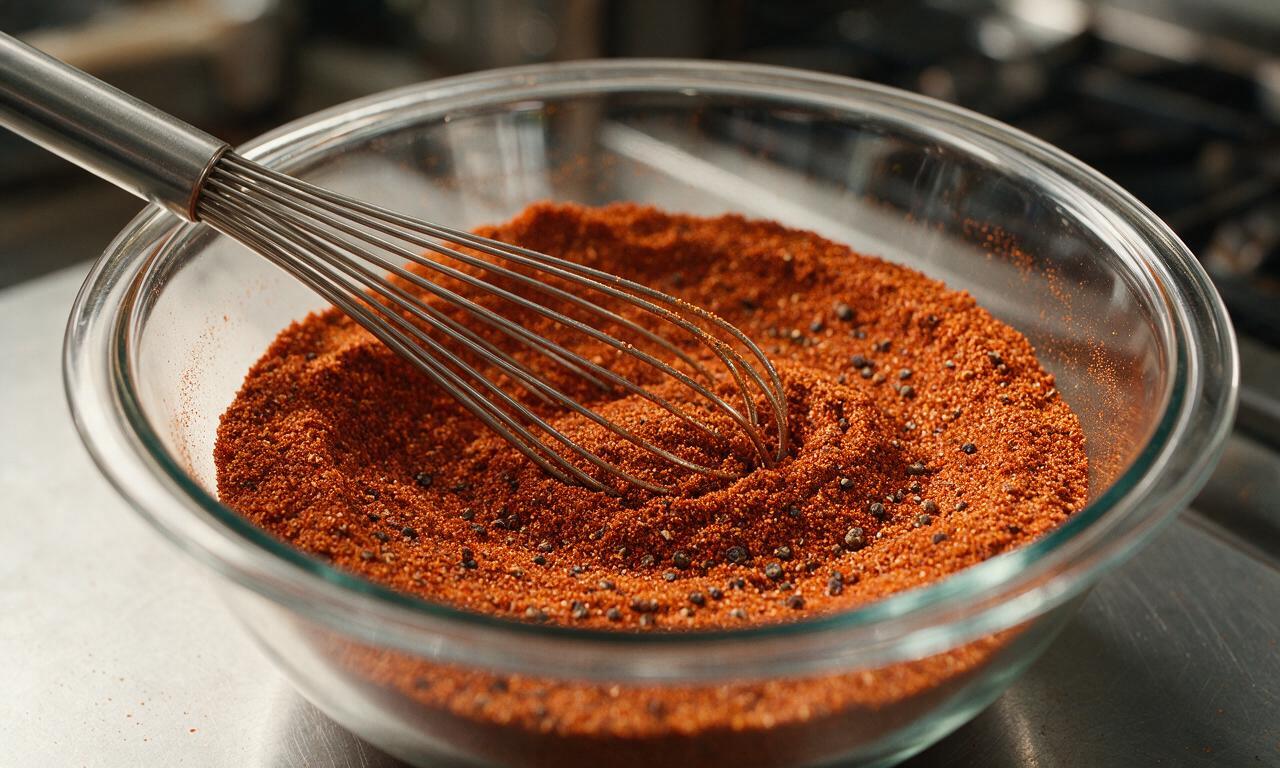
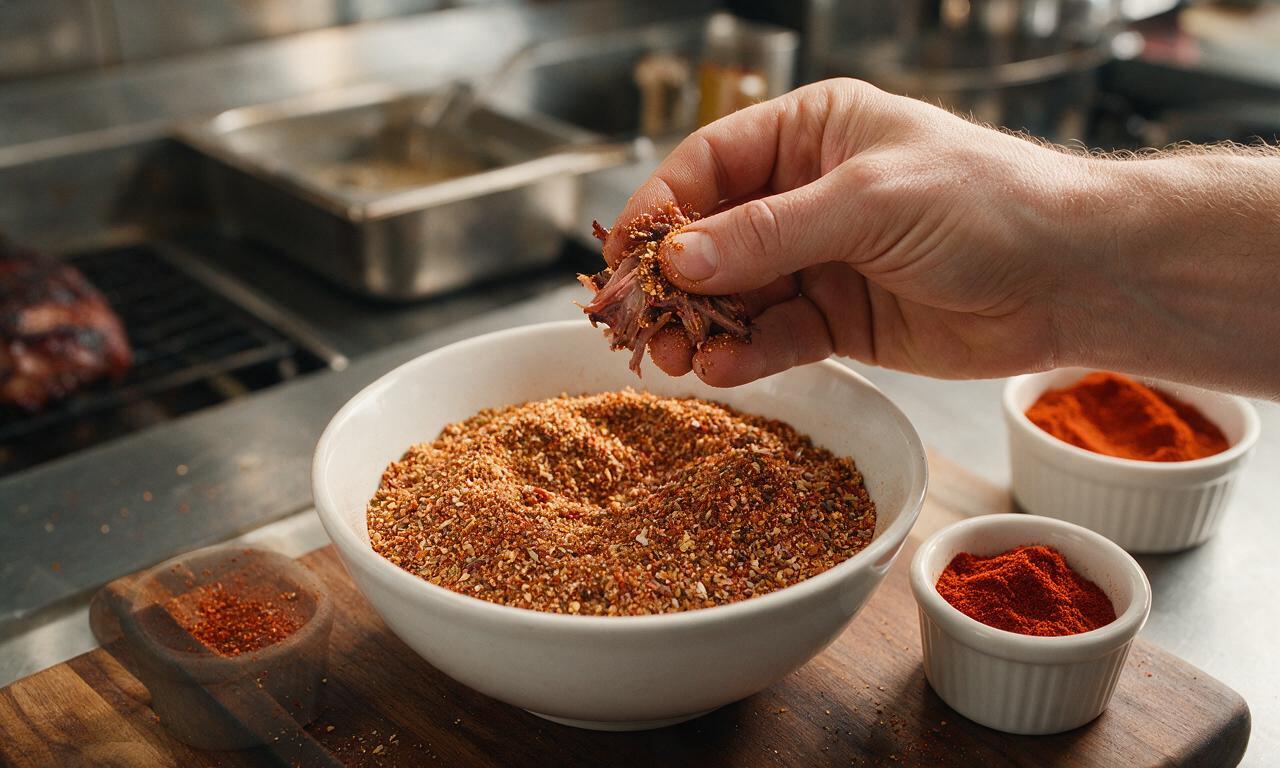
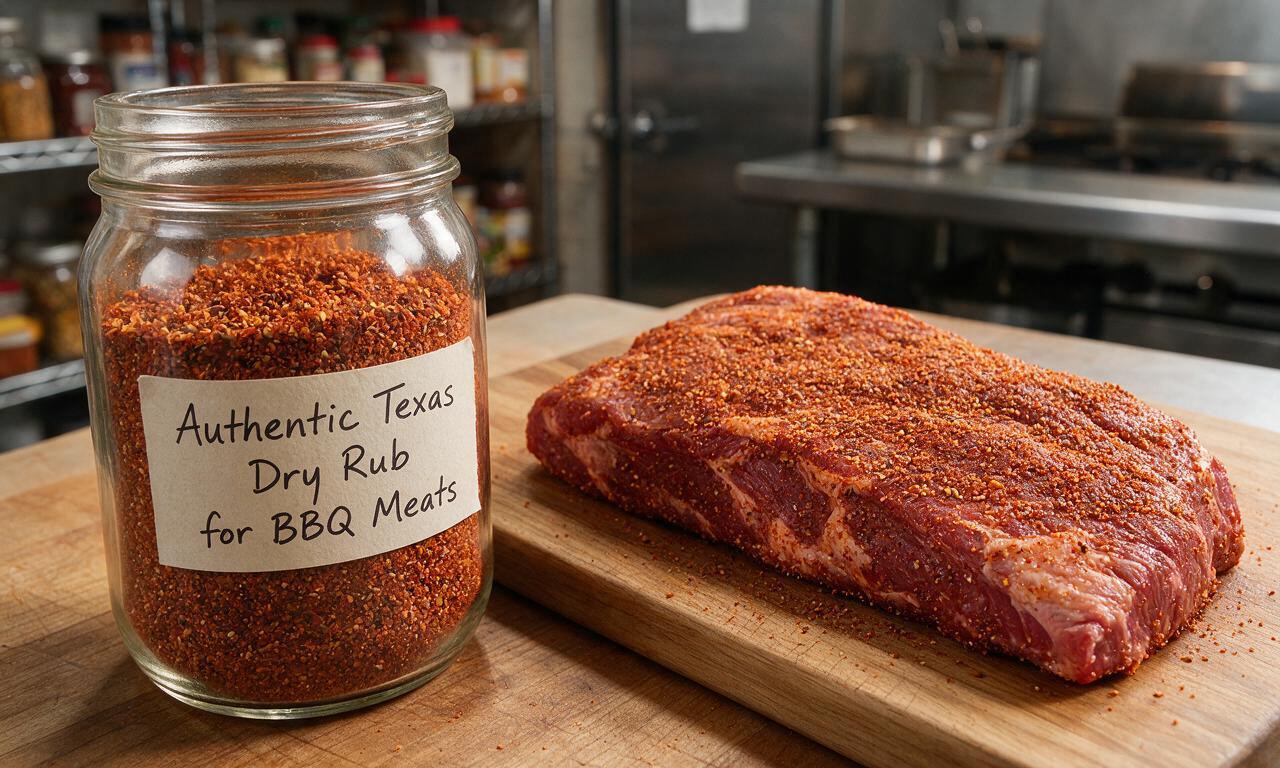
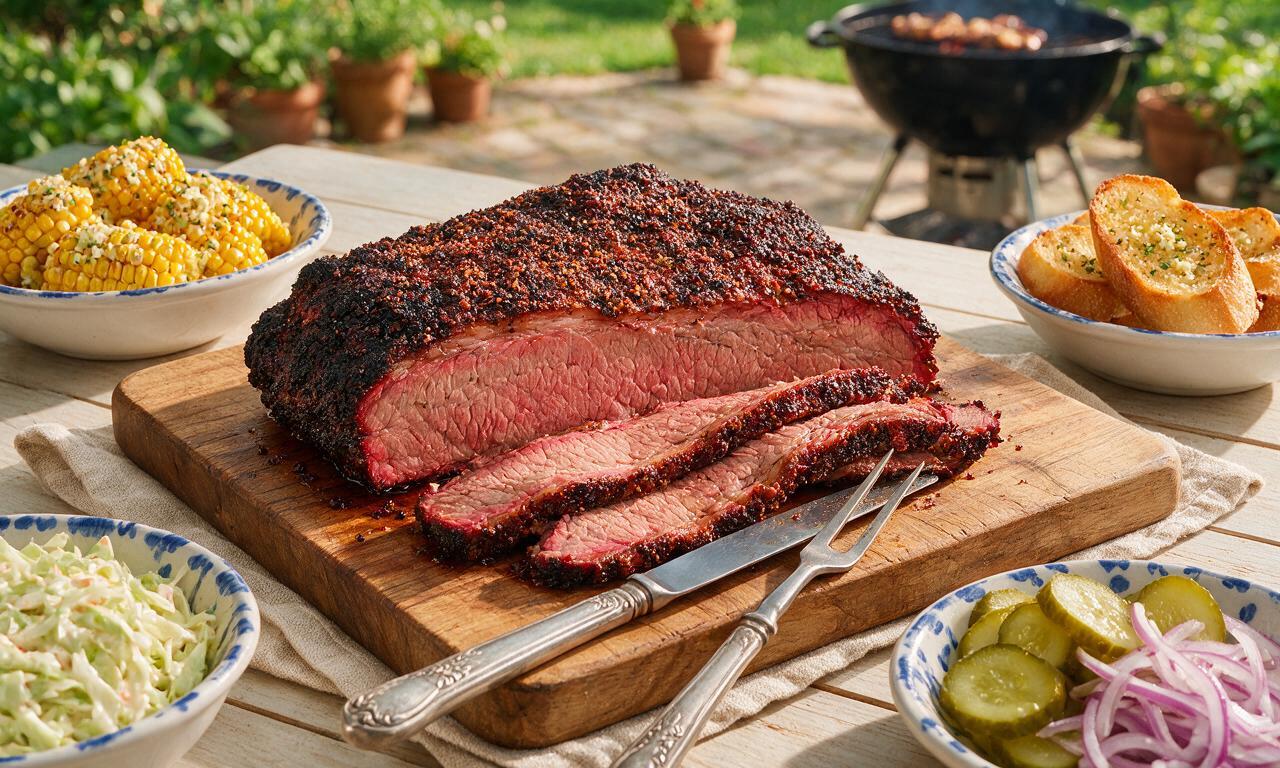
OMG y’all, this rub is a total game changer! I used it on a 12lb brisket for our family Labor Day cookout and every single person asked for the recipe. The balance of salt, pepper, paprika, and that little hint of cumin is *chef’s kiss*—no weird sugary aftertaste like the store-bought rubs I’ve wasted money on. SO good, I’m mixing up a big batch to keep in the pantry for meal prep this month.
Made this last night for chicken thighs on the smoker for our weekly family dinner, and my kids loved it! I was worried it might be too spicy for my 7 and 9 year old, so I cut the cayenne in half, and it was perfect for everyone. Even my super picky husband went back for seconds. I’m bringing a jar of this to our neighborhood potluck next weekend to share!
Wait a second—no brown sugar? I’ve been making Texas rub for years and always added a little brown sugar, but I tried this exactly as written on a rack of pork ribs last weekend and… wow. I’m a convert. The pepper and salt really let the smoke flavor shine instead of being covered up by sweetness. 10/10, will never go back to my old recipe.
I don’t even have a smoker! I used this rub on sheet pan pork chops in the oven and it was still incredible. I added a little smoked paprika instead of regular to amp up that smoky vibe since I was cooking indoors, and my roommate thought I ordered takeout from a fancy BBQ spot downtown. So easy to throw together too—10 minutes max, no fancy ingredients needed. Only reason I’m not giving 5 stars is I wish there was a note about adjusting salt for different cuts of meat, I over-salted my first batch of chicken wings a little! Still delicious though.
I’ve been BBQing for 40+ years down here in Florida, and I have to say this is the most authentic Texas rub I’ve found that doesn’t require driving 12 hours to a Lockhart smokehouse. I keep a big shaker of this next to my grill at all times now, works amazing on ribs, brisket, even grilled corn on the cob!
Mixed up a double batch of this for our tailgate last Saturday before the game, used it on smoked sausage and brisket sliders. People were lined up for seconds before the first quarter even started! 10/10, easy to make, cheap ingredients, stands up to holding in a cooler for a couple hours no problem. Will be a staple for all our tailgates this season.
I grow my own paprika and garlic powder out on our little homestead, so I was so excited to try this rub with fresh, homegrown spices. It did not disappoint! I used it on a pastured pork shoulder we raised ourselves, smoked it for 8 hours over oak, and it was easily the best pulled pork I’ve ever made. My whole family raved about it at our Sunday dinner.
So happy this rub is naturally gluten free with no weird hidden additives! I have celiac so I’m always paranoid about pre-made spice blends having cross-contamination, but making it myself with spices I trust means I can eat BBQ without the stress. Tossed it on some smoked turkey breast for meal prep this week and it’s chef’s kiss.
Okay I was so nervous to smoke my first ever rack of ribs for my dad’s birthday, but this rub was so easy to put together and made me look like a total pro. My dad said it tasted just like the ribs he gets at his favorite BBQ spot in Austin. 10/10, will be using this forever, even as I get more practice smoking meats.
Made a big batch of this for a work potluck earlier this week, used it on grilled chicken skewers, and people were literally asking me for the recipe before they even finished their first skewer. The best part? It takes 10 minutes to stir together, so I didn’t have to spend hours prepping for the party. Total win, already mixed up a second jar to keep at my desk for impromptu grill nights.
This rub has amazing flavor, but I had to swap the regular salt for a low-sodium salt blend because I’m on a low-sodium diet for my blood pressure. Turned out great! Just wish there was a low-sodium variation listed in the recipe, but other than that it’s super tasty and I’ll definitely make it again. Used it on salmon on the grill last night and it was perfect.