1.What cut of beef is used for authentic Texas style smoked beef ribs?
▾
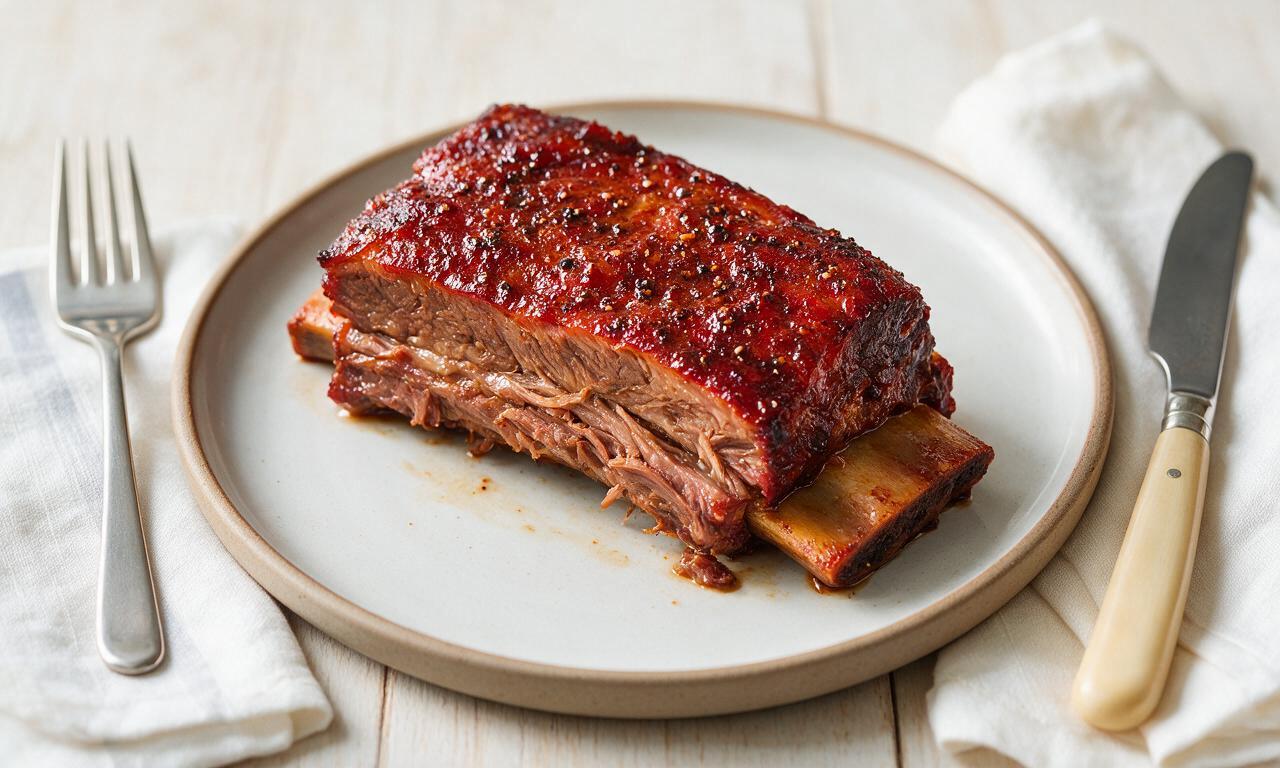
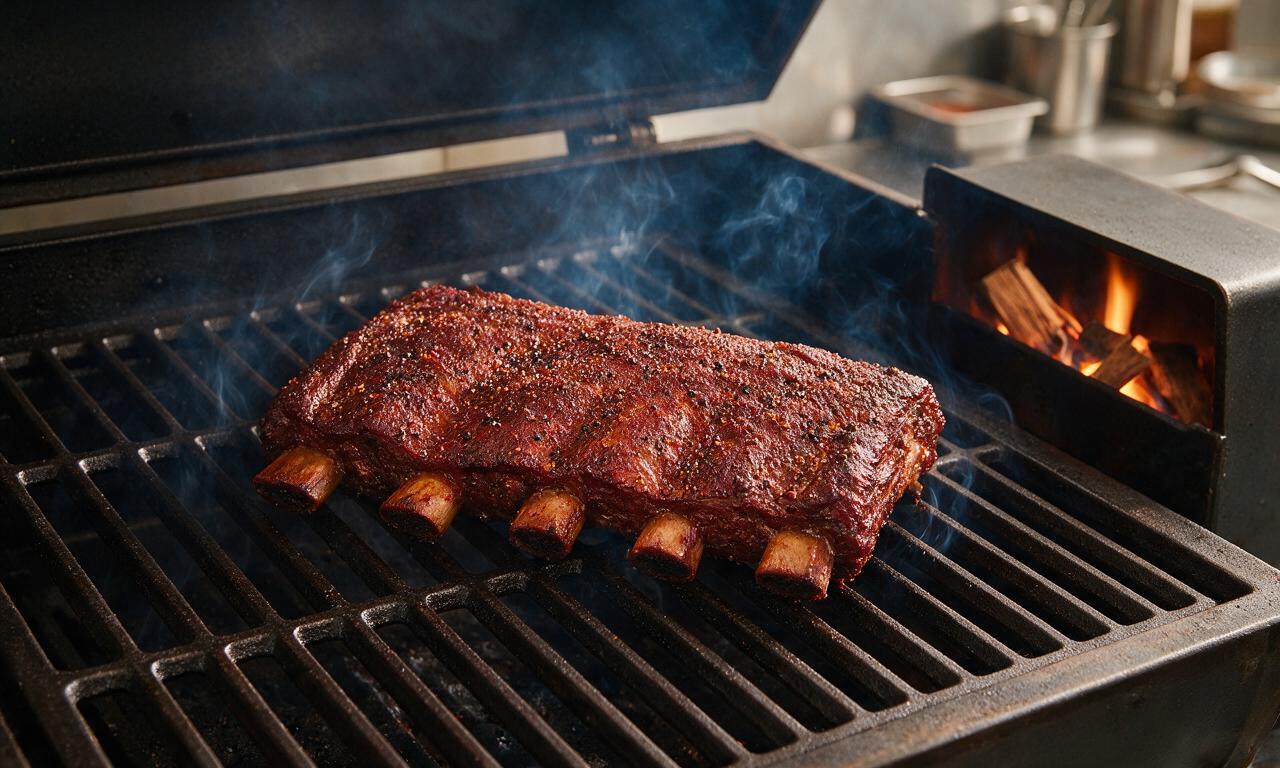
Authentic Texas smoked beef ribs always use beef plate short ribs, often nicknamed “dino ribs” for their large, meaty size. Cut from the lower plate section of the cow, these ribs have heavy, even marbling that renders during long smokes for that signature fall-off-the-bone texture. Skip lean beef back ribs for this recipe—they will dry out long before they turn tender.
2.What is the proper rub ratio for these Texas style beef ribs?
▾
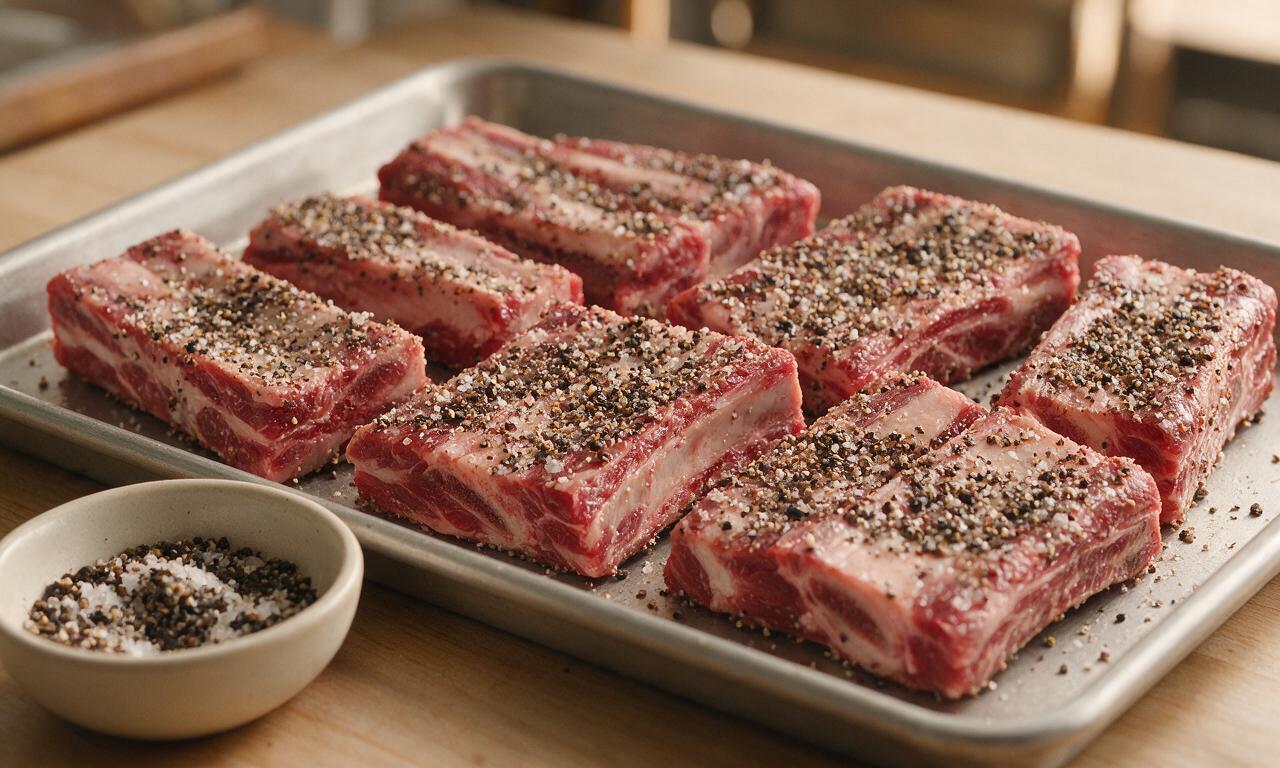
The classic Texas “dalmatian rub” for these ribs uses a simple, no-fuss ratio: 3 parts coarse ground black pepper, 2 parts kosher salt, and 1 part garlic powder. Skip sugary, heavily spiced store-bought rubs—traditional Texas beef ribs let smoky beef and bold pepper flavor take center stage, with no extra filler seasonings required.
3.Do I need to remove the membrane from the back of the rib rack?
▾
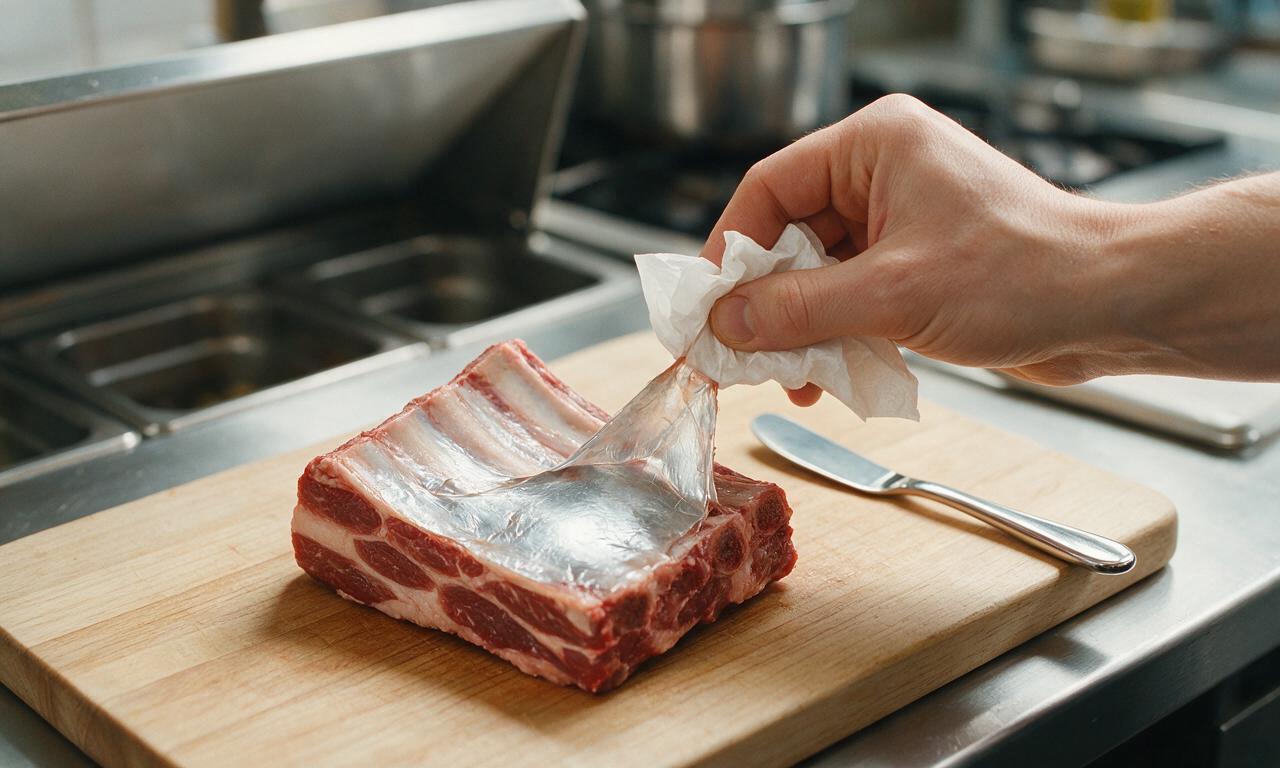
Yes, always peel the tough, silvery membrane off the bone side of the rib rack before seasoning. If left on, it will turn chewy and rubbery during the long smoke, and block rub and smoke from penetrating the meat. Use a paper towel to grip the loose membrane corner and pull it off in one smooth, even sheet.
4.How far in advance should I apply the rub before smoking?
▾
For the best flavor and seasoning penetration, apply your rub 1 to 2 hours before you plan to put the ribs on the smoker. This gives the salt time to draw out moisture that dissolves the rub, creating a sticky binder that helps the bark set. You can also apply rub the night before, just wrap ribs tightly and store them in the fridge.
5.What type of wood gives the most authentic smoke flavor for these ribs?
▾
Stick to traditional Texas post oak for the most authentic, mild, earthy smoke flavor that doesn’t overpower the rich beef. If post oak is hard to find, hickory is a great backup, or a 50/50 mix of oak and a small amount of mesquite for extra depth. Avoid sweet, fruity woods like apple or cherry, which are too mild for beef ribs.
6.What smoker temperature should I hold for the entire cook?
▾
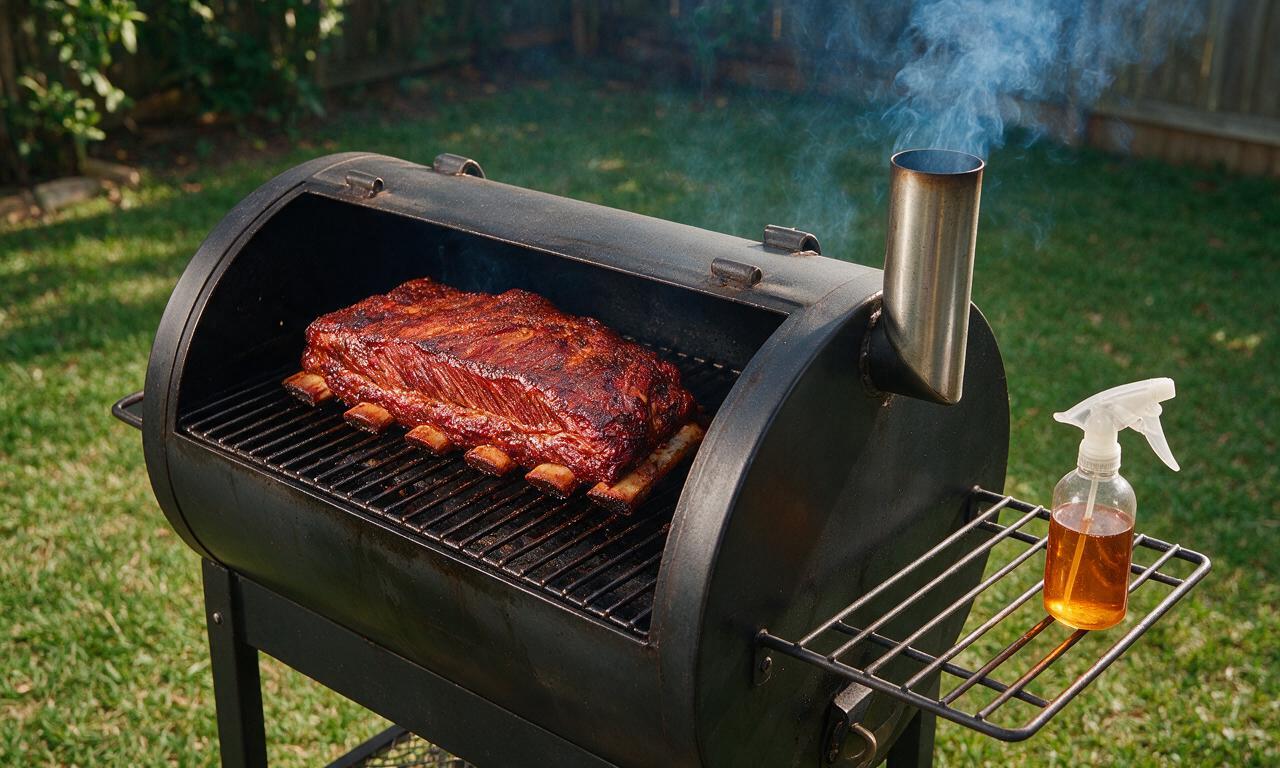
Hold your smoker at a steady 225°F to 250°F for the entire cook for the most tender, evenly cooked ribs. This low-and-slow temperature gives fat and connective tissue time to fully render without making the exterior tough or burnt. Resist the urge to crank heat higher to speed up the cook—it will lead to dry, chewy ribs.
7.What is the apple cider vinegar used for in this recipe?
▾
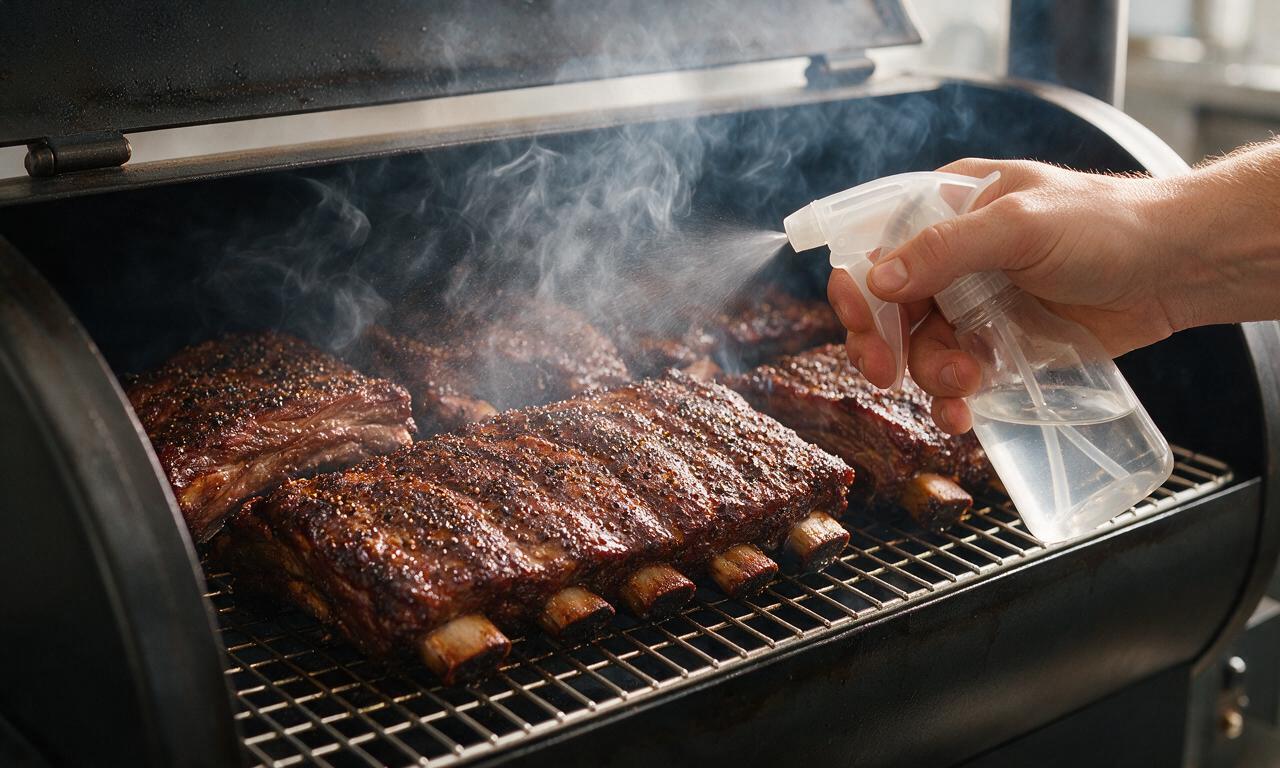
Apple cider vinegar serves two key purposes: first, mix it with equal parts water in a spray bottle to spritz ribs every 45 minutes during the first half of the cook to keep the surface moist and help smoke stick. Second, a light final spritz cuts through rich, fatty beef and brightens the heavy pepper and smoke flavor.
8.How long does it take to smoke a full rack of these beef ribs?
▾
At a steady 225°F to 250°F, plan for a total cook time of 6 to 8 hours for a full 3-bone plate rib rack. Timing will vary based on rib thickness, smoker temperature consistency, and outdoor weather, so always go by internal temperature and tenderness rather than strictly watching the clock.
9.What internal temperature means the ribs are perfectly done?
▾
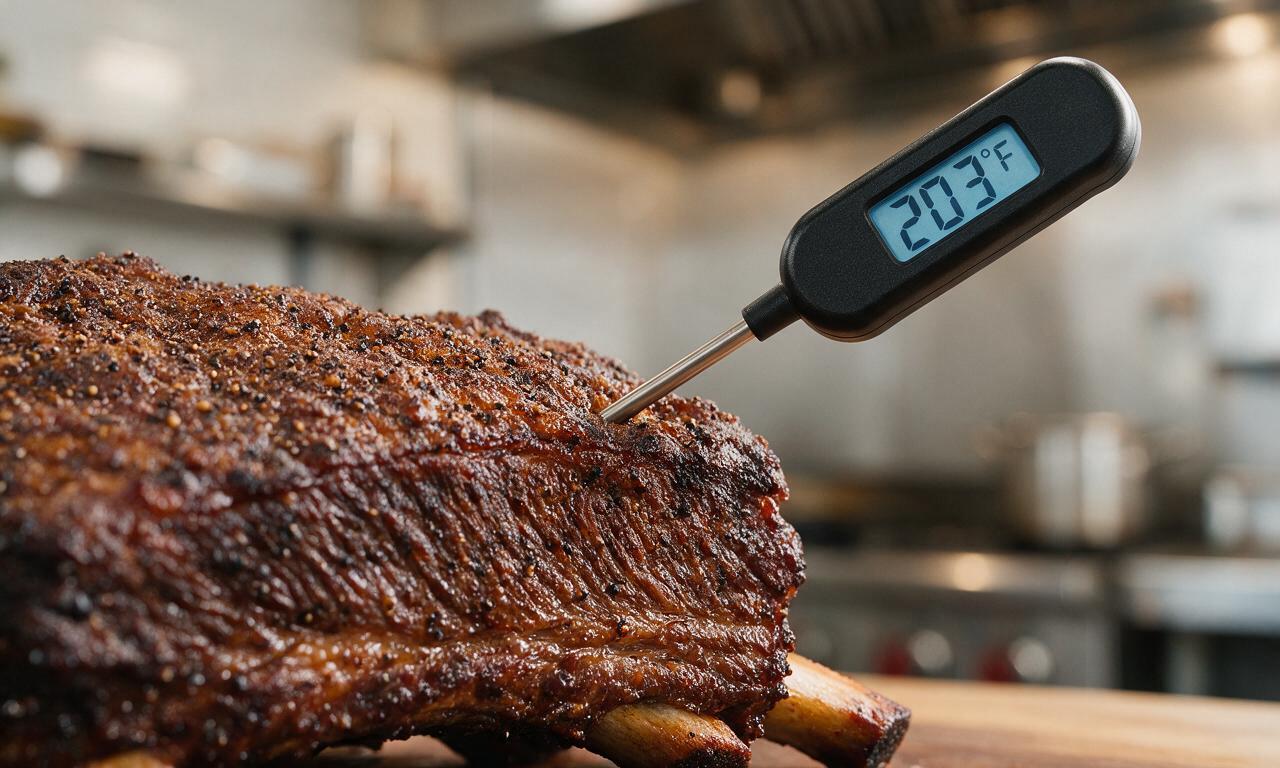
Pull your ribs when the thickest part of the meat (not touching bone) hits an internal temperature of 203°F to 205°F. At this temp, all tough connective tissue has fully rendered into rich, juicy gelatin, and a temperature probe will slide into the meat like soft butter with almost no resistance.
10.Do I need to wrap the ribs in foil or butcher paper during the cook?
▾
You can wrap ribs in uncoated butcher paper once they hit 165°F internal if you want to slightly speed up the cook and lock in moisture, but it’s not required for authentic results. Skip foil for this recipe—it traps too much steam and will turn your crisp pepper crust soggy instead of firm and flavorful.
11.How do I prevent the ribs from drying out during the long smoke?
▾
Start with well-marbled plate ribs, hold a consistent smoker temperature, and spritz lightly with your apple cider vinegar mix every 45 minutes during the first 4 hours of the cook to keep the surface from drying out. Avoid opening the smoker lid unnecessarily, as every temperature drop adds cook time and lets moisture escape.
12.Can I make these ribs if I don’t own a dedicated smoker?
▾
Absolutely! You can replicate smoke flavor on a regular charcoal grill by setting it up for indirect heat, placing a foil packet of soaked wood chips directly on the coals, and holding grill temp at 225°F to 250°F. A gas grill works too—just place the wood chip packet near a lit burner to produce smoke for the first half of the cook.
13.What grind of black pepper works best for the rib rub?
▾
Use 10-mesh coarse ground black pepper for the most authentic Texas crust, which has the texture of visible cracked peppercorn flakes, not fine table pepper. Finely ground pepper will burn easily during the long smoke and create a harsh, bitter crust instead of the signature earthy, peppery bark everyone loves.
14.Do I need a binder like mustard or hot sauce to make the rub stick?
▾
No, you don’t need any added binder for these ribs if you apply rub to damp meat right after trimming. The natural moisture from the beef, plus moisture drawn out by the salt in the rub, creates enough stick for pepper and garlic powder to adhere firmly and form a solid bark. Mustard or hot sauce add non-traditional, unwanted flavor.
15.How long should I let the ribs rest after taking them off the smoker?
▾
Let the ribs rest, loosely tented with a small piece of foil, for 30 to 45 minutes before slicing. This rest time lets all the hot, rendered juices redistribute back through the meat instead of running all over your cutting board when you slice, keeping every bite juicy and tender instead of dry and flavorless.
16.What’s the right way to slice these ribs for serving?
▾
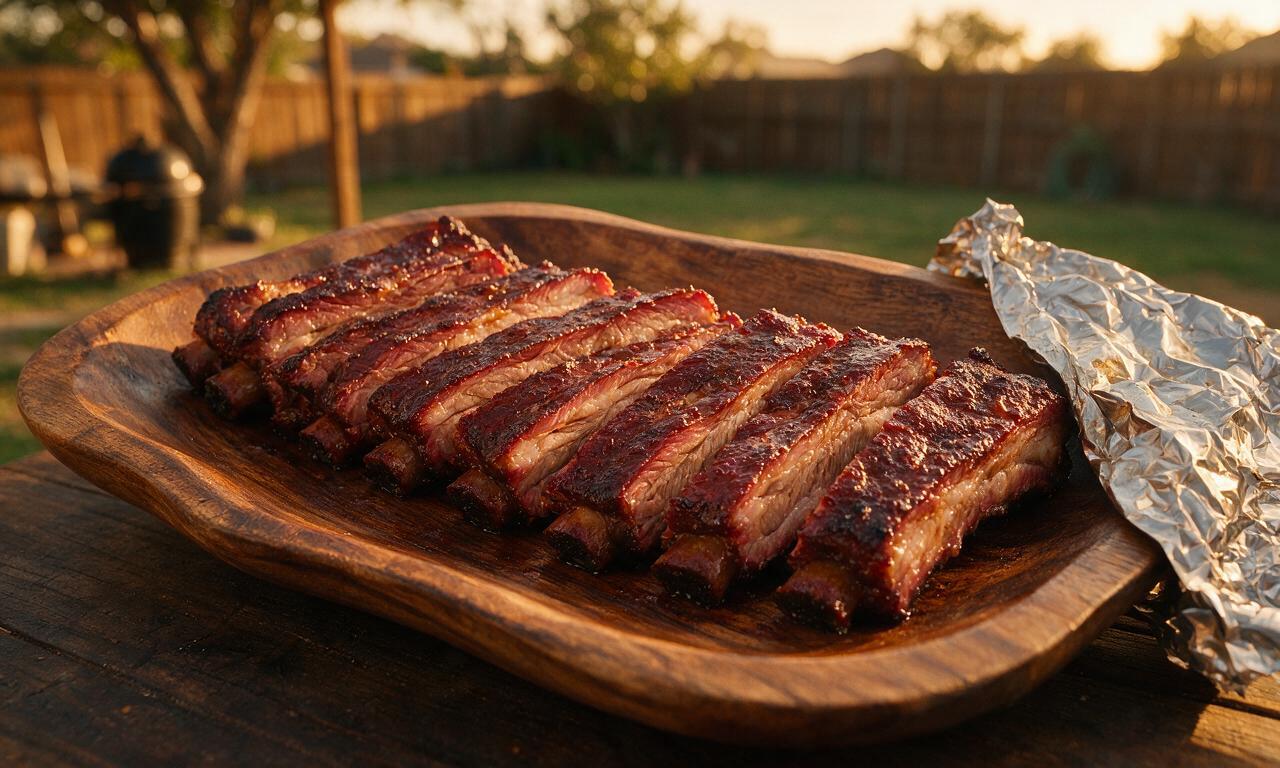
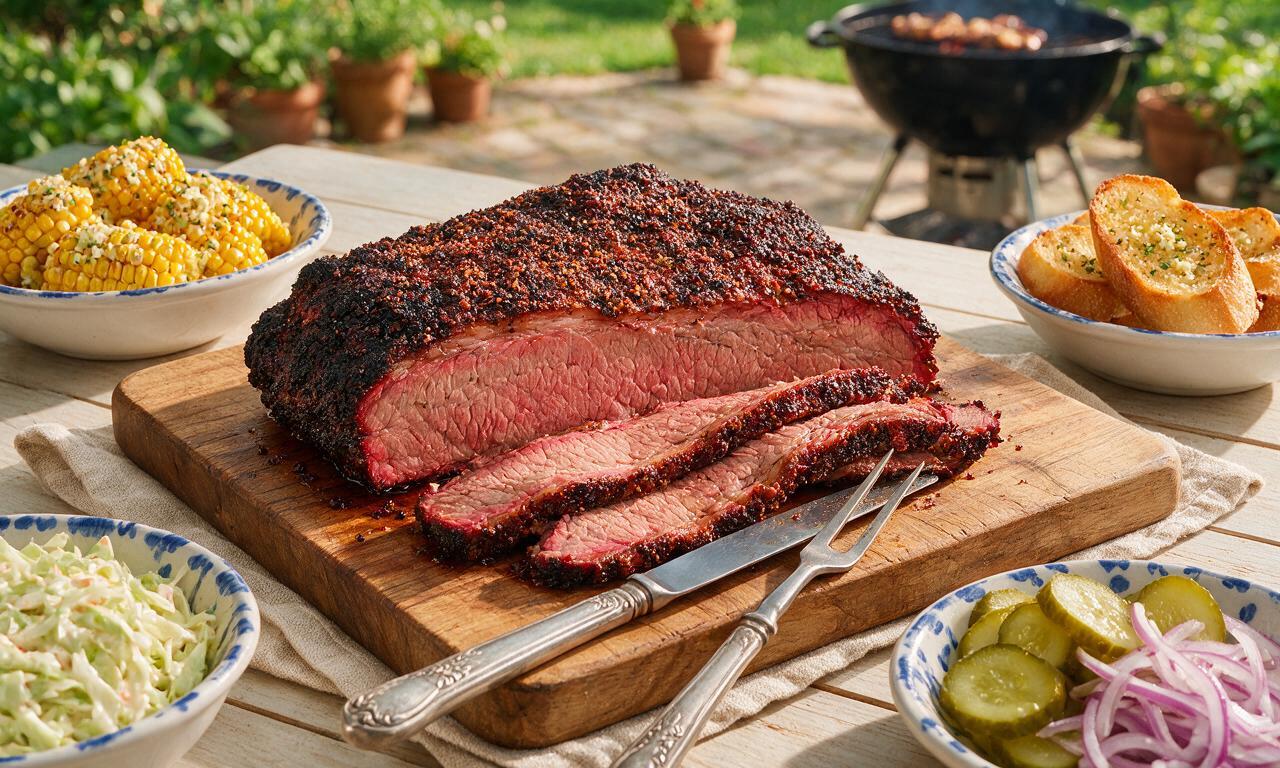
Slice the ribs between each bone with a sharp, long slicing knife, following the natural seam of meat between each rib bone. Don’t slice the meat off the bone for authentic Texas service—serve one large, meaty bone per person, with no extra sauce required, per classic Texas BBQ tradition. Each bone holds 8 to 12 ounces of tender meat.
17.Is it authentic to serve BBQ sauce with these Texas beef ribs?
▾
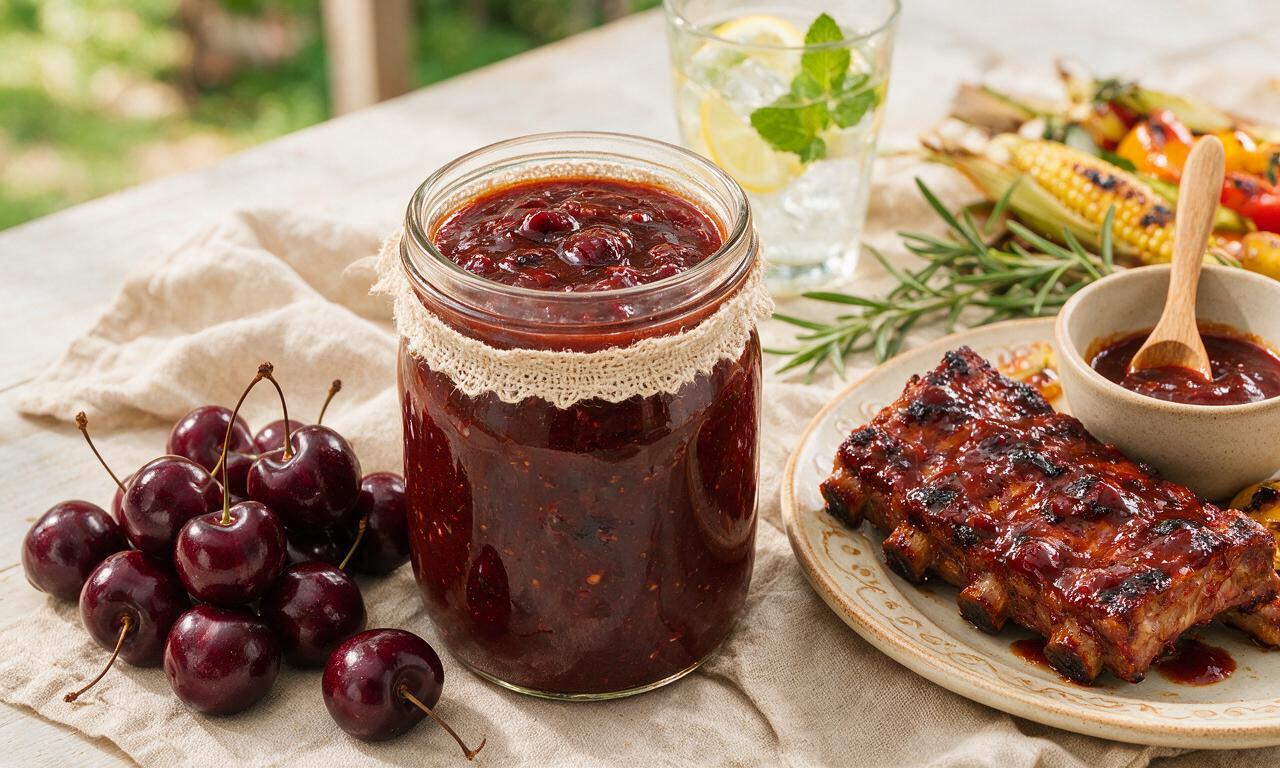
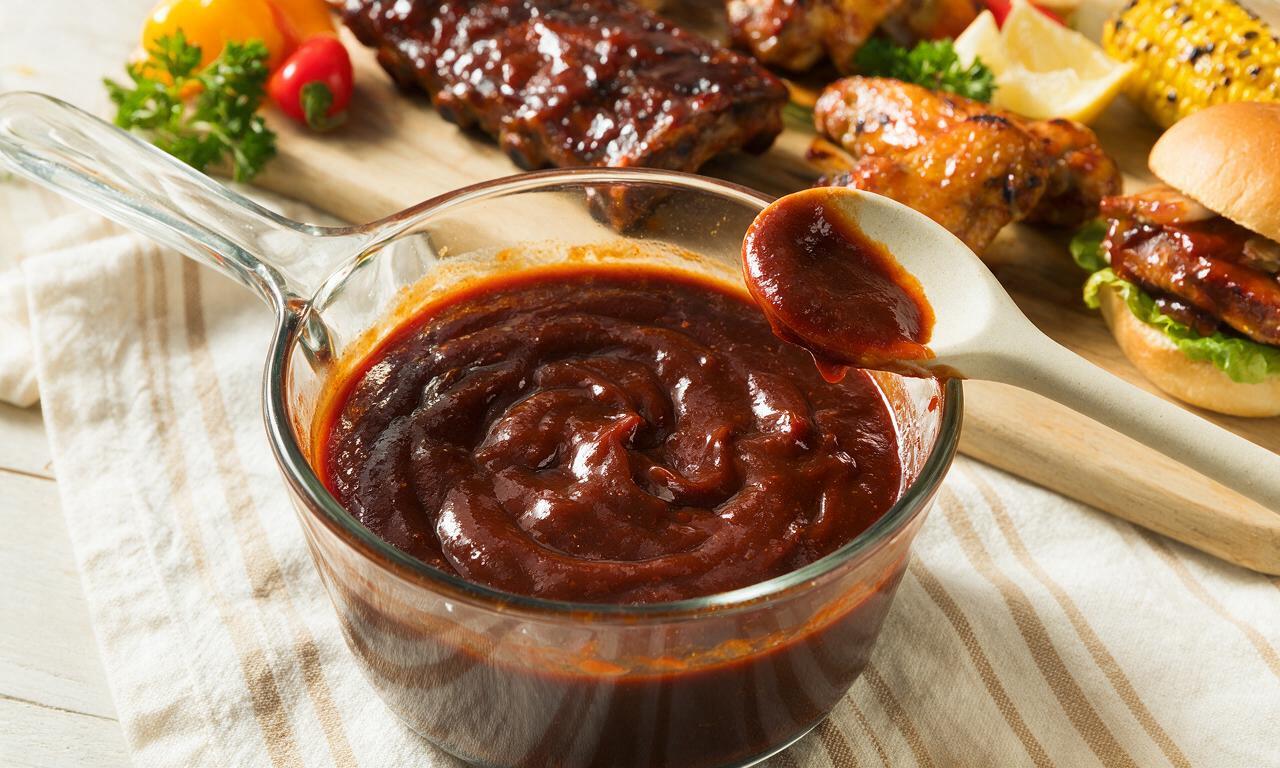
Traditional Texas style beef ribs are served without sauce, letting the smoky beef, peppery bark, and rendered fat shine on their own. If you prefer sauce, serve it on the side instead of brushing it on ribs during the cook, so it doesn’t overpower the simple, classic flavors or make the crisp bark turn soggy.
18.How do I store leftover smoked ribs, and how long do they keep?
▾
Wrap leftover ribs tightly in plastic wrap or aluminum foil and store them in the fridge for up to 4 days, or in the freezer for up to 3 months. Reheat them wrapped in foil in a 250°F oven until they hit 165°F internal—add a tiny splash of apple cider vinegar under the foil to refresh flavor and keep meat moist.

OMG, these were the star of our Memorial Day cookout! I’ve tried so many smoked rib recipes that came out tough or too salty, but this one? Game changer. The bark was perfect, the meat pulled right off the bone, and even my picky father-in-law (who swears only his Texas ribs are real) went back for seconds. Only tweak I made was adding a tiny extra hit of black pepper to the rub.
Wait, 6 and a half hours cook time? I was intimidated at first because I’m still new to my offset smoker, but I followed the directions exactly and these came out SO good. My kids loved it, they kept asking for more rib meat instead of the mac and cheese I made as a side! Will absolutely be making these for our next neighborhood potluck.
Solid recipe, but I had to bump my temp up a little towards the end because my smoker runs cold. Ended up taking closer to 7 hours total, but the flavor was spot on. Next time I’ll remember to calibrate my smoker temp gauge before I start so I don’t have to guess.
Born and raised in San Antonio, and I can confirm these are the real deal. No fancy sauces, no weird rub add-ins, just that classic deep smoke flavor and tender beef that makes Texas ribs famous. Made these for my grandpa’s 80th birthday and he said they tasted just like the ones he used to get at the old BBQ joint off Broadway when he was a kid.
Game changer alert! I made a test batch of these last weekend to see if they’d work for weekly meal prep, and they reheat like an absolute dream. I vacuum sealed individual portions and reheated them in a sous vide at 140F for 20 minutes, and the bark was still crispy, meat still juicy. My husband said it’s better than the BBQ we get at the restaurant down the street from our office.
Full transparency, I burned the first rack I tried because I got distracted watching the football game and let my temp spike way too high. But my second attempt? Perfect. The tip about wrapping in butcher paper at the 4 hour mark was exactly what I was missing in my past rib attempts. Can’t believe I ever bothered with pork ribs after eating these.
I’ve been eating mostly meat for the last 6 months after being vegetarian for a decade, and these ribs were the first beef dish that made me 100% sure I made the right call. The smoke flavor is so deep, the rub is perfectly balanced, not too salty, not too sweet. I might have eaten almost a full rack by myself in one sitting, no shame.
Brought these to our annual church potluck last weekend and people were lined up for seconds before everyone even got through the first serving line! I lost count of how many people asked me for the recipe, I just sent them all the link to this page. Only thing I did different was serve them with a side of that vinegar-based coleslaw my grandma makes, it cut the richness perfectly.
I’ve chased that perfect bright pink smoke ring on beef ribs for literal years, and this recipe finally got me there. I used post oak splits, kept my temp rock solid at 225 the whole cook, didn’t peek too much, and bam? Perfect 1/4 inch smoke ring, juicy meat, bark that crunches just right. My BBQ competition team buddies are gonna be so jealous when I show them the photos.
Good ribs, but I personally slather mine in a little homemade BBQ sauce the last 30 minutes of the cook. I know Texas style is usually no sauce, but my family loves a little sticky sweet coating on theirs, and the flavor of the rub still shines through enough that it doesn’t feel like I’m covering up the smoke. Don’t @ me, sauce on ribs is good!