1.What cut of beef is best for Traeger smoked brisket?
▾
Stick with a full packer-cut beef brisket for the best results, ideally trimmed to a ¼-inch (6mm) thick fat cap. This untrimmed whole cut includes both the lean flat and marbled point, so you get a mix of tender, juicy slices and rich, pull-apart bites, and the properly trimmed fat cap bastes the meat as it smokes without making the spiced bark soggy.
2.What type of wood pellets work best for this brisket recipe?
▾
For classic, well-balanced smoky flavor, reach for 100% hardwood hickory or oak pellets—they pair perfectly with beef without overpowering the simple spiced rub. Skip strongly flavored pellets like straight mesquite for long cooks, as they can make the brisket taste bitter after 10+ hours. A 50/50 oak and cherry mix adds a subtle sweet, fruity depth if you want extra complexity.
3.What’s in the ideal rub for Traeger smoked brisket?
▾
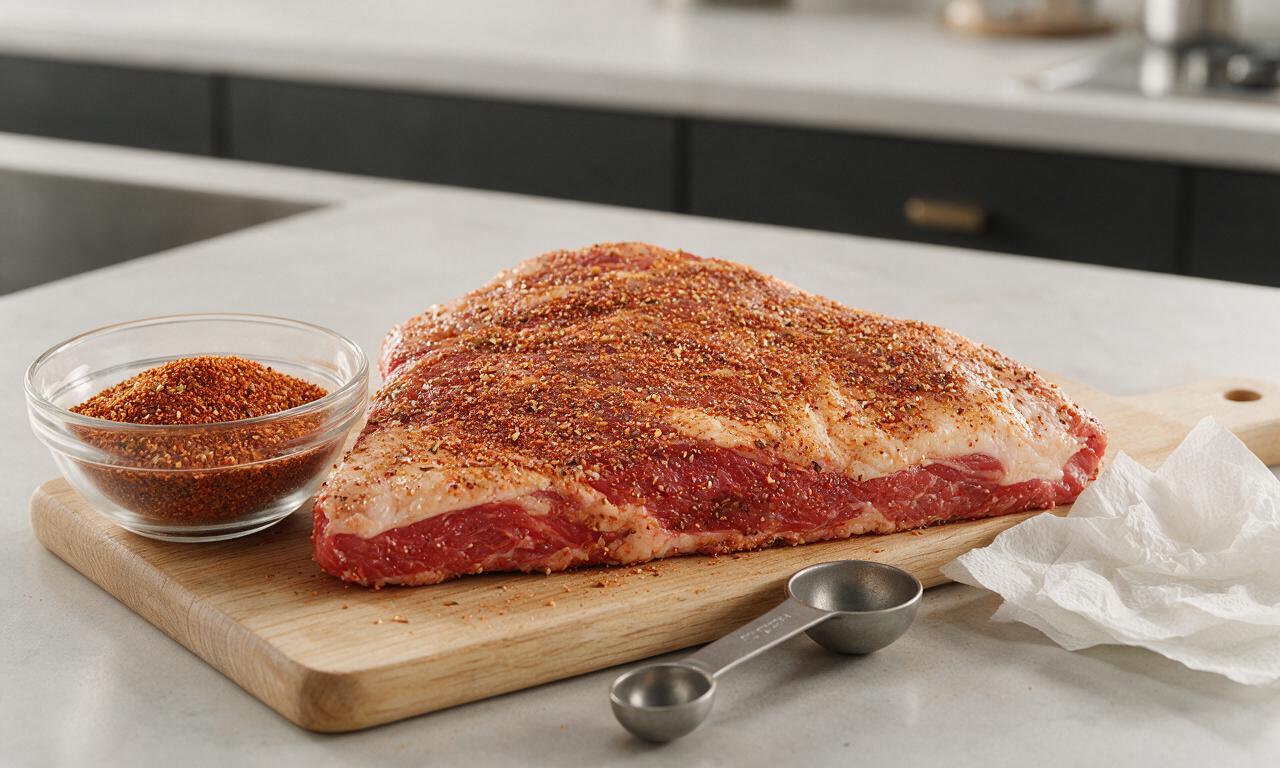
You don’t need fancy, complicated rubs for great brisket! Mix 3 parts coarse ground black pepper, 2 parts kosher salt, 1 part garlic powder, and 1 part smoked paprika for a classic, bark-building blend. Skip fine table salt or finely ground pepper here—coarse grains create that signature crisp, textured crust and season the meat evenly as it slow cooks.
4.What temperature should I set my Traeger to for smoking brisket?
▾
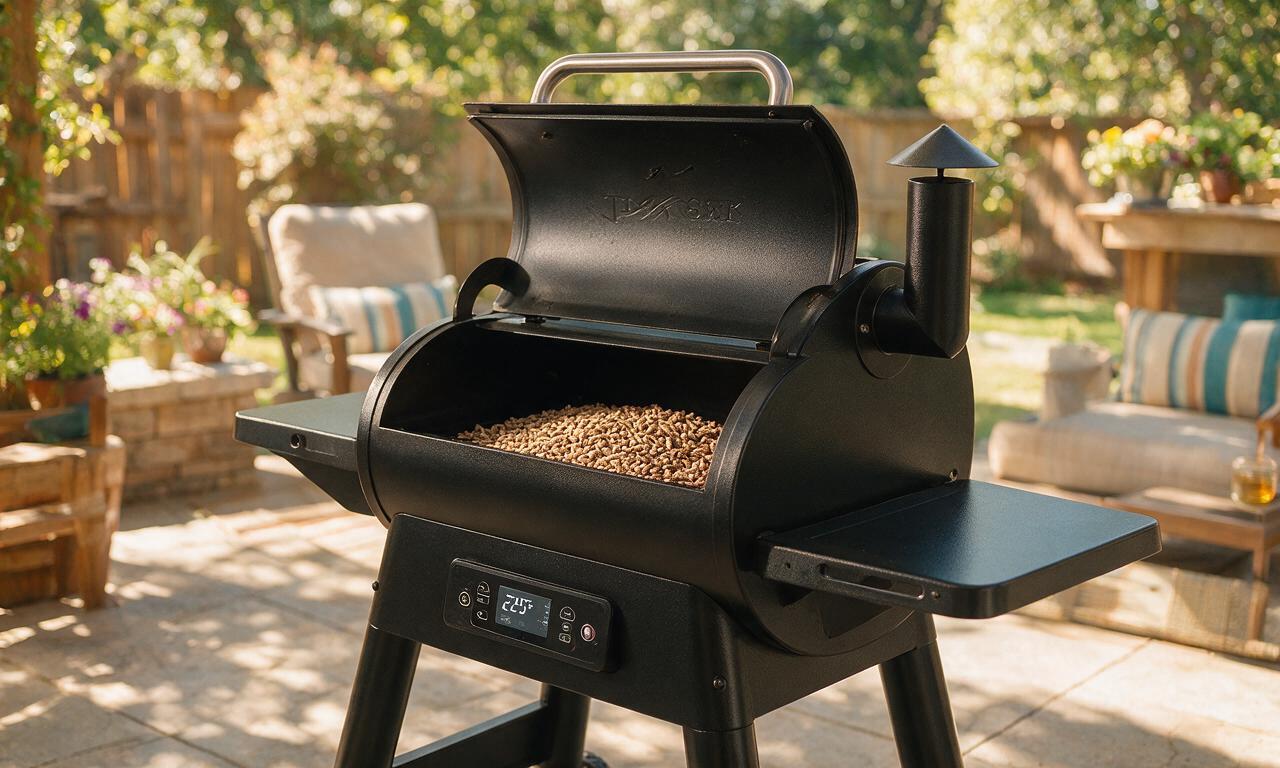
Start your Traeger at 225°F for the main low-and-slow smoke phase—this steady, consistent temperature lets smoke penetrate the meat, build a solid spiced bark, and break down tough connective tissue without drying the brisket out. You can bump the temp up to 275°F during the final wrap stage if you’re short on time, but avoid going higher for the best texture.
5.Do I need to wrap my brisket while it cooks on the Traeger?
▾
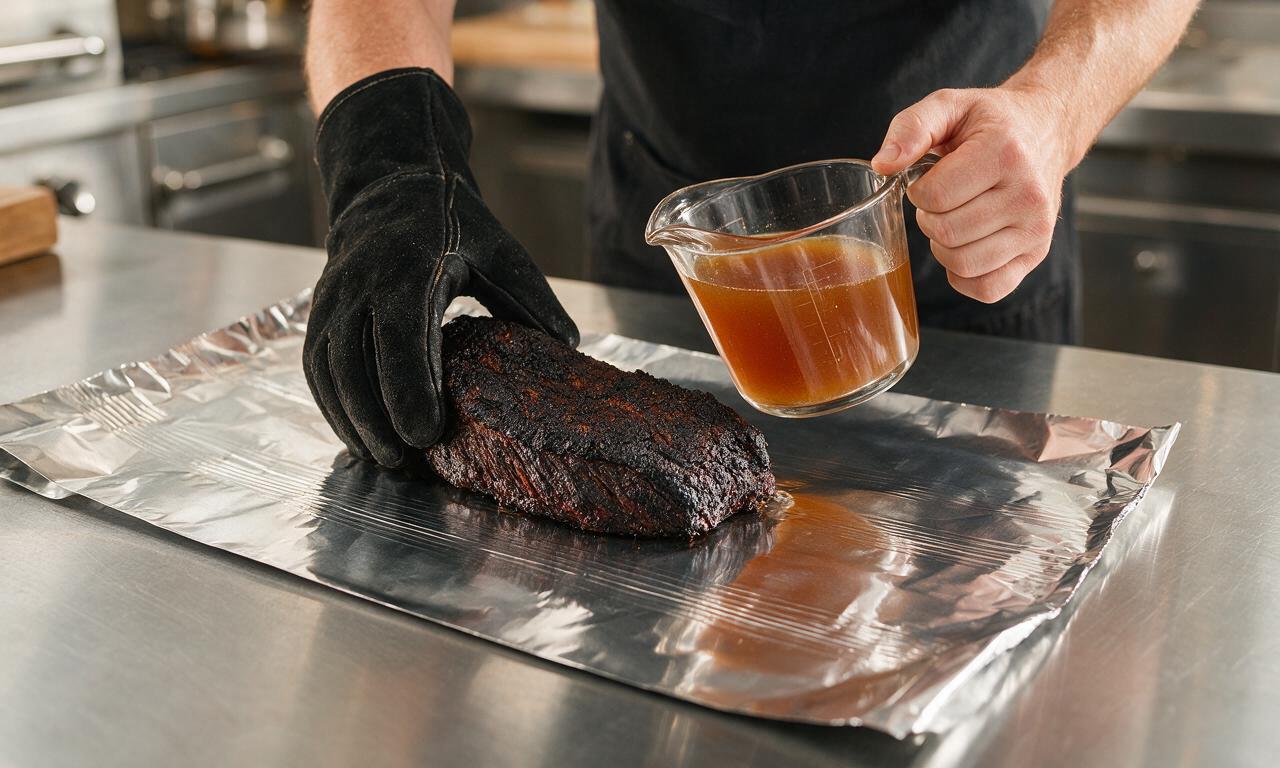
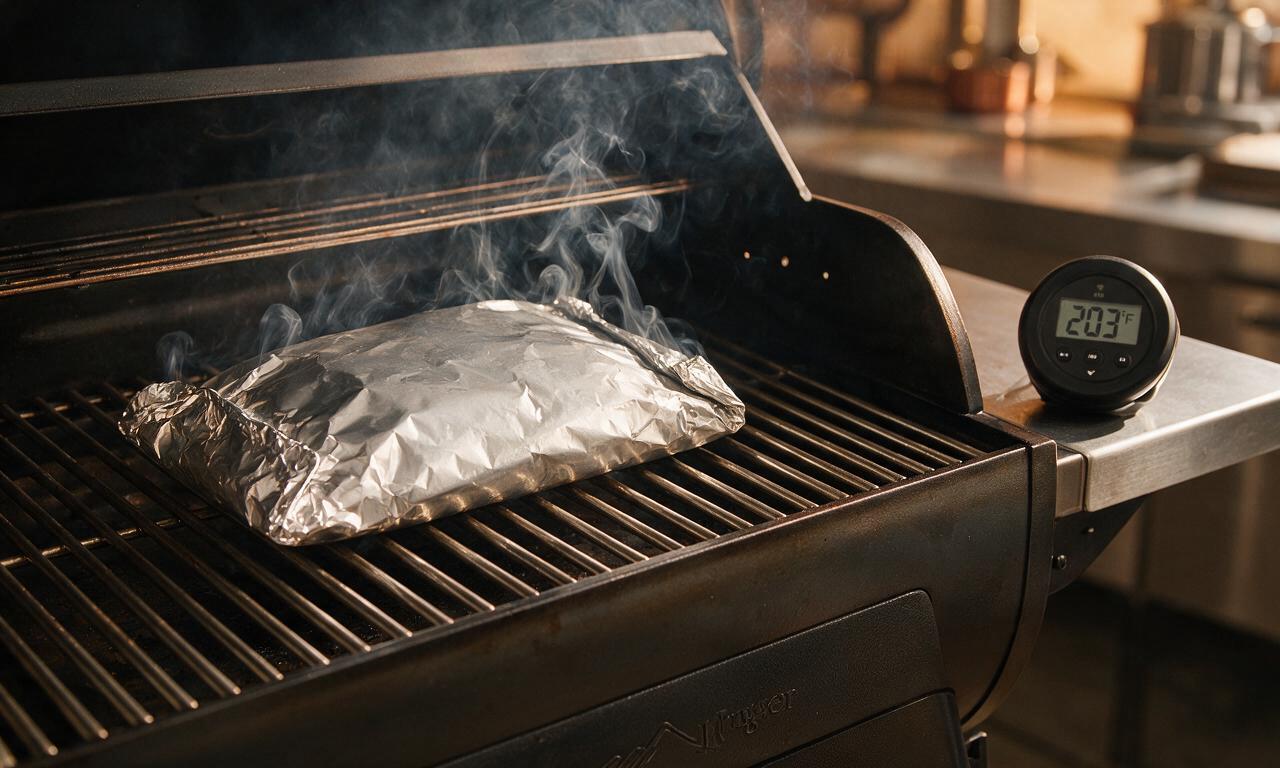
Wrapping is totally optional, but it helps you power through the temperature “stall” (when brisket hits 160–170°F and stops rising for hours) without drying out the exterior. Use unwaxed butcher paper for the best balance of juicy interior and crisp bark; foil works too, but it tends to make the bark softer and steamier than most people prefer.
6.How long does it take to smoke a brisket on a Traeger?
▾
Plan for roughly 1 to 1.5 hours of cook time per pound of brisket at 225°F, so a standard 12–14 pound packer will take 12–18 hours total. Remember that cook time varies based on brisket size, outdoor temperature, and how often you open the Traeger lid, so always go by internal temperature, not a strict timer, for perfect results.
7.How do I know when my Traeger brisket is fully done?
▾
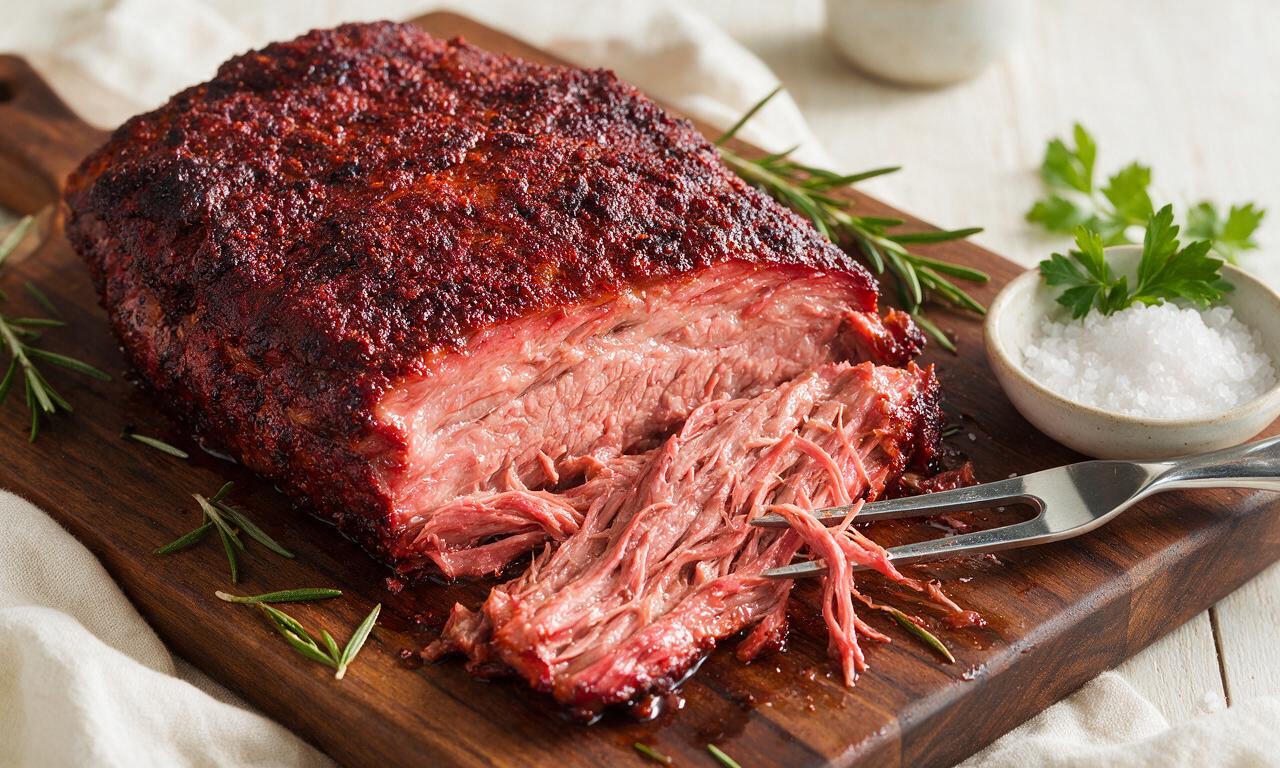
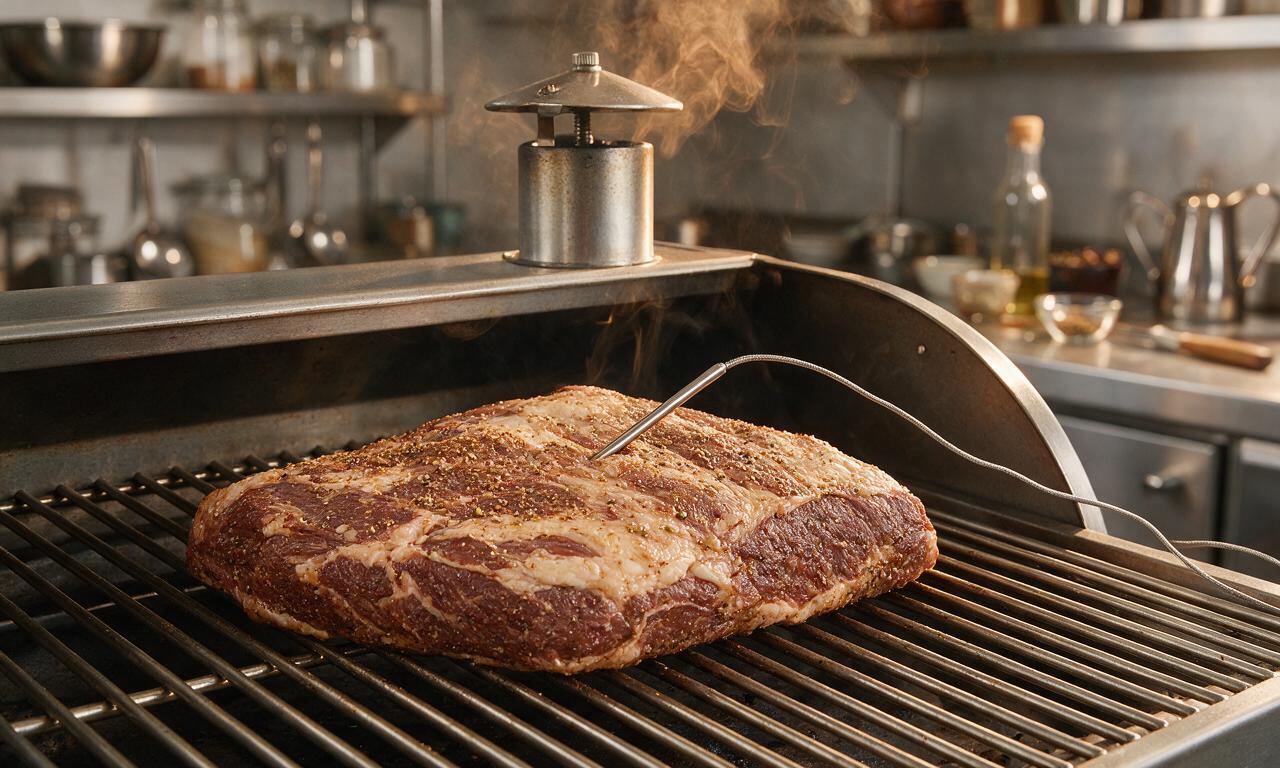
Pull your brisket when the thickest part of the flat hits 203°F, and a temperature probe slides in with no resistance, like sticking a knife into soft room-temperature butter. Don’t pull it as soon as it hits 195°F—at that point, tough connective tissue hasn’t fully broken down, so you’ll end up with chewy slices instead of that melt-in-your-mouth texture.
8.How do I keep my brisket from drying out on the Traeger?
▾
First, make sure you leave that ¼-inch fat cap on the brisket to baste the meat as it renders. Avoid opening the Traeger lid unnecessarily during the first 4 hours of cook time, as that lets heat and smoke escape and dries the surface. Wrap the brisket when you hit the stall to lock in moisture, and never skip the post-cook rest period.
9.Do I need to spritz my brisket while it smokes?
▾
Spritzing is optional, but it can help keep the surface moist during the early smoke phase and encourage better bark formation. If you spritz, use a 50/50 mix of apple cider vinegar and water, and only spritz once every 45 minutes to an hour after the first 3 hours of cooking. Too much spritzing will wash off your rub and make the bark soggy.
10.How long should I rest brisket after taking it off the Traeger?
▾
Always rest your brisket for a minimum of 1 hour, and ideally 2–4 hours, before slicing. Hold it wrapped in butcher paper and a clean towel in an empty, dry cooler (no ice needed) to keep it at a food-safe 140°F+ during the rest. This step lets muscle fibers relax and reabsorb moisture, so you don’t lose all that delicious juice on your cutting board.
11.Why is my brisket bark rubbery instead of crisp?
▾
Rubbery bark usually comes from one of a few easy-to-fix mistakes: you trimmed the fat cap thicker than ¼ inch so excess grease soaked the rub, you wrapped the brisket too early in foil before the bark set, you spritzed too often, or your Traeger was running too humid. Wait until the rub sets to a dry, firm touch before wrapping for crisp bark.
12.Can I smoke a brisket on my Traeger in cold or rainy weather?
▾
Absolutely! Traeger grills are designed to hold consistent temperature in most weather, but you’ll need a couple small adjustments. Keep the grill sheltered from direct wind and heavy rain, add 15–20% extra cook time for temperatures below 40°F, and resist peeking at the brisket too often, since lid openings let far more heat escape in cold weather.
13.Should I apply the rub right before smoking, or let it sit on the brisket first?
▾
You can do either, but for the best seasoning penetration, apply your kosher salt, coarse black pepper, garlic powder, and paprika rub 12–24 hours before smoking, then let the brisket rest uncovered on a wire rack in your fridge. This dry brine helps form a tighter, more flavorful crisp bark when it hits the Traeger, and makes the interior extra juicy.
14.What’s the correct way to slice Traeger smoked brisket for serving?
▾
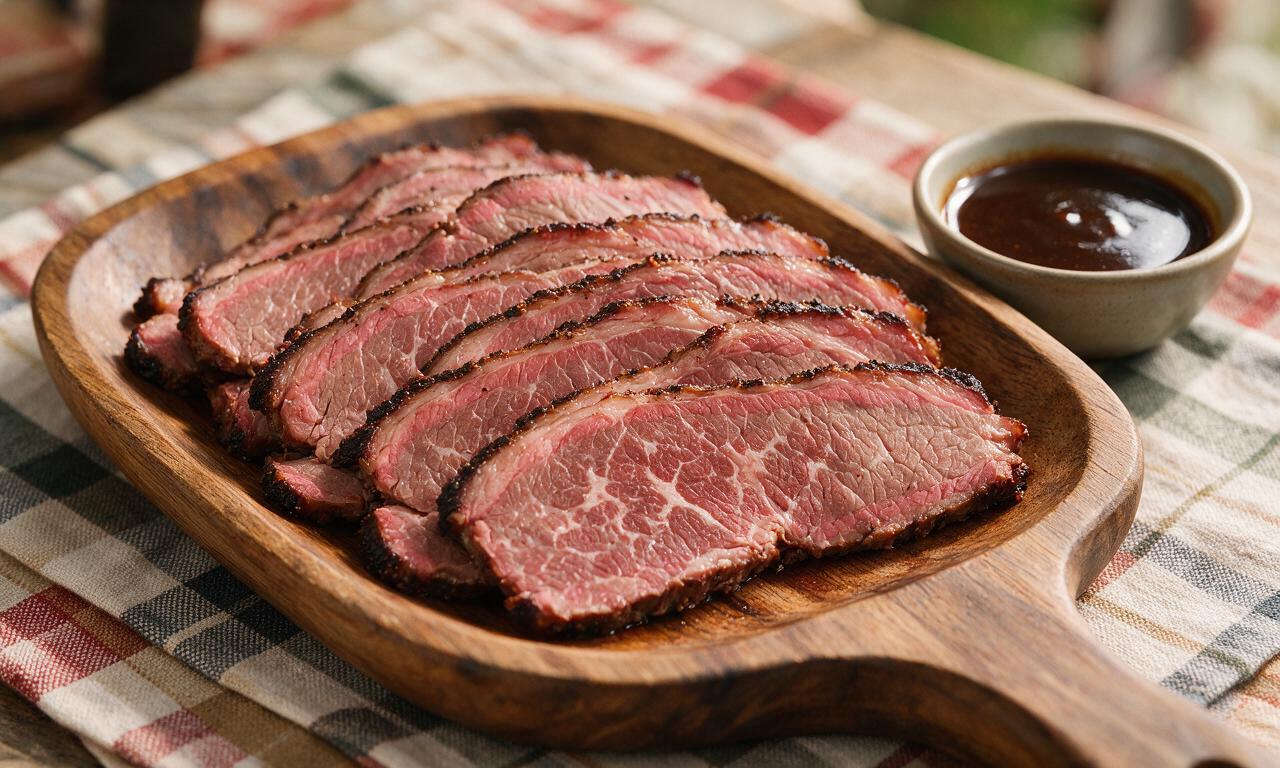
First, separate the lean flat section from the thicker, marbled point where the two muscles meet. Slice the flat against the grain into ¼-inch thick slices for tender, easy-to-chew pieces, and cut the point into thicker chunks if you want quick burnt ends. Serve right after slicing, since the meat cools fast, especially for casual outdoor gatherings.
15.What’s the best way to store leftover smoked brisket?
▾
Let leftover brisket cool completely, then wrap it tightly in plastic wrap or vacuum seal it, and store it in the fridge for up to 4 days, or in the freezer for up to 3 months. Reheat slices gently wrapped in foil in a 250°F oven or back on the Traeger until they hit 165°F, to keep the meat juicy instead of drying it out in the microwave.

OMG this recipe was an absolute game changer for our weekend cookout! I’ve tried so many Traeger brisket recipes that turned out dry or tough, but this one came out so juicy with that perfect crispy bark. My husband and kids devoured half of it before our guests even showed up, and everyone was begging for the recipe by the end of the night. 10 hours felt long at first but it was so worth every single minute! Will absolutely be making this for our Labor Day potluck next month.
Solid brisket recipe, turned out really good overall! My only note is that my 14lb brisket took almost 12 hours total instead of the 10 hour 15 minute cook time listed, so make sure you go by internal temp not just the timer if you’ve got a bigger cut. The rub ratio was perfect — not too salty, just the right amount of smoke flavor. Sliced it up for Sunday family dinner and there were zero leftovers, which is always the biggest win in my book.
SO good! I made this on Sunday and portioned it out for weekday lunches all week for meal prep, and it reheats like an absolute dream. I was worried smoked brisket would get rubbery in the microwave, but if you splash a little beef broth on it before reheating it tastes just as tender as it did right off the smoker. Even my picky 7 year old asked for seconds in his lunchbox two days in a row! Worth the long cook time 100%.
First time ever smoking a brisket on my Traeger and I was so nervous I’d mess it up, but this recipe walked me through every single step with zero guesswork! The bark was chef’s kiss, the fat rendered perfectly, and my neighbors wandered over when they smelled the smoke and ended up staying for dinner. Total game changer, I feel like a legit backyard pitmaster now lmao.
Made this for my son’s high school football team pre-game dinner and those boys ate every single bite! I was worried two briskets wouldn’t be enough but it worked out perfectly, the smoke level was just right (not overpowering like some recipes I’ve tried) and the point came out so caramelized and delicious. Only reason it’s not 5 stars is I wish the recipe had a suggested wood pellet type — I used hickory and it was great, but curious if mesquite or apple would be better next time.