
Triple IPA
intro
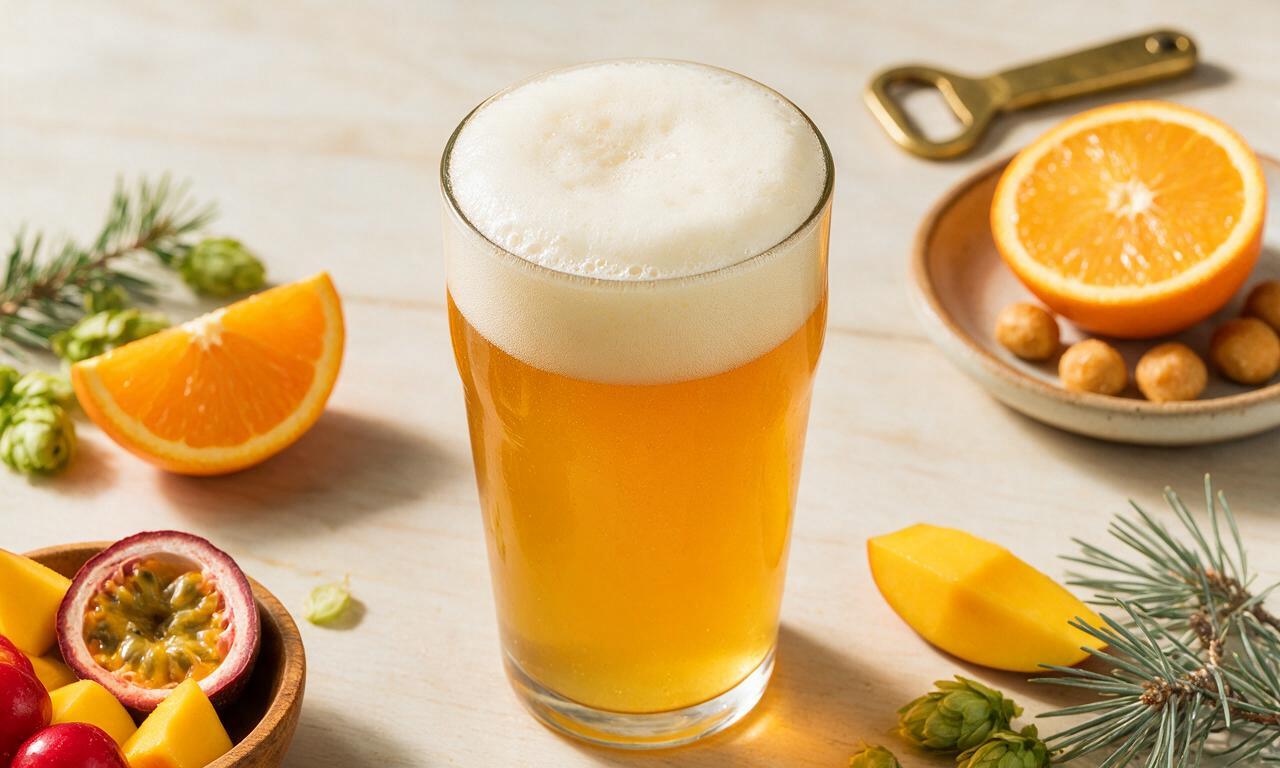
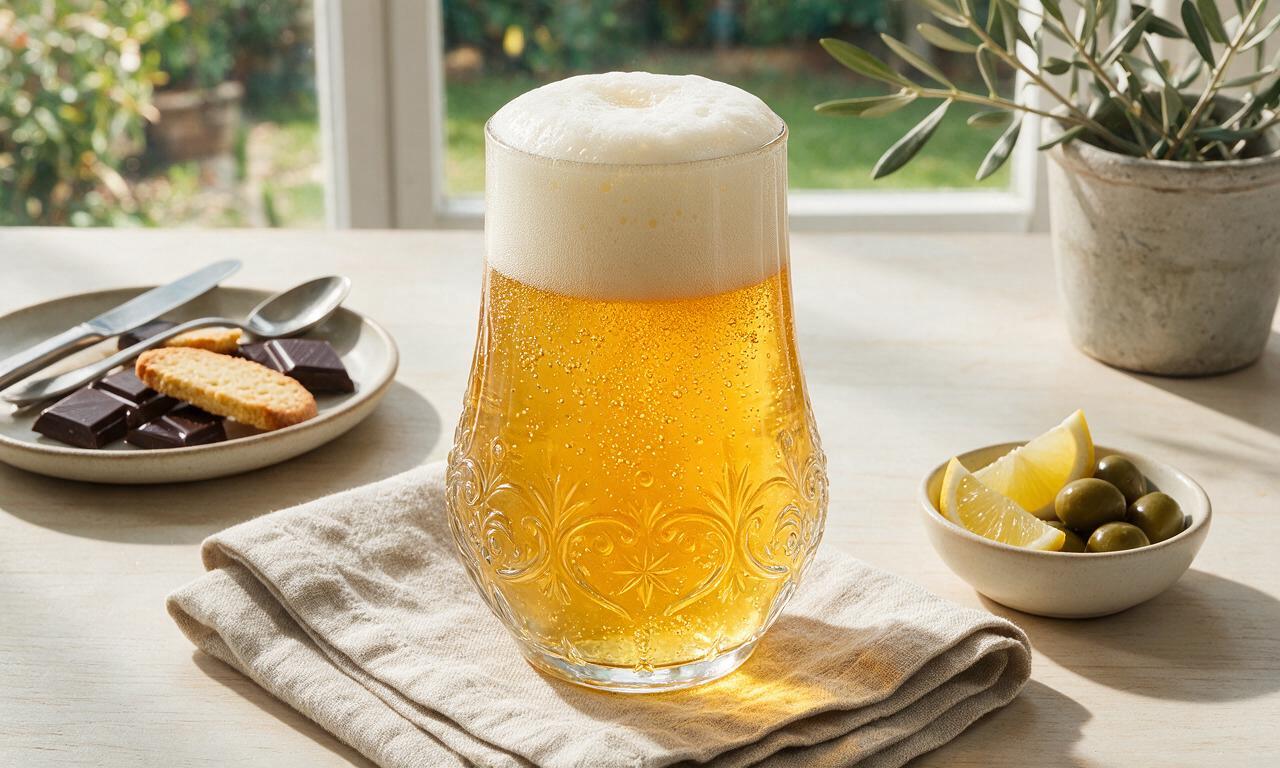
Intensely hoppy, 9-10% ABV craft Triple IPA with bright citrus, pine, and tropical fruit notes, balanced by a smooth, lightly sweet malt backbone.
Ingredients
Steps
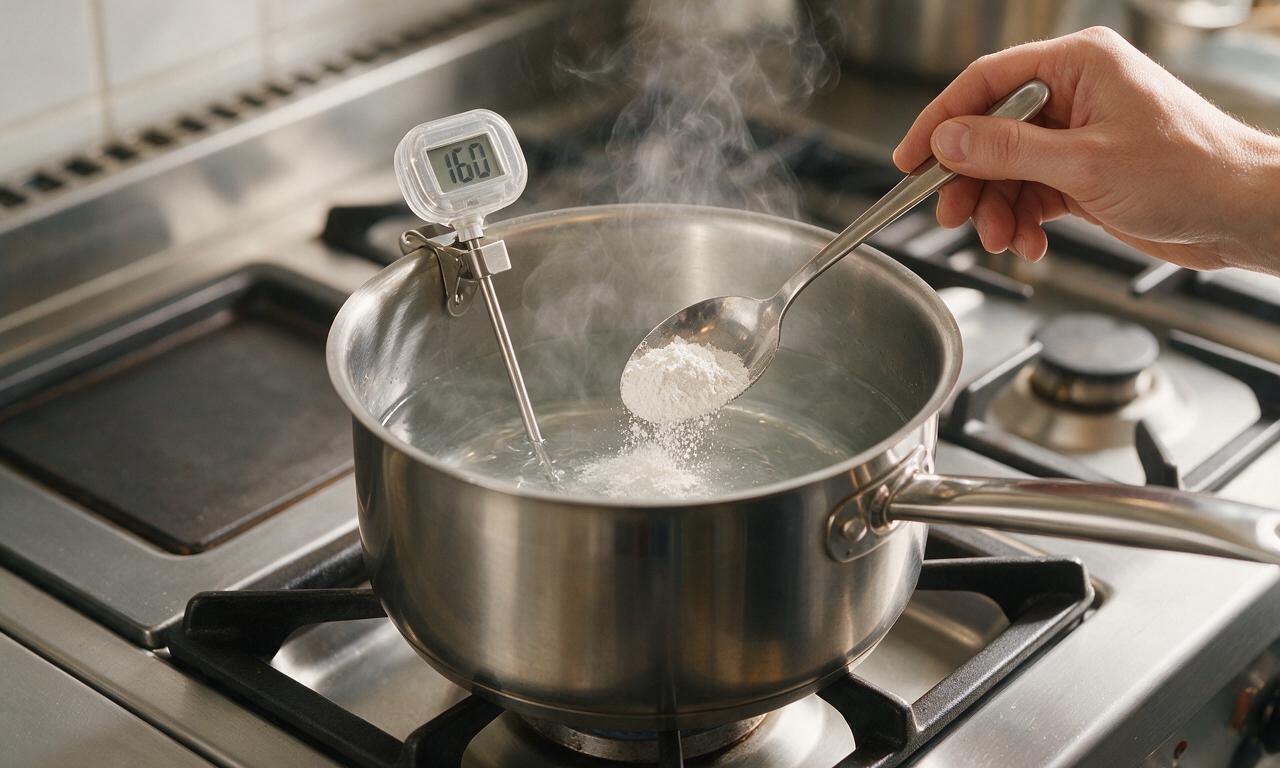
Heat 15 L (4 gallons) of filtered water in a 10-gallon stainless steel brew kettle over medium-high heat until it reaches a steady 71°C (160°F), then stir in 7 g (1.5 tsp) of gypsum to adjust the water profile for bright hop expression. Clip a digital thermometer to the kettle side to monitor temperature consistently.
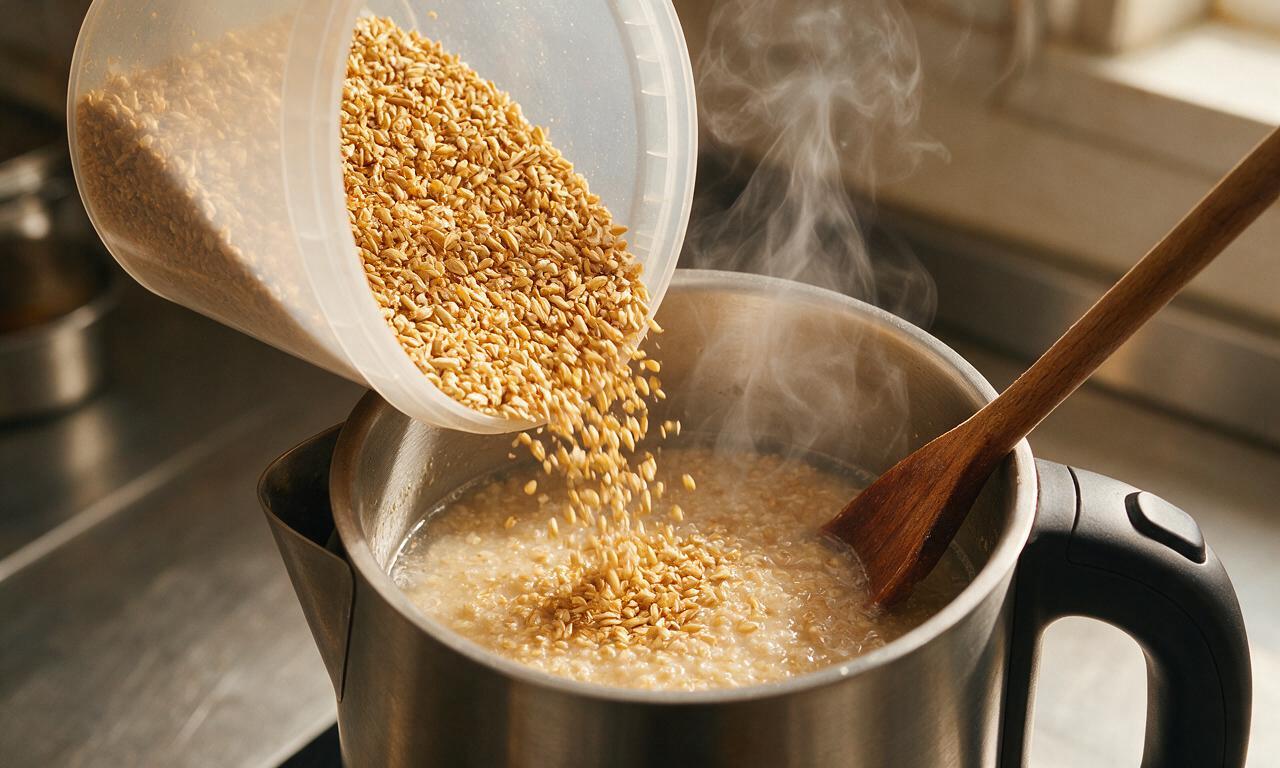
Slowly pour all crushed grain (5.4 kg 2-row pale malt, 227 g caramel 20L malt) into the heated water, stirring constantly with a mash paddle to break up dry clumps. Reduce heat to low to hold a steady mash temperature of 67°C (152°F), cover the kettle, and rest for 60 minutes to convert grain starches to fermentable sugar.
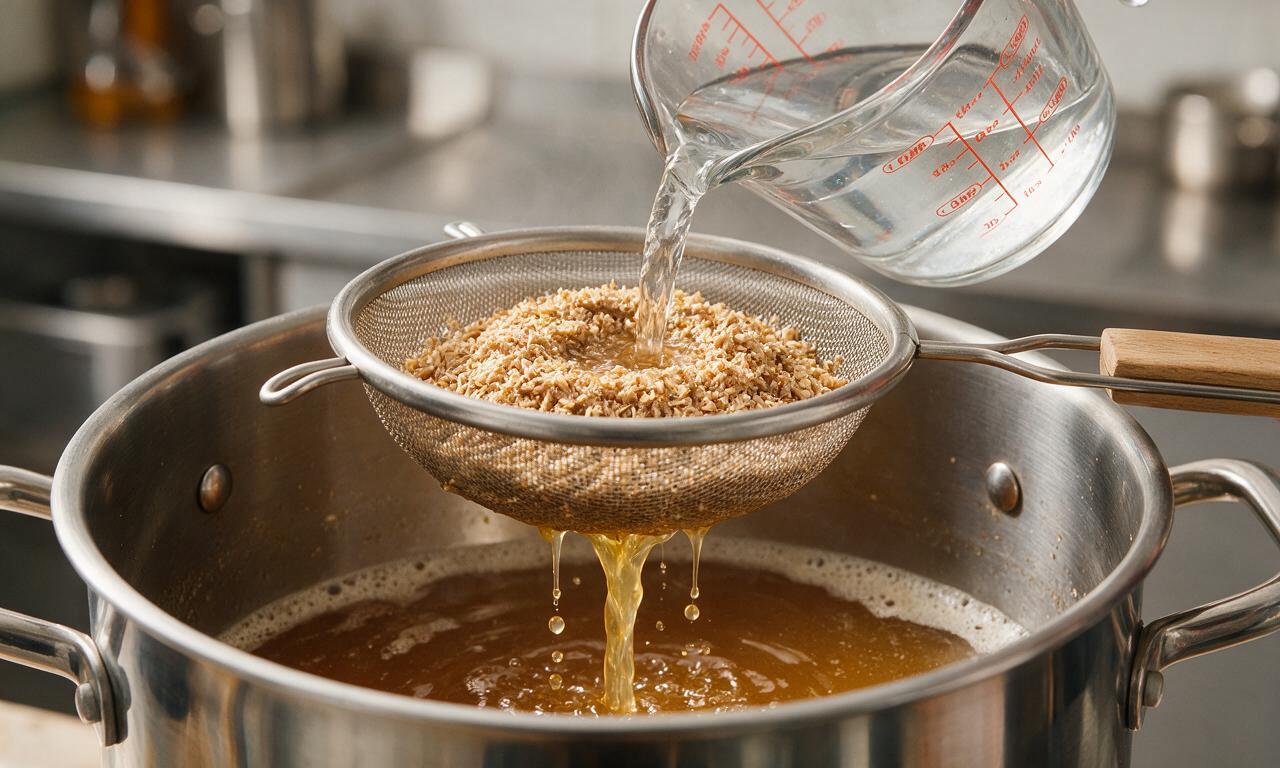
After the 60-minute mash rest, slowly drain the sweet, sugar-rich wort from the grain bed through a fine mesh strainer. Gently pour 8 L (2.1 gallons) of 77°C (170°F) filtered water over the top of the spent grain bed to rinse remaining sugars, collecting all drained wort back into the kettle until you have 21 L (5.5 gallons) of total wort.
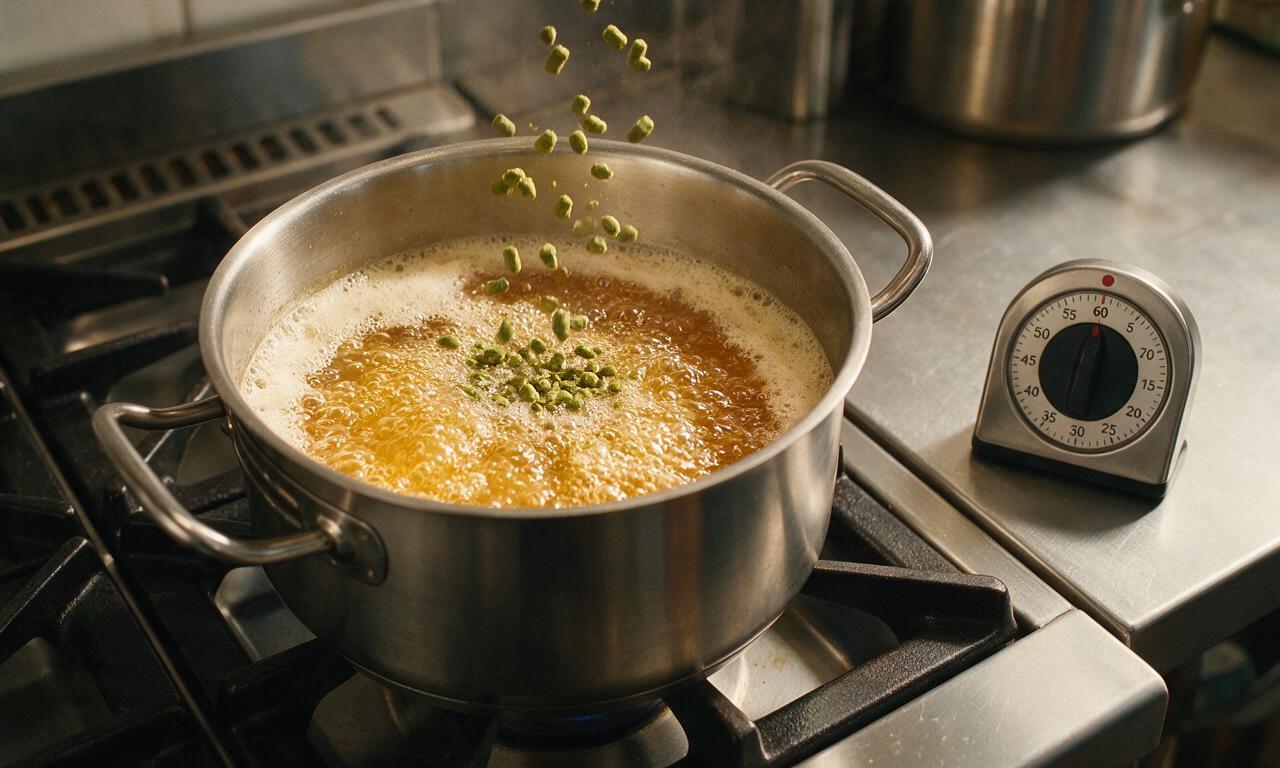
Turn burner to high heat to bring the collected wort to a vigorous, rolling boil that does not bubble over, and maintain this boil for exactly 60 minutes. Add 28 g (1 oz) Citra, 14 g (0.5 oz) Mosaic, and 14 g (0.5 oz) Simcoe hops at the start of the boil for bittering; add another 28 g (1 oz) Citra, 14 g (0.5 oz) Mosaic, 14 g (0.5 oz) Simcoe hops with 15 minutes remaining in the boil; stir in 454 g (1 lb) of dextrose with 10 minutes remaining in the boil.
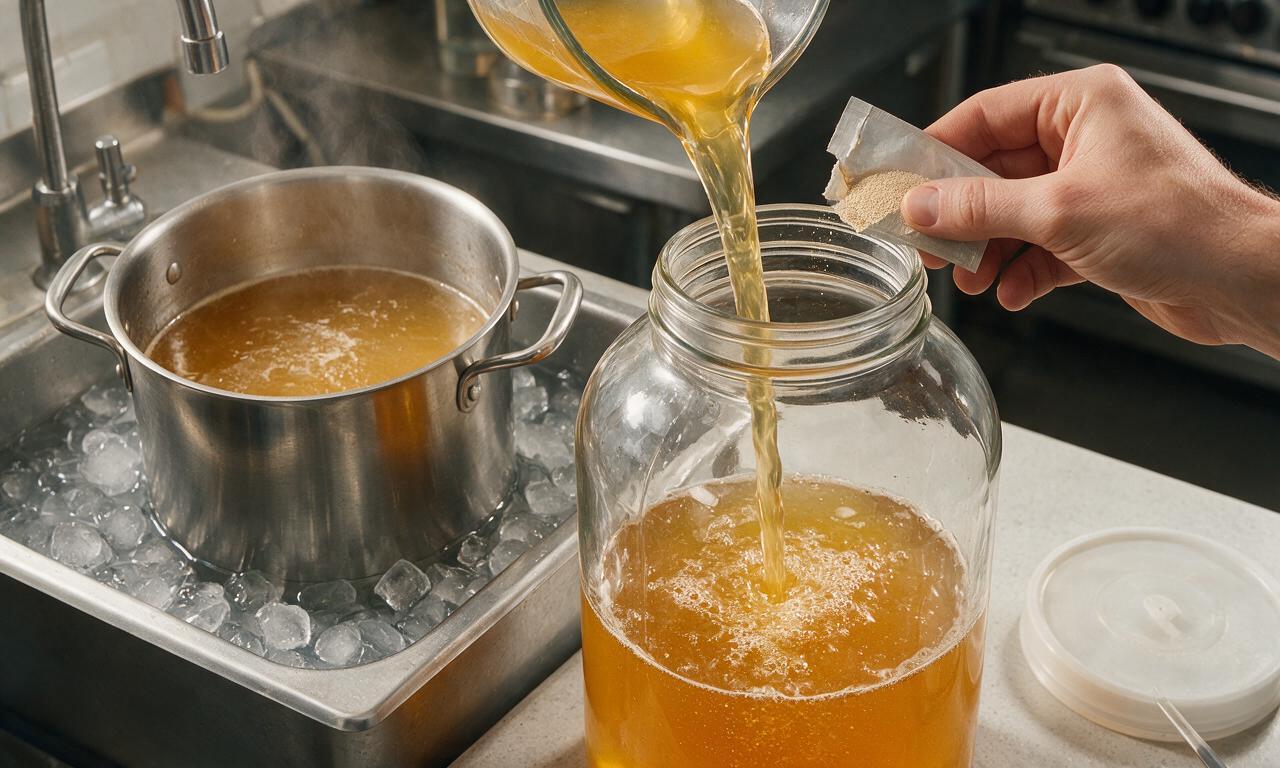
Once the 60-minute boil completes, turn off heat, seal the kettle with a tight lid, and submerge the lower two-thirds of the kettle in an ice water bath in a clean sink to cool the wort to 21°C (70°F) within 30 minutes. Sanitize a 23 L (6 gallon) glass fermenter, pour the cooled wort into it, seal and shake vigorously for 1 minute to aerate, then sprinkle the full 11 g packet of US-05 ale yeast over the wort surface, and seal the fermenter with a sanitized airlock half-filled with water.
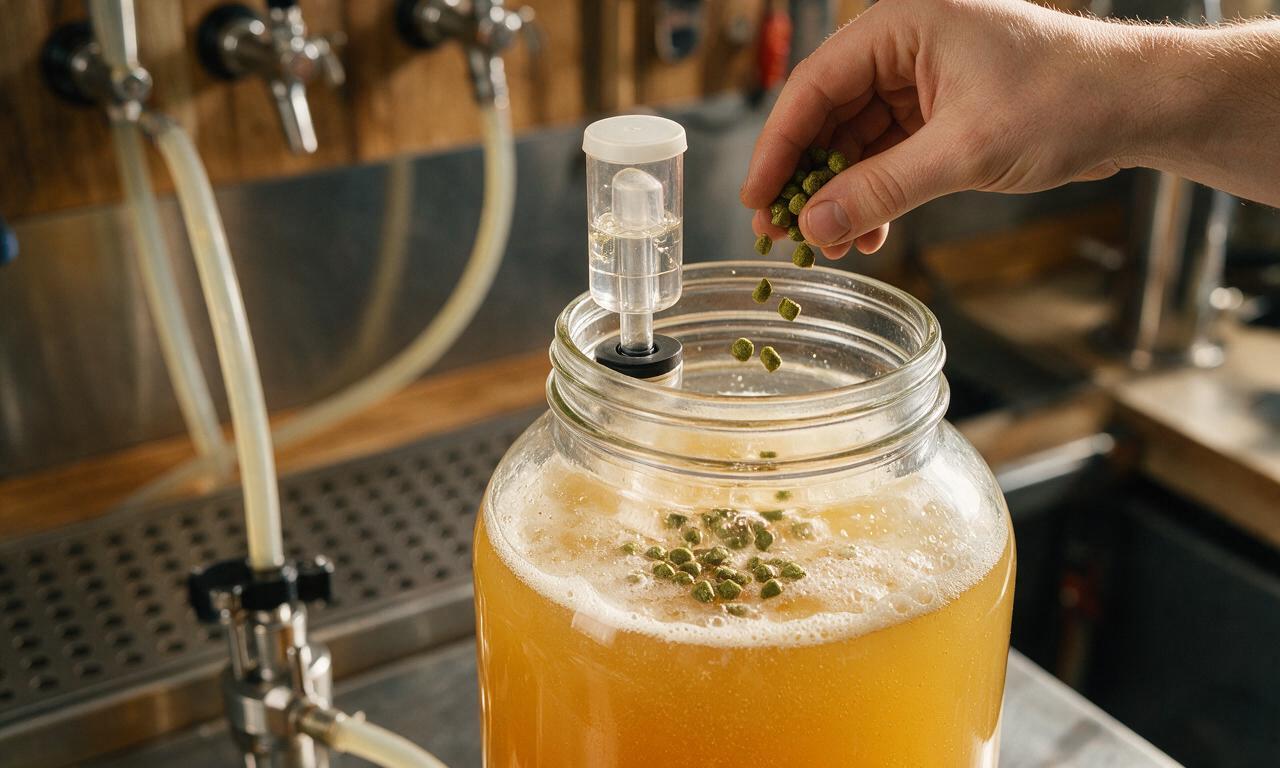
Move the sealed fermenter to a dark, temperature-controlled space held steady at 19–21°C (66–70°F) and leave undisturbed for 7 days, until active bubbling in the airlock slows to 1 bubble every 30 seconds. Sanitize the fermenter opening, add the remaining 29 g (1 oz) Citra, 29 g (1 oz) Mosaic, and 29 g (1 oz) Simcoe hops directly to the fermenter for dry hopping, re-seal the airlock, and hold for an additional 10 days at the same temperature to infuse bright hop aroma.
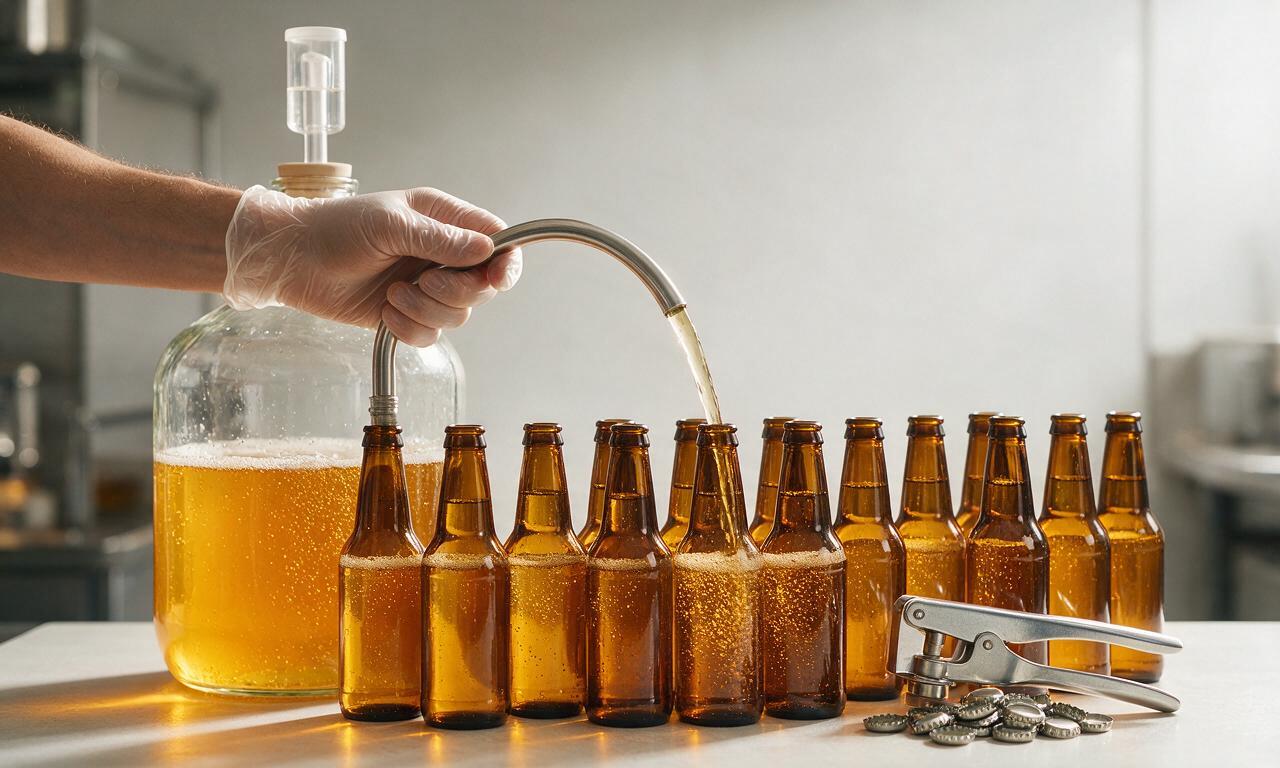
After 17 total days of fermentation, siphon the finished beer into sanitized 355 ml (12 oz) amber glass bottles, adding 2.5 g (0.09 oz) of priming corn sugar to each bottle to create natural carbonation. Cap bottles tightly with sanitized metal caps, store at 21°C (70°F) for 14 days to carbonate fully, then chill to 4°C (40°F) for 2 hours before serving.
Tips
2.Do not boil delicate aroma hops for longer than the listed timings; extended heat breaks down the bright citrus and tropical hop oils that define Triple IPA’s signature flavor.
3.Chill finished, carbonated Triple IPA to 4°C (40°F) rather than ice-cold; overly cold temperatures mute the complex hop aroma and smooth malt notes.
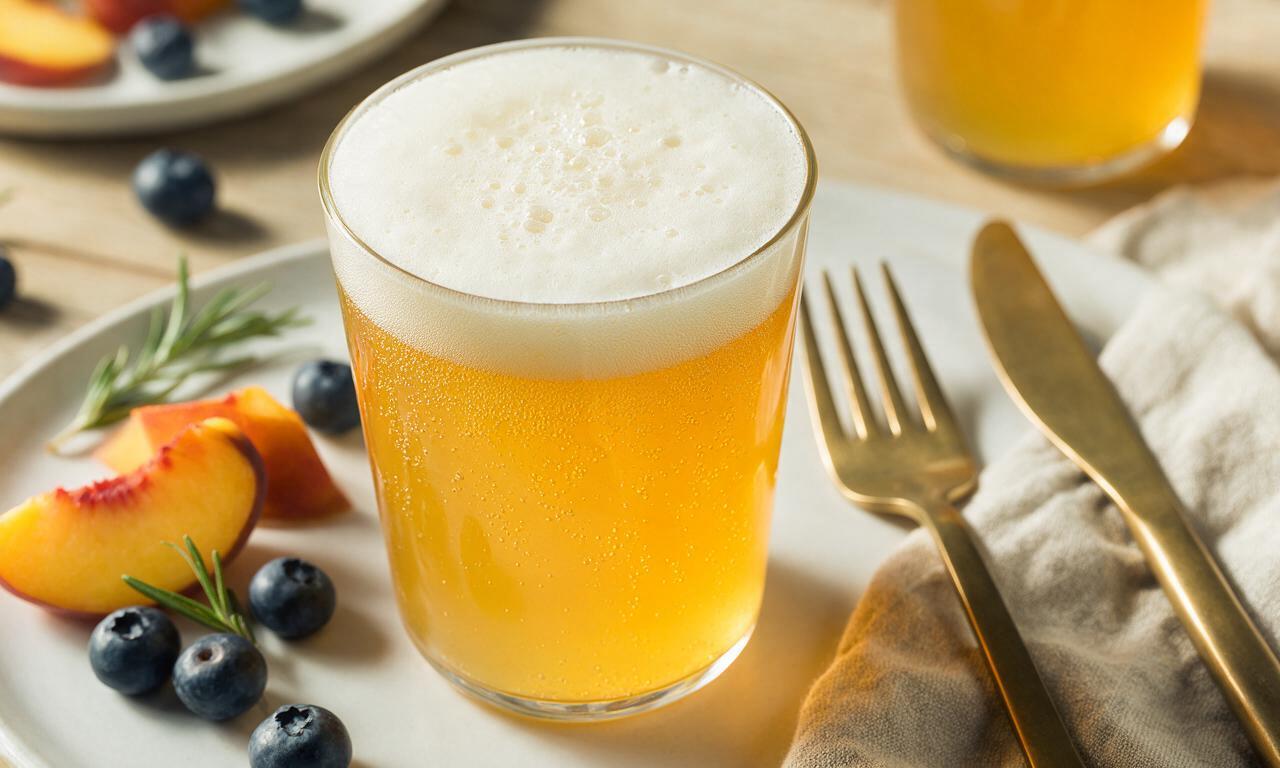
OMG, this triple IPA recipe is an absolute game changer! I was nervous to tackle a hard-level brew, but the step-by-step for dry hopping made it so much less intimidating. Mine finished conditioning last weekend and I brought a growler to our annual hiking group potluck, everyone was begging for the recipe. So much better than the overpriced store-bought TIPAs I’ve been dropping $18 a four pack on!
Took a swing at this last month, and the final beer is SO good! Only reason I’m knocking a star off is I drastically underestimated how much active prep time the mash step took - I blocked off 3 hours like the recipe said, but ended up rushing to pick my kids up from soccer practice because I fumbled with my temperature control. Flavor is chef’s kiss though, super smooth for a 10% ABV TIPA, no harsh boozy aftertaste at all.
I was really excited for this, but I think I messed up the fermentation temp? My batch came out way more boozy-tasting than I expected, almost like rubbing alcohol, and it’s got a weird fruity off flavor I can’t place. I followed the grain bill exactly, so I’m not sure where I went wrong. Has anyone else run into this?
Game. Changer. I’ve been homebrewing for 6 years and this is hands down the best TIPA recipe I’ve ever made. The balance of citrus, pine, and that soft malt backbone is exactly what I’ve been trying to nail for years. Did a side by side with a popular commercial TIPA from San Diego and my homebrew won, no contest. 10/10, will brew every fall from now on.
SO good! I was intimidated by the hard difficulty rating since I’ve only done extract brews before, but this all-grain recipe was laid out so clearly even a newbie like me could follow it. My first all-grain brew, and it came out crystal clear, perfectly carbonated, with that big Mosaic/Citra punch I love. Brought a six pack to my office happy hour and my coworkers thought I bought it from a fancy craft brewery!
Just kegged this yesterday and snuck a small taste while I was transferring, and WOW. Even before it’s fully carbed it’s already so flavorful. Can’t wait to crack the first pint in a week once it’s conditioned. Already planning to brew a double batch next quarter to have enough for summer cookouts and fishing trips with my buddies. Thanks for the killer recipe!
Great recipe overall, but I wish it had notes on water chemistry! My first batch came out a little flat on the hop front because I have super soft tap water here in the city, and I didn’t adjust my mineral additions. The flavor was still good, just didn’t have that big, bright hop pop I was hoping for.
Just bottled my third batch of this last night! My whole family loves when I brew this - even my 22 year old kid who swears she only likes seltzers will sneak a bottle when she comes over for Sunday dinner. I’ve started swapping the late addition Citra for a little El Dorado on my last couple batches for that extra stone fruit note, and it’s chef’s kiss. Highly recommend giving that tweak a shot if you’ve got extra hops lying around!
Quick question for anyone who’s made this a couple times - how long do you usually leave it in secondary before dry hopping? I’m about to hit day 7 of primary and want to make sure I time the dry hop addition right so I don’t lose all those delicious hop aromas to the airlock. The instructions have been super easy to follow so far, 5 stars already, I just don’t want to fumble the final steps!