
Ukrainian Paska Easter Bread
intro
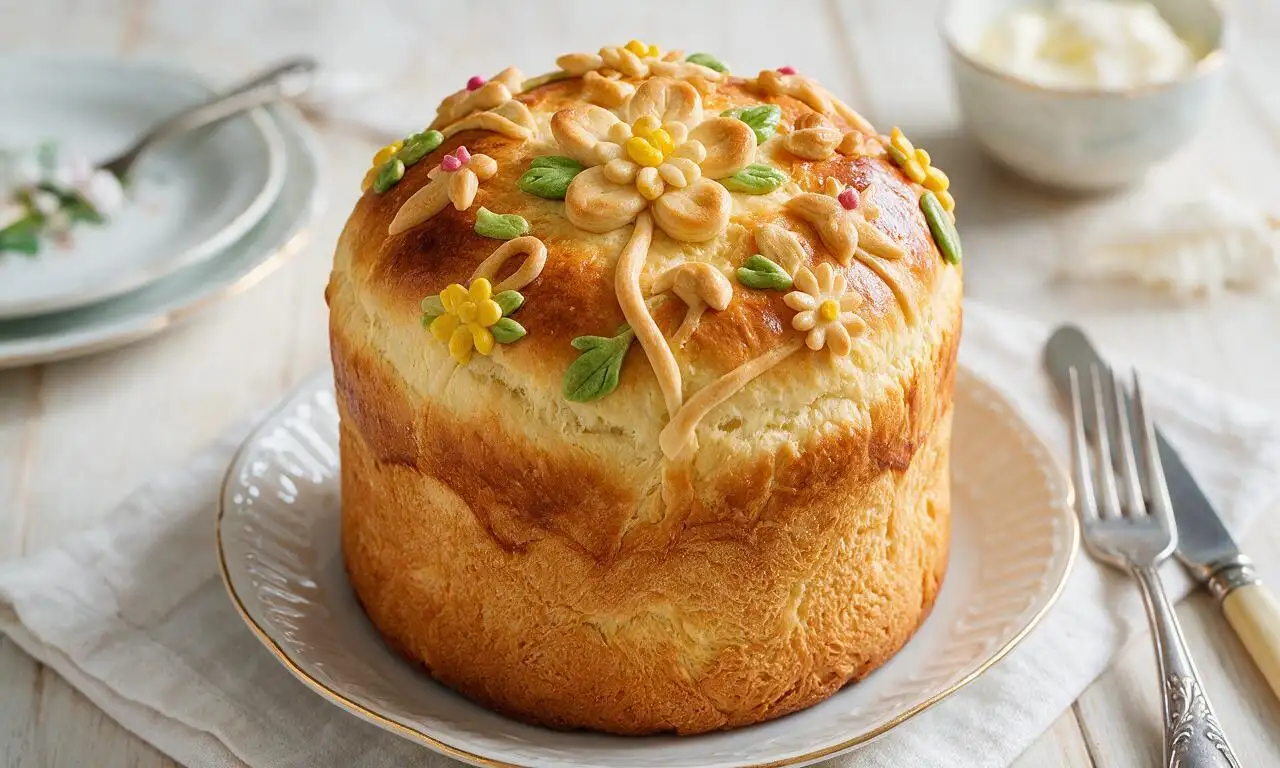
Tall, slightly sweet, egg-rich Ukrainian Easter bread with a soft, tender crumb, traditionally decorated with dough motifs for spring holiday feasts.
Ingredients
Steps
Activate the yeast
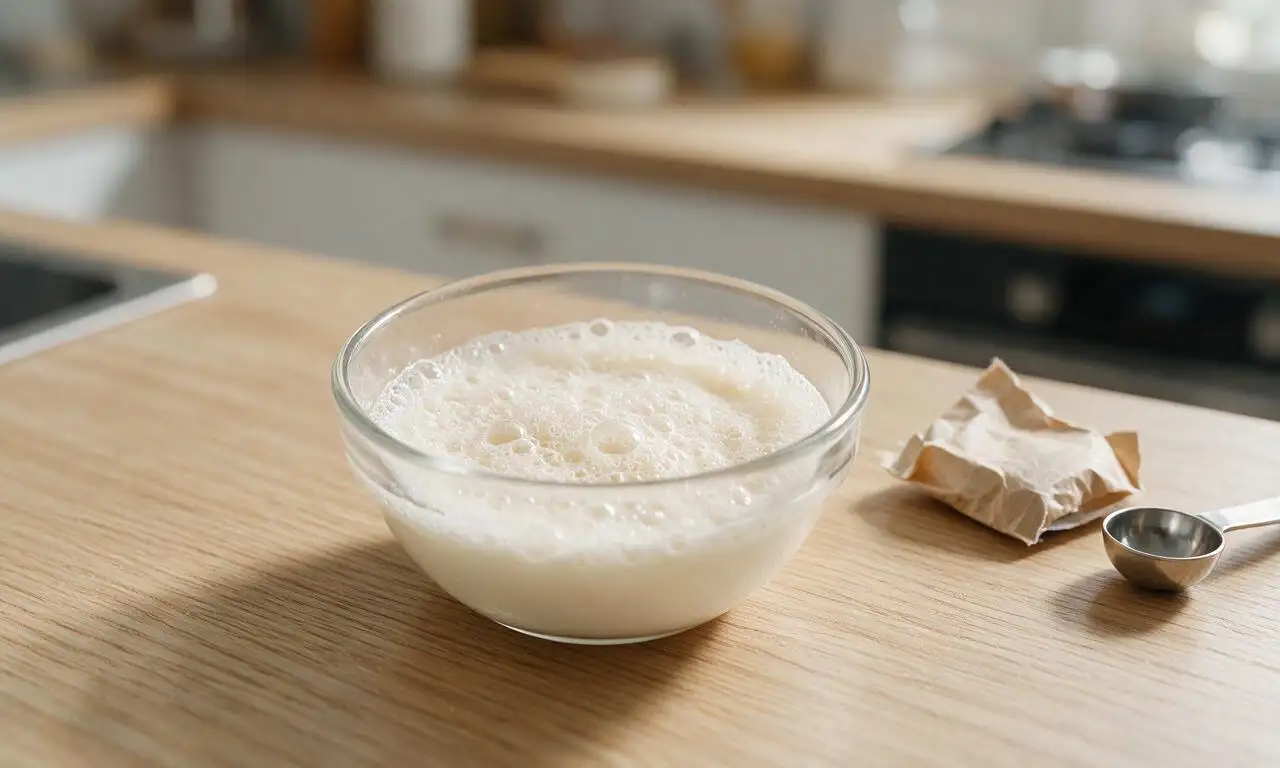
In a small glass bowl, combine warmed 43°C/110°F whole milk, 1 tablespoon of the measured granulated sugar, and active dry yeast. Stir gently to combine, then let rest for 5-7 minutes at room temperature until the mixture forms a thick, foamy, frothy top to confirm the yeast is active. If no foam forms after 7 minutes, discard the mixture and use fresh yeast to avoid rising failure.
Mix the dough base
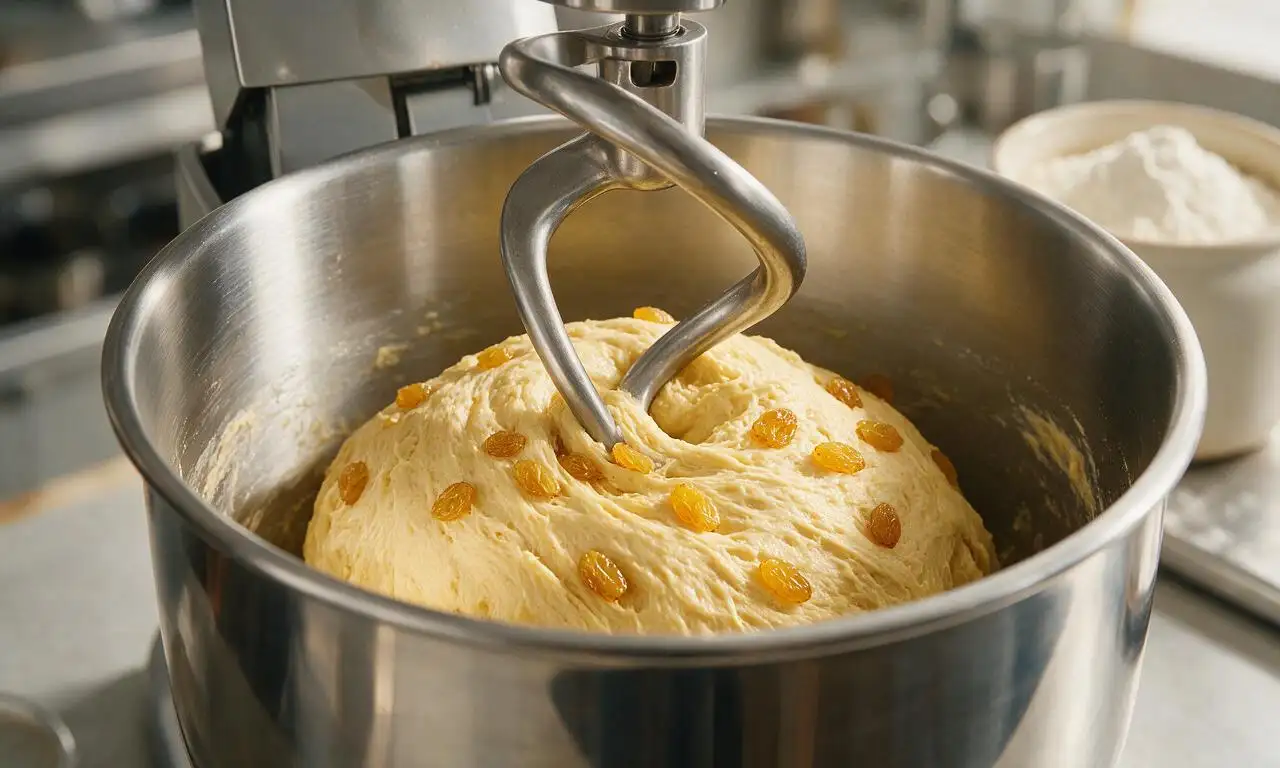
In a large stand mixer bowl, add 3 room-temperature large eggs, remaining granulated sugar, cooled melted unsalted butter, pure vanilla extract, and fine sea salt. Whisk by hand until evenly combined, then pour in the activated yeast mixture. Add 400 grams (3.2 cups) of spooned-and-leveled all-purpose flour, then mix on low speed (stand mixer setting 2) for 3 minutes until a shaggy, sticky, pale yellow dough forms. Fold in flour-tossed golden raisins if using.
Knead and first rise
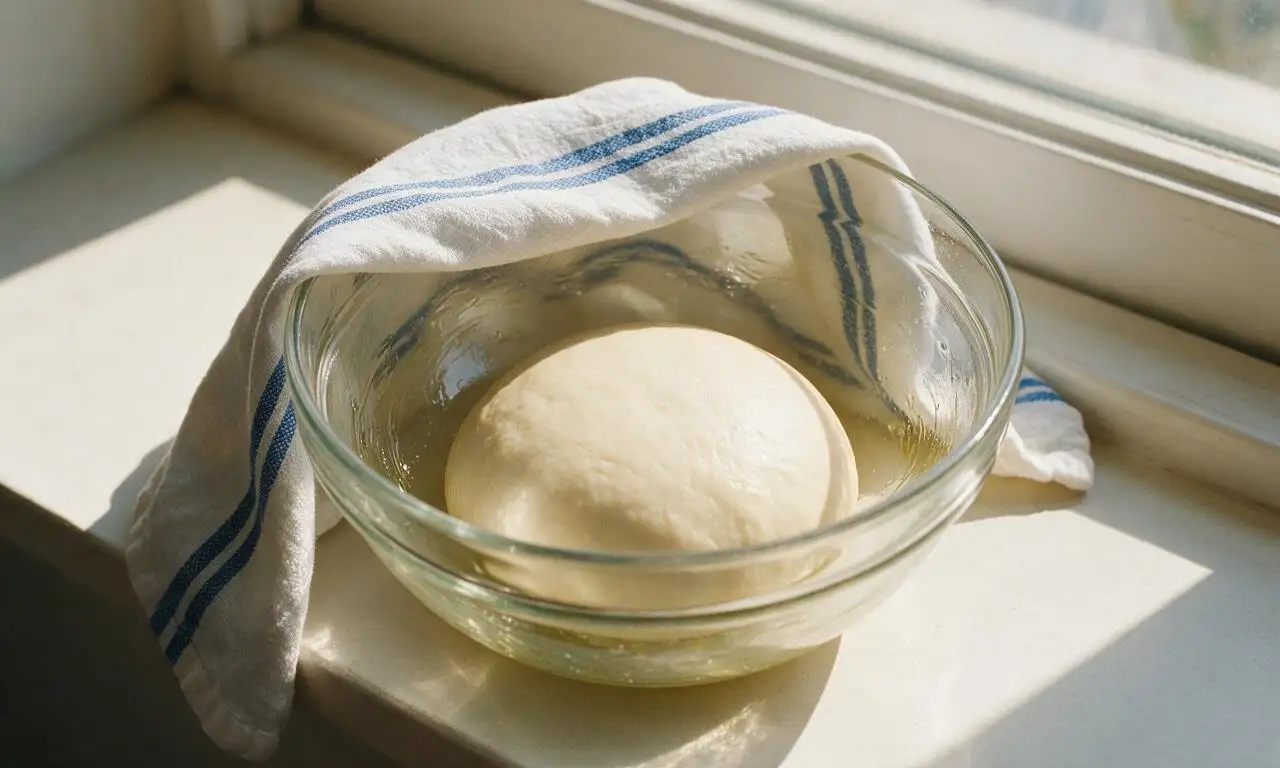
Add the remaining 100 grams (0.8 cup) of all-purpose flour 1 tablespoon at a time while mixing on low speed, until the dough pulls cleanly away from the bowl sides and feels soft, smooth, and slightly tacky (not sticky to the touch). Knead on medium-low speed (stand mixer setting 3) for 6 minutes total. Form the kneaded dough into a tight smooth ball, place it in a lightly greased large glass bowl, cover with a damp cotton kitchen towel, and let rise in a warm, draft-free spot (24°C/75°F) for 1 hour until the dough doubles in volume.
Shape the paska loaf
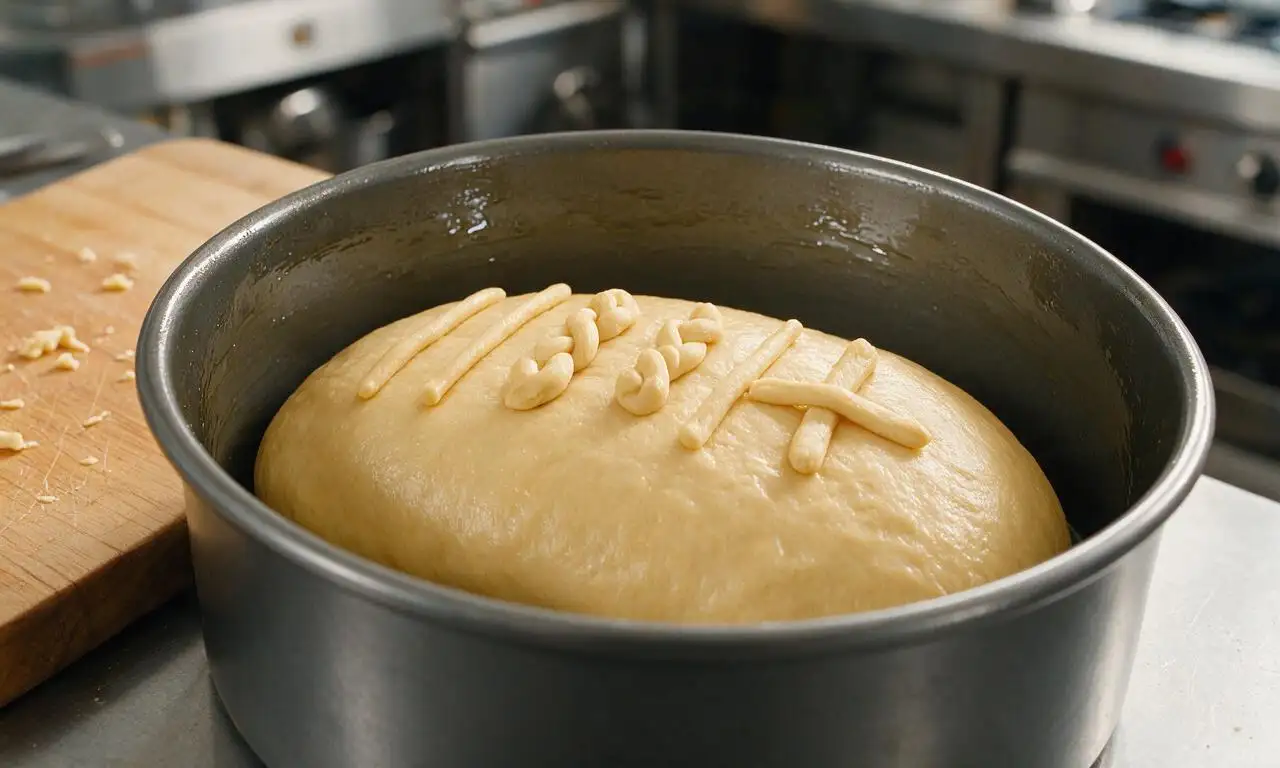
Punch down the fully risen dough firmly with your knuckles to release all trapped air bubbles, then pinch off 60 grams (1/4 cup) of dough to set aside for decorative motifs. Form the remaining large dough piece into a smooth, tight round ball, and place it seam-side down into a greased 15cm/6-inch tall round paska mold or cake pan. Roll the reserved dough into thin ropes to form traditional crosses, thin braids, or small flower shapes, and gently press them onto the top surface of the loaf.
Second rise and preheat
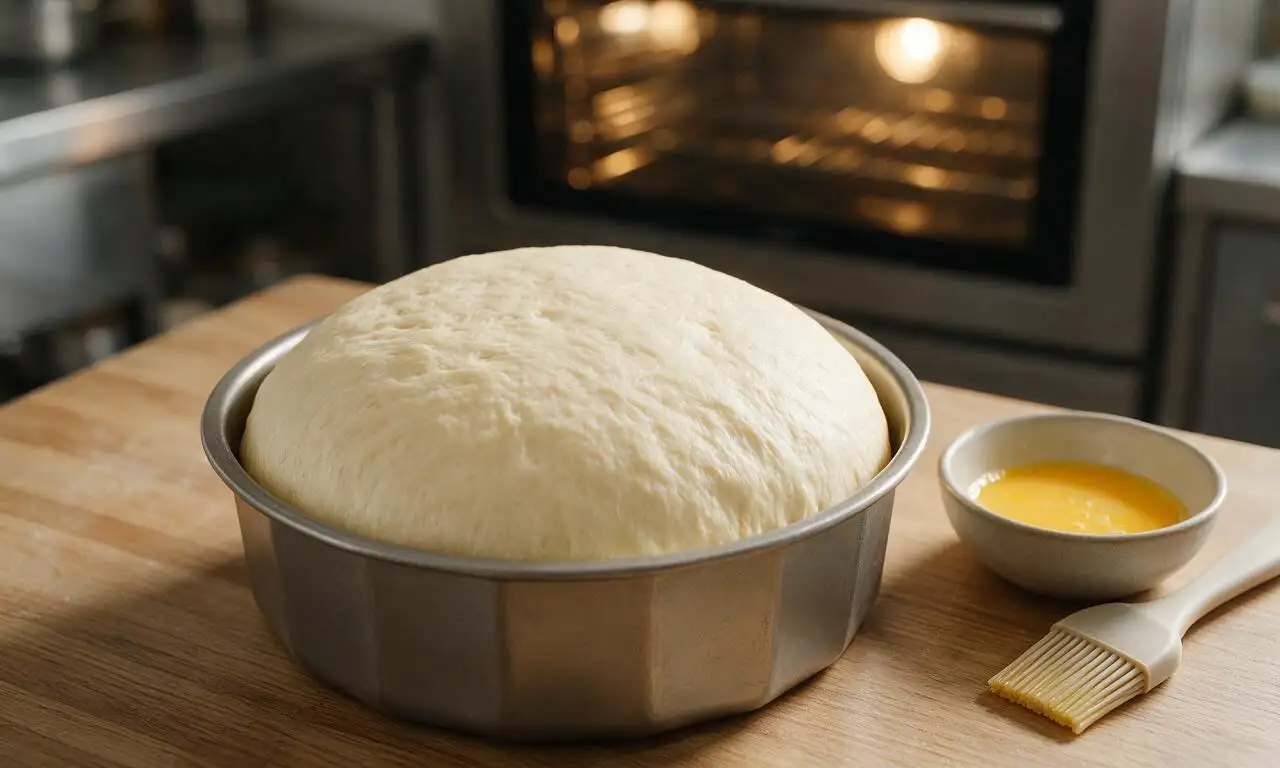
Cover the shaped loaf loosely with greased plastic wrap, and let it rise a second time in the same warm, draft-free spot for 45 minutes, until the dough puffs up to reach 1cm/0.5 inch below the rim of the pan. While the dough rises, preheat your oven to 180°C/350°F with an oven rack positioned in the exact center of the oven. Beat the remaining 1 large egg with 5ml (1 teaspoon) of cold water to make a smooth, thin egg wash.
Bake the paska loaf
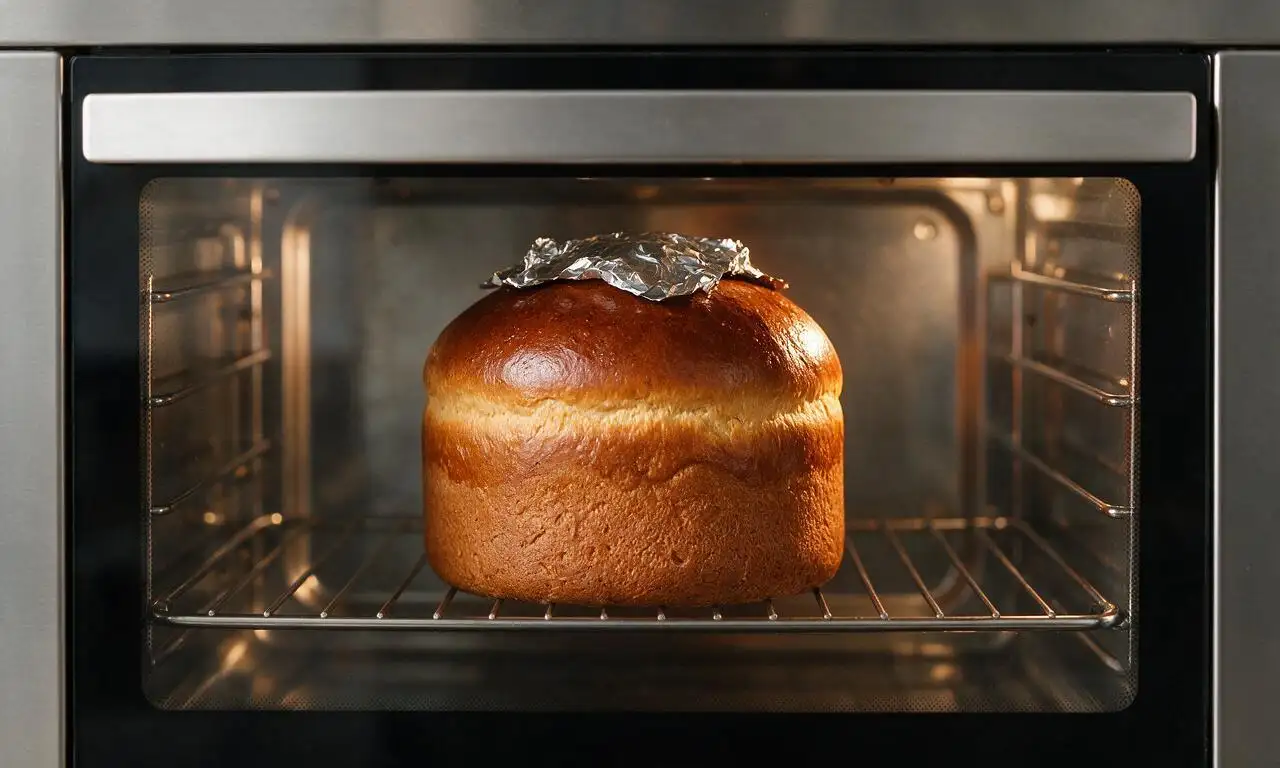
Gently brush the entire top surface of the risen loaf with the prepared egg wash, taking light care not to press hard and deflate the delicate risen dough. Place the pan on the center oven rack, and bake for 35-40 minutes, until the top is a deep, glossy golden brown, and a thin wooden skewer inserted into the center of the loaf comes out clean with no wet dough crumbs attached. If the top darkens too quickly after 20 minutes of baking, tent it loosely with a sheet of aluminum foil to prevent burning.
Cool before serving
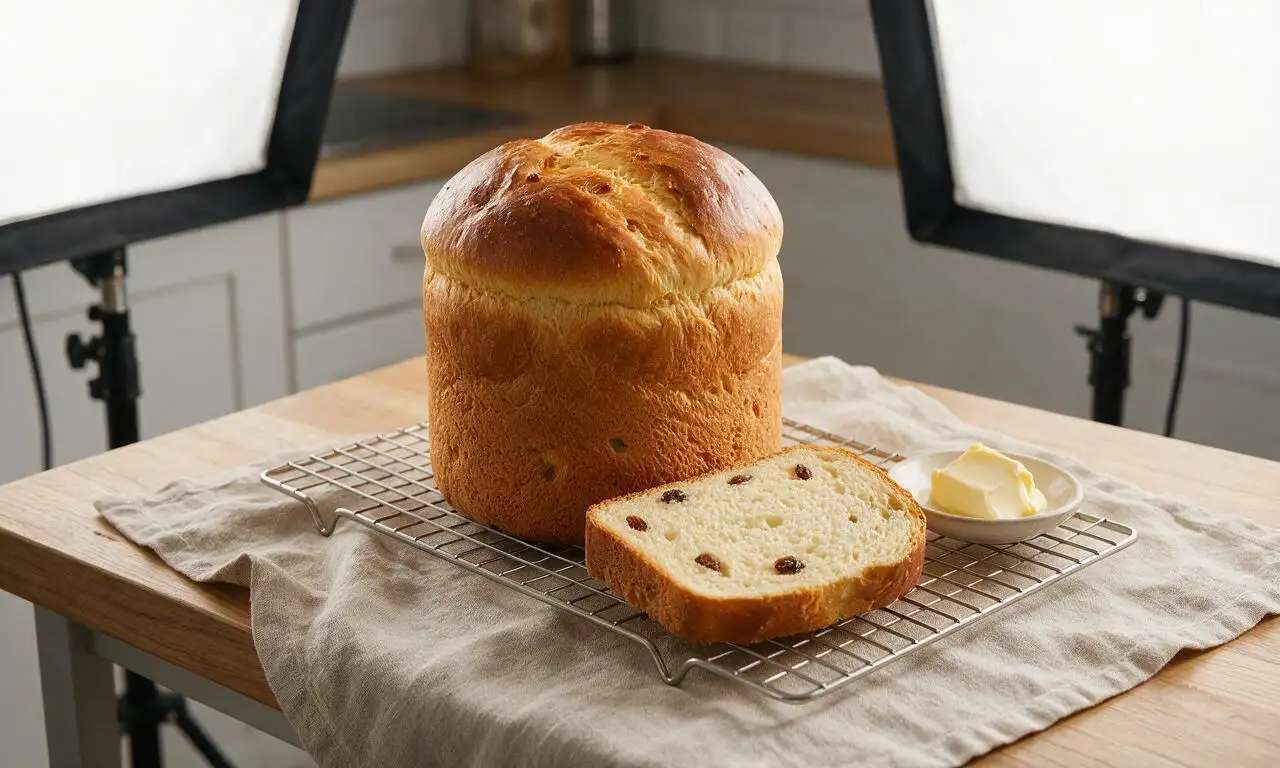
Once fully baked, remove the paska from the oven, and let it rest in the pan for 15 minutes at room temperature, then carefully lift it out of the pan and transfer it to a wire cooling rack to cool completely (about 1 hour) before slicing. Serve slices with softened sweet butter, farmer’s cheese spread, or fruit jam as part of the Easter feast.
Tips
2.Toss optional golden raisins in a 1-teaspoon coating of flour before adding them to dough to prevent raisins from sinking to the bottom of the loaf during baking.
3.Avoid opening the oven door for the first 25 minutes of baking, as sudden temperature drops can cause the tall, delicate paska loaf to collapse in the center.

OMG I made this for my family’s Easter brunch last weekend and it was an absolute hit! I was nervous about the rising steps since I’m pretty new to yeast breads, but the instructions were so clear even I didn’t mess it up. The crumb is so soft and slightly sweet, perfect with a slather of salted butter. My 7 year old asked for thirds! 10/10 will make this every year from now on.
Took me a minute to get the hang of kneading the dough enough (I definitely under-kneaded my first batch last week oops) but the second try came out perfect. The hint of lemon zest is such a game changer, I never would’ve thought to add that! Brought a loaf to my church potluck and people were asking me for the recipe before service even ended. SO good.
My grandma used to make paska every Easter when I was a kid, and I’ve been chasing that flavor for years since she passed. I tried three other recipes before this one and none of them got that soft, slightly sweet, eggy crumb right. This is EXACTLY how I remember hers tasting. I cried a little when I took my first bite. Thank you so much for sharing this authentic recipe.
Heads up for anyone meal prepping this for the week: it stays soft for 4 whole days if you wrap it tight in plastic wrap and keep it on the counter! I sliced mine up and put a piece in my kid’s lunch every day this week and they haven’t gotten sick of it yet. Way better than the store bought Easter bread we usually get.
I was so intimidated by the medium difficulty rating, but I followed the steps exactly and it came out perfect on the first try! Total time was exactly what the recipe said too, which is so rare for bread recipes I’ve tried before. I added a little extra sprinkles on top of the glaze for my toddler and she thought it was the best thing ever. Will absolutely be making this again next year.
Made two loaves this weekend, one plain and one with a handful of golden raisins mixed in per my partner’s request. The raisin one was chef’s kiss, but the plain was still amazing too. My only note is that my kitchen was pretty cold when I was letting the dough rise, so I had to add about 20 extra minutes to the first rise for it to double properly. Don’t panic if it takes a little longer than the recipe says!
Game changer alert! I’ve never made an Easter bread that didn’t turn out dense or dry before, and this one is so fluffy and moist it’s insane. I brought half a loaf to my neighbor who’s from Ukraine and she said it tasted just like the paska her mom makes back home. I’m calling that a massive win.
I messed up the first rise by leaving the dough too close to my open window and it got a little chill, so it didn’t rise as much as it should have. Even with that mistake, it still tasted incredible! Can’t imagine how good it’ll be when I don’t mess up the rise next time. So forgiving for a medium difficulty recipe.
SO good. Made this for our family Easter dinner and every last slice was gone before we even got to dessert. The subtle orange and lemon notes make it taste so much more special than regular white bread. 10/10
Wait, can I make the dough the night before and let it do the first rise in the fridge? I’m hosting Easter brunch this year and want to get as much prep done ahead of time as possible so I’m not rushing around in the morning.
I don’t usually leave reviews but this recipe deserves it. I’ve made paska with my Ukrainian father-in-law a handful of times and he said this is one of the best versions he’s had outside of his mom’s. The crumb is perfect, the sweetness is just right, not overpowering at all. We ate half a loaf warm right out of the oven with some homemade jam, unreal.
Added a handful of dried cranberries and a little bit of almond extract to the glaze for a fun twist, and it was chef’s kiss. My roommates are already begging me to make another loaf before Easter even gets here. Who knew homemade bread could be this good?
I tried making this last night and my loaves spread out instead of rising tall! They tasted good but they were super flat, not the nice tall domed loaves in the photo. Did I do something wrong?
Just pulled my first loaf out of the oven and my whole house smells like heaven. I was worried the 3.5 hour total time would be too much for a weekend project, but most of that is just waiting for the dough to rise so it’s actually super hands off! Perfect for lazy Sundays when you’re hanging around the house anyway.
Made mini loaves of this to give out as Easter gifts to my coworkers this year, and everyone has been texting me all week asking for the recipe. It’s so fun to make something traditional and share it with people who’ve never had paska before. Will definitely be doing this again next year!
Wait, has anyone tried making this in a stand mixer instead of kneading by hand? I have bad wrist pain so hand kneading for 10+ minutes is pretty hard for me, but I really want to make this for Easter.
I was a little heavy handed with the salt on my first batch (oops, misread the measurement!) but even then it was still really good. I’m making another batch today and measured the salt *very* carefully this time, can already tell it’s going to be perfect. This recipe is impossible to mess up entirely, even for a clumsy baker like me.
My grandma was born in western Ukraine and she taught me to make paska as a kid, but I lost her recipe when I moved a few years ago. This one tastes exactly like hers, down to the soft crumb and the little bit of rum she’d add to the glaze. I’m going to make this every Easter now to keep her tradition alive. Thank you for such a wonderful, authentic recipe.