Vertical Smoker

Vertical Smoker
⏱️ cook time 11 hours
🍽️ servings 6
⚡ Difficulty medium

intro

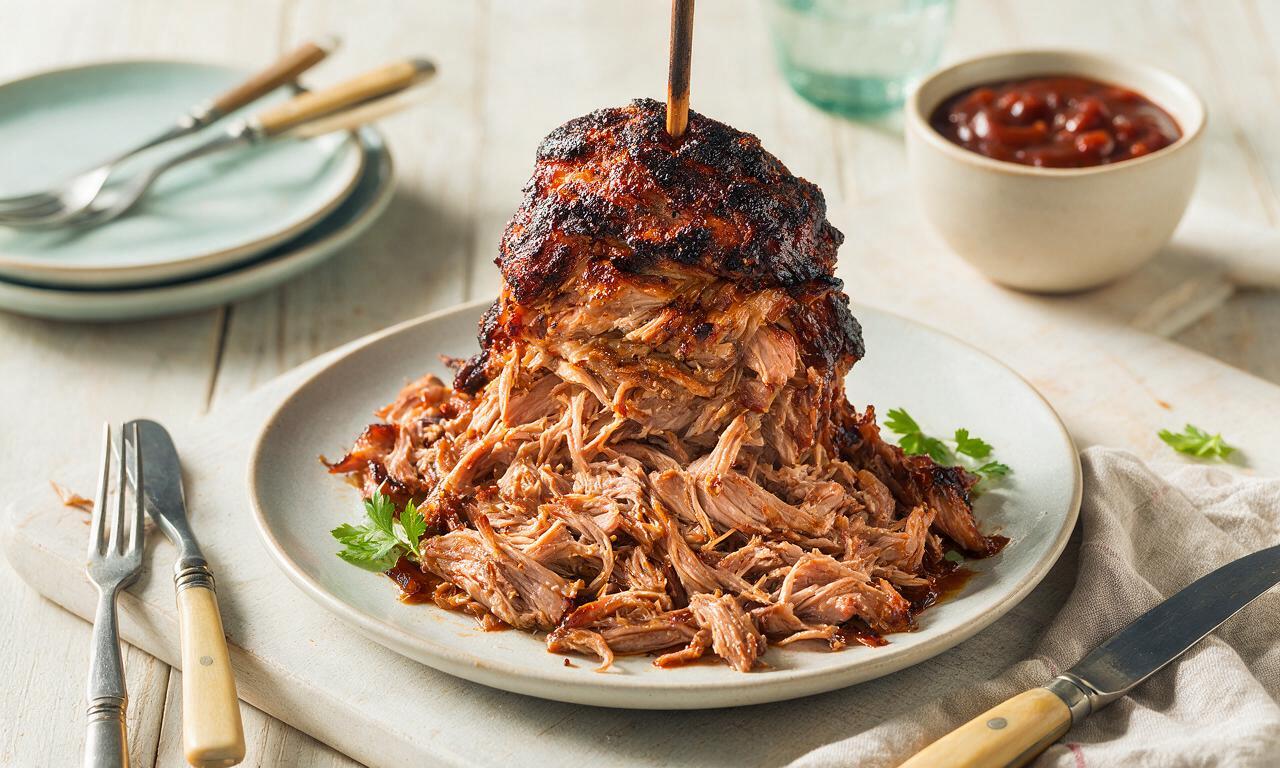
Tender, bark-crusted pulled pork cooked low and slow in a vertical smoker, with deep wood-fired flavor ideal for casual summer backyard gatherings.

Ingredients

Bone-in pork shoulder (Boston butt) 1800g (4 lbs)
Kosher salt 2 tablespoons
Smoked paprika 2 tablespoons
Dark brown sugar 2 tablespoons
Garlic powder 1 tablespoon
Onion powder 1 tablespoon
Ground black pepper 1 tablespoon
Cayenne pepper 1 teaspoon
Apple cider vinegar 120ml (1/2 cup)
Hickory hardwood chunks 600g (1.3 lbs)
Lump charcoal 2.2kg (5 lbs)
Unsalted butter 56g (4 tablespoons)

Steps

1

Dry and Season the Pork

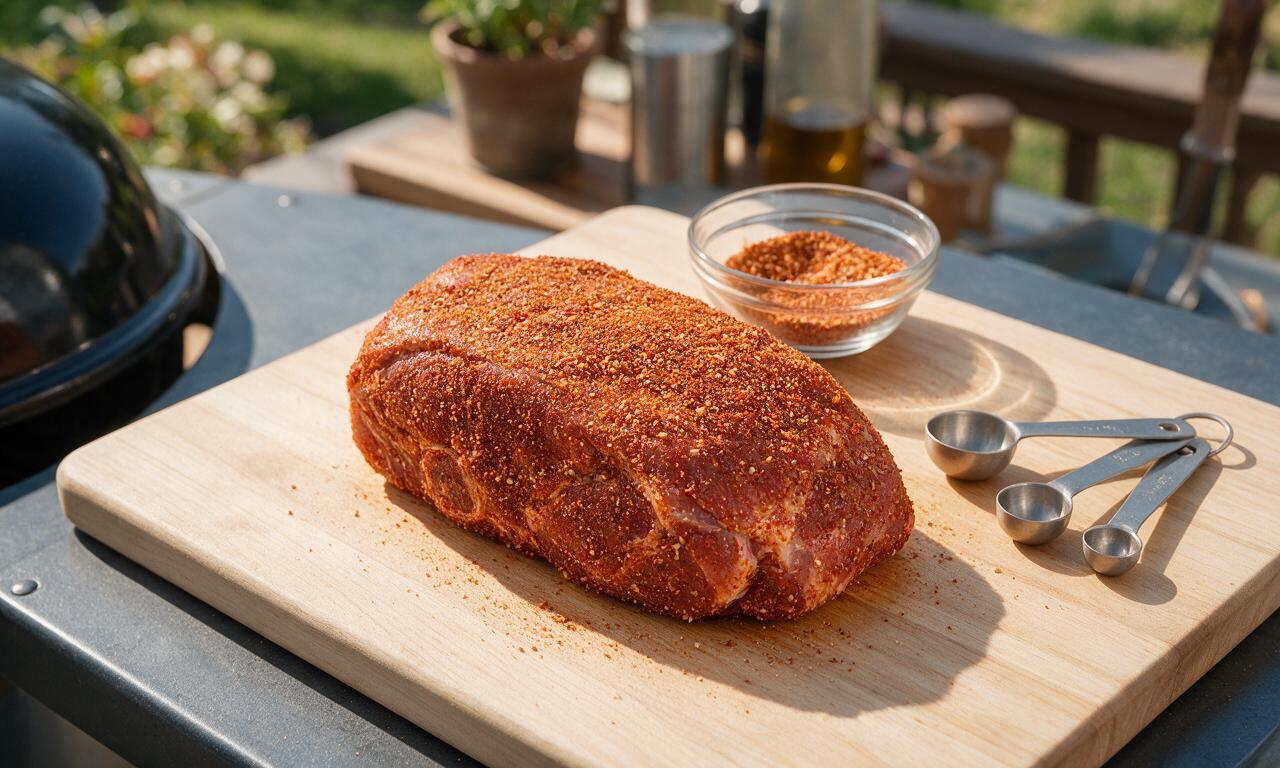
Pat the 1800g bone-in pork shoulder completely dry with paper towels. In a small bowl, mix 2 tbsp kosher salt, 2 tbsp smoked paprika, 2 tbsp dark brown sugar, 1 tbsp garlic powder, 1 tbsp onion powder, 1 tbsp black pepper, and 1 tsp cayenne pepper to form a uniform dry rub. Coat every surface of the pork evenly with the rub, pressing gently to help seasoning adhere, then let it rest at room temperature for 45 minutes while you preheat the smoker.
Step 1
step1:Dry and Season the Pork
2

Preheat the Smoker

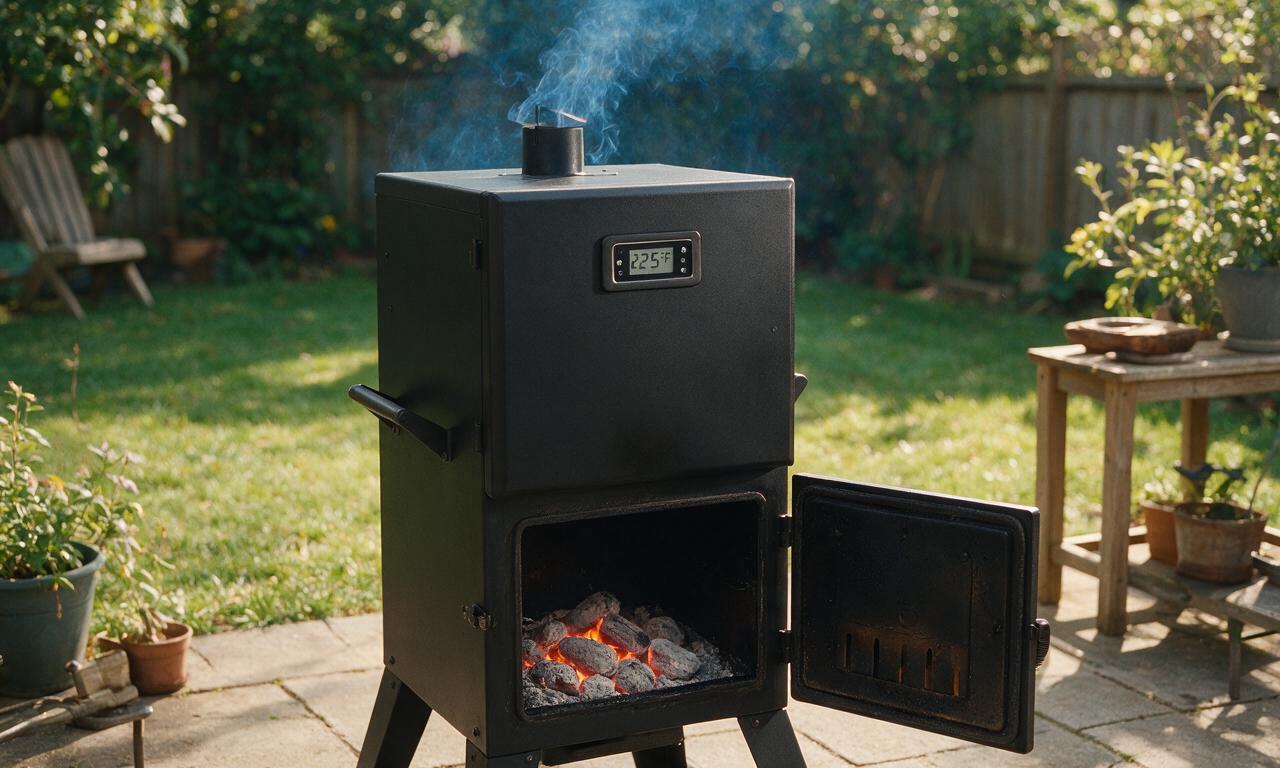
Fill the vertical smoker’s lower charcoal chamber with 2.2kg (5 lbs) of lump charcoal, light it, and let it burn until coals are coated in thin gray ash (approximately 20 minutes). Adjust the top exhaust and bottom intake air vents to stabilize the smoker’s internal temperature at 110°C (225°F), then add 200g of hickory hardwood chunks directly to the hot coals to generate clean smoke.
Step 2
step2:Preheat the Smoker
3

Place Pork in the Smoker

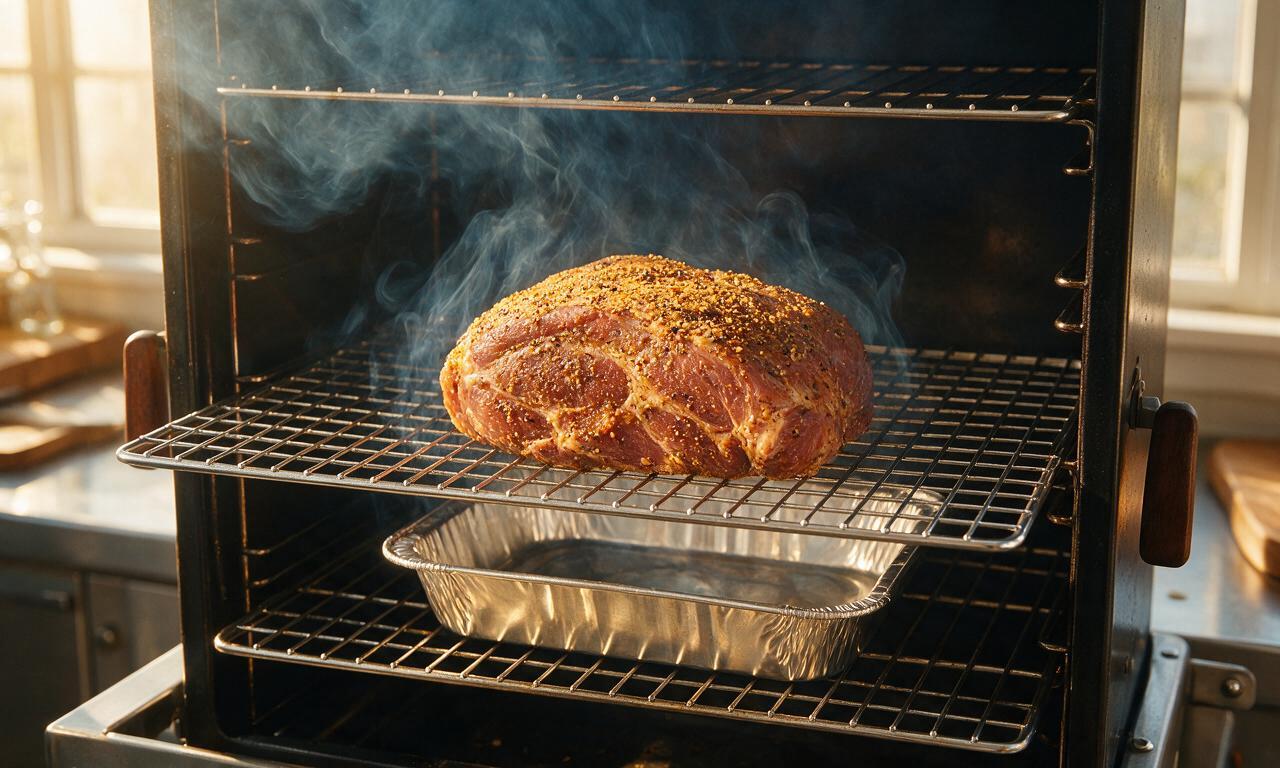
Place the seasoned pork shoulder on the smoker’s middle cooking rack, fat side up, with a disposable aluminum drip pan set on the rack directly below to catch rendered fat. Close the smoker door fully, maintain a consistent 110°C (225°F) temperature, and cook for the first 3 hours, adding 100g of fresh hardwood chunks every 60 minutes during this period to sustain steady, thin blue smoke.
Step 3
step3:Place Pork in the Smoker
4

Spritz the Pork with Vinegar

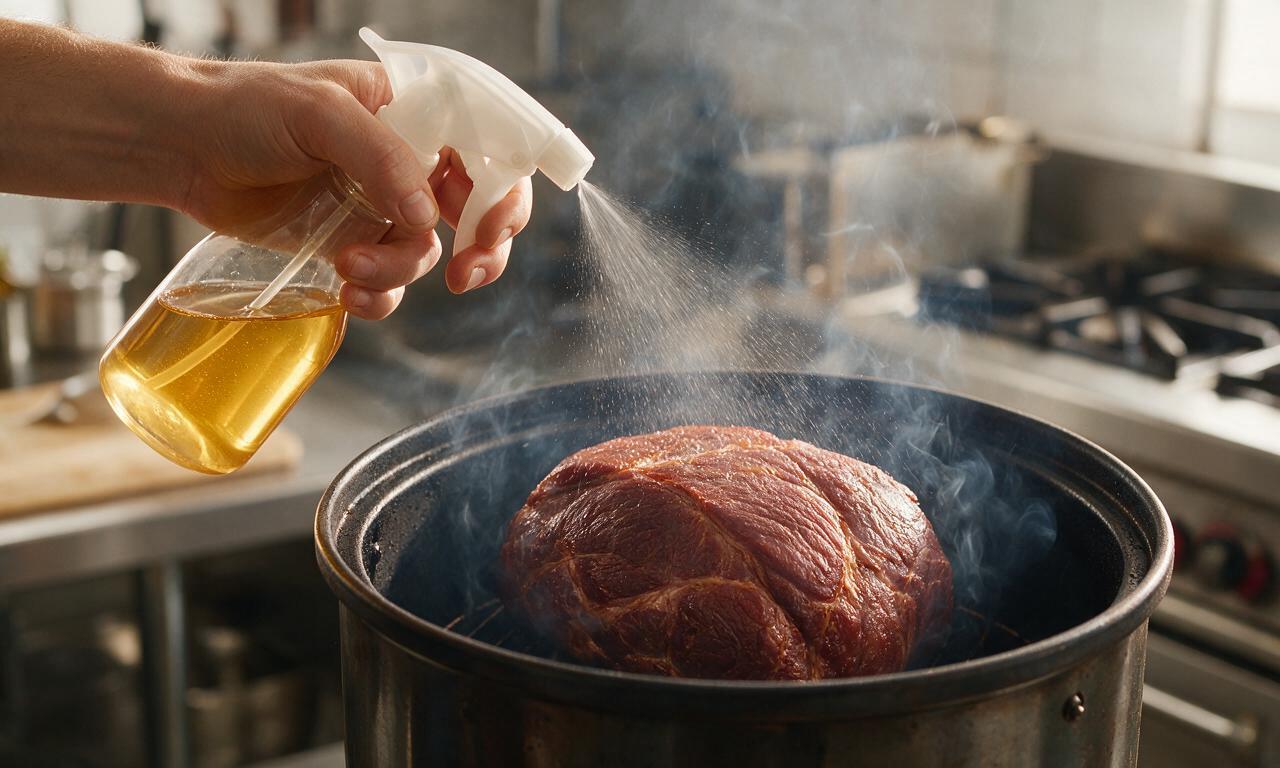
After the first 3 hours of cooking, spritz the entire surface of the pork shoulder with 120ml apple cider vinegar every 90 minutes to keep the exterior moist and build a dark, crispy bark. Keep the smoker door open for no longer than 10 seconds per spritz to avoid major temperature drops, adjusting vents as needed to hold a steady cooking temperature of 107-115°C (225-240°F).
Step 4
step4:Spritz the Pork with Vinegar
5

Wrap the Pork in Foil

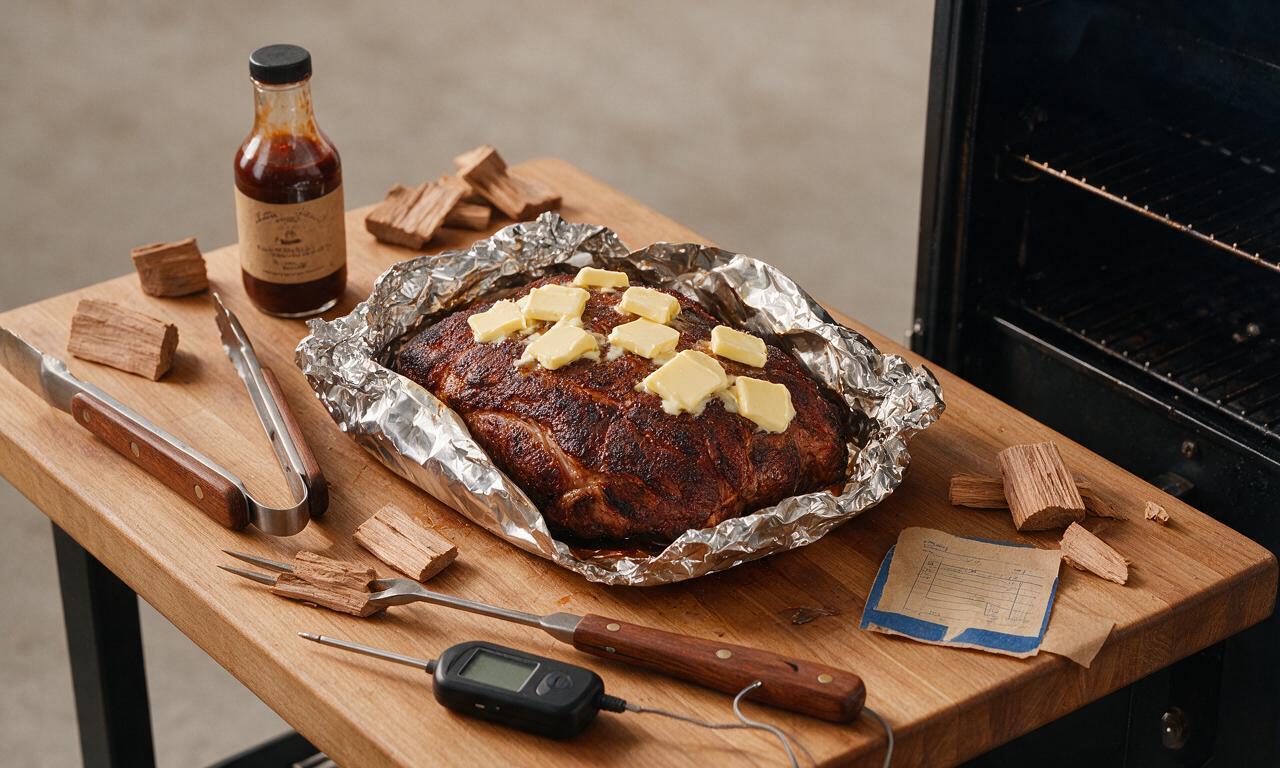
Once the pork reaches an internal temperature of 71°C (160°F) (typically 6 hours into total cook time), carefully remove it from the smoker and wrap it tightly in two layers of heavy-duty aluminum foil with 56g (4 tbsp) of sliced unsalted butter tucked against the meat. Return the wrapped pork to the middle smoker rack, and continue cooking at 110°C (225°F) without adding additional wood chunks.
Step 5
step5:Wrap the Pork in Foil
6

Cook Pork to Final Temperature

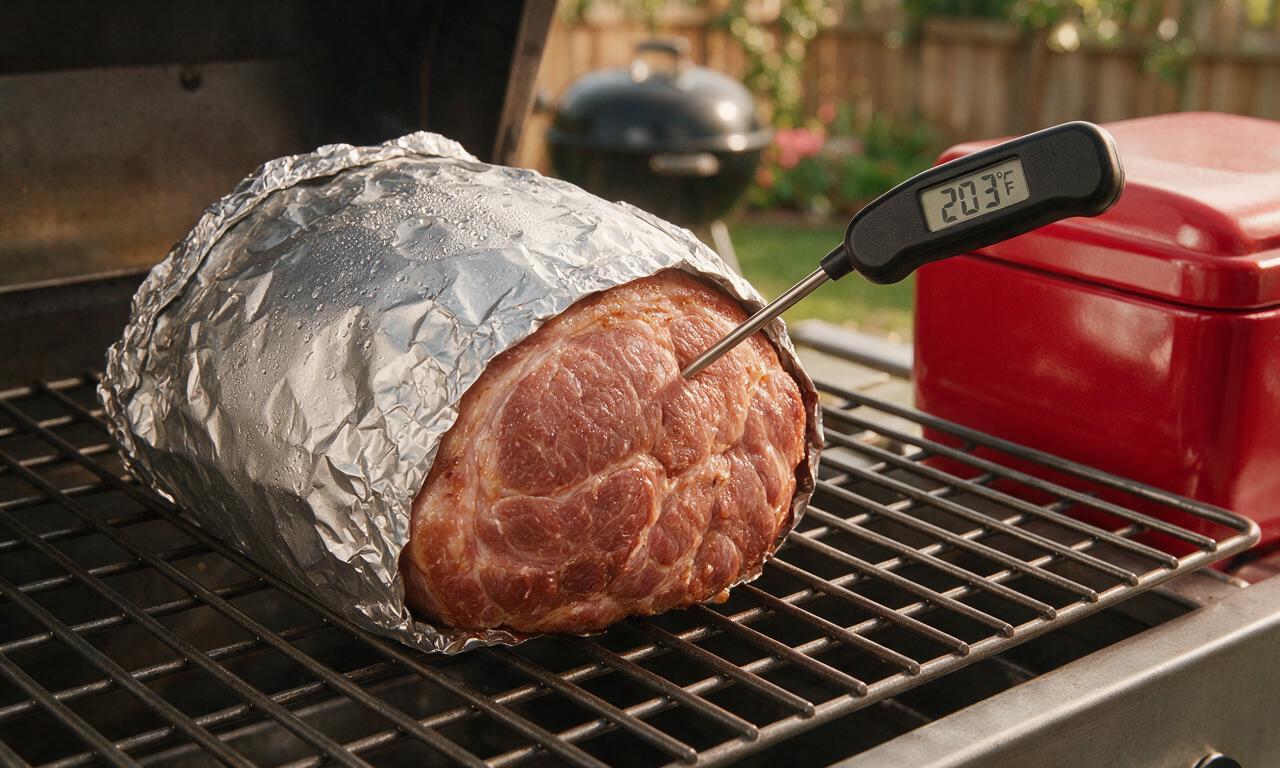
Cook the wrapped pork until it reaches an internal temperature of 93-95°C (200-203°F) when probed with a meat thermometer in the thickest section away from the bone, which takes an additional 3-4 hours. Remove the pork from the smoker, keep it sealed in foil, and let it rest in an insulated cooler for 1 full hour to allow juices to redistribute before pulling and serving.
Step 6
step6:Cook Pork to Final Temperature

Tips

1.Avoid thick, billowing white smoke while cooking, as it will leave the meat with a bitter, ashy taste; aim for thin, wispy light blue smoke by adjusting air vents to ensure enough oxygen reaches the coals, and do not add excess wood chunks beyond the recommended amount.
2.Do not skip the 1-hour resting period in the insulated cooler: this hold time keeps the meat at a safe serving temperature while allowing muscle fibers to reabsorb juices, preventing dry, flavorless pulled pork that leaks liquid when shredded.
3.If smoker temperature spikes above 120°C (250°F), partially close the bottom intake vent to reduce oxygen flow to the coals; never add unlit charcoal directly to an active fire mid-cook, as it can create harsh, chemical-tasting smoke that ruins the meat.
✨ You May Also Like

BBQ & Grilling
🍜 United States

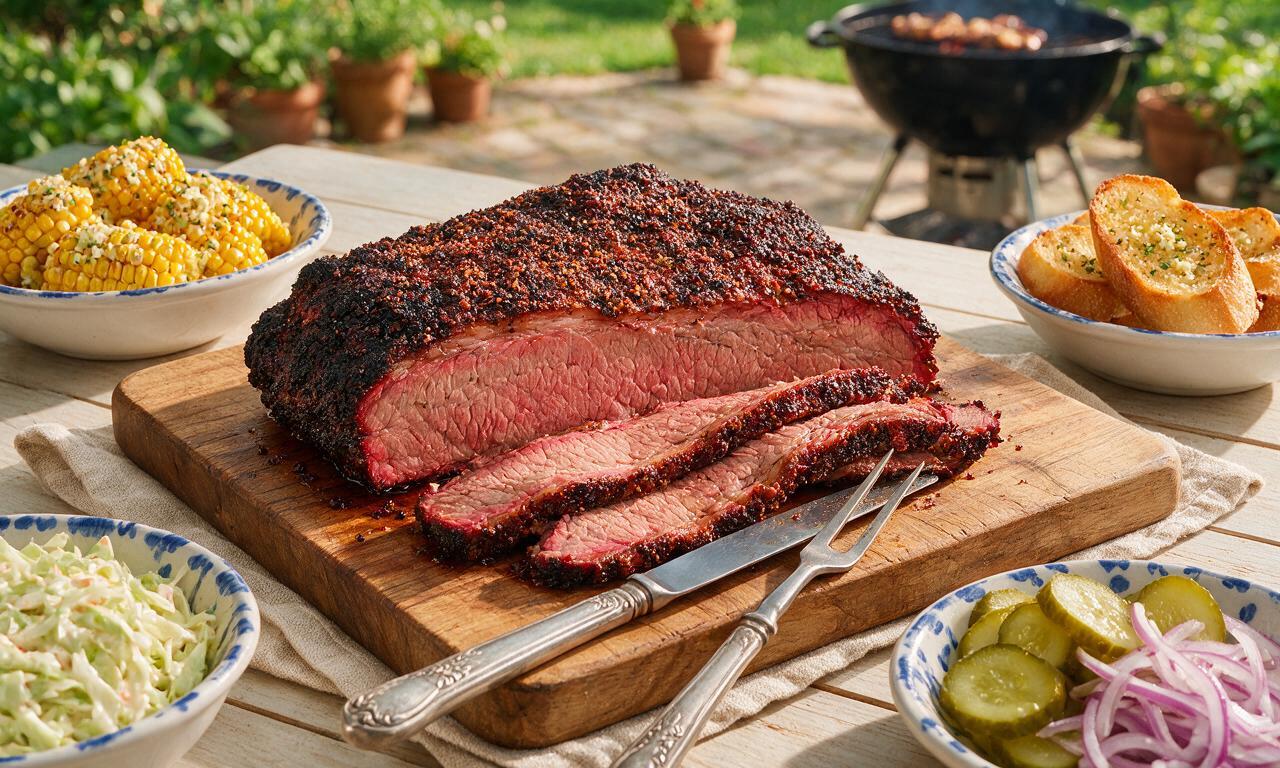
Tender, melt-in-your-mouth beef brisket with a crisp, spiced bark, slow-smoked to deep smoky perfection, the iconic centerpiece of Texas backyard barbecue.

⏱️ 12 hours BBQ & Grilling ★ 4.7
BBQ & Grilling
🍜 Korea

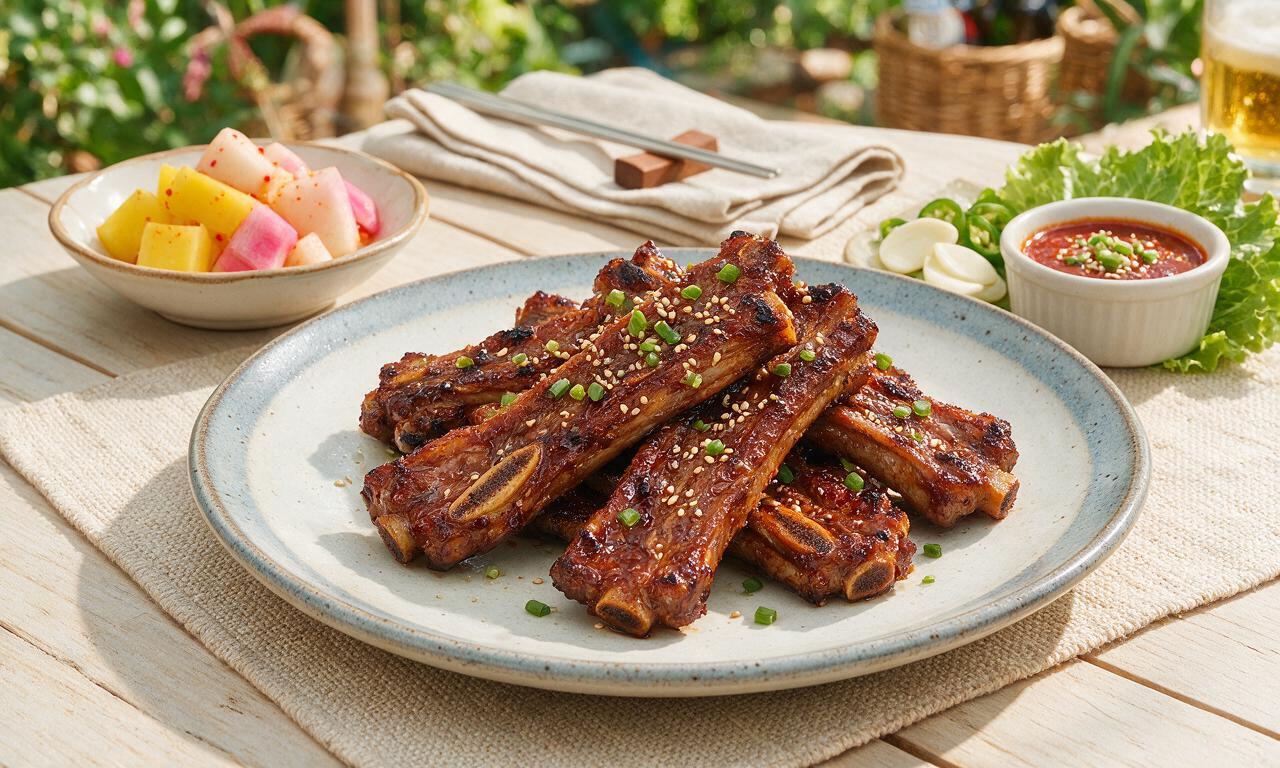
Tender, sweet-savory marinated beef short ribs, a beloved Korean BBQ staple with caramelized, slightly charred edges and deep umami flavor, perfect for outdoor summer gatherings.

⏱️ 4 hours 2BBQ & Grilling ★ 4.7
BBQ & Grilling
🍜 United States

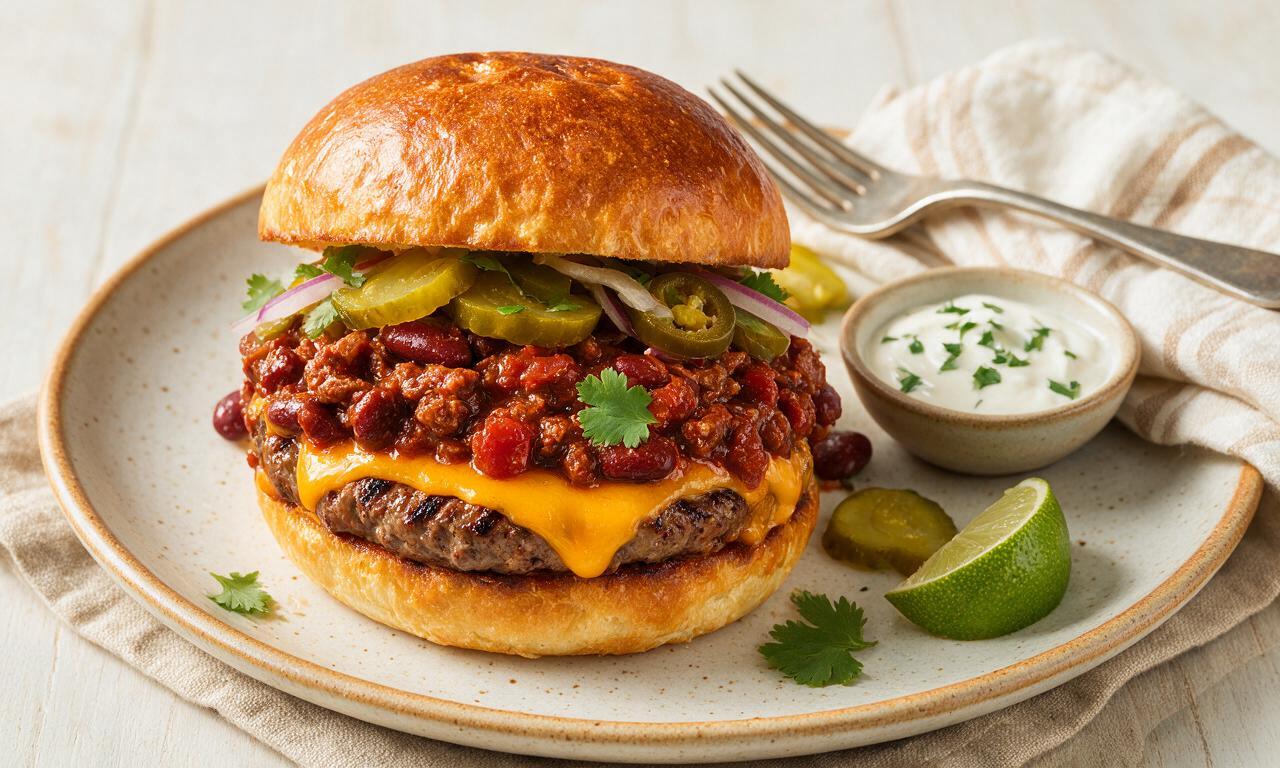
Juicy grilled beef patties topped with smoky homemade chili, melted cheddar, and tangy pickles on toasted brioche buns for a hearty, flavor-packed handheld meal.

⏱️ 40 minuteBBQ & Grilling ★ 4.9
BBQ & Grilling
🍜 United States

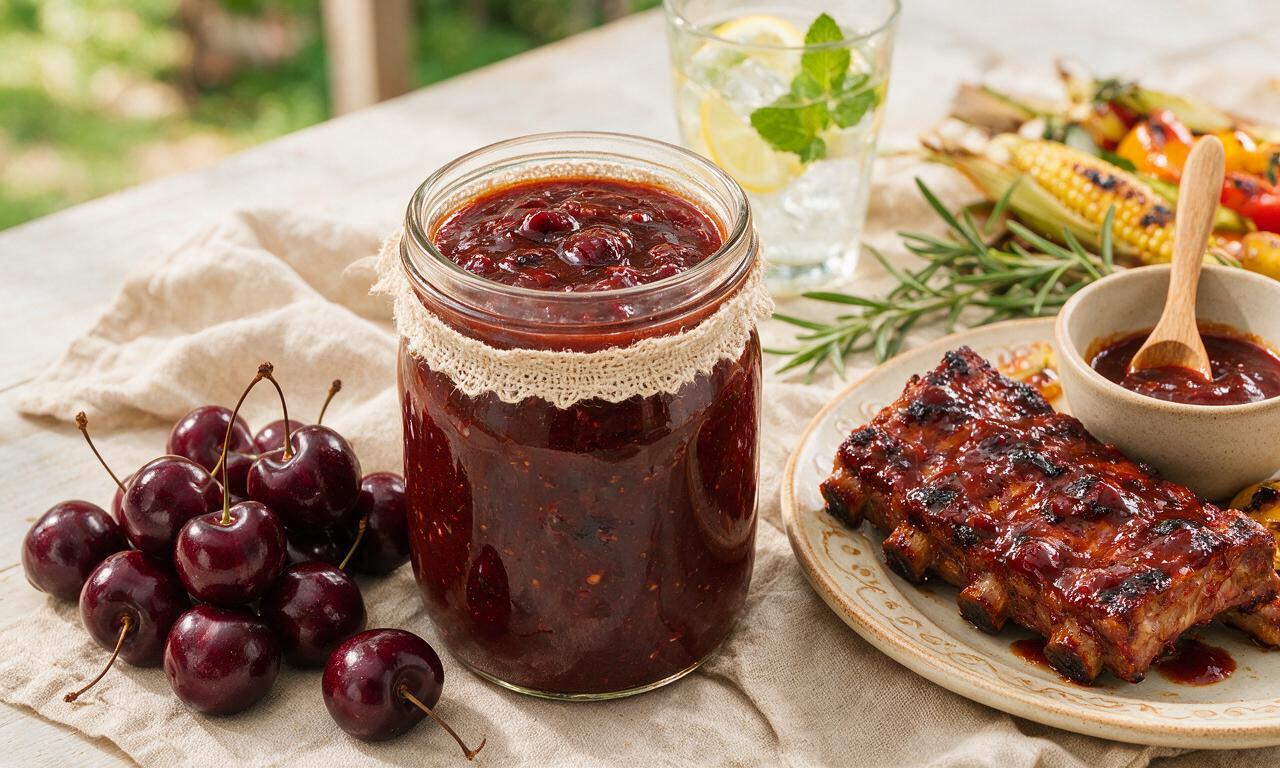
A sweet, smoky, tangy BBQ sauce brightened with peak-season dark cherries, ideal for glazing grilled ribs, chicken, pork, or summer roasted veggies.

⏱️ 35 minuteBBQ & Grilling ★ 5
BBQ & Grilling
🍜 United States

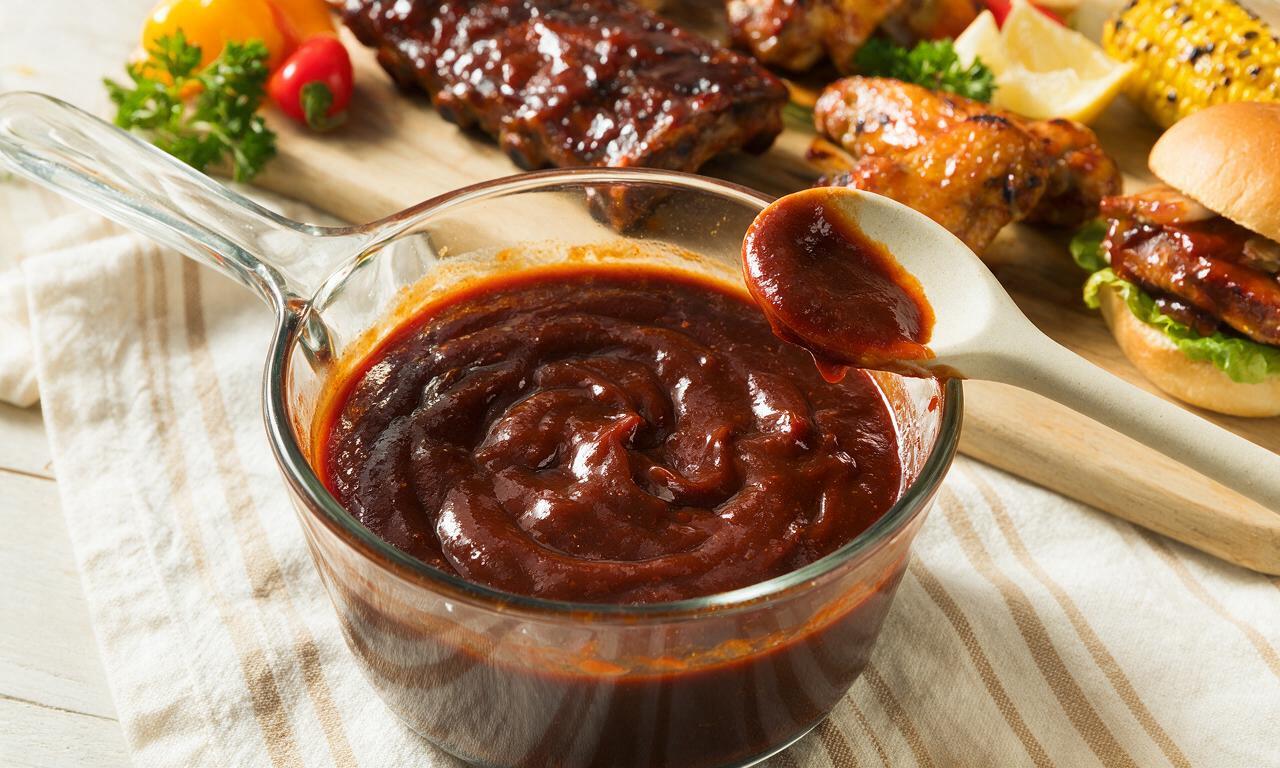
Rich, smoky, slightly sweet homemade bourbon BBQ sauce with deep caramel notes, ideal for glazing grilled ribs, chicken, and burgers at cookouts.

⏱️ 25 minuteBBQ & Grilling ★ 4.8
BBQ & Grilling
🍜 United States

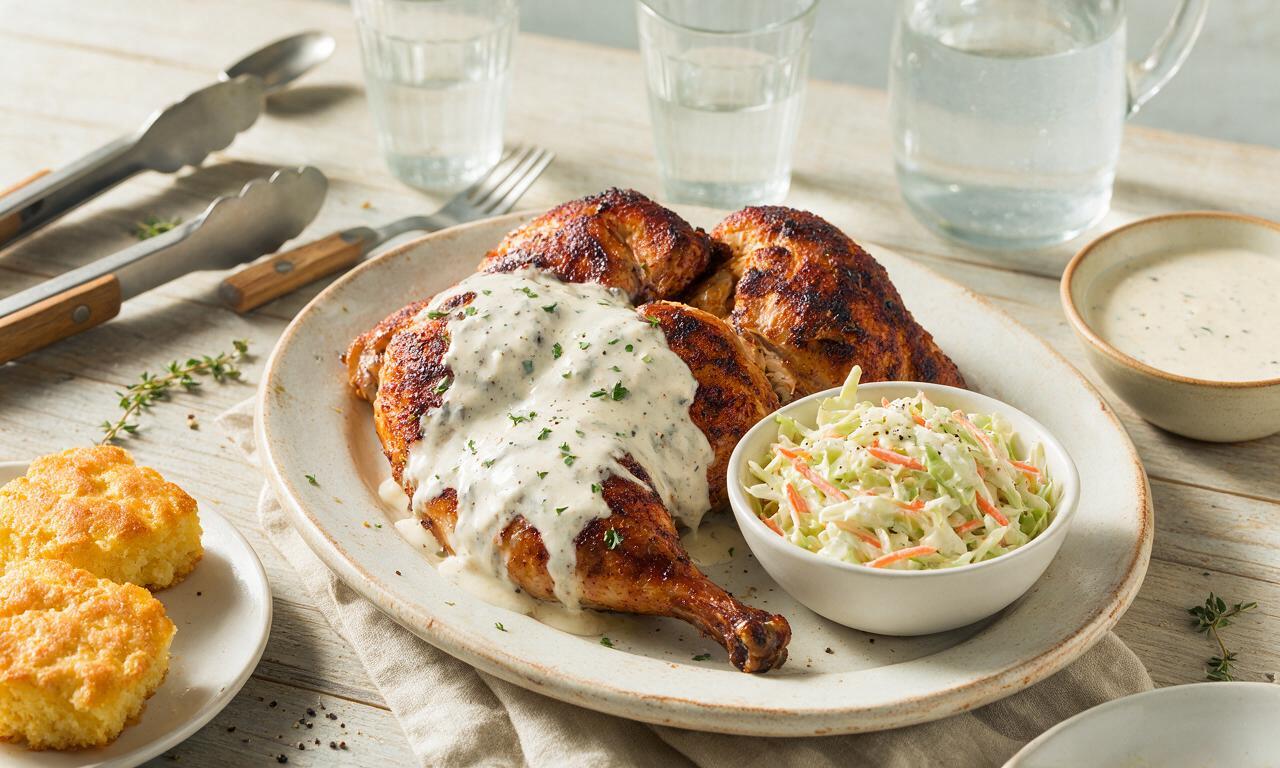
Iconic Alabama-style BBQ featuring tender hickory-smoked chicken slathered in tangy creamy white sauce, a beloved regional Southern cookout staple.

⏱️ 3 hoursBBQ & Grilling ★ 4.6

Vertical Smoker:Frequently Asked Questions

1.What cut of pork is best for this vertical smoker Southern pulled pork?
Stick with a bone-in pork shoulder, also called a Boston butt, for perfect results. It has the ideal ratio of fat marbling and tough connective tissue that melts into tender, juicy meat during low-and-slow cooking, and the bone adds extra savoriness. Skip lean cuts like pork loin—they’ll turn dry and tough even with careful smoking.
2.What temperature should I set my vertical smoker to for this recipe?
Hold your vertical smoker at a steady 225°F for the entire cook for classic Southern pulled pork. This low, consistent temperature lets wood smoke penetrate evenly, builds that craveable dark bark on the outside, and gives connective tissue in the pork shoulder time to break down into silky, pull-apart tenderness without drying the meat out.
3.Do I need to wet brine the pork shoulder before applying the rub?
You don’t need a wet brine for this recipe if you use the recommended kosher salt in your dry rub. Apply the rub (salt, smoked paprika, dark brown sugar, garlic powder) evenly across the entire pork surface 12 to 24 hours before smoking, and let it rest in the fridge. This acts as a dry brine, locking in moisture and seasoning the meat all the way through.
4.What type of wood gives the most authentic Southern pulled pork flavor?
Reach for mild, sweet hardwoods for that classic taste—hickory is the traditional pick, with a bold, bacon-like savoriness that pairs perfectly with pork. If you prefer a lighter smoke profile, use apple or cherry wood for a subtle fruity note. Avoid heavy, resinous woods like pine or fir, which leave a bitter, unpleasant aftertaste on the meat.
5.How long does pulled pork take to cook in a vertical smoker?
Plan for roughly 1.5 to 2 hours of cook time per pound of pork at 225°F, so a standard 8-pound Boston butt will take 12 to 16 hours total. Don’t rush it by cranking the heat! Cook time varies based on outdoor temperature, wind, and how often you open the smoker, so always rely on internal temp rather than the clock for doneness.
6.What internal temperature tells me the pulled pork is fully done?
Pull your pork when it reaches an internal temperature of 203°F, measured in the thickest part away from the bone. At this temp, the tough collagen and connective tissue have fully melted into gelatin, which gives pulled pork that signature juicy, fall-apart texture. If the temp stalls around 160–170°F, don’t panic—that’s a totally normal part of the process.
7.What is the smoking “stall” I keep hearing about, and how do I handle it?
The stall is a totally normal phase where the pork’s internal temp stops rising (usually around 160–170°F) as surface moisture evaporates and cools the meat, like human sweat. You can either power through it by holding your smoker temp steady, or wrap the pork in uncoated butcher paper once it hits the stall to speed things up without ruining your bark.
8.Am I required to wrap the pork while it smokes?
Wrapping isn’t strictly required, but it can help you push through the temperature stall faster and prevent the meat from taking on too much acrid, bitter smoke. If you wrap, use uncoated butcher paper rather than aluminum foil—foil traps too much moisture and will soften that crispy, flavorful bark you worked hard to build during the cook.
9.How do I mix up the dry rub for this pulled pork?
This simple, classic Southern rub comes together fast with pantry staples: mix ¼ cup kosher salt, ¼ cup smoked paprika, ⅓ cup packed dark brown sugar, and 2 tablespoons garlic powder until fully combined. Pat the pork completely dry before rubbing the mix all over every surface, including crevices, to build a uniform, flavorful bark.
10.Should I use the built-in water pan in my vertical smoker for this cook?
Yes, definitely fill your vertical smoker’s built-in water pan with hot water before you start cooking. The water pan helps regulate the smoker’s internal temperature to hold that steady 225°F we need, adds gentle moisture to the cooking chamber to keep pork from drying out, and catches drippings to prevent flare-ups that can burn the meat’s exterior.
11.How long should I let the smoked pork rest before pulling it?
Always let your smoked pork rest for a minimum of 45 minutes, and up to 2 hours, wrapped loosely in foil and held in a warm cooler or low oven, before pulling. Resting lets all the hot, juicy moisture driven to the surface during cooking redistribute back through the meat, so you don’t lose delicious juice all over your cutting board when shredding.
12.Why isn’t my pork forming that nice, dark, crispy bark on the outside?
A weak, pale bark usually comes from one of three common mistakes: you didn’t pat the pork dry before applying the rub, you wrapped the meat too early in the cook, or you’re opening the smoker too often and letting excess moisture build up inside. Wait until the bark is fully set, usually at the 160°F stall, before wrapping if you use that method.
13.What’s the best way to serve and store leftover pulled pork?
Traditional Southern pulled pork is best served with sauce on the side (tangy vinegar-based or sweet tomato-based both work) so guests can customize their portions, perfect for summer backyard gatherings. Store leftover shredded pork in an airtight container in the fridge for up to 4 days, or freeze for up to 3 months, and reheat gently with a splash of apple juice to keep it moist.

Comments (5)

2 days ago

OMG, made this for our neighborhood potluck last weekend and people were lined up for seconds! I was nervous about nailing the temp on my vertical smoker since I’m still pretty new to it, but the step-by-step temp guide was totally foolproof. The bark came out perfectly crispy, the pork was so juicy it pulled apart with zero effort, and that vinegar-based mop sauce? Game changer. My 10 year old even asked for it in his school lunch all week. 10/10, will be making this for every summer cookout from now on.

yesterday

Wait how much wood did you end up using? I tried a different pulled pork recipe last month and my bark came out all bitter and ashy, I’m paranoid about messing that part up!

2 hours ago

Great question! We recommend using 4-5 hickory wood chunks (skip the fine chips, they burn too fast and leave that ashy residue on your bark!) added every couple of hours for the first 6 hours of the cook for that perfect clean, smoky flavor. That’ll help you avoid that bitter ashy bark you dealt with last time!

1 week ago

This was SO good, but fair warning for anyone who’s tight on time—block out way more than 11 hours if you’re factoring in prep and resting time! I ended up running 45 minutes behind for my family dinner last Sunday because I forgot to budget time for the rub to set and the pork to rest after pulling it off the smoker. That said? The flavor was unreal, I portioned out 8 servings for weekday lunches and it reheated like a dream, no dry bites at all. Definitely worth the time investment, just plan accordingly!

5 days ago

Thanks so much for the honest note, Liz! You’re 100% right that the total timeline adds up when you factor in letting the rub set, bringing the pork up to room temp before smoking, and that critical 45-minute rest once it comes off the heat. We’re updating the recipe card right now to call out that full 12.5 hour total time so no one else runs late to dinner! So glad it worked out for your meal prep, too—it freezes amazingly for up to 3 months if you ever want to make a big batch ahead.

3 days ago

Full transparency, I’ve only had my vertical smoker for 3 weeks and I was fully convinced I was gonna ruin an entire 8lb pork butt. I followed this recipe down to the letter, even picked up all the exact dry rub ingredients instead of grabbing my usual pre-made store blend, and wow. My roommate said it’s straight up better than the pulled pork we get at our favorite BBQ spot downtown. The only tiny tweak I made was adding an extra tablespoon of brown sugar to the rub because I lean toward sweeter BBQ, and it worked flawlessly. Already sent the link to my dad who’s been smoking meat for 20+ years, he’s gonna test it out for his cookout next weekend.

yesterday

Made this for my son’s high school graduation party over the weekend and we had literally zero leftovers. I’ve made pulled pork a dozen times on my old offset smoker but switched to a vertical model last month, and this recipe was exactly what I needed to wrap my head around the different airflow setup. The tip about keeping the water pan topped off the entire cook? Total game changer, I used to skip that step and my pork always had dry, tough edges. No dry spots at all this time, even the chewy crispy end pieces were juicy and packed with flavor. Worth every single minute of tending the smoker.

2 hours ago

Quick question—did you spritz the pork at all during the cook? I’ve seen people swear by apple juice spritzes every hour but other folks say it kills bark development, curious how this recipe handles that!

5 minutes ago

Took this to my office potluck yesterday and I swear half my team begged for the recipe before I even made it out of the break room! I was a little worried the classic southern vinegar tang would be too sharp for my coworkers who mostly grew up on super sweet KC-style BBQ, but the balance of the dry rub and mop sauce was perfect for every single person there. I served it piled high on mini Hawaiian rolls with a side of creamy coleslaw and it was an absolute smash hit. Already planning to make a double batch for our Fourth of July block party next month.

just now

Wait do you work in the midtown office complex?! I would’ve traded my entire sad desk salad for a bite of that, our last office potluck was nothing but stale store-bought veggie platters and grocery store cookies lmao

just now

We love hearing that, Tina! Serving it on Hawaiian rolls with coleslaw is such a perfect call—you can’t beat that sweet, savory, crunchy combo. Fingers crossed the Fourth of July double batch is an even bigger hit (we’re sure it will be!)