1.What ABV can I realistically expect from this West Coast Triple IPA recipe, and how does dextrose help hit that mark?
▾
When brewed to spec, this recipe lands right at 10% ABV, as advertised. Dextrose (corn sugar) is key here because it’s 100% fermentable, boosting alcohol content without adding heavy, bready malt sweetness that would weigh down the bright hop character, keeping the finish crisp rather than cloying.
2.Why use both Citra and Centennial hops for this West Coast Triple IPA instead of a single hop variety?
▾
That classic West Coast citrus-pine profile comes from balancing these two iconic hops! Centennial brings bold, resinous pine and bright grapefruit pith notes, while Citra adds juicy, bright tangerine and citrus zest. Using both keeps the hop profile layered instead of one-note, so you get that signature bold bite without it tasting flat or generic.
3.Do I need to mill my own 2-row pale and crystal 20L malt, or can I buy pre-crushed versions?
▾
Pre-crushed malt works perfectly for this recipe, as long as it’s been crushed within the last 3 months and stored in an airtight, cool, dark spot. If you do mill your own, aim for a crush that cracks kernels open without turning husks into fine powder—this prevents stuck sparges and avoids harsh, drying tannin extraction.
4.How do I avoid making this 10% Triple IPA taste harsh or boozy instead of smooth?
▾
The key to a smooth high-ABV IPA is steady, temperature-controlled fermentation. Keep your yeast in the 65–68°F range for the first 7 days, avoid rushing it by cranking temps, and let the beer condition for a minimum of 3 weeks before drinking. That gives harsh fusel alcohols time to mellow so malt and hops take center stage.
5.What’s the best hop addition schedule to get that bright, fresh citrus and pine character without wasting expensive pellets?
▾
Reserve 60% of your Citra and Centennial pellets for late boil, whirlpool, and dry hop additions, rather than dumping all of them in at the start of the boil. Early-boil hops only add bitterness, while late and dry hop additions lock in bright, volatile citrus and pine aromas, so you get way more flavor for your hop investment.
6.What role does crystal malt 20L play in this recipe, and can I skip it if I don’t have any on hand?
▾
The small addition of crystal 20L adds a subtle, toasty caramel backbone that balances sharp hop bite and high alcohol, keeping the beer from tasting thin or overly sharp. If you don’t have it, swap it for an equal amount of light caramel 15L malt, but skip darker crystal malts—those add heavy raisin or toffee notes that clash with bright hops.
7.How much dextrose is too much? I’m worried it will make the beer taste thin or cidery.
▾
Stick to the recipe’s measured dextrose addition, which clocks in at roughly 10% of your total fermentable sugar bill. Going above 15% of total fermentables with dextrose can lead to that thin, cidery off-flavor you’re worried about. At the recipe’s ratio, it lightens the body just enough to let hops shine without stripping away the smooth 2-row malt backbone.
8.Is this recipe hazy like a New England IPA, or clear like a classic West Coast style?
▾
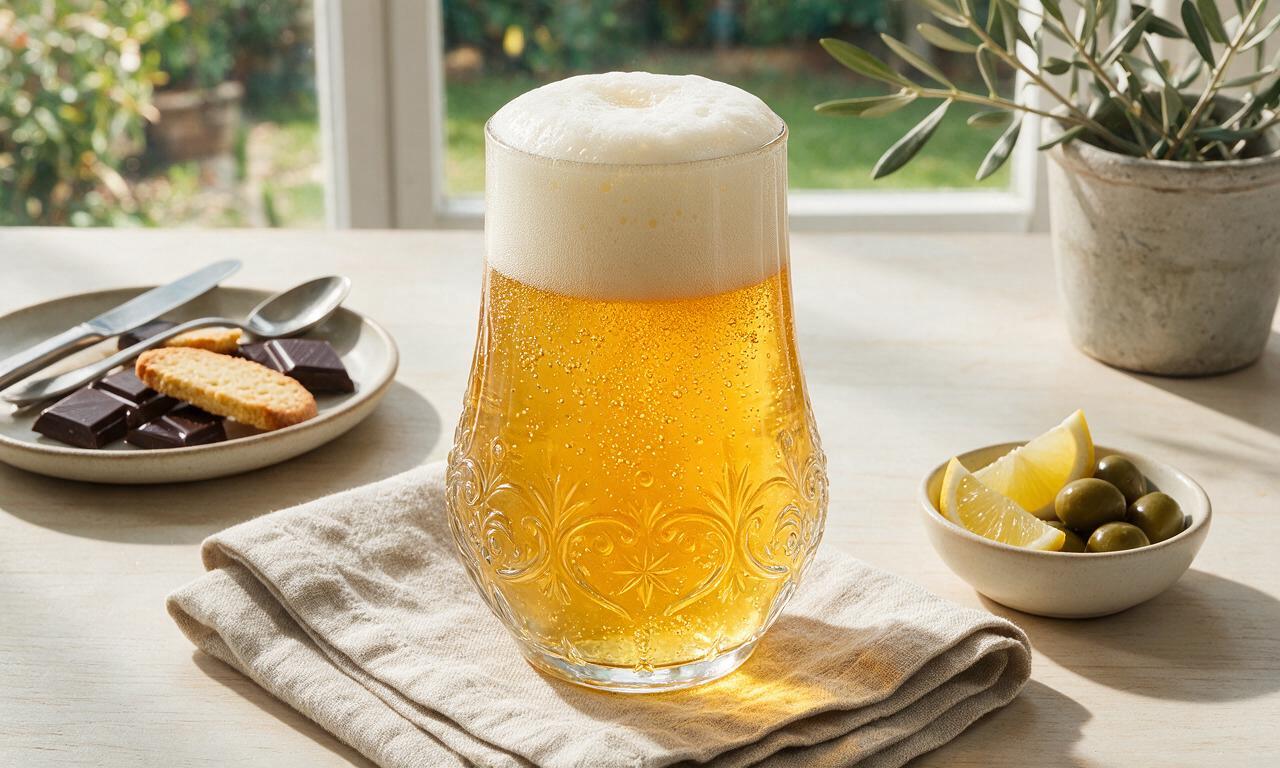
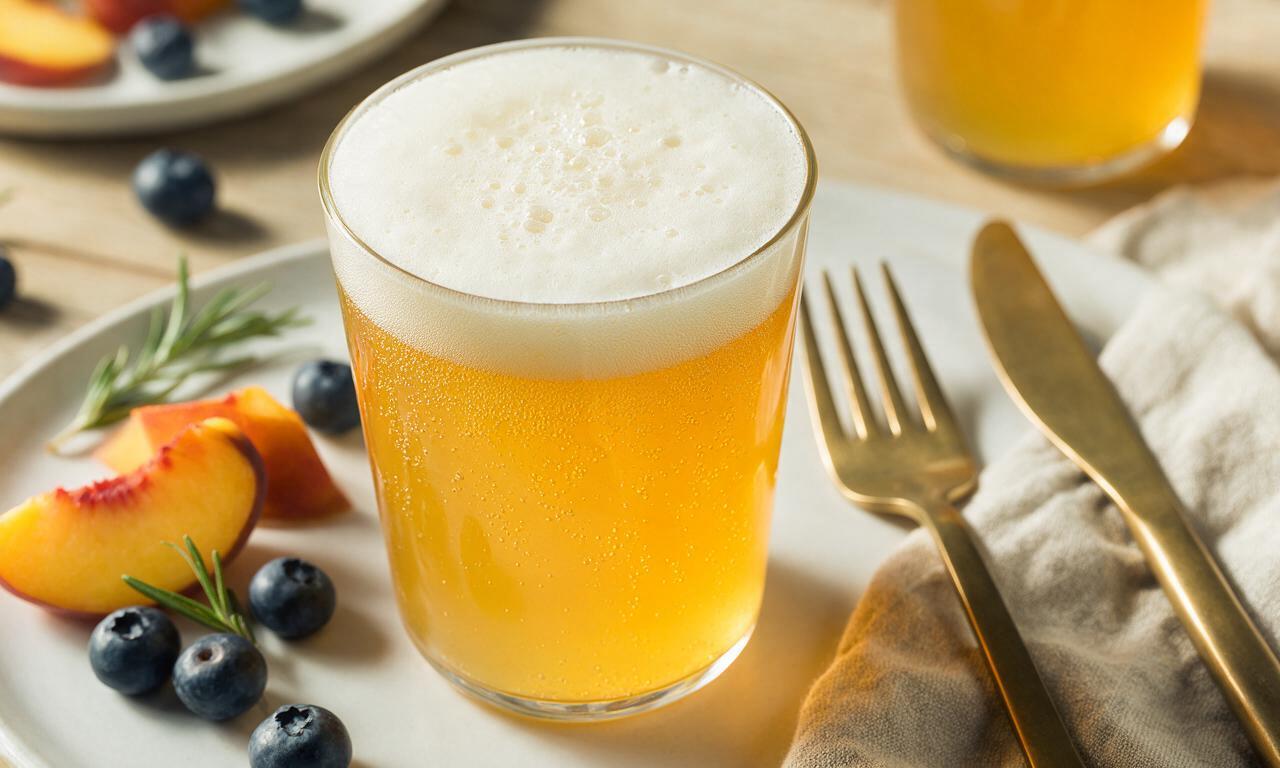
This is a classic clear West Coast Triple IPA, not a hazy NEIPA. It gets its bright, crisp clarity from a highly flocculent American ale yeast, measured dry hop loads that avoid permanent haze, and a quick cold crash before bottling or kegging. You’ll get that iconic brilliant golden pour with a tight, fluffy white head when brewed correctly.
9.How long do I need to dry hop this beer to get maximum pine and citrus aroma without getting grassy off-flavors?
▾
Add your dry hop charge of Citra and Centennial 3 days before you plan to bottle or keg, holding the beer at 60–65°F while the hops steep. Leaving dry hops in contact with beer for longer than 7 days can leach grassy, vegetal off-flavors that ruin bright, fresh hop character, so rack off hop sediment once that 3-day window is up.
10.What kind of yeast works best for this recipe to hit that 10% ABV without stalling out mid-fermentation?
▾
Use a high-alcohol-tolerant American ale yeast, like US-05 or WLP001, for this recipe. These strains comfortably ferment up to 12% ABV when properly pitched, produce clean, neutral flavor that lets hops and malt shine, and flocculate well for that clear West Coast pour. Always pitch a full, healthy yeast starter to avoid stuck fermentation.
11.Can I add extra hops to make this even more bitter, or will that throw off the recipe balance?
▾
You can bump up early-boil hop additions by up to 20% if you love extra bitter West Coast bite, but don’t overdo it. This recipe is balanced to hit roughly 85 IBUs, bold but not overwhelming against the 10% ABV and soft malt backbone. Adding too many hops can make the beer taste astringent and harsh, rather than pleasantly bitter and aromatic.
12.How long will this homemade Triple IPA stay fresh after bottling, since it’s so hop-forward?
▾
Hop-forward West Coast IPAs fade fast, so aim to drink this within 3 months of bottling for the brightest citrus and pine notes. Store bottles upright in a cool, dark spot at 50–55°F to slow hop degradation; after 3 months, bright hop aromas will mellow into dull, earthy notes as oxidation sets in, leaving a stale, flat flavor.
13.Why do I need dextrose for priming if I already used dextrose in the boil to boost ABV?
▾
The dextrose added during the boil is fully fermented out by the time you’re ready to bottle, so it contributes to ABV rather than carbonation. A small, measured dose of dextrose added right before bottling gives remaining yeast a tiny bit of sugar to eat, producing perfect carbonation (roughly 2.4 volumes of CO2) without altering flavor or ABV noticeably.
14.What water profile works best for this West Coast Triple IPA to make the hops pop without extracting harsh flavors?
▾
Aim for water with moderate sulfate content (roughly 150–200 ppm) to amp up that crisp, sharp hop bite, and keep chloride levels low (under 50 ppm) to avoid the soft, juicy mouthfeel associated with hazy IPAs. If your tap water is high in chlorine, filter it first—chlorine reacts with hops to create harsh, medicinal off-flavors that ruin bright citrus notes.
15.I got a stuck sparge when mashing the crushed 2-row and crystal malt—what did I do wrong, and how do I fix it?
▾
Stuck sparges usually happen when malt is crushed too finely, turning husks into powder that clogs the mash tun screen. If it happens mid-brew, gently stir the mash to loosen the grain bed, and add a handful of clean rice hulls to improve flow. Next time, adjust your mill gap to keep husks mostly intact to prevent repeat clogs.
16.Will this recipe taste overly sweet because of the crystal malt and high ABV?
▾
It won’t! The crystal 20L is used in a very small ratio (only 5–7% of your total grain bill) so it adds just a hint of toasty, caramel depth, not heavy, cloying sweetness. The highly fermentable dextrose and clean American yeast ferment nearly all available sugar out, leaving a crisp, dry finish that lets bright hop flavors take center stage.
17.Can I brew this recipe as a lower-ABV version if I don’t want a 10% beer?
▾
Absolutely! To drop it to a standard West Coast IPA at around 6.5% ABV, simply cut the dextrose addition entirely and reduce the total 2-row pale malt by 2 pounds, keeping the crystal 20L and full hop schedule the same. You’ll still get that bright citrus-pine hop profile and smooth malt backbone, just with a lighter, easier-drinking alcohol kick.

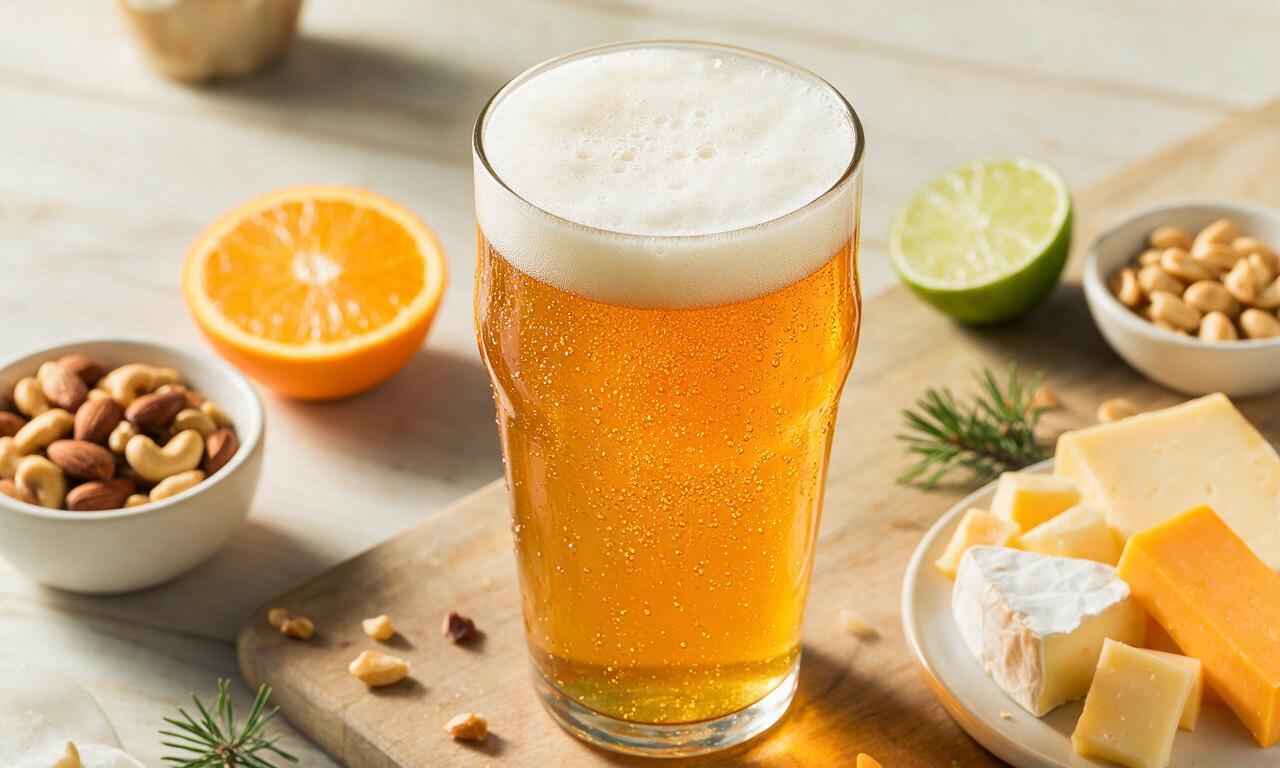
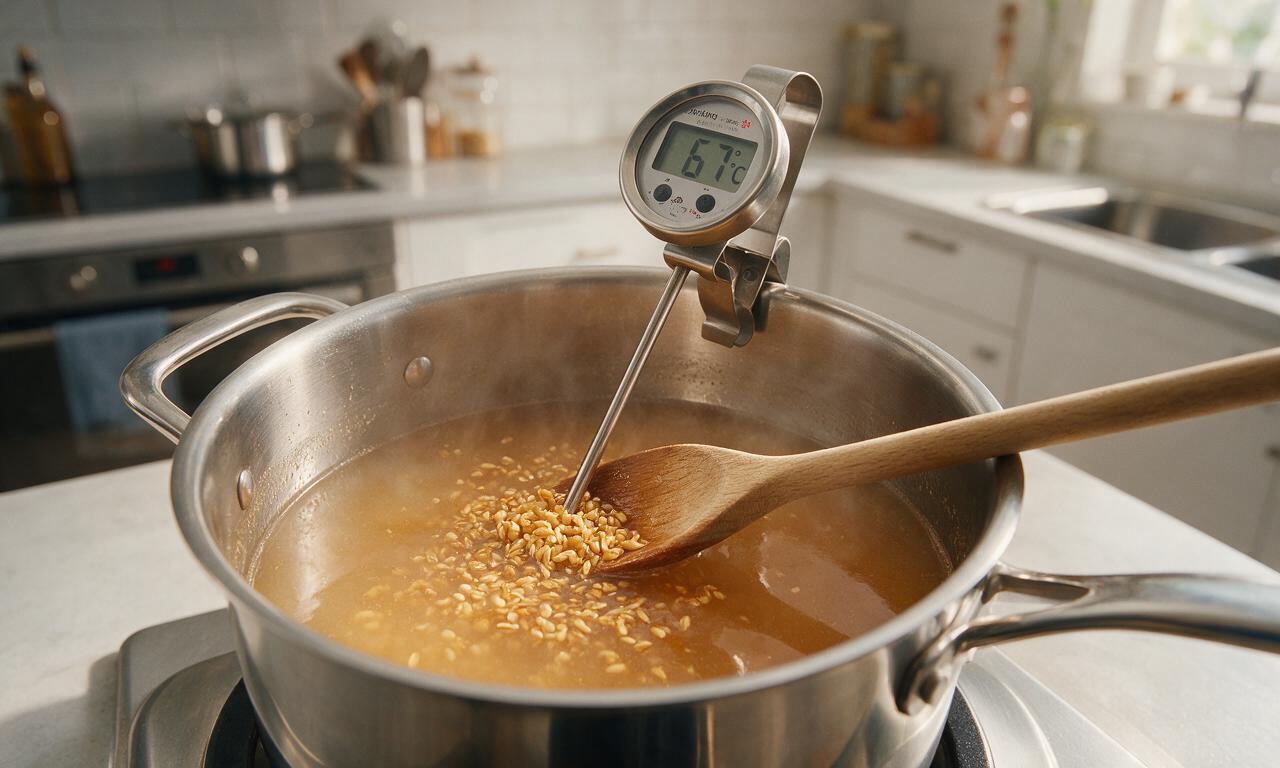
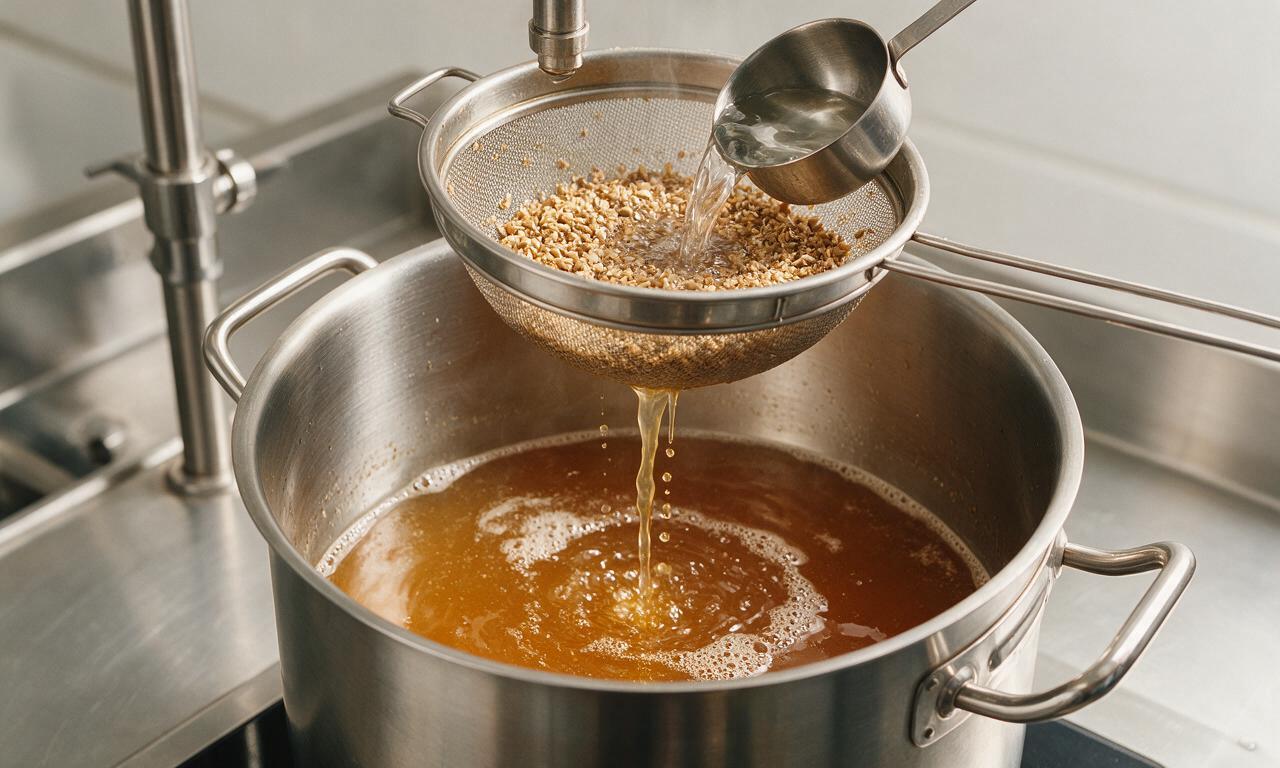
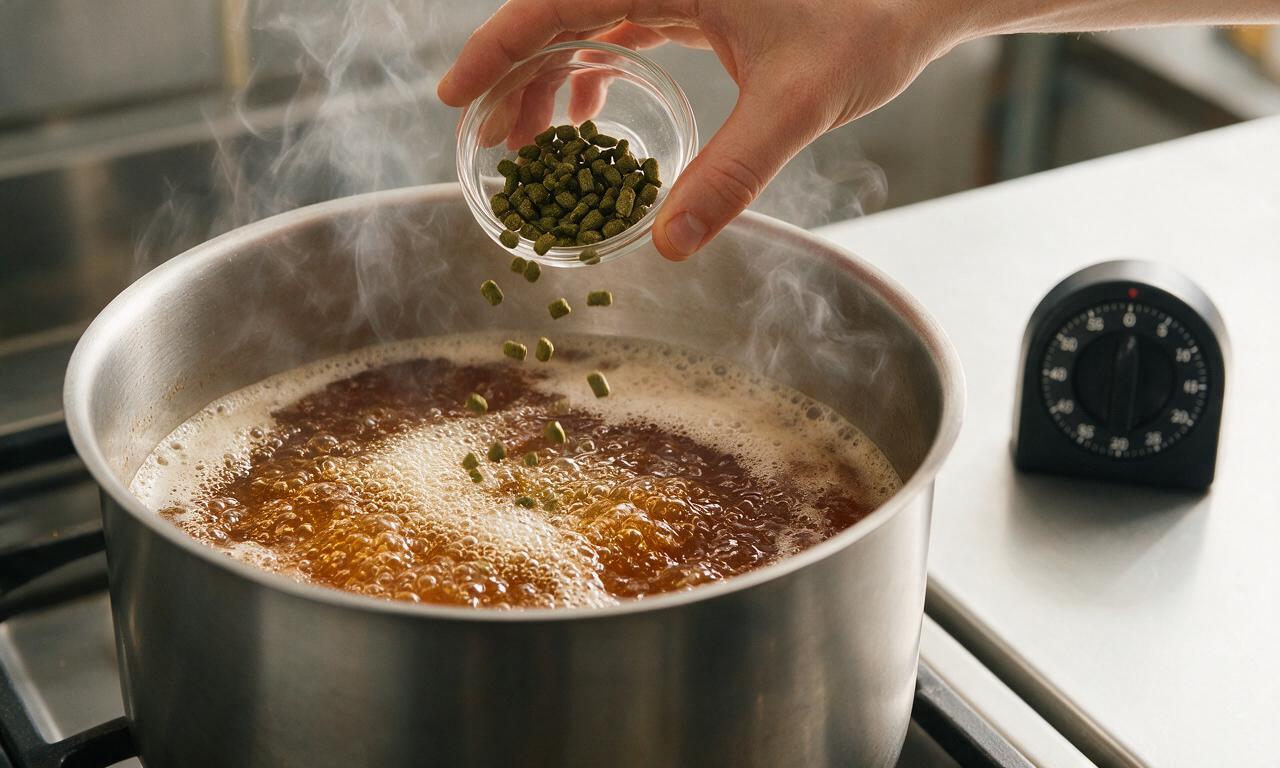
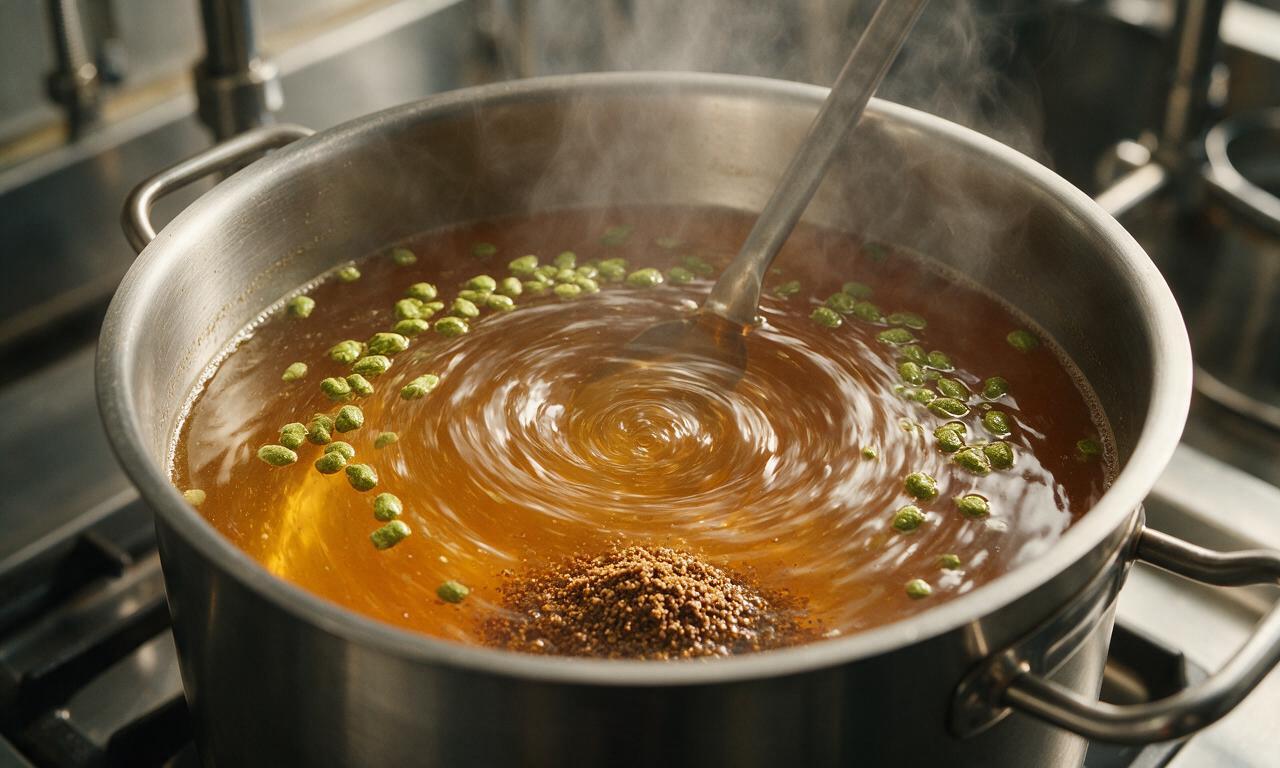
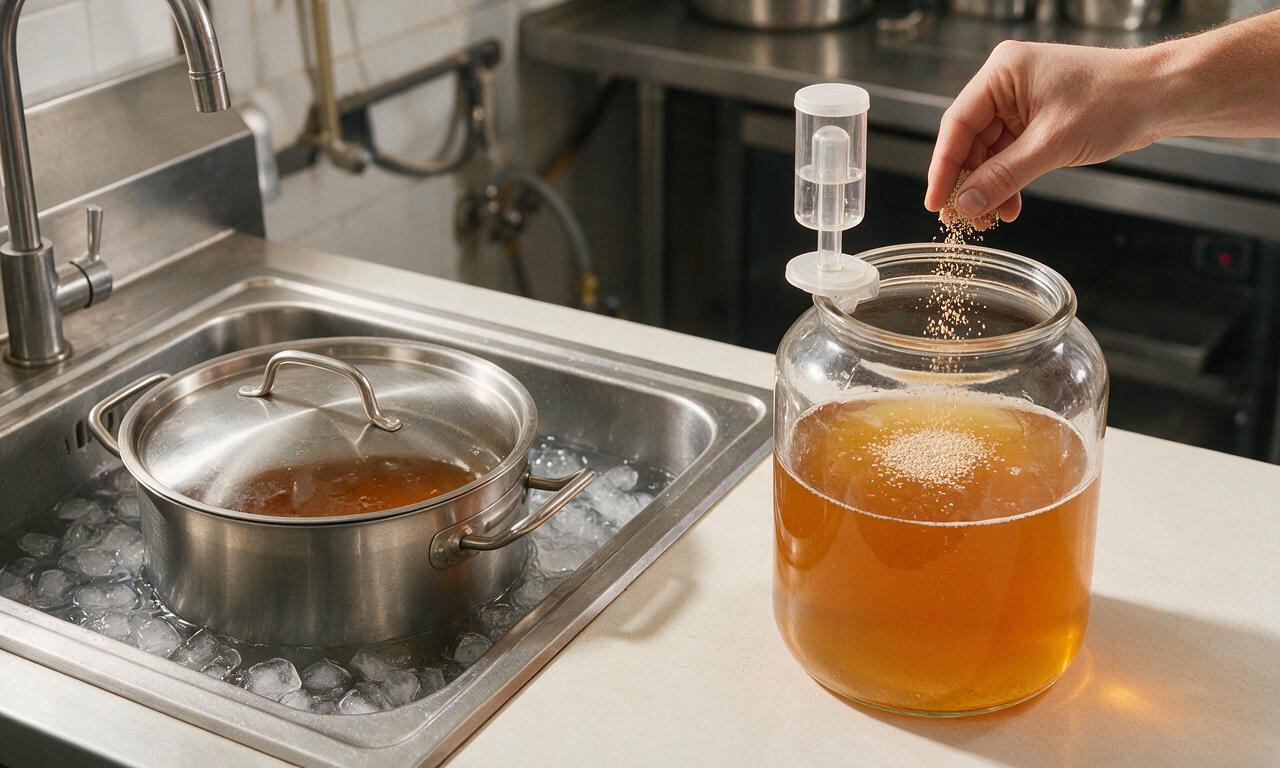
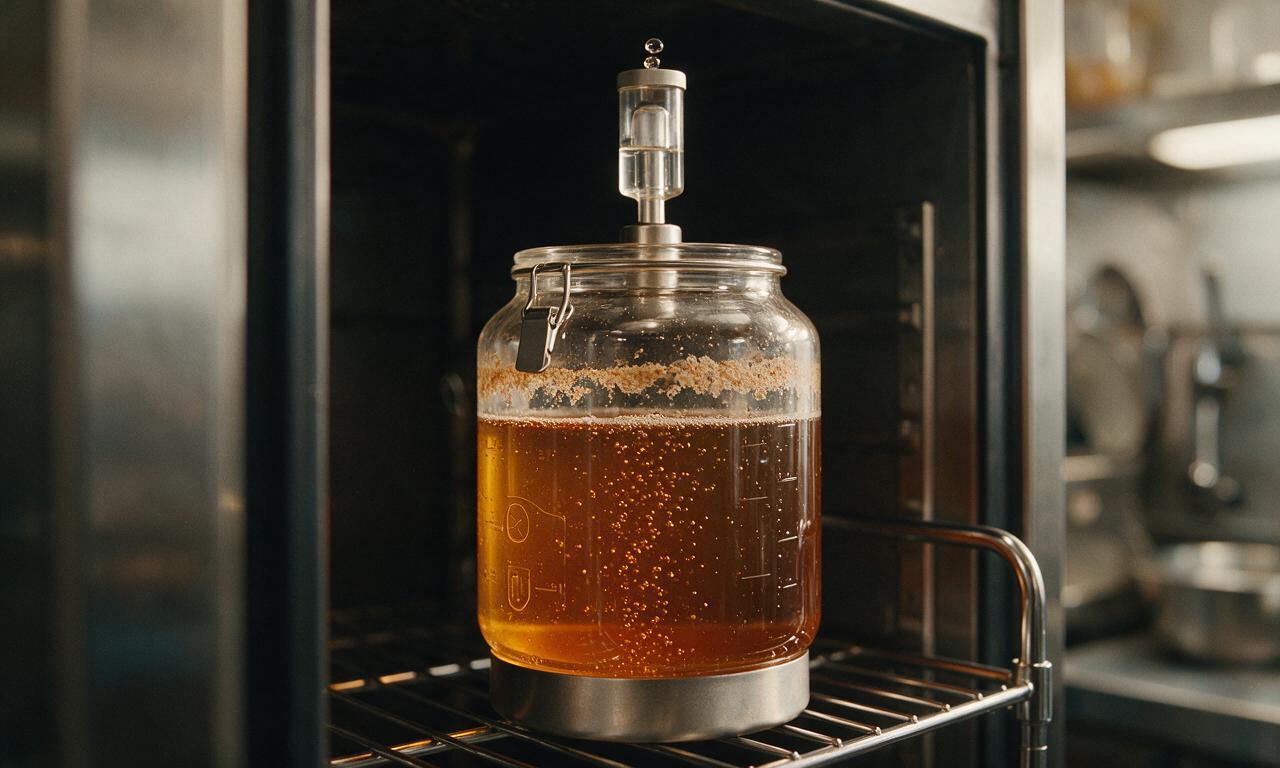
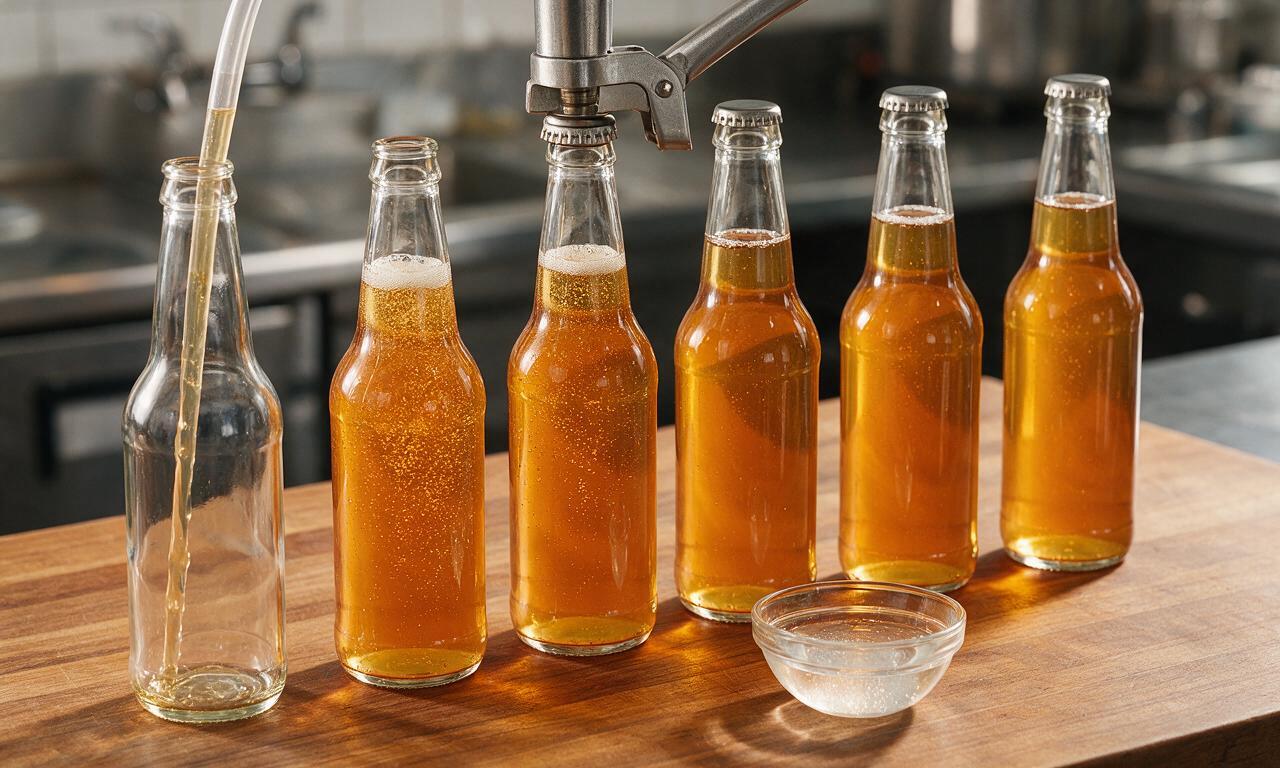
OMG, this West Coast Triple IPA turned out SO good! I brought a growler to our neighborhood potluck last weekend and every single person was asking for the recipe. That bright piney, citrusy hop punch is exactly what I’ve been trying to nail for years. Total game changer for my home brew setup! Worth every minute of the 2 hour active brew time, no joke.
Really solid recipe! First time attempting a triple IPA and I only messed up the dry hop addition a little bit (added half a day early oops). Ended up a touch more bitter than I wanted but still drinkable. My buddies raved about it at our football watch party. Quick question though—does anyone know if I can swap the Columbus hops for something a little more fruit forward?
Just cracked open my first bottle after the full 3 weeks of ferment and carb, and WOW. That boozy warmth is perfectly hidden under all that grapefruit and pine flavor, I can barely believe this is 10% ABV! Brought a 6 pack to our group campout last night and everyone thought I bought it from a fancy San Diego brewery. 10/10 will be making this again before fall hits.
Okay, I will say this recipe is definitely as hard as the rating says! I messed up my mash temp on the first go and ended up with a way lower ABV than expected, plus my carbonation was totally flat after 3 weeks. Bummed because the flavor was actually really good when I sampled it straight from the fermenter.
Game. Changer. I’ve been brewing West Coast IPAs for 8 years and this recipe is hands down the best triple I’ve ever made at home. That crisp, dry finish with the layered citrus, pine, and slight tropical hop profile is exactly what all those expensive commercial breweries are charging $20 a 4 pack for. My husband loved it so much he asked me to brew a double batch for his birthday BBQ next month. SO good!
Made this for our monthly homebrew club meeting and it took 2nd place in the strong IPA category! Only reason I’m not giving it 5 stars is I wish the recipe noted how much headspace to leave in the fermenter— I had a massive krausen blowout the first 48 hours and lost almost a quart of beer all over my fermentation chamber. Oops!
Wait a second— I’m getting ready to start this batch this weekend, do I really need to wait the full 3 weeks before cracking a bottle? I’m so impatient, I usually try my IPAs after 2 weeks!
Just poured my first glass and I’m blown away. I was worried a triple IPA would be too heavy and sweet, but this is so crisp and crushable for how strong it is! My adult kids came over for dinner last night and they both took home a couple bottles to share with their roommates. Already shopping for ingredients for batch number two.
Just got all my ingredients measured out and sanitized, ready to start this brew tomorrow! I’ve been chasing that perfect west coast triple ever since I had one on a trip to San Diego a couple years ago. Fingers crossed it turns out half as good as everyone in the comments is saying! Will come back and update once it’s ready to drink.
Really tasty recipe! The only note I have is that my hop bill ended up being way pricier than I expected for a 5 gallon batch, but honestly the end result was so good I didn’t even mind. Brought a growler to my book club potluck and even the people who say they hate IPAs liked it!
OMG I cannot believe how well this turned out! I’ve had so many failed homebrew attempts lately I was starting to think I was cursed, but this triple IPA is absolute perfection. That zesty orange and pine flavor is chef’s kiss, already planning to bring a cooler of it to our next beach day with friends.