1.Is it legal to make homemade wheat whiskey in the United States?
▾
Unlike homebrewed beer or wine, distilled spirits like wheat whiskey require a federal distiller’s permit from the TTB to produce legally in the U.S., even for personal use. Always double-check your state and local alcohol regulations before starting, as unpermitted distillation carries significant fines and legal risks.
2.Why do you specify hard red winter wheat malt instead of regular raw wheat for this recipe?
▾
Hard red winter wheat malt brings that signature smooth, bready, slightly sweet grain core we love in wheat whiskey, with none of the harsh, grassy edge you get from raw unmalted wheat. It has just enough protein to support healthy fermentation without making the final spirit taste heavy or starchy.
3.Can I use tap water if I don’t have non-chlorinated filtered water on hand?
▾
Skip straight unfiltered tap water, as chlorine and chloramine will kill off your distiller’s yeast and create harsh, chemical off-flavors that taste like cleaning spray in your final whiskey. If you only have tap water, treat it with a campden tablet, or let it sit uncovered for 24 hours to let chlorine dissipate before use.
4.What happens if I use regular bread yeast instead of distiller’s active dry yeast?
▾
Bread yeast will ferment your grain mash, but it can’t tolerate the higher alcohol levels distiller’s yeast is bred for, so you’ll get a lower alcohol yield and unexpected off-flavors like overripe banana or clove that clash with wheat whiskey’s smooth, bready, vanilla-forward profile.
5.Why use 2-row pale barley malt instead of 100% wheat for the mash?
▾
2-row pale barley malt has natural diastatic power, meaning it holds the enzymes needed to break down wheat’s starchy sugars into accessible food for your yeast during fermentation. Without that small barley addition, you’d get stuck fermentation, low alcohol yield, and a dull, flat-tasting final spirit.
6.Can I swap the medium-toasted American oak chips for French oak chips instead?
▾
You can, but you’ll lose that classic warm vanilla, caramel, and subtle coconut note that makes American wheat whiskey feel cozy and approachable. French oak is more tannic and earthy, with sharp spice notes that will overpower the delicate, bready wheat character if you use it as a 1:1 swap.
7.How long do I need to age this wheat whiskey on oak chips to get that smooth, balanced flavor?
▾
For small 1–5 gallon homemade batches, 2–4 weeks on medium-toasted American oak chips, stored in a cool, dark spot, will deliver that perfect balance of vanilla, warm toast, and grain sweetness. Taste it every 3 days after the first week, as over-oaking can make it taste bitter and overly woody.
8.Why do I get a weird, soapy off-flavor in my test batches of wheat whiskey?
▾
Soapy flavors almost always trace back to two common missteps: either you used chlorinated tap water that reacted with compounds during distillation, or you left your oak chips steeping far too long, leaching bitter wood tannins. Stick to filtered non-chlorinated water and taste your aging spirit regularly to avoid this.
9.What’s the best way to serve this homemade wheat whiskey for casual autumn gatherings?
▾
This smooth, bready, vanilla-kissed pour works perfectly sipped neat over one large ice cube, or mixed into rustic cocktails like an old fashioned, spiced whiskey sour, or warm spiked apple cider. It pairs beautifully with salted caramel treats, roasted nuts, and sharp cheddar for fall get-togethers.
10.How much oak chip should I add per gallon of distilled spirit for aging?
▾
Aim for 4–8 grams (roughly 1–2 teaspoons) of medium-toasted American oak chips per gallon of distilled spirit to start. You can always add more chips if you want a stronger oak and vanilla profile, but you can’t remove oak once it’s leached bitter tannins into your whiskey.
11.Do I need to mill my own wheat and barley malt for this recipe?
▾
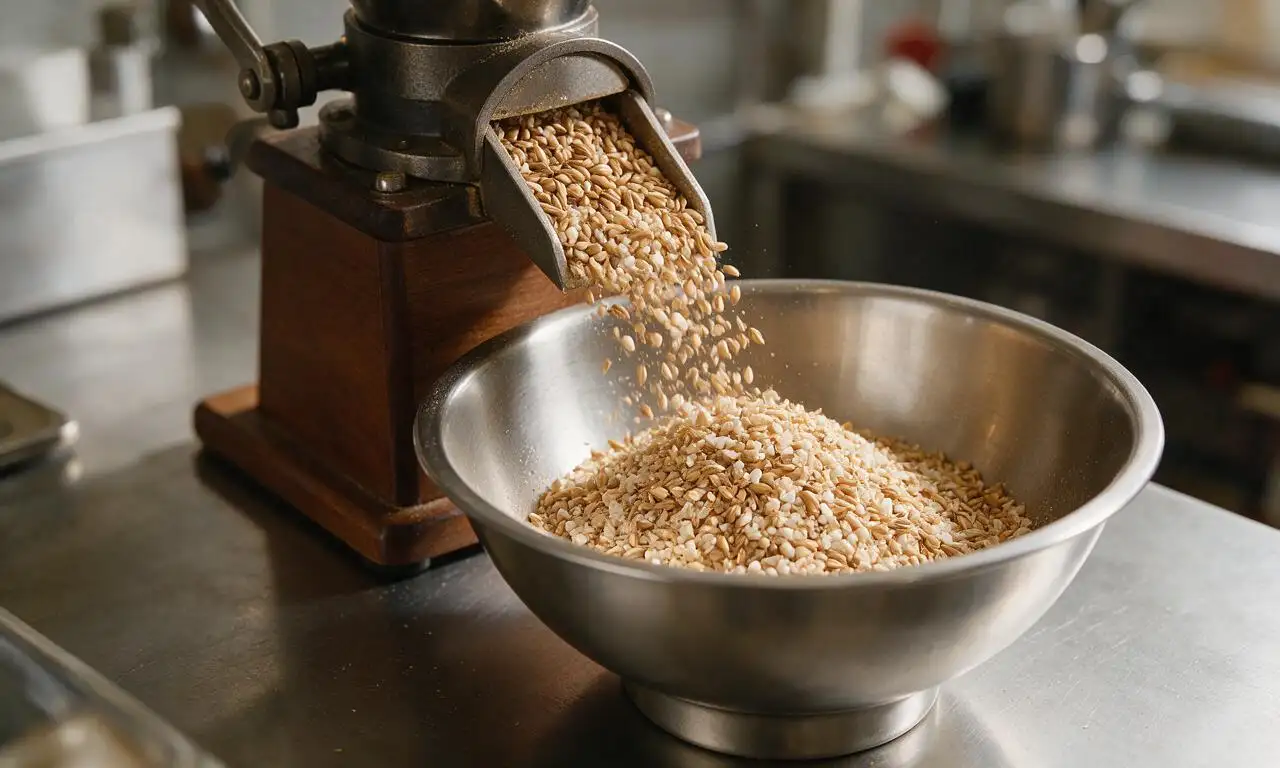
You’ll get the best sugar extraction during mashing if you crack the malt right before brewing, but you don’t need a fancy commercial mill. A cheap grain mill attachment for a stand mixer, or even a heavy rolling pin in a pinch, will work—just don’t grind it into fine flour, which makes the mash gummy and hard to strain.
12.What temperature should I keep my mash at when adding distiller’s yeast to get a good ferment?
▾
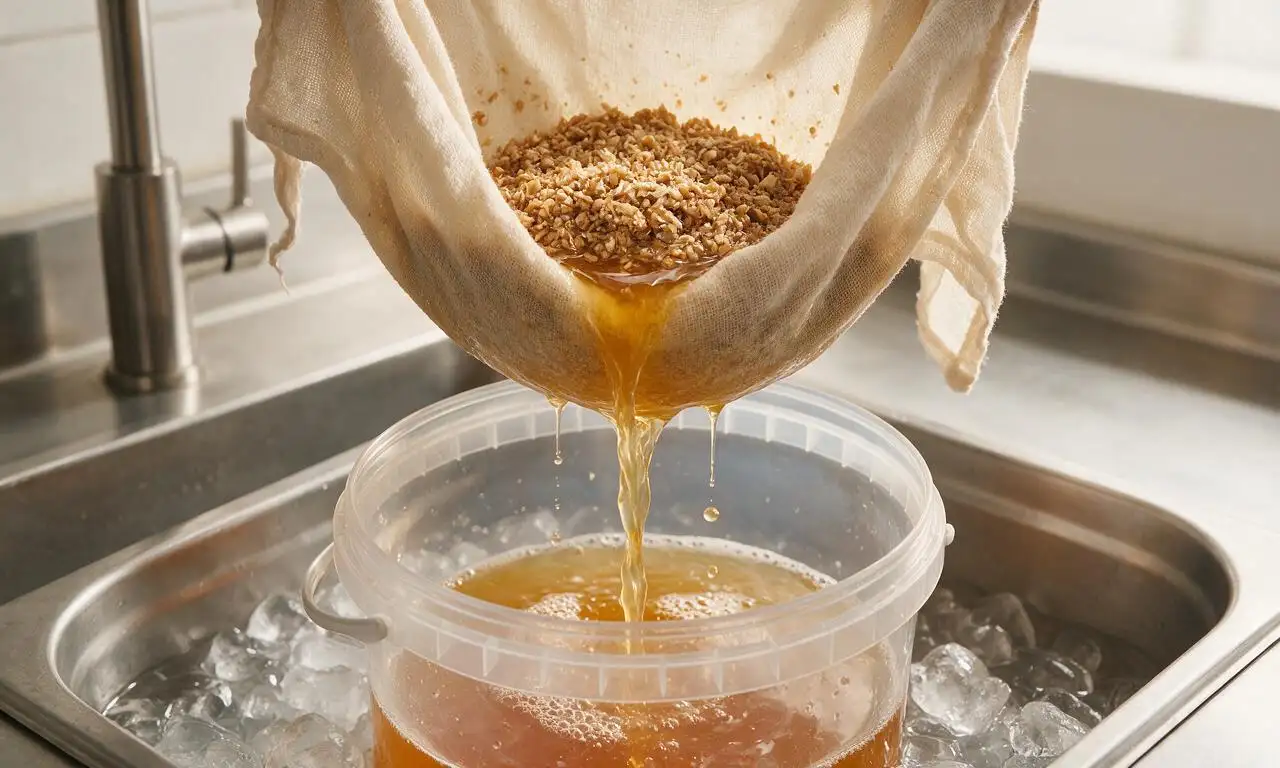
Cool your strained mash to between 70–75°F before pitching your distiller’s active dry yeast. If the mash is hotter than 80°F, you’ll kill the yeast before fermentation starts; if it’s colder than 65°F, fermentation will be sluggish and produce unwanted sour, off-flavors in your final spirit.
13.Can I reuse the American oak chips for a second batch of wheat whiskey?
▾
You can reuse chips once for a second batch, but they’ll have already leached most of their vanilla and caramel compounds into the first run, so you’ll need to steep them 2–3 times longer, or add a small handful of fresh chips, to get the same toasty, warm oak profile you got on the first batch.
14.How long does finished homemade wheat whiskey stay good once it’s bottled?
▾
Properly sealed and stored in a cool, dark cabinet away from direct sunlight, your bottled wheat whiskey will stay perfectly smooth and flavorful indefinitely, since high-proof distilled spirits don’t spoil. Once opened, it will stay at peak quality for 1–2 years before the oak and grain notes start to fade slowly.
15.Why does my wheat whiskey taste harsher than the store-bought versions I’ve tried?
▾
Harshness usually comes from three common home distilling missteps: cutting your distillate too late and collecting bitter, high-boiling “tails,” not aging it long enough on oak to mellow sharp alcohol notes, or fermenting your mash at too high a temperature, which creates harsh, solvent-like off-flavors.
16.Do I need to toast the oak chips myself before adding them to the spirit?
▾
If you buy pre-packaged medium-toasted American oak chips made for distilling, you don’t need to toast them at home. If you only have raw, untoasted oak chips, bake them on a sheet pan at 350°F for 10–15 minutes until they smell like warm vanilla and toast, then cool fully before use.
17.What’s the ideal mash ratio of wheat malt to 2-row barley malt for this recipe?
▾
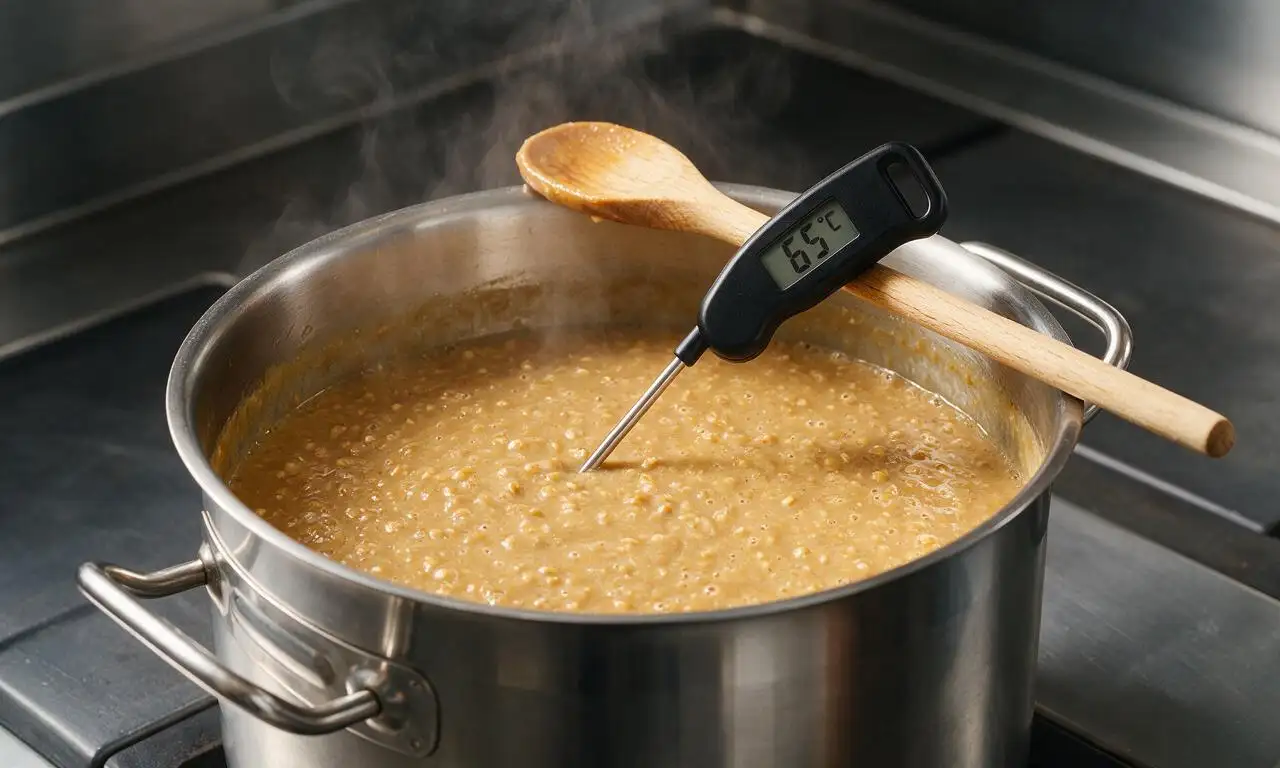
Stick to a ratio of 80% hard red winter wheat malt to 20% 2-row pale barley malt for the classic wheat whiskey profile. That balance gives you that dominant soft, bready wheat flavor, with just enough barley to contribute the enzymes needed for smooth, complete fermentation without diluting wheat character.
18.Can I add extra flavors like cinnamon or apple to this wheat whiskey for fall?
▾
Absolutely! This smooth, grain-forward base works beautifully with warm autumn add-ins. Add a single cinnamon stick, a few slices of dried apple, or a split vanilla bean to the jar during the last week of oak aging, then strain them out before bottling to avoid overpowering the core bready, vanilla oak flavor.
19.How do I know when fermentation of the grain mash is complete before distilling?
▾
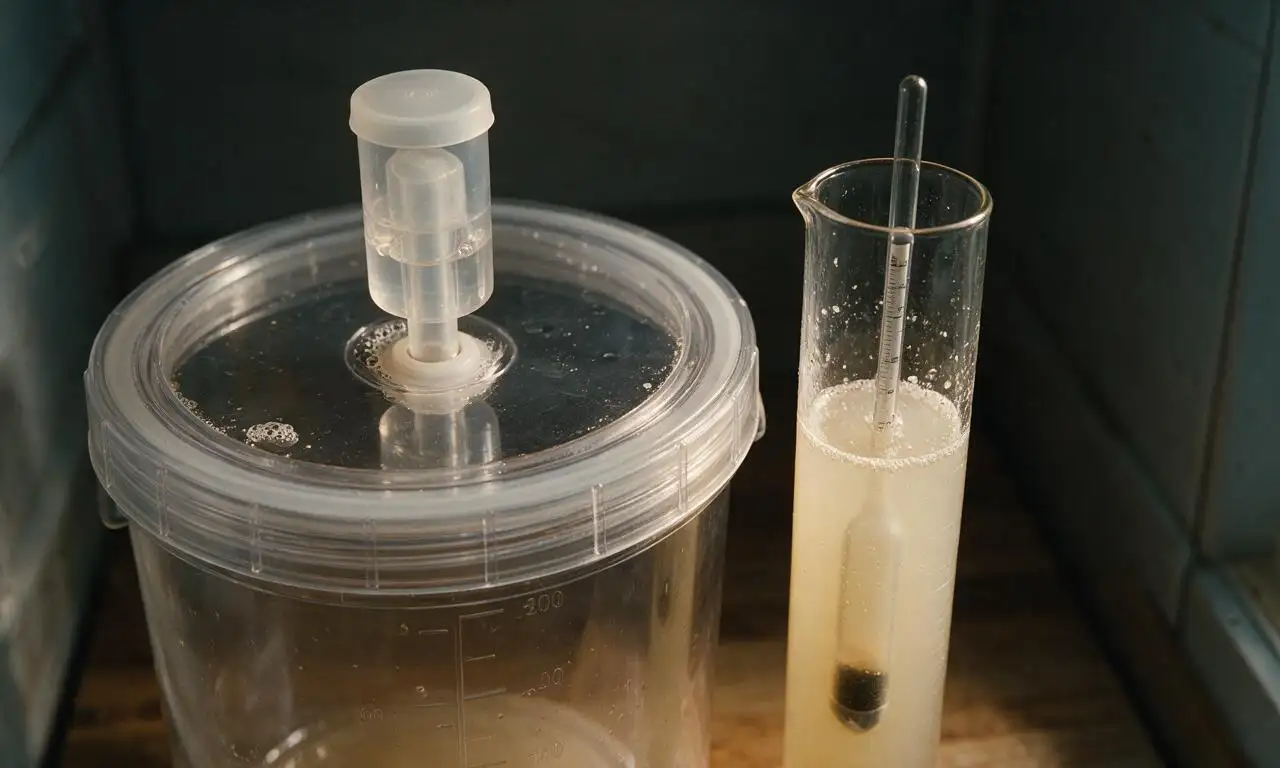
Fermentation is done when your airlock stops bubbling completely for 24 straight hours, and the mash tastes dry, with no lingering sweet, starchy flavor. You can also confirm with a hydrometer: when the specific gravity reading stays identical two days in a row, you’re ready to move to distillation.
20.Do I need to filter my finished whiskey after aging on oak chips?
▾
Give it a slow pour through a fine-mesh coffee filter or unbleached cheesecloth after aging to catch any small oak chip sediment and tiny grain particles that made it through distillation. Skip fancy activated carbon filters, though—those will strip out the delicate bready wheat and vanilla notes you worked hard to build.


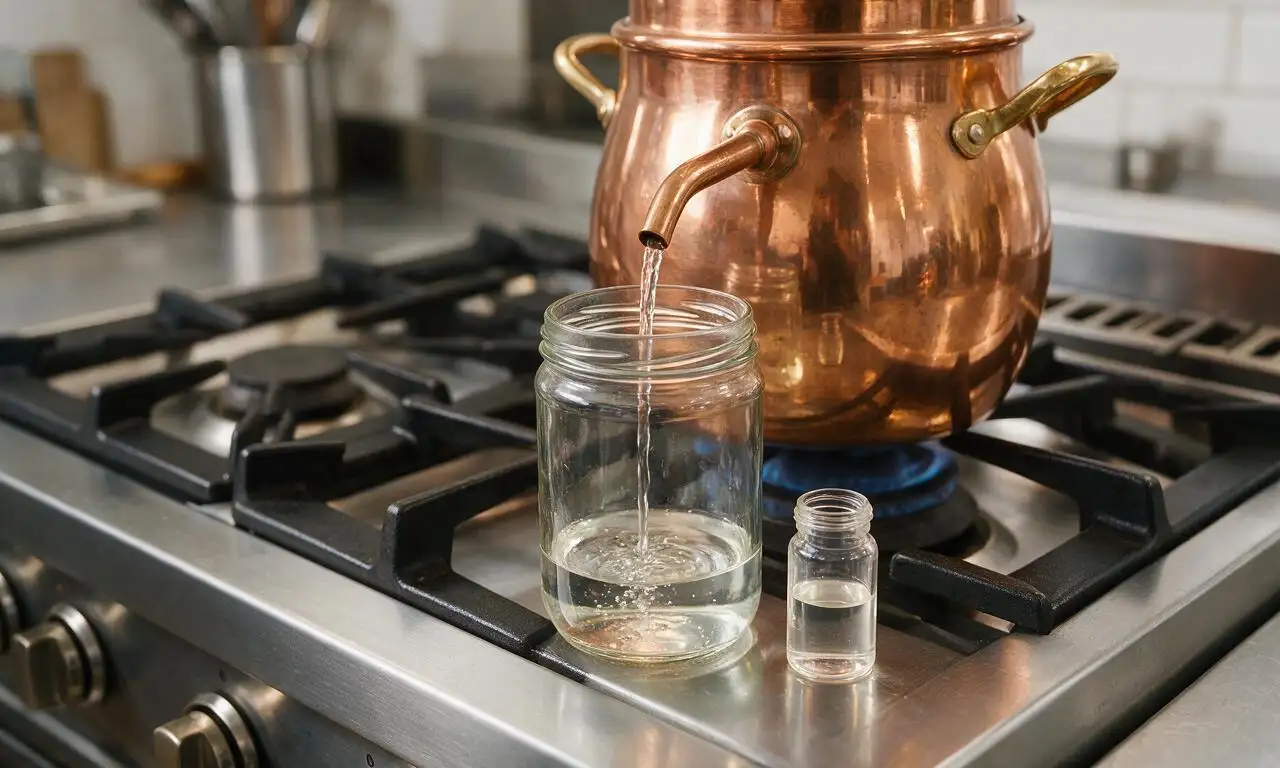






Wait a second — do I need an actual still to make this? I don’t have any distilling equipment, just regular home brew stuff. Was really excited until I realized I might be missing the main piece of gear here lmao.
This says difficulty is hard — as someone who’s only ever done home brew beer and a couple batches of mead, am I gonna be in over my head trying this? I don’t wanna waste a bunch of expensive ingredients if it’s way too advanced for a newbie.
I aged mine with a couple of charred oak cubes and a tiny splash of vanilla bean at the end, chef’s kiss. Tastes just like the premium wheat whiskey I used to splurge on for special occasions, can’t believe it only took a month start to finish. Already prepping my second batch to have on hand for holiday dinners.
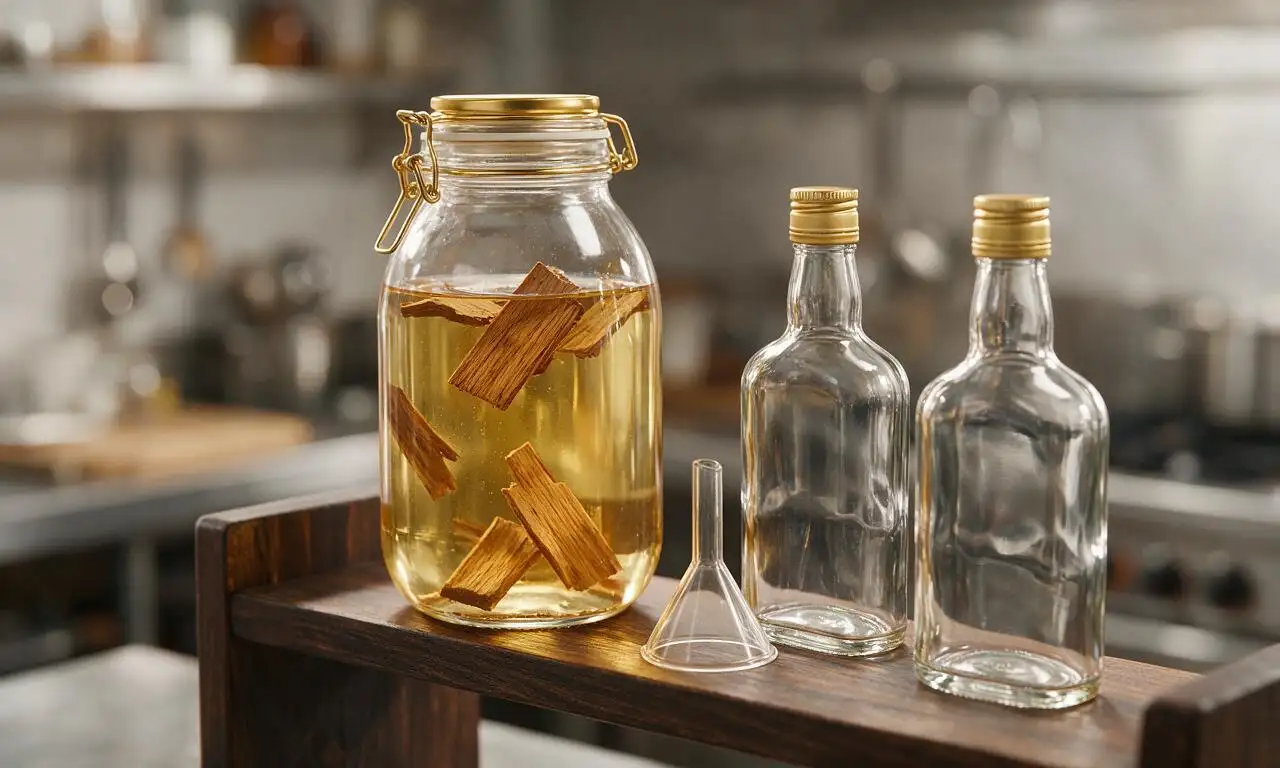
Wait, 28 days total? I thought homemade whiskey took months to age! Has anyone actually tried this with the medium toast oak sticks instead of a full barrel? OMG I’ve been dying to try a small batch wheat whiskey without dropping a ton of cash on barrel equipment.
Marking this to try for our fall camp trip with the guys! Already have the fermentation bucket and airlock from my hard cider attempts, just need to grab the wheat malt and those oak chips. Game changer if this turns out half as good as the stuff I pay $40 a bottle for at the liquor store.
Just bottled my batch yesterday and brought a sample to our neighborhood potluck last night — everyone was begging for the recipe! It’s got that soft, honeyed wheat flavor, way smoother than the rye I made a few months back. Even my brother-in-law who only drinks top-shelf stuff asked for a bottle to take home.
Heads up for new folks — this is HARD, don’t skip the temperature checks during fermentation! I tried rushing my first batch last week, let the ferment get too hot, and the whole thing smelled like rotten veggies. Wasted a whole 5lb of wheat malt, ugh. Trying again now with a heating pad that has a thermostat, fingers crossed.