1.How do I prevent lumps from forming in my white cream sauce?
▾
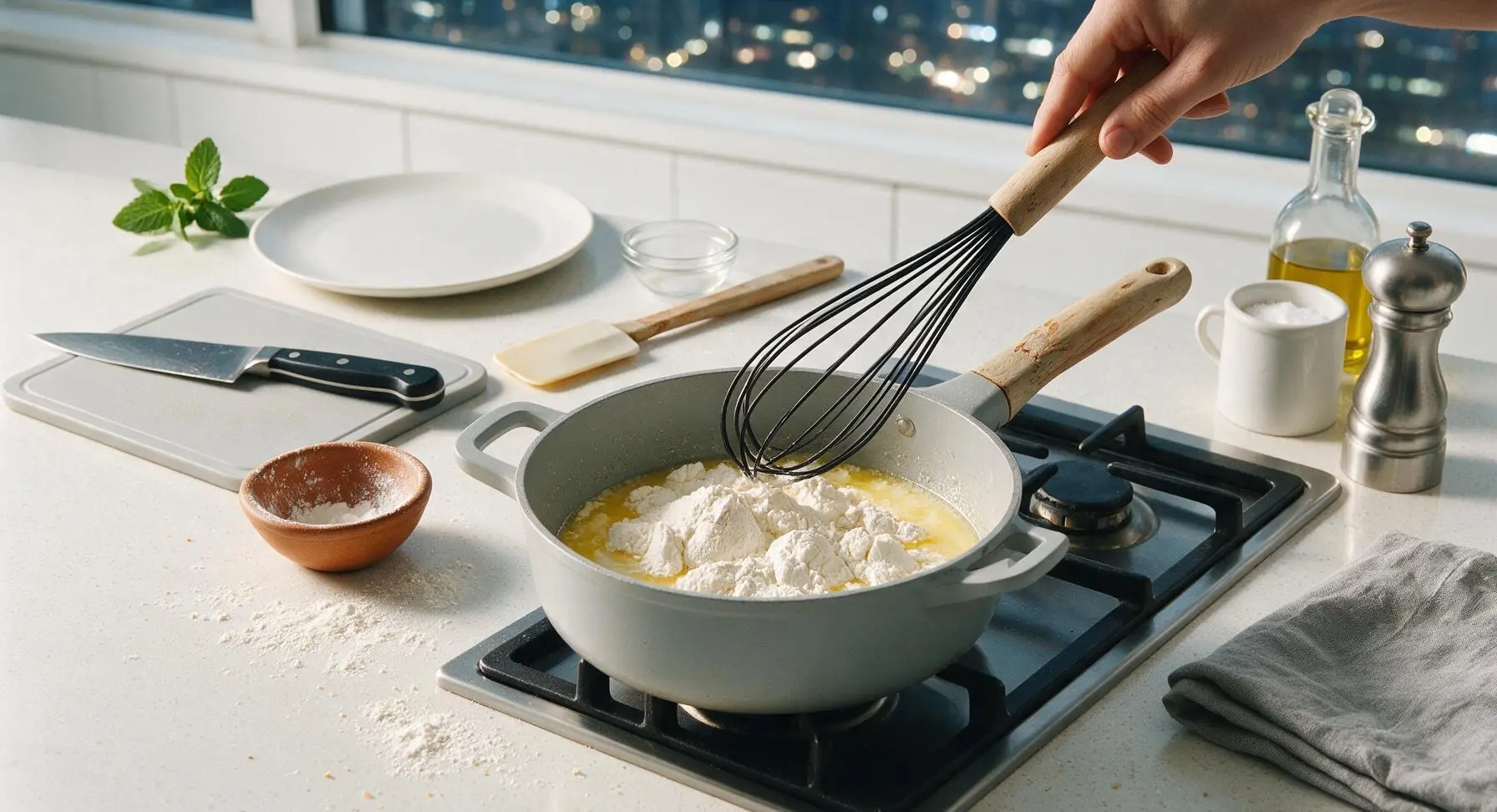
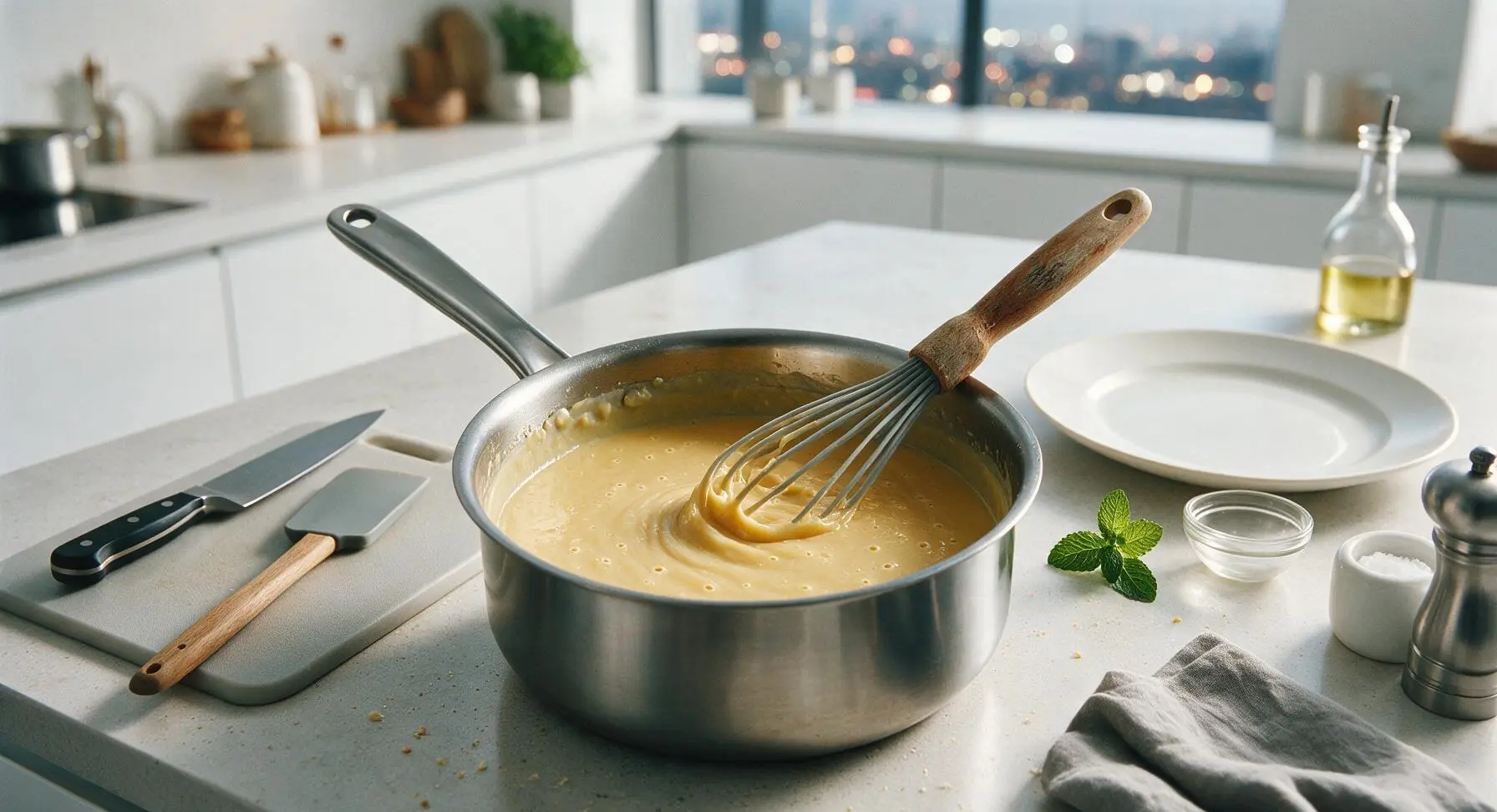
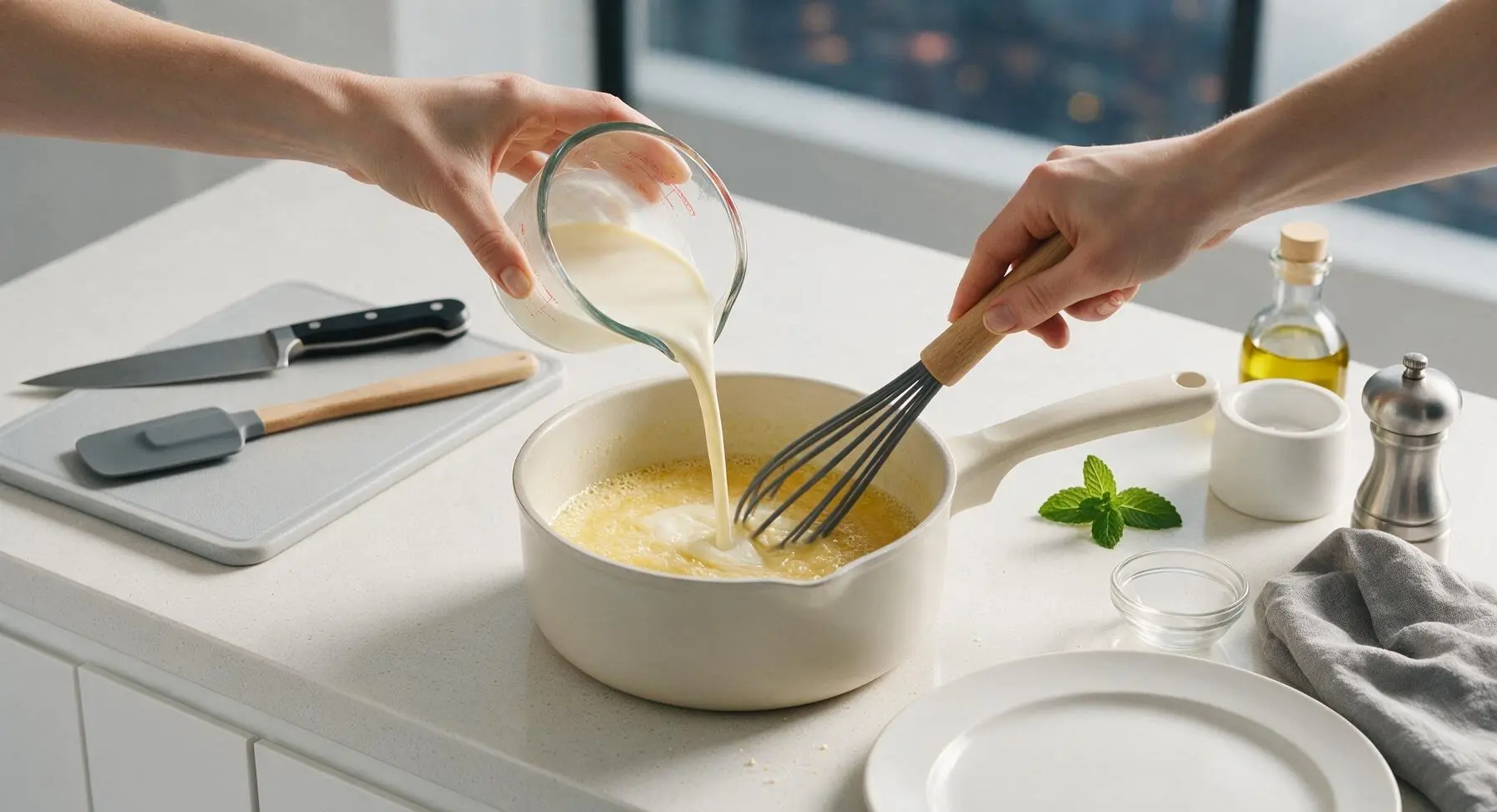
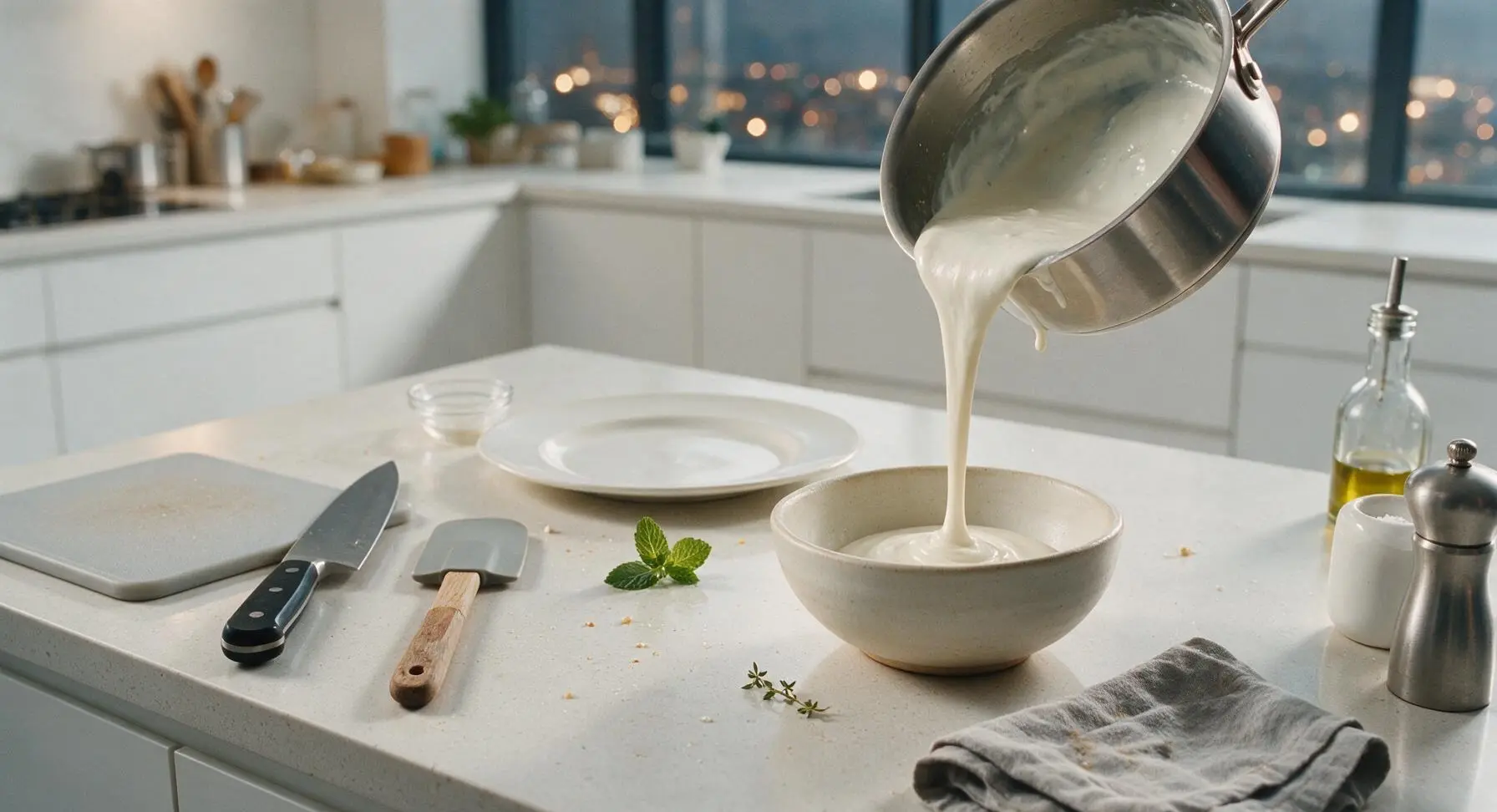
The trick is a properly made roux first: melt butter fully, whisk in flour until completely smooth, and cook for 1-2 minutes to remove raw flour taste. Always stream in room-temperature dairy slowly while whisking nonstop, rather than pouring it all in at once. If small lumps pop up, strain the finished sauce through a fine-mesh sieve for silky results.
2.Can I use low-fat milk instead of whole milk for this sauce?
▾
You can, but know the texture will be thinner and less rich, with a slightly watery mouthfeel. If you do use 2% or skim milk, add an extra 1 tablespoon of flour per cup of dairy to thicken it properly, and bump up the cream ratio by 2 tablespoons to make up for lost richness. Avoid nonfat milk entirely, as it creates a chalky, thin sauce.
3.How long does this white cream sauce last in the refrigerator?
▾
Stored in an airtight, sealed container, this sauce will stay fresh for 3 to 4 days in the fridge. Let it cool completely to room temperature before sealing to avoid condensation buildup that can make the sauce watery or speed up bacterial growth. Give it a good whisk when you reheat it to restore its smooth, silky texture.
4.What’s the best ratio of butter to flour for a perfect, stable roux?
▾
For this classic sauce, use equal parts by volume of unsalted butter and all-purpose flour—for a standard 2-cup batch, that’s 2 tablespoons of butter and 2 tablespoons of flour. This 1:1 roux creates a medium-thick consistency that coats pasta, veggies, and seafood without being gluey or overly runny once dairy is added.
5.Can I freeze leftover white cream sauce for later use?
▾
Cream-based sauces tend to separate and turn grainy when frozen and thawed, so I don’t recommend freezing this recipe for best texture. If you absolutely need to freeze it, store it in a freezer-safe bag for up to 3 months, thaw slowly in the fridge, and blend on low with an extra splash of cream while reheating to re-emulsify it.
6.Why does my sauce taste like raw flour?
▾
That happens when you don’t cook the roux long enough before adding dairy. After you whisk the flour into melted butter, let the pale golden roux cook for 1 to 2 full minutes over medium-low heat, stirring constantly, until it smells faintly nutty and toasty. This cooks out starchy, raw flour taste so your final sauce has a mellow, rich flavor.
7.How do I reheat leftover white cream sauce without it breaking?
▾
Reheat it slowly over low heat on the stovetop, whisking constantly, rather than zapping it in the microwave on high. If the sauce looks separated or greasy as it warms, whisk in 1 to 2 teaspoons of cold milk or cream a little at a time to bring the emulsion back together until it’s smooth and silky again.
8.Can I make this sauce without heavy whipping cream?
▾
You can make a lighter version by replacing the heavy cream with an equal amount of extra whole milk, but the final sauce will be less luxuriously rich and have a thinner consistency. To compensate, add an extra ½ tablespoon of flour to your roux to get a similar coating thickness, and finish with a tiny pat of cold butter to boost richness.
9.What dishes pair best with this classic white cream sauce?
▾
This versatile staple works for so many meals: toss it with fettuccine for a simple creamy pasta, drizzle it over roasted broccoli or asparagus, use it as a base for baked mac and cheese or vegetable casseroles, spoon it over pan-seared salmon or shrimp, or even use it as a creamy topping for loaded baked potatoes.
10.Why did my sauce turn out too thick and paste-like?
▾
That usually means you used too much flour in your roux, or you cooked the sauce too long after adding dairy, causing too much liquid to evaporate. Thin it out by whisking in small splashes of warm whole milk, 1 tablespoon at a time, until it reaches your desired consistency—you want it to coat the back of a spoon without clumping.
11.Do I have to use unsalted butter for this recipe?
▾
Unsalted butter lets you control exactly how much salt goes into your sauce, which is why it’s the standard professional choice. If you only have salted butter on hand, use it, but hold off on adding extra fine sea salt until the very end. Taste the sauce first, then add salt pinch by pinch so you don’t end up with an overly salty final product.
12.How do I know when the sauce is done cooking?
▾
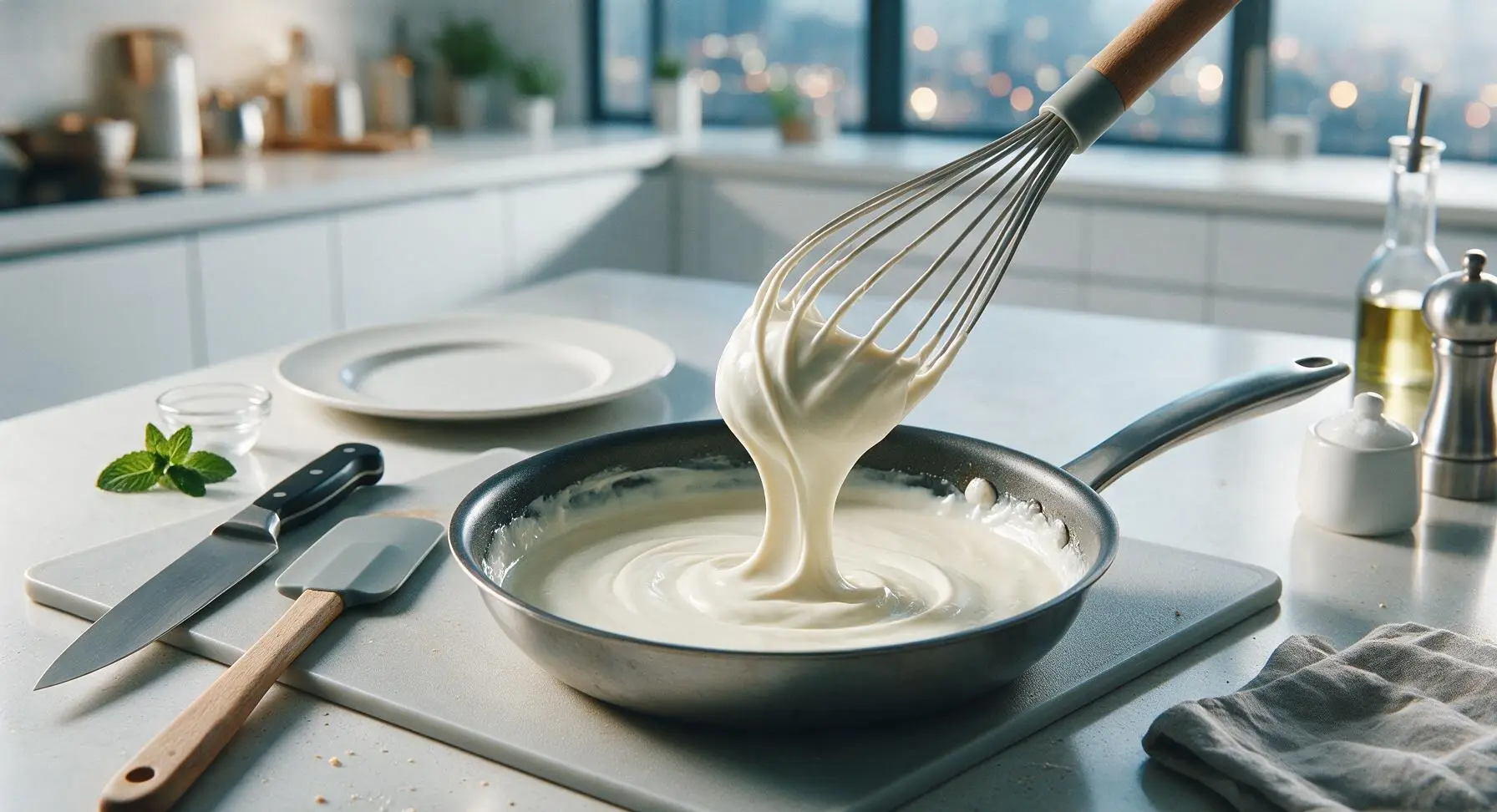
The sauce is finished when it coats the back of a wooden spoon evenly—if you run your finger through the sauce on the spoon, it should leave a clean line that doesn’t run. This usually takes 3 to 5 minutes of gentle simmering after you add all the dairy, over medium-low heat so it doesn’t scald on the bottom of the pan.
13.Can I add cheese to this sauce to make a cheese sauce?
▾
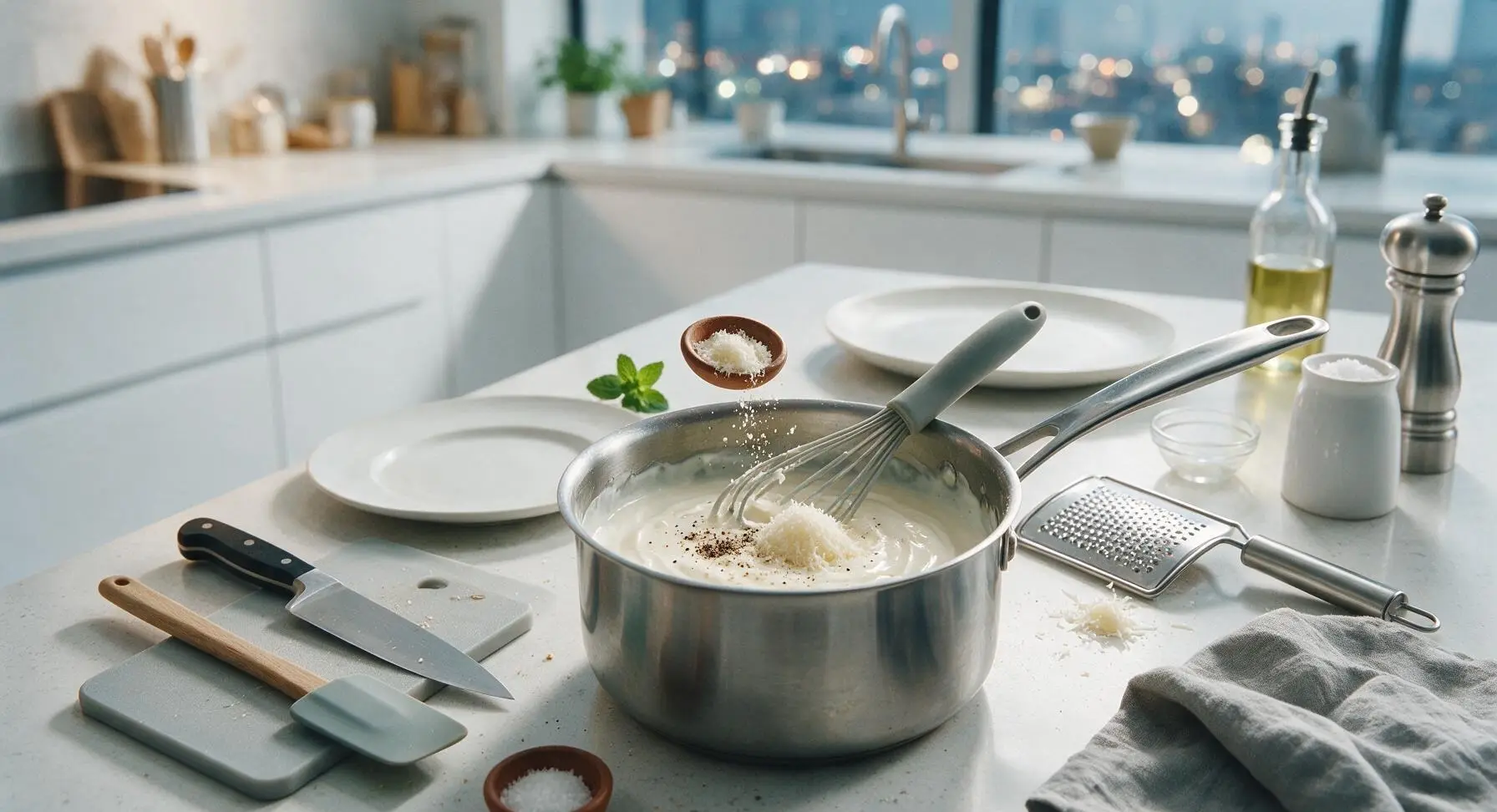
Absolutely! This classic white sauce (a traditional béchamel) is the perfect stable base for cheese sauce. Once the base sauce is done cooking, take it off the heat, and whisk in shredded sharp cheddar, parmesan, or gruyere a handful at a time until fully melted. Don’t boil the sauce after adding cheese, or it will turn grainy and stringy.
14.Why does my sauce develop a skin on top as it cools?
▾
That tough skin forms when the top layer of the sauce is exposed to air, causing moisture to evaporate and starch to form a tight film. To prevent this if you’re not serving the sauce right away, press a piece of plastic wrap directly onto the surface of the sauce (not just over the container) so no air touches the top until you’re ready to use it.
15.Can I use plant-based milk and butter to make this sauce vegan?
▾
You can swap in vegan butter and unsweetened plain oat milk for the closest texture and flavor to the classic version, but skip plant-based heavy creams with added stabilizer gums, as those can make the sauce slimy. Add an extra ¼ teaspoon of nutritional yeast for subtle savory depth, and adjust fine sea salt to taste.
16.What heat setting should I use to cook this sauce so it doesn’t burn?
▾
Stick to medium-low heat the entire time, from making the roux to simmering the finished sauce. High heat will burn the butter and flour in your roux, giving the sauce a bitter, burnt taste, and can scald the milk on the pan bottom before it has a chance to thicken evenly. Stir frequently to prevent sticking.
17.How much fine sea salt should I add to the sauce for the best flavor?
▾
Start with ¼ teaspoon of fine sea salt for a 2-cup batch of sauce, then taste and adjust from there. Remember that if you’re serving the sauce over salted pasta, seasoned veggies, or seafood, or if you plan to add cheese later, you’ll want to go lighter on the salt at first to avoid over-seasoning the final dish.
18.Can I make this sauce ahead of time for a dinner party?
▾
You can make it up to 2 days ahead, store it in an airtight container with plastic wrap pressed directly to the surface to prevent a skin, and reheat it gently on the stovetop right before serving. Whisk in a tiny splash of warm cream as you reheat to loosen it back up to the perfect silky consistency, and do a quick taste test to adjust salt if needed.
19.What’s the difference between this white cream sauce and classic alfredo sauce?
▾
Unlike traditional alfredo, which relies only on butter, parmesan, and starchy pasta water with no thickener, this classic white cream sauce uses a butter-flour roux as a stabilizer. That means it’s far less likely to break or turn greasy when tossed with pasta, baked in casseroles, or drizzled over roasted veggies and seafood, making it much more versatile.






OMG this white cream sauce is SO easy to throw together on a busy weeknight! I tossed it with fettuccine and grilled chicken for last night’s family dinner and my kids literally asked for seconds before they even finished their first serving. Total game changer for my meal prep rotation too, no more jarred alfredo for us!
I brought this sauce tossed with roasted veggies and smoked sausage to our neighborhood potluck last weekend and everyone was begging for the recipe! It’s so rich and creamy without feeling heavy, and the 10 minute cook time is no joke — I whipped it up right before heading out the door. Will 100% make this again.
Wait, I messed this up the first time I tried it and got lumps? I think I added the milk too fast? Any tips for getting it super smooth? Tasted great even with lumps so I know it’s good when I get it right!
Used this as the base for my seafood lasagna last night and it was chef’s kiss! I stirred in a little parmesan and a pinch of Old Bay and it paired perfectly with the shrimp and crab. So much better than the complicated white sauce recipe I used to use that took forever.
This is my new go-to sauce for everything! I make a big batch on Sundays and use it on pasta, roasted broccoli, even as a base for homemade mac and cheese for my kid’s lunch boxes. Super versatile and impossible to mess up once you get the roux down.
I was so nervous to make a roux for the first time but this recipe made it so straightforward! The sauce came out perfectly silky on the first try, I tossed it with pan-seared salmon and asparagus for date night and my partner thought I ordered takeout from our favorite Italian spot. SO good.