
White wine
intro
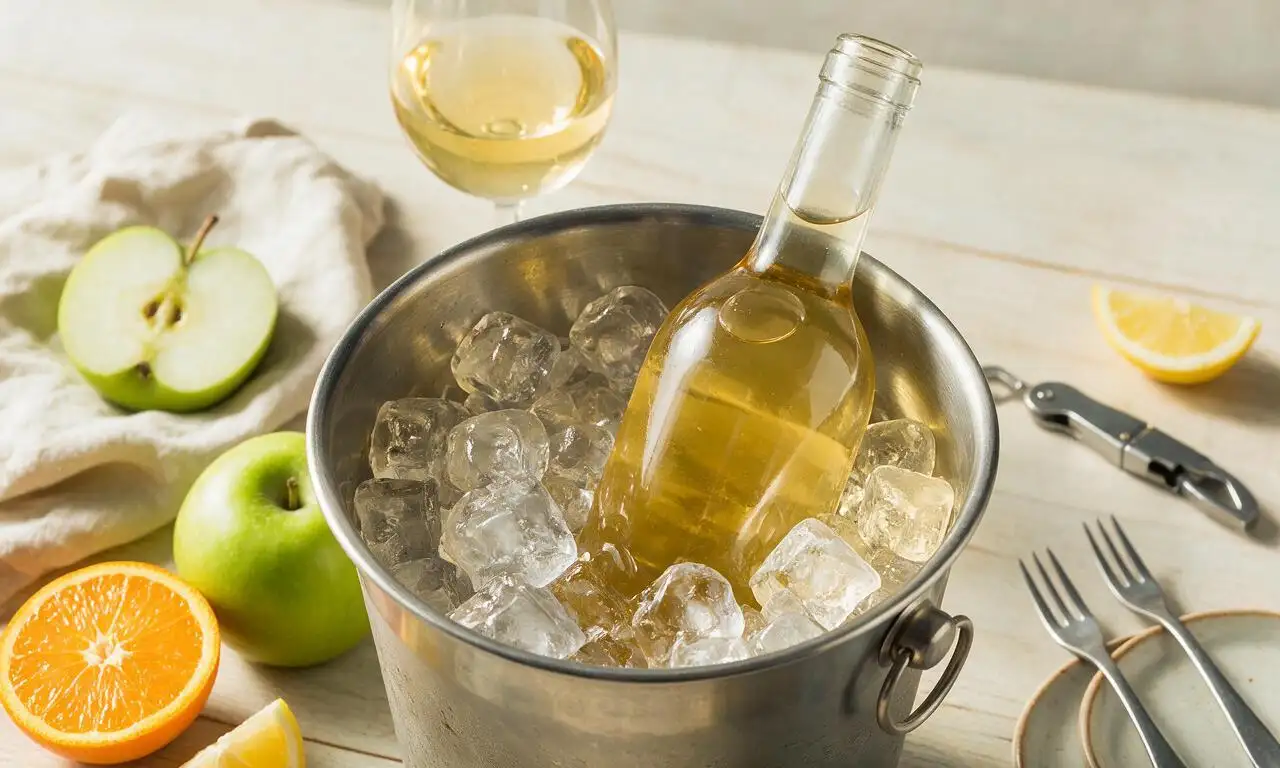
Bright, crisp dry homemade white wine with green apple and citrus notes, fermented from fresh grapes, perfect for sipping chilled on warm evenings.
Ingredients
Steps
Sanitize winemaking equipment
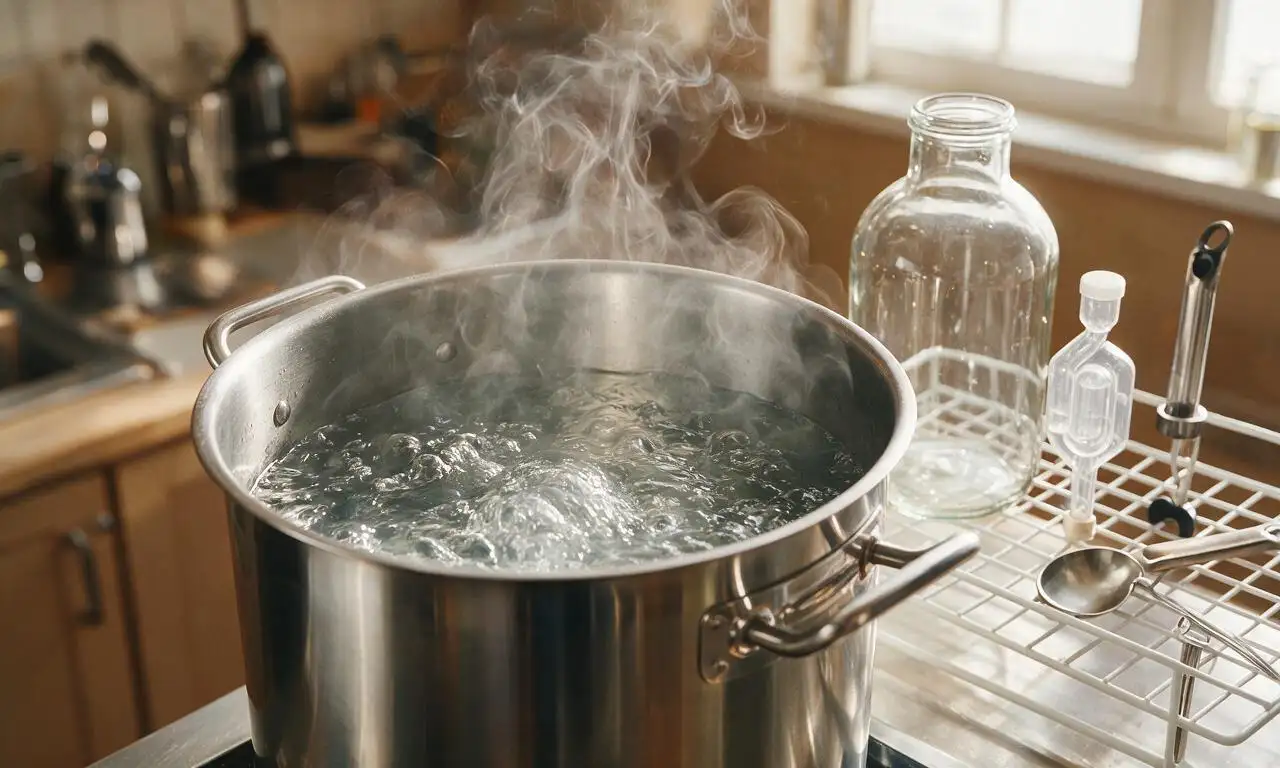
Bring 4L of tap water to a rolling boil over high heat (100°C/212°F), then submerge all equipment (1L glass fermenter, airlock, siphon, stirring spoon, fine-mesh strainer) in the boiling water for 5 minutes, then air dry completely on a clean wire rack; add 1/4 crushed Campden tablet dissolved in 30ml cool filtered water to the fermenter, swish to coat the interior, and pour out excess to kill wild bacteria and native yeast that can spoil the wine.
Crush fresh grapes
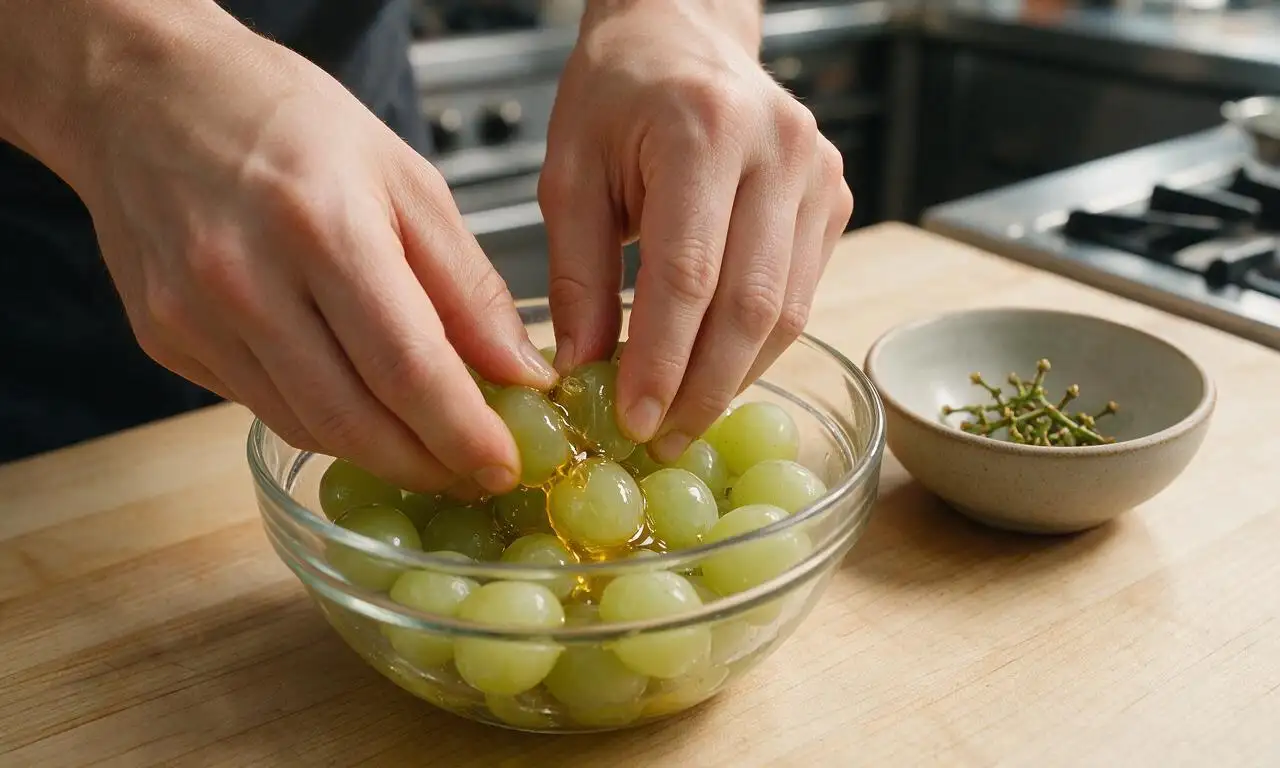
Remove 1kg of fresh, ripe white wine grapes from their stems, discarding any moldy, shriveled, or bright green underripe fruit, place in a sanitized large glass bowl, and crush by clean hand for 3-4 minutes until all skins are split and golden juice is released; avoid crushing hard inner seeds to prevent bitter tannins from leaching into the juice. Stir in the remaining 1/4 crushed Campden tablet, then let rest for 30 minutes at room temperature (20°C/68°F).
Mix in fermentation agents
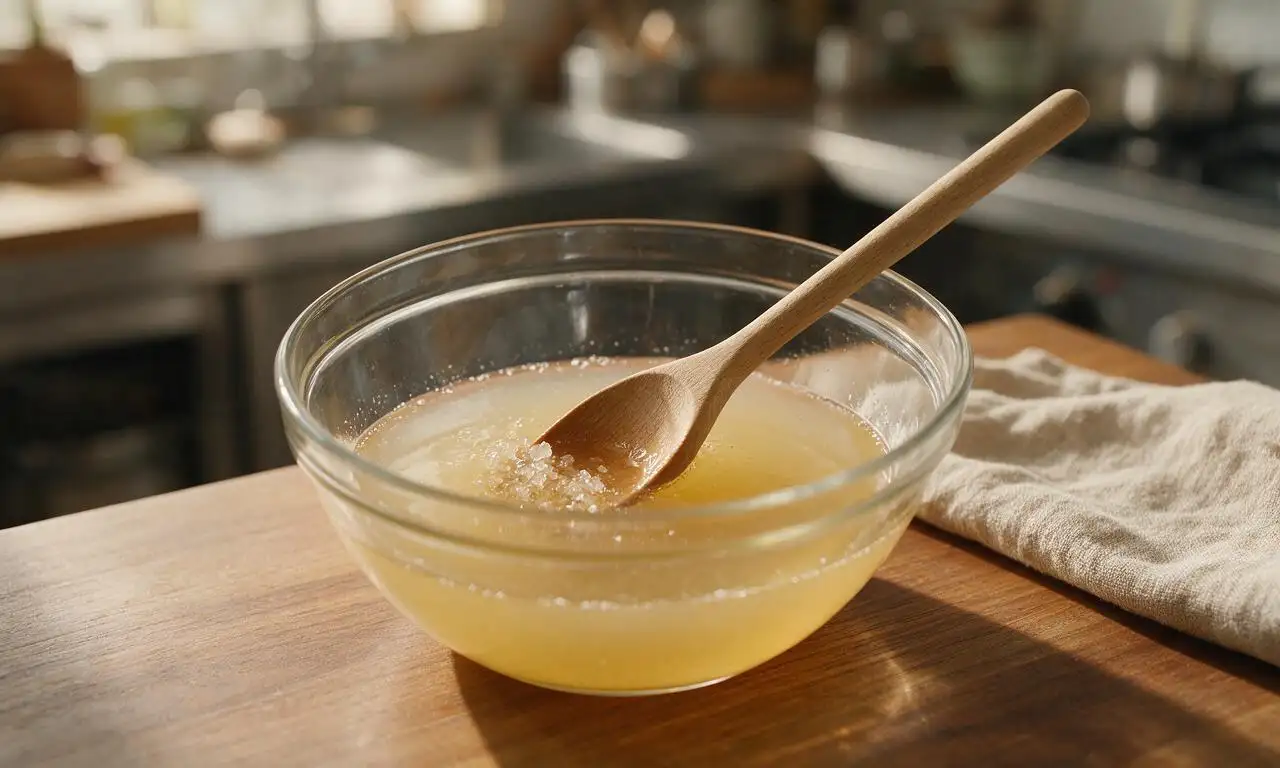
Stir 100g (1/2 cup) granulated white sugar and 1.25ml (1/4 teaspoon) pectic enzyme into the crushed grape must (mixture of juice, skins, and pulp) for 1 full minute until all sugar is fully dissolved. Cover the bowl with a clean, sanitized linen cloth, and let sit for 12 hours at a steady 21°C/70°F away from direct sunlight to allow sulfur from the Campden tablet to dissipate before adding yeast.
Start primary fermentation
Sprinkle 1g (1/4 teaspoon) of Champagne wine yeast evenly over the surface of the must, and do not stir for 15 minutes to allow the yeast to rehydrate fully, then stir gently to incorporate evenly. Pour the entire must into the sanitized 1L glass fermenter, attach the airlock filled halfway with sanitized cool water, and store in a dark, temperature-stable space at 22°C/72°F for 7 days. Tiny carbonation bubbles will rise through the airlock within 24-48 hours as active fermentation begins.
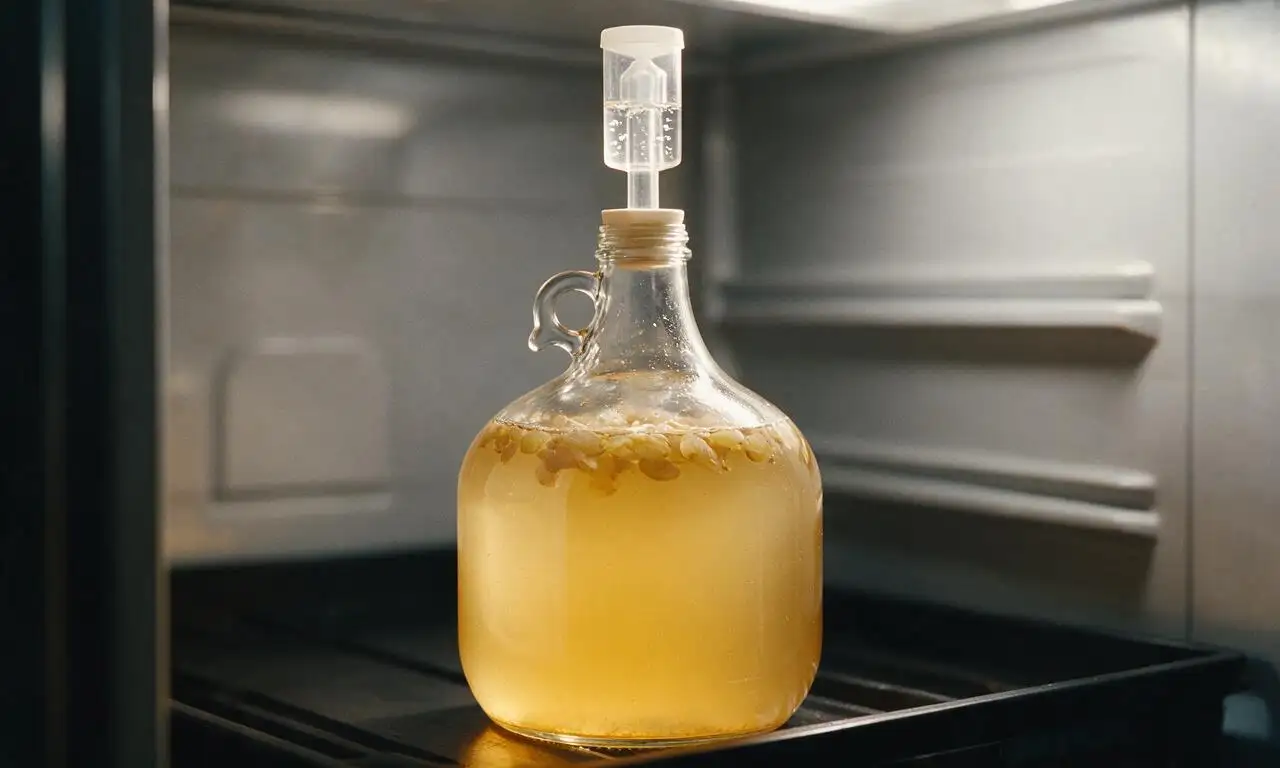
Rack for secondary fermentation
After 7 days of primary fermentation, place the fermenter on a counter 60cm higher than a second sanitized 1L glass vessel, insert the sanitized siphon tube to draw clear wine off the thick pale beige sediment (lees) layer at the bottom of the first fermenter, leaving all pulp and sediment behind. Seal the new vessel with a sanitized airlock, and return it to a dark, cool space at 16°C/61°F for 21 days to finish fermentation and clarify completely; do not open or stir the wine during this period.
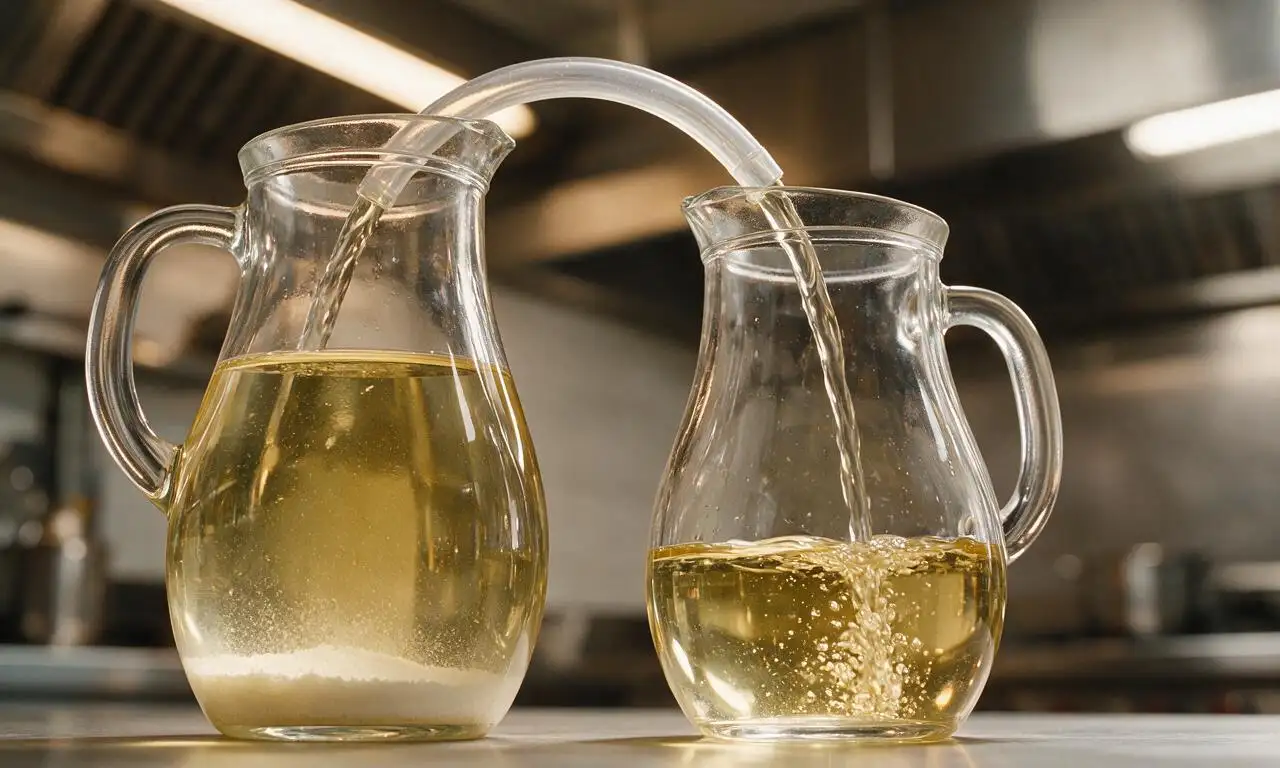
Bottle and chill to serve
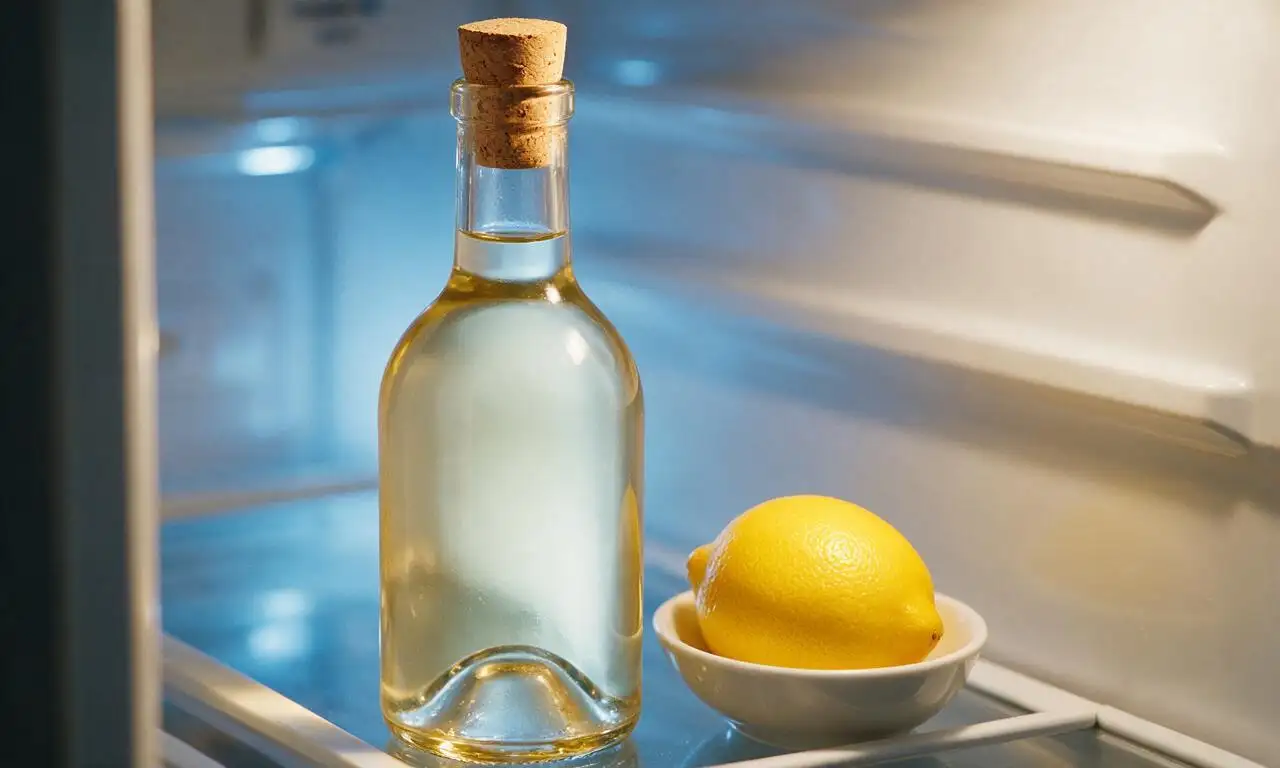
Once secondary fermentation is complete (no bubbles appear in the airlock for 3 consecutive days), siphon the clear, bright white wine into a sanitized 750ml glass wine bottle, seal with a cork, and chill in the refrigerator at 4°C/39°F for at least 2 hours before serving. The 1kg grape batch yields approximately 600ml of finished wine, equal to four 150ml standard servings.
Tips
2.Keep fermentation areas at a consistent temperature; swings of more than 5°C (9°F) can cause stalled fermentation or produce harsh, off-flavors in the wine.
3.For a sweeter finished white wine, stir in an extra 50g (1/4 cup) of dissolved, cooled sugar right before bottling, only after fermentation is fully complete to avoid re-fermentation in the bottle.






OMG, I made this for our last neighborhood potluck and everyone was begging for the recipe! It’s so crisp, not too sweet, perfect for sipping with cheese and crackers. I was nervous about making wine at home but the small batch size was totally doable even with my chaotic schedule of kid sports and meal prep. SO good, will absolutely be making this again!
Turned out really nice overall! I let mine ferment a couple extra days because I like my white wine extra dry, and it paired perfectly with the baked salmon I made for family dinner last night. Only knock is I wish the prep steps had a couple more callouts for sanitizing equipment, but I figured it out as I went. Would recommend for anyone wanting to dip their toes into home winemaking without a huge investment.
Game changer! I live in a tiny NYC apartment so I can’t do big batch wine kits that take up a ton of space, but this small batch fit perfectly on the corner of my kitchen counter. The end result is better than a lot of $15 bottles I pick up at the corner liquor store. Already planning my next batch to bring to my friend’s girls’ night next month!
Wait, hold up — I’ve never made any kind of alcohol at home before, is this actually hard to pull off? I don’t have any fancy winemaking gear, just regular kitchen stuff. Would I need to run out and buy a ton of special supplies for this? I love dry white wine so bad but I don’t want to waste money on equipment if it’s too complicated for a total beginner.
Made a batch last month for my dinner party and everyone raved about how bright and crisp it was! Only thing is mine turned out just a tiny bit sweeter than I prefer for a dry wine — did I maybe cut the fermentation a little too early? I followed the timeline exactly but maybe my kitchen was a little cooler than the recipe calls for?
Just bottled my first batch last night and snuck a tiny taste — HOLY COW this is good! Quick question though, how long do you all let it bottle age before cracking open the first bottle? I’m so impatient I want to drink one tonight but I don’t know if that’ll mess up the flavor.
I’ve been making small batch wine for a few years now, and this is easily the most reliable dry white recipe I’ve tried. The measurements are spot on, the timeline works perfectly if you keep your space at a steady temp, and the finished wine is so smooth I’ve even given bottles away as Christmas and birthday gifts to my family. Everyone thinks I spent a fortune on fancy store-bought wine!
Pro tip for anyone making this: save a couple of your old empty wine bottles (just peel the labels off and sanitize them real good) and you don’t even need to buy new bottles for this batch! I did that and saved like 15 bucks, plus it feels extra sustainable. The wine turned out amazing, super dry, paired great with the grilled chicken I made for our cookout last weekend.
My kids kept making fun of me for wanting to make homemade wine, but when this was done they all asked for a bottle to take home to their roommates! It’s so smooth and dry, perfect for sipping after a long day of work. I even used a bottle in my white wine pasta sauce last night and it made the whole dish taste like it came from a fancy Italian restaurant. 10/10, will be making this on rotation now.