1.What exactly is traditional Lakota wojapi?
▾
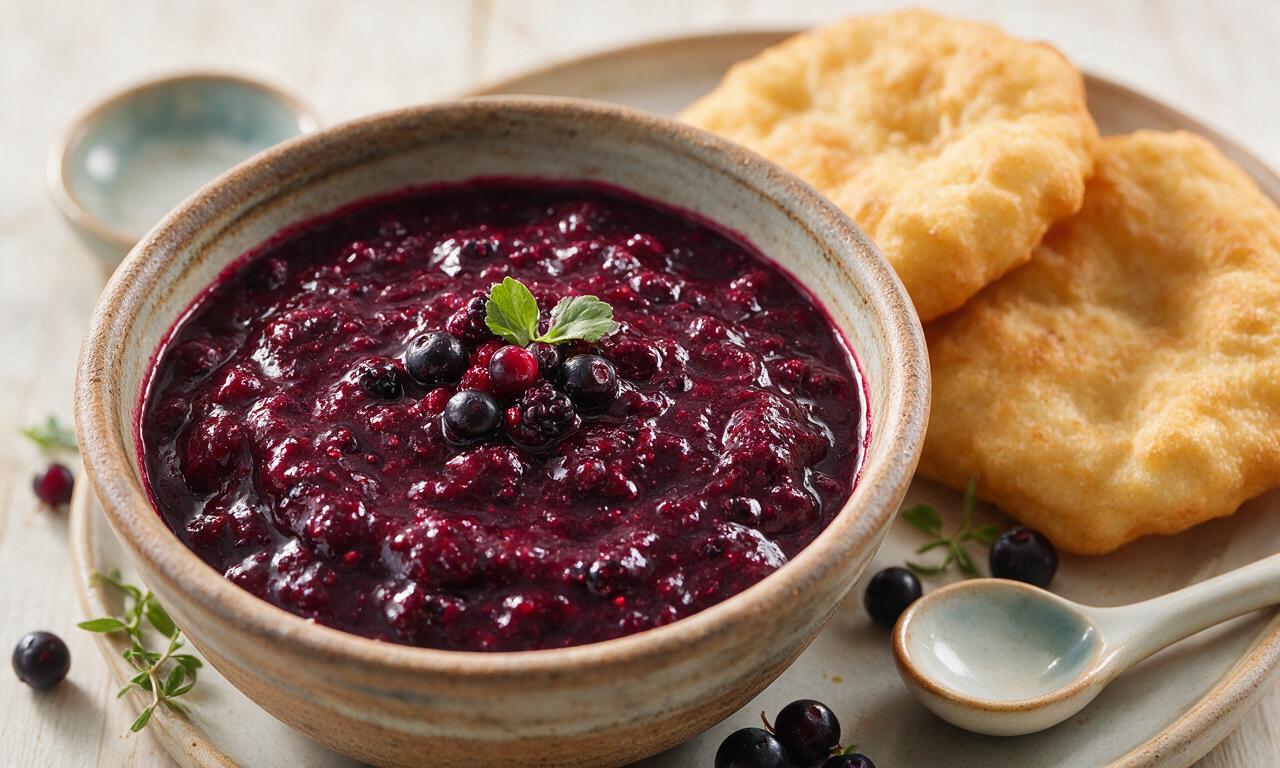
Wojapi is a thick, chunky, naturally sweetened berry sauce core to Lakota culinary tradition. Historically prepared for community feasts and shared gatherings, it is most classically served warm alongside fresh frybread, and relies on simple, minimally processed ingredients rather than refined sugars or artificial thickeners to highlight bright wild berry flavor.
2.What berries are most authentic for making traditional wojapi?
▾
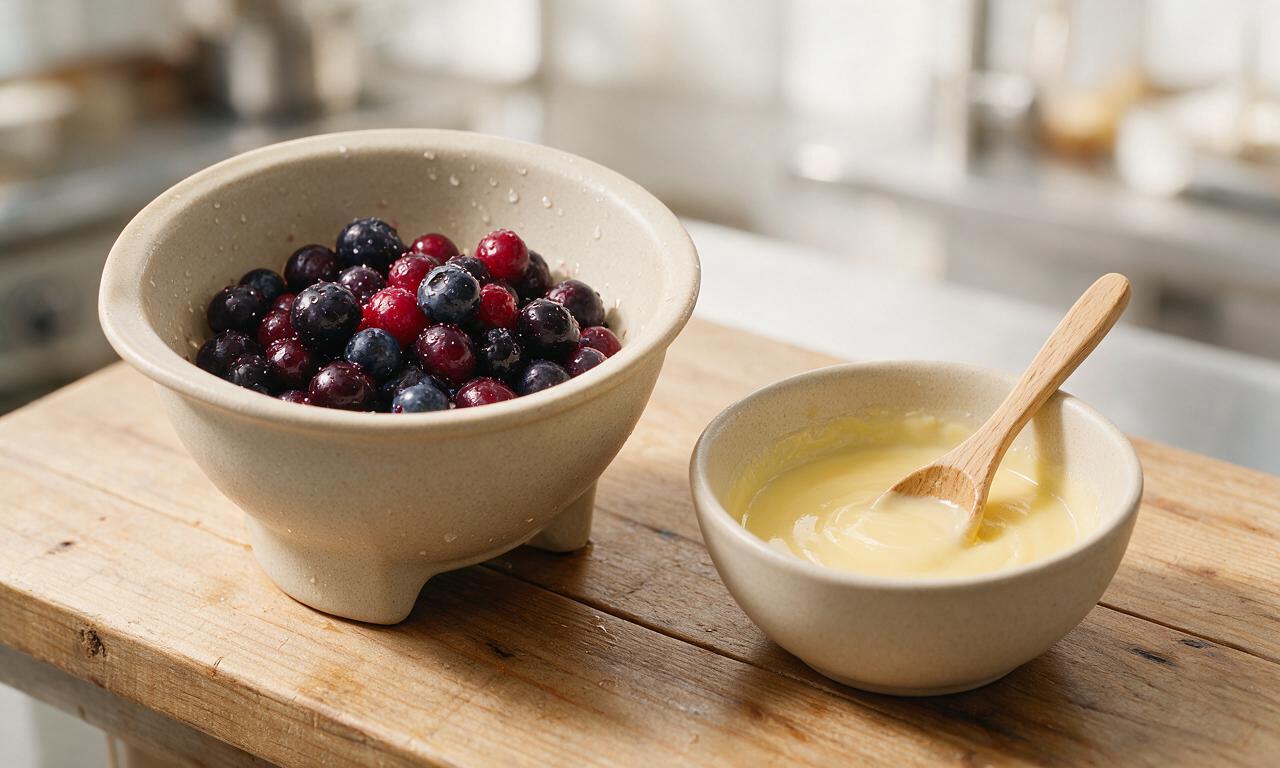
The most traditional blend uses a mix of foraged wild berries: chokecherries, wild blueberries, wild raspberries, and wild blackberries. Chokecherries add a signature bright, slightly astringent tartness that balances the sweeter berries, though store-bought unsweetened fresh or frozen versions of these berries work perfectly if foraging is not accessible.
3.Can I use frozen berries instead of fresh for this recipe?
▾
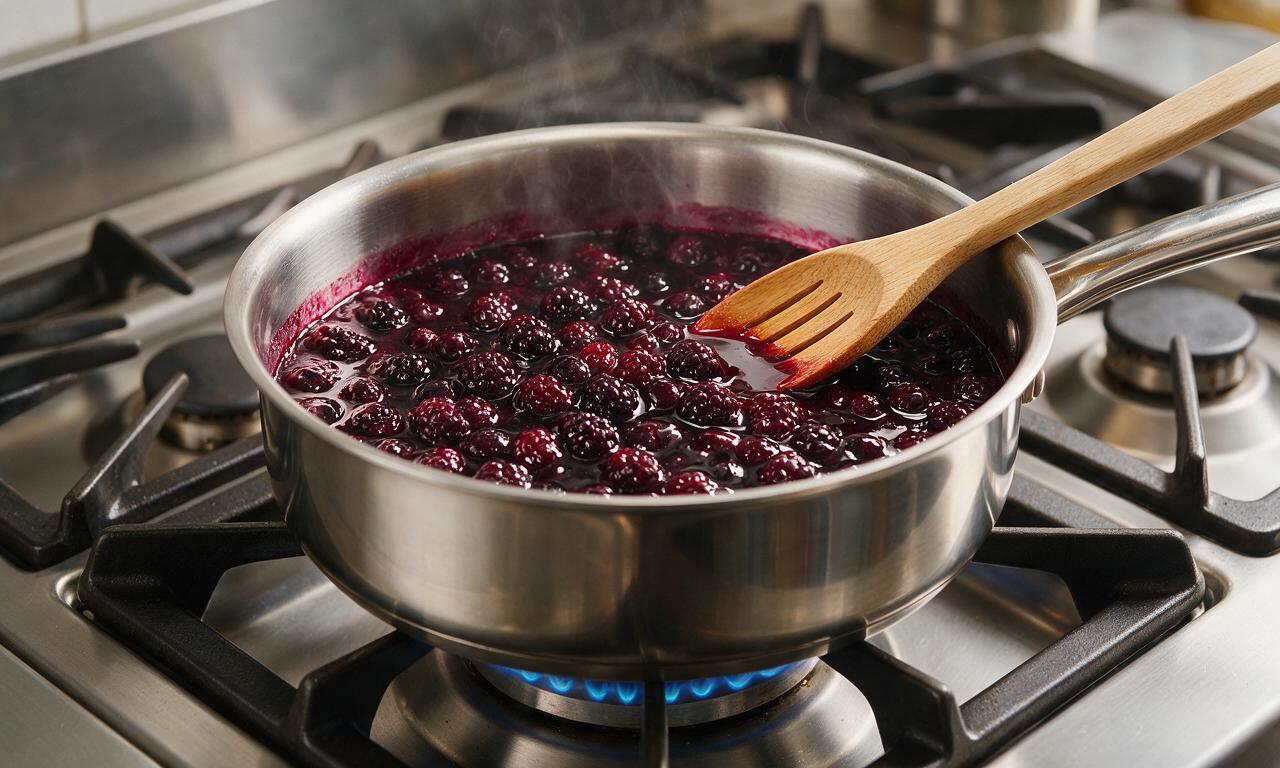
Absolutely—frozen wild berries work beautifully for wojapi, as they are typically picked and frozen at peak ripeness for bold, consistent flavor. There is no need to thaw them first; just add a minute or two to your simmer time to break them down, and brush off any excess icy frost before cooking to avoid watery sauce.
4.Why use fine yellow cornmeal instead of flour or cornstarch to thicken wojapi?
▾
Fine yellow cornmeal is the traditional thickener for wojapi, lending a subtle earthy, nutty depth that neutral cornstarch or white flour cannot match. It creates the sauce’s signature hearty, rustic, chunky texture rather than a glossy, gel-like consistency, and eliminates the risk of raw flour taste common with undercooked flour thickeners.
5.I can’t find wild chokecherries—what’s a good substitute?
▾
If wild chokecherries are unavailable, use pitted, unsweetened tart black cherries mixed with an extra ¼ teaspoon of fresh lemon juice to mimic their signature bright, slightly tart, astringent profile. Skip canned cherry pie filling entirely, as it is loaded with refined sugar, artificial flavor, and pre-added thickeners that throw off the sauce’s balance.
6.How much maple syrup should I use, and can I adjust the sweetness?
▾
Start with 2 tablespoons of pure maple syrup, then taste the sauce once the berries have fully broken down during simmering. Wild berries vary widely in natural sweetness, especially if using tart chokecherries, so add more maple syrup 1 teaspoon at a time to taste; traditional wojapi is lightly sweet, not cloying, to let berry flavor shine.
7.Why do I need to mix cornmeal with cold water before adding it to the berries?
▾
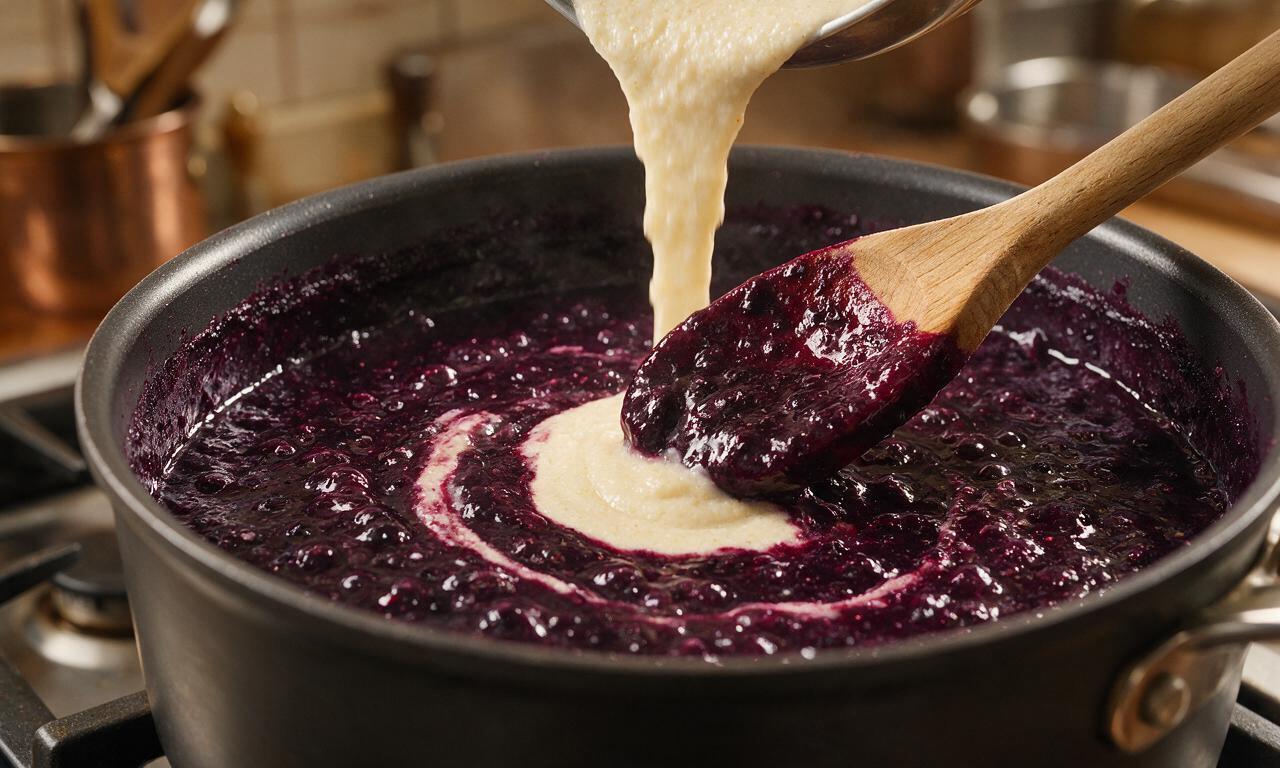
Mixing cornmeal with cold water to make a smooth slurry before adding it to hot simmering berries prevents dry, gritty lumps from forming. If you dump dry cornmeal straight into the hot pot, the outer layer of each grain gelatinizes instantly, trapping dry, uncooked cornmeal inside clumps that will not break down as the sauce simmers.
8.What is the ideal texture for finished wojapi?
▾
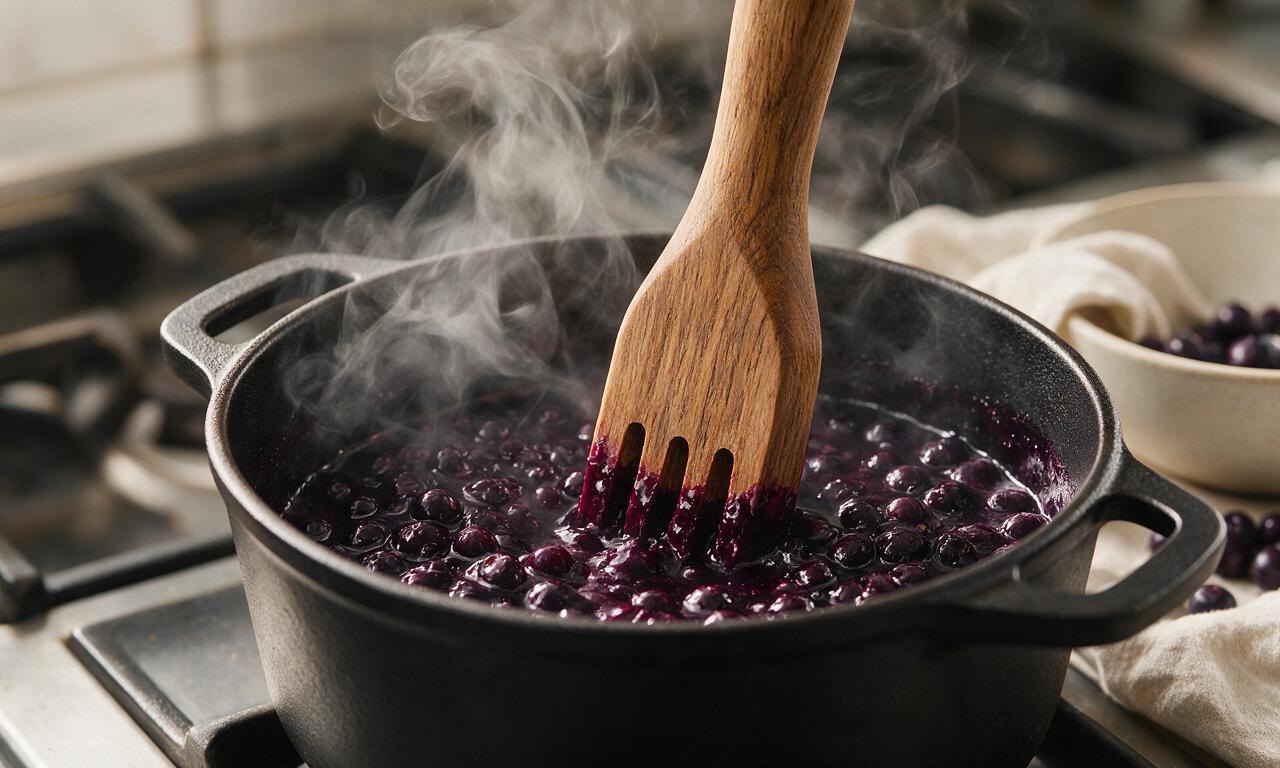
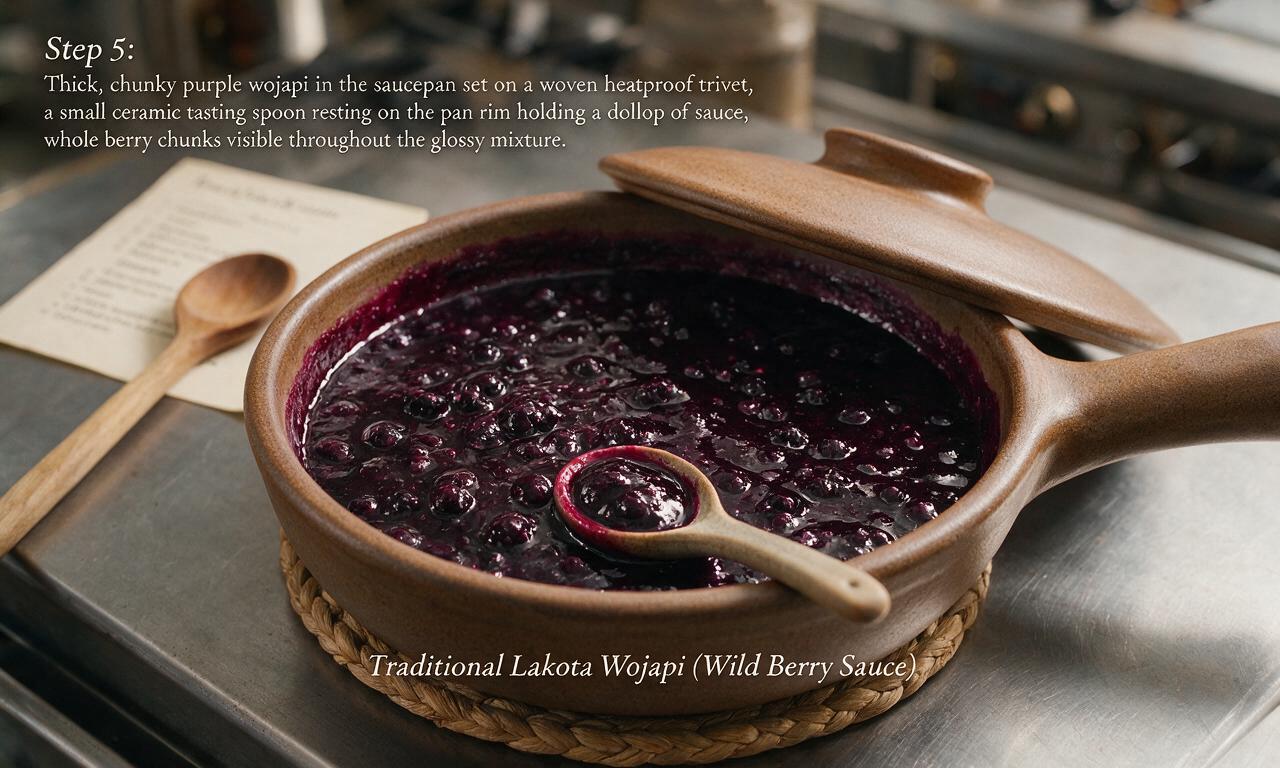
Traditional wojapi is thick, spoonable, and chunky, not thin and runny or perfectly smooth like commercial berry syrup. You will still see distinct, soft pieces of berry throughout, and it will coat the back of a spoon without dripping off too quickly, though it will never be as firm or set as jam or jelly when cooled.
9.What are the most traditional ways to serve wojapi?
▾
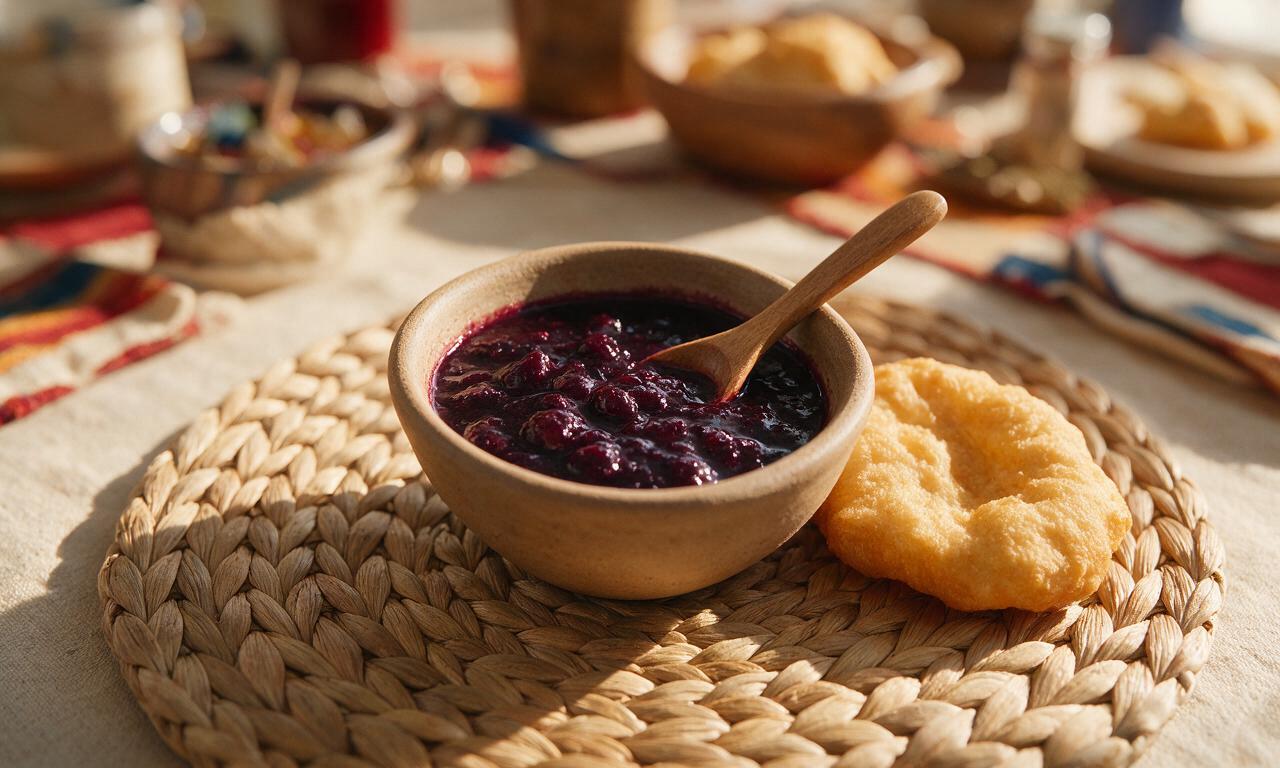
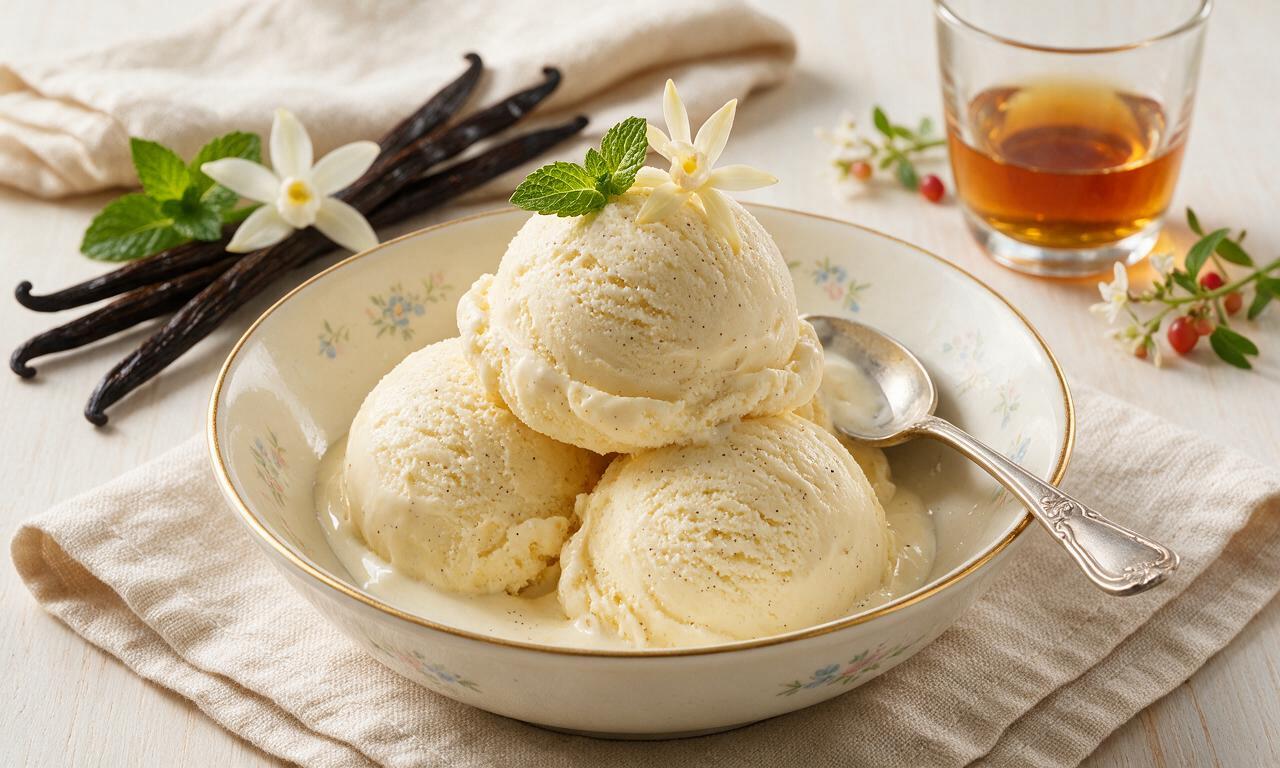
The most classic serving method is spooning warm wojapi over fresh, hot frybread at community feasts and gatherings, the pairing most people associate with the dish. It also works wonderfully drizzled over bannock, plain oatmeal, unsweetened yogurt, vanilla ice cream, or even roasted bison or venison for a sweet-savory twist.
10.Can I make wojapi ahead of time, and how long does it keep in the fridge?
▾
Yes, wojapi stores extremely well for make-ahead meals. Let the finished sauce cool completely to room temperature, then transfer it to an airtight glass container and refrigerate for up to 1 week. It will thicken slightly as it chills, so stir in a splash of cold water when reheating if it gets thicker than you prefer.
11.Can I freeze leftover wojapi for later use?
▾
Absolutely—wojapi freezes beautifully for up to 6 months without losing flavor or texture. Portion it into labeled freezer-safe containers, leaving ½ inch of headspace to allow for expansion as it freezes. Thaw it overnight in the fridge, or reheat gently on the stovetop over low heat, stirring occasionally, before serving.
12.Do I need to strain out the berry seeds for authentic wojapi?
▾
No, traditional wojapi is left unstrained to keep its rustic, chunky texture and retain all the fiber and nutrients from the wild berries. If you strongly dislike seedy texture, you can strain half the batch and mix it back in for a smoother consistency, but straining all seeds will result in a thinner, less authentic sauce.
13.What purpose does the fresh lemon juice serve in this recipe?
▾
The small amount of fresh lemon juice brightens the deep, rich flavor of the mixed berries, cuts through any subtle sweetness from the maple syrup, and balances the slight astringency of traditional chokecherries. It also helps the berries retain their vibrant deep purple-red color as they simmer, instead of fading to a dull, muted brown.
14.Can I add extra spices or seasonings to my wojapi?
▾
Traditional wojapi relies on the pure, bright flavor of wild berries, cornmeal, and maple, so added spices are not standard. If you want a gentle personal twist, a tiny pinch of ground cinnamon or one fresh sage leaf (removed before serving) can complement the fruit, but skip strong spices like clove or nutmeg that will mask the berry flavor.
15.My wojapi turned out too thin—how can I fix it?
▾
If your sauce is still runny after the recommended simmer time, mix 1 extra teaspoon of fine yellow cornmeal with 2 tablespoons of cold water to make a smooth slurry, stir it into the simmering sauce, and cook for 3 to 4 more minutes until it thickens. Avoid adding large amounts of cornmeal at once, as this can quickly make the sauce too thick and pasty.
16.My wojapi is too thick and pasty—what went wrong, and can I fix it?
▾
This issue usually stems from adding too much cornmeal, or simmering the sauce over too-high heat that cooks off excess liquid too quickly. Fix it by stirring in 1 tablespoon of cold water or unsweetened berry juice at a time over low heat, until it reaches a spoonable, chunky consistency, then adjust sweetness or lemon juice to taste if diluted.
17.Is wojapi the same as other Indigenous berry sauces or jams?
▾
No, wojapi is specific to Lakota and other Great Plains Indigenous communities, distinguished by its cornmeal thickener, low added sweetener level, and signature chunky texture. Unlike jam, it is not cooked to a firm gel set with large amounts of sugar, and unlike thin fruit syrups, it has a hearty, substantial mouthfeel from the cornmeal.


OMG this wojapi is SO good! I foraged some wild chokecherries and raspberries near my cabin last weekend and decided to give this recipe a shot for our community potluck, and people were scraping the bowl clean! It’s so easy to throw together too, I didn’t even need any fancy ingredients. 10/10 will be making this all summer long.
Tried this last night to go with fry bread for our family dinner, and my kids loved it! I didn’t have wild berries so I used a mix of frozen blueberries and blackberries from the grocery store, and it still turned out amazing. Only thing I’m wondering is if it freezes well? I want to make a big batch for meal prep.
Game changer! I’ve been looking for an authentic wojapi recipe forever after trying it at a Native American heritage festival a few years back, and this hits exactly the same. I added a tiny pinch of cinnamon like my grandma used to and it was chef’s kiss. Served it over vanilla ice cream for my book club and everyone asked for the recipe!
Made this for my roommate’s birthday dinner since she’s Lakota and was feeling homesick, and she said it tasted exactly like the wojapi her grandpa used to make. I was worried I’d mess it up since I’m not a super confident cook, but the steps were so straightforward even I couldn’t mess it up. Will absolutely be making this again!
Used wild huckleberries I picked on a hike last week to make this, and wow. I’ve had wojapi at powwows before but never made it myself, and this recipe was so simple. I love that it’s not overly sweet like a lot of store-bought berry sauces—you can actually taste the berries! Poured it over bannock for breakfast this morning and it was perfect. Only reason I’m not giving 5 stars is I wish it had a note about how thick it gets as it cools! I thought I messed up because it was pretty runny right after simmering, but it thickened up perfectly once it sat for 10 minutes.
Wait, is this supposed to be chunkier or completely smooth? I blended half of it because I like a smoother sauce, but I’m not sure if that’s traditional? Either way it’s delicious, I served it with grilled pork chops last night and the sweet-savory combo was insane. SO good, even if I did tweak the texture.