1.Why are black-eyed peas considered a lucky New Year’s food in the American South?
▾
This beloved tradition dates back to Civil War-era lore, when black-eyed peas were a hardy field crop left untouched by Union raiders, feeding struggling communities through harsh winters. The peas represent coins to symbolize coming prosperity, especially when served with collard greens (paper money) and cornbread (gold) for the full lucky spread.
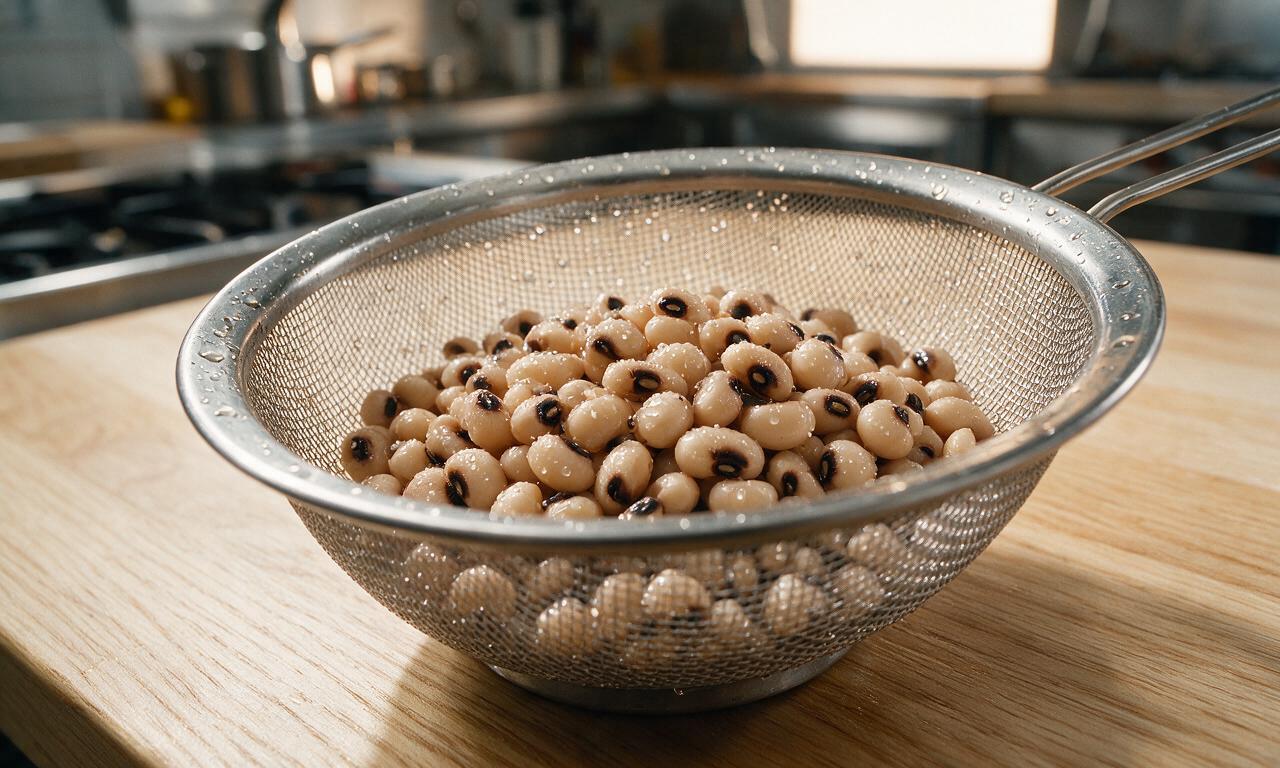
2.Do I have to soak dried black-eyed peas before making this recipe?
▾
You don’t have to, but soaking cuts simmer time roughly in half and helps peas cook far more evenly, so you don’t end up with a frustrating mix of mushy split peas and rock-hard undercooked ones. Do a quick 1-hour hot soak, or overnight cold soak, for consistently tender, creamy peas in every bite.
3.Can I use canned black-eyed peas instead of dried for this recipe?
▾
You absolutely can in a time crunch, though the final texture will be a little softer and the flavor less deep without the long slow simmer. Use 3 (15-oz) cans, drained and rinsed, and add them during the last 20 minutes of cooking so they don’t turn to mushy paste while absorbing smoky pork and aromatic veggie flavors.
4.What if I can’t find a smoked pork hock for this recipe?
▾
Smoked pork hock brings that signature salty, smoky backbone, but easy swaps work great: use 8 oz of thick-cut smoked bacon, a smoked turkey leg, or a regular smoked ham hock. For a vegetarian version, add 1 tsp smoked paprika, a parmesan rind, and a tiny splash of hickory liquid smoke to mimic that rich savoriness.
5.What is the “holy trinity” referenced in Southern black-eyed pea recipes?
▾
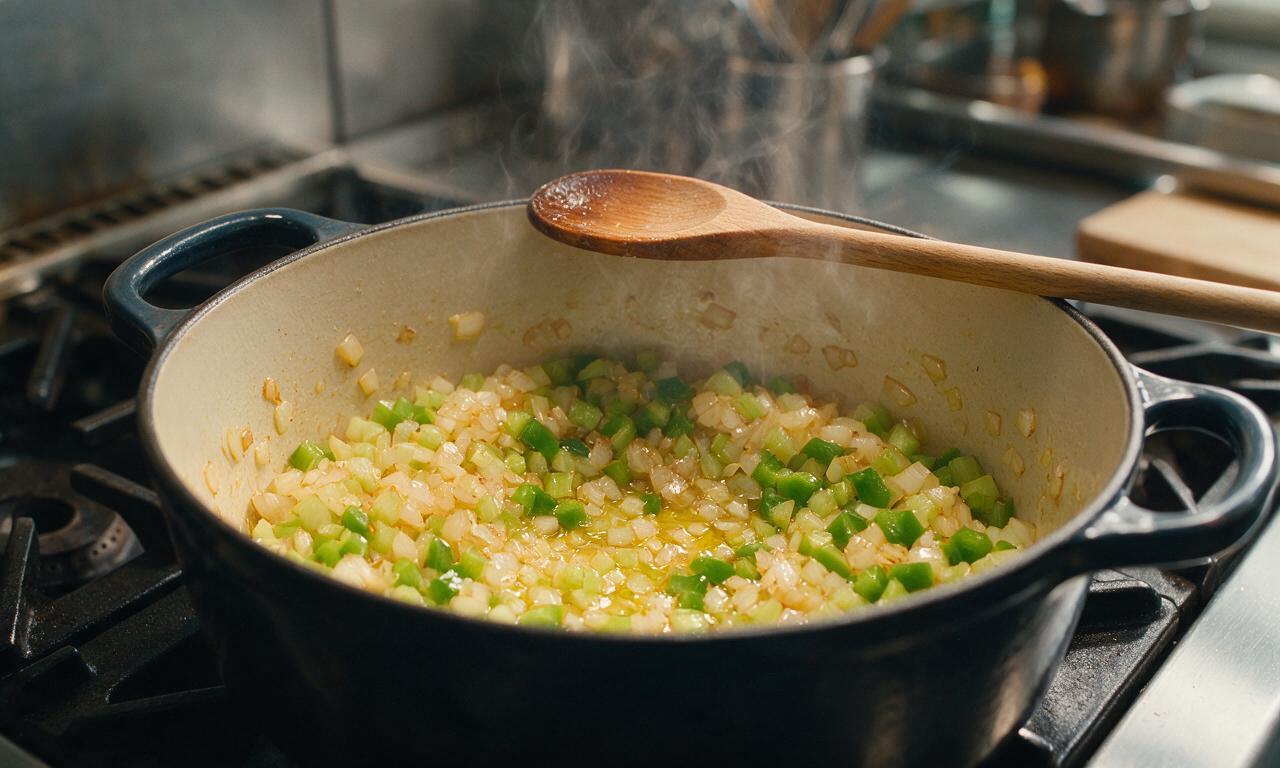
That’s the classic Southern aromatic base made of the key veggies in this recipe: diced yellow onion, celery, and green bell pepper. We sauté these low and slow first to build a sweet, layered flavor foundation before adding peas and pork, so every bite has that cozy, home-style depth instead of flat, unseasoned peas.
6.How long should I simmer the peas for the best texture?
▾
If using pre-soaked dried peas, plan for a gentle 45 to 60 minute low simmer with the pork hock and trinity. If cooking unsoaked dried peas, budget 2 to 2.5 hours, stirring occasionally, until peas are tender but not totally falling apart, with a subtle creamy bite left at the center.
7.Should I add salt at the beginning or end of cooking?
▾
Hold off on salting until the peas are almost fully tender! Salting dried legumes too early can toughen their outer skins, extending cook time and leading to uneven texture. The smoked pork hock already adds significant salt, so taste first after peas soften before adding extra salt to avoid over-seasoning.
8.Why are my black-eyed peas still hard after hours of simmering?
▾
This almost always traces back to old dried peas—peas stored in the pantry for more than a year won’t soften properly, no matter how long you cook them. Very hard, high-mineral tap water can also cause this; use filtered water and a tiny pinch of baking soda to help break down tough pea skins if needed.
9.Do I leave the smoked pork hock in the peas when serving?
▾
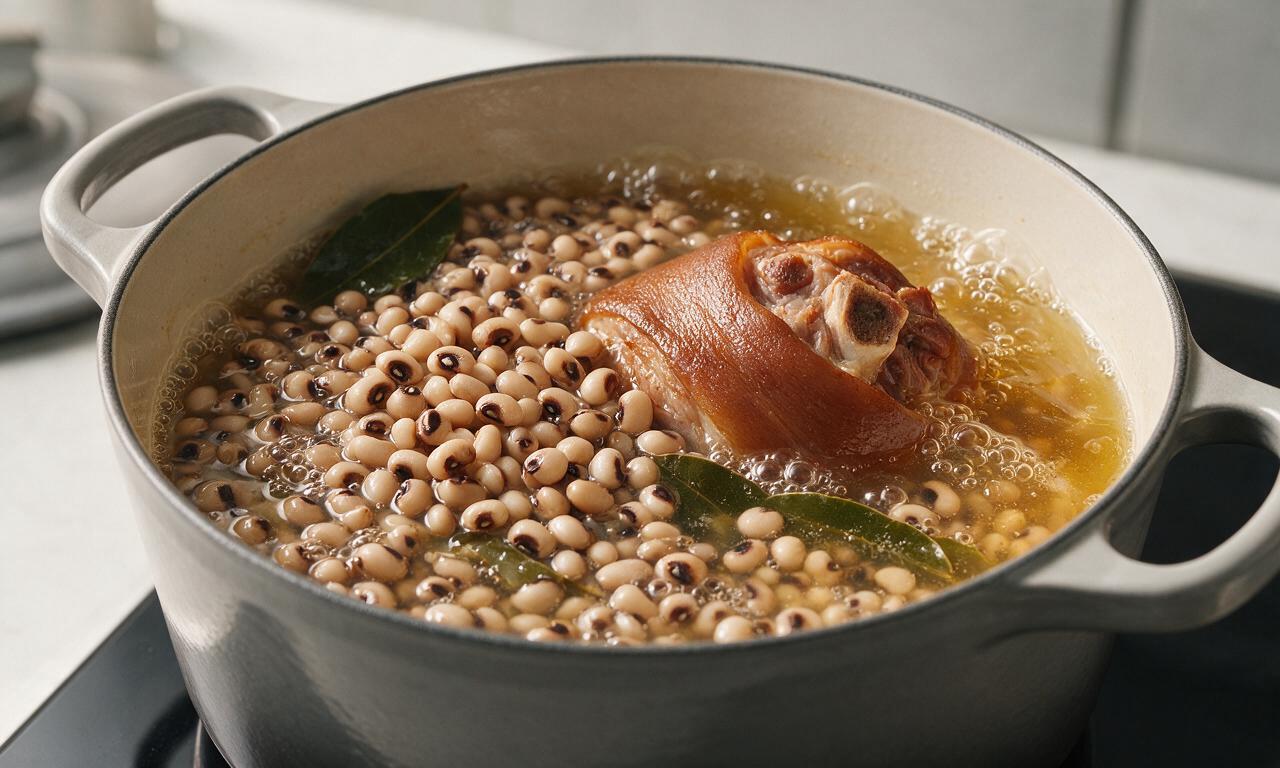
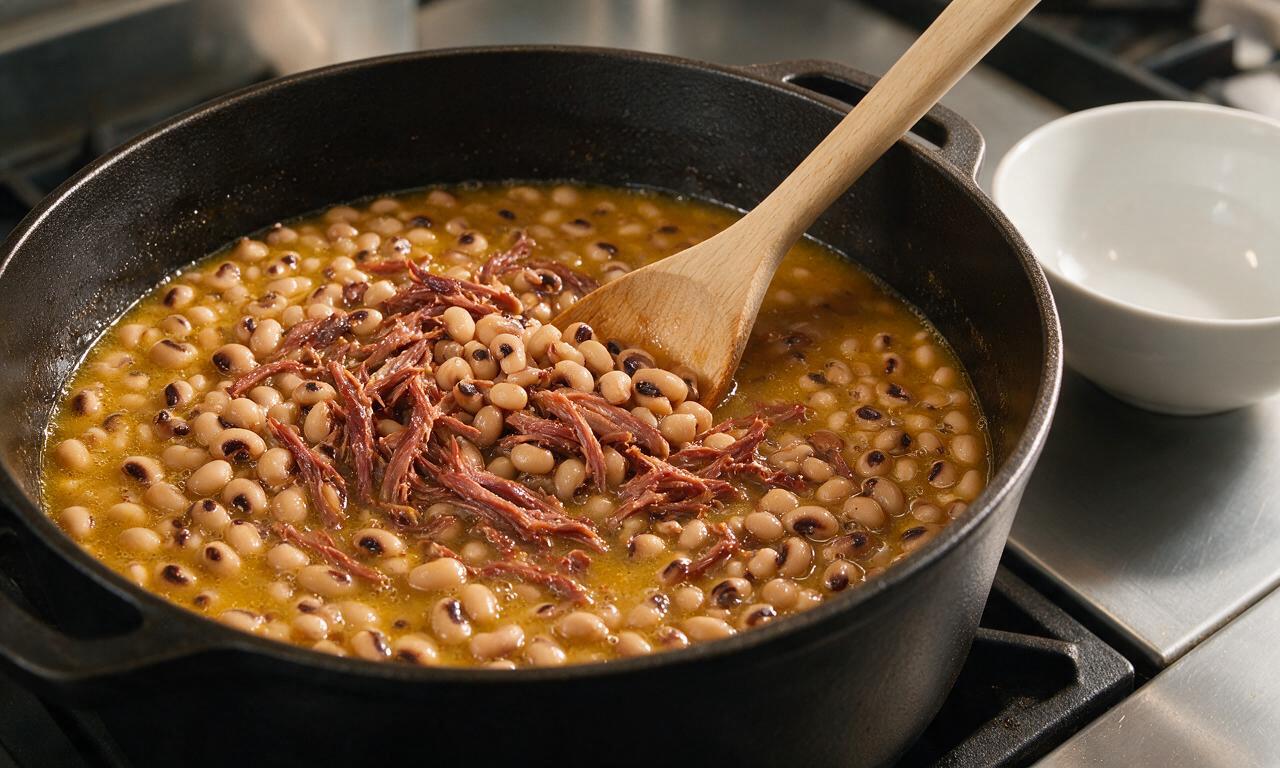
Pull the hock out once the peas finish simmering, let it cool 5 minutes, then pick off all the tender, smoky meat, discard the tough skin and bone, and stir the shredded meat back into the pot. That way every serving gets rich bits of pork, instead of leaving guests to navigate a large hock in the serving bowl.
10.What are the best traditional side dishes to serve with these peas?
▾
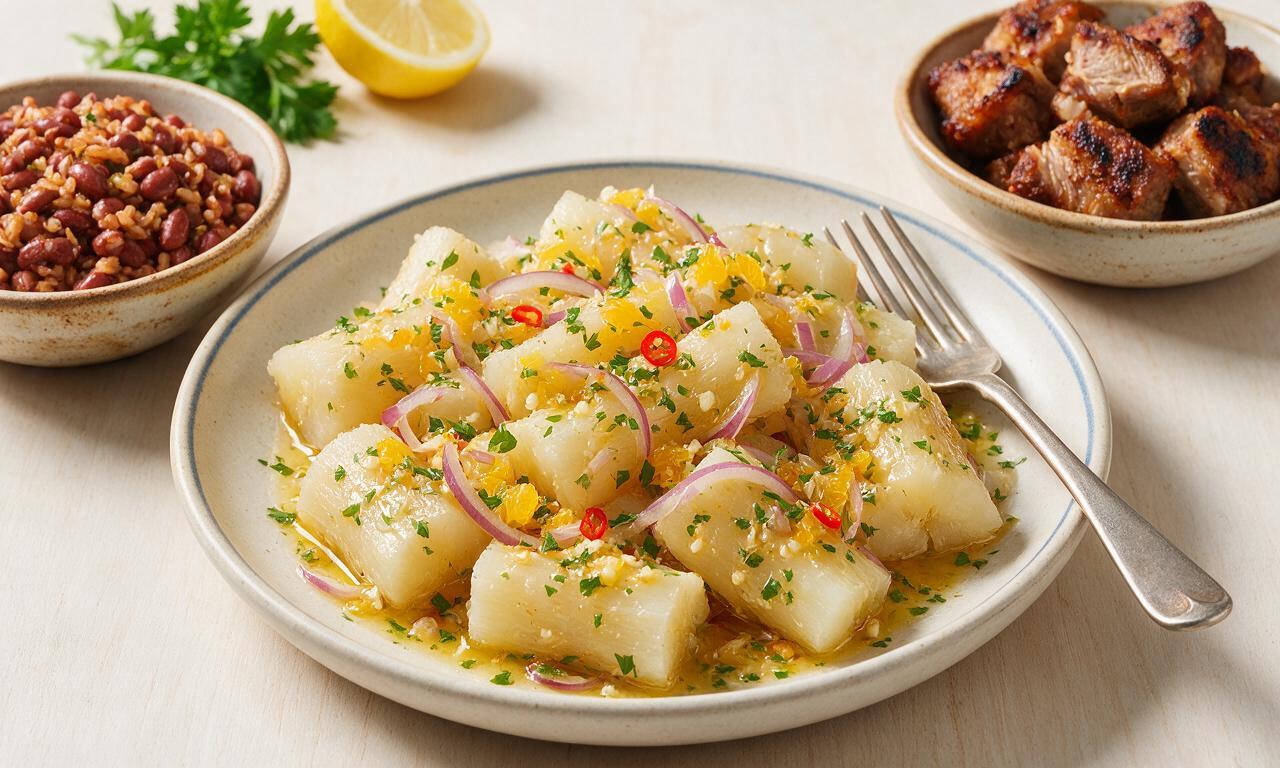
Stick to the classic lucky Southern spread! Serve peas alongside slow-cooked collard greens, buttery cast-iron cornbread, and tangy chow-chow or pickled okra. Crispy fried catfish or sliced ripe summer tomatoes also pair beautifully, cutting through the rich, smoky savoriness of the peas for a balanced meal.
11.Can I make these New Year’s black-eyed peas in a slow cooker?
▾
Absolutely—this recipe is built for low-and-slow slow cooker cooking! Sauté the trinity first for best flavor, then add all ingredients to the crock with 6 cups of broth or water, and cook on low for 6 to 7 hours, or high for 3 to 3.5 hours, until peas are tender. Shred the pork hock meat before serving.
12.Can I make these black-eyed peas ahead of time for a New Year’s gathering?
▾
They actually taste better made 1 to 2 days ahead! The smoky, savory flavors meld and deepen as they chill in the fridge, so prep them early to cut down on day-of party stress. Store in an airtight container, and reheat gently on the stovetop, adding a splash of broth if the peas thicken too much.
13.How do I store leftover black-eyed peas, and how long do they keep?
▾
Let cooled leftovers chill in a sealed airtight container in the fridge for up to 5 days, or freeze for up to 6 months in freezer-safe bags or rigid containers. When reheating, add a splash of chicken broth or water to thin the consistency, since peas absorb liquid as they sit, and warm slowly on the stovetop or microwave.
14.My last batch of peas turned out totally mushy—what did I do wrong?
▾
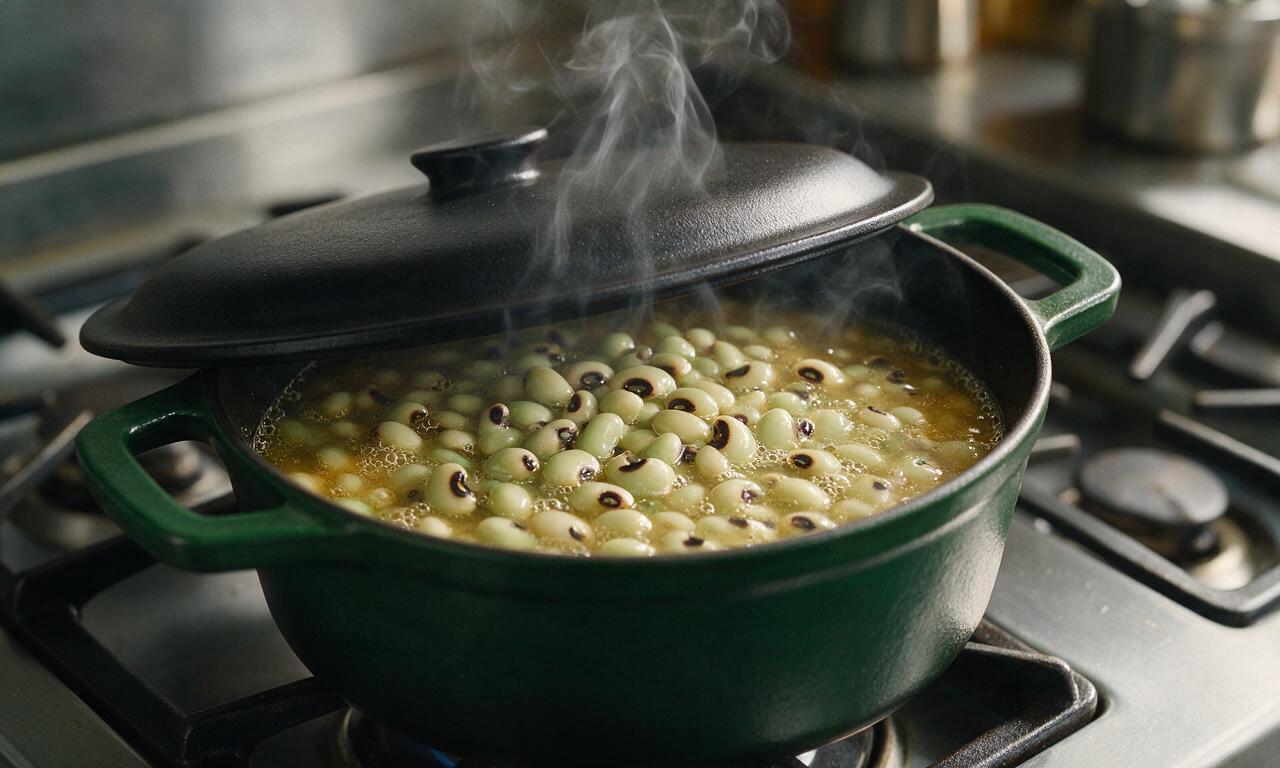
Mushy peas usually happen from boiling them too rapidly instead of keeping a soft, gentle simmer, or adding canned peas too early in the cook time. Next time, keep heat low enough that only a few bubbles break the surface at a time, and test doneness every 10 minutes once peas near tenderness to avoid overcooking.
15.Is there really a tradition of adding a coin to black-eyed peas for luck?
▾
That’s a beloved long-running Southern custom! Sterilize a shiny dime in boiling water first, then toss it into the pot while the peas simmer. Whoever gets the serving with the dime is said to have extra good luck and prosperity in the new year—just warn guests to watch for it to avoid any choking hazards.
16.Can I adapt this recipe to be vegetarian or vegan?
▾
Definitely! Swap the smoked pork hock for 1 teaspoon smoked paprika, 1/4 teaspoon hickory liquid smoke, a couple of dried shiitake mushrooms, and a vegetable bouillon cube to build deep umami, smoky flavor. Sauté the trinity in olive oil instead of rendered pork fat for a rich, plant-based pot of peas that doesn’t taste flat or bland.
17.How much liquid do I need to cook dried black-eyed peas properly?
▾
For every 1 pound of dried black-eyed peas, use 6 cups of liquid—low-sodium chicken broth, vegetable broth, or plain filtered water all work great. The liquid should cover peas by about 1 inch at the start of simmering; add splashes of hot (not cold, which can shock and toughen peas) water if levels drop too low as they cook.
18.Do I really need to pick through dried black-eyed peas before cooking?
▾
Yes, always take 2 to 3 minutes to do this! Spread dried peas on a baking sheet and sift through to remove small pebbles, bits of field debris, and shriveled, discolored peas that won’t cook properly. Skipping this step risks a very unpleasant bite on a hard rock, which is definitely not the lucky New Year’s experience you want.
19.Can I add extra seasonings or veggies to the base recipe?
▾
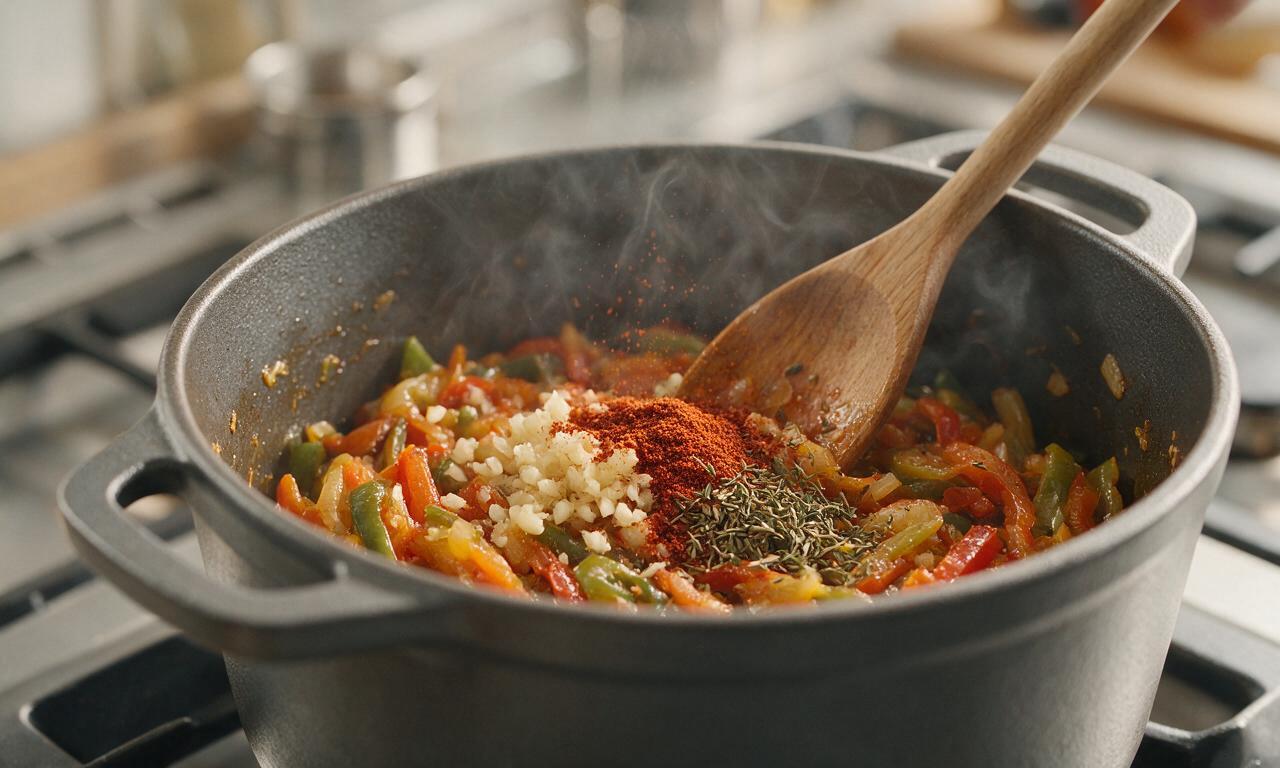
Of course! The classic recipe is simple, but feel free to add minced garlic with the trinity, a pinch of cayenne for heat, a bay leaf while simmering, or diced jalapeño for a kick. Just hold off on acidic ingredients like tomatoes or vinegar until peas are fully tender, since acid can toughen pea skins.
20.Why is pork specifically used in traditional New Year’s black-eyed peas?
▾
This ties back to old Southern prosperity symbolism! Pigs root forward as they forage, representing forward momentum and positive progress in the new year, unlike chickens that scratch backward. The smoked pork hock in this recipe checks that tradition box, while adding irreplaceable smoky, savory flavor that makes the peas taste like home.

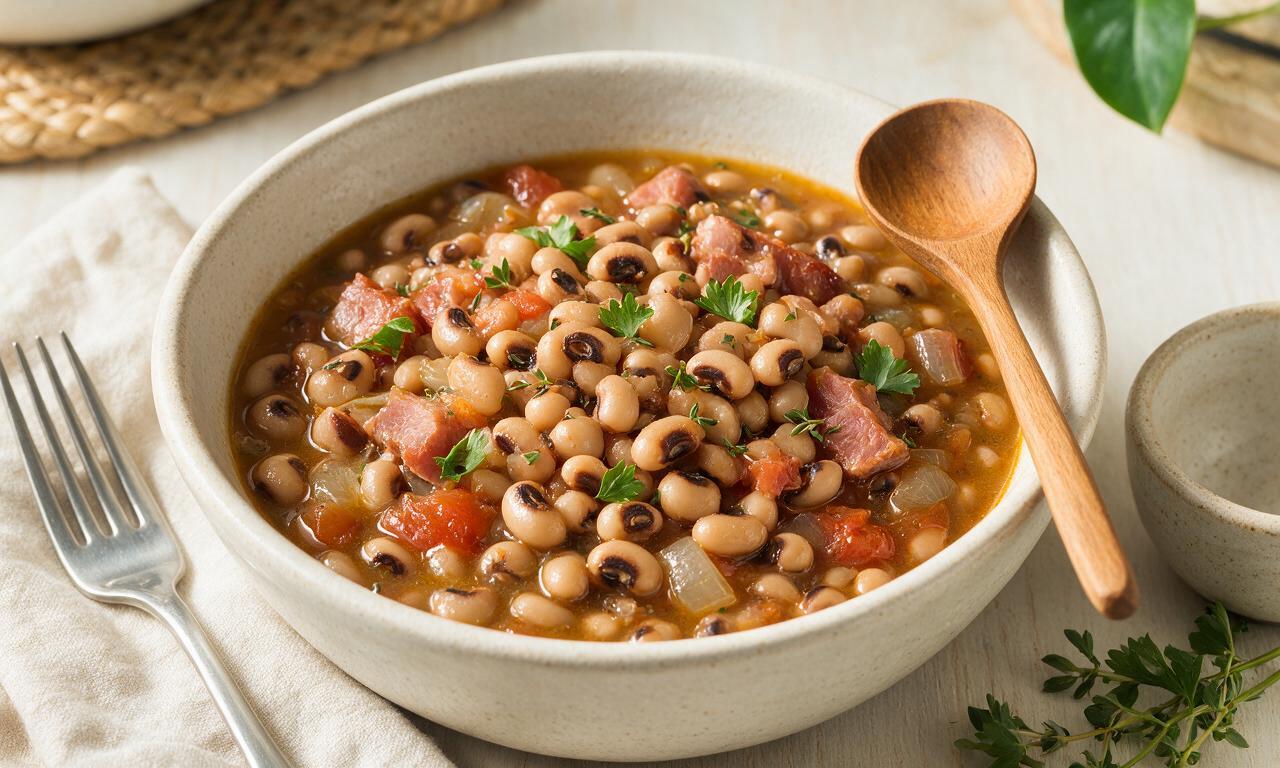




OMG I made these for our New Year's Day family dinner this year and everyone went back for seconds! I was worried dried black-eyed peas would be fussy but this recipe was so easy, even my teen who HATES beans asked for a second helping. Total game changer, we’re adding this to our yearly rotation for sure. Quick question though – can I make this a day ahead for a work potluck next week? I don’t want the peas to get mushy when I reheat it!
Super solid recipe, I threw this together in no time on New Year's Day after a late night watching the ball drop. Cook time was exactly as listed, no weird fancy hard-to-find ingredients, just straight up good comfort food. I added a little extra cayenne for a kick and it was chef’s kiss. Will definitely be meal prepping a batch this weekend to have for lunches all week.
My kids loved it!!! I’ve been trying to get them to eat more legumes for ages and they ate every last bite of these when I made them on New Year’s. I used turkey bacon instead of ham hock because that’s what I had in the fridge and it still turned out SO good. Even my picky 7 year old asked if we can have it for dinner again this week, not just on New Year’s!
Wait, hold up – I’ve been making black-eyed peas for New Year’s for over 10 years and this recipe is hands down better than my old go-to. No weird canned soup mix, just simple seasonings, and the 1 hour 20 minute cook time is totally doable even when you’re running around hosting a house full of people. Only quick note: I soaked my peas overnight like I always do and cut the cook time down by about 20 minutes, and they came out perfectly tender, no mushy bits at all.