Buttery Parker House Rolls

title 1
Buttery Parker House Rolls
⏱️ cook time 20 minutes
🍽️ servings 12
⚡ Difficulty medium

intro

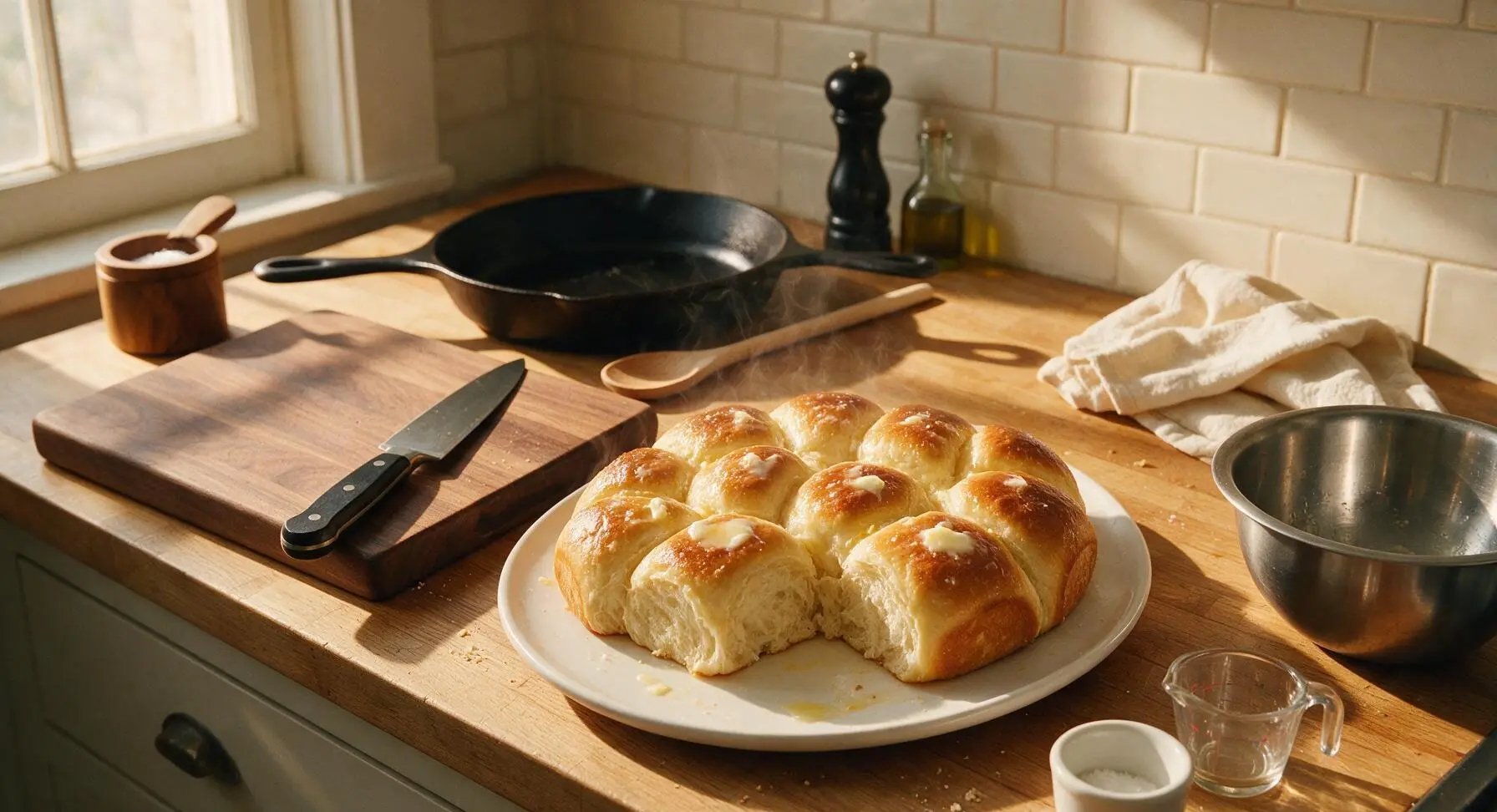
Soft, pillowy, butter-slathered Parker House Rolls with a crisp golden crust and cloud-like pull-apart crumb, the iconic New England staple for holiday tables.

Ingredients
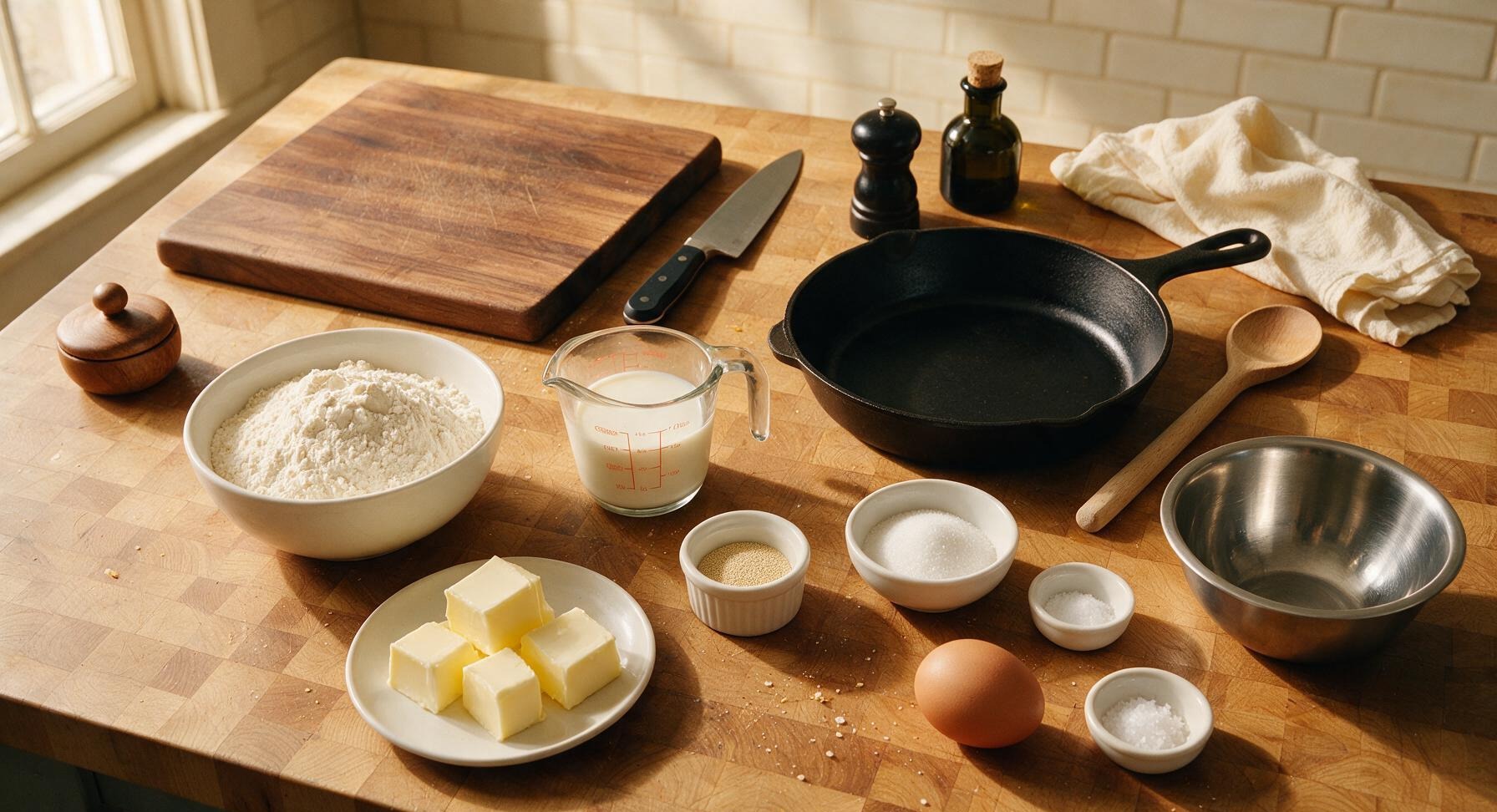
All-purpose flour 480g (4 cups, spooned and leveled)
Whole milk 240ml (1 cup)
Unsalted butter 85g (6 tbsp, divided: 4 tbsp for dough, 2 tbsp for topping)
Active dry yeast 7g (1 packet / 2 1/4 tsp)
Granulated sugar 25g (2 tbsp)
Fine sea salt 1 tsp
Large egg 1, room temperature
Flaky sea salt 1/4 tsp, for topping

Steps

1

Activate the Yeast

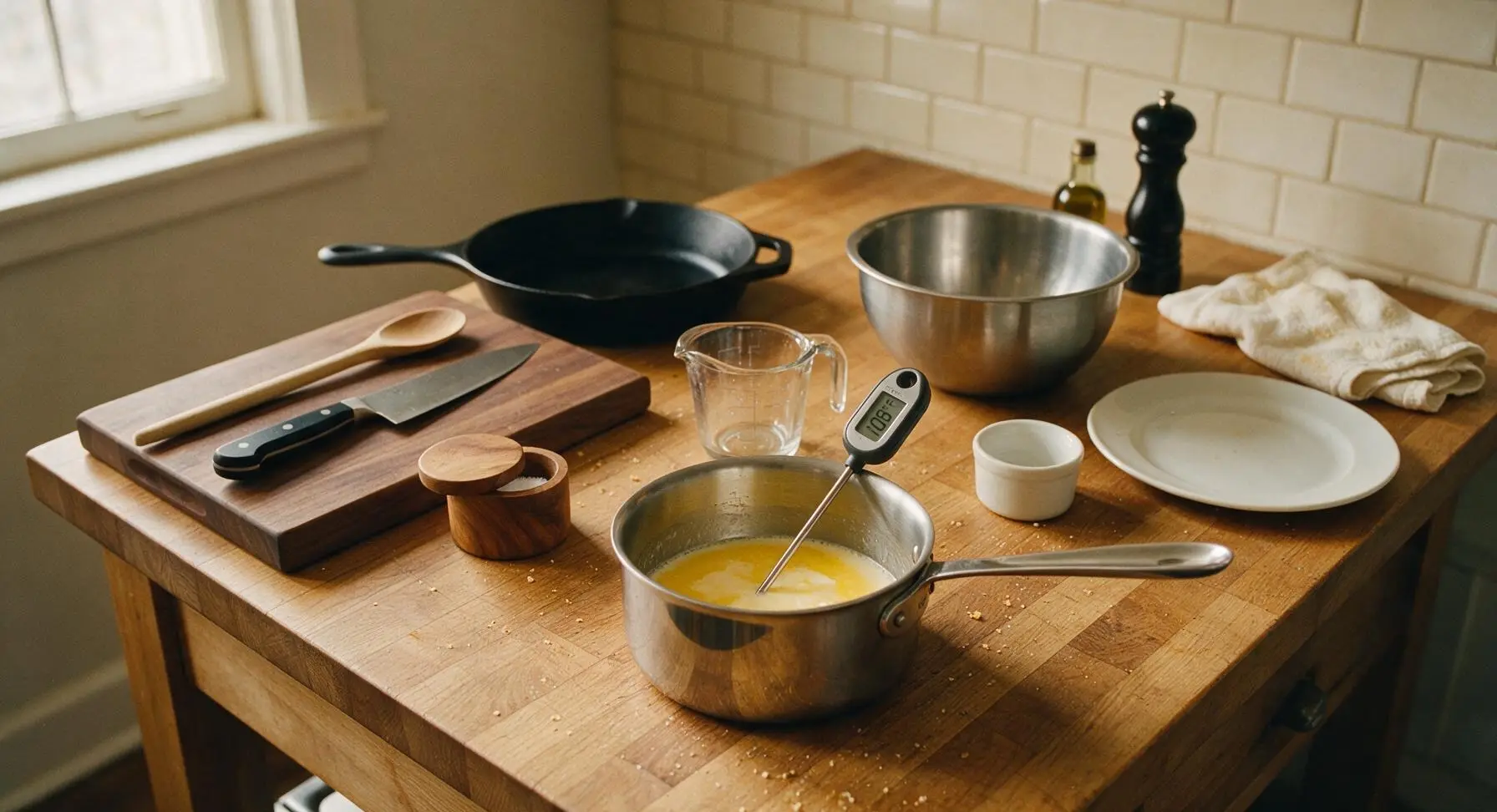
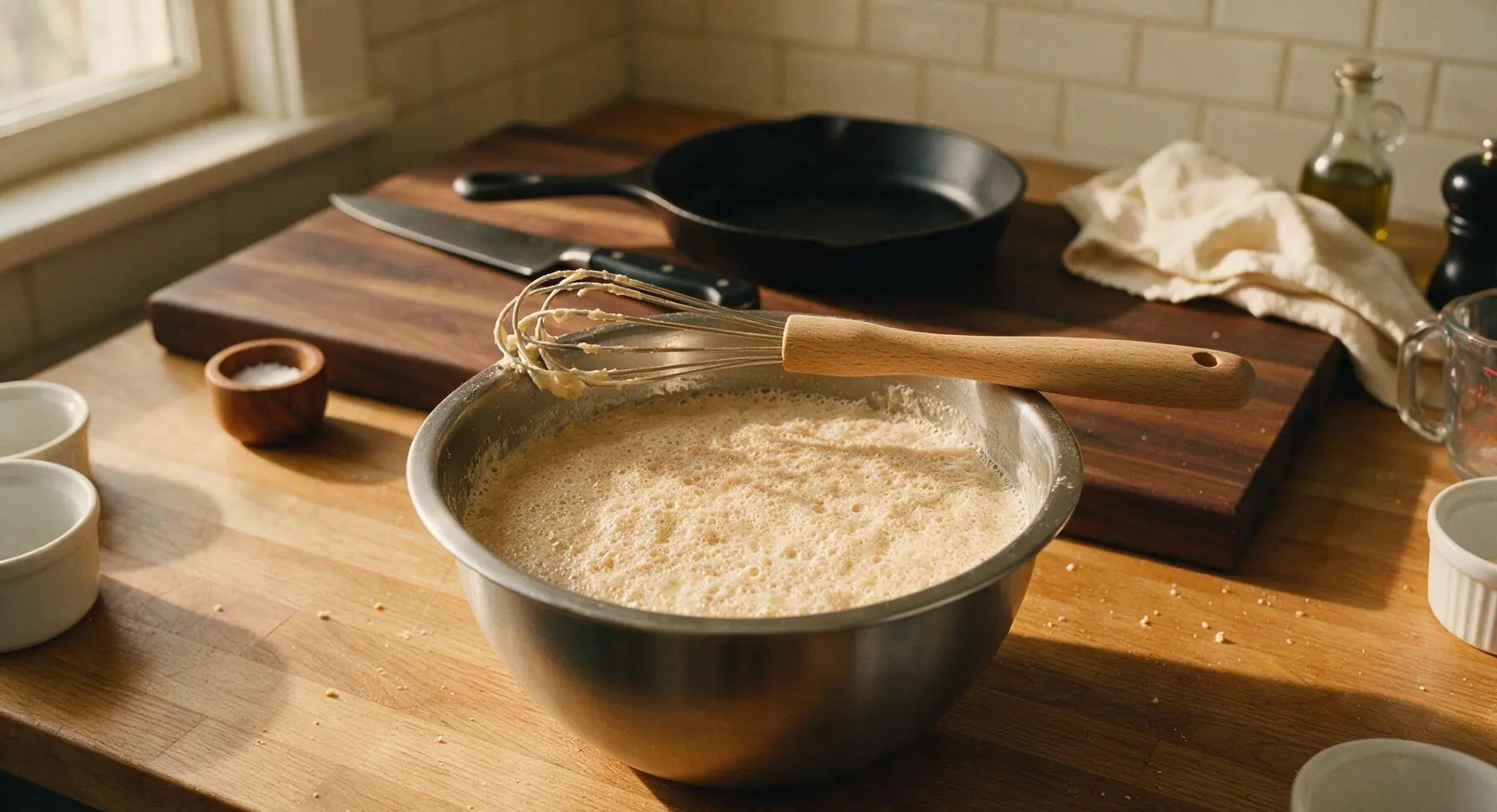
Warm 240ml whole milk and 57g (4 tbsp) unsalted butter in the 1-quart polished stainless steel saucepan over low heat until butter fully melts. Remove from heat and use the instant-read digital thermometer to confirm the mixture reaches 105–110°F (40–43°C); do not exceed 120°F to avoid killing yeast. Pour the warm milk-butter mixture into the 5-quart brushed stainless steel mixing bowl, stir in 2 tbsp granulated sugar and 7g (1 packet) active dry yeast with the beech wood dough whisk, then let rest 5–7 minutes until the surface is covered in a frothy, tan foam, confirming the yeast is active.
Step 1
step1:Activate the Yeast
Step 1
step1:Activate the Yeast
2

Mix the Dough

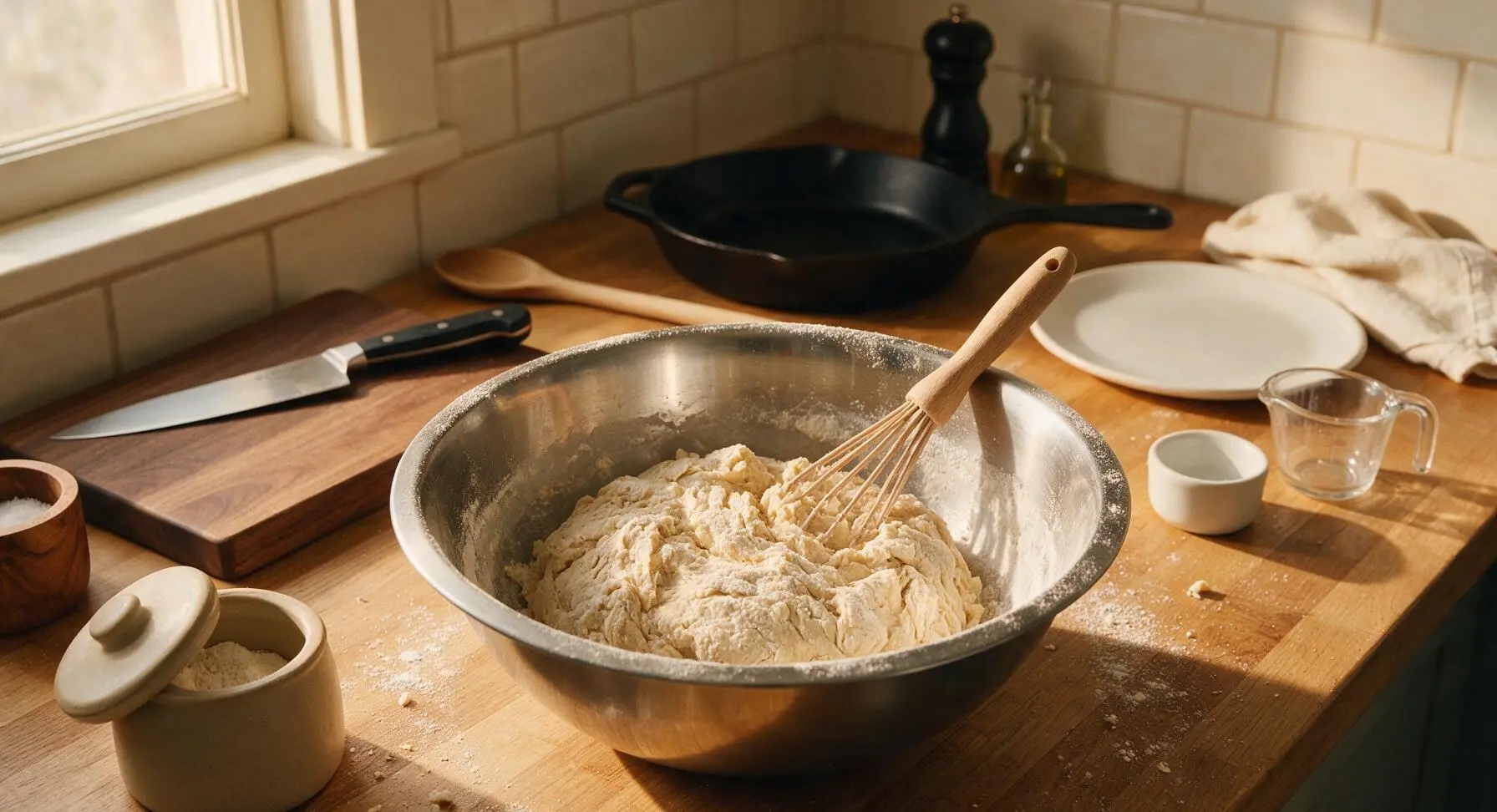
Add 1 room-temperature large egg and 1 tsp fine sea salt to the foamy yeast mixture, whisking gently to combine with the beech wood dough whisk. Gradually add 480g all-purpose flour, 1 cup at a time, stirring thoroughly after each addition, until a shaggy, slightly sticky dough forms that pulls away from the bowl sides, with no dry flour pockets remaining. Do not overmix at this stage.
Step 2
step2:Mix the Dough
3

Knead and First Rise

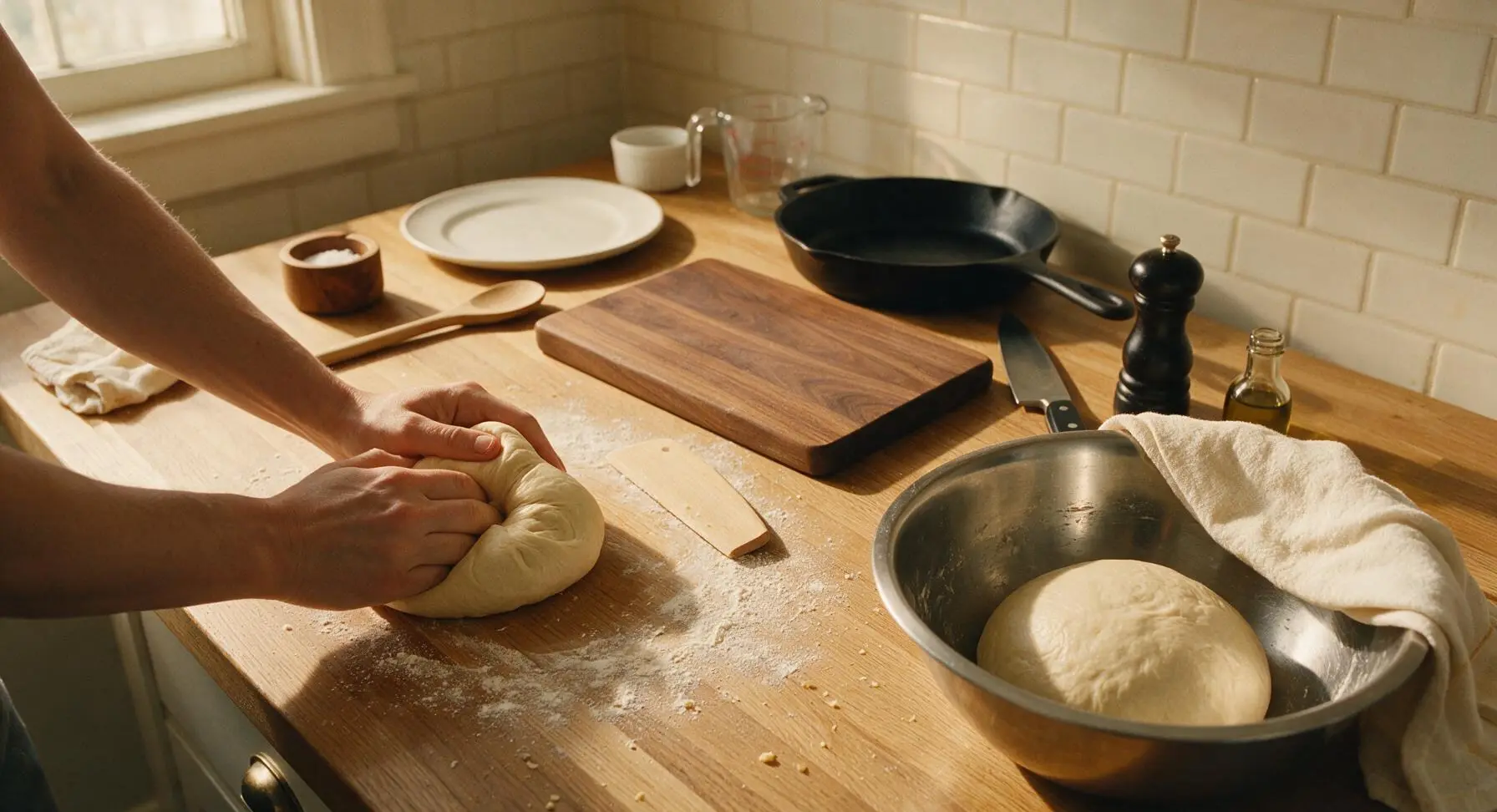
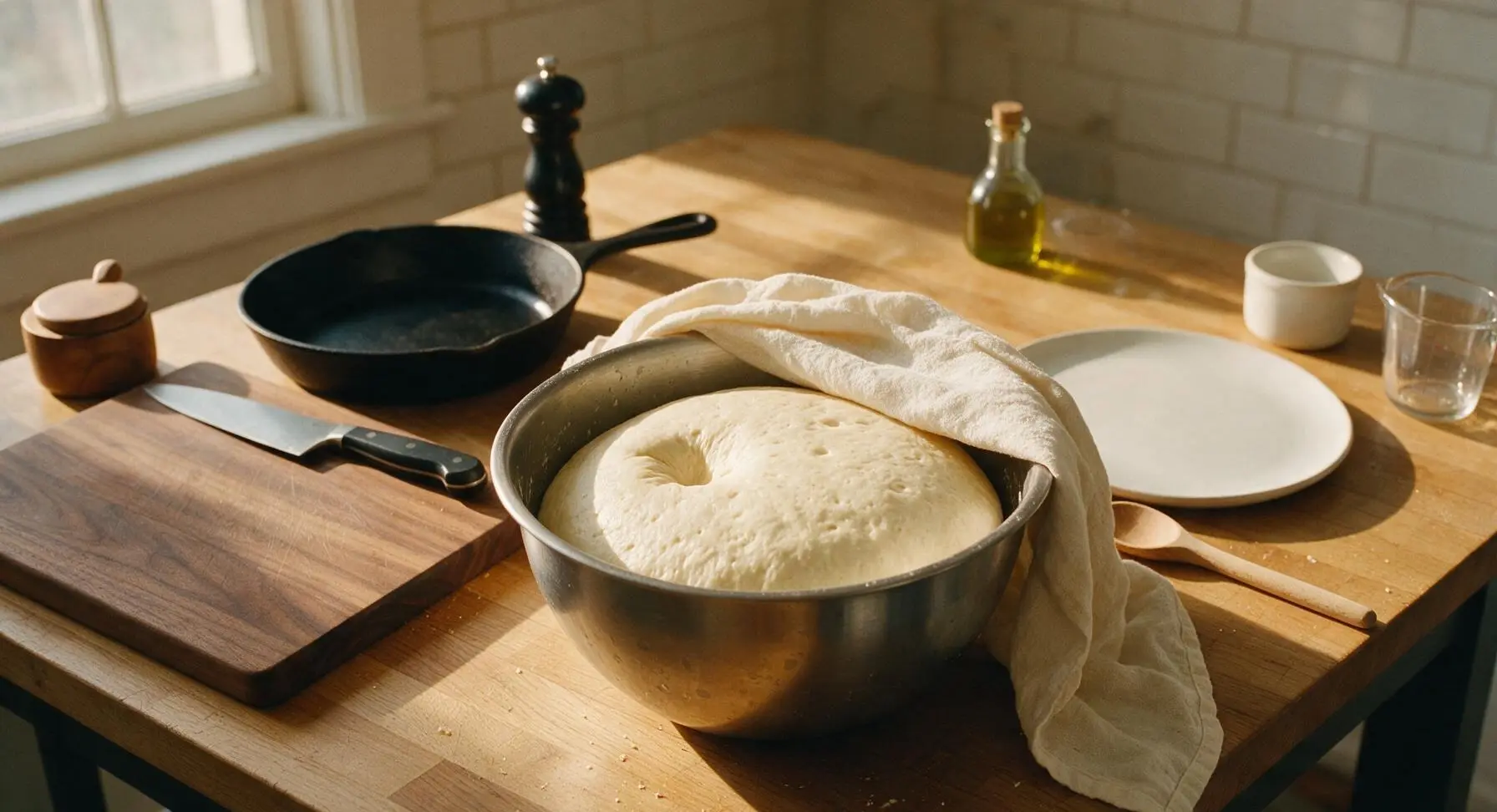
Turn the shaggy dough out onto a lightly floured section of the counter. Knead by hand for 8–10 minutes, folding the dough over itself and pushing forward with the heels of your hands, until the dough is smooth, elastic, and springs back slowly when poked with a finger. Form the dough into a tight ball, place it back into the lightly greased 5-quart mixing bowl, drape the cream linen towel from the top right corner over the bowl, and let rise in a warm, draft-free spot for 1–1.5 hours until doubled in volume.
Step 3
step3:Knead and First Rise
Step 3
step3:Knead and First Rise
4

Roll and Cut Rounds

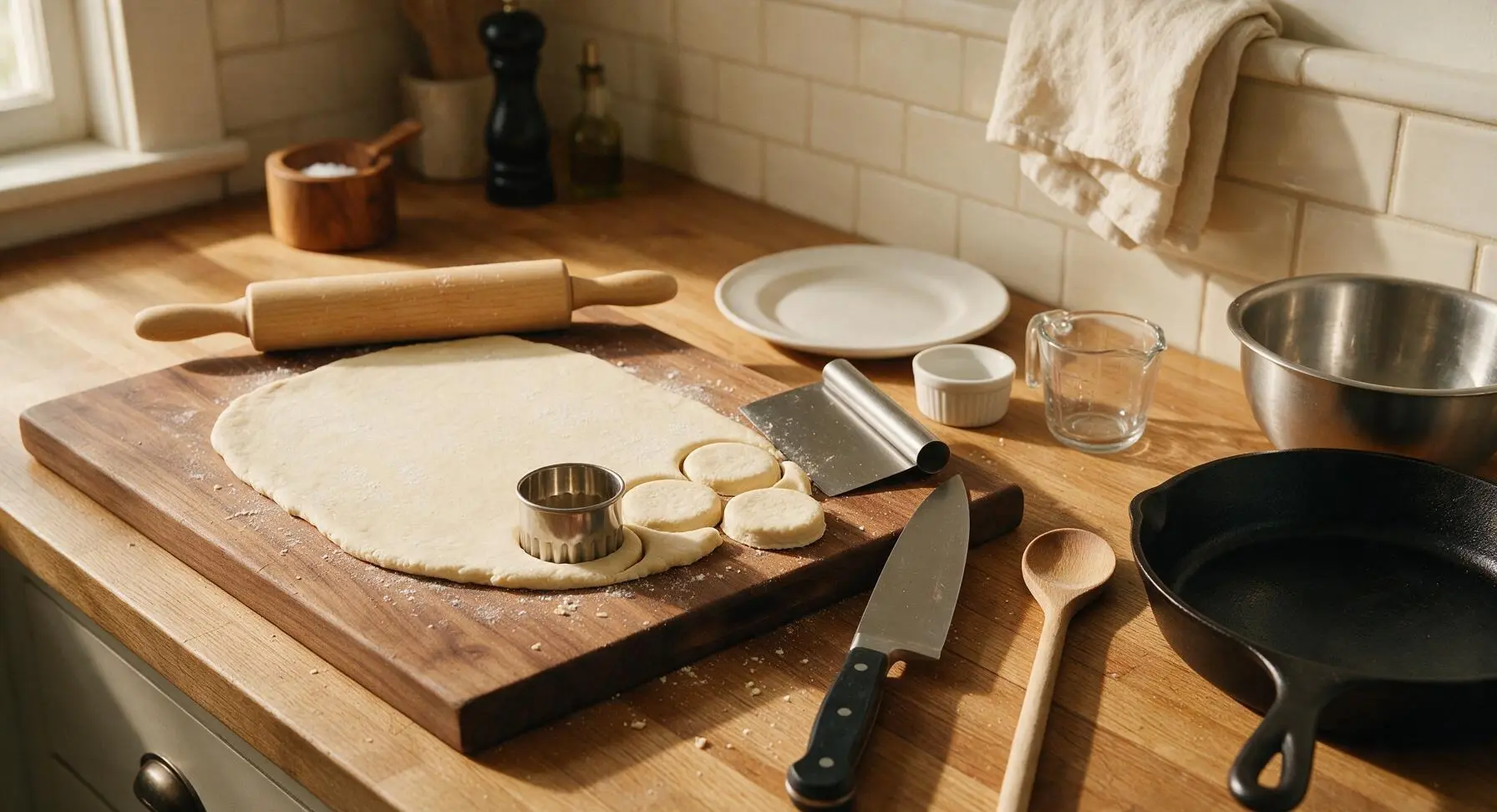
Punch the risen dough firmly in the center to release all trapped air, then turn it out onto the lightly floured counter. Use the light maple wood French rolling pin to roll the dough into an even 1/2-inch thick rectangle. Use the 3-inch fluted stainless steel biscuit cutter to cut straight down through the dough (do not twist the cutter, as this seals edges and inhibits rising) to make 12 even round dough pieces. Gather scraps once, re-roll gently, and cut remaining rounds.
Step 4
step4:Roll and Cut Rounds
5

Shape the Rolls

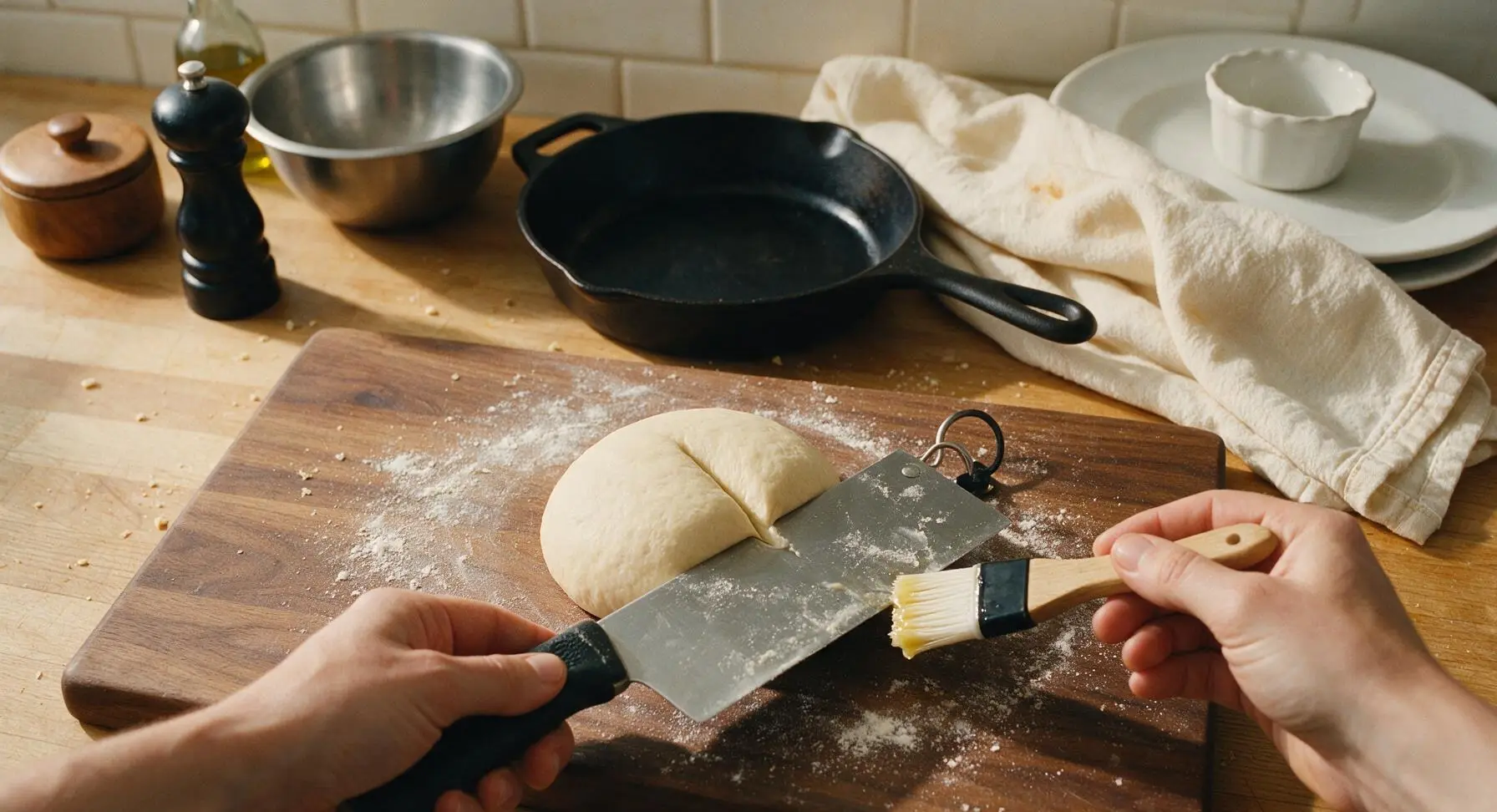
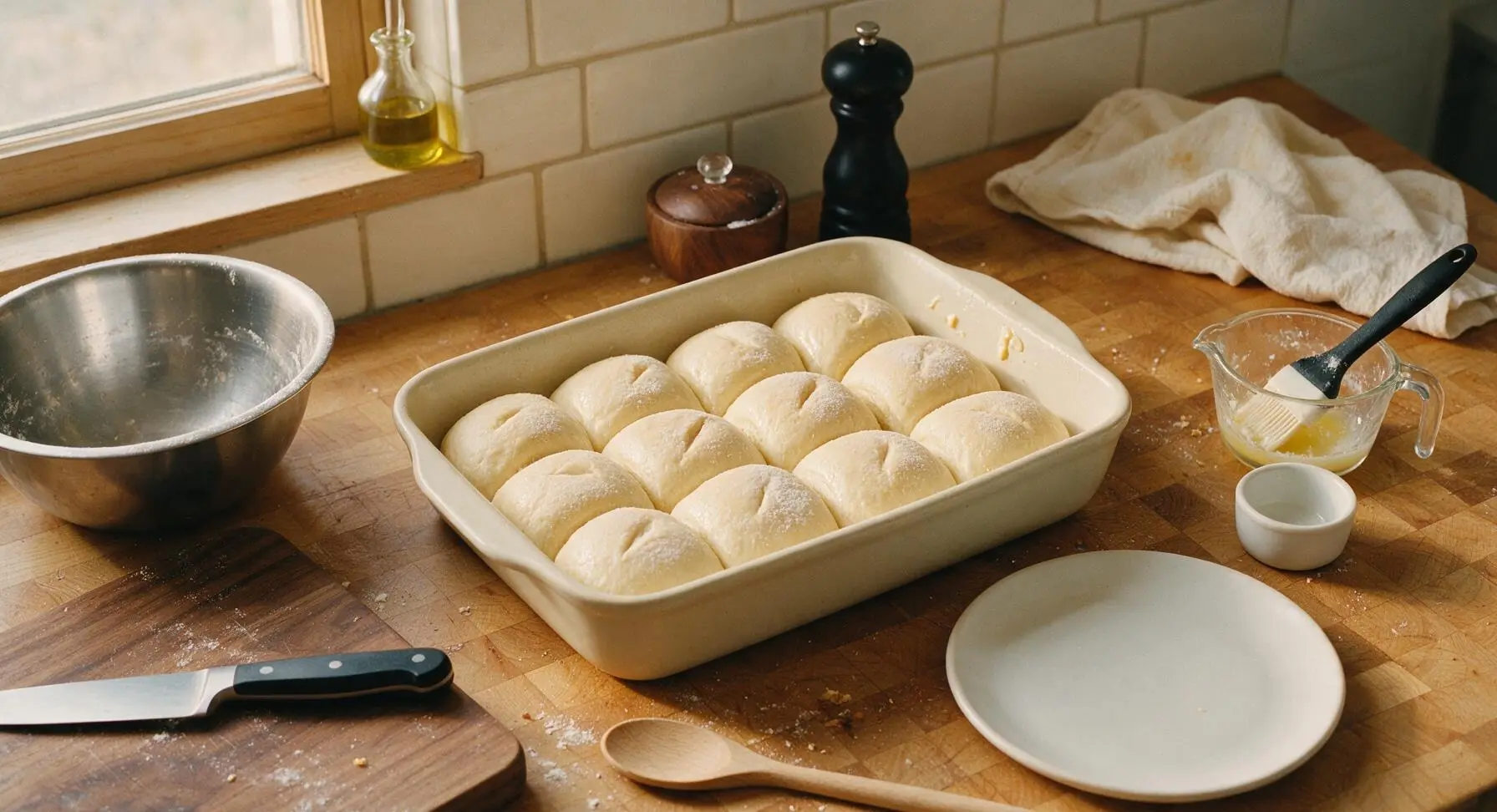
Take each cut dough round, use the thin edge of the bench scraper to press a shallow off-center crease across each round (1/3 of the way from one edge, not cutting all the way through). Brush the crease and dough surface lightly with melted butter from the 1-cup glass measuring cup, using the silicone pastry brush. Fold the smaller edge of the dough over the larger edge along the crease, pressing gently to seal the fold into the classic Parker House half-moon shape.
Step 5
step5:Shape the Rolls
Step 5
step5:Shape the Rolls
6

Second Rise and Preheat

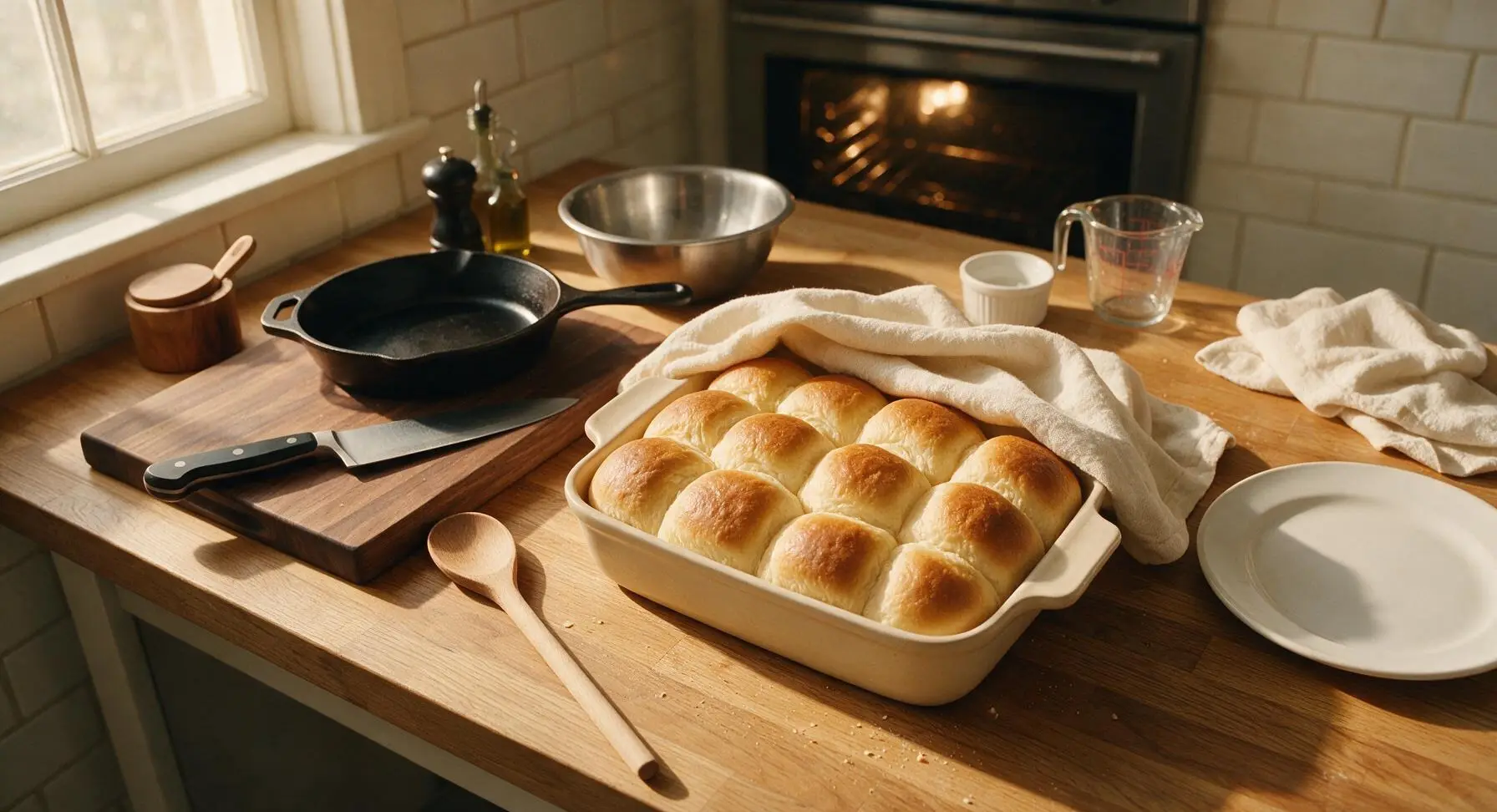
Cover the baking dish of shaped rolls loosely with the cream linen towel, and let rise in a warm draft-free spot for 30–45 minutes, until the rolls are puffed up and pressing against each other, with no visible gaps between them. While the rolls rise, preheat the oven to 375°F (190°C), with an oven rack positioned in the center.
Step 6
step6:Second Rise and Preheat
7

Bake to Golden Brown

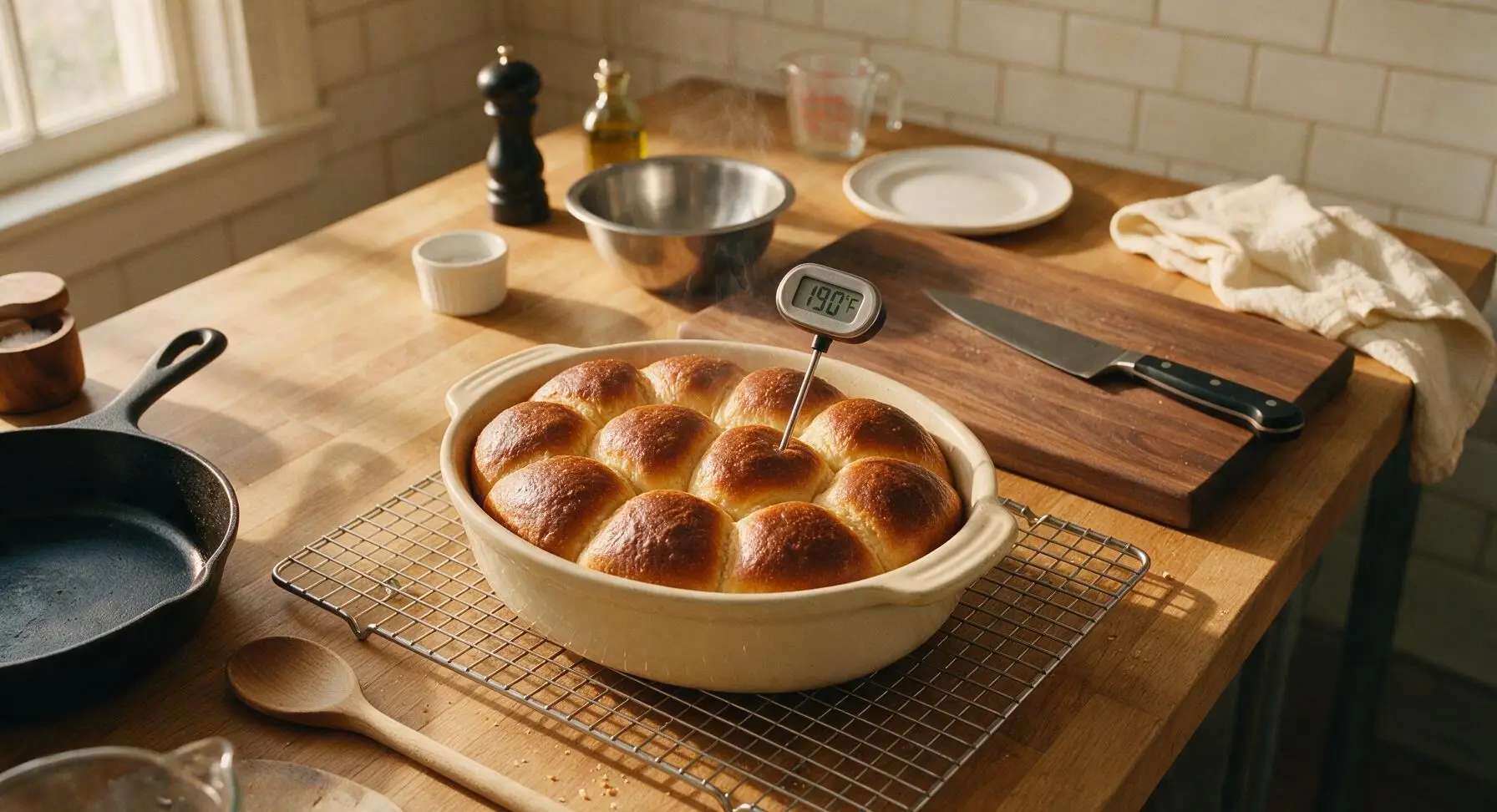
Remove the linen towel from the baking dish, place the dish on the center oven rack, and bake for 18–22 minutes, until the tops of the rolls are deep golden brown, and the internal temperature of the center roll reads 190°F (88°C) on the instant-read thermometer. Do not overbake, as this will dry out the soft, tender crumb.
Step 7
step7:Bake to Golden Brown
8

Butter and Serve

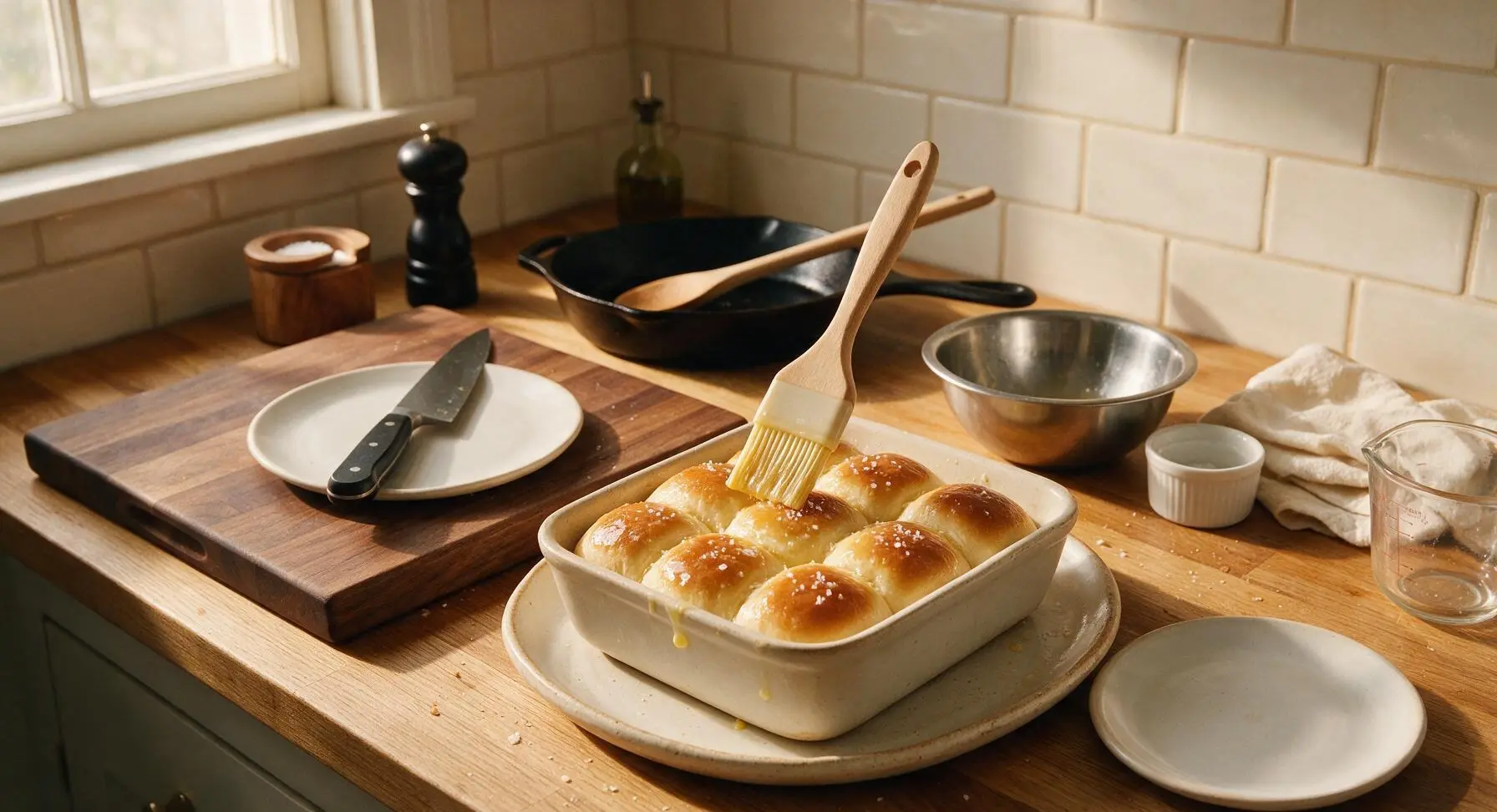
As soon as the rolls come out of the oven, use the silicone pastry brush to brush the tops generously with the remaining 28g (2 tbsp) melted unsalted butter, then sprinkle lightly with flaky sea salt. Let the rolls cool in the baking dish for 5 minutes, then transfer them to the hand-thrown cream ceramic serving platter to serve warm.
Step 8
step8:Butter and Serve

Tips

1.Never twist the biscuit cutter when cutting dough rounds: twisting pinches the dough edges tightly shut, which prevents the rolls from rising evenly in the oven and leads to lopsided, dense results. Press straight down firmly and lift the cutter straight up for the tallest, fluffiest rolls.
2.Always verify your milk-butter mixture is between 105–110°F before adding yeast: temperatures above 120°F will kill live yeast, leading to no rise and dense, heavy rolls, while temperatures below 100°F will slow yeast activation significantly, adding unnecessary rise time.
3.Brush rolls with melted butter immediately after pulling them from the oven: the hot roll surface quickly absorbs the butter, creating a rich, flavorful, soft crust, rather than letting butter pool on the surface and make rolls soggy if applied after they cool.
✨ You May Also Like

Side Dishes
🍜 India

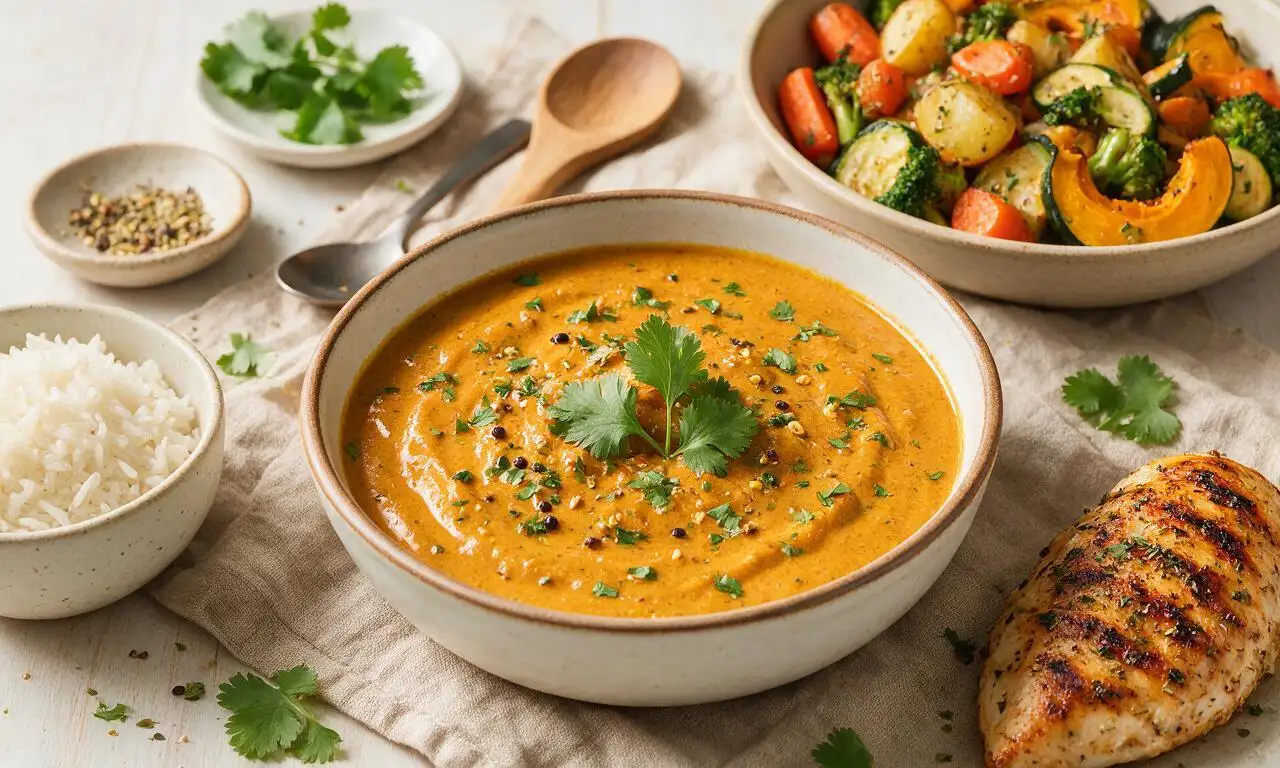
Velvety, aromatic all-purpose curry sauce perfect for tossing with roasted veggies, grilled protein, or rice for fast, cozy, flavorful meals.

⏱️ 25 minuteSide Dishes ★ 4.8
Side Dishes
🍜 Spain

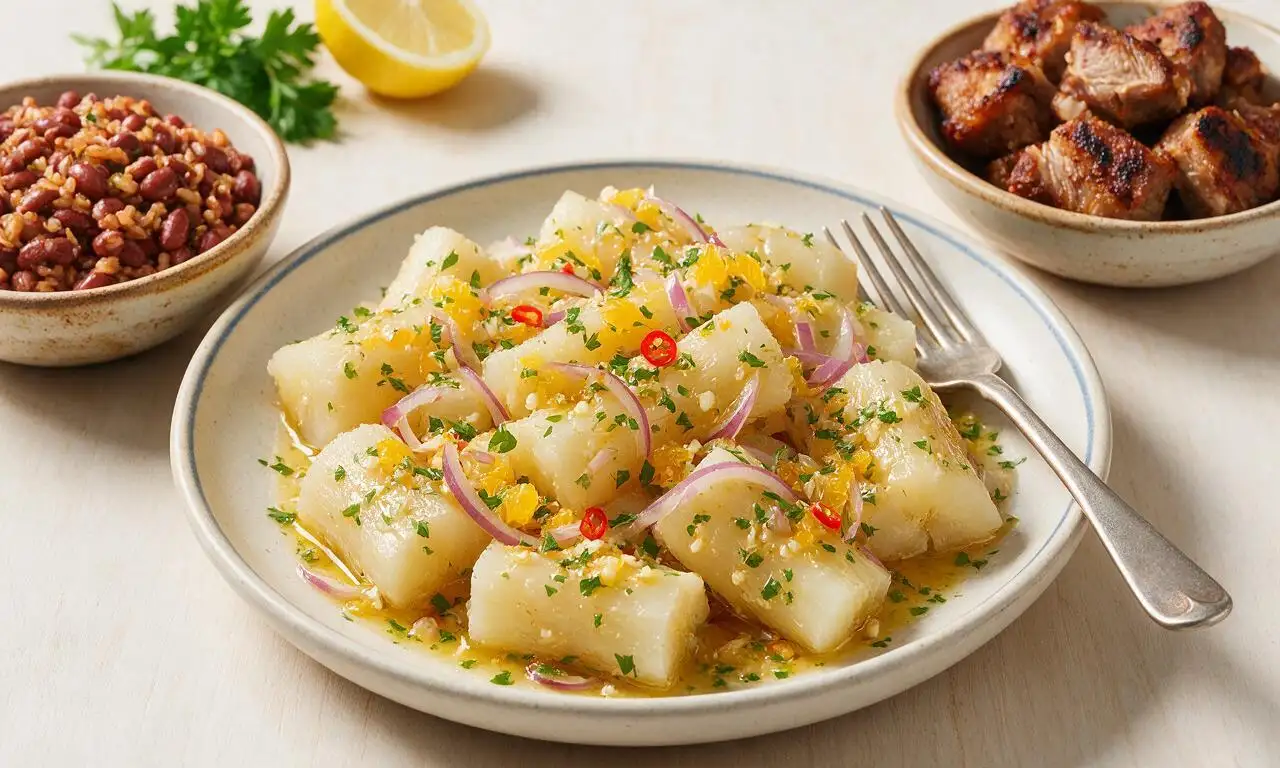
Tender, starchy boiled yuca tossed in bright, garlicky citrus mojo sauce—an iconic, zesty side that pairs beautifully with roasted pork, grilled meats, and rice and beans.

⏱️ 40 minuteSide Dishes ★ 5
Side Dishes
🍜 United States

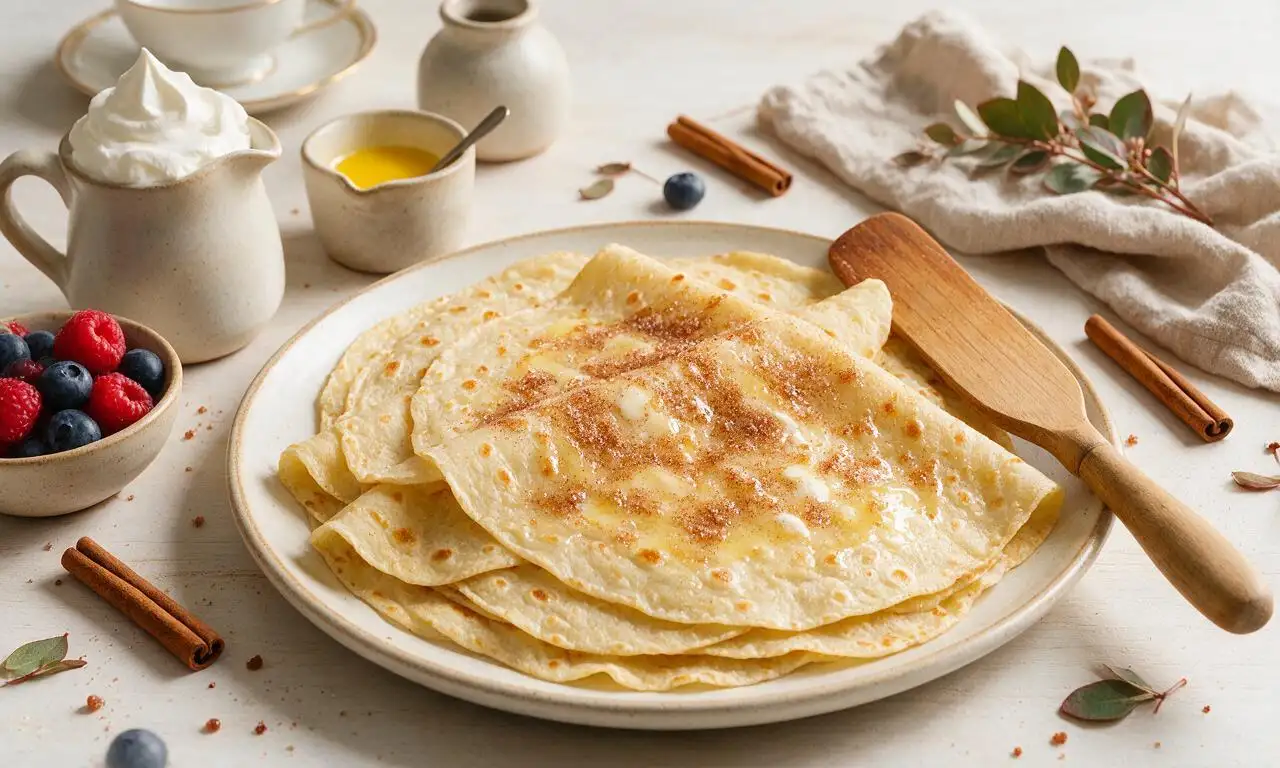
Tender, paper-thin potato flatbread, a beloved Norwegian-American Minnesota Christmas staple, griddled until softly spotted and served warm with butter.

⏱️ 1 hour 30Side Dishes ★ 4.6
Side Dishes
🍜 United States

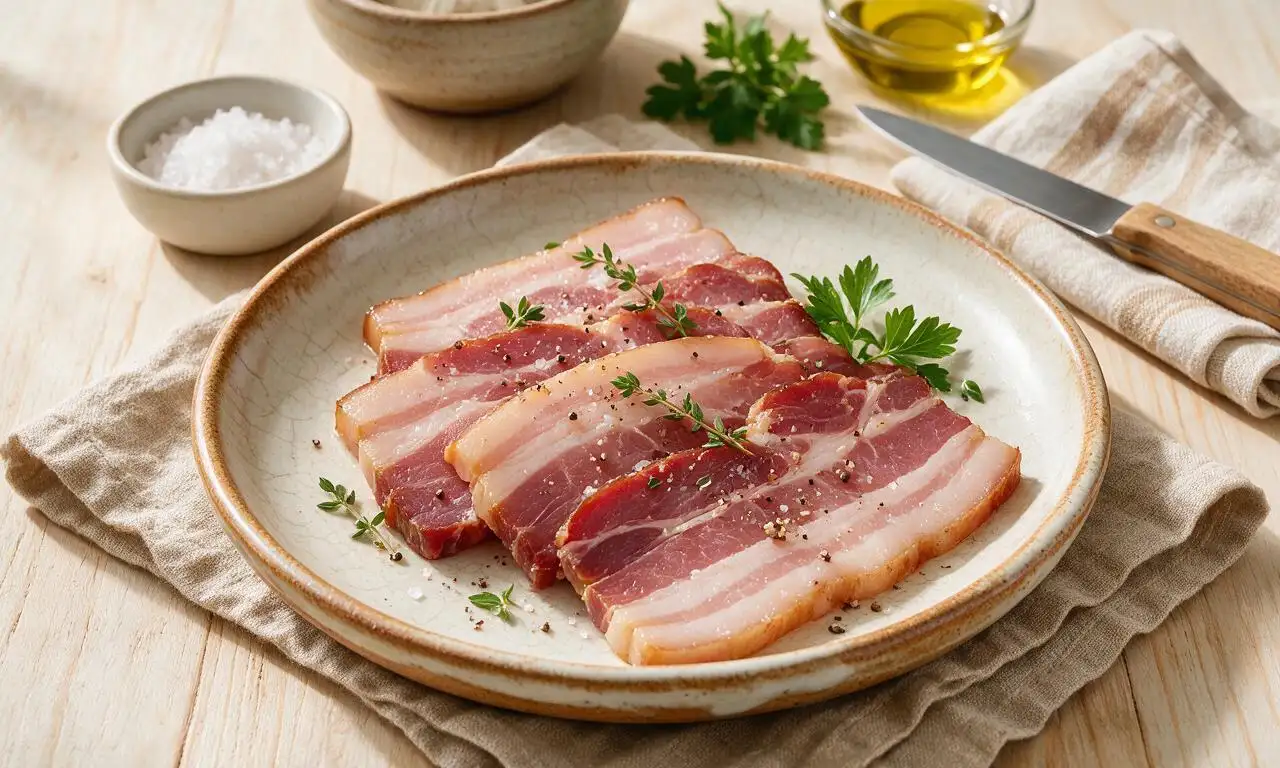
Rich, deeply savory cured salt pork, a long-lasting kitchen staple perfect for frying crispy as a side or adding umami to stews, beans, and chowders.

⏱️ 7 days (2Side Dishes ★ 4.9
Side Dishes
🍜 United States

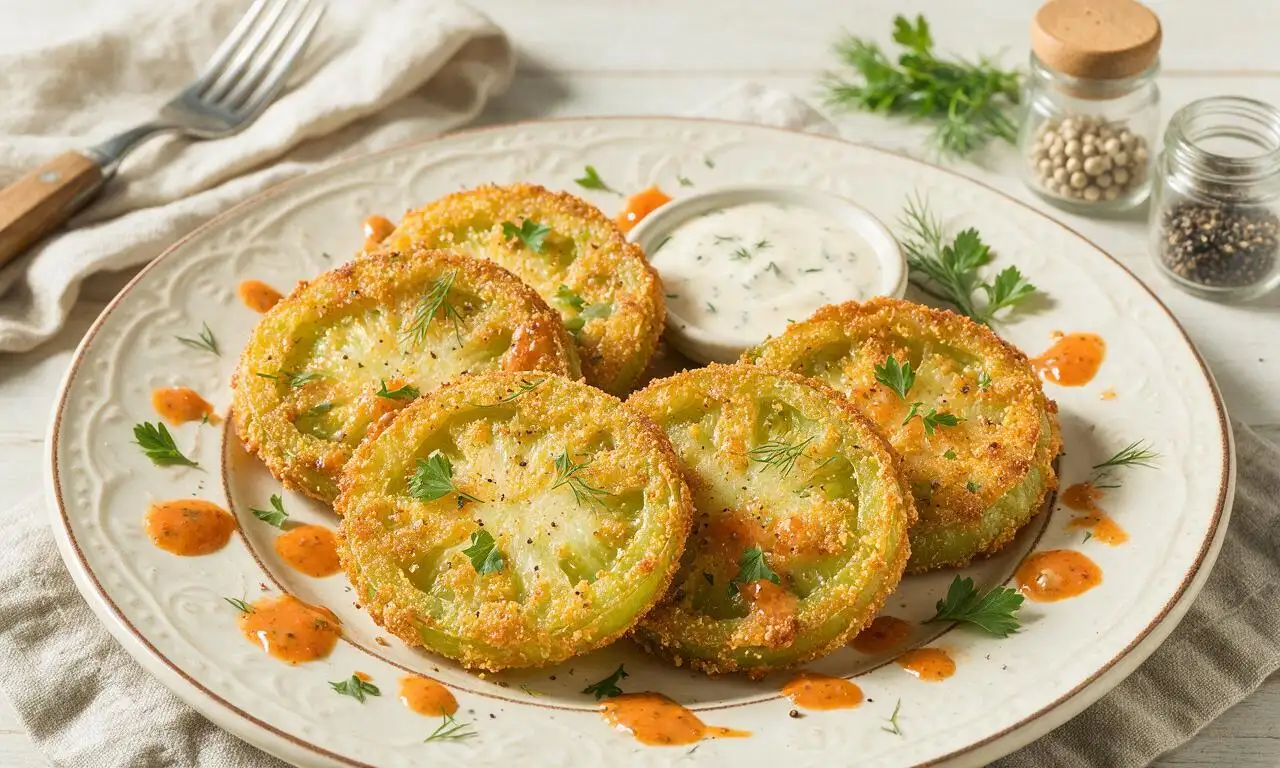
Crispy, tangy classic Southern fried green tomatoes with a crunchy cornmeal crust, served hot for a nostalgic, comforting summery bite.

⏱️ 25 minuteSide Dishes ★ 4.9
Side Dishes
🍜 United States

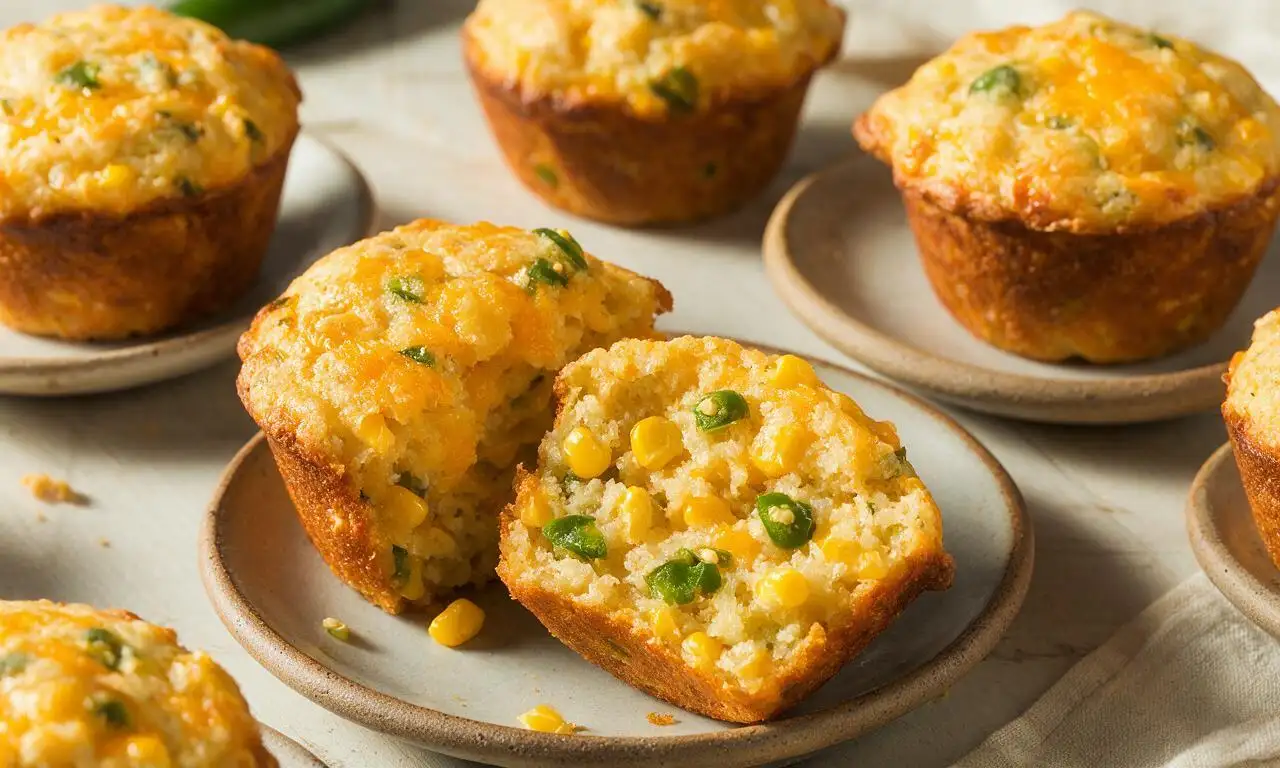
Moist, golden-crusted savory muffins with sweet corn, zesty jalapeño, and melted cheddar, perfect for pairing with smoky summer grilled fare.

⏱️ 30 minuteSide Dishes ★ 4.9

Buttery Parker House Rolls:Frequently Asked Questions

1.What makes Parker House Rolls different from regular dinner rolls? ▾
Unlike standard round dinner rolls, Parker House Rolls have a signature folded half-moon shape with a thin layer of melted butter brushed between dough layers before baking. That butter layer creates their iconic pull-apart, cloud-like crumb, subtle buttery pocket, and slightly crisp golden top that makes them a beloved New England holiday staple.
2.Can I make these rolls ahead of time for a holiday meal? ▾
Absolutely! You have two easy make-ahead options: shape the rolls, let them do a slow second rise in the fridge for up to 24 hours, then bake straight from the fridge (add 2-3 minutes to bake time) the day of, or bake fully, cool completely, freeze for up to 1 month, and reheat wrapped in foil at 350°F for 10 minutes before serving.
3.My active dry yeast didn’t foam when I tried to activate it—what went wrong? ▾
That almost always means your yeast is expired and dead, or the milk you used was too hot (over 110°F, which kills yeast) or too cold (under 95°F, which won’t wake it up). Always test yeast by stirring it into warm milk with a pinch of sugar first; if it doesn’t foam after 5-7 minutes, toss it and start with fresh yeast.
4.Do I have to use whole milk, or can I substitute lower-fat milk? ▾
Whole milk gives these rolls their rich, tender crumb and subtle dairy sweetness, so it’s my top pick. If you only have 2% or skim on hand, you can use it, but add 1 extra tablespoon of melted unsalted butter per cup of lower-fat milk to replace missing fat, otherwise your rolls will be slightly less soft and rich.
5.Why do my rolls turn out dense instead of light and pillowy? ▾
Dense rolls almost always trace back to under-kneading (you need enough gluten development to trap yeast gas), insufficient rise time (dough should double fully both rises), or adding too much flour, which weighs dough down. Only add enough extra flour to keep dough from sticking tightly to your work surface.
6.What’s the right way to get that classic folded Parker House shape? ▾
After the first rise, punch dough down and roll it to ¼-inch thickness, then cut 3-inch circles. Brush the center of each circle with melted butter, press a firm indent across the middle with the dull side of a knife, fold in half so the top edge slightly overlaps the bottom, and pinch gently to seal before the second rise.
7.How much butter should I use on the rolls before and after baking? ▾
Brush 1 tablespoon of melted, cooled unsalted butter on dough circles before folding, then another 2 tablespoons over shaped roll tops right before baking. As soon as you pull the golden baked rolls out of the oven, brush the remaining 2 tablespoons of melted butter over the hot crust for that glossy, rich finish.
8.Can I use instant yeast instead of active dry yeast for this recipe? ▾
Yes, you can easily swap in instant yeast at a 1:0.75 ratio—so for every 1 teaspoon of active dry yeast called for, use ¾ teaspoon of instant yeast. You don’t need to activate instant yeast in warm milk first; just mix it straight into dry ingredients, and cut first rise time by about 15 minutes.
9.How do I know when the rolls are done baking so they don’t dry out? ▾
Rolls are perfectly done when tops are an even deep golden brown, and internal temperature hits 190°F on an instant-read thermometer inserted into the center of a middle roll. If tops brown too fast before the interior cooks through, tent the pan loosely with foil for the last 5 minutes to prevent burning.
10.Can I mix and knead this dough in a stand mixer instead of by hand? ▾
Absolutely, a stand mixer cuts down on hands-on time significantly. Use the dough hook attachment, mix on low speed to combine ingredients first, then knead on medium-low speed for 6-8 minutes, until the dough pulls cleanly away from bowl sides and feels smooth and elastic when poked.
11.Why did my rolls lose their folded shape while rising? ▾
That usually happens if you didn’t press the folded seam firmly enough to seal it before the second rise, or if you let rolls over-rise so much that the top half’s weight pops the fold open. Pinch the curved edge of each folded roll gently to stick it to the bottom half, and don’t let them rise more than 1 inch above the pan rim.
12.Do I need a special pan to bake these Parker House Rolls? ▾
No special pan is required! A standard 9x13-inch metal baking pan works perfectly for pull-apart rolls, as close contact between each shaped roll helps them rise up tall and soft instead of spreading out. Just grease the pan well with butter or nonstick spray so rolls don’t stick to sides or bottom.
13.Can I add mix-ins like garlic, herbs, or cheese to these rolls? ▾
You can absolutely customize these buttery rolls! Stir 1 teaspoon of garlic powder and 2 tablespoons of chopped fresh parsley into the melted butter for garlic-herb rolls, or tuck 1 tablespoon of shredded sharp cheddar inside each fold before sealing for cheesy rolls—just don’t overstuff them or folds will pop open.
14.How long should the first rise take, and what’s the best spot for it? ▾
The first rise is done when dough has doubled in size, which usually takes 1 to 1.5 hours in a warm, draft-free spot around 75°F. If your kitchen is cold, let dough rise inside your turned-off oven with the light on, which creates a perfect 75-80°F environment for consistent, even rising.
15.My rolls stuck to the pan last time I made them—how do I prevent that? ▾
To avoid stuck rolls, always grease your baking pan thoroughly with softened unsalted butter, making sure to get into corners and up the sides, instead of relying only on nonstick spray. For extra insurance, line the pan bottom with a parchment strip that hangs over long edges, so you can lift the whole batch out in one piece.
16.Can I use bread flour instead of all-purpose flour for these rolls? ▾
You can swap in bread flour, but it will give rolls a slightly chewier, more structured crumb instead of the ultra-soft, pillowy texture classic Parker House Rolls are known for. If you use bread flour, cut back by 2 tablespoons per cup of flour called for, since bread flour absorbs more liquid and can make dough too stiff.
17.How should I store leftover baked rolls to keep them soft? ▾
Let leftover rolls cool completely to room temperature first, then store them in an airtight container or sealed zip-top bag at room temperature for up to 3 days. Don’t store them in the fridge, as cold dry air makes them go stale much faster. To refresh, wrap a roll in a damp paper towel and microwave for 10-15 seconds until warm.

Comments (17)

2 days ago

OMG these rolls were the absolute star of our Sunday family dinner! My kids fought over the last buttery bite, they’re so soft and fluffy, just like the ones my grandma used to make for holiday meals. I’m already planning to double the batch for our Thanksgiving spread this year.

3 days ago

Brought these to my neighborhood block party potluck last weekend and people were asking for the recipe before I even set the platter down! SO good, the little folded butter pocket makes all the difference. No dry, boring dinner rolls here!

1 week ago

Tried these for meal prep to go with soups and stews all week and they held up perfectly! I popped them in the microwave for 10 seconds before eating and they tasted just as fresh as day one. Only knock is my kitchen was a little cold so the first rise took way longer than I anticipated, but otherwise game changer for quick weeknight sides.

5 days ago

These are chef’s kiss. The flaky salt on top? *Chef’s kiss.* I’ve tried so many Parker House roll recipes over the years and this one is easily the most consistent, no dense weird lumps, every roll came out perfectly golden.

yesterday

Made these to go with my fried chicken dinner last night and wow, the butter soak is unreal. I did add a tiny bit of garlic powder to the melted butter for brushing and it was chef’s choice. Highly recommend that little tweak!

5 minutes ago

Help! I followed the recipe exactly but my rolls came out super dense, not fluffy at all. Did I over-knead the dough? I’m so sad because they smell incredible, I really wanted these to turn out for my partner’s birthday dinner.

just now

So sorry they came out dense, Luna! The most common culprit is not letting the dough rise long enough — it needs to double in size during both rises, even if that takes extra time if your kitchen is on the cooler side! Also make sure your yeast is fresh and not expired, that can cause poor rise too. Give it another try, I promise they’ll be fluffy next time!

2 weeks ago

My picky 7 year old who refuses to eat any bread besides plain white sandwich bread ate THREE of these rolls at dinner last night. I’m in shock. I didn’t even get a photo before the whole pan was gone.

1 week ago

Same here! My 6 year old asked if we can have these every single night with dinner. Never thought a dinner roll would be the most requested item in our meal rotation lol

30 minutes ago

These look amazing! Has anyone tried making these with plant-based butter to make them dairy free? My son has a milk allergy and I’ve been hunting for a good roll recipe we can all eat for holidays.

5 minutes ago

Great question, Sam! I’ve tested this with a high-quality vegan butter (not the spreadable kind in the tub, the stick version) and it works perfectly! Just make sure it’s melted to the same temp as regular butter so it doesn’t shock the yeast, and you’ll get the same soft, buttery result.

just now

Made a double batch for my work potluck today and every single roll was gone in 10 minutes. People kept asking if I bought them from a fancy bakery! I will say I let them rise an extra 20 minutes because my office break room is freezing while I was setting up, and that worked out great.

just now

Pro tip: I bring a little heating pad set to low to set my dough on when I’m baking somewhere cold, it cuts the rise time so much! Glad they were a hit, these are always my go-to potluck pick too.

2 hours ago

These rolls were so good when I made them last month! Can I freeze them after baking? I want to make a big batch ahead of time for Christmas dinner so I don’t have to bake the day of when I’m already juggling 100 other dishes.

30 minutes ago

Absolutely! Let the rolls cool completely after baking, then wrap them tightly in plastic wrap and foil and freeze for up to 3 months. Thaw them in the fridge overnight, then brush with a little extra melted butter and warm in the oven for 5 minutes before serving and they’ll taste fresh baked!

1 week ago

I swapped the regular melted butter for honey butter when brushing the tops and oh my gosh, that little hint of sweet takes these over the top. 10/10, will be doing that every time from now on.

5 days ago

I did that too last time I made them! It pairs so perfectly with the salty butter in the fold, I’m never going back to plain butter on top.

2 days ago

The difficulty says medium and y’all weren’t kidding lol. I messed up the first fold on half the rolls but even the wonky ones tasted incredible. My roommate said they’re better than the ones we get at our favorite steakhouse.

yesterday

So glad they still tasted great even with the wonky folds! The shaping gets easier every time you make them, I promise — I’ve made these hundreds of times and I still get a couple lumpy looking rolls per batch, they all taste the same in the end!

2 weeks ago

These rolls are non-negotiable for every holiday dinner at my house now. I’ve made them for Easter, Fourth of July, and my son’s graduation party this summer, and I get nonstop requests for the recipe every single time. Total game changer.

1 week ago

I’ve been making Parker House rolls for 40 years and this recipe is better than my old one. The extra butter in the fold is such a simple trick but it makes such a huge difference in moisture.

5 days ago

Wow, that’s such high praise coming from someone who’s been making these for decades, Bob! So happy you both love the recipe — that butter fold trick is my favorite part too, it keeps every bite rich instead of dry.

3 days ago

These are a family favorite! Has anyone made the dough the night before and let it do the second rise in the fridge? I want to make these for Thanksgiving but my oven is going to be occupied with turkey and sides all day, so prepping ahead is a must.

2 days ago

I did this last year! I shaped the rolls, put them in the baking pan, covered them tight, and stuck them in the fridge overnight. I took them out 2 hours before baking to let them come up to temp and rise a little more, and they turned out perfect.

2 days ago

Joe’s method is exactly what I recommend for make-ahead prep! The cold slow rise actually develops even more flavor, so you might even like them better than same-day rolls. Just make sure they’re puffy before popping them in the oven, and you’re good to go.

2 days ago

Wait a second, I accidentally brushed way too much butter on top before baking and it pooled all over the bottom of my pan and I was convinced I ruined them… but they came out crispy on the bottom and extra buttery, it was actually a happy accident? Is that weird?

yesterday

That’s not weird at all, that sounds amazing! I intentionally put a little extra butter in the bottom of the pan now because I love those crispy buttery edges, you stumbled on the best hack.

2 hours ago

Oh thank god I’m not the only one who did that! I thought I messed up so bad but my family fought over the crispy edge pieces, I thought I was going crazy.

5 days ago

I tried swapping half the all purpose flour for whole wheat flour to make these a little heartier to go with chili, and they still came out so soft! I was worried they’d be dense like other whole wheat rolls I’ve made, but no, they were perfect.

3 days ago

Love that swap! I recommend adding an extra tablespoon of melted butter when doing a partial whole wheat swap to keep them extra tender, since whole wheat flour absorbs more moisture — sounds like you nailed it even without that tip!

2 days ago

Thanks for sharing this idea! I made these last night with half whole wheat to go with my turkey chili and it was the perfect pairing, way better than cornbread for once.

5 days ago

Wait, y’all, I made these a little smaller than the recipe says and used them for pulled pork sliders for game day and it was the best decision I made all weekend. The buttery roll holds up to the saucy pork without getting soggy, 10/10 game day food.

3 days ago

OH that’s genius! I was trying to figure out what to make for our watch party this weekend and these sliders are going on the menu. Do you just make them 2/3 the size the recipe says?

2 days ago

Yep! I divided the dough into 24 pieces instead of 16, baked them for 15 minutes instead of 20, and they were the perfect slider size. No sogginess at all, even with extra BBQ sauce!