Cappuccino

Cappuccino
⏱️ cook time 10 minutes
🍽️ servings 2
⚡ Difficulty medium

intro

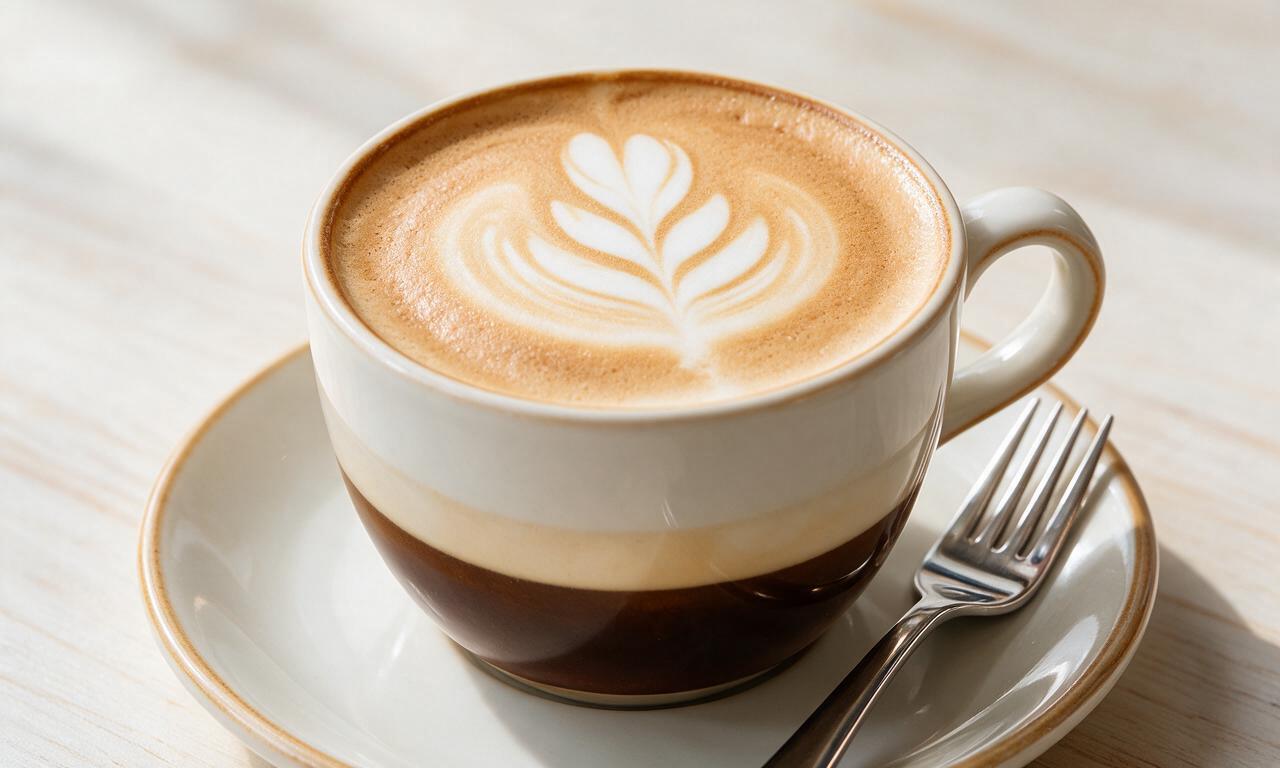
Cafe-style classic Italian cappuccino with bold espresso, silky steamed milk, and thick airy microfoam, made easily at home for a cozy, indulgent pick-me-up.

Ingredients

Espresso roast whole coffee beans 36 grams
Cold whole milk 180 ml (3/4 cup)
Unsweetened cocoa powder (optional garnish) 1 teaspoon

Steps

1

Preheat serving cups

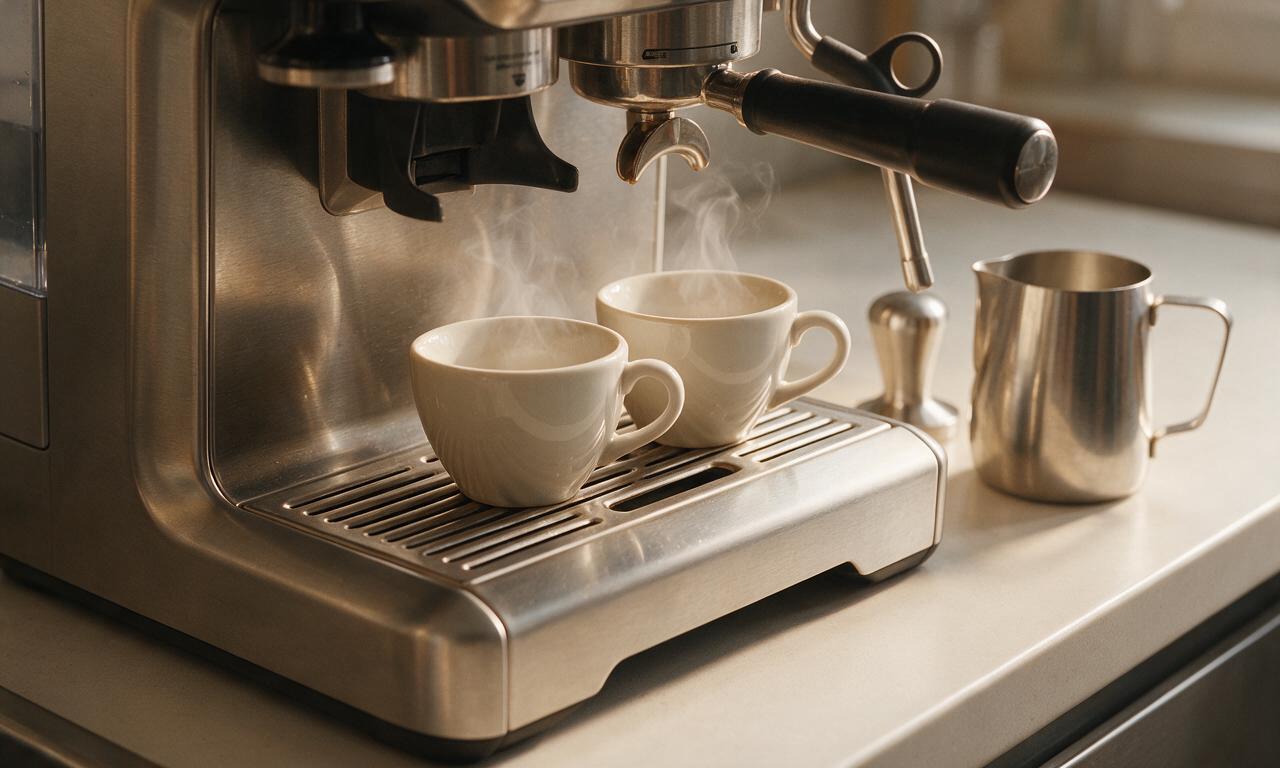
First, place two 180ml (6oz) ceramic cappuccino cups on your espresso machine’s cup warmer tray, or fill each with boiling water and let sit for 2 minutes to preheat. Cold cups will quickly cool your finished drink below the ideal serving temperature of 65°C (150°F). Discard any warming water right before pulling espresso shots.
Step 1
step1:Preheat serving cups
2

Grind and tamp coffee

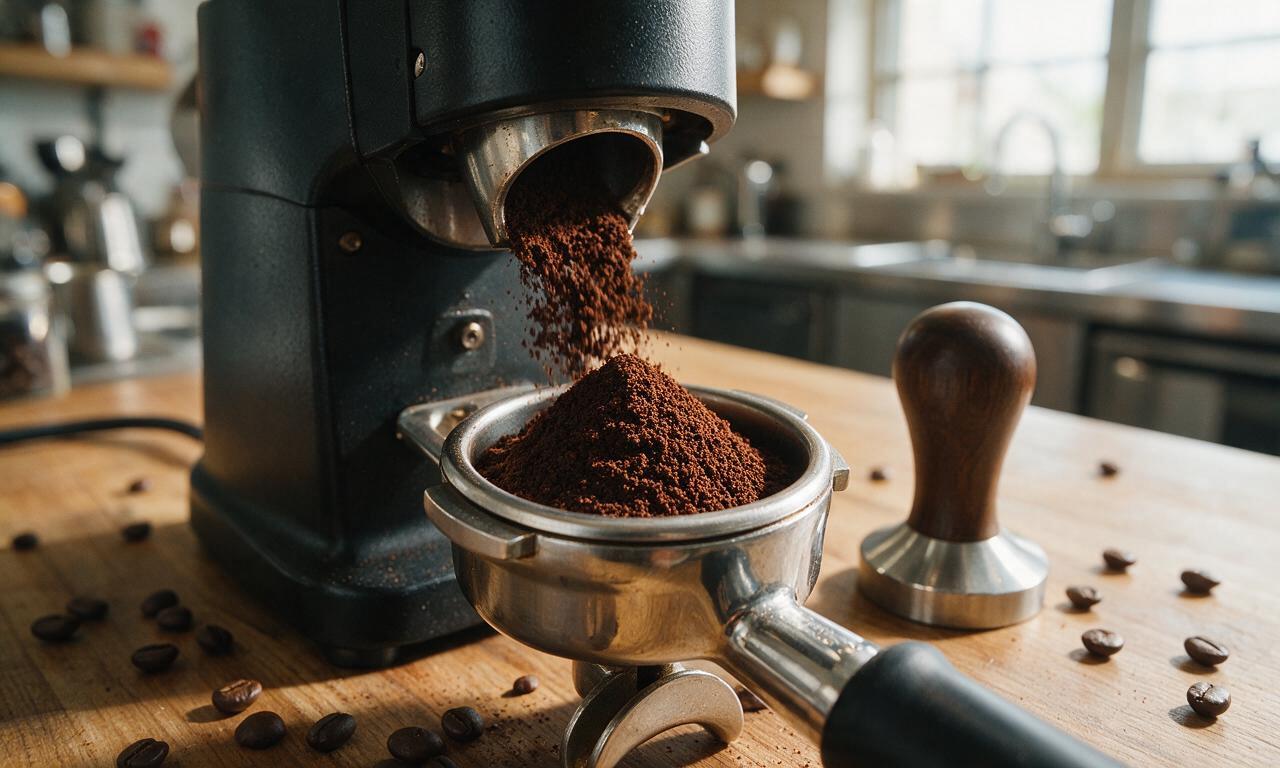
Measure 36 grams of espresso roast whole beans, and grind them to a fine, table-salt consistency using a burr grinder. Split the ground coffee evenly between two portafilter baskets (18 grams per basket), then tamp the grounds firmly with 30 pounds of even pressure to create a level, compact puck for consistent extraction.
Step 2
step2:Grind and tamp coffee
3

Pull espresso shots

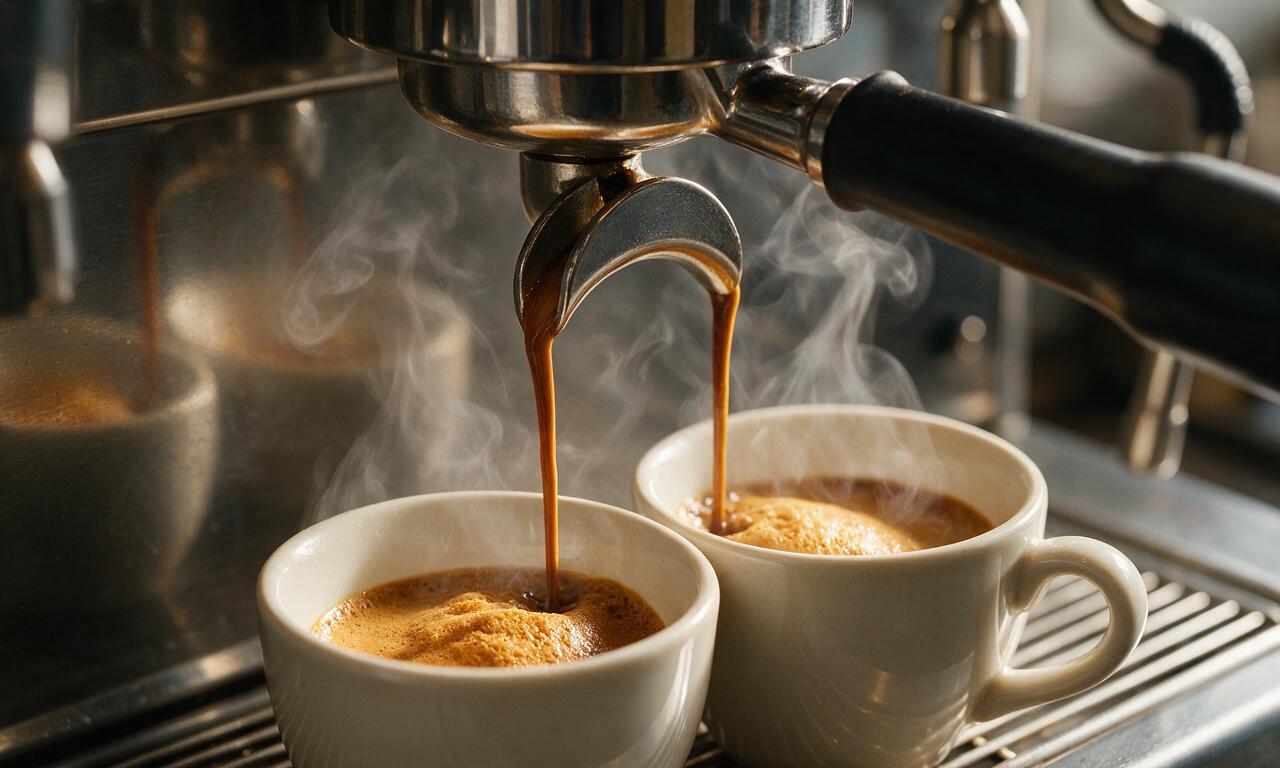
Lock the portafilters into your espresso machine group head, place the preheated cups underneath, and start the extraction. Pull 60ml (2oz by volume, including crema) of espresso per cup over 25-30 seconds, using the machine’s standard 9 bar of pump pressure. The finished espresso should have a thick, golden-brown crema layer on top. Set the cups with espresso aside once pulled.
Step 3
step3:Pull espresso shots
4

Steam milk for microfoam

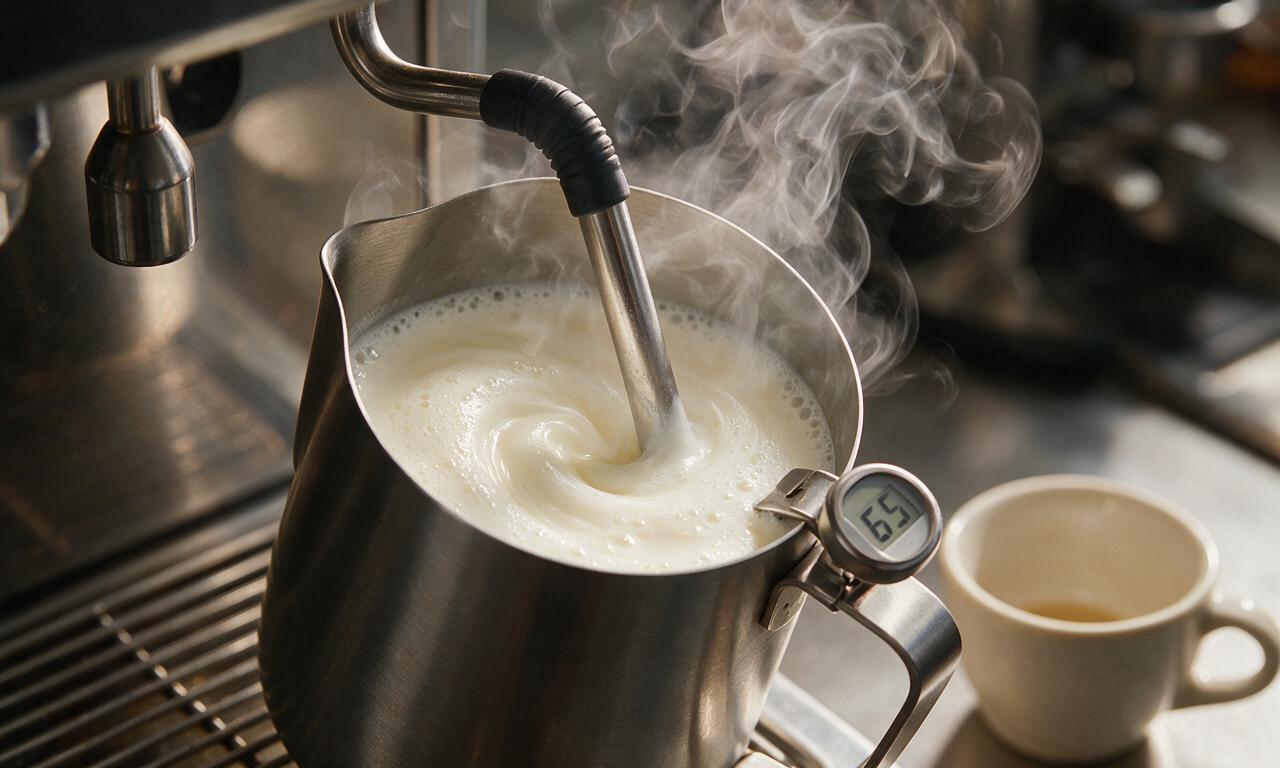
Pour 180ml of cold whole milk into a 500ml stainless steel steaming pitcher. Purge the espresso machine steam wand for 2 seconds to remove condensed water, then submerge the wand tip 1cm below the milk surface, positioned off-center in the pitcher. Turn the steam to full power, stretch the milk by introducing small, quiet air bubbles for 5-6 seconds until the milk volume doubles (to 360ml total, creating equal parts liquid milk and dense foam), then sink the wand deeper to heat the milk to 65°C (150°F), turning off steam before the milk exceeds 70°C (160°F) to avoid scalding.
Step 4
step4:Steam milk for microfoam
5

Polish steamed milk

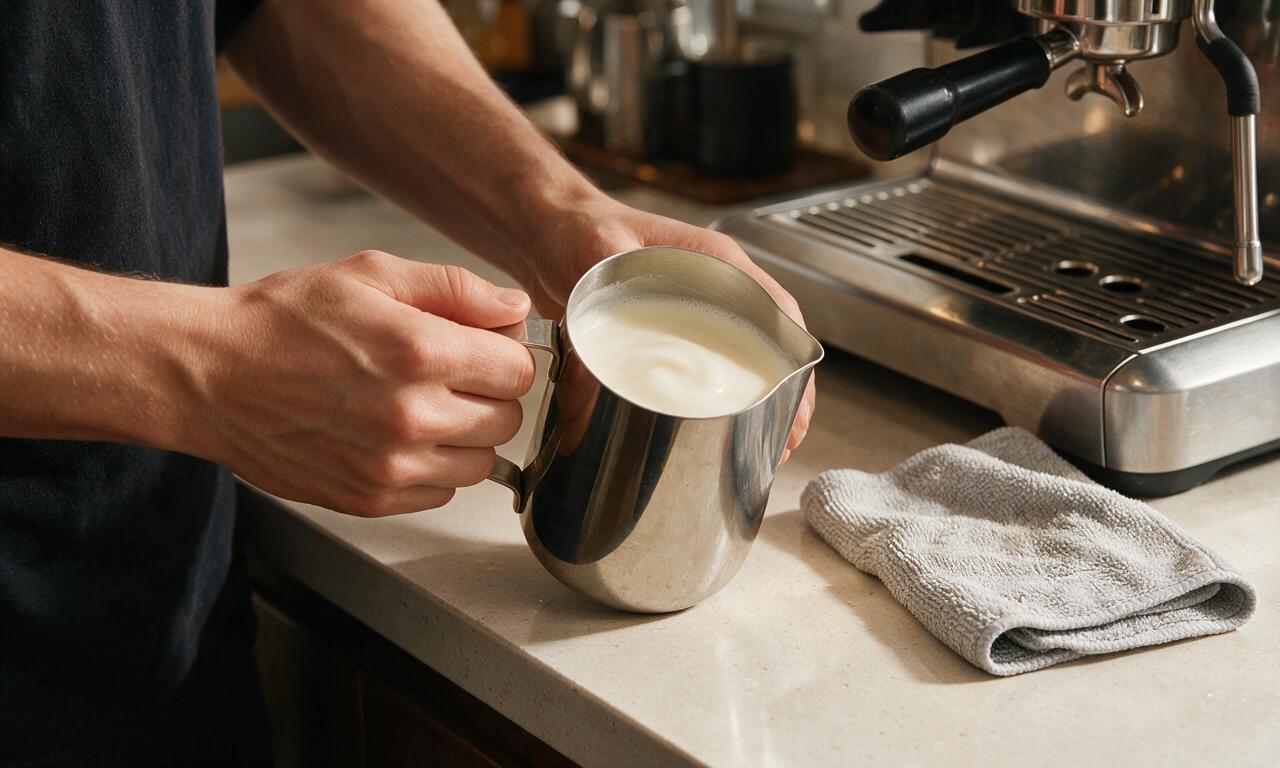
Turn off the steam wand, wipe it clean with a damp cloth, and purge it again for 2 seconds to clear milk residue. Firmly tap the bottom of the milk pitcher on the countertop 3-4 times to pop any large, visible bubbles, then swirl the pitcher in a smooth circular motion for 10-15 seconds until the milk has a glossy, wet-paint consistency with no visible separation between liquid milk and foam.
Step 5
step5:Polish steamed milk
6

Assemble cappuccino layers

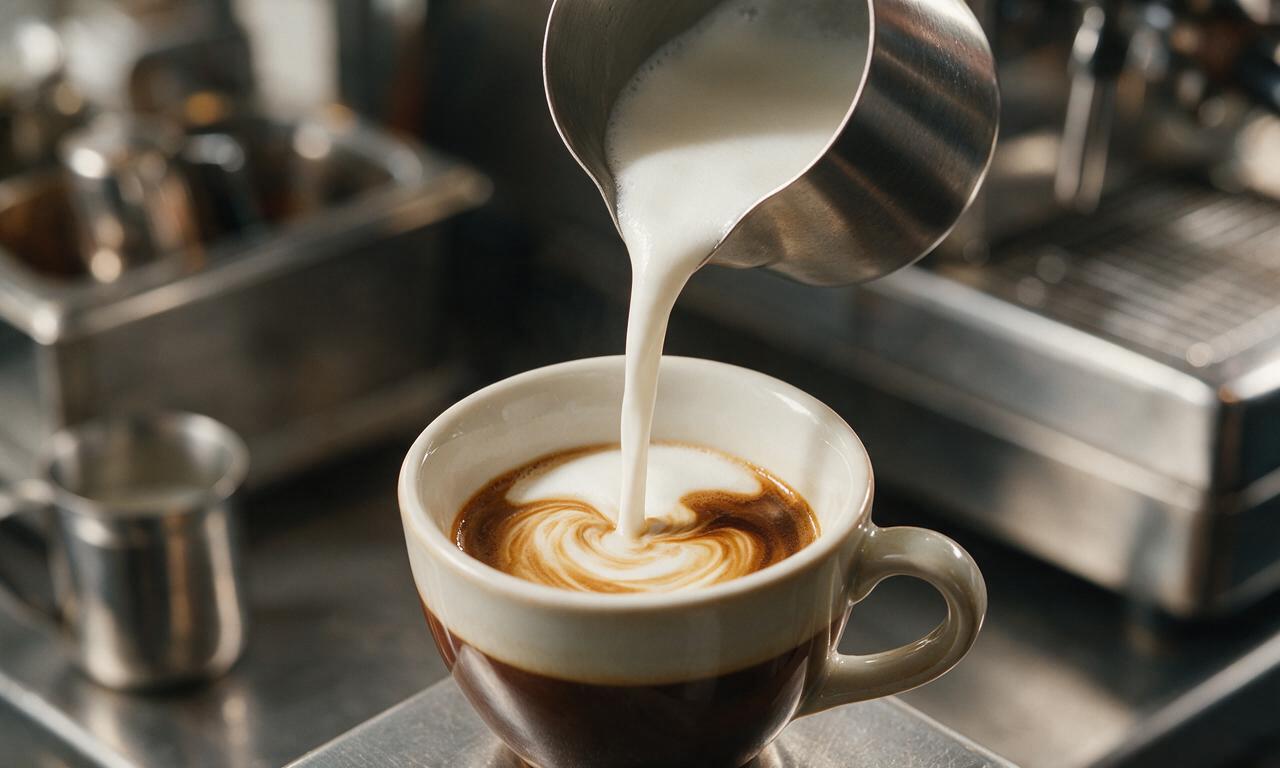
Hold the milk pitcher 10cm above the first espresso cup, pour a steady stream of liquid steamed milk directly into the center of the espresso to mix the milk and crema, holding back foam with a spoon if needed initially. When the cup is 2/3 full (120ml total, equal parts espresso and liquid milk), lower the pitcher to 1cm above the surface, pour slowly to layer the thick foam on top, filling the cup to the 180ml rim with a 1cm thick foam cap. Repeat with the second cup.
Step 6
step6:Assemble cappuccino layers
7

Garnish and serve

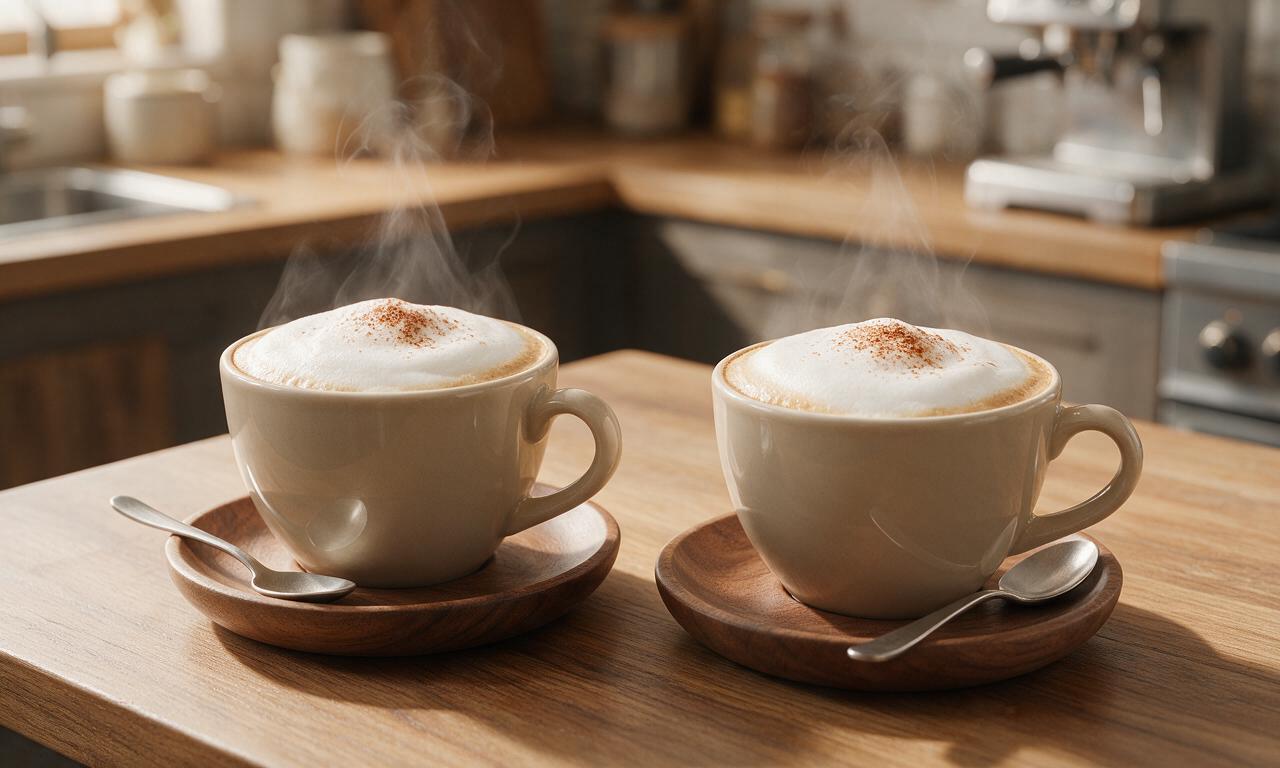
If desired, sprinkle a light 1/2 teaspoon of unsweetened cocoa powder evenly over the foam cap of each cappuccino. Serve immediately, while the drink is at 60-65°C (140-150°F), to enjoy the optimal balance of bold espresso, creamy milk, and light, airy foam before the foam breaks down and separates.
Step 7
step7:Garnish and serve

Tips

1.Use only cold, fresh whole milk for the silkiest microfoam; reduced-fat, plant-based, or pre-warmed milks produce thinner, less stable foam and a less creamy, balanced final flavor.
2.Avoid heating milk above 70°C (160°F) during steaming; higher temperatures scald milk proteins, creating a bitter, burnt taste and destroying the naturally sweet, creamy notes that balance bold, acidic espresso.
3.If you do not own a home espresso machine, brew strong concentrated coffee with a stovetop moka pot, heat milk to 65°C over medium-low stovetop heat, and froth it by rapidly pumping a French press plunger for 20 seconds to create similar foam.

✨ You May Also Like

Drinks & Beverages
🍜 Mexico

A bright, balanced tequila-based cocktail with zesty fresh lime, smooth orange liqueur, and a signature salt rim, perfect for warm summer sipping.

⏱️ 5 minutesDrinks & Beverages ★ 4.7
Drinks & Beverages
🍜 United States

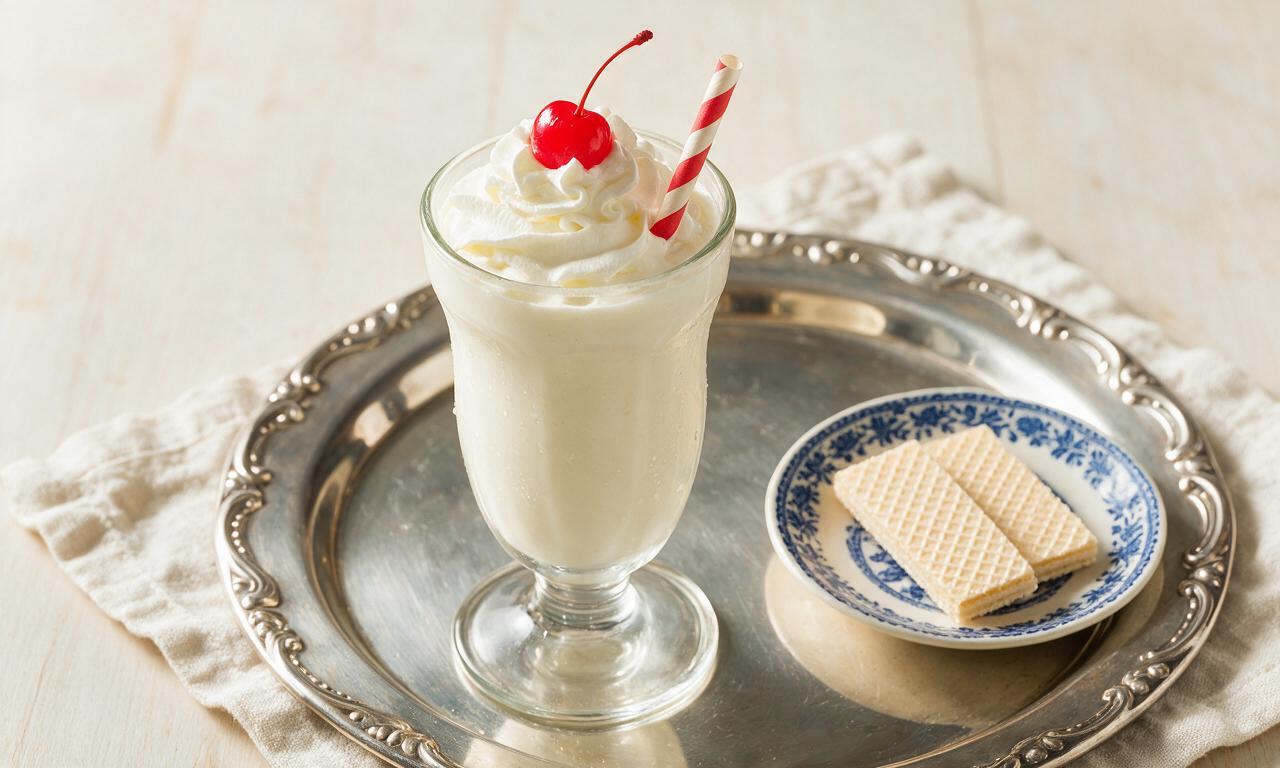
Thick, creamy, nostalgic classic vanilla milkshake with a rich, smooth texture, topped with whipped cream and a cherry for cool, sweet refreshment.

⏱️ 5 minutesDrinks & Beverages ★ 4.6
Drinks & Beverages
🍜 United States

A bright, golden strong ale with fruity banana-clove notes, subtle hop spice, and soft carbonation, brewed in classic Trappist Tripel tradition.

⏱️ 2 hours aDrinks & Beverages ★ 4.7
Drinks & Beverages
🍜 United States

A frothy, nostalgic American soda fountain treat pairing bubbly cold root beer with creamy vanilla ice cream, perfect for cooling down at warm weather gatherings.

⏱️ 20 minuteDrinks & Beverages ★ 4.9
Drinks & Beverages
🍜 United States

Tart, funky, effervescent American Wild Ale is a complex fruity craft beer brewed with wild yeast, delivering bright, zesty notes perfect for warm-weather sipping.

⏱️ 2 hours aDrinks & Beverages ★ 4.5
Drinks & Beverages
🍜 United States

Bright, bubbly copycat of the iconic American caramel cola, balanced with citrus and warm spice, perfect for sipping ice-cold on hot days.

⏱️ 15 minuteDrinks & Beverages ★ 4.8

Cappuccino:Frequently Asked Questions

1.What’s the authentic espresso to milk ratio for a classic Italian cappuccino?
Authentic Italian cappuccino follows a simple 1:1:1 ratio: 1 part (2 oz) double espresso, 1 part silky steamed milk, and 1 part thick, airy microfoam for a total 6 oz serving. Skip loading it up with extra milk—this keeps the bold, roasty espresso flavor front and center, instead of creating a weak, milky drink that tastes more like a latte.
2.Can I use pre-ground coffee instead of whole espresso roast beans?
You can, but freshly ground beans ground right before pulling your espresso make a massive flavor difference. Pre-ground coffee stales quickly, losing the bright, nutty, bold notes that define great espresso. If you do use pre-ground, pick a fine espresso grind, use it within 2 weeks of opening, and store it in an airtight container away from heat and light.
3.Why does my steamed milk come out with big, soapy bubbles instead of smooth microfoam?
Big, popping bubbles happen when you inject too much air into milk too early, or hold the steam wand too high above the milk surface. Start with cold whole milk in a cold metal pitcher, submerge the wand tip just below the surface for 2-3 seconds to stretch milk to 1.5x its volume, then sink the wand deeper to heat, tapping the pitcher to pop remaining large bubbles when done.
4.Do I have to use whole milk, or can I use skim or plant-based milks instead?
Whole milk is the traditional choice because its 3.25%+ fat content creates the creamiest, most stable microfoam with a naturally sweet, rich flavor that pairs perfectly with bold espresso. You can use skim, oat, or barista-blend plant milks, but they produce thinner, less velvety foam, and many plant milks curdle if overheated, so keep temps under 150°F for those.
5.Can I make a cappuccino at home if I don’t have a full espresso machine?
You can get very close! Use a Moka pot to brew strong, concentrated coffee—it won’t have true espresso crema, but it has the bold intensity you need. Steam and froth milk by heating it gently on the stovetop, then frothing with a handheld battery frother, French press, or tightly lidded mason jar shaken hard for 30 seconds. Skip regular drip coffee, it’s far too weak.
6.How hot should I heat my milk to avoid scalding it?
Aim for a final milk temperature of 150–155°F for the best texture and flavor. If you don’t have a thermometer, that’s the point where your metal milk pitcher is too hot to hold comfortably with your bare hand for more than 2 seconds. Heating milk above 160°F scalds it, creating a burnt, bitter taste that ruins sweet milk flavor and breaks down delicate microfoam.
7.Is the optional unsweetened cocoa powder garnish actually traditional?
A light dusting of unsweetened cocoa powder is a common, classic garnish in many Italian cafes, adding a subtle rich chocolate note that cuts through the drink’s creaminess. It’s totally optional, though! Traditional swaps include a light dusting of ground cinnamon, finely grated dark chocolate, or a pinch of orange zest—just skip heavy syrups or whipped cream for an authentic drink.
8.Why is my espresso coming out too sour or too bitter?
Sour espresso usually means your grind is too coarse, your water is too cool, or you pulled the shot too fast—aim for a 25–30 second pull for a 2 oz double shot. Bitter espresso comes from too fine a grind, overheated water, or pulling shots longer than 35 seconds, which over-extracts harsh bitter compounds. Adjust your grind size incrementally until you get a balanced, rich shot.
9.Do I really need to preheat my mug before pouring my cappuccino?
Absolutely! Preheating your ceramic cappuccino cup is a small step that makes a huge difference in the final drink. Pouring hot espresso and steamed milk into a cold mug drops the drink temperature instantly, thinning the foam and muting bright espresso flavors. Just fill your mug with hot tap water for 30 seconds while you prep, then dump it right before pouring for a perfectly warm, long-lasting drink.
10.What’s the actual difference between a cappuccino, latte, and flat white?
The difference comes down to milk ratio and foam thickness! A classic cappuccino is equal parts espresso, steamed milk, and thick microfoam in a 6 oz serving. A latte is much milkier, with 1 part espresso to 3 parts steamed milk and a thin 1/4-inch foam layer in a 12–16 oz cup. A flat white has almost no visible thick foam, for an extra espresso-forward sip.
11.Can I make a big batch of cappuccinos ahead for a group?
Cappuccinos are best made fresh one or two at a time, because microfoam breaks down and separates from milk within 2–3 minutes of steaming, leaving a watery, bubbly mess if left to sit. If serving a group, pull espresso shots right before serving, steam milk in small 6–8 oz batches per two drinks, and pour immediately. Don’t hold steamed milk in a slow cooker, it will scald and separate.
12.Why isn’t there a thick golden crema on top of my espresso shots?
Thin or missing crema usually comes down to a few easy-to-fix issues: your beans are too old (use beans within 4 weeks of their roast date for the best crema), your grind size is off, or your machine isn’t reaching the required 9 bars of pressure or 195–205°F water temp. Make sure to tamp your grounds evenly with firm, consistent pressure in the portafilter too.
13.Should I stir my cappuccino after pouring, or drink it layered?
There’s no strict rule, but most Italian baristas recommend giving the cappuccino one gentle stir with a small spoon right after pouring to integrate the espresso, steamed milk, and microfoam into one uniform, creamy sip. Drinking it fully layered means you’ll get dry foam first, then plain milk, then bitter espresso at the bottom, with none of that signature balanced flavor in every sip.

Comments (4)

2 hours ago

OMG this recipe is a total game changer! I’ve been wasting so much money at my local coffee shop every morning, and this cappuccino tastes exactly like what the baristas make, if not better. My husband and two kids went crazy for it on Saturday morning when I tested it out for our weekend brunch — I even added a little cinnamon on top for extra coziness. Only thing I struggled with a little was getting the milk foam the right silky texture at first, any tips?

30 minutes ago

I had the same issue with the milk at first! Try using cold whole milk straight from the fridge and hold your frother or steam wand just below the surface for the first few seconds to get that perfect microfoam, it works every time for me now :)

5 minutes ago

So glad you and your family loved the recipe! Great tip from @SeattleHomeBarista too — cold whole milk is absolutely key for that velvety, smooth foam. If you don’t have an espresso machine with a steam wand, a cheap handheld milk frother works great too, just heat the milk to 150°F first before frothing to avoid scalding it!

2 days ago

SO good! I made this for our neighborhood potluck brunch last weekend and everyone was asking for the recipe. I was worried it would be too fussy for a crowd since the difficulty is listed as medium, but the 10 minute cook time meant I could whip up batches super quick between greeting guests. I skipped the fancy latte art and just dusted a little cocoa powder on top, no one cared at all, it was a total hit!

yesterday

That’s such a smart call making this for a potluck brunch! We love that it comes together so fast even when you’re making multiple servings. Cocoa powder dusting is such a classic, delicious touch — no fancy latte art required to make a perfect cappuccino :)

1 week ago

Total game changer for my morning routine! I meal prepped cold brew espresso shots for the week so I can pull this together in 2 minutes flat every weekday before work. The foam stays nice even when I’m rushing out the door, and it saves me like $6 a day stopping at the café by my office. Only reason I’m not giving it 5 stars is I wish it had a clearer note about what temperature to heat the milk to — I overheated it on my first try and it got that weird burnt taste. Once I figured that out though? Chef’s kiss, will be making this forever

5 days ago

Oh the cold brew prep trick is genius! I’ve been pulling fresh shots every morning and it adds so much time, I’m definitely stealing that for next week. Thanks for the heads up about overheating the milk too, I almost did that on my first go!

3 days ago

Wow, I can’t believe how easy this was to nail even as someone who’s never made fancy coffee drinks at home! I used oat milk instead of dairy because of my lactose intolerance, and it frothed up shockingly well for a plant based milk. I made this to go with my homemade chocolate chip biscotti when I hosted my book club earlier this week, and all the girls were raving. Will absolutely be adding this to my regular rotation!